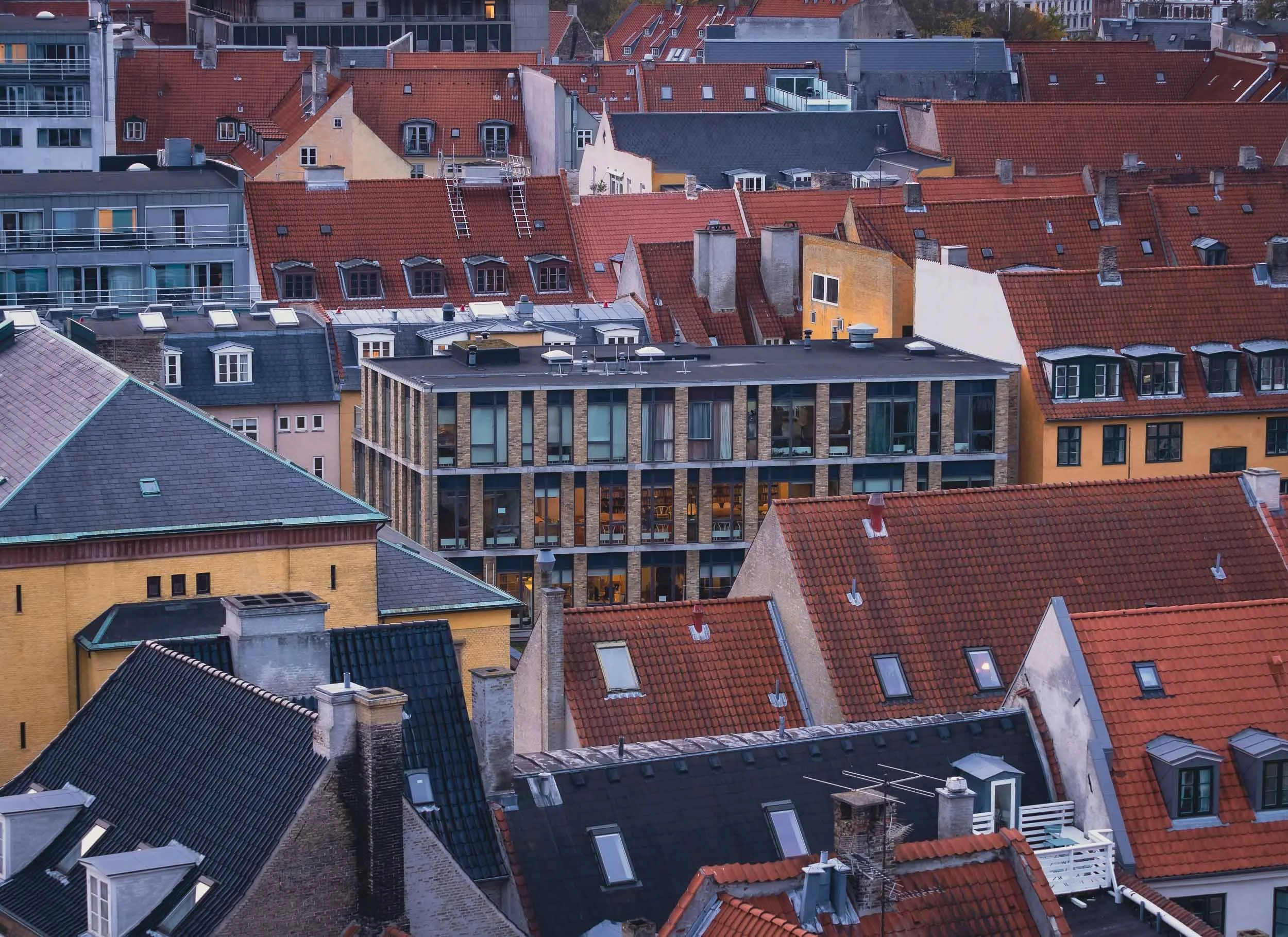
Copenhagen - The world's most livable city?
this was a title given to Denmark’s capital in 2013 by Monocle owing to its urban, cultural, and environmental planning
Well, this was a title given to Denmark’s capital in 2013 by Monocle owing to its urban, cultural, and environmental planning and is often echoed in many other city rankings. I visited in November 2022 to gain my own impressions, and finally got around to documenting some of them here.
The visit started with a big disappointment, being that Tivoli, one of the world’s oldest and most famous theme parks, was closed during my time here. This wasn’t really evident at all from the website, Google entry, or anywhere else, and so finding the doors closed wasn’t a happy start to the trip - even a visit to the nearby Lego store (Denmark is where Lego was invented) couldn’t quite help.
Instead onwards to the city’s aptly named “Round Tower”.
The Way Up
More intriguing than its exterior shape is the inside though - a spiral ramp that has seen a German engineer drive a car up in 1902, and in 1716 the Russian Tsar rode his horse to the top. The Wikipedia entry is a worthwhile read on its story.
Some views from the top of the 1642 tower.
Church Galore
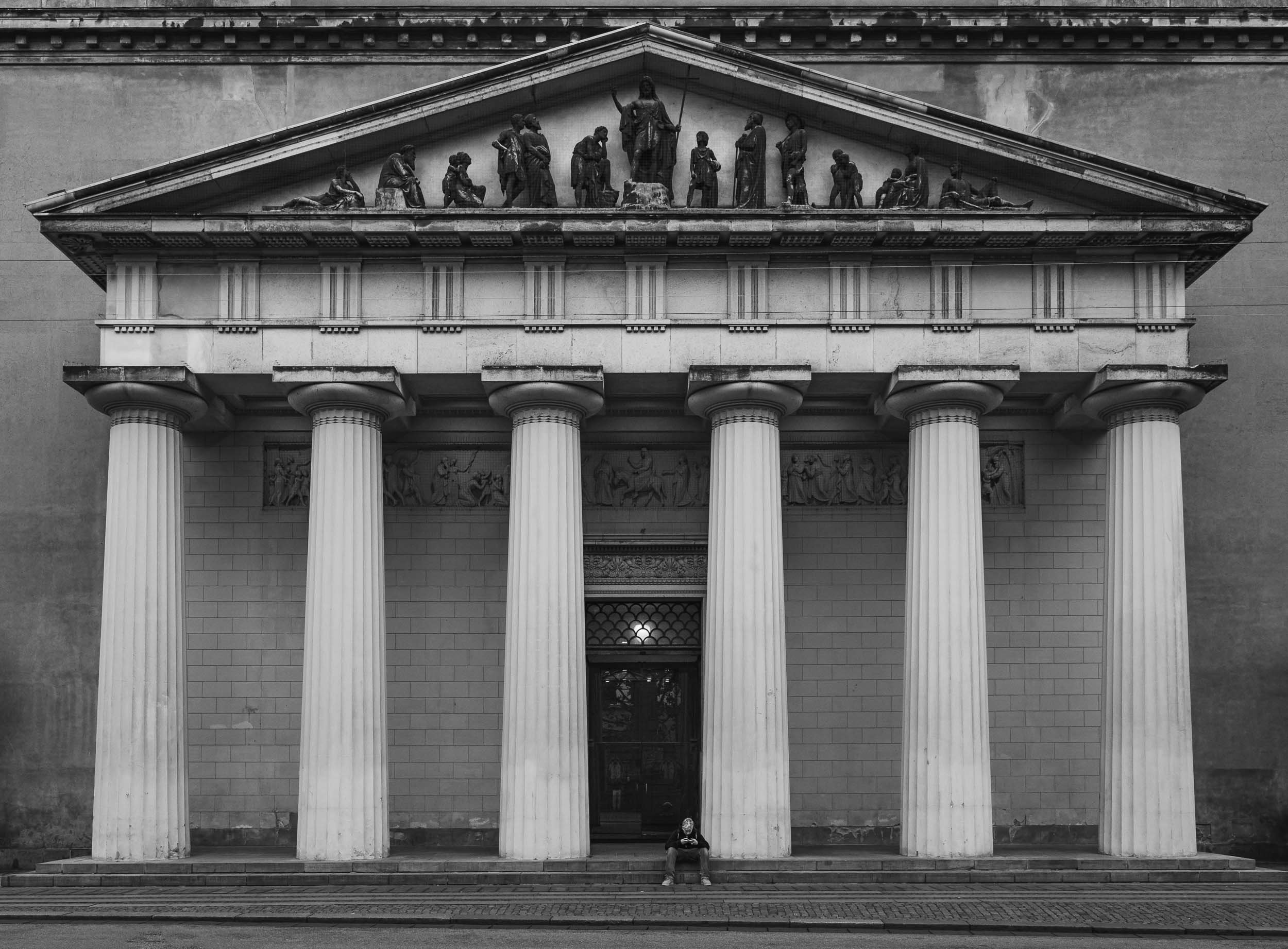
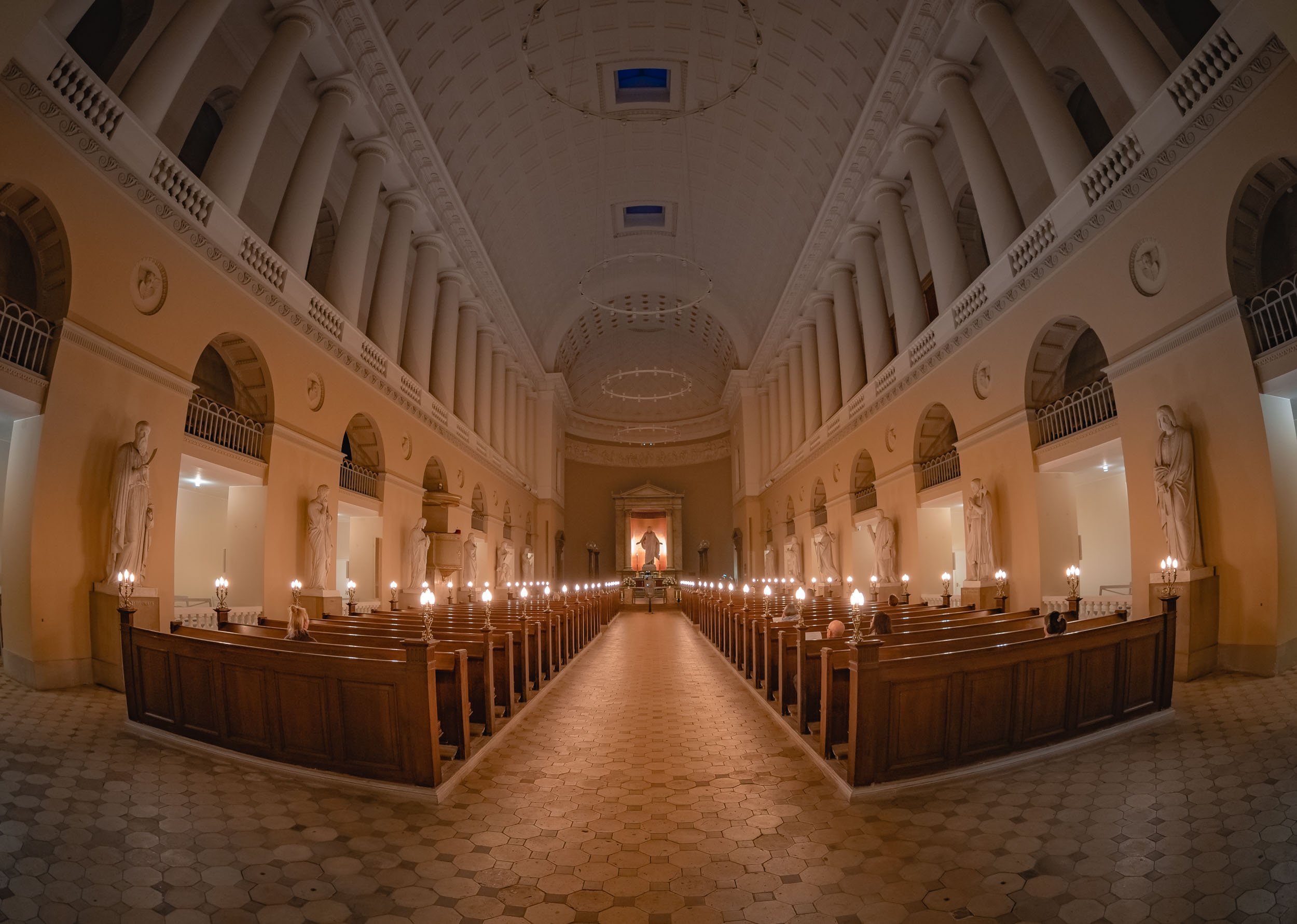
Copenhagen Cathedral
A stop at the 1829 neoclassical church.
Different kind of seating
A singer was performing while I visited, and it's also the first time I saw bean bags in a church - different vibe.
Interior
The inside is graced by the work of the sculptor Bertel Thorvaldsen, with the most famous piece being the Jesus statue at the altar.
Church of Our Saviour
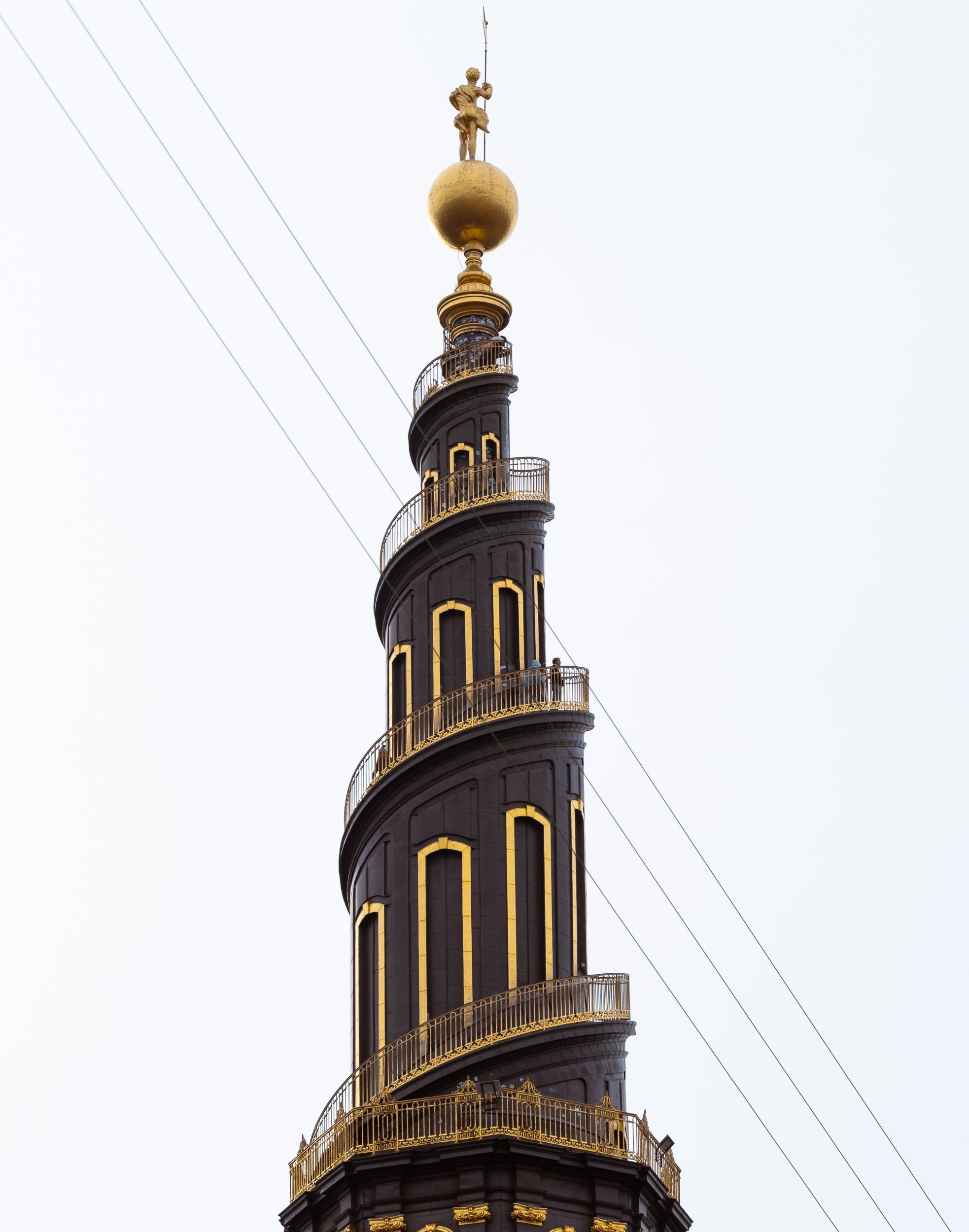
The Christianshavn district is home to this very peculiar church with a very narrow spiral staircase from 1752 leading 90m into the air. The last of the 150 outside stairs literally aren't wide enough to fit a normal person, but you can squeeze your way up sideways.
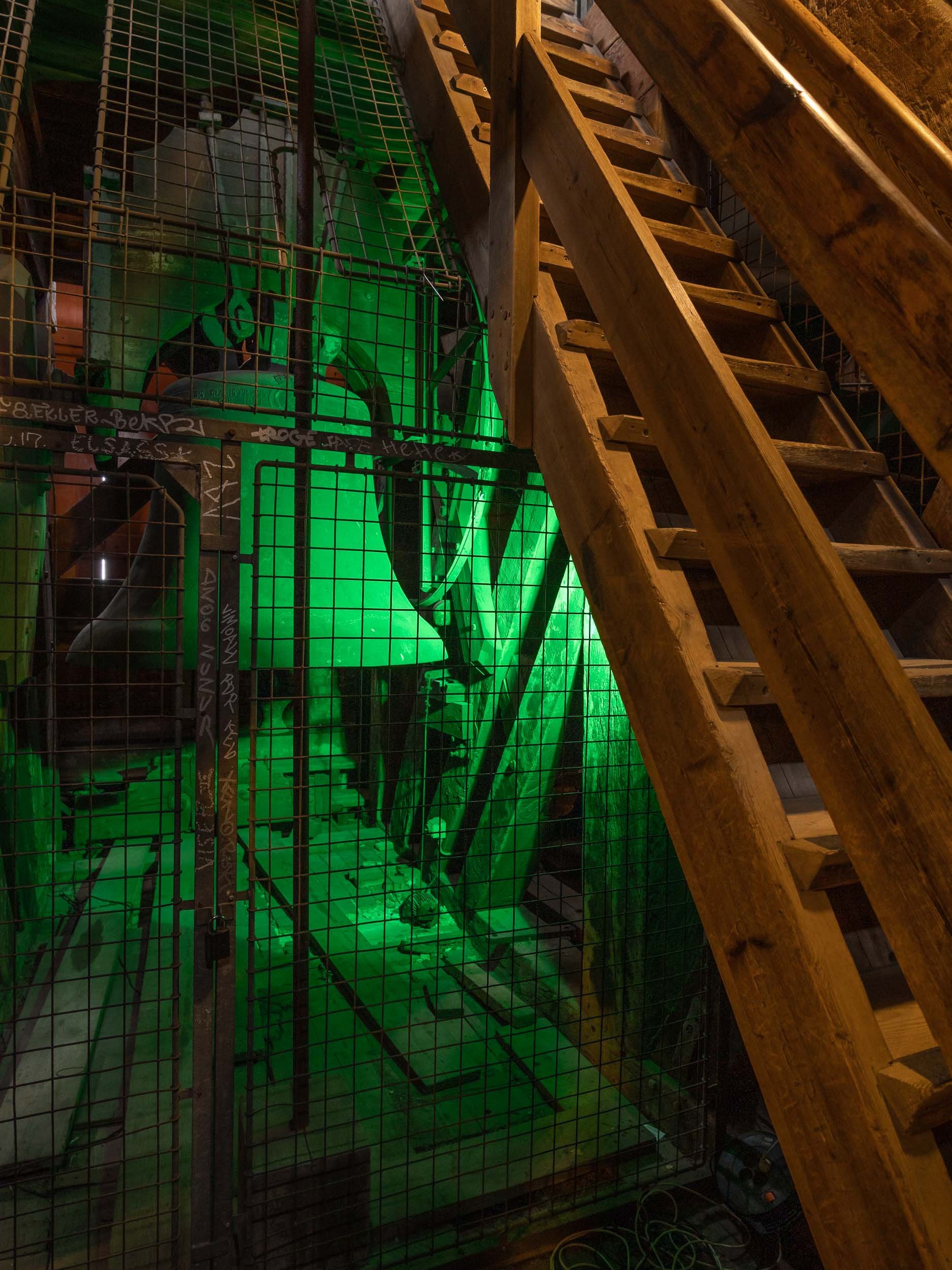
That is, if you are brave enough and once you pass the various stairs past church bells.
The Inside
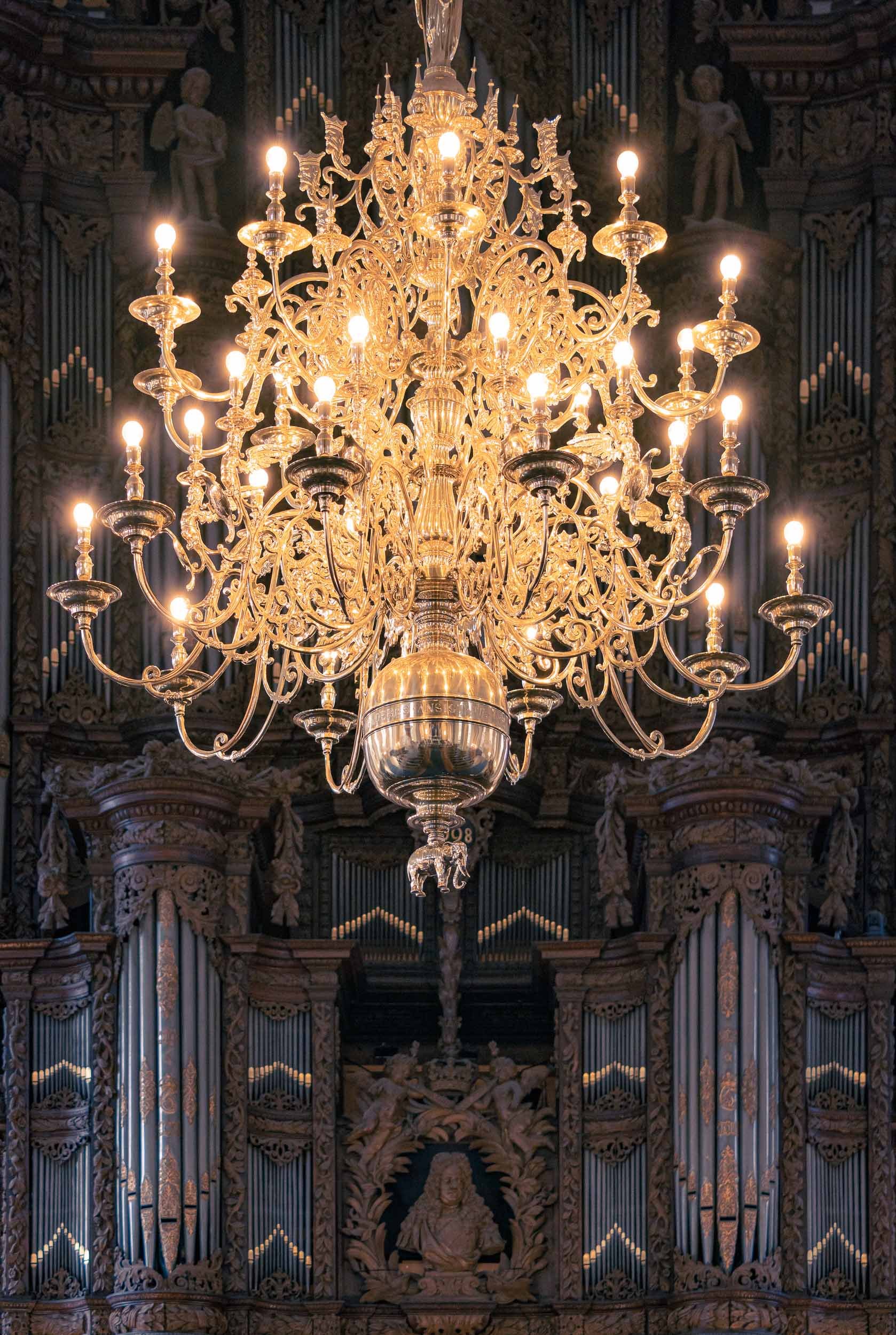
Even if you do not make it to the top, the interior rewards visitors with this incredible chandelier and the 300 year old organ with its intricate wood carvings.
The Reward
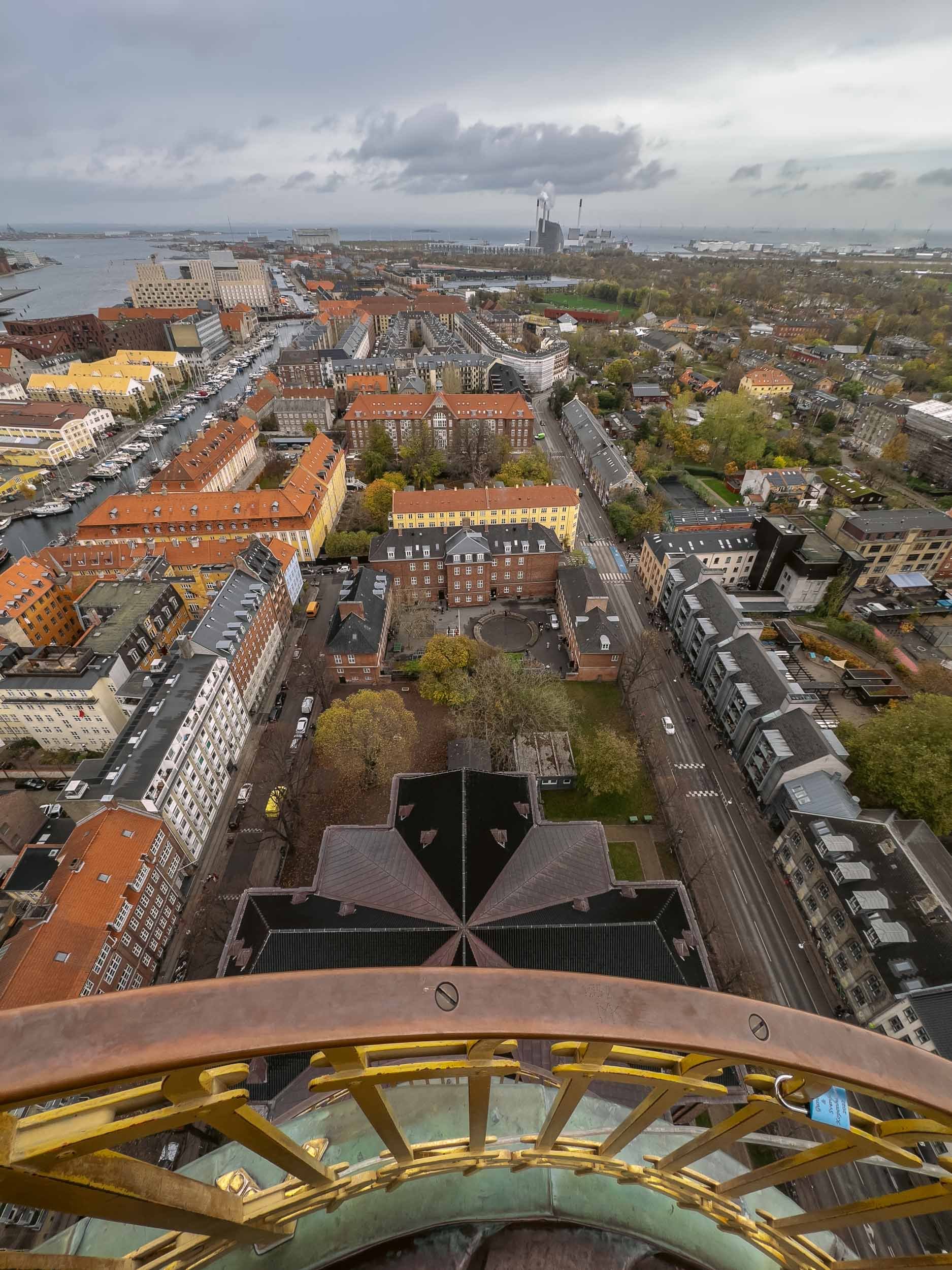
On the outside though, a great view over Copenhagen is waiting - looking north in this case.
Multifunction
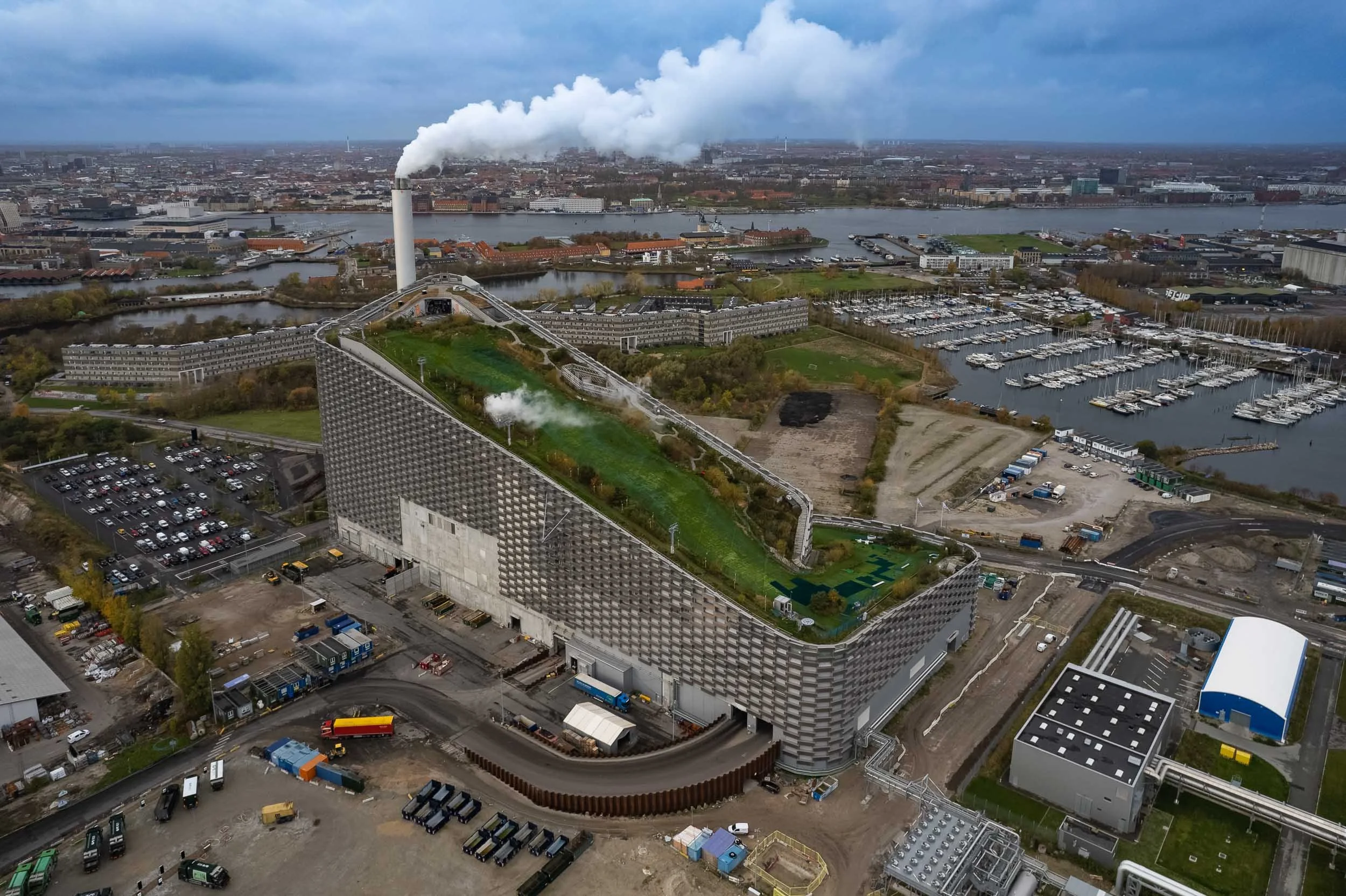
This area is home to CopenHill, an energy plant with a roof used as a sports hill in the summer, and for skiing in the winter.
Evening Impressions & Nyhavn
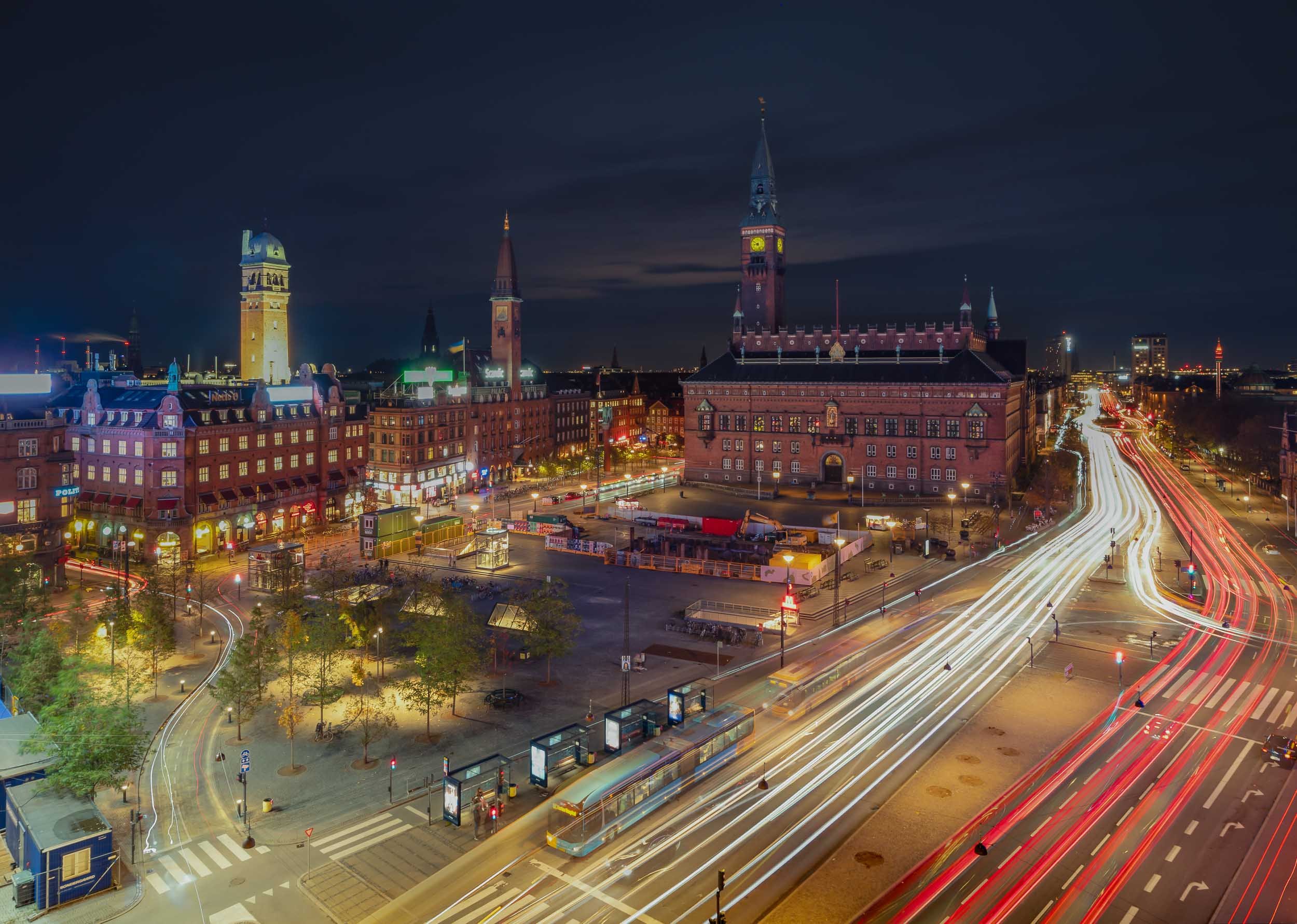
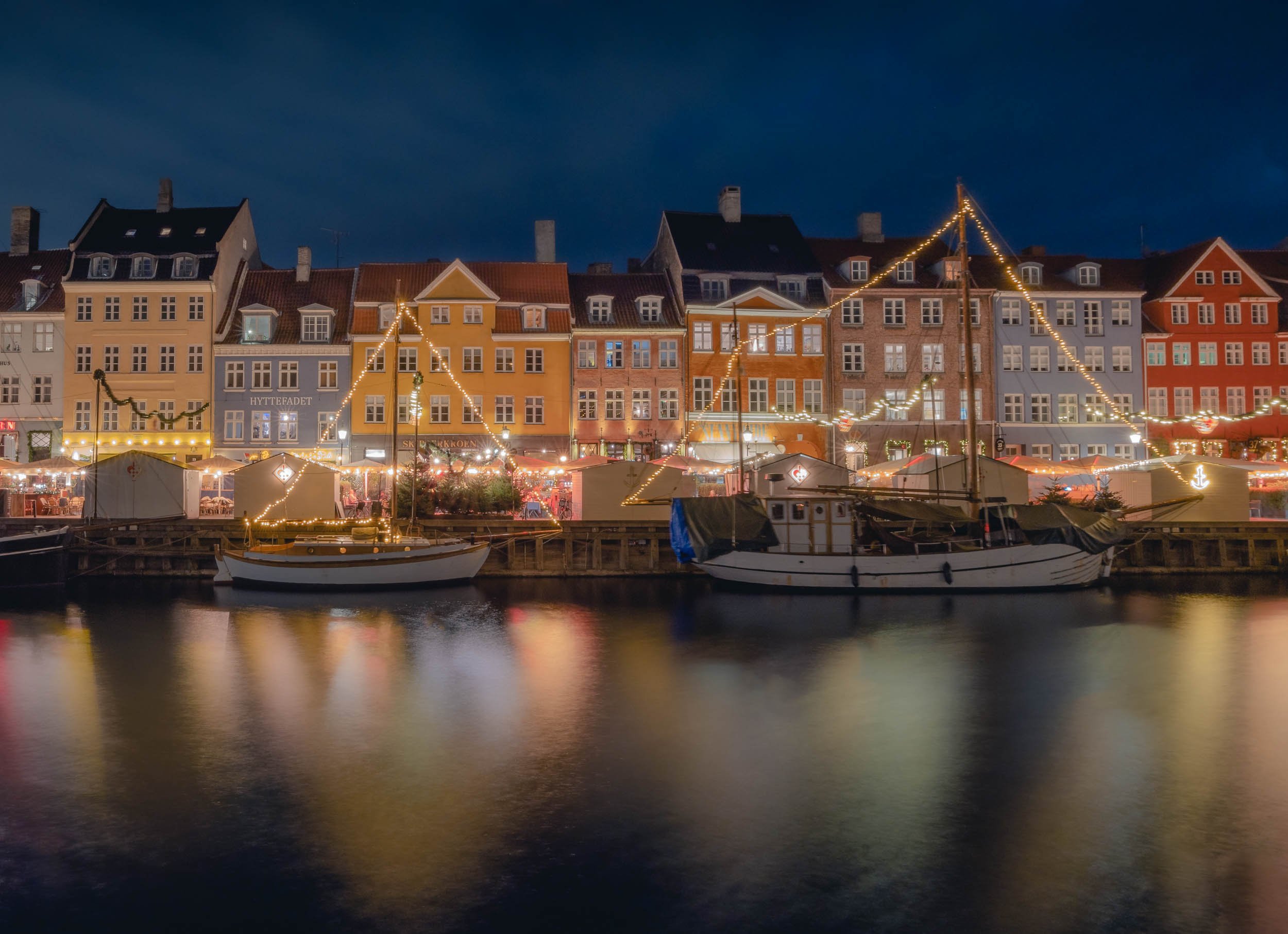
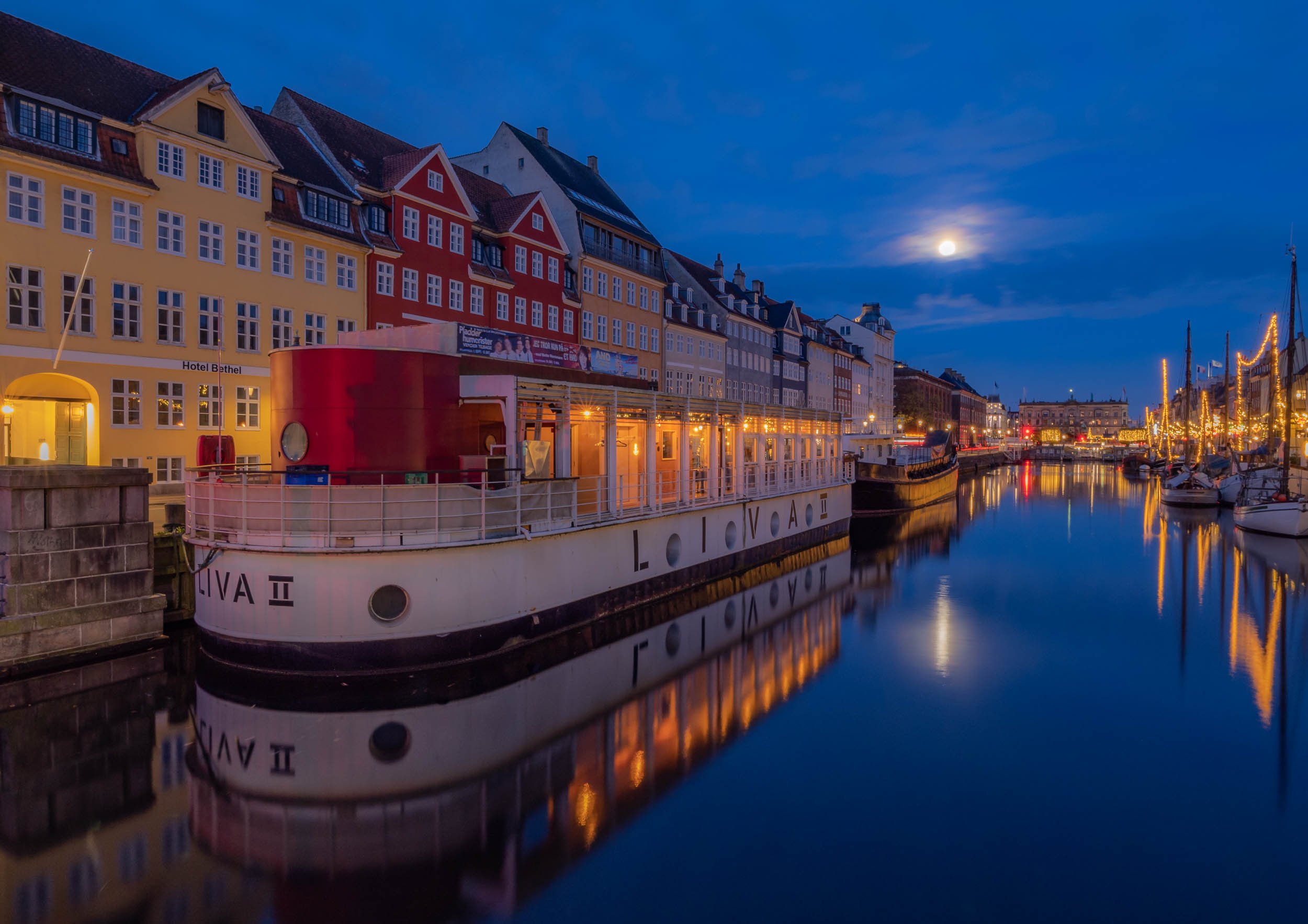
On the next morning, I had what is arguably the city’s most picturesque area on the agenda - as always, arriving before sunrise has its benefits, and I caught a quiet Nyhavn canal when it was still empty and with some nice reflections in the calm water.
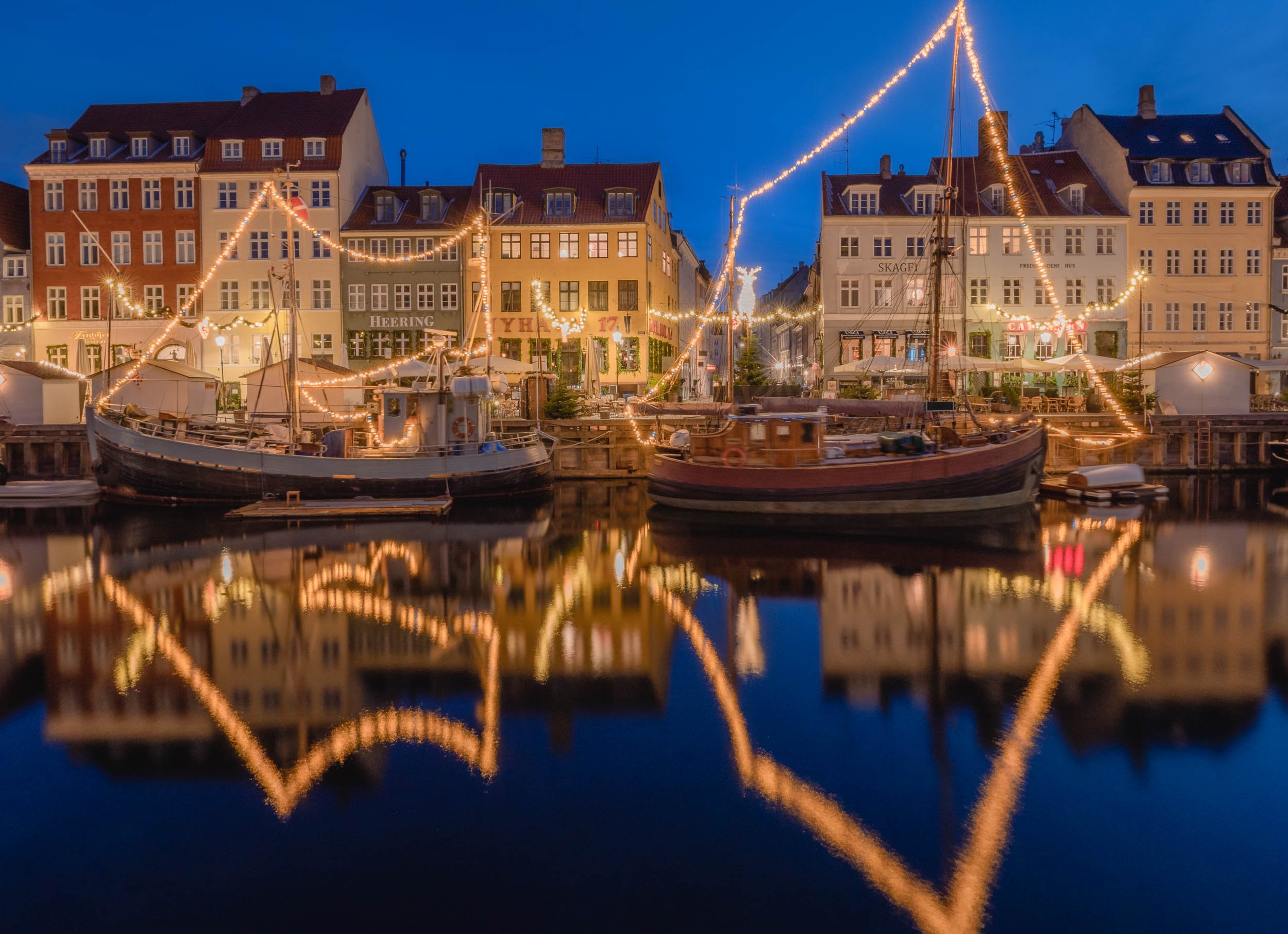
Christmas Decorations
The 17th century waterfront had a small Chrismas market on the pedestrian side.
Lively
Nyhavn's colourful houses are full of cafes, bars and also a souvenier shop themed after Hans Christian Andersen, who lived here in the 19th century.
Westwards
The full moon was setting on the other side, and just peaked through the clouds at times.
Transformation
Interestingly, the area wasn't always so popular - only when it was pedestrianised in 1980 did these activities pick up. An example that many cities follow these days by reducing car traffic in their centers.
Contrasting
On the opposte side of the harbour a rather interesting complex is being built in a slot-in-module type construction method.
The Mermaids
Wait a minute, mermaids plural? Yes, because aside from the very famous The Little Mermaid bronze statue by Edvard Eriksen, there is indeed a second less famous modern interpretation of it not too far along Copenhagen’s waterfront.
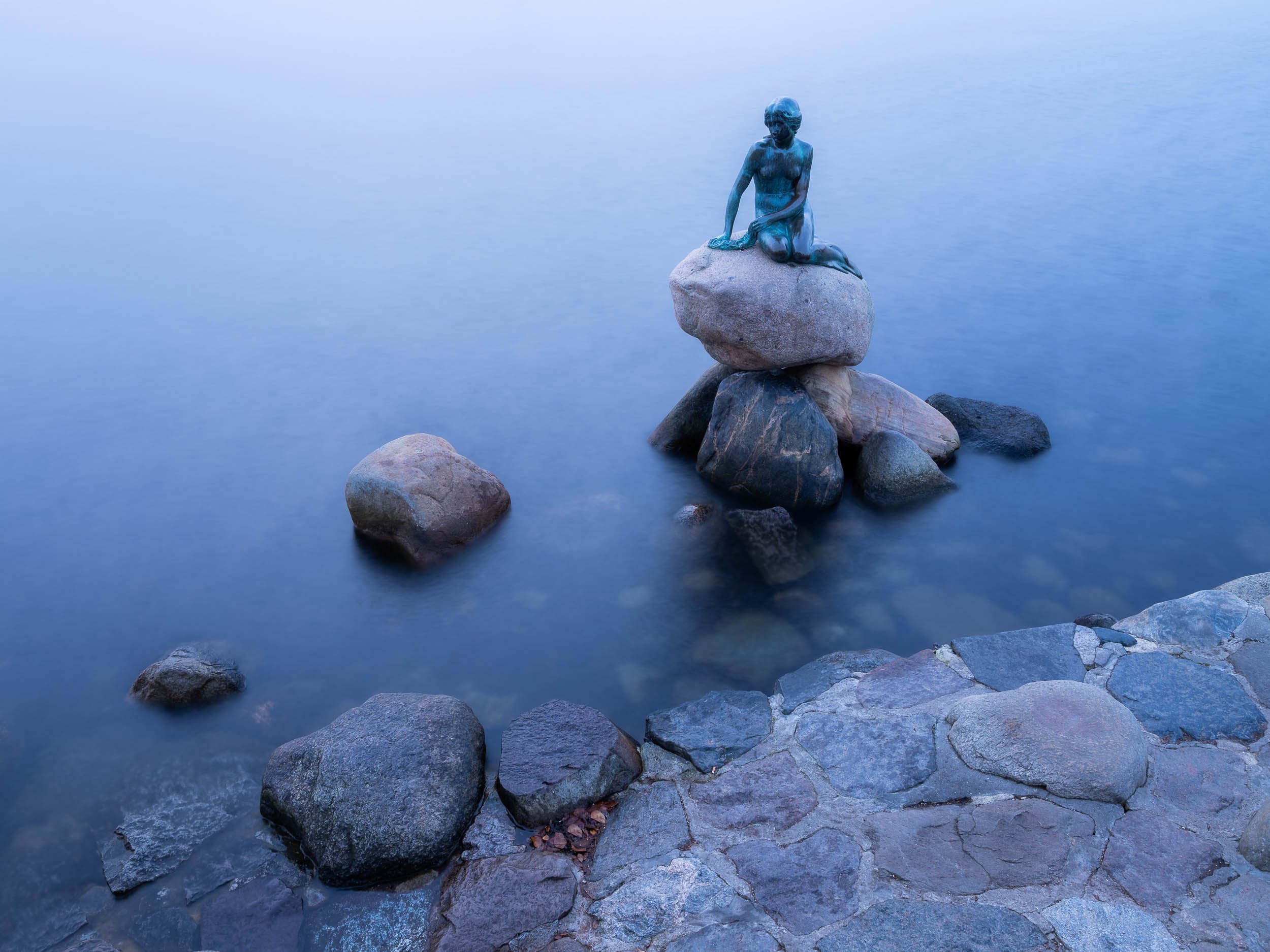
The Original
The well known version (which at 7am is completley deserted) was created in 1913 based on the novel of the same name. It sadly has been vandalised many times - it even lost its head twice - and authorities are considering to move it further into the sea to prevent similar incidents.
The second version is the Genetically Modified Little Mermaid, a sculpture that’s part of a 2006 series by Danish professor Bjørn Nørgaard, with the intention to create a kind of postmodern look at the changes in society.
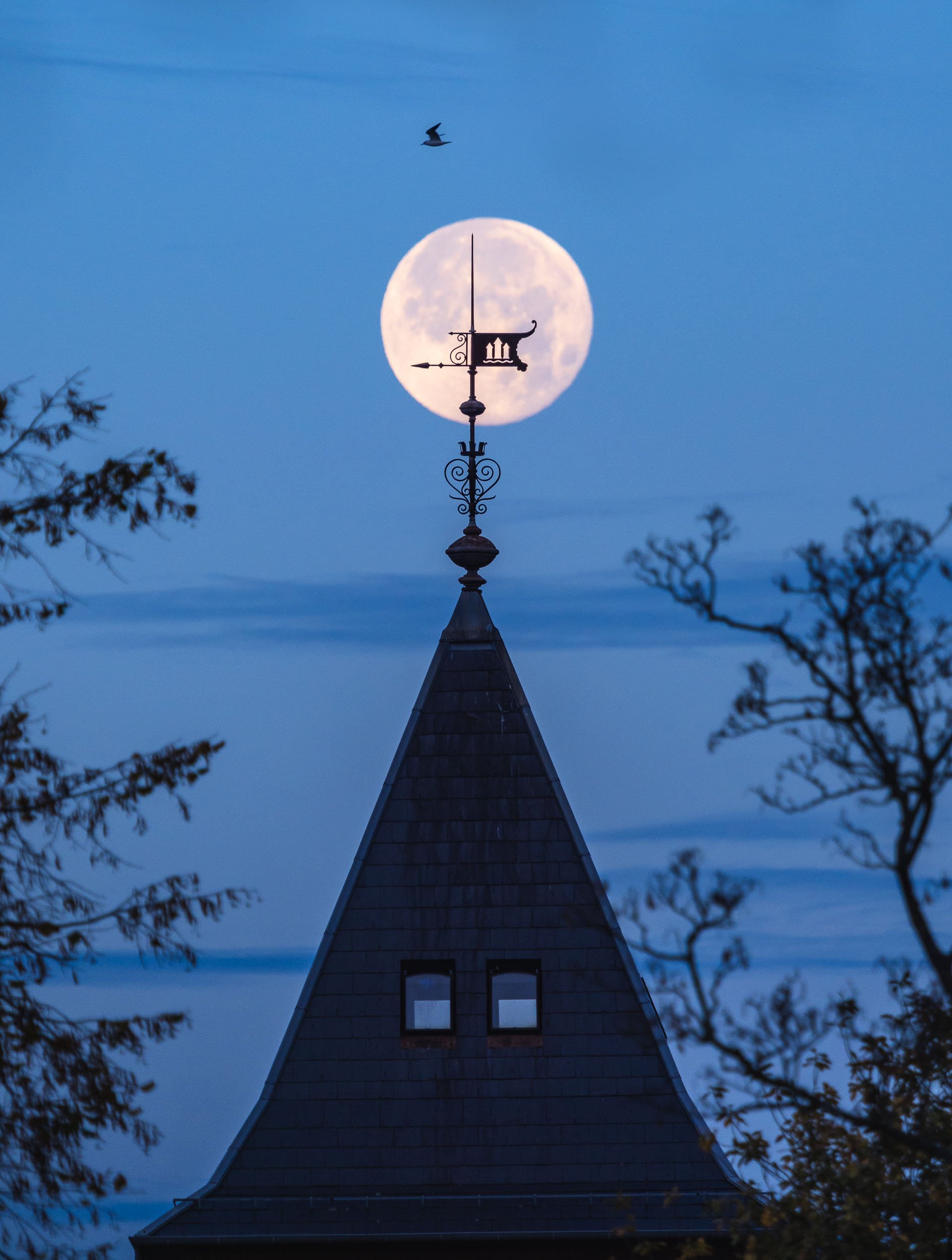
Luna
The full moon setting over the Center for Ledelse management school on my way towards the mermaids.
Quiet Morning
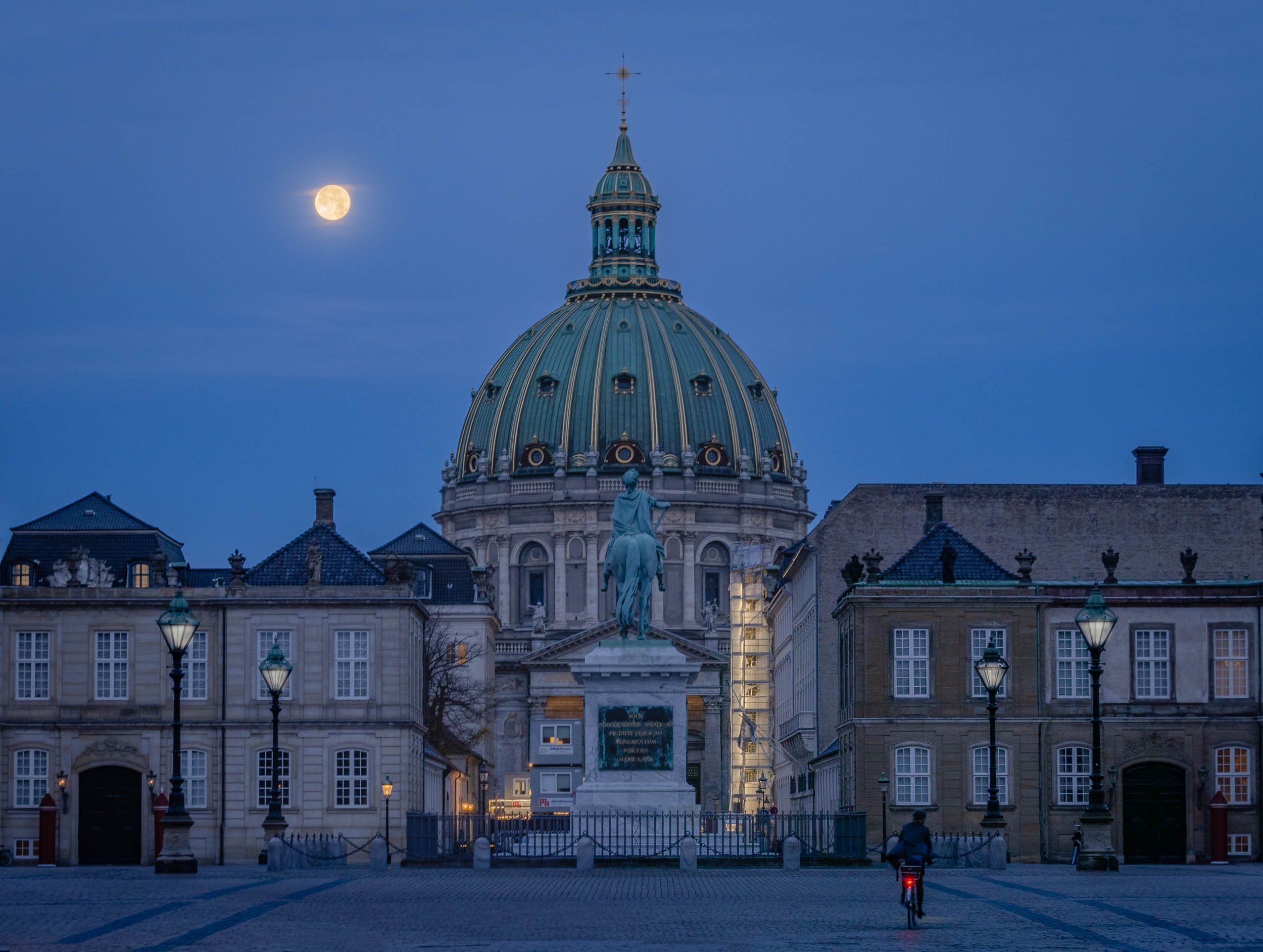
And our celestial companion behind the Frederik's Church, flanked by the royal palaces on this early morning.
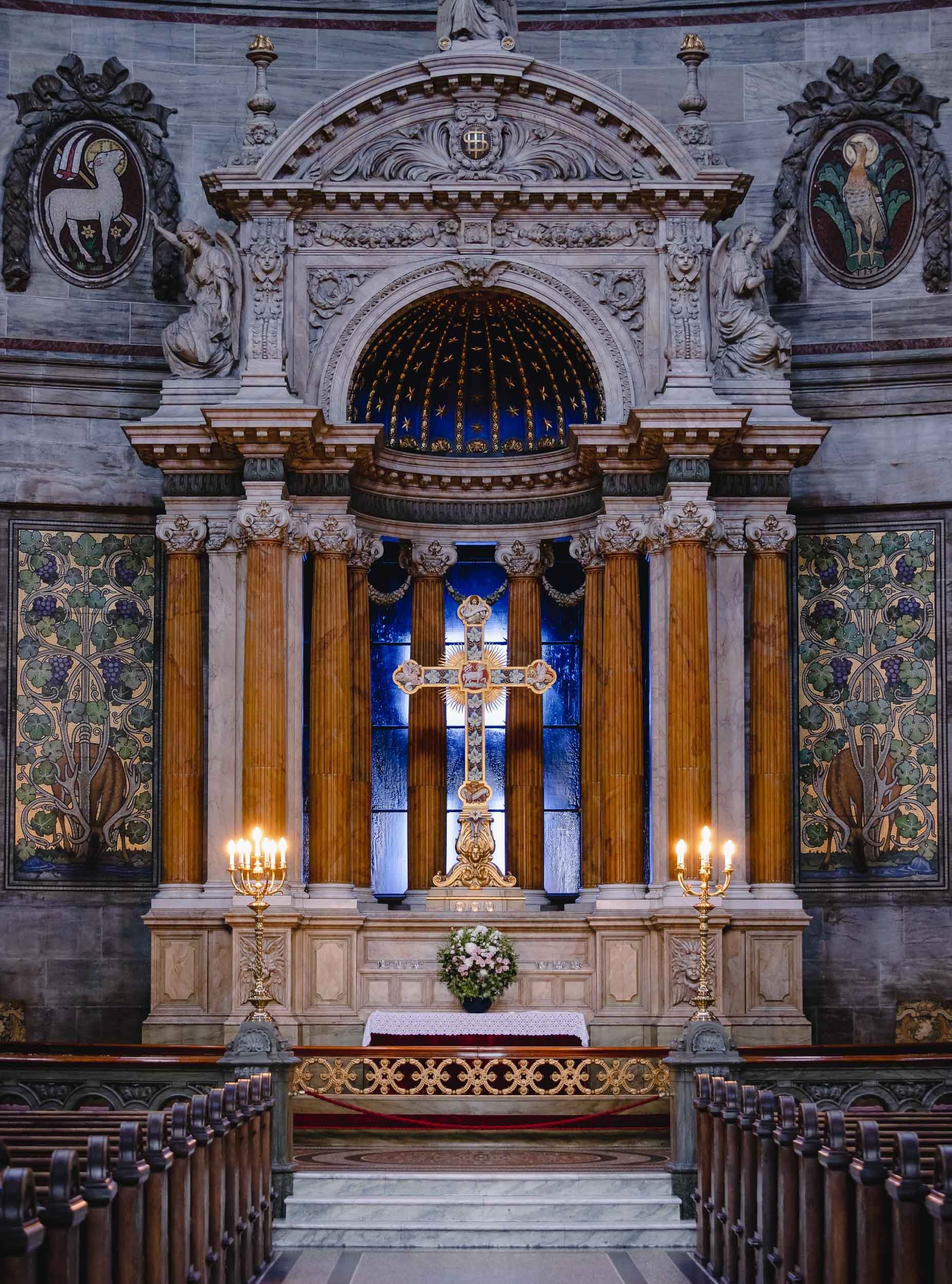
The Altar
The interior of this incredible rococo church almost didn't get built. It stood unfinished for almost 150 years after construction began in 1749.
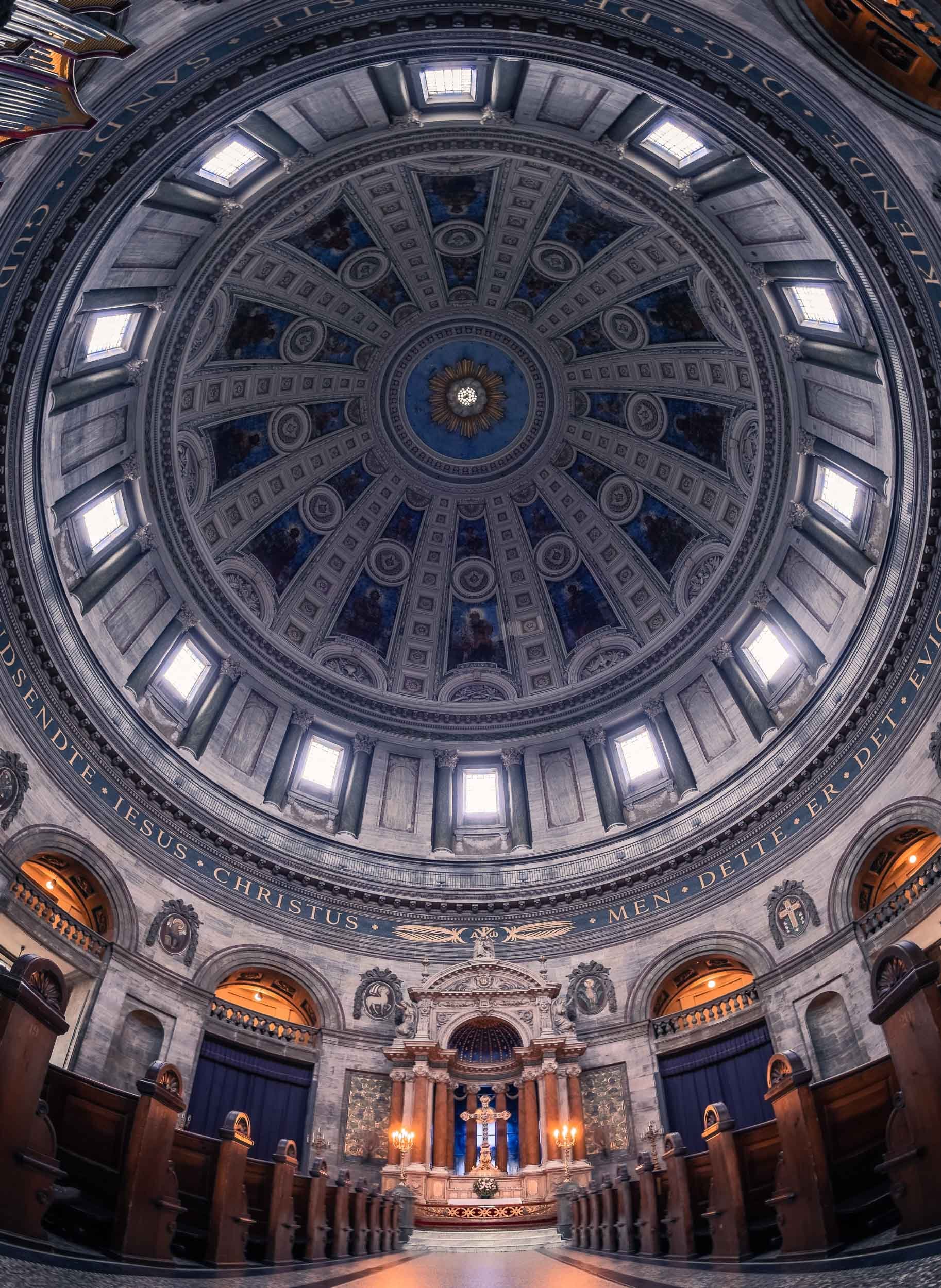
Frederik's Church
The largest dome in Scandinavia at a span of 31m.
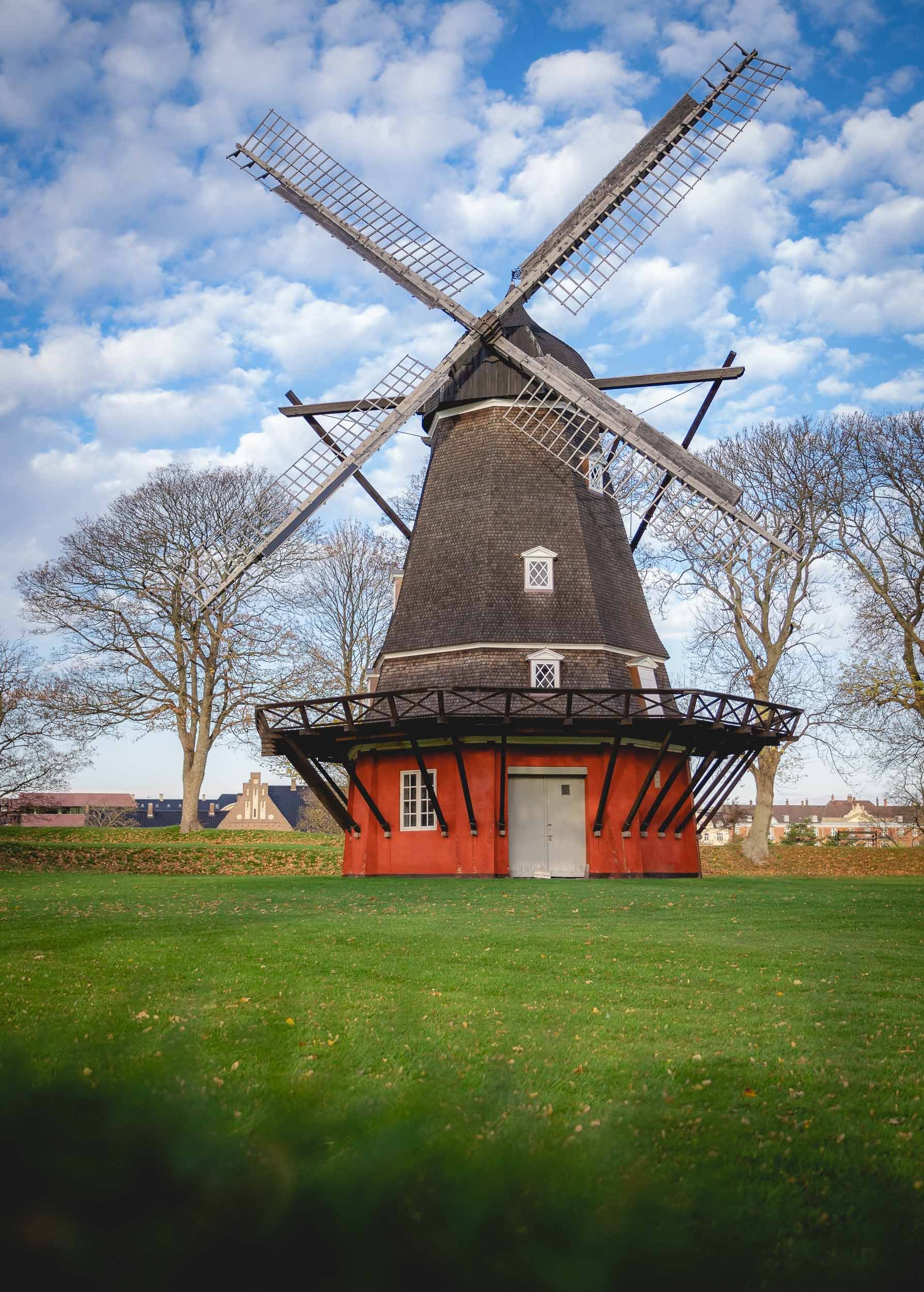
Kastellet
Walking back towards the city you pass through a star shaped military fortress and its windmill.
As well as the long yellow houses of Nyboder, once used as naval accomodation and today being restored as regular housing.
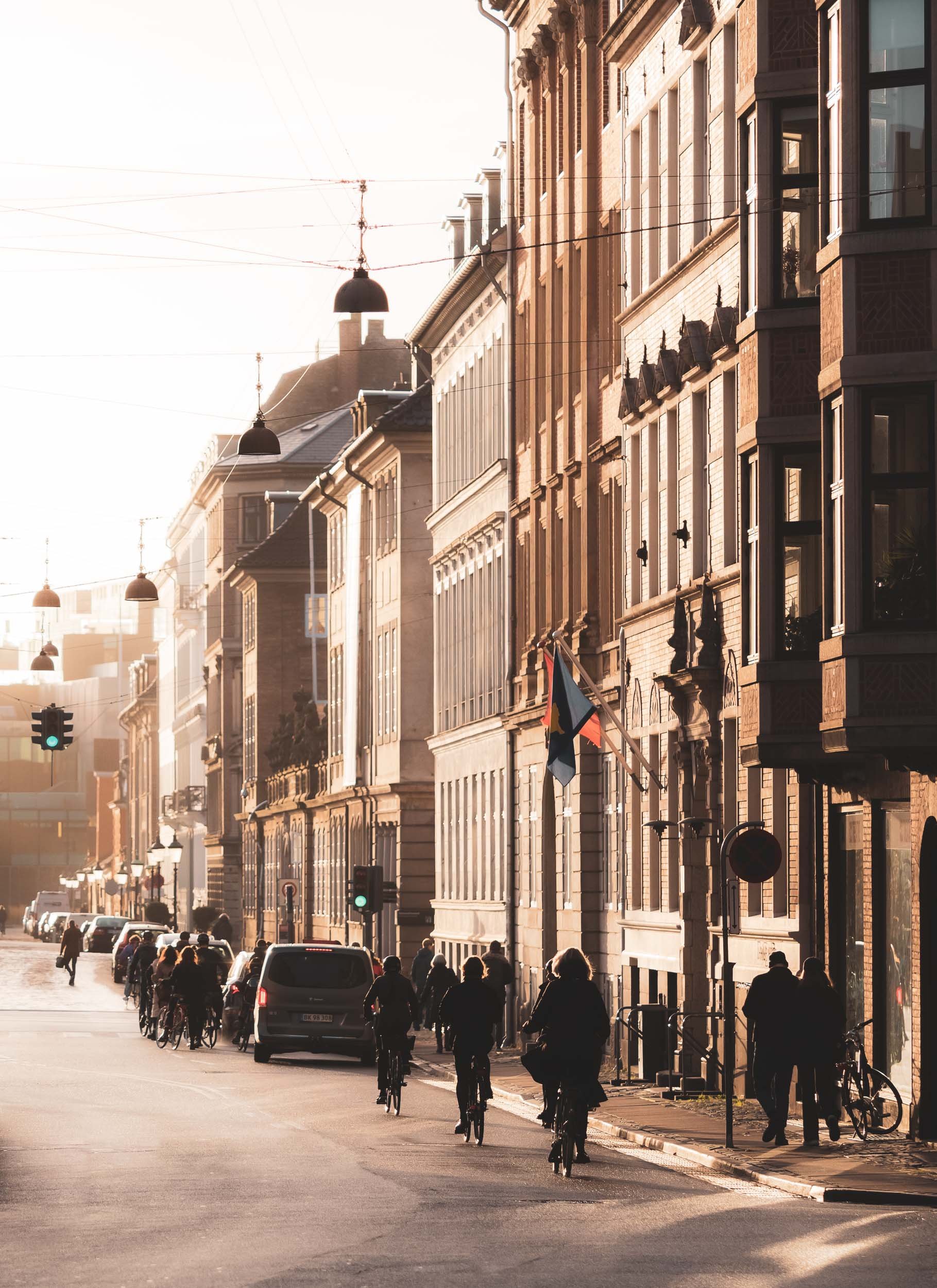
Bike City
Copenhagen is known as the bicycling capital of the world, with 50% of Danes commuting to work by bike each day.
Not only Churches…
Land of Circles
While modern skyscrapers aren't a reason to visit Copenhagen, there's a very interesting complex I wanted to see, the Axel Towers.
The mixed use towers opened in 2016 and were designed by Lene Tranberg.
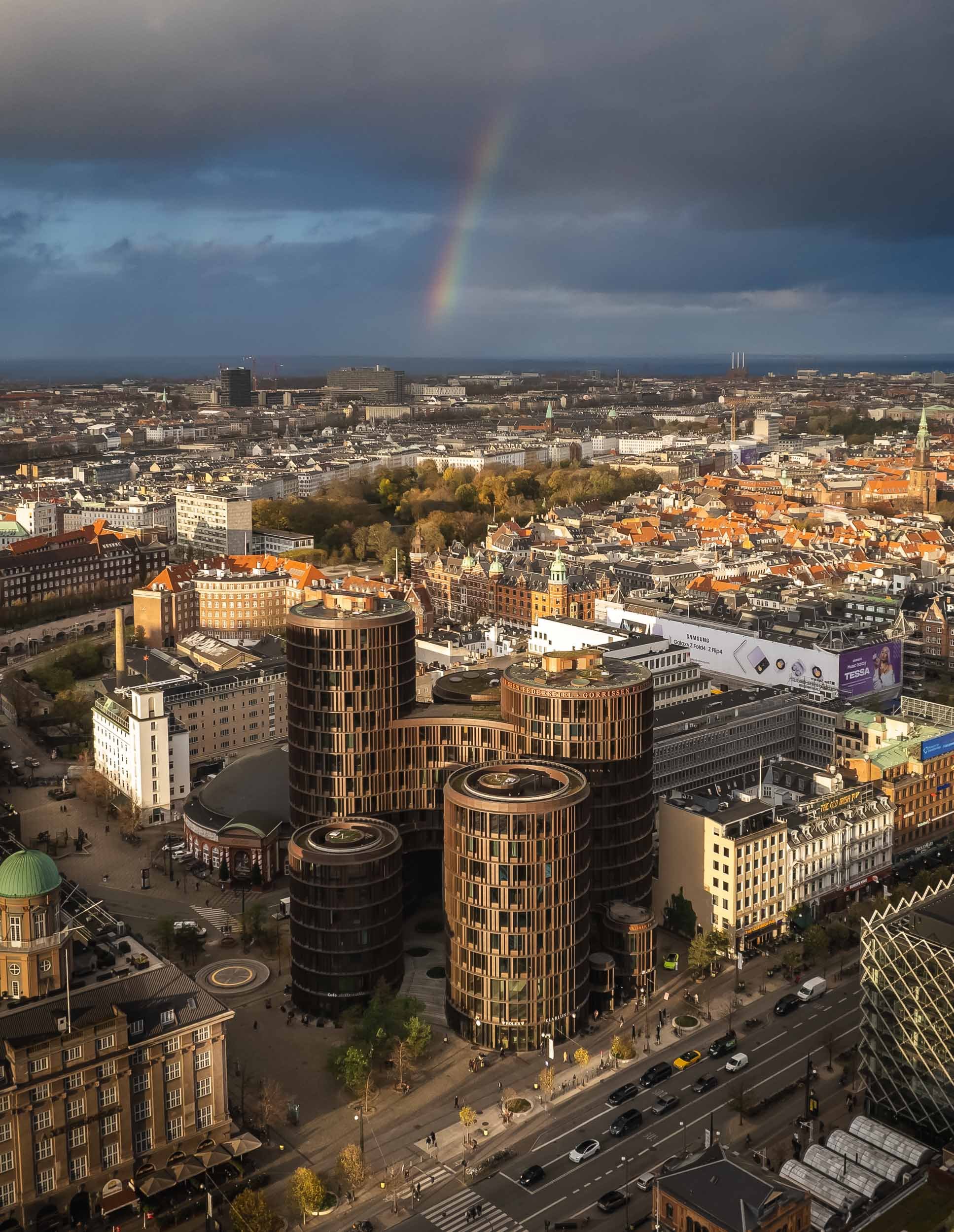
Rainbow
A lucky moment from the air as I was looking to find the best angles of the 5 buildings.
Mixed Styles
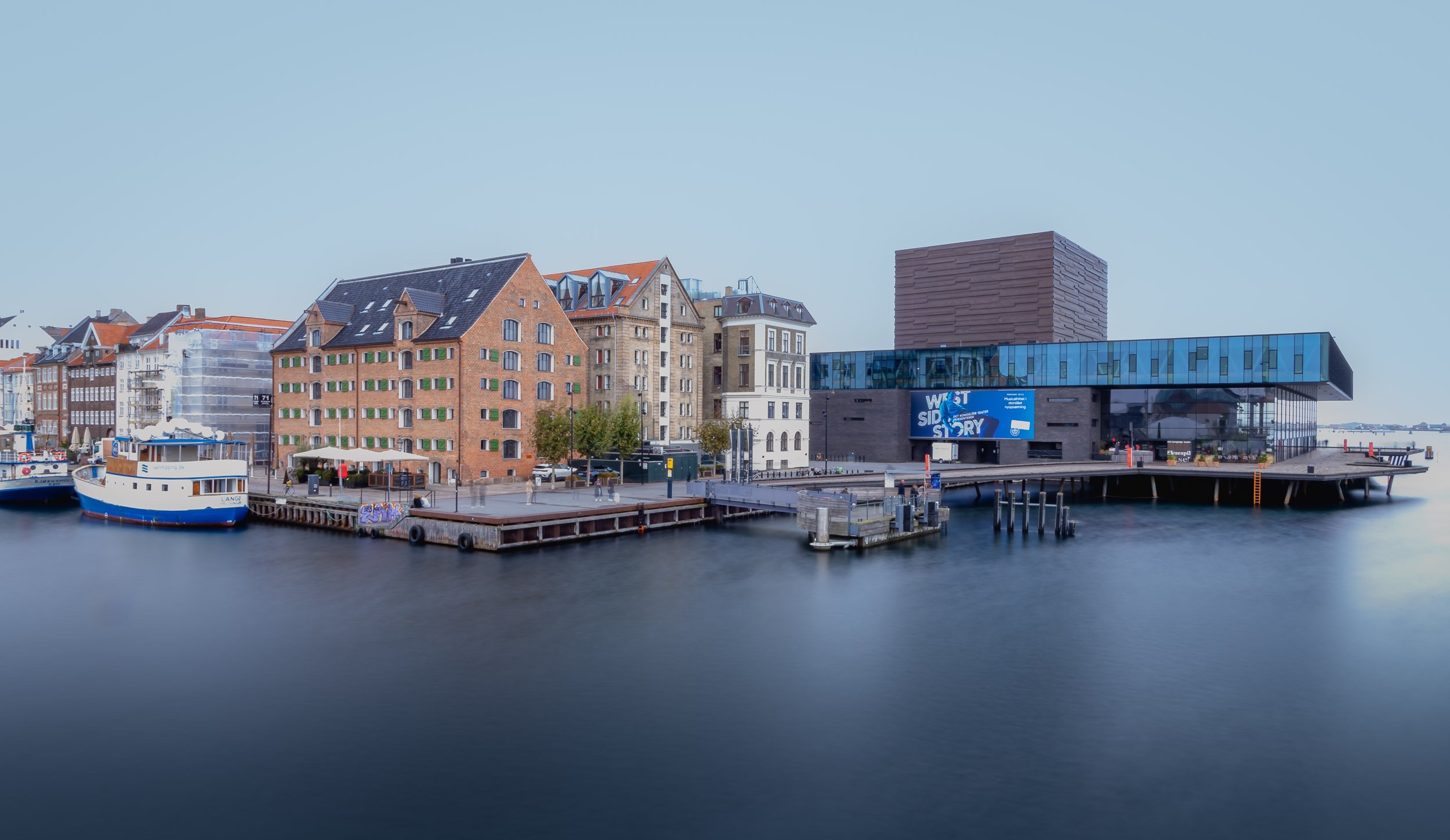
There is further modern architecture to be found on the waterside, such as The Playhouse pictured here.
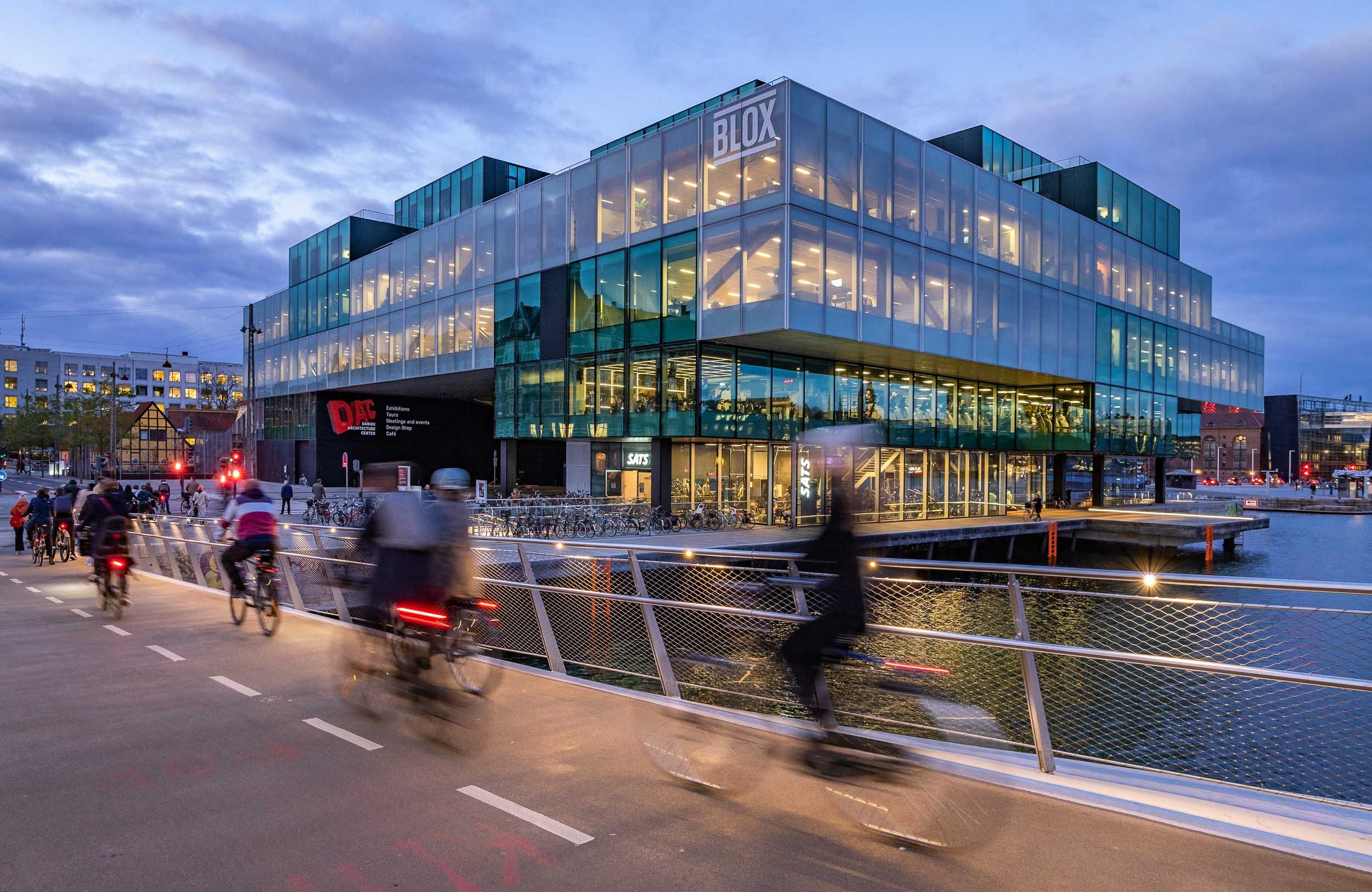
...or the Danish architecture centre, next to the dedicated bicycle bridge over the canal.
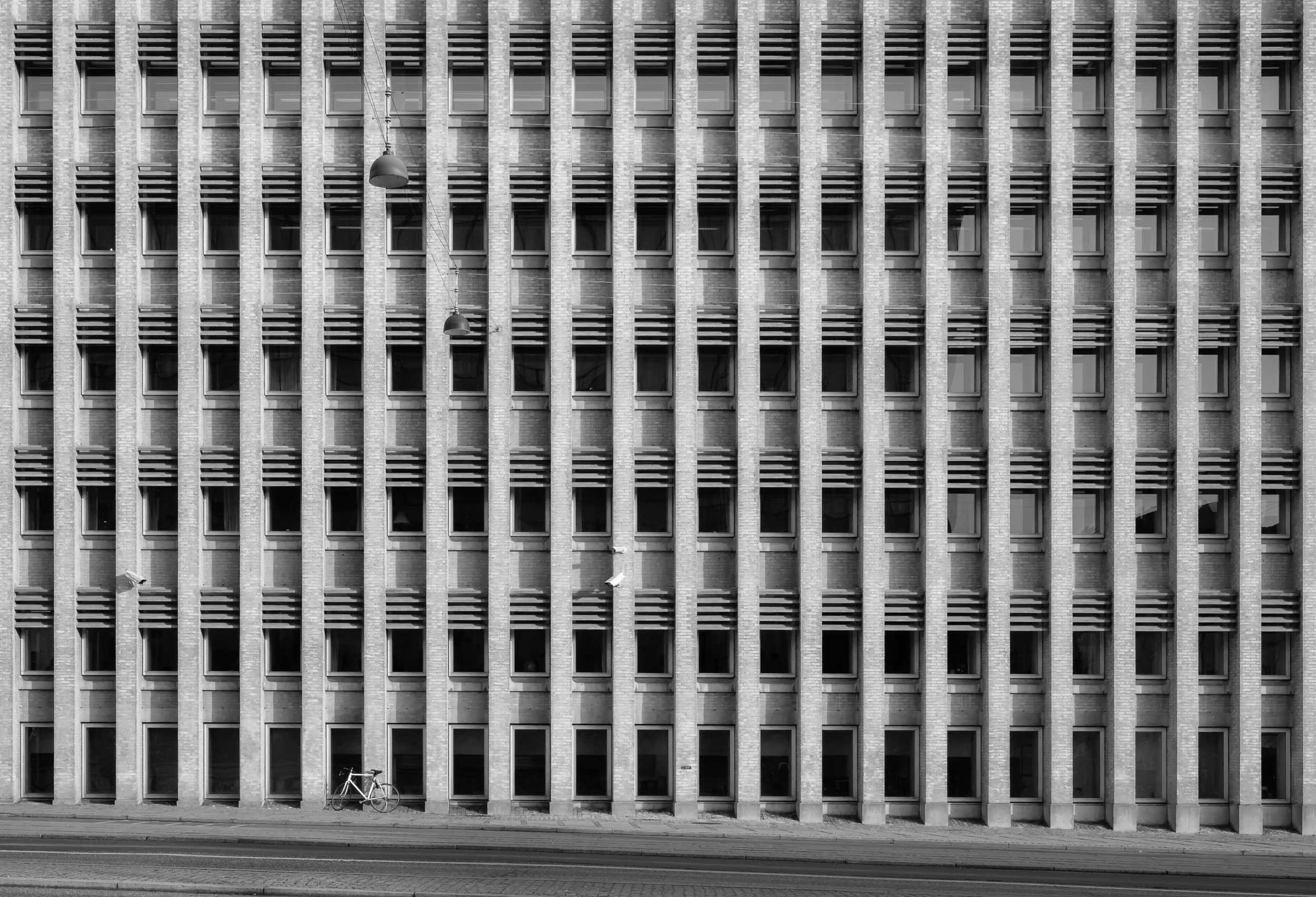
Some of the architecture is a bit more brutalist in nature though.
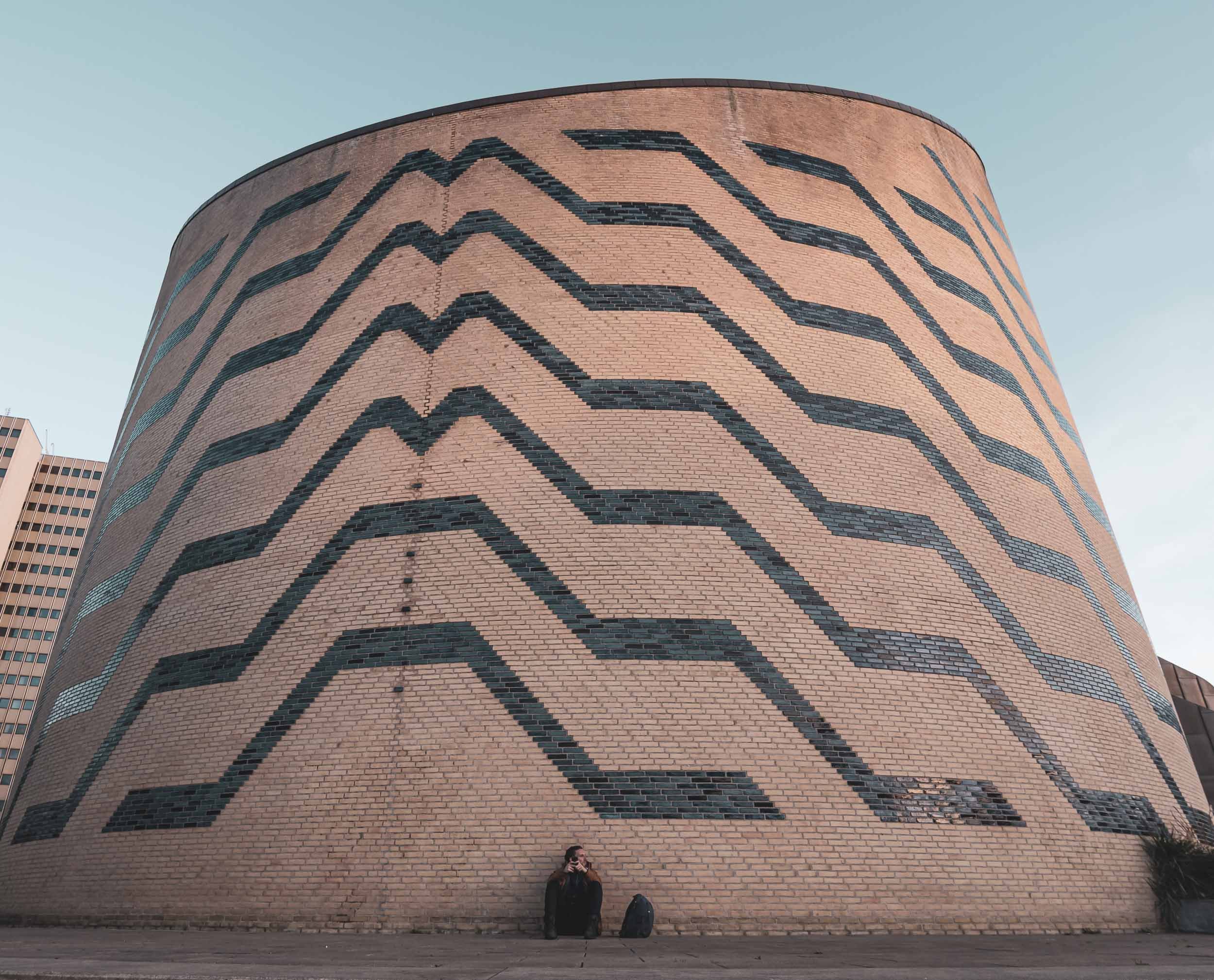
Planetarium
An astronomy and space themed centre (with not so gloring reviews and hence I didn't visit).
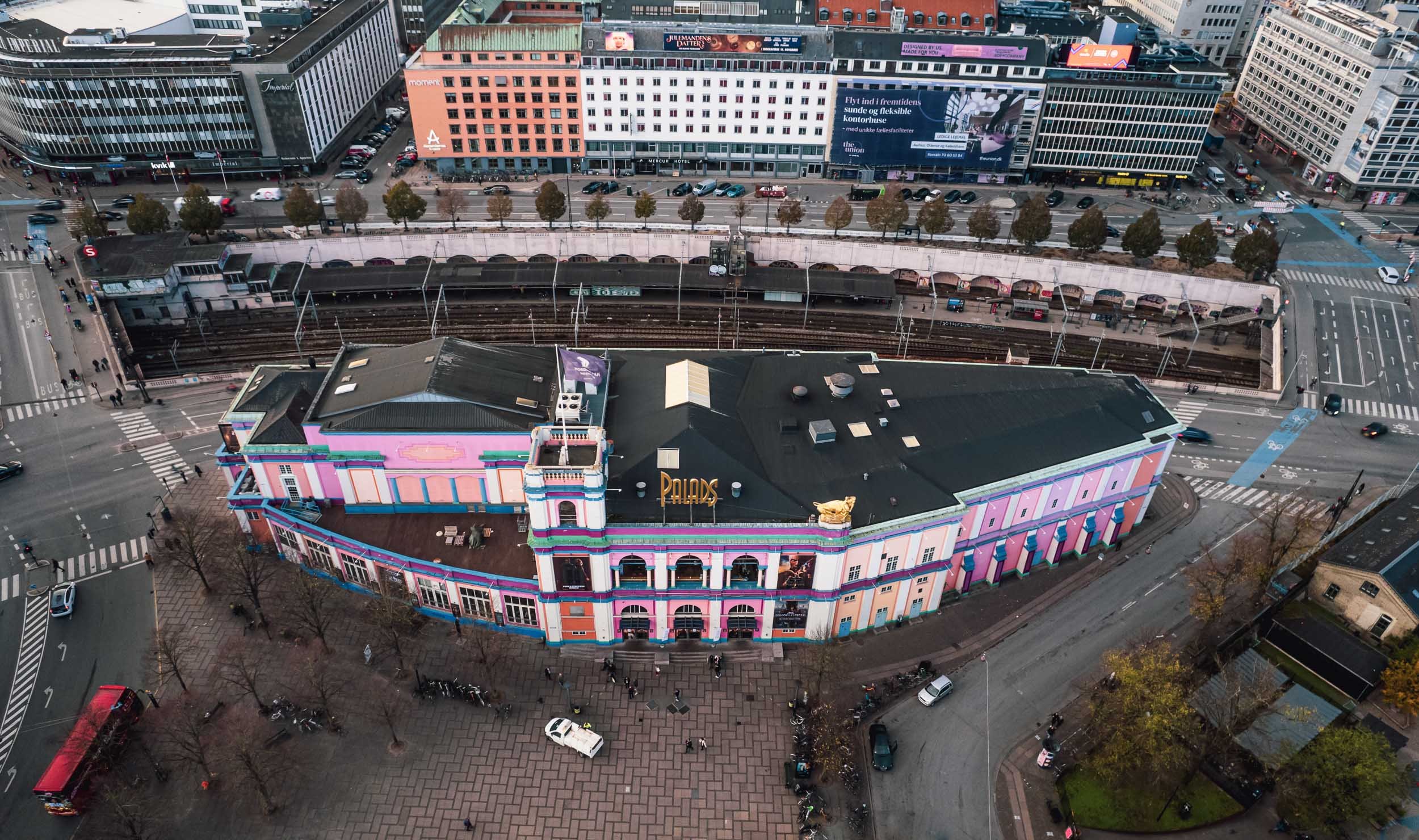
Nordisk Film Biografer Palads
A movie theatre in unusual shape and colour.
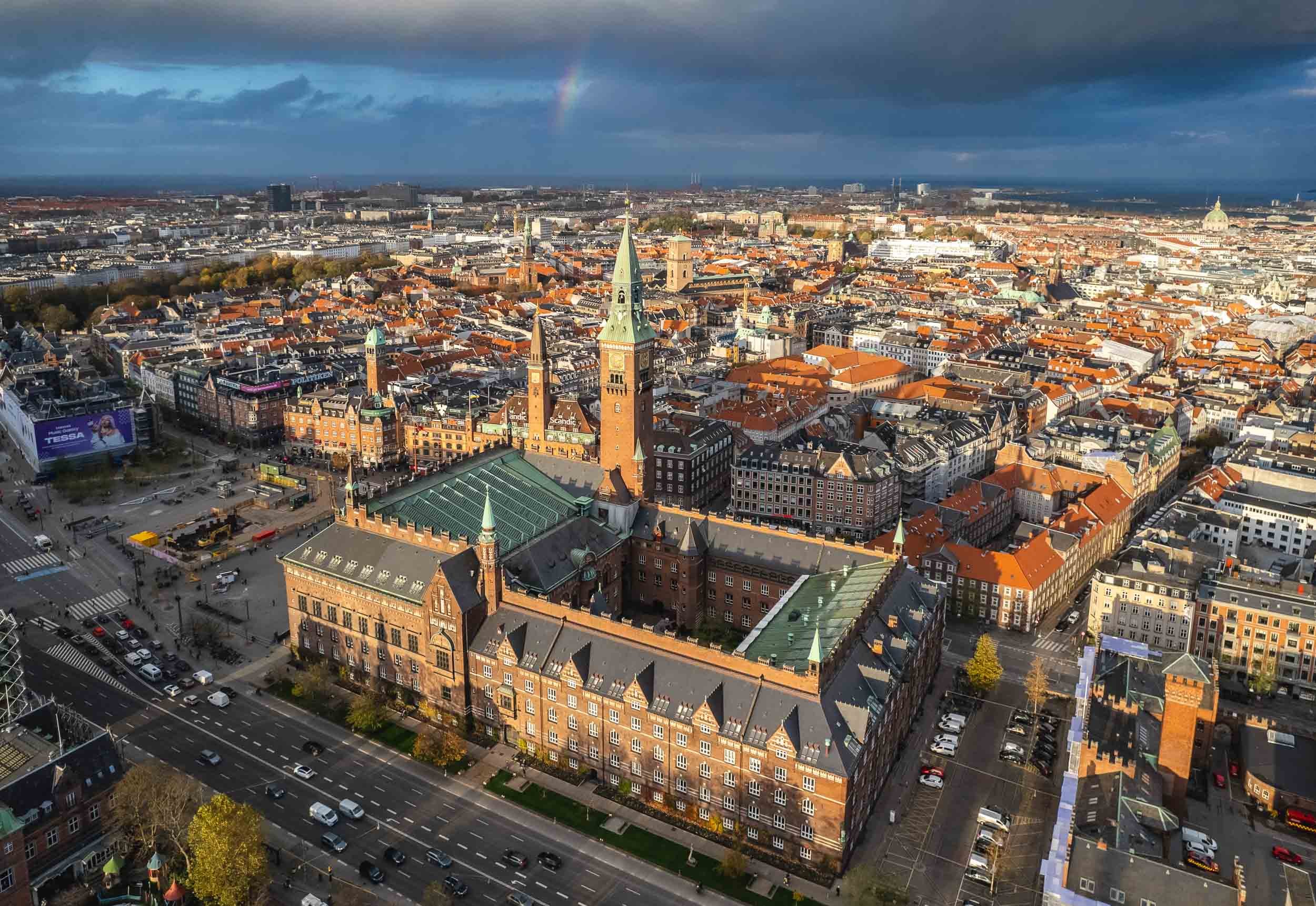
Copenhagen City Hall
Basking in Light
The City Hall at the Rådhuspladsen main square is worth a visit for several reasons.
Aside from the views from above, another reason is the interesting interior…
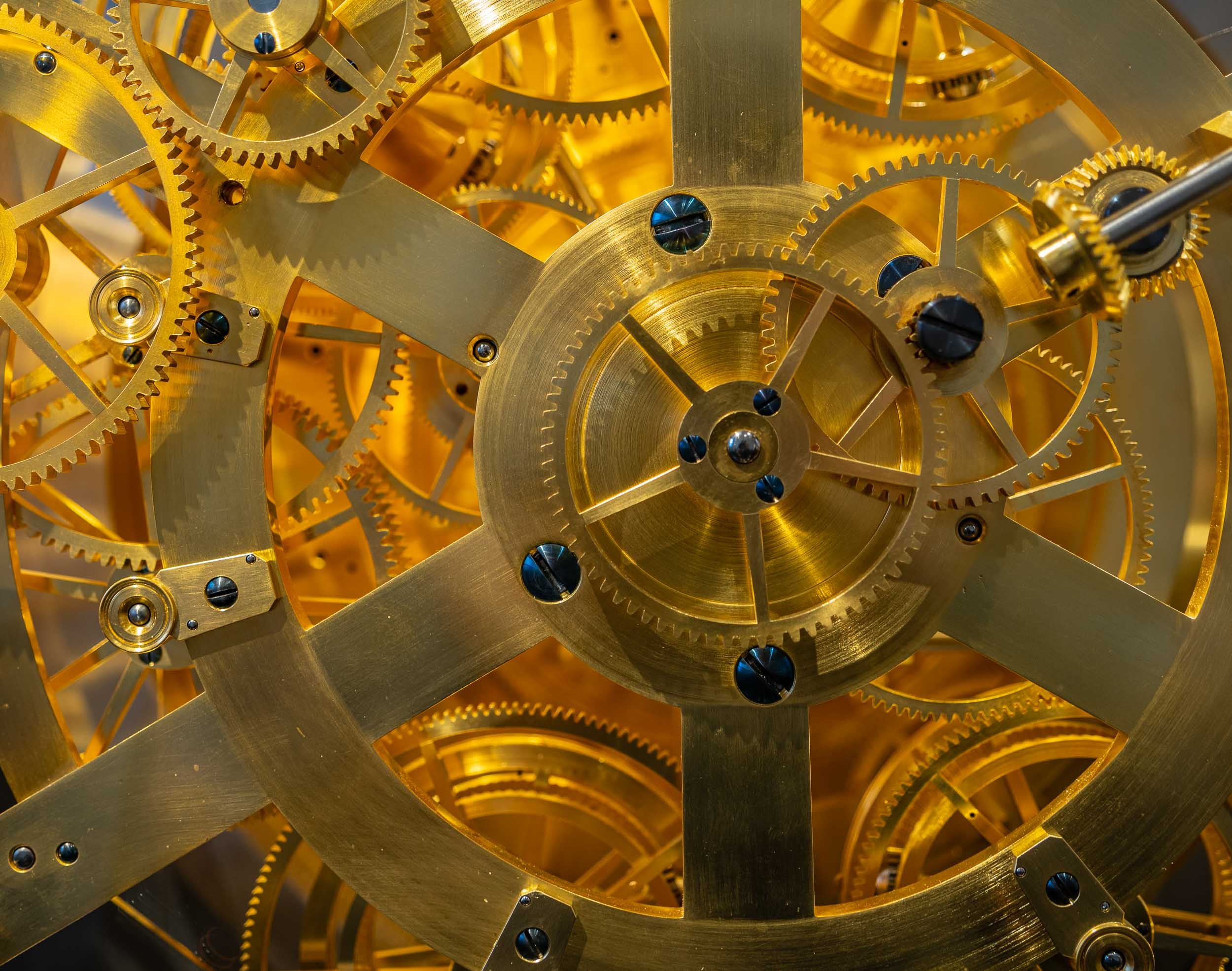
… but primarily the amazing World Clock by Jens Olsen.
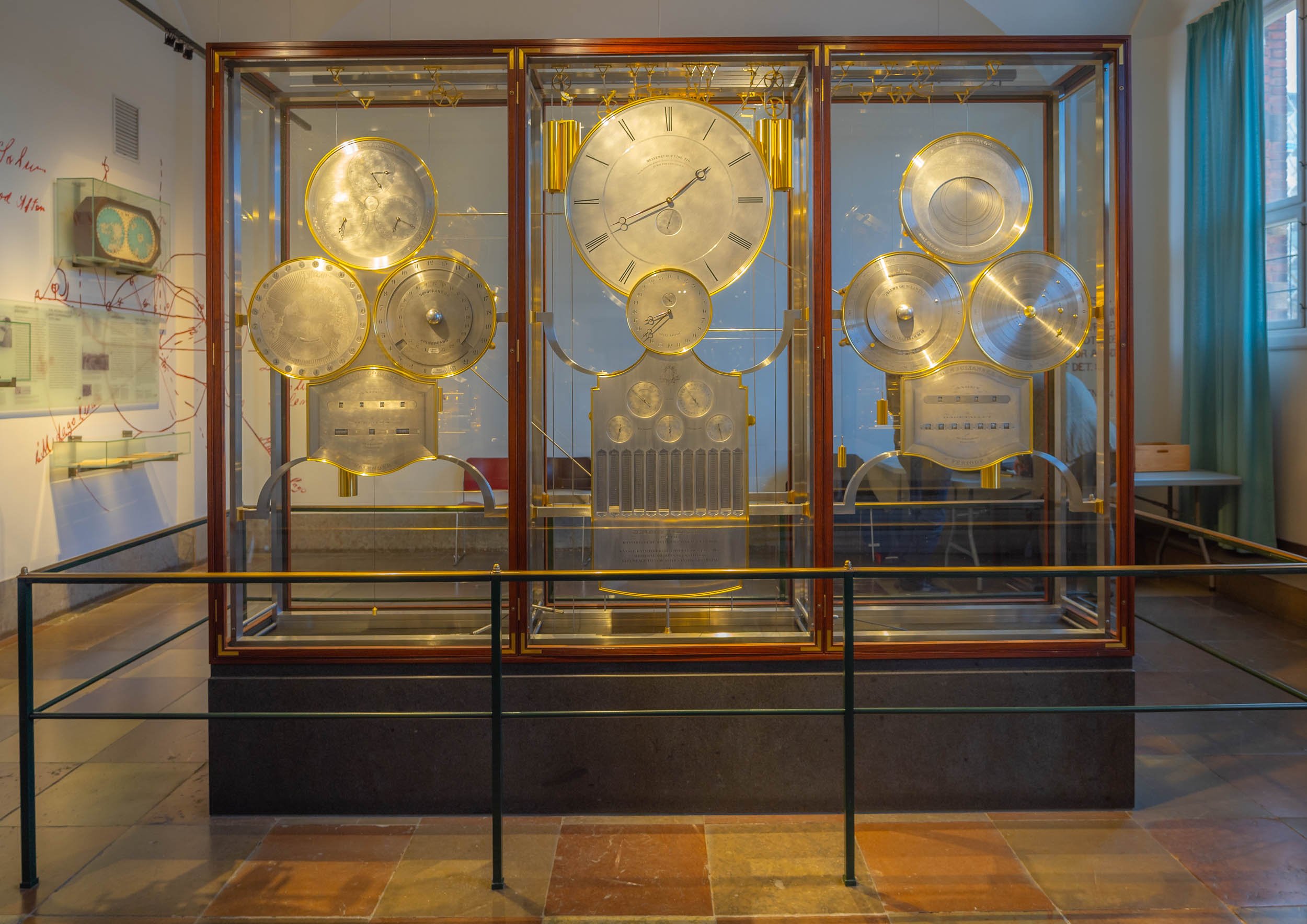
A Thing of Beauty
The 15,448 parts all play a role in telling time, but also other astronomical variables for thousands of years to come.
Precision
Got lucky and received an explanation by the Chief Watch Maker who maintains it, telling me that the fastest gear rotates every 10 seconds, but the slowest needs 25,753 years, aligning with the Earth’s axial precession (I had to look that up).
Rosenborg Castle and Christiansborg Palace
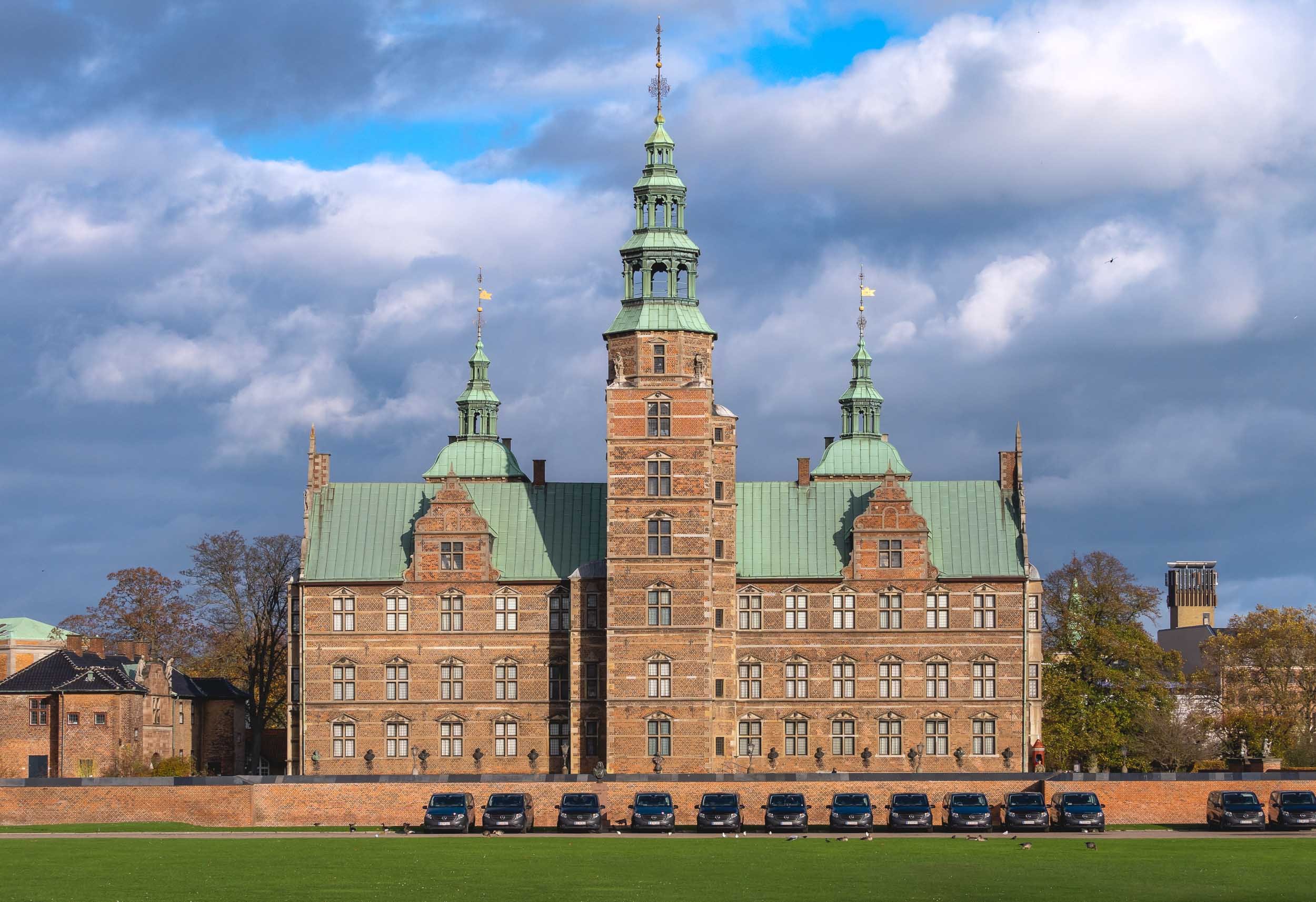
Another important historical spot is this Renaissance castle and its garden from the early 1600s, where you can sometimes spot the Royal Life Guards - although I'm not sure what these cars were lined up for.
Throne Chair
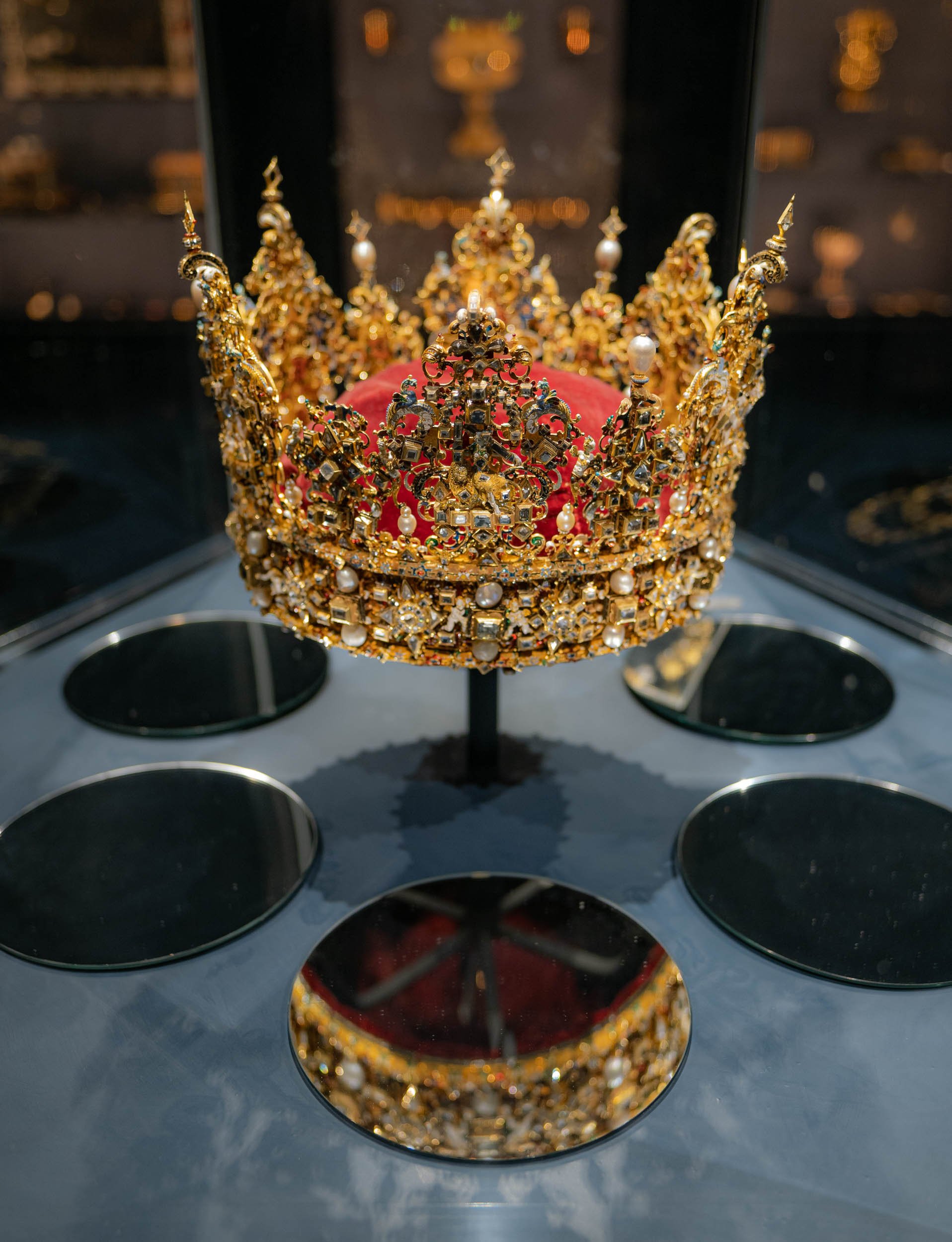
One of the many buildings constructed under Christian IV, it is home to many important state artifacts.
Among them also the Crown Regalia of the Kingdom of Denmark. The Kingdom still exists and is separate from the actual country, encompassing also Greenland and the Faroe Islands.
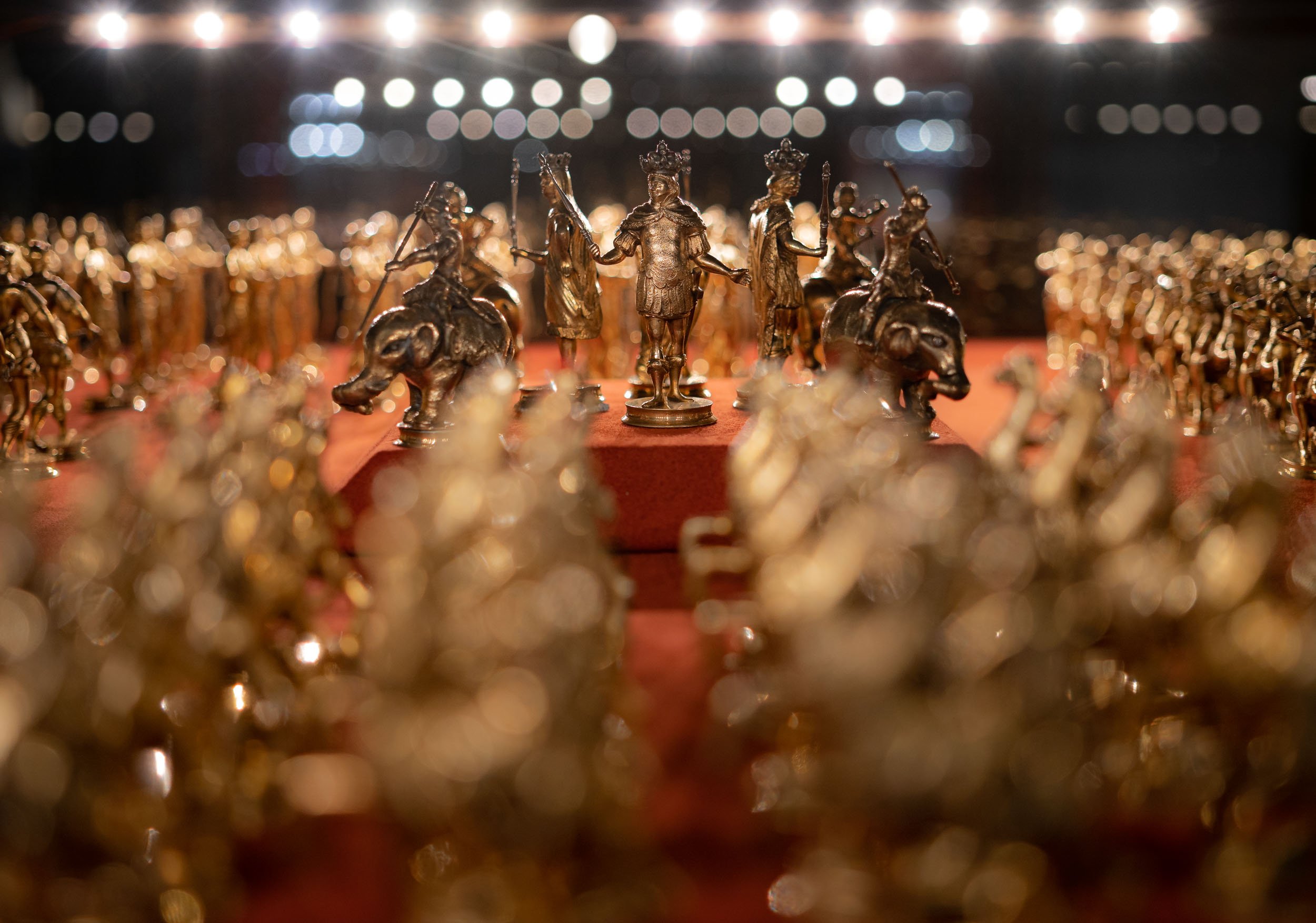
And this rather extravagant chess set.
Royal Palace
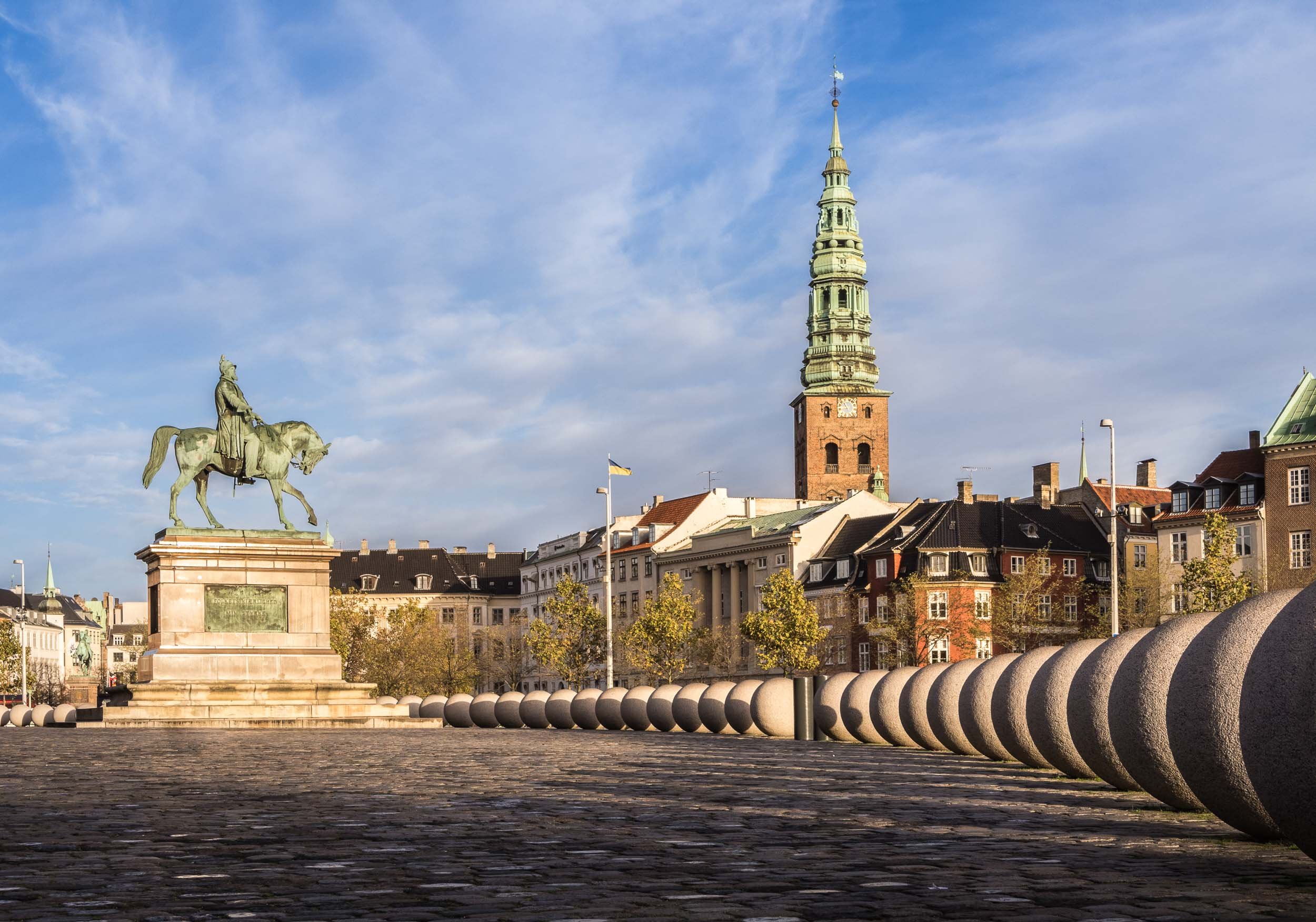
Another must visit is the Christiansborg Palace, the square in front of which with the statue of Frederik VII is shown here.
Royal Stables
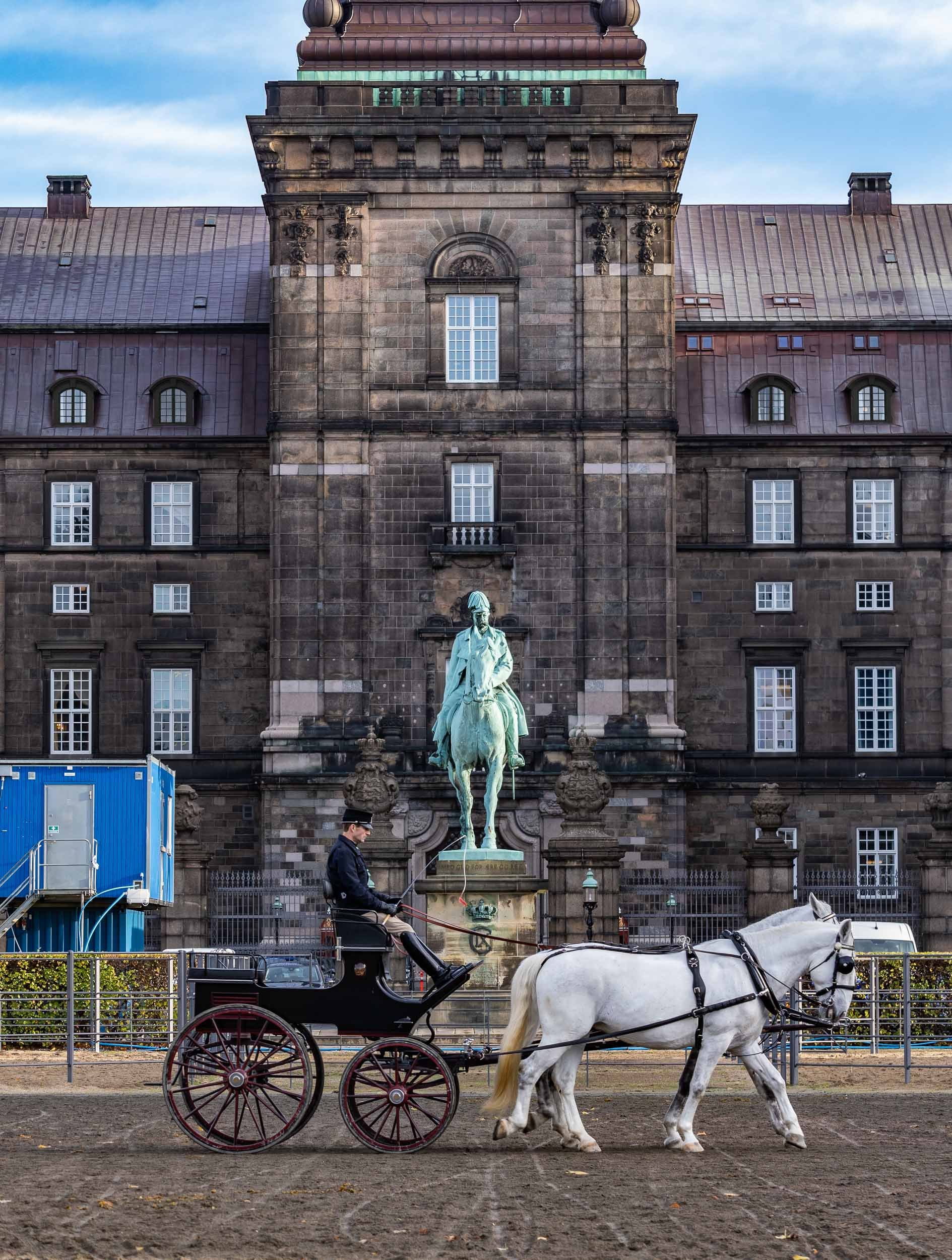
It is also home to the stables, meaning you might get to see some horses in training on the interior courtyard.
A Message
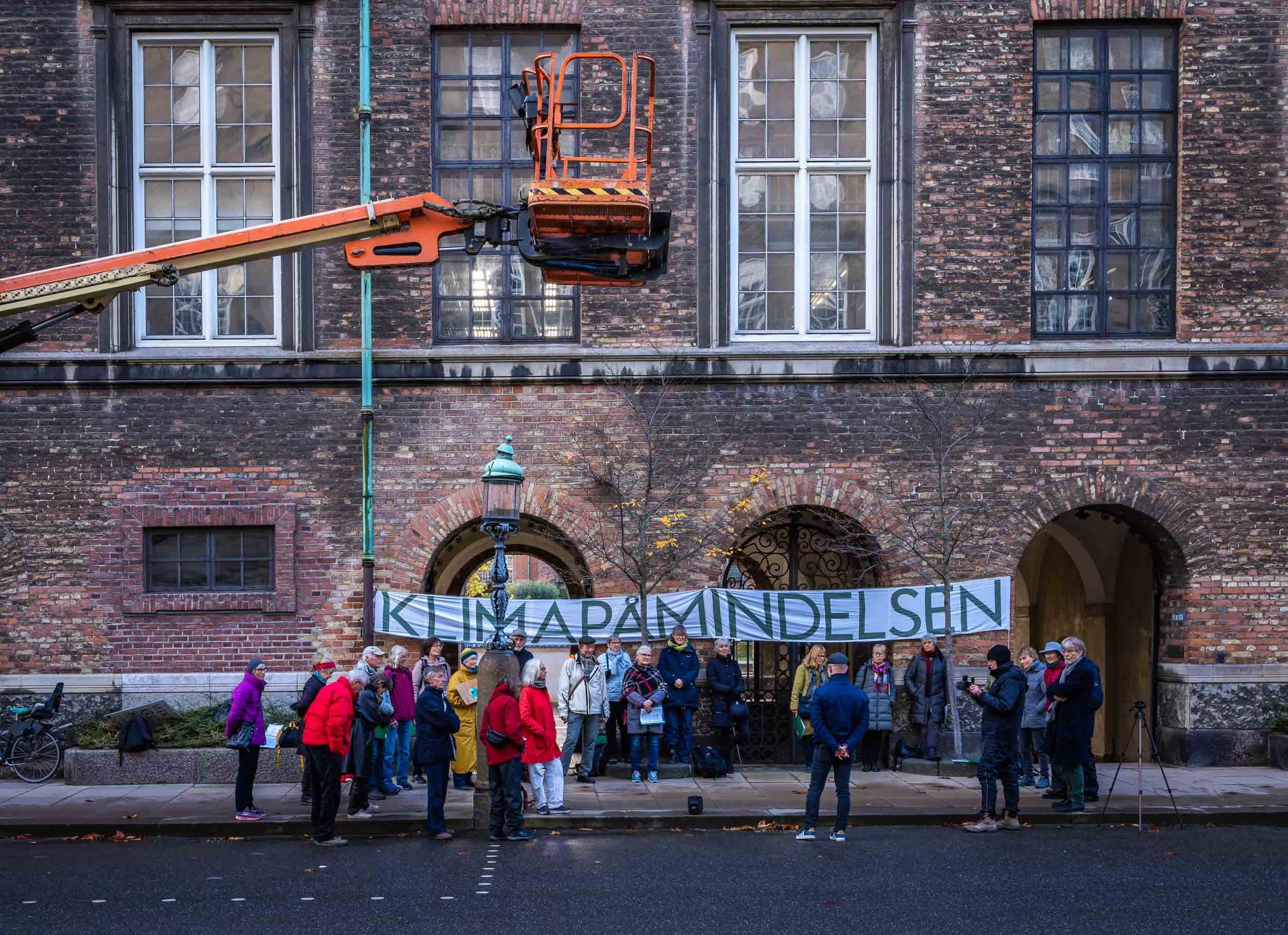
The building is now home to the Danish parliament - and some of the consitutents clearly have something to say to their elected representatives.
Number 5
The most intrigung part of the castle is in fact underground though, showing the ruins of no less than four previous castles on the same spot.
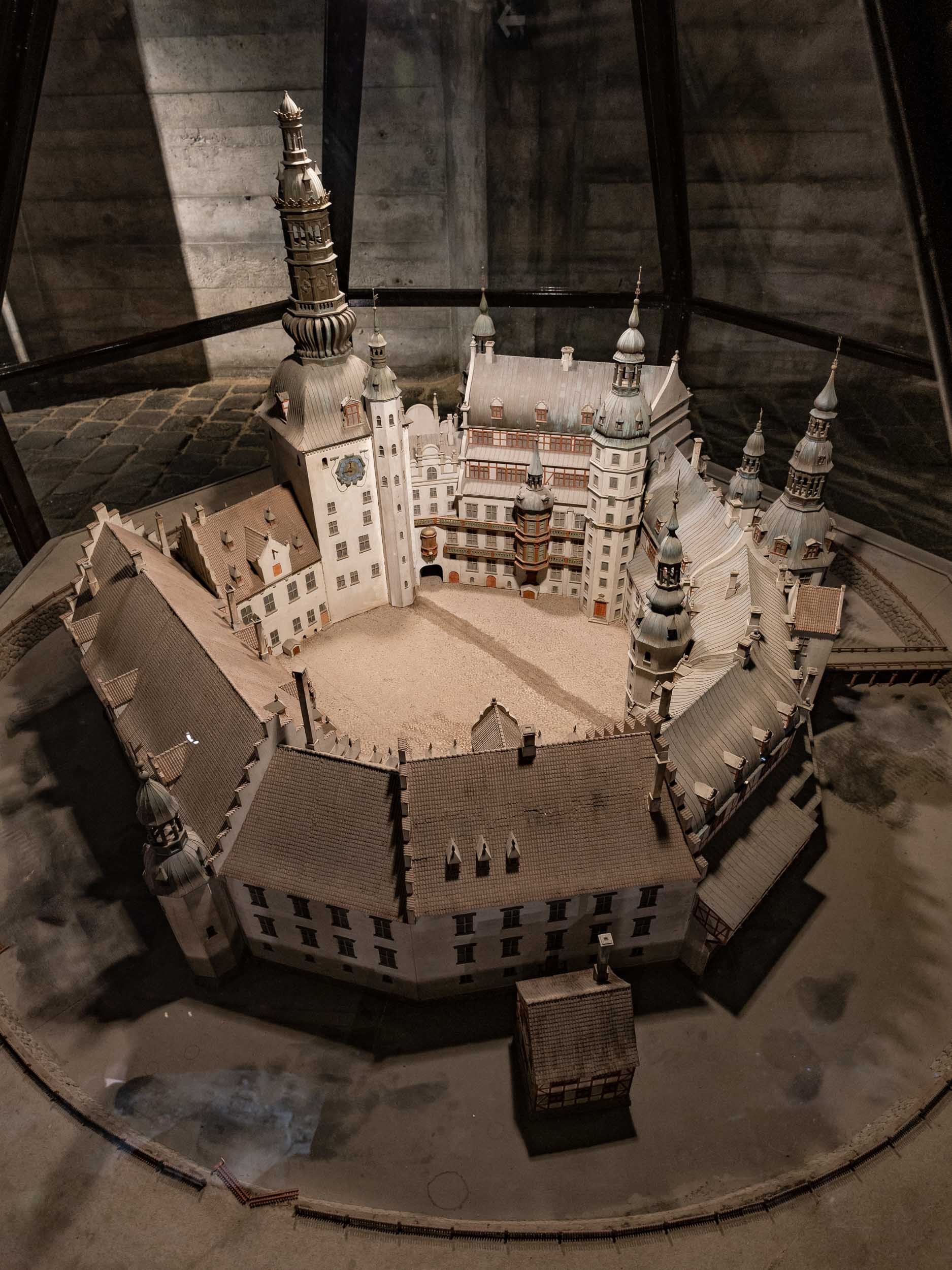
Copenhagen Castle
Here is one of them, and arguably the prettiest: Copenhagen Castle was built in the late 14th century and demolished 250 years later to make room for the first Christiansborg.
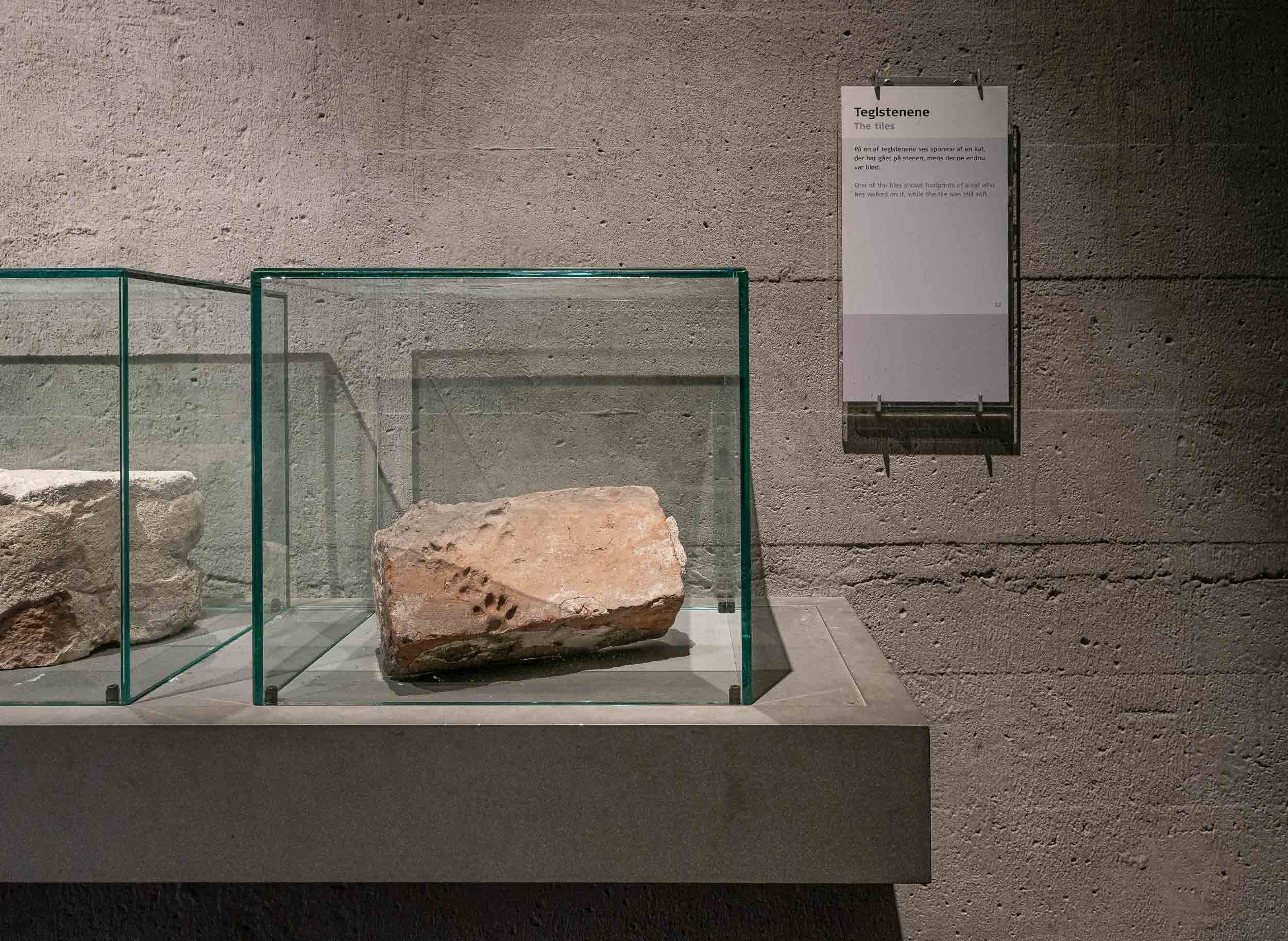
Cats...
...messing up stuff for centuries.
Grundtvigs Church
One of the most spectacular places in the city lies a little outside, but is worth the journey: A rare expressionist church completed in 1940, designed by Peder Vilhelm Jensen-Klint.
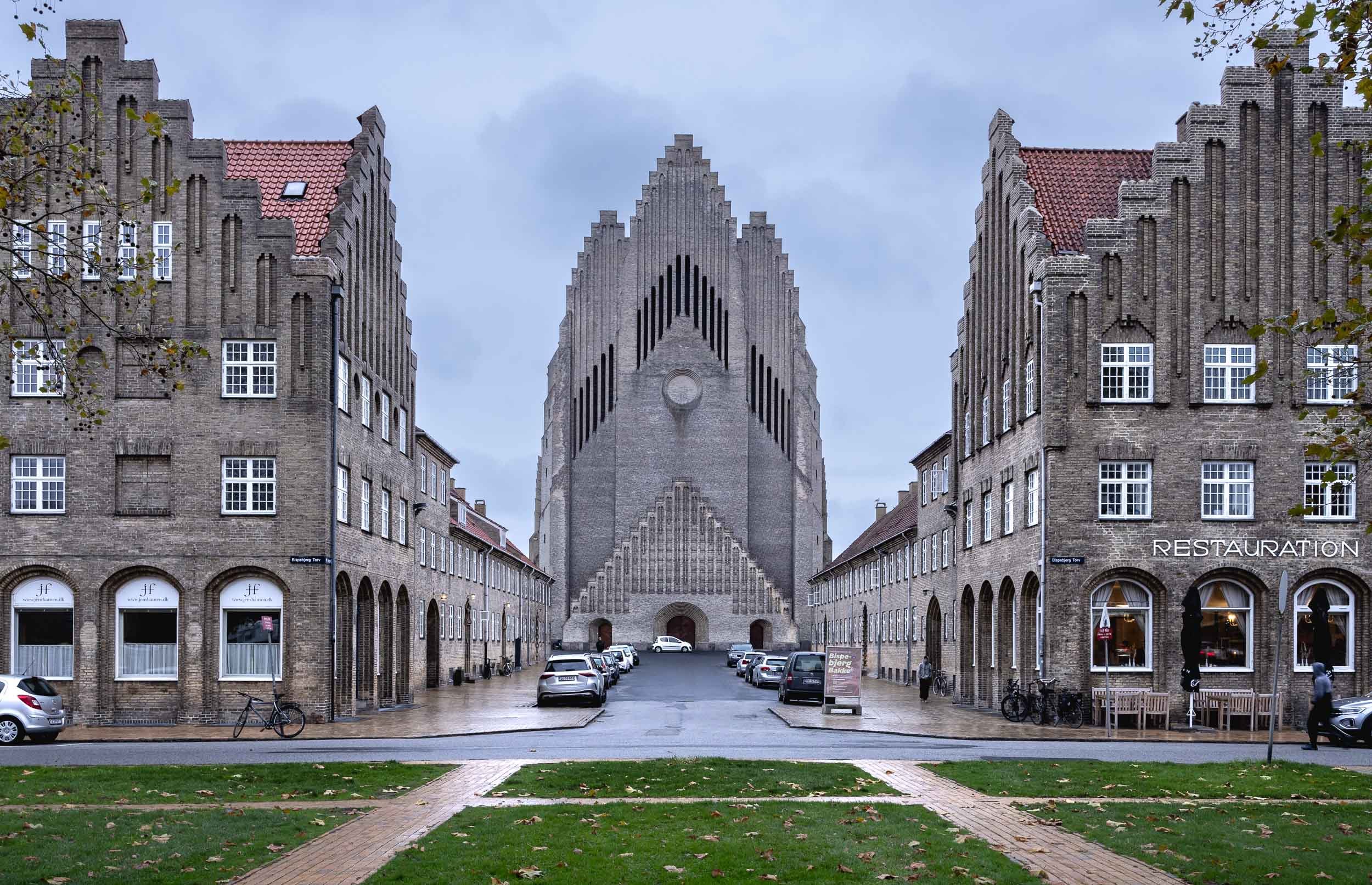
Facade
The church seen from the main access road into the compound.
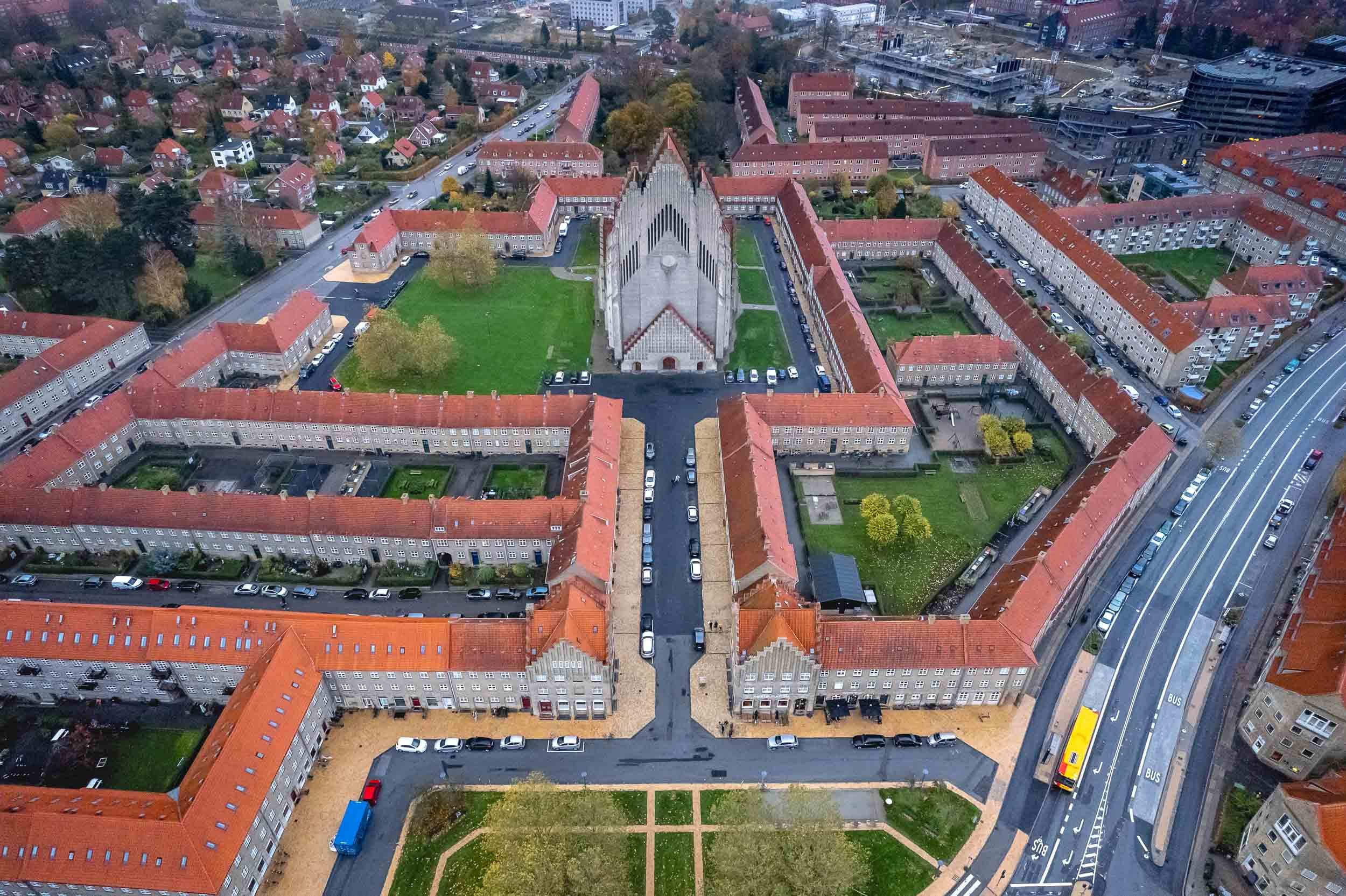
Aerial View
The church is embedded into a residential community with similar architecture designed and built at the same time.
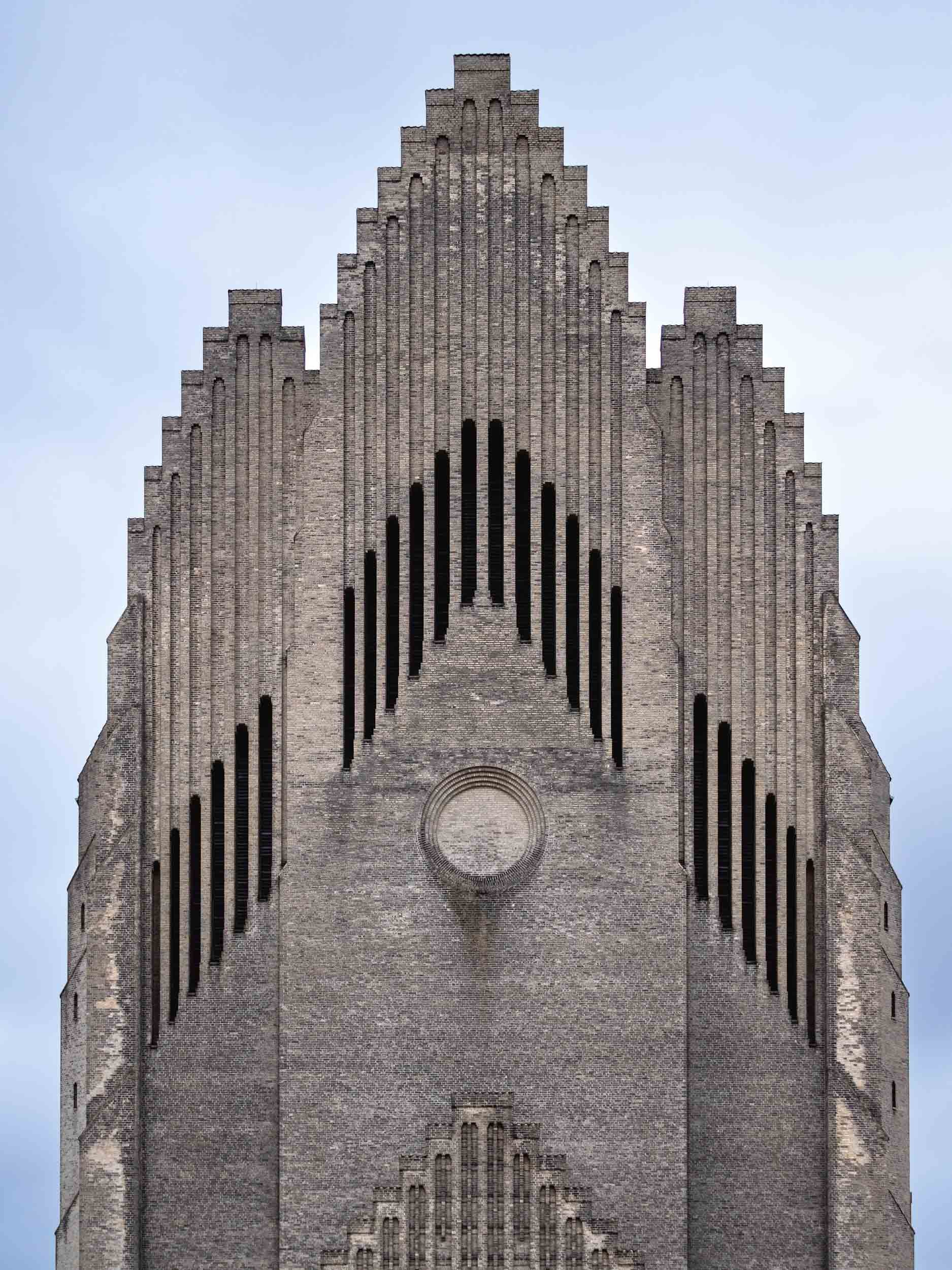
Metaphor
The imposing front resembles an organ and reaches almost 50m in height.
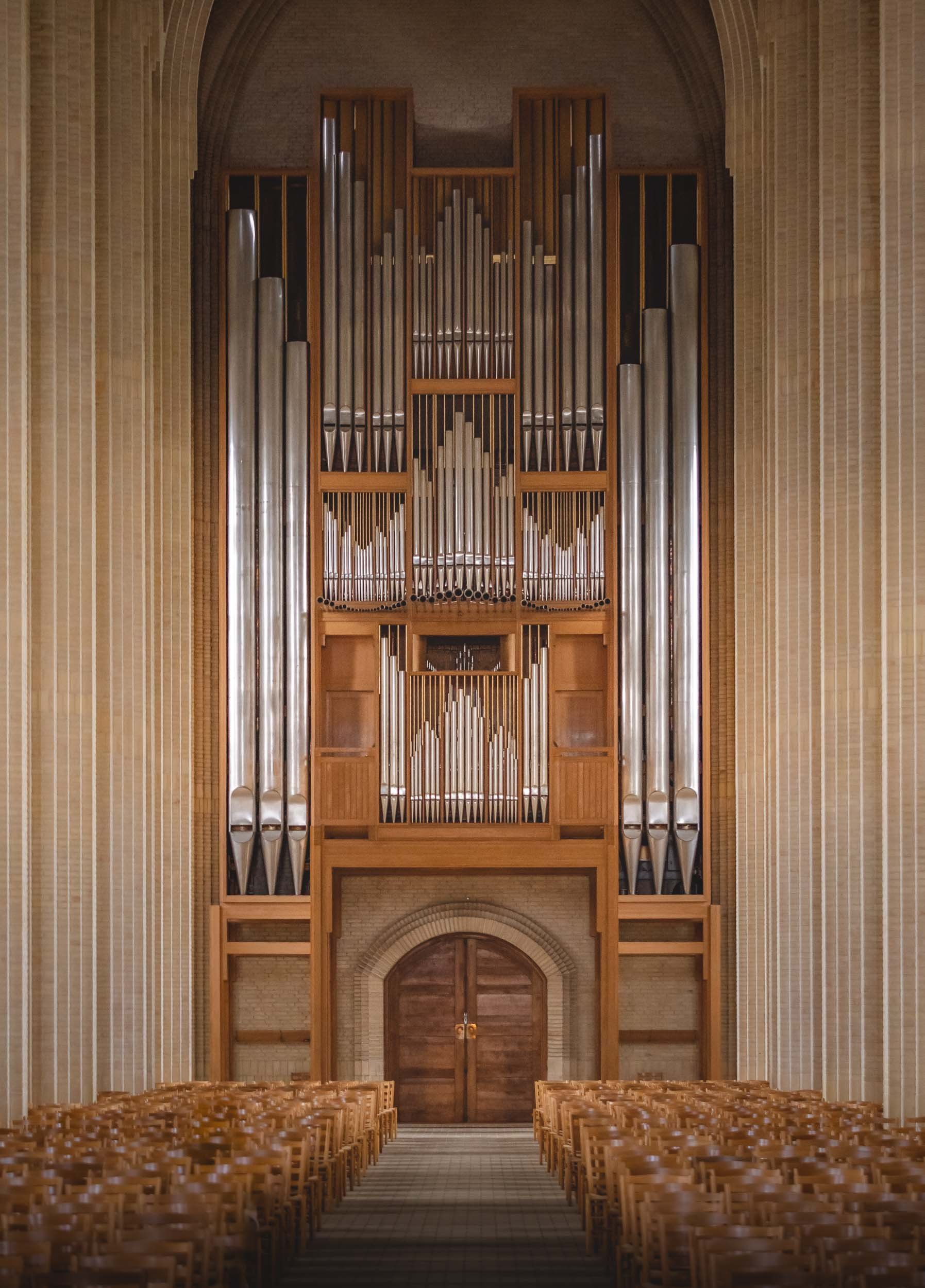
The Other Side
The real organ on the western church wall.
Here’s a little Hyperlapse clip of the central interior path to the altar.
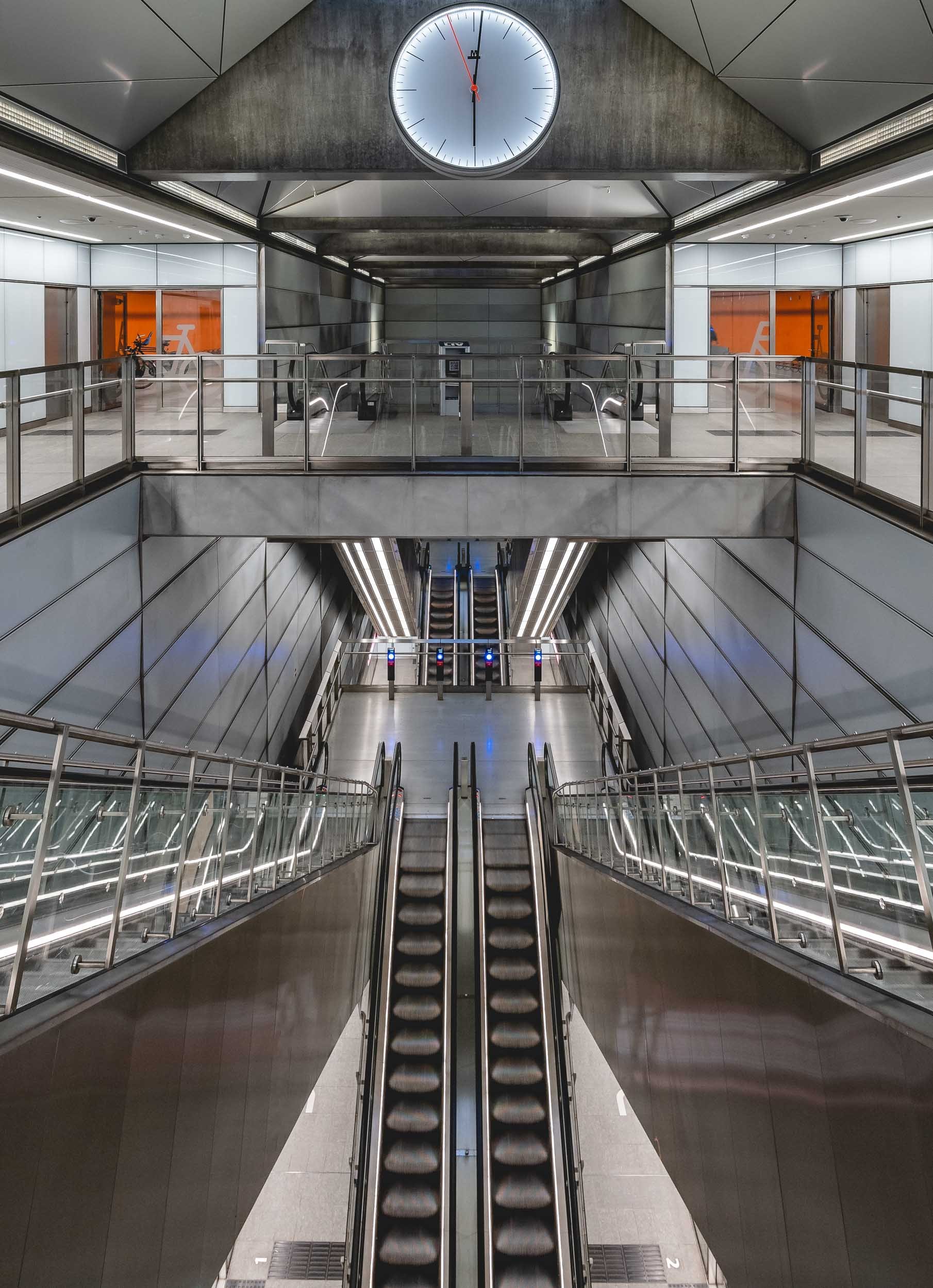
And that's the end of the journey, with one of Copenhagen's modern subway stations. Is it the world’s most livable city? I can see the appeal, but the dark winters alone would make me struggle a little!