Hanoi & the Many Faces of Northern Vietnam
Vietnam’s beautiful capital and a glimpse at its mountainous and coastal landscapes.
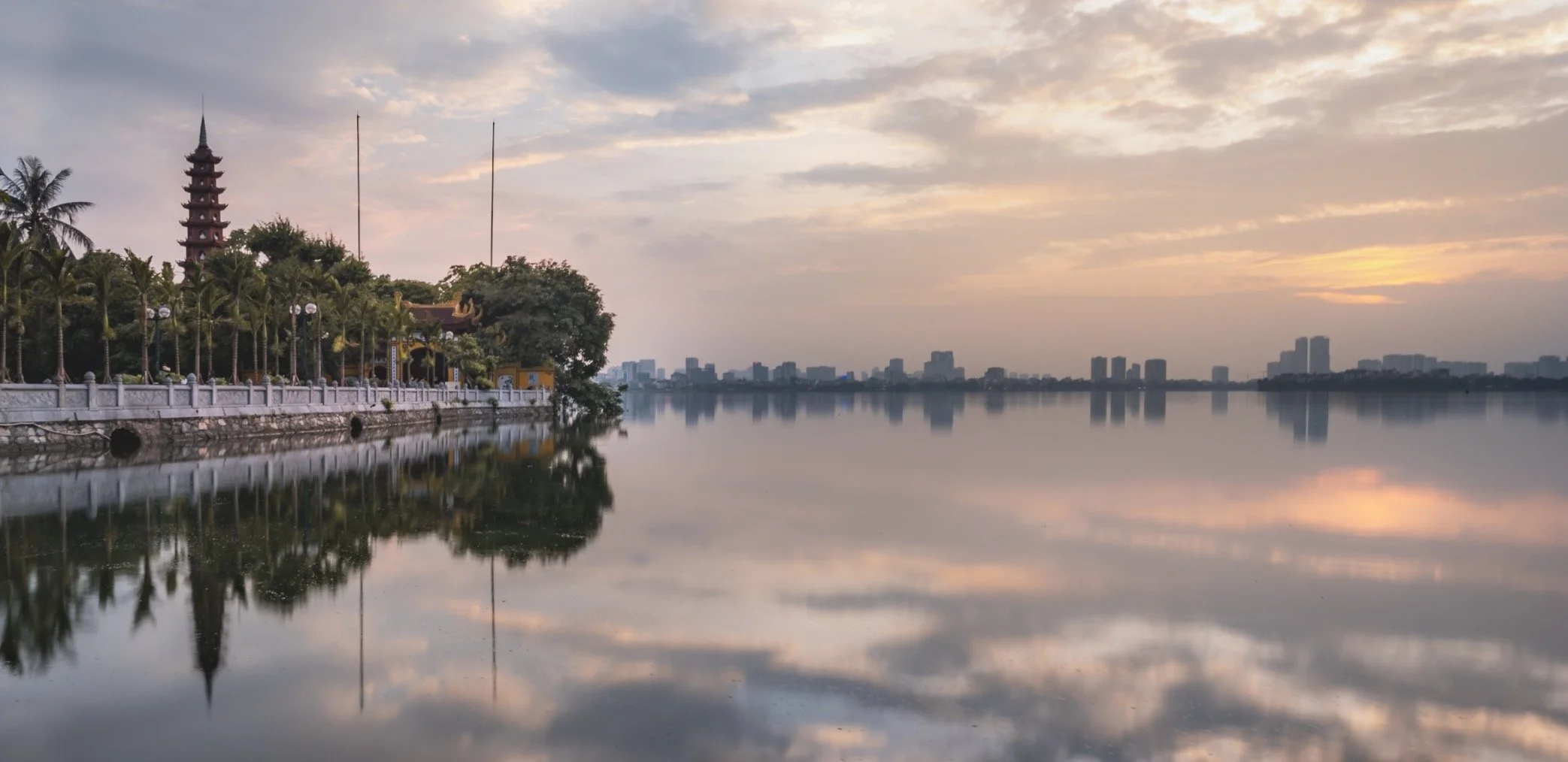
This is the third installment of my Vietnam blog series, after the central parts with beautiful Hoi An & Hue, and the south, featuring Ho Chi Minh City and the Mekong delta. Vietnam remains one of my favourite destinations in Asia, and this entry covers just over a week spent in its capital and northern parts - there is a lot more to see and I hope I’ll find time to go back in the not too distant future. For now, here is a look at the capital, the islands around Cat Ba, the tea plantations in the mountainous areas, and more…
Hanoi - Capital in the Shadow
Despite its capital status dating back more than 1000 years - granted, under different governing entities - and its nearly 9 million inhabitants, Hanoi is probably not the first city that comes to people’s mind when they think of Vietnam. At least in western culture, it’s Saigon - or Ho Chi Minh City, its official name - that commands a little more mindshare. Granted, the centre of the south does play the most critical economic role, but I probably enjoyed Hanoi a little more, despite my short stay.
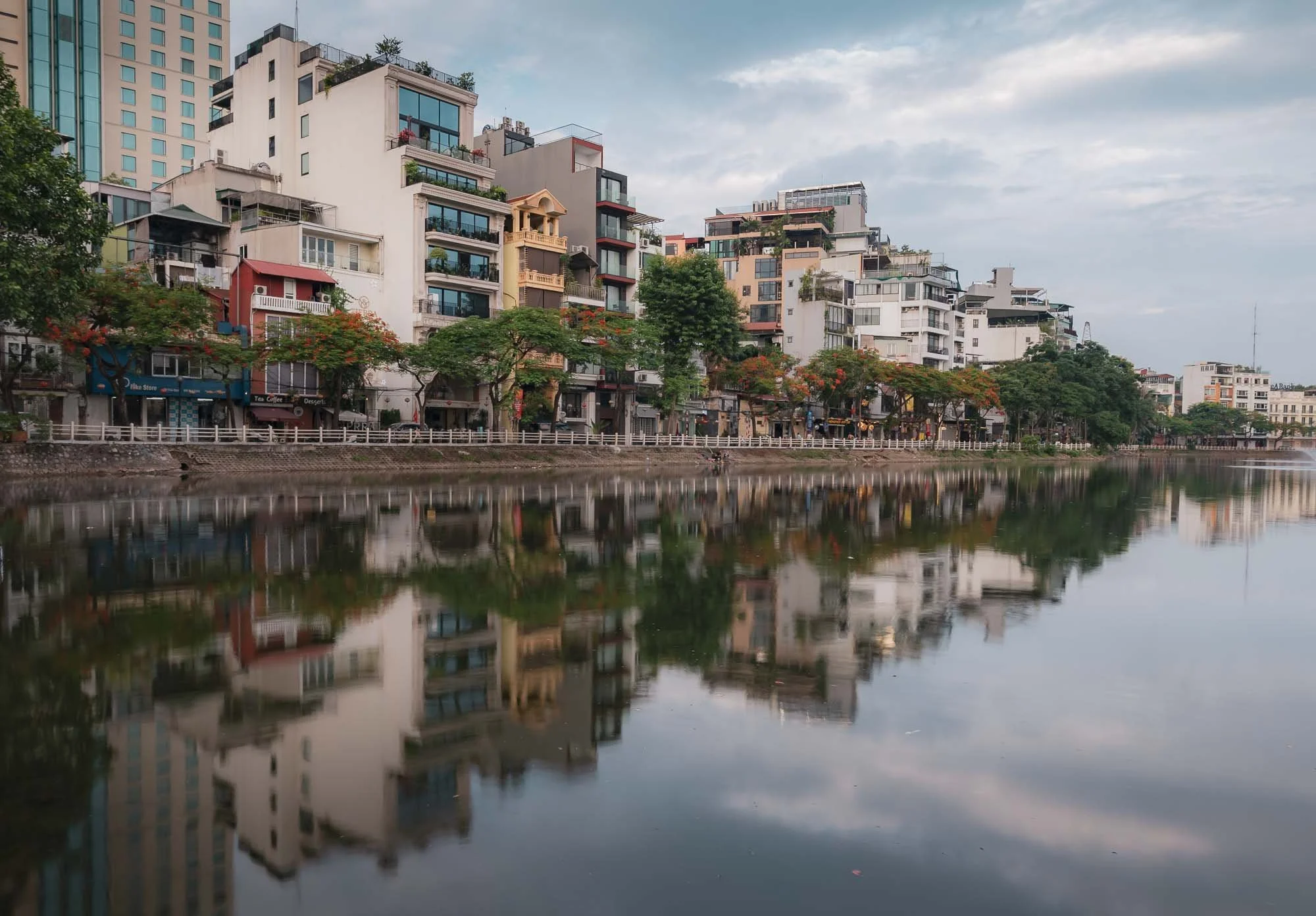
One of my favourite features is its many lakes dotted around different parts of the city, with plenty of walkways, restaurants, and street life. Many of them were left behind by the shifting patterns of the Red River, and later turned into natural features of the cityscape. While seemingly much improved over the last years, the lakes suffered from heavy wastewater pollution until recently - not a place to swim.
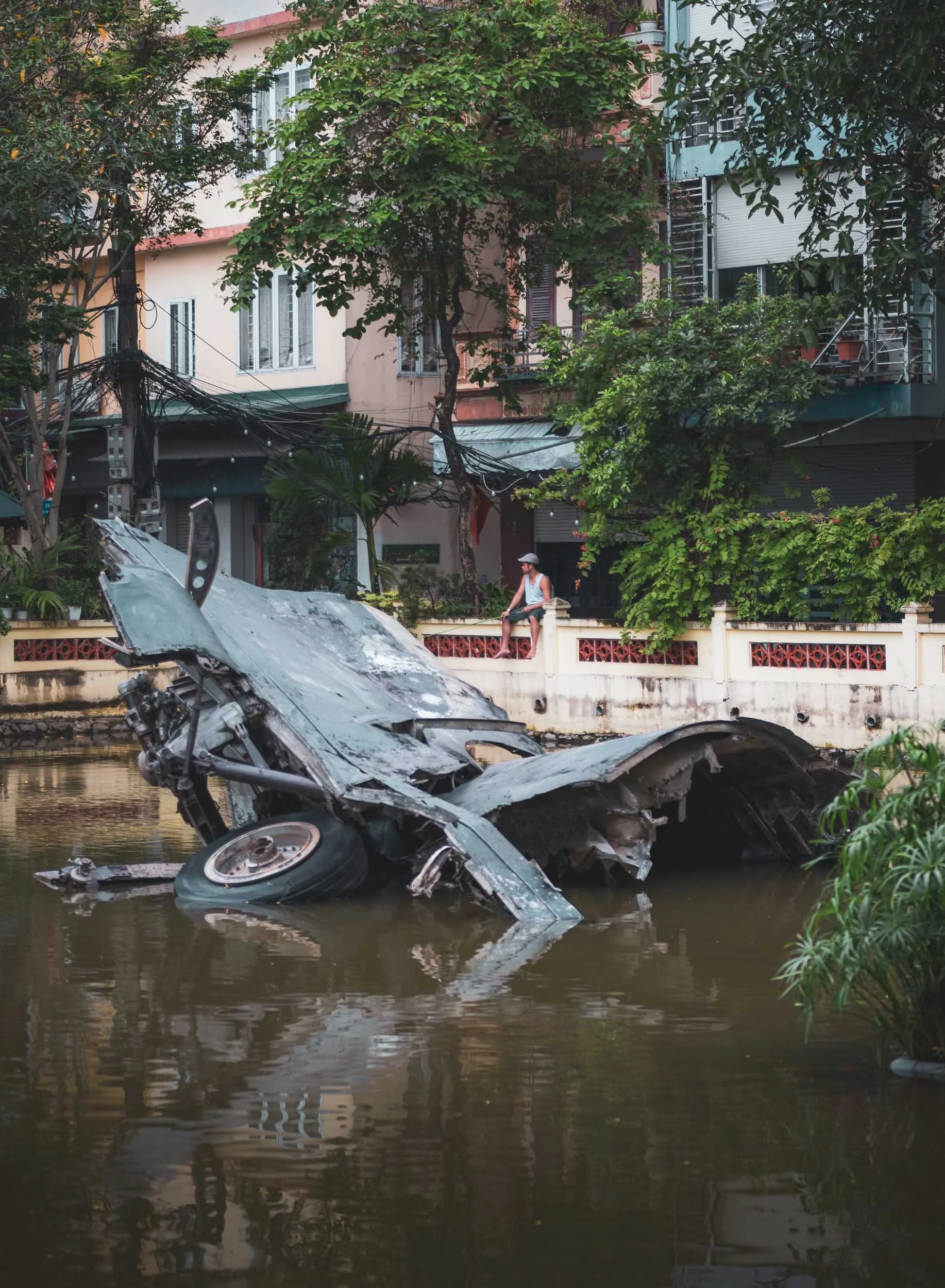
A very very small lake in a residential neighbourhood features remnants of a B-52 bomber, shot down on December 27, 1972 - the wreckage serves as a war memorial symbolising Vietnamese resilience during the war with the US (and the south).
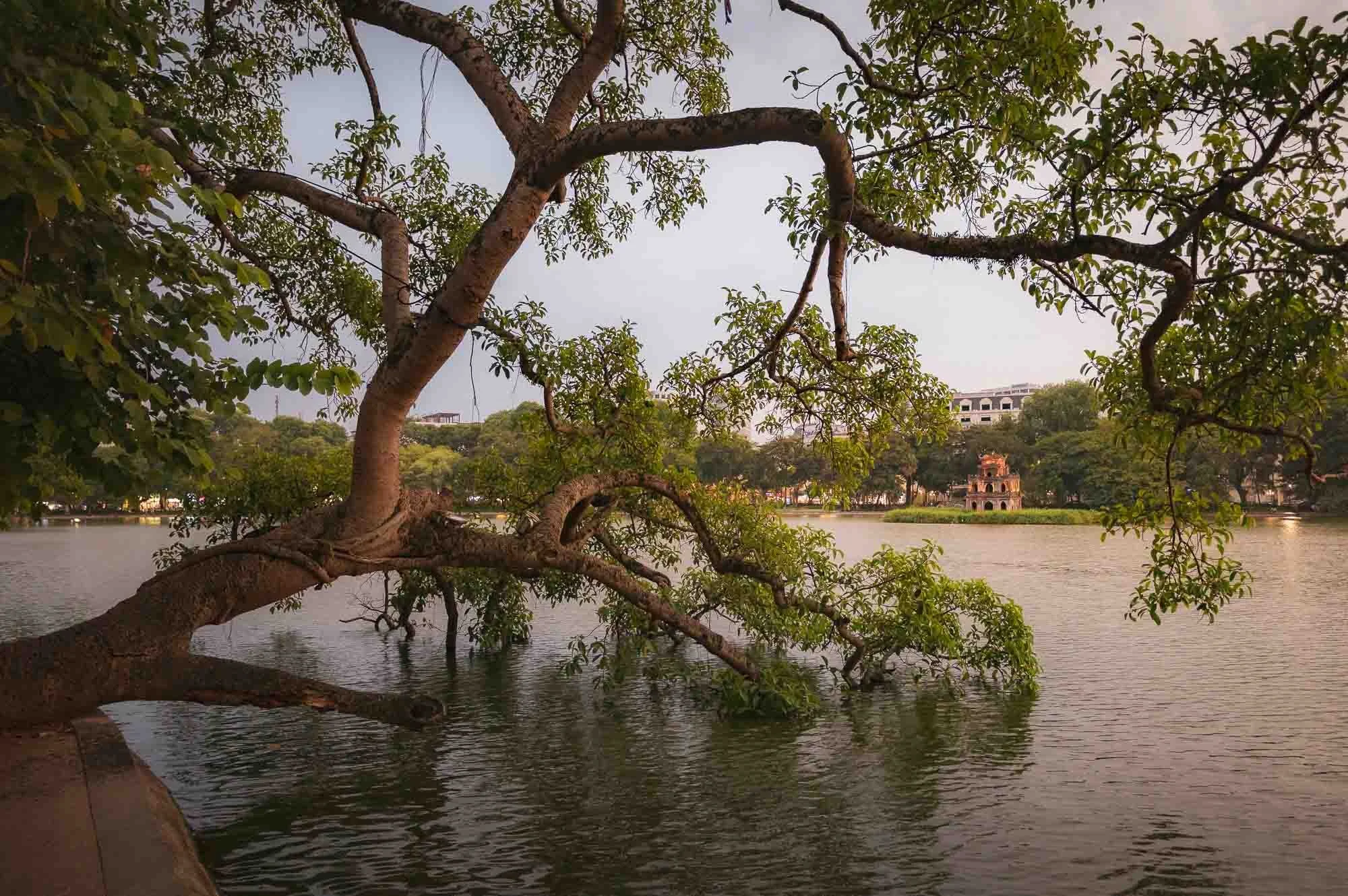
Luckily, some of the lakes feature slightly more peaceful relics, such as the so-called Turtle Tower on a small island in the centre of Hoan Kiem Lake near the old quarter, built around 1886 in honor of a local legend.
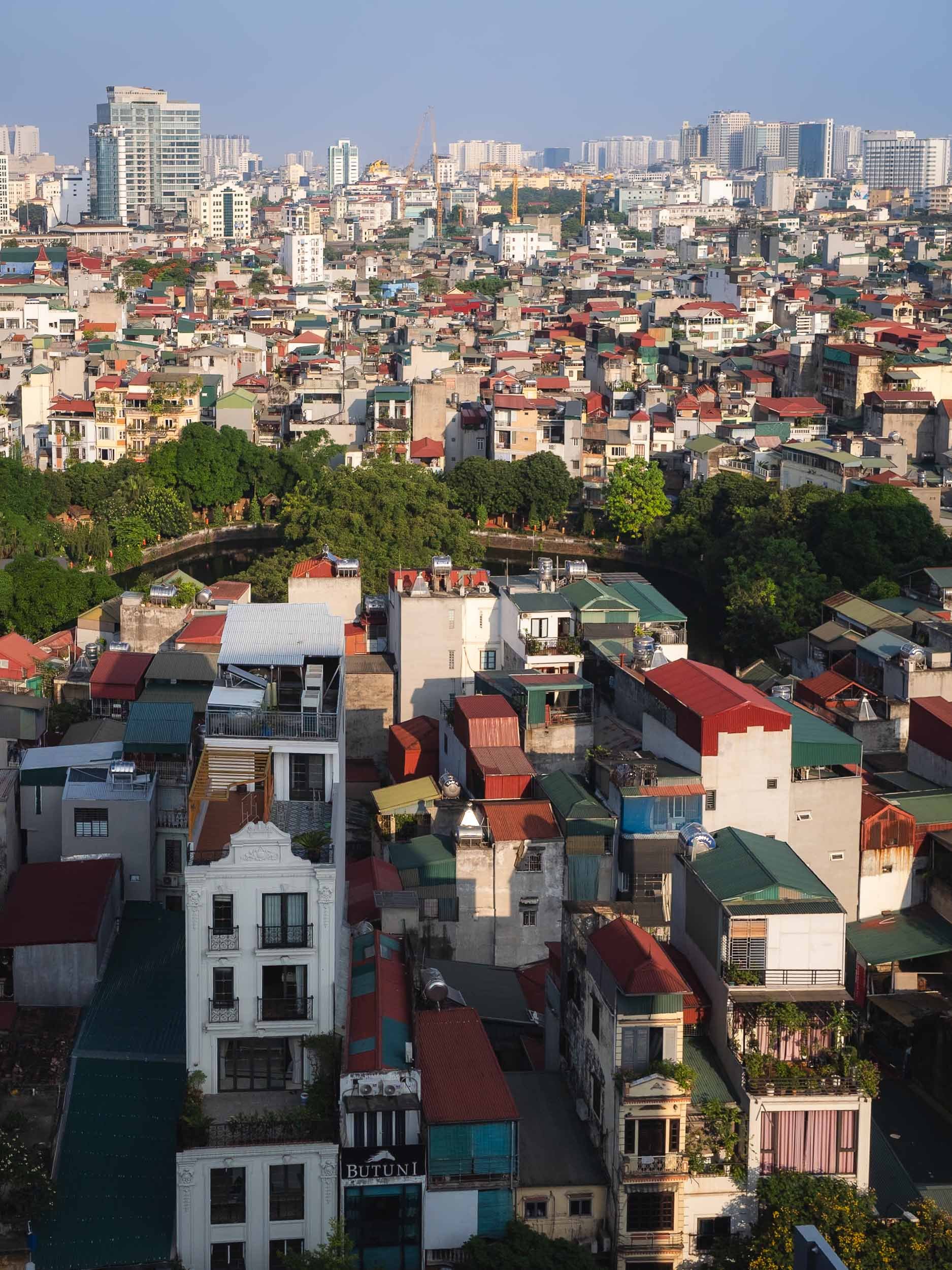
Hanoi is a colorful place - tree-lined avenues and lakes, stacked narrow houses with a mix of Vietnamese and colonial architecture, ancient temples, and modern high-rises.
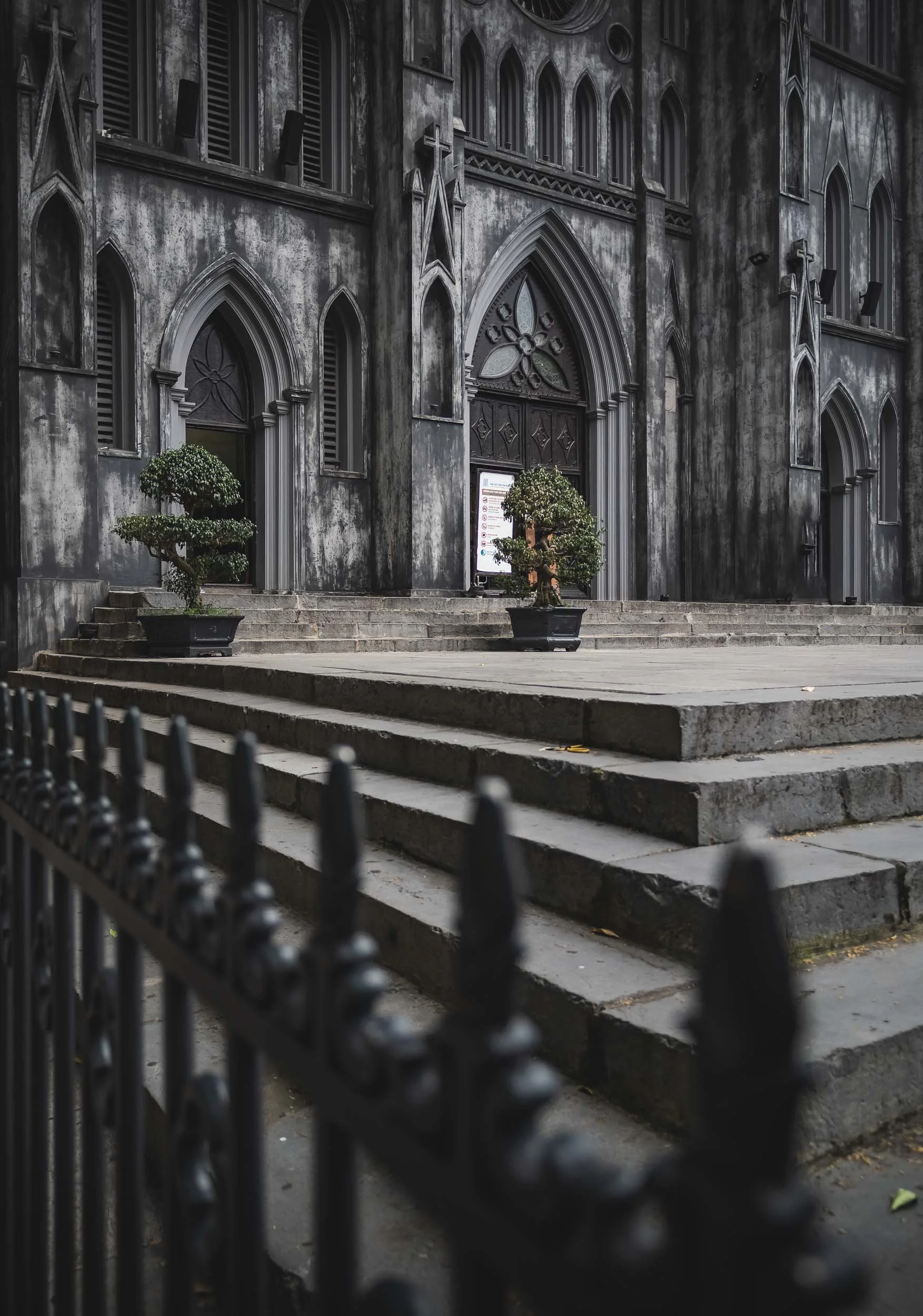
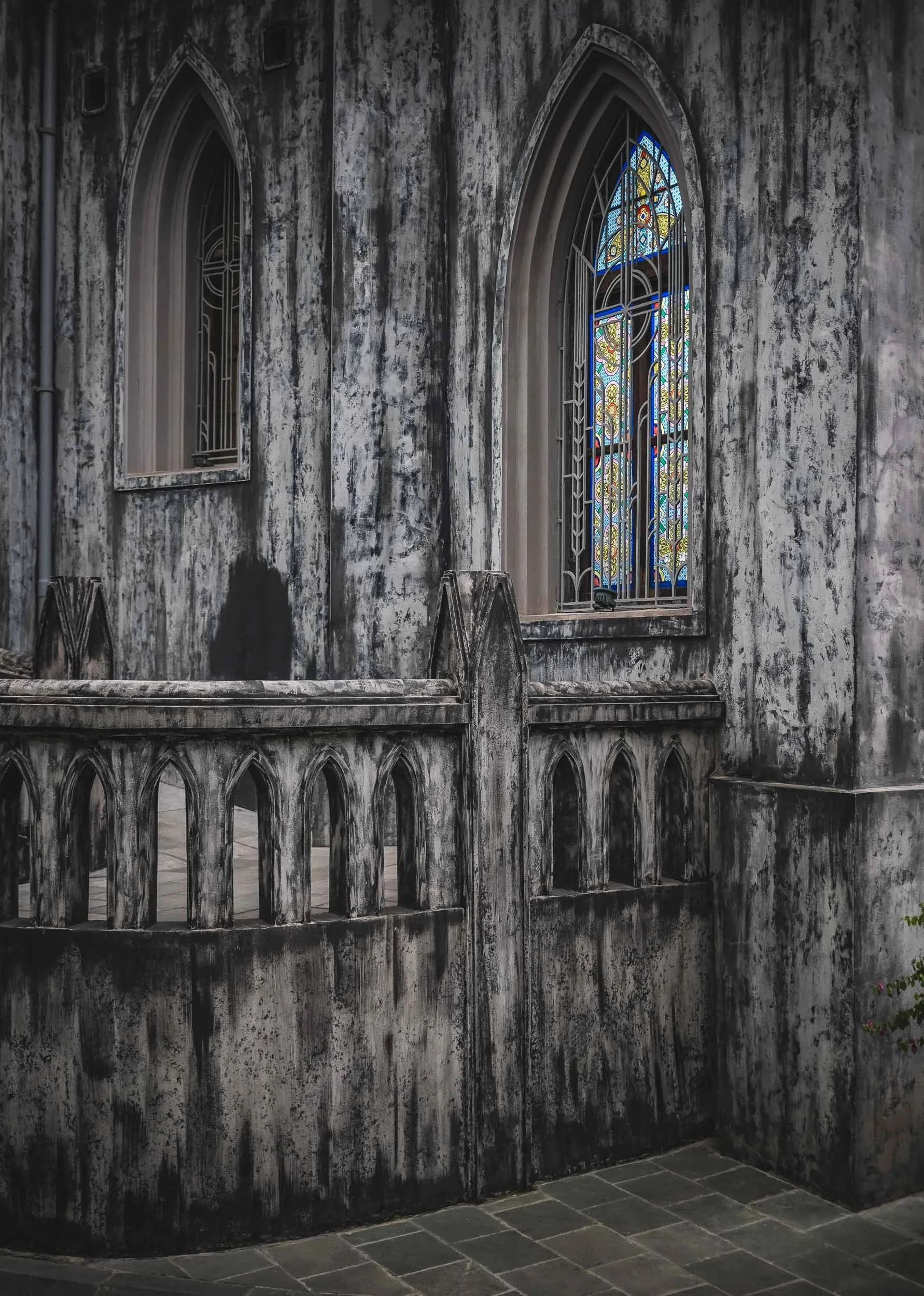
St. Joseph Cathedral
A less colorful affair is its 19th-century Neo-Gothic cathedral in the old quarter on a moody afternoon - a common occurrence given that I visited at the start of the rainy season in May. It was built during the very early French Indochina period and now houses the Archdiocese of Hanoi.
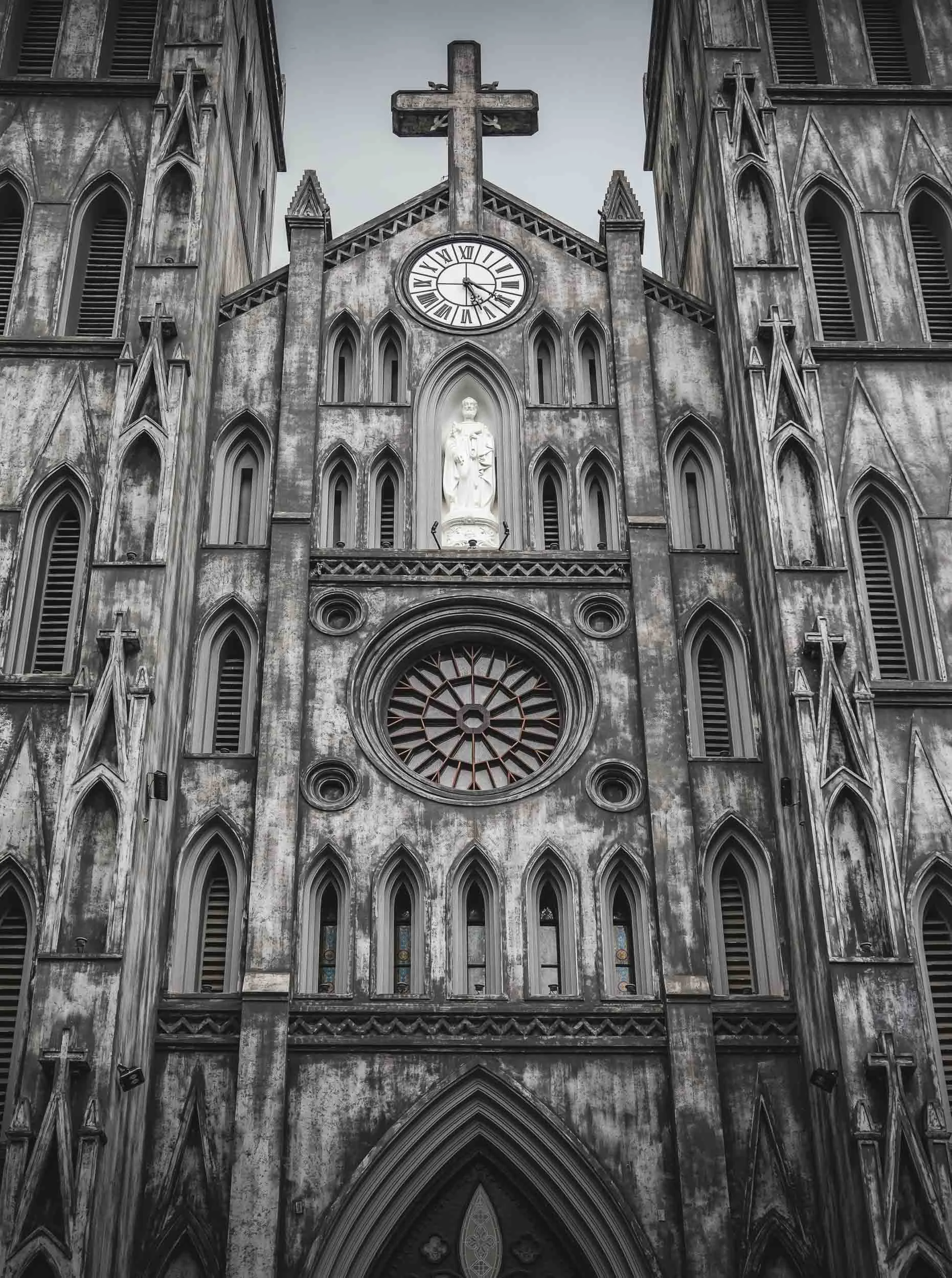
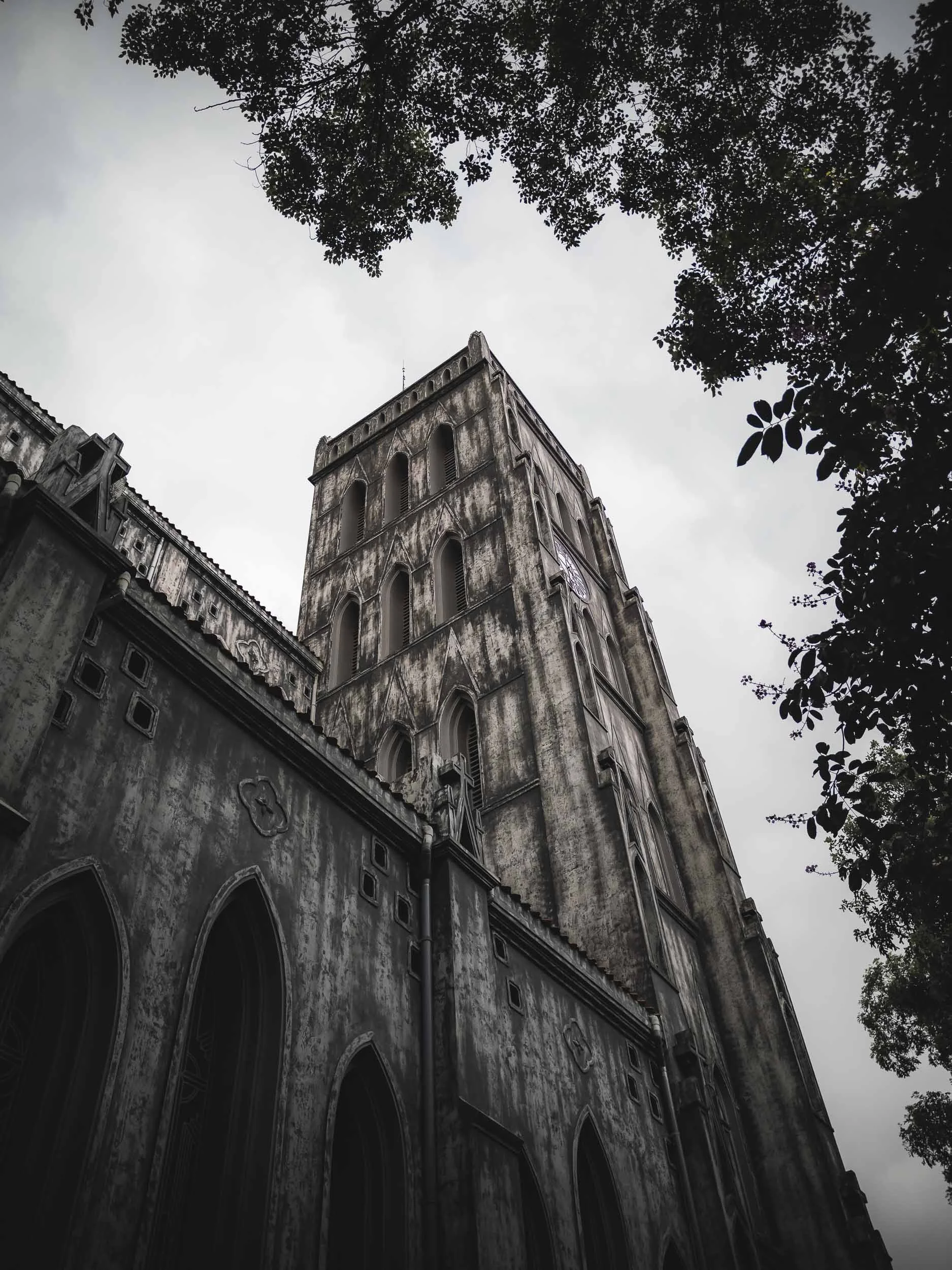
Only around 8% of the Vietnamese population is Catholic though. While the country is a secular state, in fact most people practice traditional folk customs rather than the more well-known global religions.
Train Street
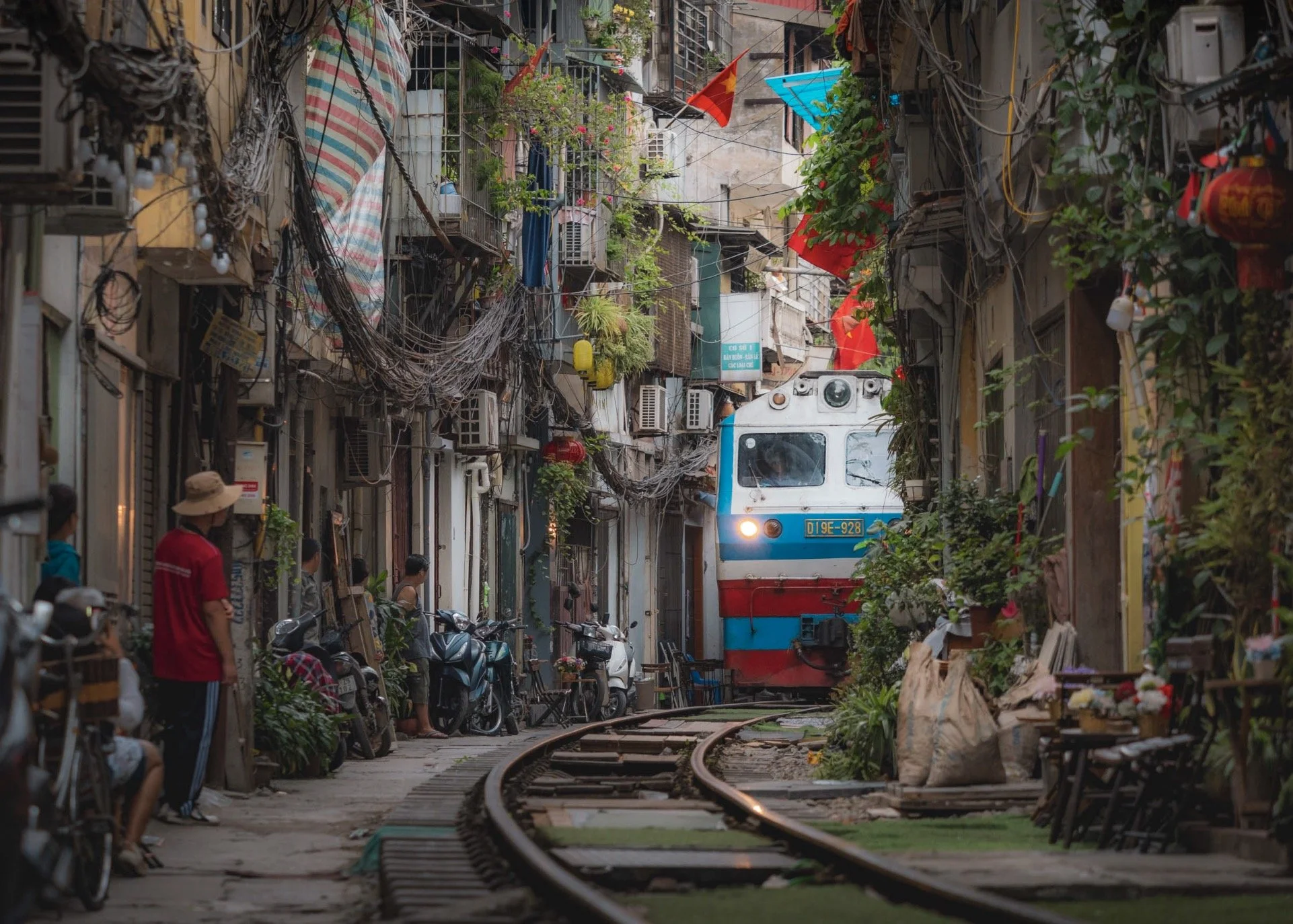
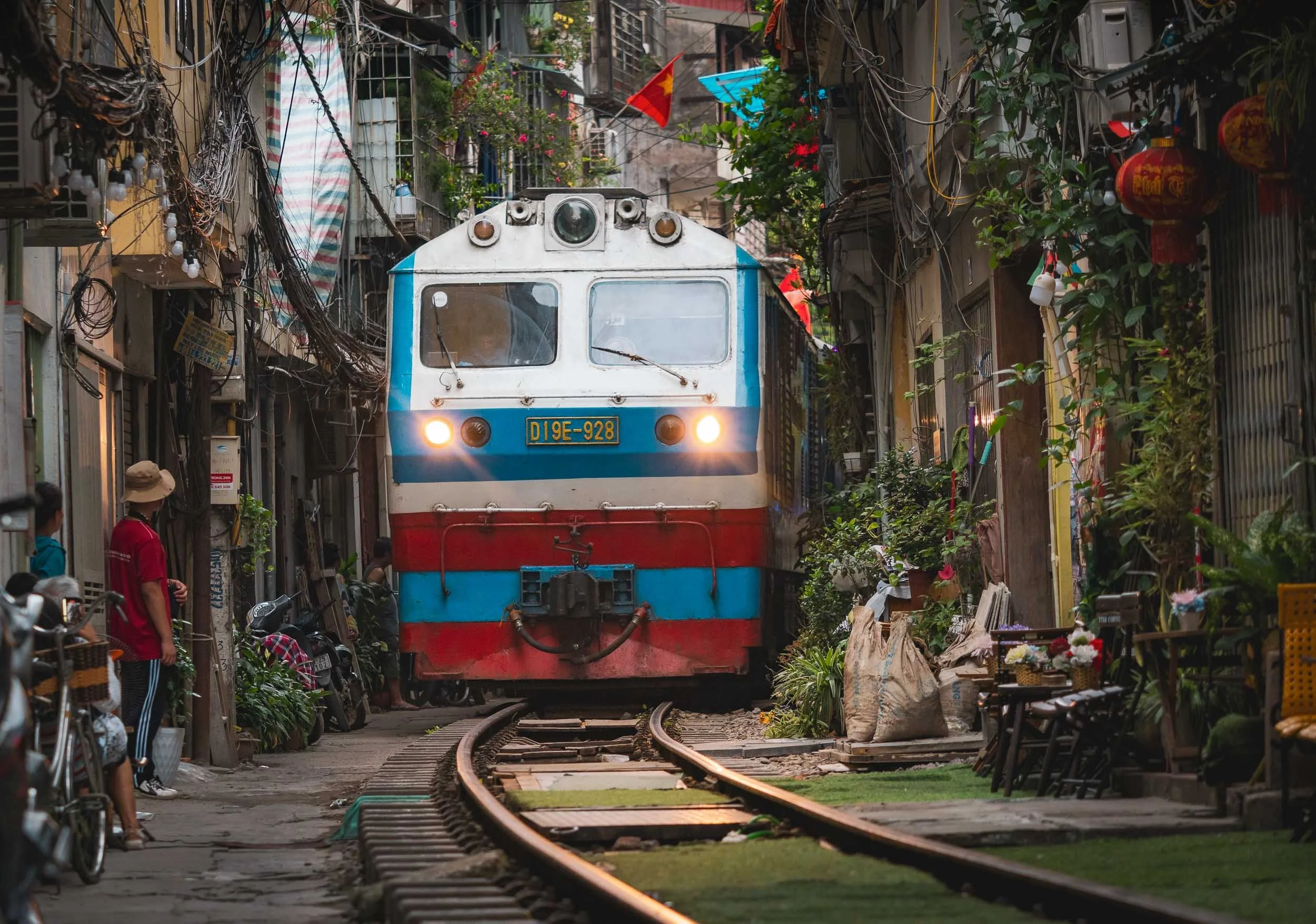
Another of the city’s commonly visited attractions is the so-called train street.
The trains depart from or arrive at Hanoi’s central station and literally pass people’s living rooms on their way in and out of the city - a very peculiar sight. There is in fact one section of the railroad with an alley full of cafes for tourists - where incidents occur at not so irregular intervals and the section gets closed off quite regularly, with police around all the time.

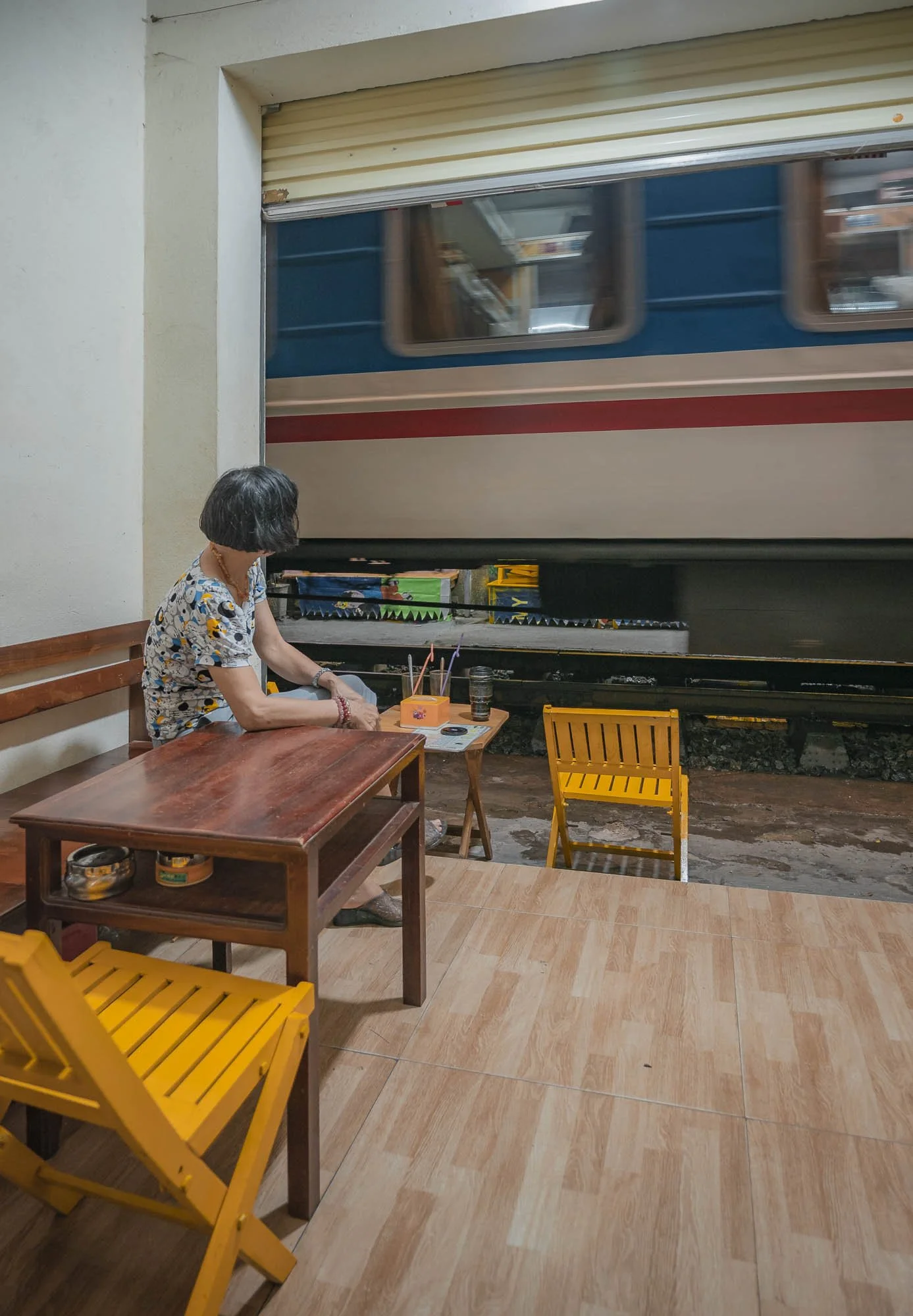
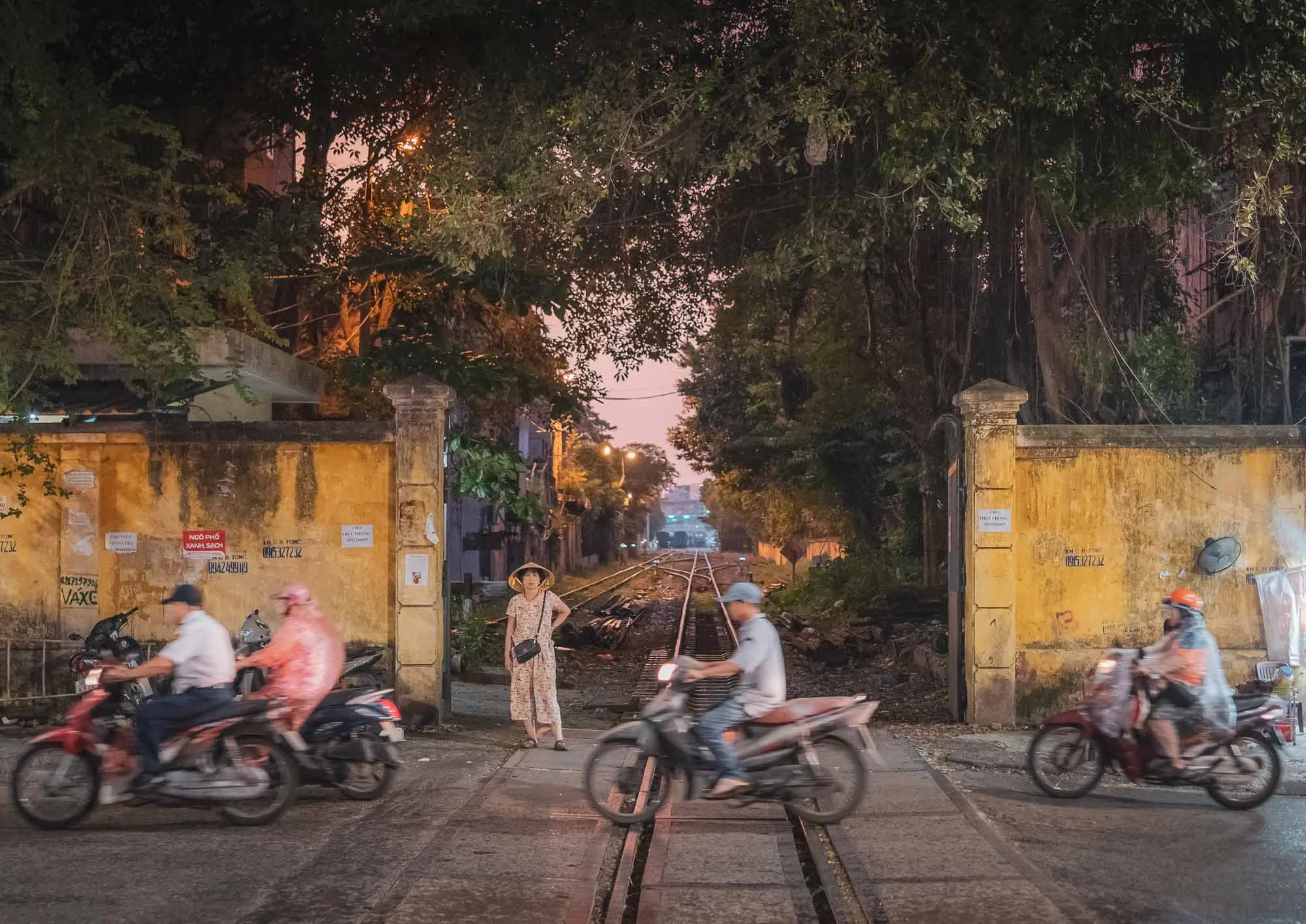
The main station lies behind these walls, where the trains cross the road and head into the alleys on their way in and out. A few of the quieter parts of the track further north and south are worth exploring as well. Whether you like trains or not, spending a couple of hours to watch the proceedings as they make their way through the tightest angles at considerable speed is intriguing.
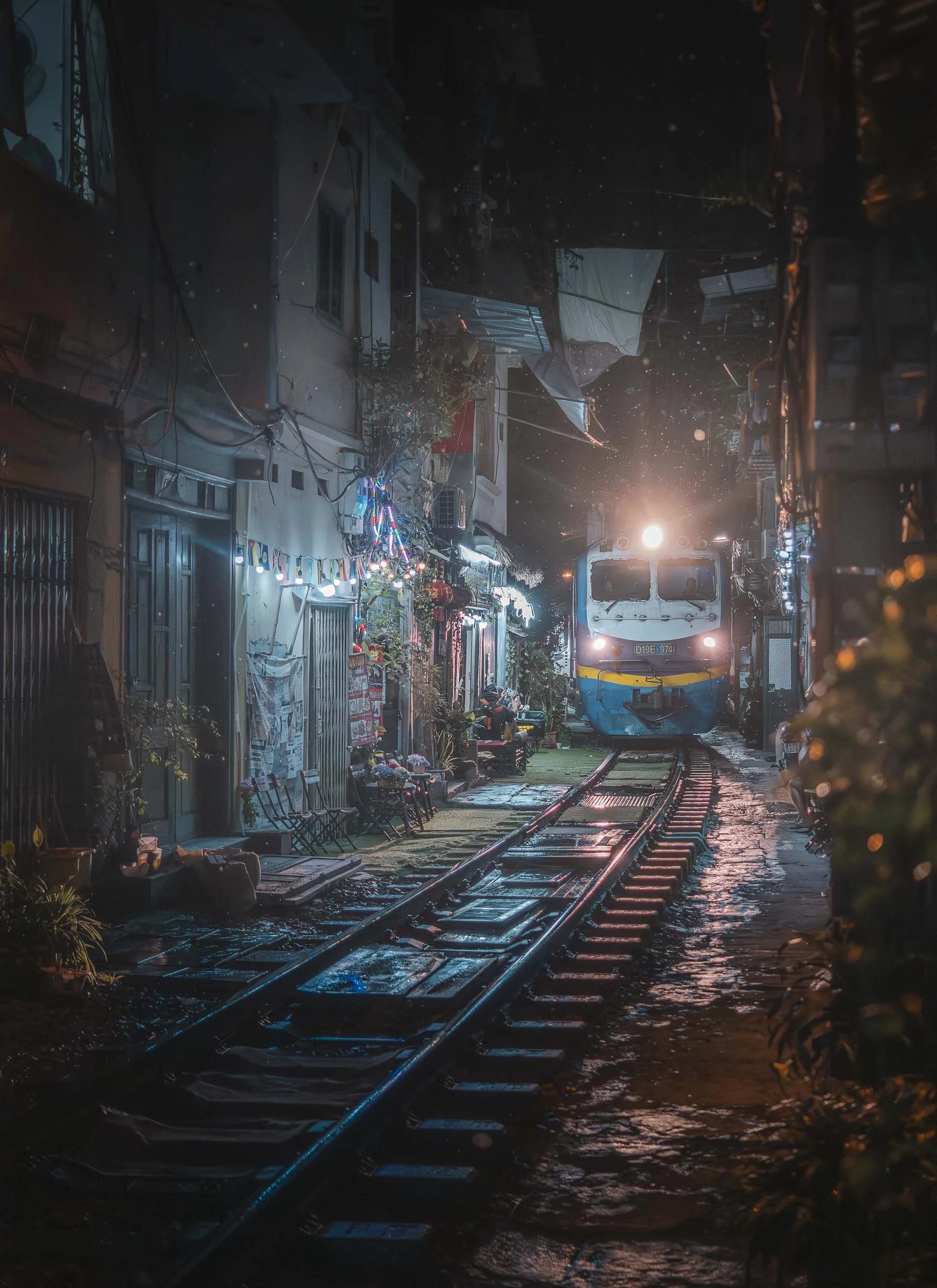
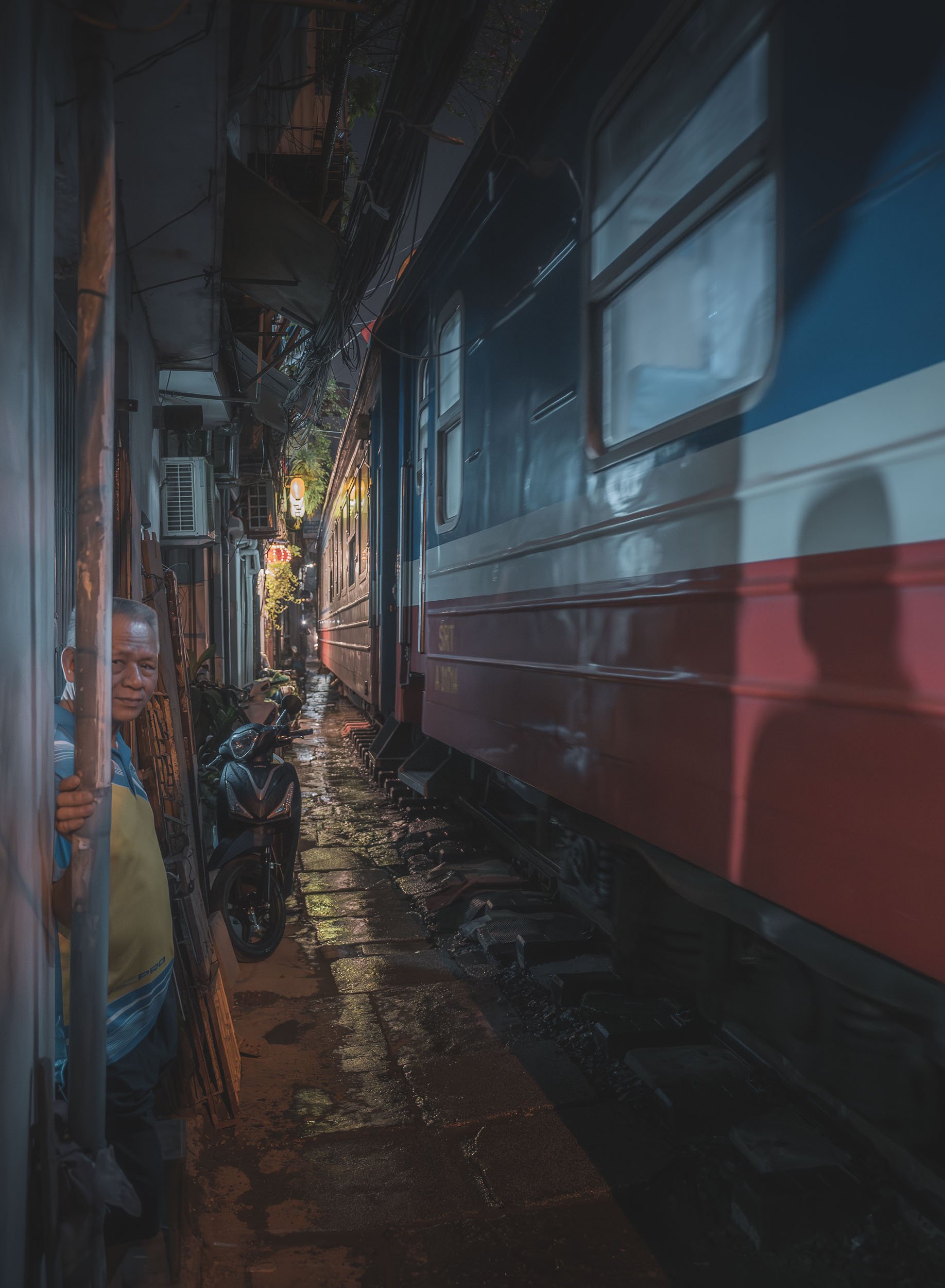
I came back to watch another part of the track for a second visit during a rainy evening. Make sure to check the schedule or ask the locals to catch a some of the trains, there are only a few each day.
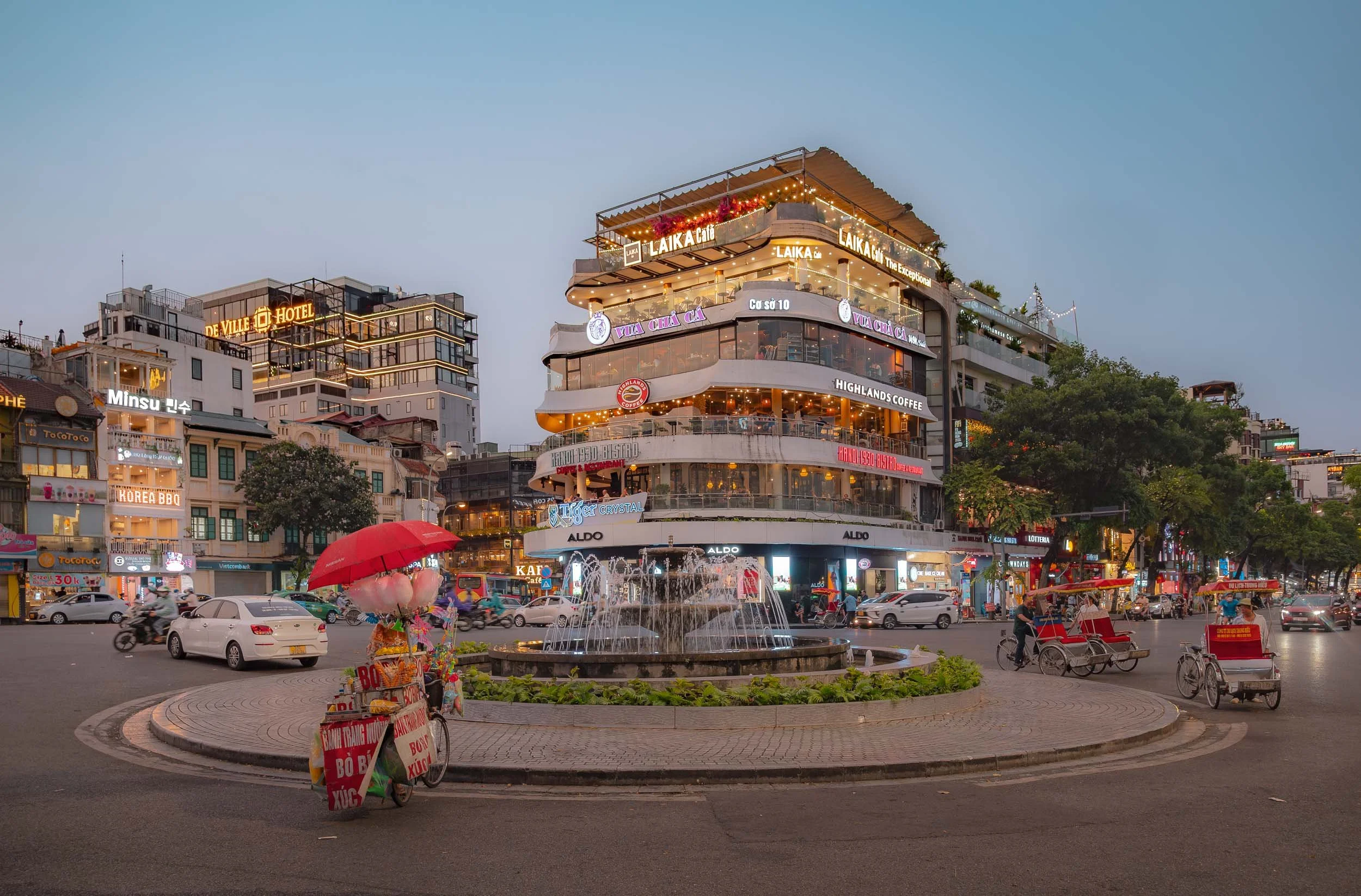
One of the city’s more famous spots was the 1990s-era "Shark Jaw" building with its rooftop cafes - it was demolished shortly after my visit.
Street life is vibrant and I explored a loooot on foot, which is quite easy - although many tourists (Americans, presumably?) choose to be driven around in a 1960s era military jeeps…
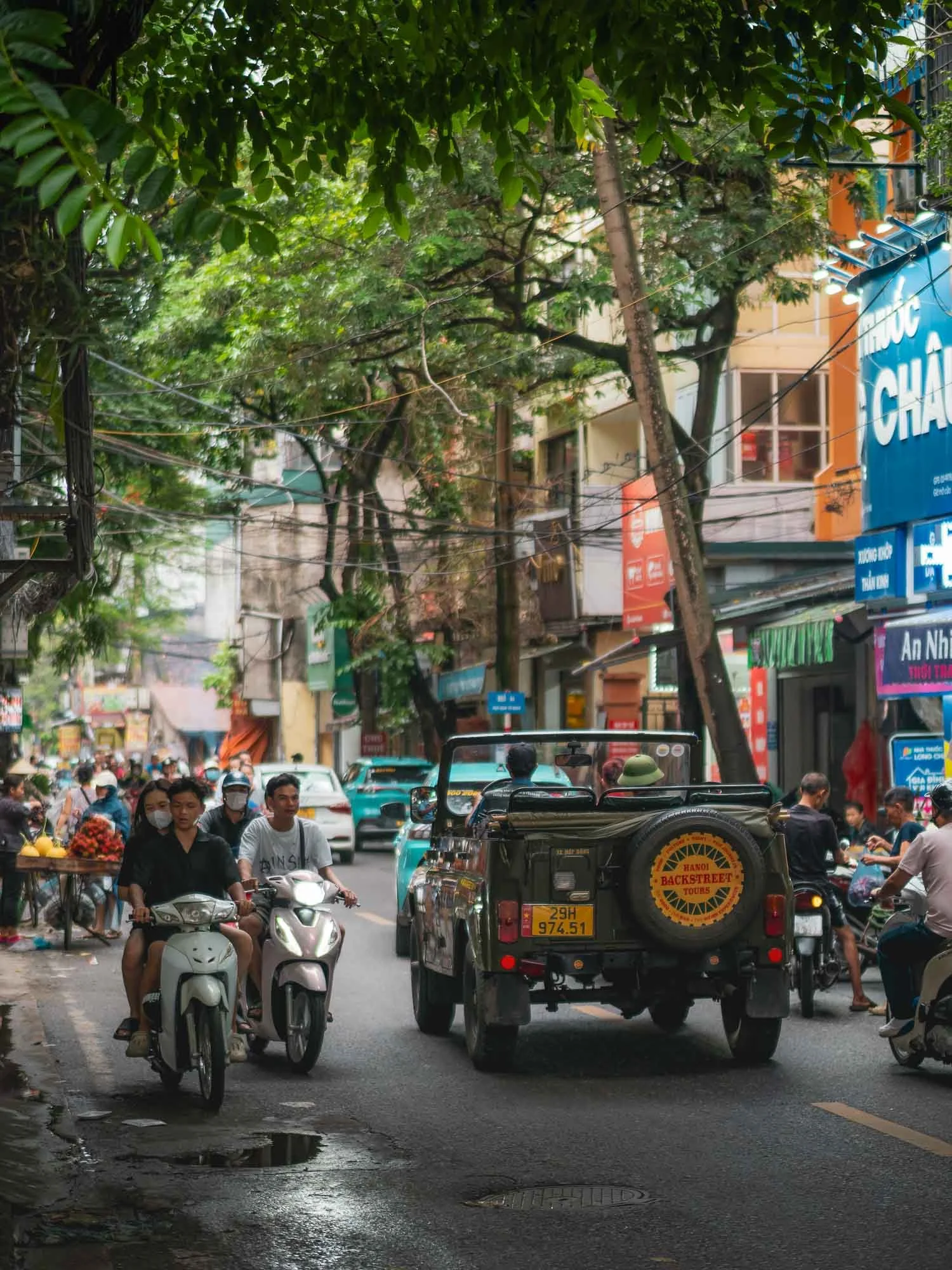
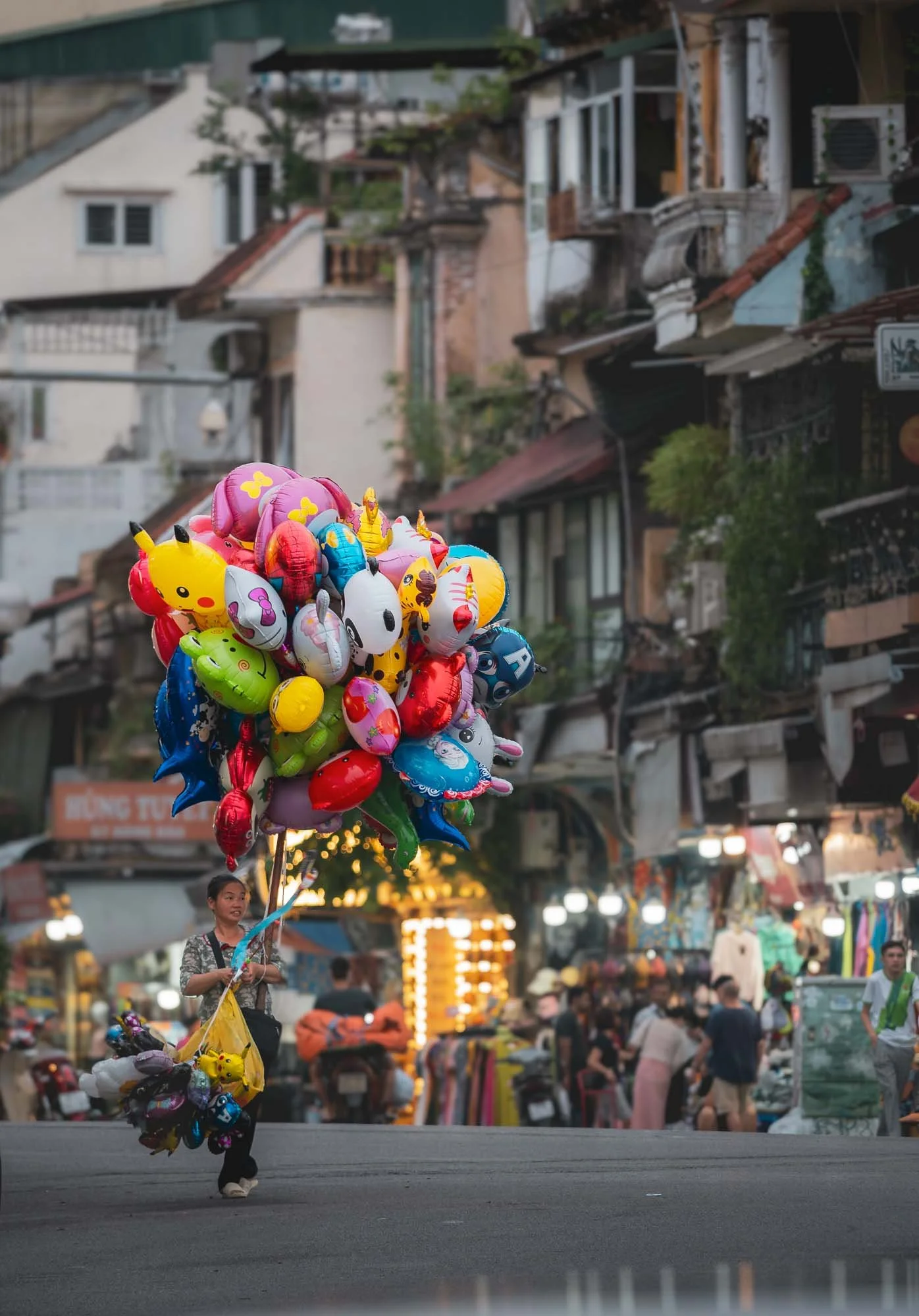
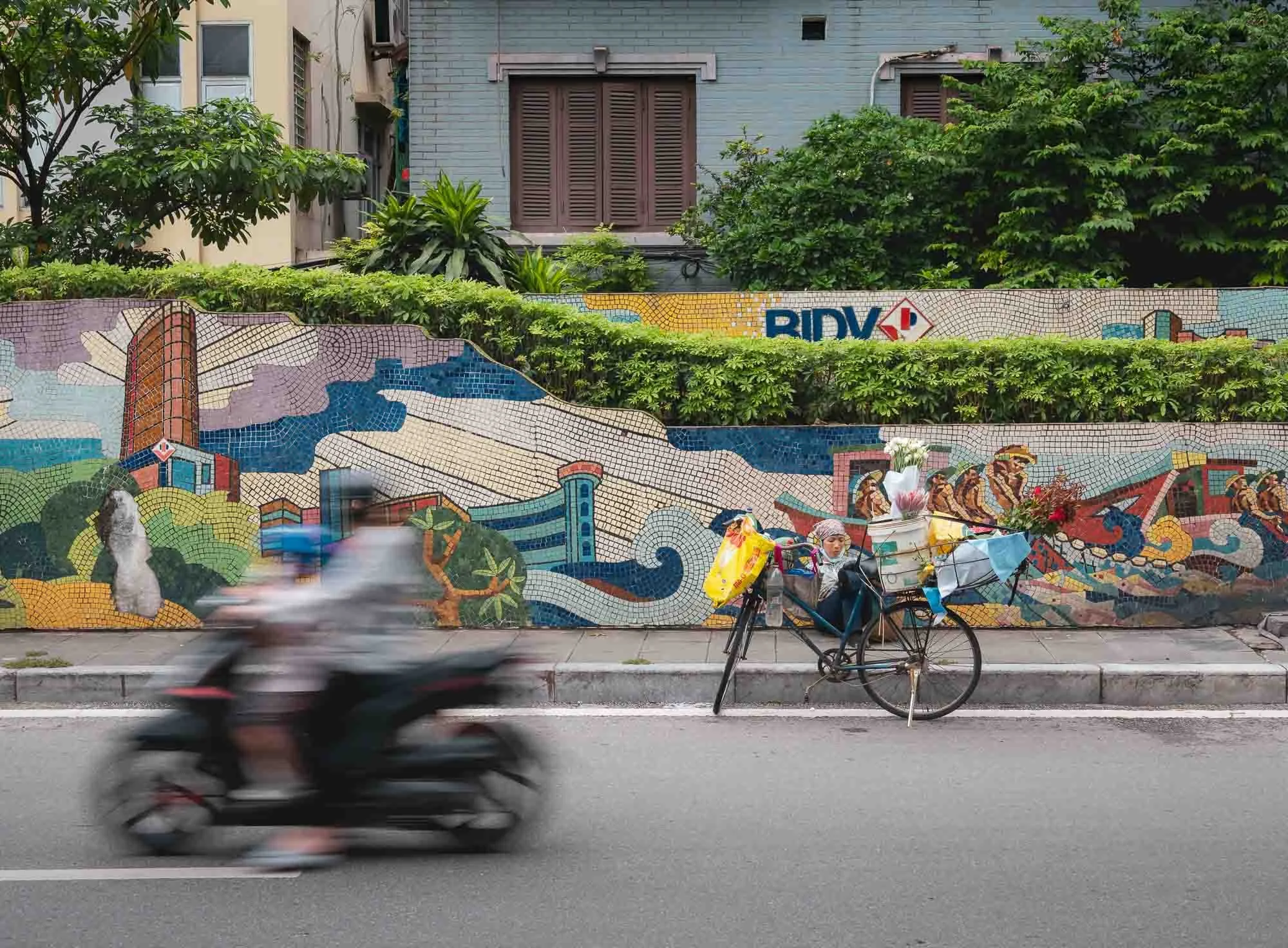
Of course the scooter noise is ever-present, although I felt Hanoi was a little more relaxed than many other large cities in the region - I can’t wait for all South-East Asian cities to move to the Beijing model with only electric two-wheelers. It’s an incredible quality of life improvement.
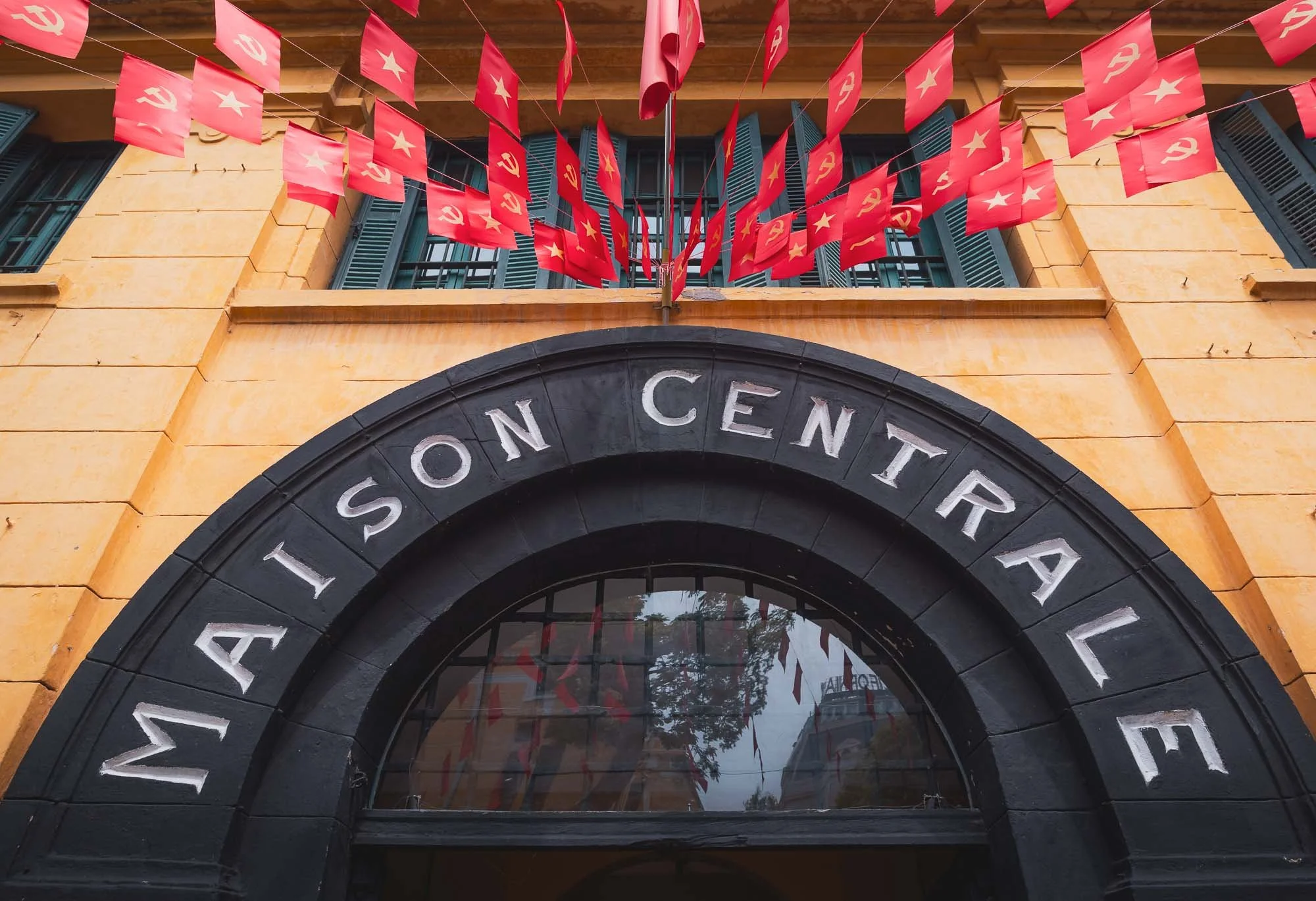
Maison Centrale
On my last morning in the city, I visited Hỏa Lò Prison, built during French Indochina more than 120 years ago. Its claim to fame probably came from its role during the Vietnam war, where it was dubbed the “Hanoi Hilton”, and home to American prisoners of war for almost 10 years.
The prison of course played a role before and after the Vietnam war as well, holding political dissidents and serving as an indoctrination centre, for instance, until it was demolished in 1994. Nowadays, only a small part still exists, converted into a museum telling many of the stories of its not so bright past.
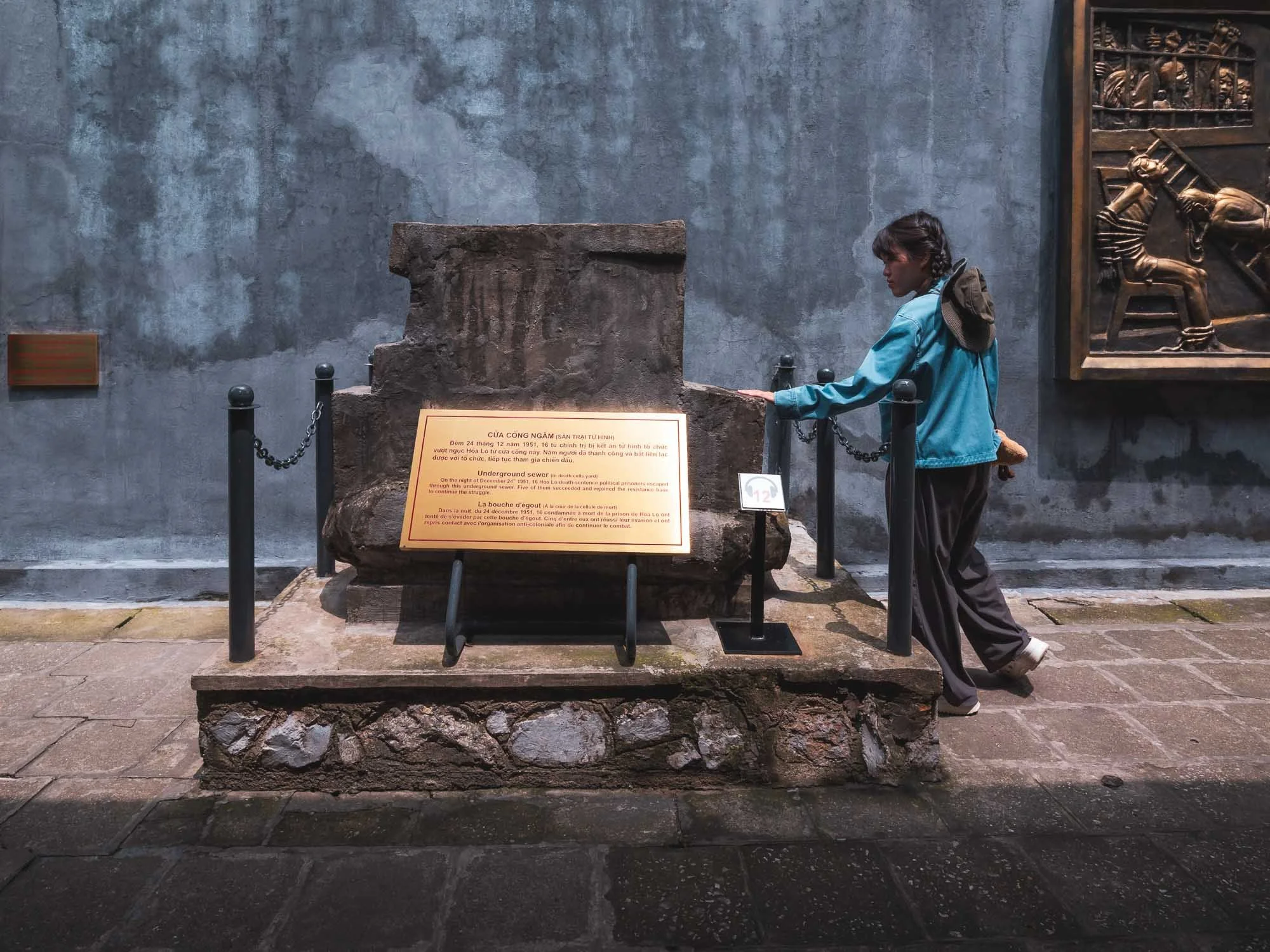
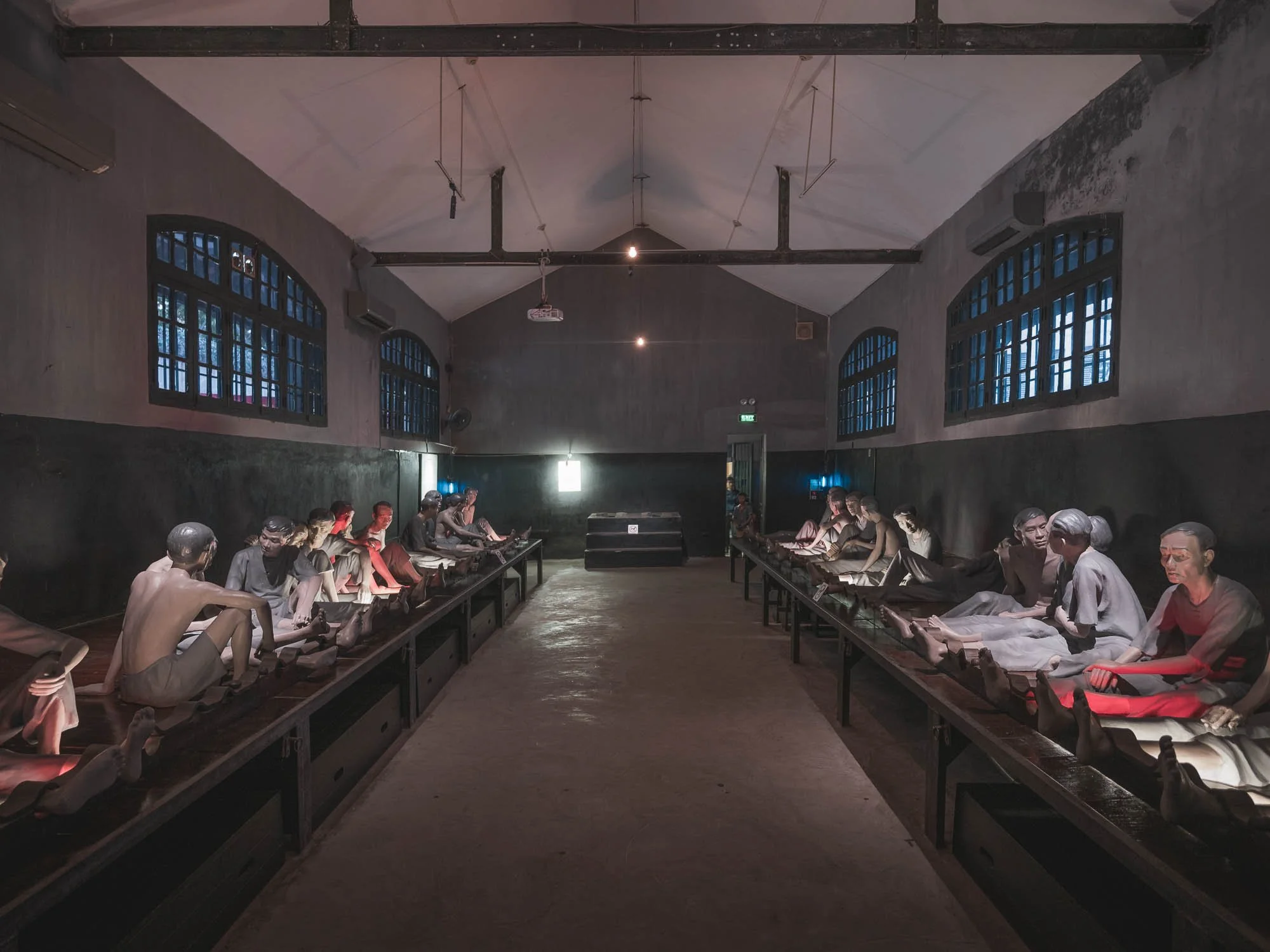
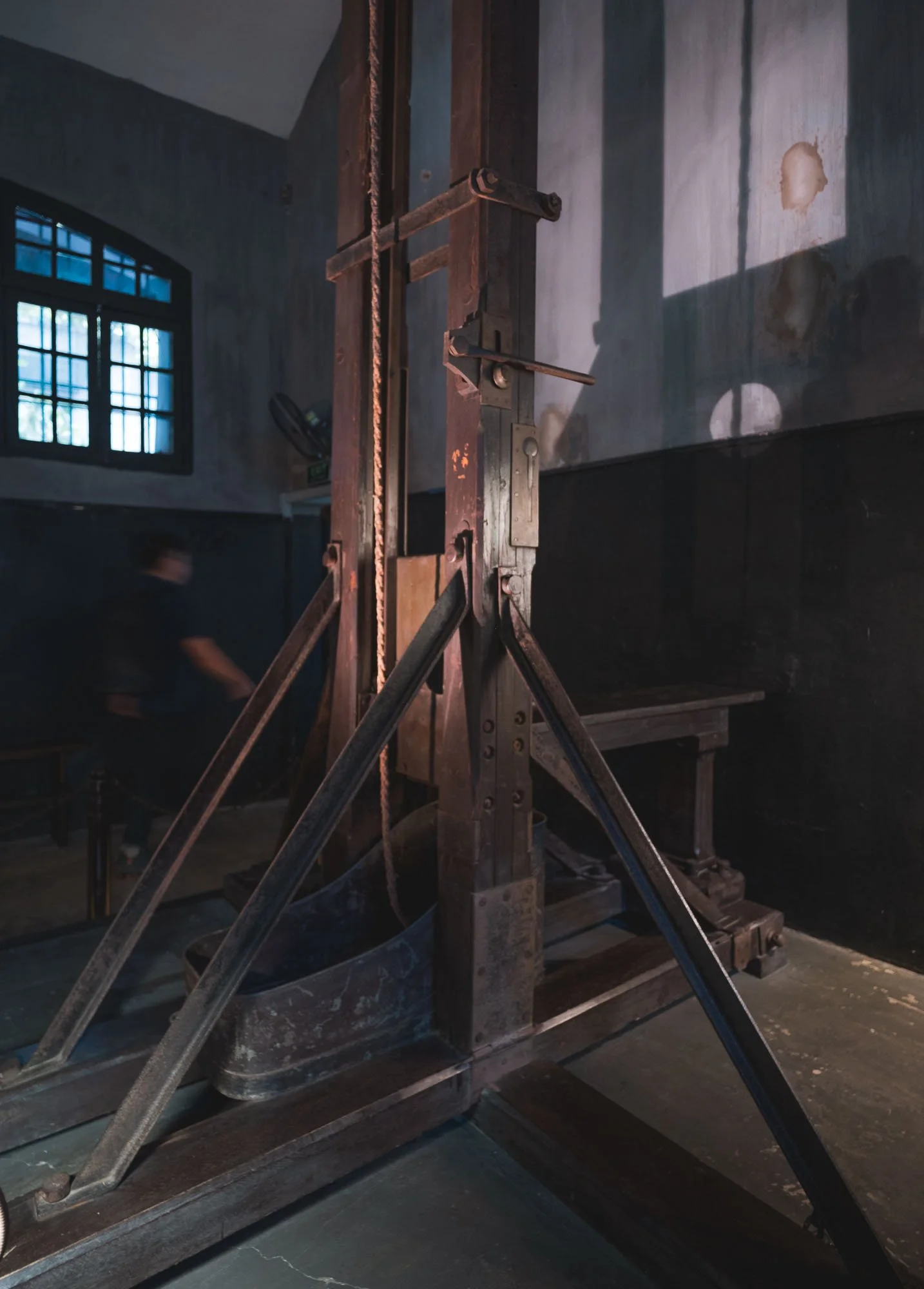
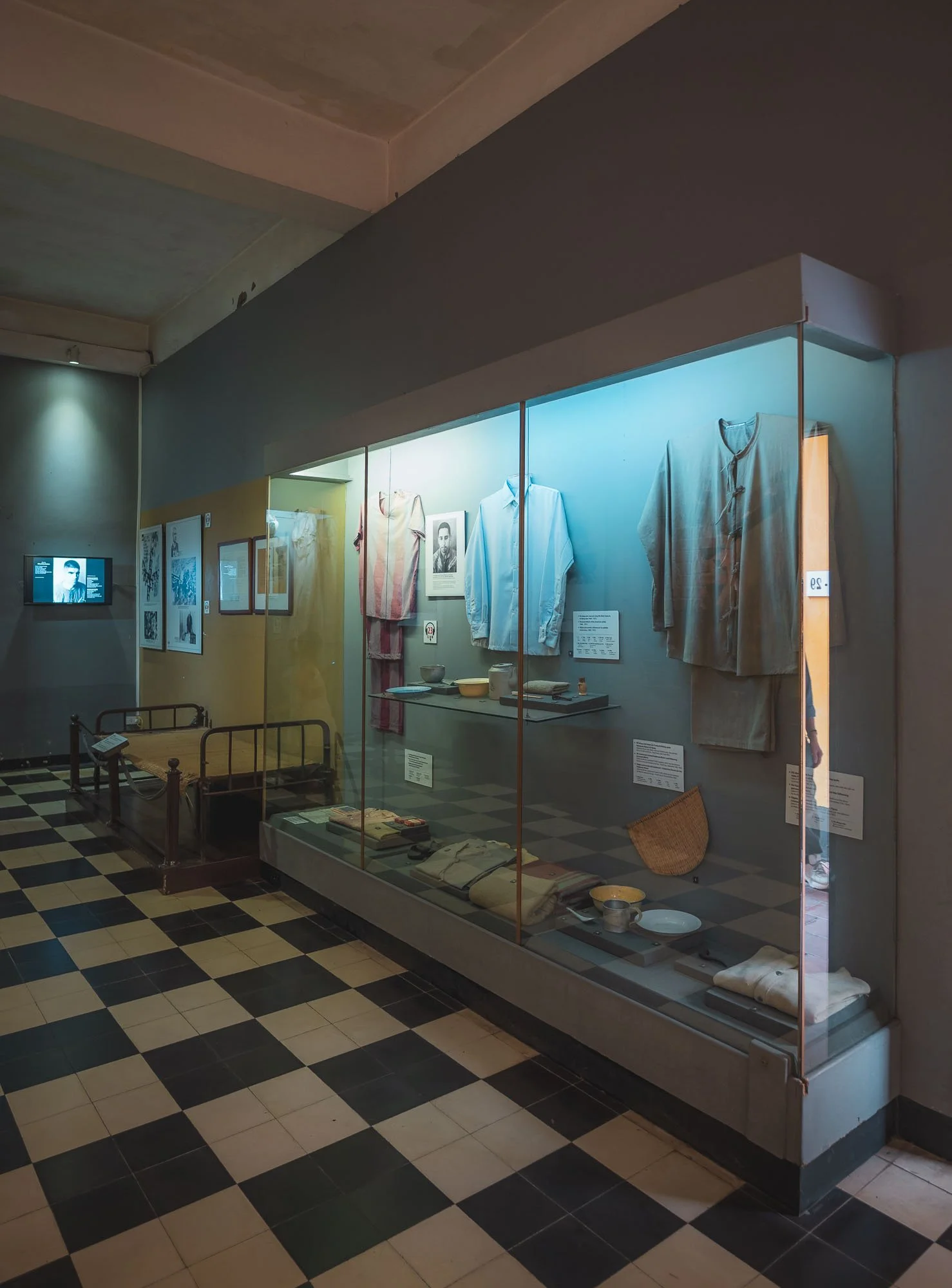
The exhibits include the guillotine room with its original equipment from the colonial period, as well as the flight suit of John McCain, who spent more than 5 years here after his plane was shot down, and later became a US senator and presidential candidate.
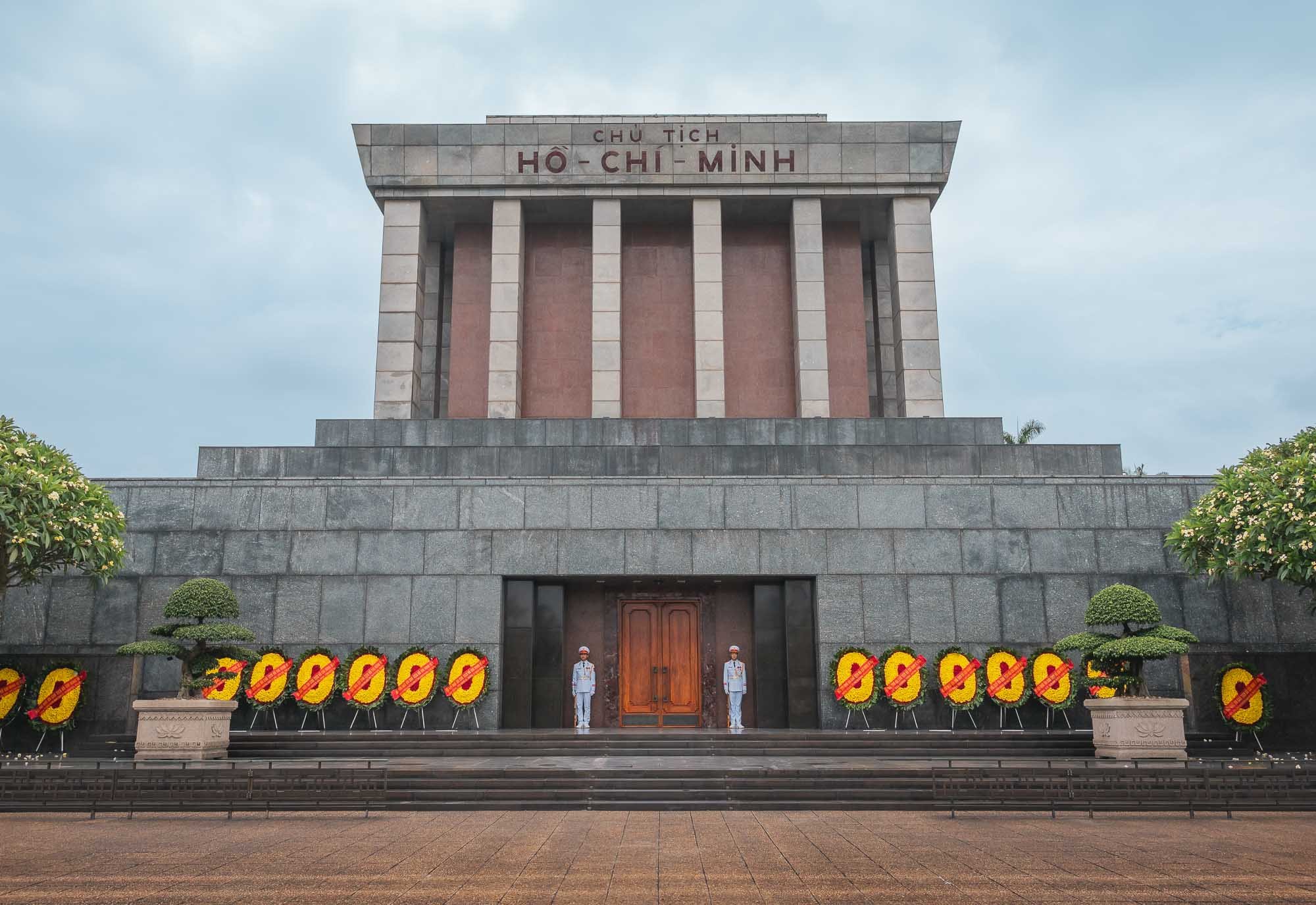
Ho Chi Minh Mausoleum
When it comes to historically important sights, the resting place of “Uncle Ho” shouldn’t be missed - his role in shaping Vietnam’s history can barely be overstated. No photos allowed inside.
The 1975 mausoleum sits within a larger complex, including a museum named after him (closed when I visited unfortunately) and the National Assembly Building on the other side.
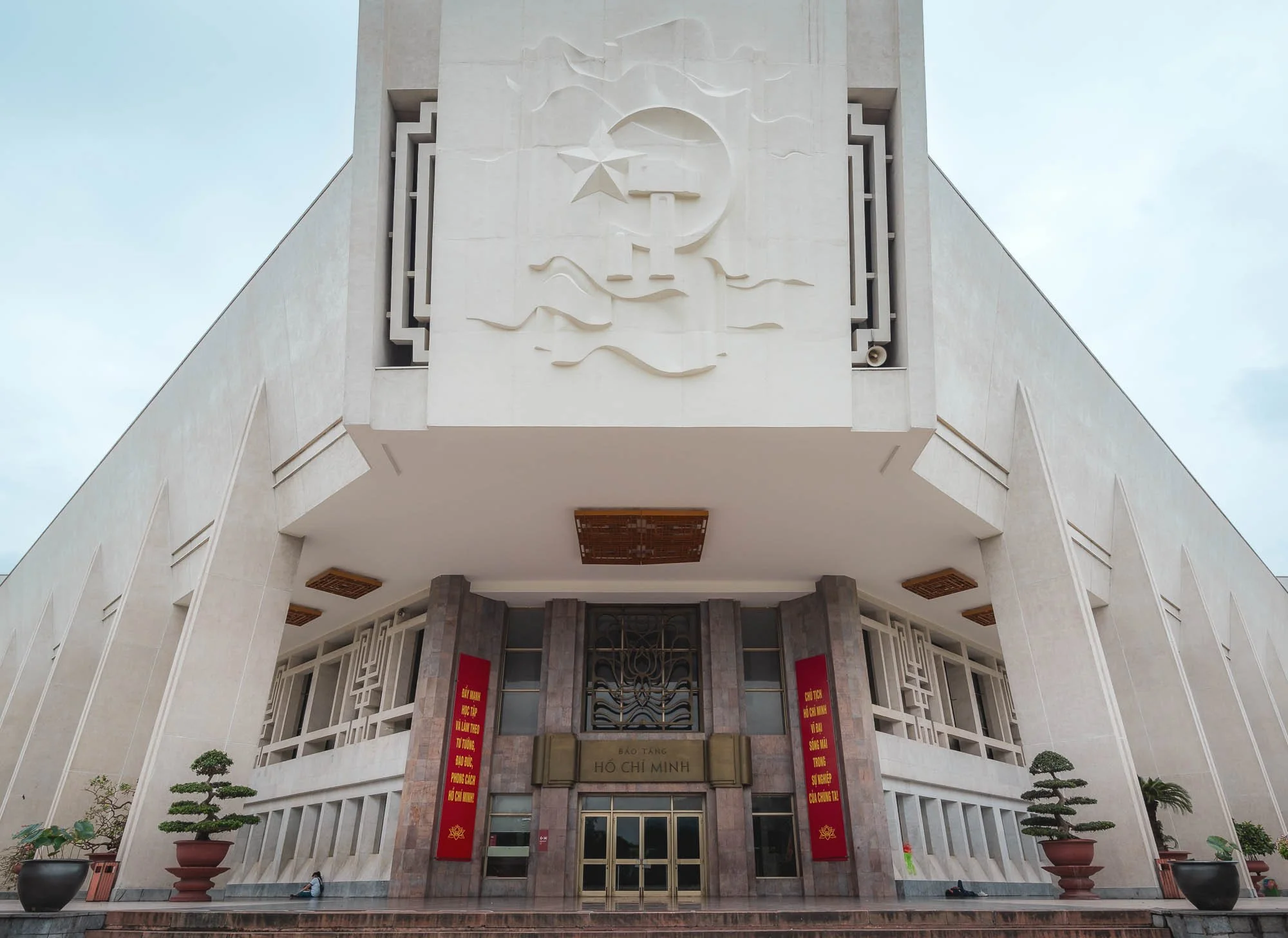
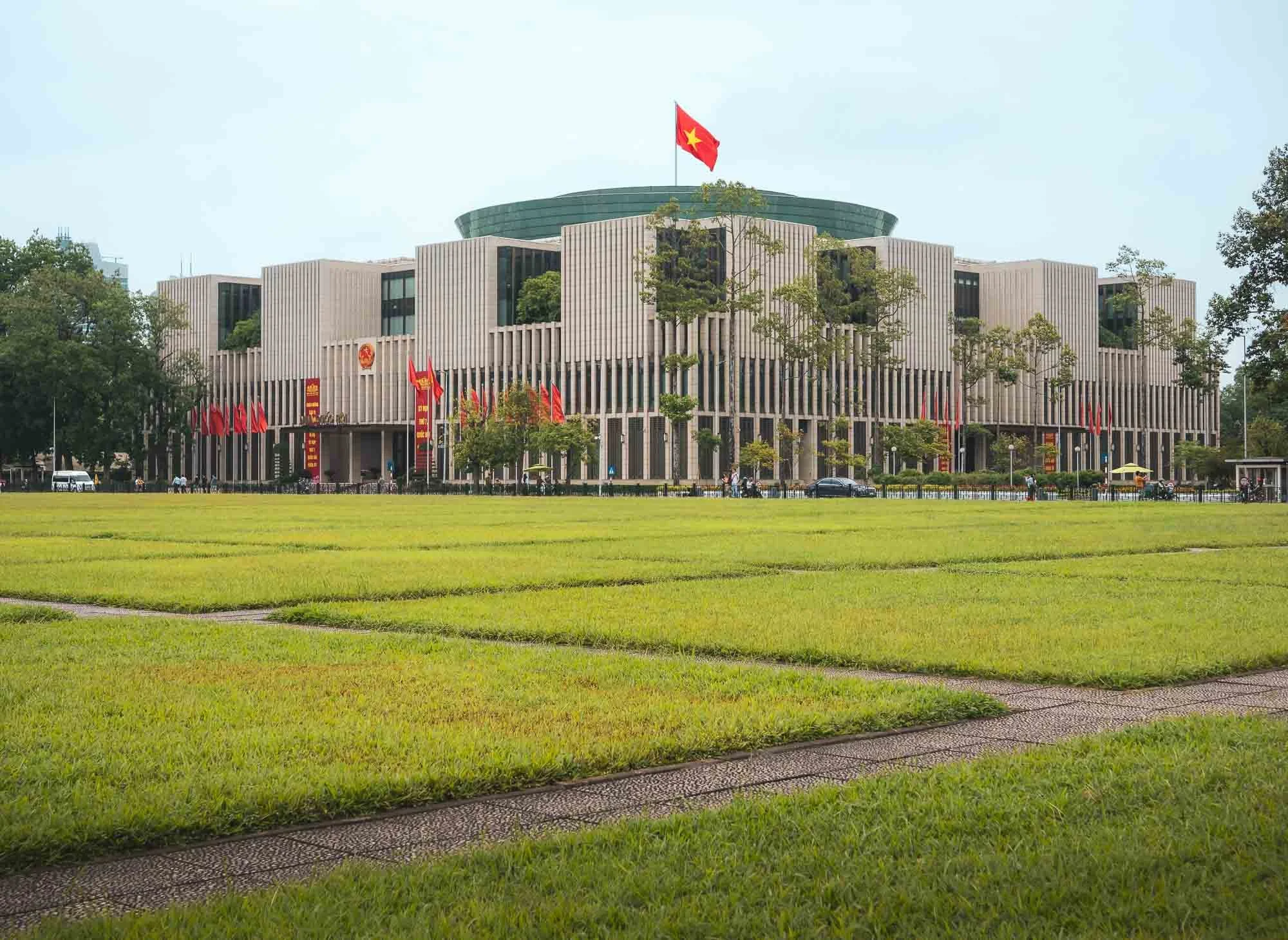
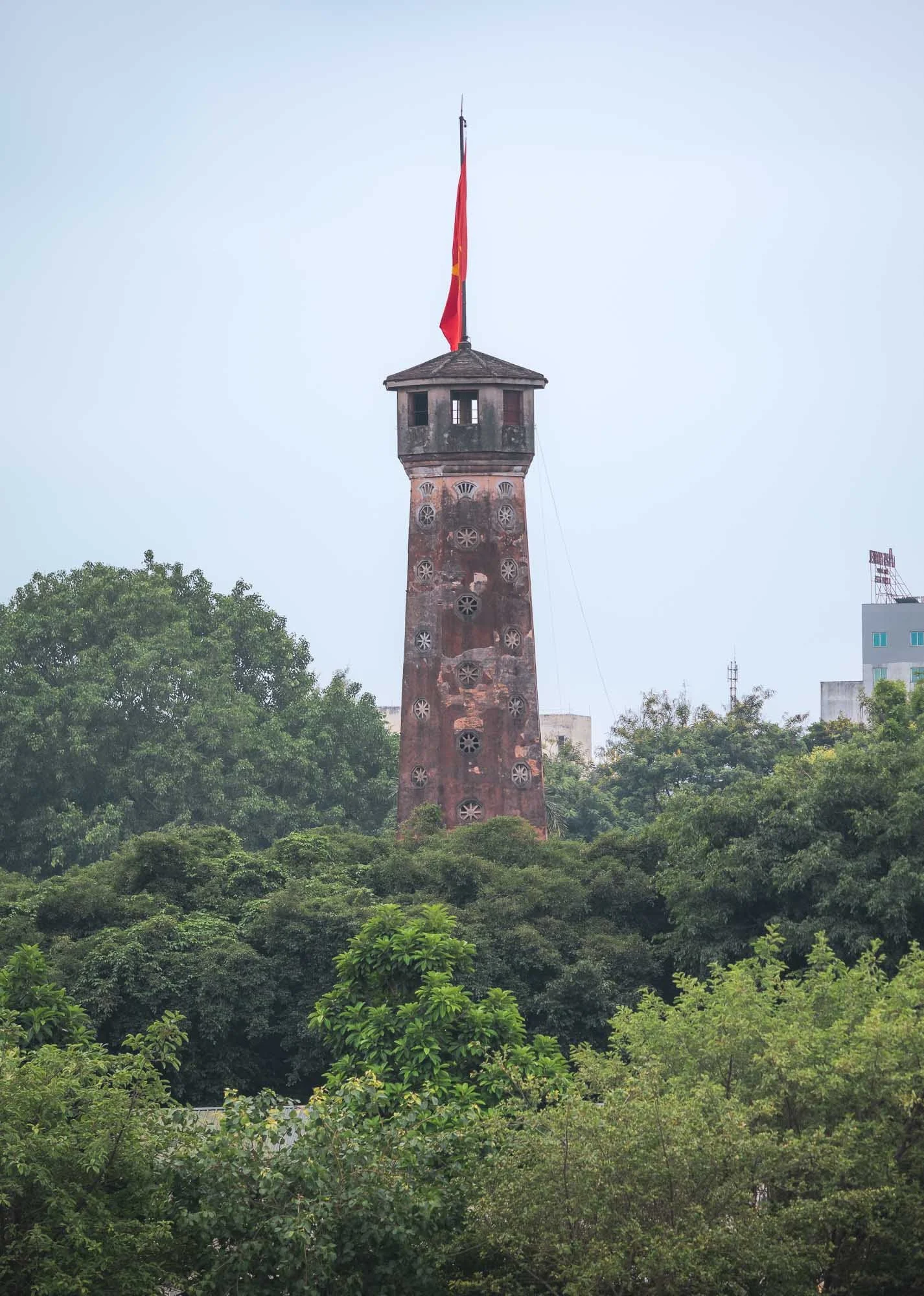
Just east of the complex you can spot the Hanoi Flag Tower, originally built in the early 19th century. It’s surrounded by the historic Imperial Citadel complex (a UNESCO World Heritage Site).
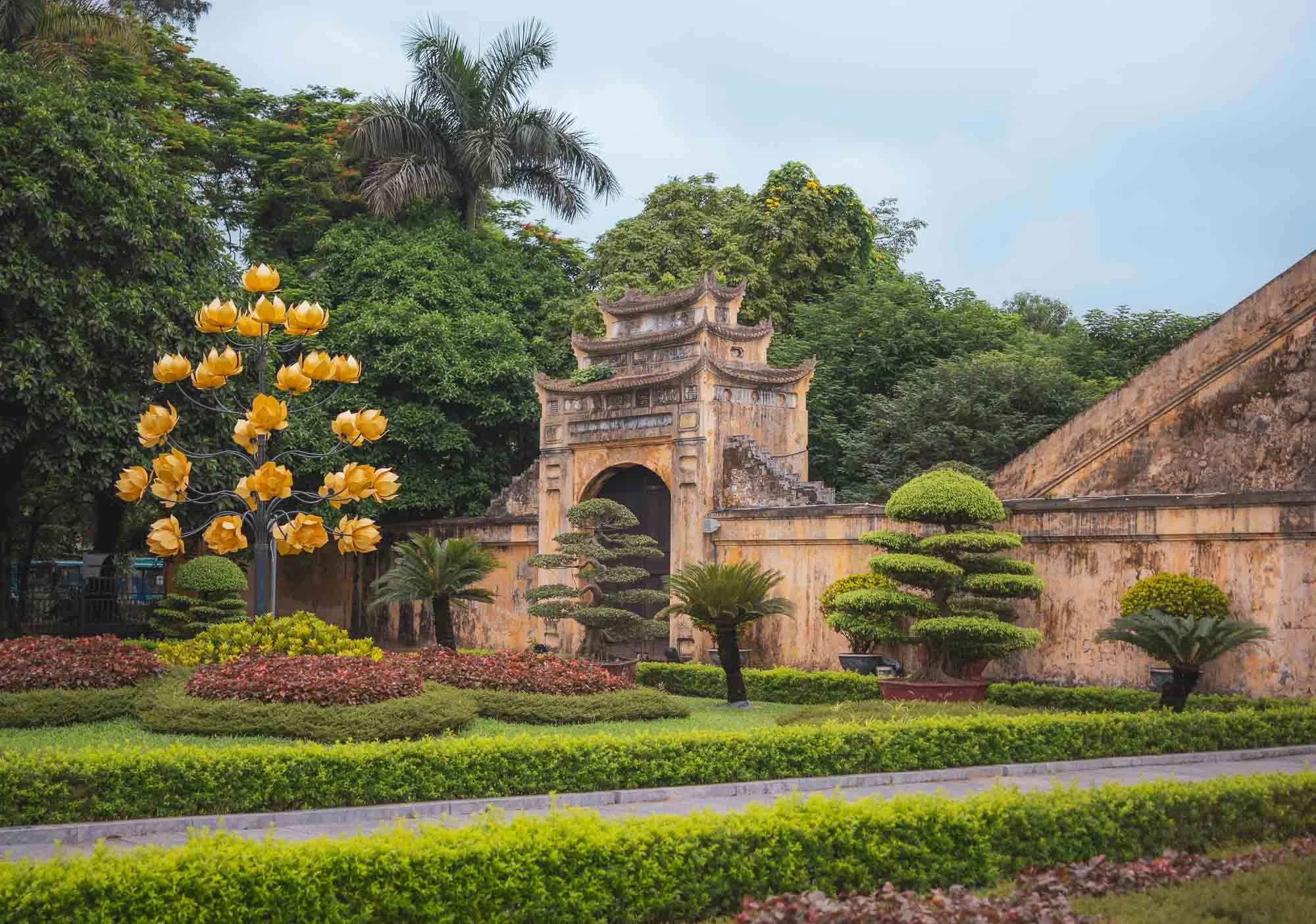
While it dates back 1000 years, much of what remains today is from a reconstruction in 1804. Part of the entrance gate to the forbidden city, the innermost part of the complex, is seen here.
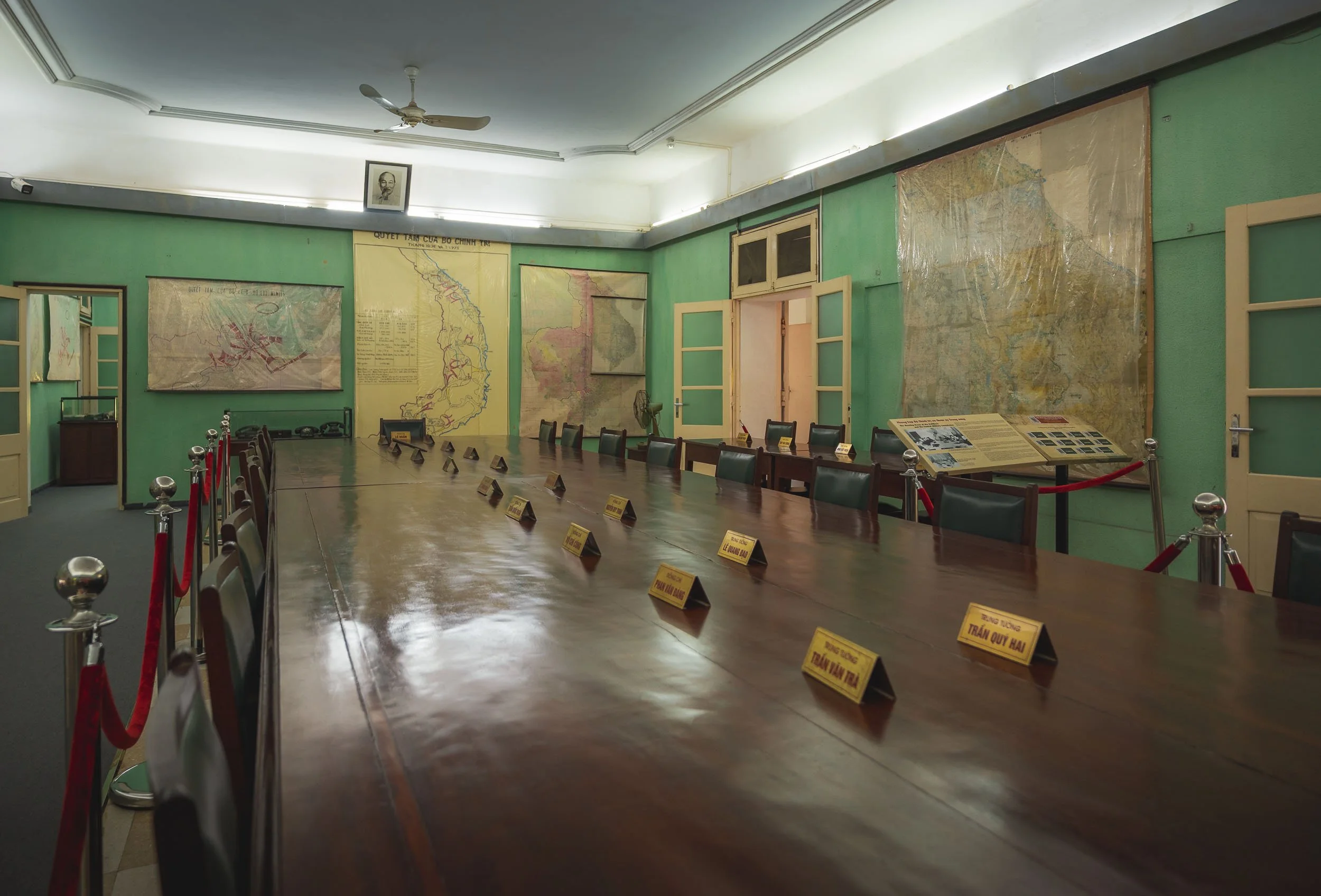
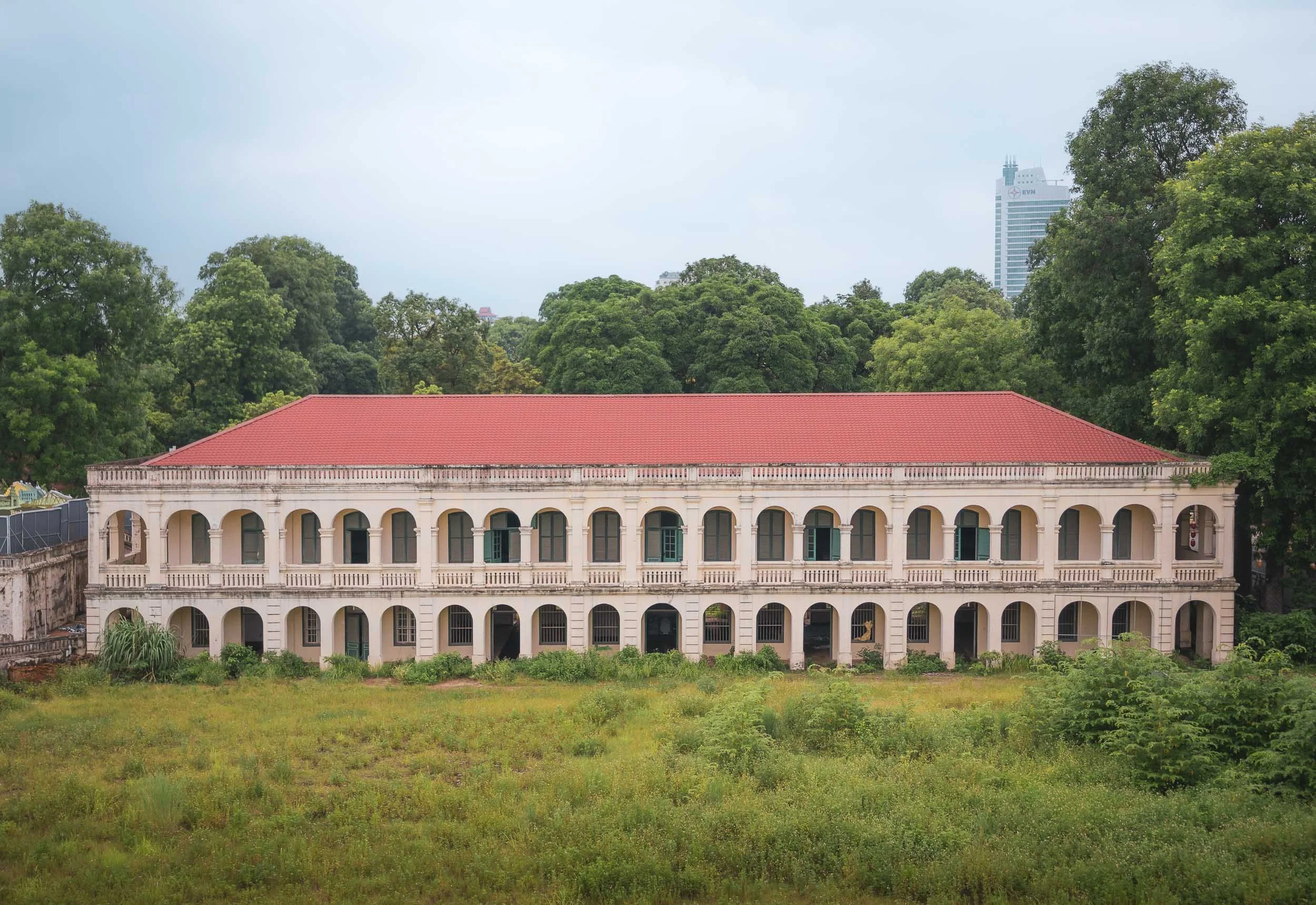
The site also features several preserved French colonial-era military buildings, often constructed by tearing down the original structures of the citadel. In addition you’ll find a number of Vietnam war era bunkers, as well as the restored meeting room of the Politburo and Central Military Commission used at the time of the war.
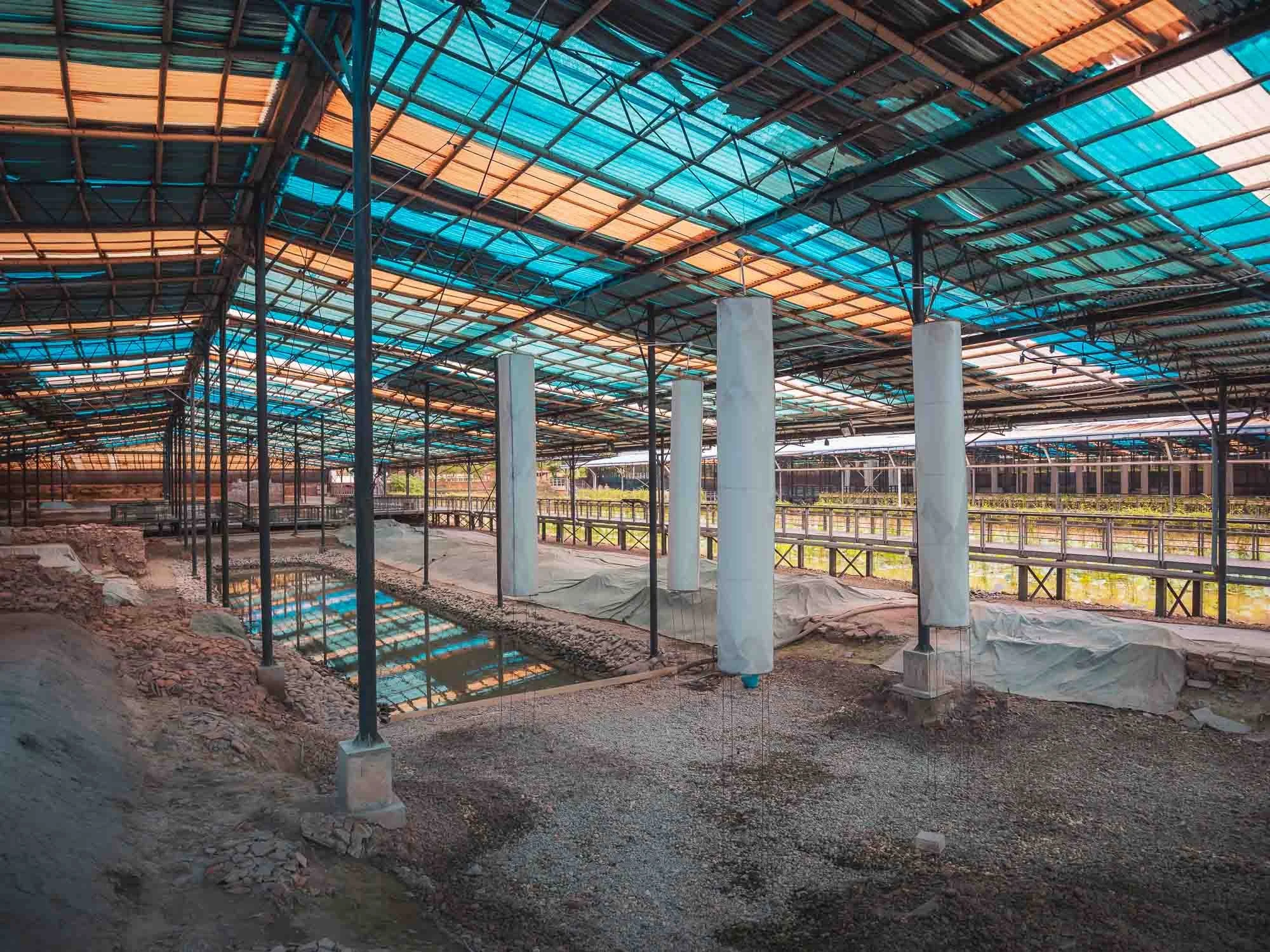
Just across the road you can go back even further into the city’s history, and explore the archeological site of the complex, with evidence going back to the Chinese dynasties all the way to the 7th century, and a small museum holding various artifacts found during the excavations.
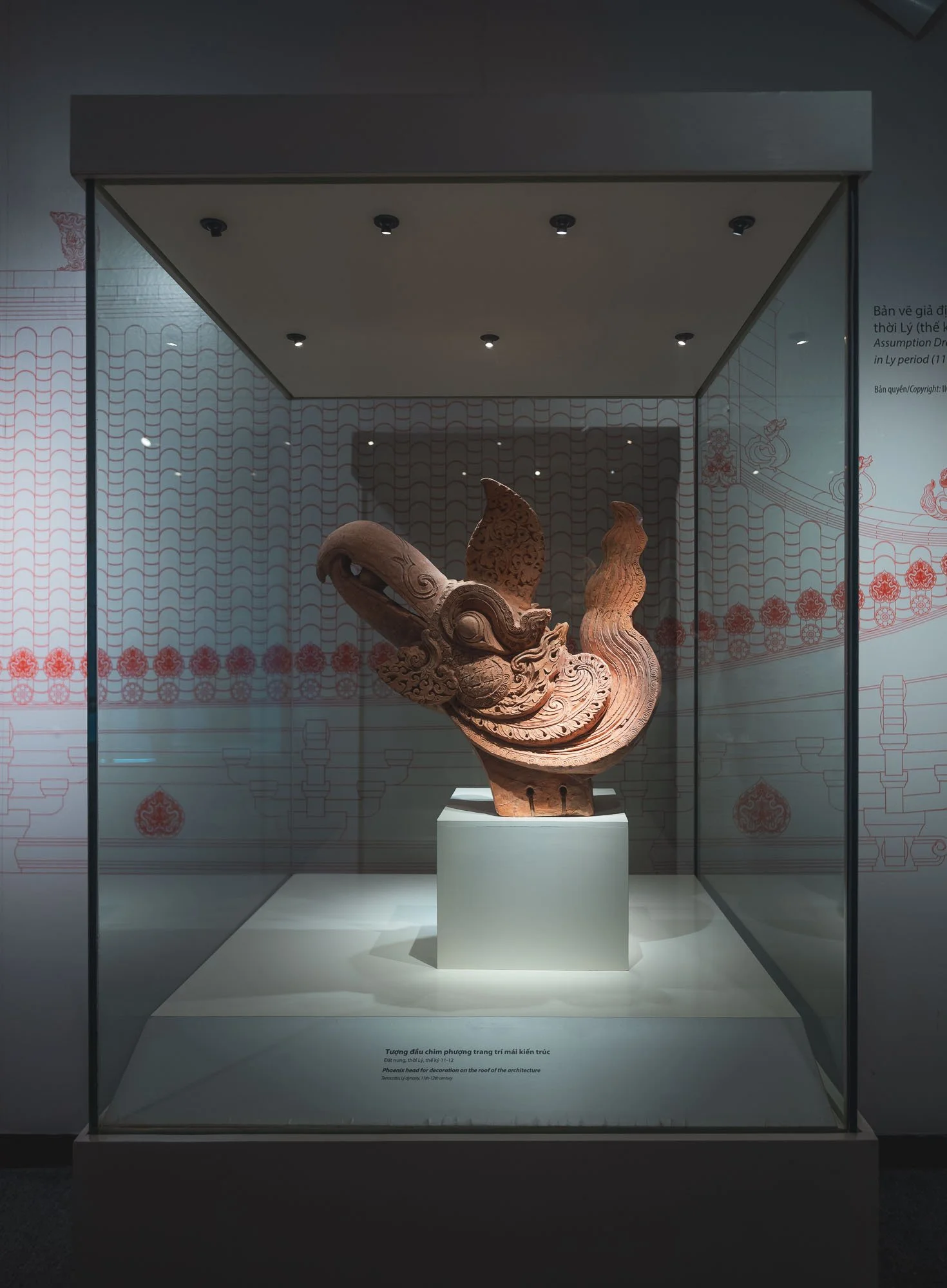
Moving on from the capital…
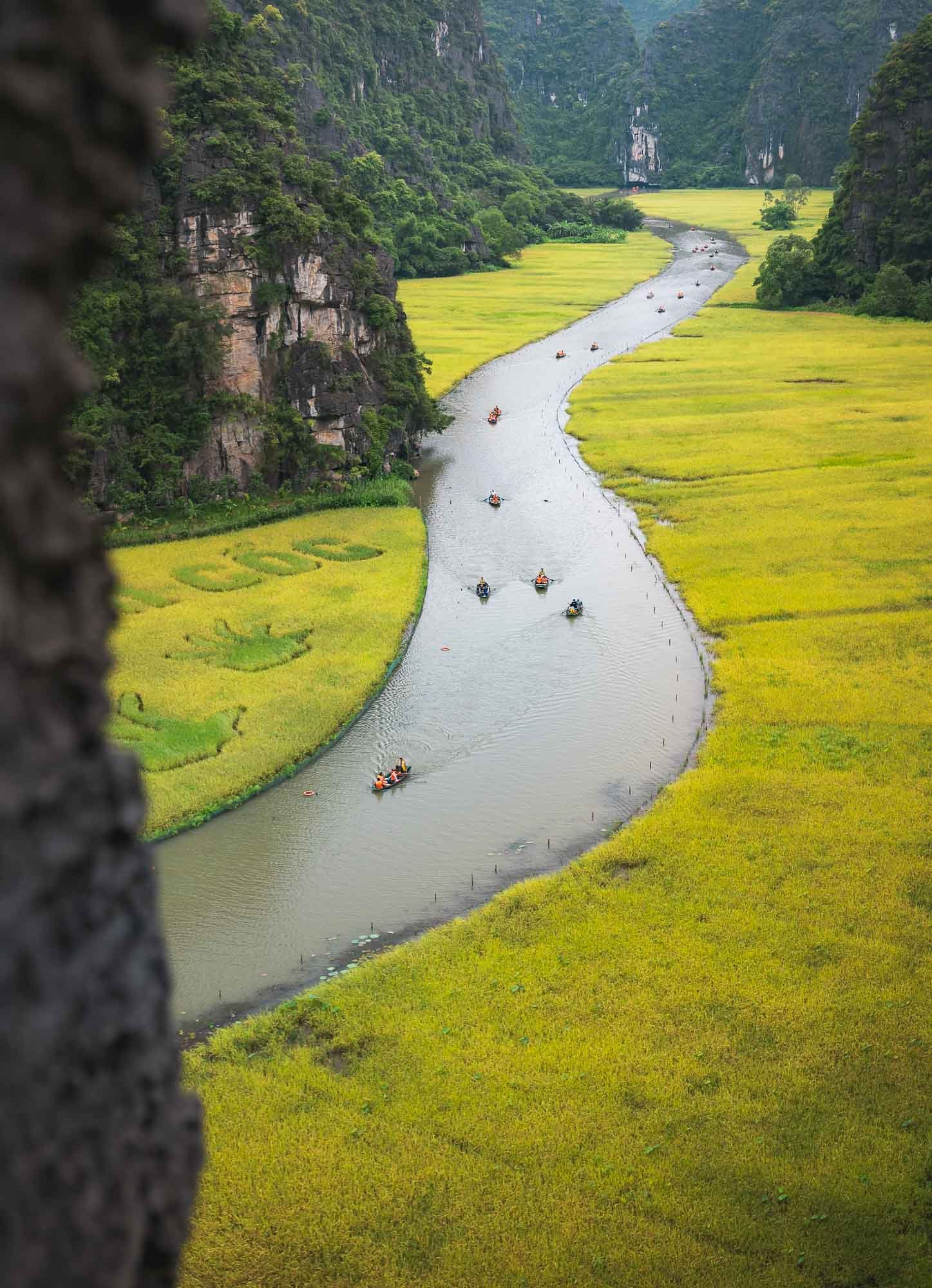
Valleys of Tam Coc
About 100km from Hanoi lies the Tràng An Scenic Complex, a UNESCO World Heritage site, featuring a number of temple complexes dating back more than 500 years, and the Tam Coc landscapes.
It’s a flooded karst scenery, with rice paddies covering the larger valleys dotted between the hill landscape, and the Ngo Dong River running straight through - truly beautiful, even on a cloudy day like during my visit.
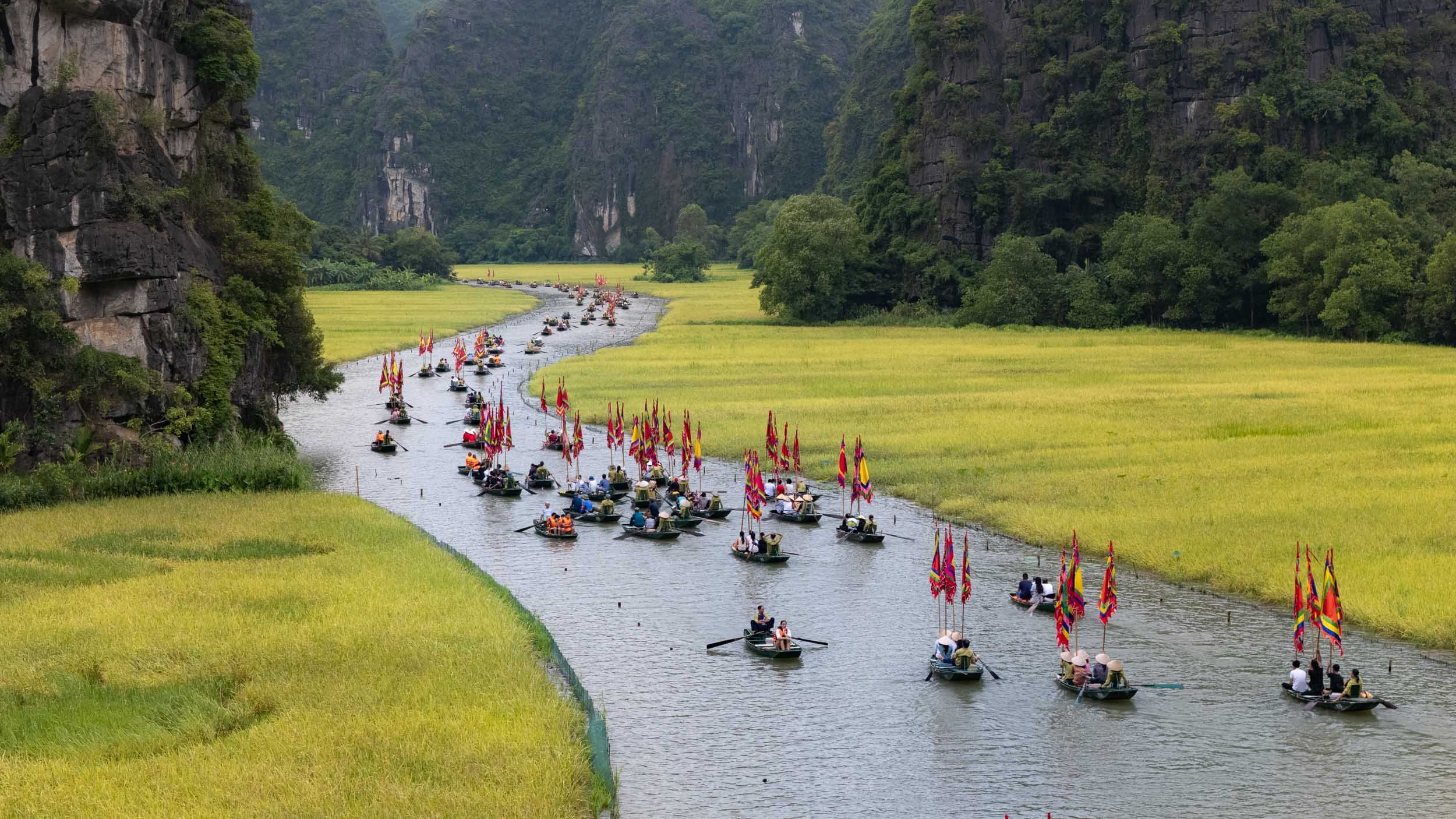
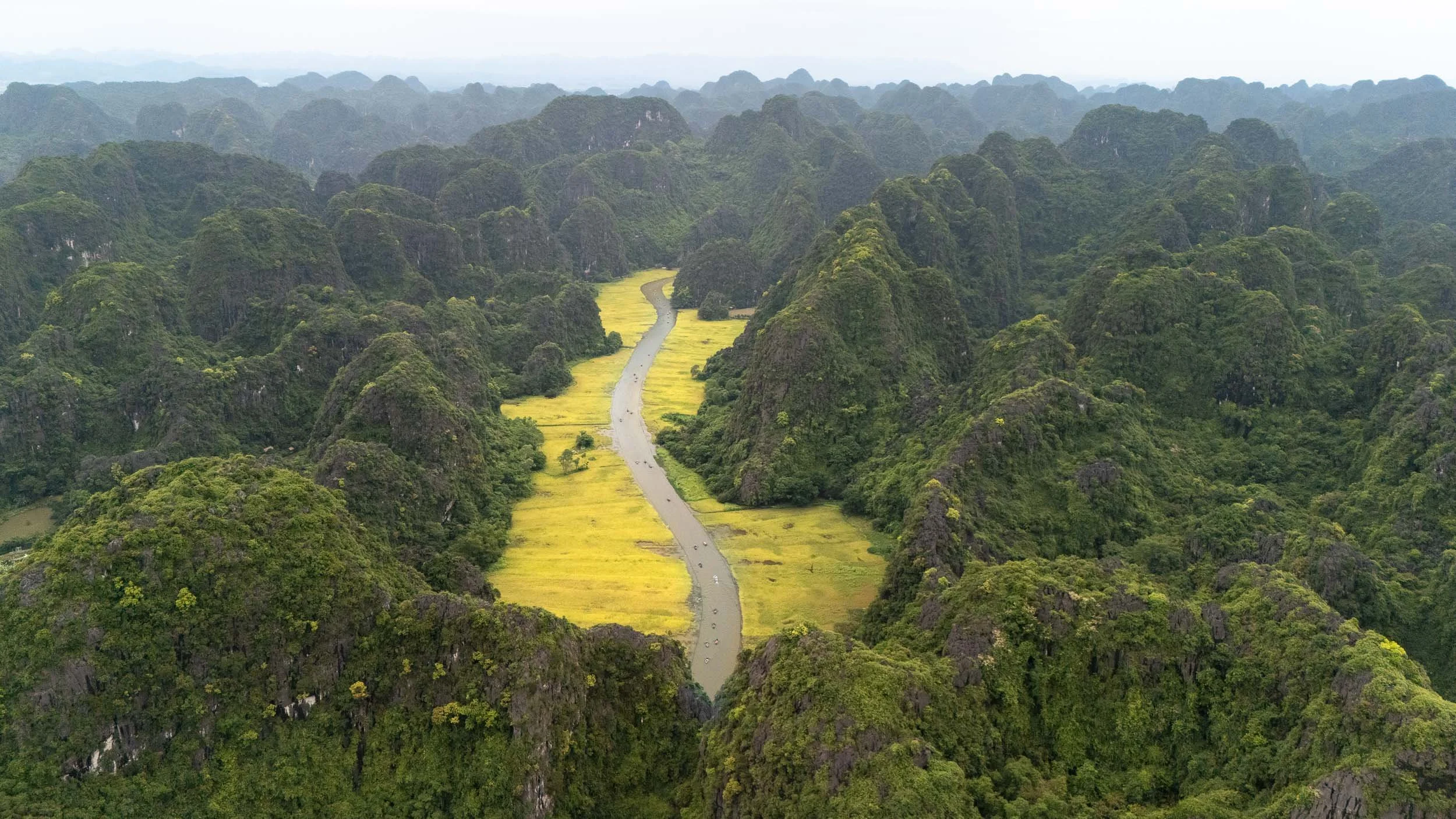
A small rehearsal of a boat parade for the annual rice harvesting festival took place when I was there, making the river a little busier than usual, but adding a few colorful flags to the scenery.
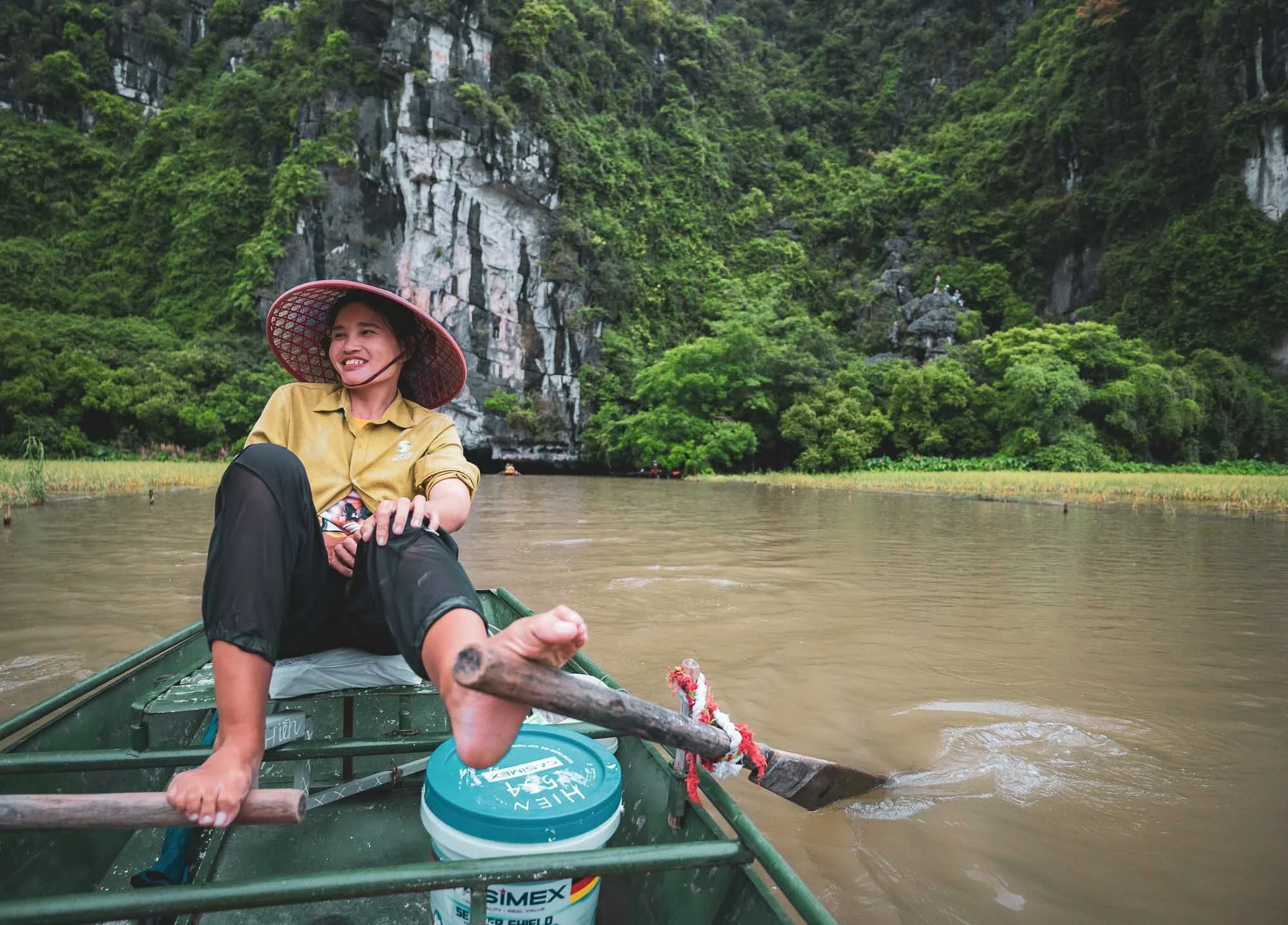
You gently make your way along the river in small boats that local ladies operate - mostly with their feet, including paddling both up and down stream. No need for leg day!
Aside from the rice paddies, you'll pass some beautiful karst stone formations with the occasional goats, and through three low caves, before turning around at a small temple complex.
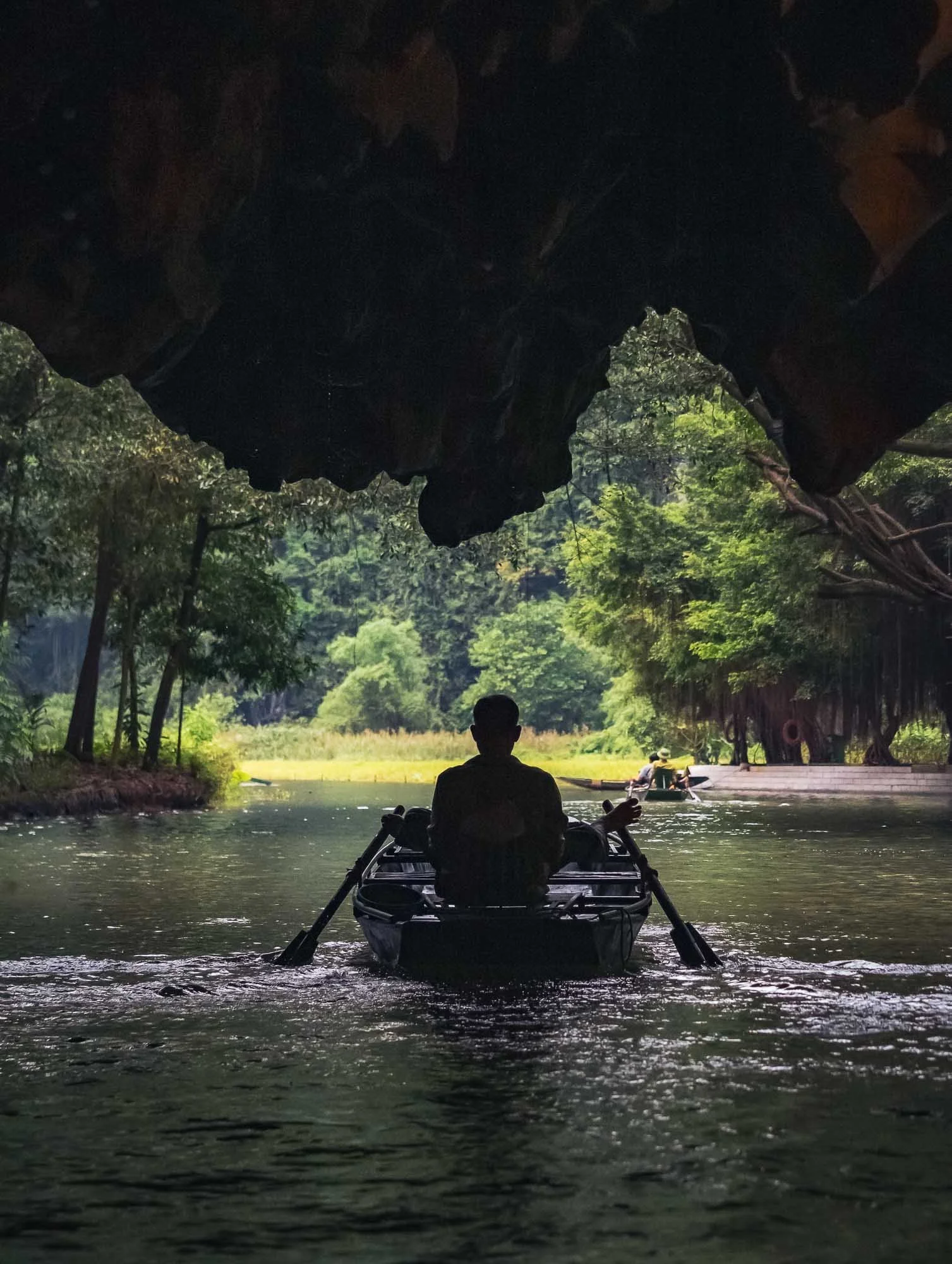
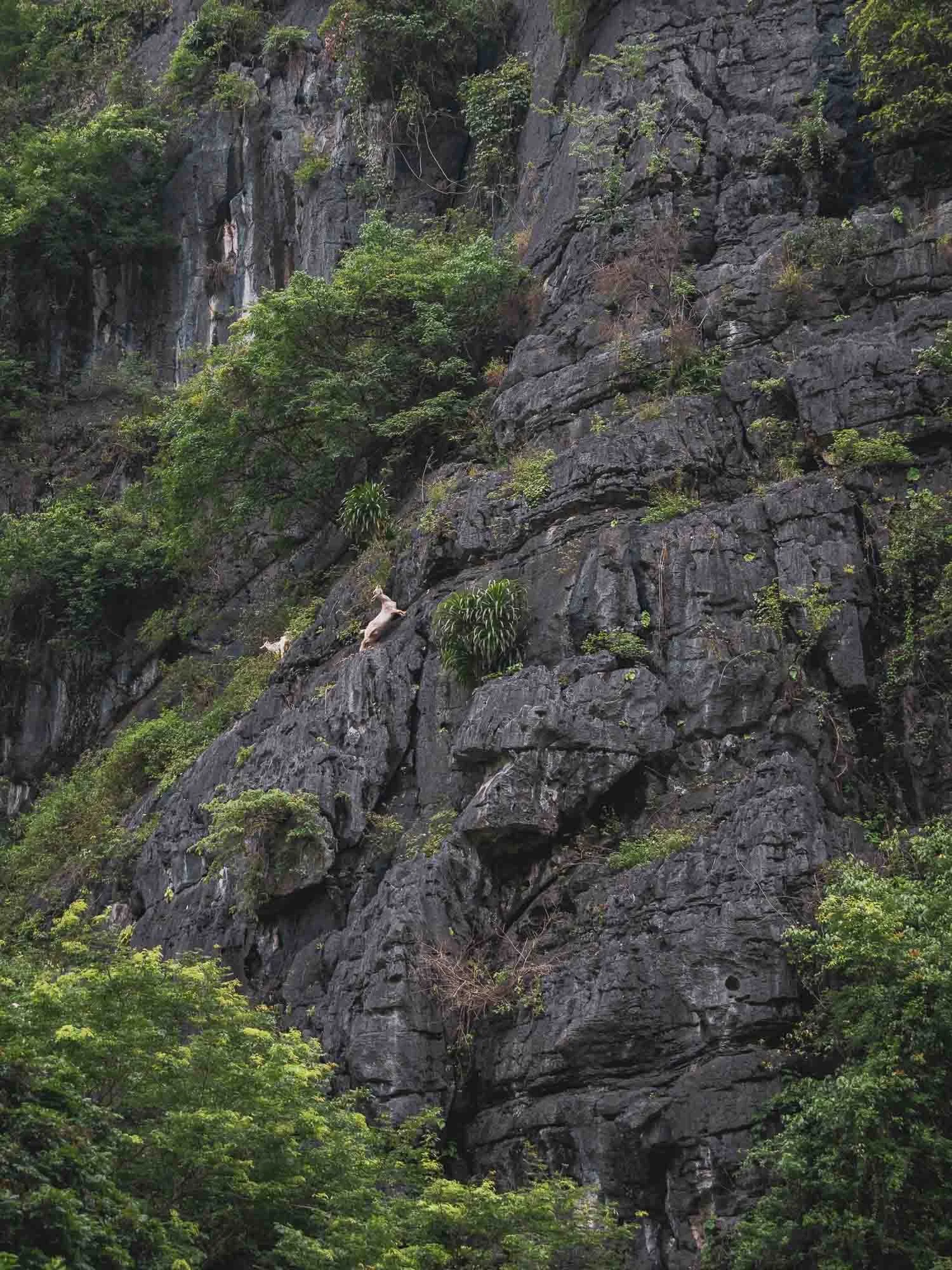
Beyond the boat trip there are a few other viewpoints around the area which can be explored on foot as well - I made my way up the Dragon Hill, for instance, named after a stone statue at the top.
Of Incense Village, Bamboo Fishtraps, & the Soy Sauce makers
The proliferation of photo tours in Vietnam combined with social media content has created quite a few occasions of somewhat staged environments: rooted in traditional culture and activities but now optimized for visitors and photographic opportunities. While I don’t have strong feelings about the practice itself, I’m personally not a huge fan of taking photos under these conditions. Having said that, sometimes it’s possible to catch a glimpse of their origins and the people behind them that makes a visit worthwhile, and this was true for the following three spots I visited over the next couple of days…
The Incense Village
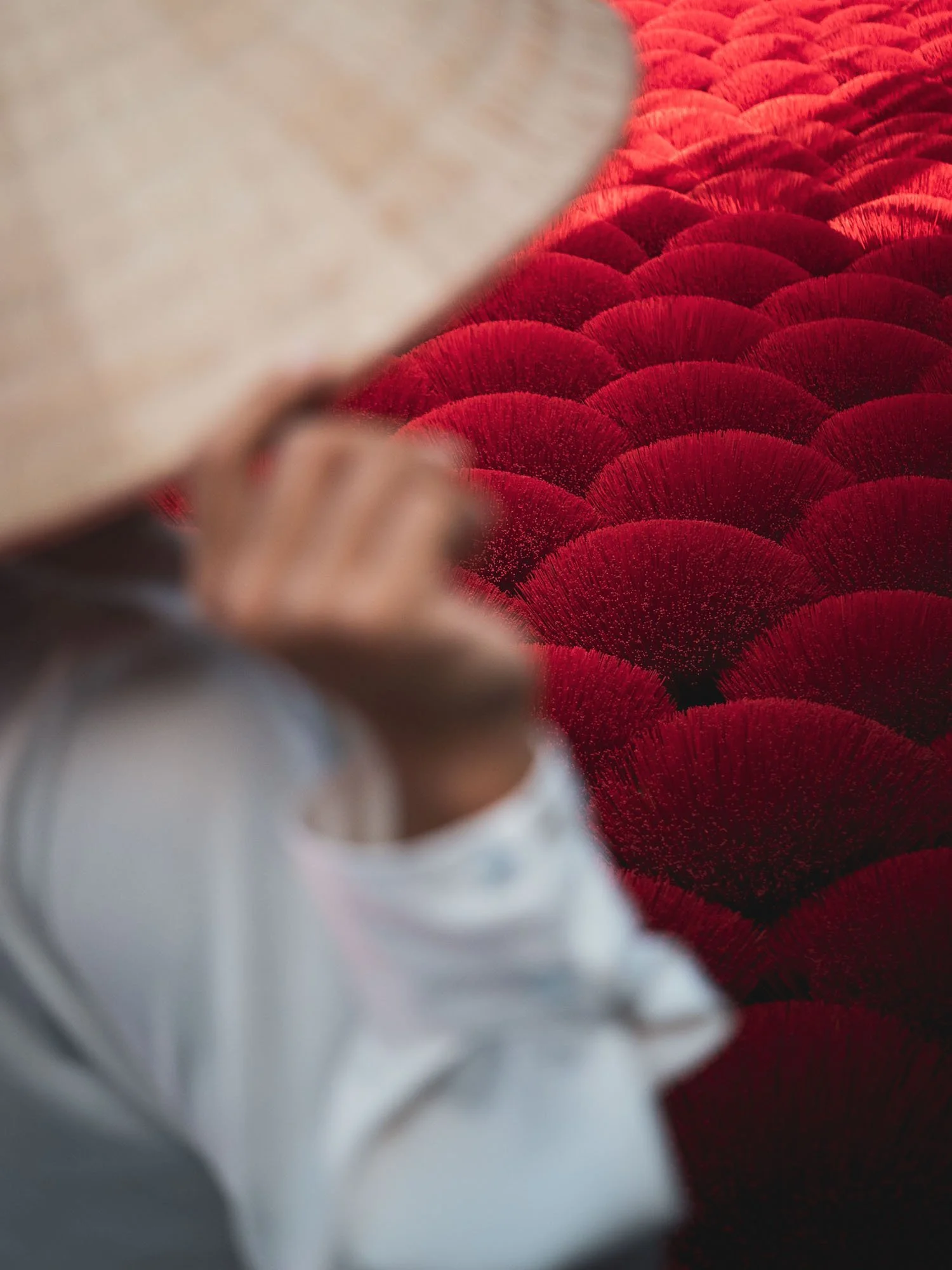
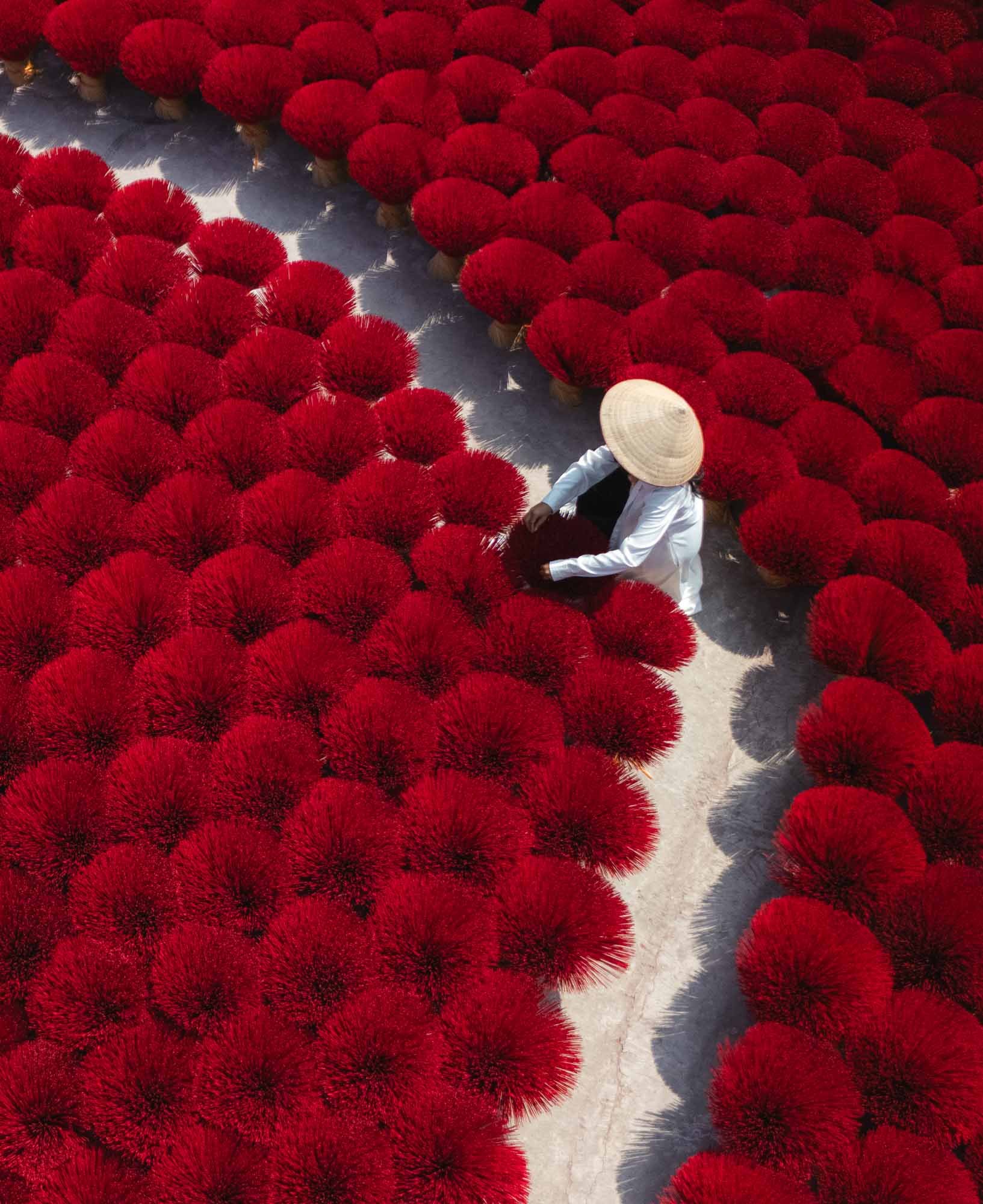
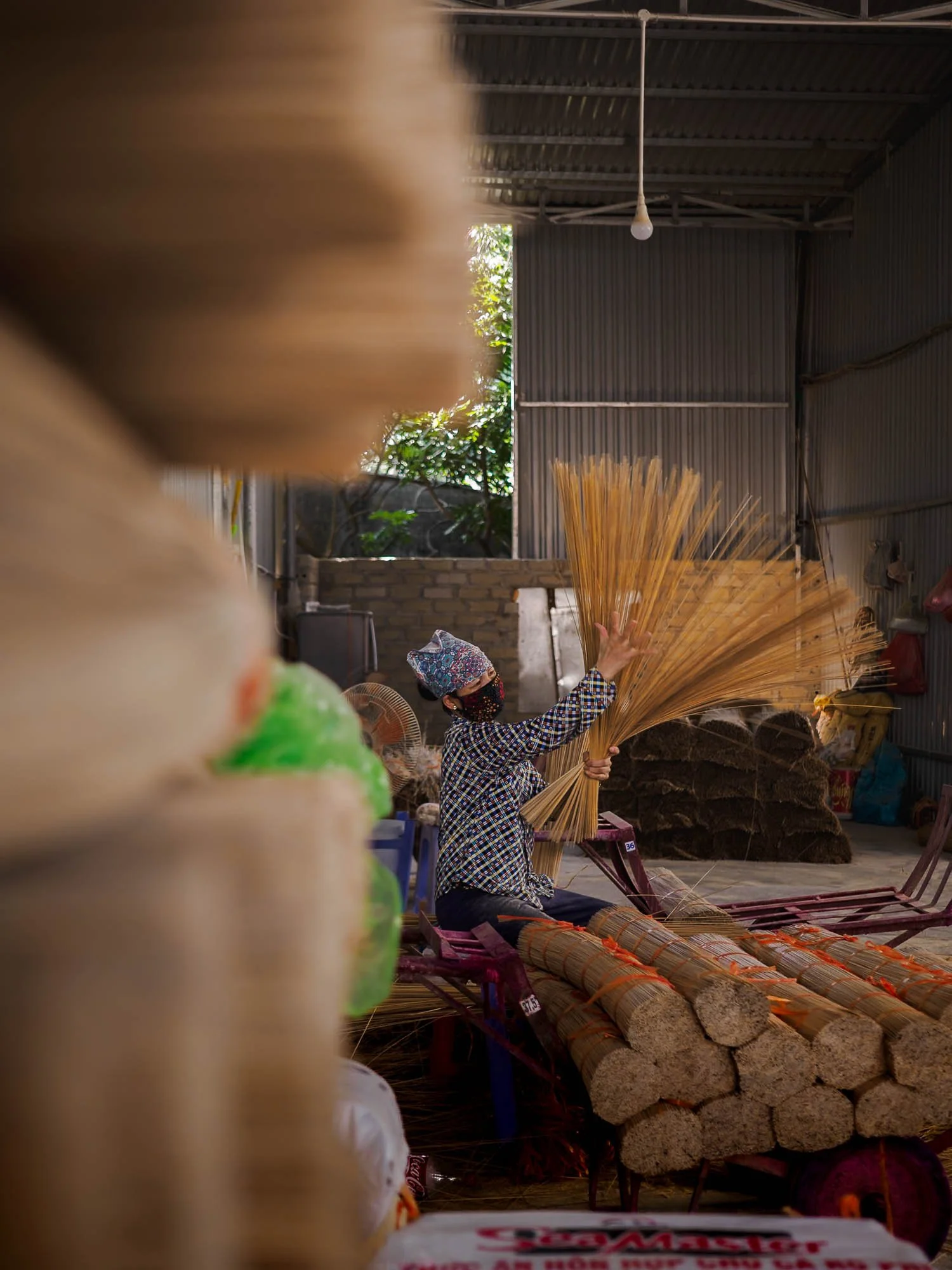
The village of Quang Phu Cau lies around an hour outside the city, and is famous for a practice established here more than a hundred years ago: producing bright red incense sticks. These have been neatly arranged in a few courtyards for tourists to take photos like the ones above, but if you walk down the street, you’ll find the actual factories and workers that cut, dye, and dry the sticks.
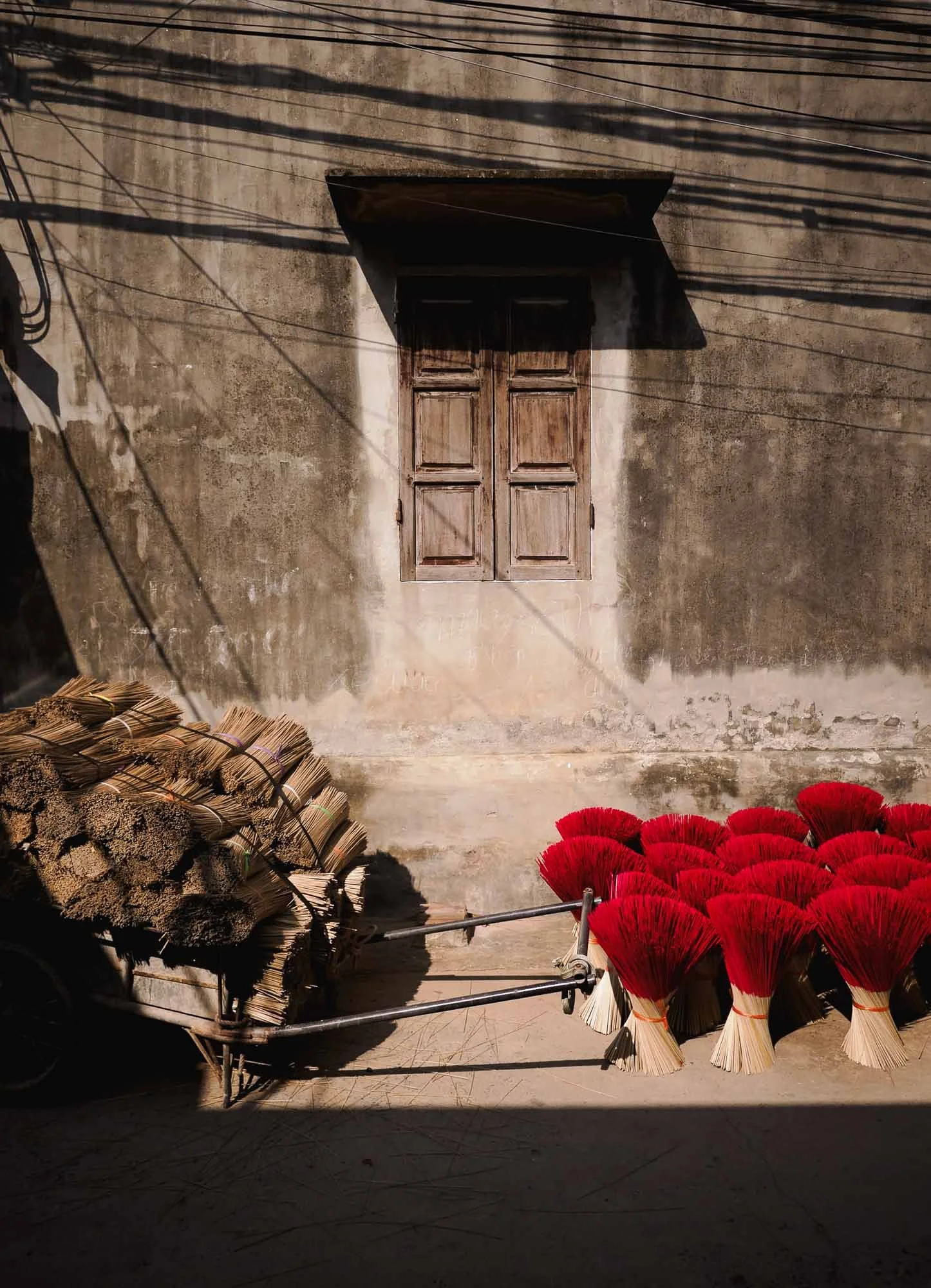
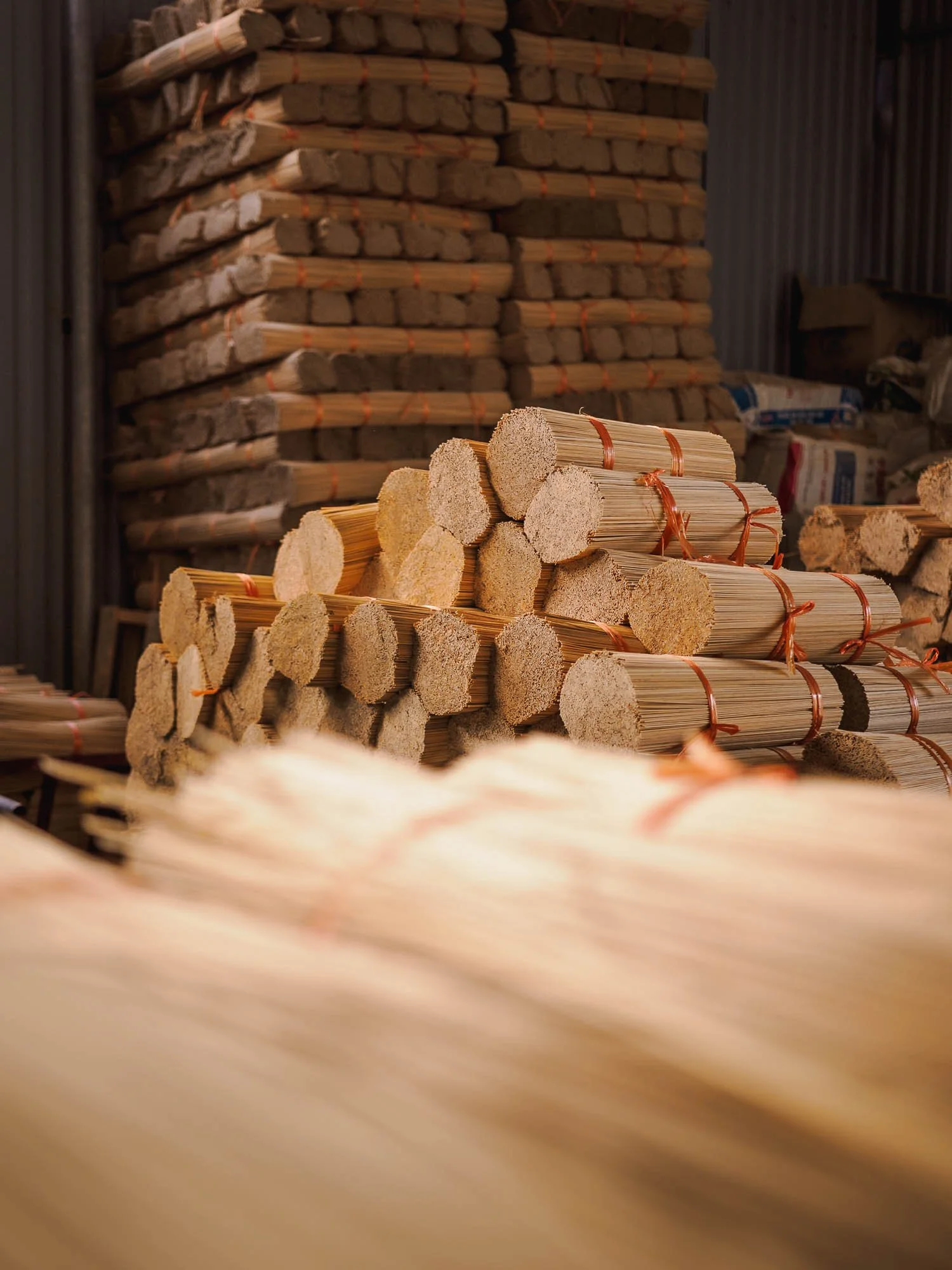
The core material is bamboo, as it burns slowly, coated in a binder and blended with fragrances such as sandalwood. From what I understood, the actual colour is merely decorative - red being a symbol of luck and prosperity, for instance.
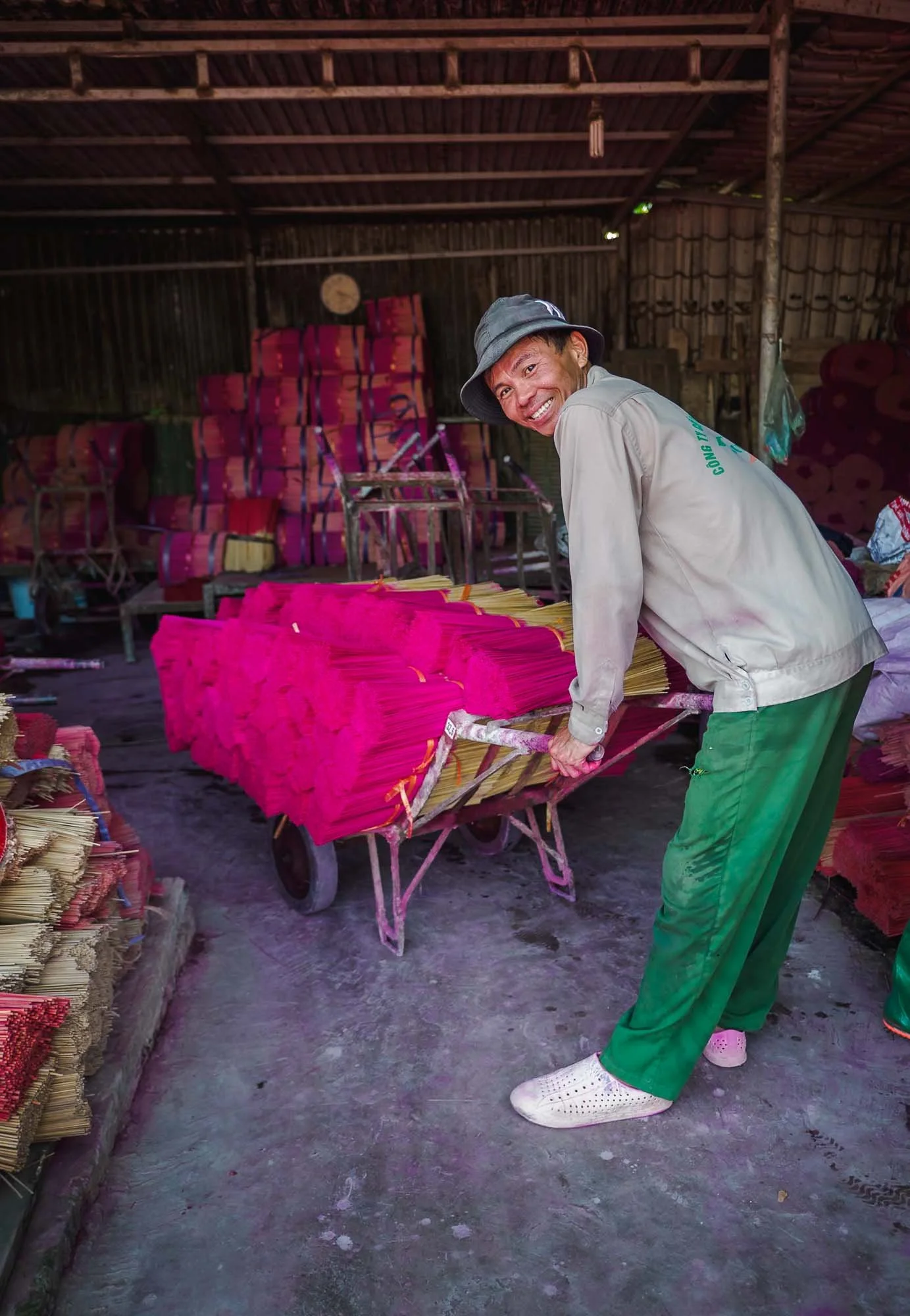
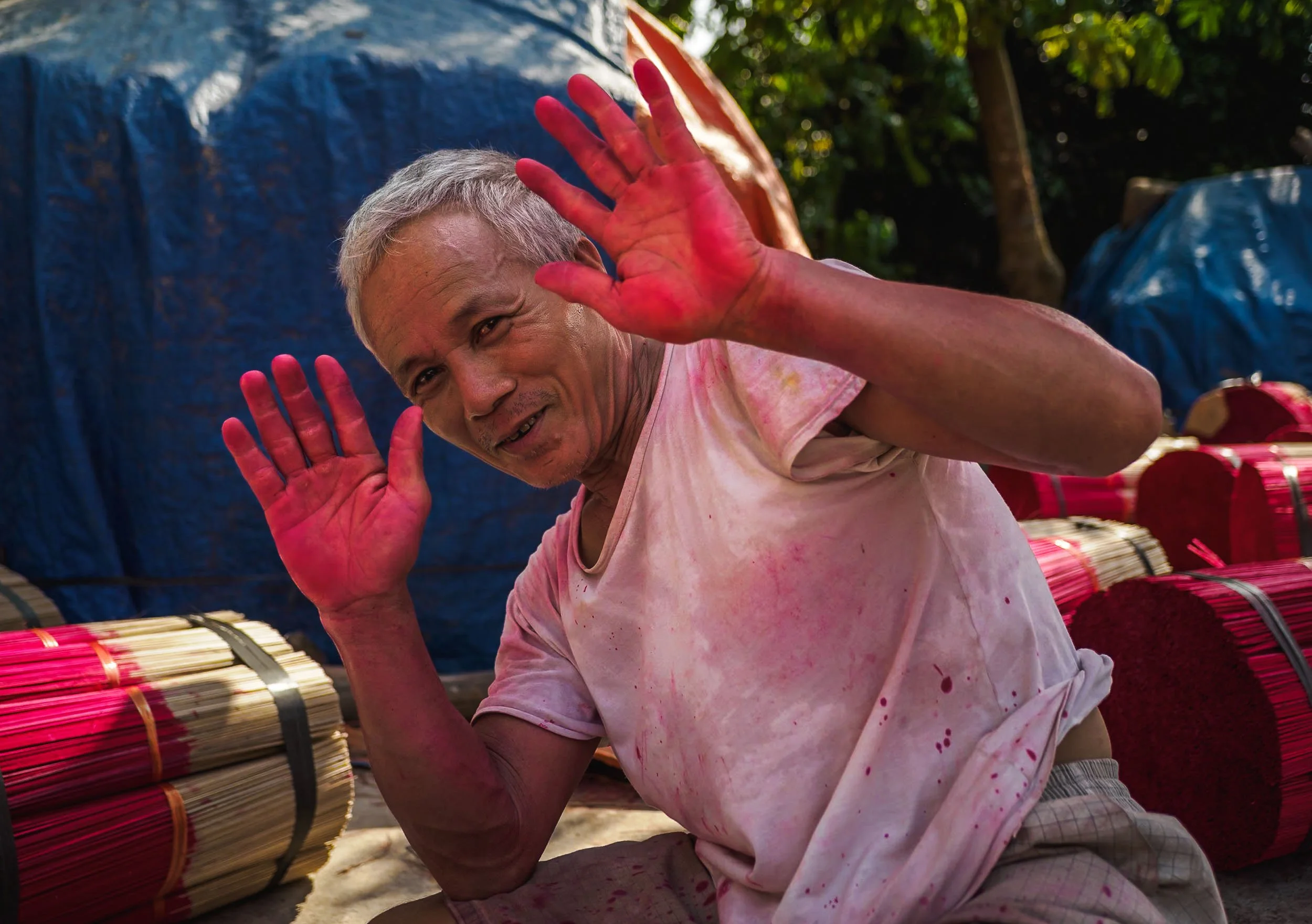
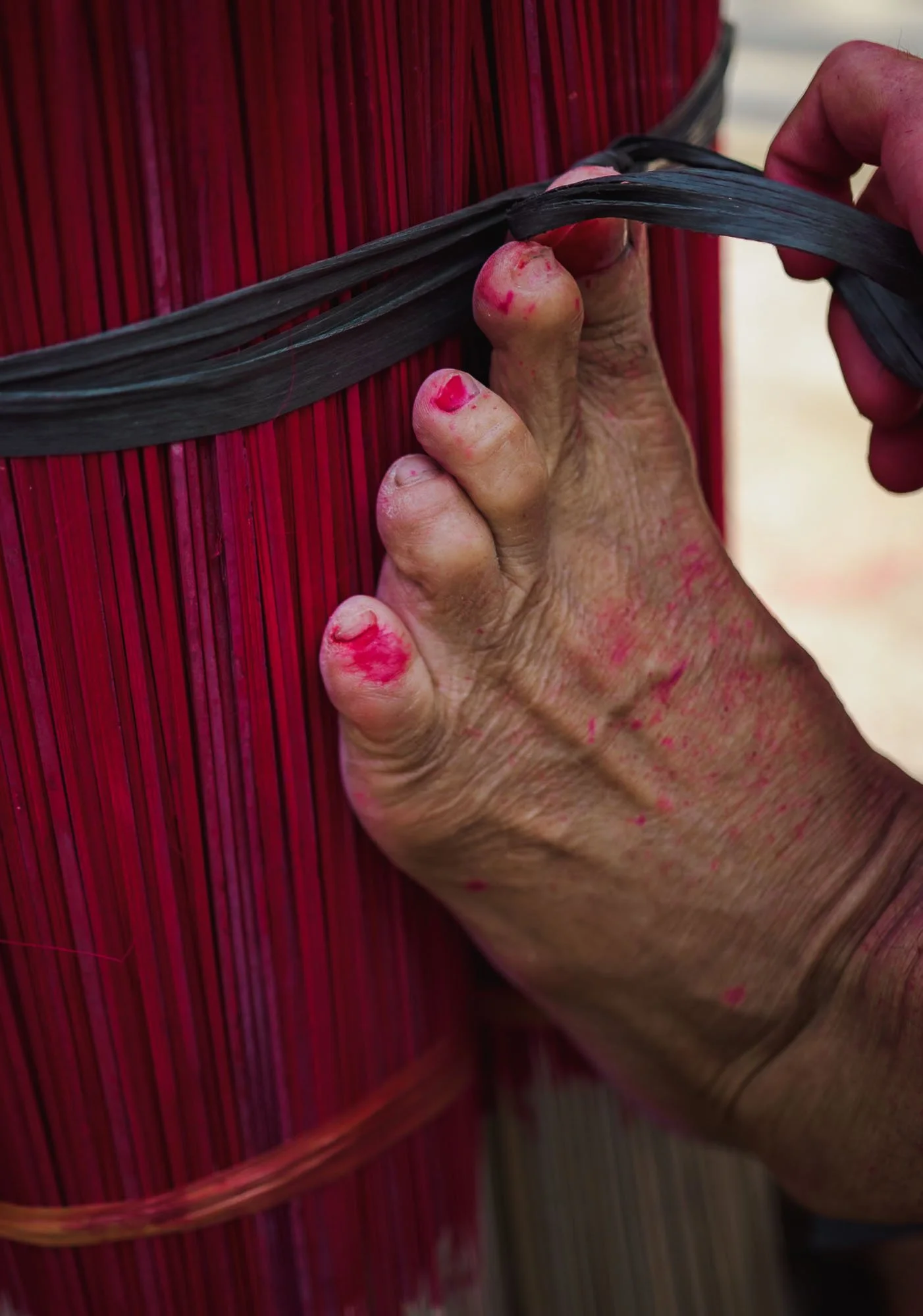
The dyeing process is unsurprisingly messy and I doubt this man has seen the natural colour of his hands (or feet) in the last years.
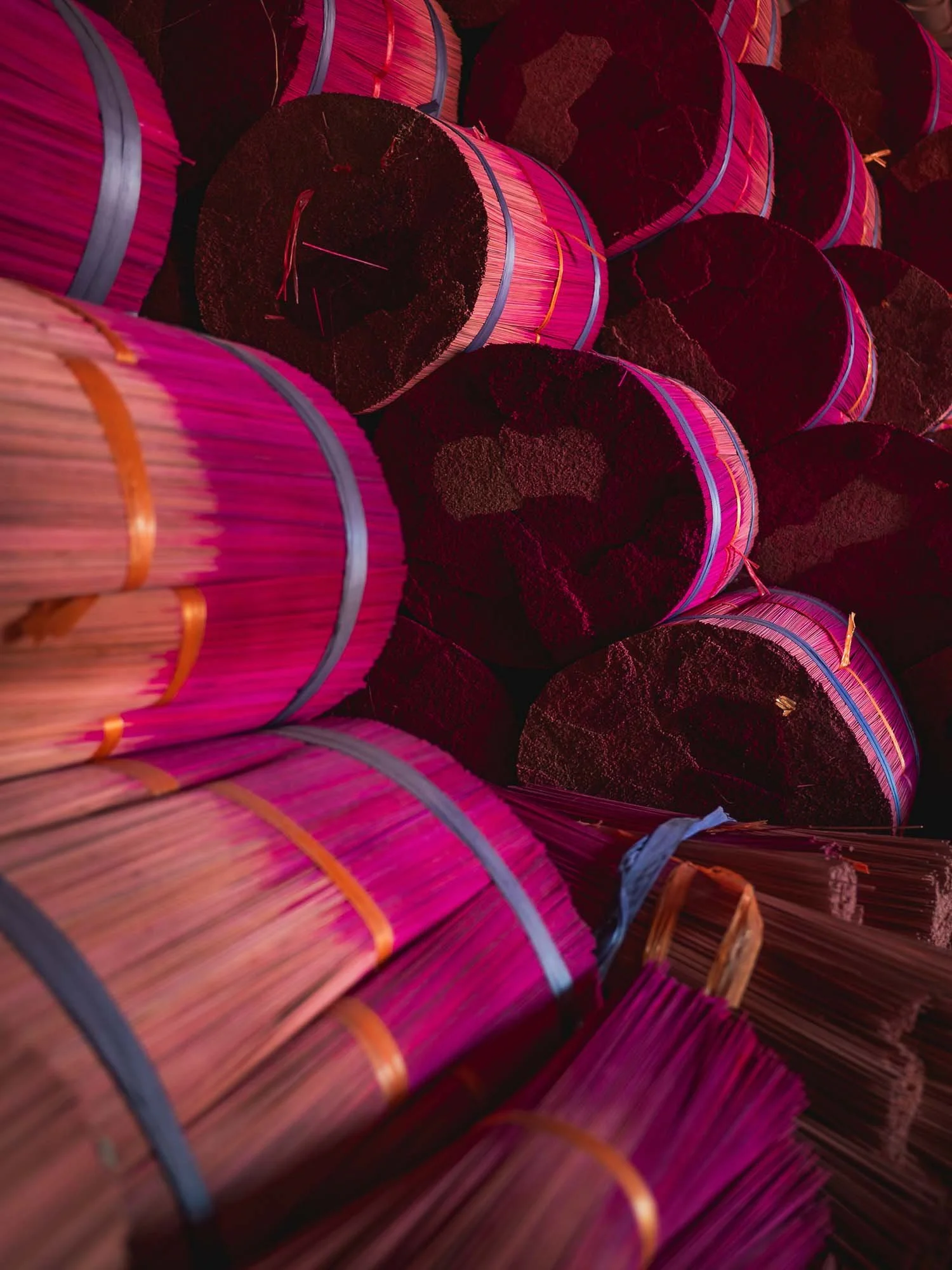
Once the work is done, the stick bundles are left outside to dry - not always arranged as neatly as in the staged tourist areas, but still an interesting aerial view.
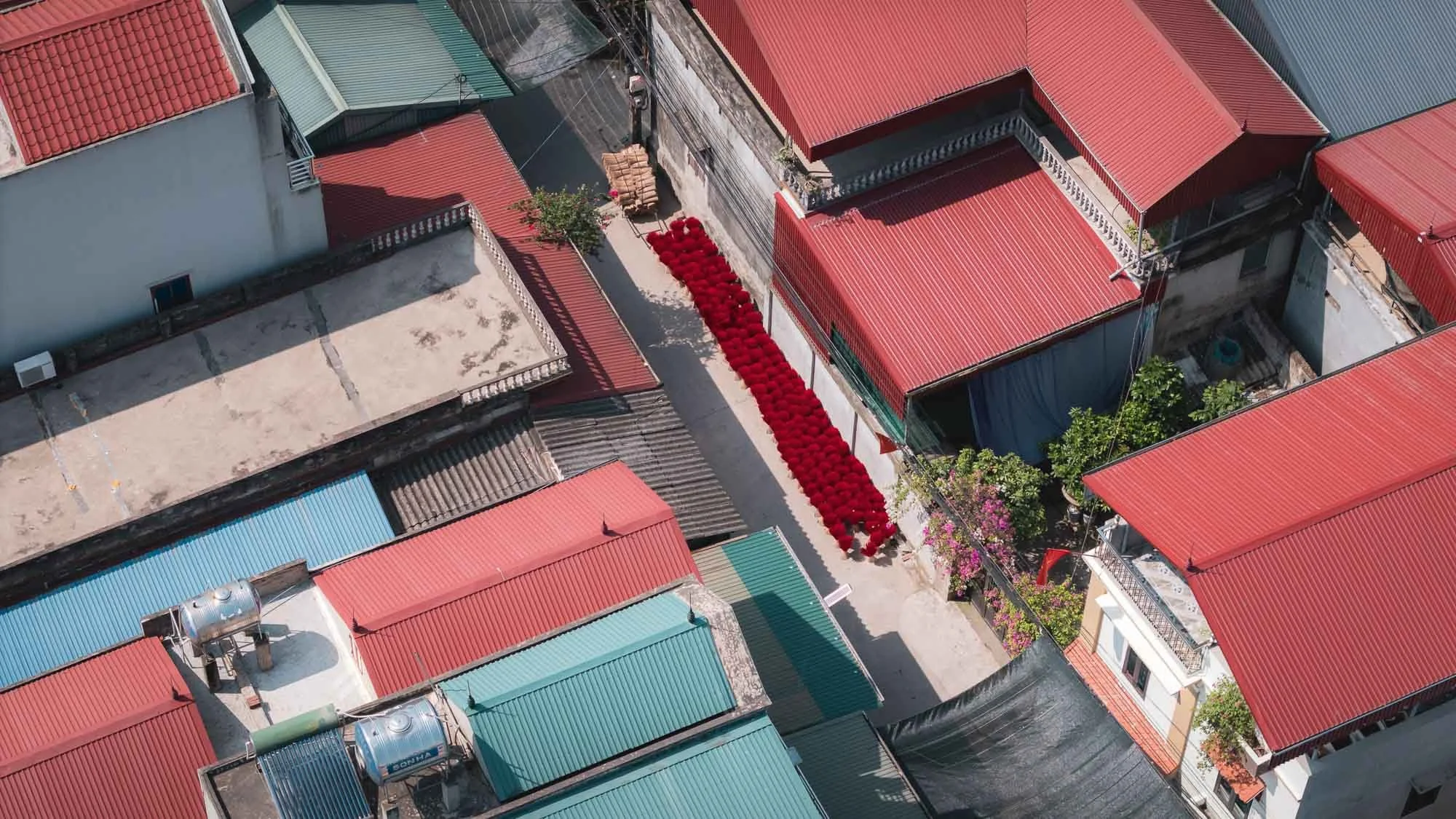
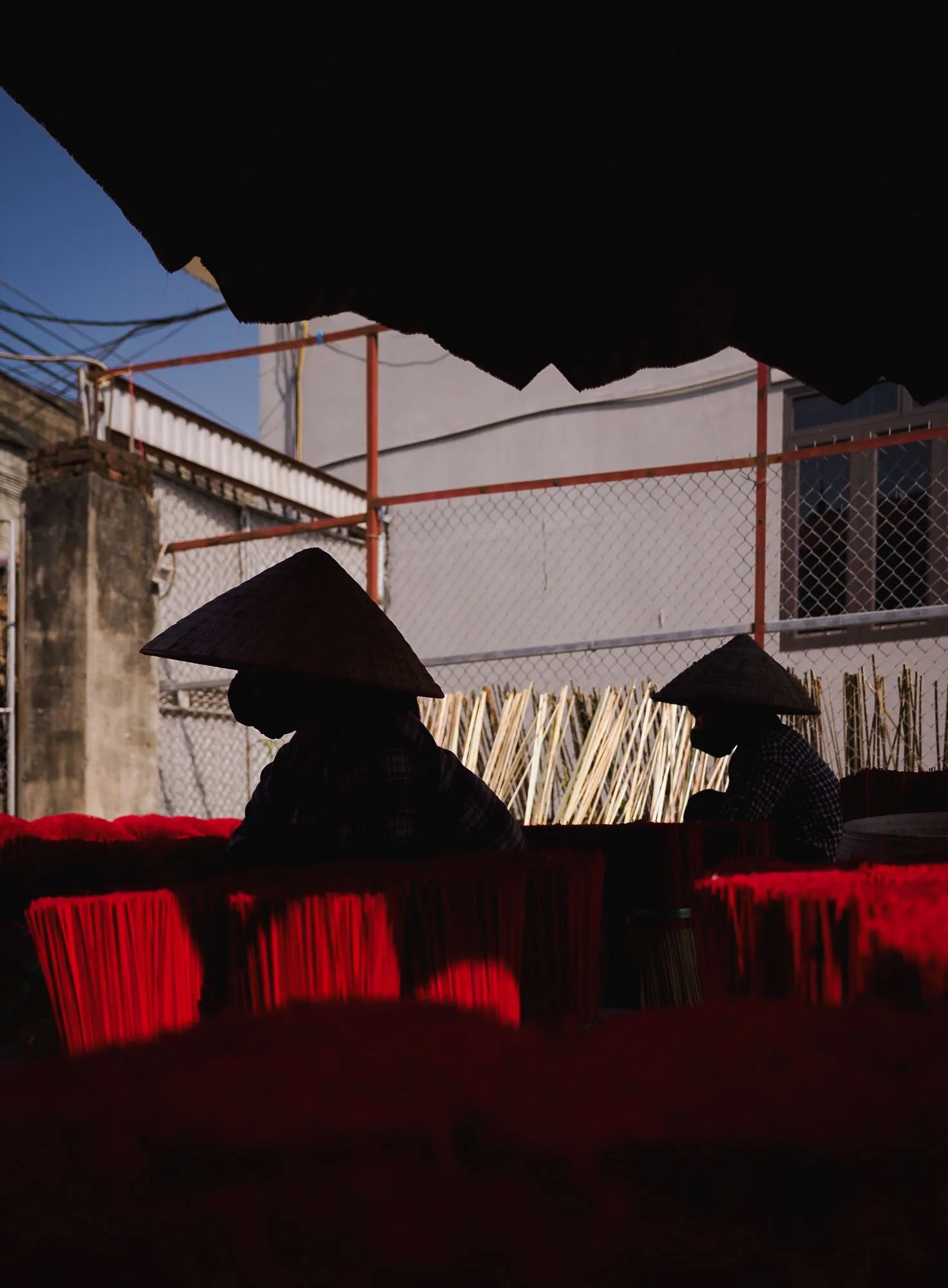
Is it worth going? Not really for the now all too cliché social media photos, but if you venture a bit beyond those parts of the village you might get an actual glimpse at the people keeping a craft that emerged around the 15th century alive, and that makes it a little more interesting.
Makers of the Bamboo Fish Traps
Another famous tradition can be found a bit further east of Hanoi - here, it’s both the practice and the people that have attracted countless photographers and tourists over the last years.
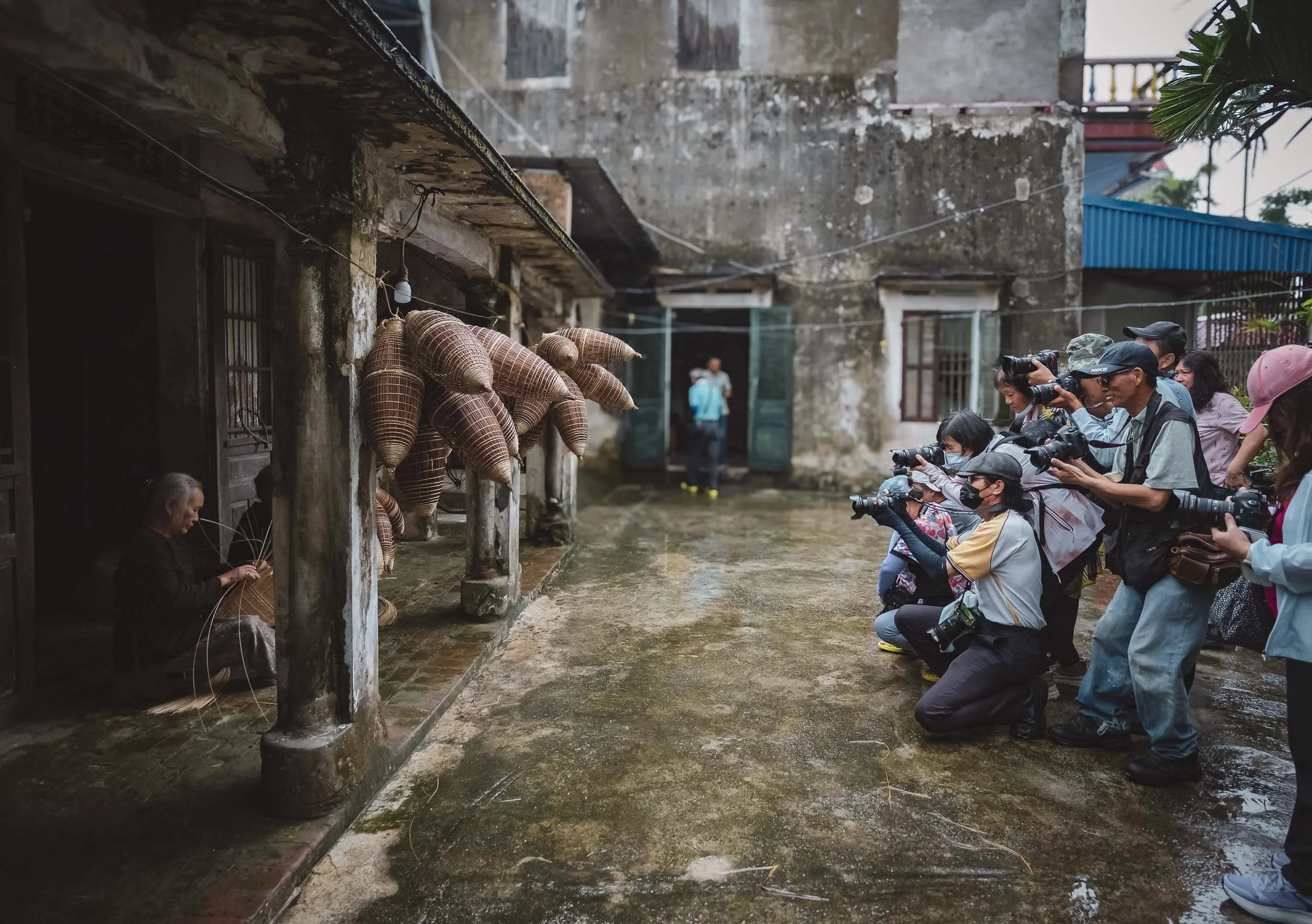
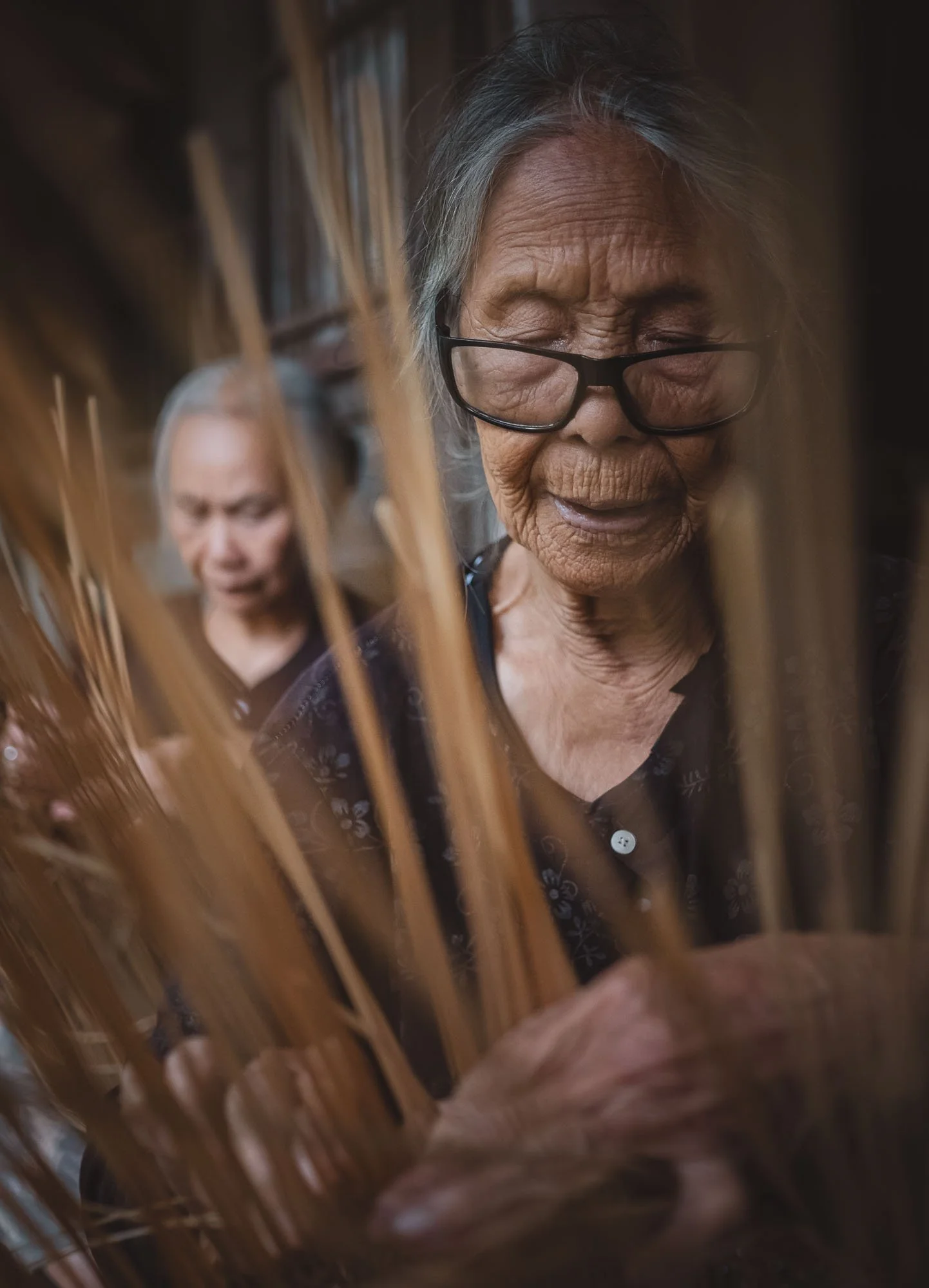
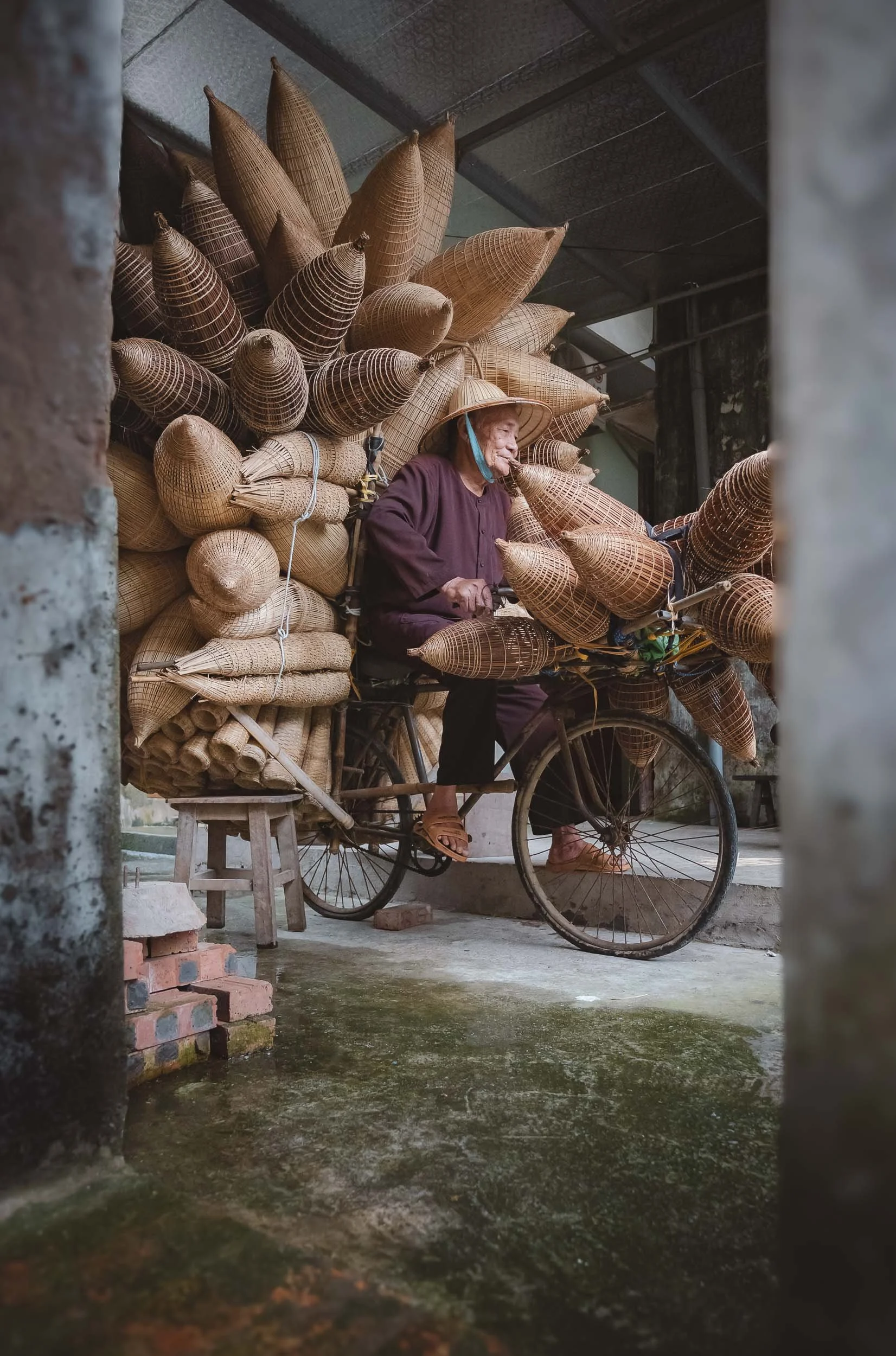
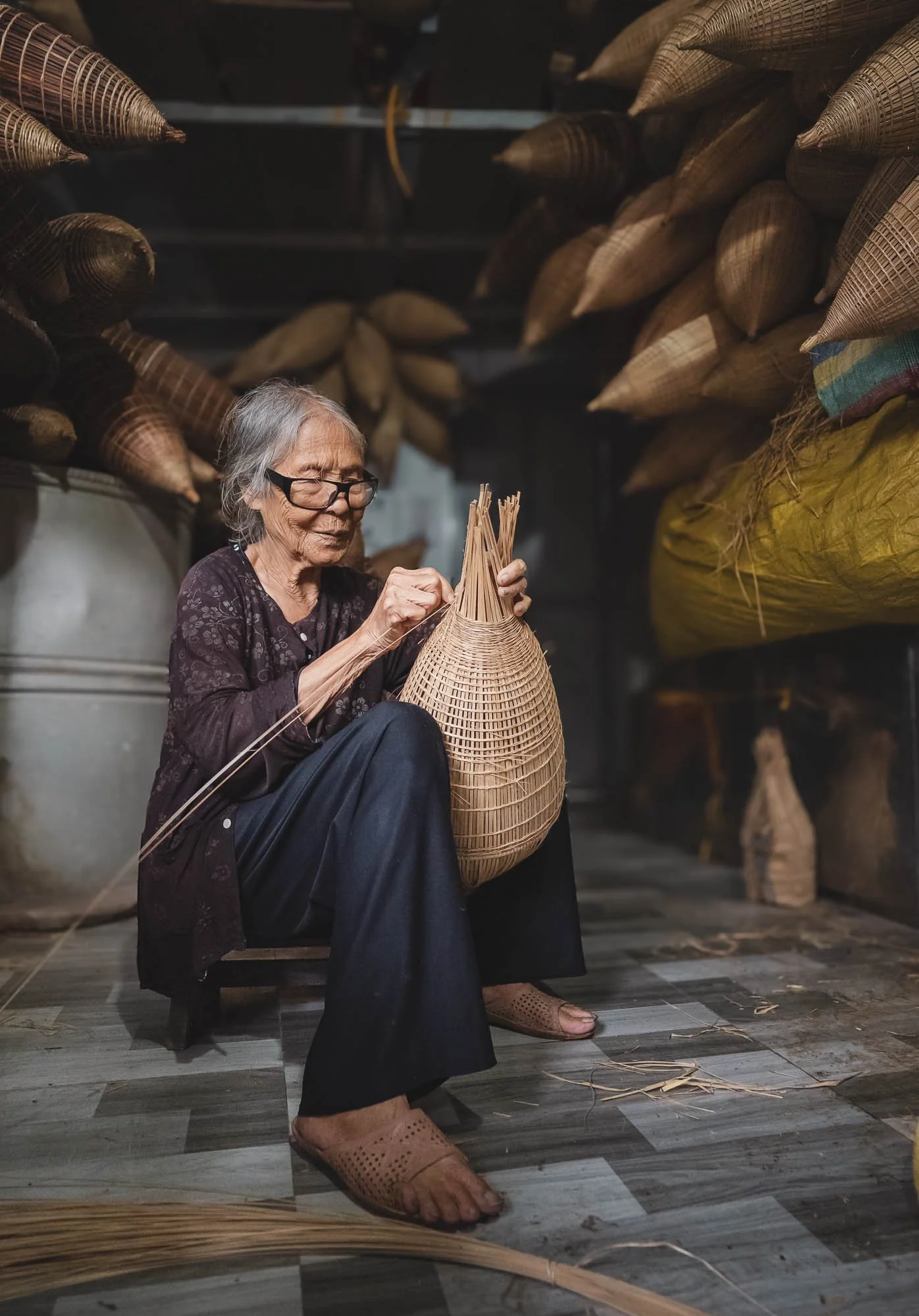
As we arrived, this group from China was clicking away, asking the elderly ladies to pose as they produce hand-woven fish traps from bamboo, called do or ro in Vietnamese - a technique used for hundreds of years in the lakes and streams of the country.
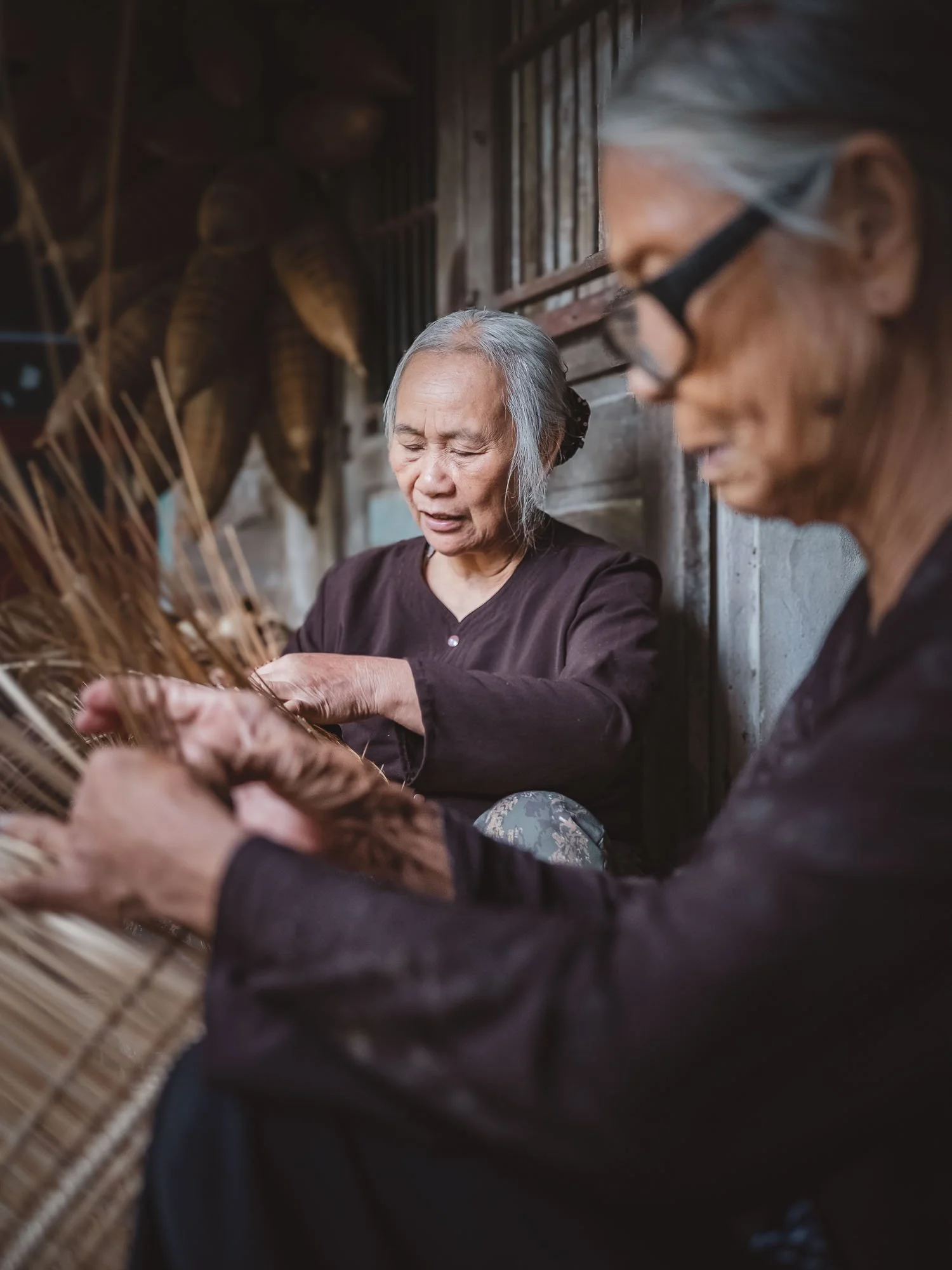
I got my own chance to take a few photos while watching them skillfully weave the baskets made of flexible bamboo sticks. Their shape is optimized for fish to enter the trap without being able to escape again - effective, but barely in use anymore today.
The Master Maker
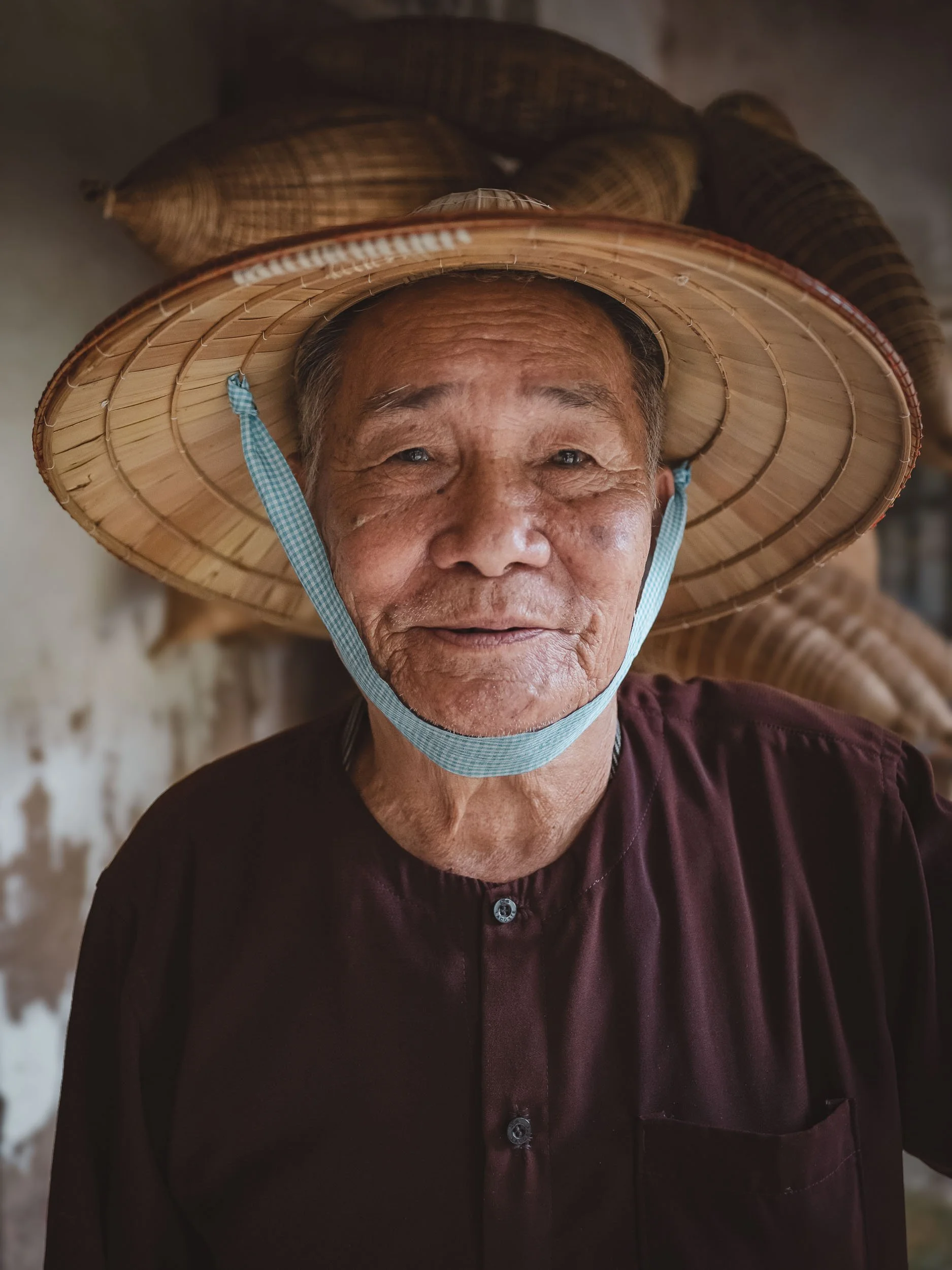
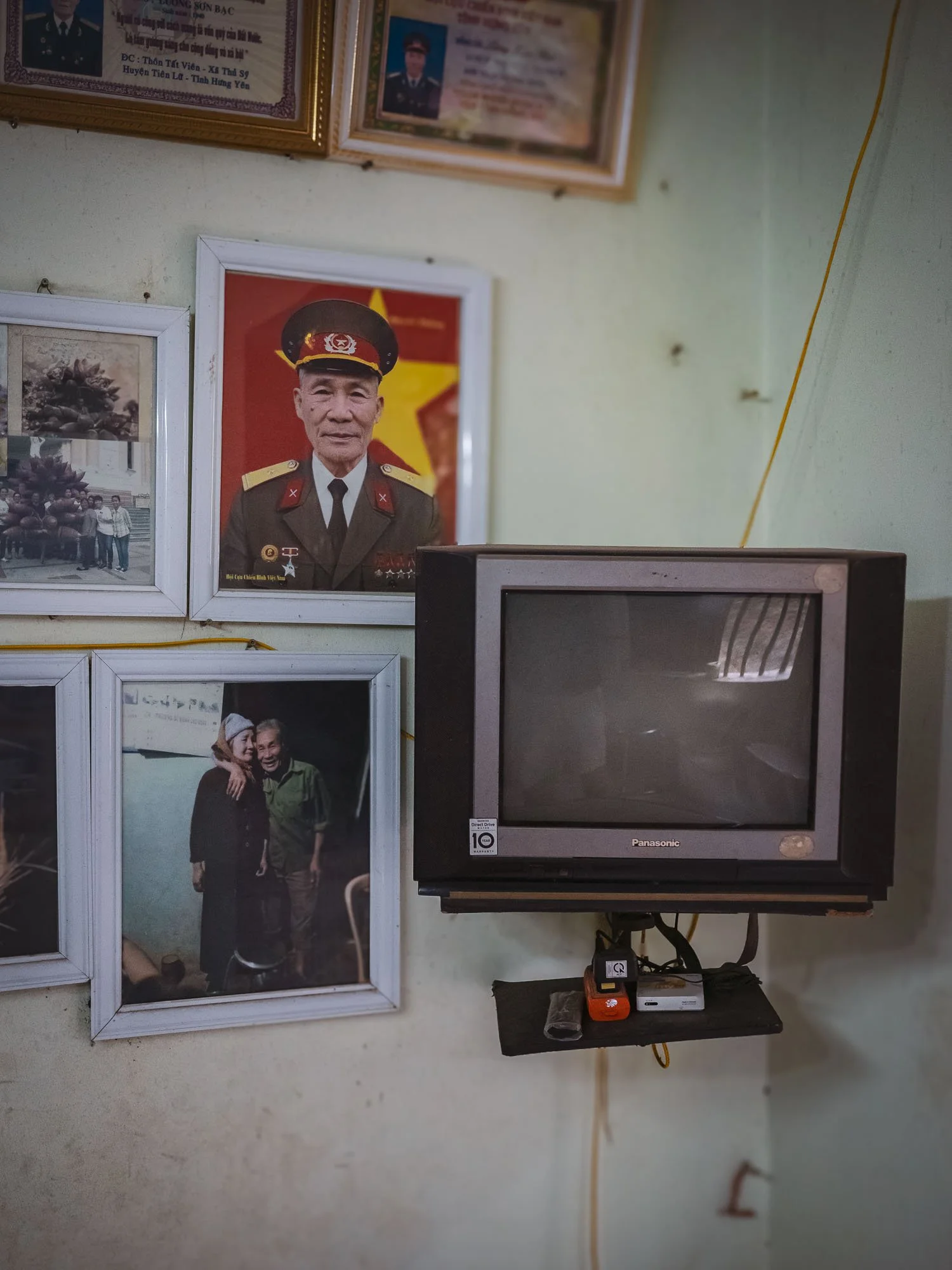
The most famous protagonist here is Luong Son Bac, a very kind man in his late 80s (so he says), who took the time to tell us some stories from his past after the group left - one of those times where even a staged environment can bring some genuine moments - he’s the real deal.
He spent his youth in the military and then retired as farmer and fisherman, but unexpectedly became a celebrity featured in countless magazines and documentaries covering his fish trap making craft. He lives with his wife in their house next to their little fish trap storage and making facility, which he nowadays just opens for tourists.
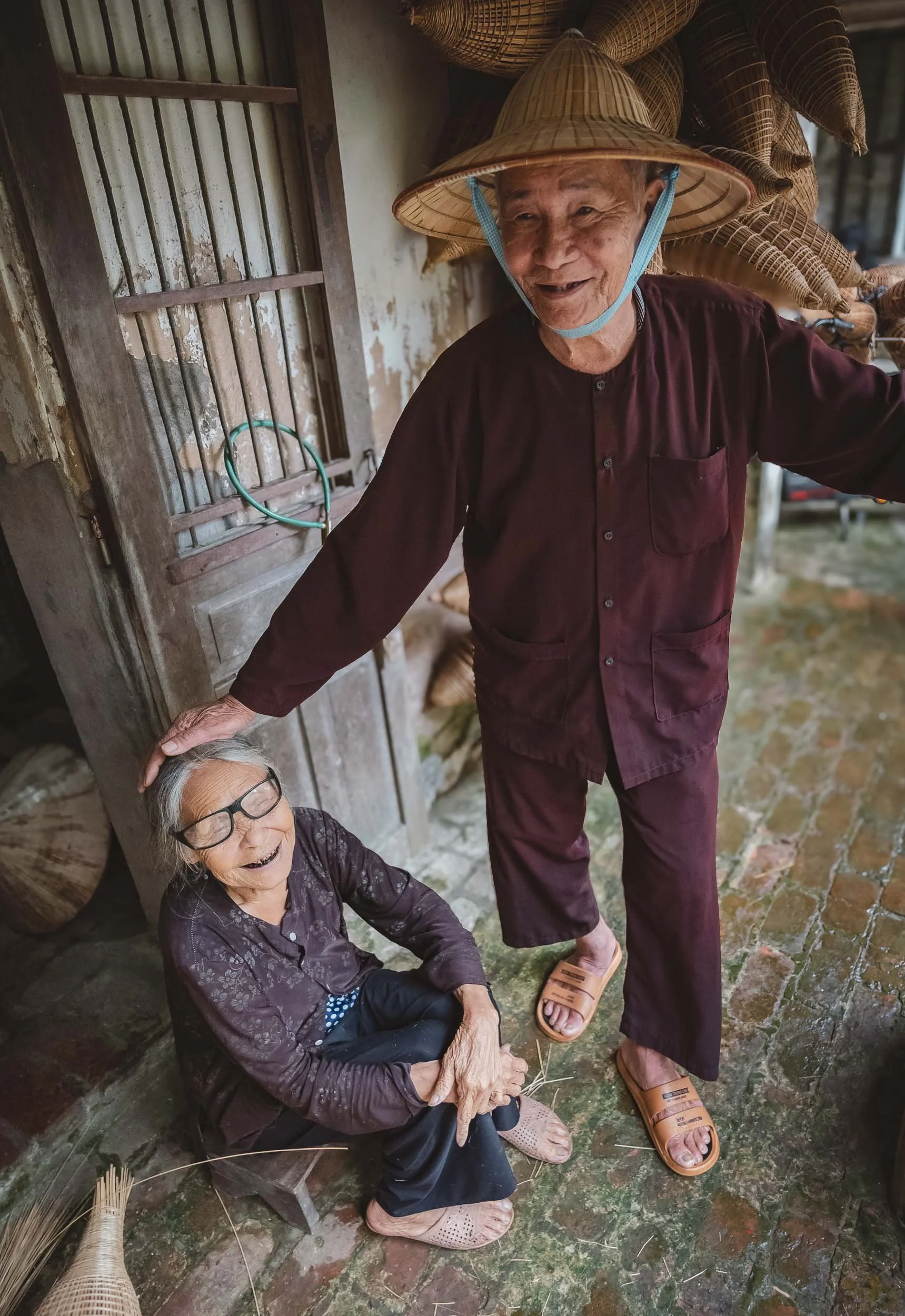
Neither of them have lost their skill though, and they both are always happy to showcase their craft.
The Soy Sauce Specialists
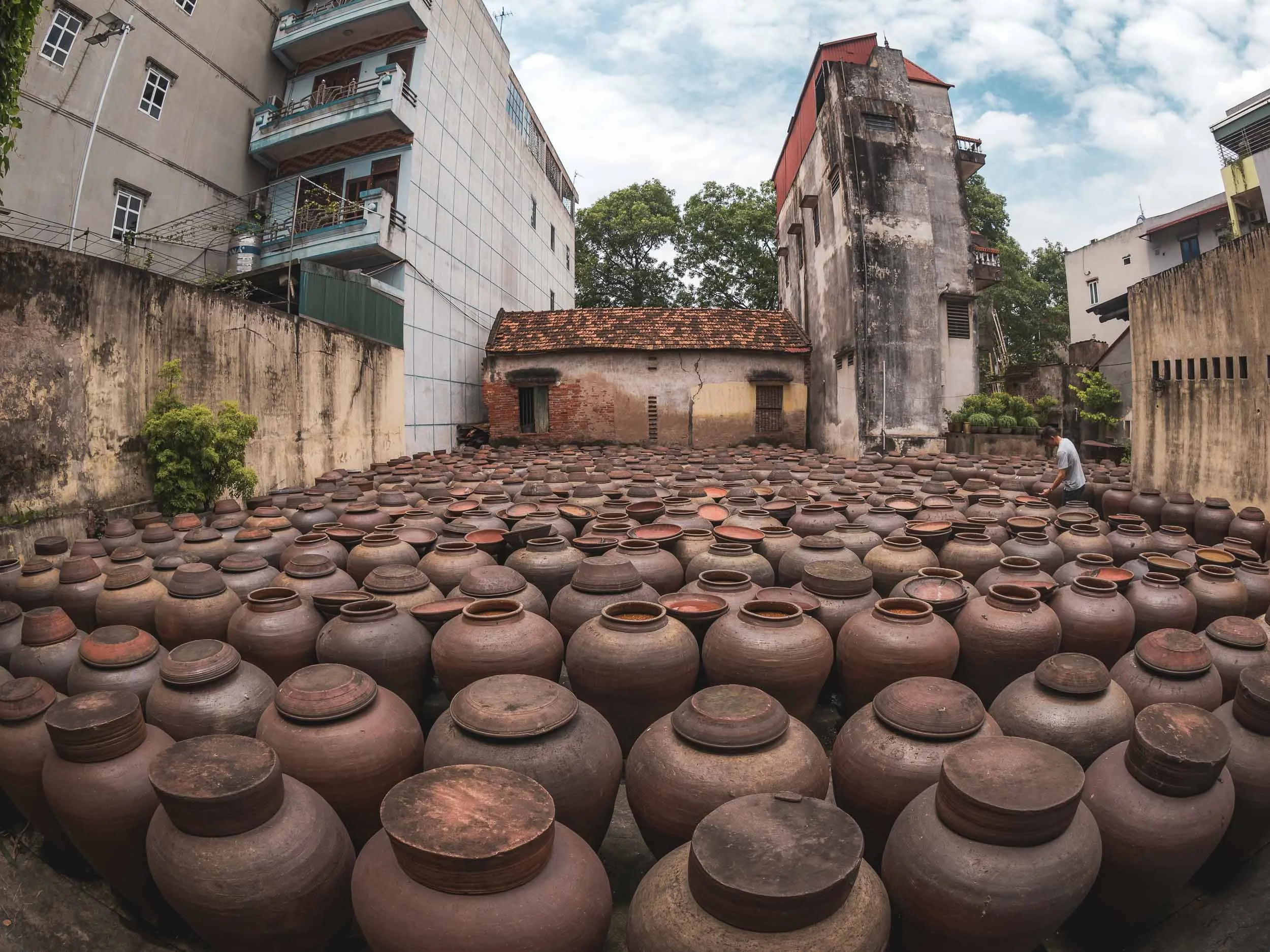
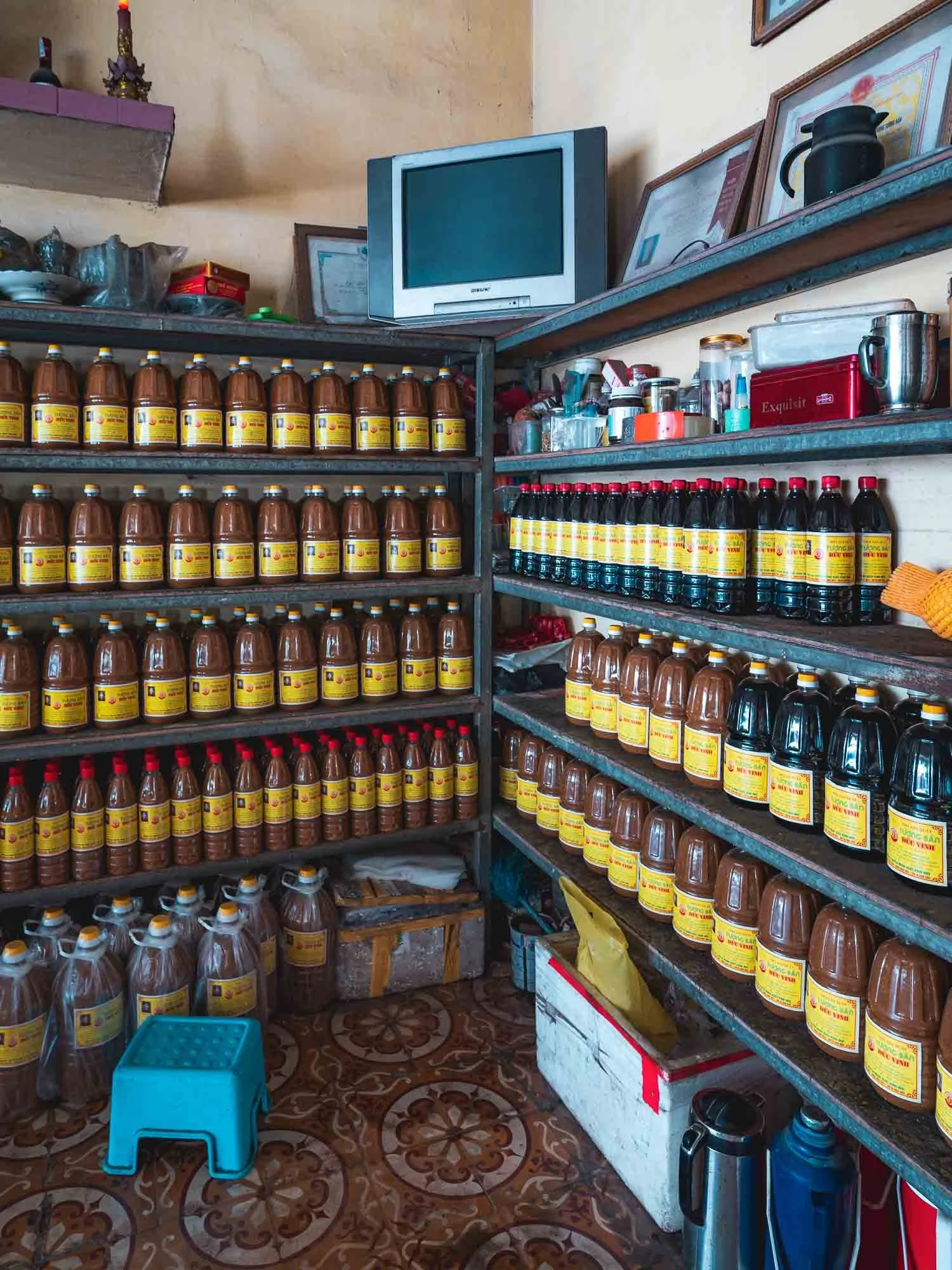
Another interesting traditional practice that can be found in Bần Yên Nhân just outside Hanoi. This little village is home to a few factories specializing in producing one of Asia’s most well known condiments: soy sauce.
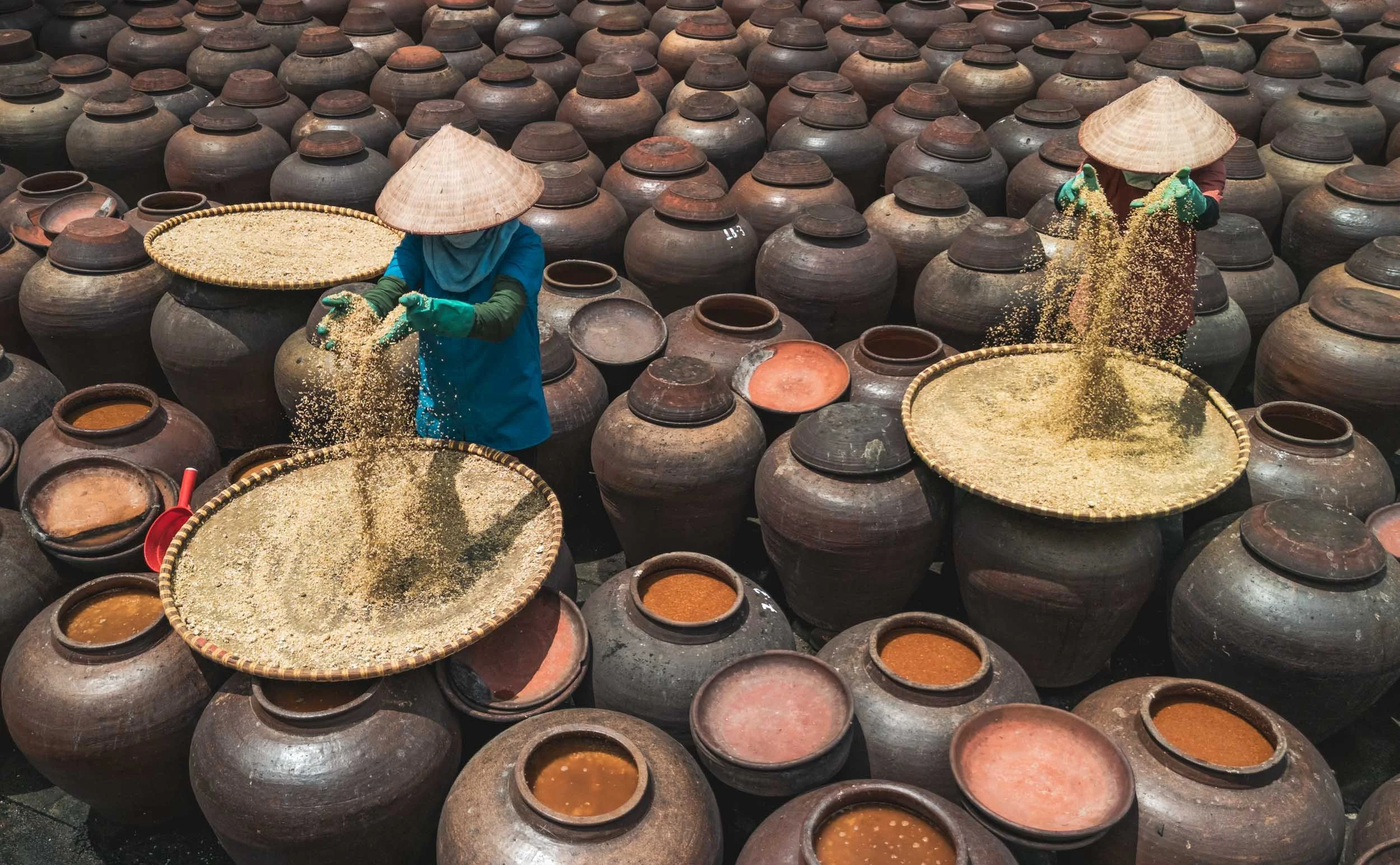
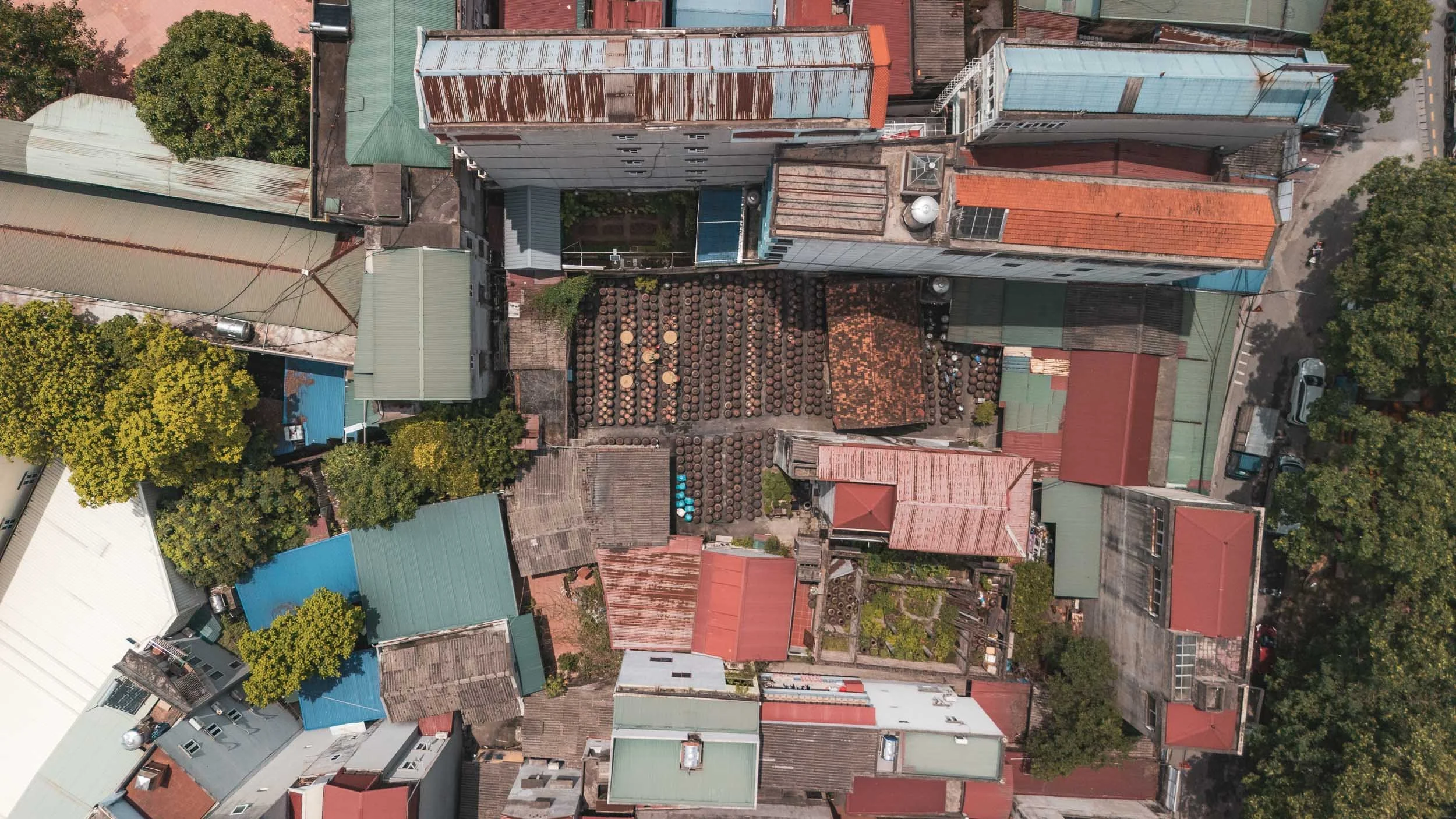
The ingredients are quite simple: rice, soybeans, salt, and water, but the process of combining them is a bit more elaborate. It starts from preparing a rice mold, cooking it into a sticky pace and letting it ferment for a while. The roasted soybeans are ground and also fermented for several days - the smell is quite intense at this stage.
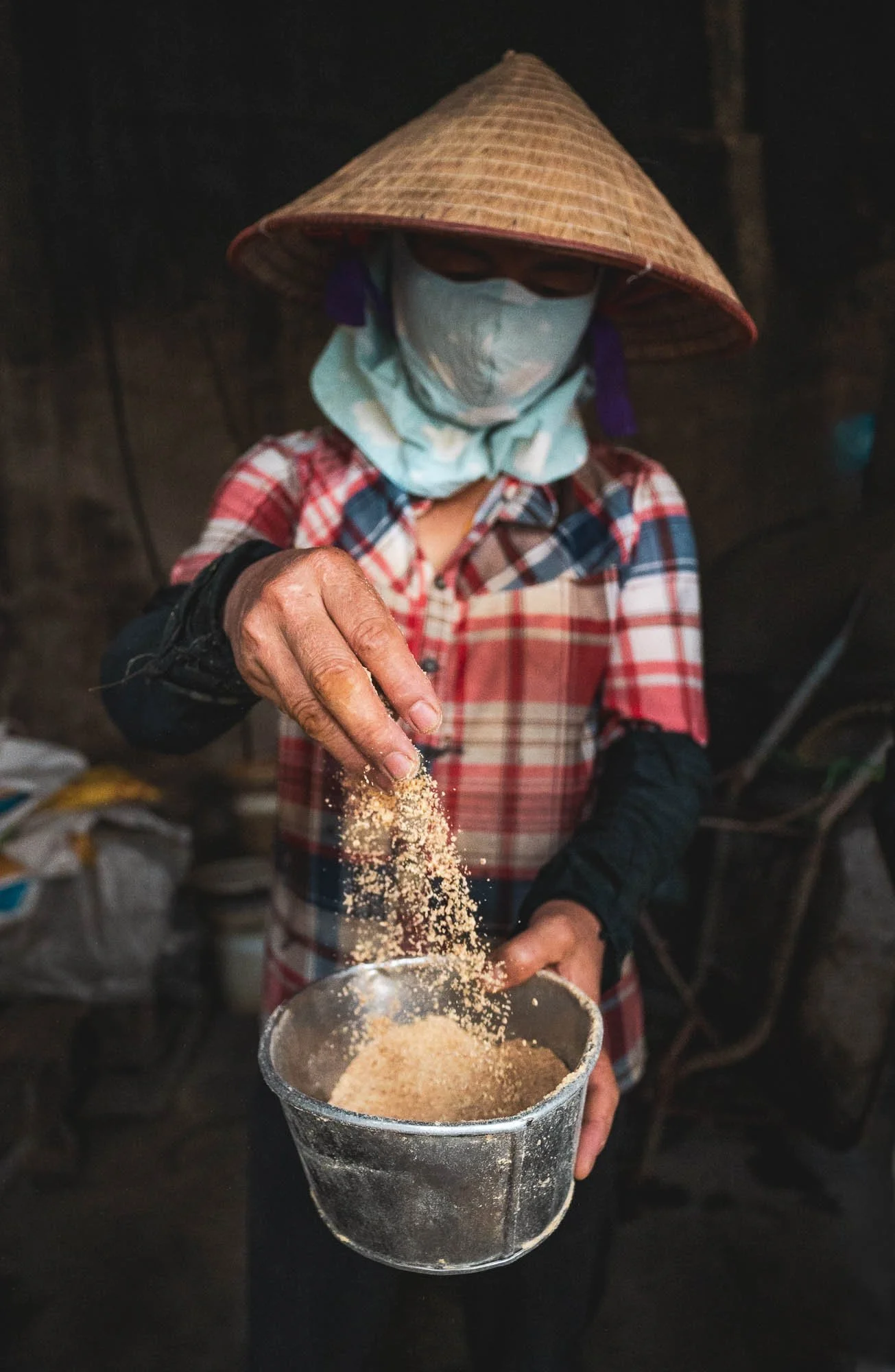
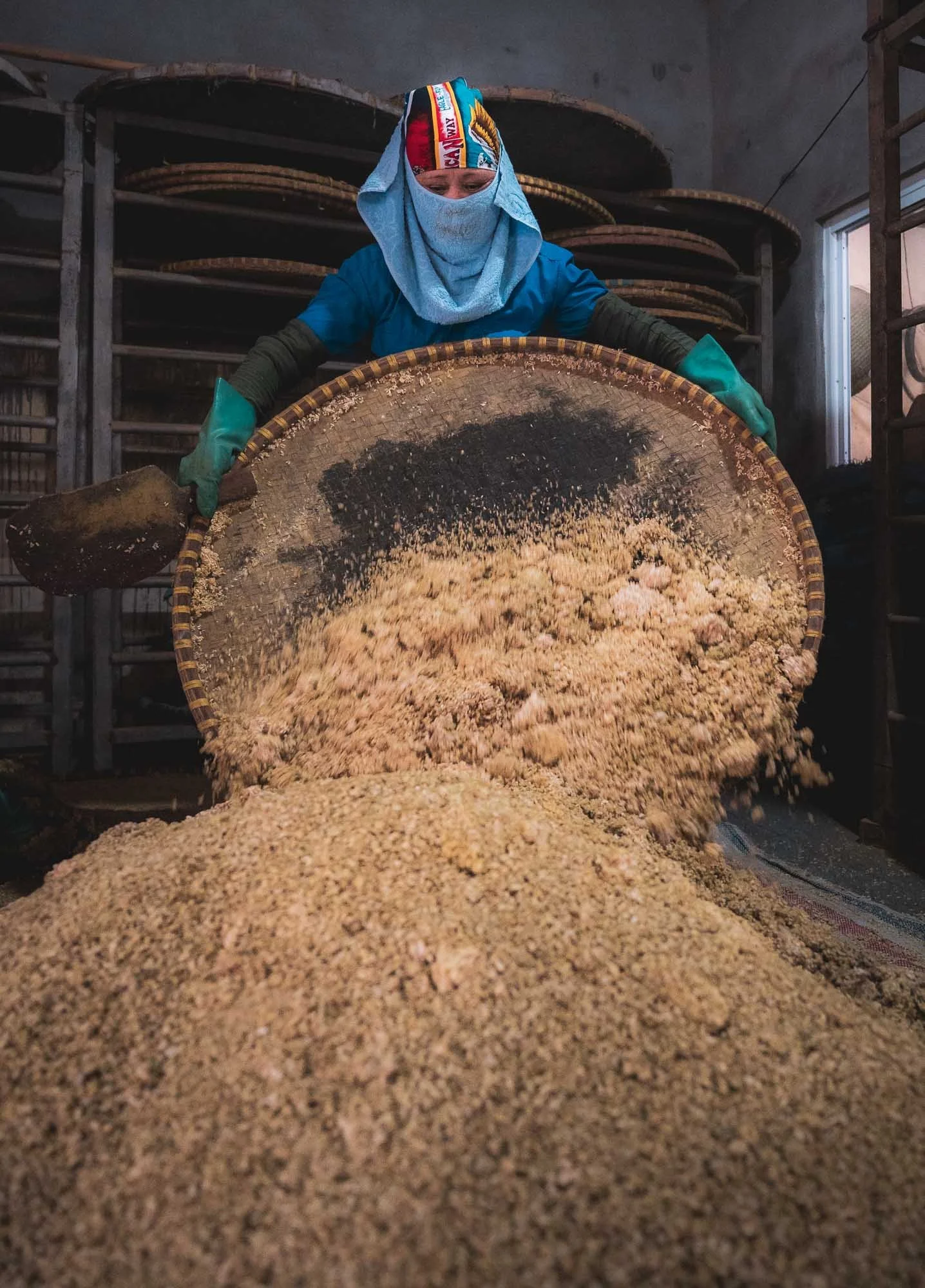
The two mixtures are then combined in large clay jars with salt and left in the sunlight - temperature, timing, and regular stirring is what makes the magic happen, with each maker and region having its own secret process to get the best flavor out of the process.
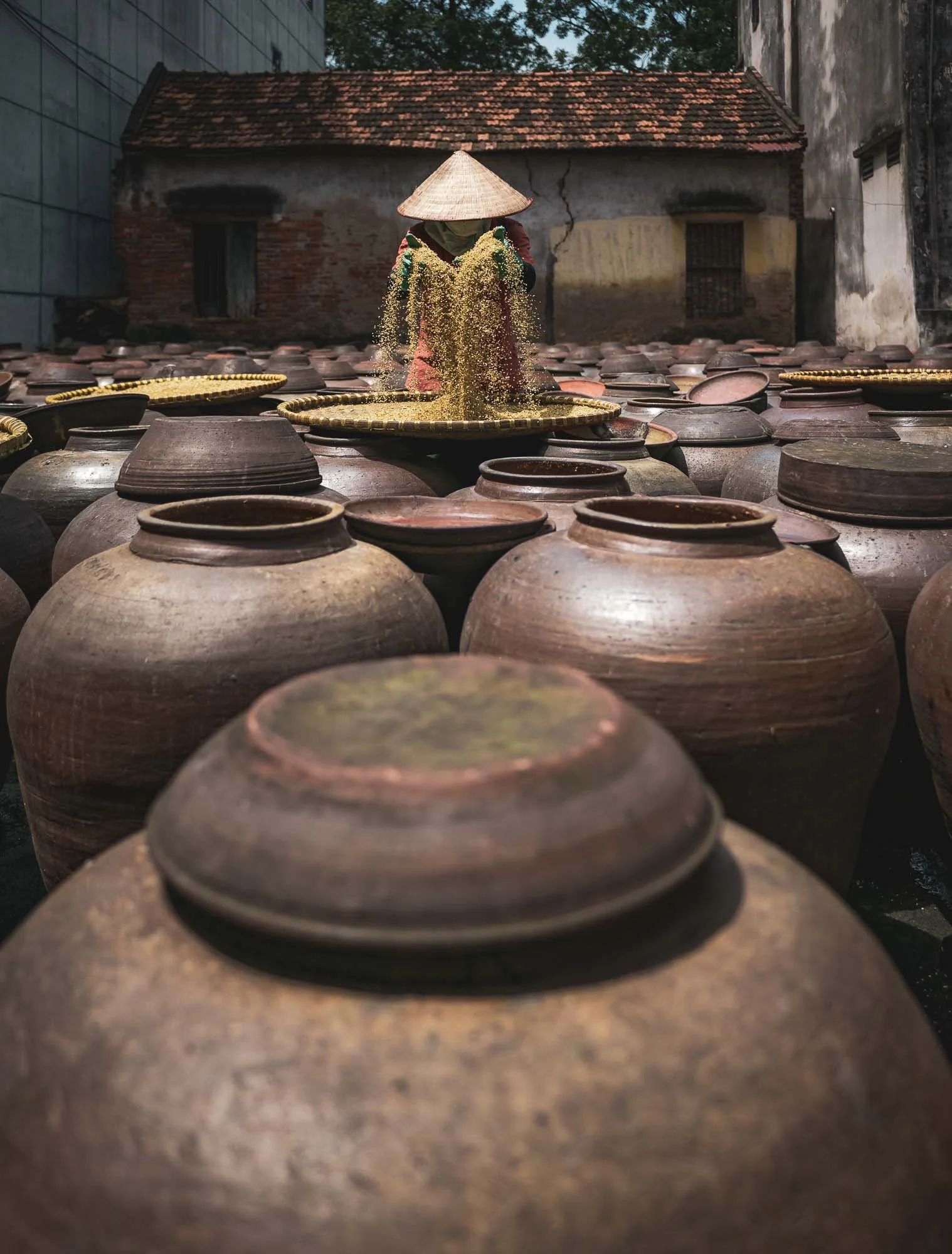
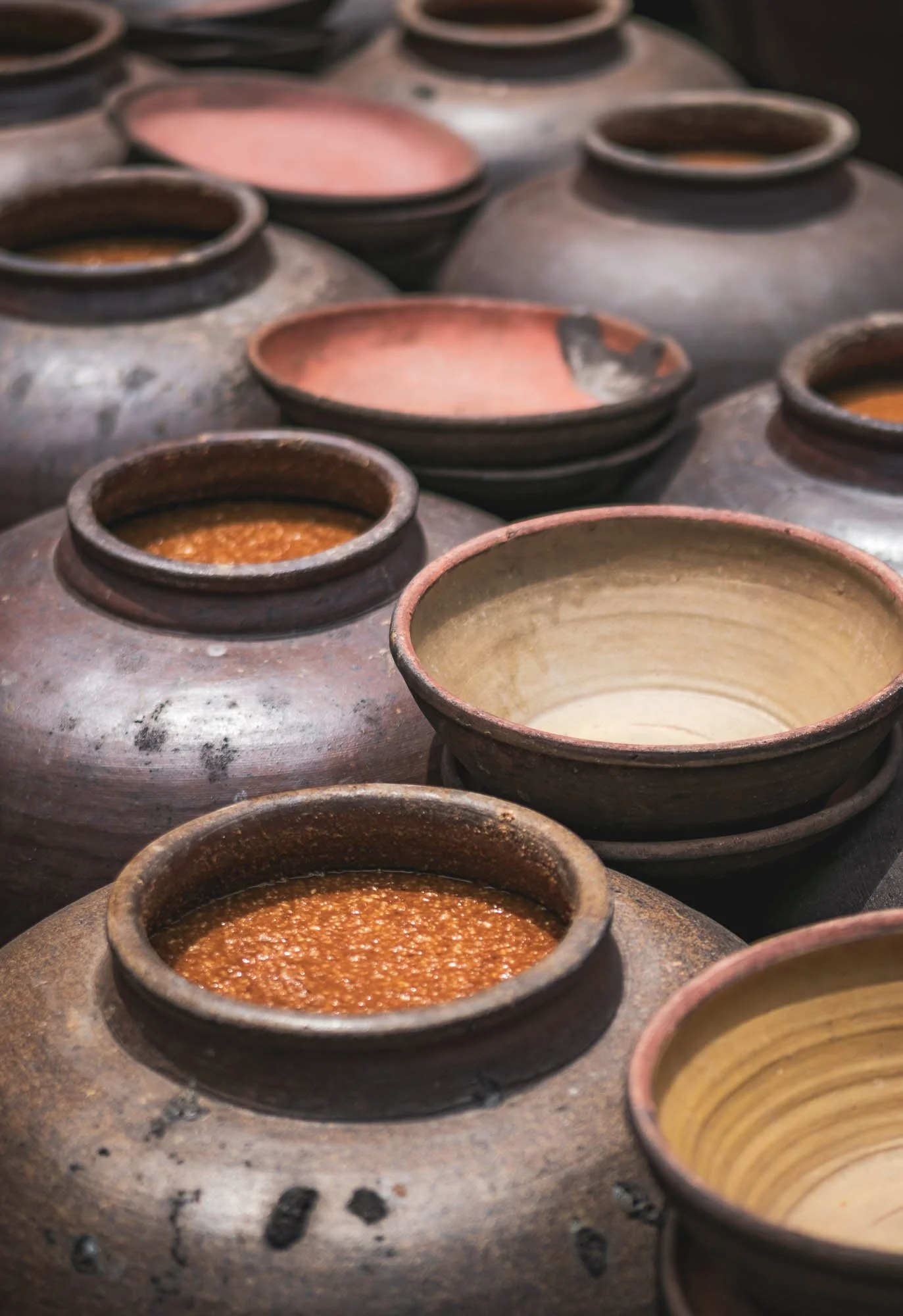
If all goes well, one can then purchase the final result in the shops after 6 weeks or so. There are quite a few factories dotted around the village - in total they are said to produce around 11 million liters a year. Cats play a more mentally supportive role in the process but probably keep the rodents out of the grain storage.

Rolling Tea Hills of Long Coc
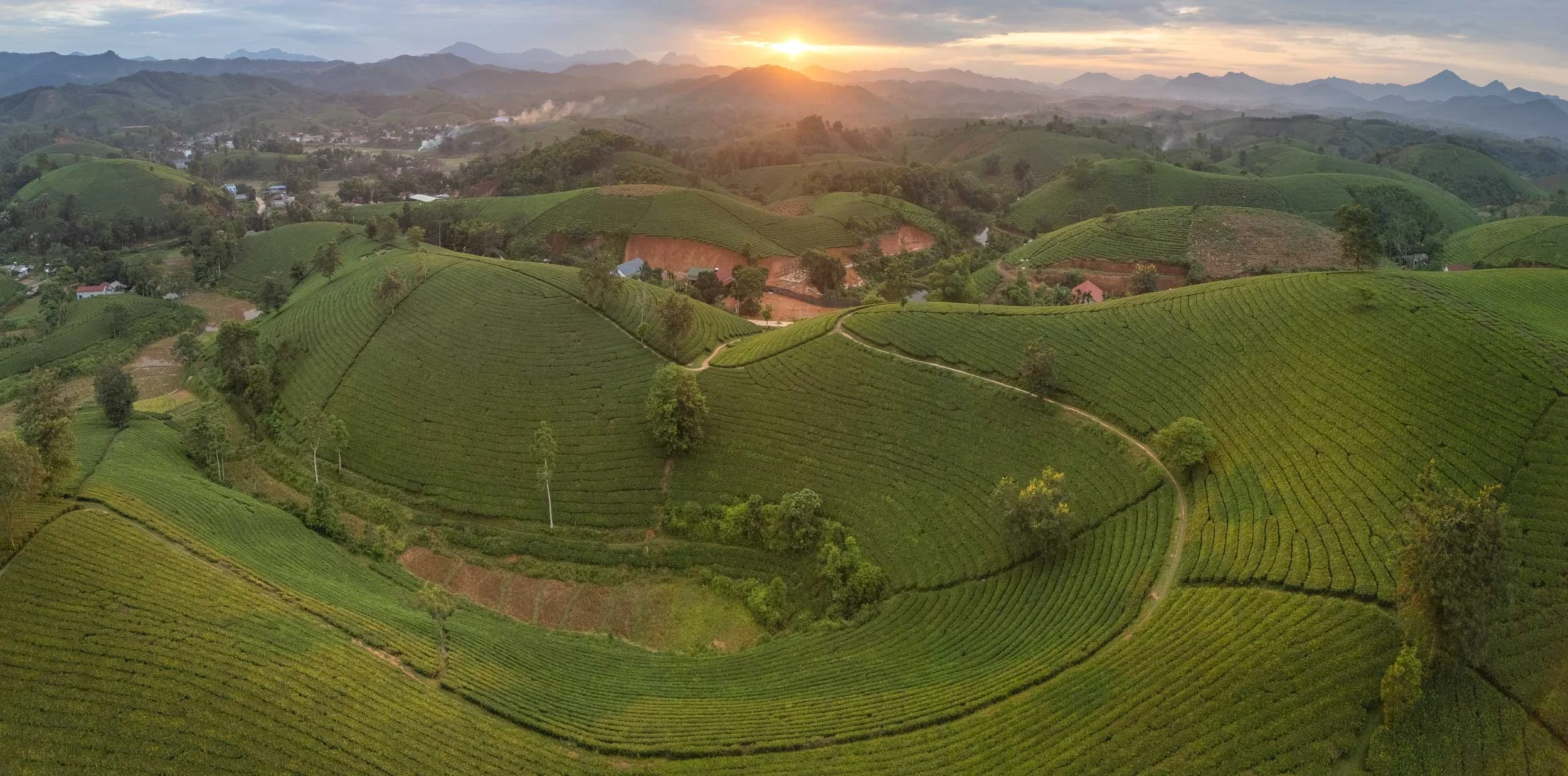
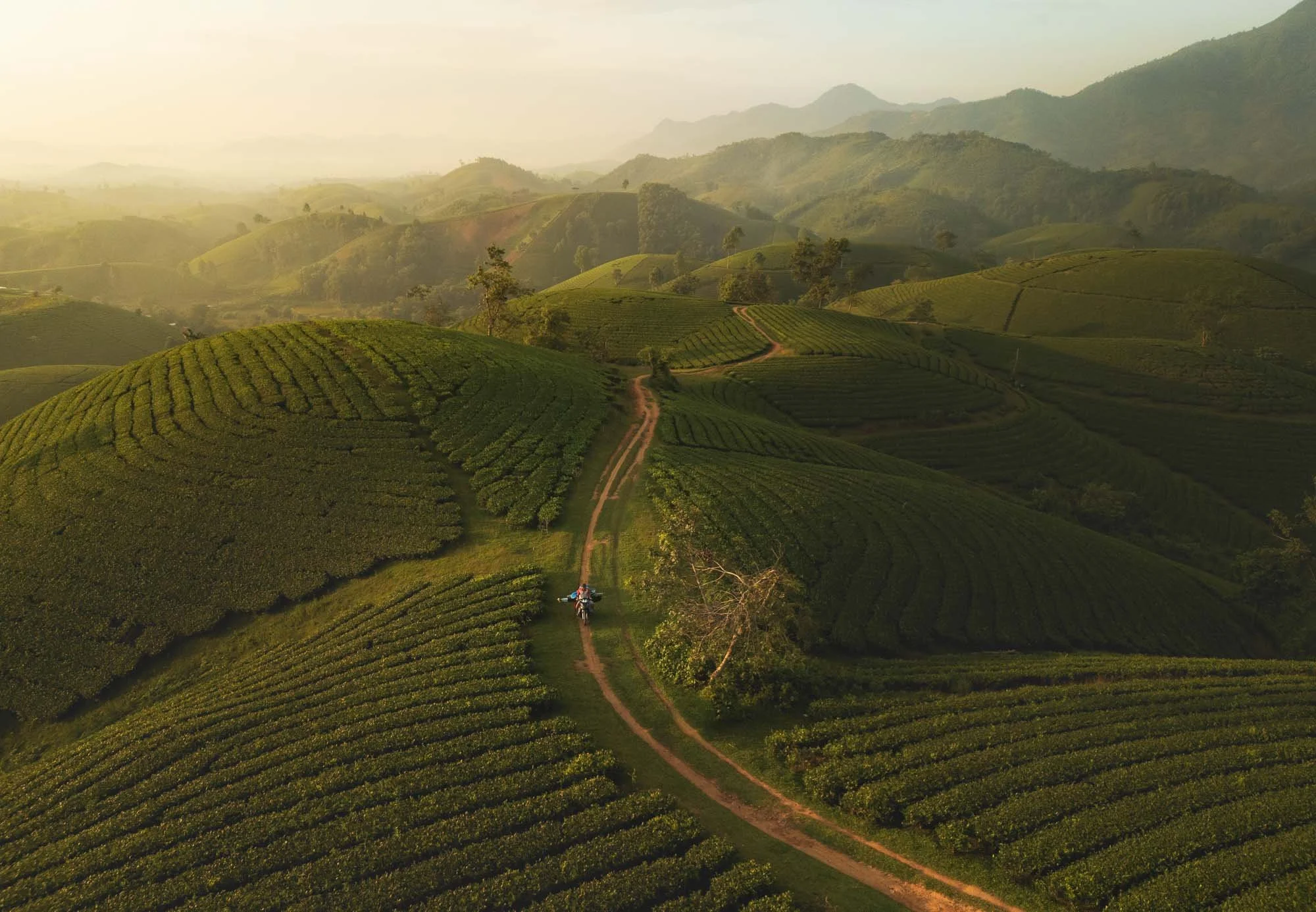
We left the eastern part of Hanoi behind us and moved into the north-western mountain regions, specifically the beautiful tea plantations of Long Coc.
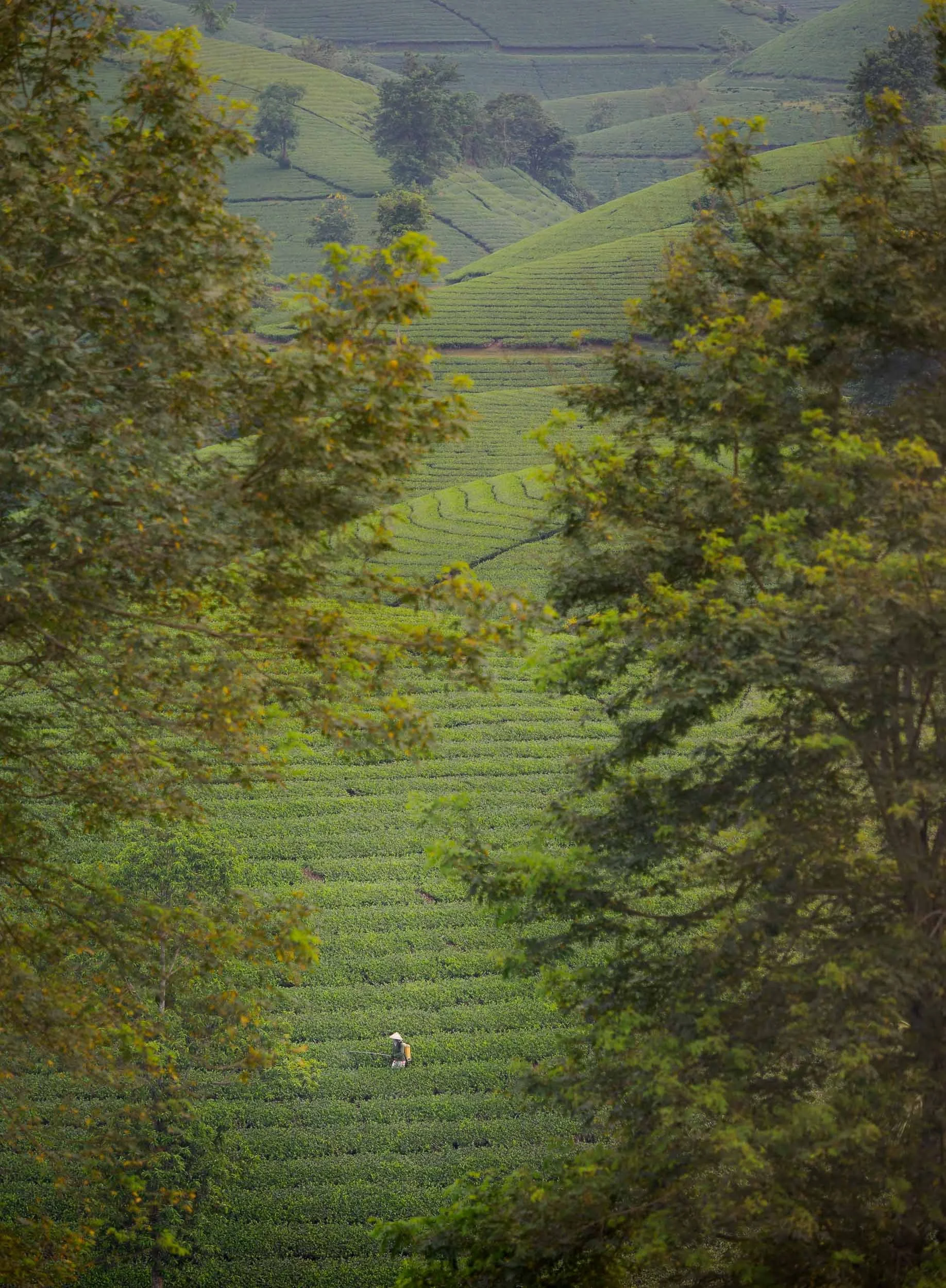
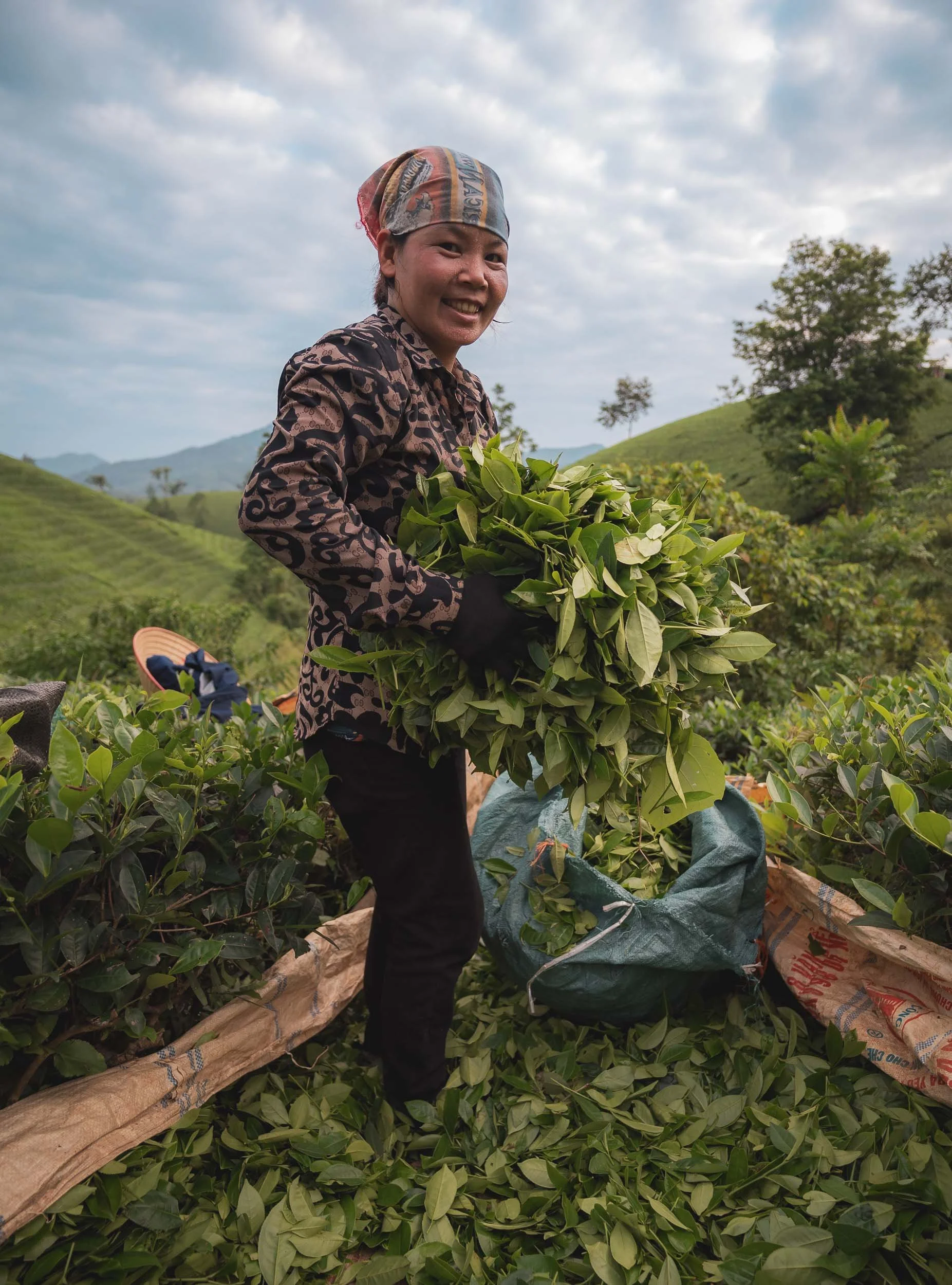
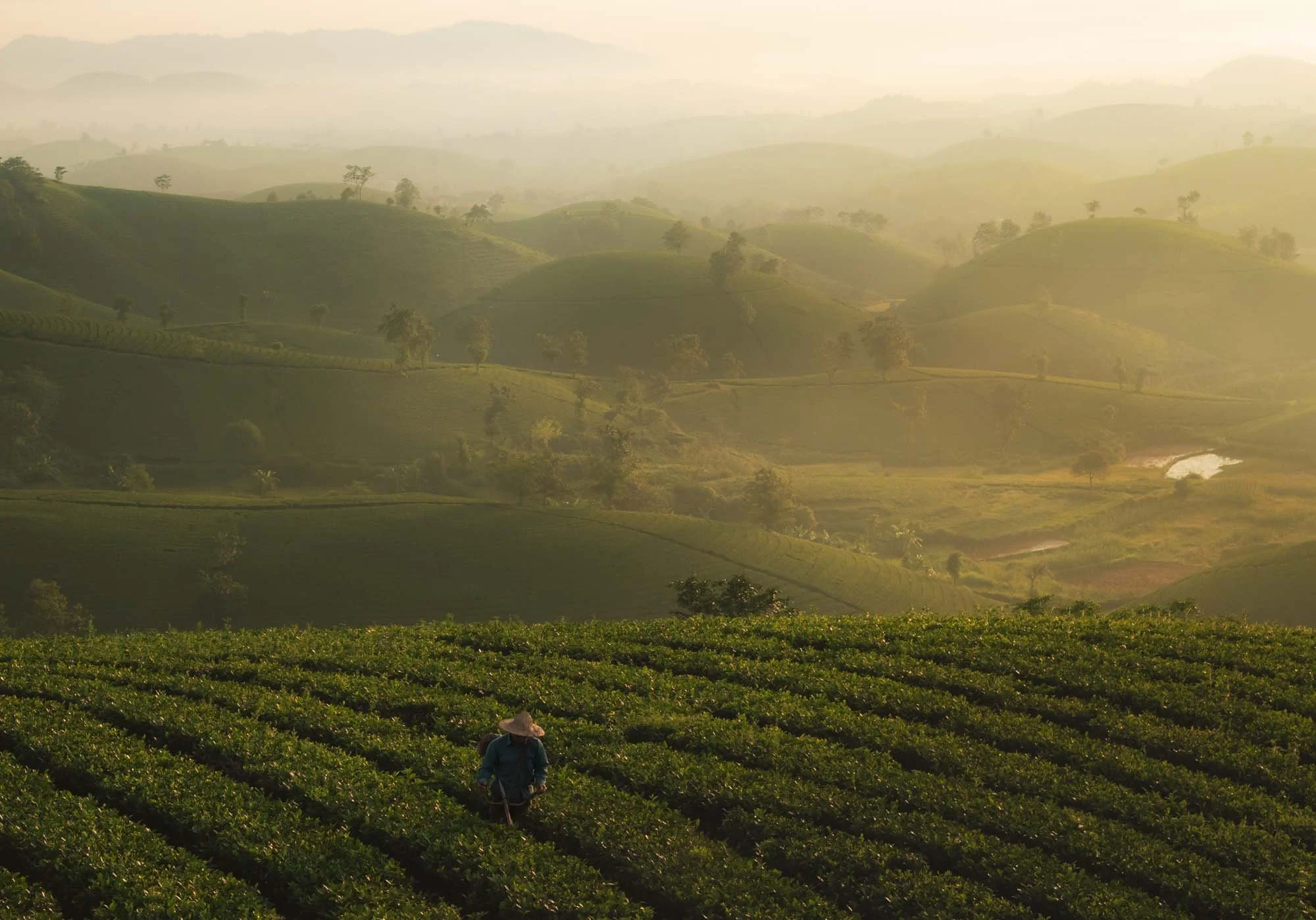
We happened to encounter a photography group here as well, who hired a few local ladies to pose with traditional tea harvesting outfits. If you just look around and ask the locals, you might get some more candid images of the actual workers in the fields though.
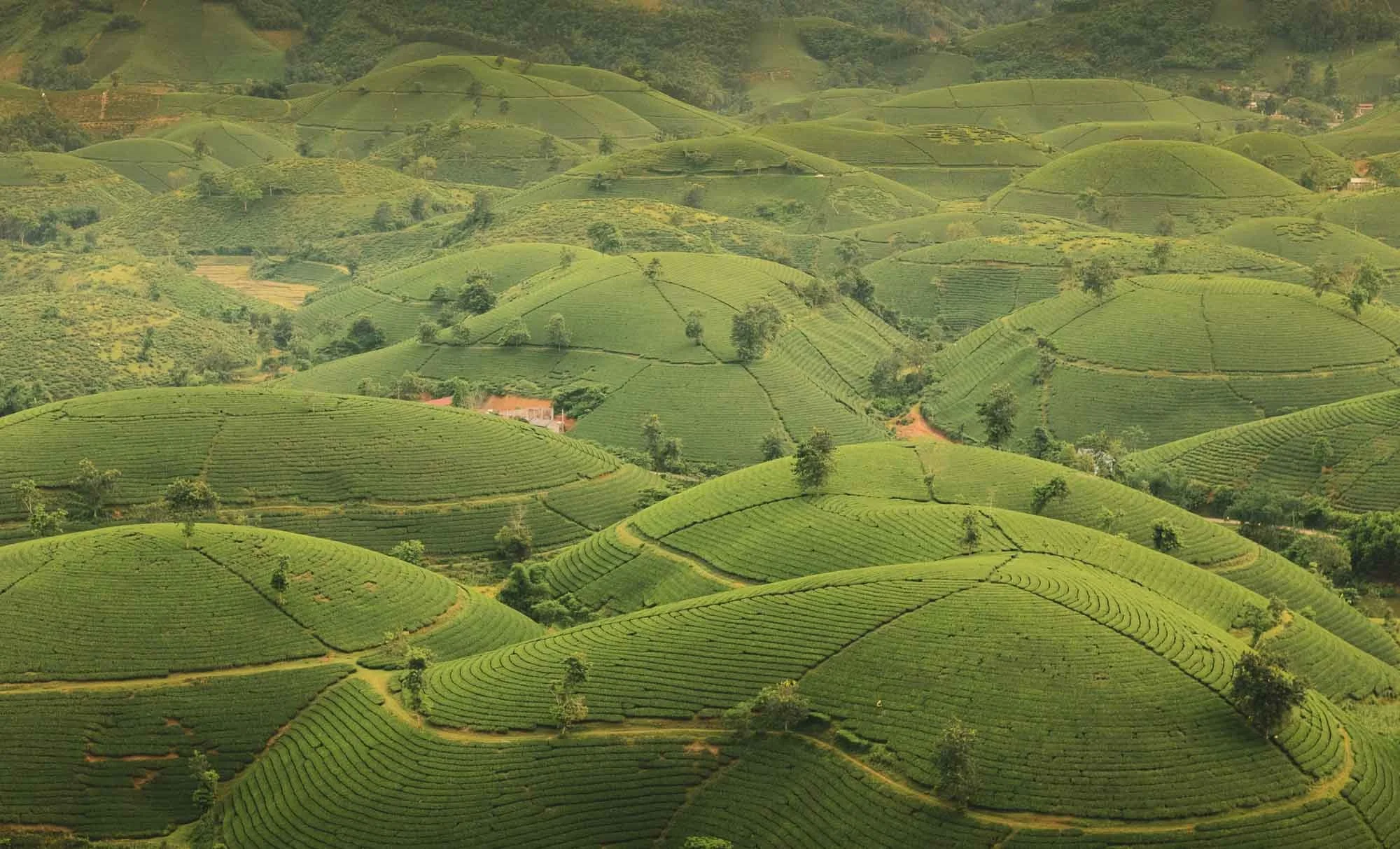
The tea hills are a beautiful sight, and I’d definitely come back to catch them in different conditions - adding a few dark nights for Milky Way photos would also make sense here!
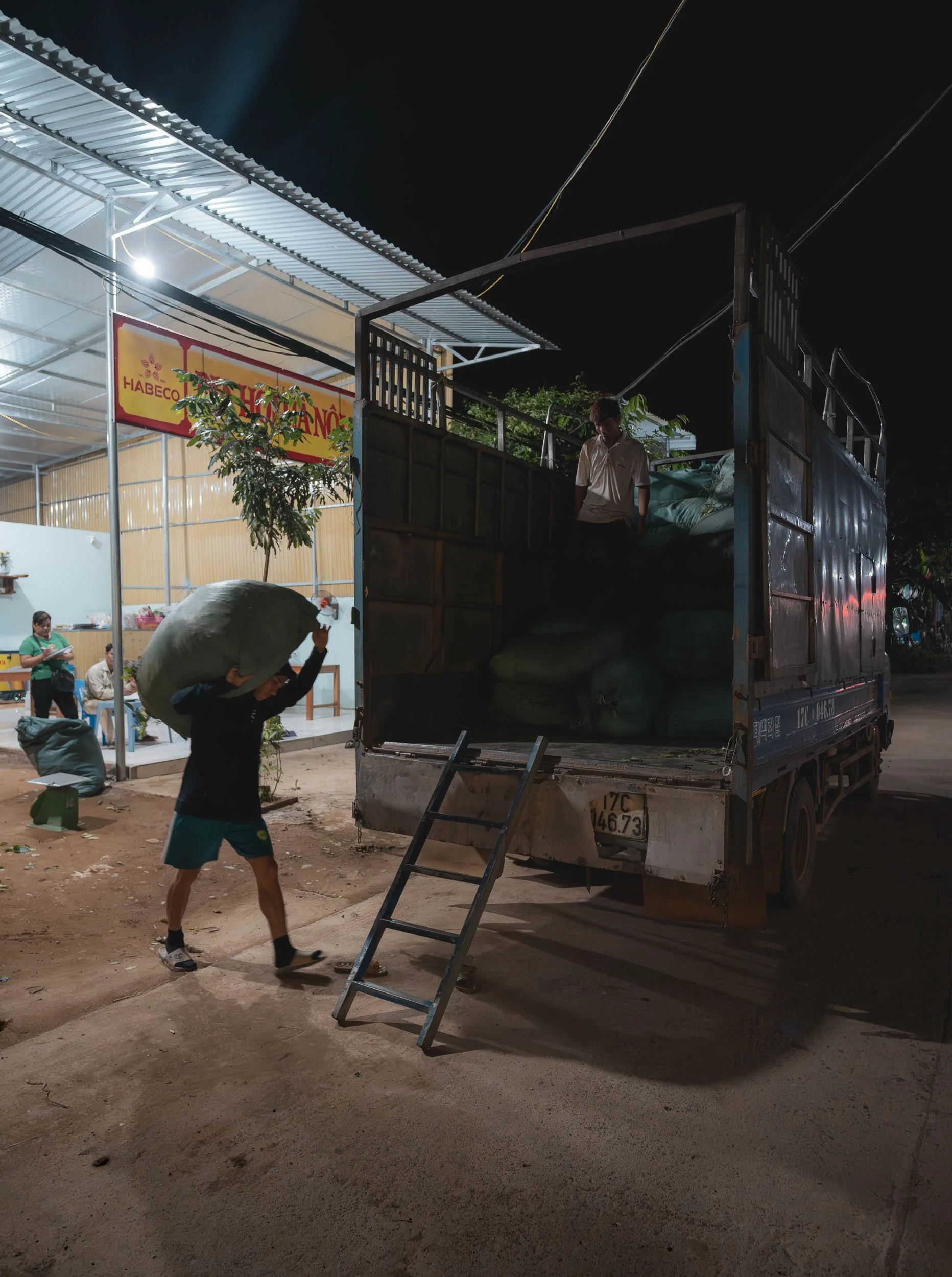
Aside from the aesthetic value for tourists, tea has been grown here for more than 100 years, and is the staple agricultural livelihood for the local Muong ethnic group.
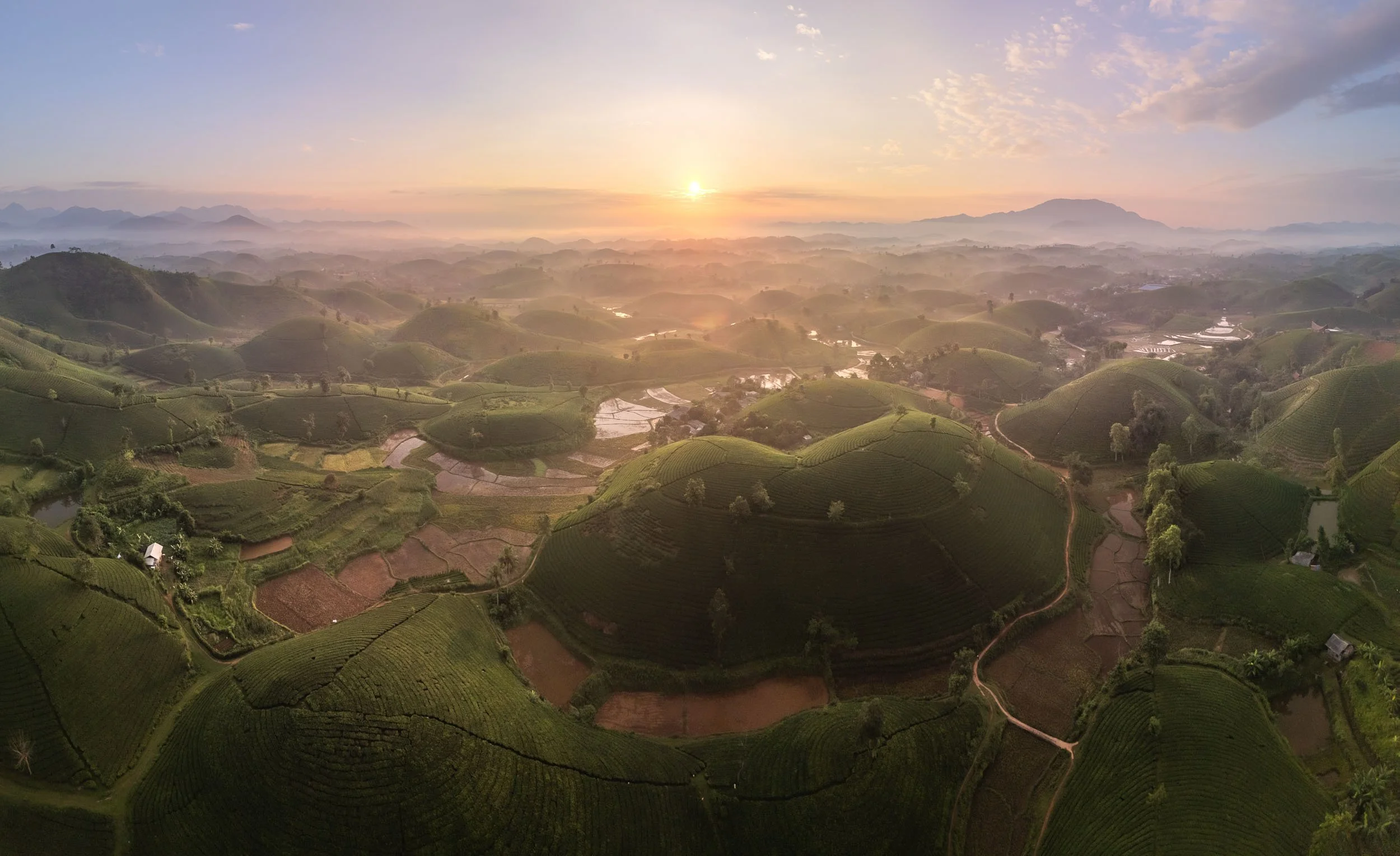
While undeniably picturesque, it’s also worth noting that with every new tea hill the landscape is shaped, and natural vegetation removed - of course that’s true for most agriculture.
We spent the night at a local guest house before making our way even further north-east after sunrise…
Khau Pha Pass & Tu Le Valley
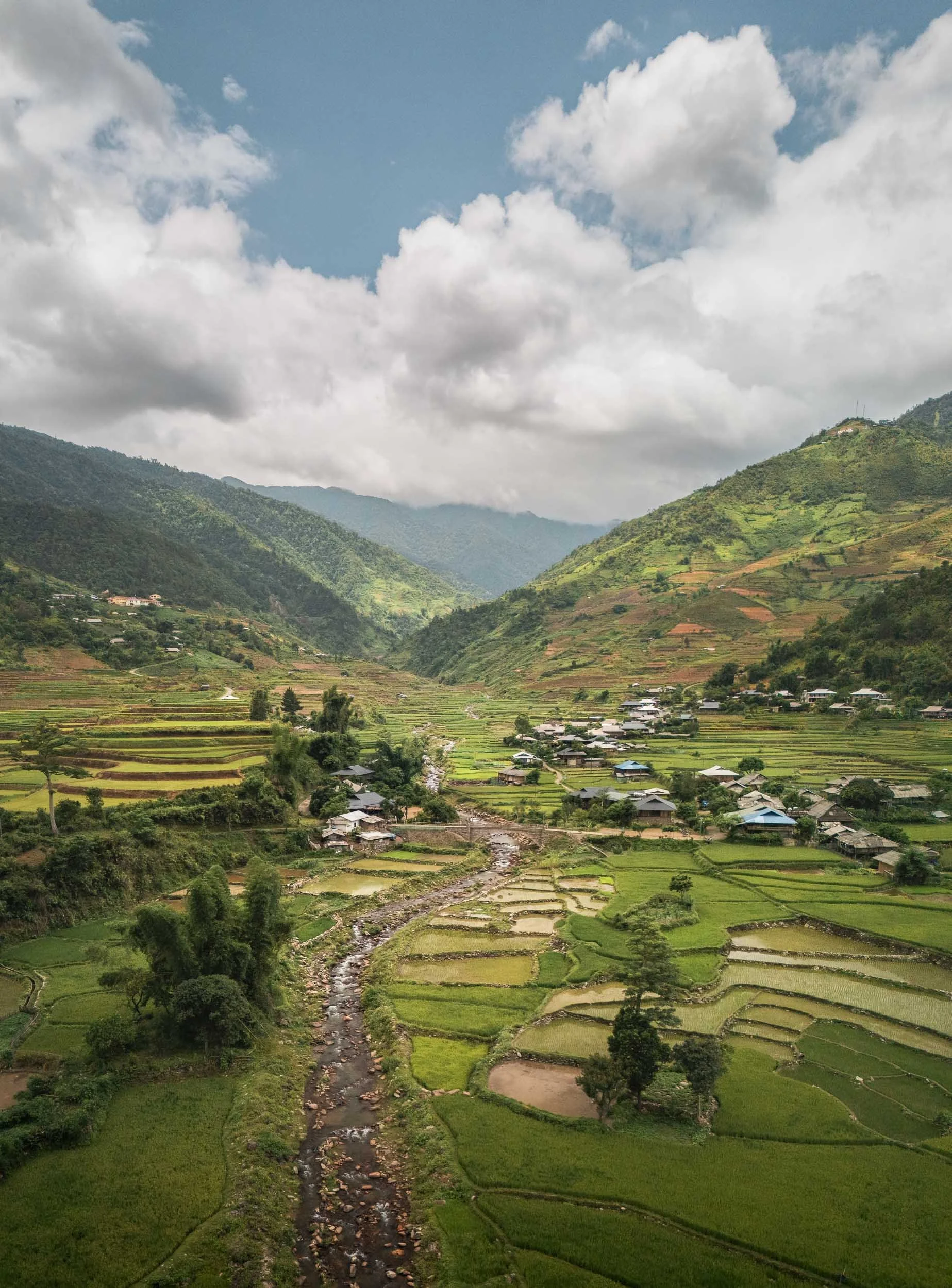
…which brings you closer to the Chinese border, traversing various beautiful mountain passes in the process.
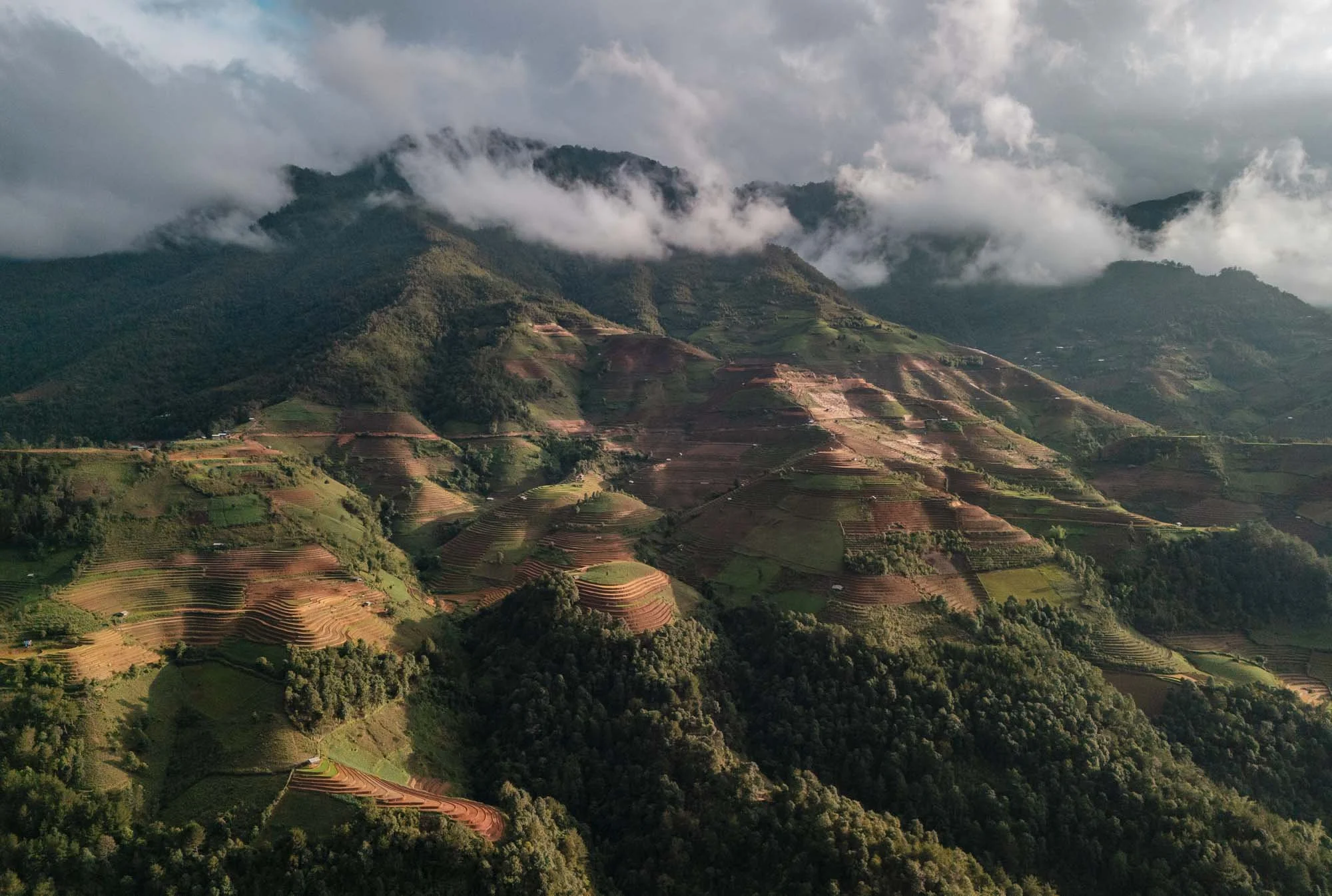
The peaks here are at about 1500m above sea level with great views into the valleys, many of which have been repurposed for rice fields as far as the eye can see.
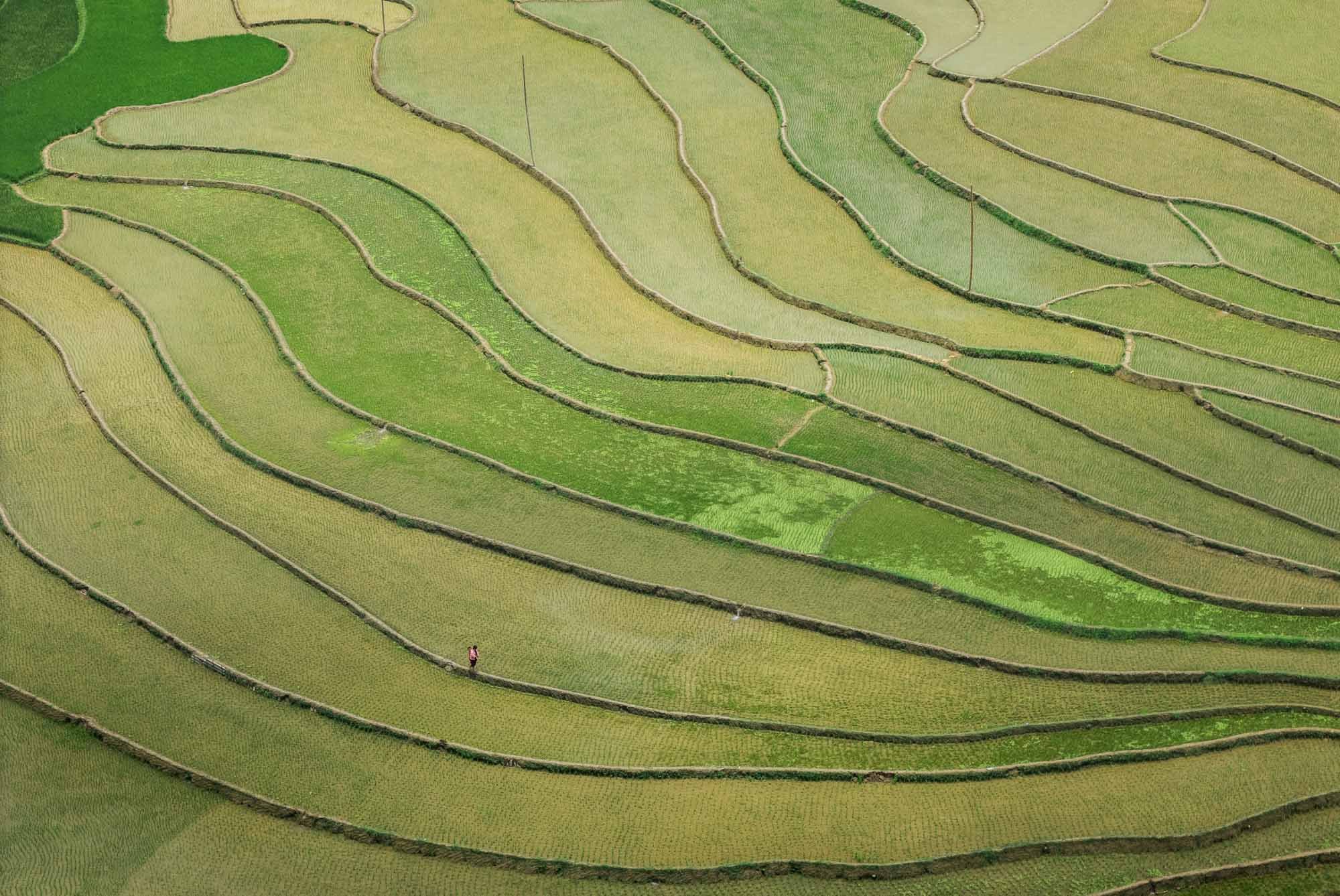
Mu Cang Chai
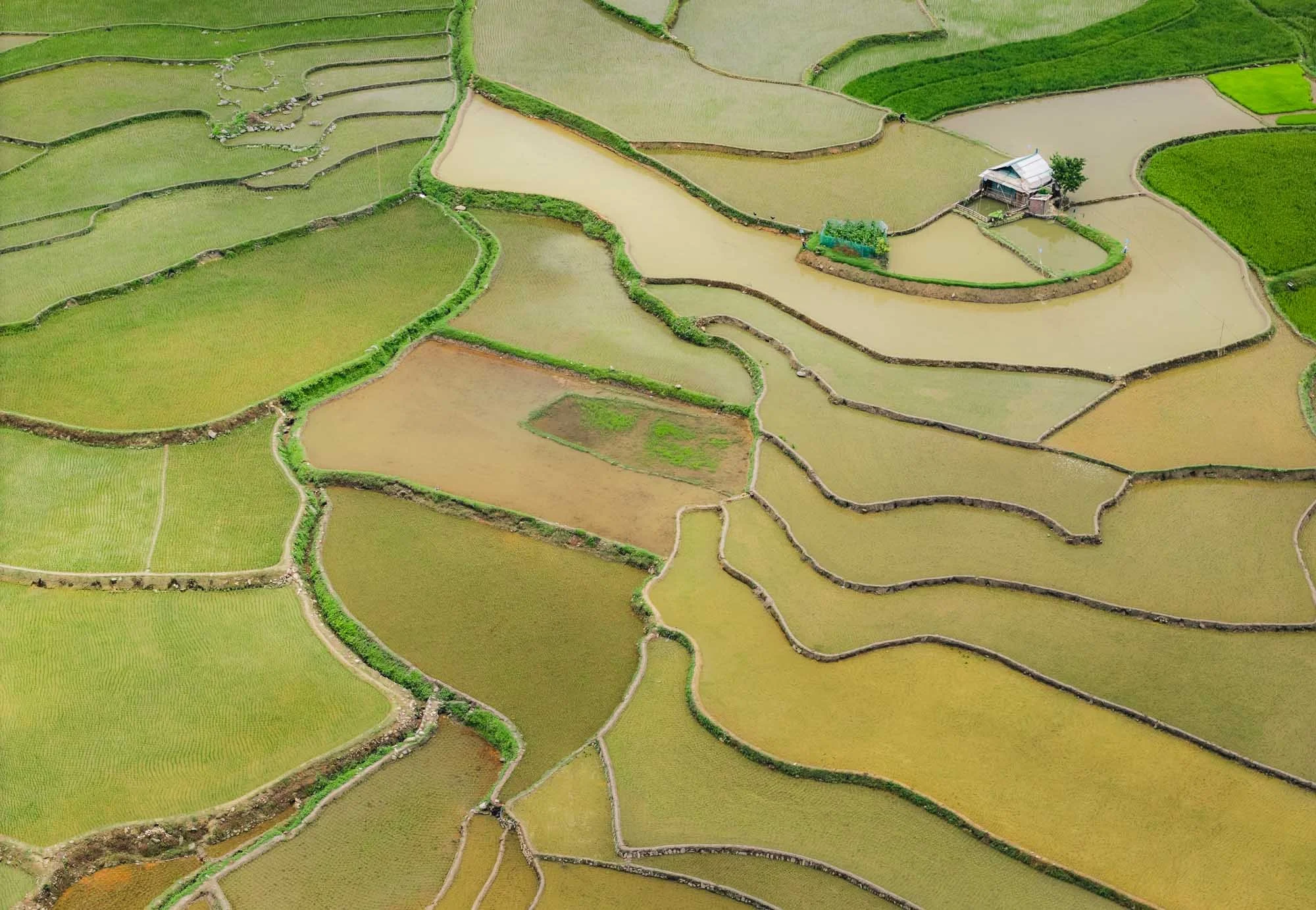
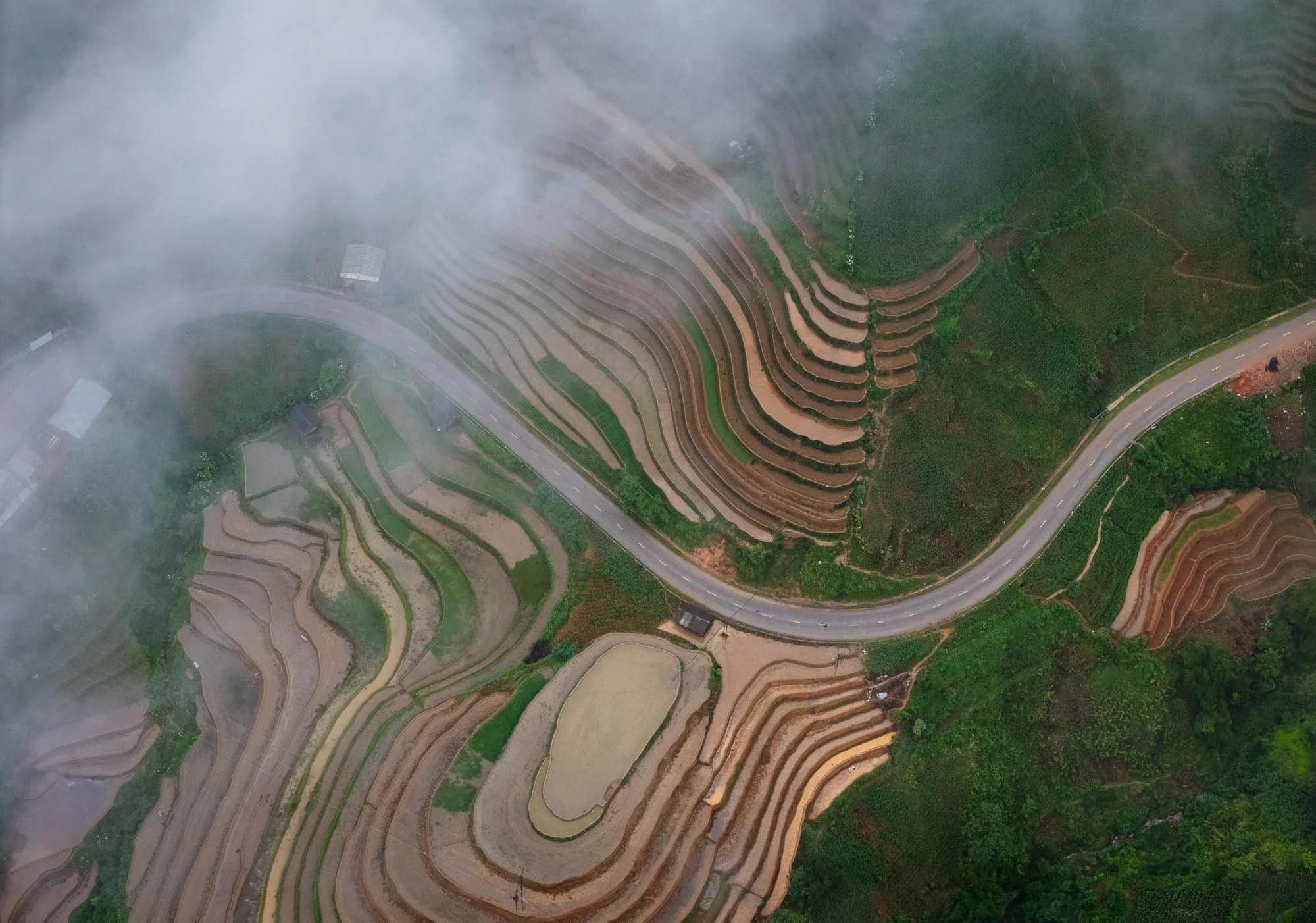
Our goal was Mu Cang Chai, where a specific U-shaped rice terrace is another photographer’s favorite - but usually during the harvest season when its rice plants shine golden and green for a dream-like feeling. This happens around September and October, which is also the peak tourist time.
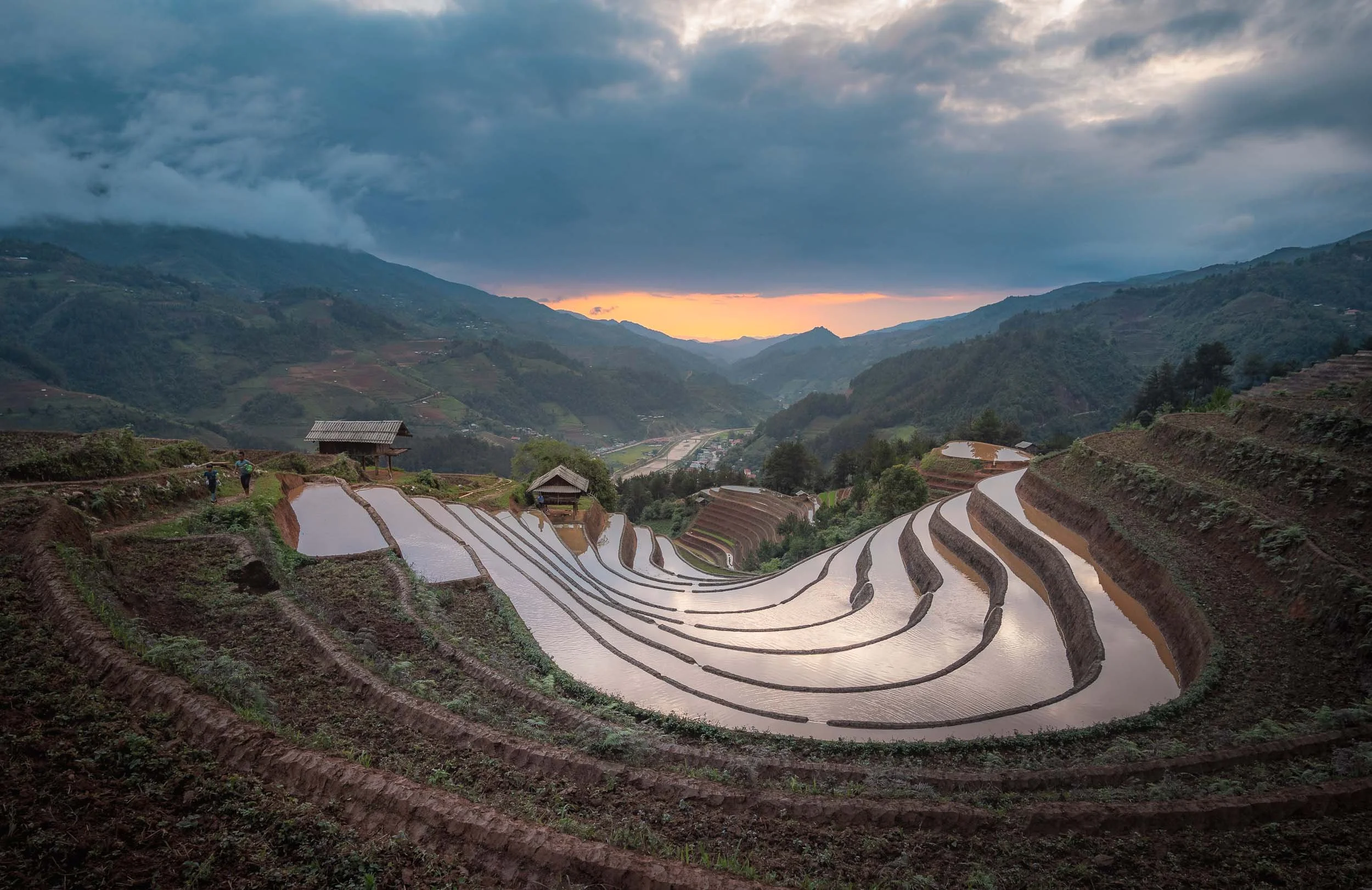
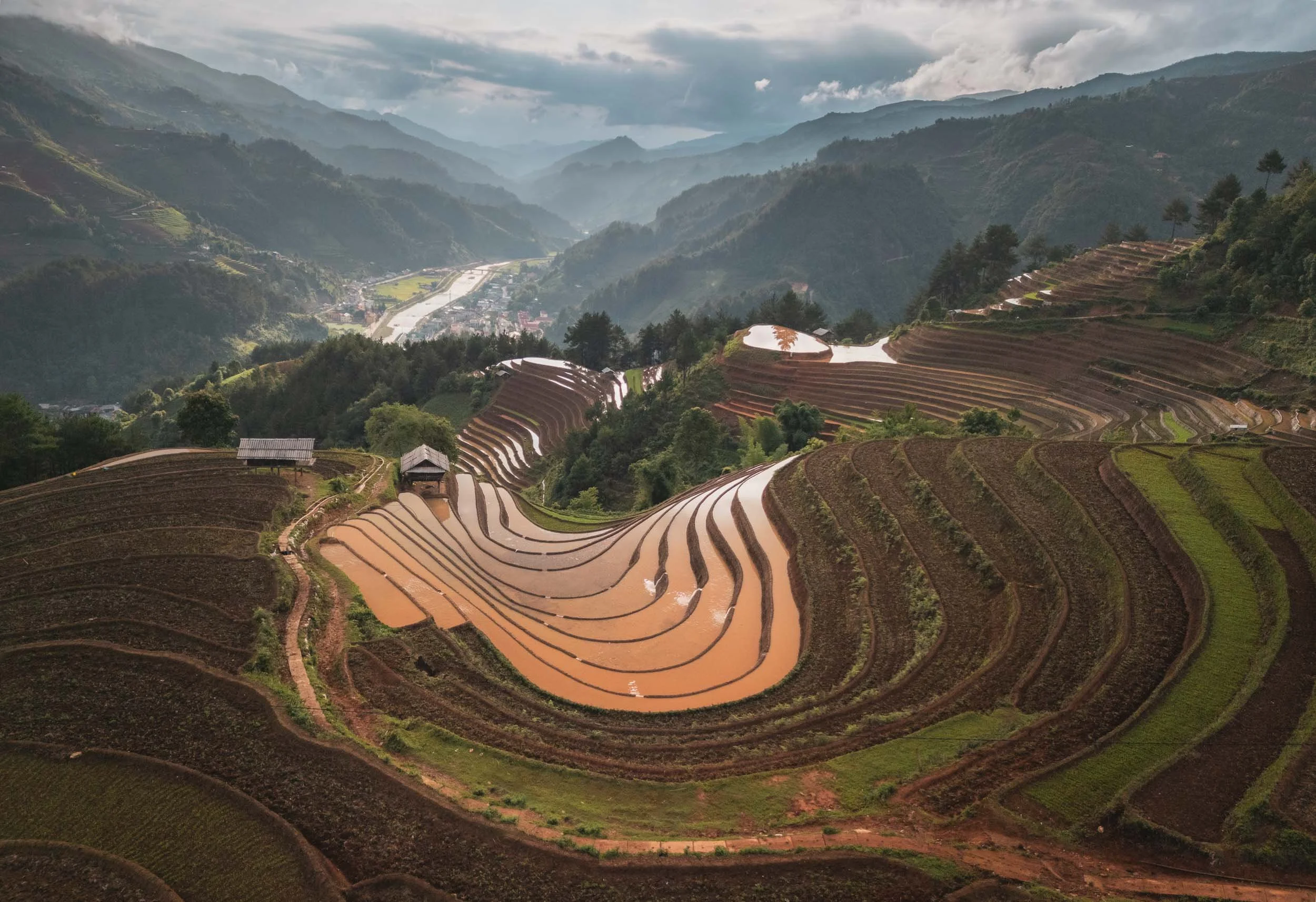
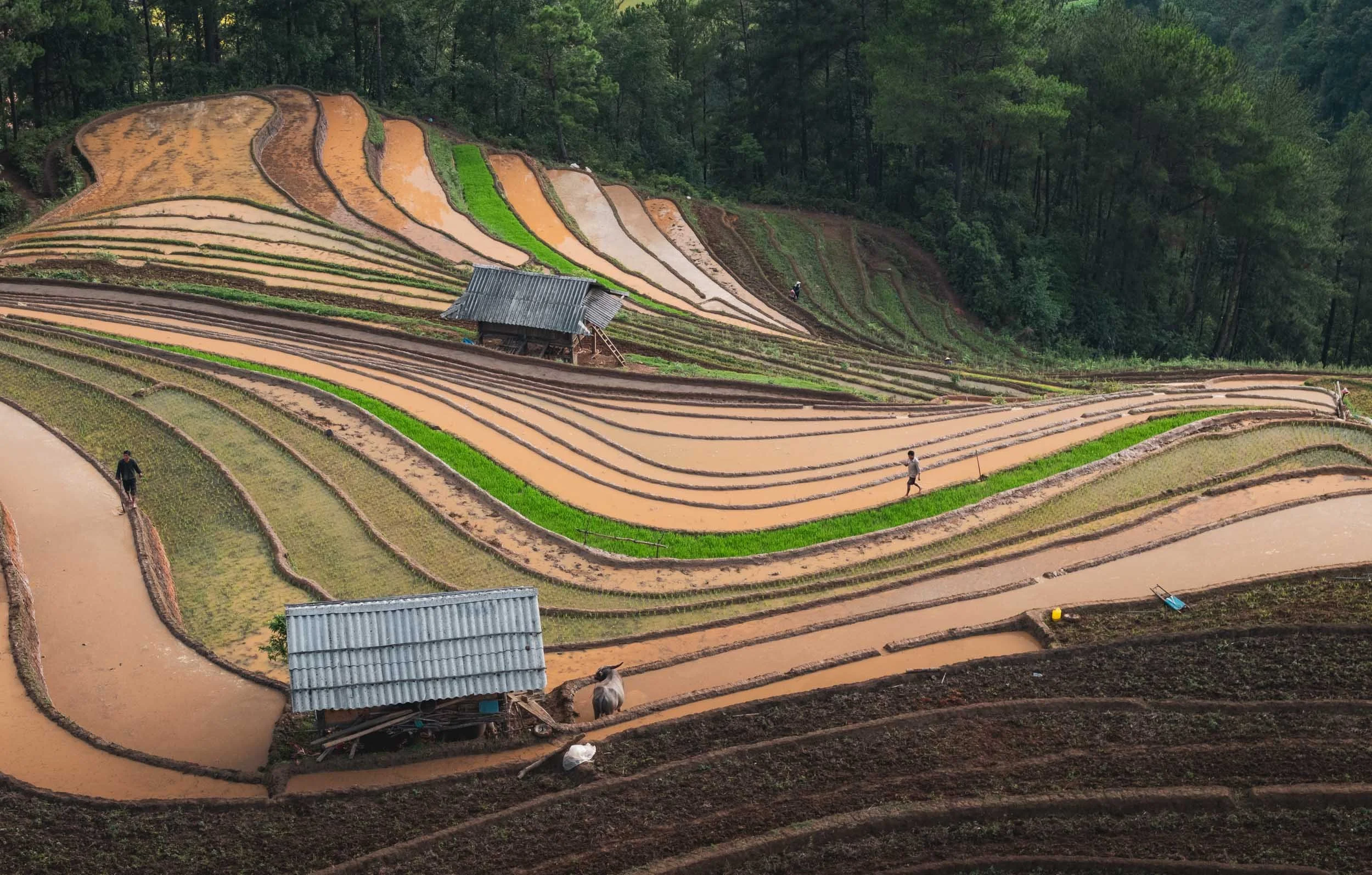
During the so-called water season, the paddies are flooded to keep them free of weeds and prepare for the next round, creating a very different scenery - still interesting (and a lot less busy).
Bamboo Forest
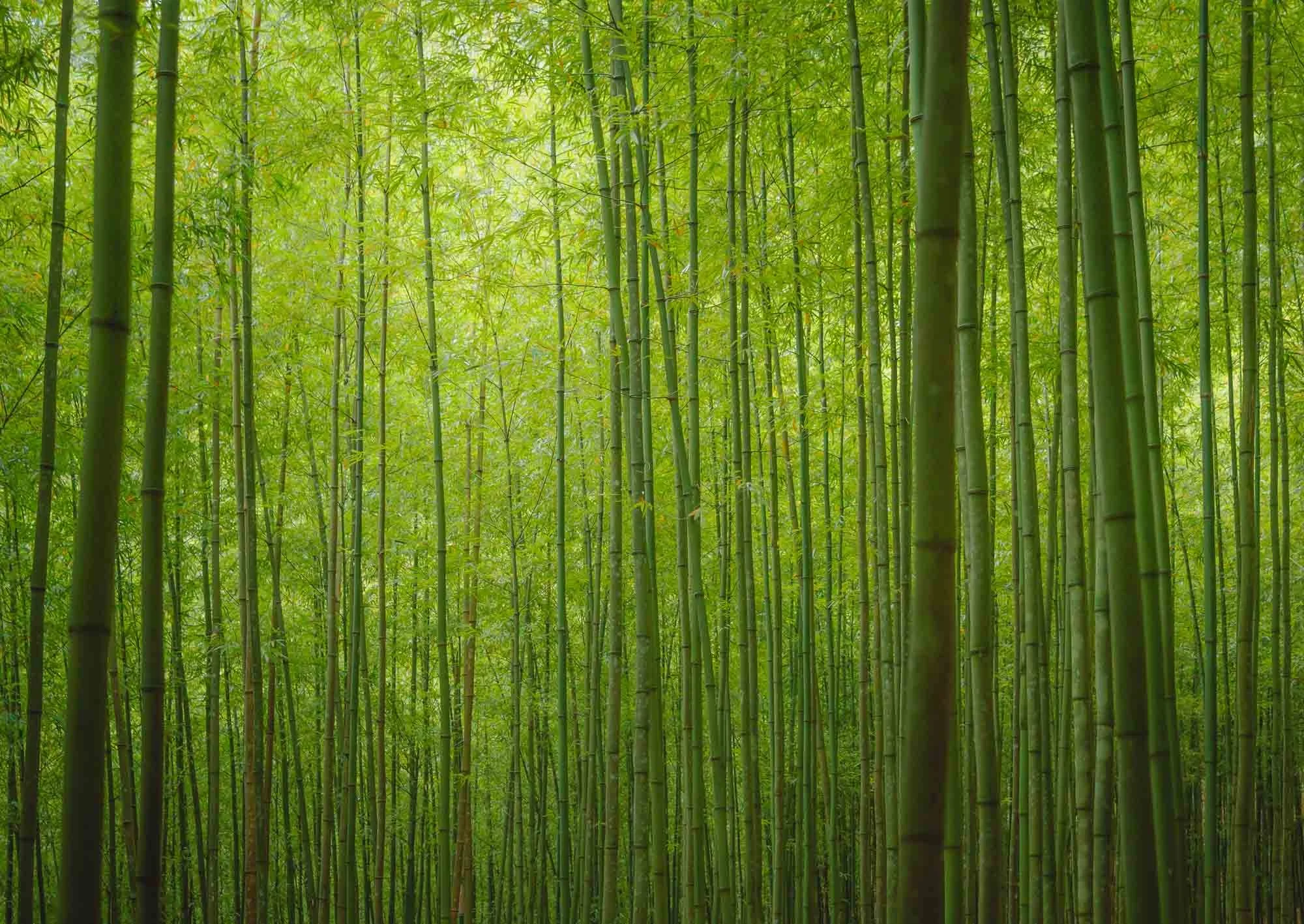
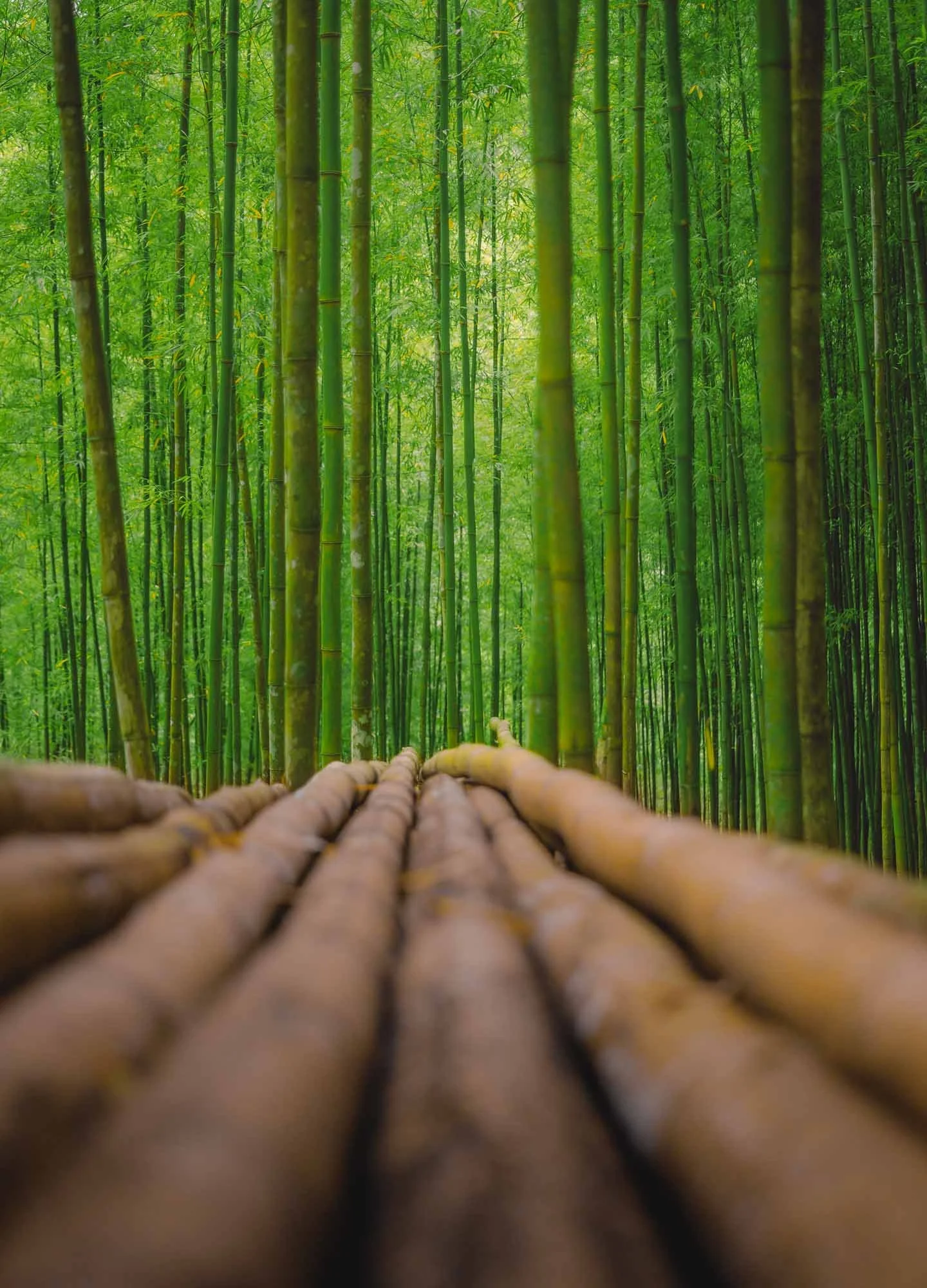
Not all of the mountains are covered in rice fields though - another quite beautiful feature is its bamboo forest, requiring quite an arduous motorbike ride along narrow slippery paths to reach.
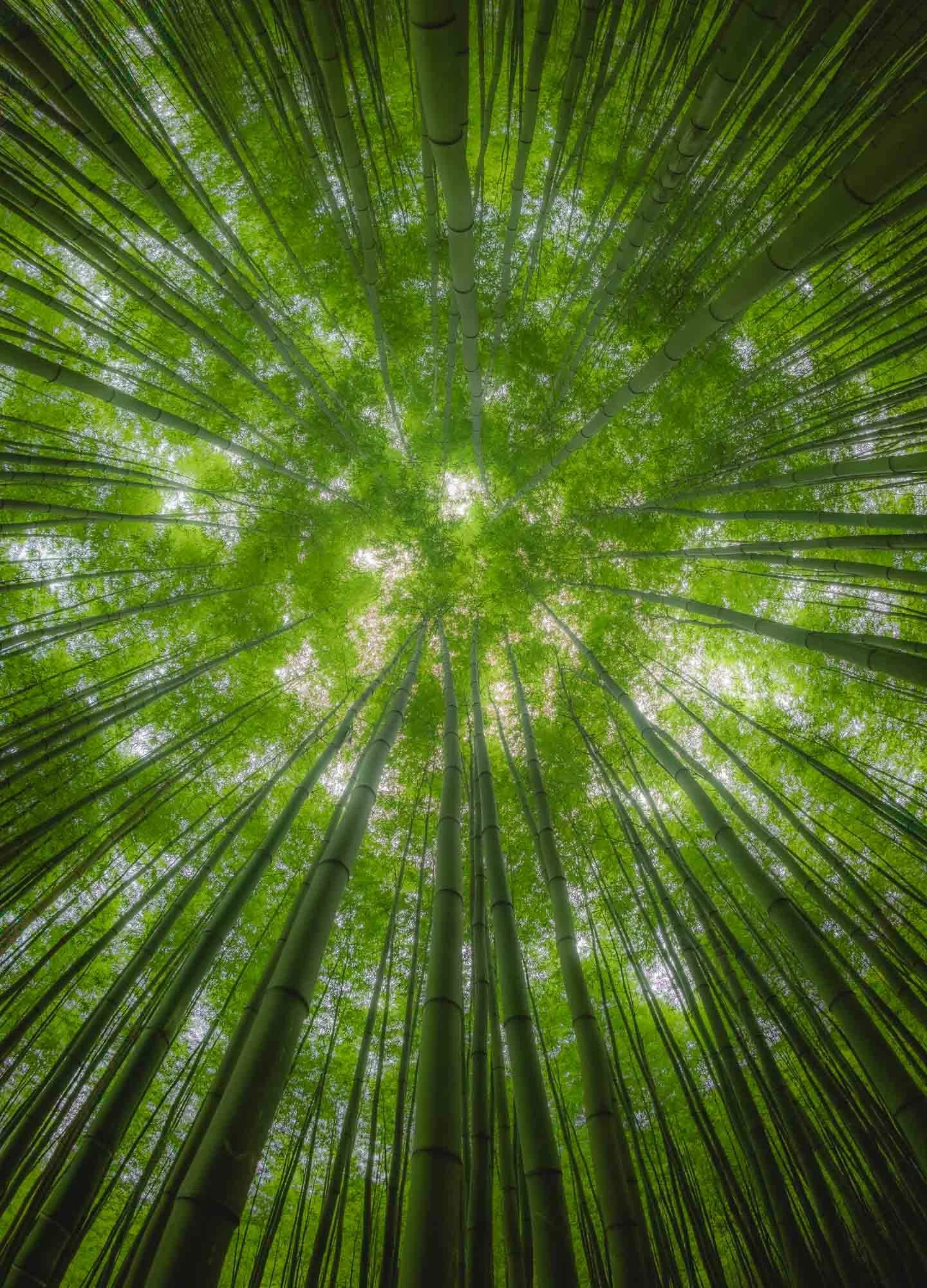
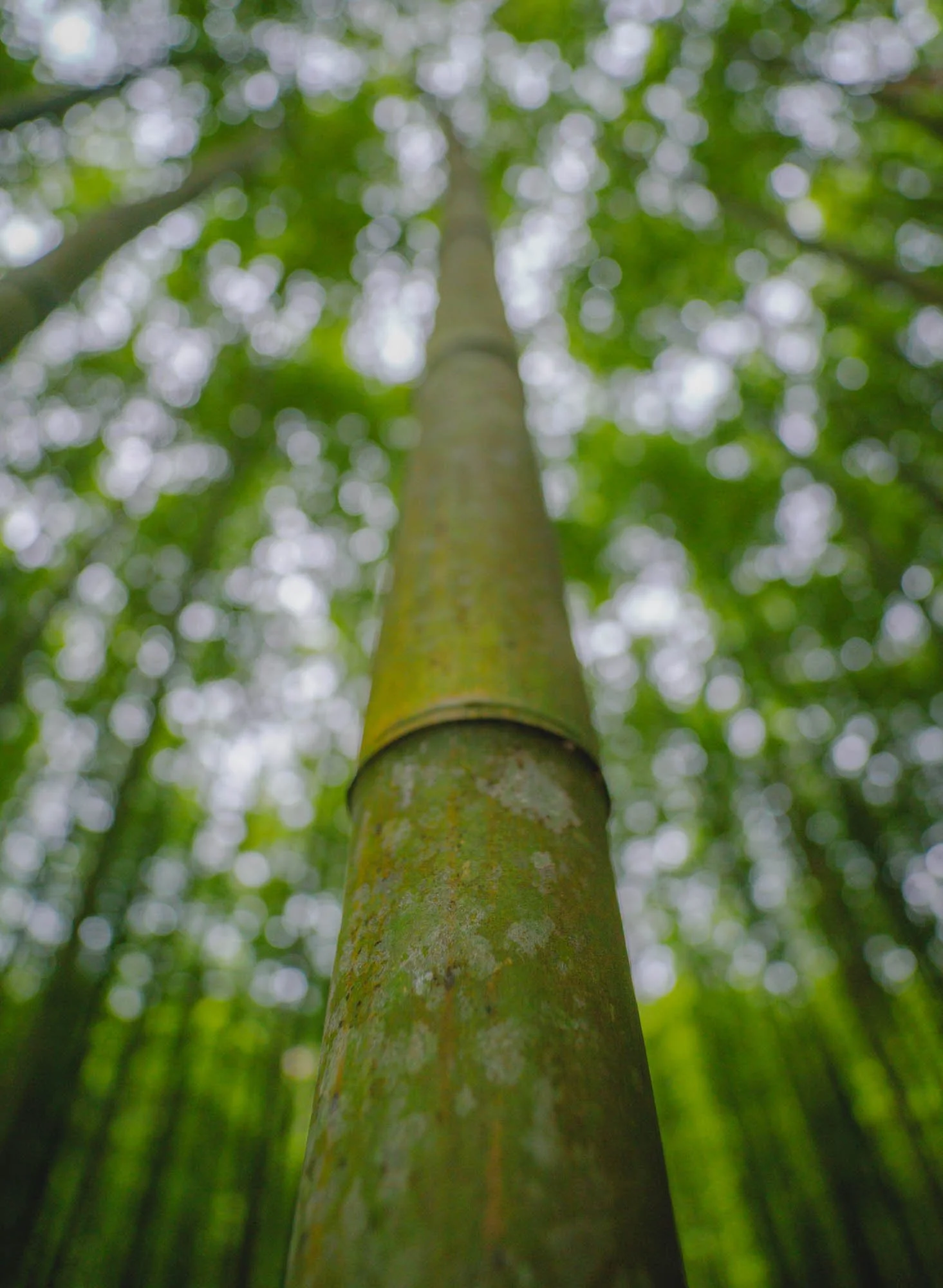
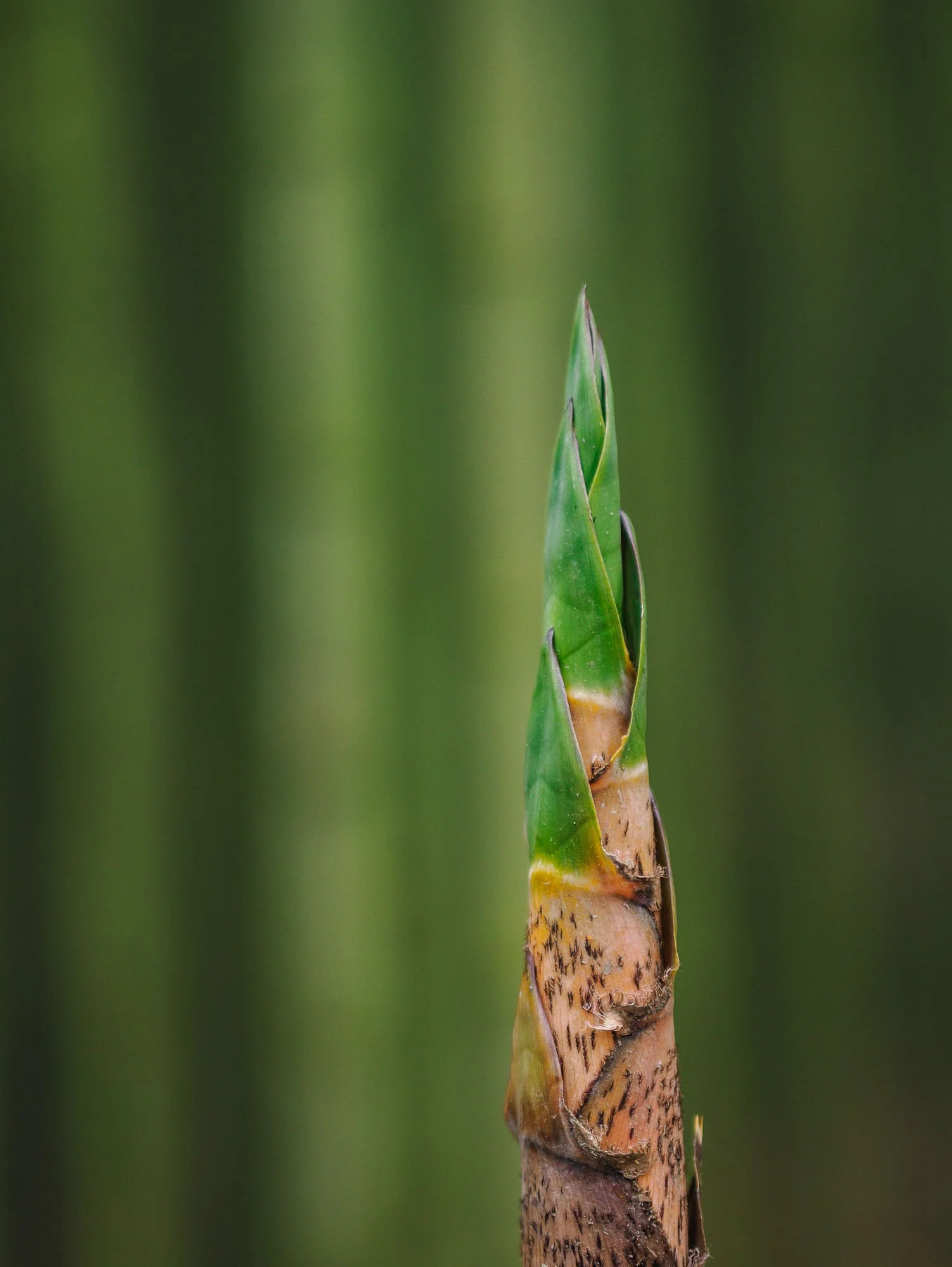
The forest is about 60 years old - its owners are native people of the Hmong ethnicity, and they take great care of its preservation. It was originally set up to harvest bamboo shoots and use the fast-growing trees as infrastructure materials, such as for fences.
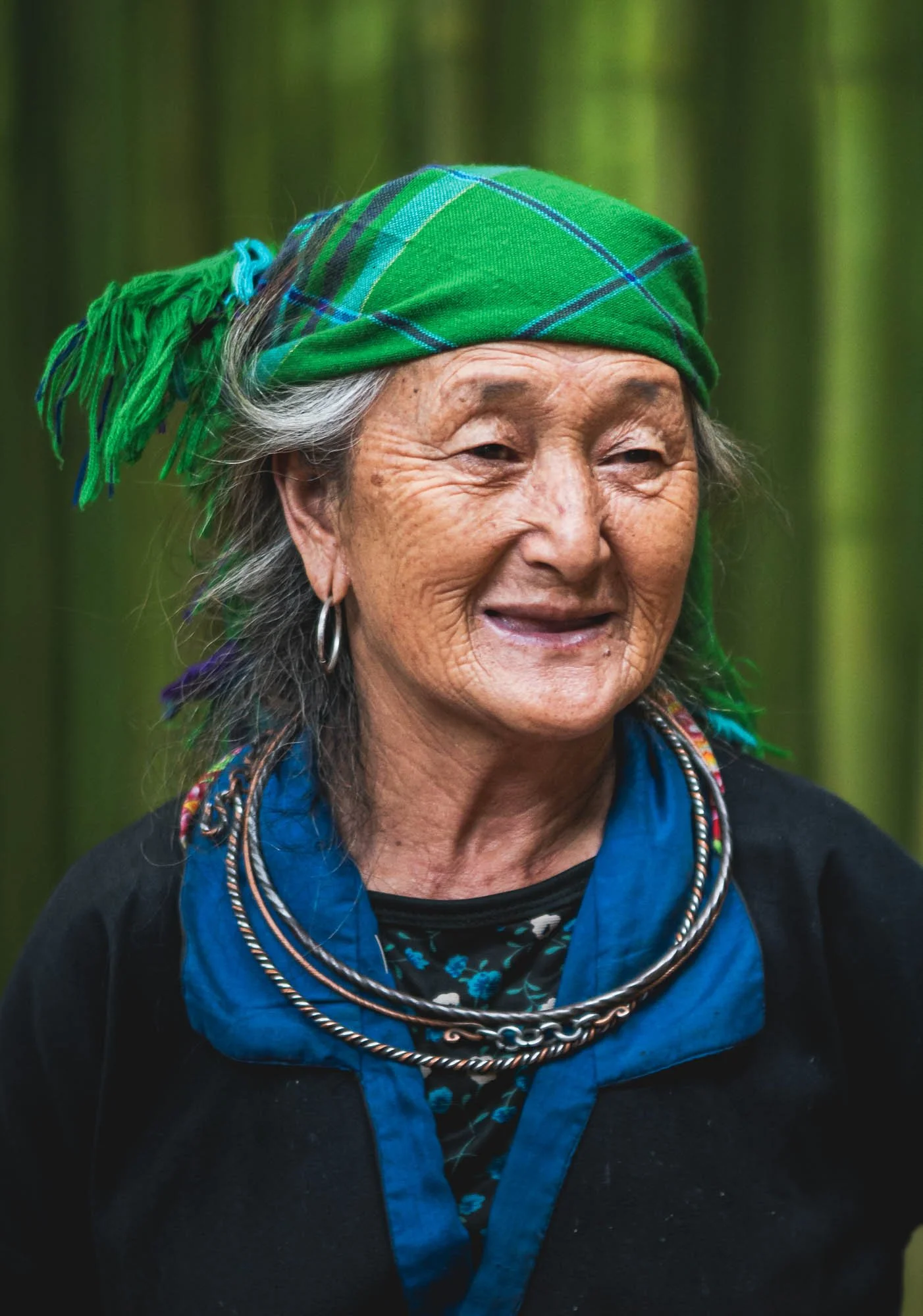
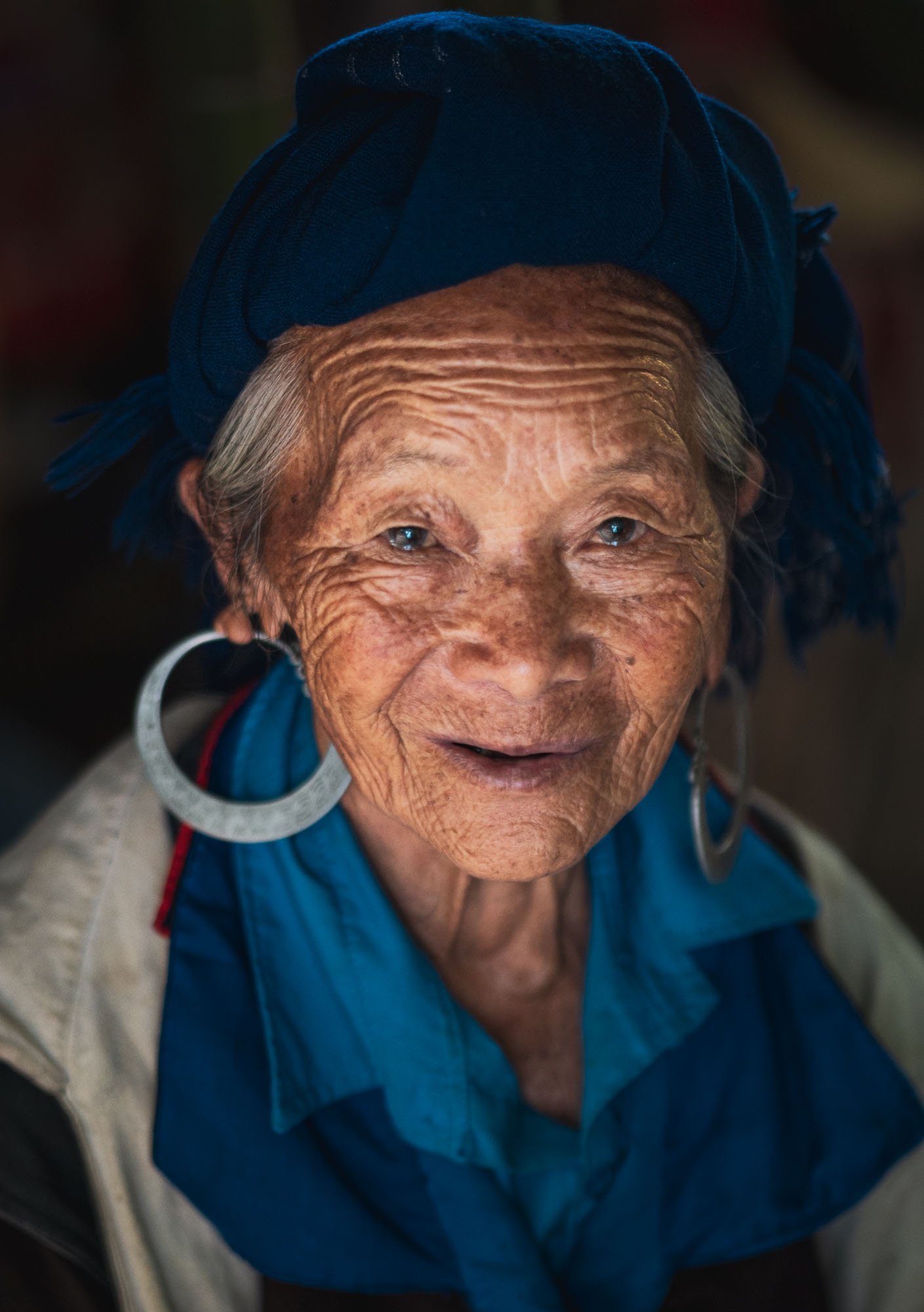
The Guardians
Its protectors during my visit were these two elderly ladies, asking for a small entrance fee and happily allowing me to take a few photographs of them. They have spent all their life here and have seen the forest grow from nothing during their lifetimes.
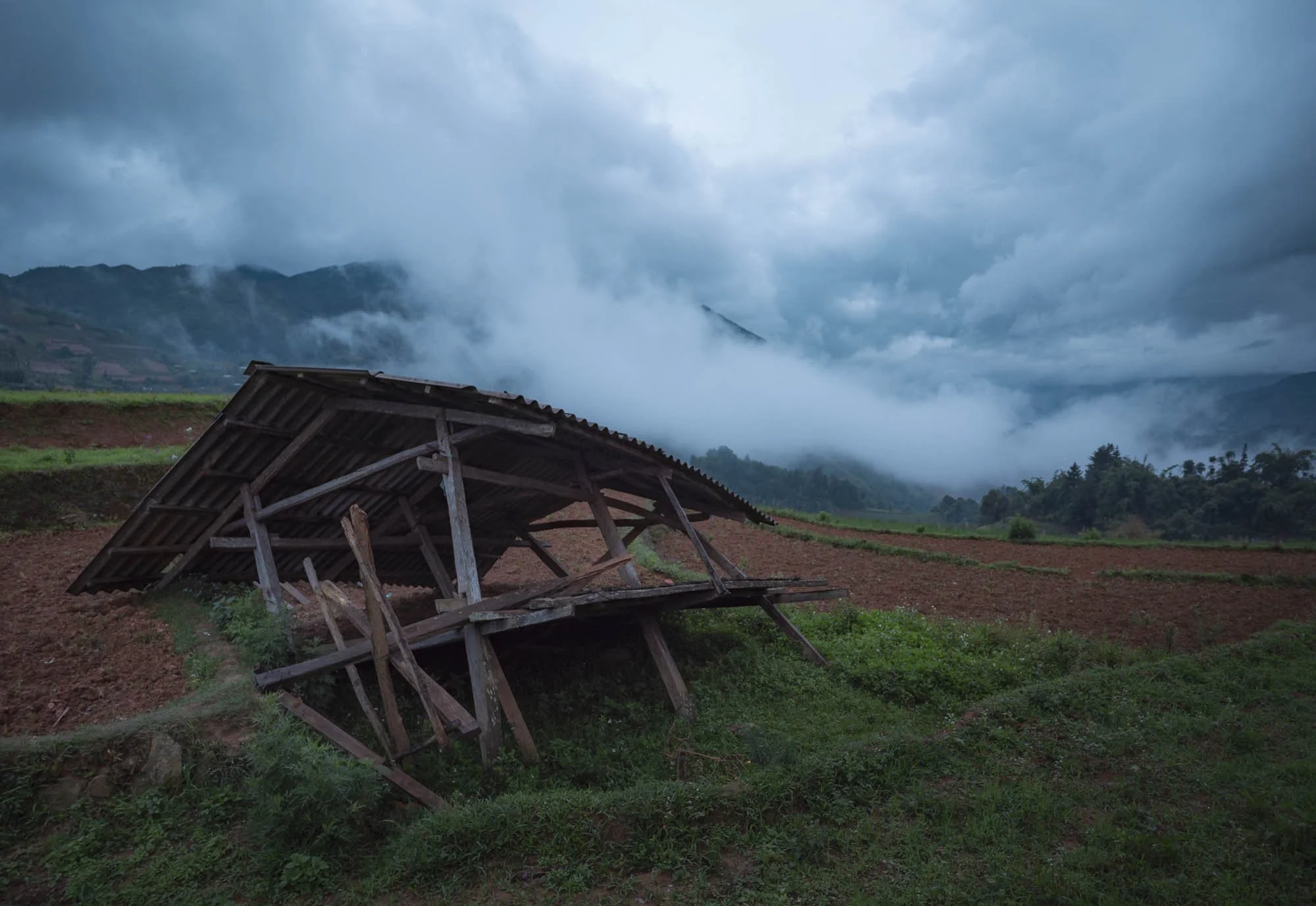
We explored a few more terraced rice fields the next morning, and were greeted with low clouds and fog over the hills, as well as a few rays of sunshine as we embarked on the drive back to Hanoi.
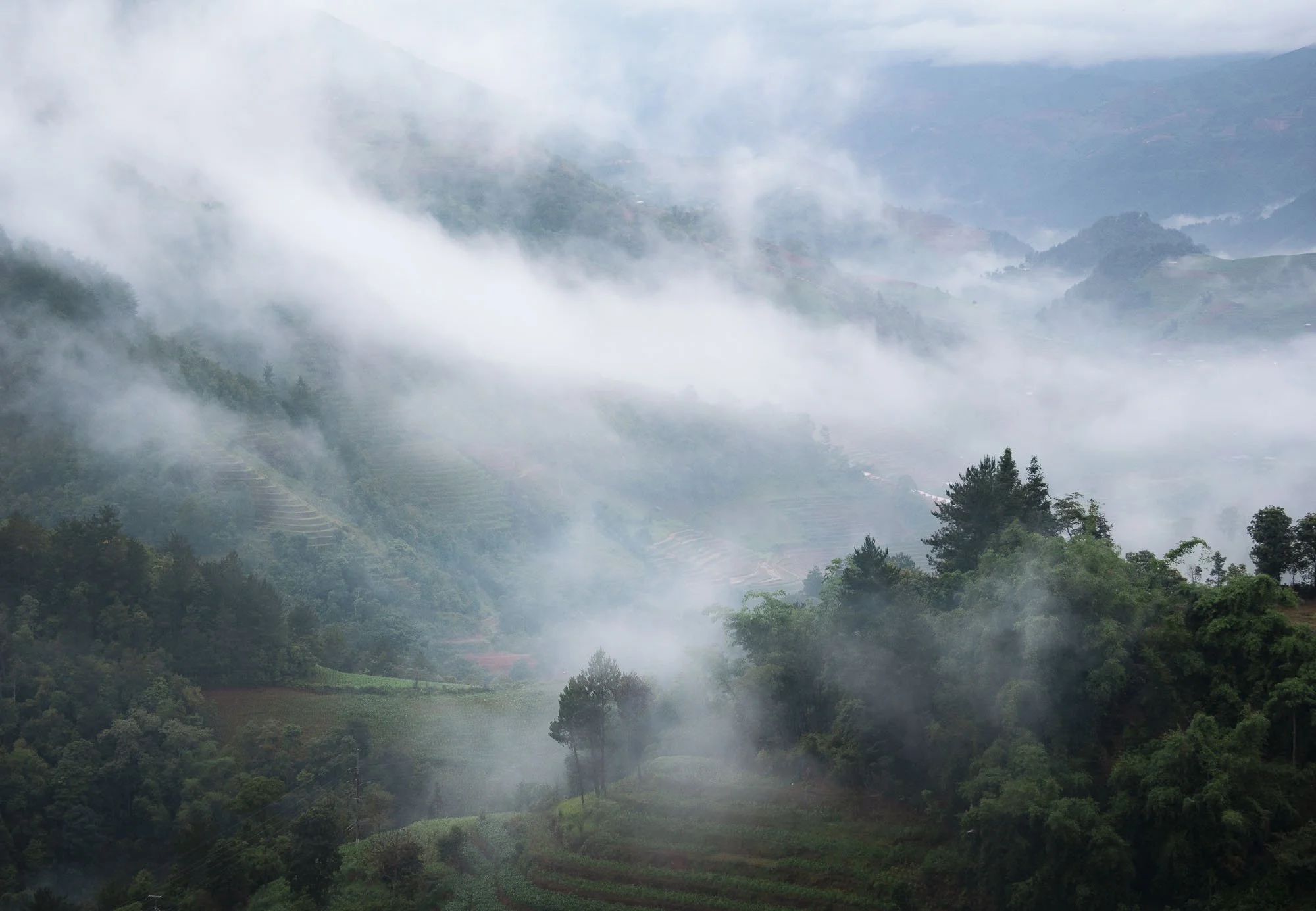
This was meant to be my last destination of the trip, but I had three extra days left, and decided to head back east of the capital…
Cat Ba - Floating Villages
and a Rare Primate
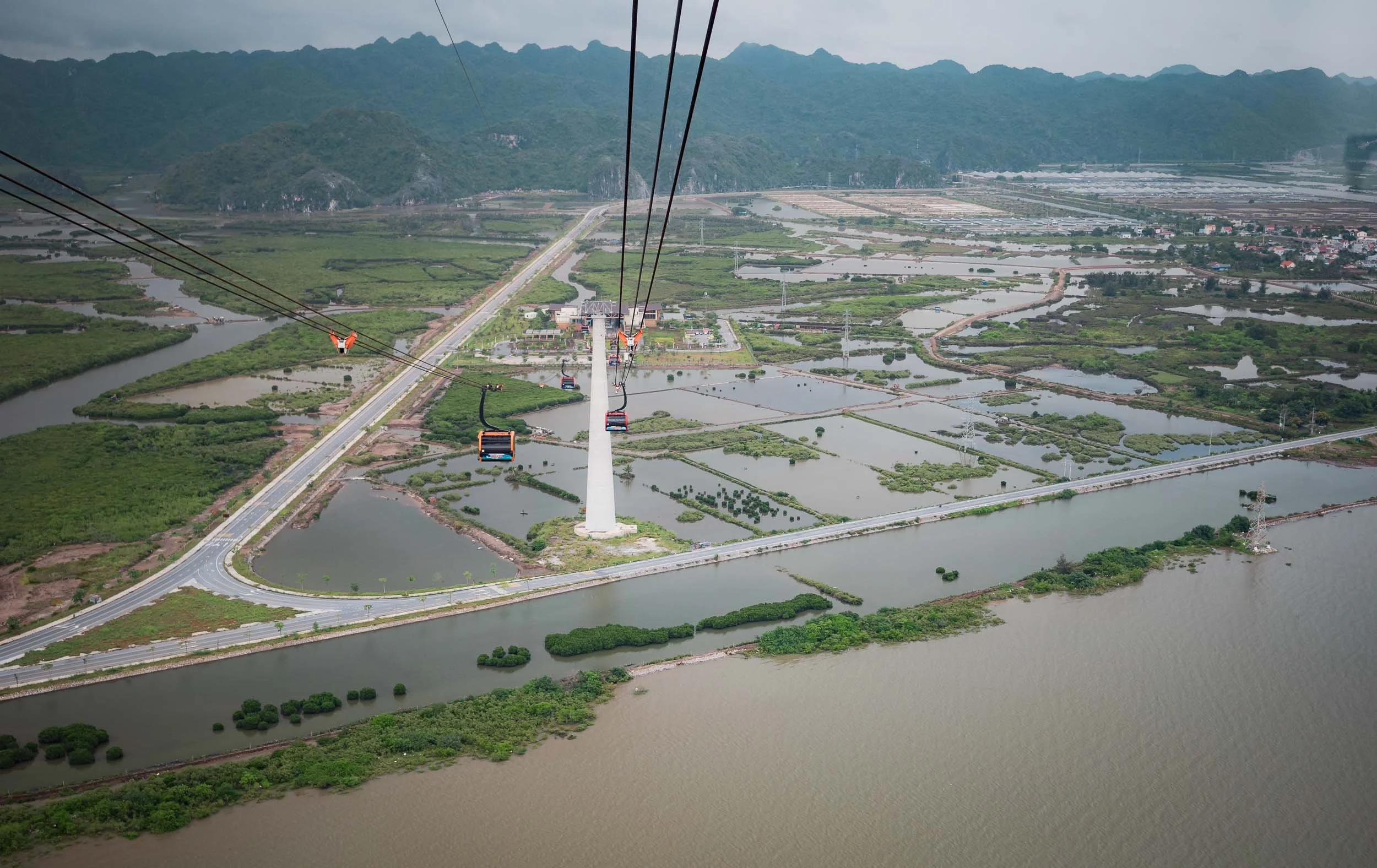
…where a few hours drive (and a cable car ride) from Hanoi lies Cat Ba Archipelago - a World Heritage Site, together with the more well-known Ha Long Bay.
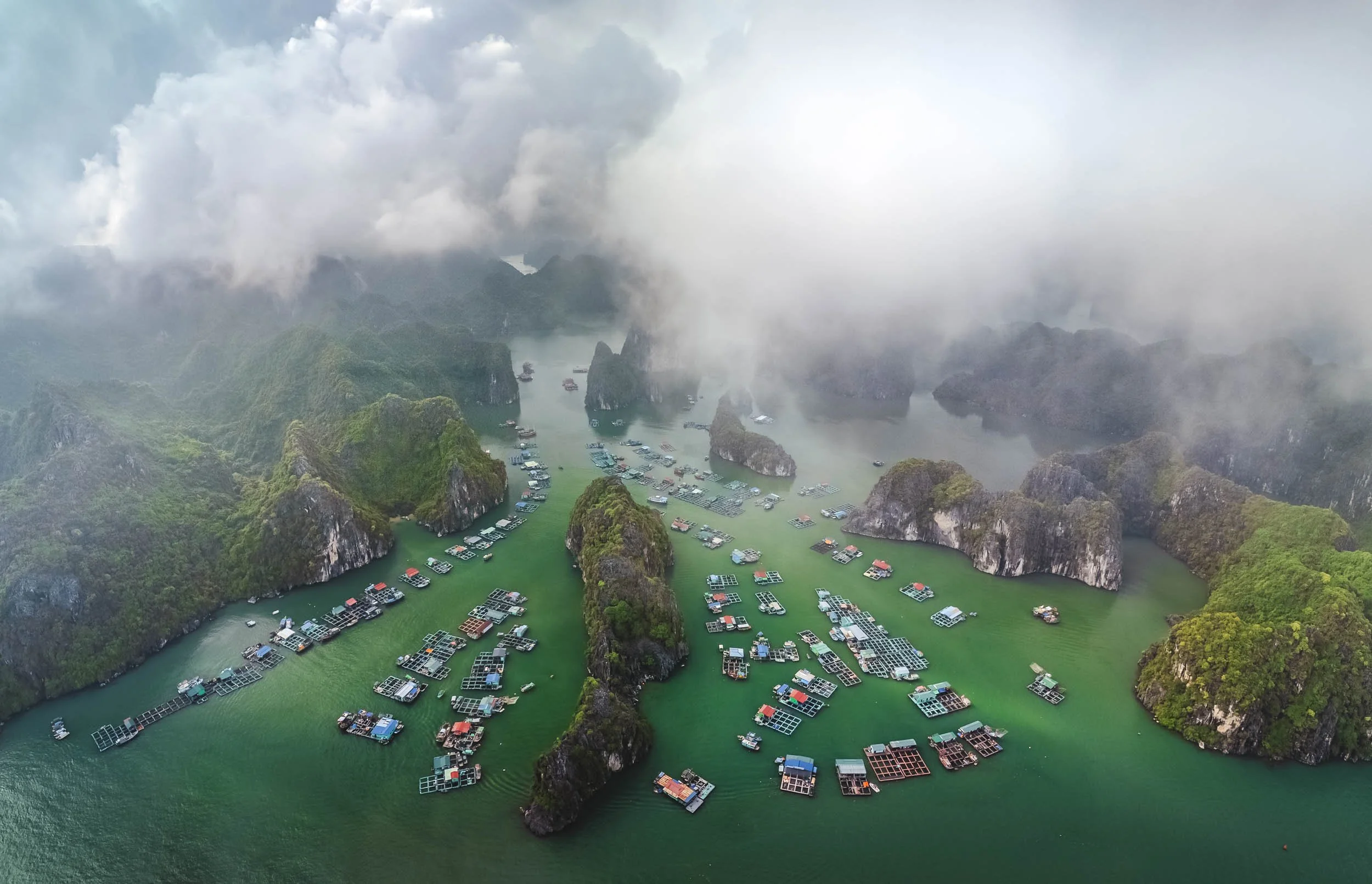
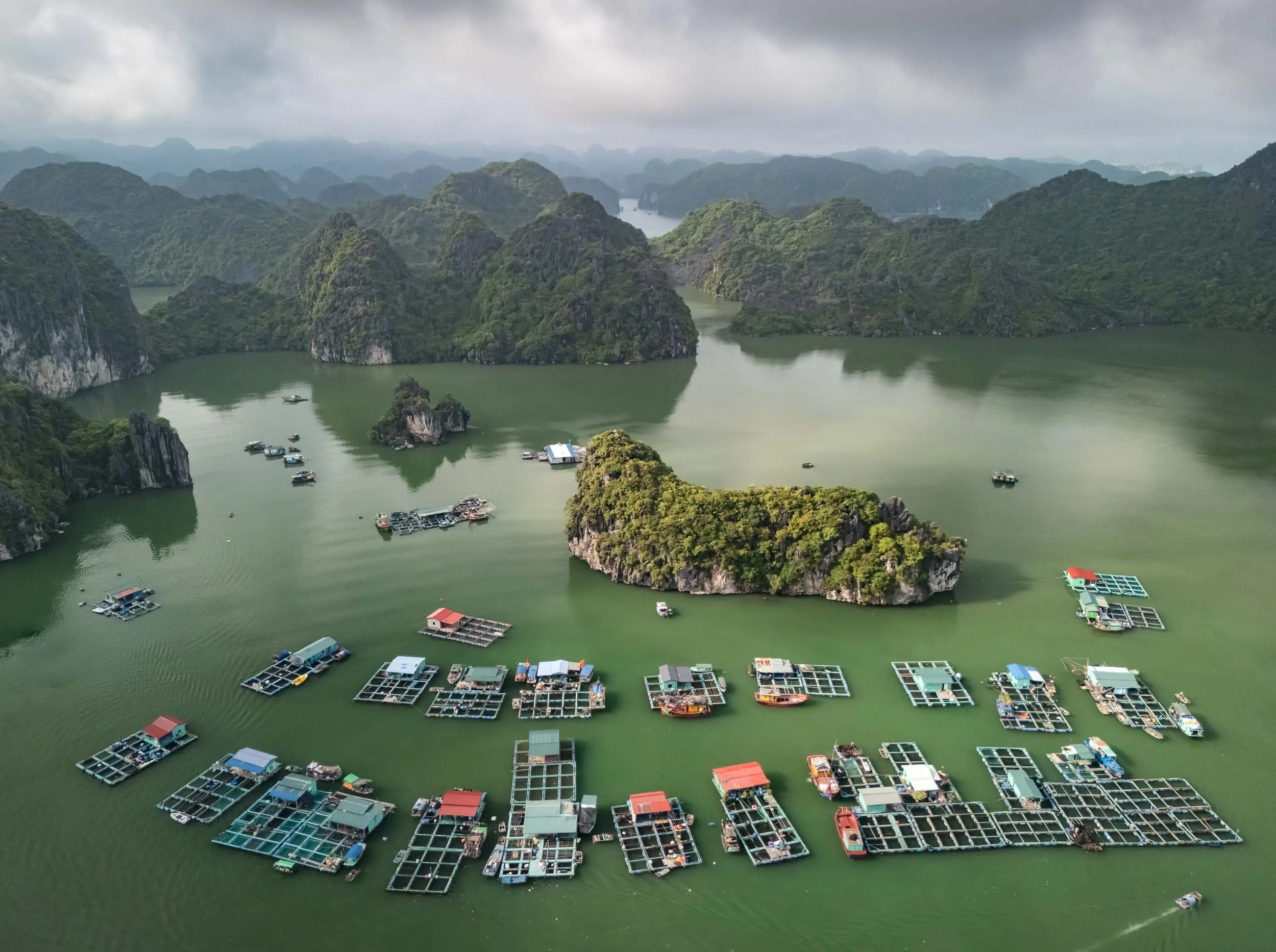
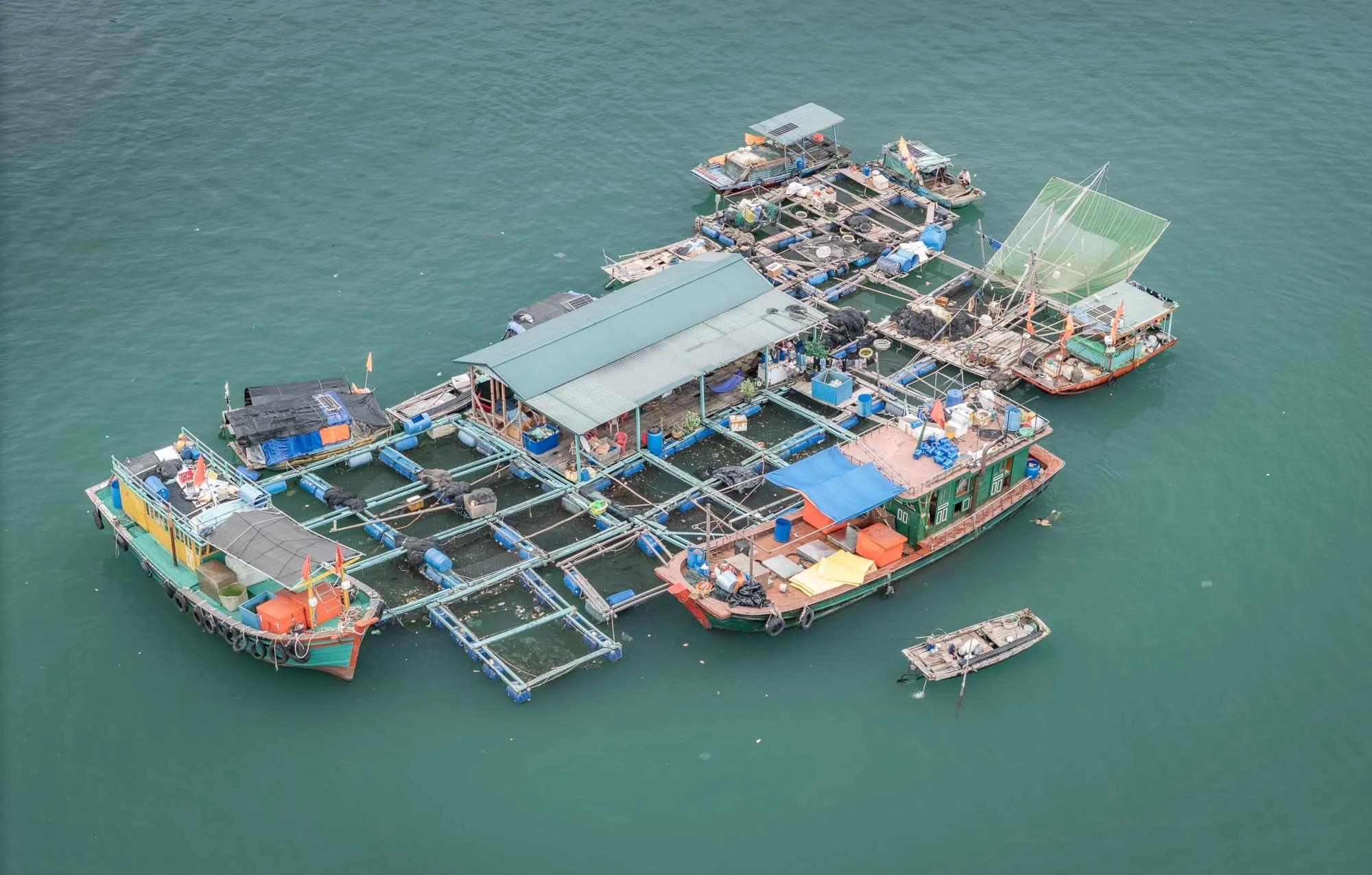
The area is home to Cai Beo, said to be Vietnam's oldest, largest, and one of its last remaining floating communities, featuring around 400 households built - literally - on water.
A short boat ride from the shoreline brings you closer to the floating houses, most of which are simple residential huts, while others act as schools, restaurants, or guest houses.
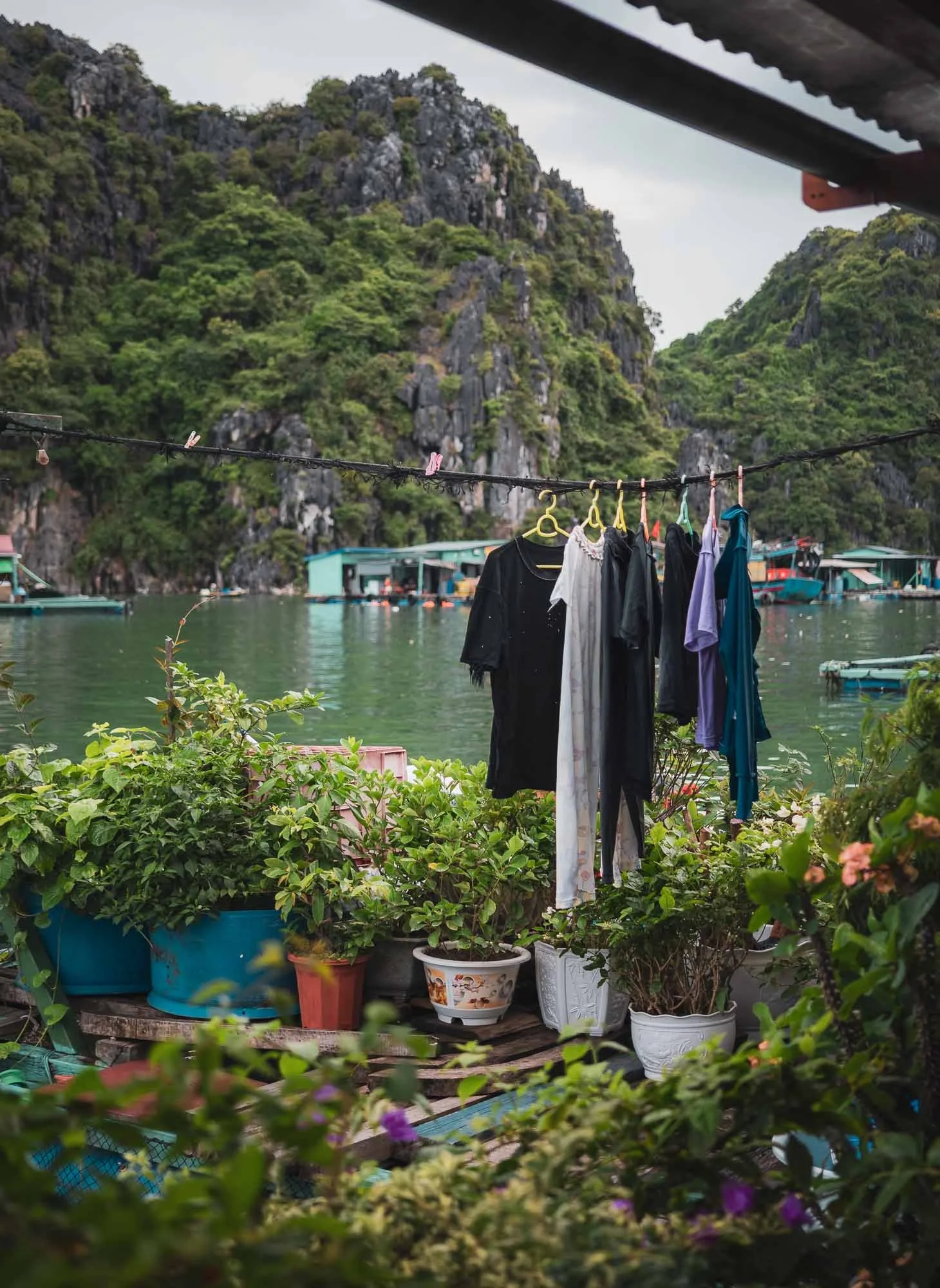
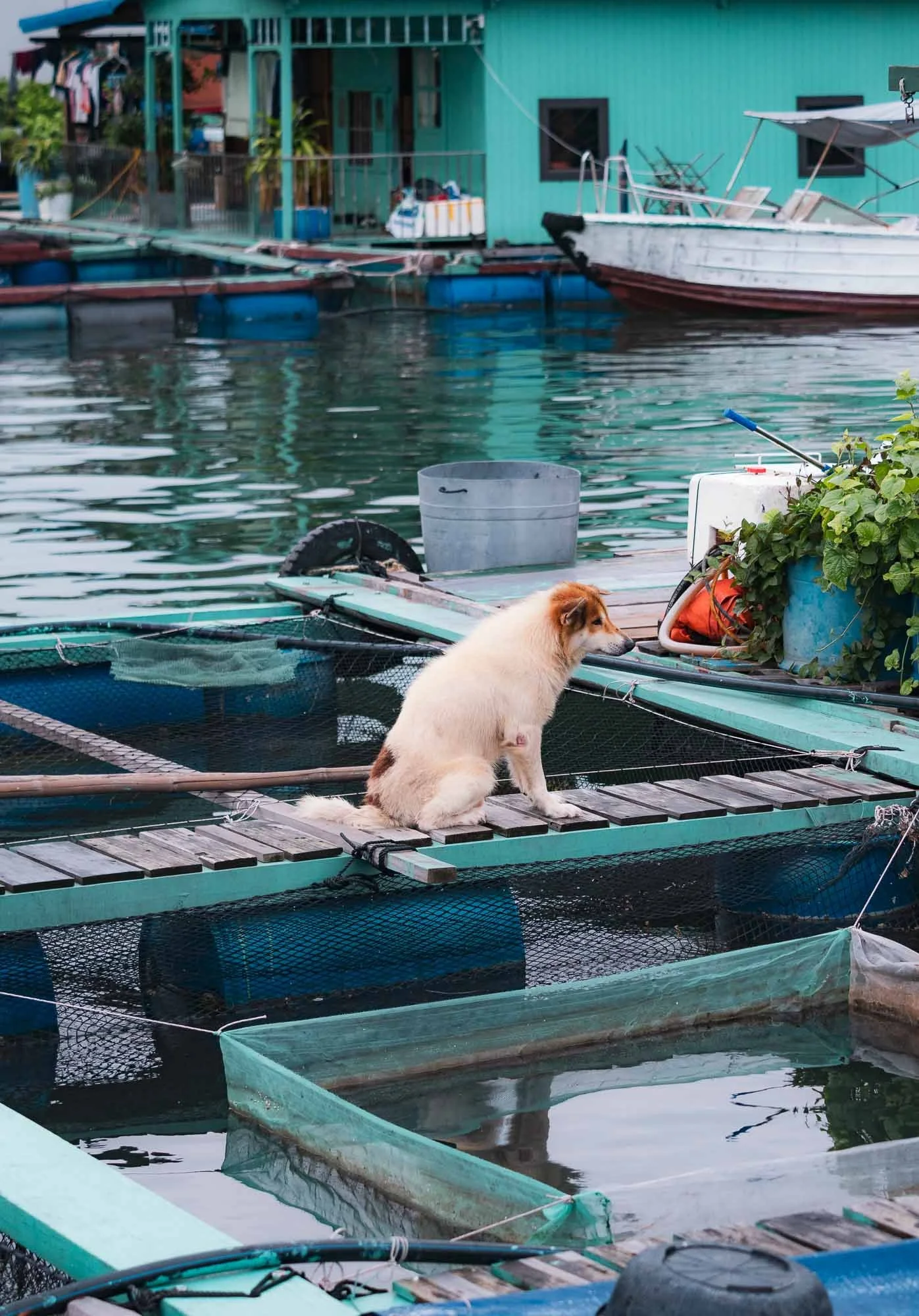
We got to visit one of them, observing a bit of their daily life here. Most of them have built-in fish farms, but some modernity has also taken hold: a few houses have at least temporary electricity from shared power lines and generators.
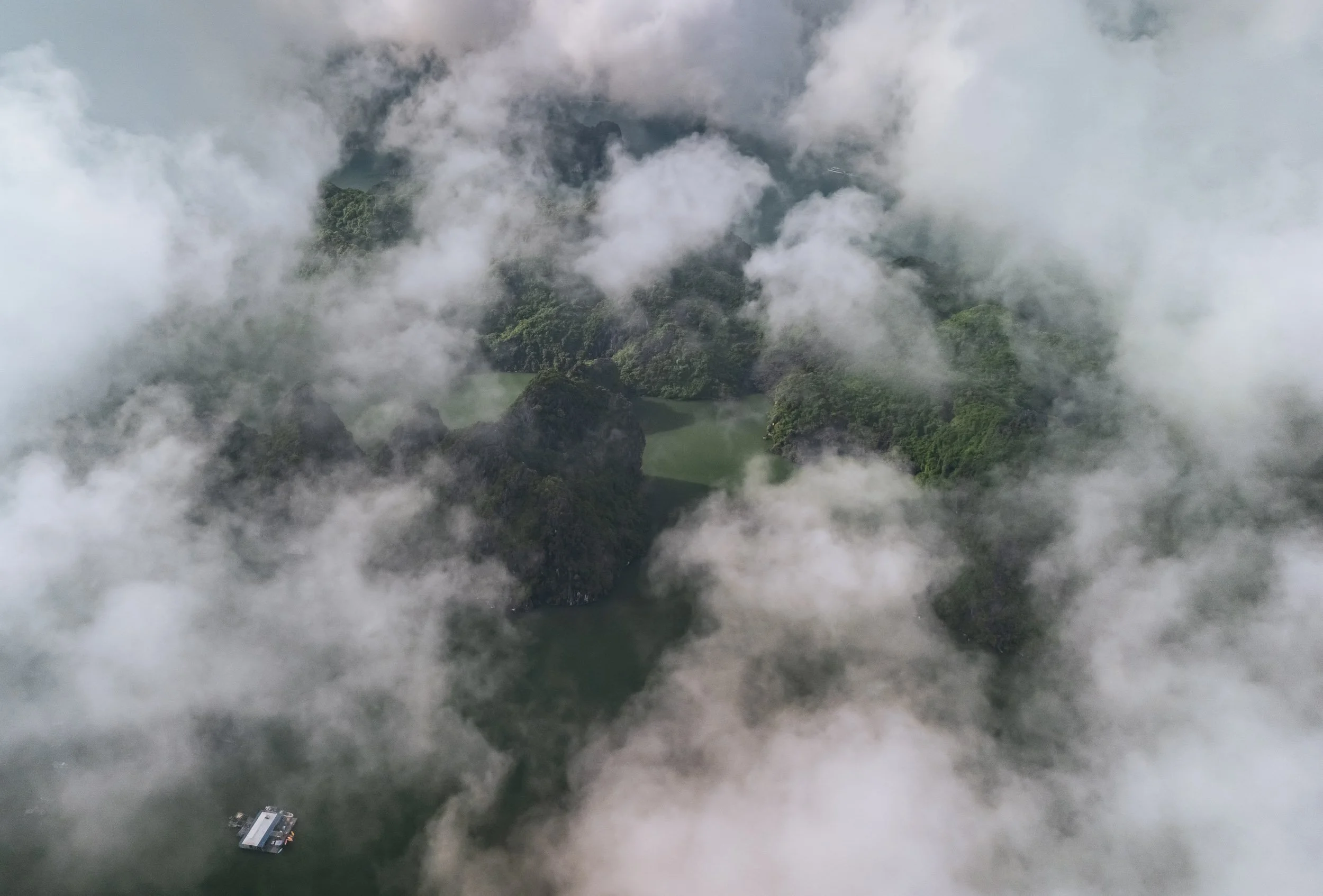
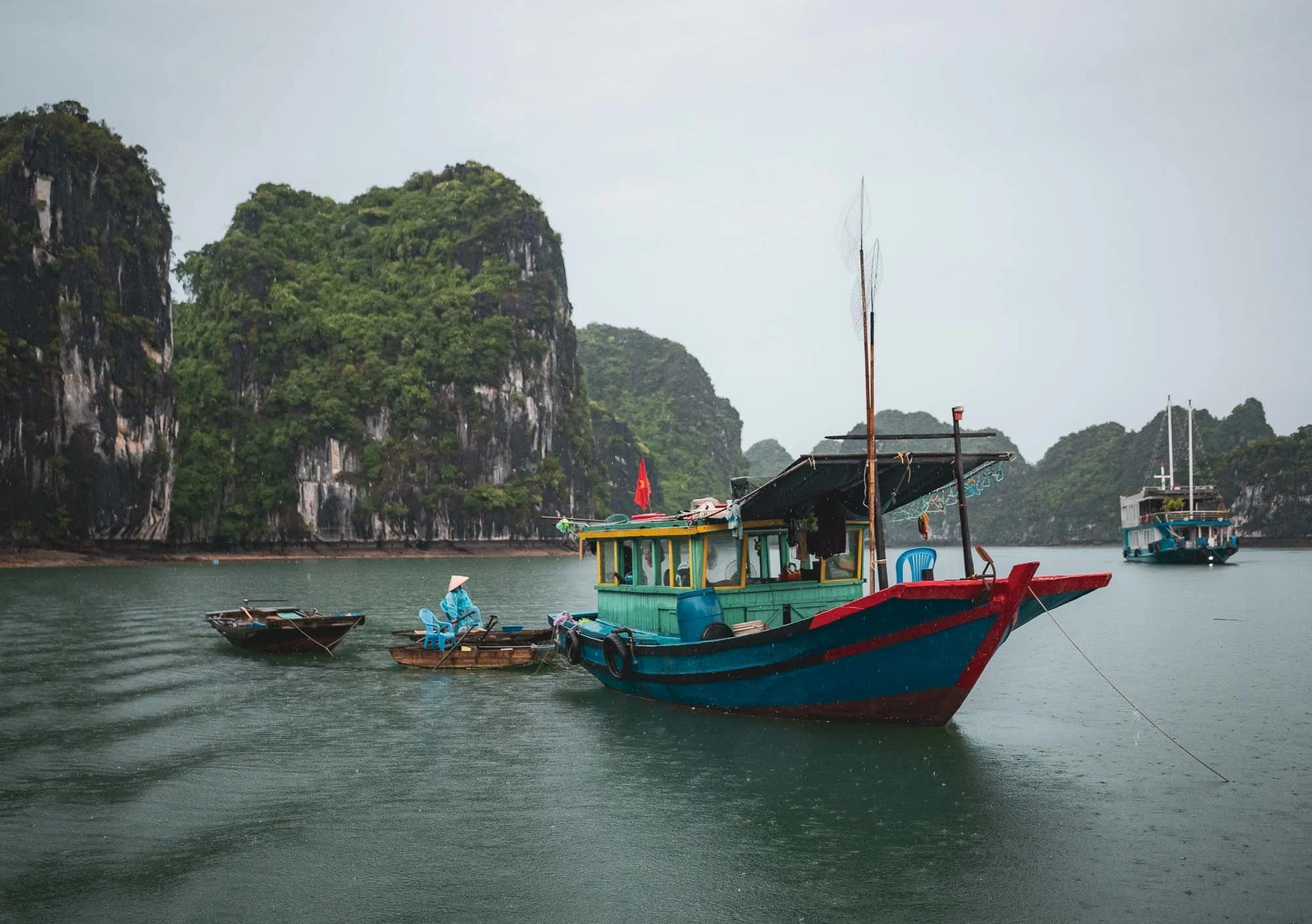
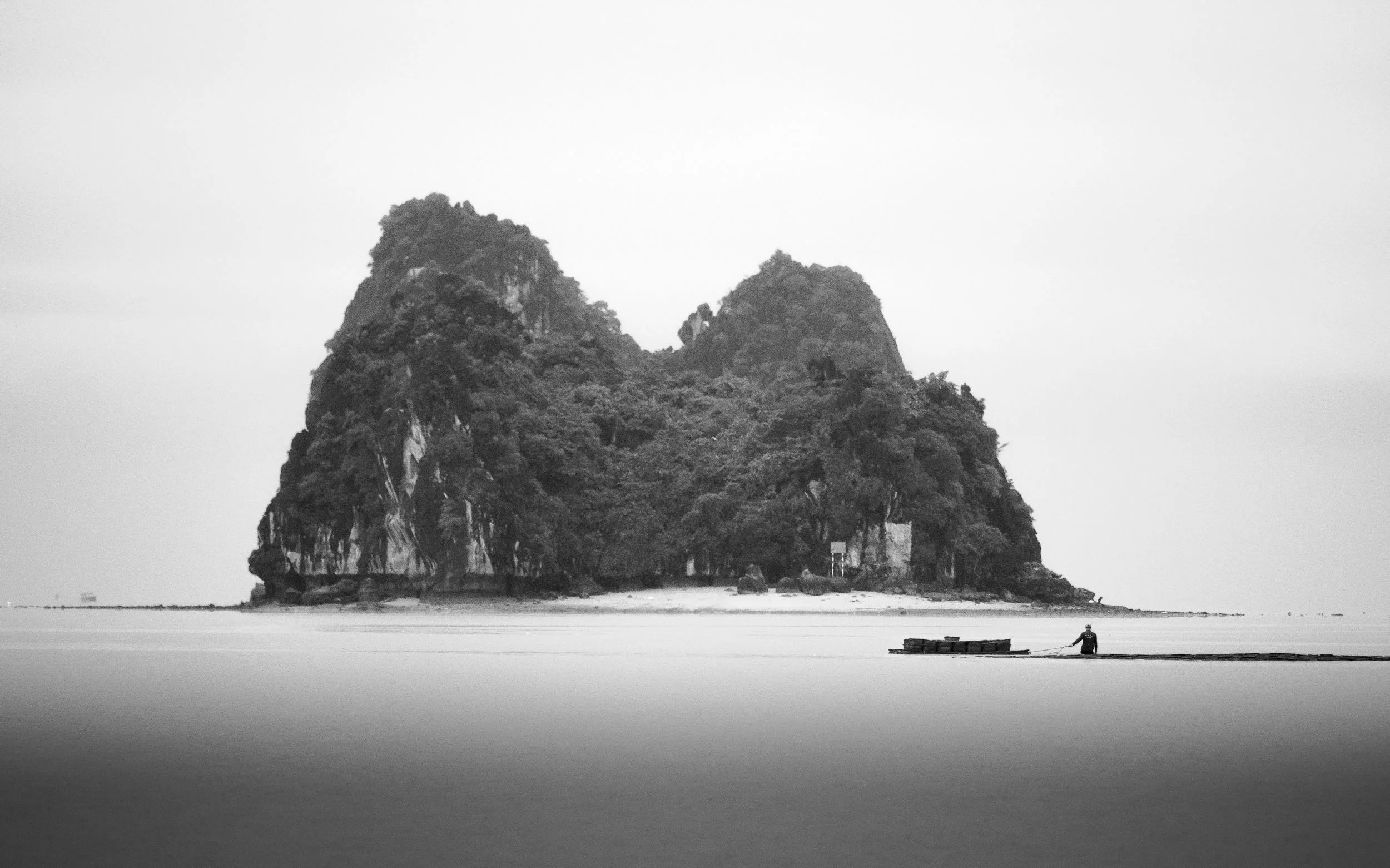
We headed out again the next morning into the very calm seas and moody clouds, creating a beautiful atmosphere among the many limestone islands dotted in the turquoise waters. The landscape is equally beautiful to Ha Long Bay, but a lot less busy - at least for now.
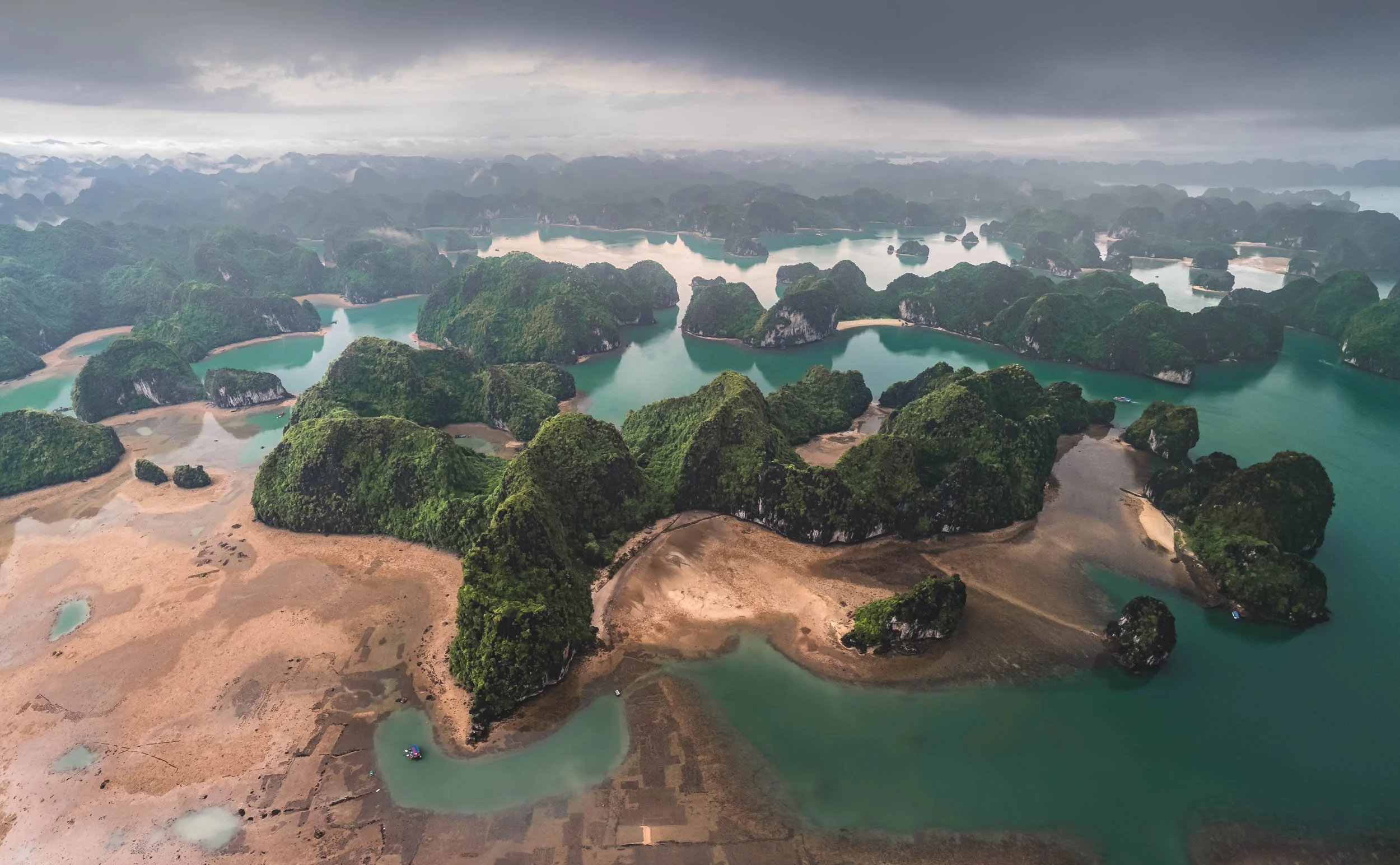
While most of the 300+ islands are uninhabited, you can spot the occasional lonely human soul around - they primarily work here to grow and harvest aqua-cultured oysters and other seafood.
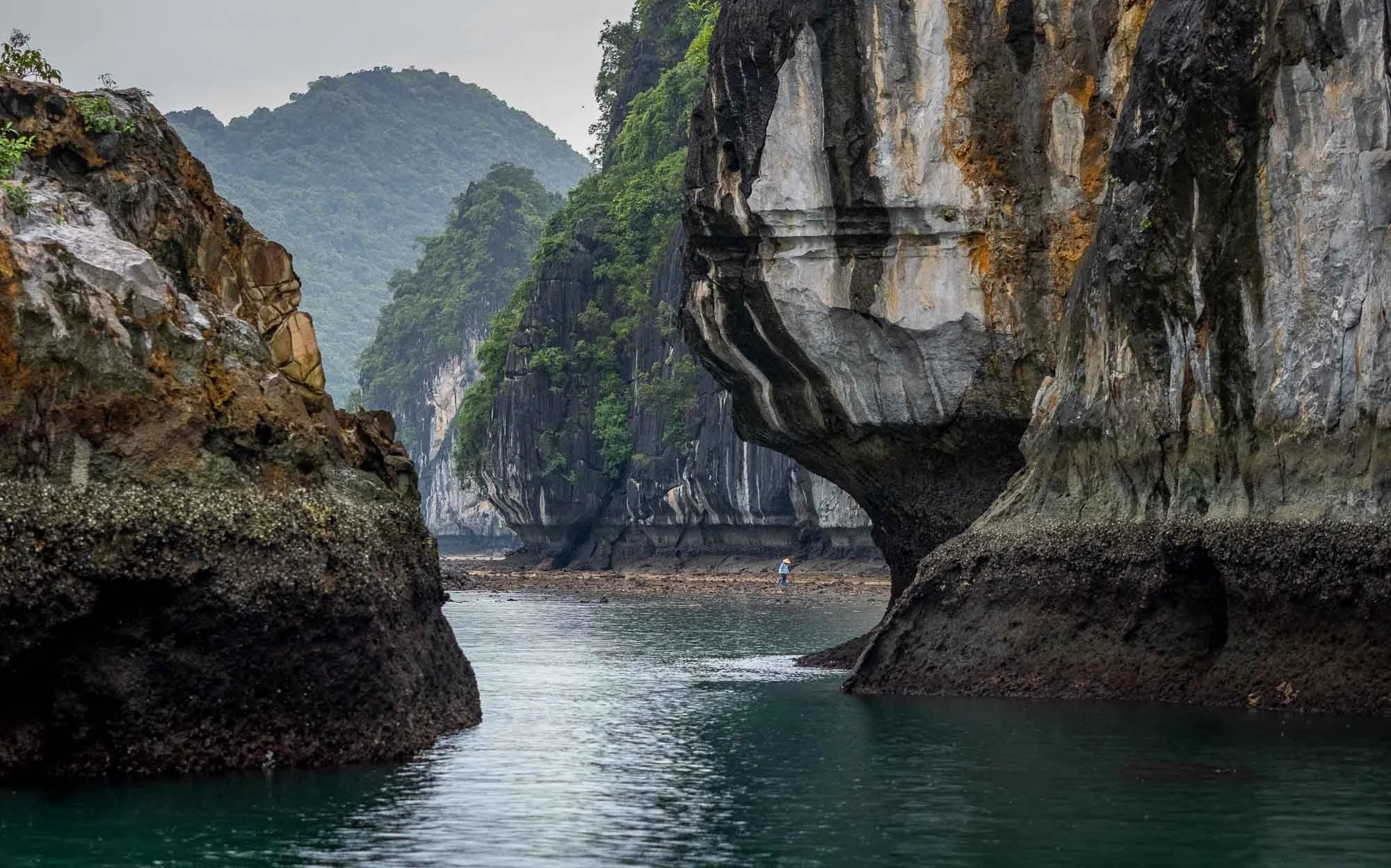
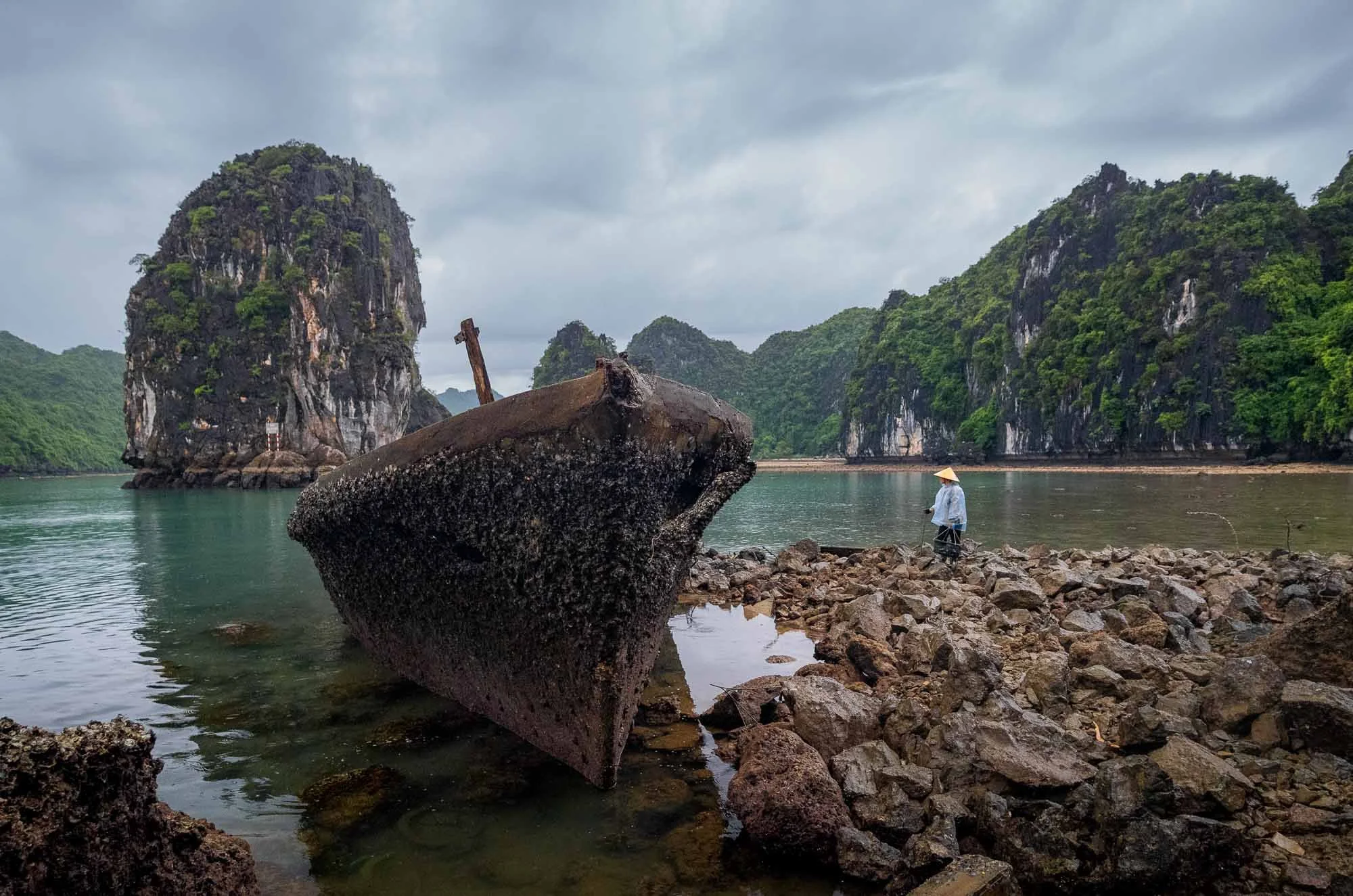
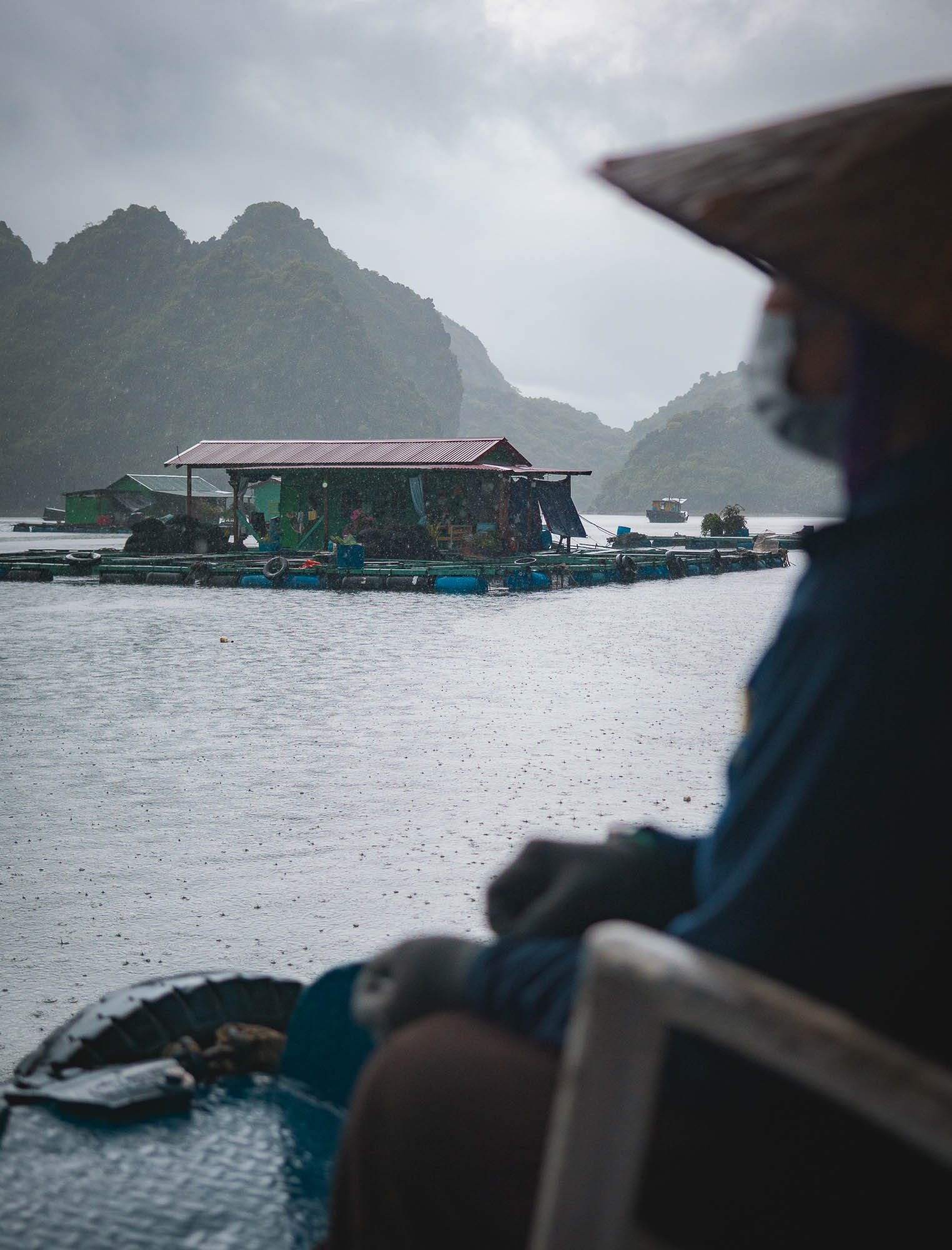
Rain had set in during the late morning hours, making their job a lot less comfortable. We picked up one of the local women - completely drenched - with our boat and dropped her at one of the floating houses.
A Rarity
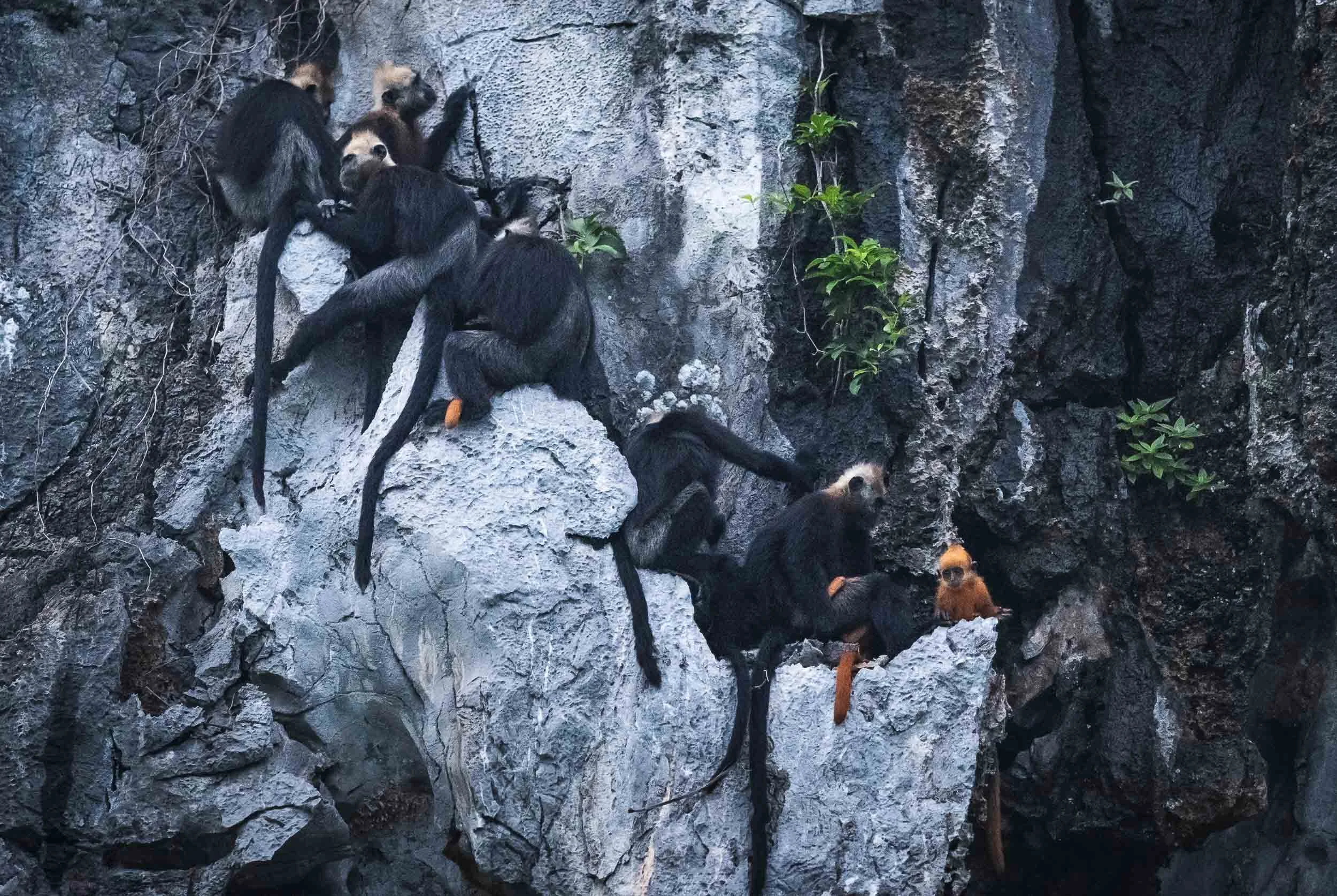
On our way back, we had a very very lucky encounter - something I had not even looked for: the Cat Ba langur, one of the most endangered primates in the world.
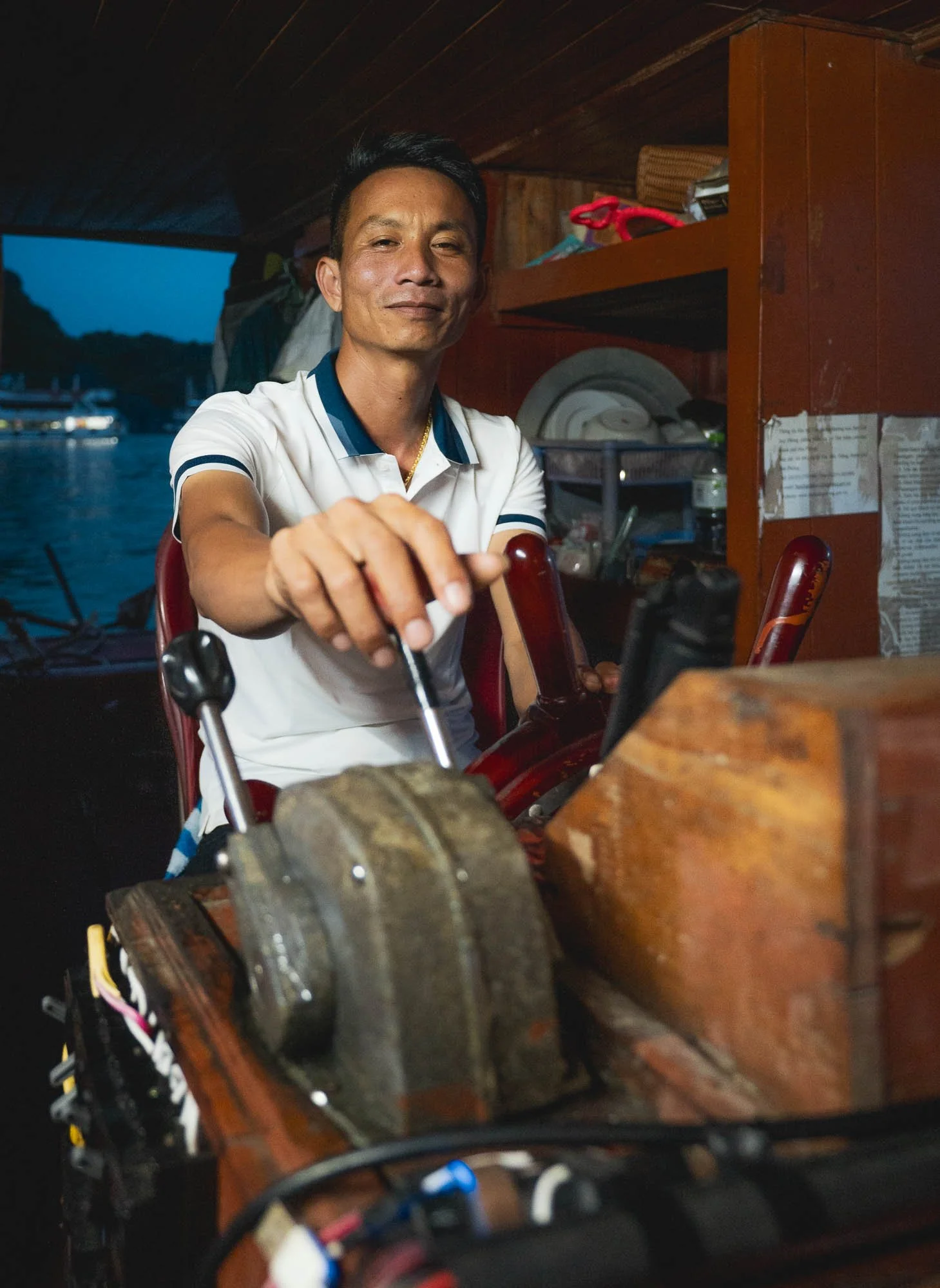
This is an extremely rare sight - there are less than 100 of them left, distributed over a few groups and occupying just a handful of islands. Our boat captain spotted one group high up in the limestone rocks, including a young individual with its distinctive orange colour, which probably gave them away.
These primates are critically endangered and have found ways to adapt to the unique environment here, for instance they can safely tolerate saltwater.
They are now heavily protected and part of the area is a strictly guarded national park to ensure their survival.
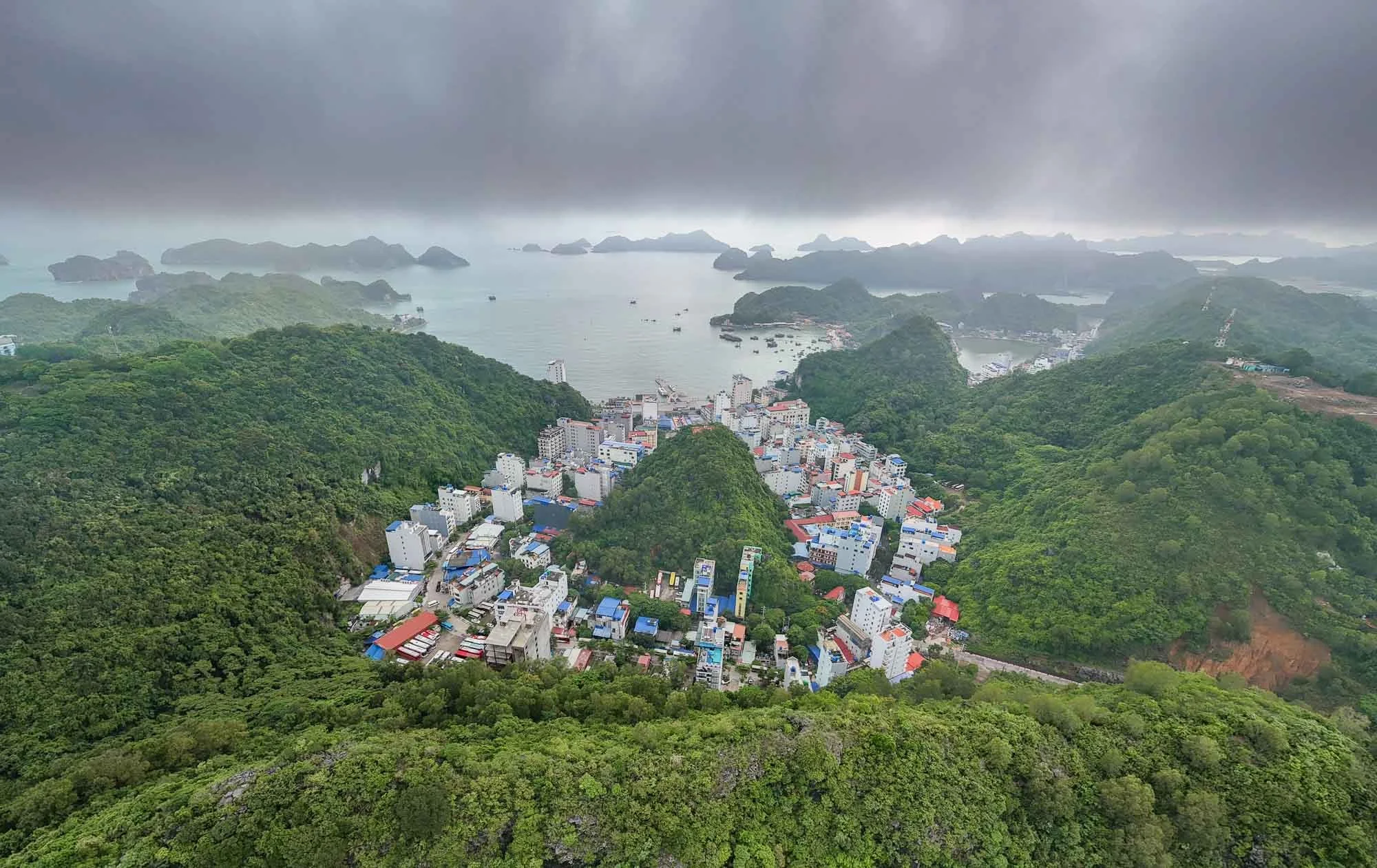
How long this will last is anyone’s guess - over the last years, more and more existing land was used to build human infrastructure, and in recent years huge reclamation projects into the sea added further pressure - just a year after I took this photo, this scene has changed completely, for example, as the bay is now filled with new land area.
And that’s it from my time in Vietnam - a country to add to your travel plan without a doubt!
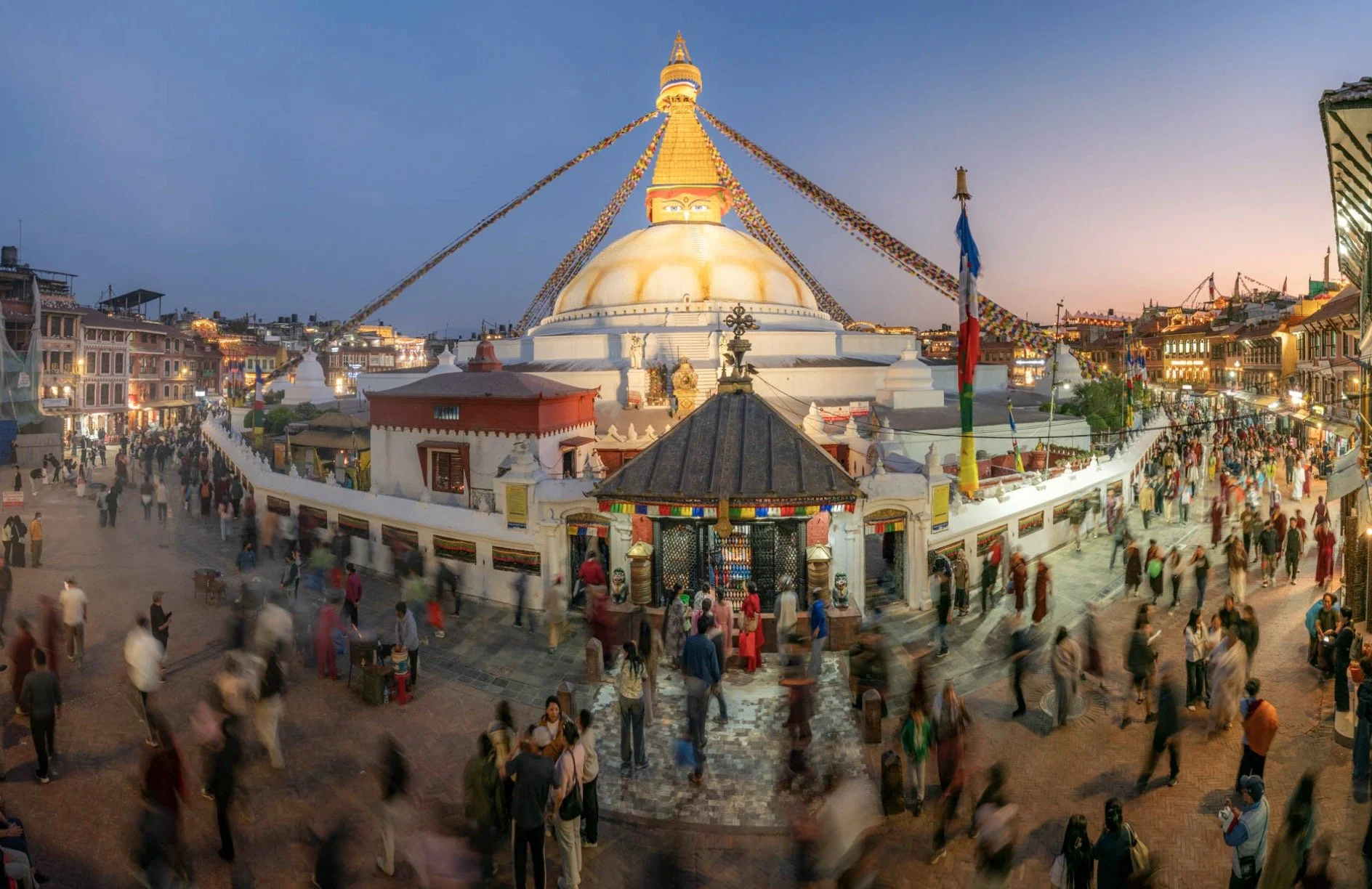
This is the second part of my Nepal blog, leaving the Kathmandu valley and exploring the wildlife of Bardiya, Pokhara’s mountain views, and more.