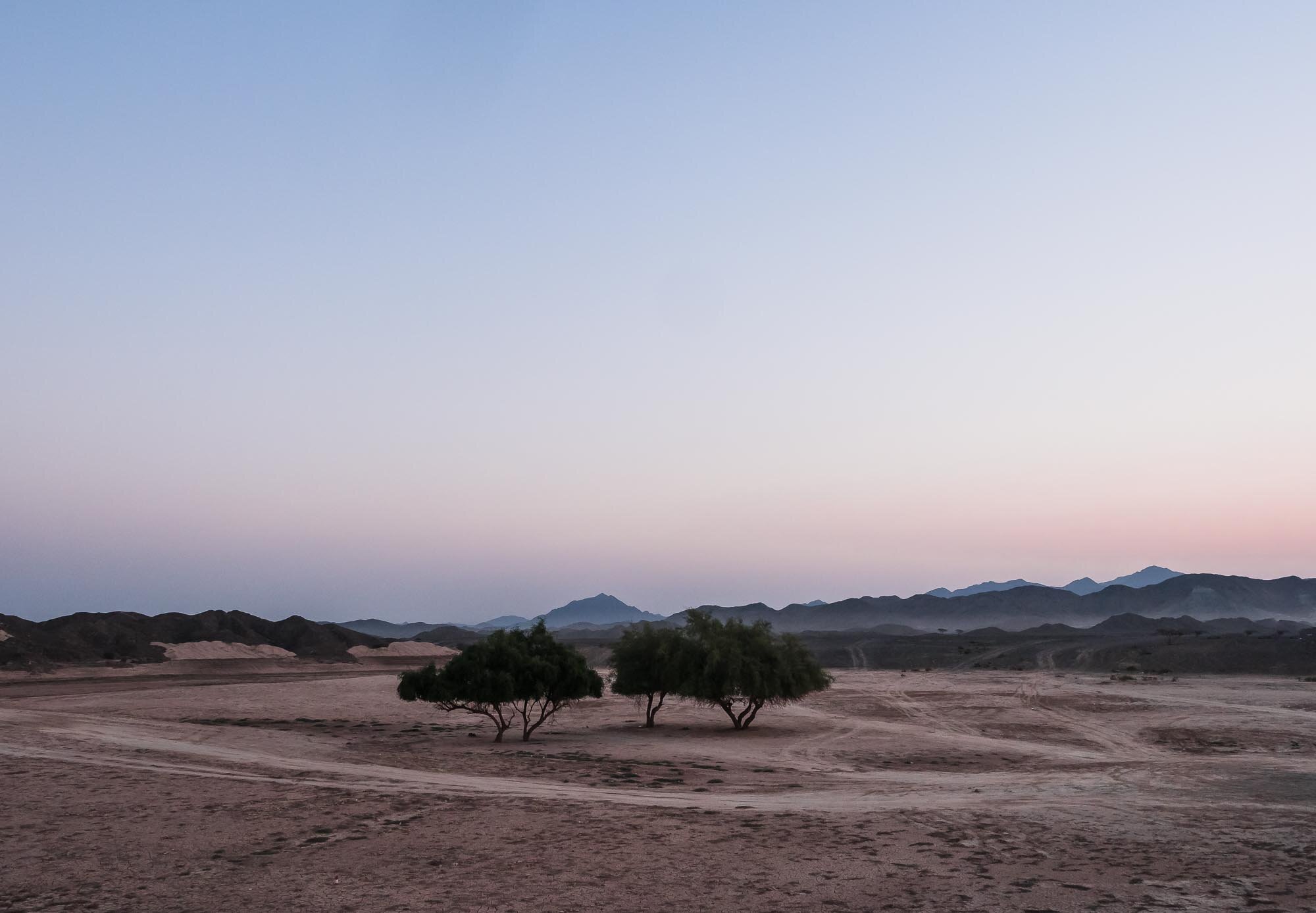
Oman - 7 Days of Authentic Beauty
From Dubai to Muscat and along the coast - an amazing journey of natural beauty, history, architecture, geology and kind people.
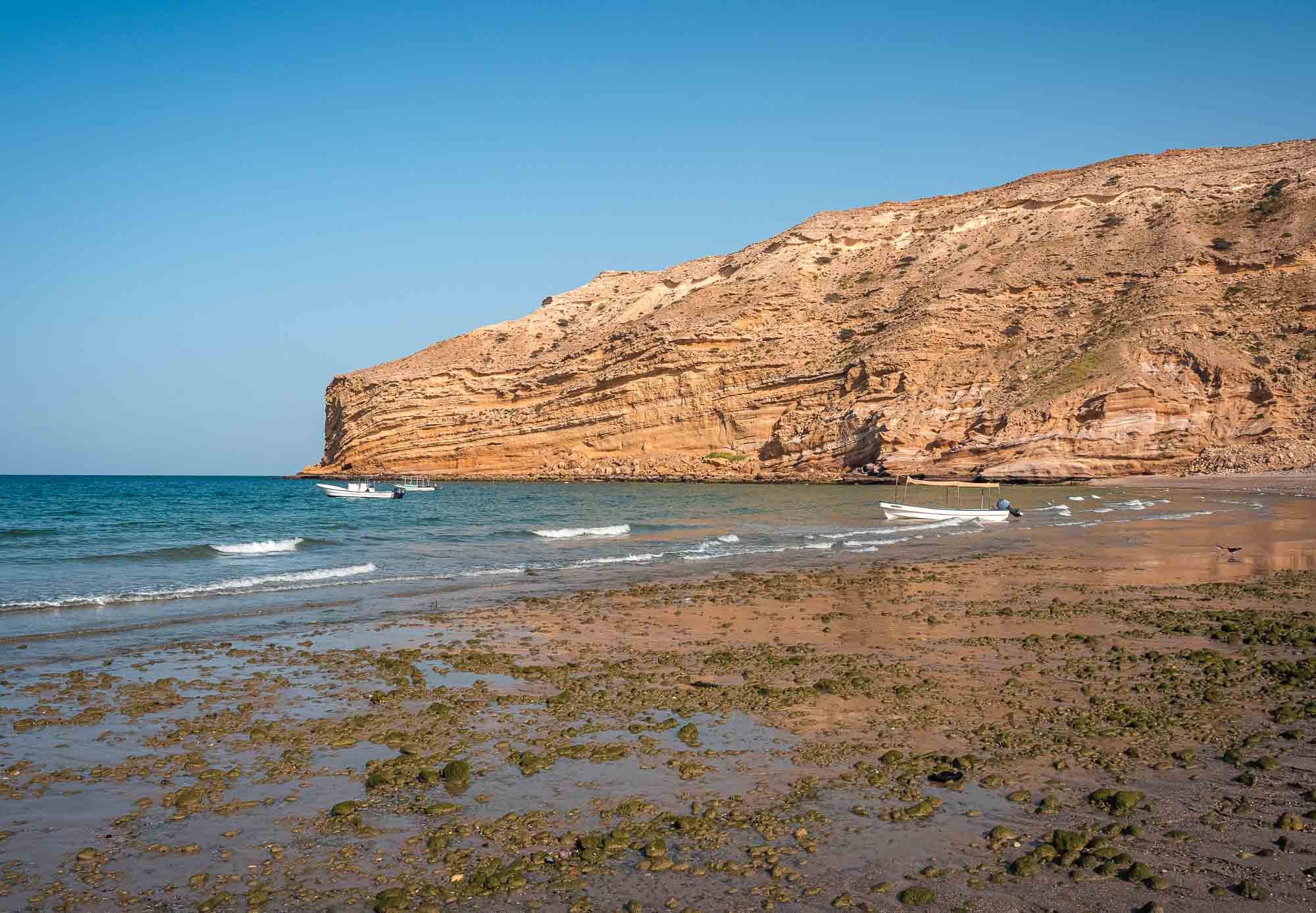
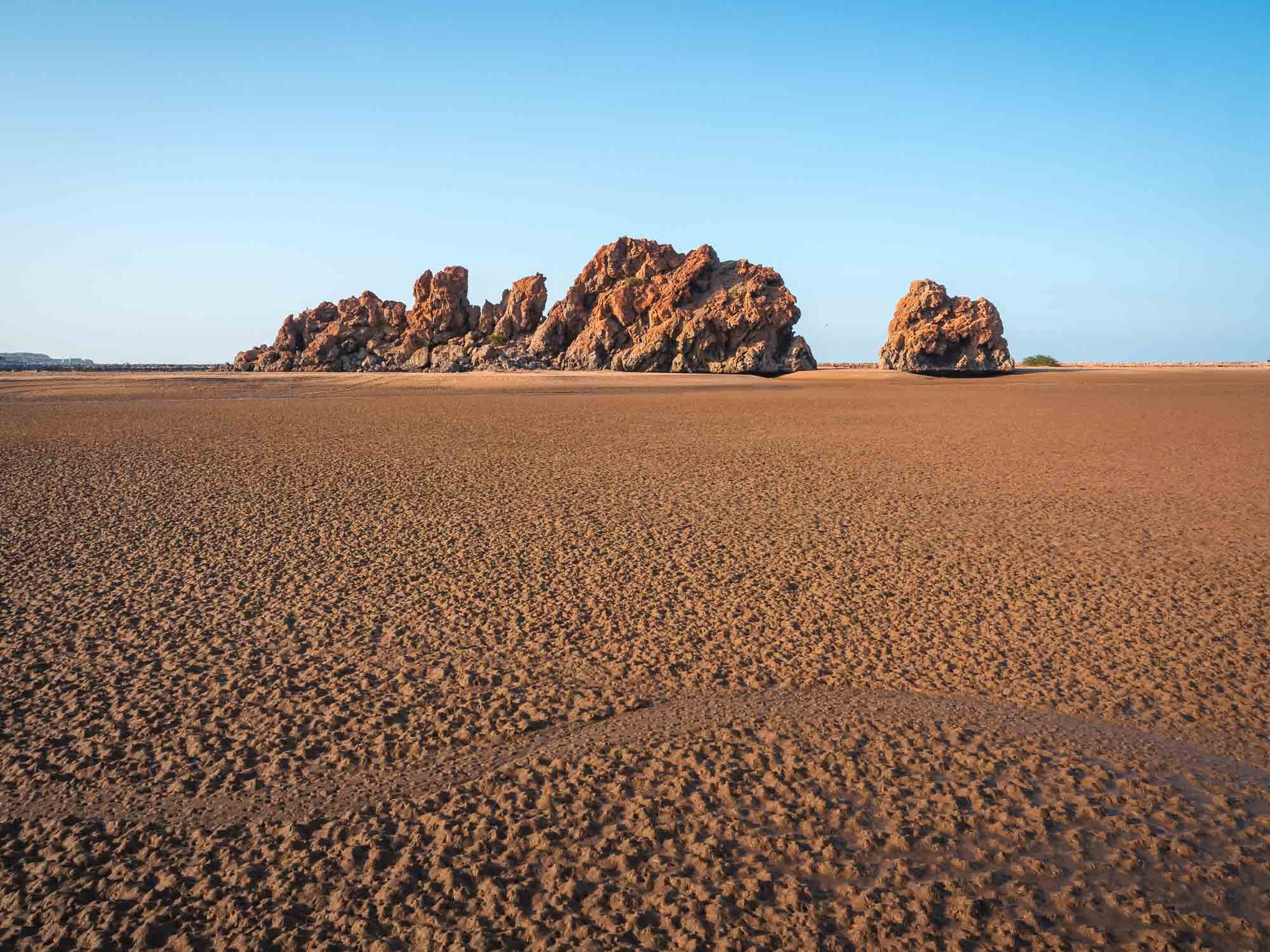
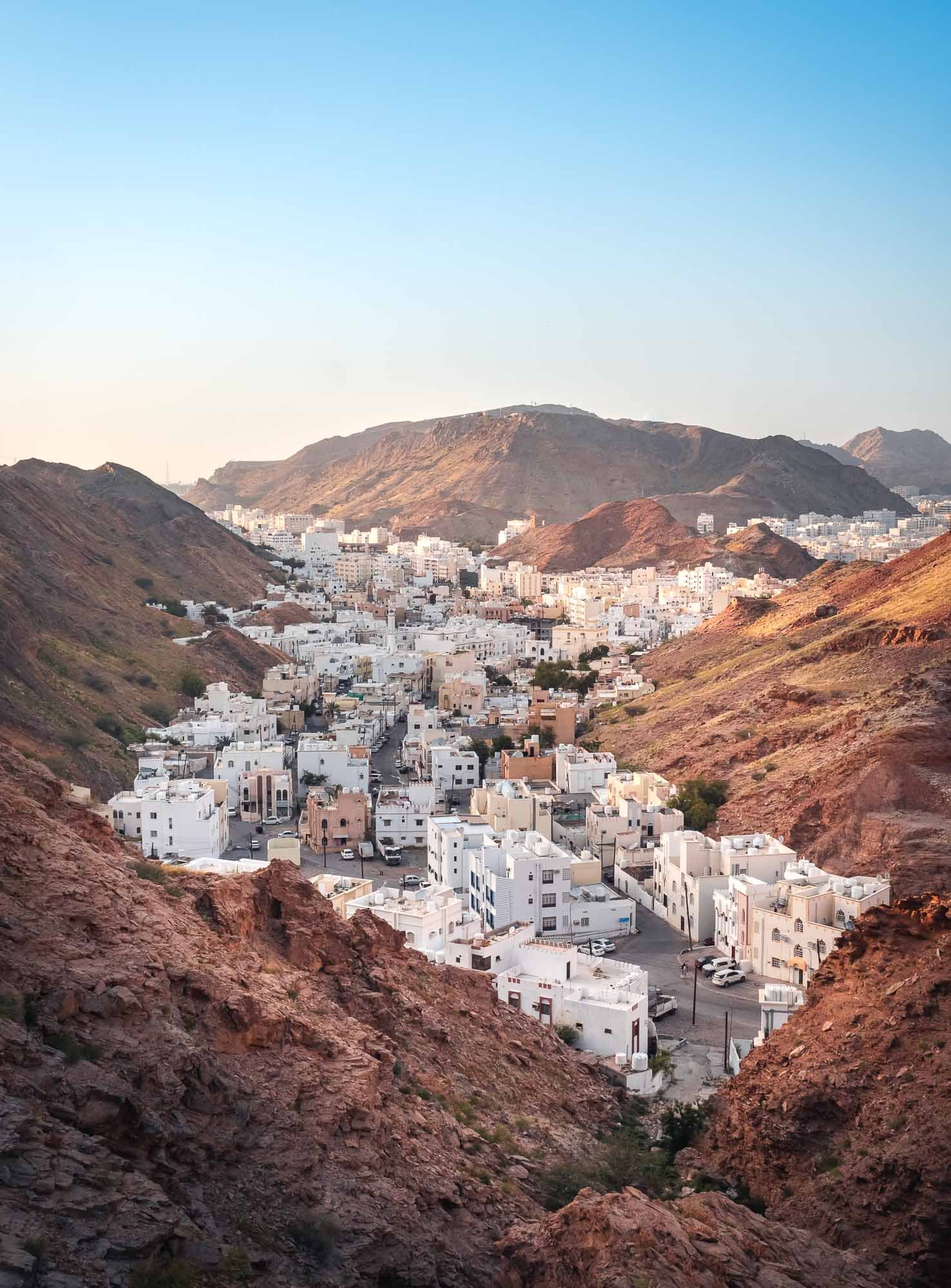
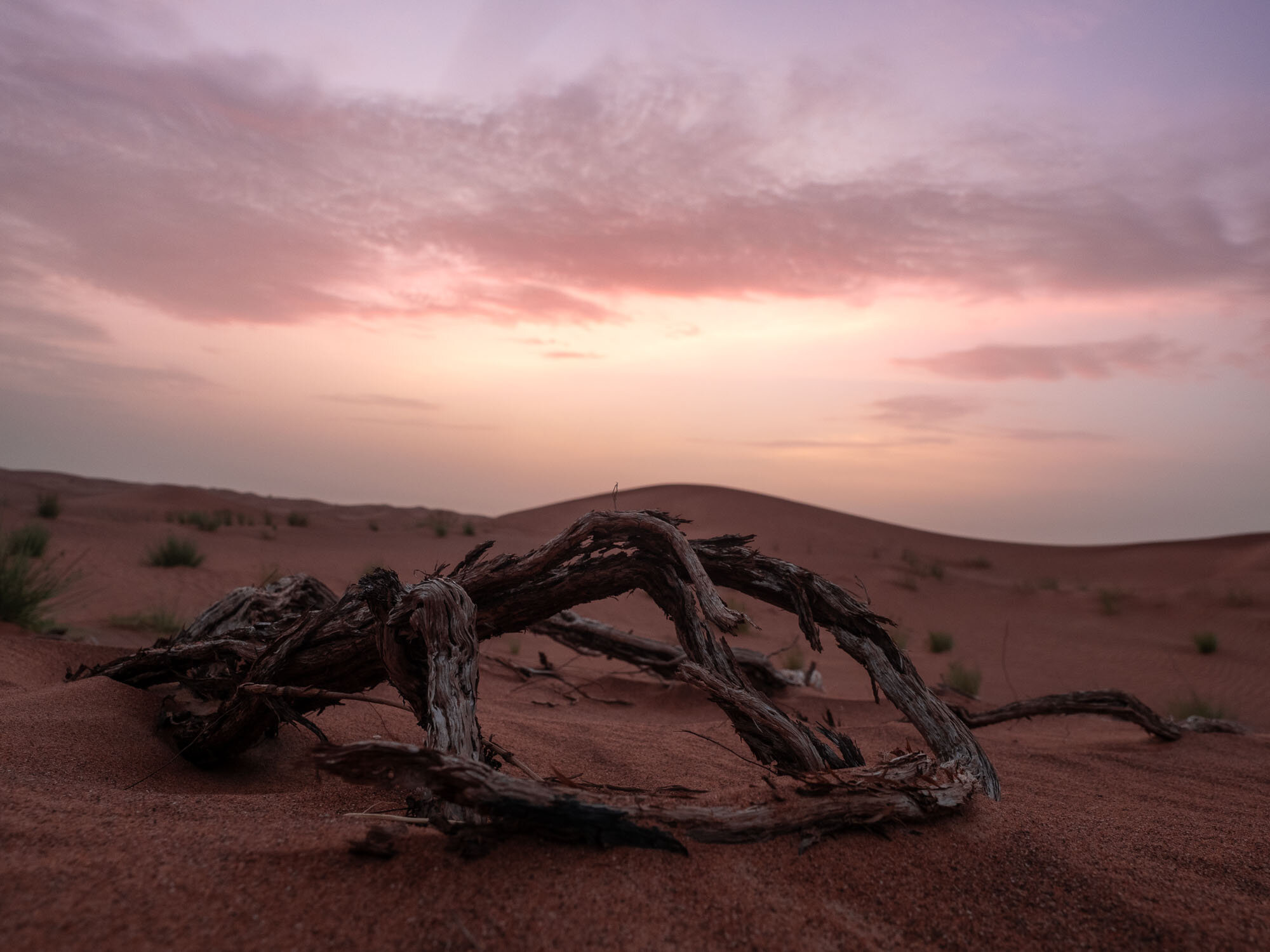
In February 2022 I had plans for a trip to India’s Himalayas, with the goal to take photos of the elusive snow leopard. Owing to various Covid restrictions, this idea unfortunately did not materialize, so it was time to look for another destination. One obvious choice was to look no further than a few hundred kilometers towards the Indian Ocean: Oman. Even though I’ve lived in the UAE on / off for 15 years, so far I had only seen the Musandam part of our neighbor country, and had yet to explore its mountain areas, the coastline, and the capital Muscat.
And oh boy did I miss out! The amount of landscapes, history, people, architecture, and activities you can encounter in just a week, all accessible with easy visa regulations (if you’re a GCC resident especially) and within a few hours drive from Dubai, is incredible.
The route took us through the border near Al Ain towards Nizwa, with several stops on the way, before heading up Jebel Akhdar for a couple of nights. From there, onwards to Muscat to explore the city and its surrounding areas, and a day trip southwards along the coast almost until Sur (but not quite) was on the agenda.
Read on to find out about the sights and experiences on the way…
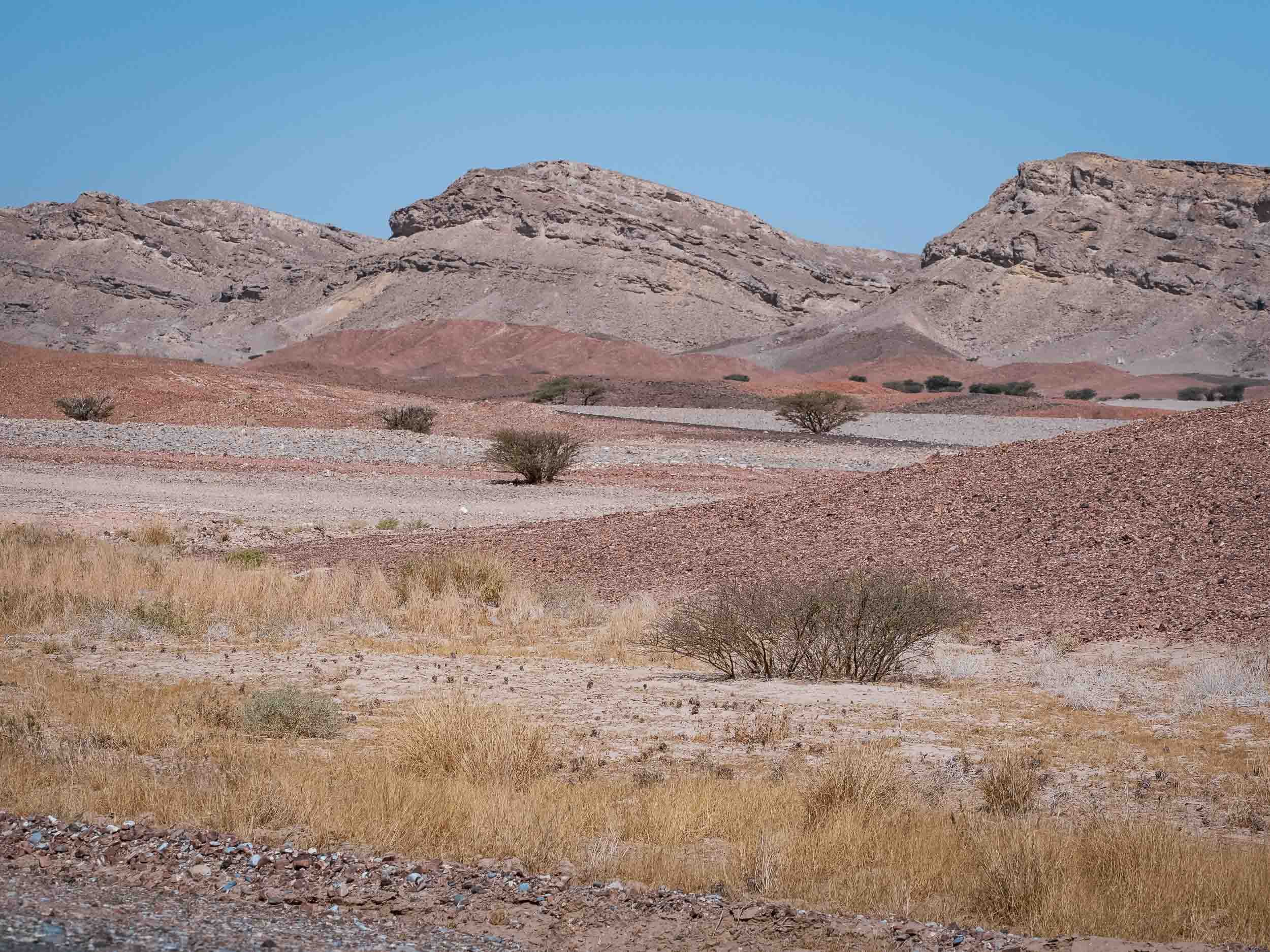
Hajar Colours
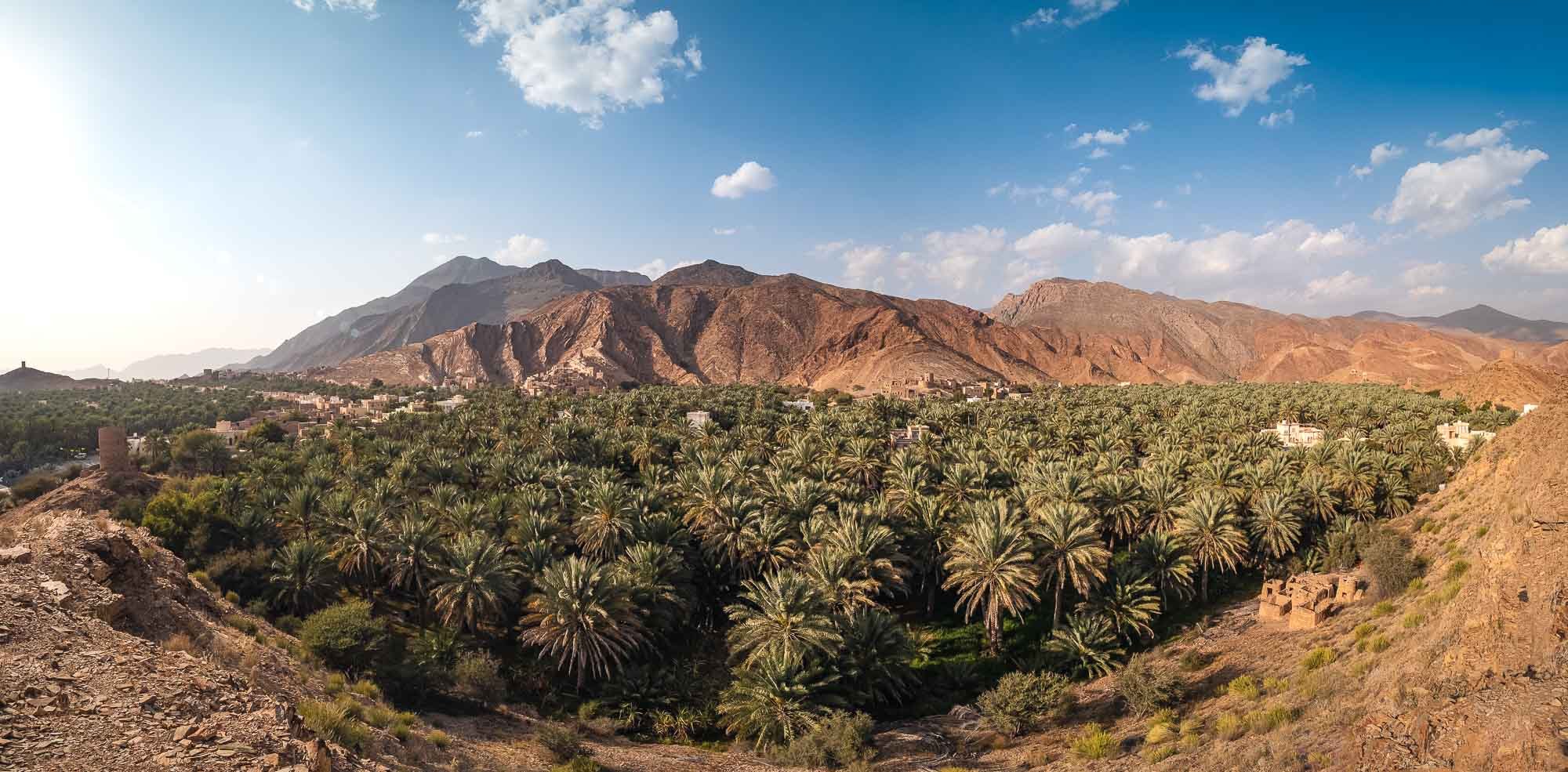
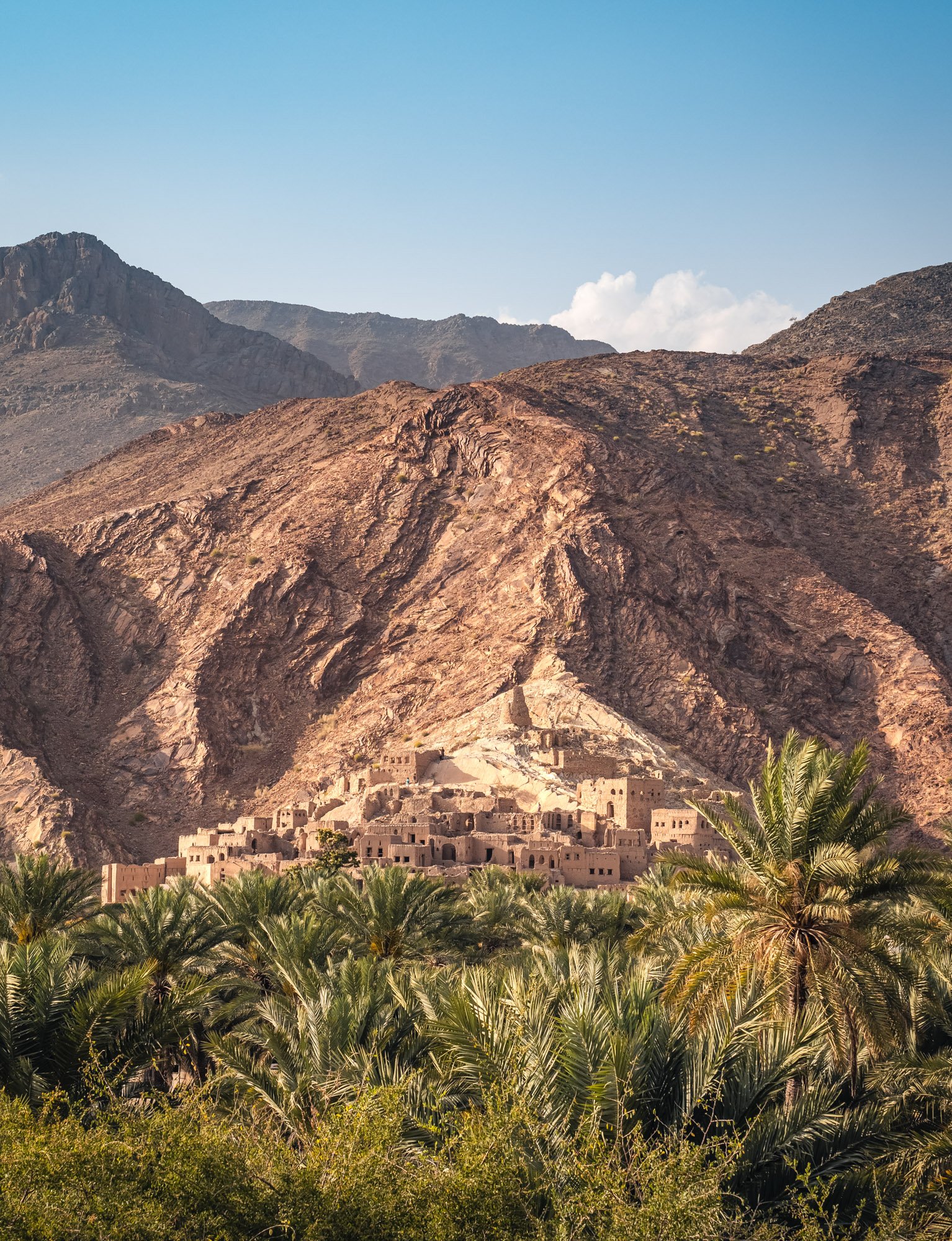
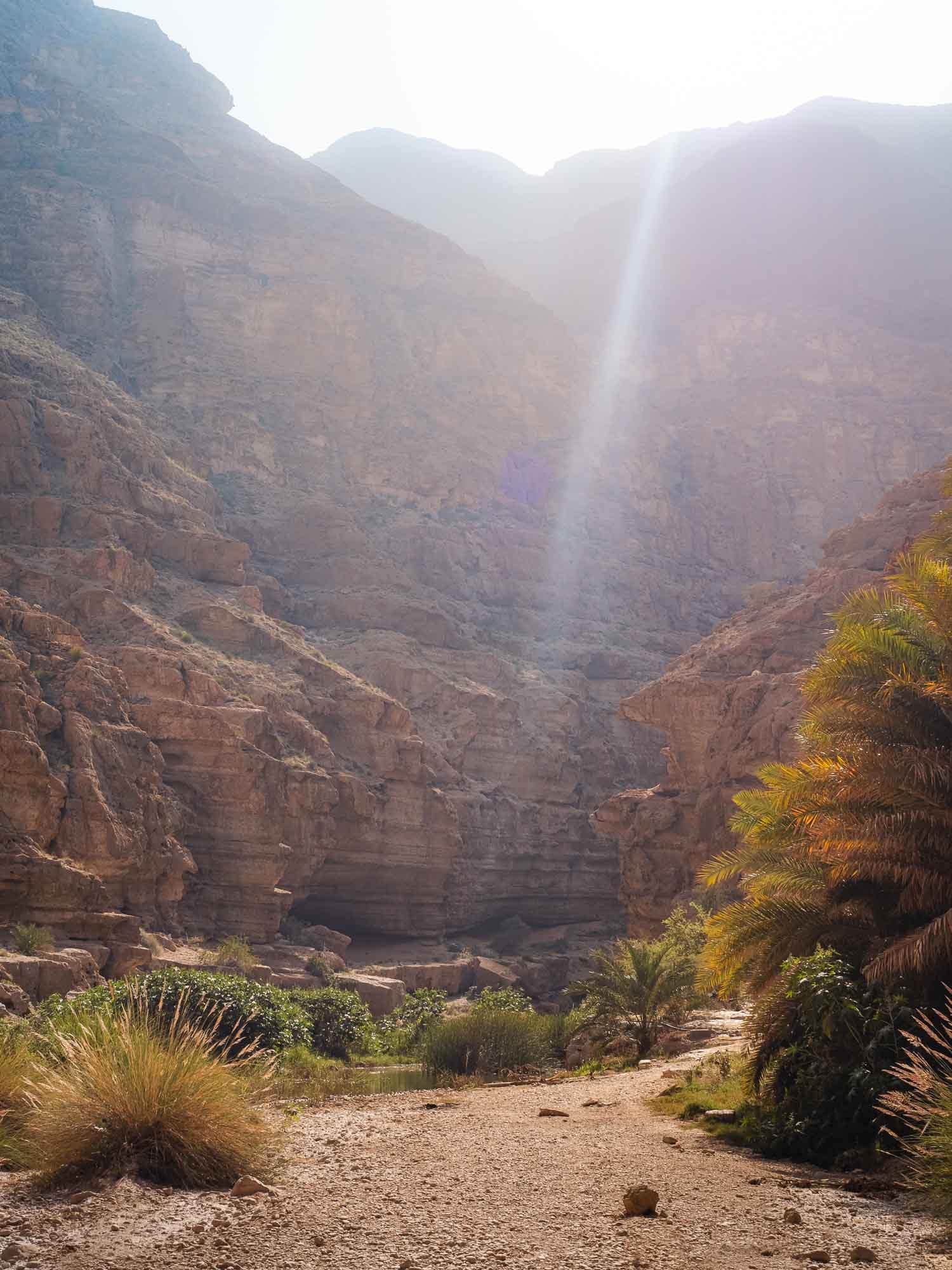
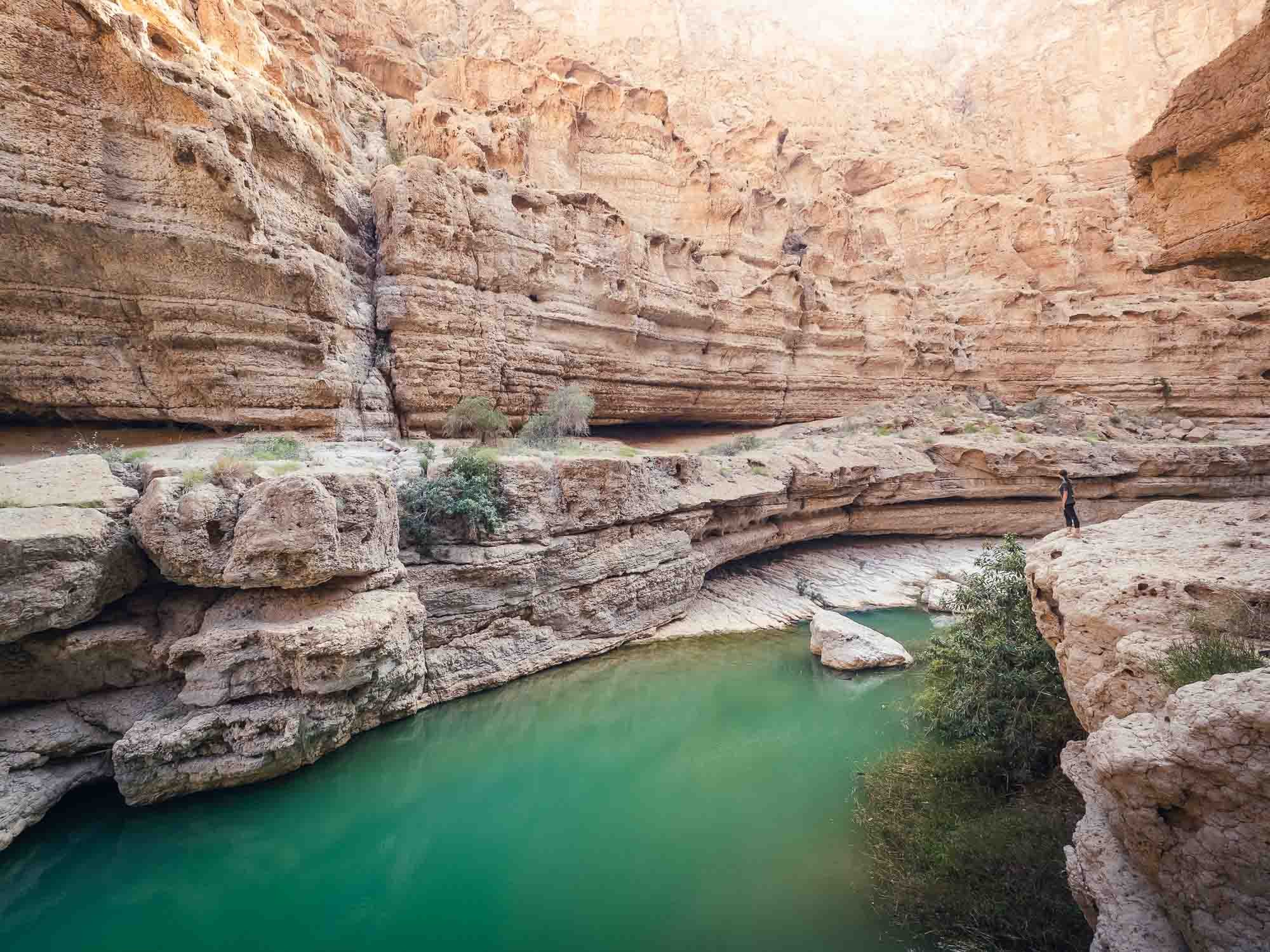
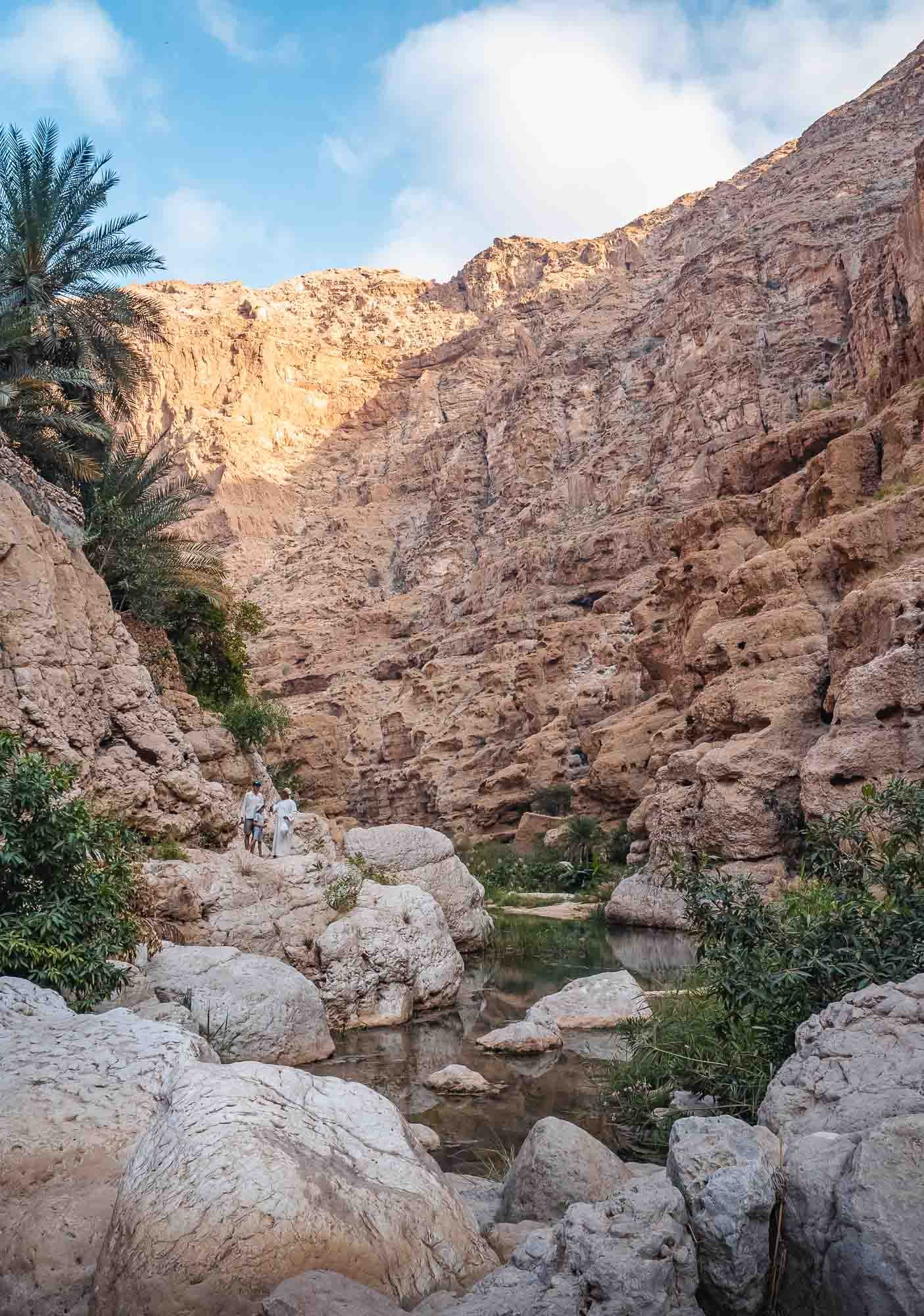
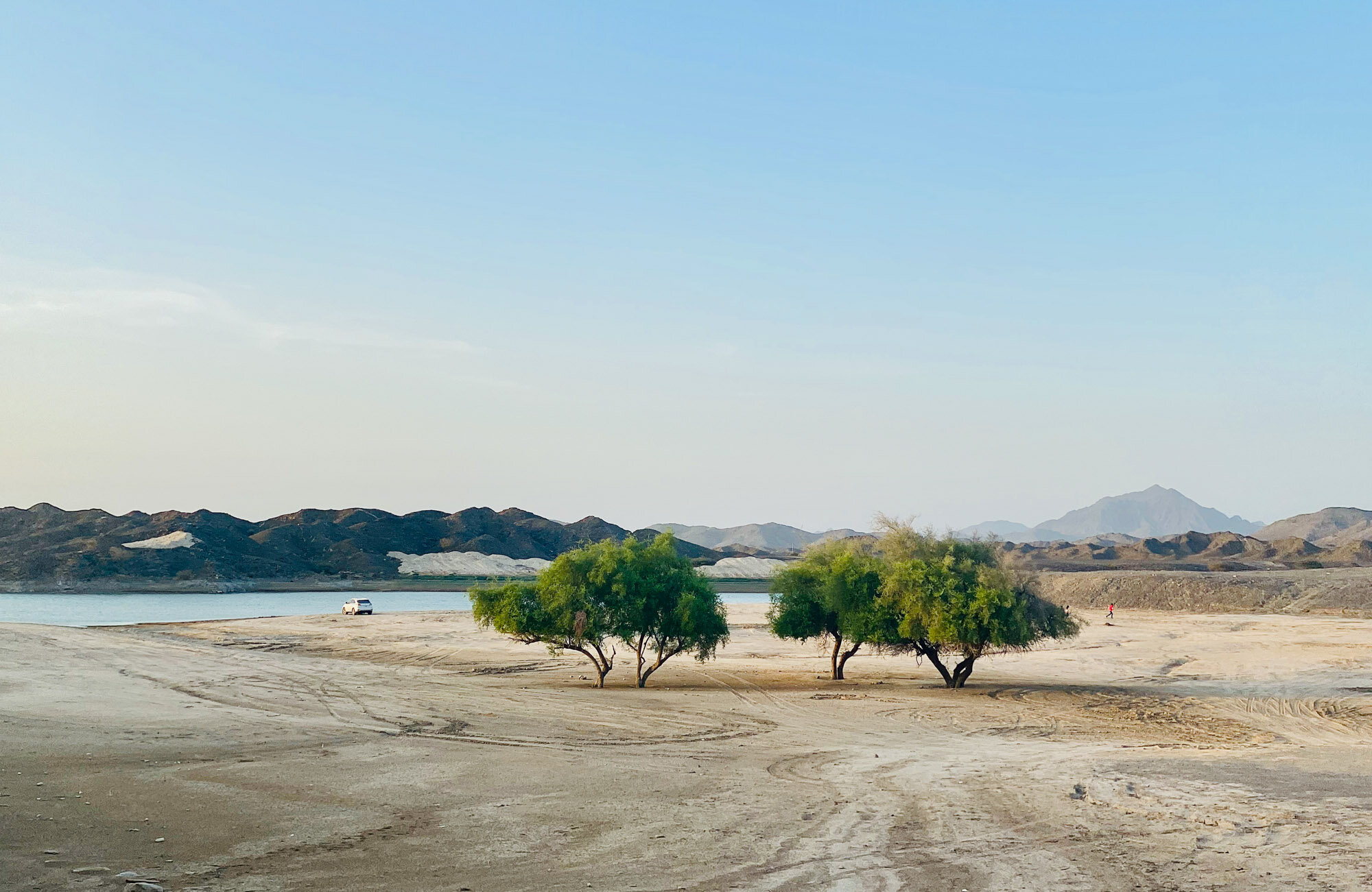
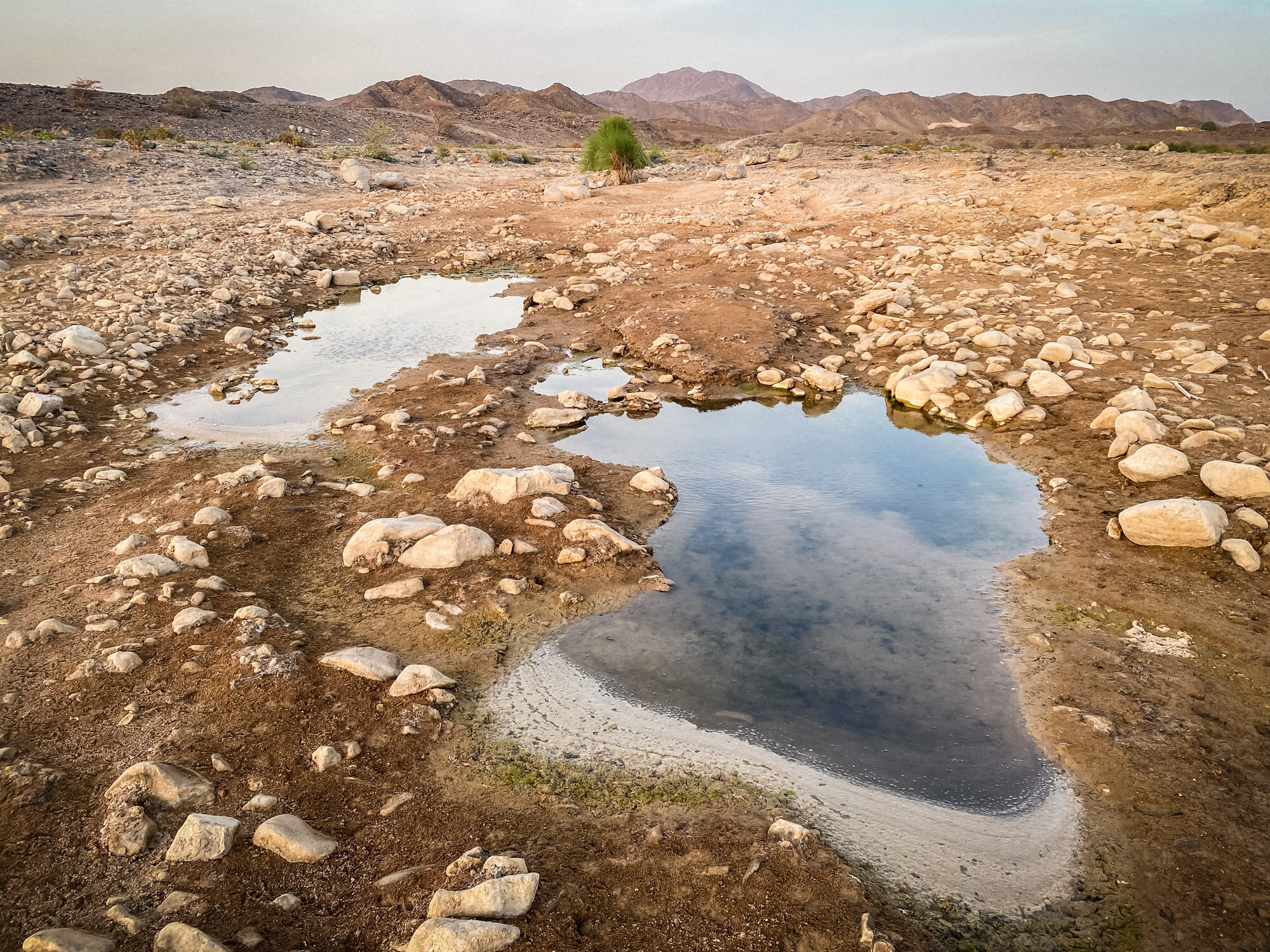
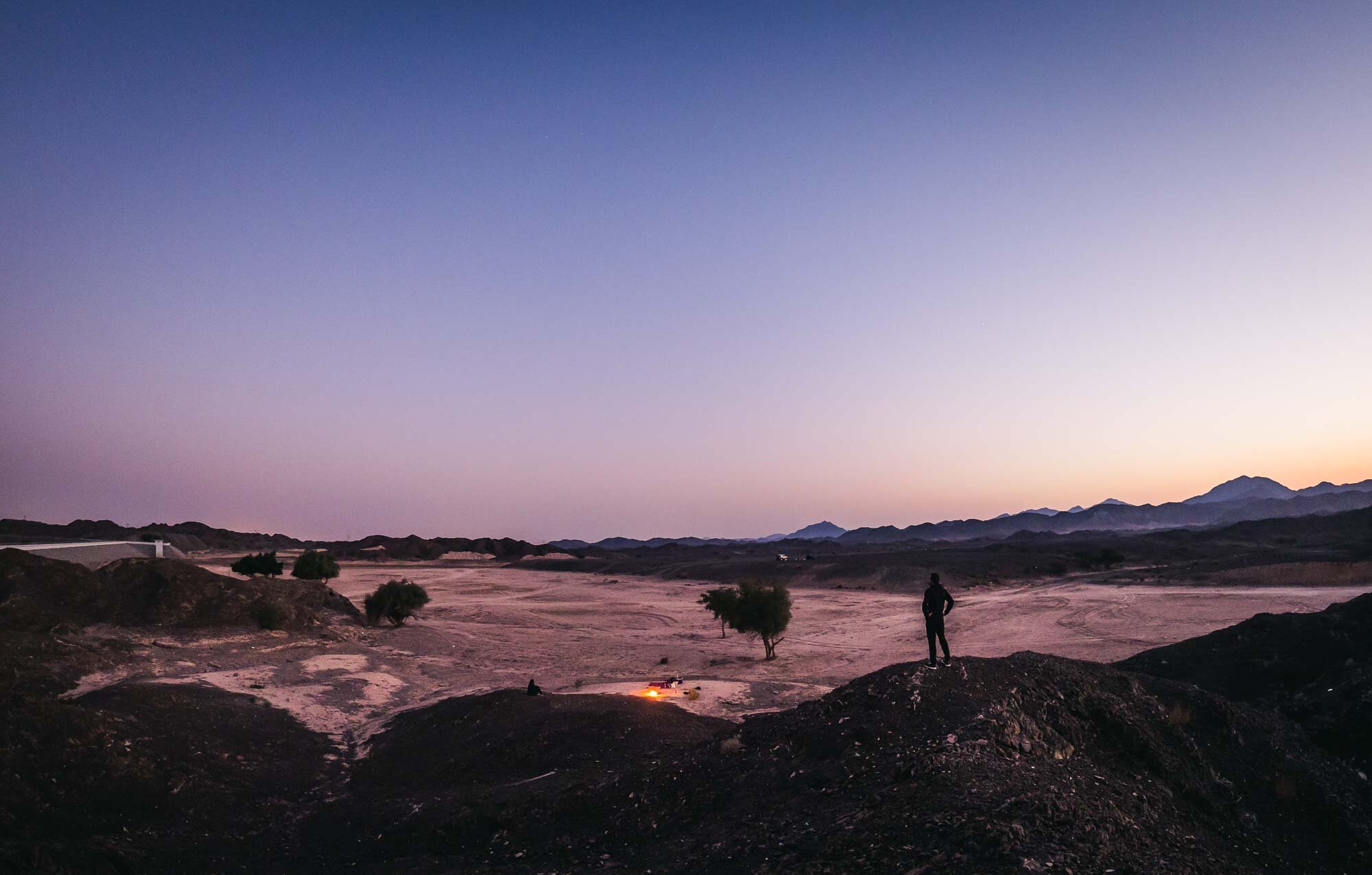
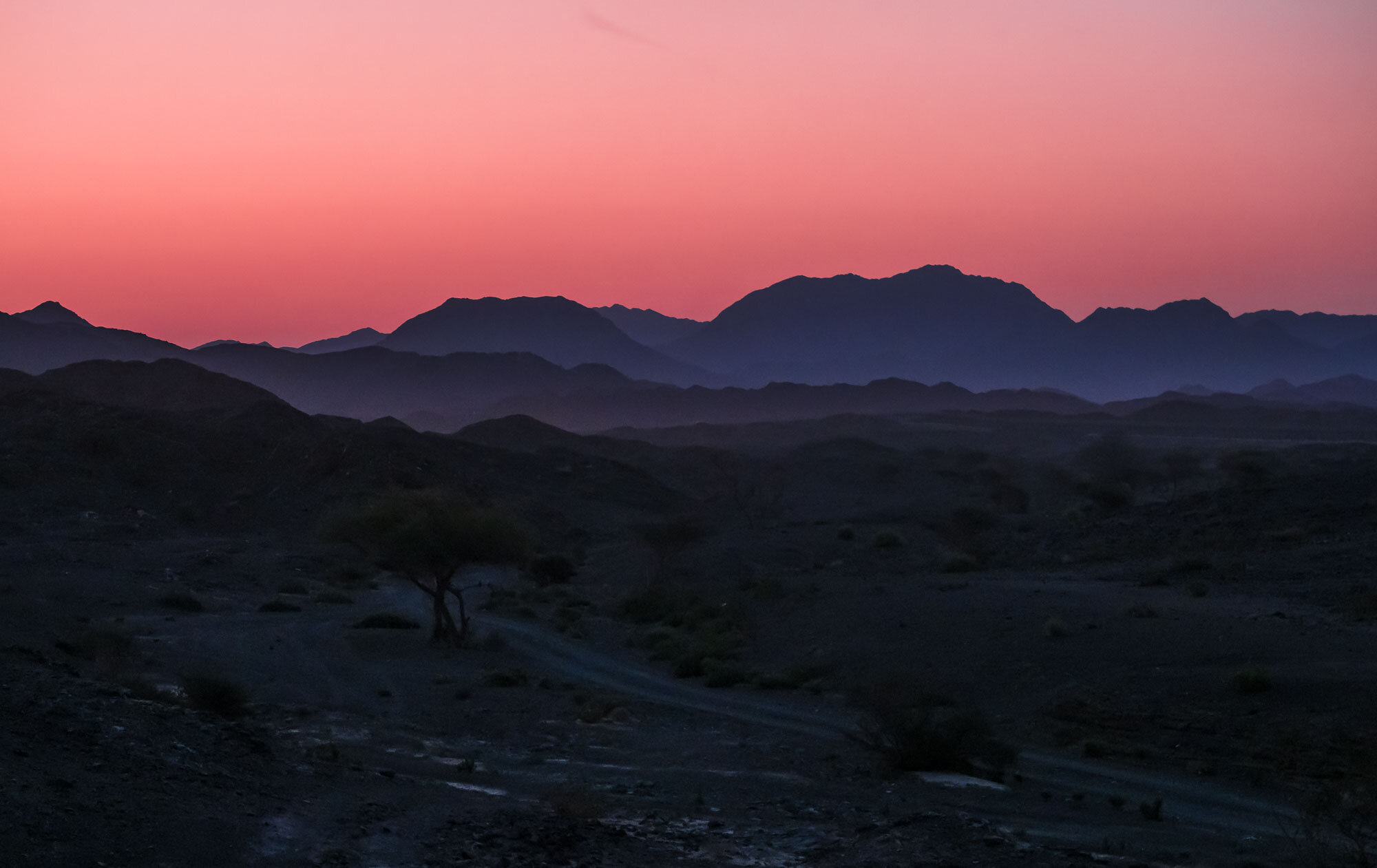
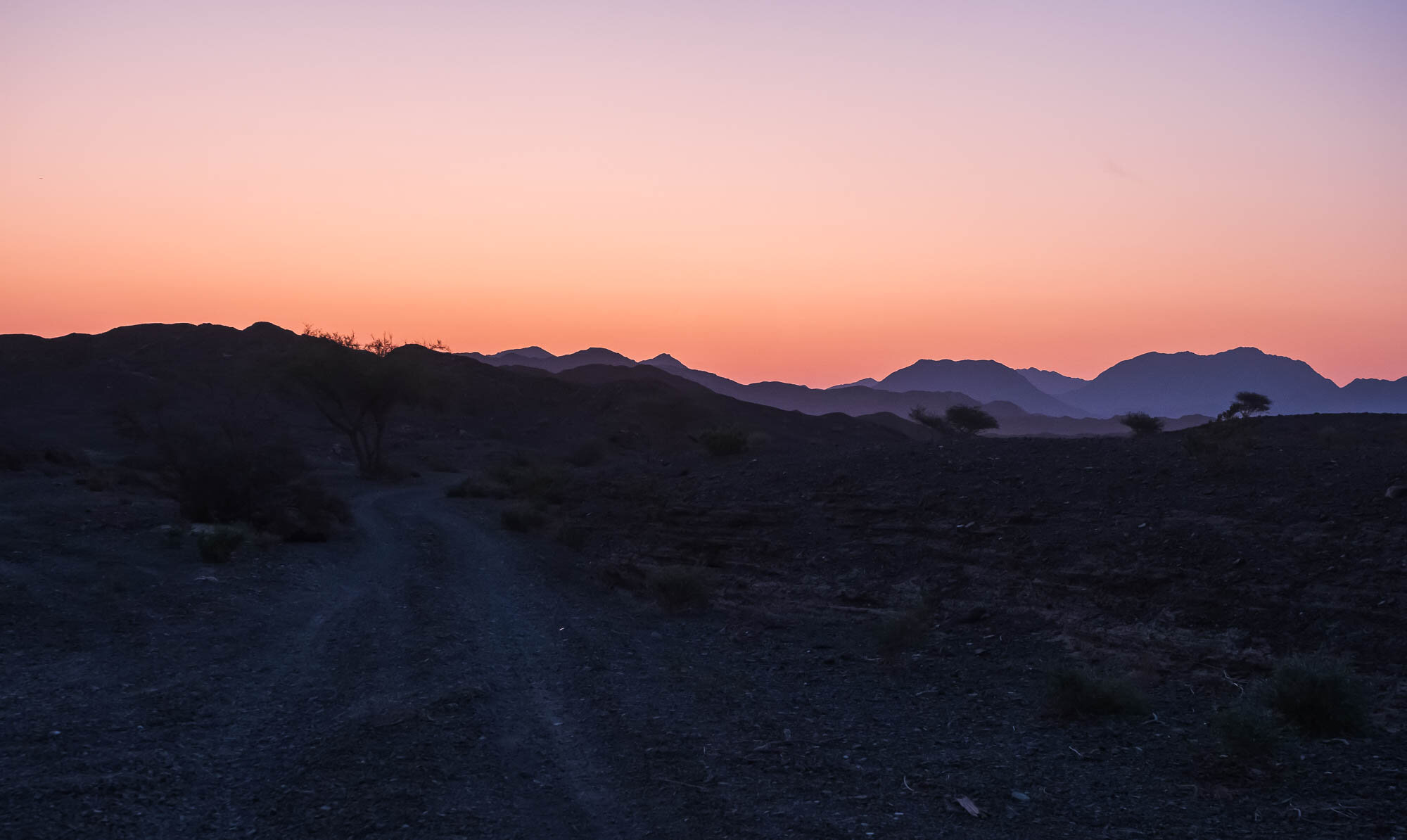
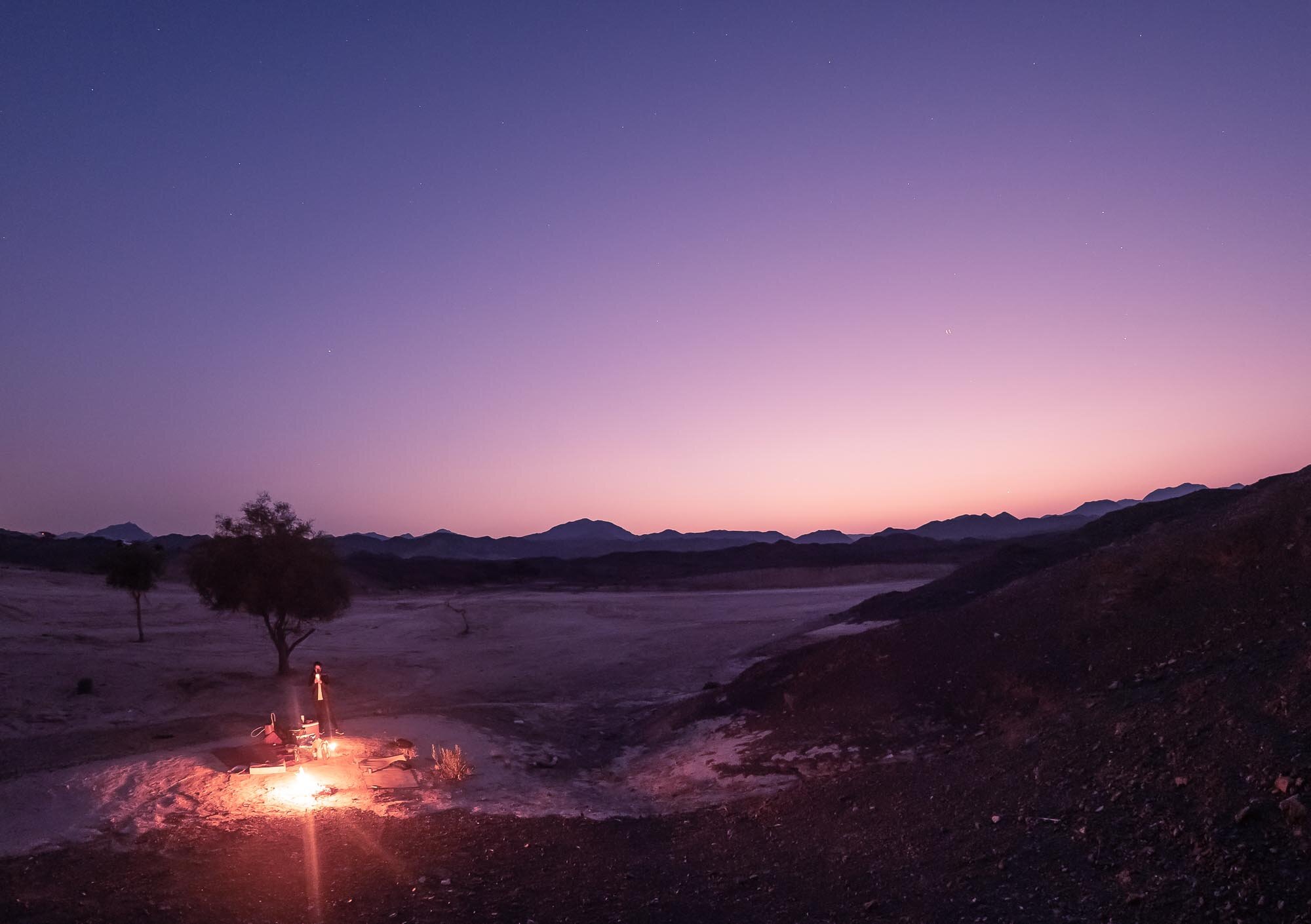
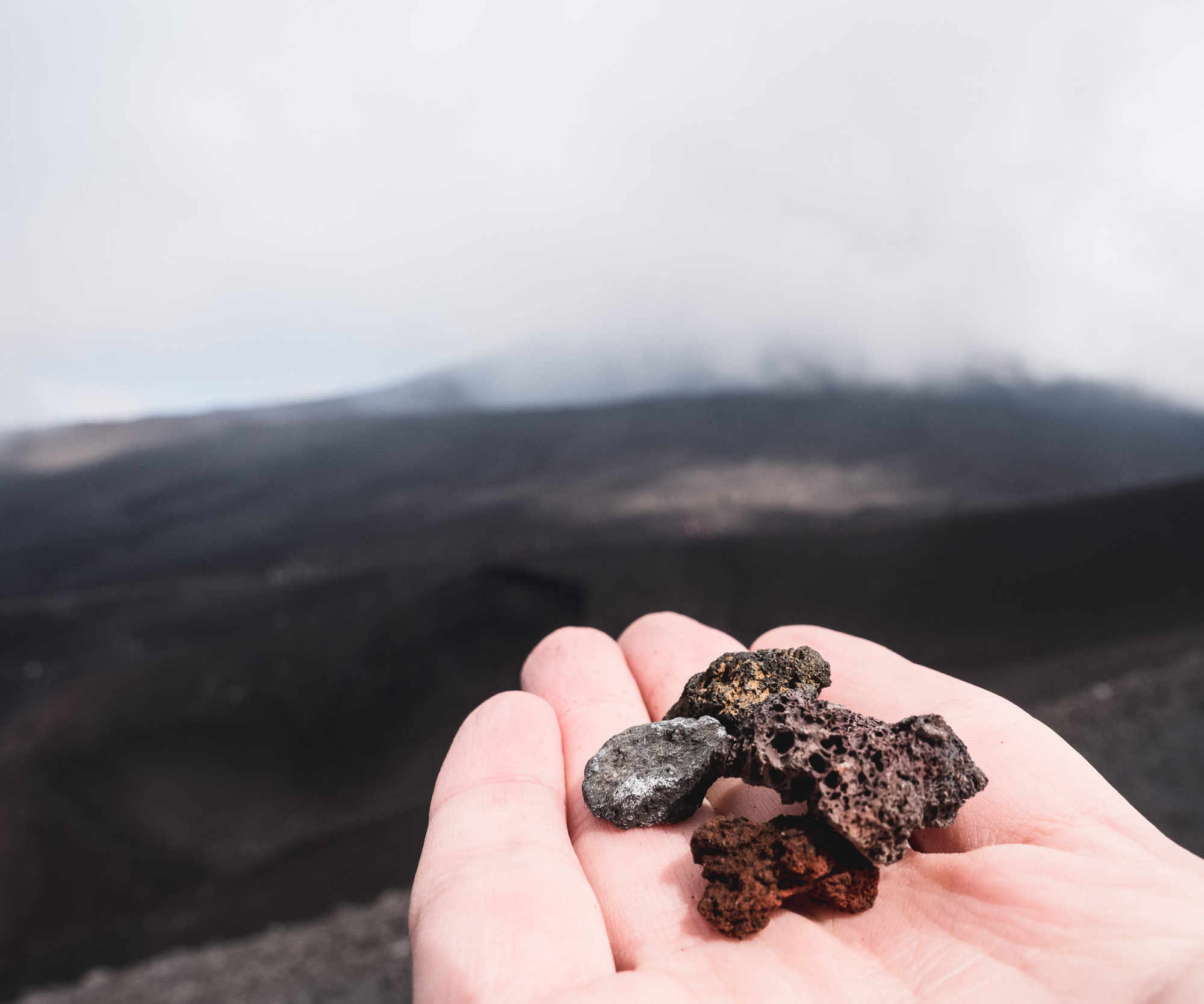
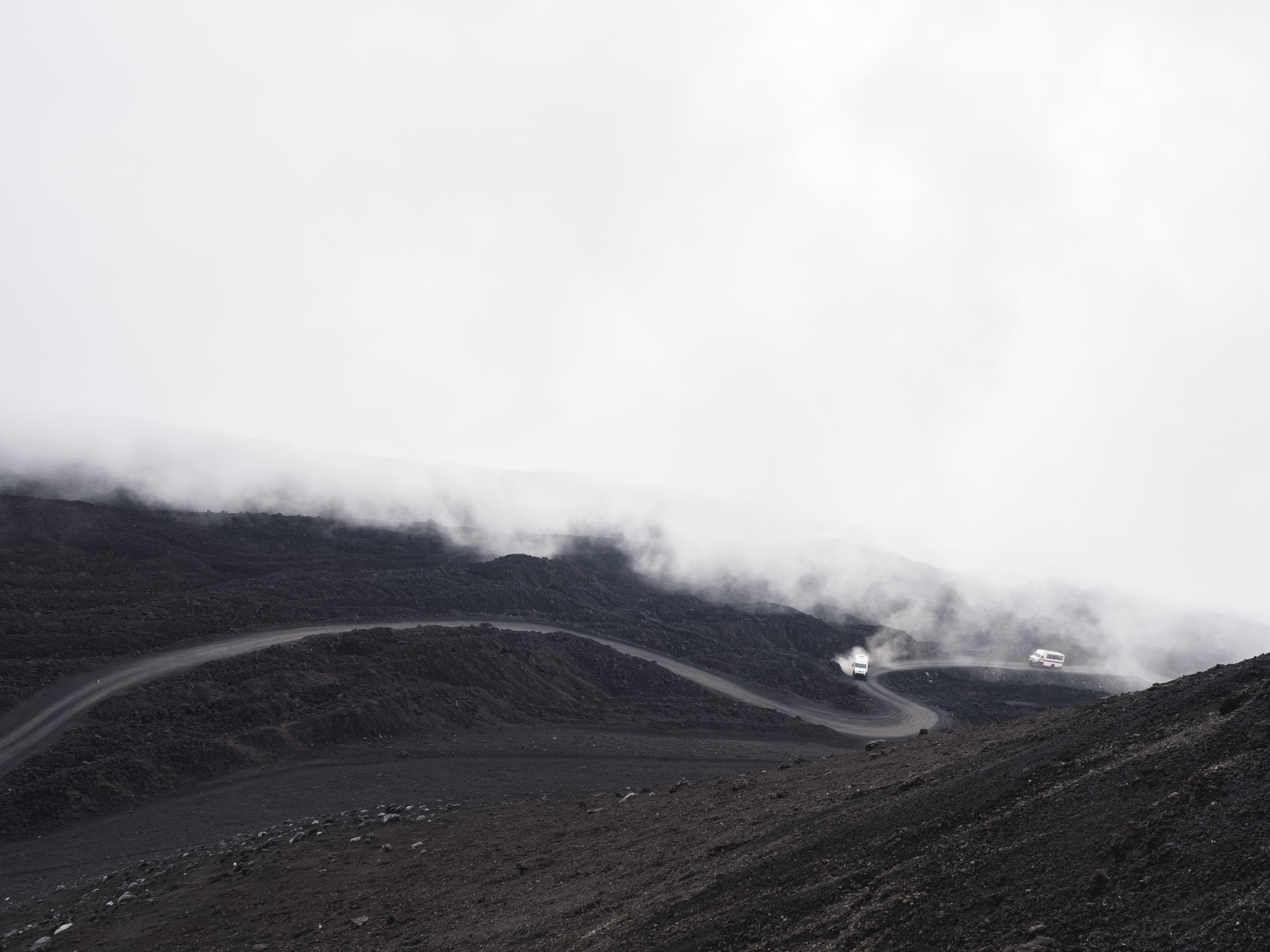
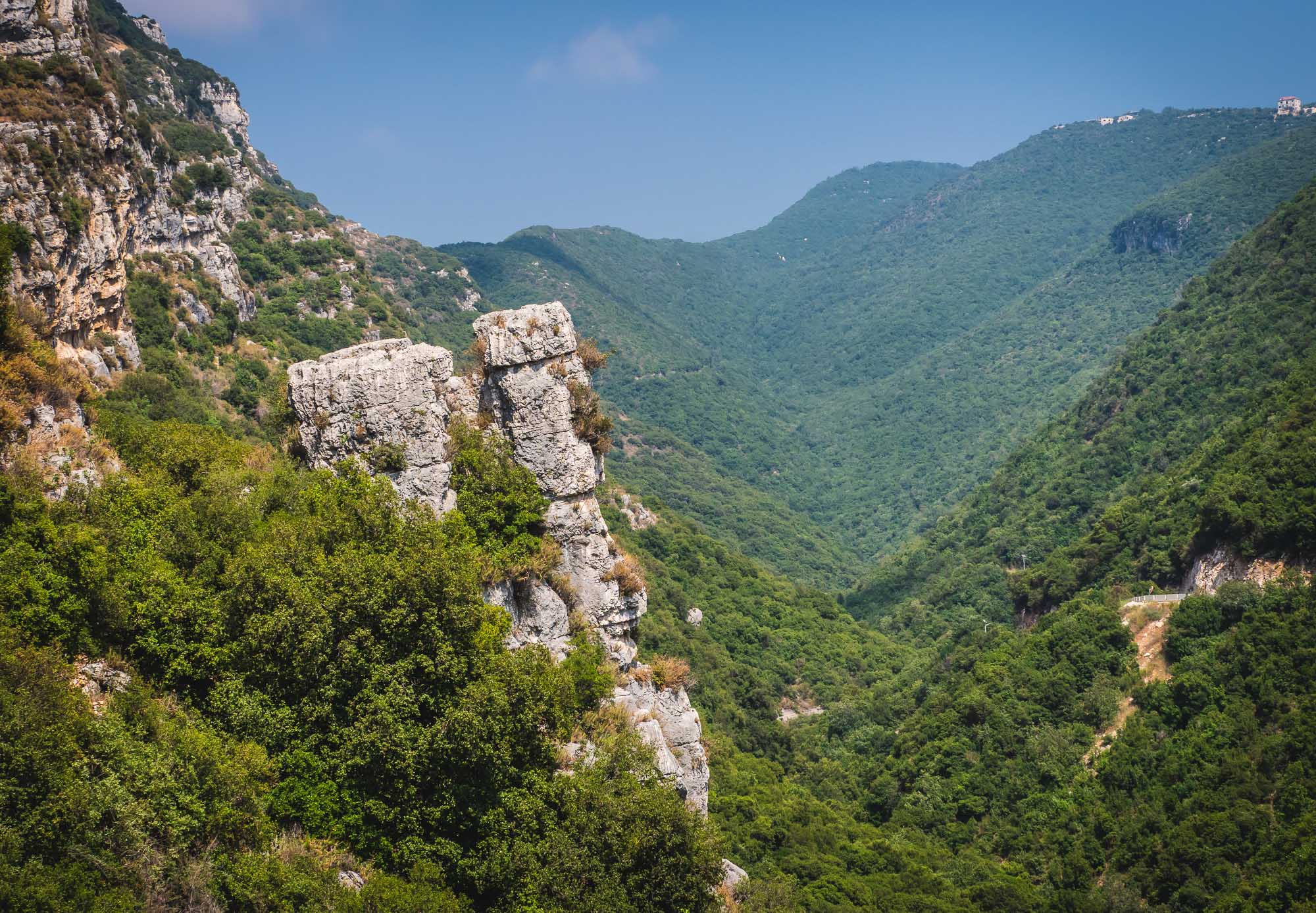
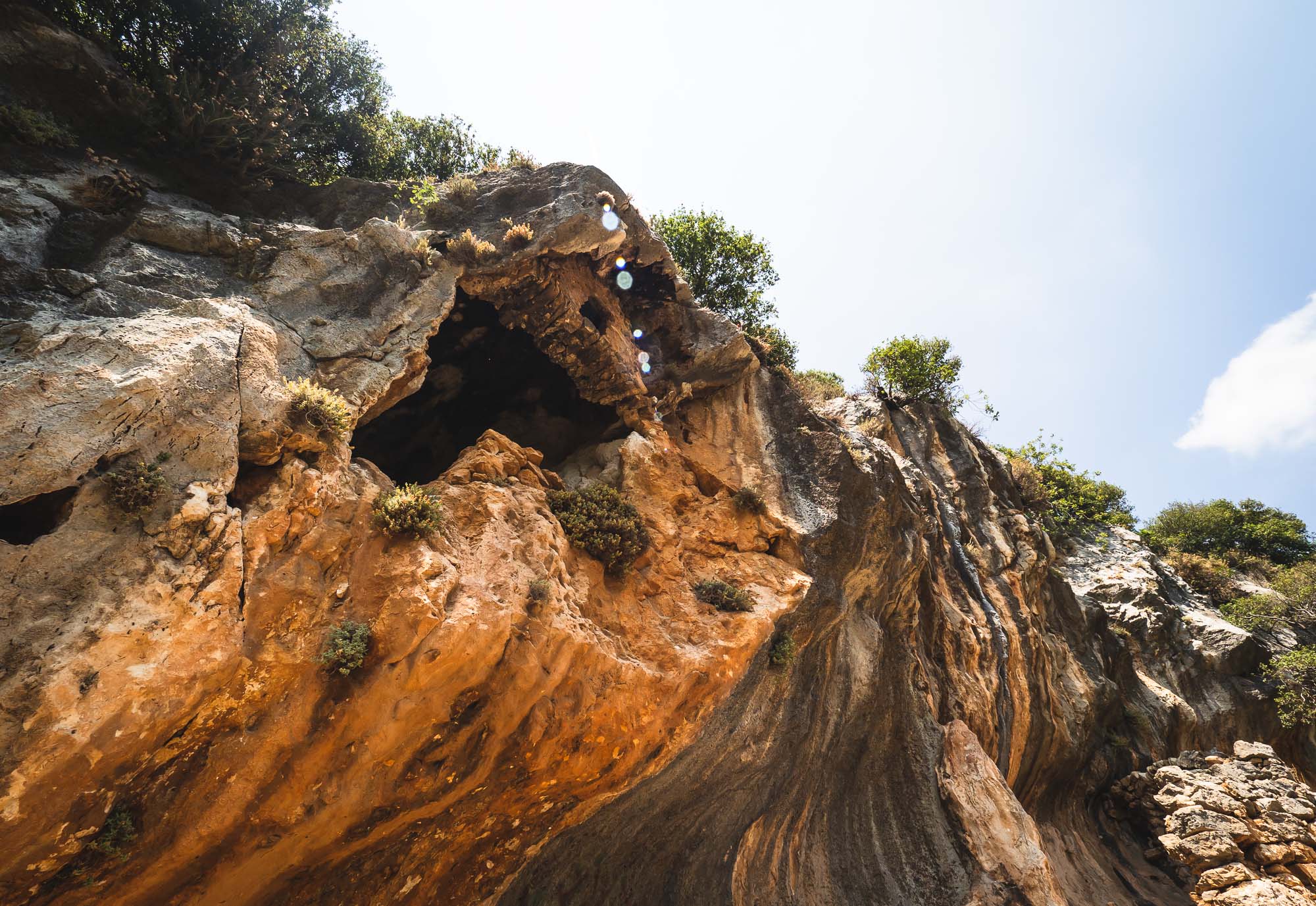
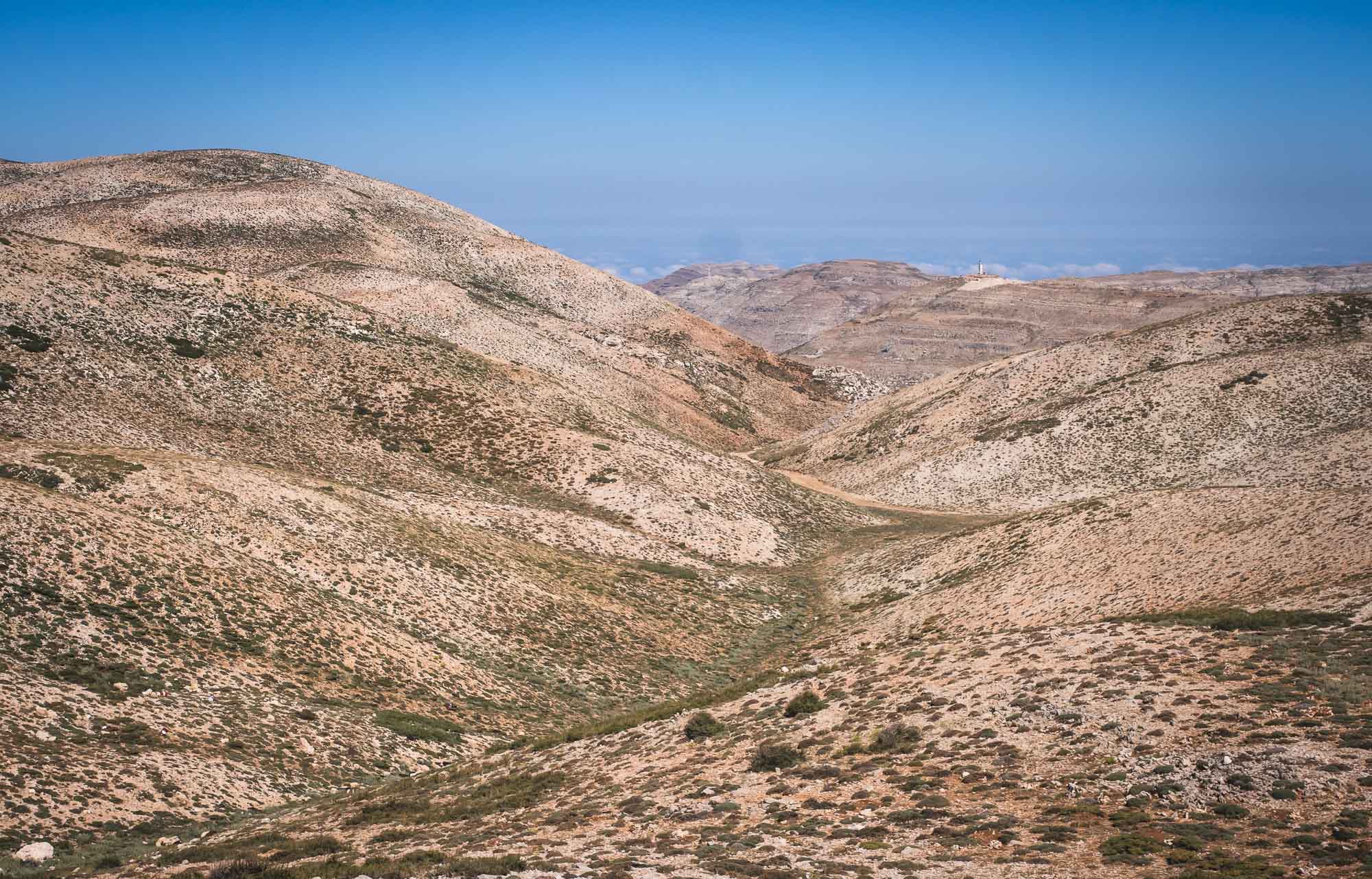
The Hajar mountains feature an amazing variety of colours and shades, and their geological significance has been recognised globally - it makes the 6h drive towards Muscat all the more pleasing.
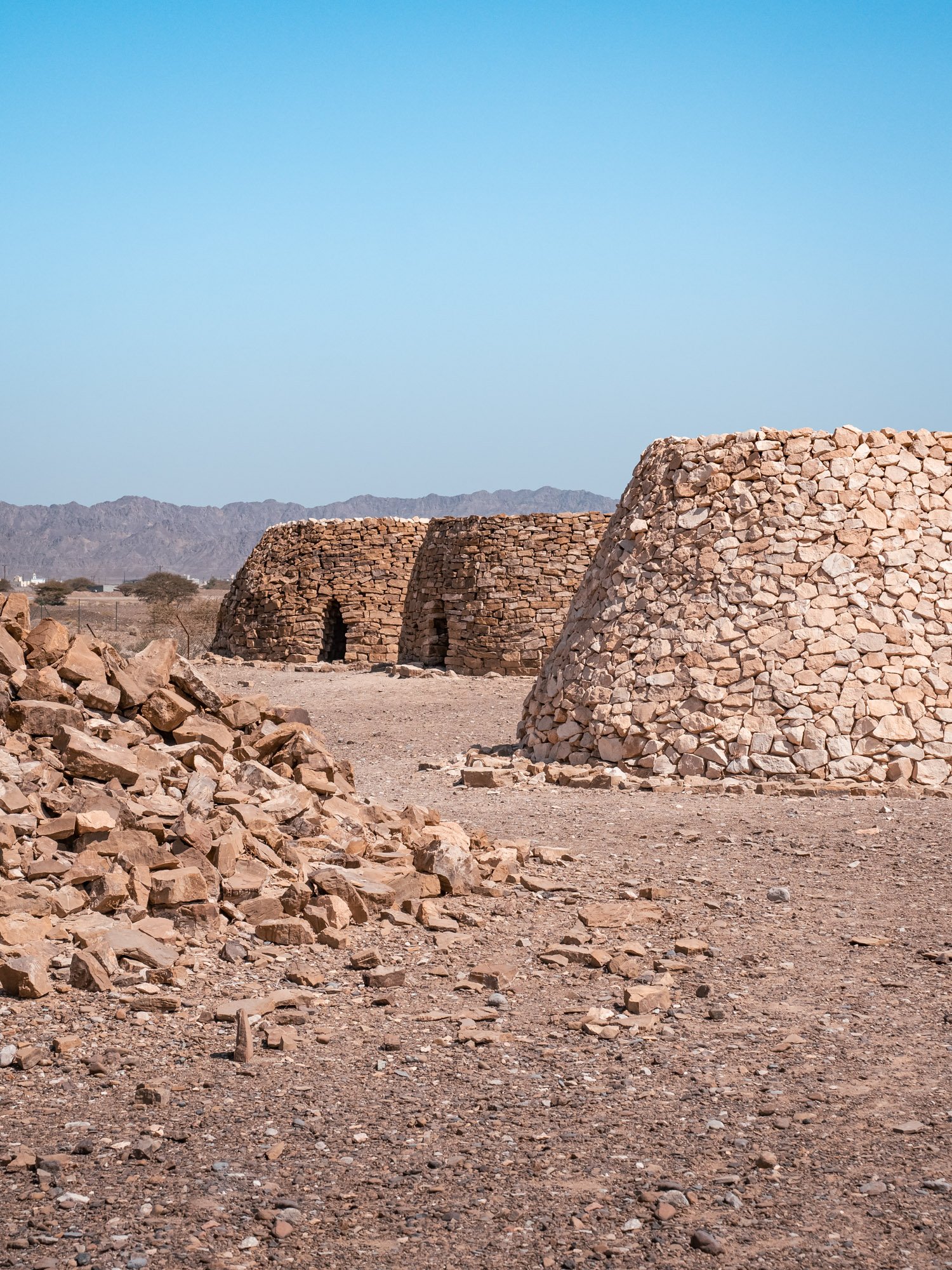
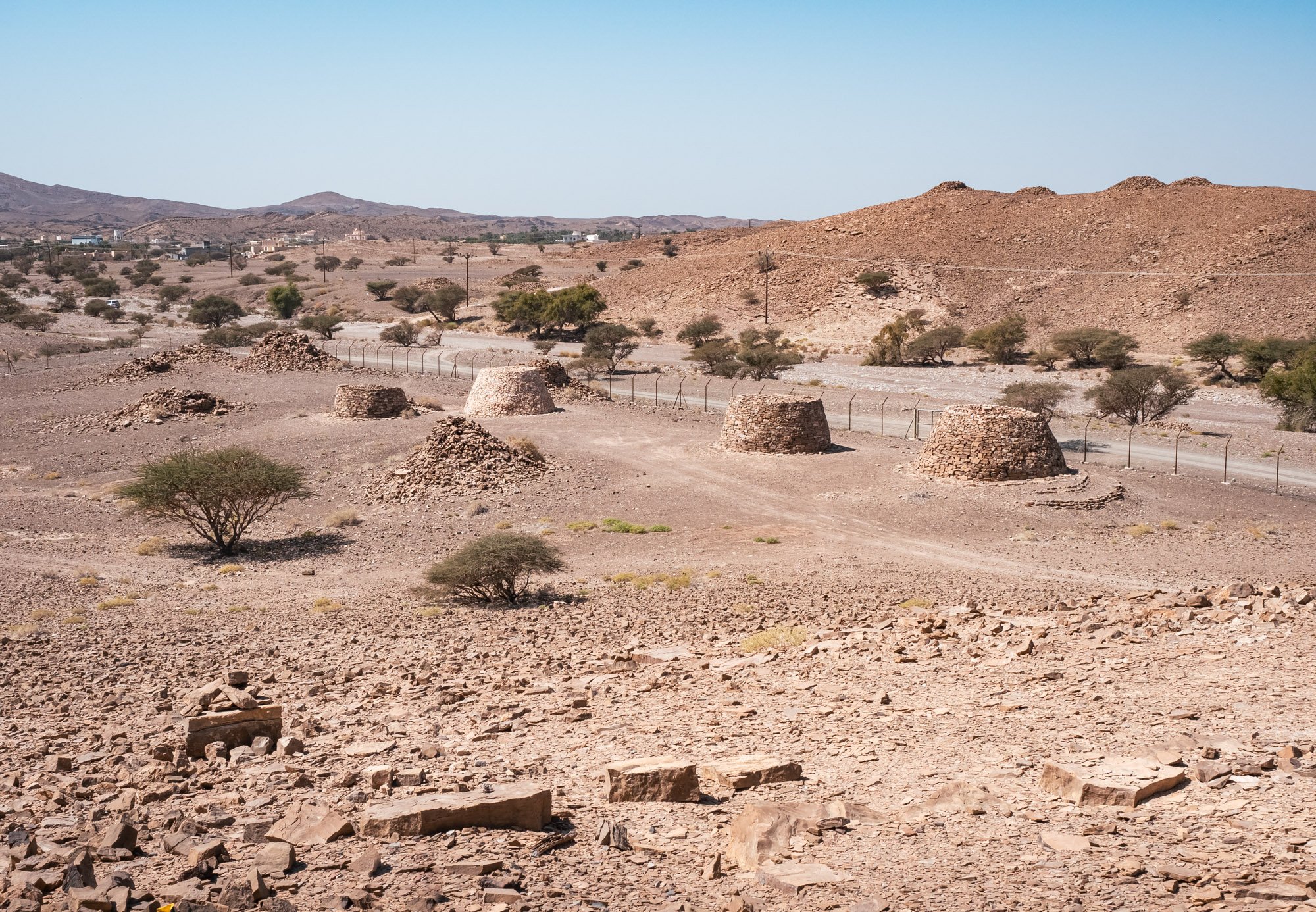
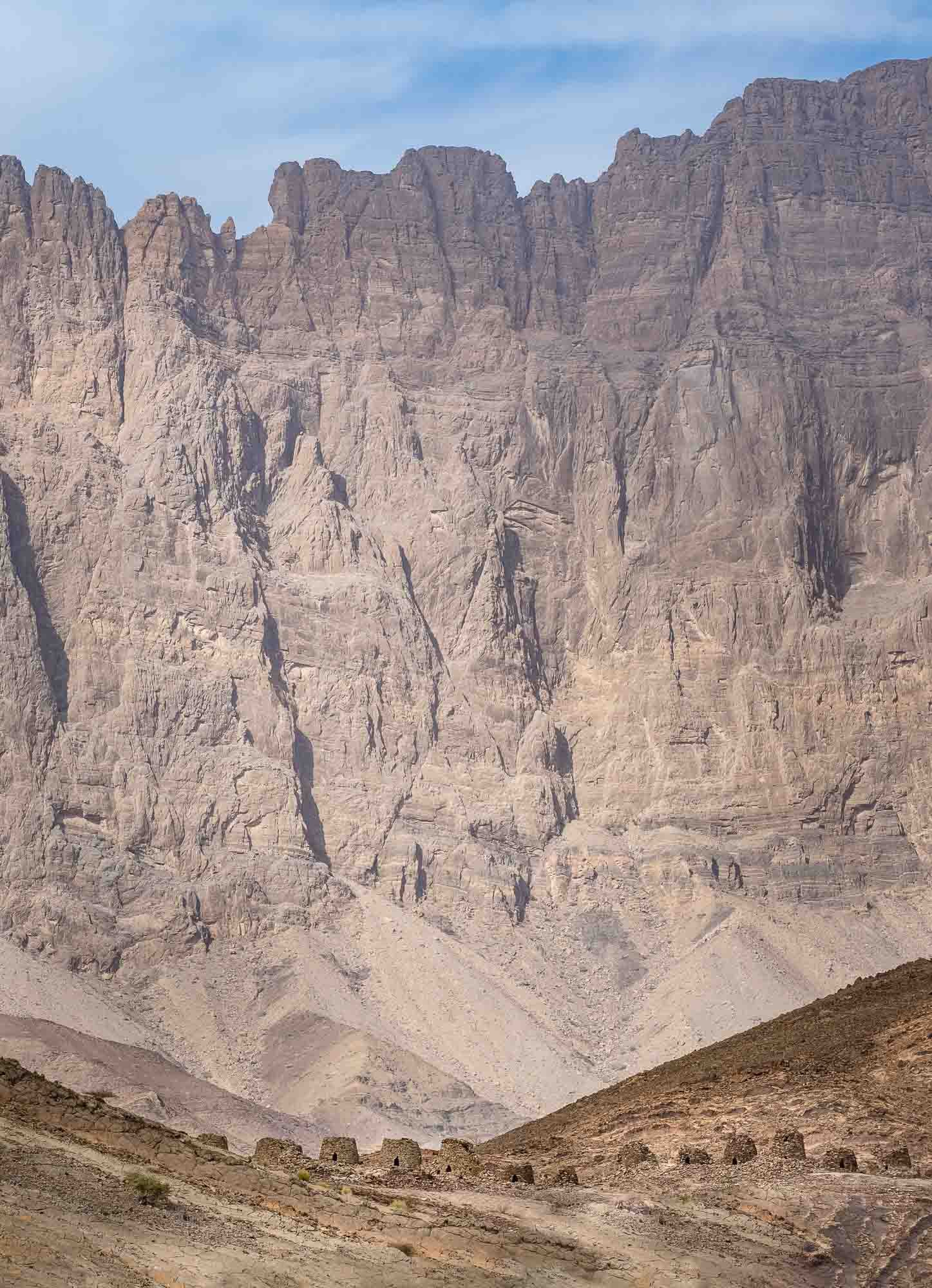
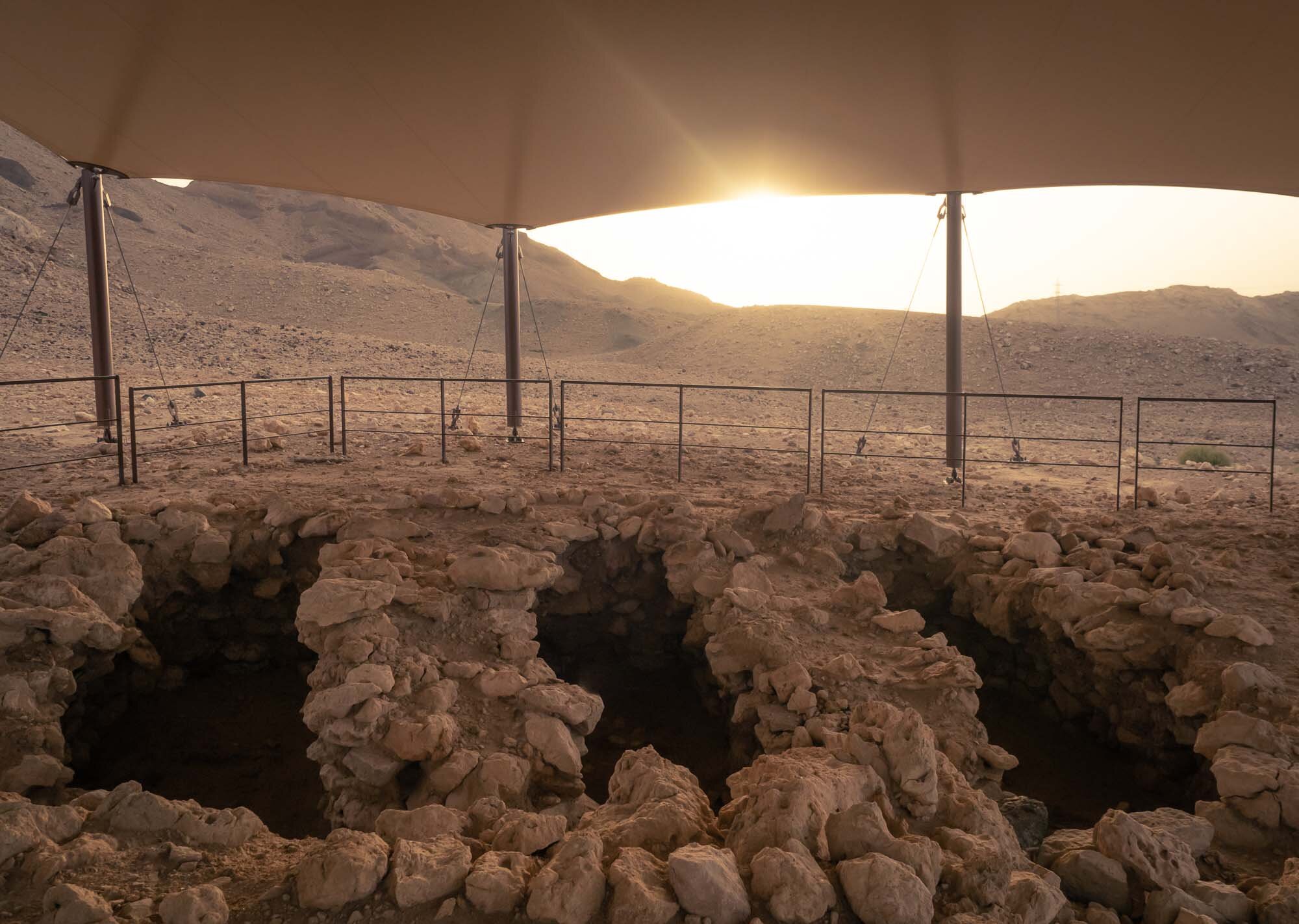
Beehive Tombs of Bat
Our first stop were the Beehive tombs of Bat, which are between 4000-5000 years old.
Unesco World Heritage Site
Together with their sister sites in the same region, they form one of the largest protohistoric necropoleis in the world.
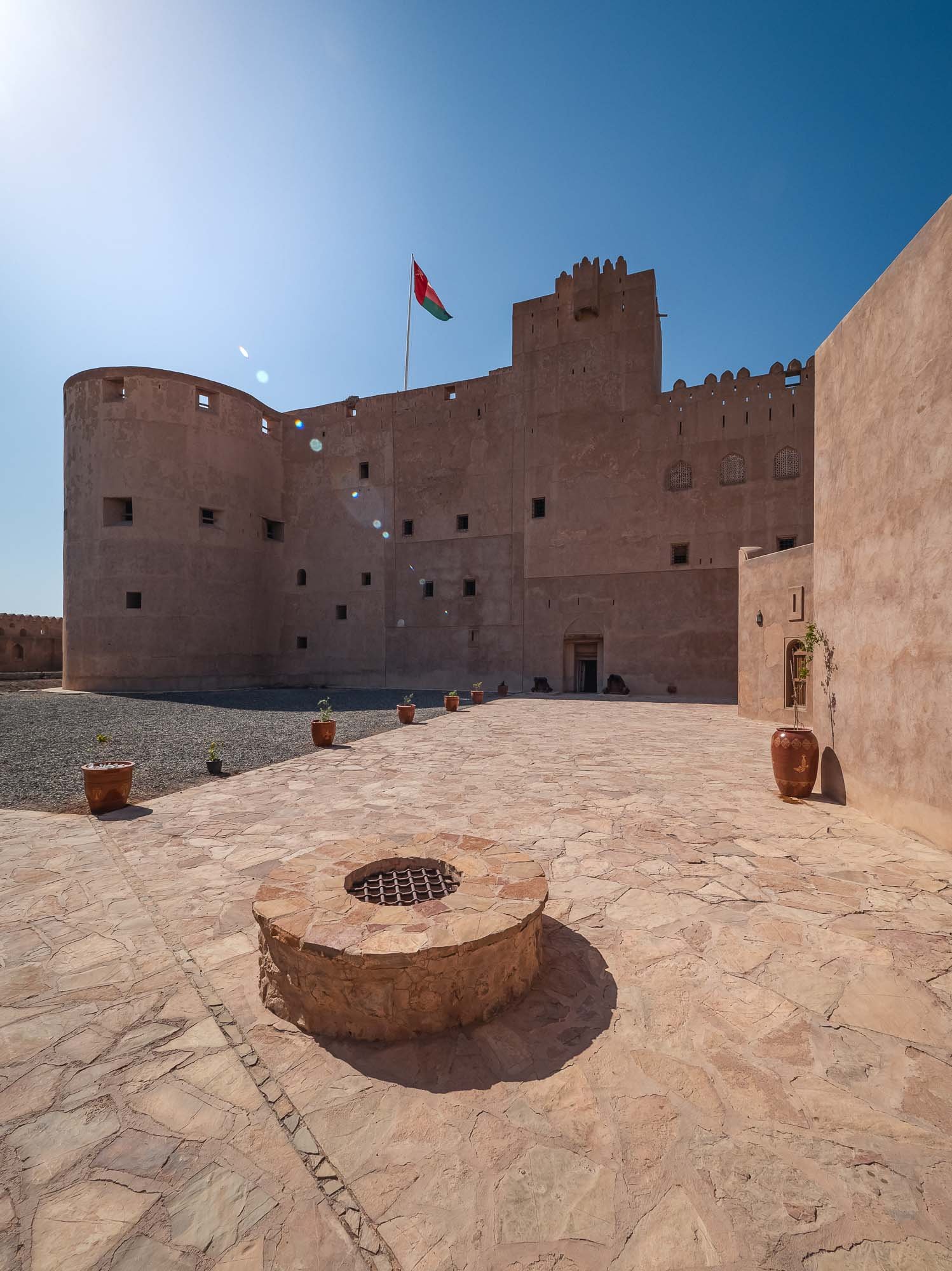
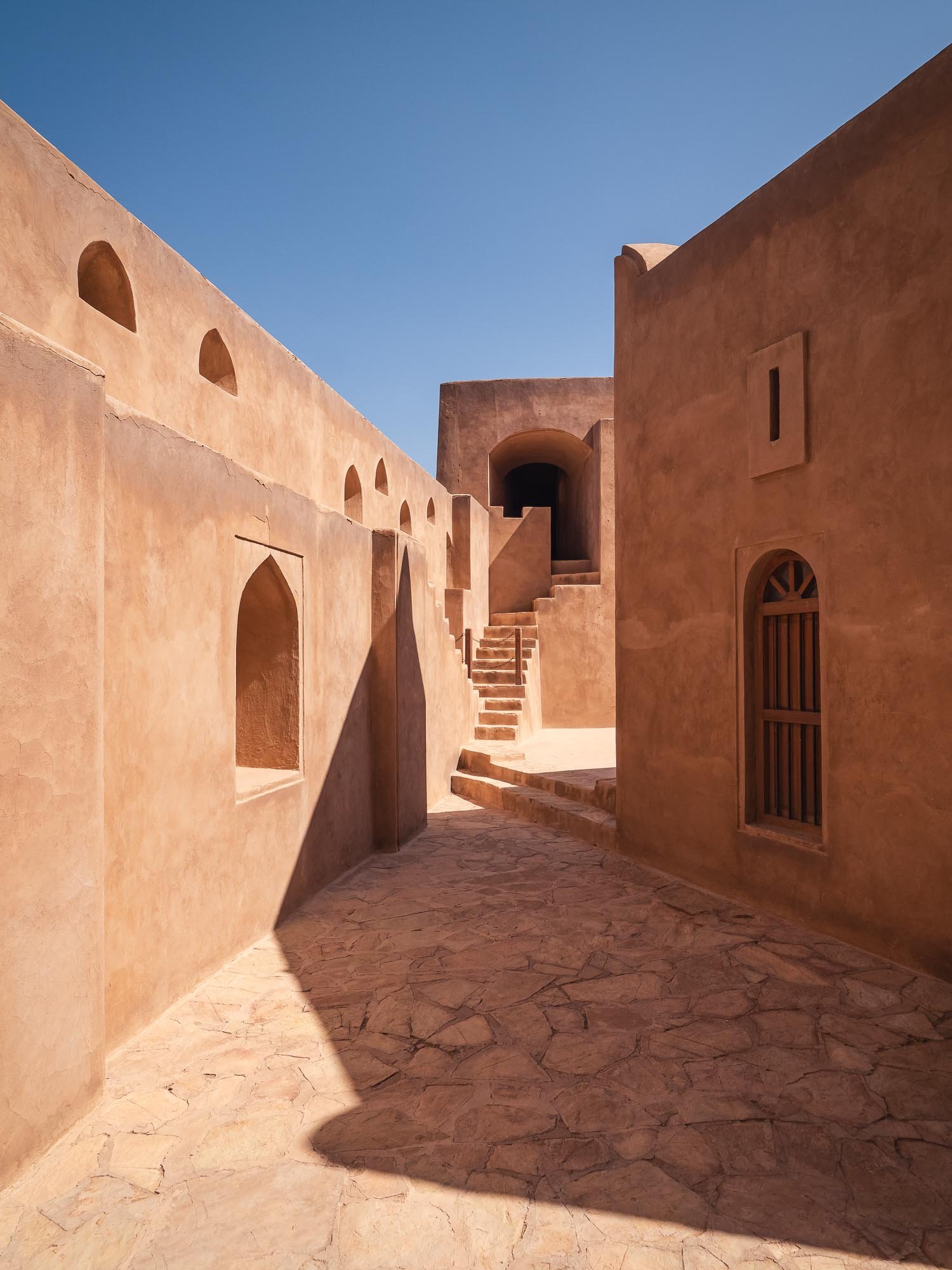
Jabreen Castle
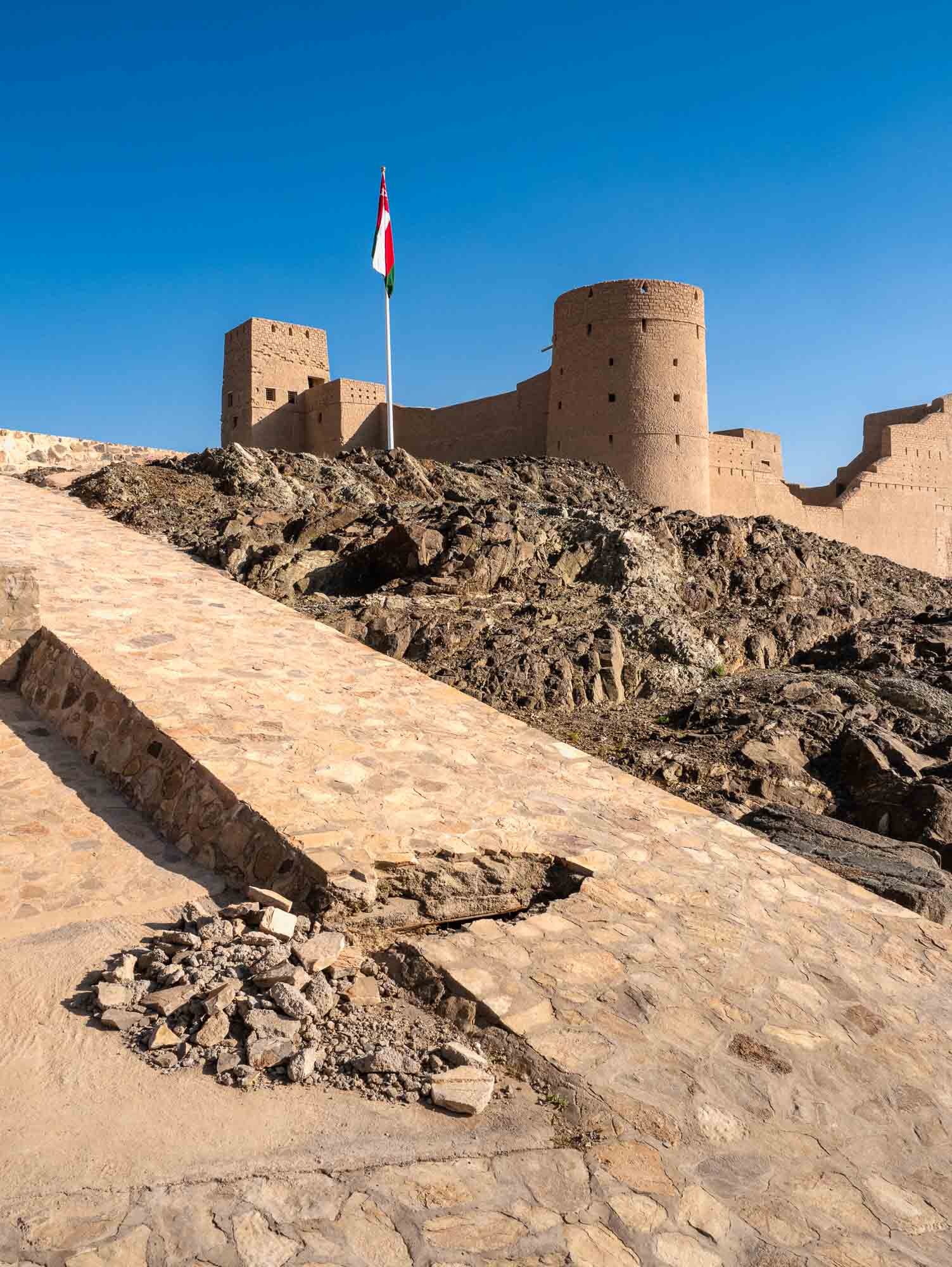
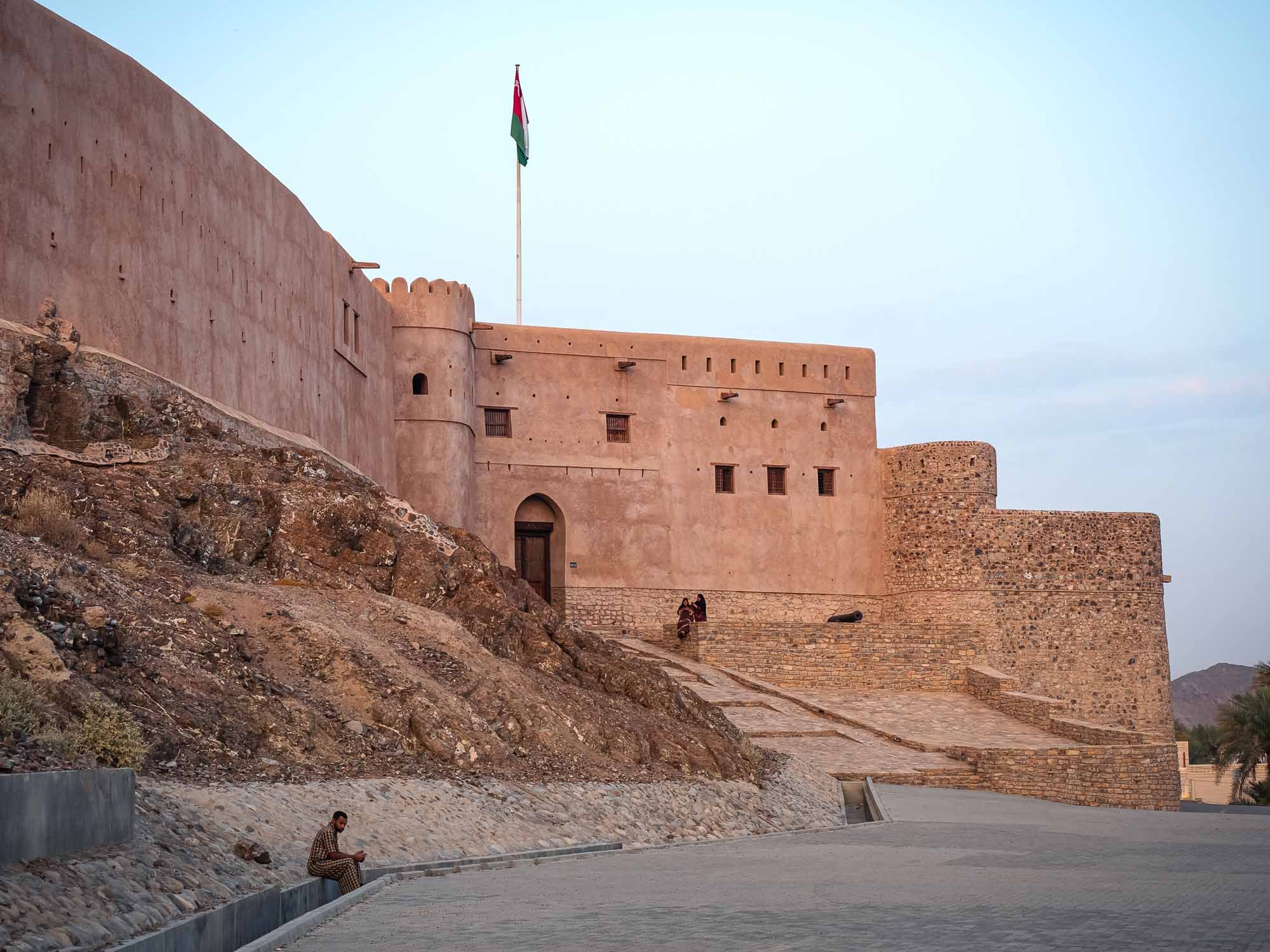
A little further towards Nizwa awaits one of the many castles and forts in the region.
Shapes
This one was arguably my favourite - which says a lot, given the number of forts and castles on this route.
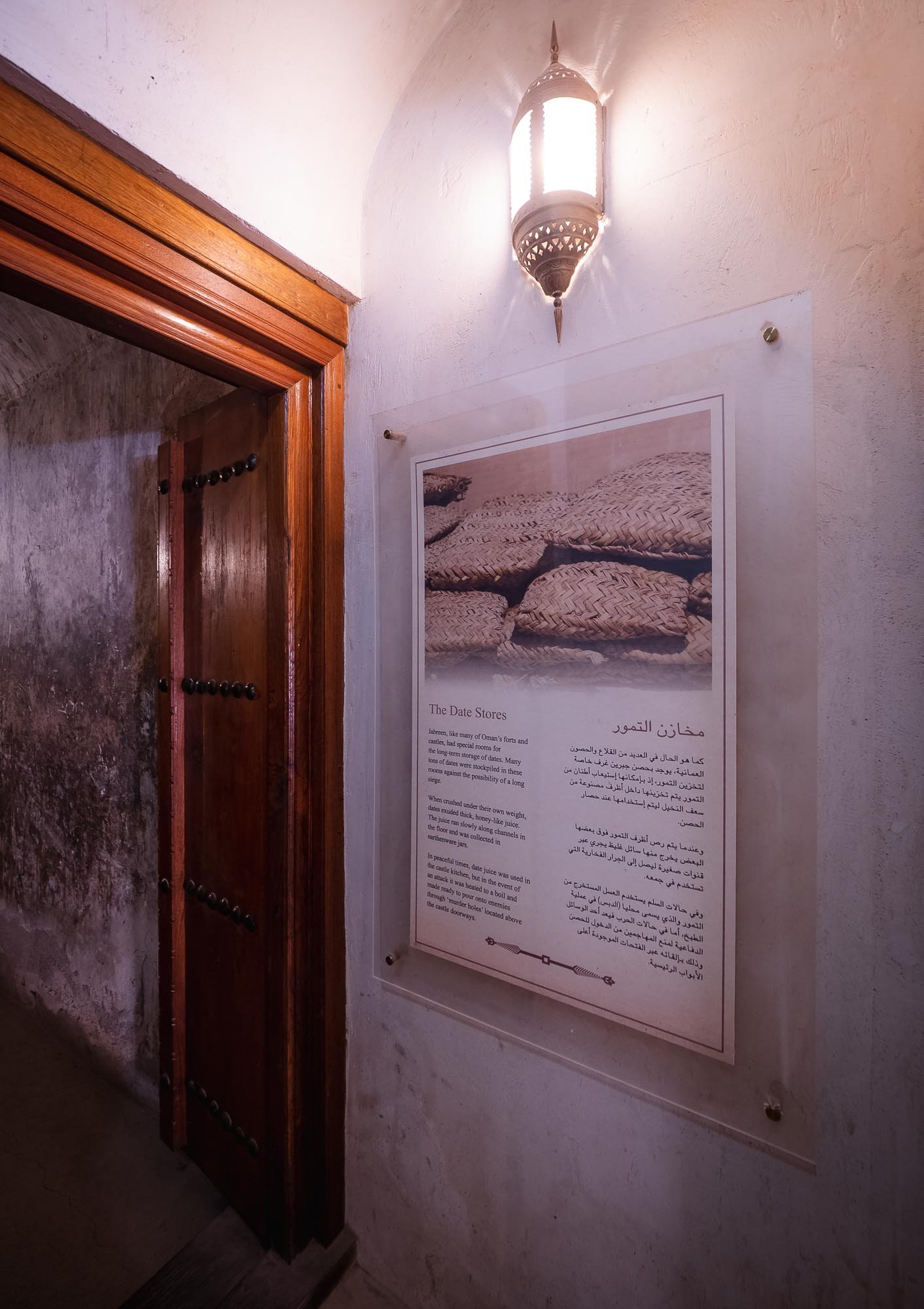
Date Storage
... along with some interesting uses in war times. The castles and forts in Oman feature some clever defense mechanisms you will encounter when exploring them.
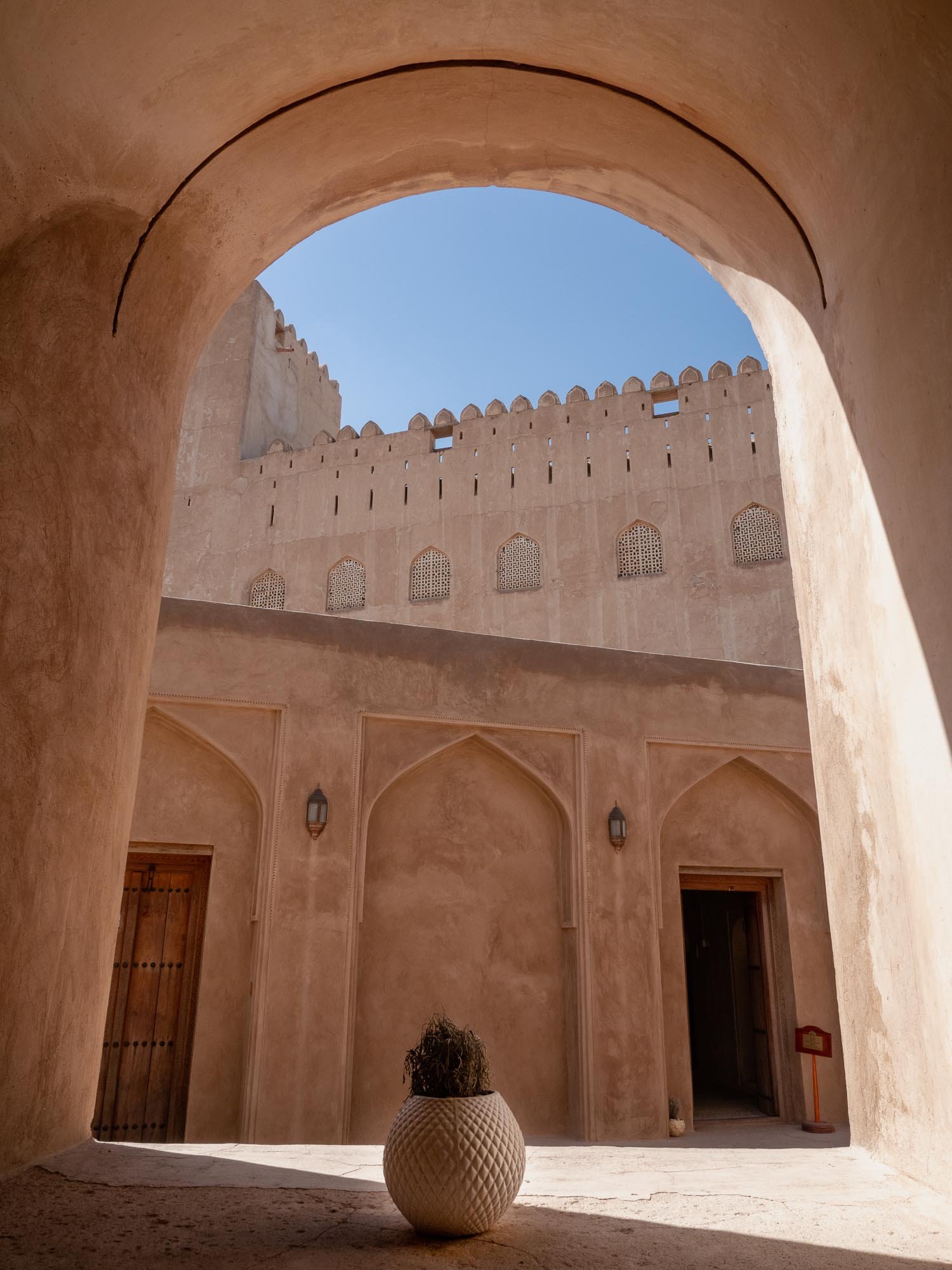
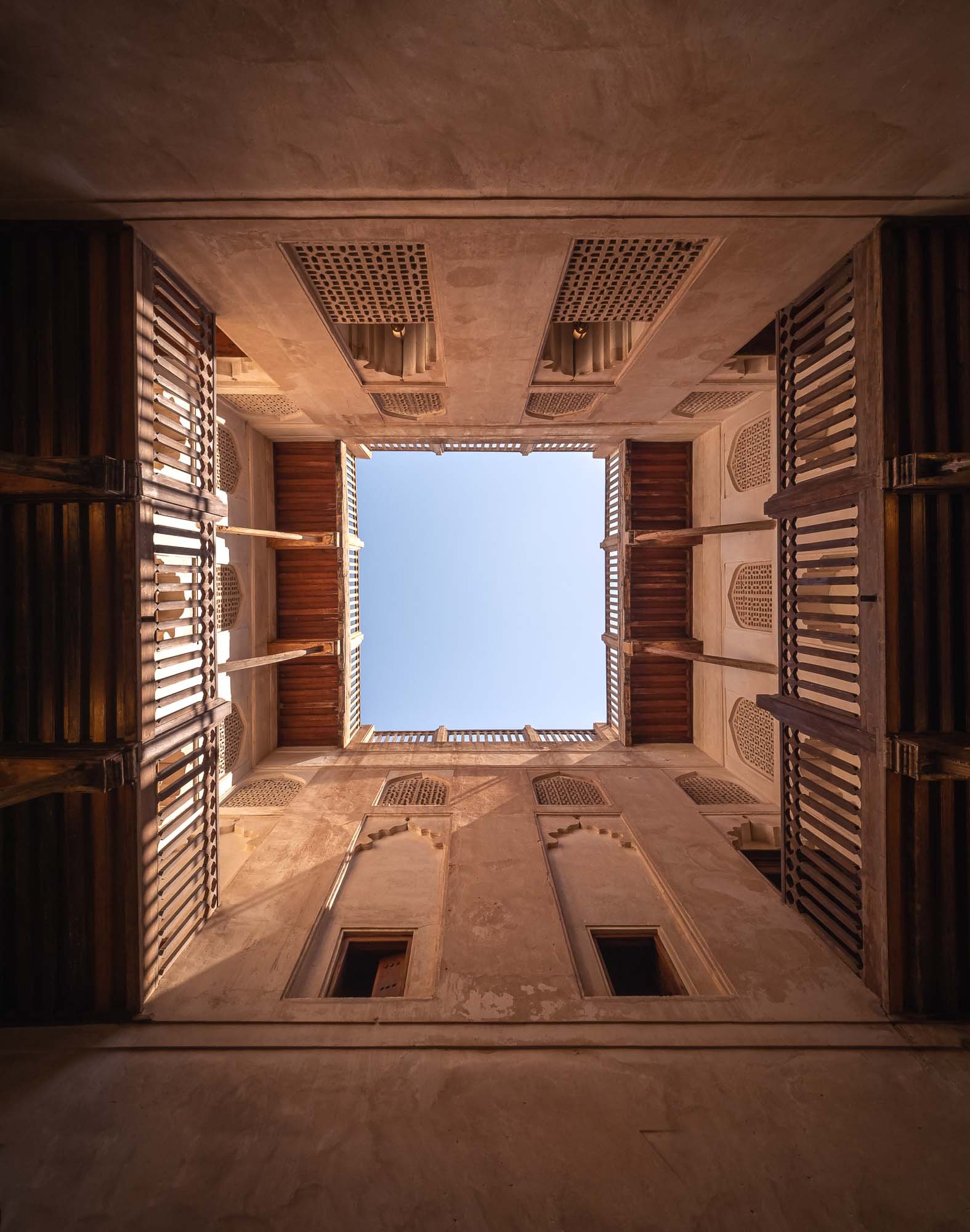
Courtyard
One of the two major courtyards in the castle - this one had its original wooden balconies restored.
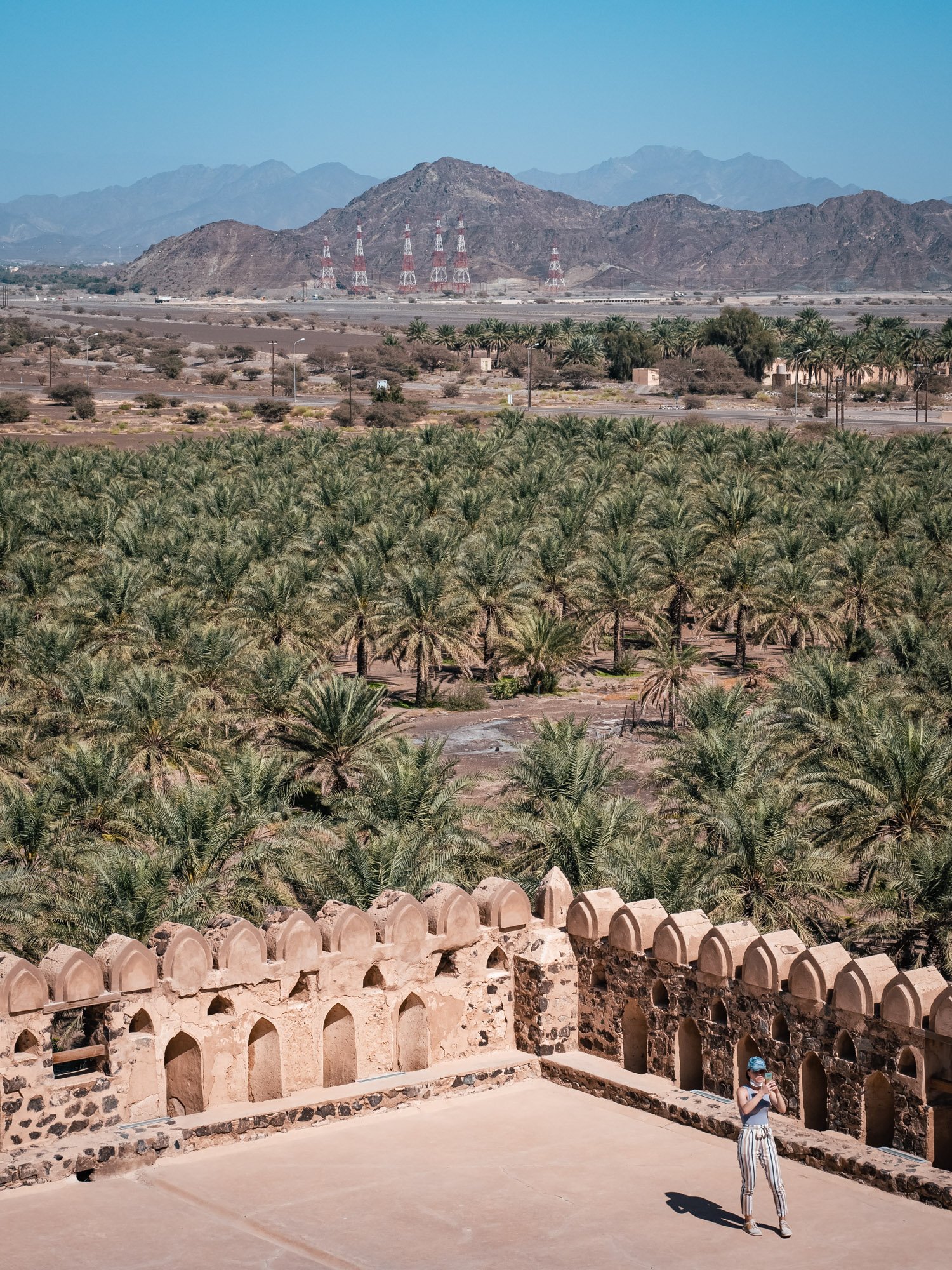
Green surroundings
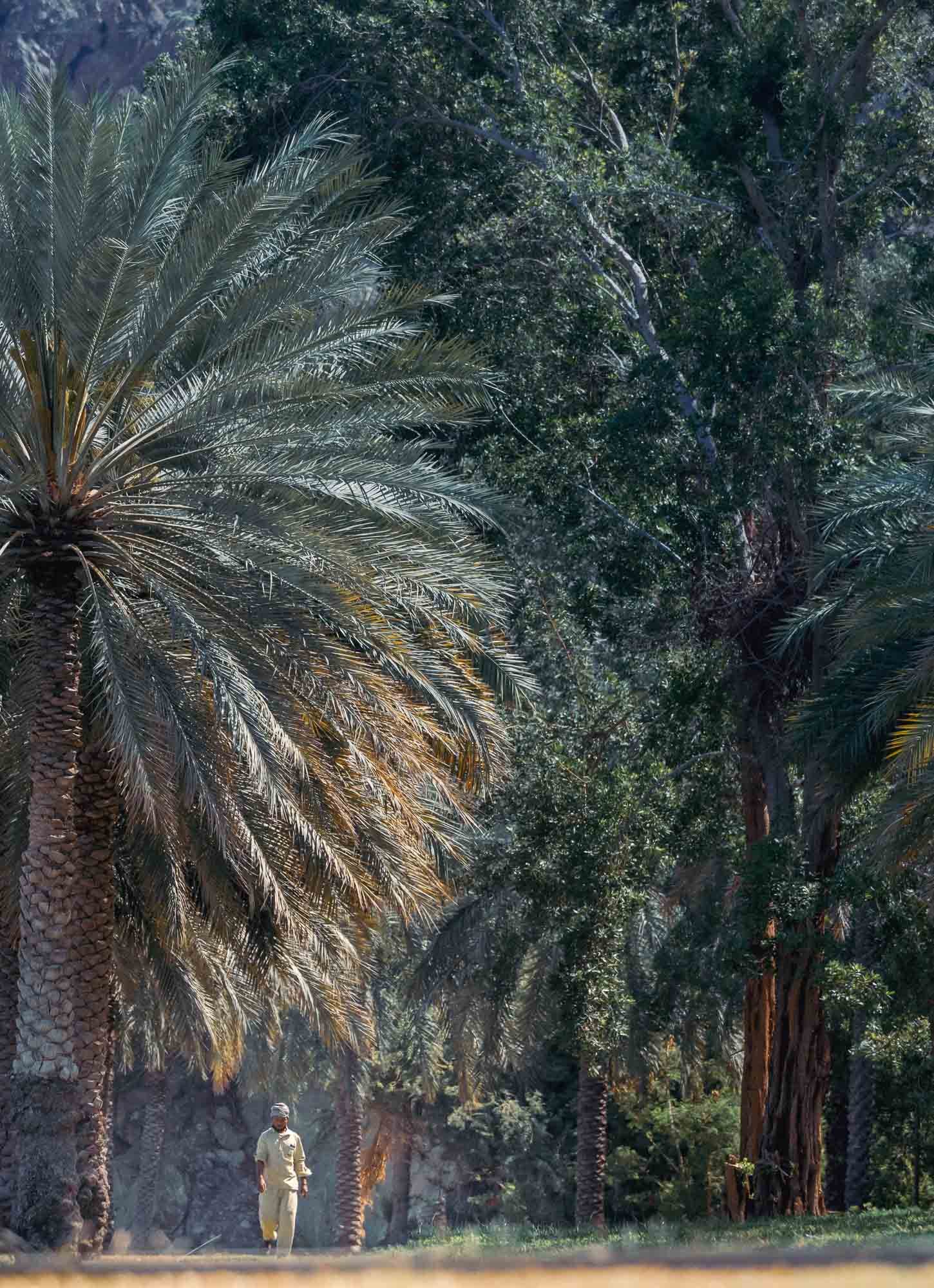
As with most of the cities in this basin of the Hajar mountains, farms and date palms can be found everywhere.
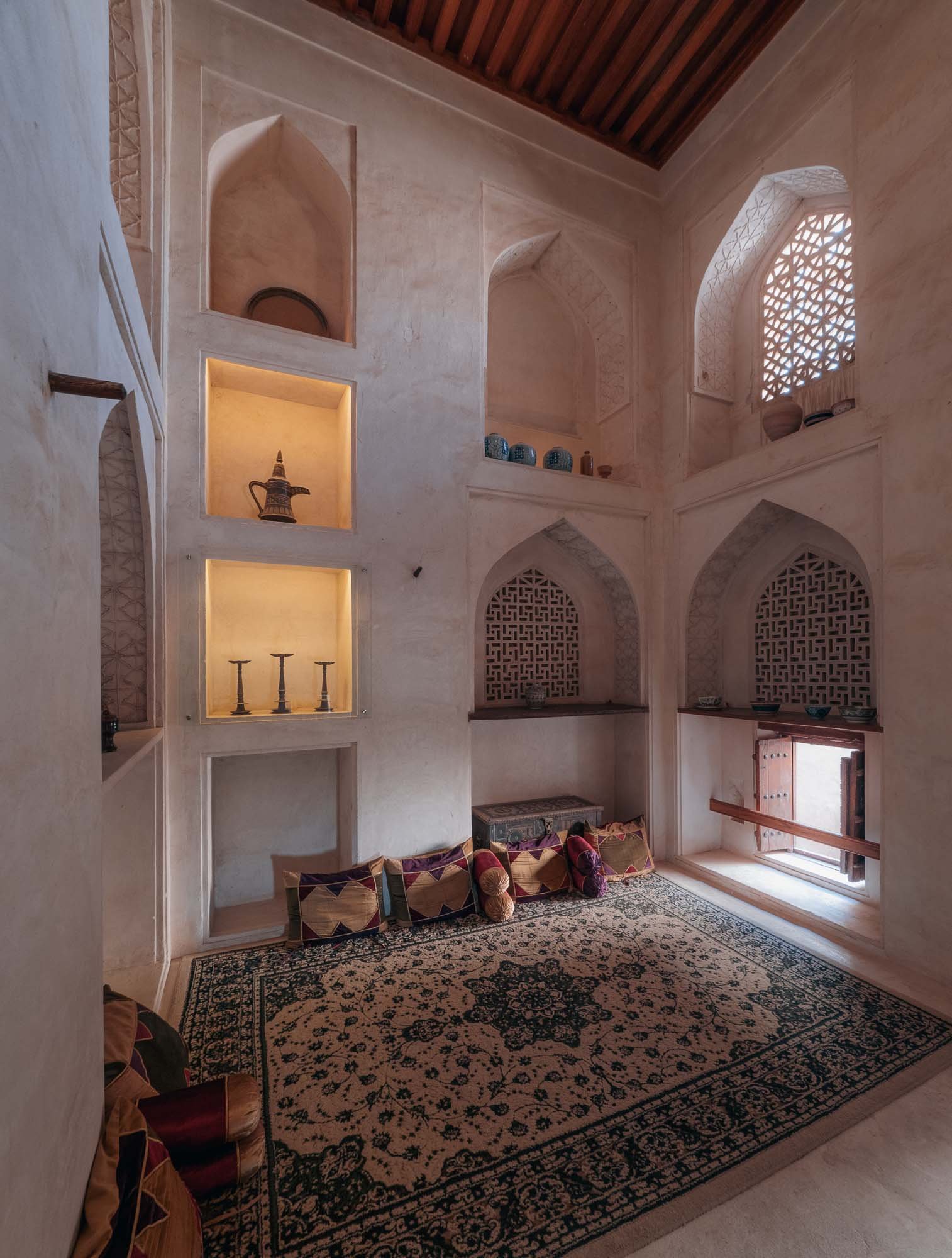
Interior
Some of the rooms have been restored and decorated.
Warm Colours
hiding some of the cruel past of these forts.
Next up, we had planned to visit the ruins of Salut fort, another important archeological site in the area, but were disappointed to find it is currently closed and under development. Check before you go - and avoid getting a flat tire like we did.
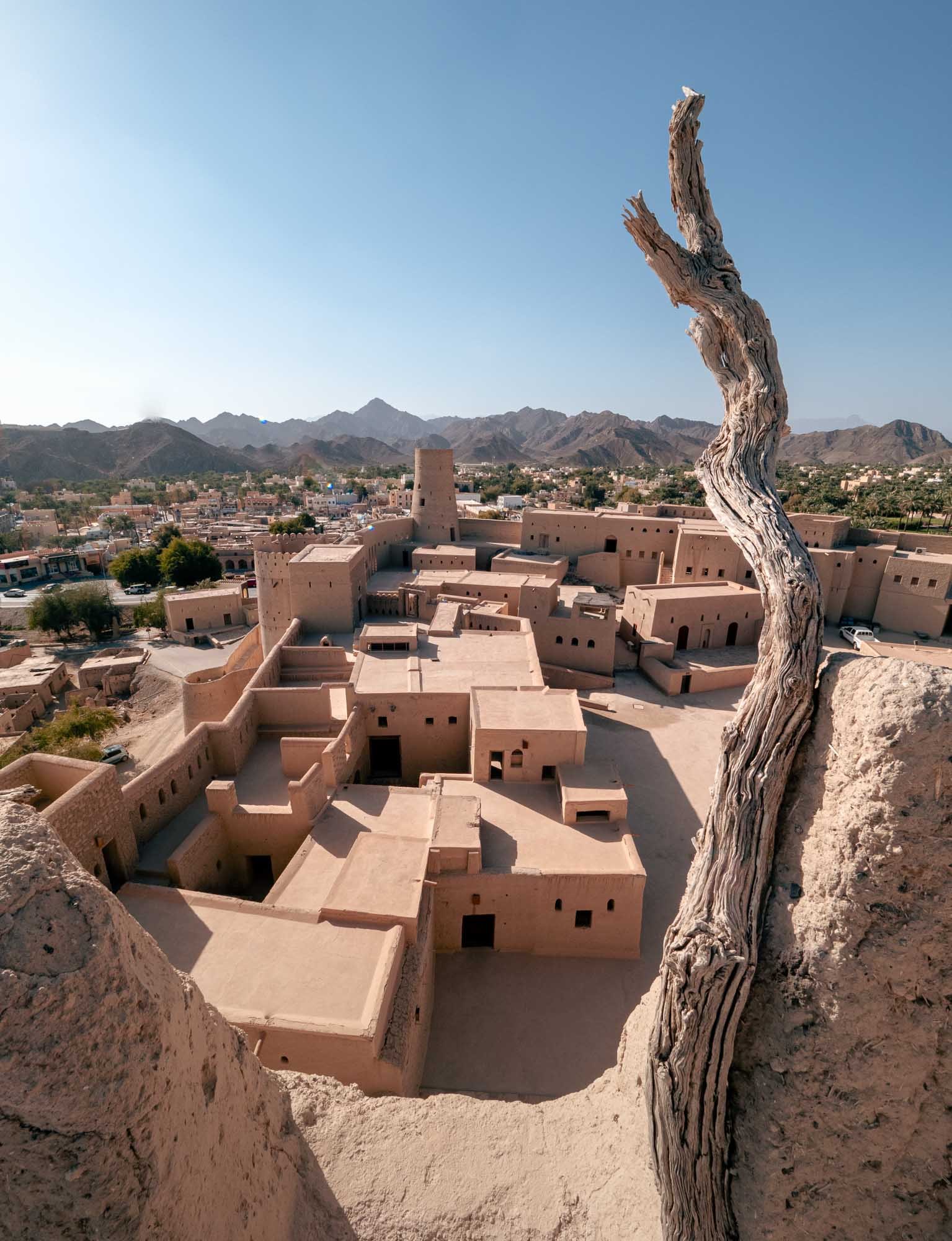
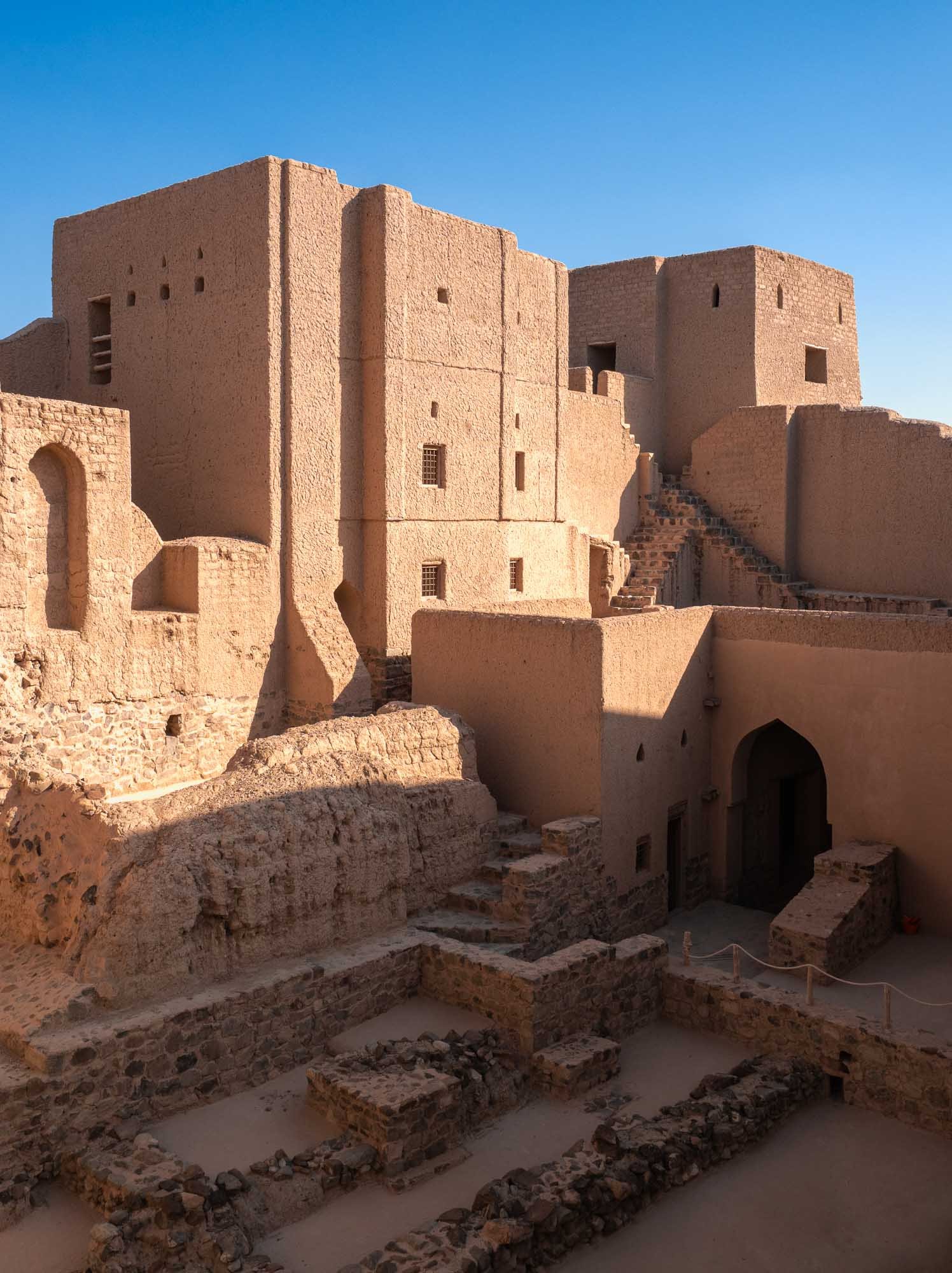
Bahla Fort
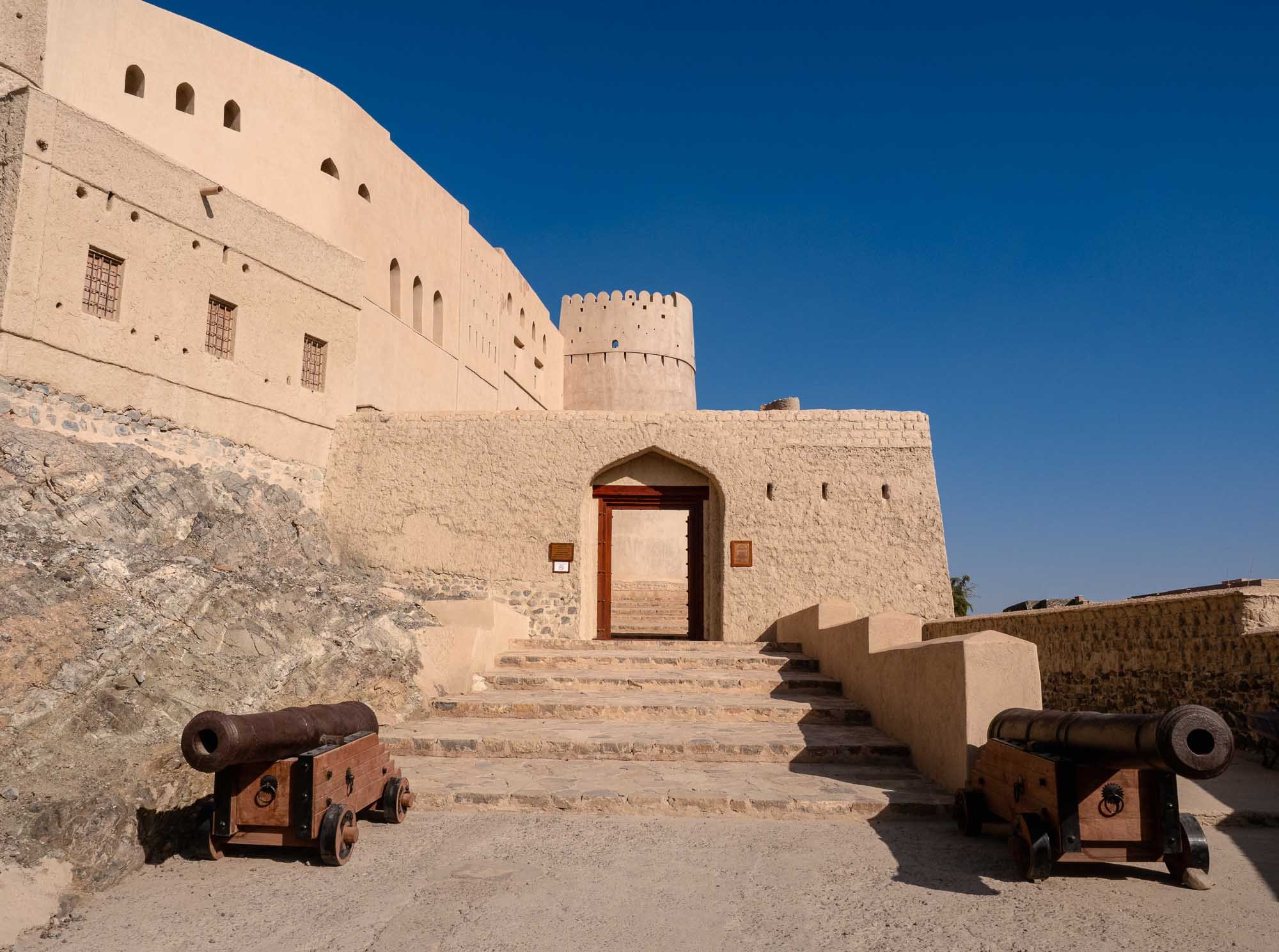
Bahla Fort
We then made it to Bahla Fort, the country's only UNESCO-listed fort, added in 1987.
Haunted?
This fort is also the subject of many tales of djinns and black magic.
The Real World
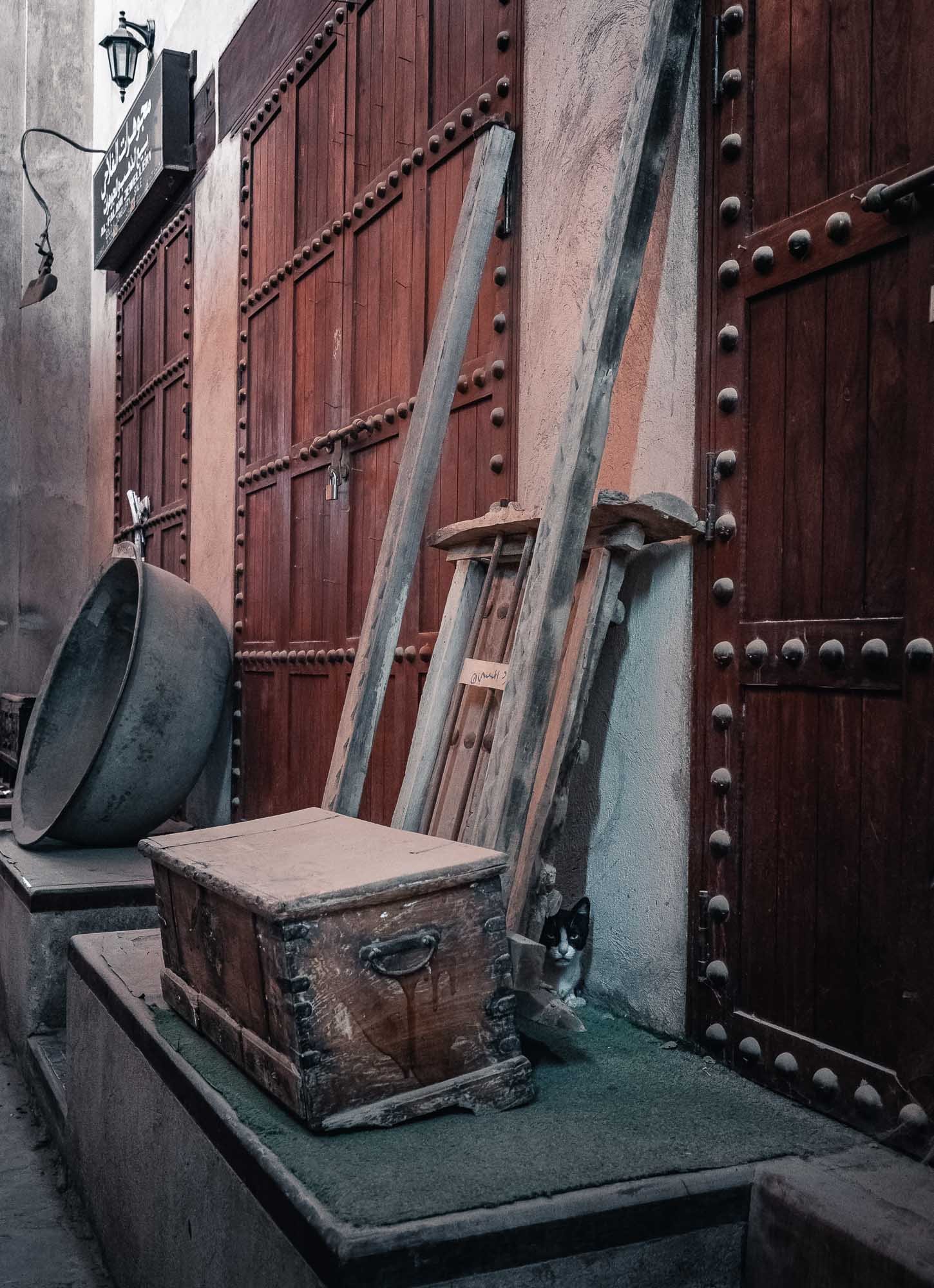
We only encountered beautiful architecture and a cat though (not pictured).
Complex
The fort is part of a bigger settlement, including a 13km wall, pieces of which you can still spot in the mountains surrounding it.
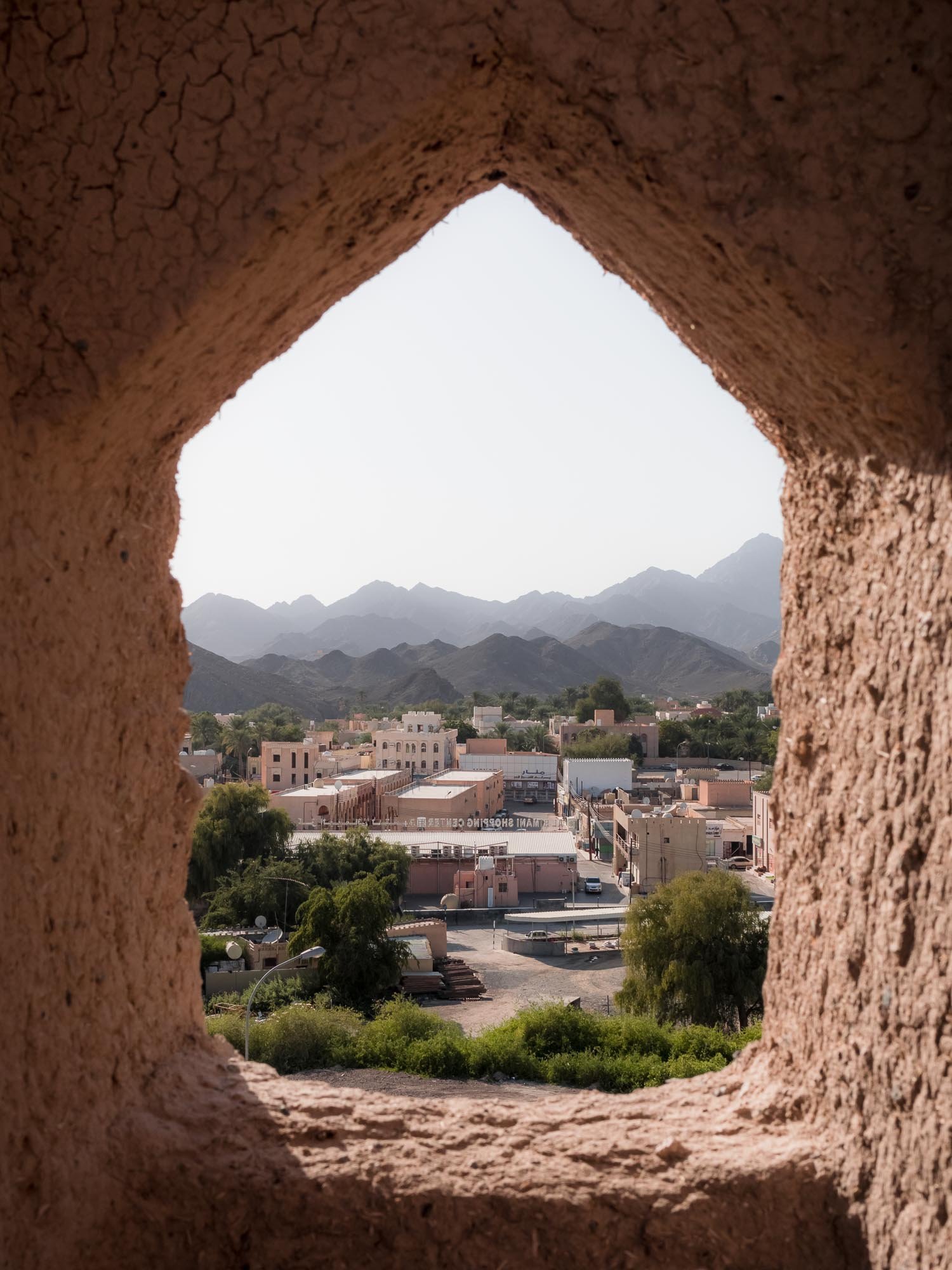
Views
As with all the forts in the area, this one also features beautiful Hajar mountain scenery from its windows.
Restoration
The fort was fully restored in 2012, but there is not a lot of visitor information available, unlike in Jabreen or Nizwa.
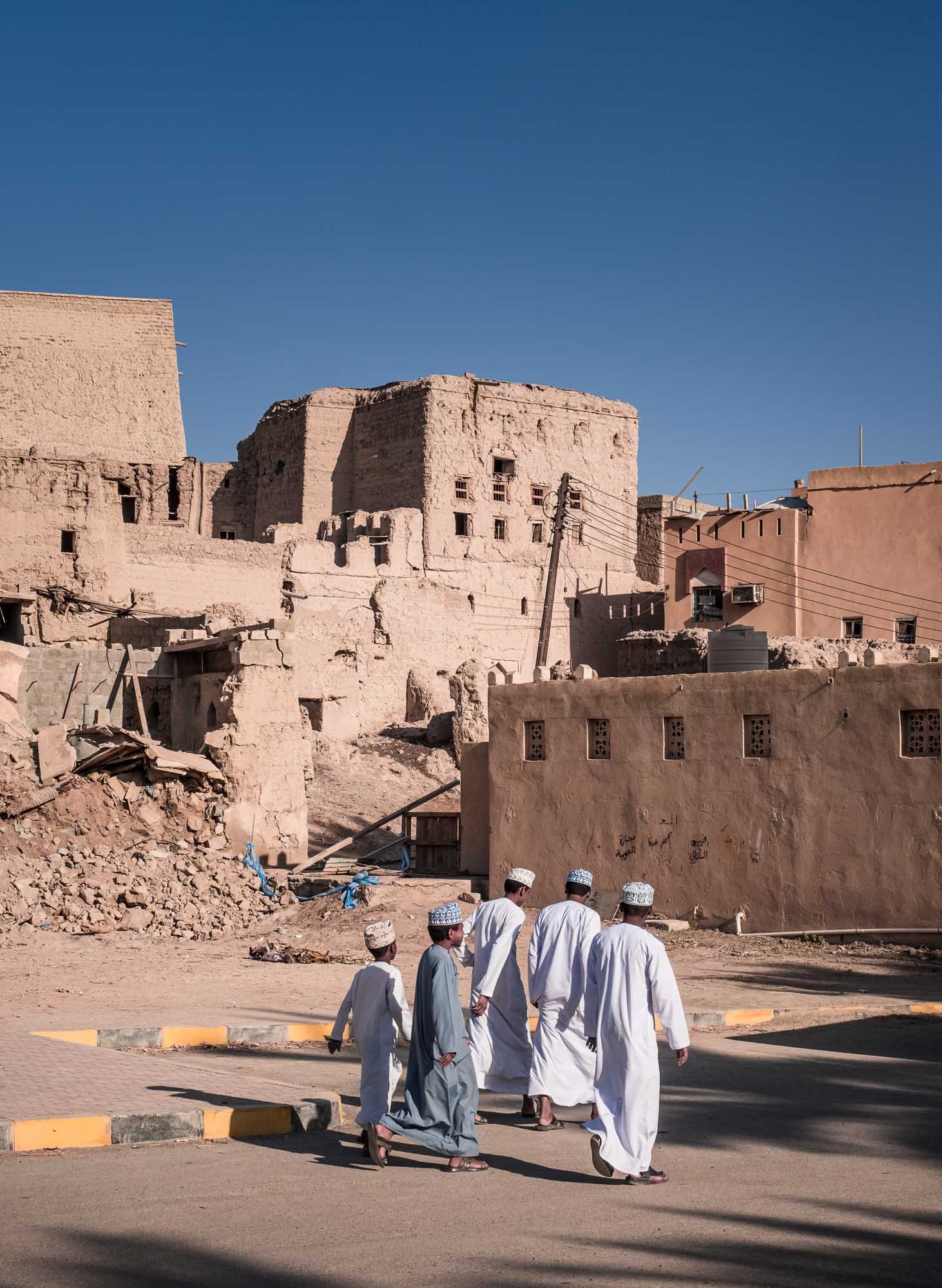
From Prayer
A group of young local men returning from prayer and walking past the abandoned village area surrounding the fort.
Al Hoota Cave
Hoota Cave
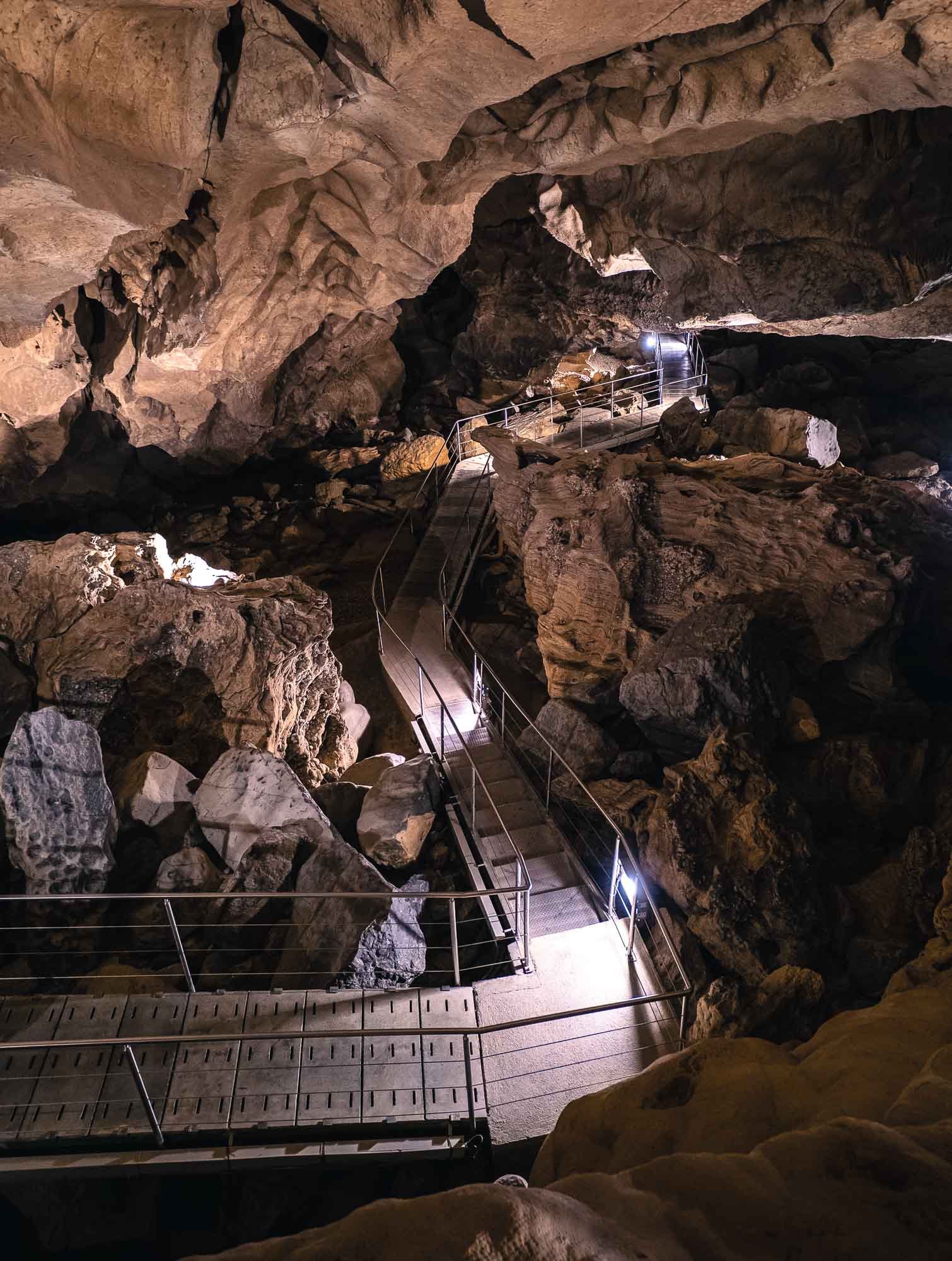
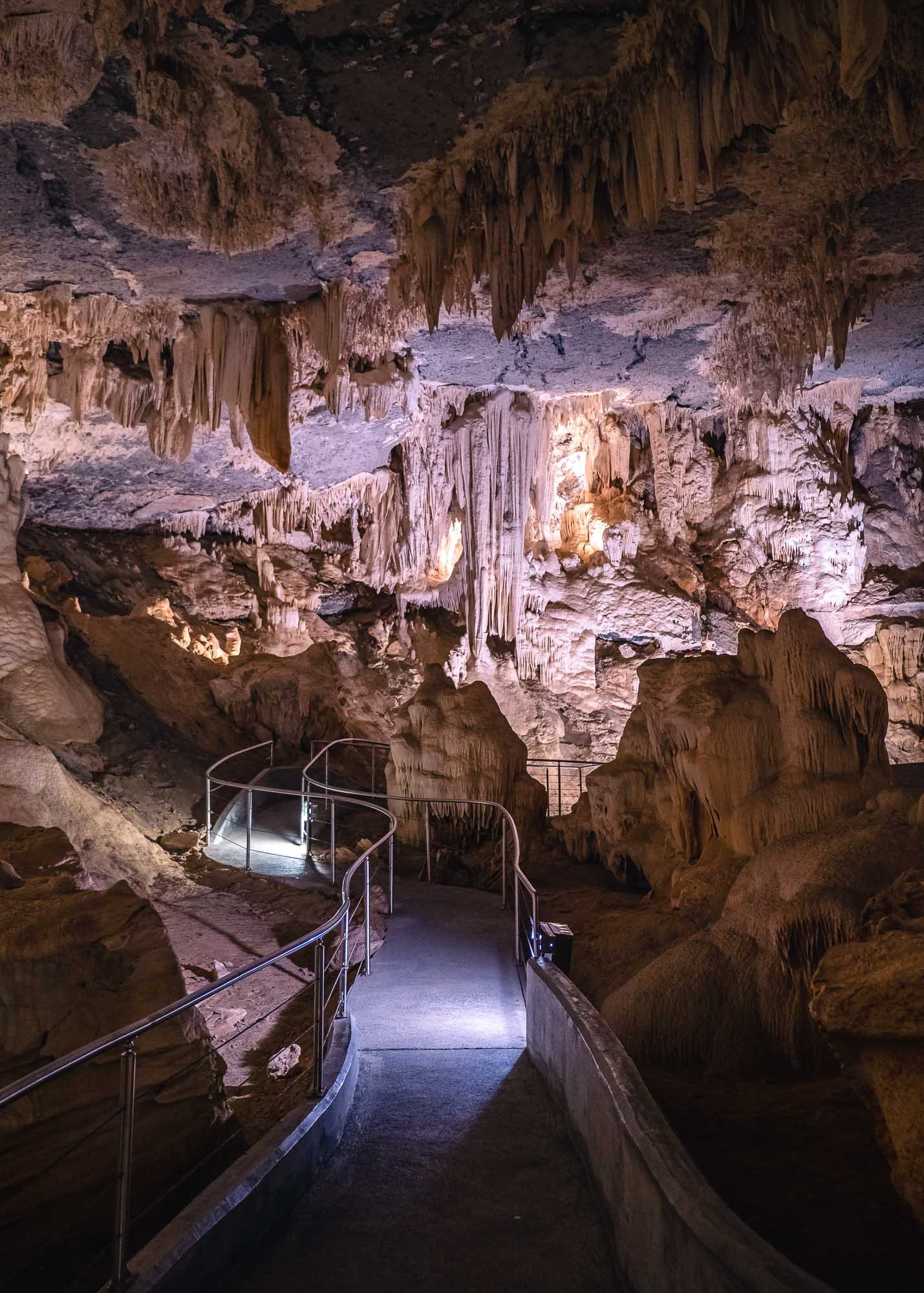
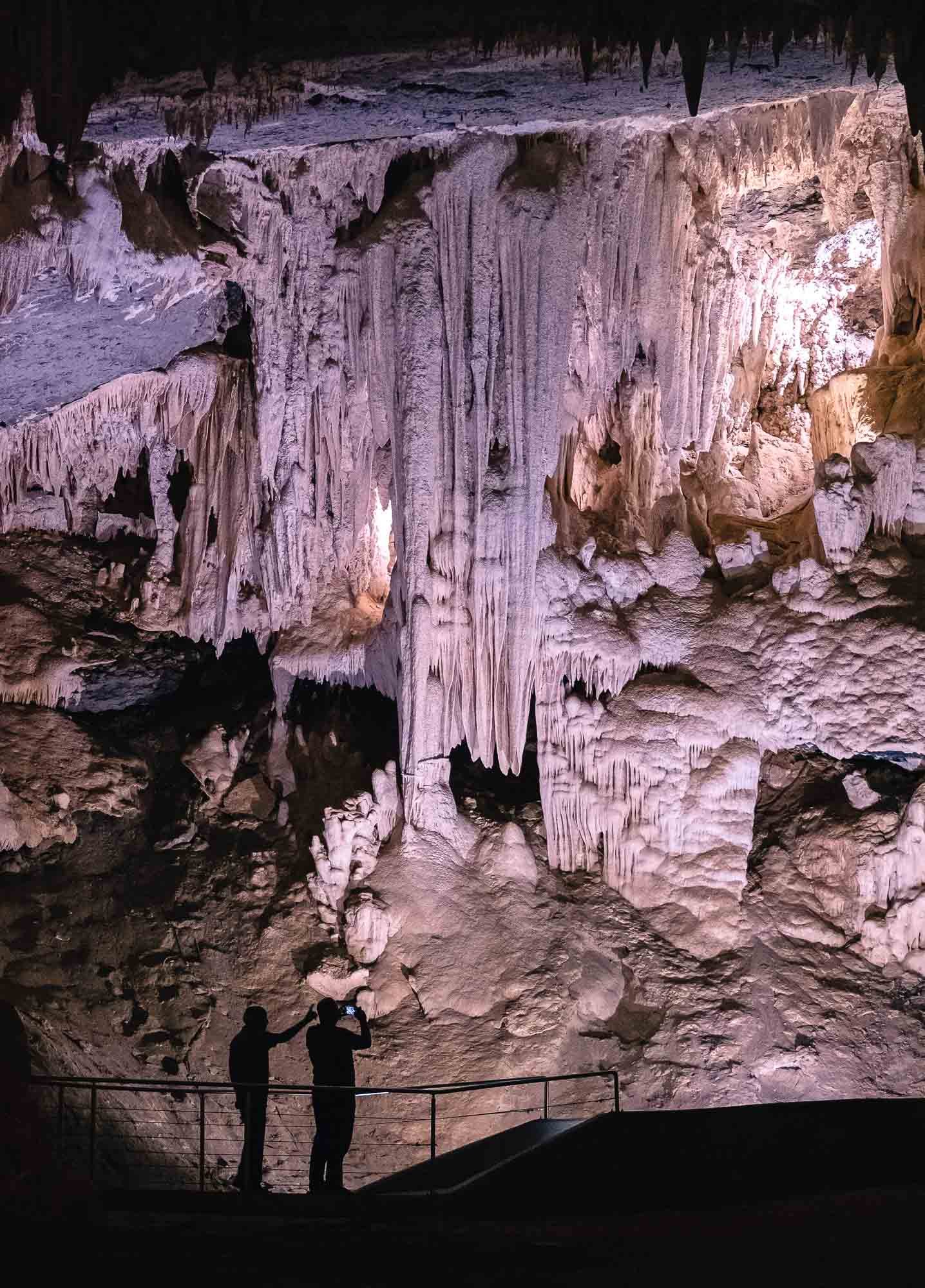
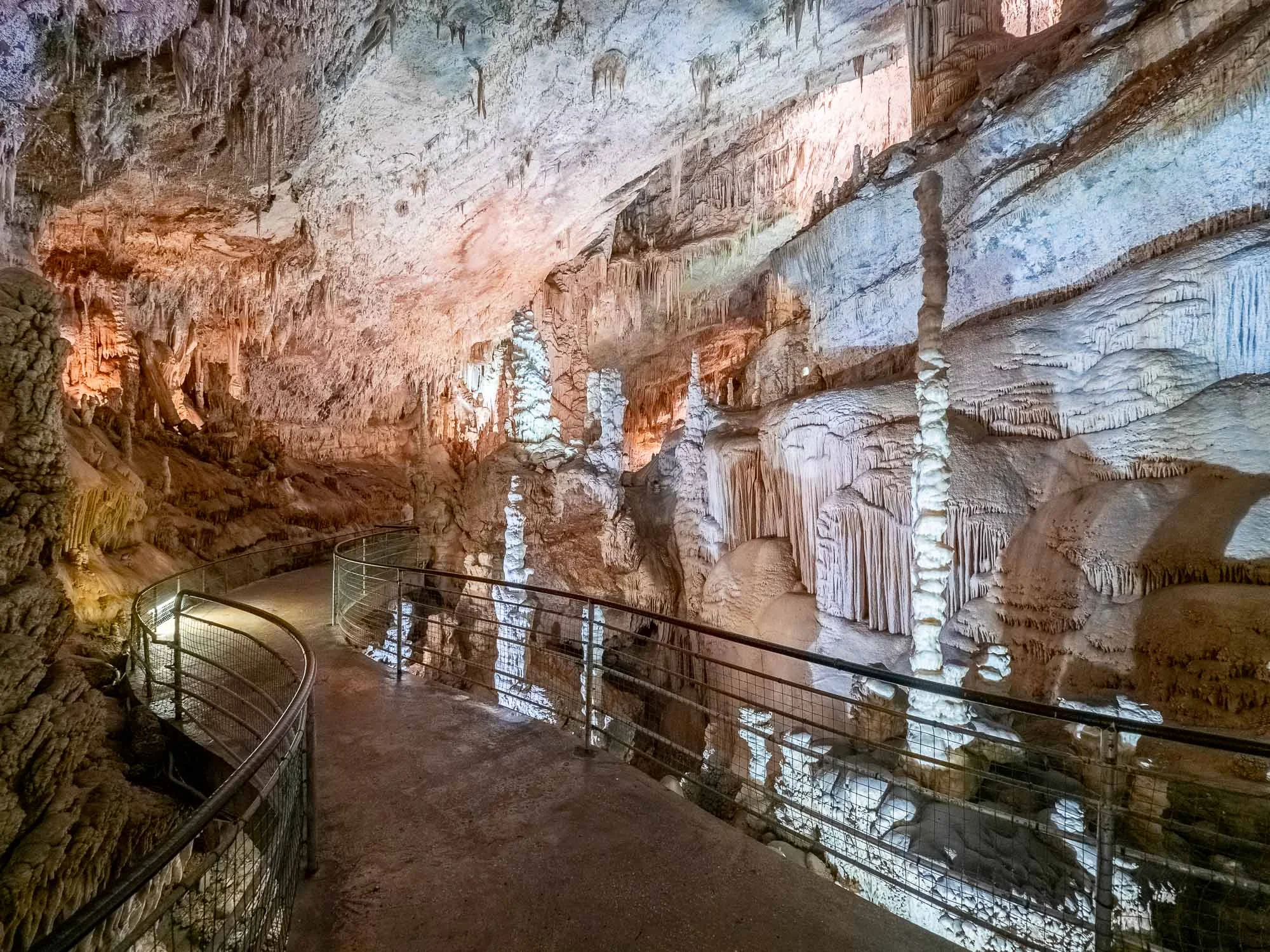
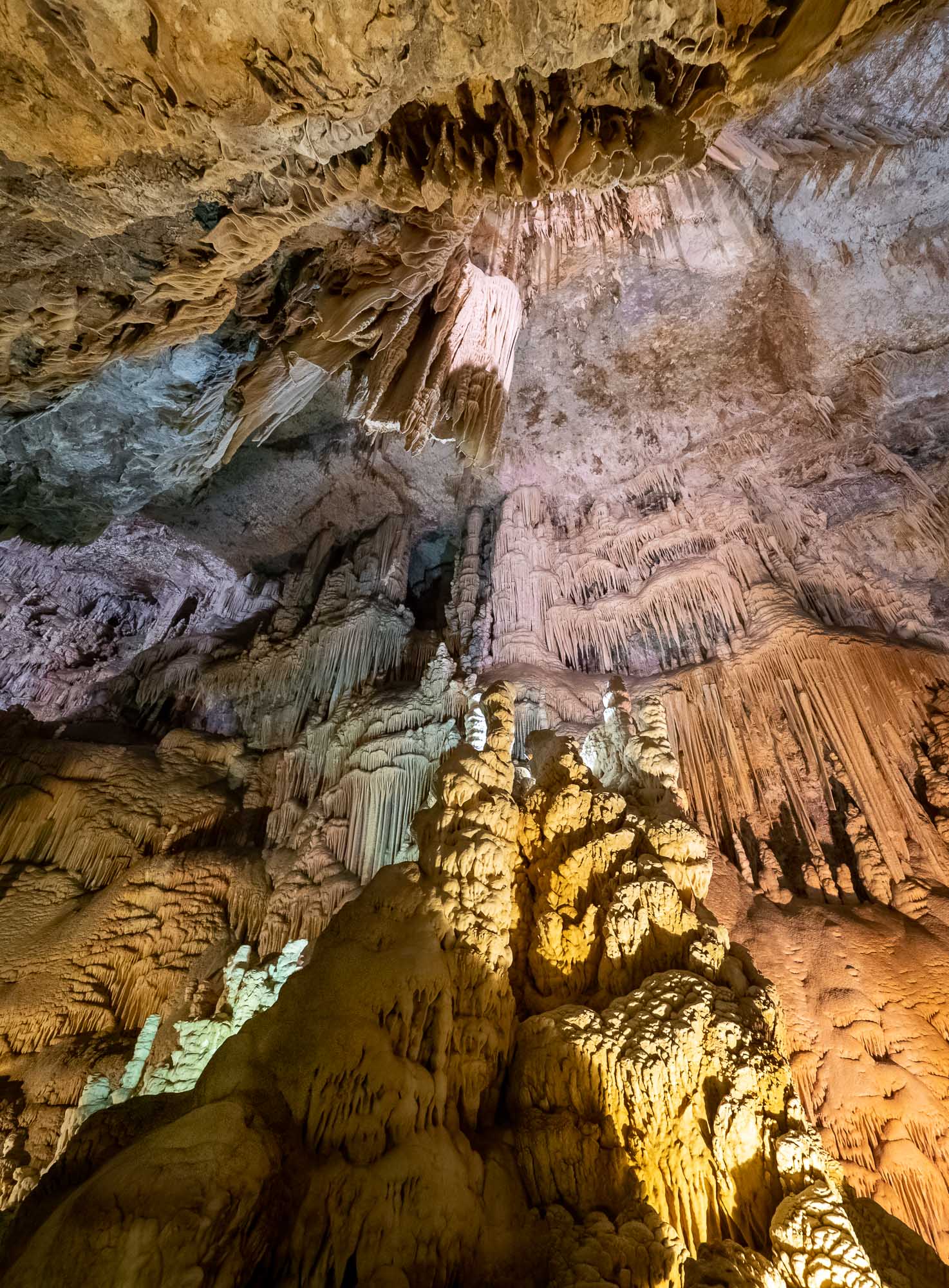
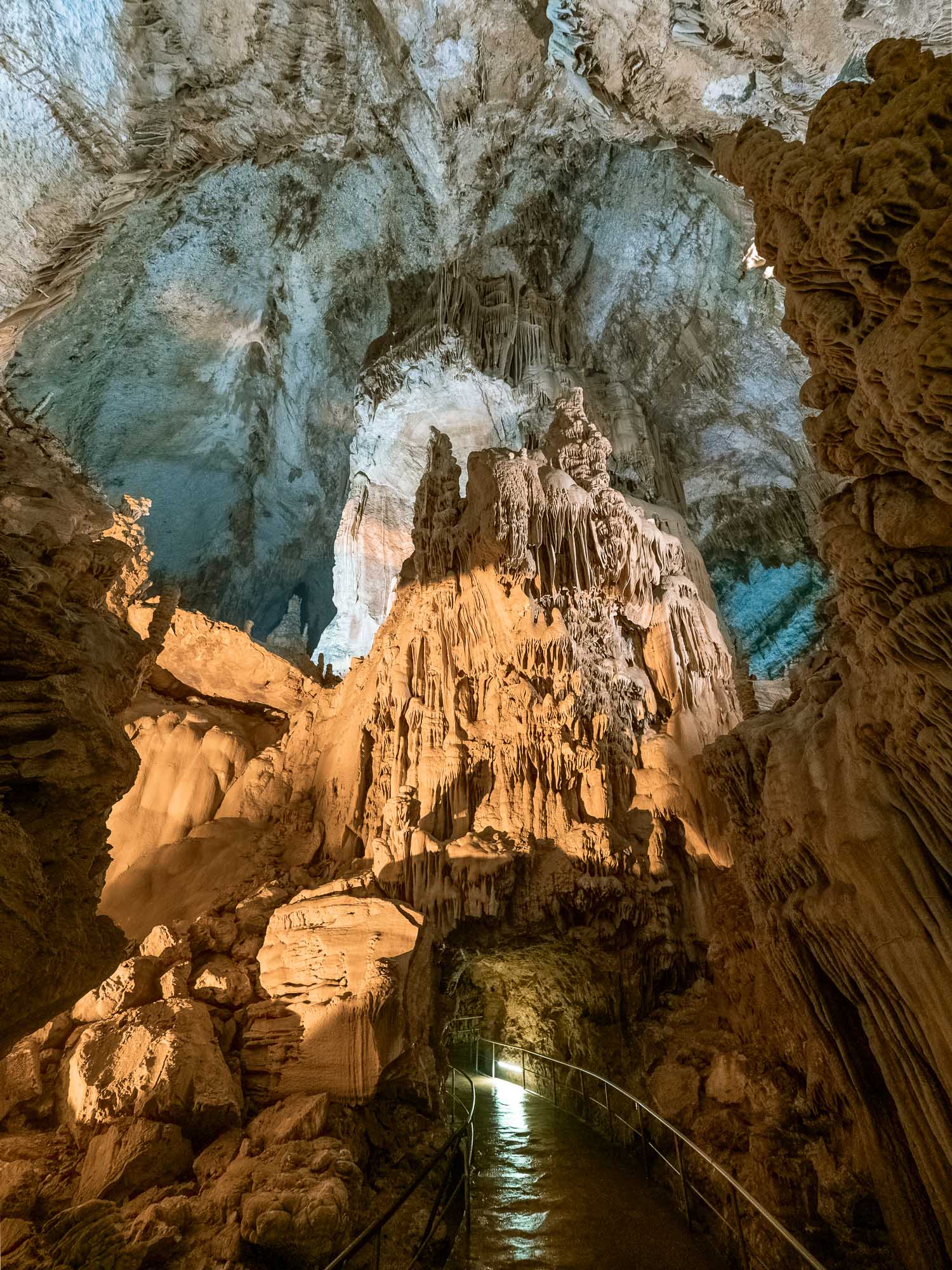
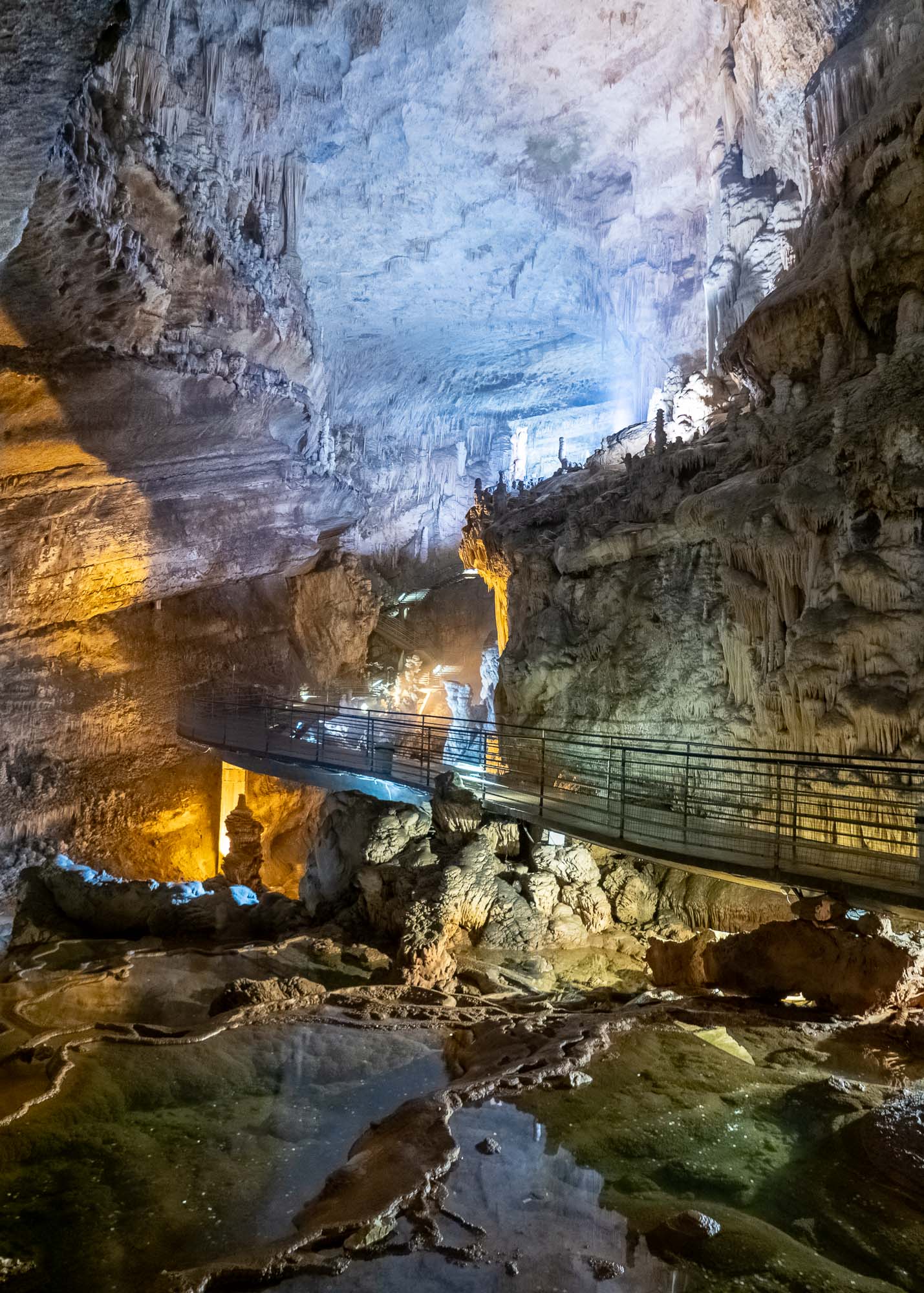
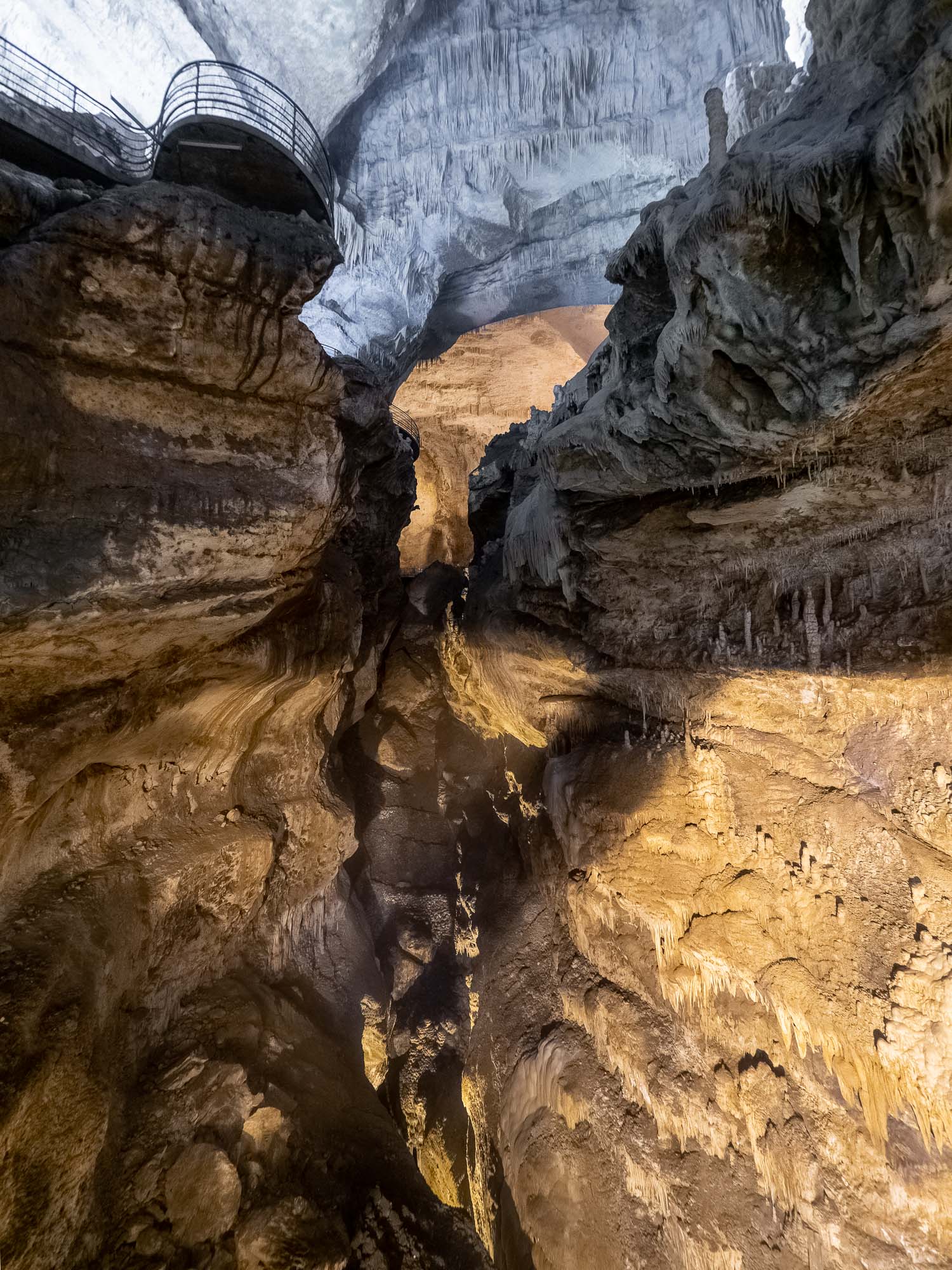
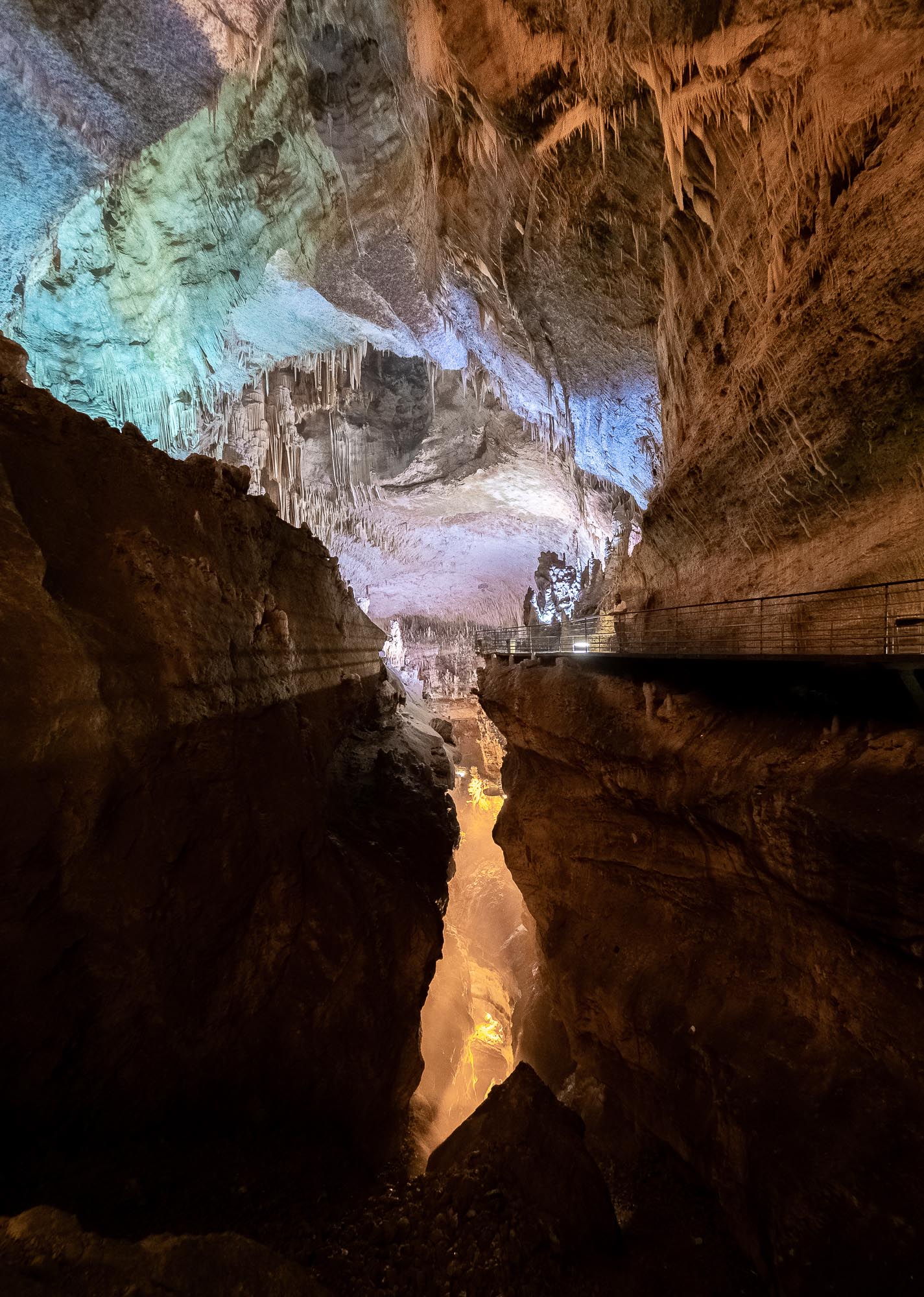
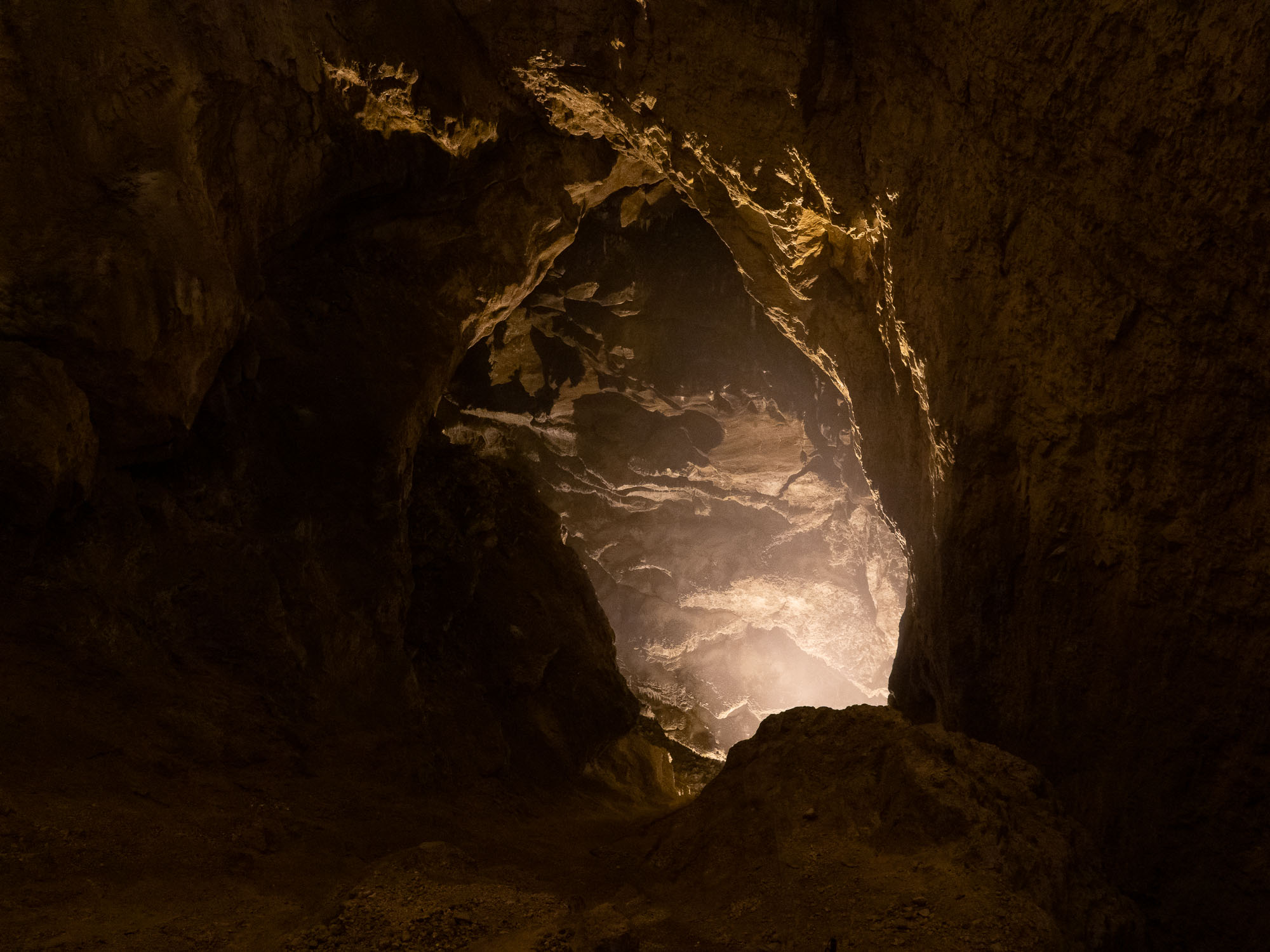
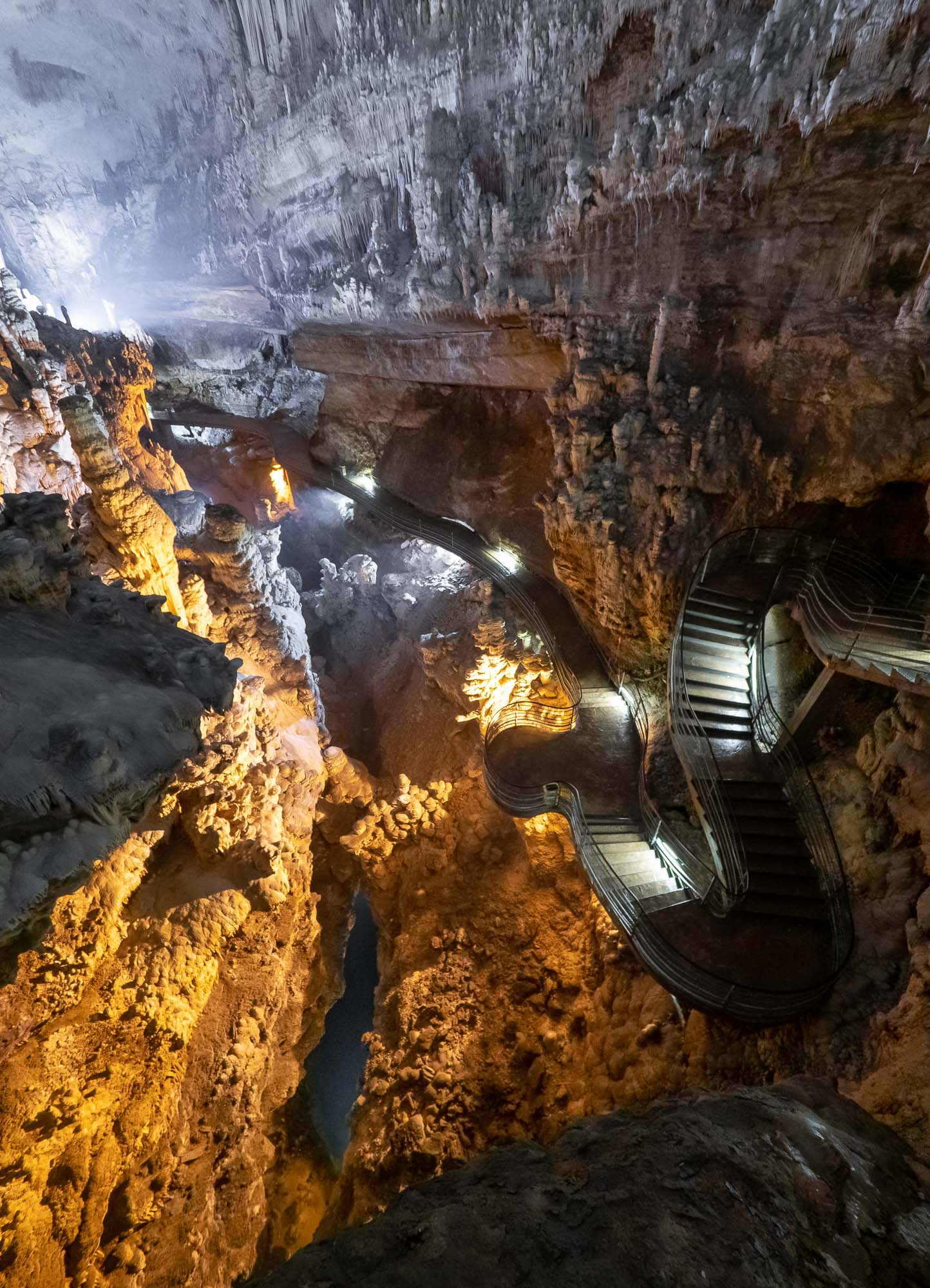
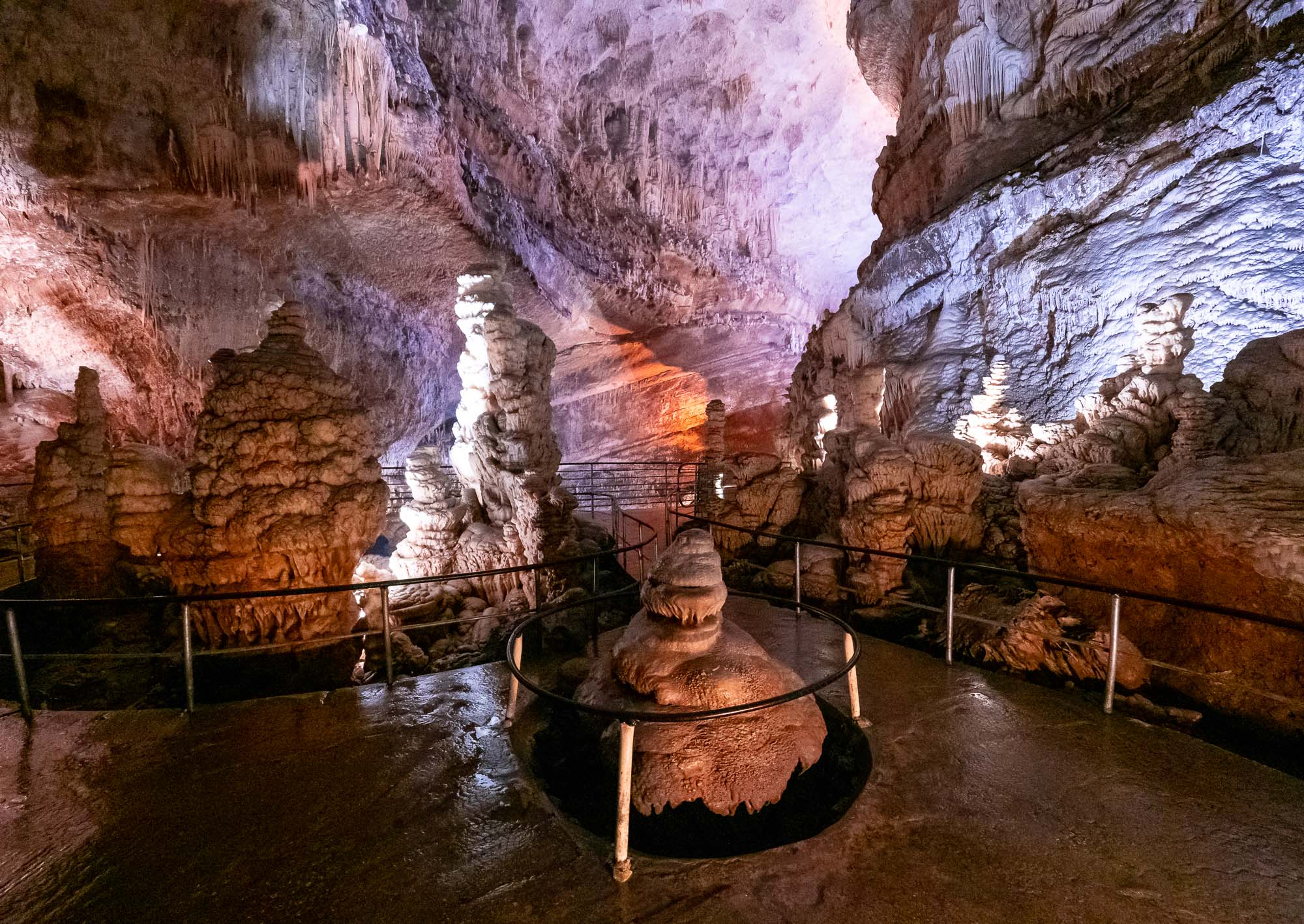
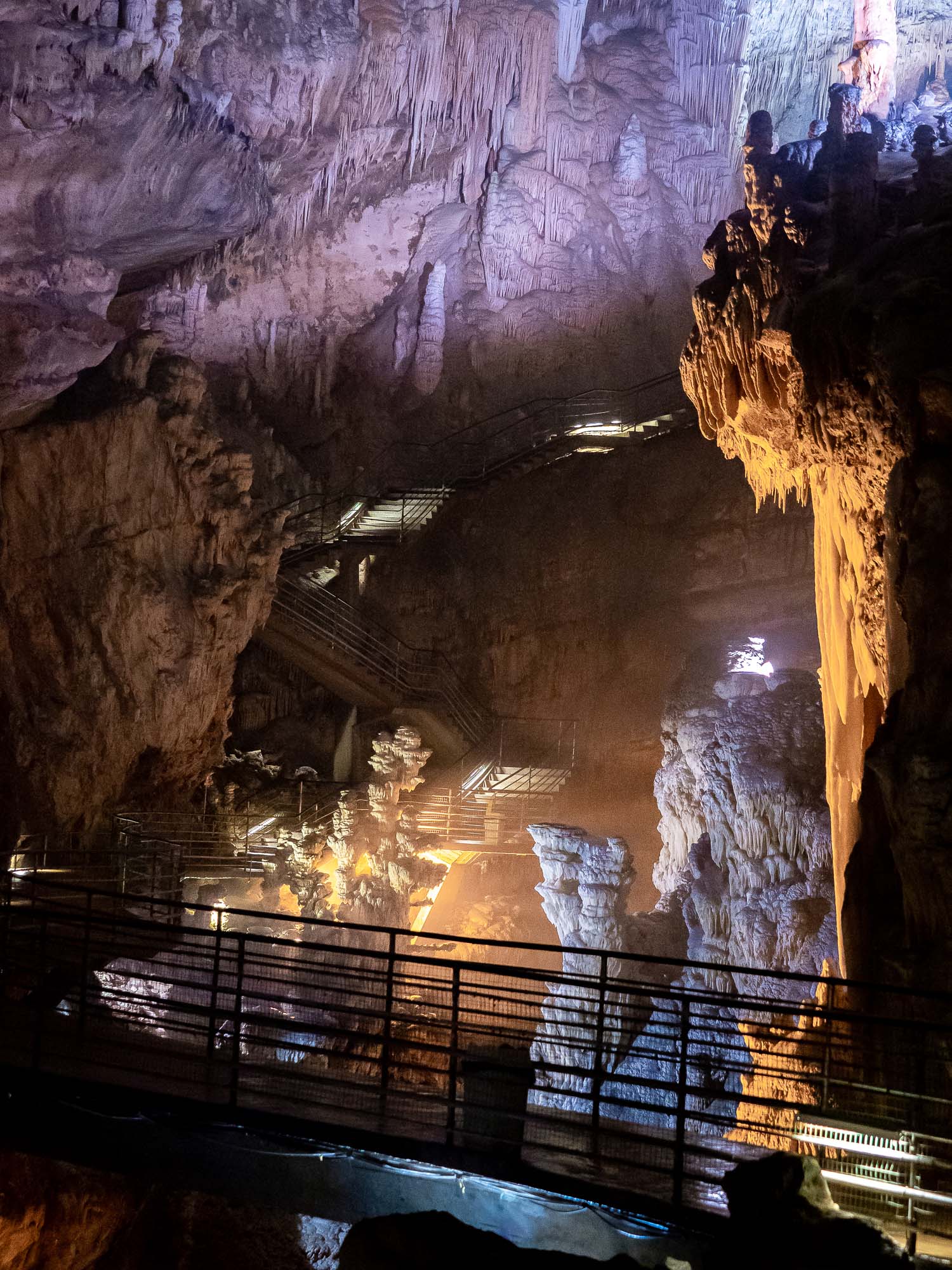
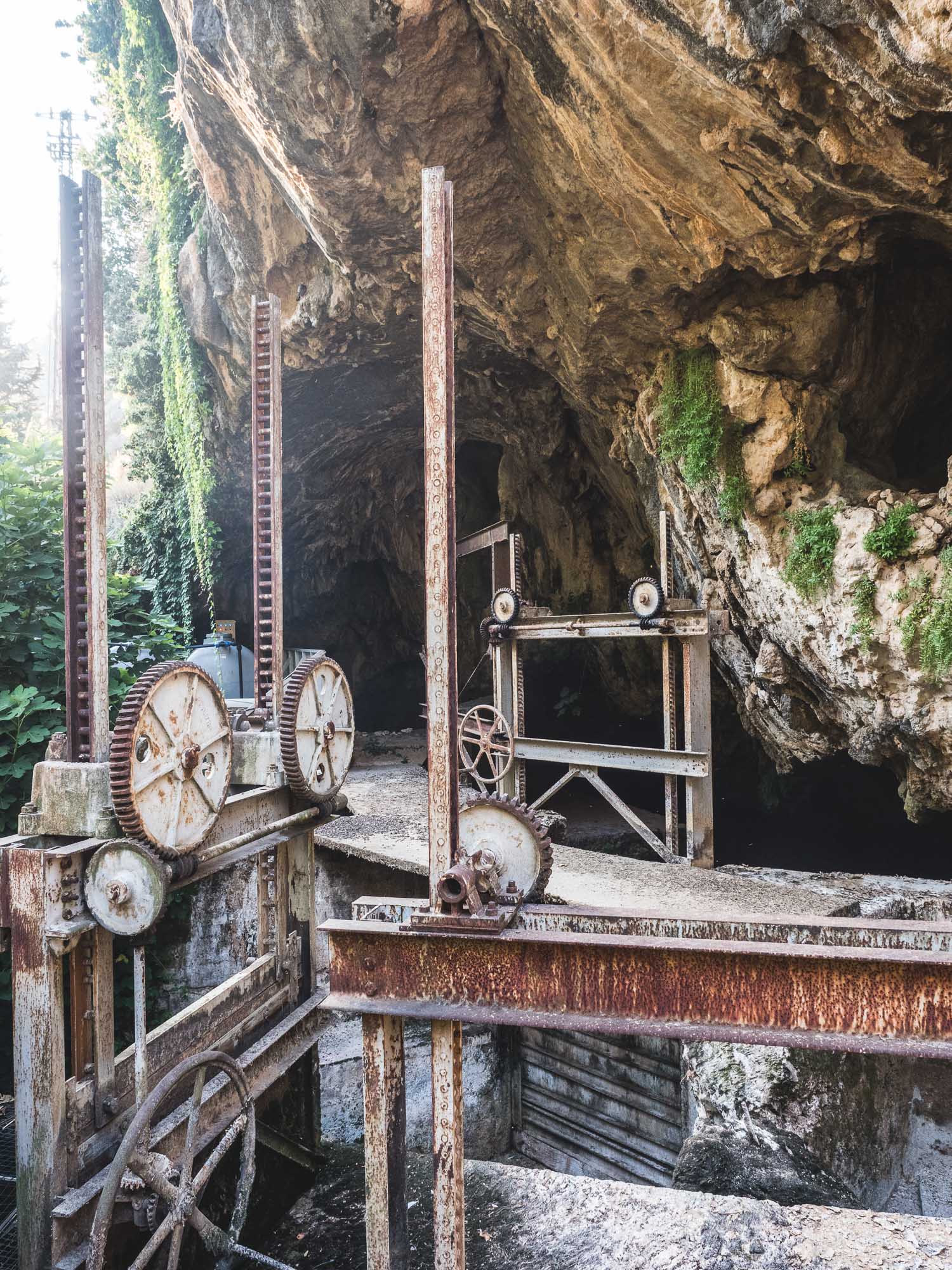
Another 30min further and you reach Hoota Cave, probably the most famous (of many) in Oman.
Accessible
It's the only cave in the country that has been developed for tourism, although you can only access 500m of its total 4km length.
Impressions
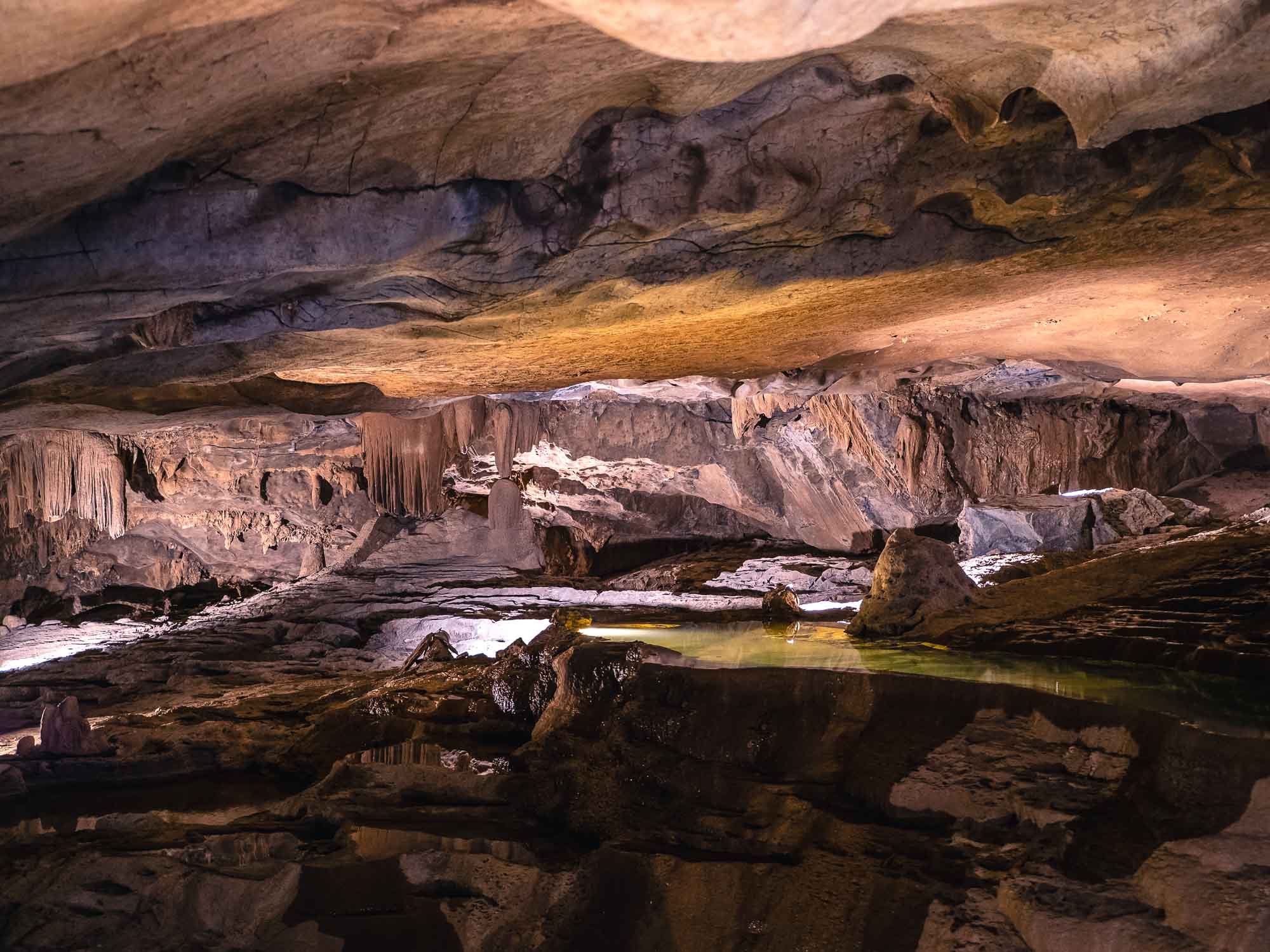
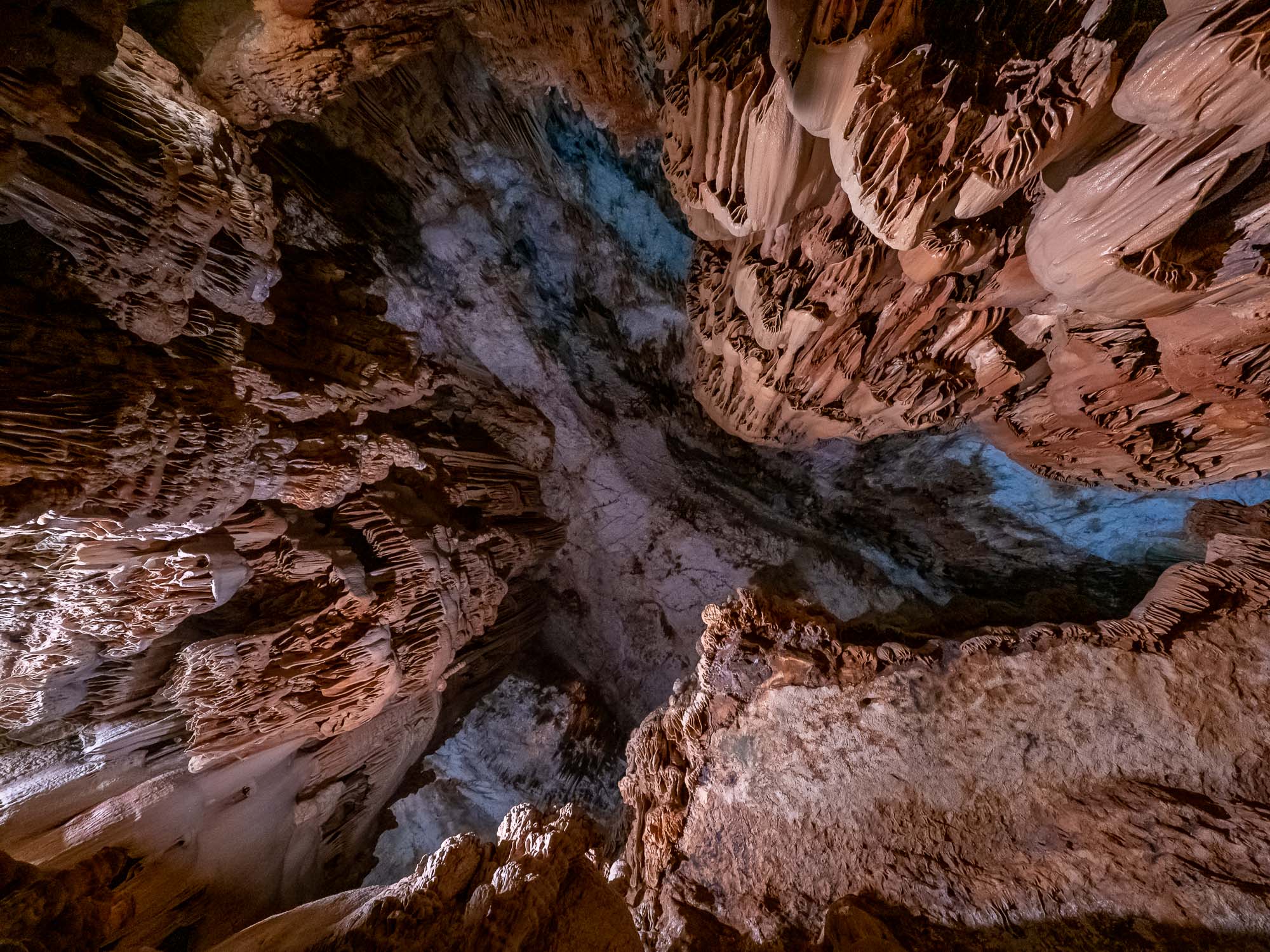
The cave is a nice example of a Karst cave with some stalactites and stalagmites.
Comparison
Having said that, if you've visited some of the large and famous caves around the world, this one may not completely wow you - it's definitely worth the small detour on this route though.
Blind Fish
The cave features year round water, providing a habitat for tiny blind cave fish living in its 4 lakes, one of which is visible below.
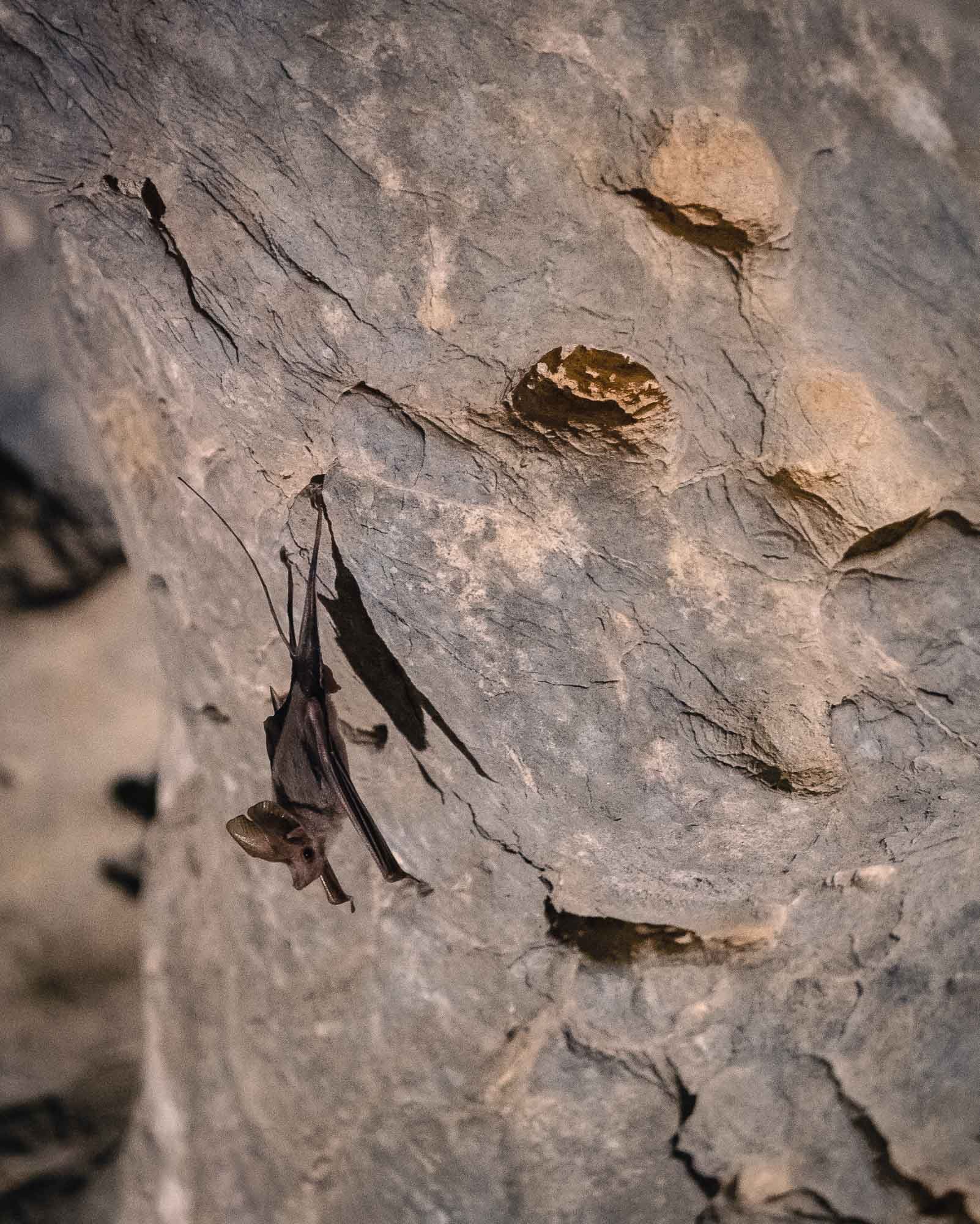
Chilling
...and you get to see some bats hanging from the ceiling.
Nizwa
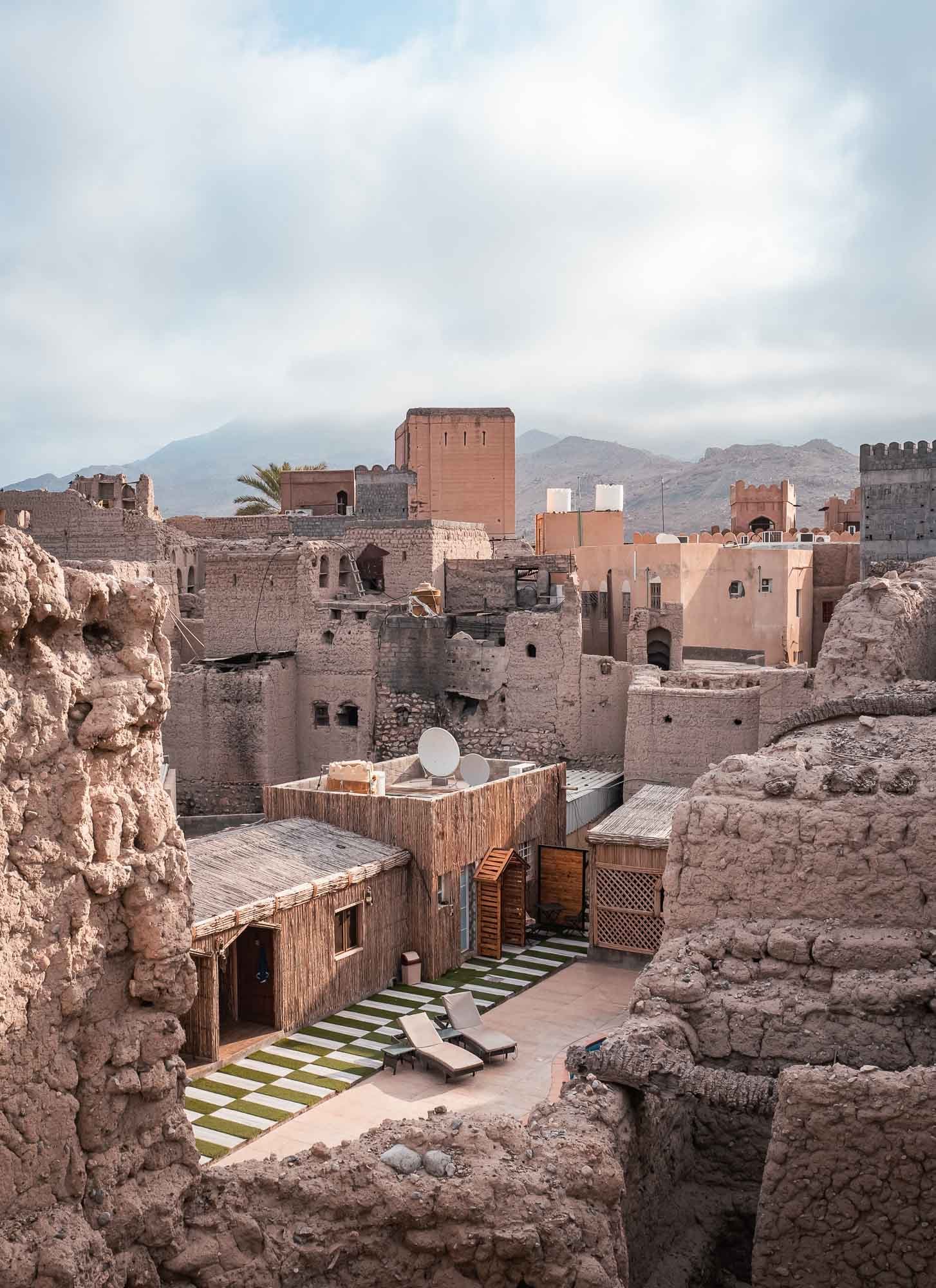
Views of Nizwa
The view from Antique Inn's rooftop in Nizwa, our place for the night.
Former Glory
Nizwa is one of the oldest cities in Oman and was the capital in the 6/7th century.
Indian Roller
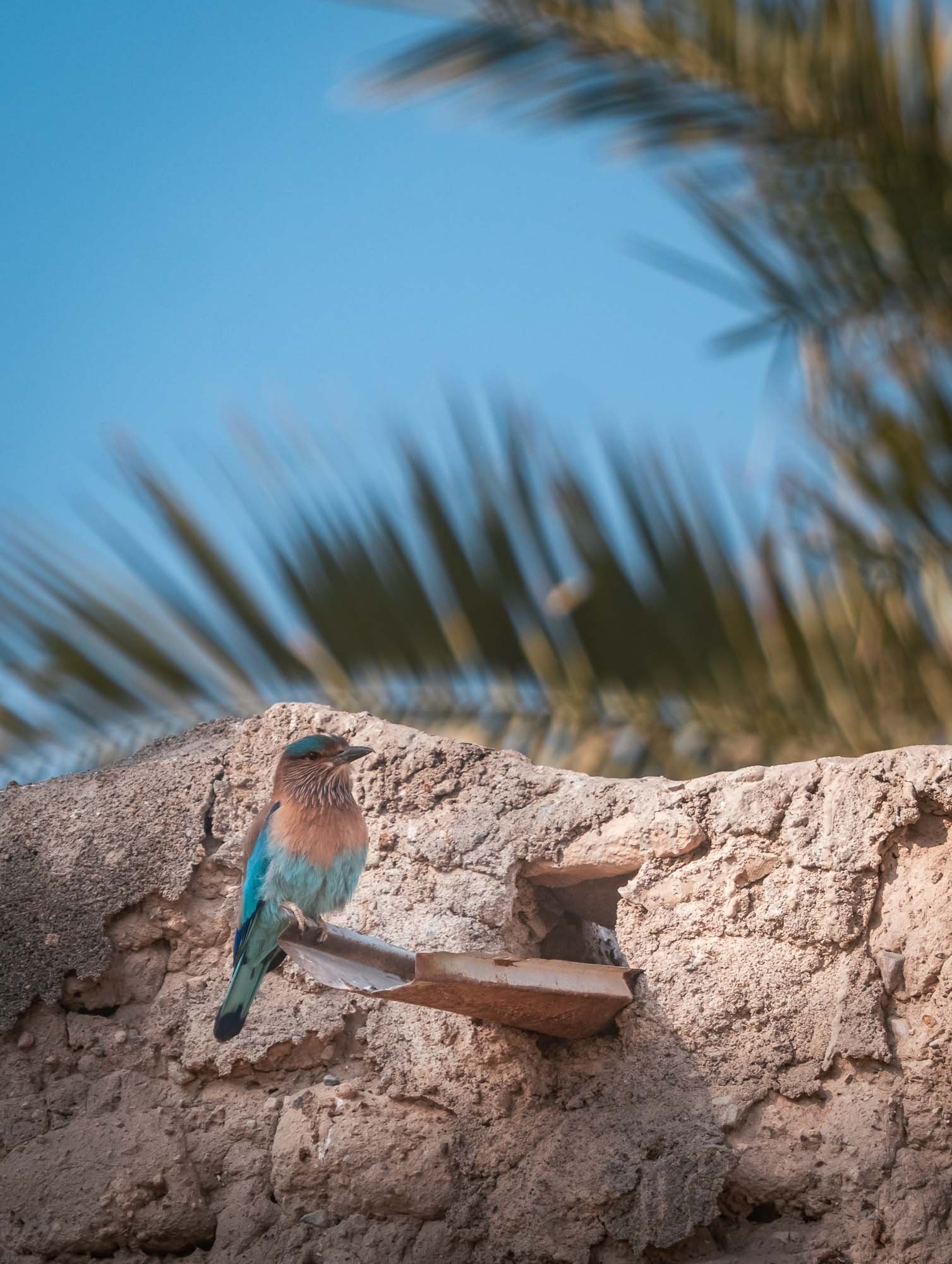
A very common bird in this area around the farms. Particularly beautiful in flight when it spreads its blue wings.
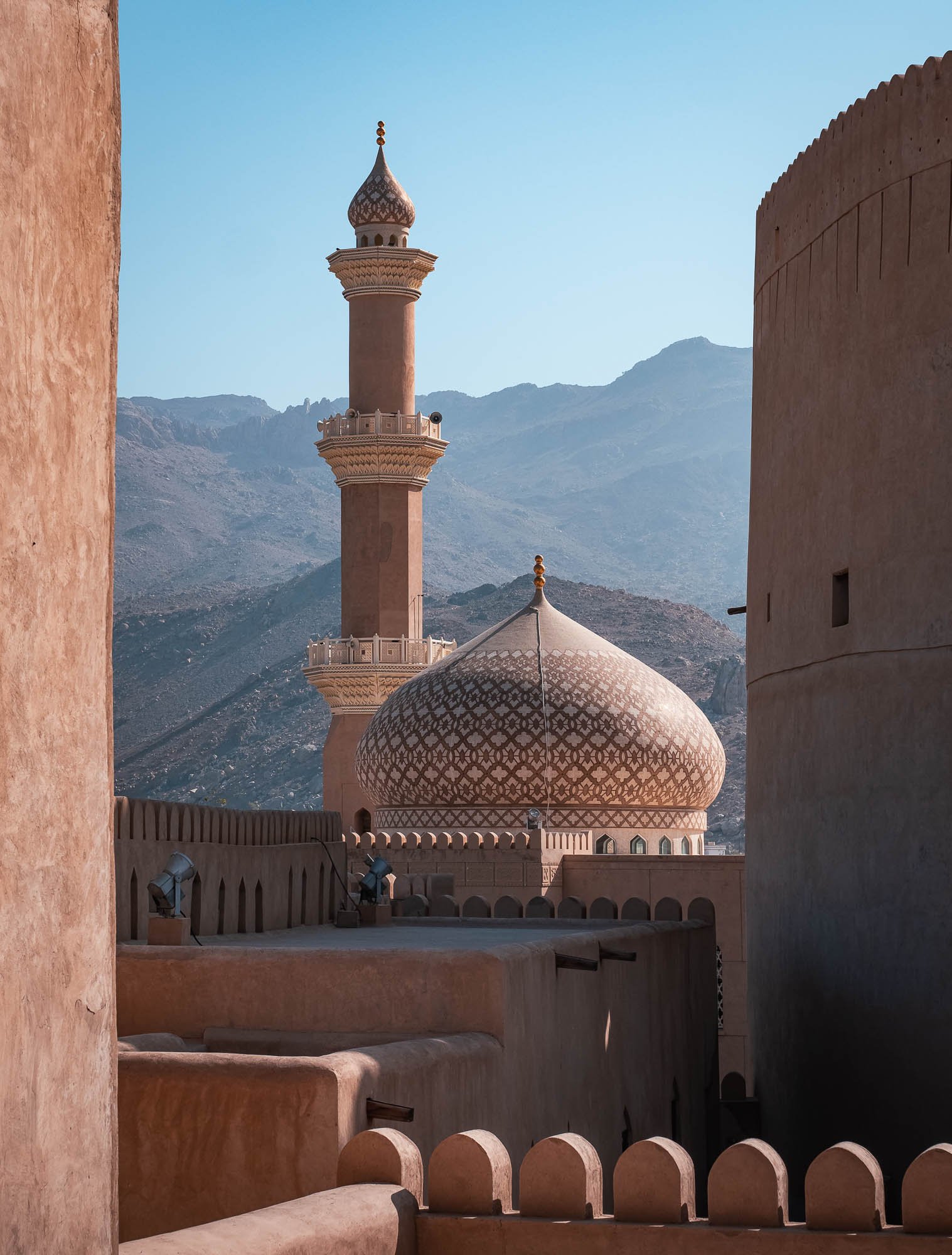
Al Qala'a Mosque
As seen from the fort. Nizwa features some of the oldest mosques in the world.
Fort Views
The fort was built in 1688, and sits above an underground stream.
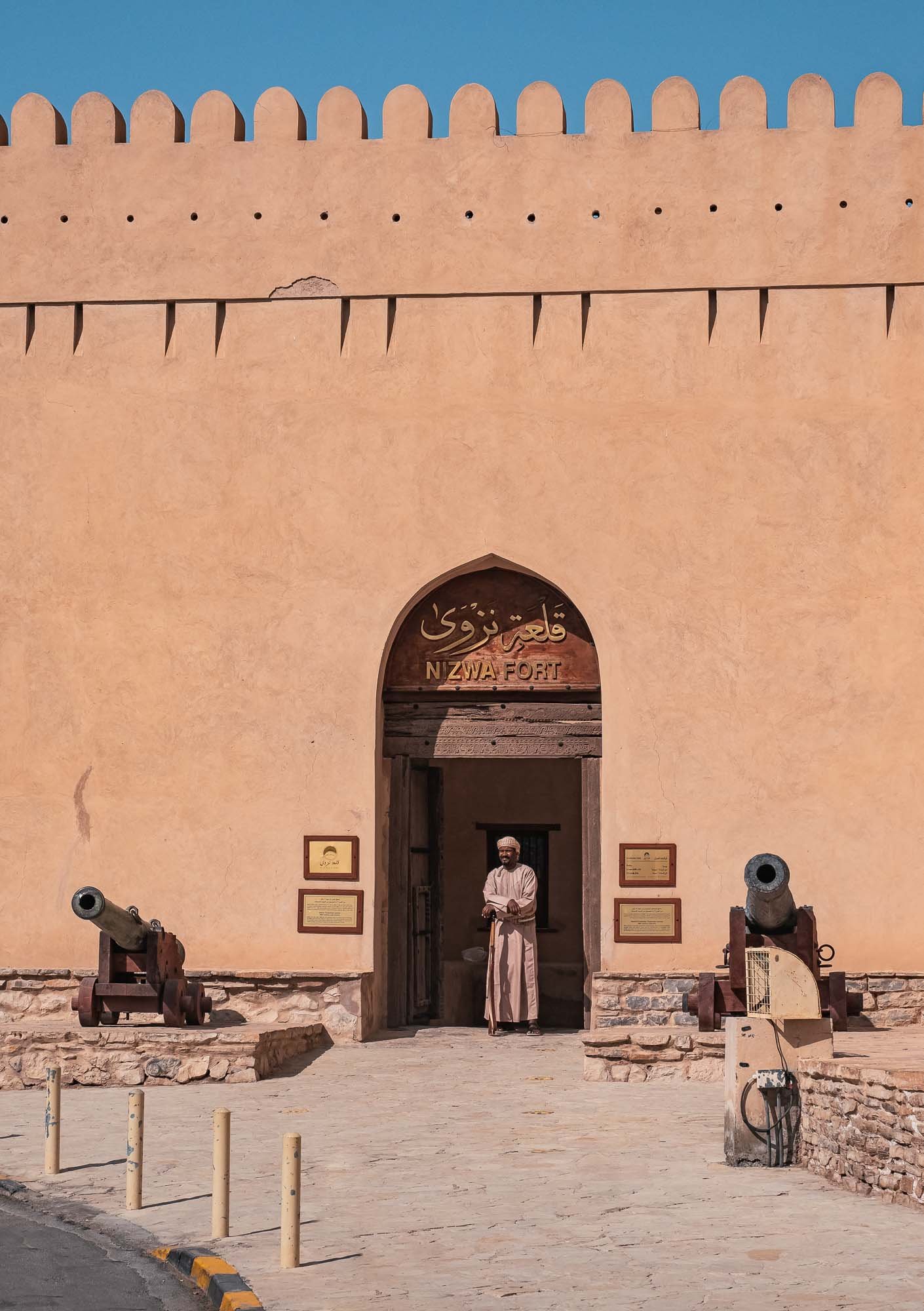
Entrance
The entrance to the fort, coincindentally guarded in this photo for that authentic flair.
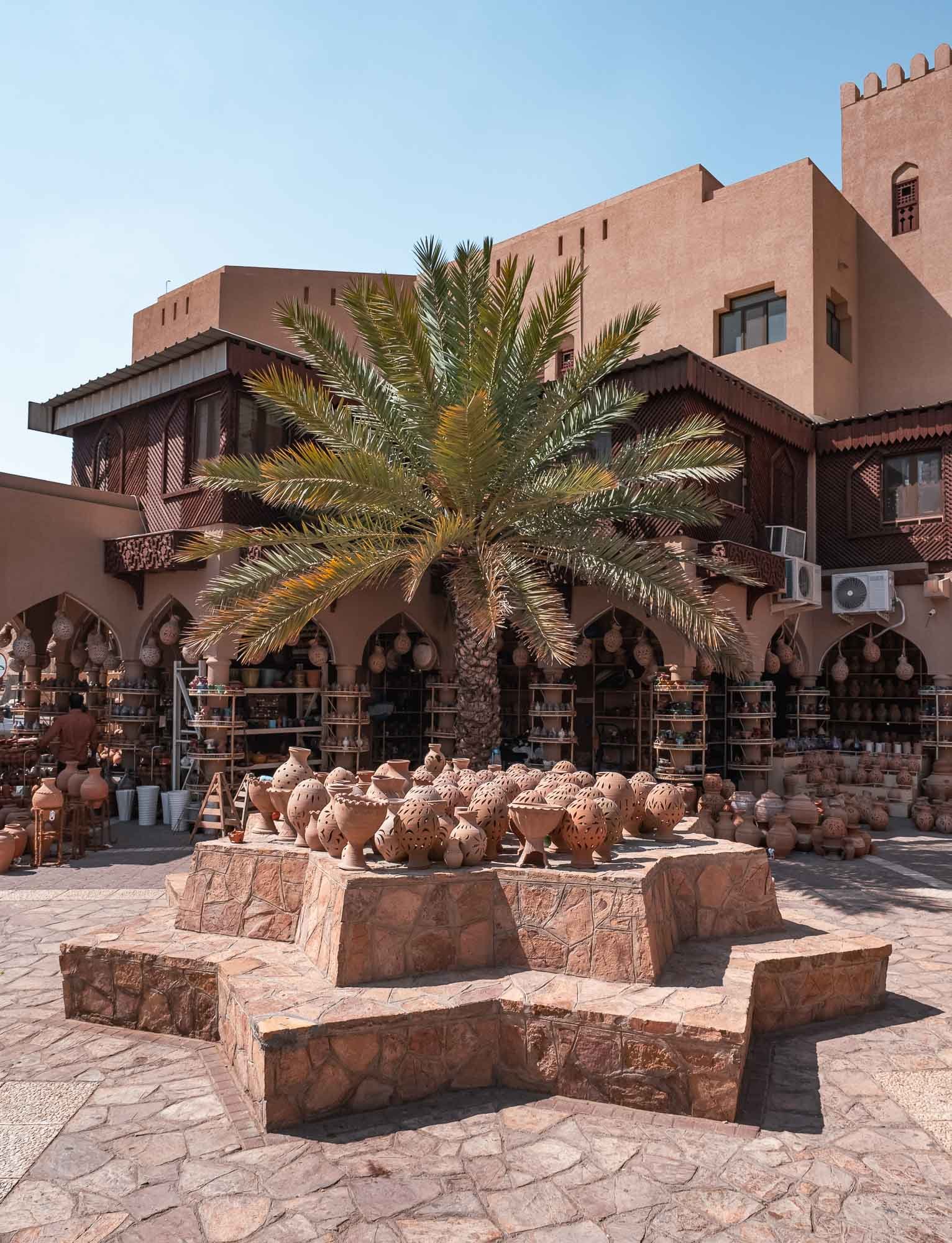
Nizwa Souq
The outside area near the entrance to the souq, selling pottery and other homeware goods.
Alleys
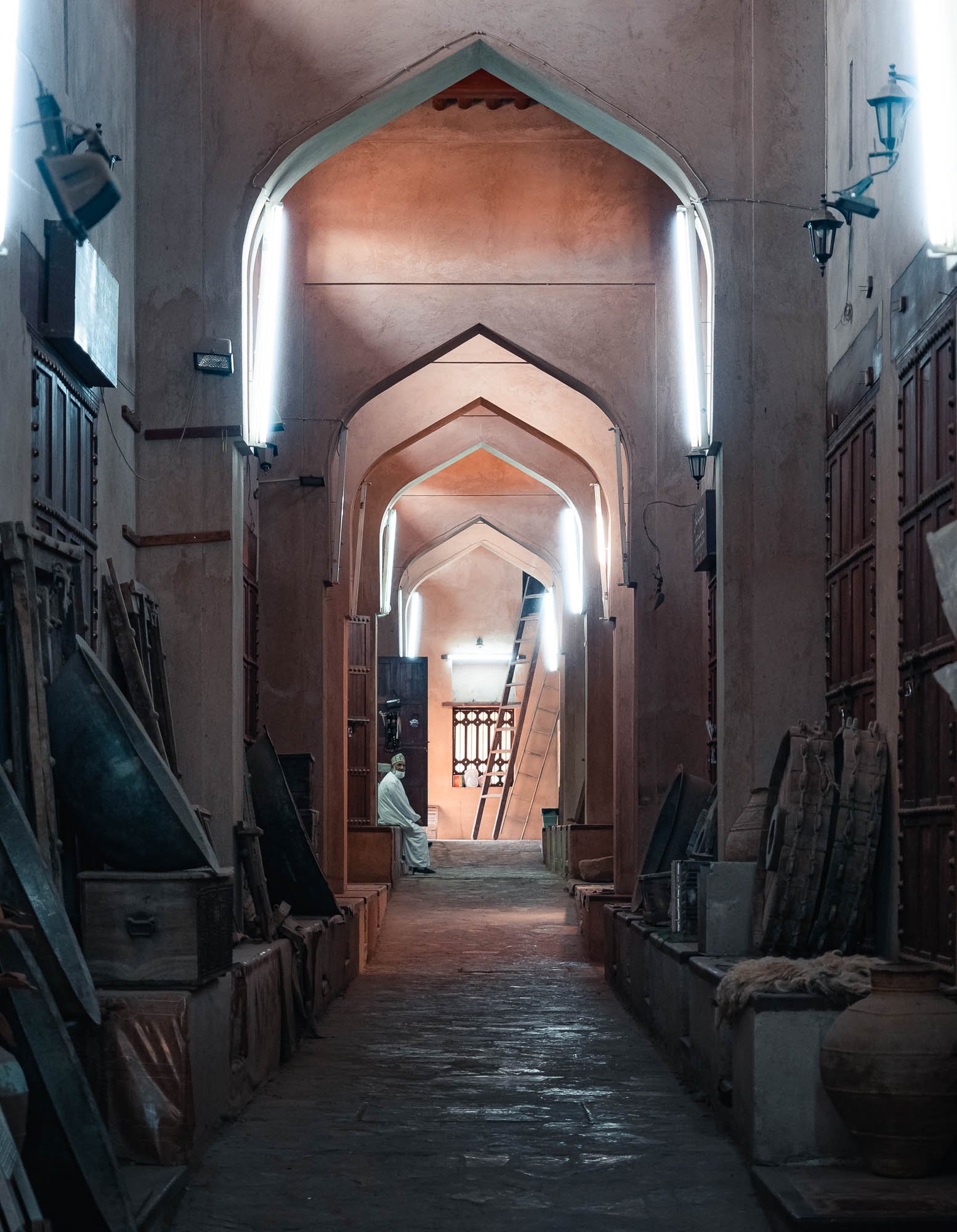
While it doesn't look it in this photo, Nizwa Souq is one of the most important and oldest in the country.
Salesman
During our visit, it was primarily occupied by this fellow.
Transport
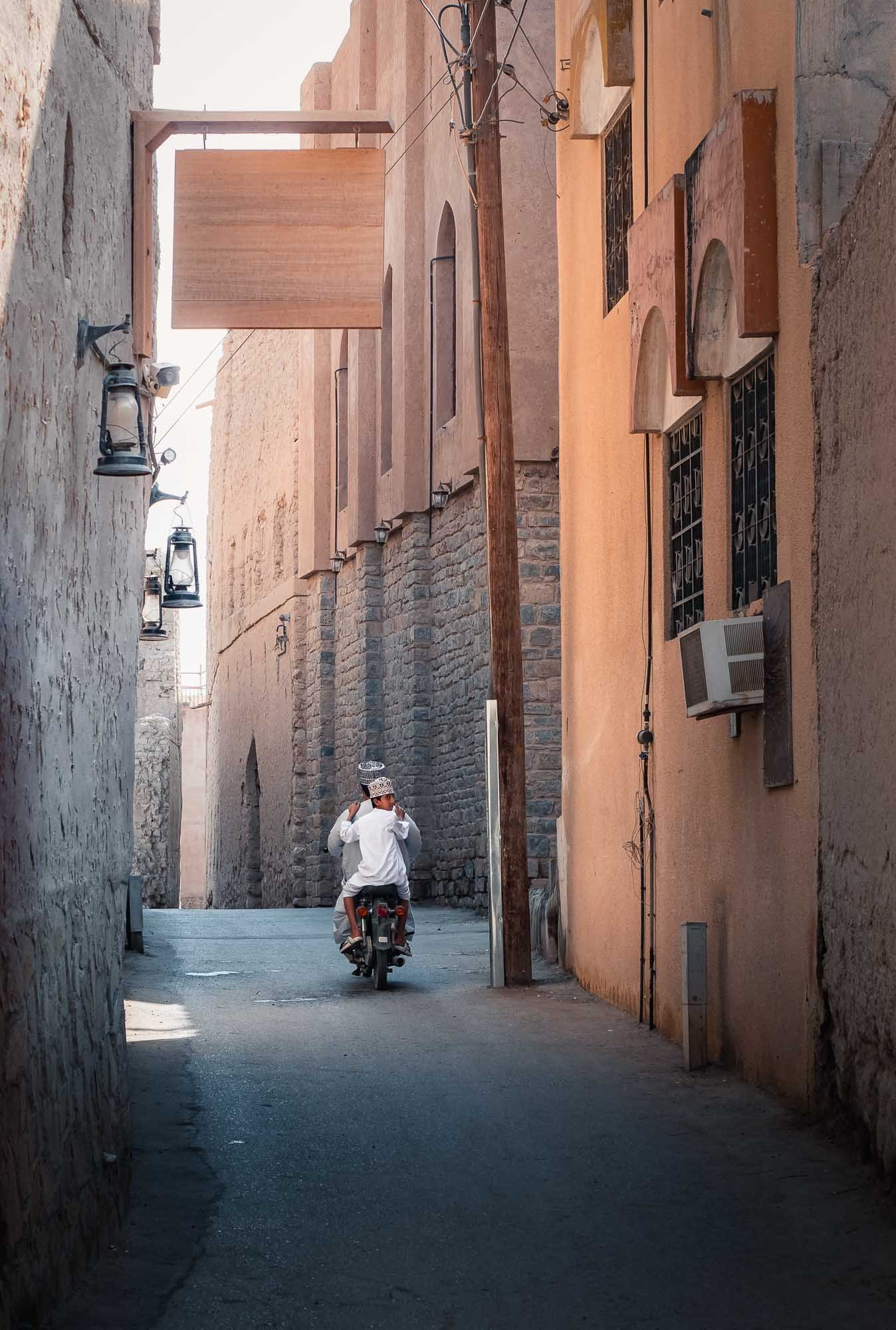
The small tight roads running through the old town are mainly accessible this way.
Old Town
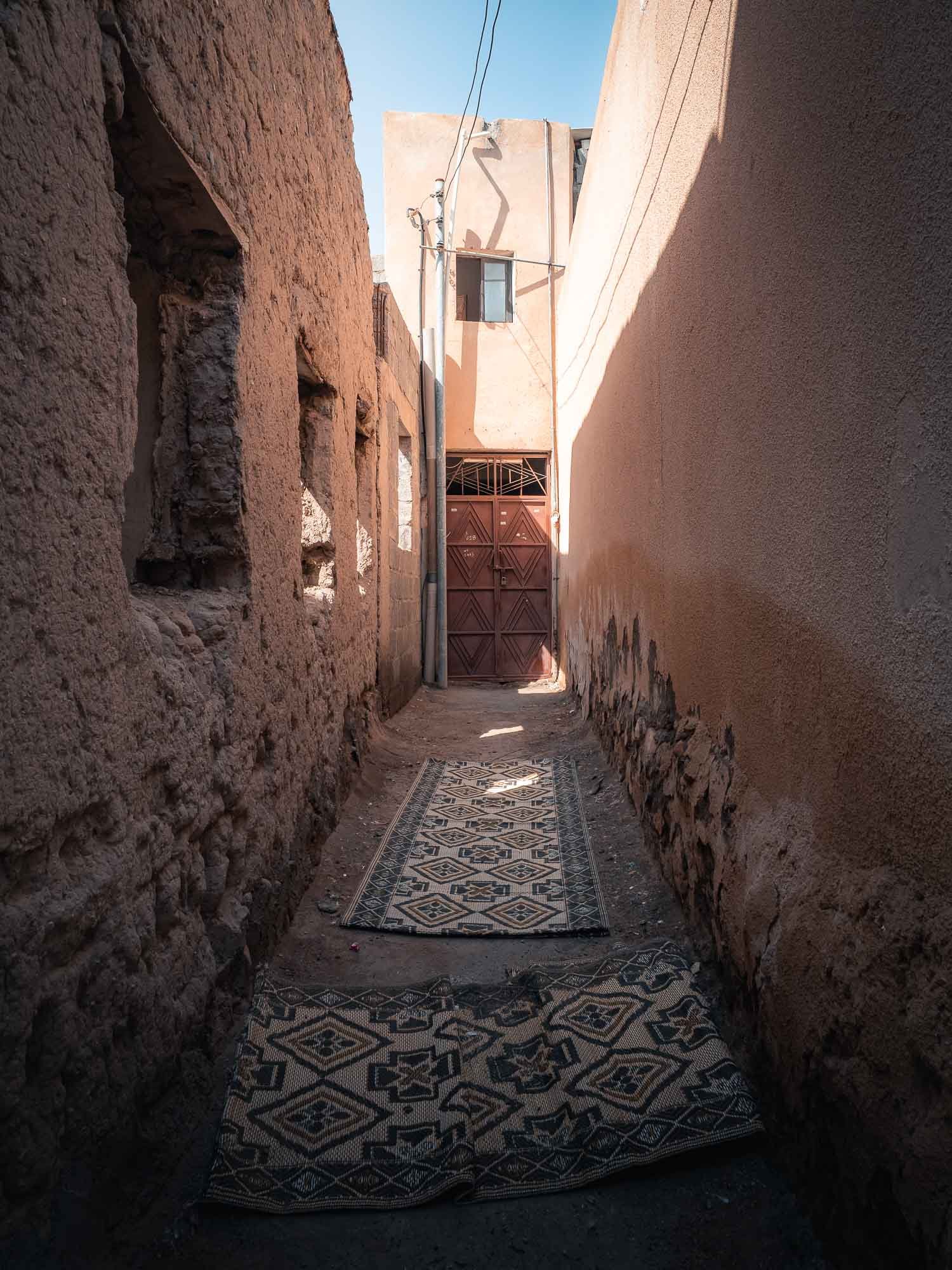
While many of the houses are crumbling and abandoned, some are still occupied.
Grocery Duty
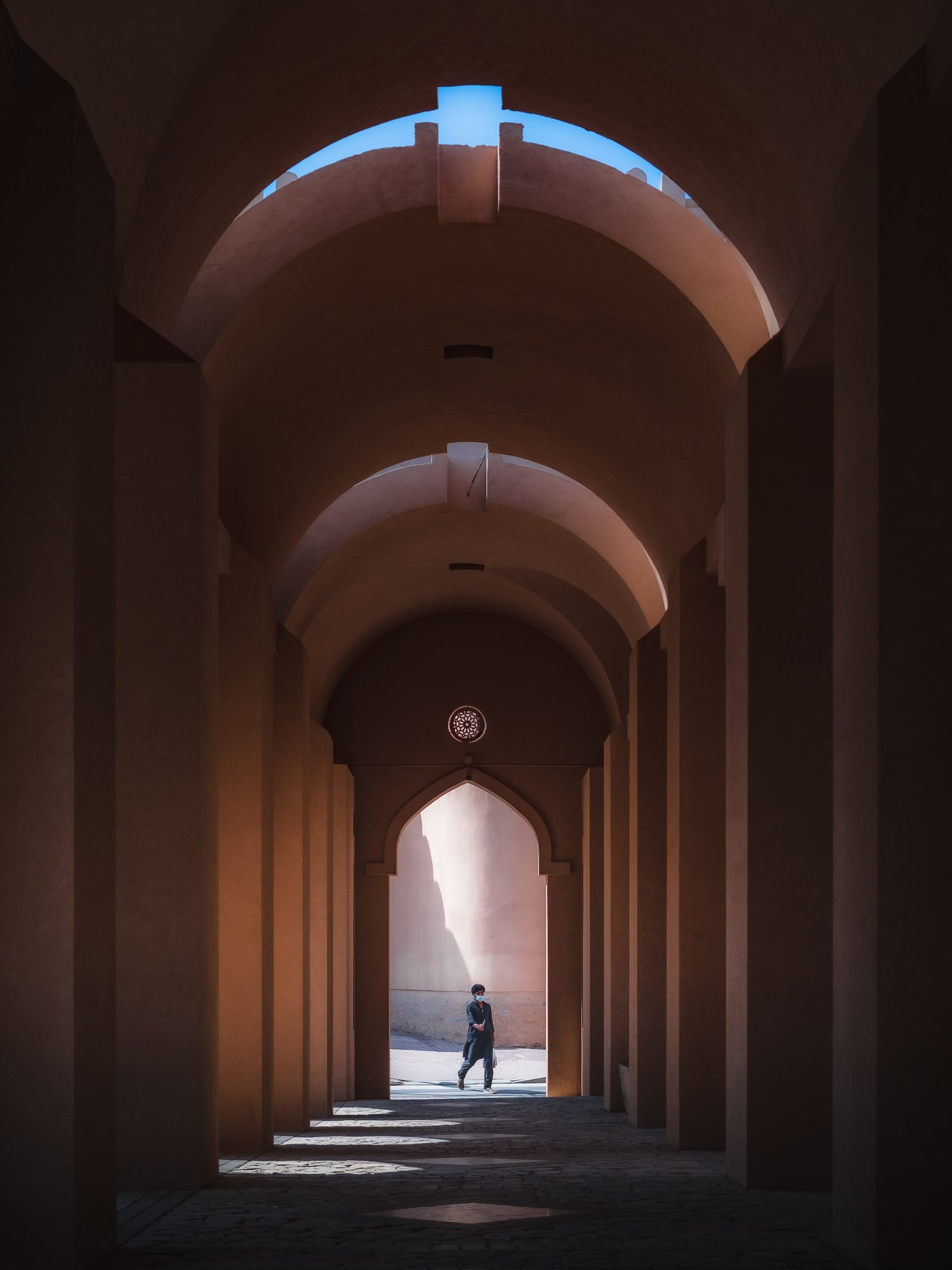
An Omani man passing through the shaded walkways of the market courtyard.
Jebel Akhdar
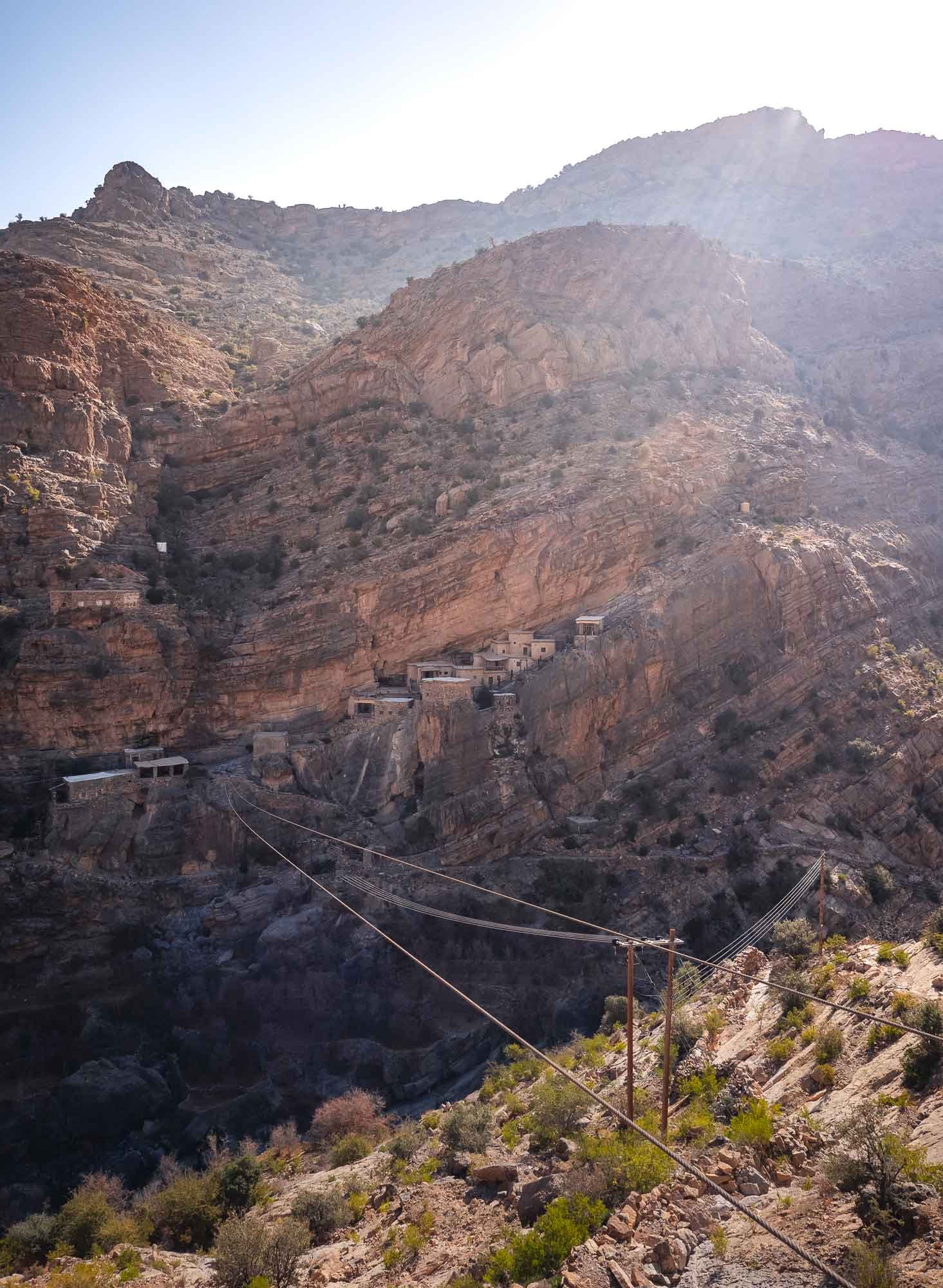
Upwards
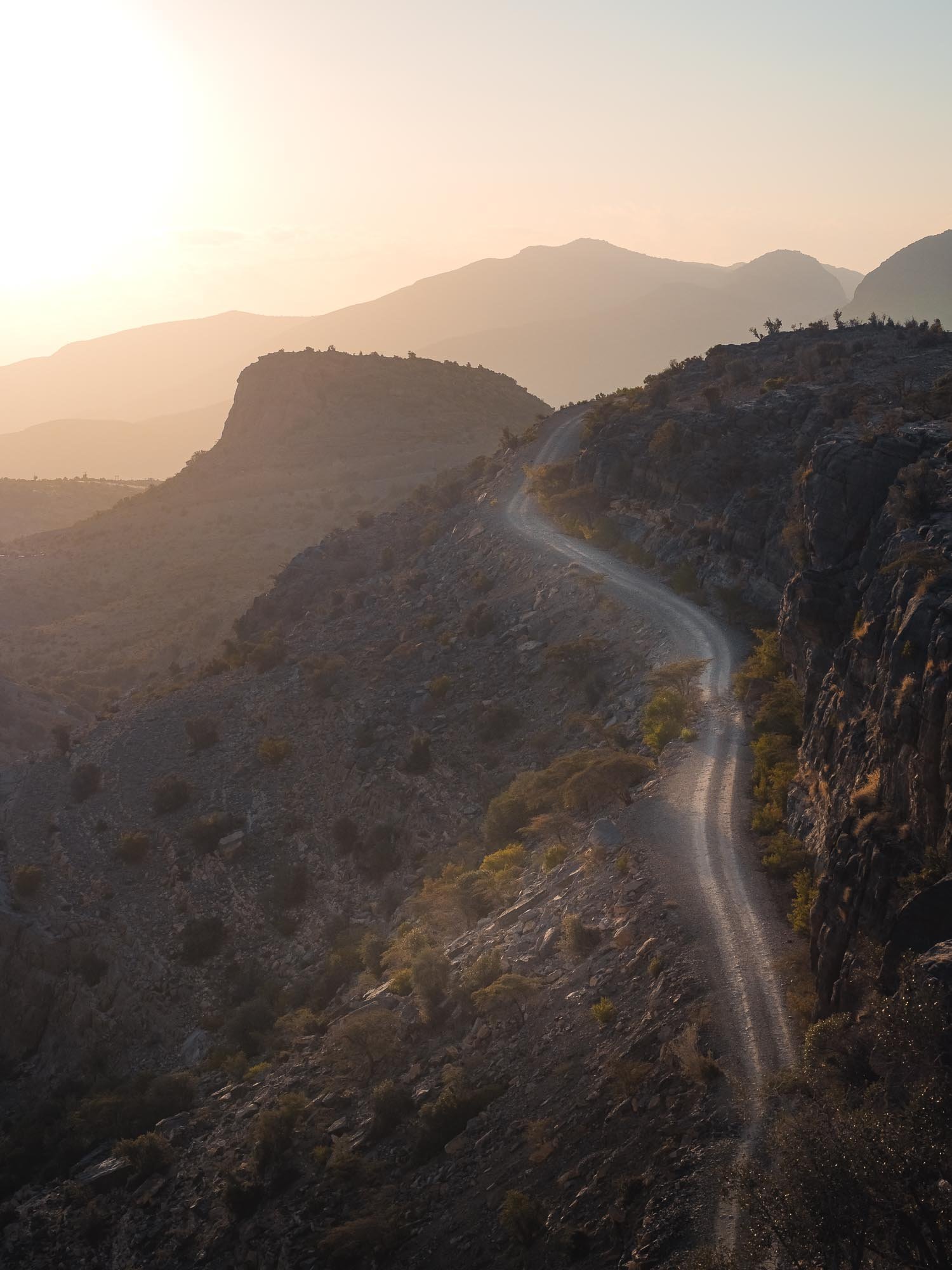
Our next destination was Jebel Akhdar. It's an hour drive into the mountains, to an altitude of more than 2000 meteres. Although the roads are ok (better than in this photo), a 4x4 is required, otherwise you cannot pass the police checkpoint.
Alila Jabal Akhdar
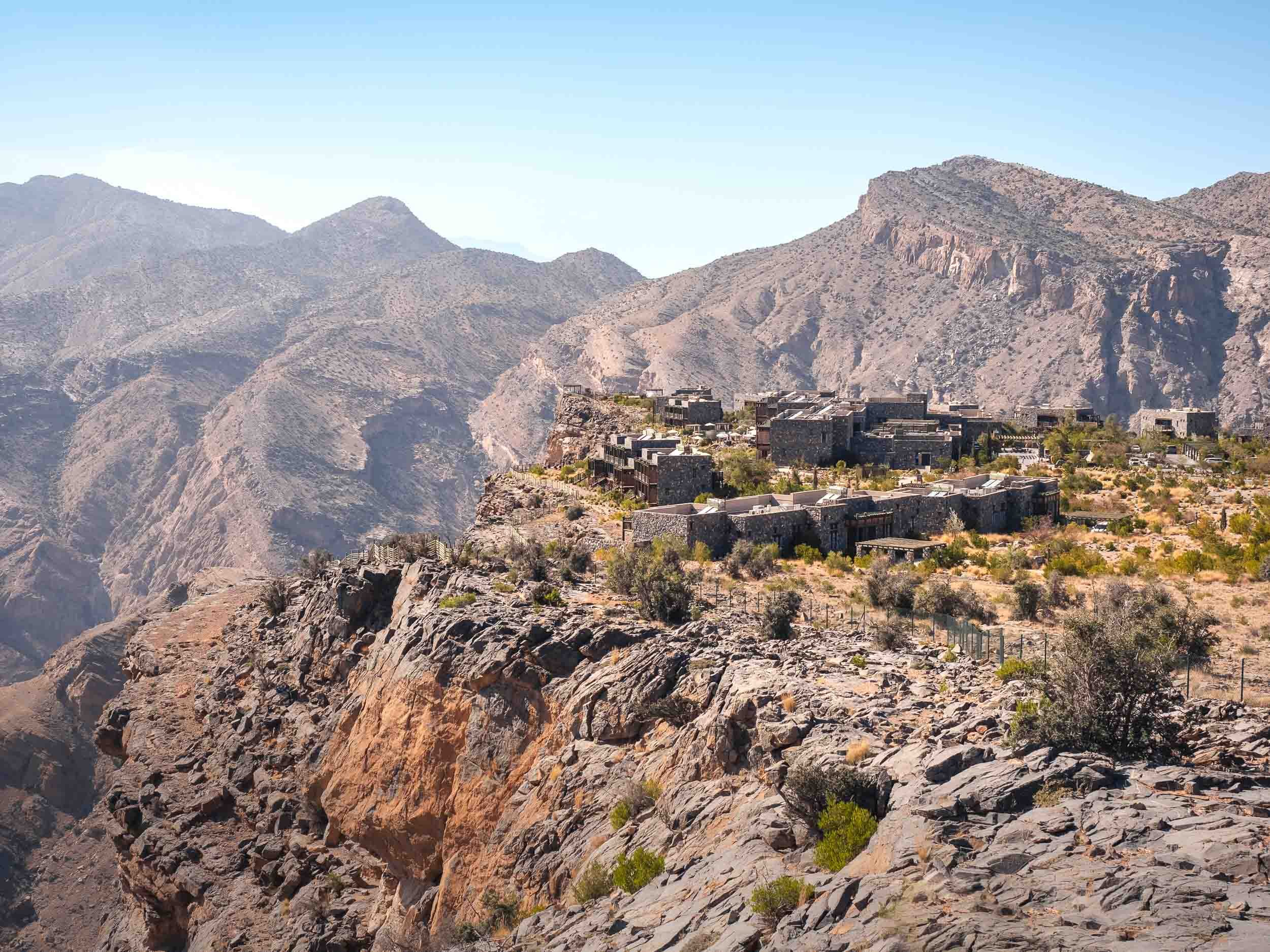
We spent 2 nights in this amazing property, directly on the cliff of the one of the deepest canyons in the Hajar mountains.
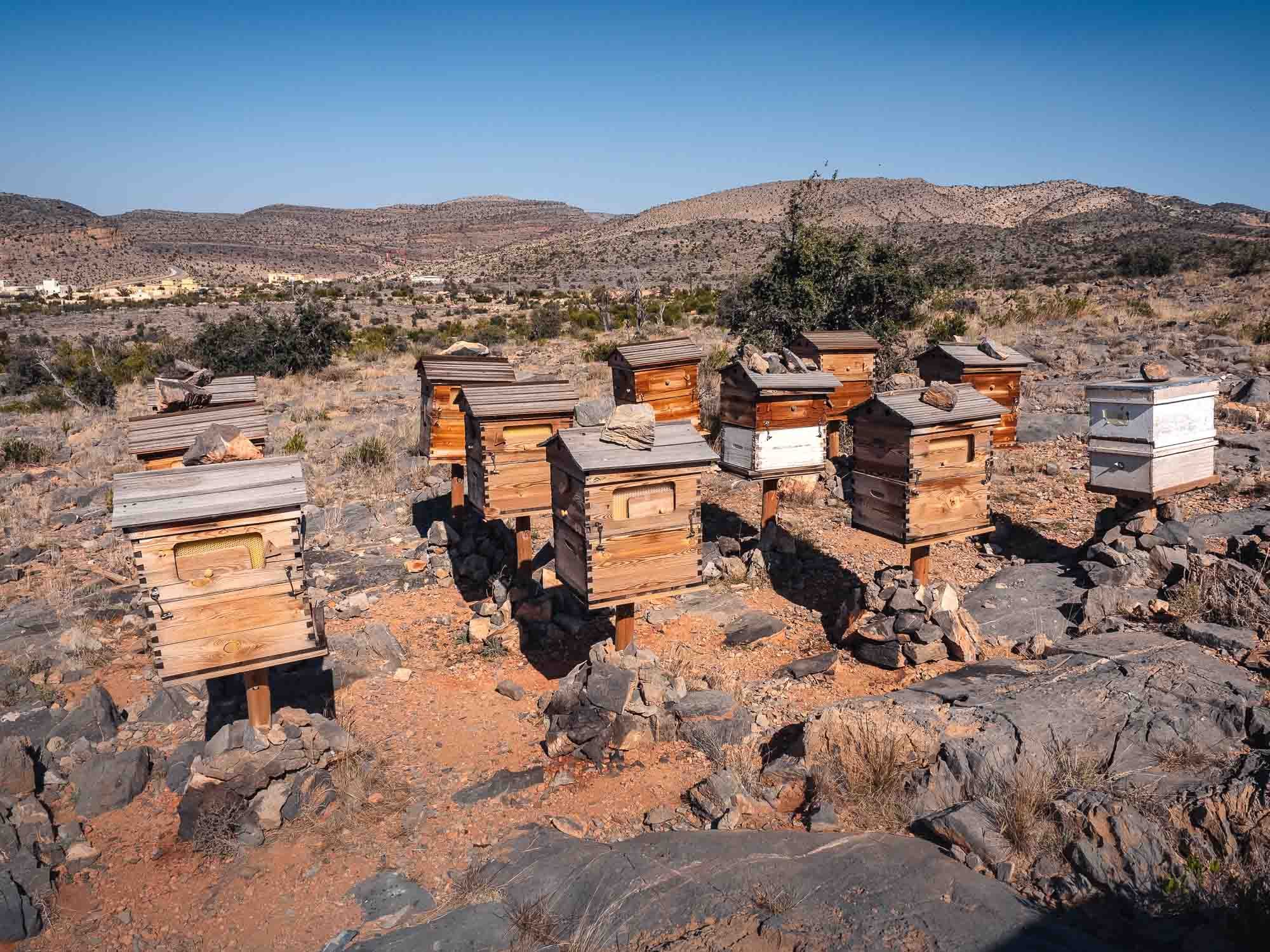
Beehives
The area round the hotel features many hikes, and a small trail directly in the grounds, with several interesting spots such as these beehives.
History
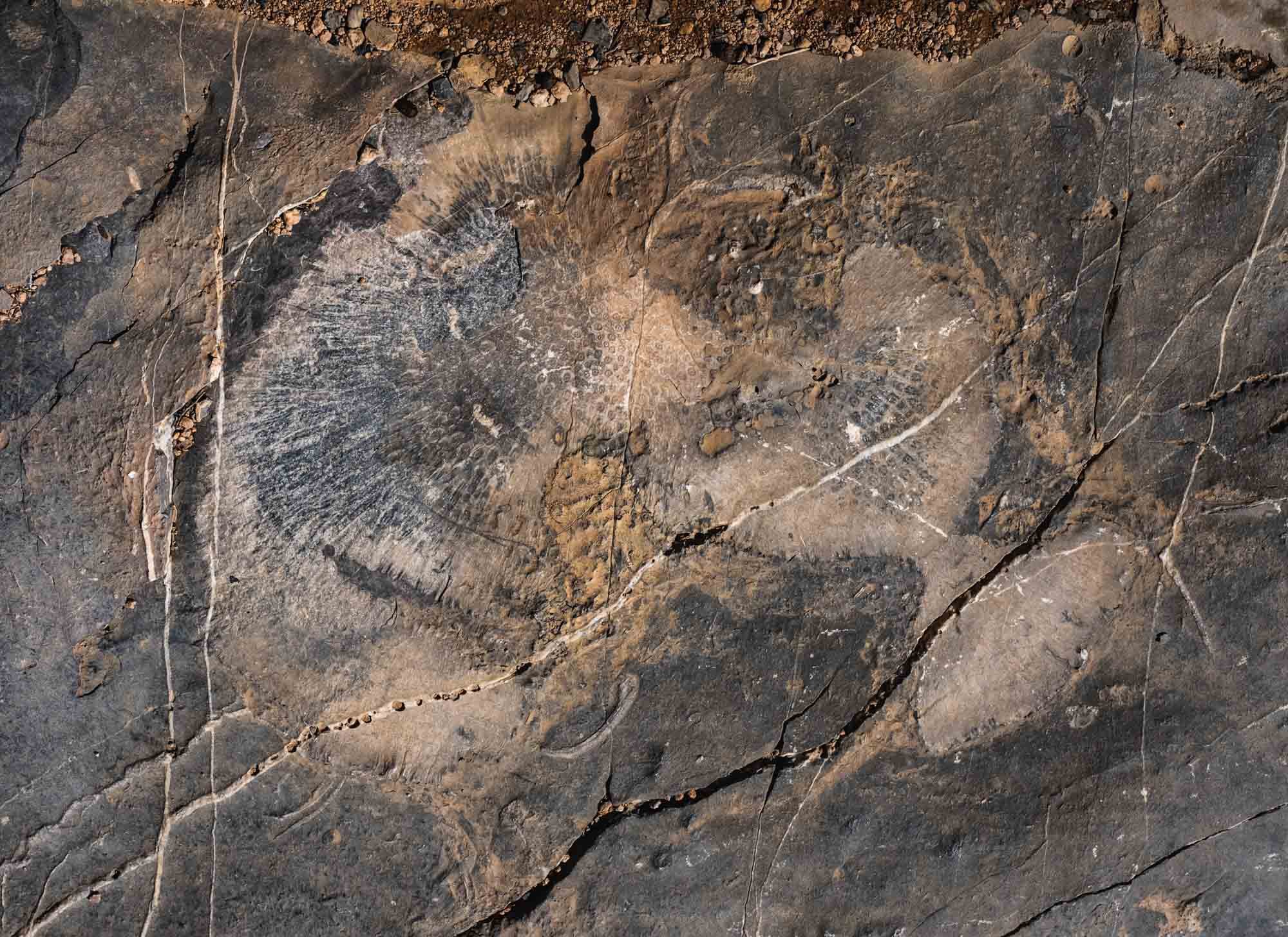
You can also find marine fossils everywhere, from millions of years ago when the area was under water.
Visitors
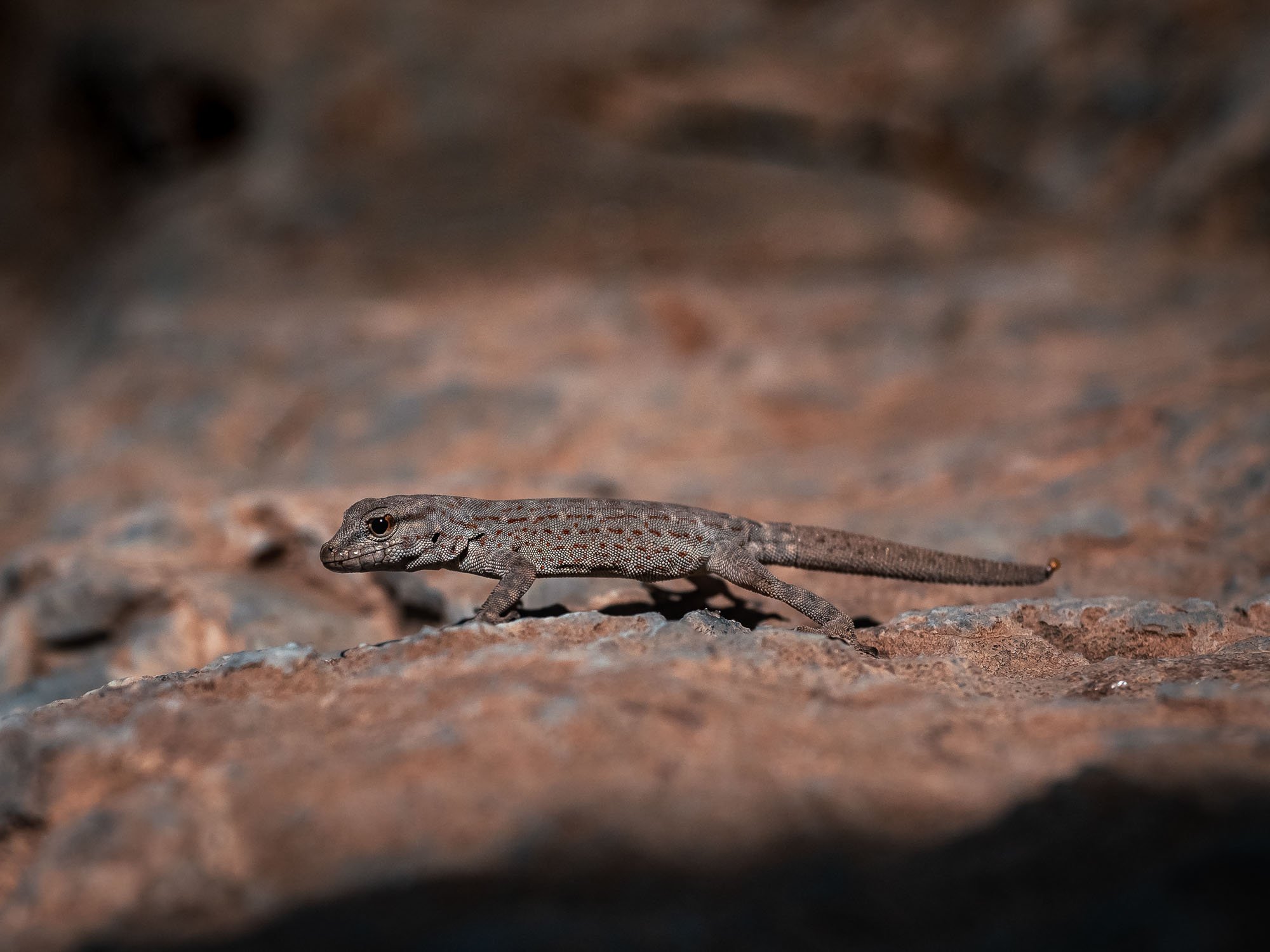
Nowadays, the mountain is home to an abudance of Flora & Fauna - Akhdar literally means "green".
Wadi Walk
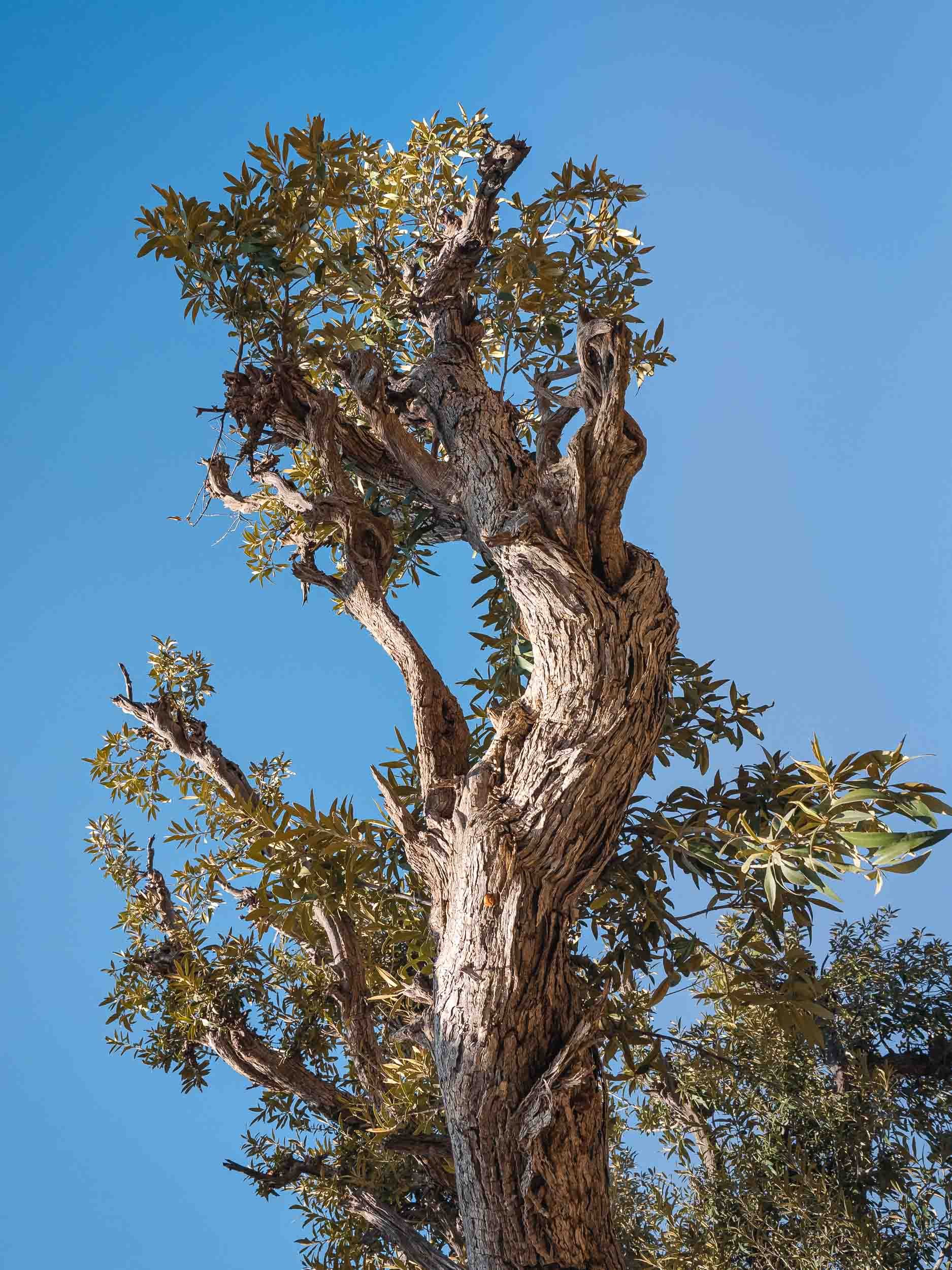
We spent the afternoon on a 4h hike through a nearby Wadi. The variety of trees is particularly interesting, including wild olive trees.
Water Source
The end of the trail brought us to this little dam, occupied primarily by frogs.
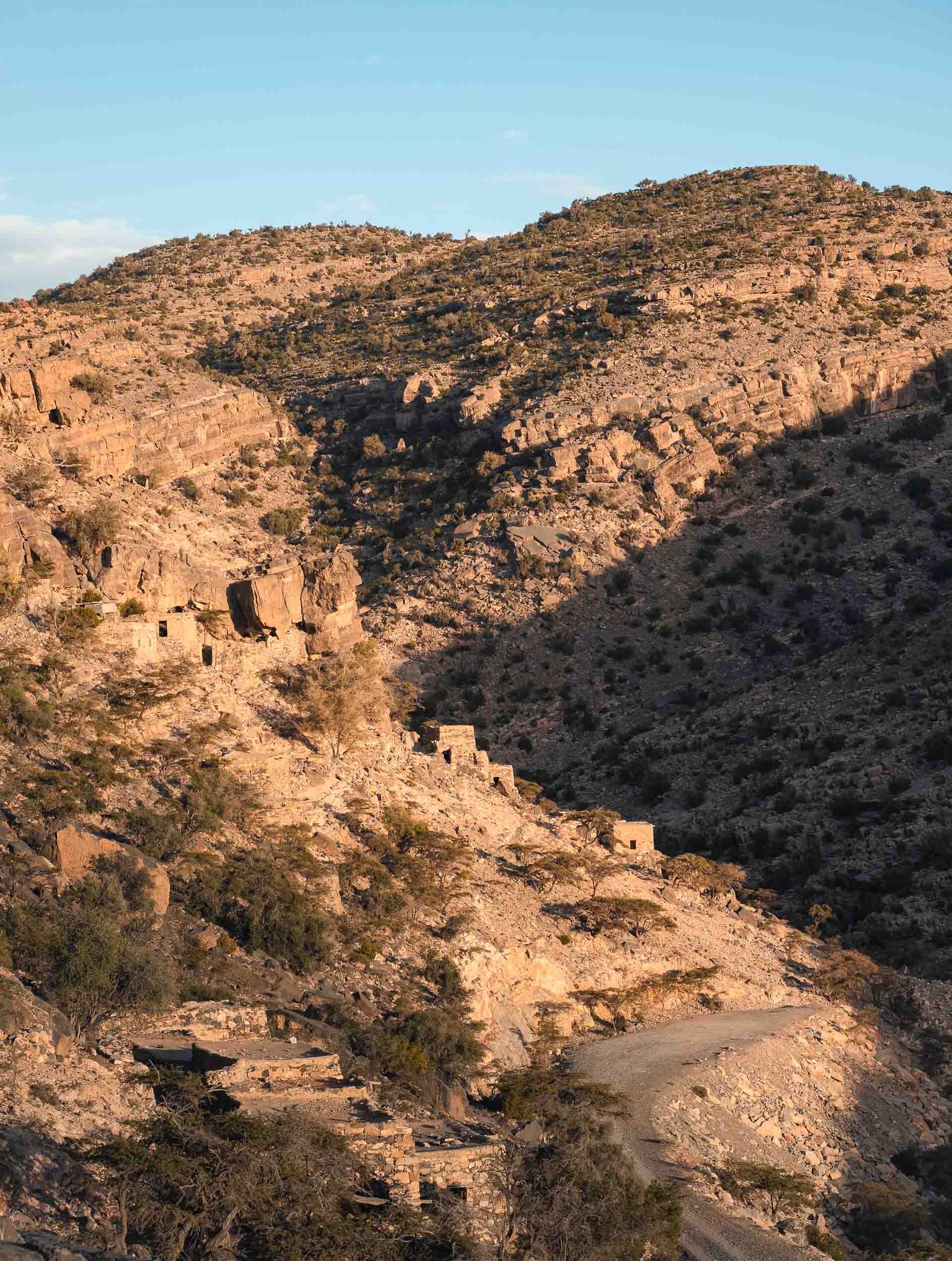
Abandoned
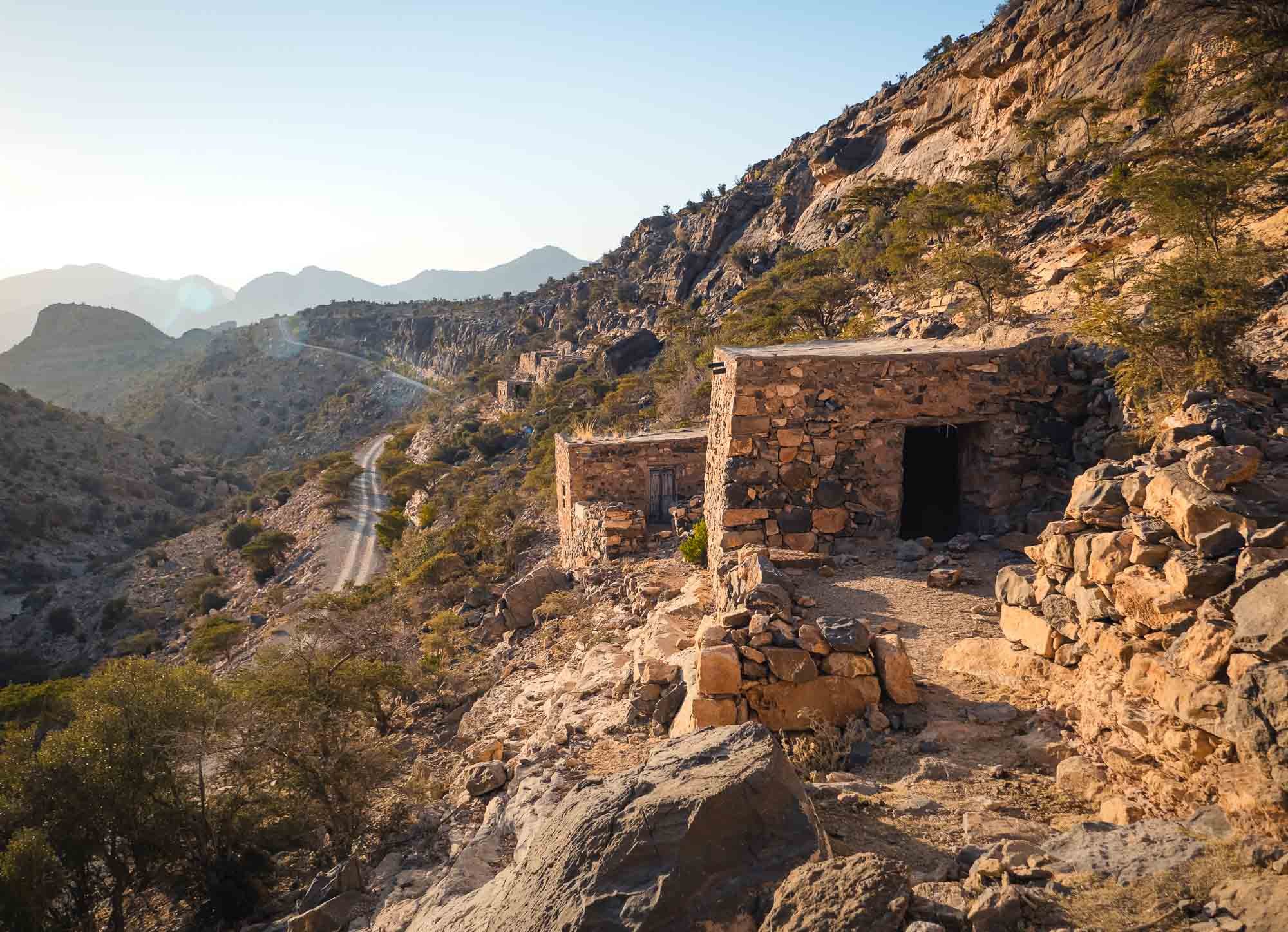
On the way back, we climbed upwards to find the crumbling houses of Sarab, a former village on the slopes of the Wadi.
Illuminated
Sunset was the best time for this trail.
Sunset over Alila
Sometimes the scenery speaks for itself.
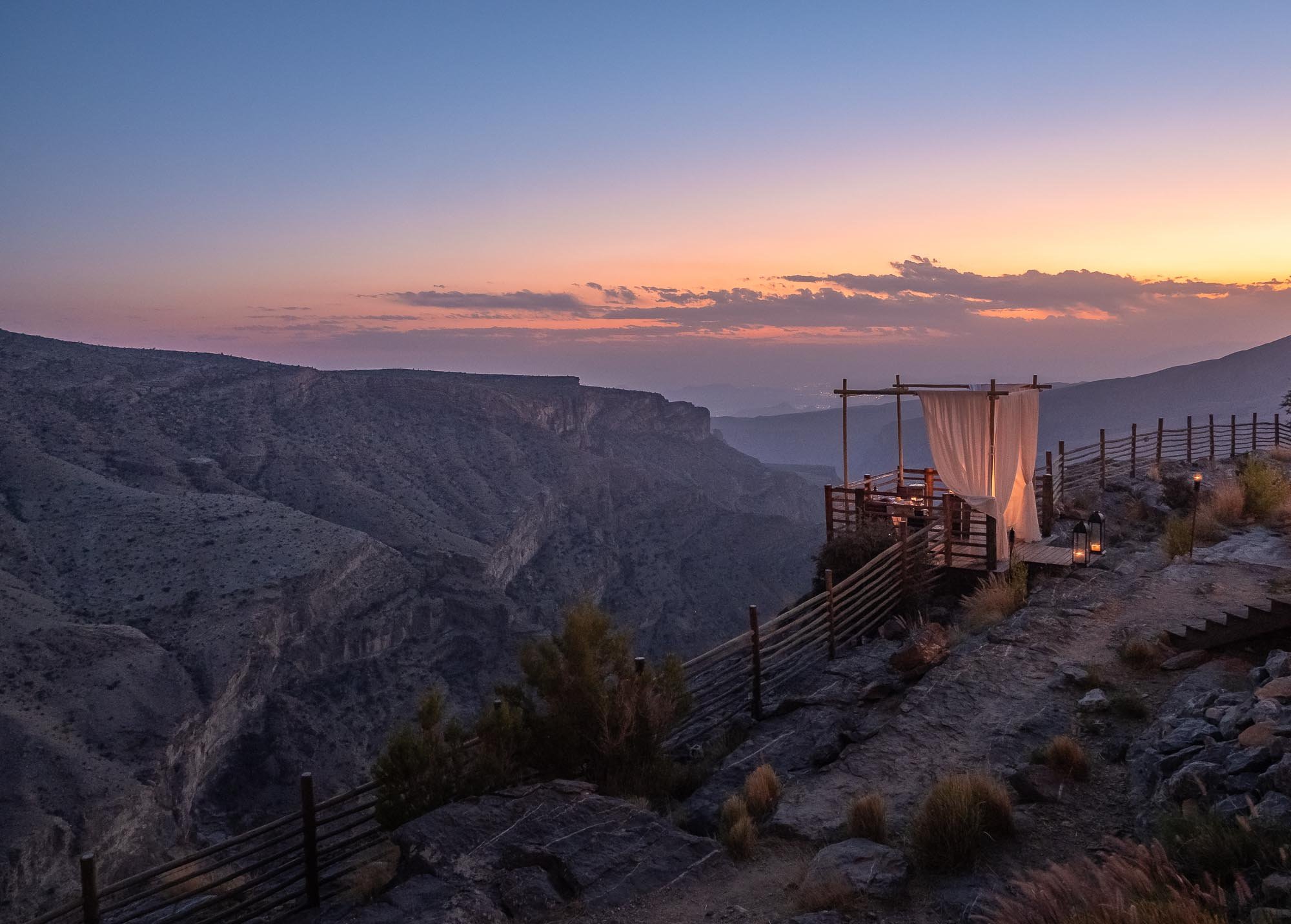
Cliff
Not a bad spot for dinner?
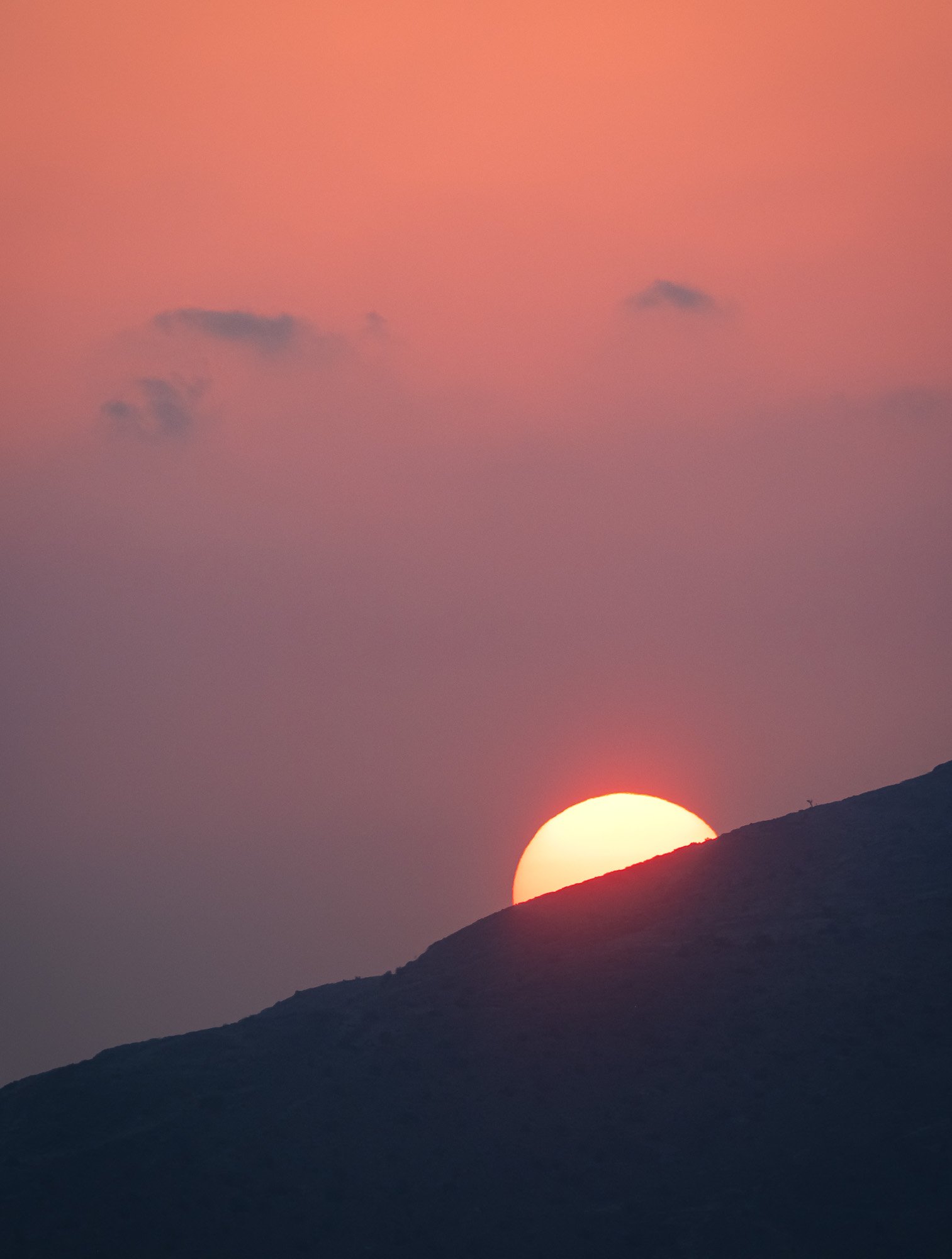
The Day's End
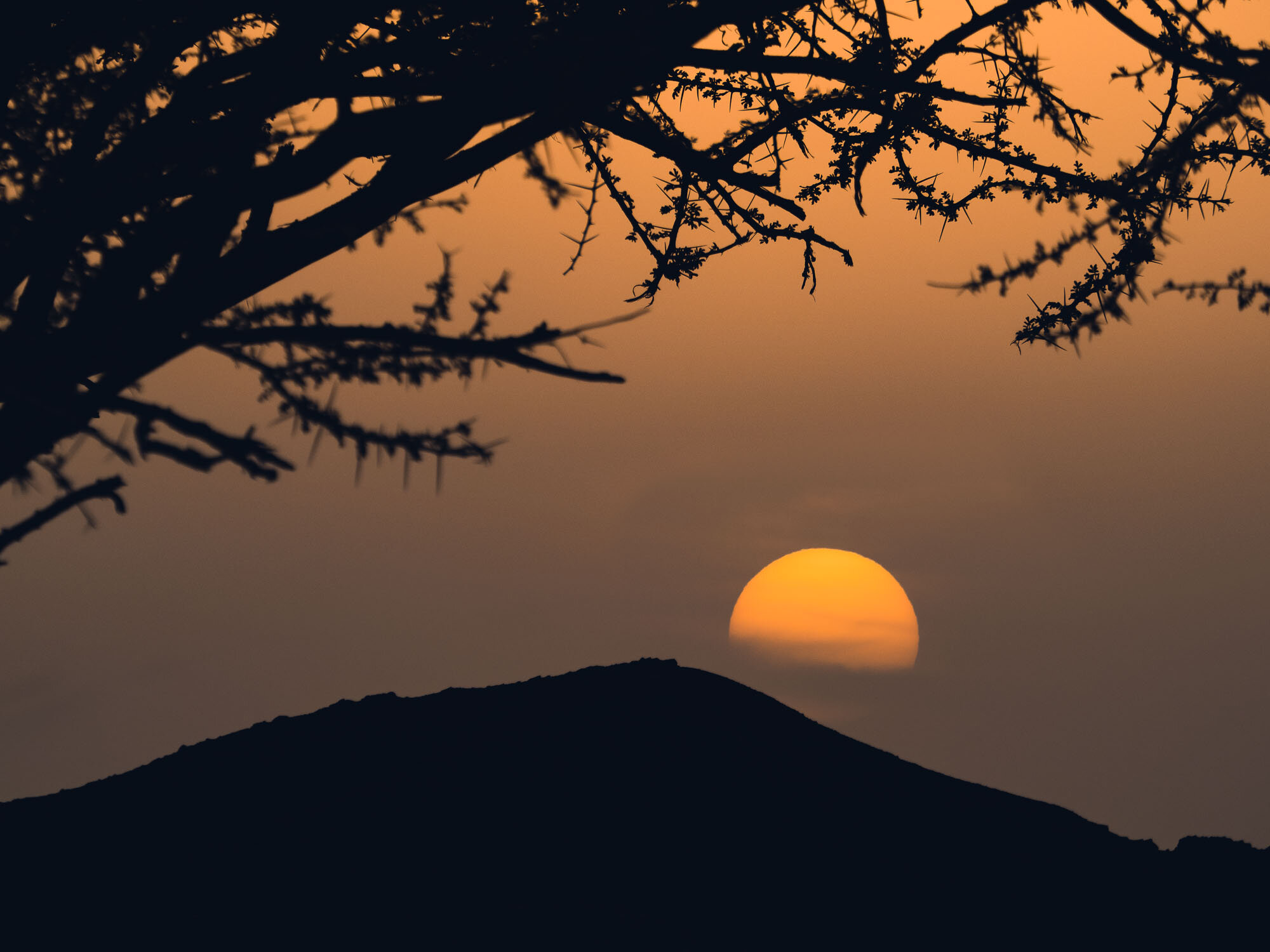
The sun setting behind the Hajar mountains in the distance, next to a little tree.
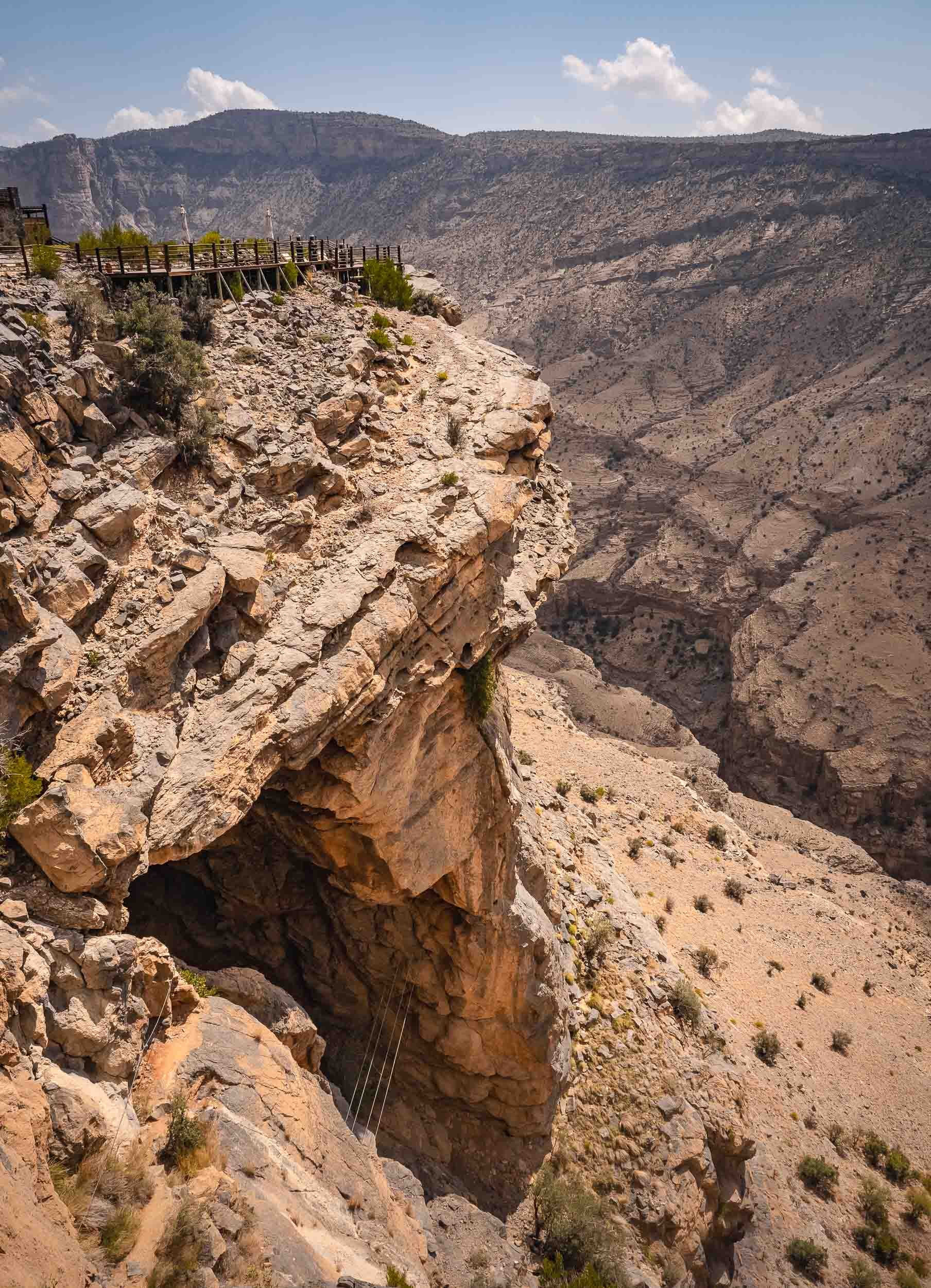
Via Ferrata
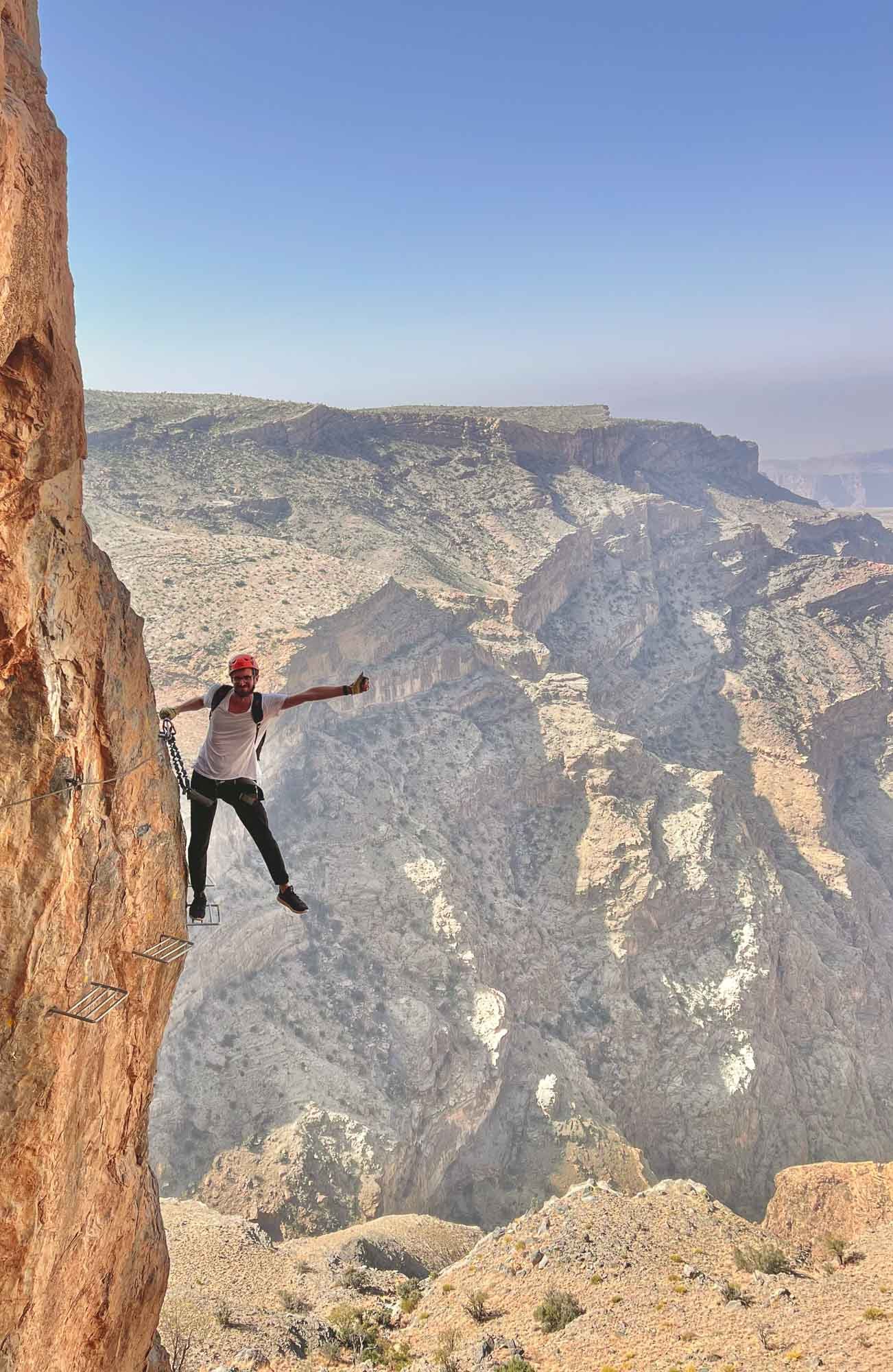
The next morning brought some adventure, as we climbed the via Ferrata, which literally starts at the hotel lobby. You can see the iron rope on the bottom left and the rope bridge across the cave in this image.
On the Edge
An incredible experience, and definitely recommended.
Alsuwjara Village
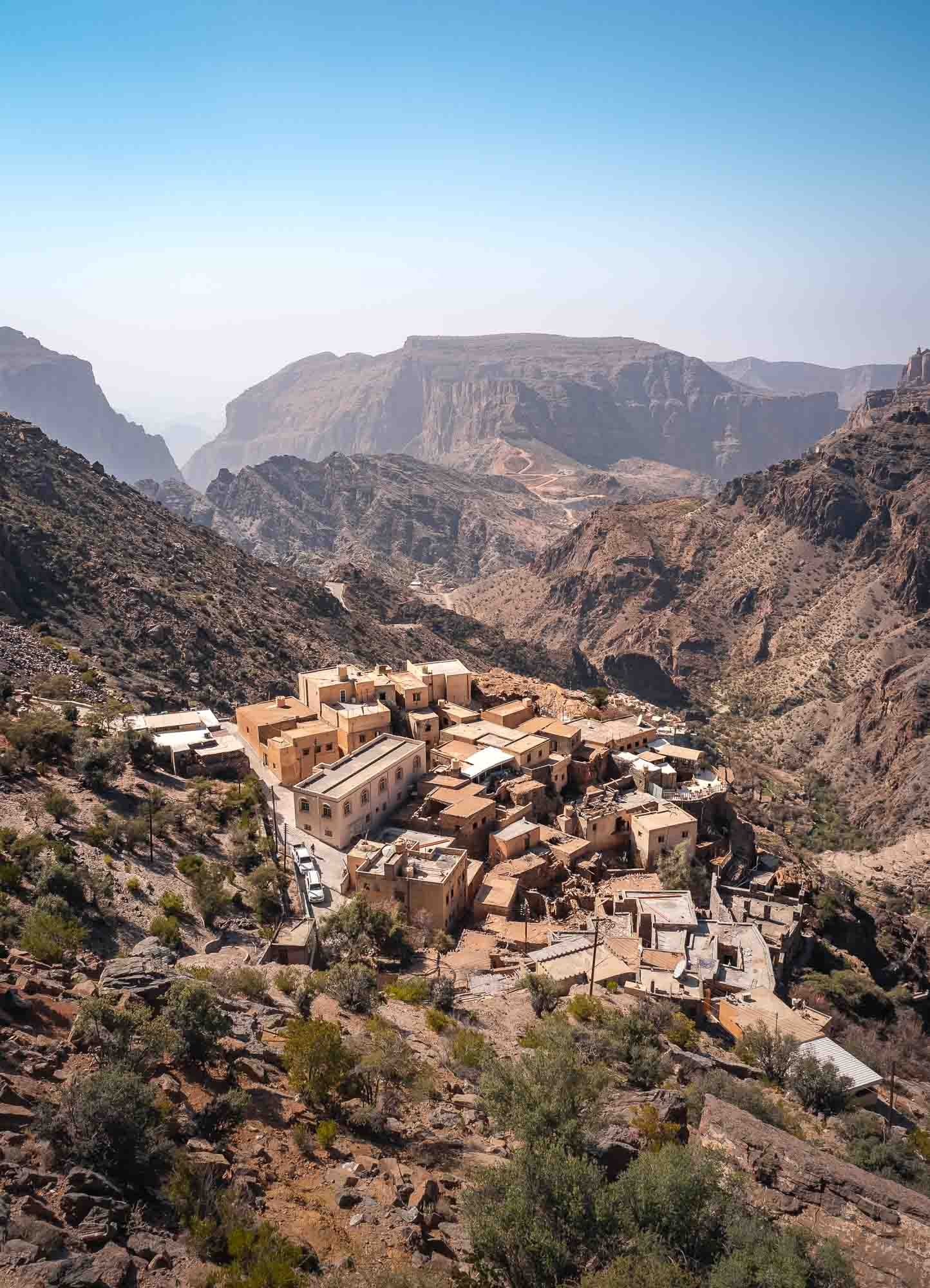
Our last day at Jabal Akhdar brought us to the cliff guest house, an old village from 500 years ago that is slowly being converted for tourism.
On the Rocks
We were lucky enough to get a tour organised directly by the local Omanis operating the place, who lived in the houses up until a few years ago.
Mountain Villages
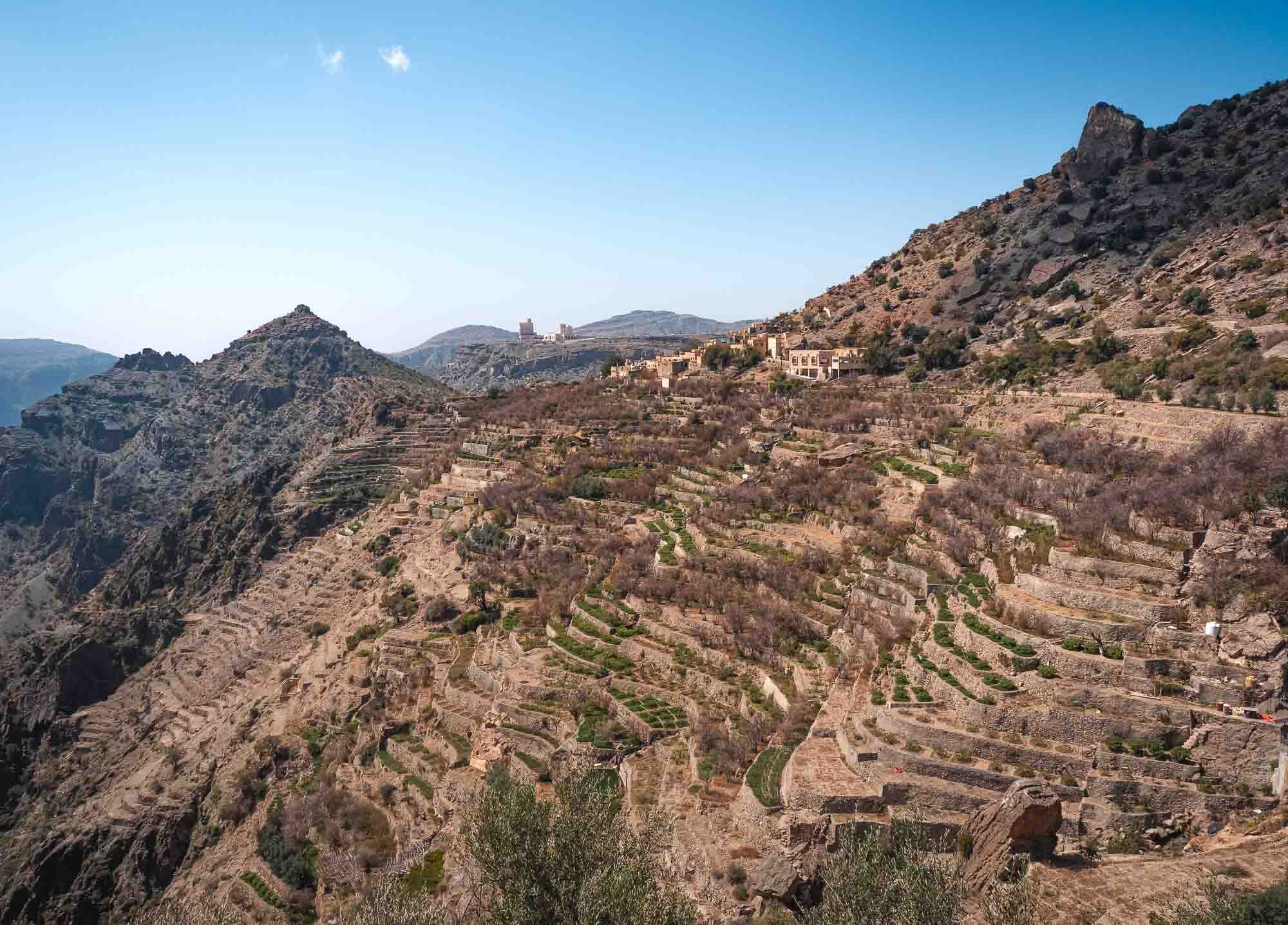
We then moved to the towns of Al Aqr, Al Ayn and Ash Shirayjah, famous for their terraced farming, used to grow roses and other crops.
Farming
The terraces used to reach all the way into the wadi, but a lack of water in recent years meant a reduction in usable area. Nevertheless, the entire slope is green during the summer time.
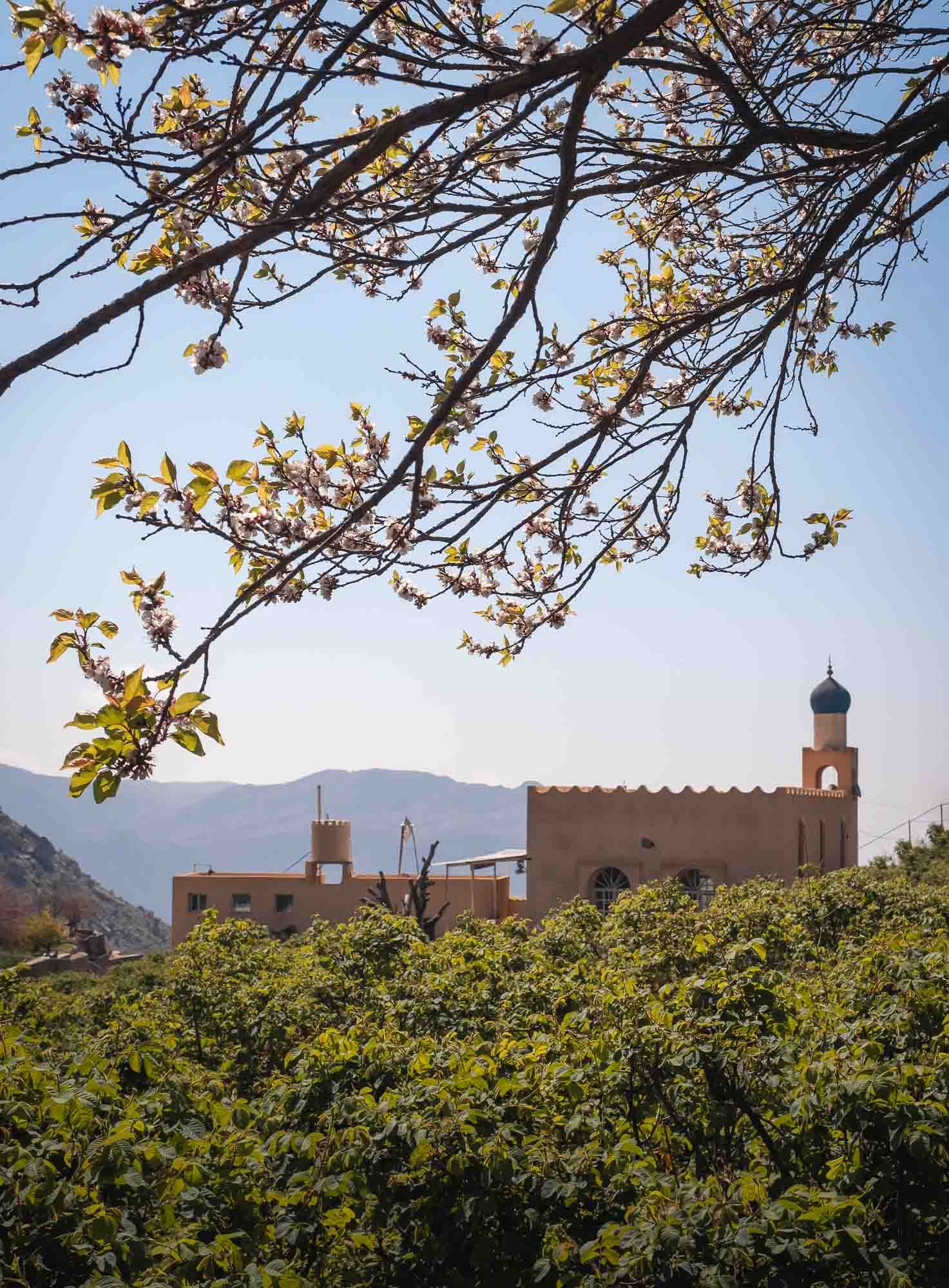
Pomegranate Season
One of the many blooming flowers at the time of our visit. The primary rose season was about to start as well.
Onwards to Muscat
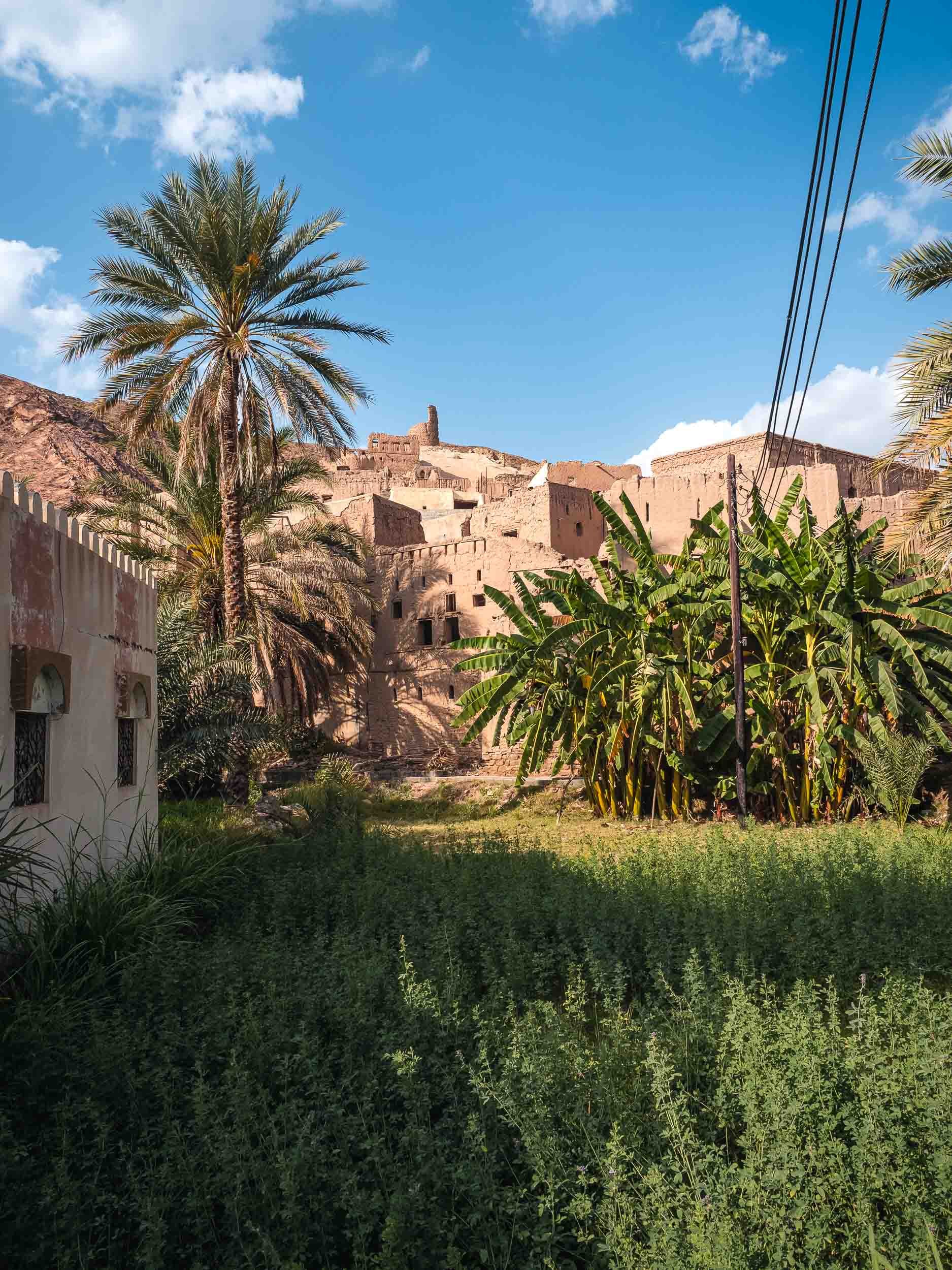
Birkat Al Mouz
This was our next stop on the way from Jebel Akhdar to Muscat.
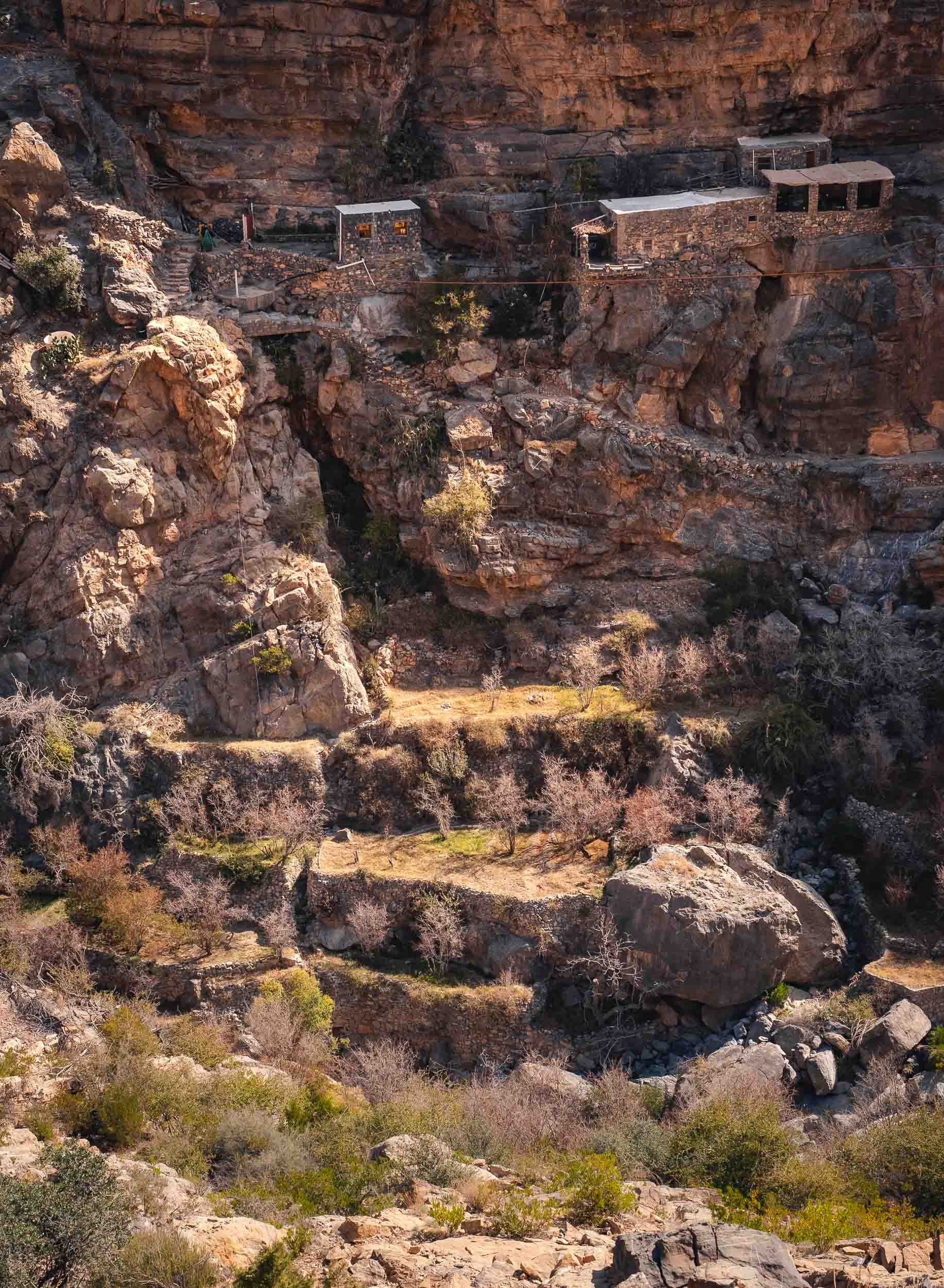
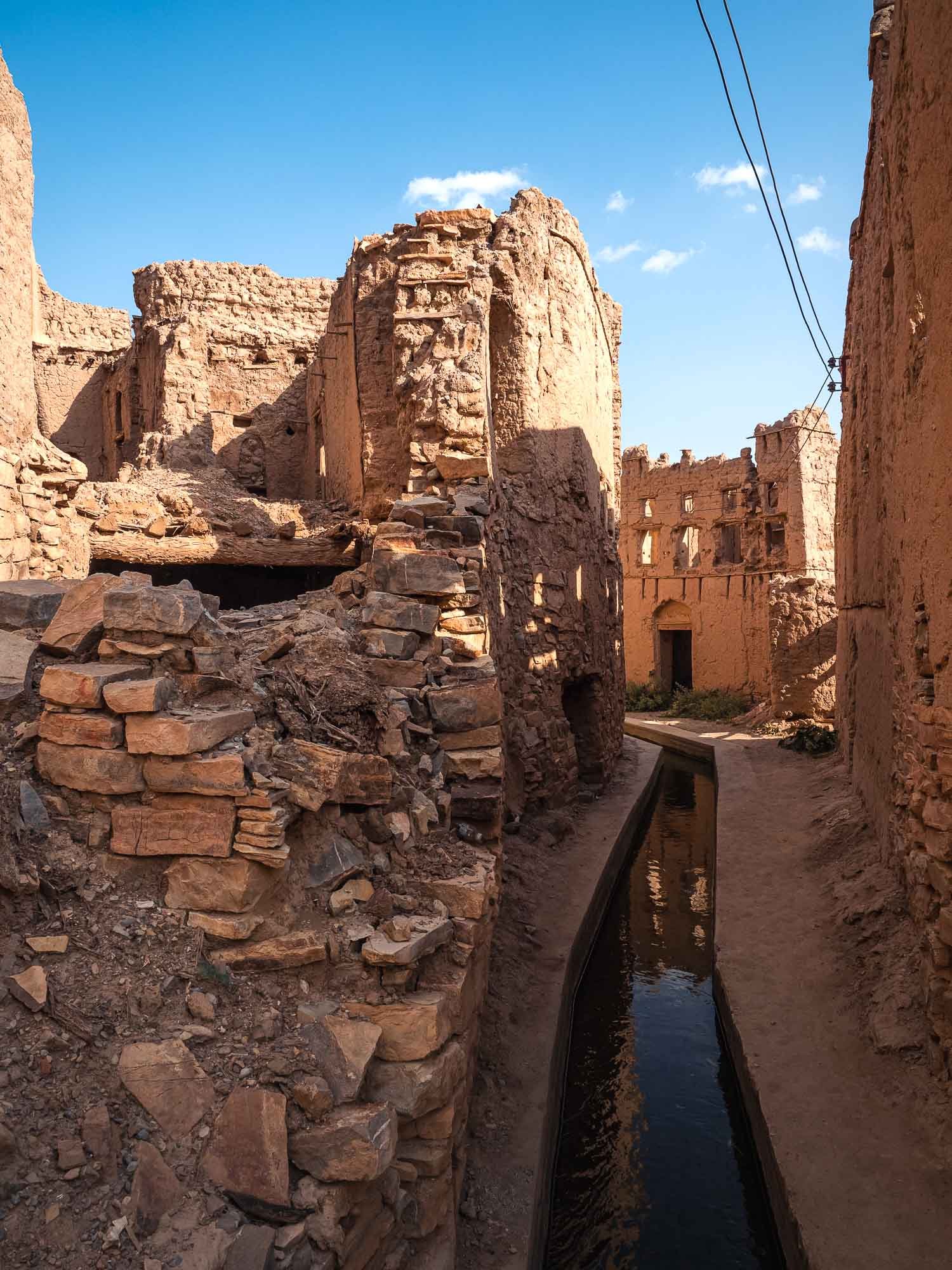
Falaj Al Khatmain
One of the five irrigation systems in Oman listed on the Unesco World Heritage site runs through the abandoned part of town.
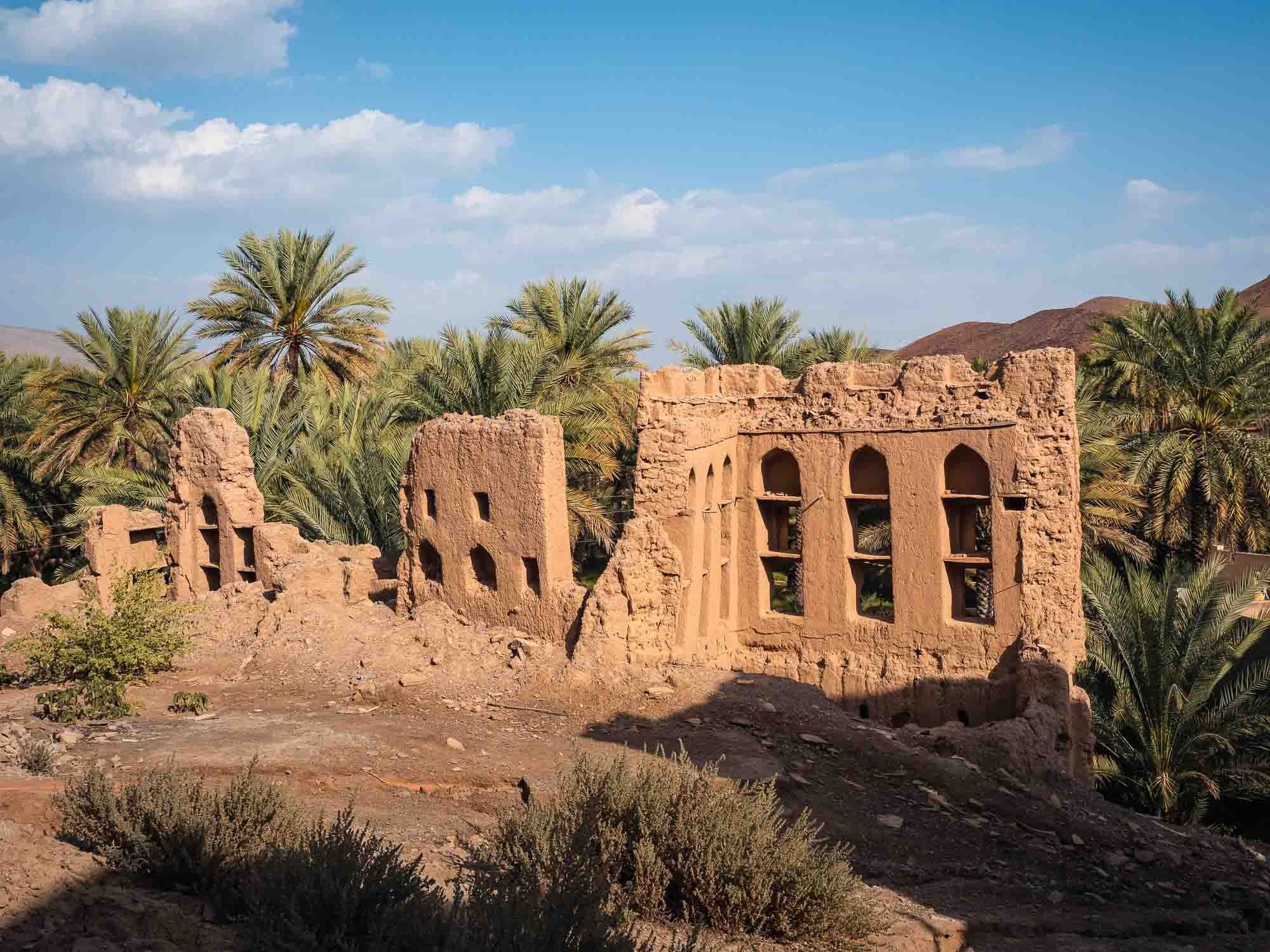
The Last Walls
The village contains two such parts, the larger one called Harat Al Sibani.
Banana Pool
That's the meaning of the city's name in Arabic - and the farms surrounding it give away why.
Quintessential Oman
A short climb on the other side of the farms rewards you with this scenery.
Harat Al Sibani
And this stunning view of the abandoned village.
New Friends
Omani people are always curious, polite, and hospitable.
Work In Progress
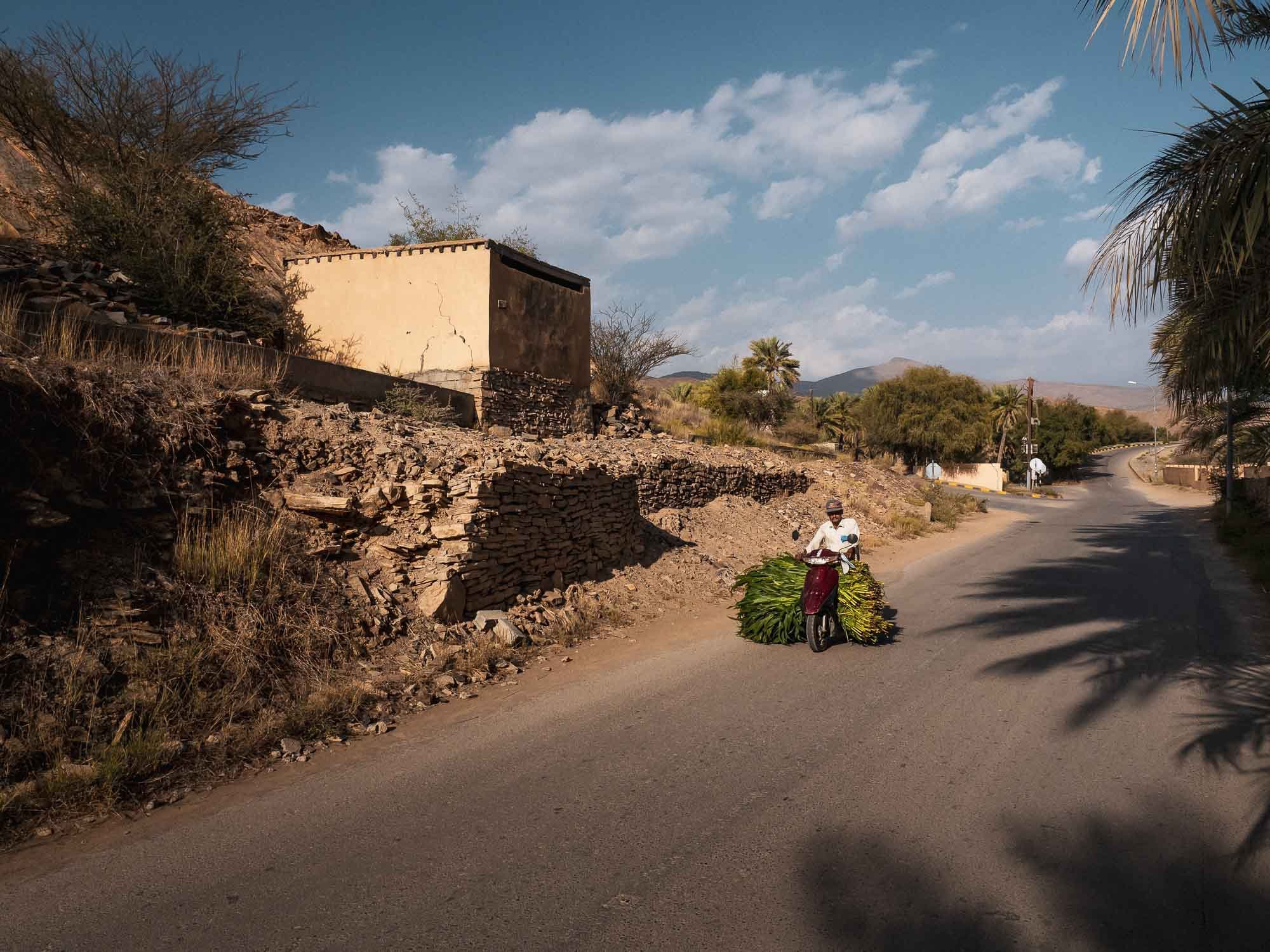
Farming and plantations still make up a large amount of the economy in this area.
Hajar Layers
One kind of shot I can never get enough of.
Samail
Samail and its fort was our last destination before reaching Muscat - unfortunately we were too late to see it from the inside.
Steps to Prayer
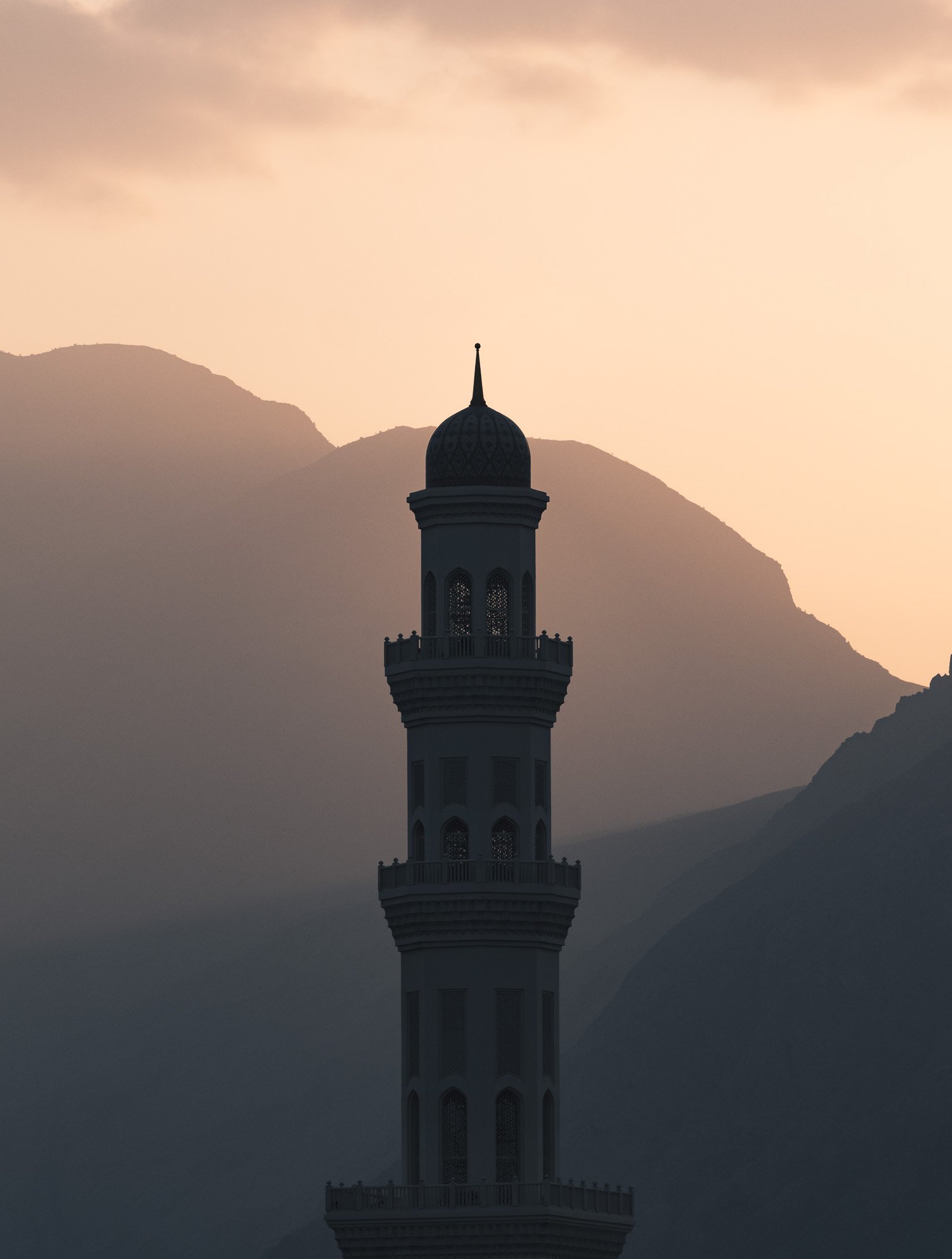
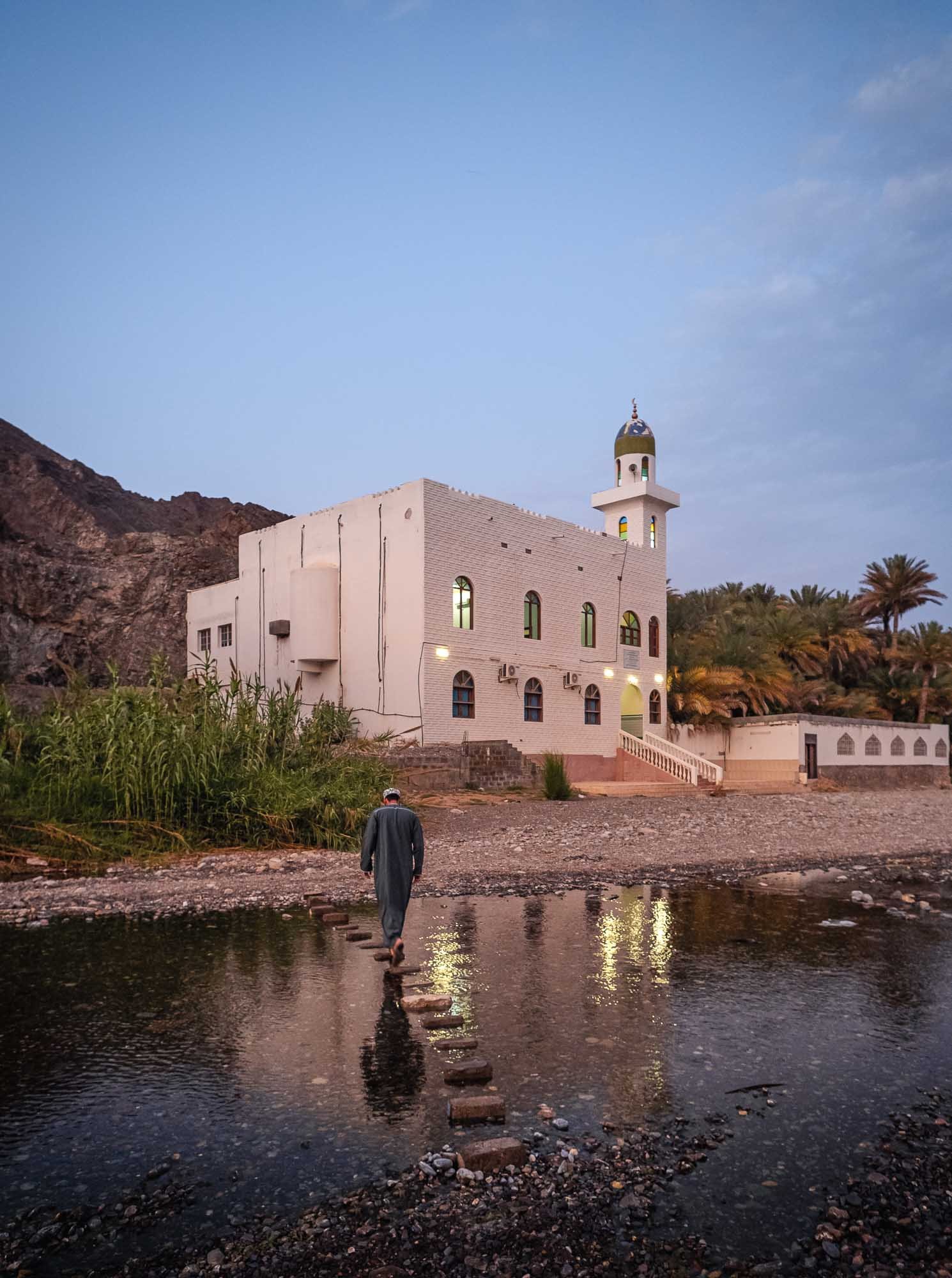
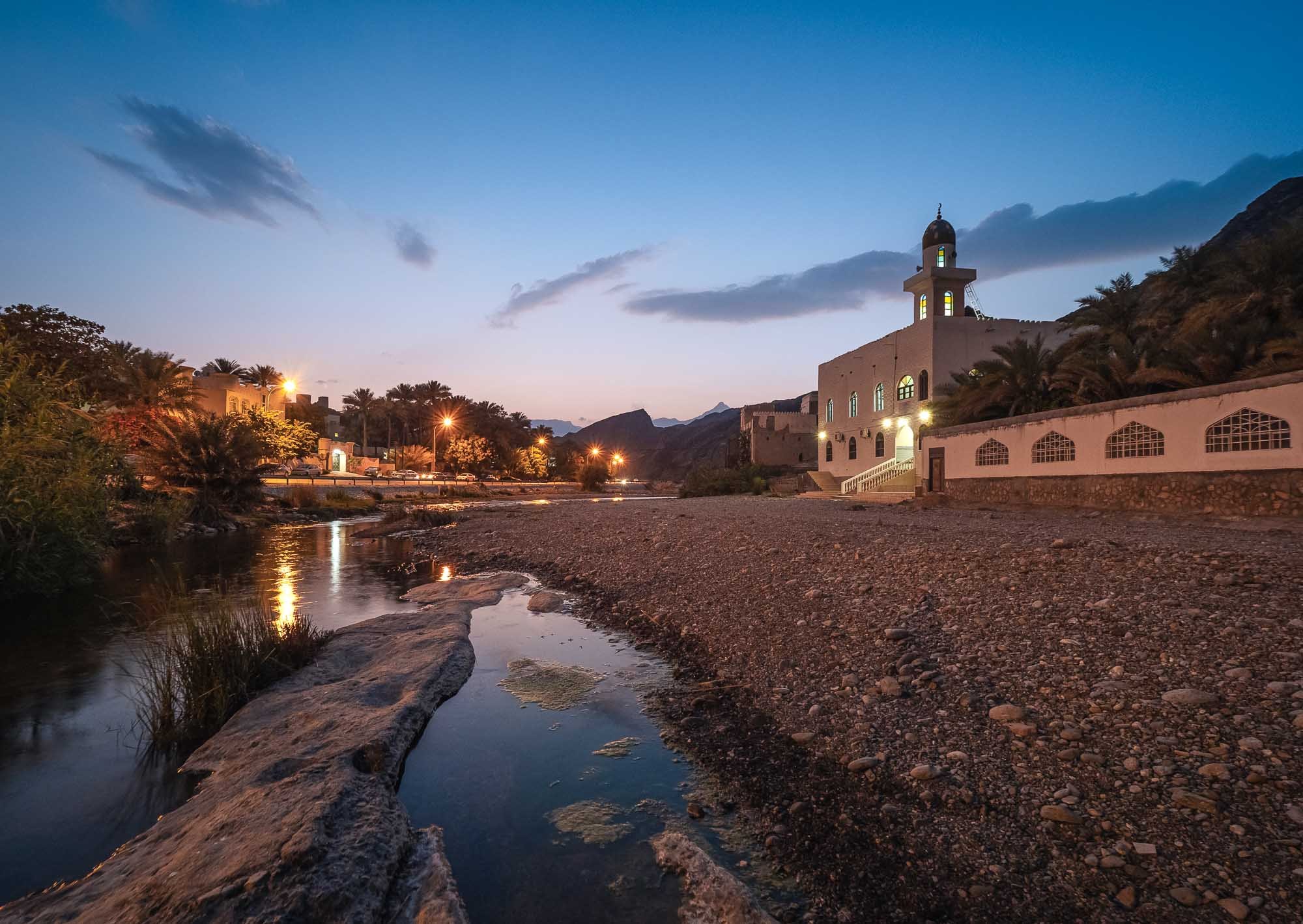
The city is said to feature Oman's oldest mosque from 600 AD - not this one here though, which we found in our search for a good spot to watch the sunset.
Evening Vibes
The sound of the prayer call and a few lonely frogs accompanied this scenery.
The Capital and its Surroundings
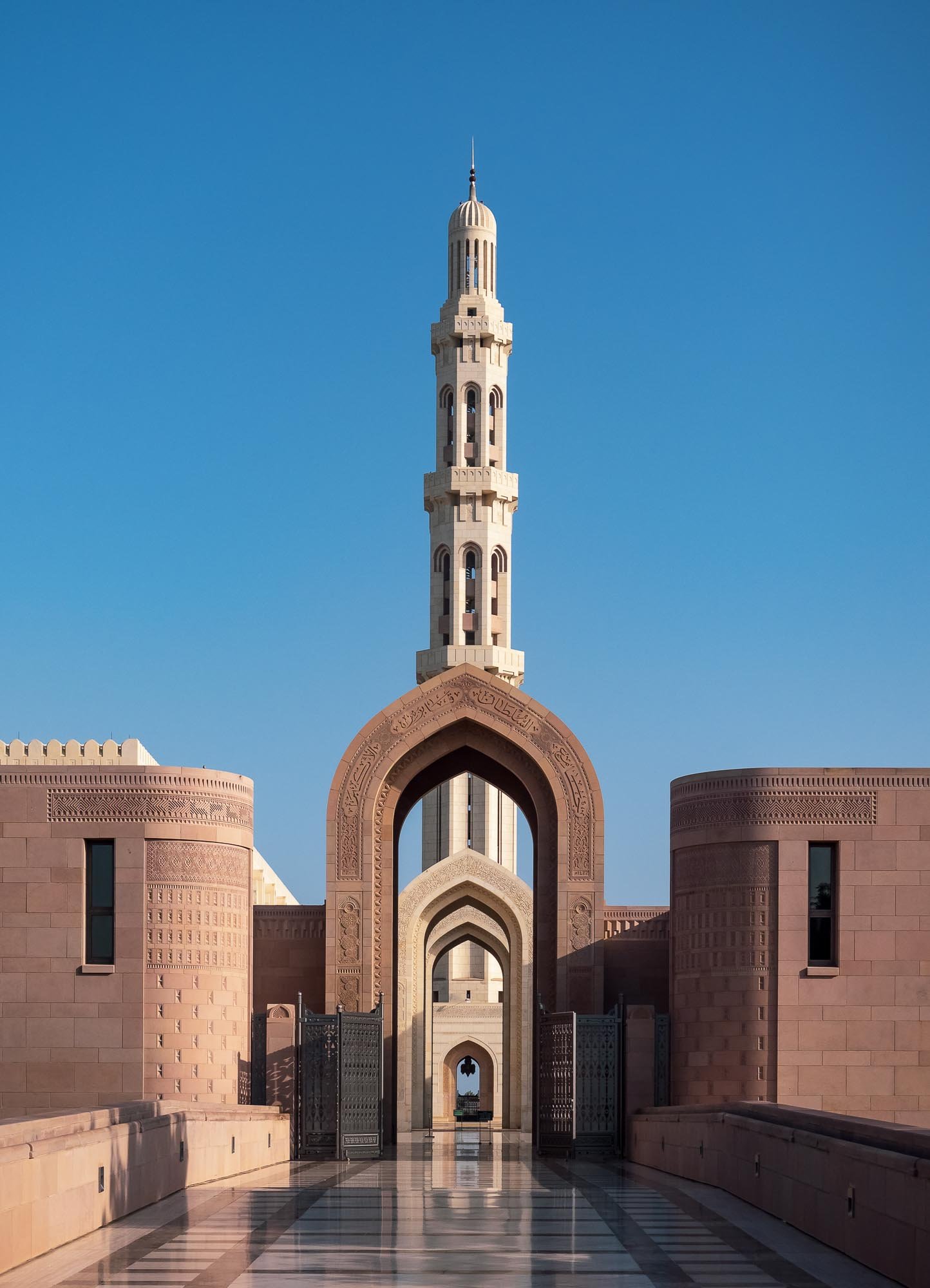
Muscat!
Our first stop in the capital had to be its arguably most famous sight: Sultan Qaboos Grand Mosque.
Lighting
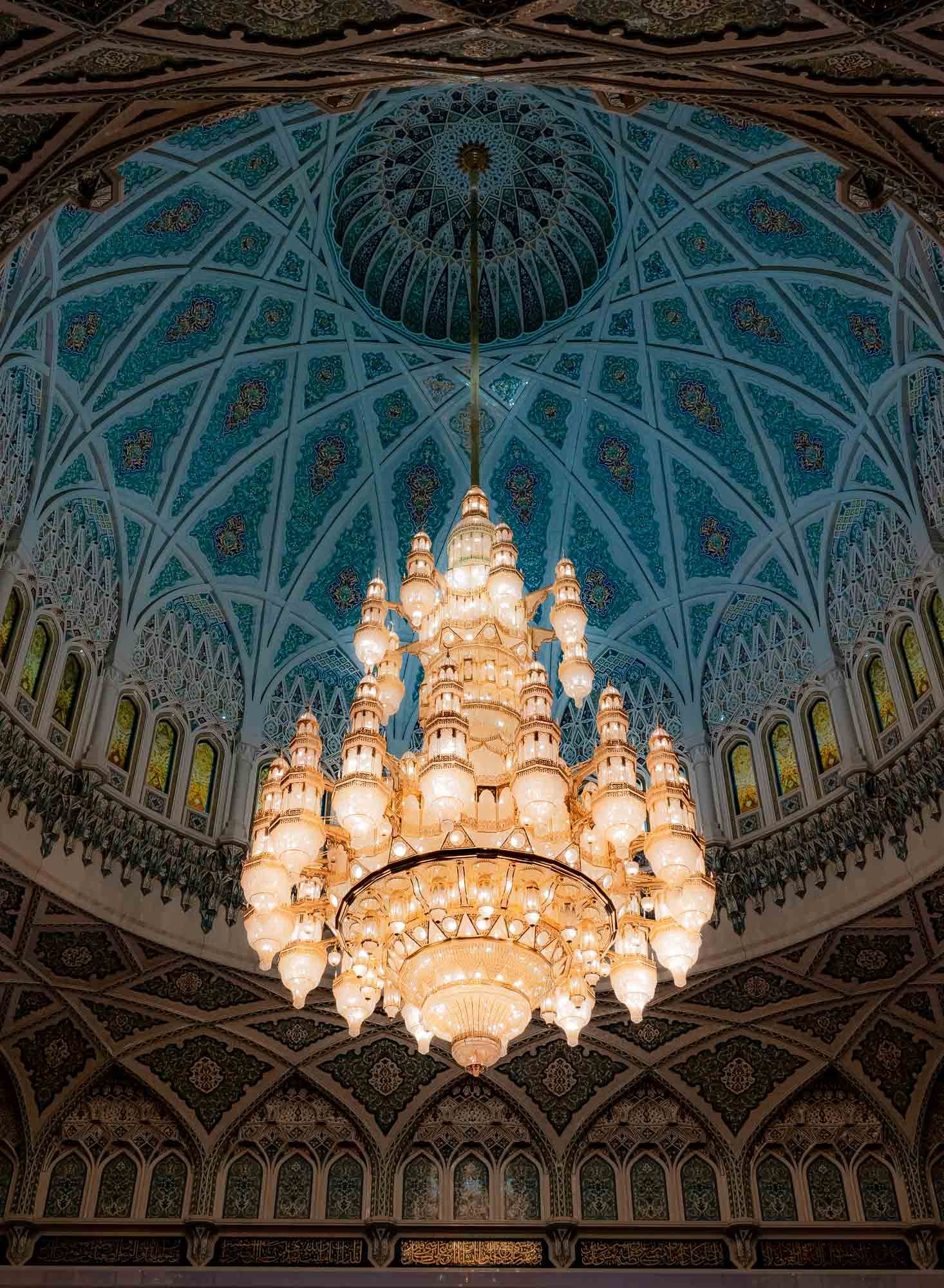
The mosque's primary prayer hall can accommodate 6500 people - its chandelier used to be the largest in the world. The same is true for the carpet, with 1,700,000,000 knots over 4300 sqm. Both have been overtaken by Abu Dhabi's Sheikh Zayed Mosque.
Interior Views
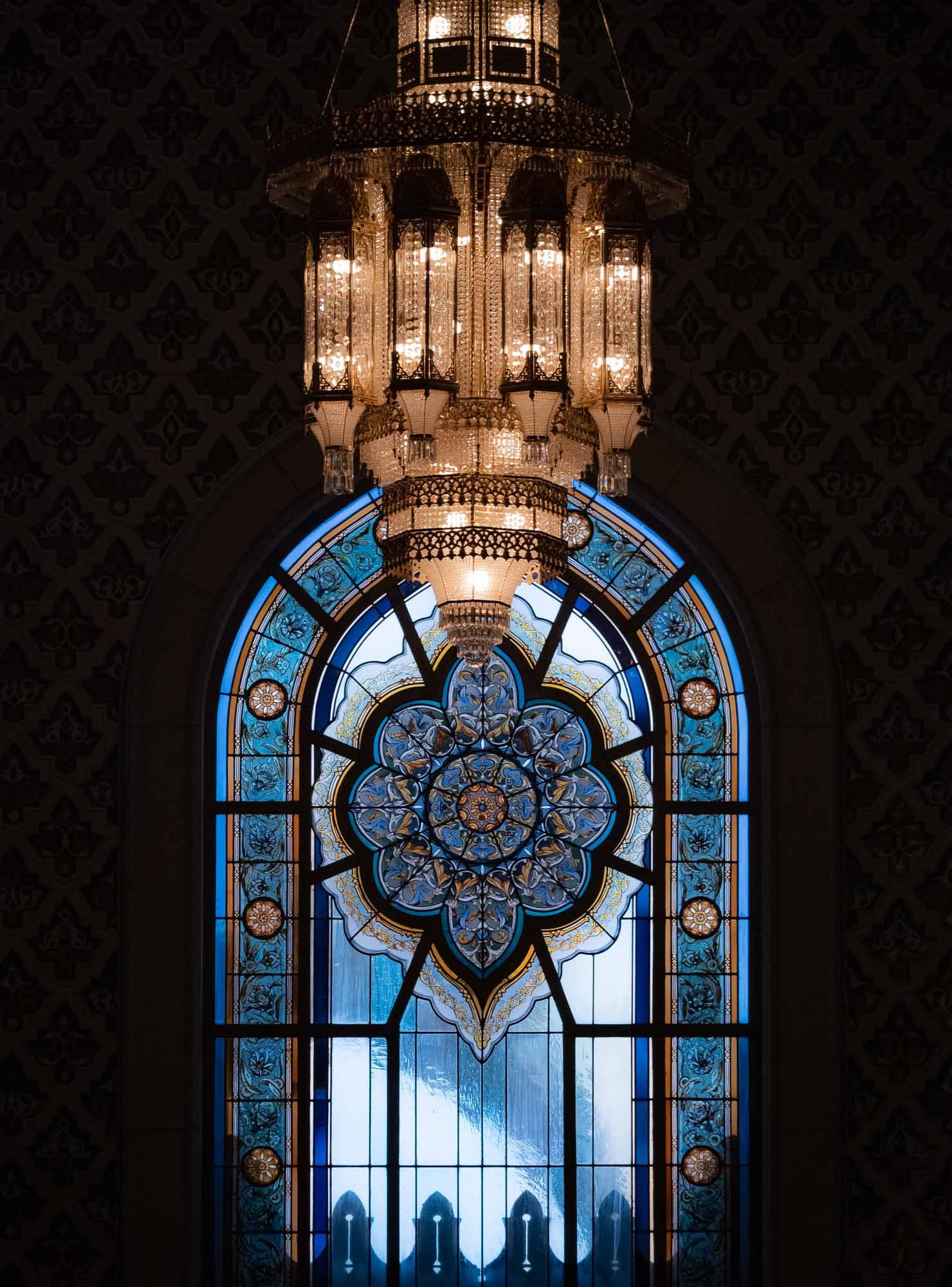
In hindsight my OCD is really annoyed that they chandelier doesn't perfectly line up with the window.
Upwards
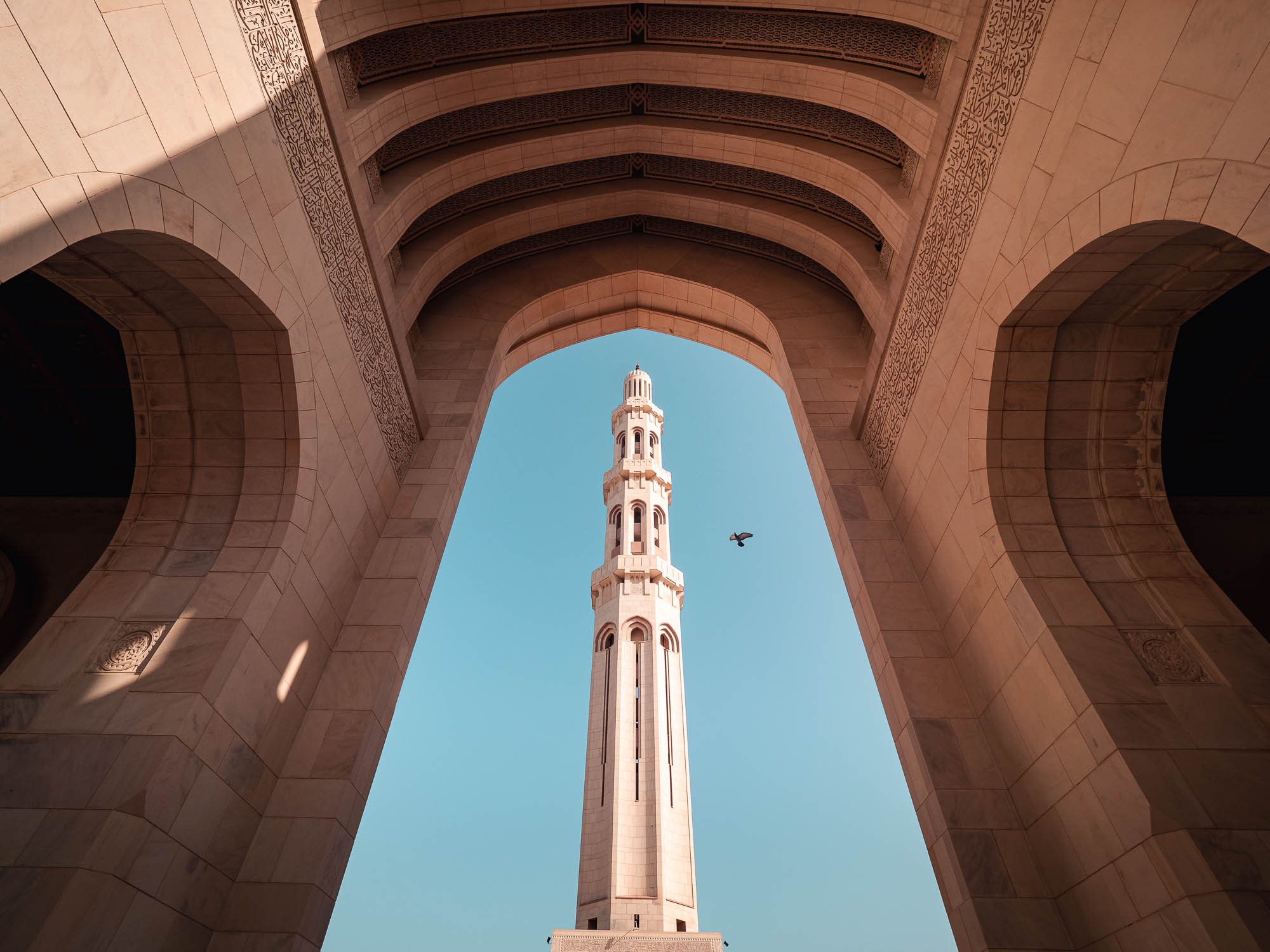
The mosque was inaugurated in 2001, after 7 years of construction.
Materials
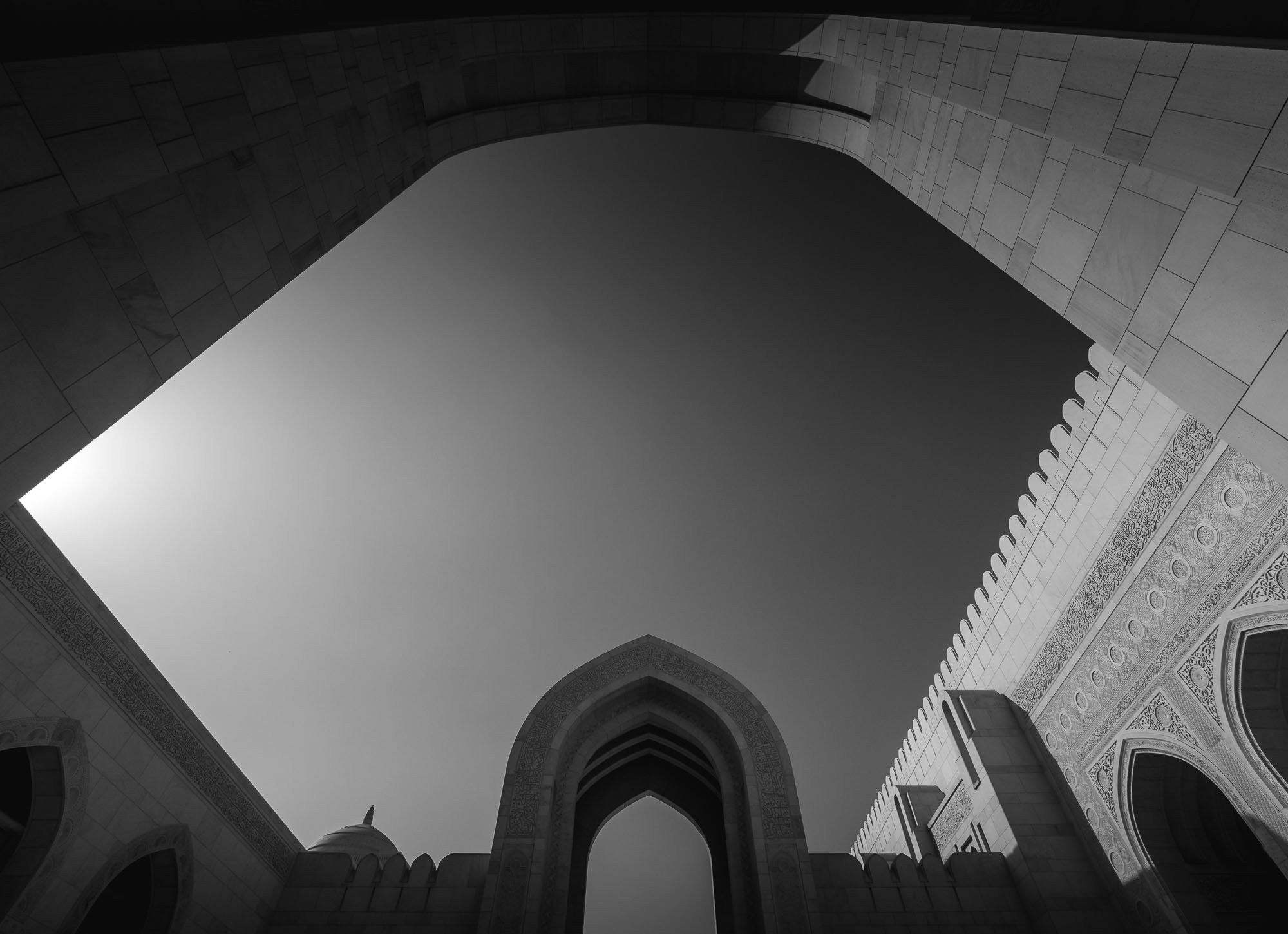
It was built from 300,000 tonnes of Indian sandstone.
Muttrah Corniche
Our next destination was Muttrah, a trade and seaport city very close to Muscat.
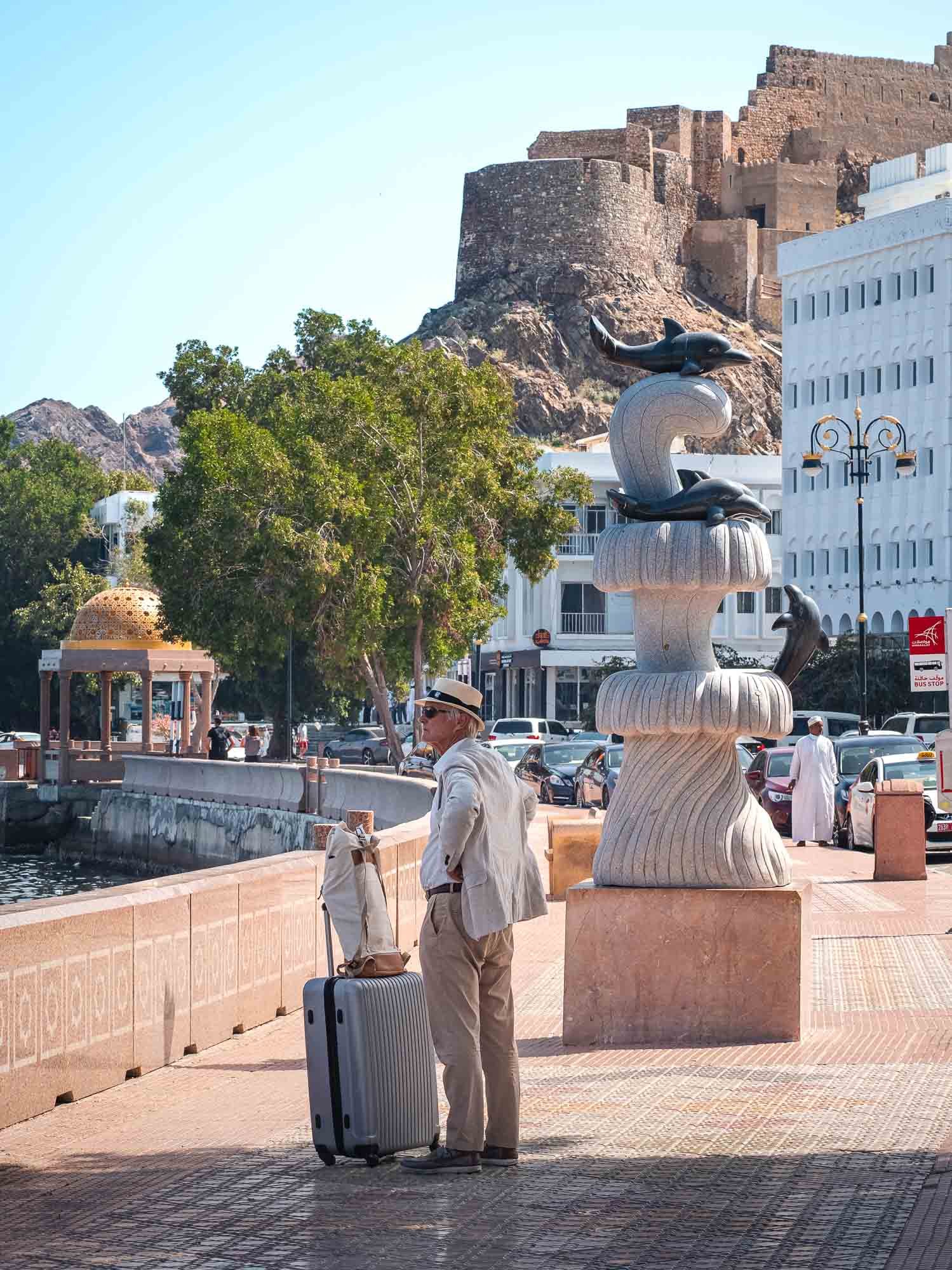
In Style
The presence of large cruise ships sometimes brings more sophisticated travellers than us to the town ;)
Juxtaposition
It makes for a nice contrast with the traditional Omani style.
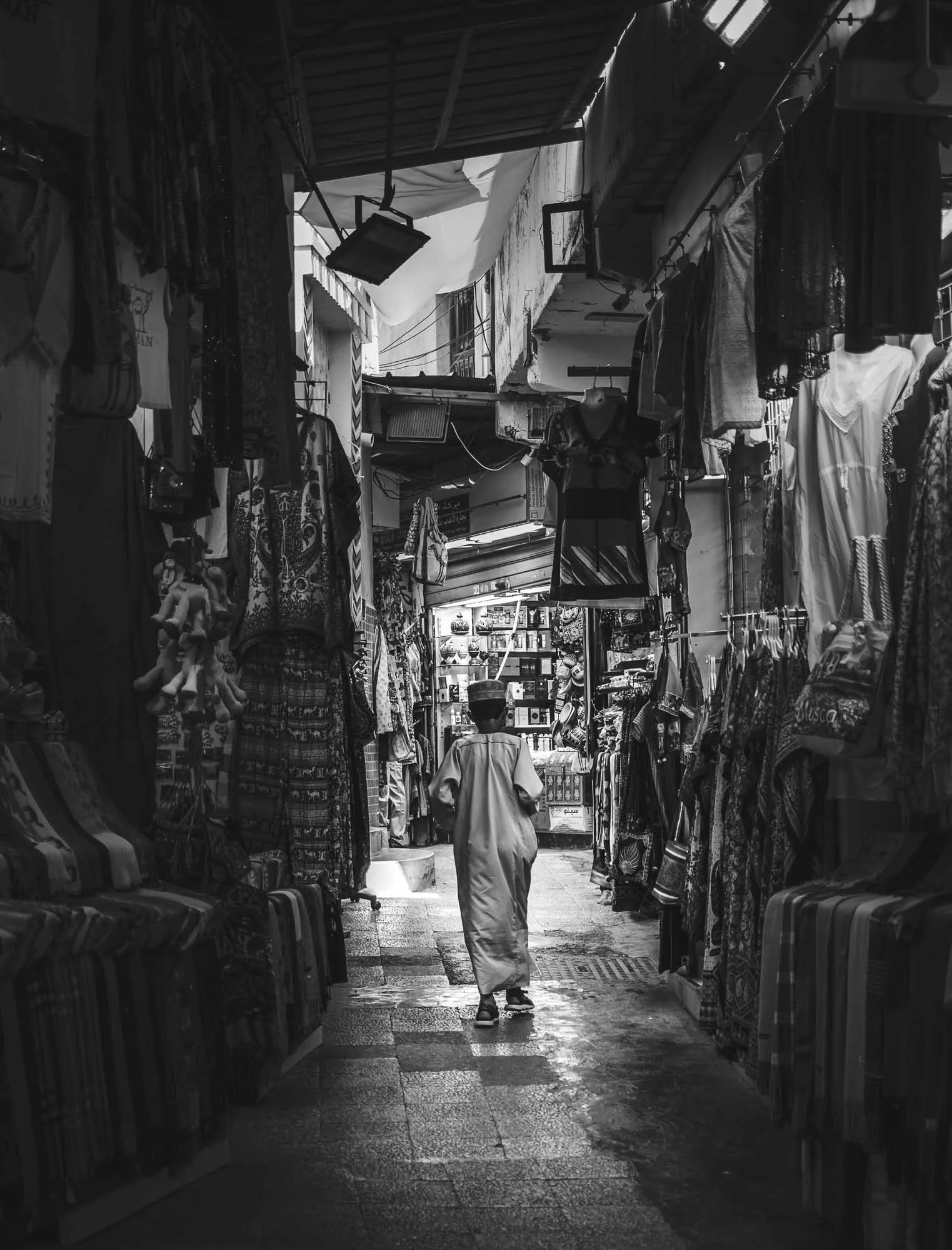
Souq Entrance
The city's souq is one of the most important in Oman, and dates back 200 years.
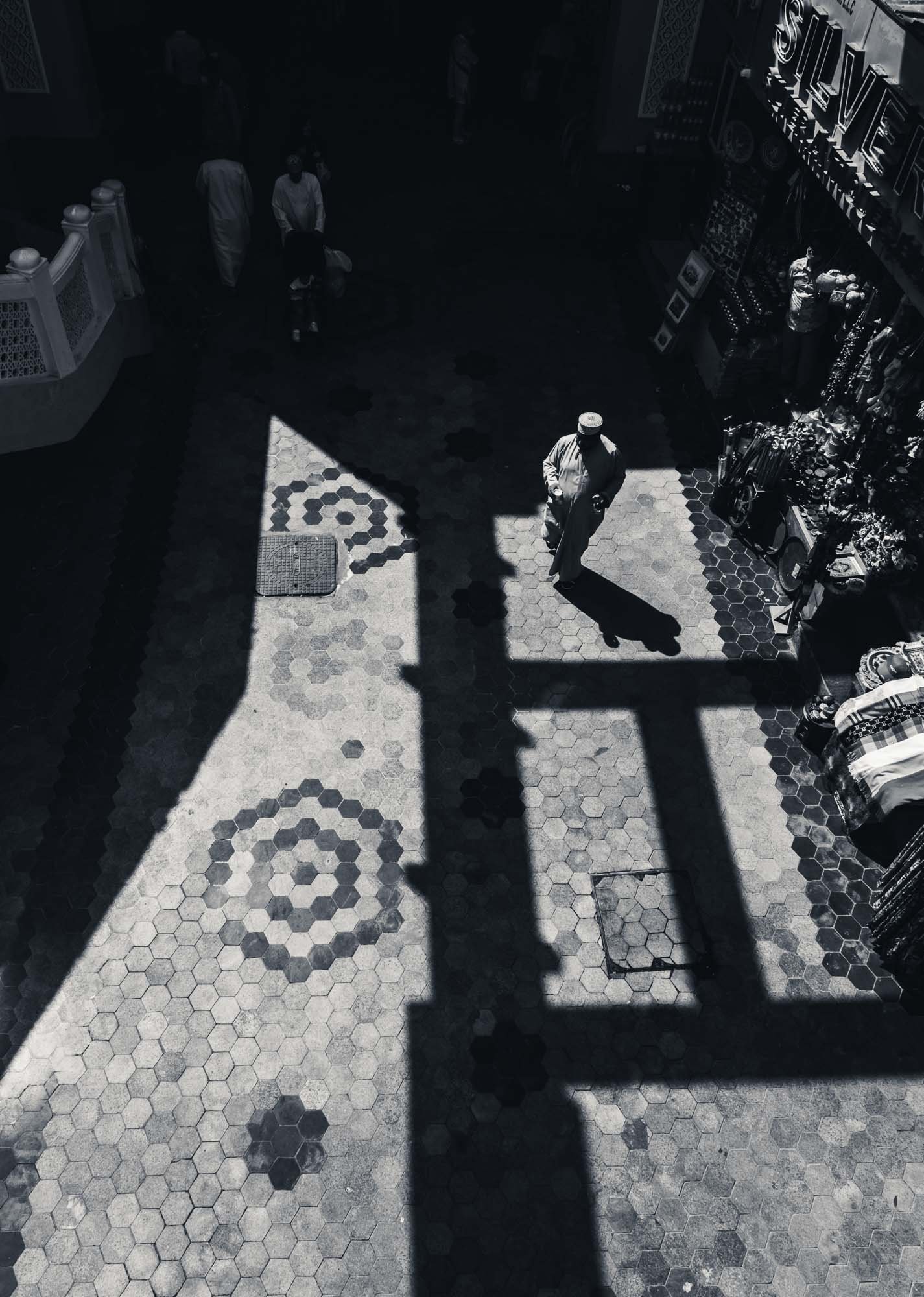
Into the Light
It's nicknamed the "Market of Darkness" due to the roof blocking most of the sunlight even during the day.
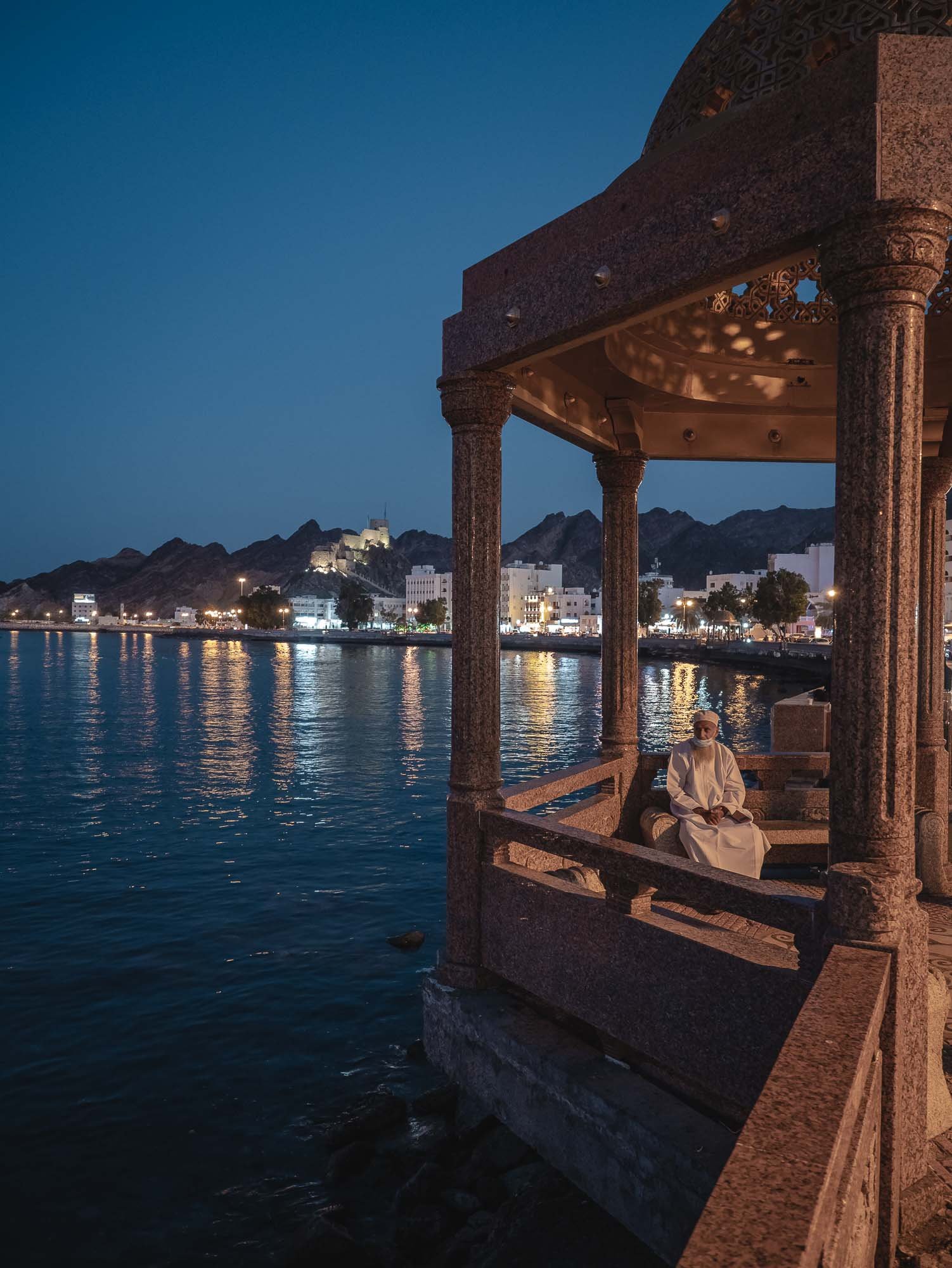
Muttrah
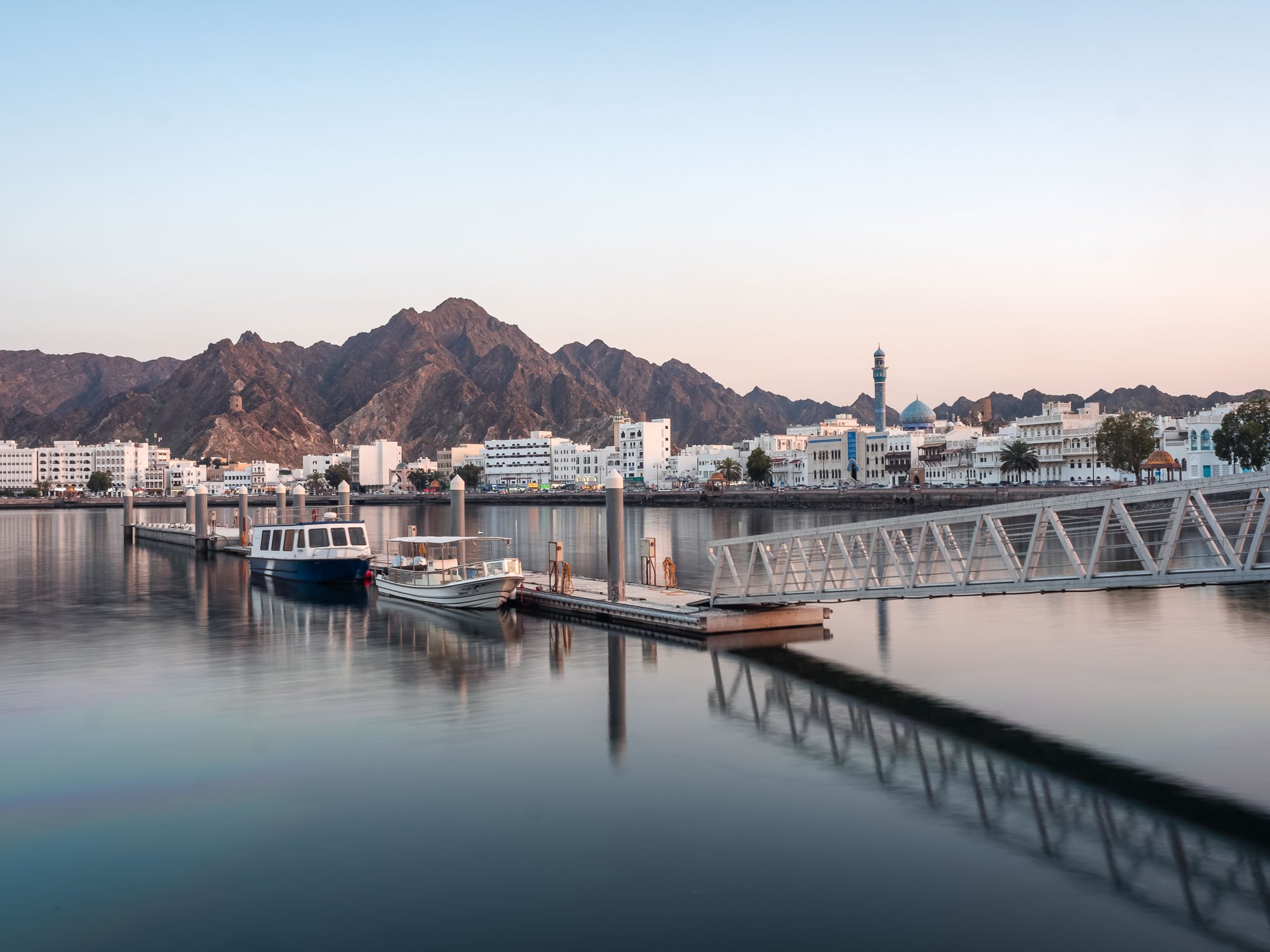
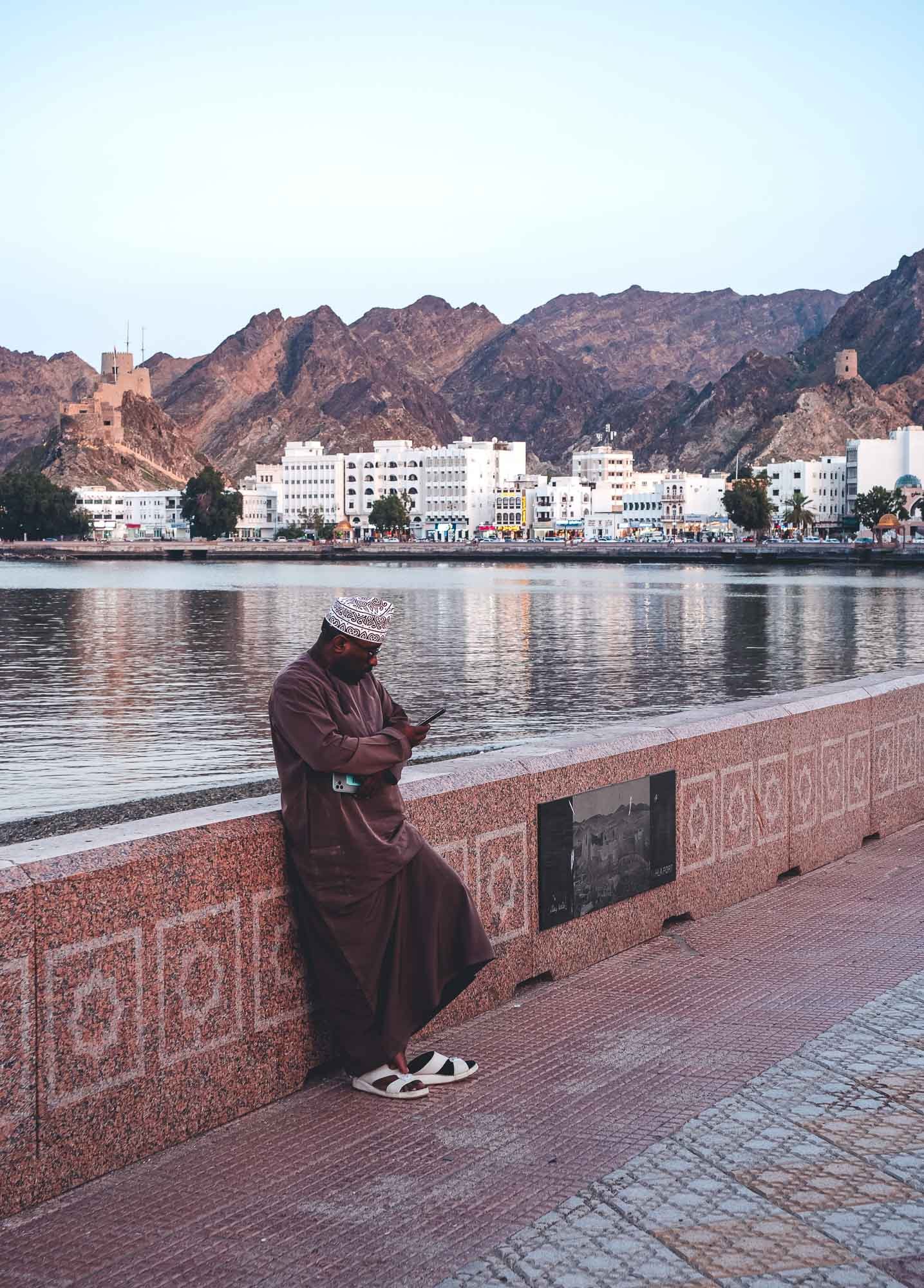
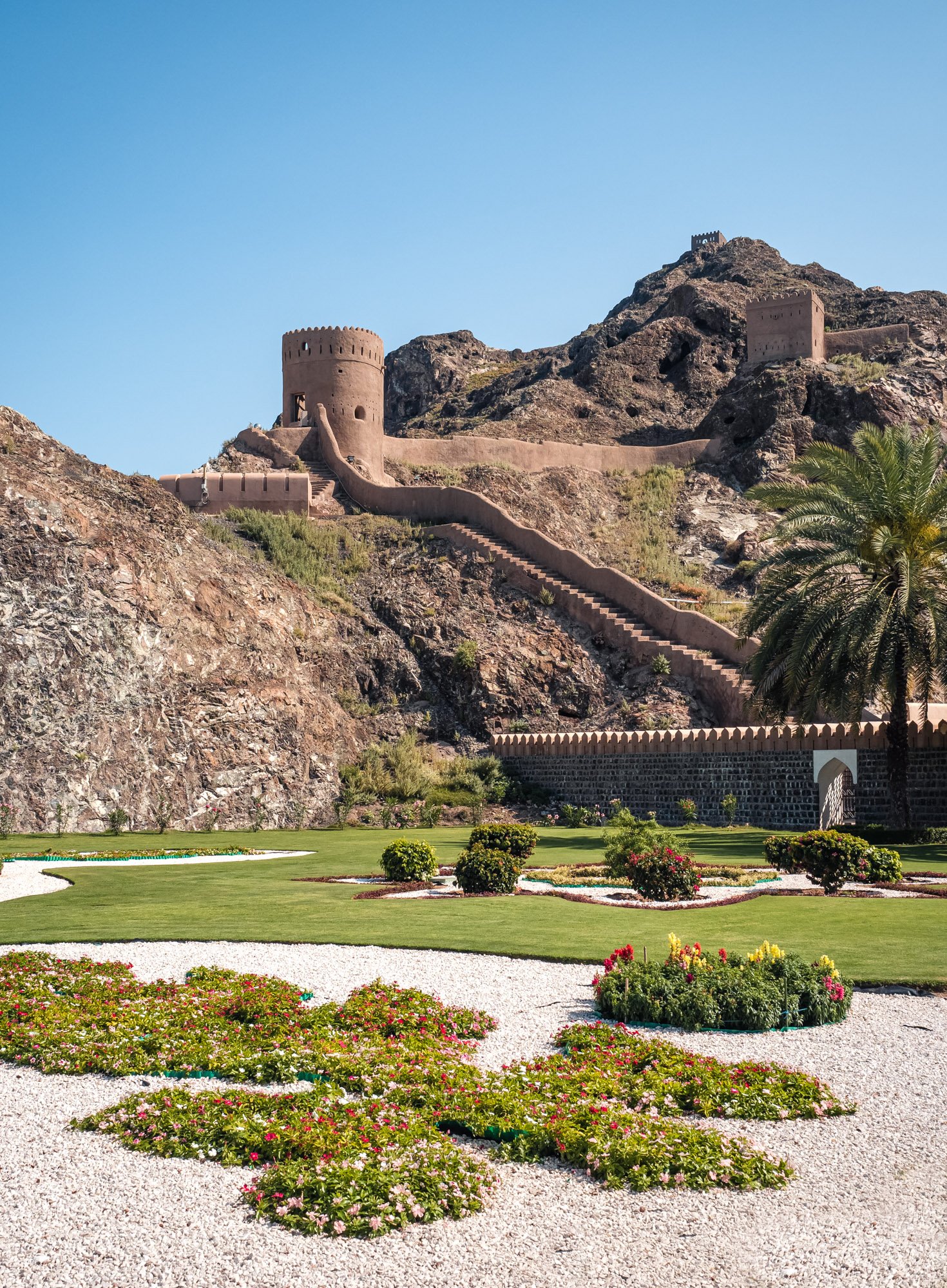
Evening views along the corniche, with the local fort in the distance.
Hiking in the City
There's a 1h hike from Muttrah to Riyam, crossing green flower fields and a beautiful wadi - in our case filled with water - on the way.
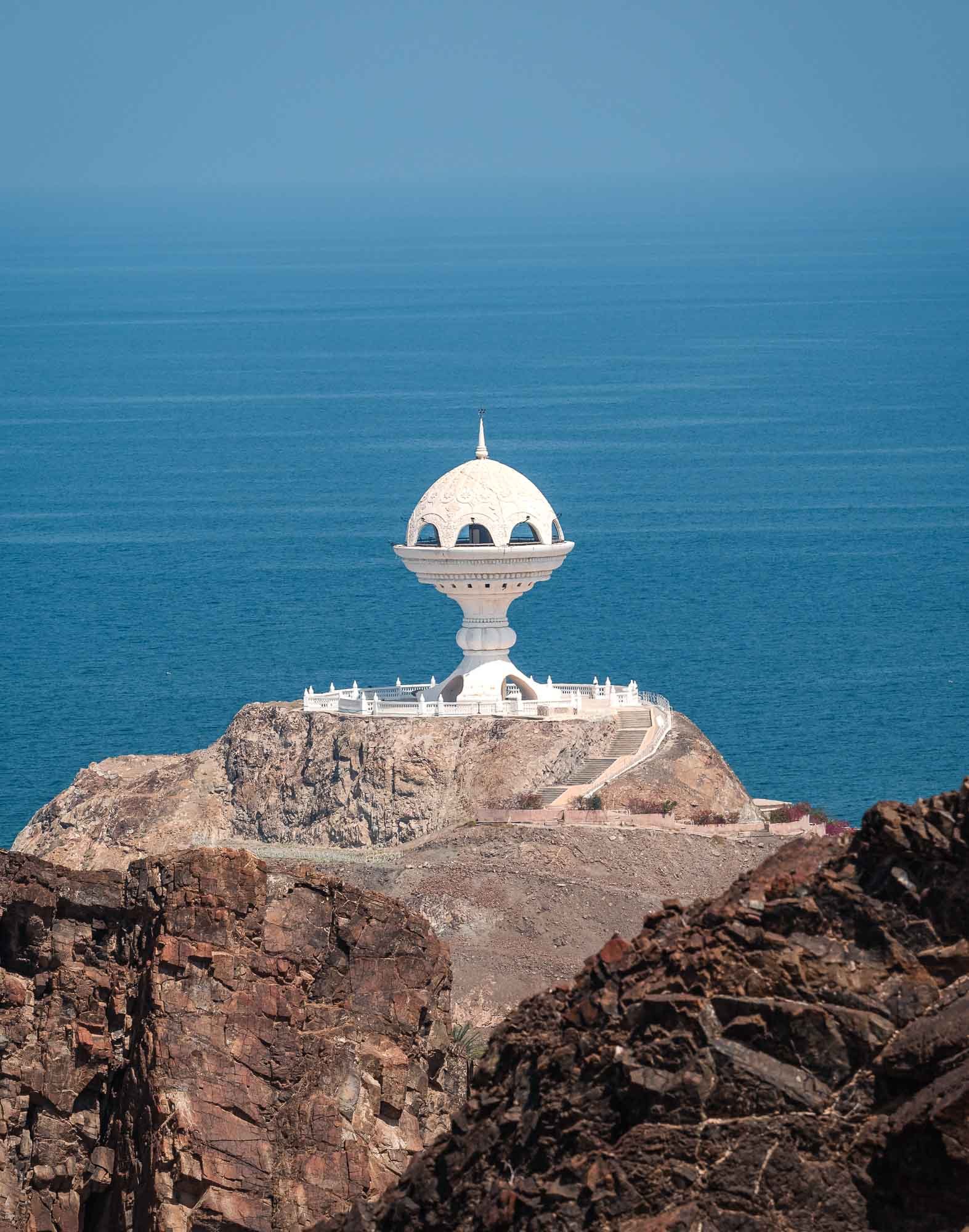
Riyam
At the end of which, you're rewarded with this view of the Riyam Park Monument, often termed as the "giant incense burner" due to its shape.
Old Muscat
Our next destination was "Old Muscat", the historic part of the city still housing many government institutions. But not before crossing a few more farms on the way, such as this one.
National Musem
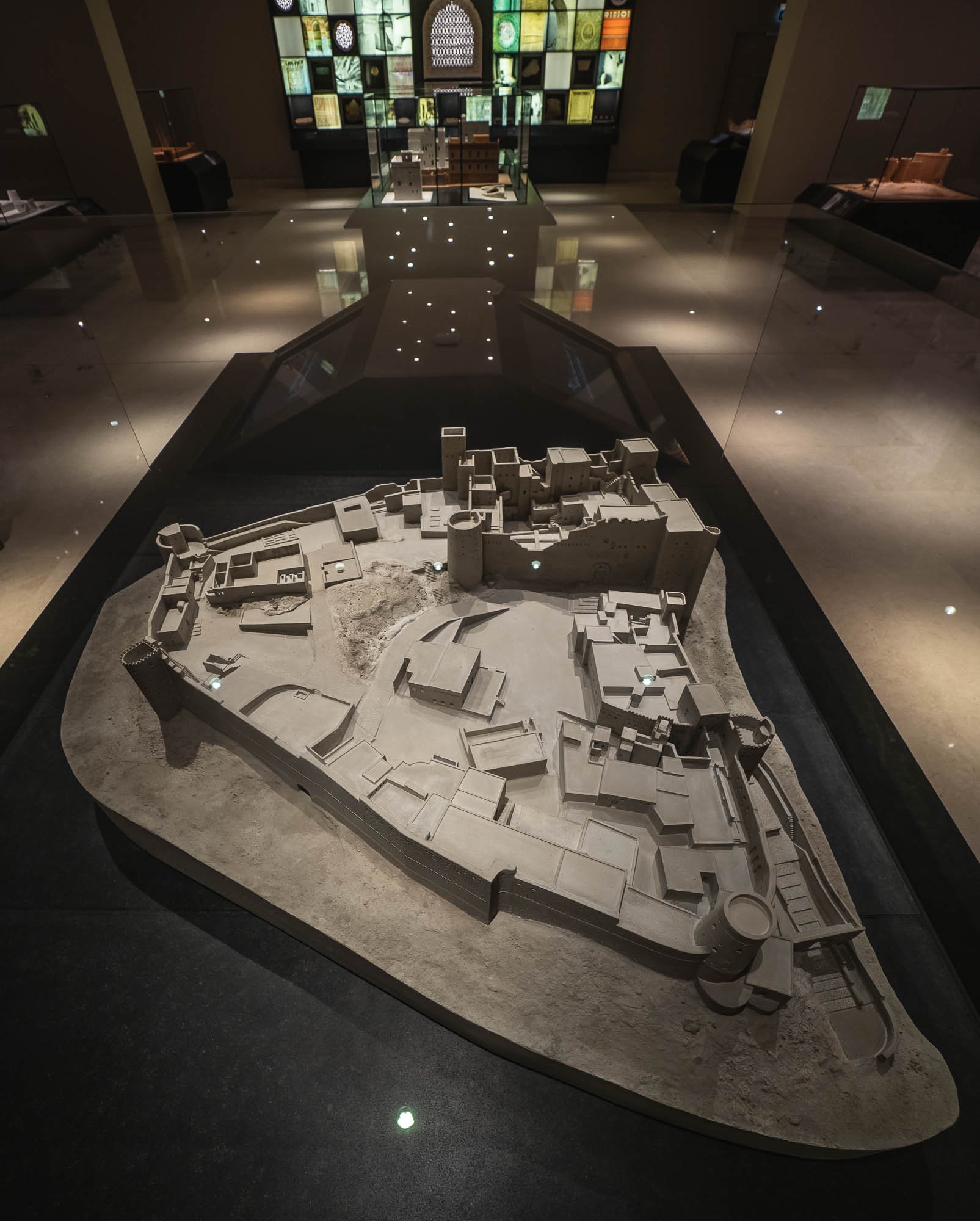
The city is also home to the National Museum, with some interesting exhibits. I often find the history of the Middle East to be completely underrated and possibly overshadowed by its recent development. Humans have set foot here some 400,000 years ago, and there is an incredibly rich and accessible past. Reognise this fort model? It's Bahla!
Jalili Fort
Old Muscat is also home to Al Jalili fort, built by the Portuguese in the 1500s and said to have been used as both a jail & refuge for the Omani royals. This one does not seem open to the public.
Al Bustan
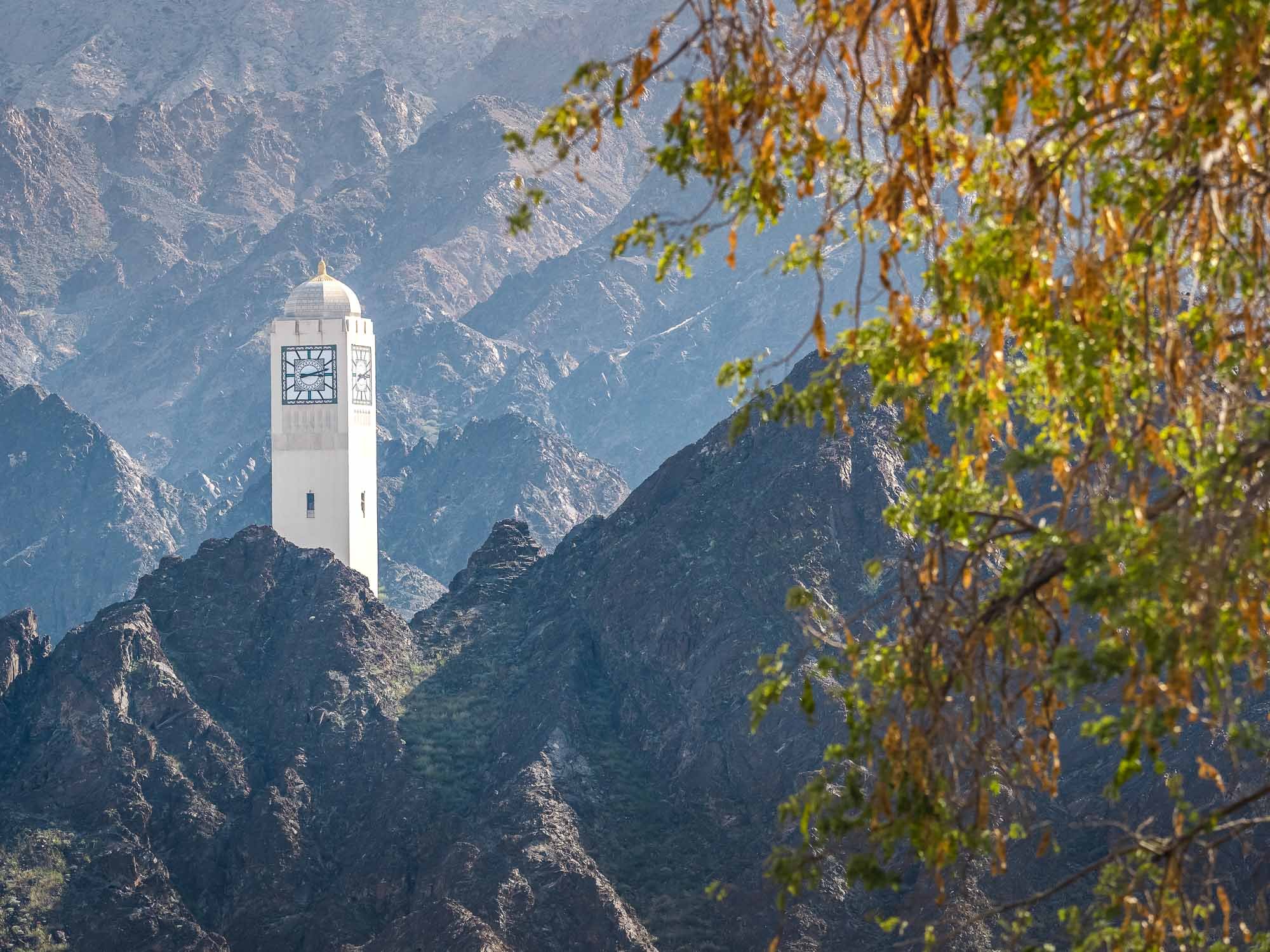
Driving a bit further along the coast brings you to the Al Bustan, home to the famous hotel (also where my grandmother used to stay in the 80s) and the State Council, which is the building this clock tower belongs to.
Qantab
Another few kilometres and you reach Qantab, home to this beauitful beach and a natural stone arch in the sea, which we will see later...
Rock Formation
This formation near Yiti was our last spot for the day, before heading back to Muscat.
Making it Fit
On the way back we stopped at this viewpoint over Hamriya.
Along the Coast
Into the Sea
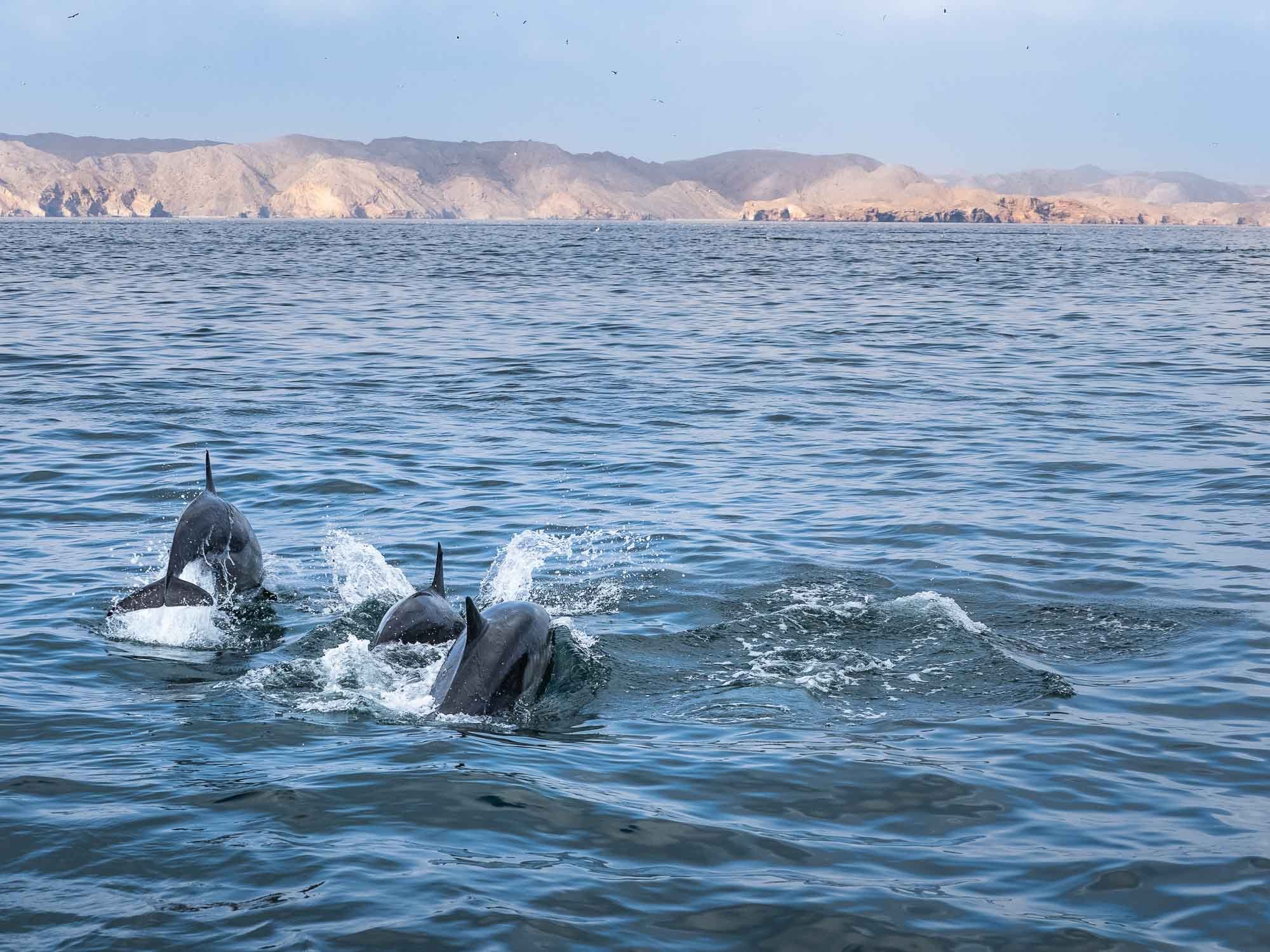
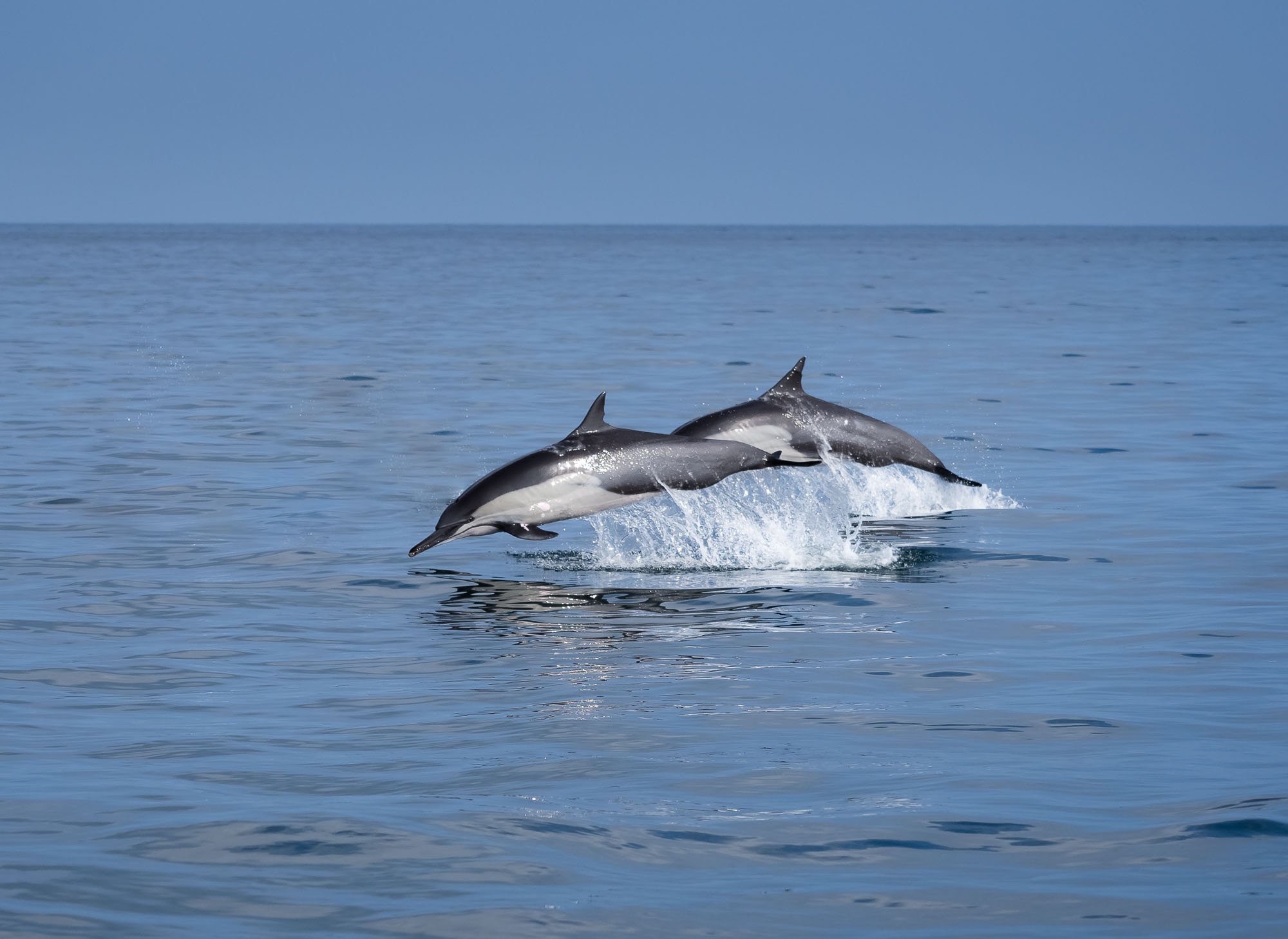
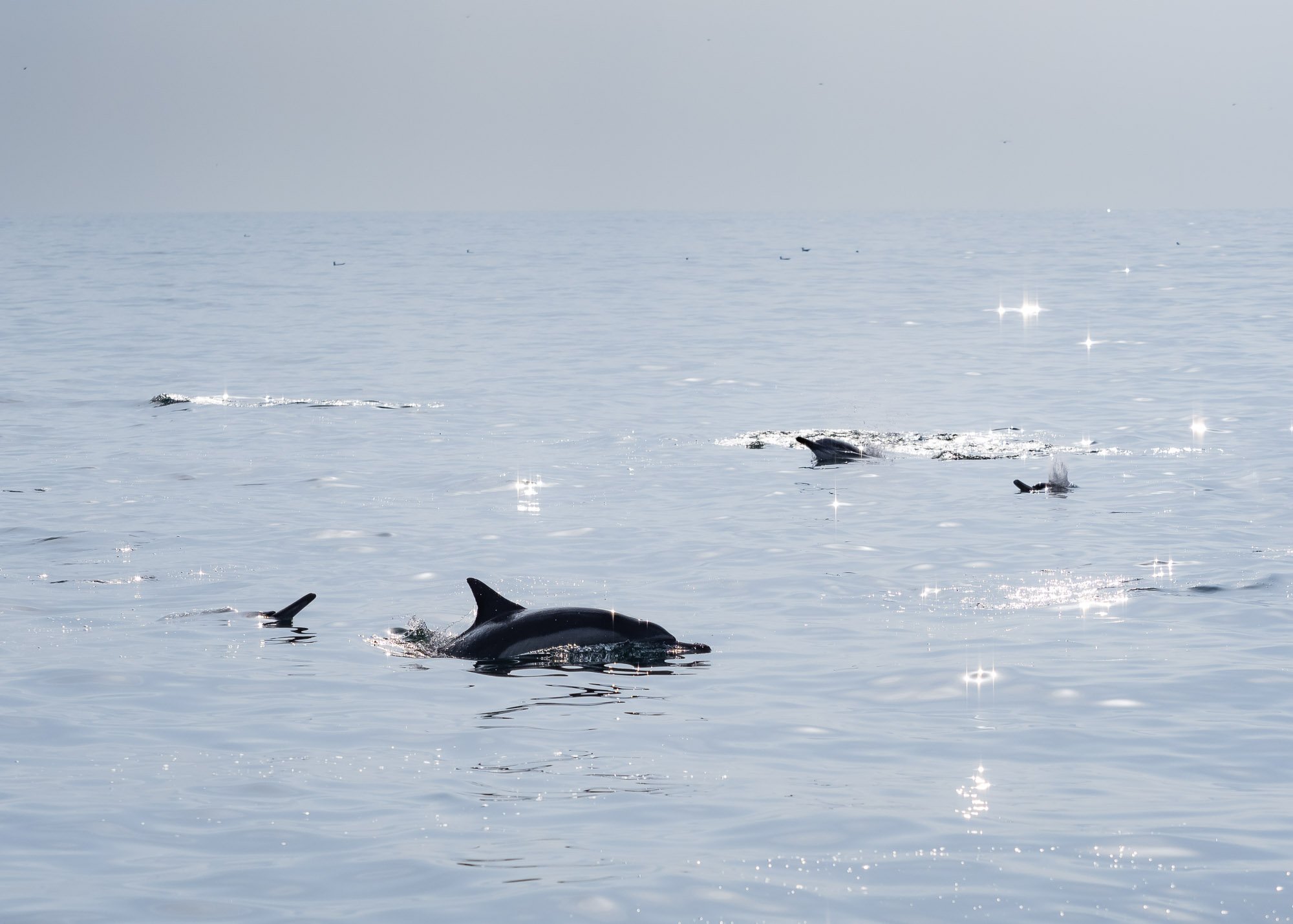
An early morning boat trip the next day rewarded us with this sight - a large pod of dolphins enjoying themselves with the backdrop of the Hajar mountain coastline.
Bottlenose Dolphins
I would estimate the pod was at least 100-200 individuals in size.
In the Air
They were calm this morning, and so there weren't many opportunities to get a photo like this, but I was able to time one correctly with the help of Olympus' ProCapture feature.
Marine Variety
The Omani Waters are home to turtles, dolphins, and wales at the right time of the year.
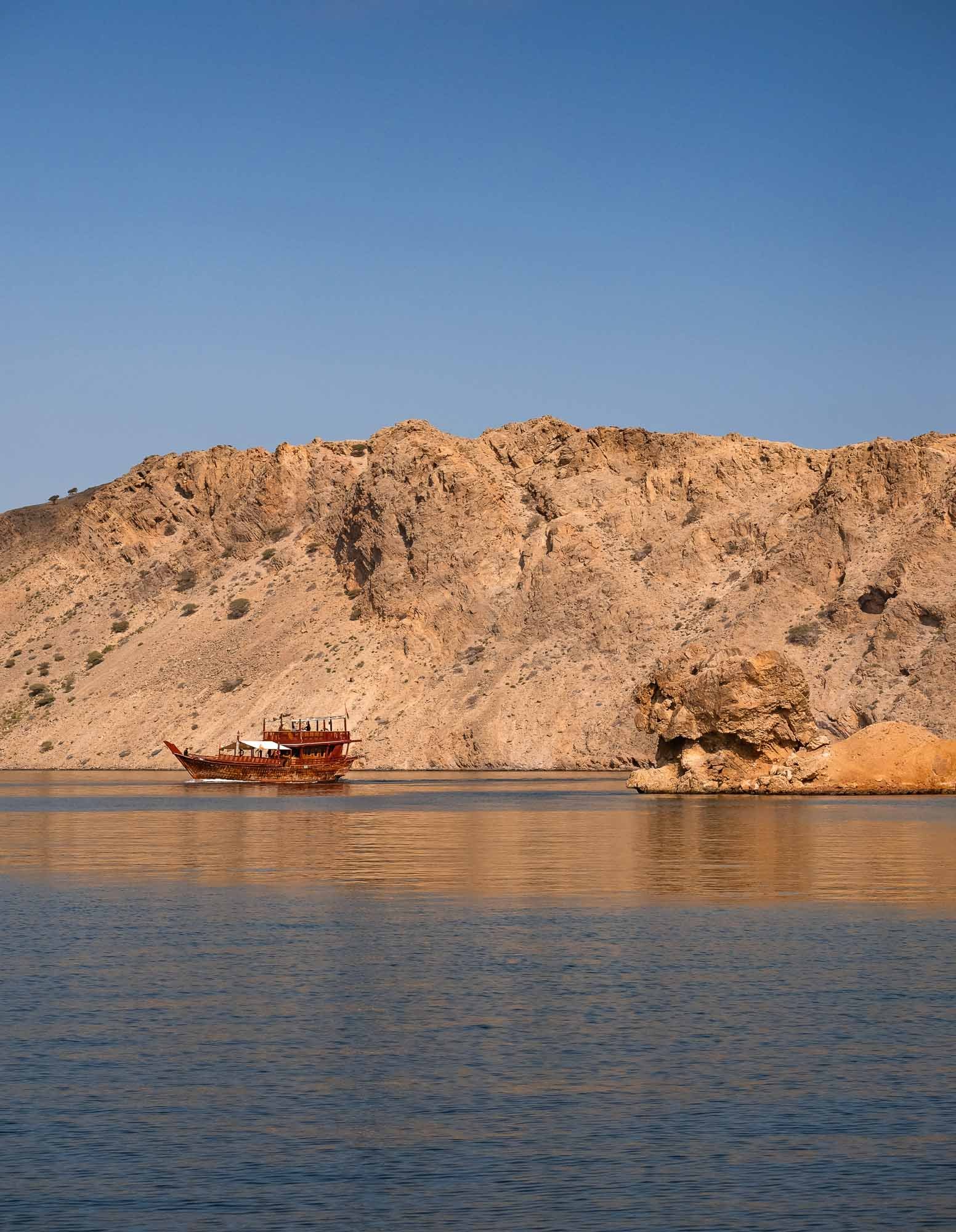
Dhow
A traditional dhow exploring the beautiful coastline.
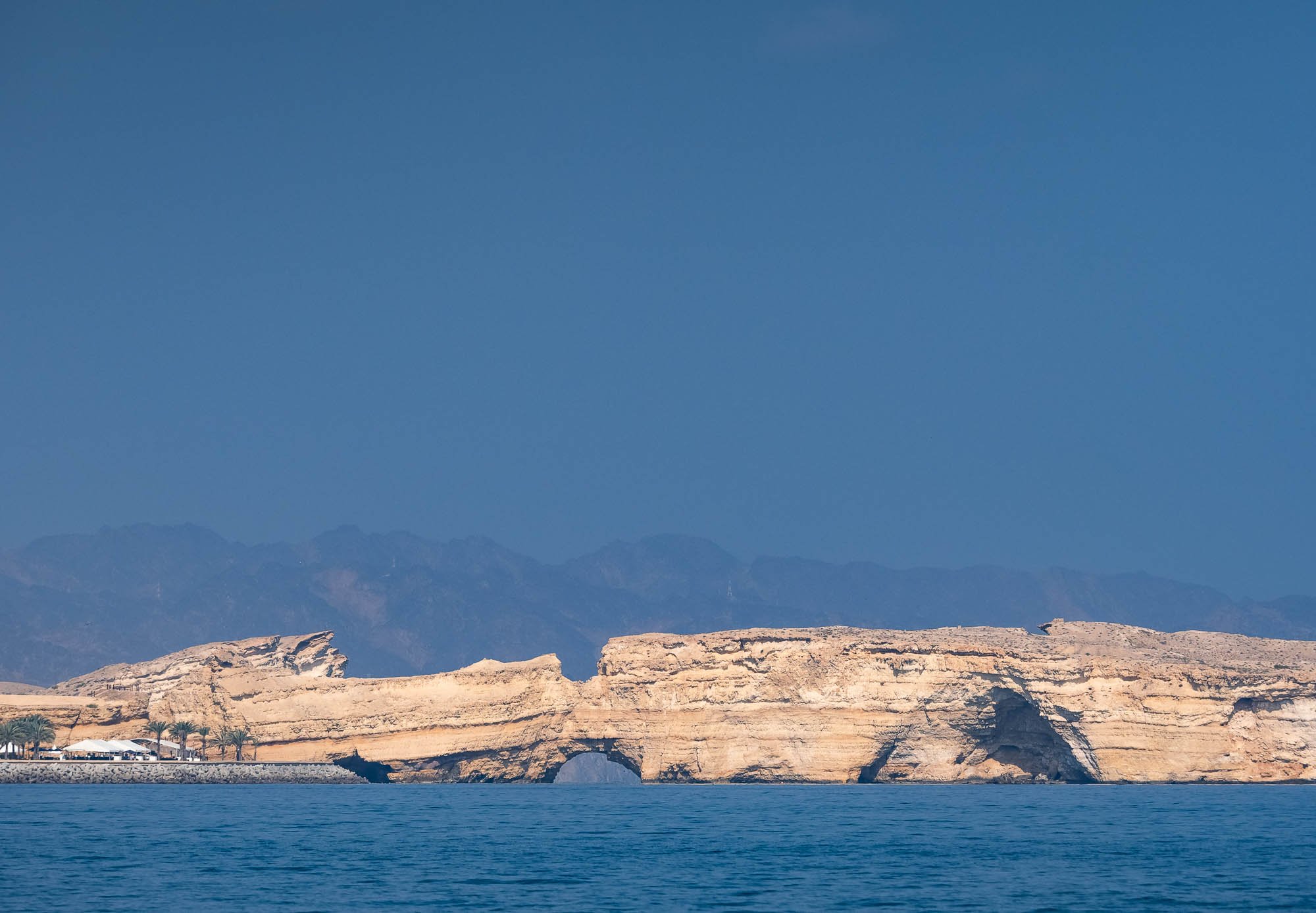
The Natural Arch
We also got to see the aforementioned stone arch near Qantab...
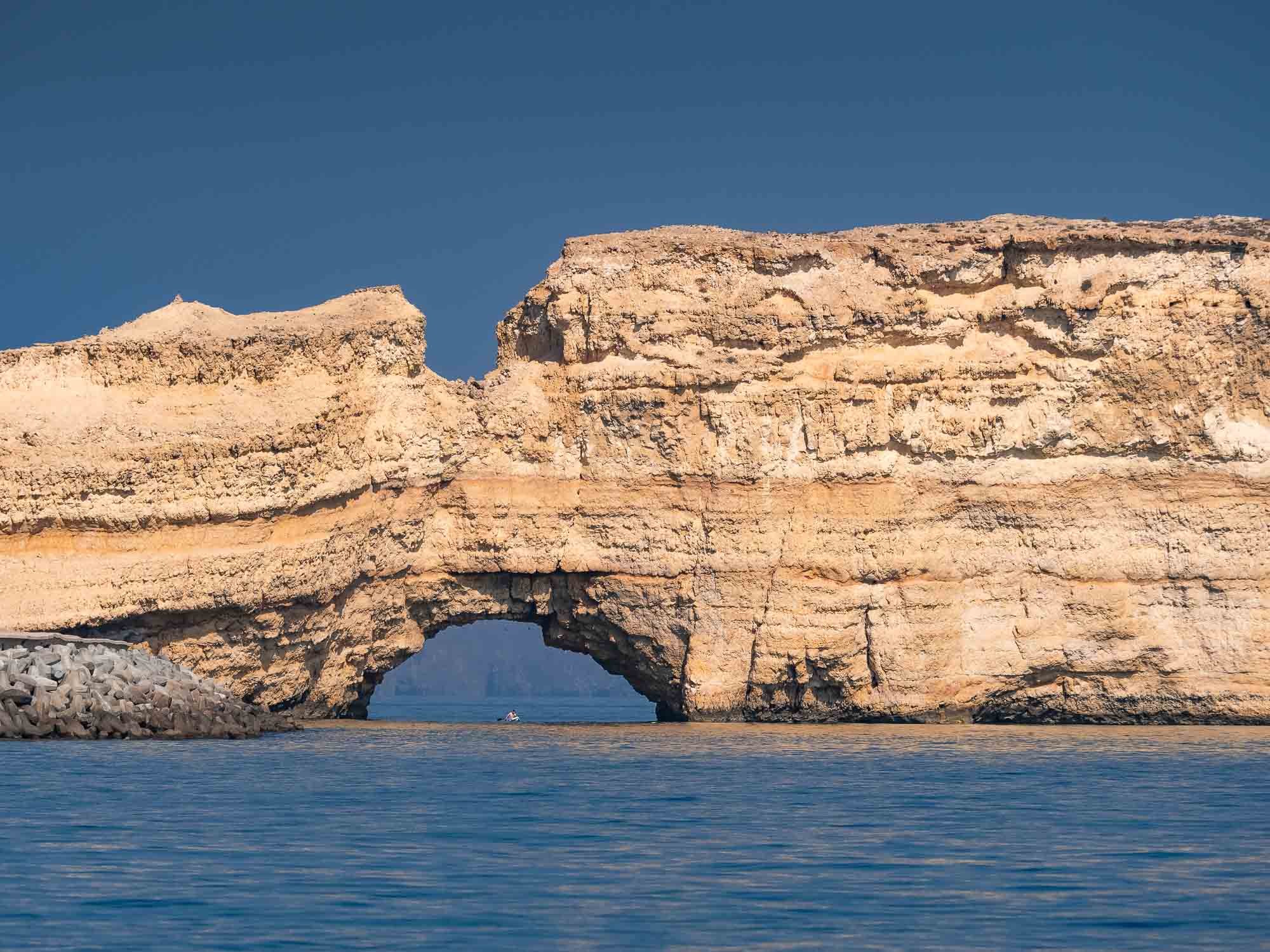
Passage
...with a single explorer on his canoe.
Morning Light
Al Bustan and the State Council buildings from the sea side.
The Way Down
Stairs have been built into it, but I can testify that some people prefer jumping (not me).
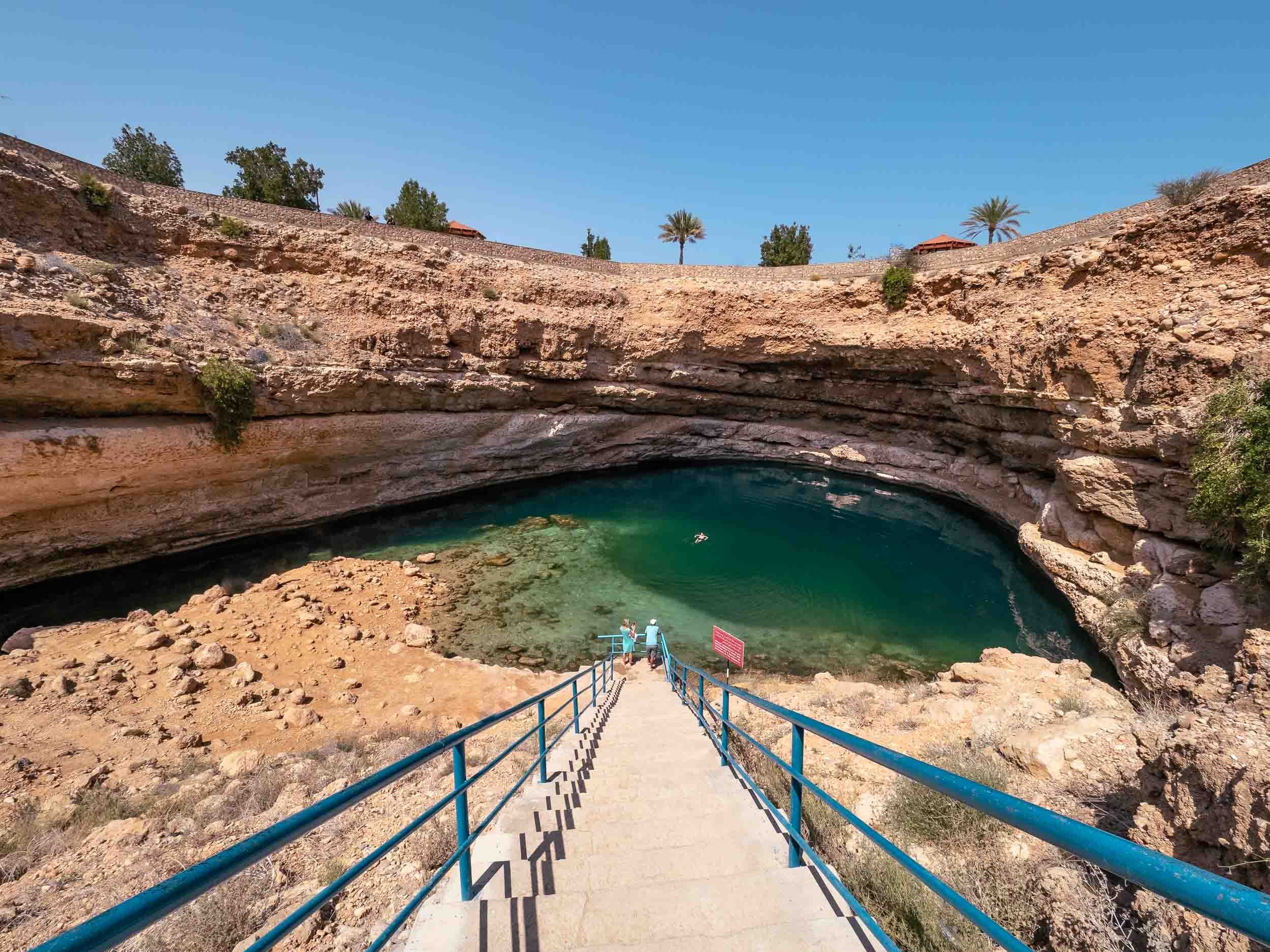
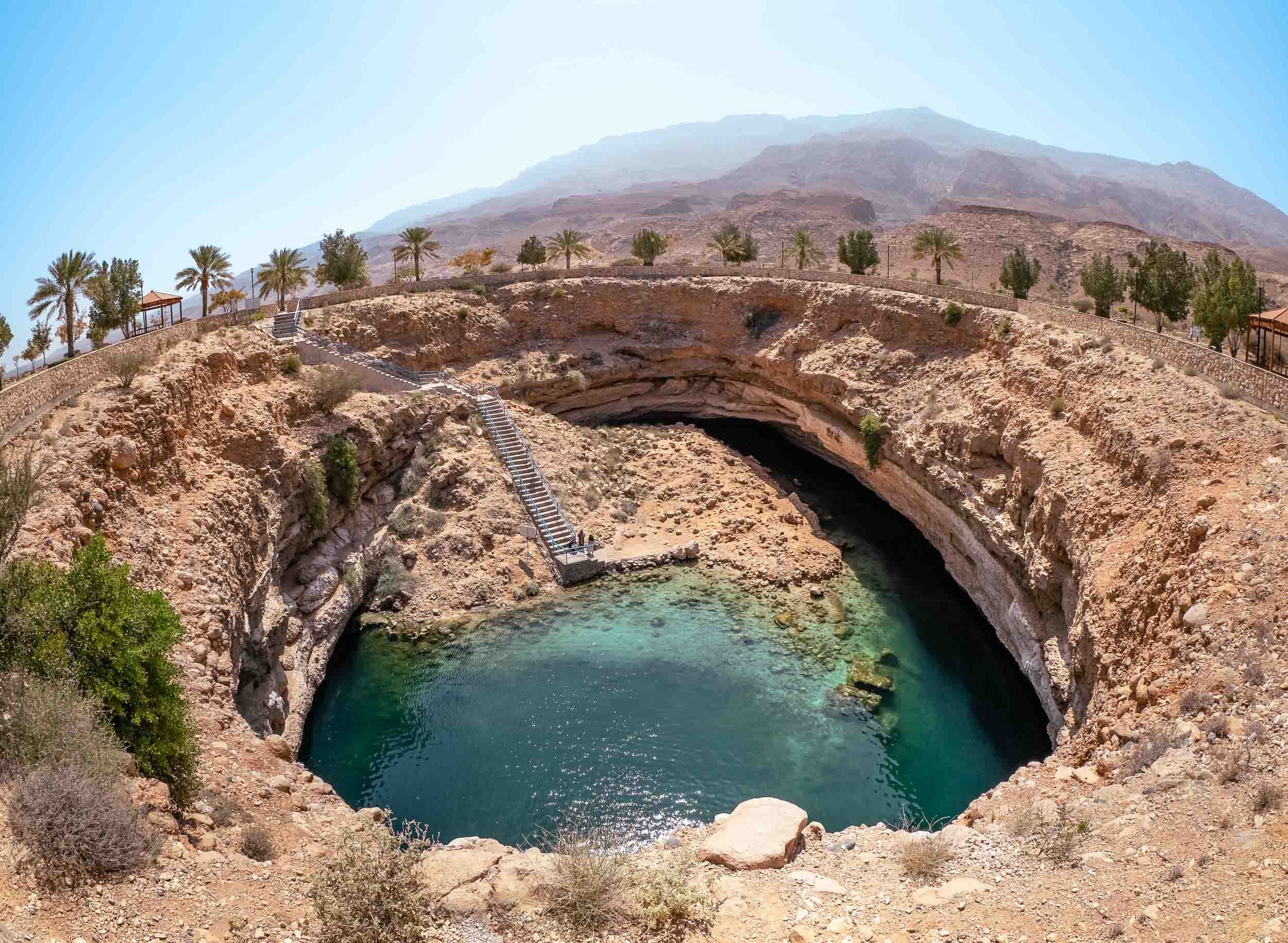
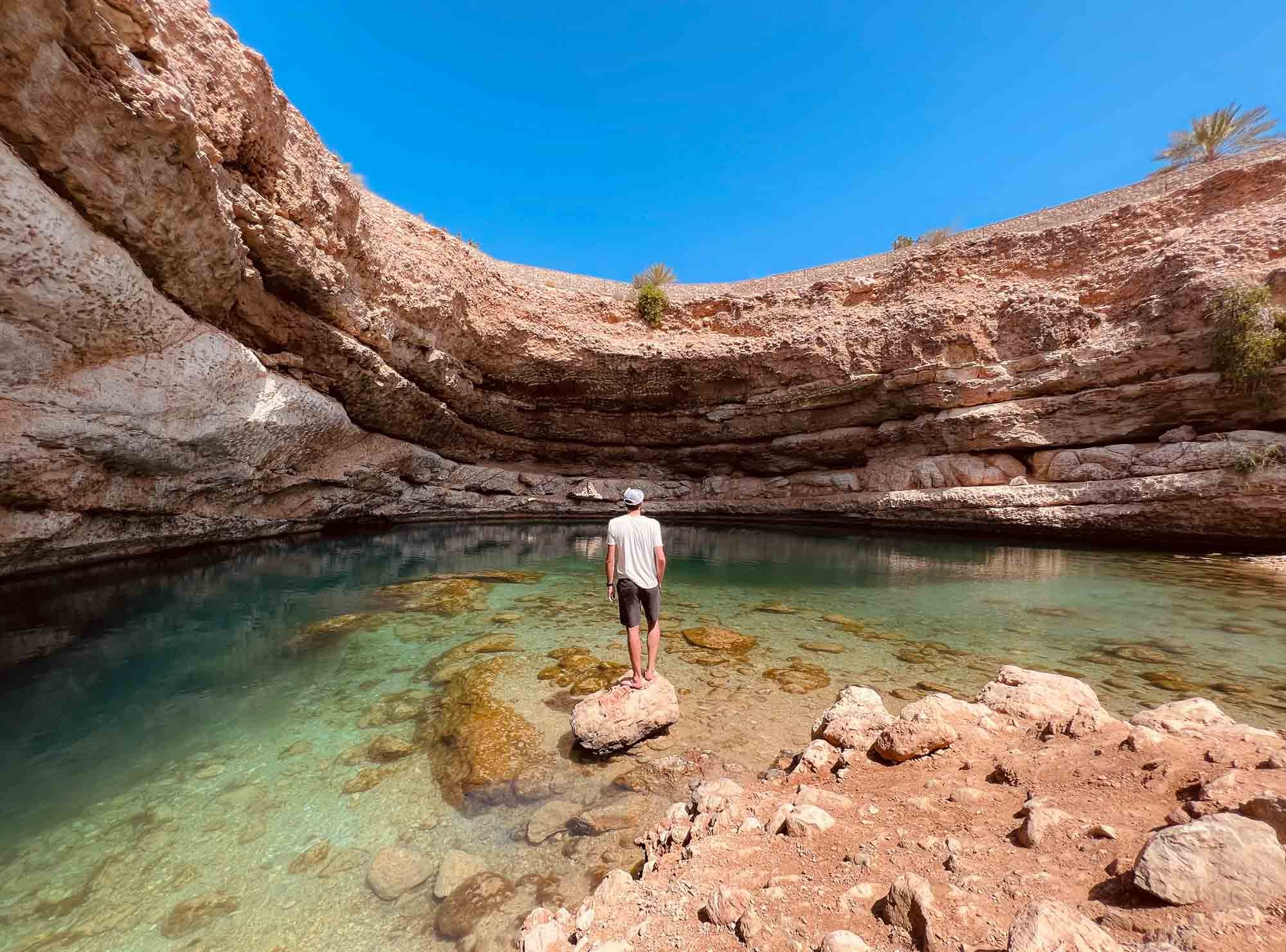
Bimmah Sinkhole
Another incredible spot of natural beauty is this sinkhole near Bimmah, about 100km from Muscat.
Cyrstal Clear
What a spot for a swim - or just hold your feet into the water and be treated to a fish spa.
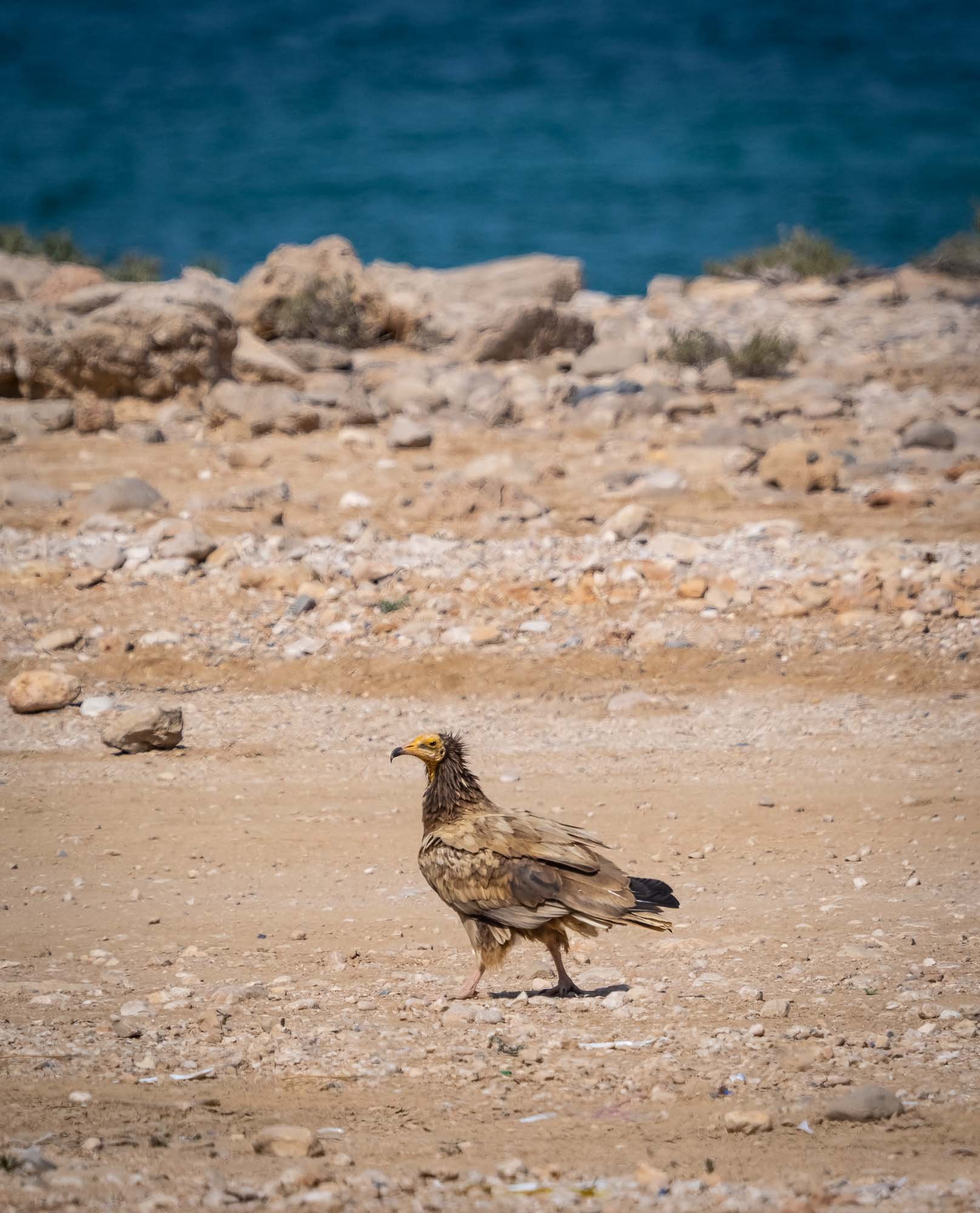
Egyptian Vulture
Spotted this guy on the beach.
Jurassic Park or Wadi Shab?
Next up, one of the most amazing Wadi's I've seen to date - makes you feel like entering Jurassic Park.
Scale
The size of the canyon and rock formations was amazing.
No Photos
After a 10 minute swim into the Wadi you arrive at a small cave, accessible by a narrow opening that barely fits one's head. No photos for that, got to explore yourself!
Incredible History
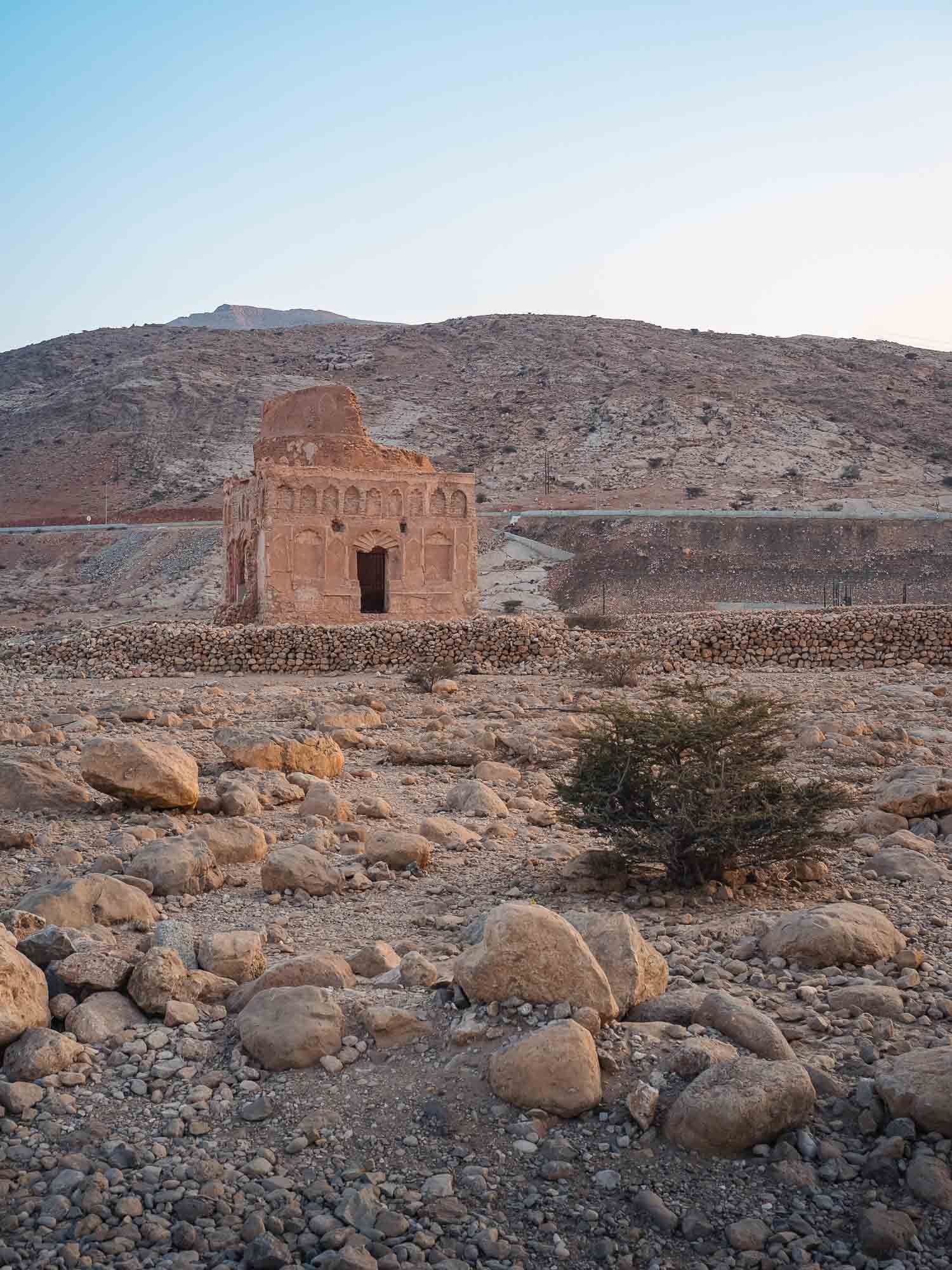
We drove a little further on the coast to see another World Heritage Site: Qalhat. It is unfortunately currently closed, but you can spot its most significant remaining site, the Bibi Maryam mausoleum. This city was visited by Ibn Battuta, Zeng He, and Marco Polo!
Sometimes You Get Lucky
Our plan was to spend the night on the way back to Muscat somewhere on the coast - we knew chances to see the bioluminescent plankton on the beach were next to nothing, but there was always the Milky Way or some deep sky photography...
Natural Wonders
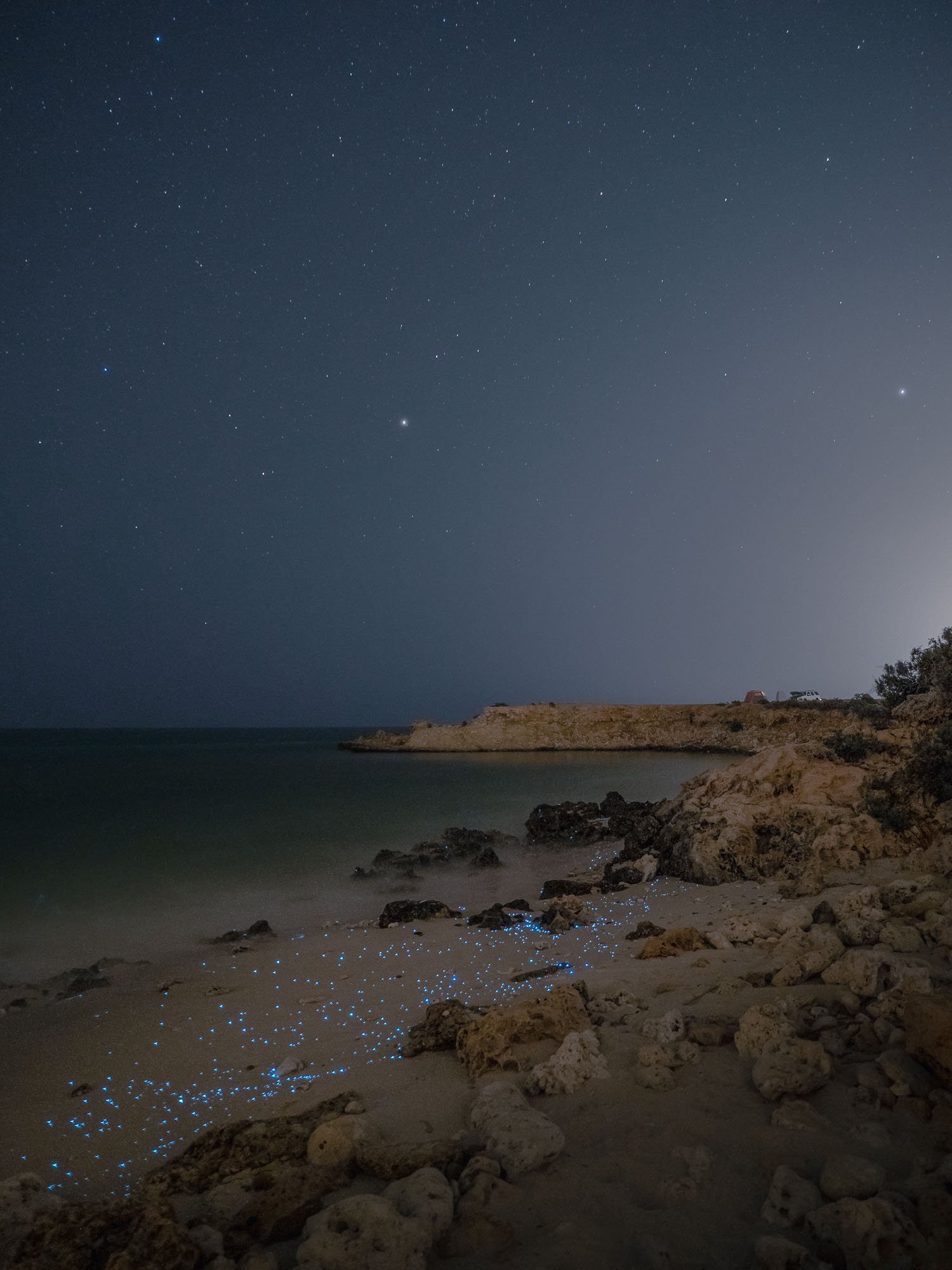
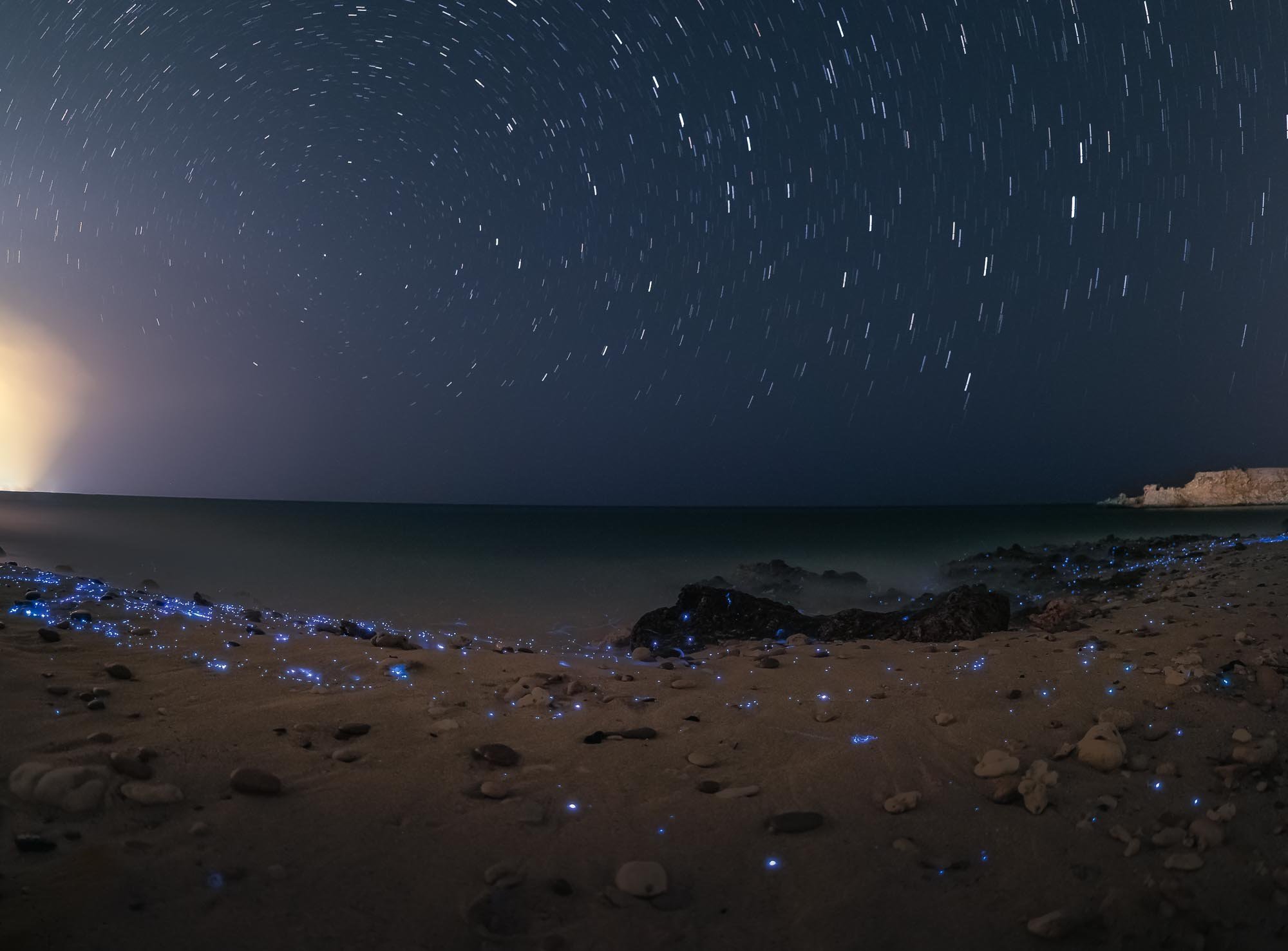
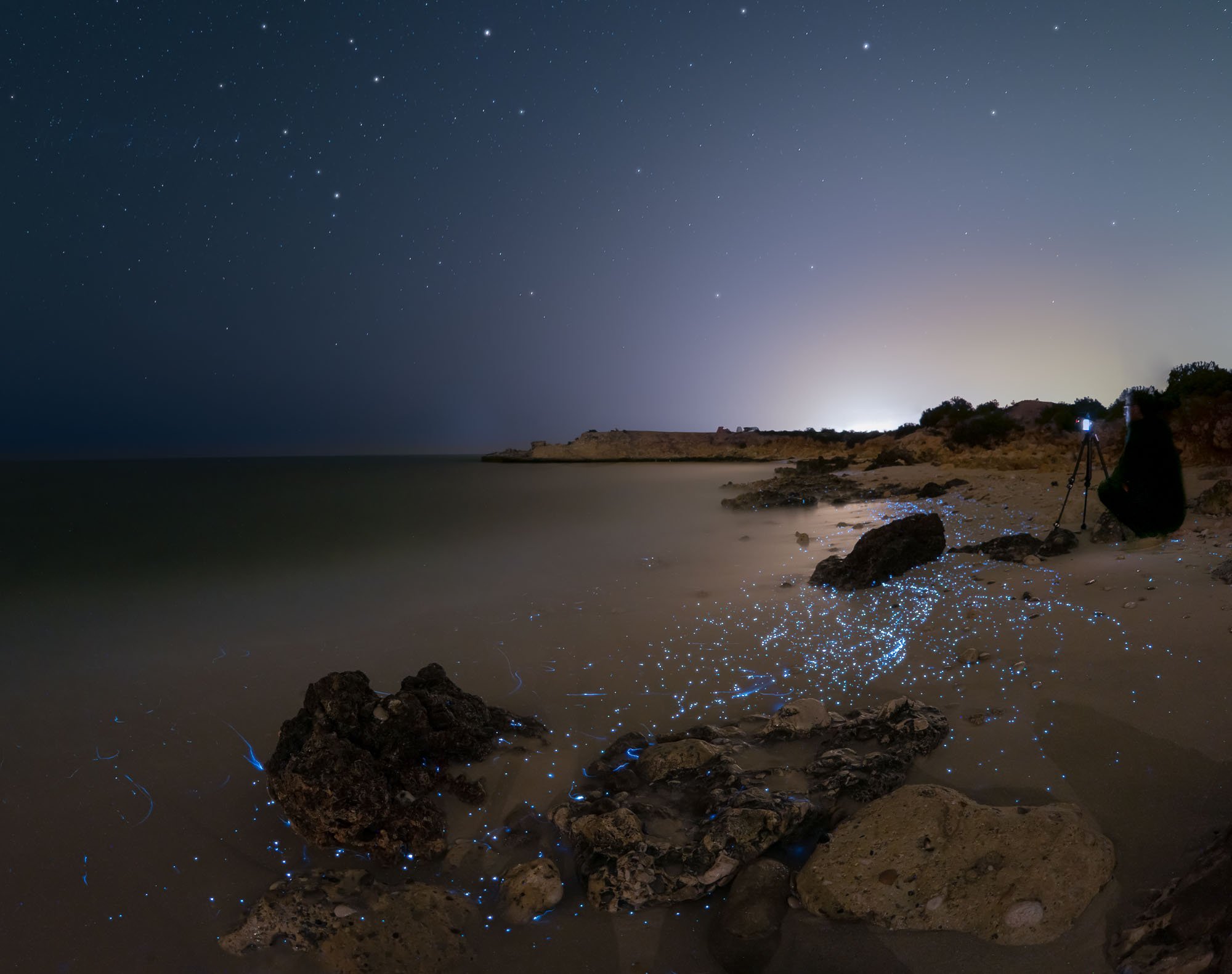
When we explored good locations to set up for the night, our second spot proved to be the golden one, and we spotted little blue dots on the beach and rocks as the waves hit.
Magical
After turning off the flashlight, we saw it for what it really was - the elusive glowing blue bioluminescent phytoplankton. The blue light is produced by energy released from chemical reactions occurring inside these organisms - what a sight.
The Last Day in Muscat
Beach Vibes
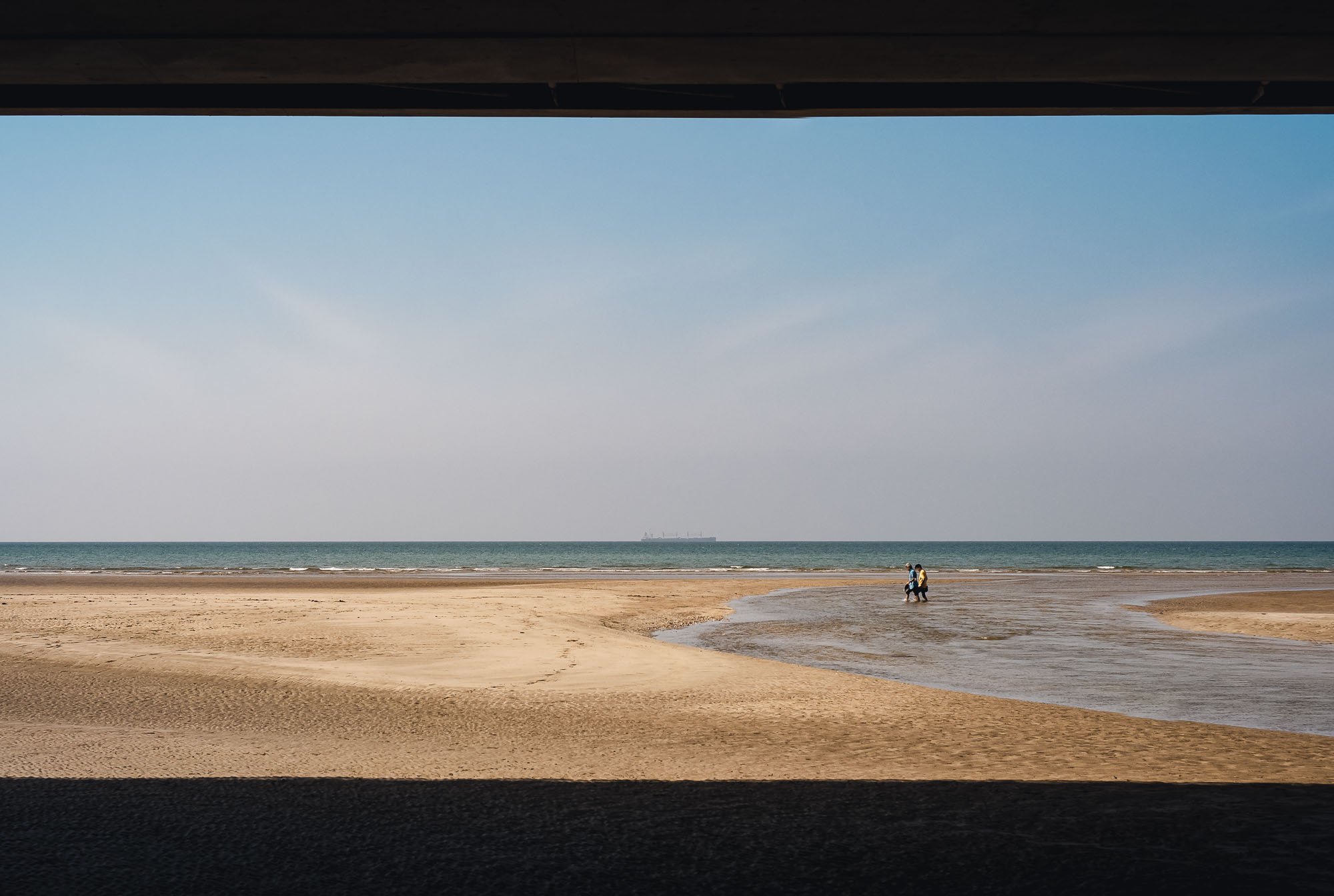
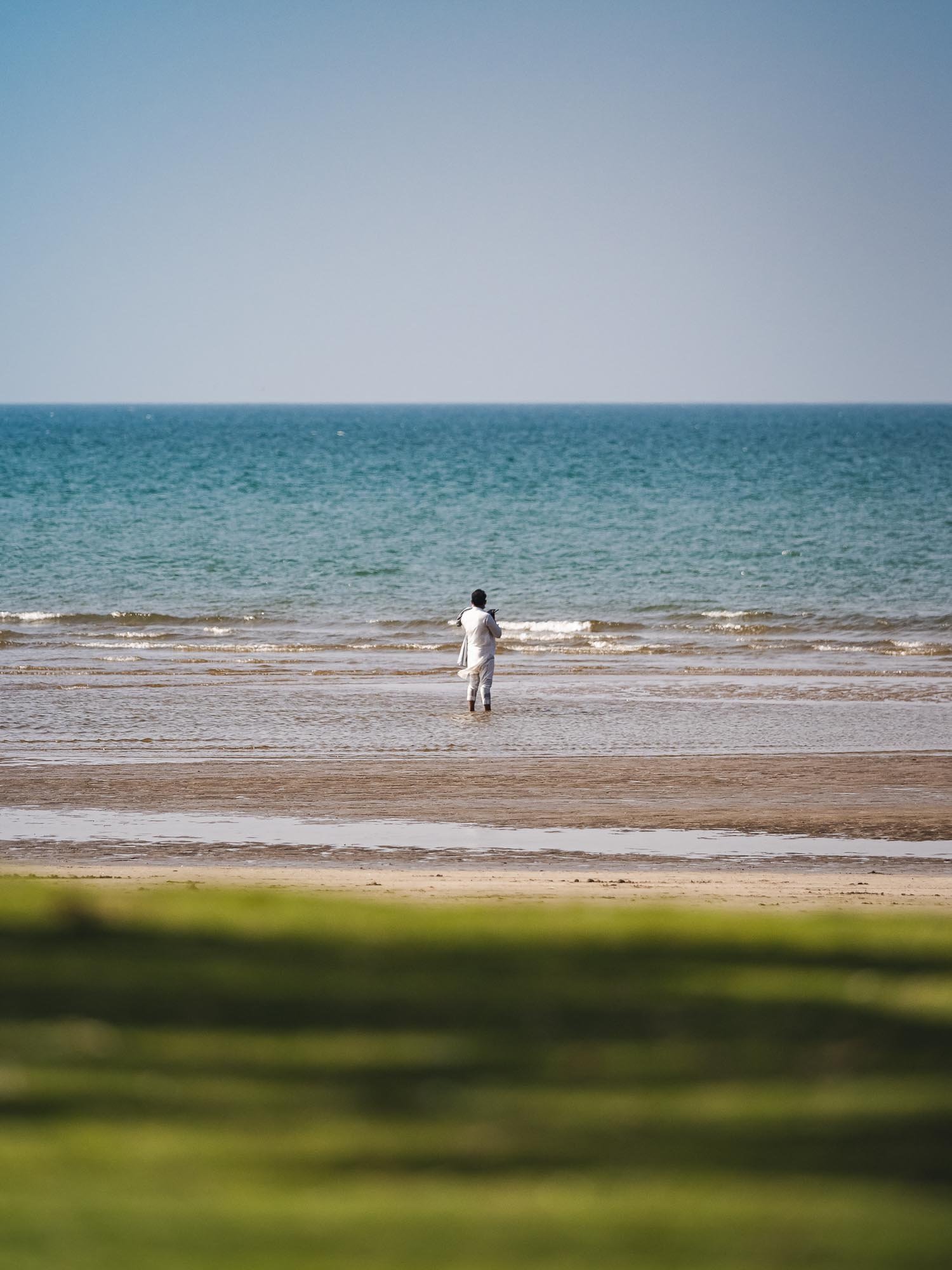
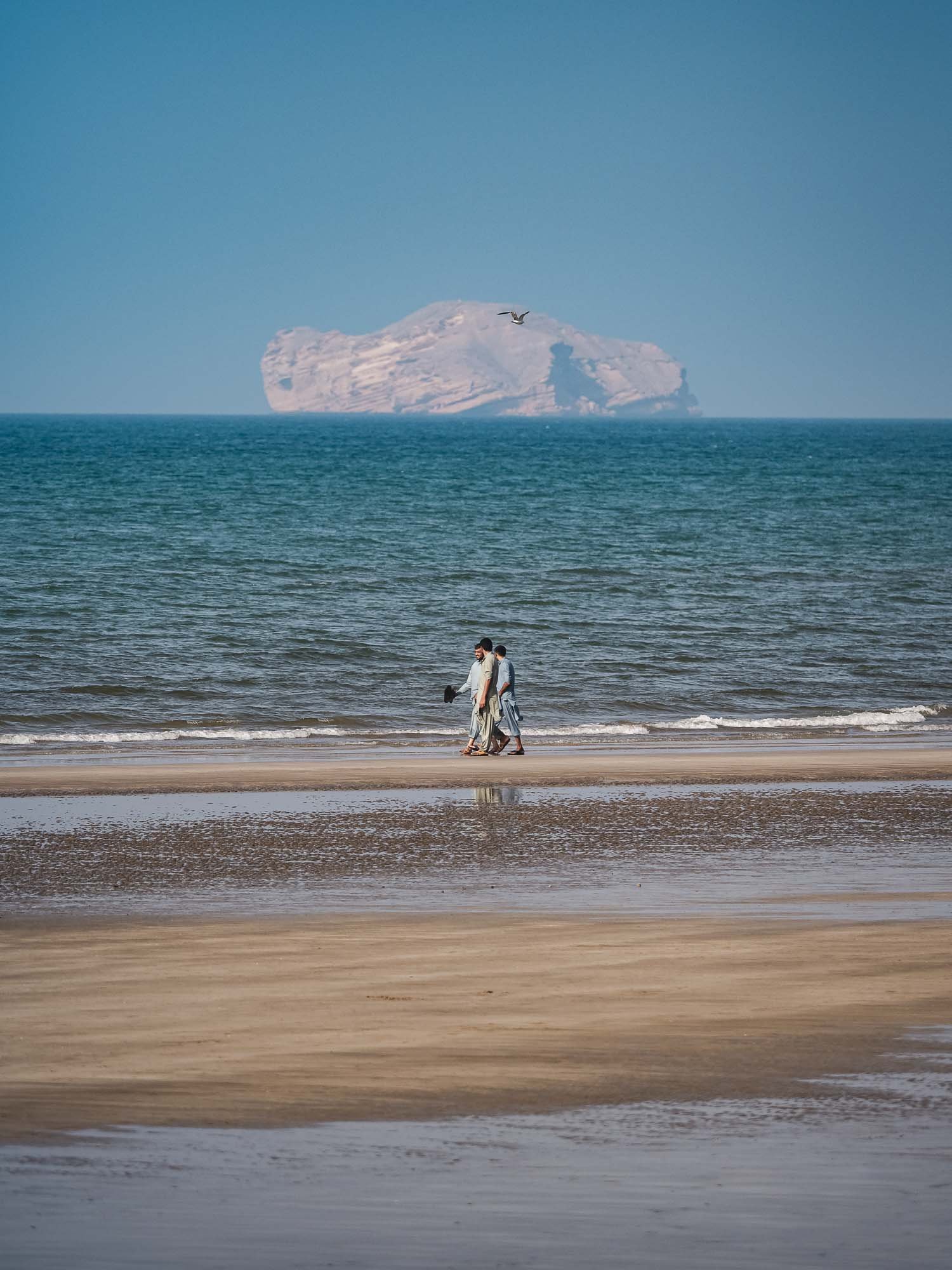
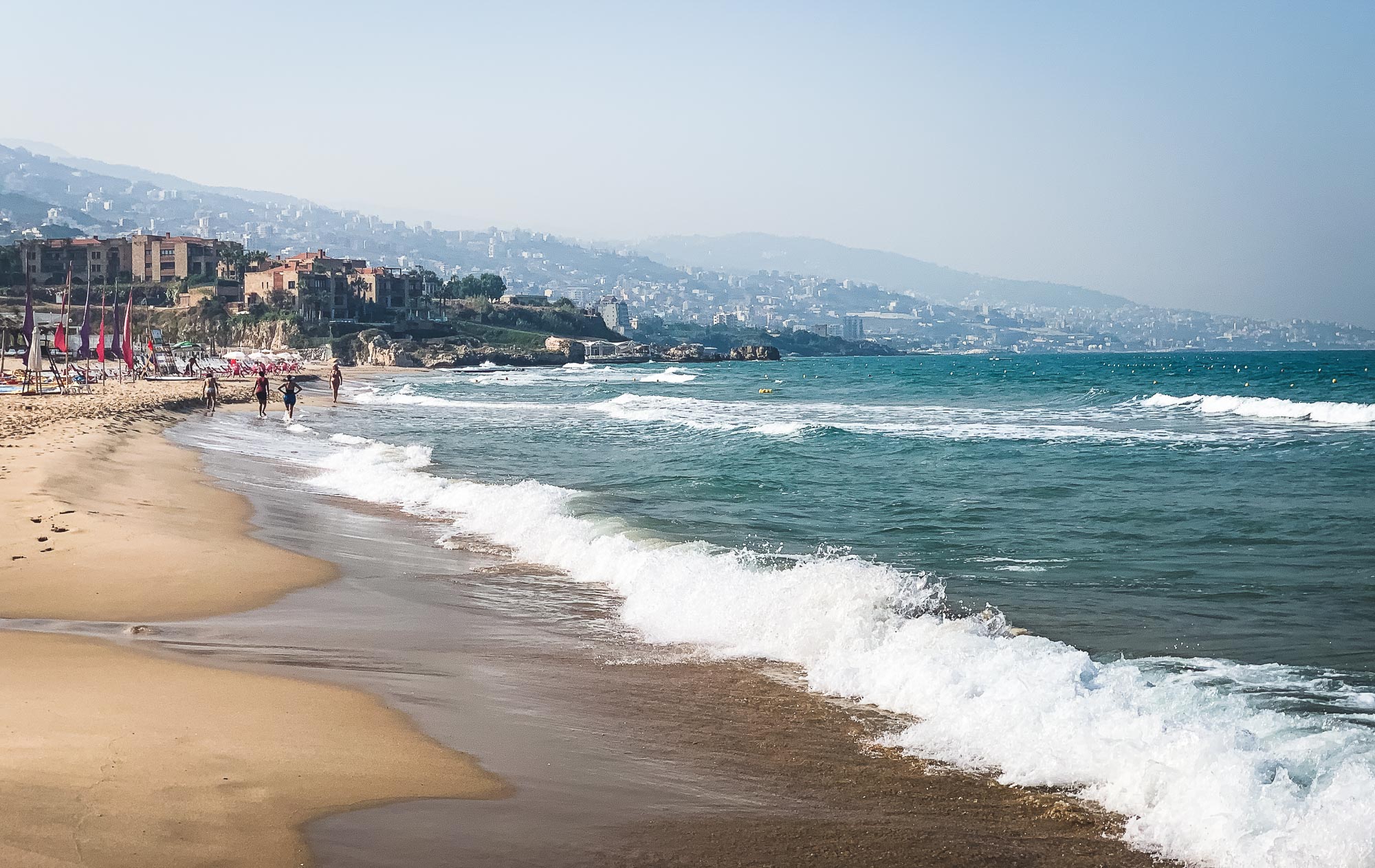
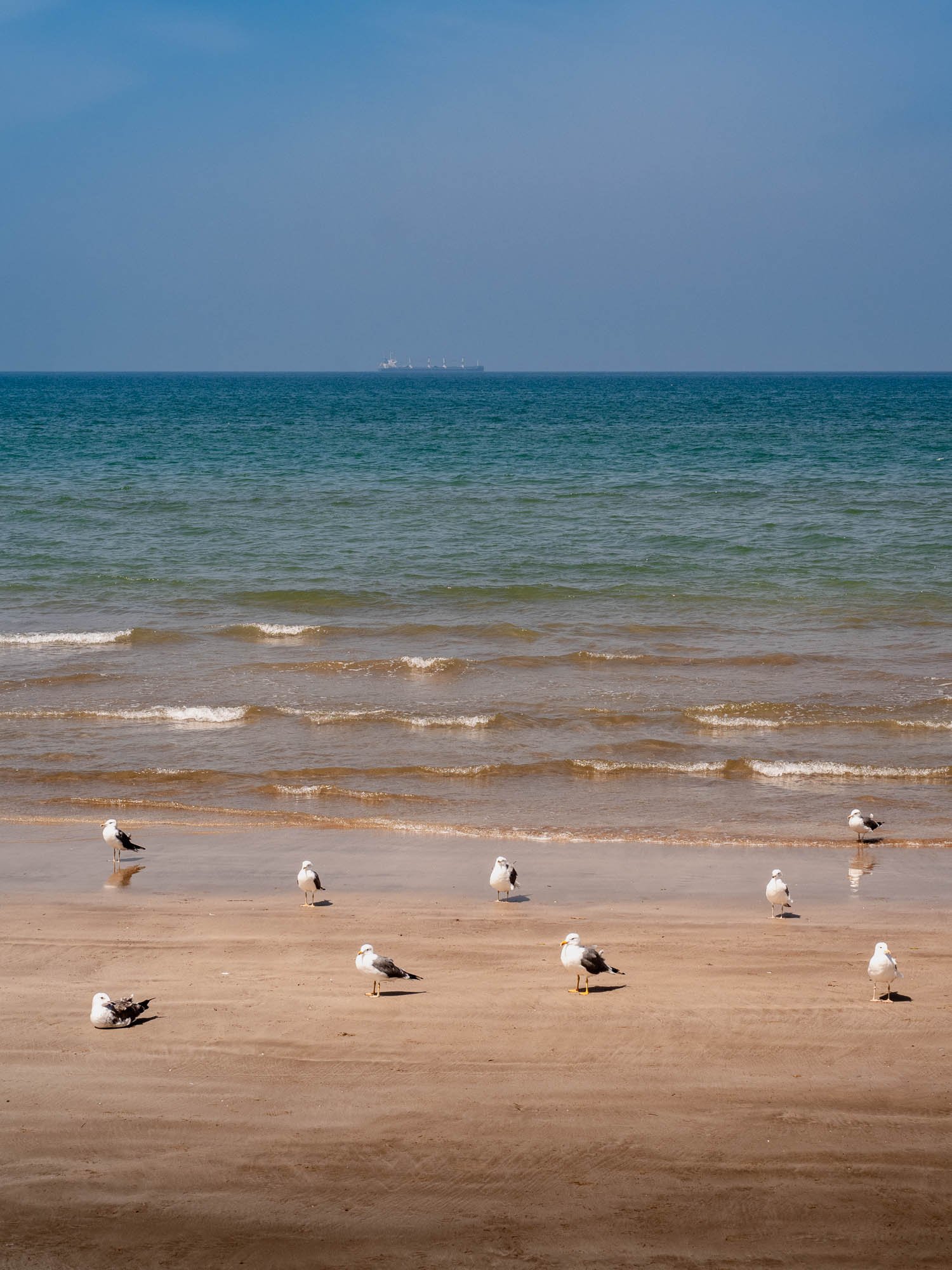
The next day was a later and slower start after the night on the coast, walking on the beaches of Muscat.
Friday Vibes
Oman retains the Friday weekend, so the locals were enjoying the day out.
Postcard Views
All around in Oman!
Qurum Beach
This was taken at the beach near the city's national park.
Nice Day
for a walk alone...
Or
...with friends.
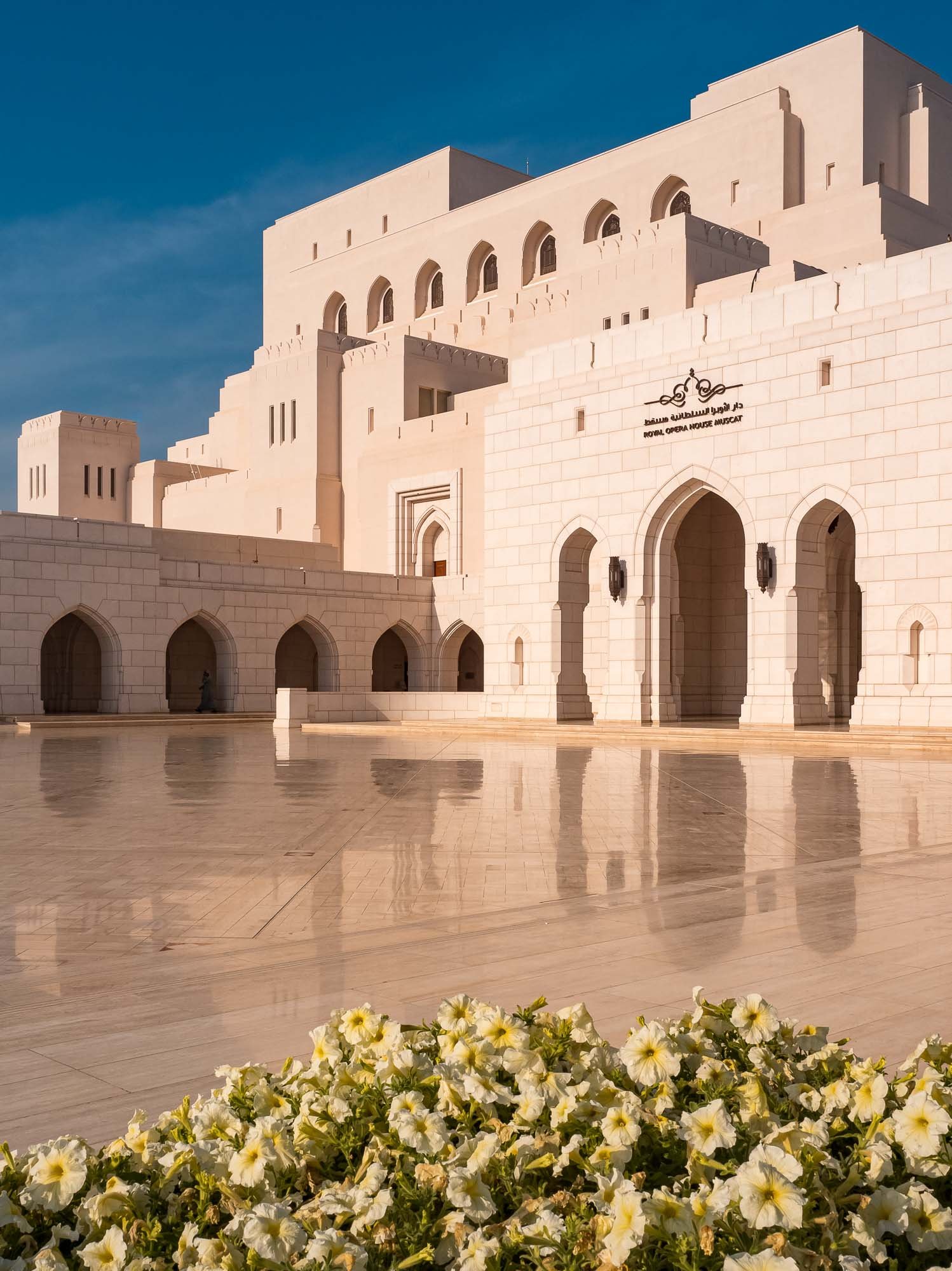
Royal Opera House
We also visited the Royal Opera House, which opened in 2011 and has seen performances by Plácido Domingo and Andrea Bocelli. Unfortunately the interior wasn't open for visits that day.
Architecture
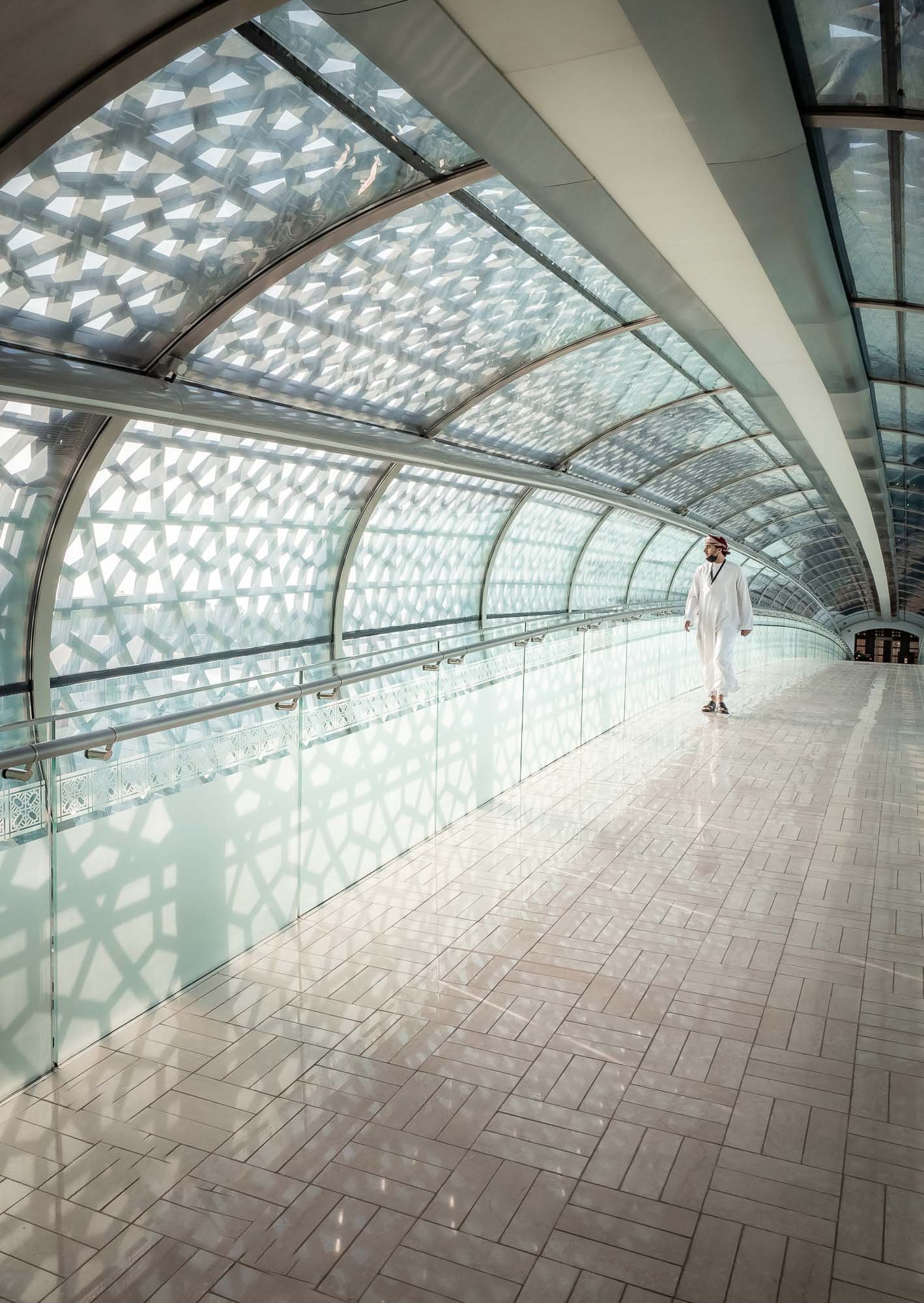
It did feature this neat bridge crossing to the House of Musical Arts.
In Flight
Couldn't resist causing a bit of a stir up when we passed Al Bait Mosque.
Golden Hour Vibes
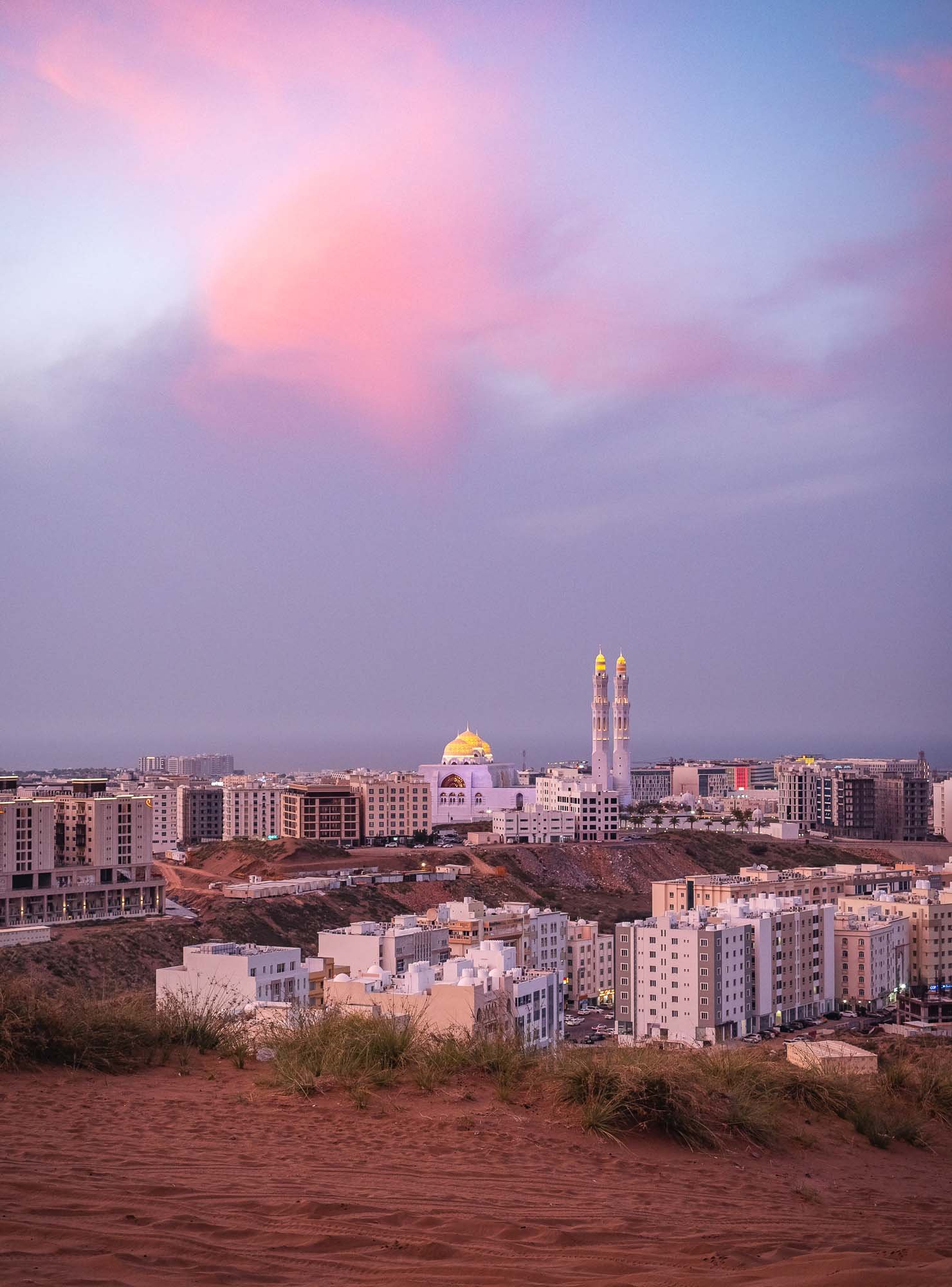
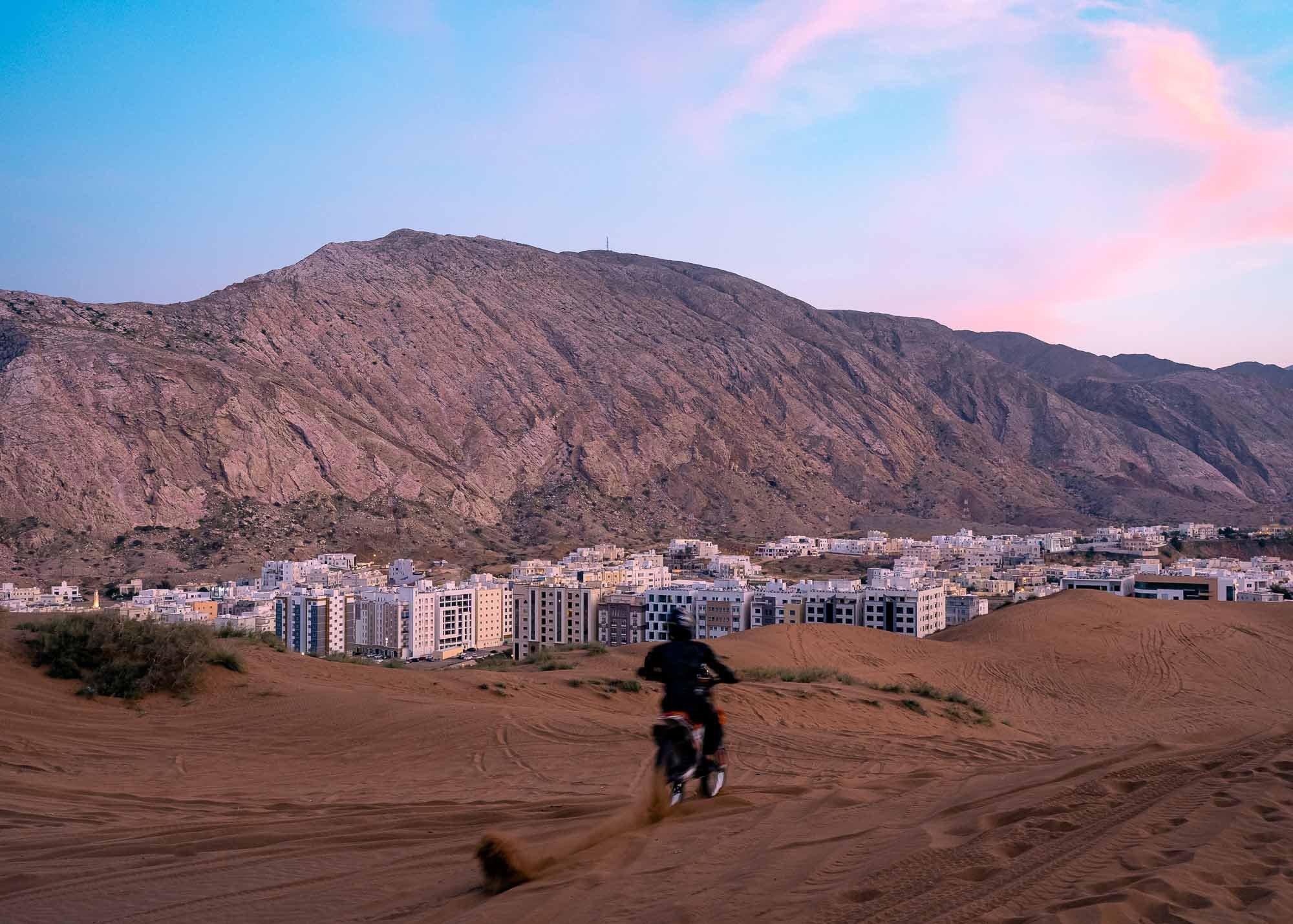
We spent the evening hiking up some dunes in the city for sunset.
Fun Times
We weren't the only ones up there, as a group of people on motorbikes, quads and 4x4s made the most of the evening.
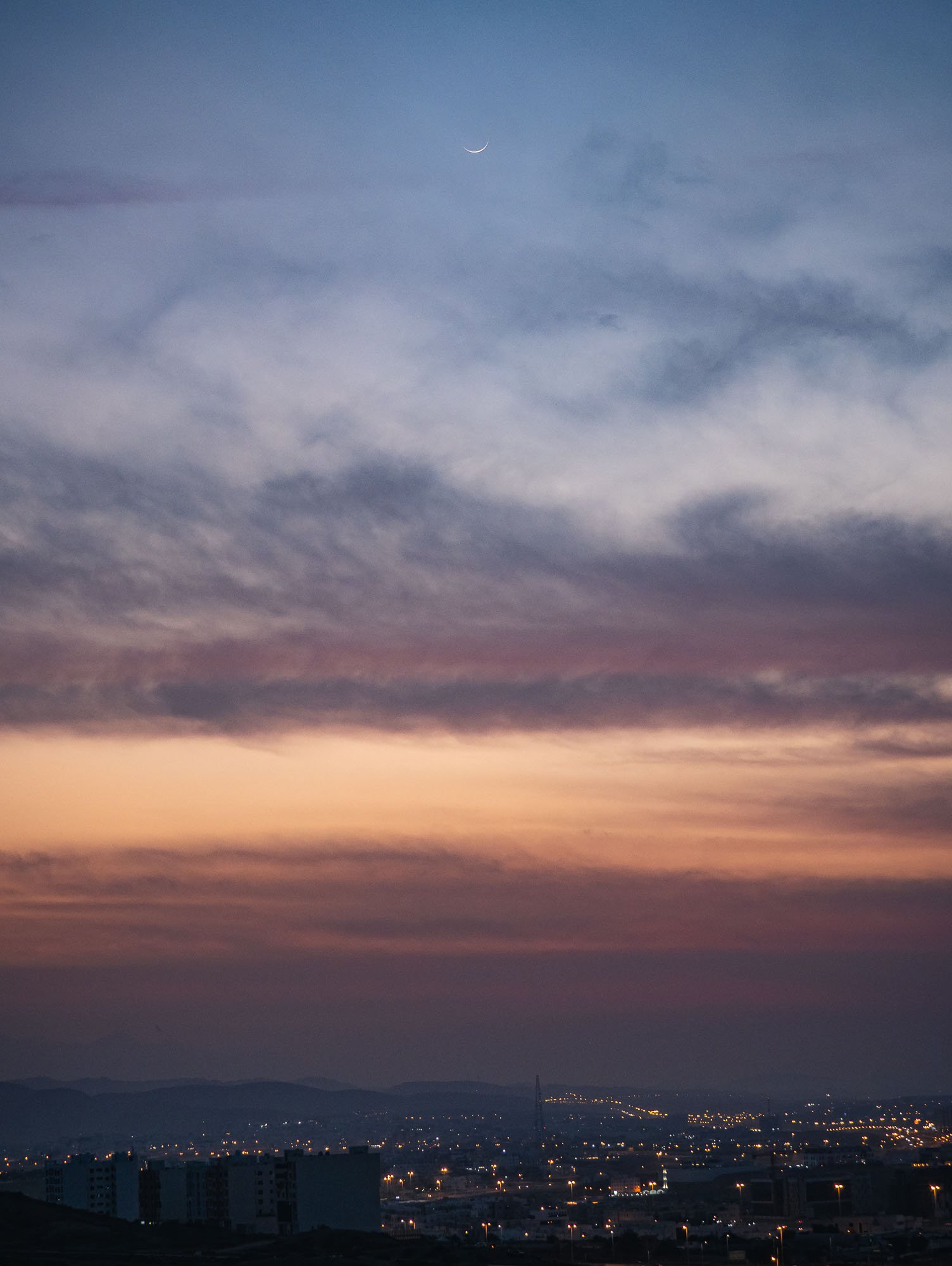
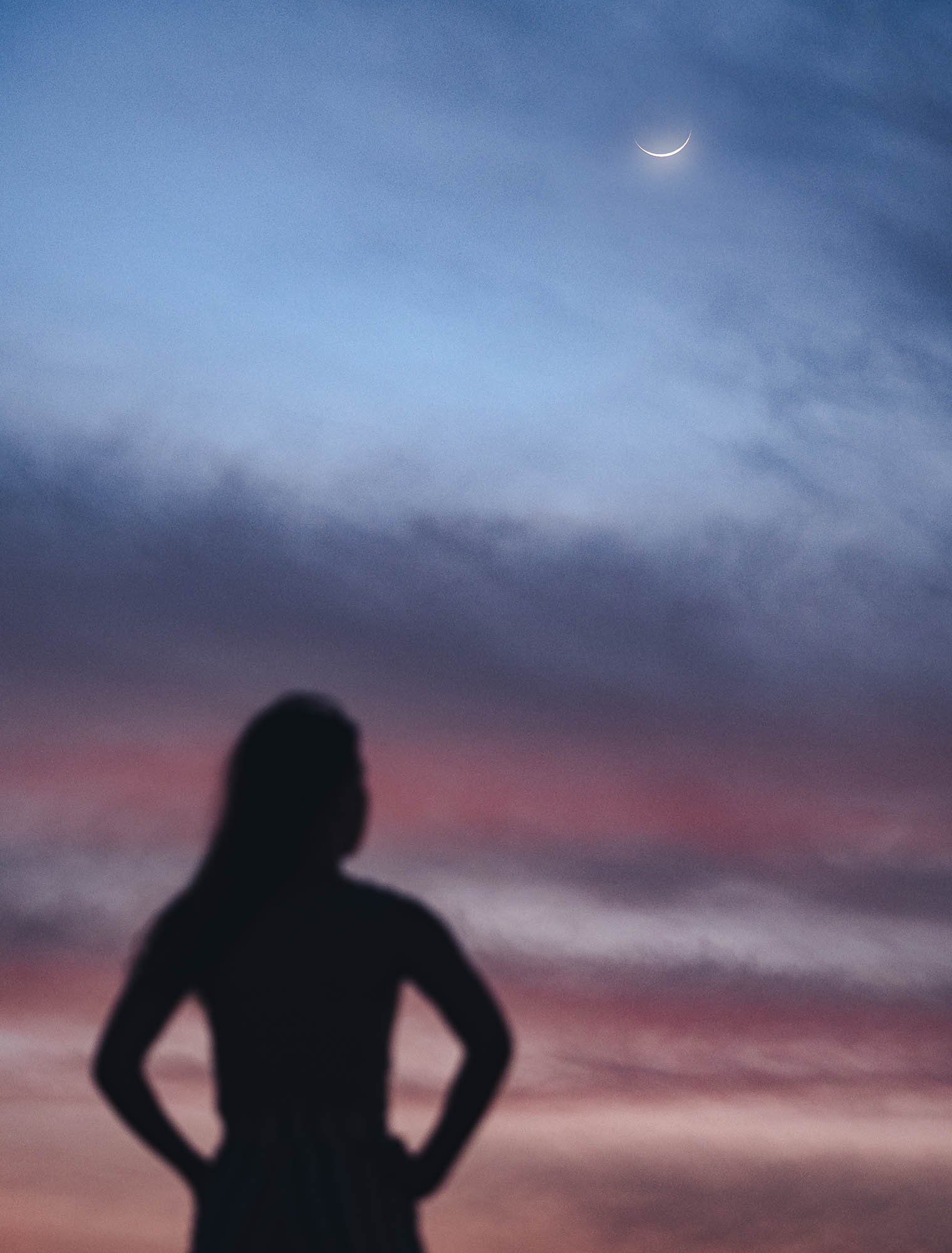
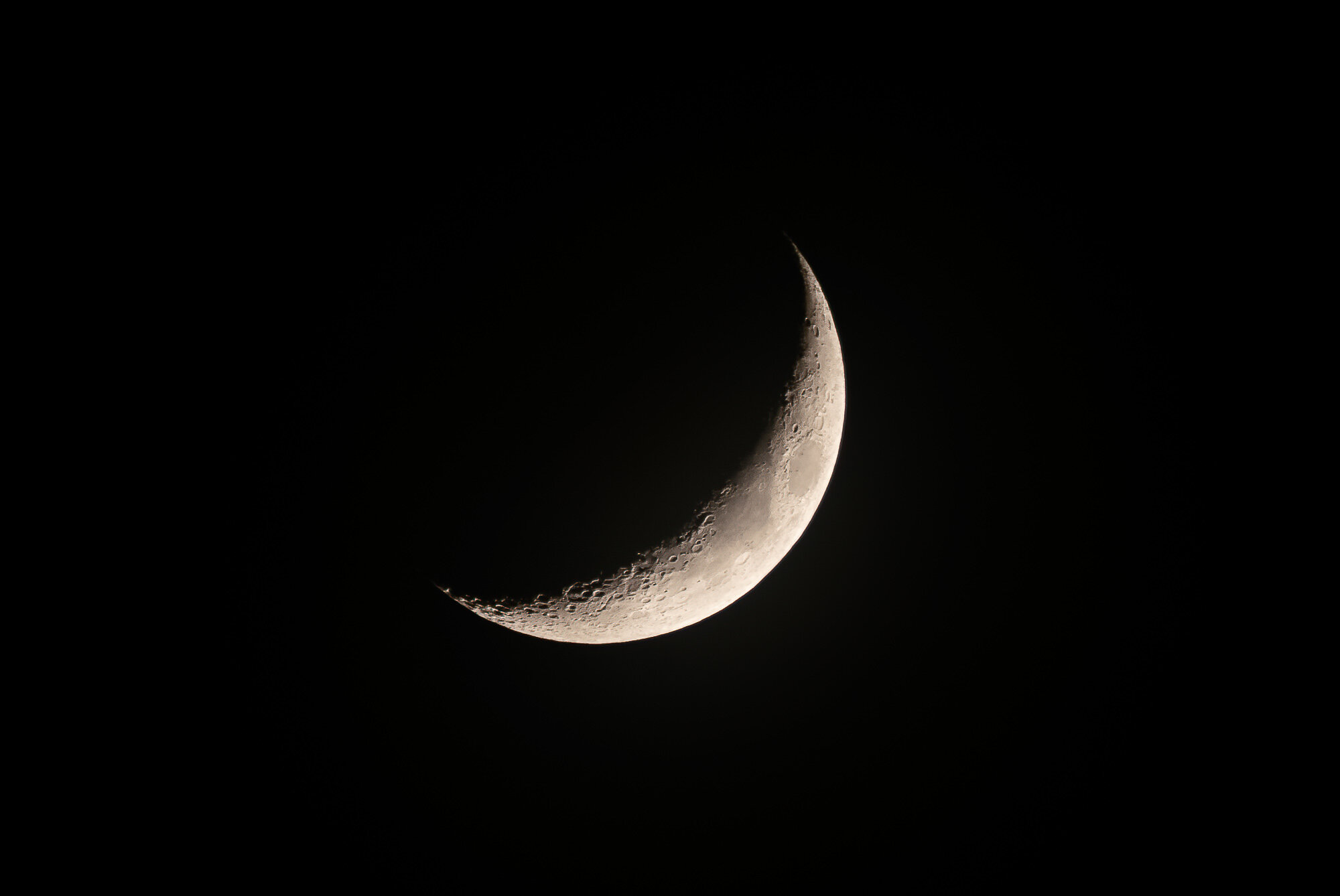
Luna
The moon came out to play as well.
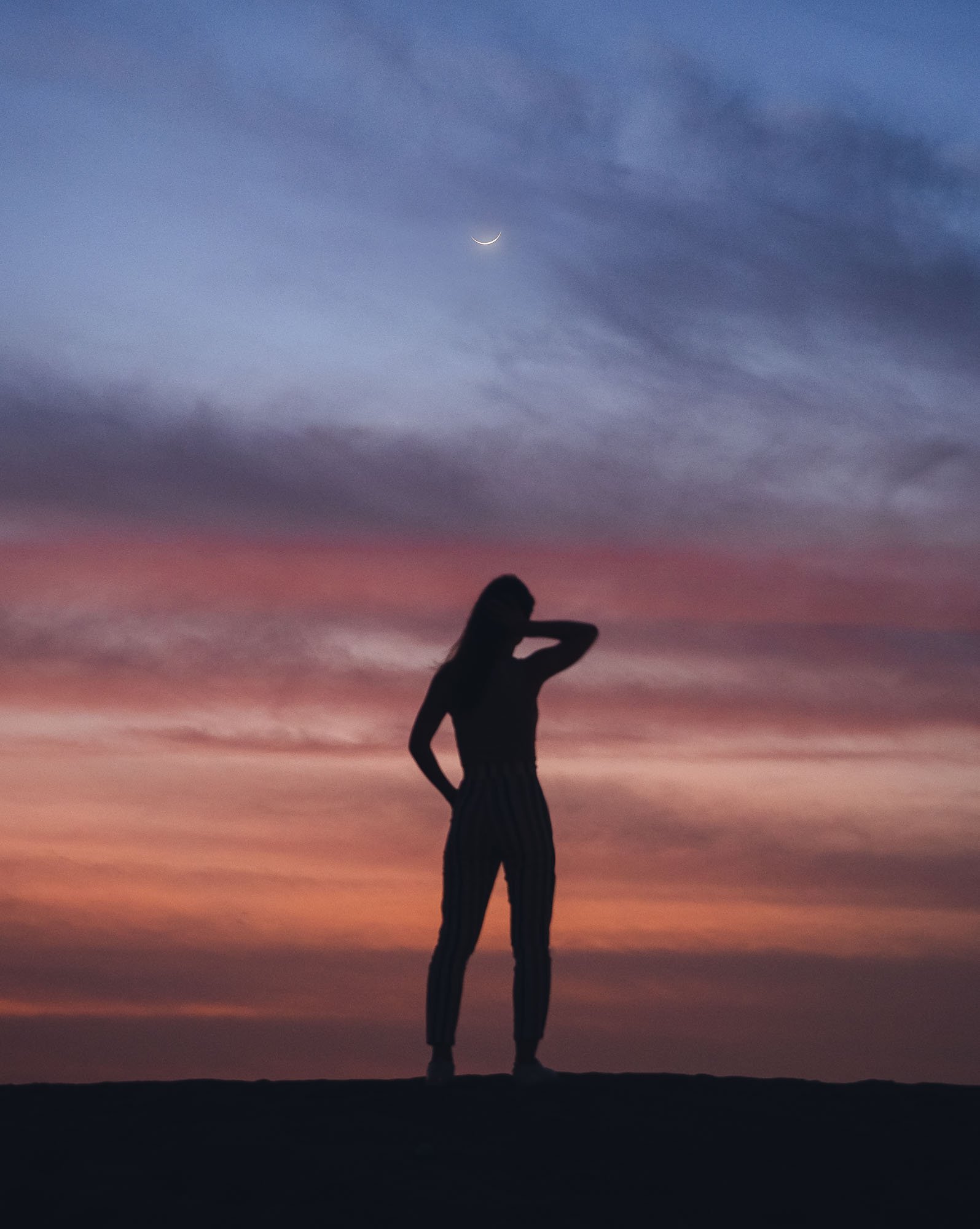
Favourite Subject
Of course I had to play along.
Last Sunset
An appropriate one.
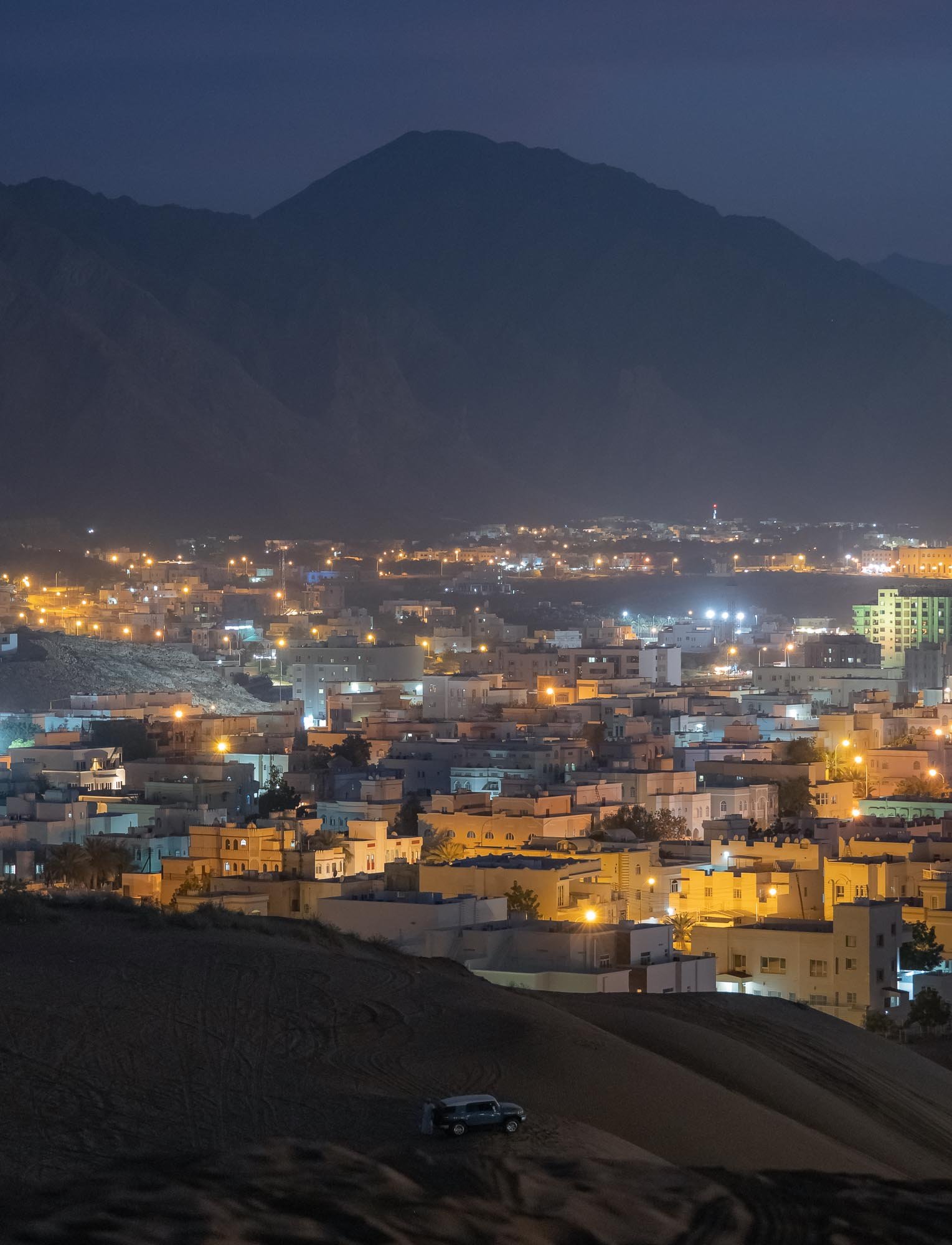
City Lights
The last light of the day disappearing over Muscat.
Back to Dubai
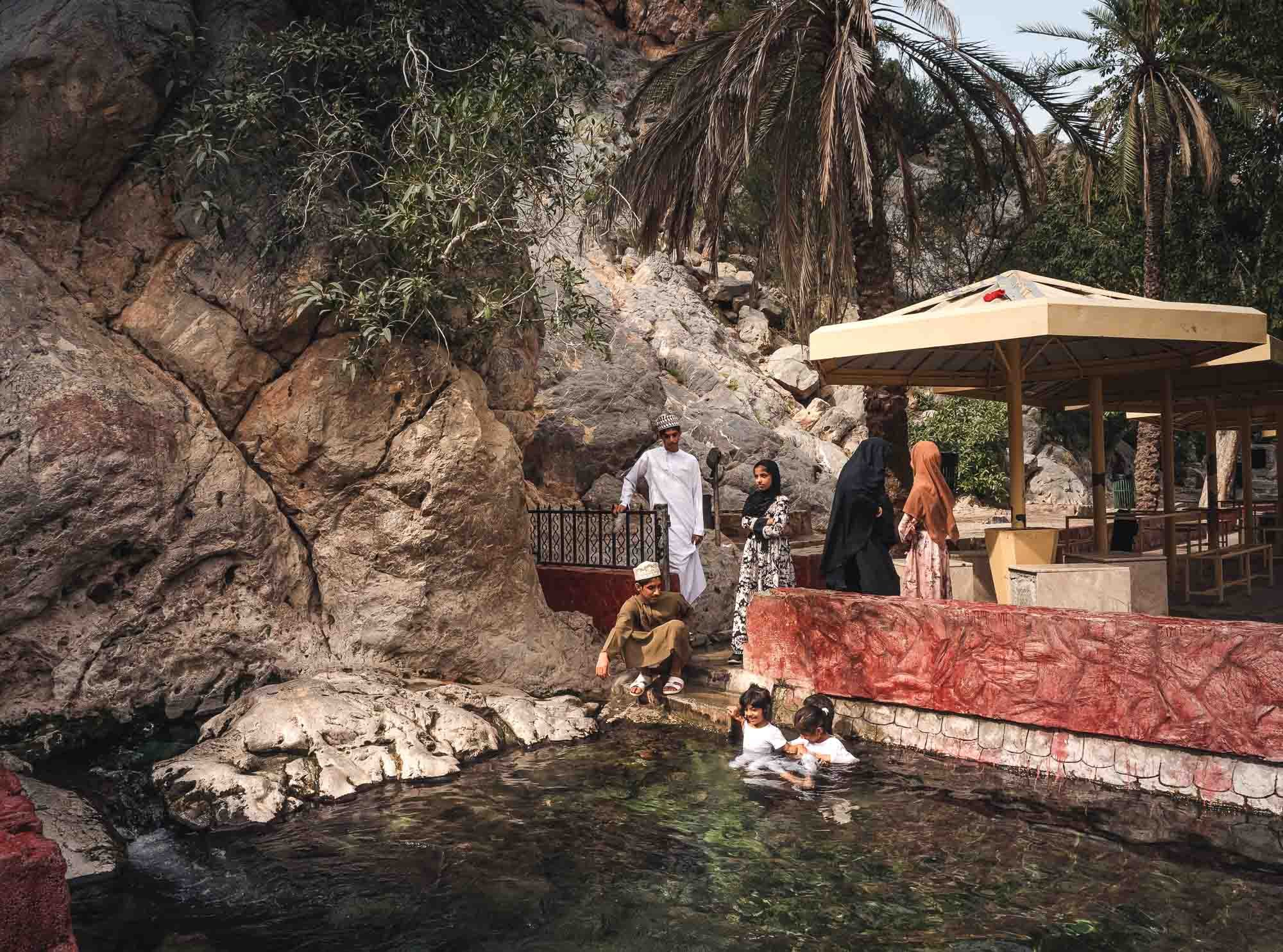
Athawarah Hot Spring
On our way back to Dubai we took a different route, passing by the hot spring of Nakhla. The hot water originating on the bottom left runs directly into the Wadi, keeping it surprisingly warm.
Al Kasfah Hot Spring
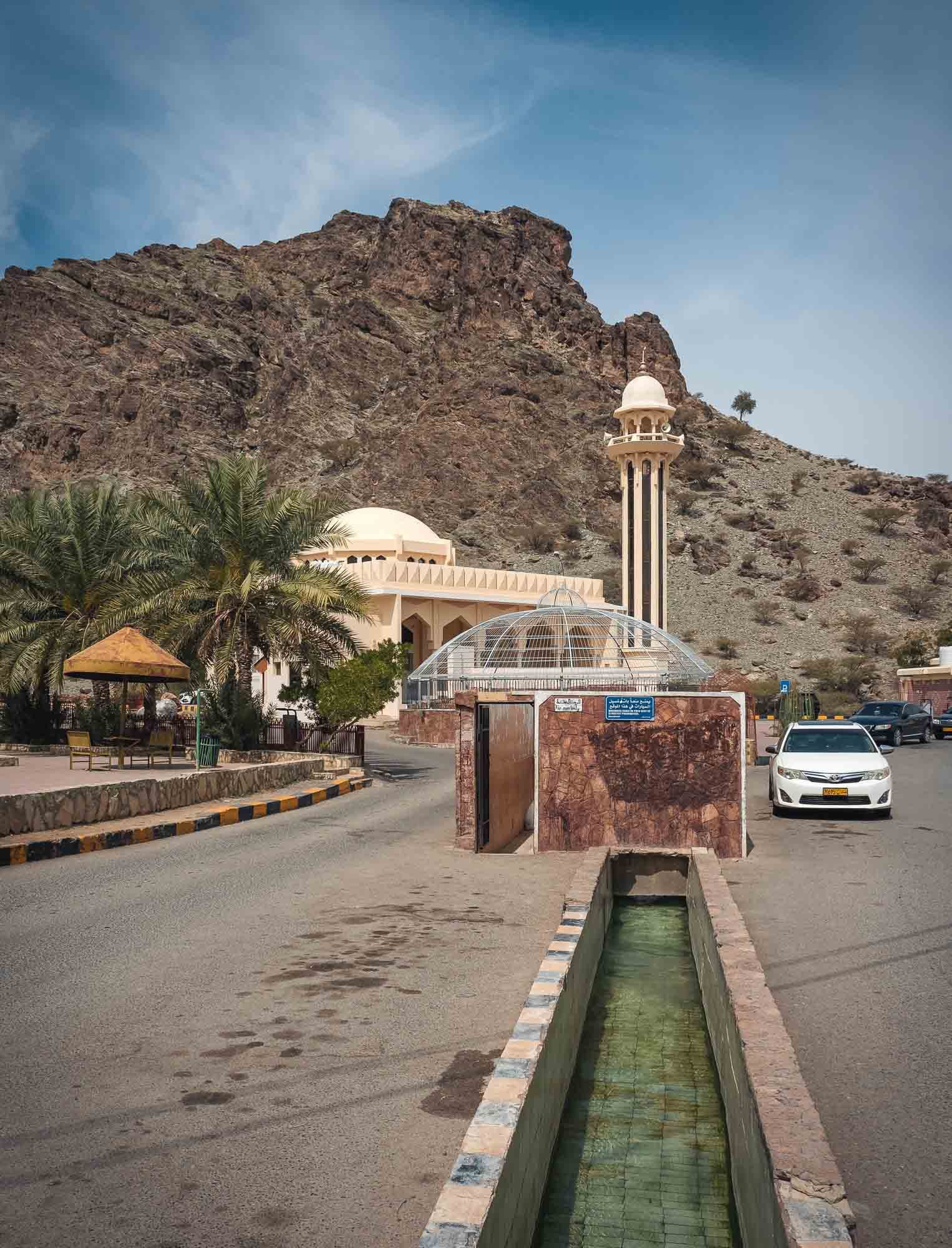
We also stopped in Rustaq at another spring - this one is said to have healing powers owing to the sulphur traces in the water. It originates under the caged dome in the background and then runs in a kind of channel through the streets, with stalls for people to take baths in the water visible in the foreground.
18th Century Tomb
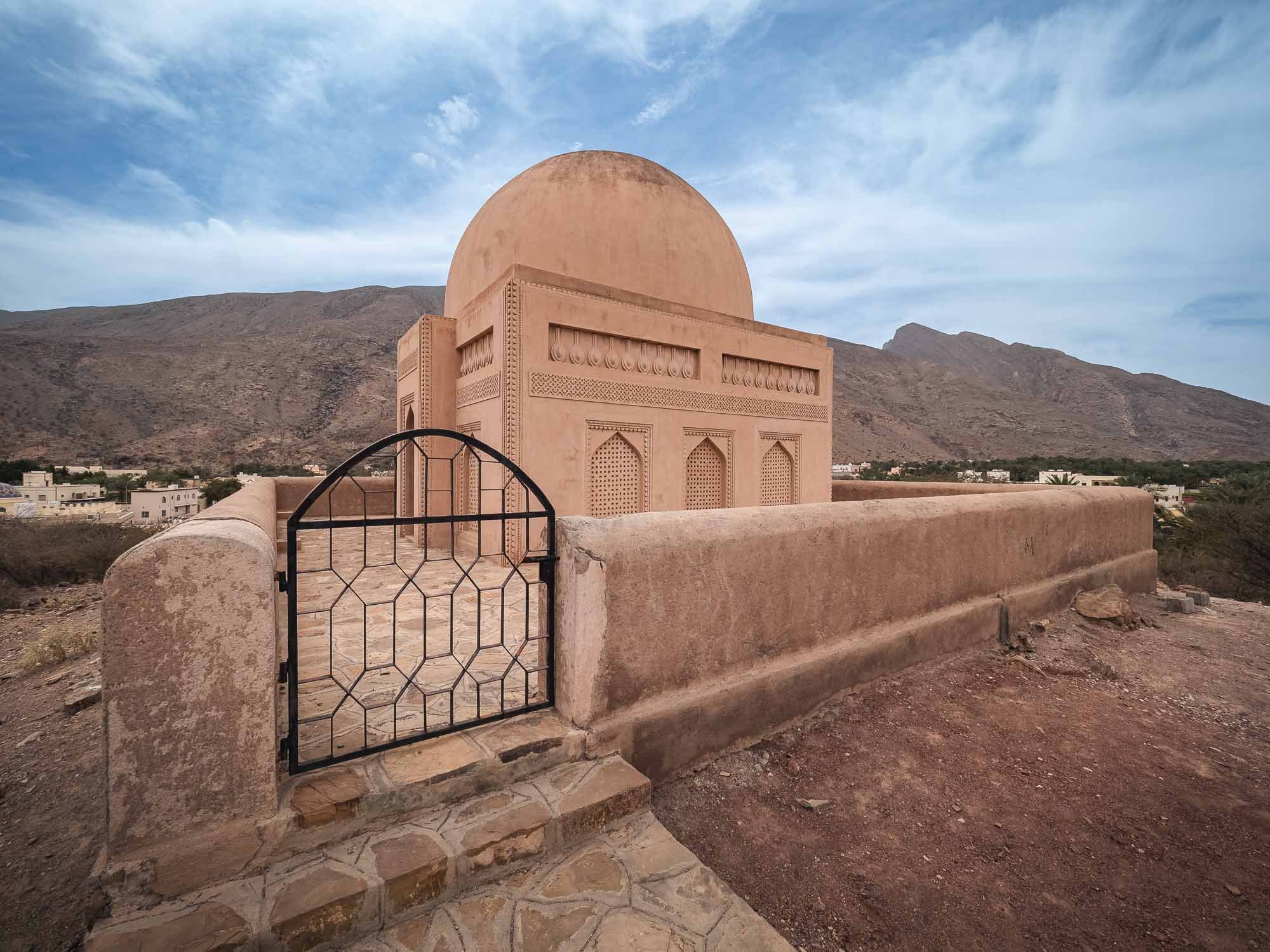
The city is also home to this restored Ibadi tomb of the Imam Ahmad bin Said al-Busaidi, first ruler of Oman of the Al Said dynasty - took me quite a while to find this info, as there are very few signboards around and the Google Maps pin is in Arabic only.
Rustaq Fort
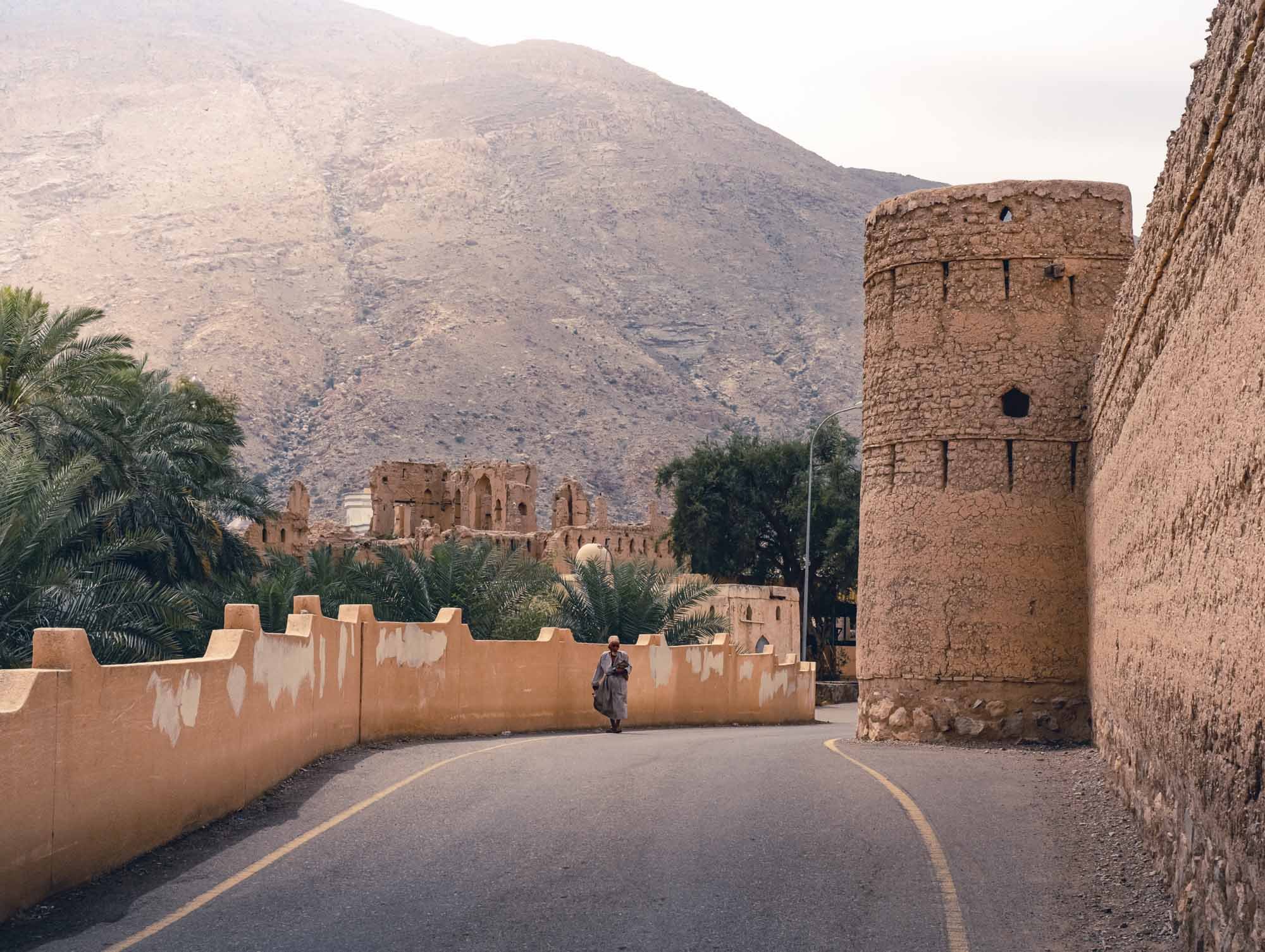
The fort itself is currently closed for maintenance, but its imposing walls are nevertheless impressive.
Transport
We did encounter this fine gentleman who allowed us a quick glimpse into the fort, and then took us to the older parts of the city in this... vehicle, which he imported from China.
Qusra Museum
This was one of the places he showed us, a restored 300 year old family house, now converted and adorned with various artifacts.
Water Towers
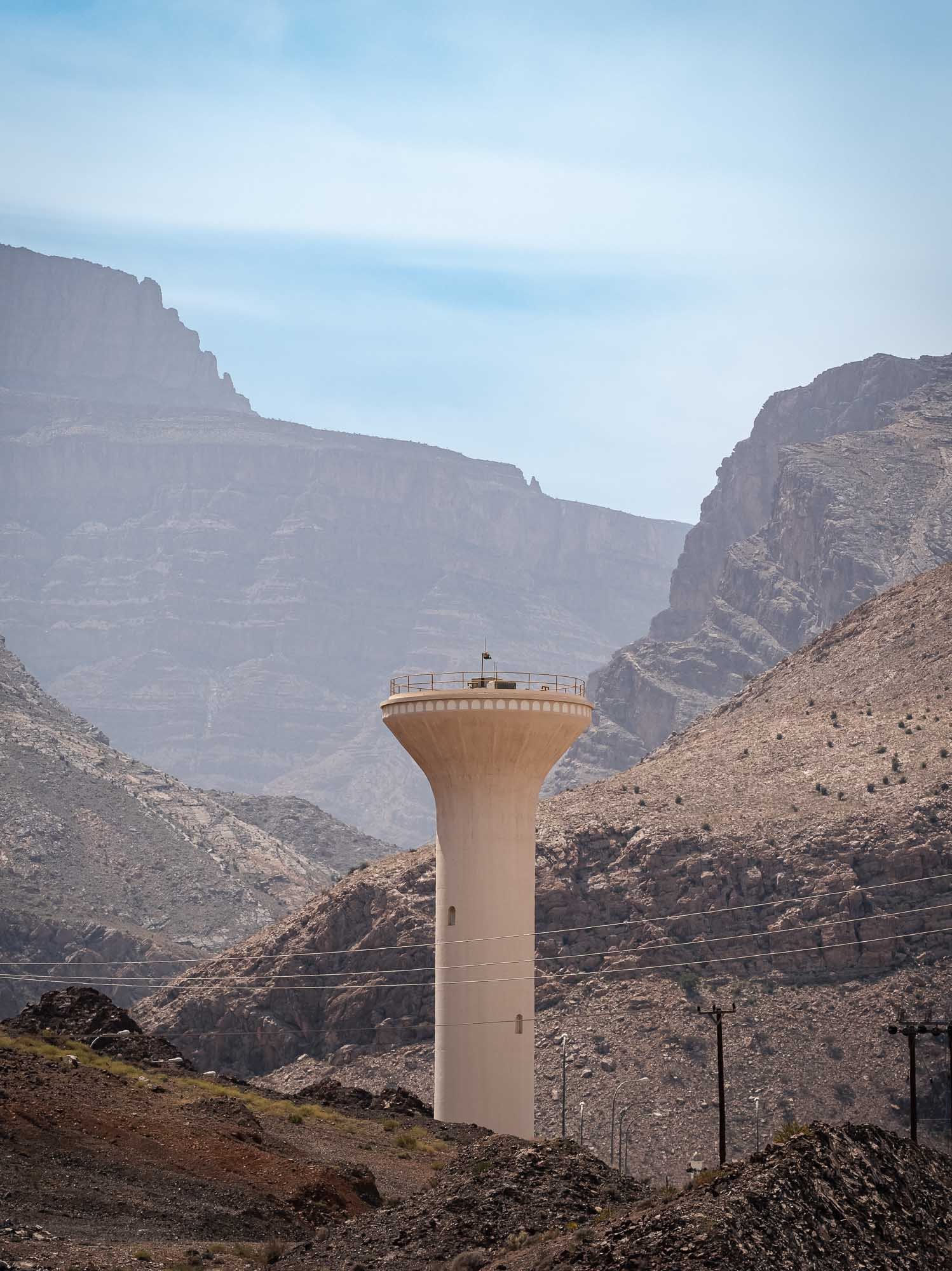
On our way to the final destination. You can find these towers dotted around the landscape, used for storage and to generate pressure.
Framed
Owing to questionable road conditions, we had to take quite a detour, but a few sights on the way made it enjoyable.
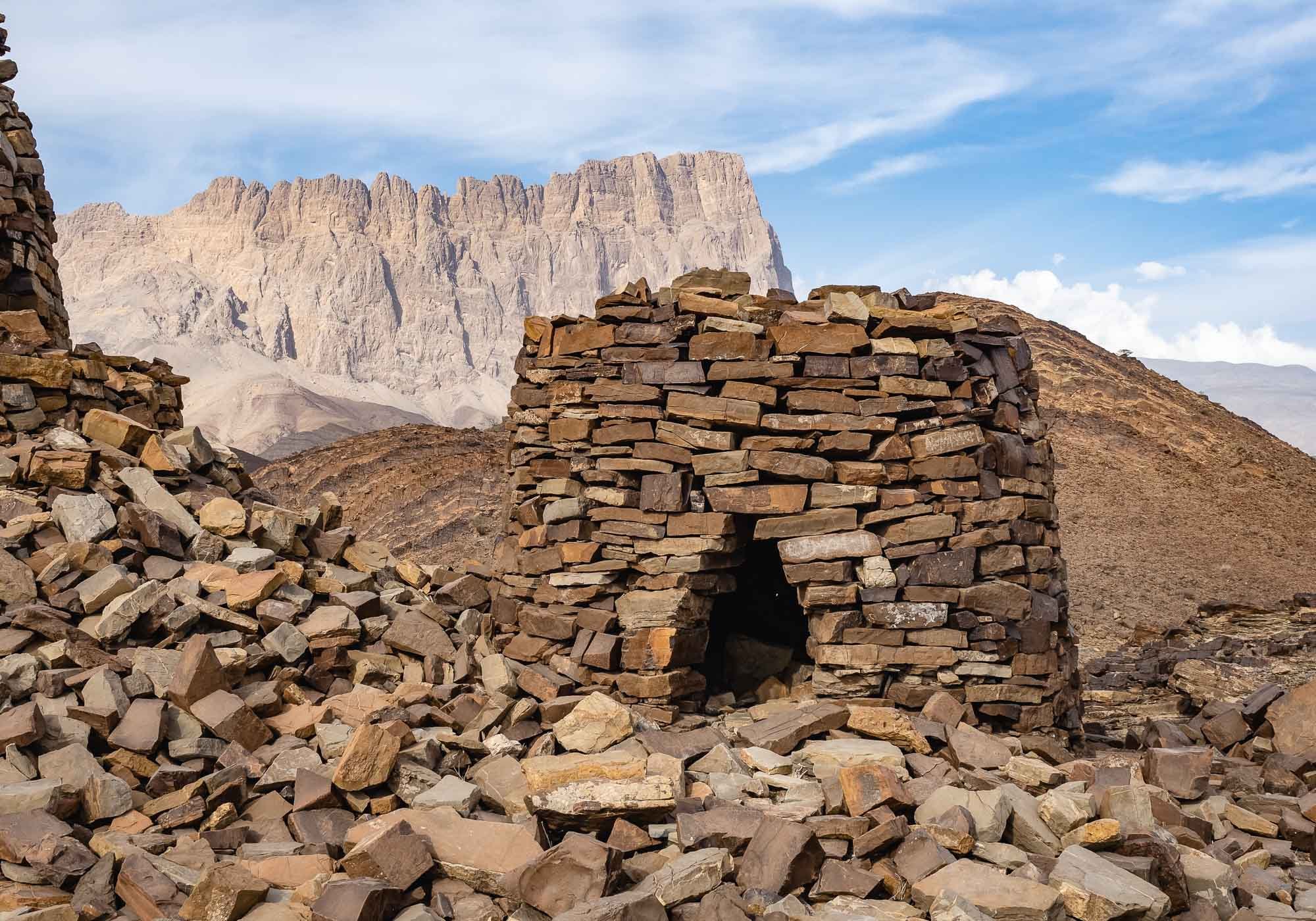
Al Ayn Beehive Tombs
When we finally made it, the scenery was worth it. I had initially failed to add this location to the route on the first day, but really didn't want to miss out after seeing the Beehive Tombs of Bat.
Awe-inspiring
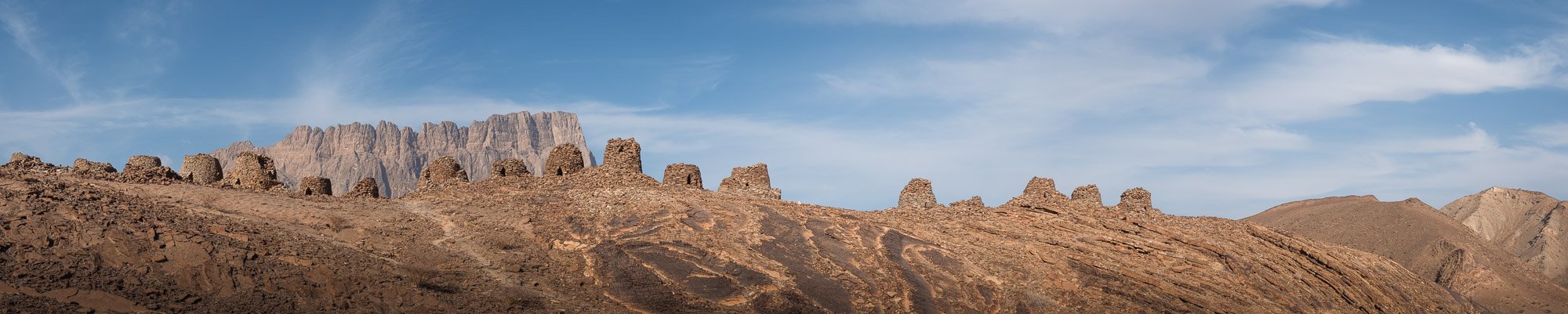
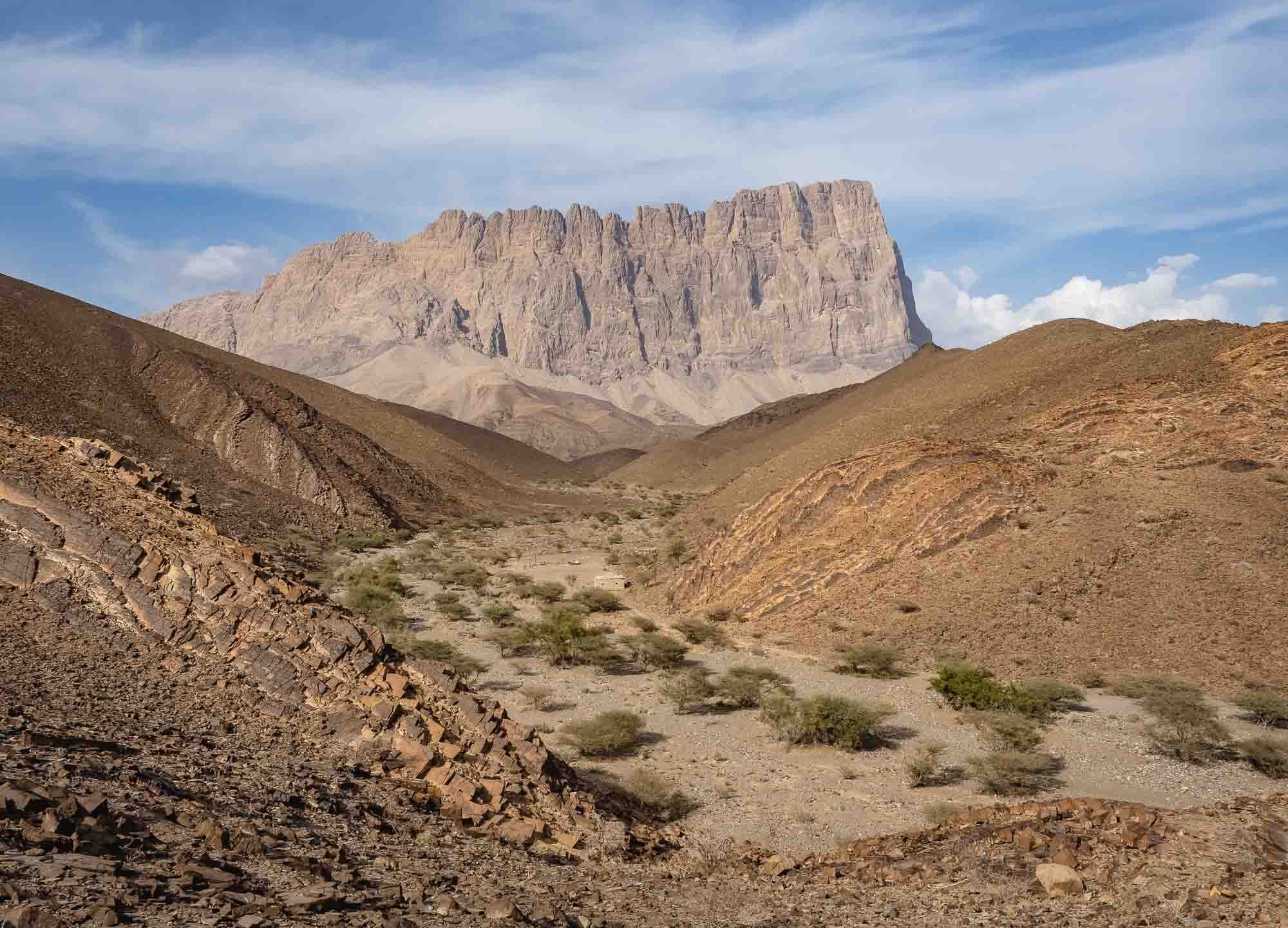
Looking at these 5000 year old tombs with the imposing Jebel Misht in the background was truly amazing.
Jebel Misht
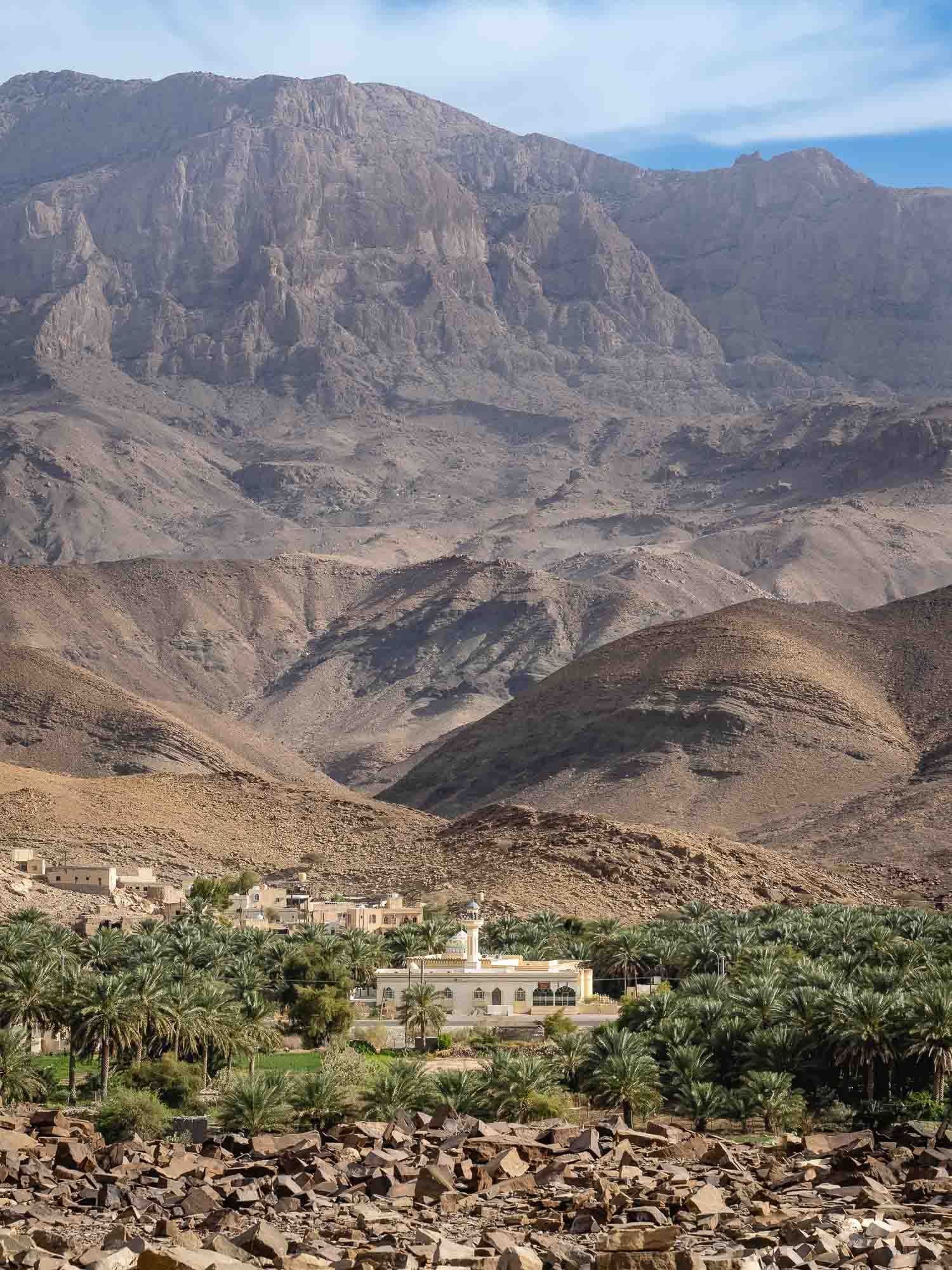
The striking landscape from the hill on which the tombs are located.
Hajar Views
Looking the other way into the date farm.
World History
According to Unesco, together with the neighbouring locations, this site forms the most complete collection of settlements and necropolises from the 3rd millennium B.C. in the world. It's almost a bit humbling (and a little concerning for their future) that you can just walk up to these fragile structures with no fences or rails of any kind.
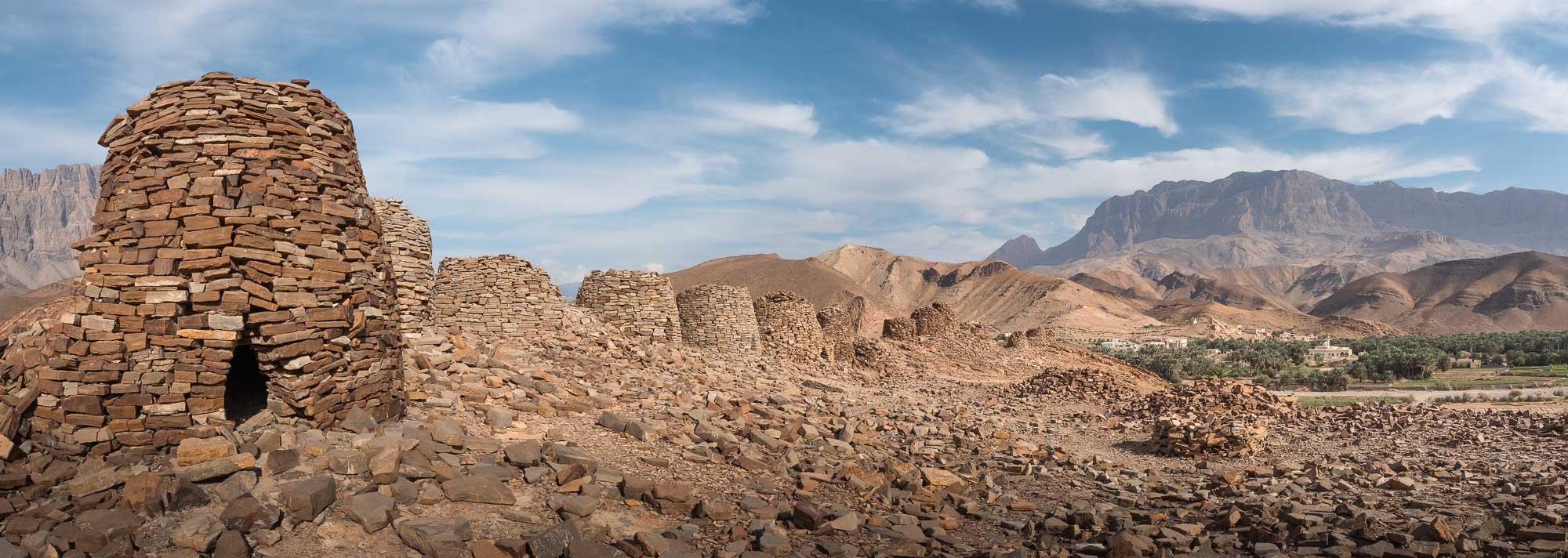
Panoramic View
A full view of the site, which features a total of 19 tombs in almost a straight line. A definite highlight for me.
The End
Obligatory cat photo.
I really hope you enjoyed this small documentary series of my trip to Oman. I’ve known about the beauty, geology, and history of the Hajar mountains from exploring the UAE, but Oman really took this to another level. It is probably a good thing for these sites that the country hasn’t had the same level of attention as some other more famous destinations in the Middle East, but on the other hand Oman and its people really deserve to be recognized alongside them. Will definitely come back.
Bosnia & Herzegovina - Polarising Diversity
A late summer weekend brought me to Bosnia & Herzegovina, a relatively small and almost landlocked country in south-east Europe.
A late summer weekend brought me to Bosnia & Herzegovina, a relatively small and almost landlocked country in south-east Europe. The trip took us from the capital, Sarajevo, through the mountain ranges along the river Neretva towards Mostar and its surroundings sights and back. The country features impressive diversity in architecture, culture, and people - owing to its troubled past, which is still evident today - which made for a packed three days of sights, many of them well known, and a few unexpected ones.
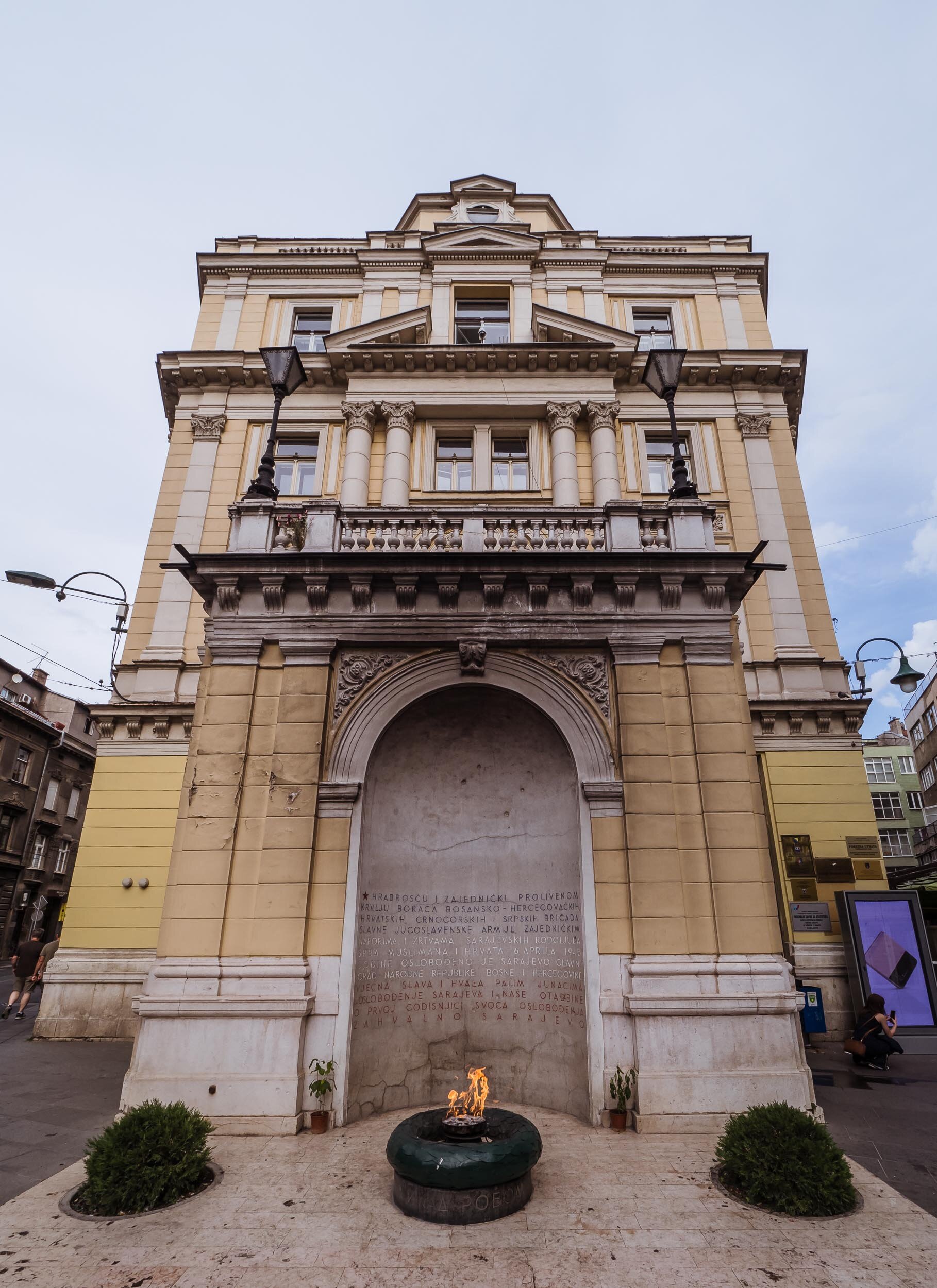
Eternal Flame
A small memorial site in Sarajevo honoring the victims of World War II with an eternal flame & inscription.
Equilibrists
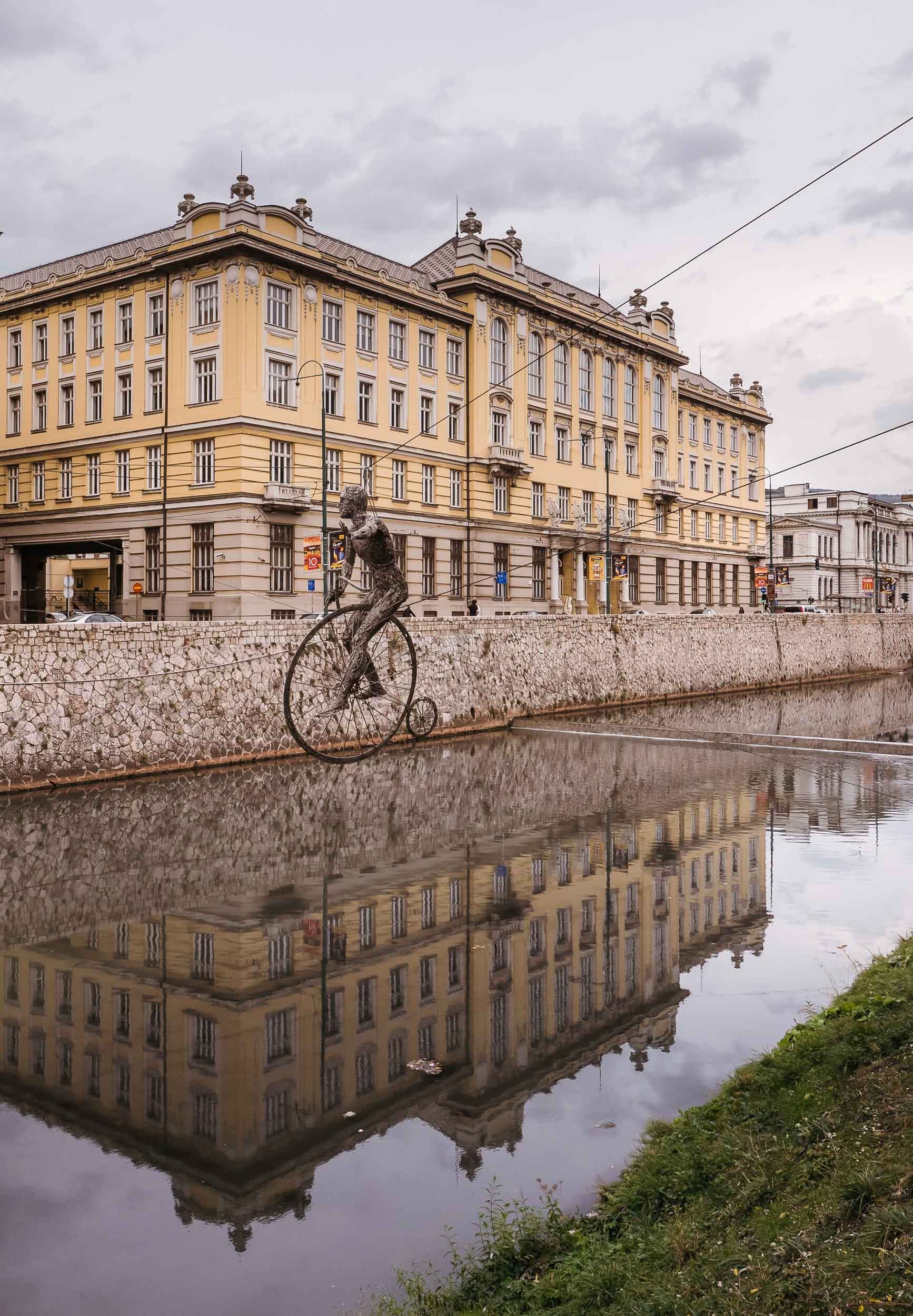
One of the "Equilibrists over the River" statues hanging over the Miljacka river running through the city.
Looping
The "festina lente" pedestiran bridge, meaning "make haste slowly" in Latin.
Miljacka
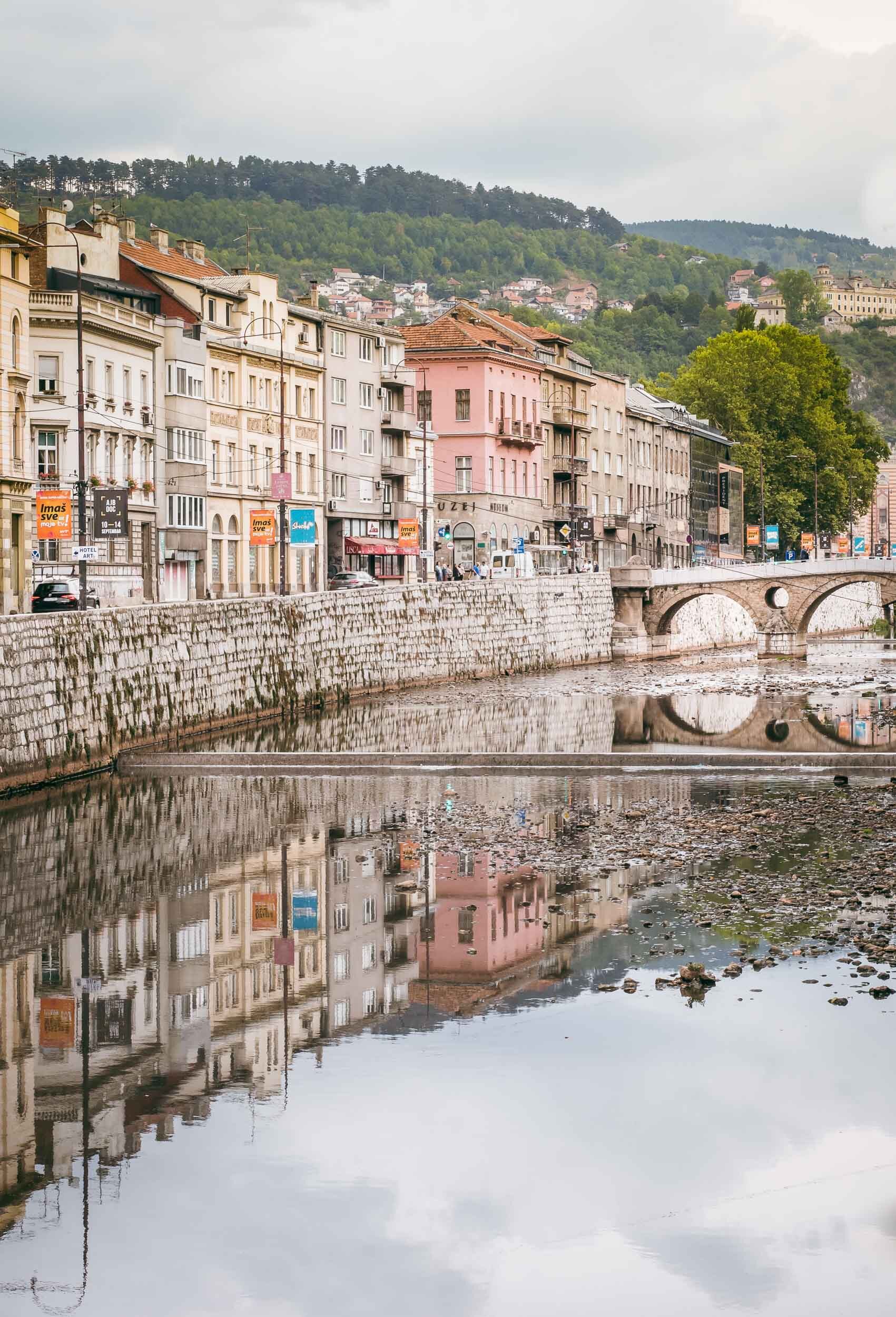
Another view along the Miljacka river running (very quietly) through Sarajevo, with the famou Latin bridge on the right side.
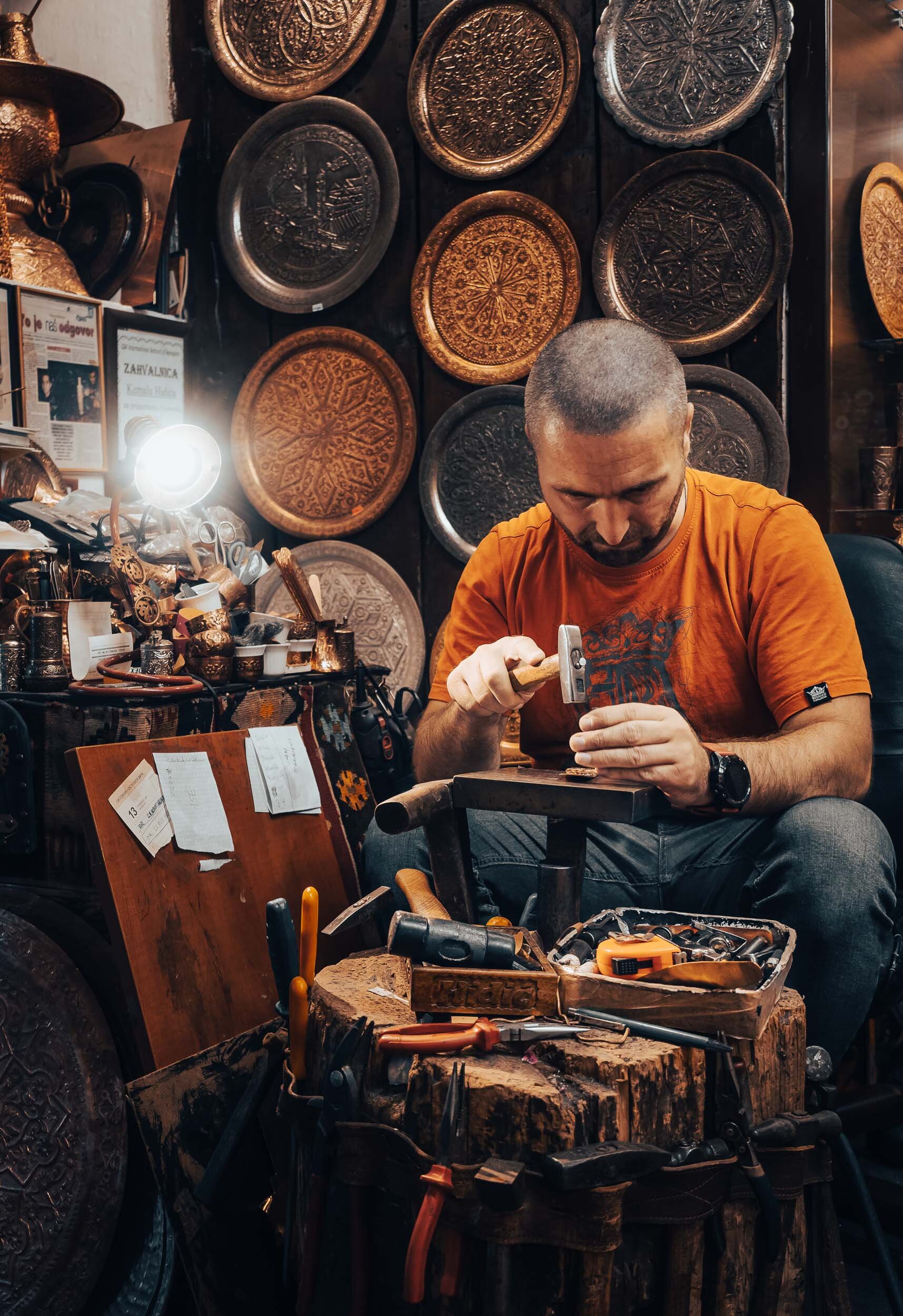
Souvenirs
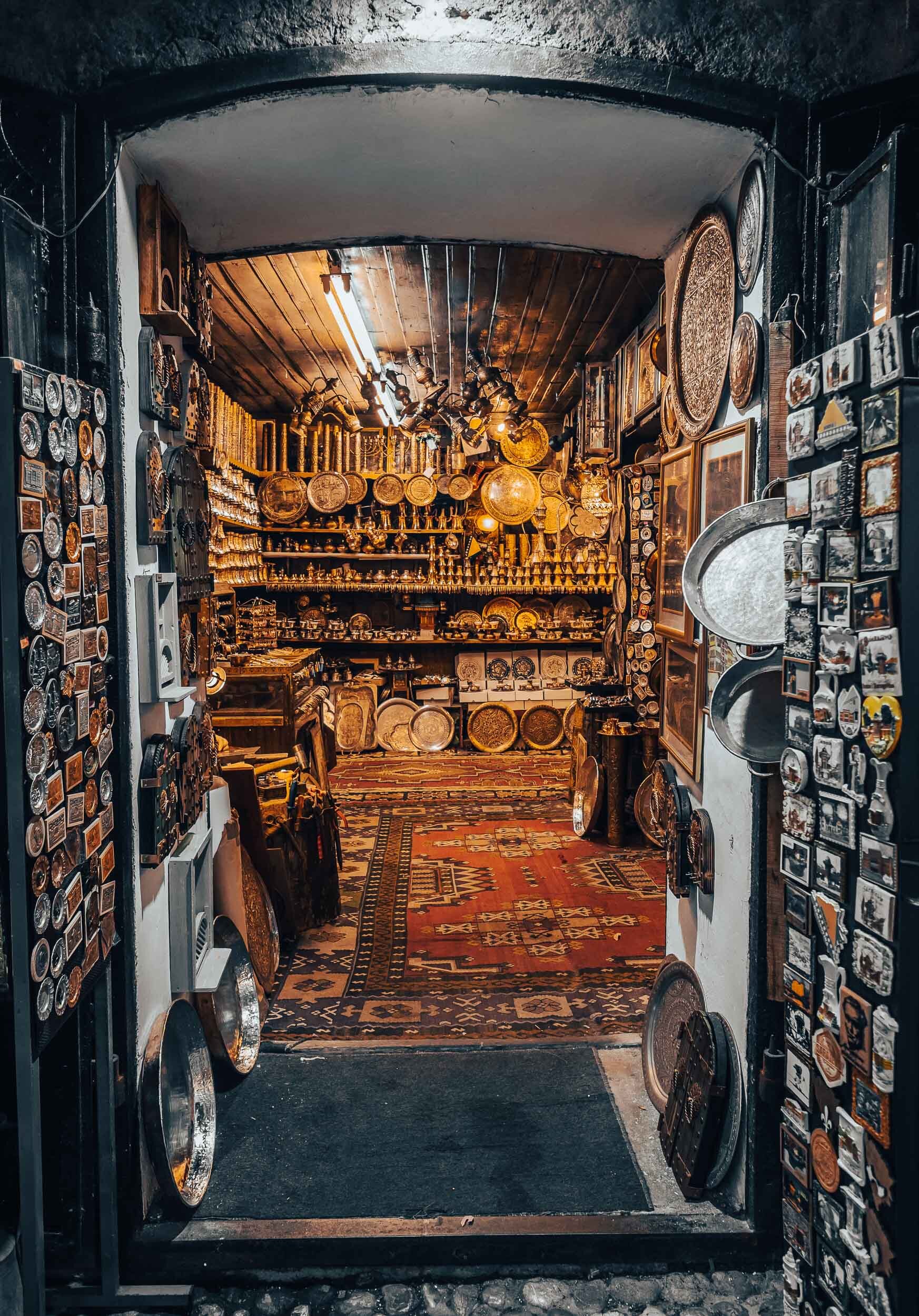
One of the many shops selling handmade (or so they say) metal souvenir items.
Artisan at Work
Although in this case I could make sure what I bought was actually handmade.
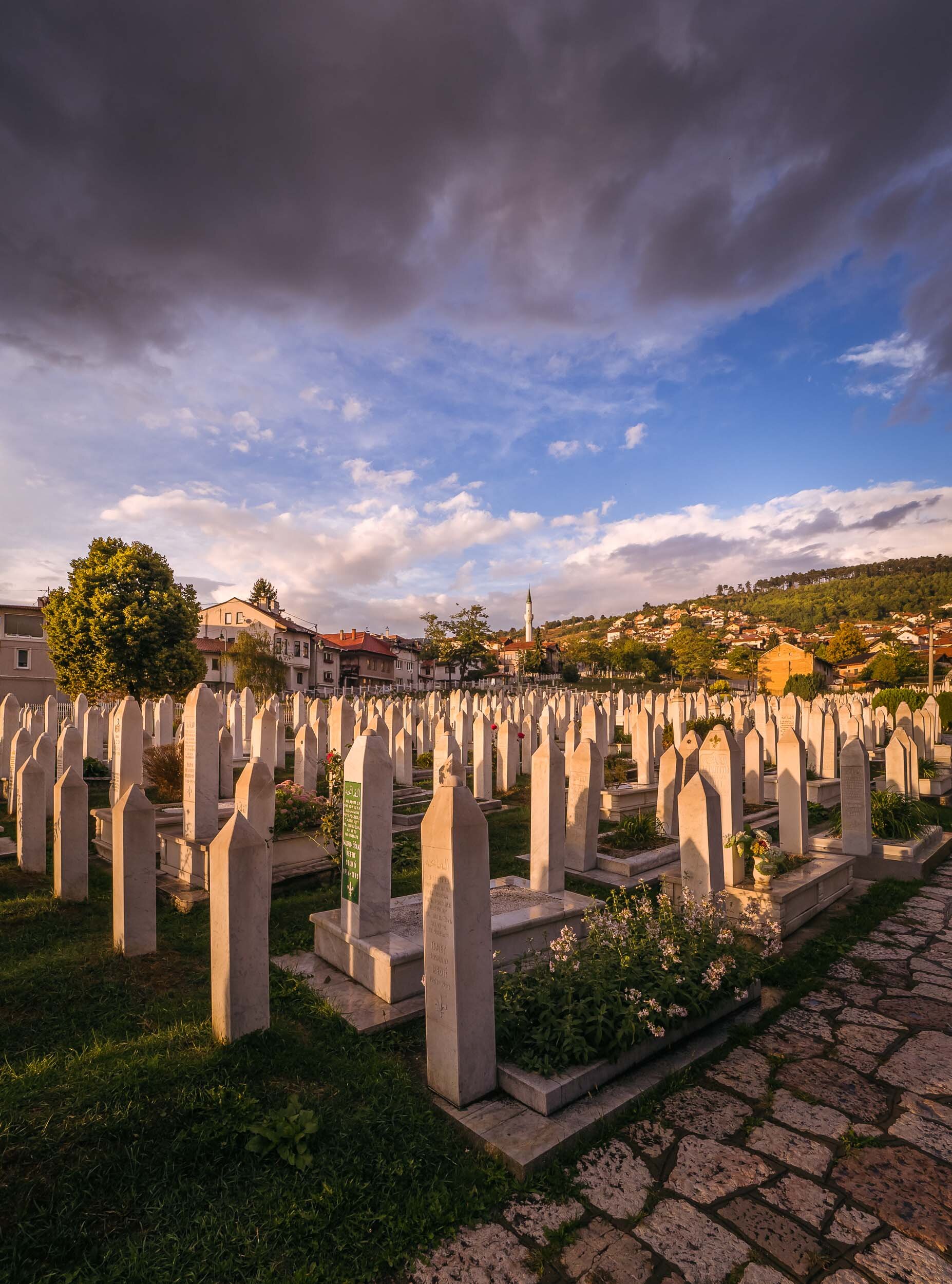
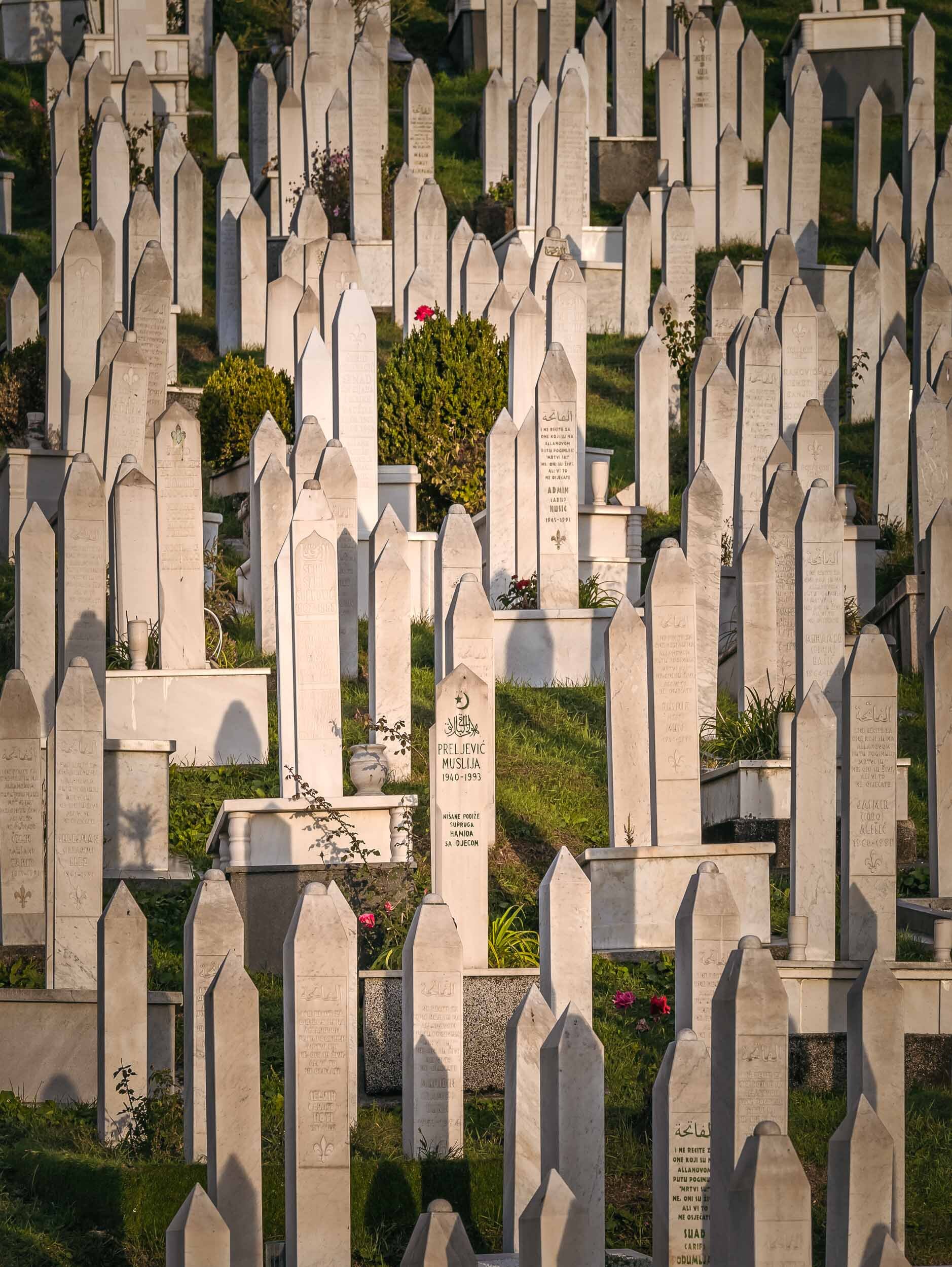
Kovači Cemetery
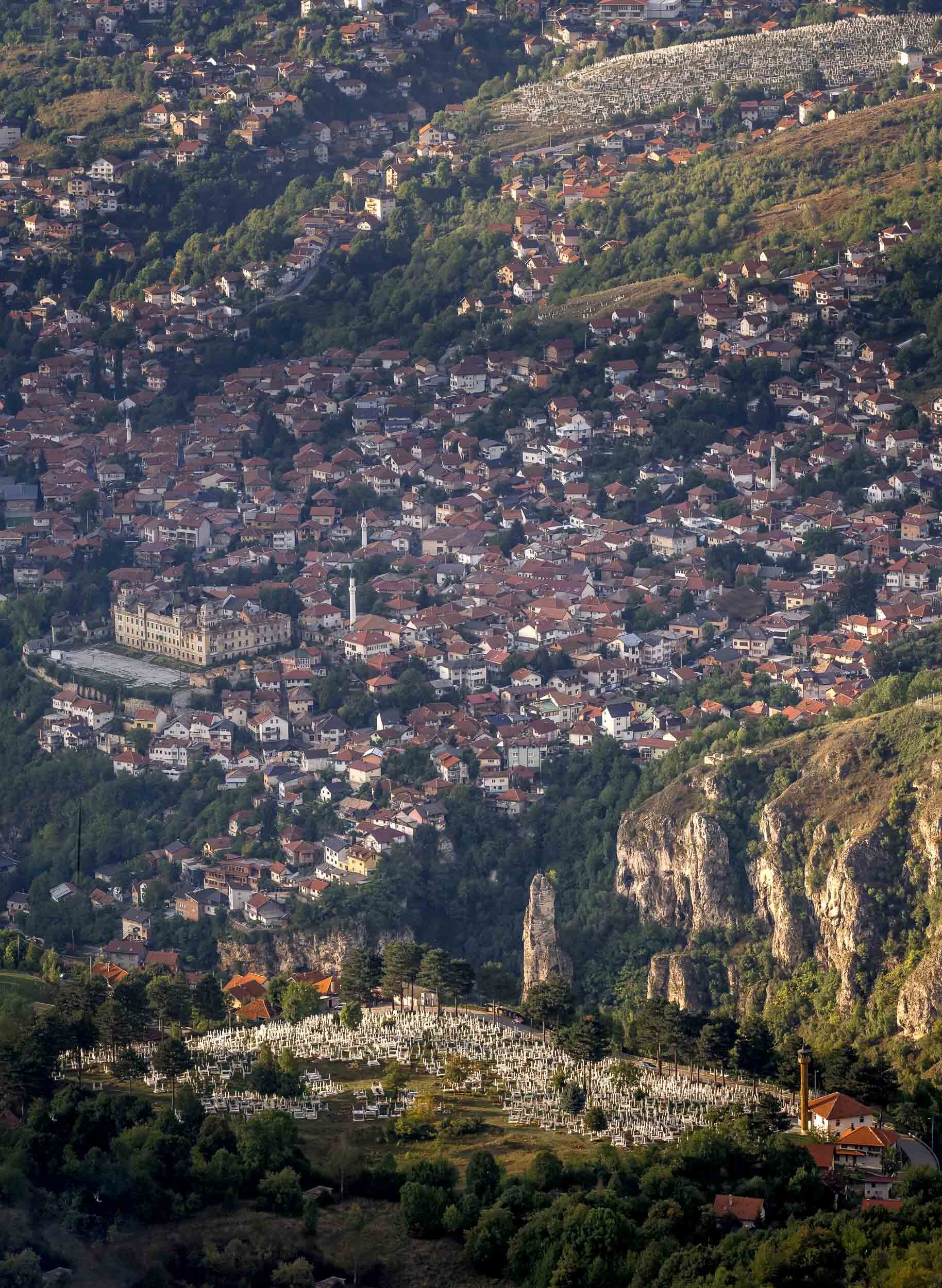
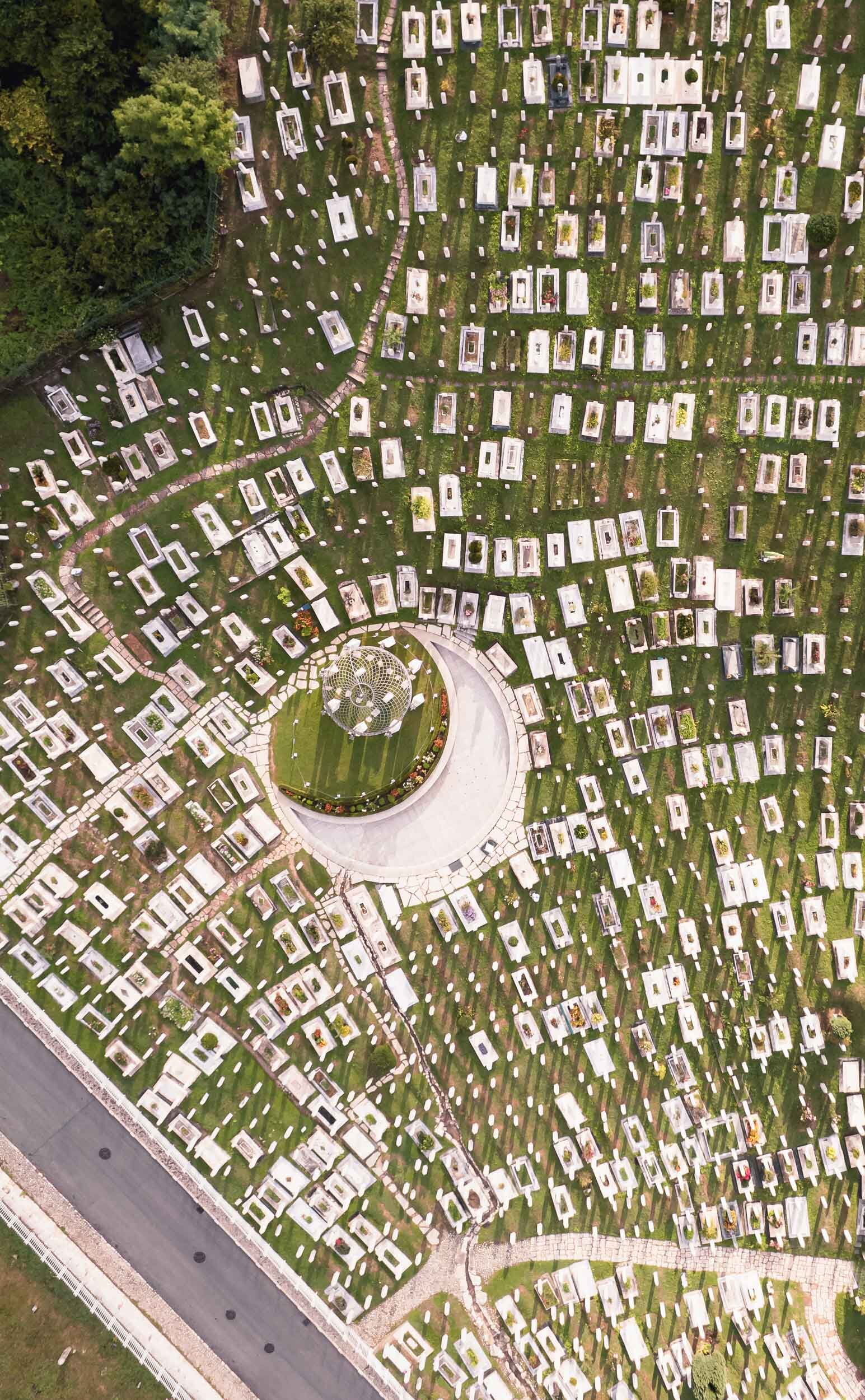
A sunset view of one of the largest cemetaries in the city, for soldiers of the Bosnian Army who were killed during the war in the early 90s.
Evidence
Almost 14,000 people were killed during the Siege of Sarajevo, the longest siege of a capital city in the modern history, lasting more than 3 years.
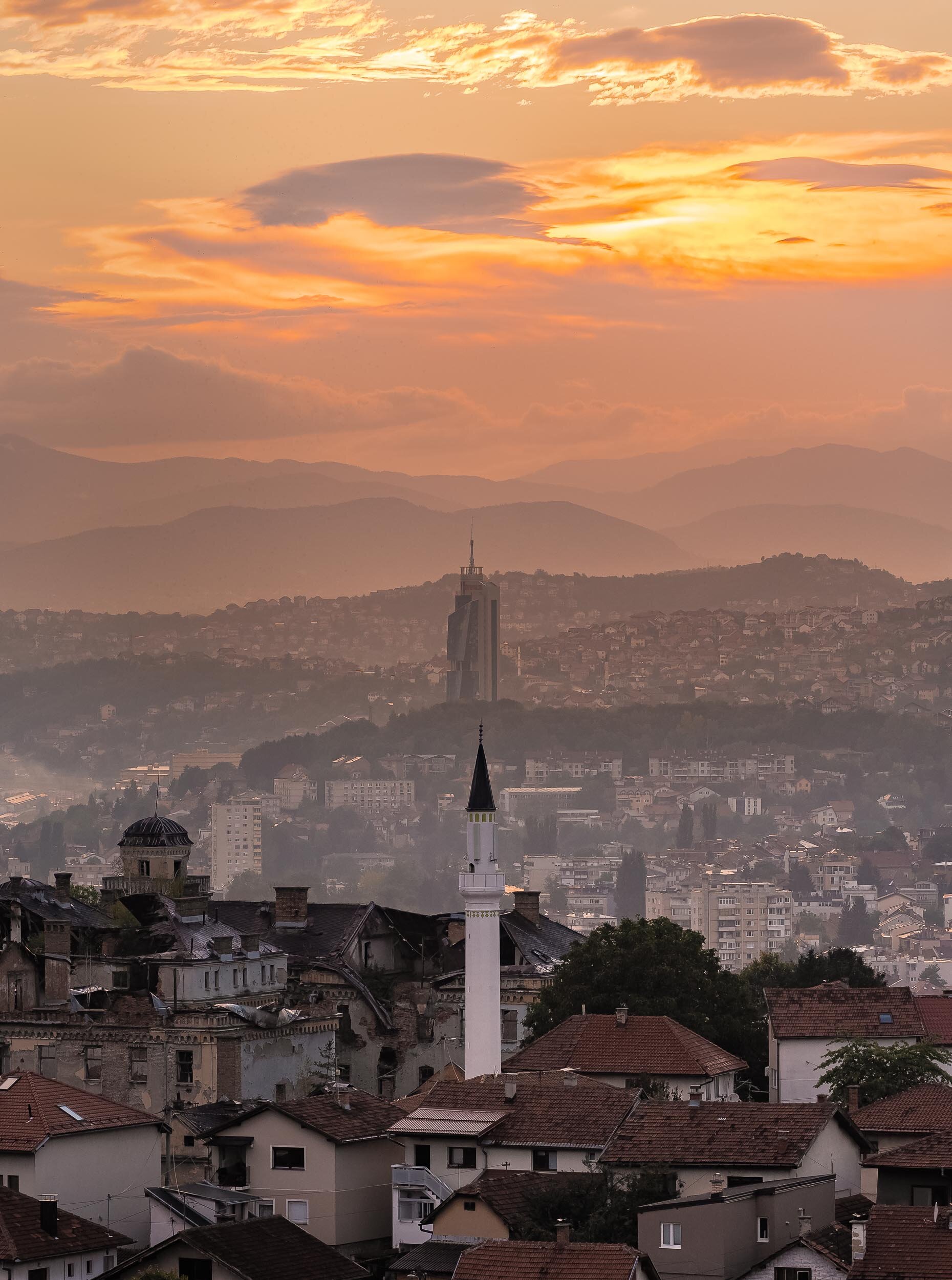
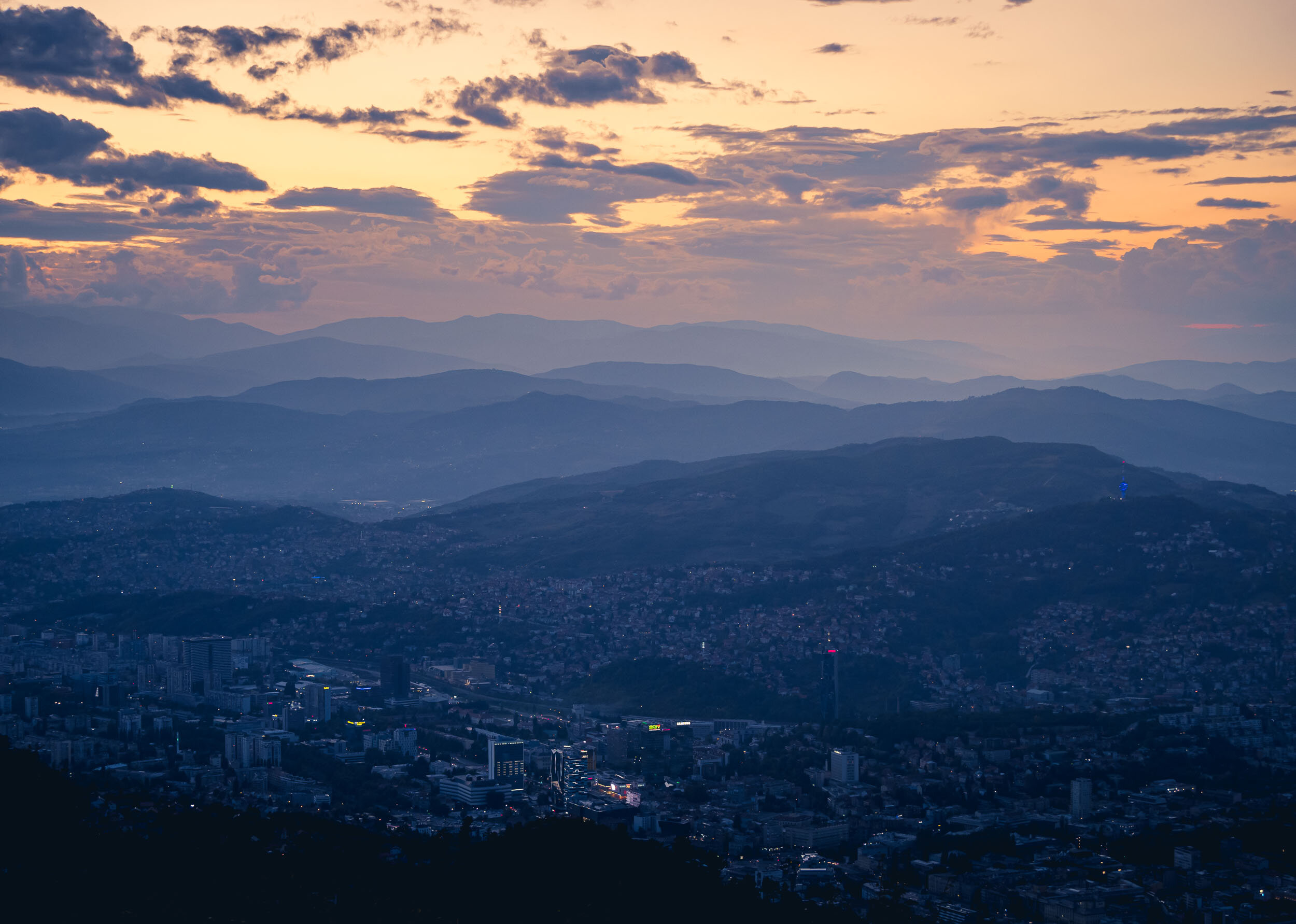
Sunset Layers
Climbing up a little further past the cemetary brings you to one of the most beautiful views of the city.
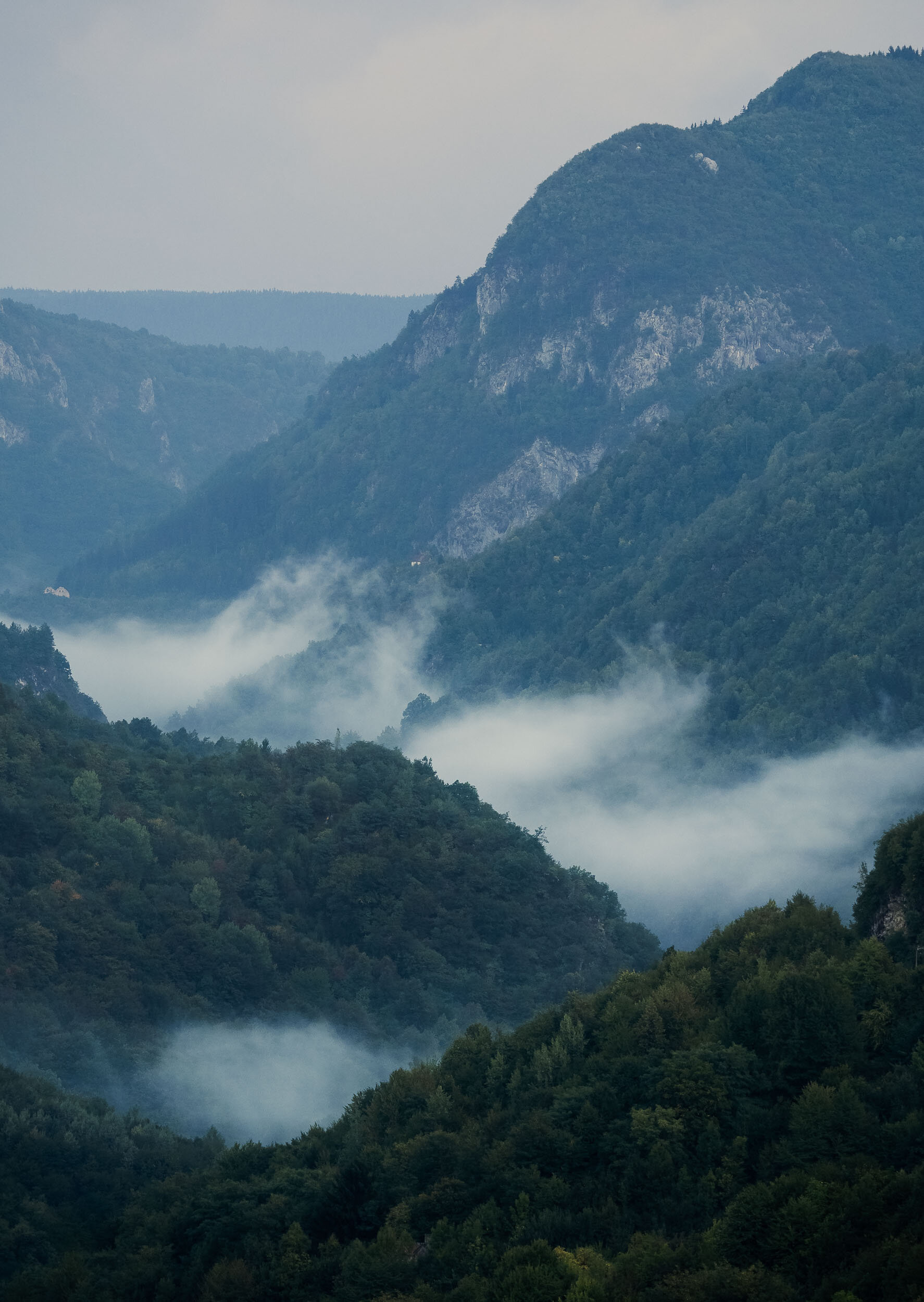
Low Clouds
Looking east from the same spot provides a very different atmosphere.
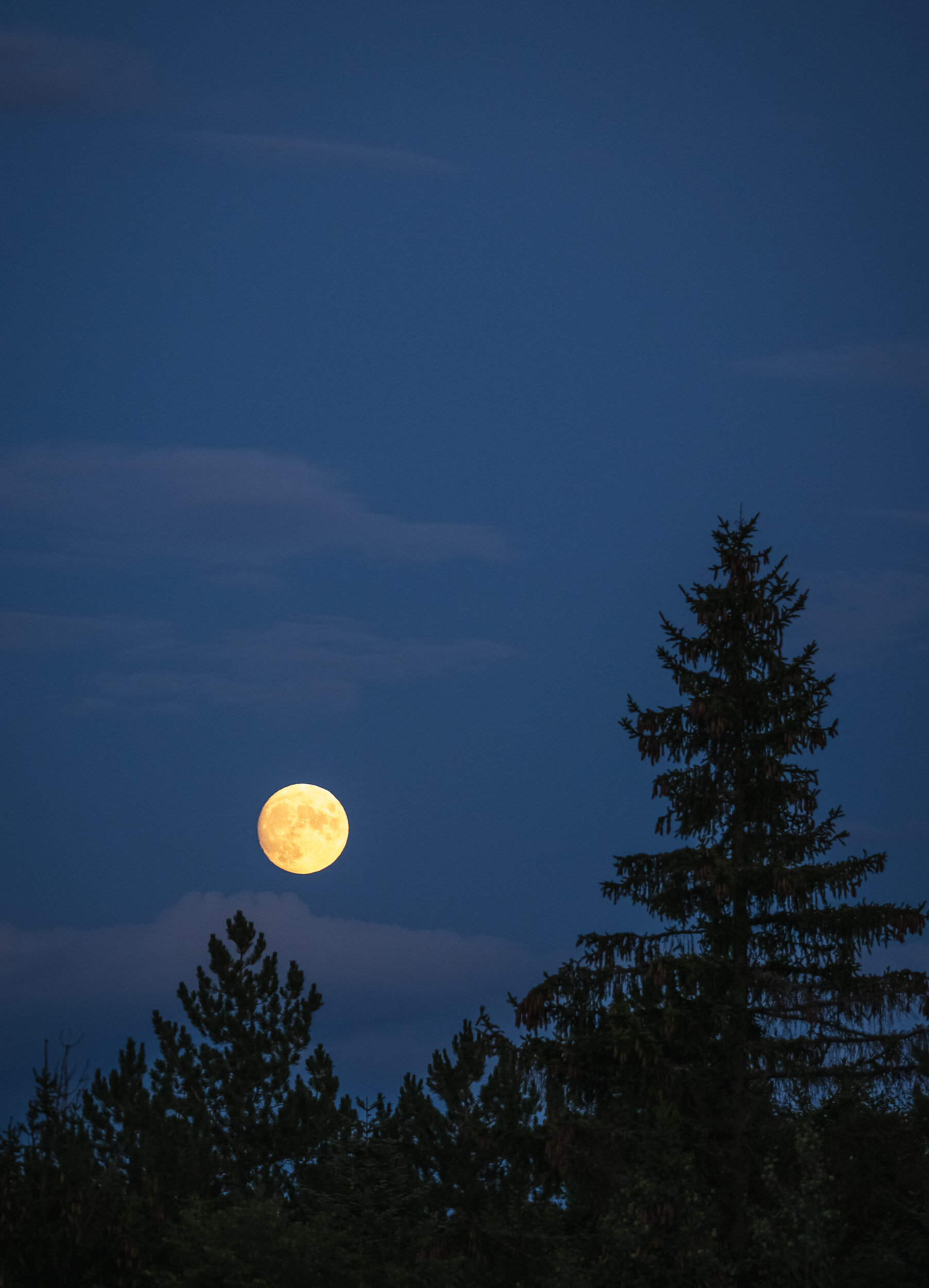
Moonrise
As the moon rose, the sun had set on the other side of the city.
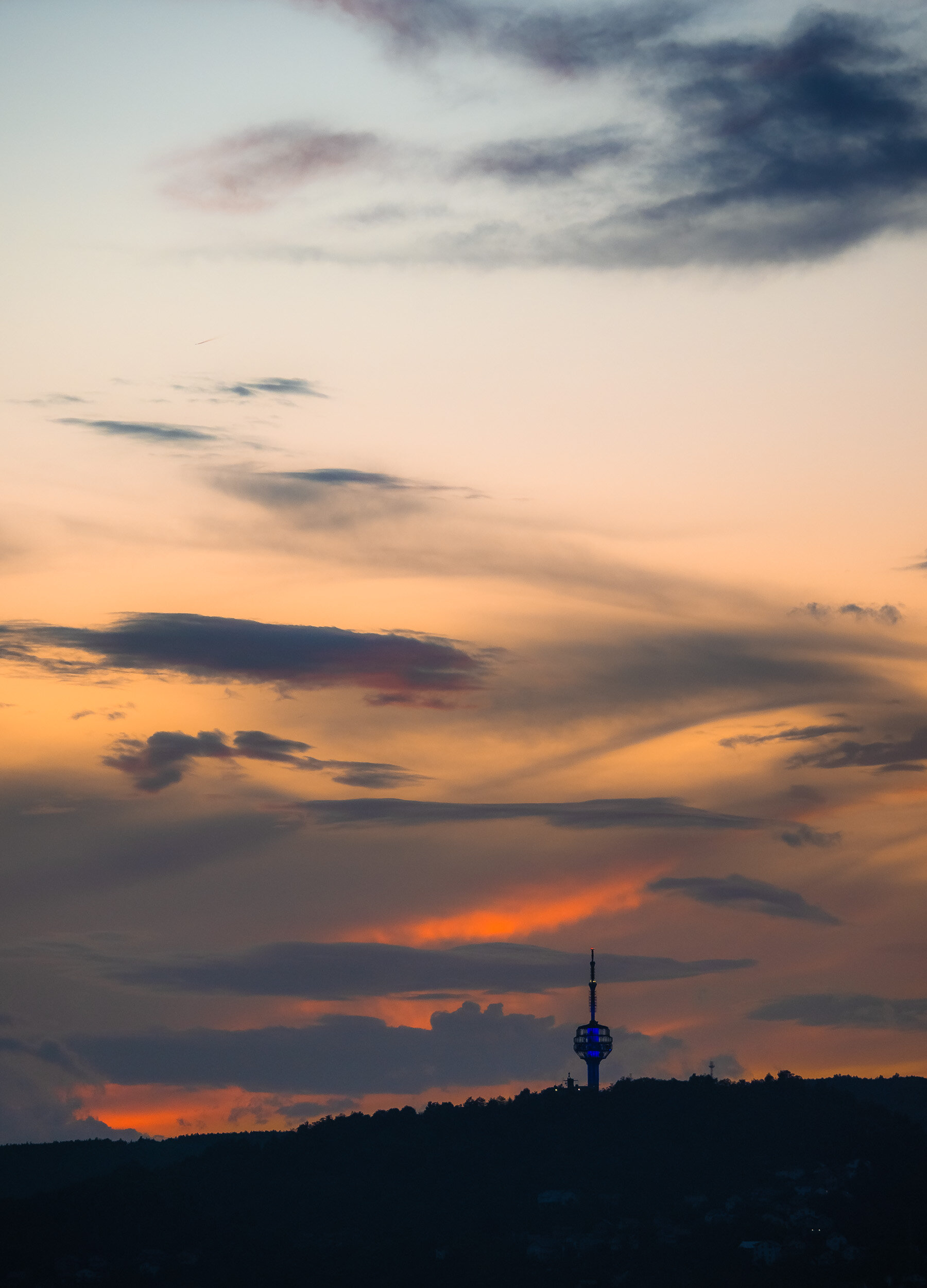
The Hum Tower
Named after the hill it is located on, this building is a telecommunication tower located on Mount Hum close by Sarajevo.
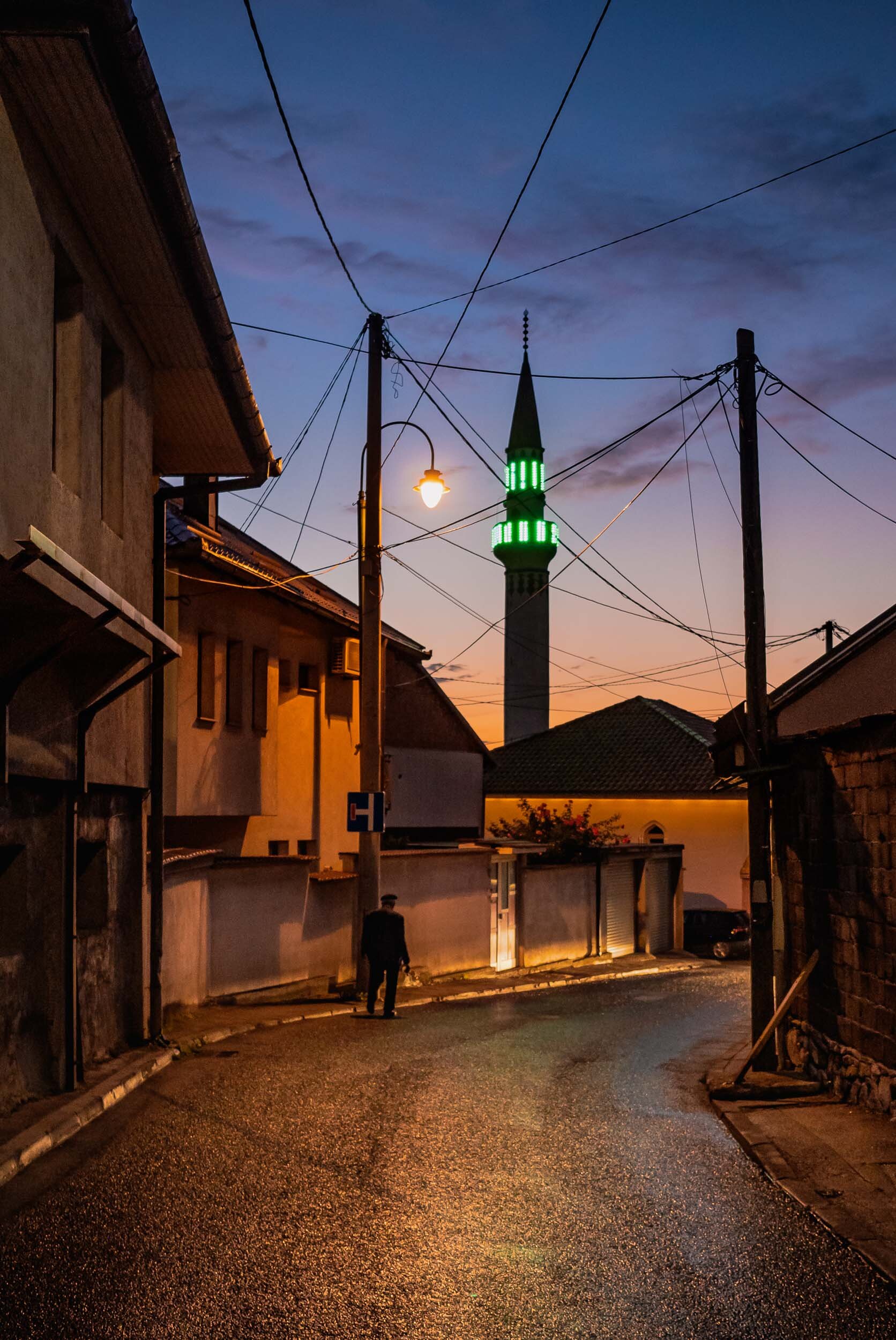
Dusk Views
Heading back down into the city along many winding roads, always with at least one minaret in sight.
It is said that there are over 100 mosques in Sarajevo, owing to its muslim history. At the same time, you can find plenty of orthodox churches, cathedrals and synagogues.
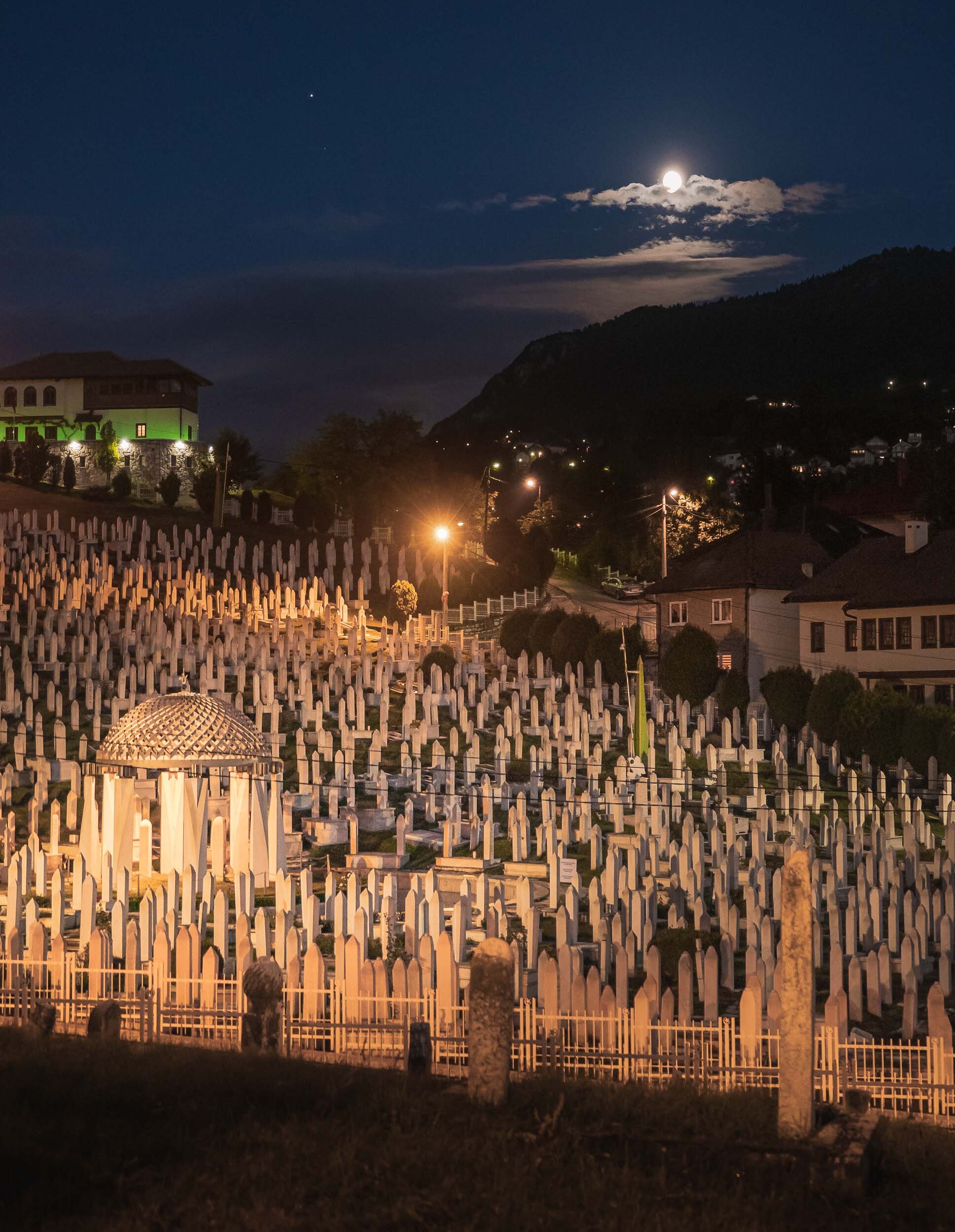
Haunting
Passing back along the cemetary, with a haunting atmosphere as the moonlight shone over the many white tombstones.
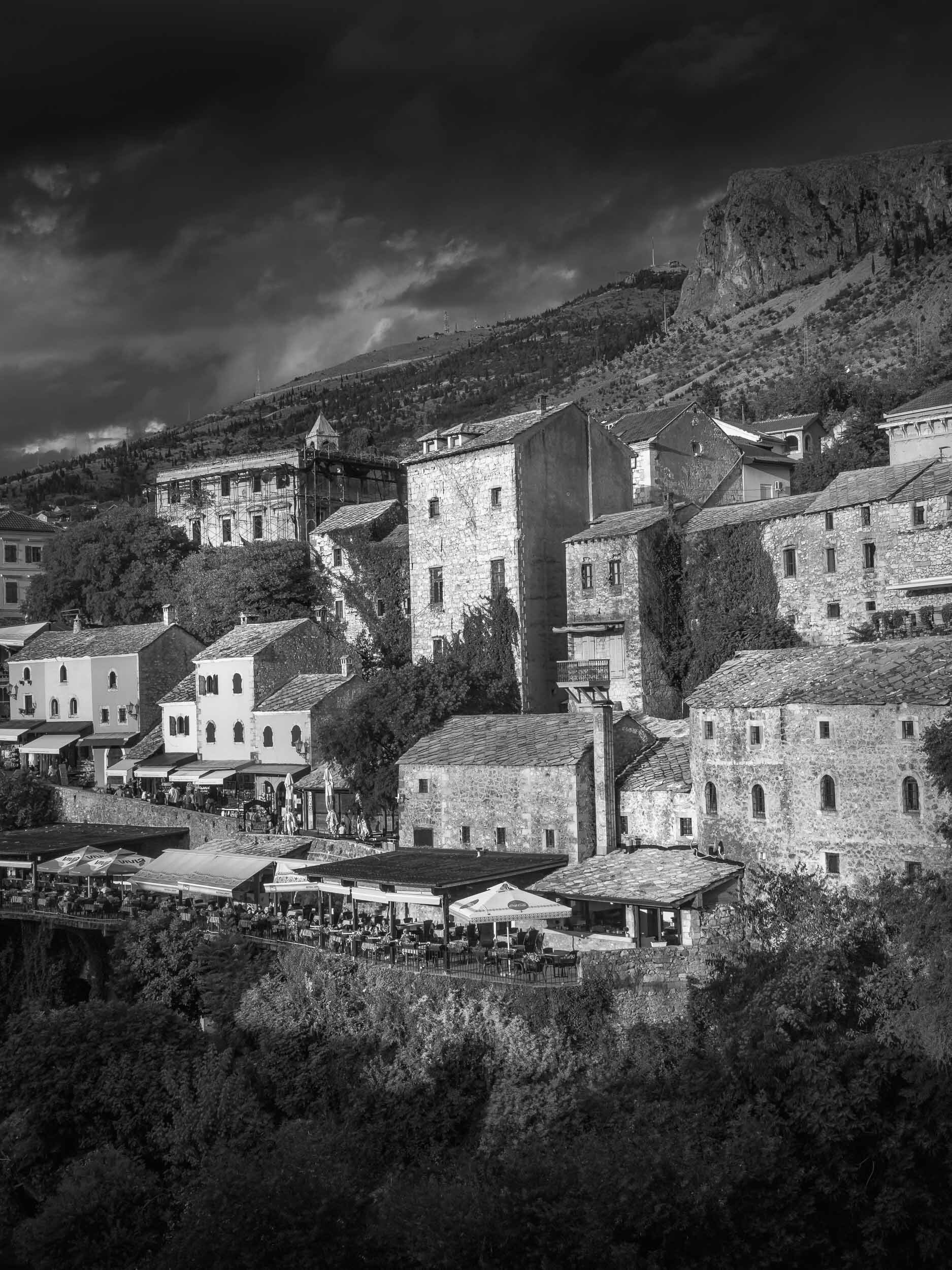
Roses of Sarajevo
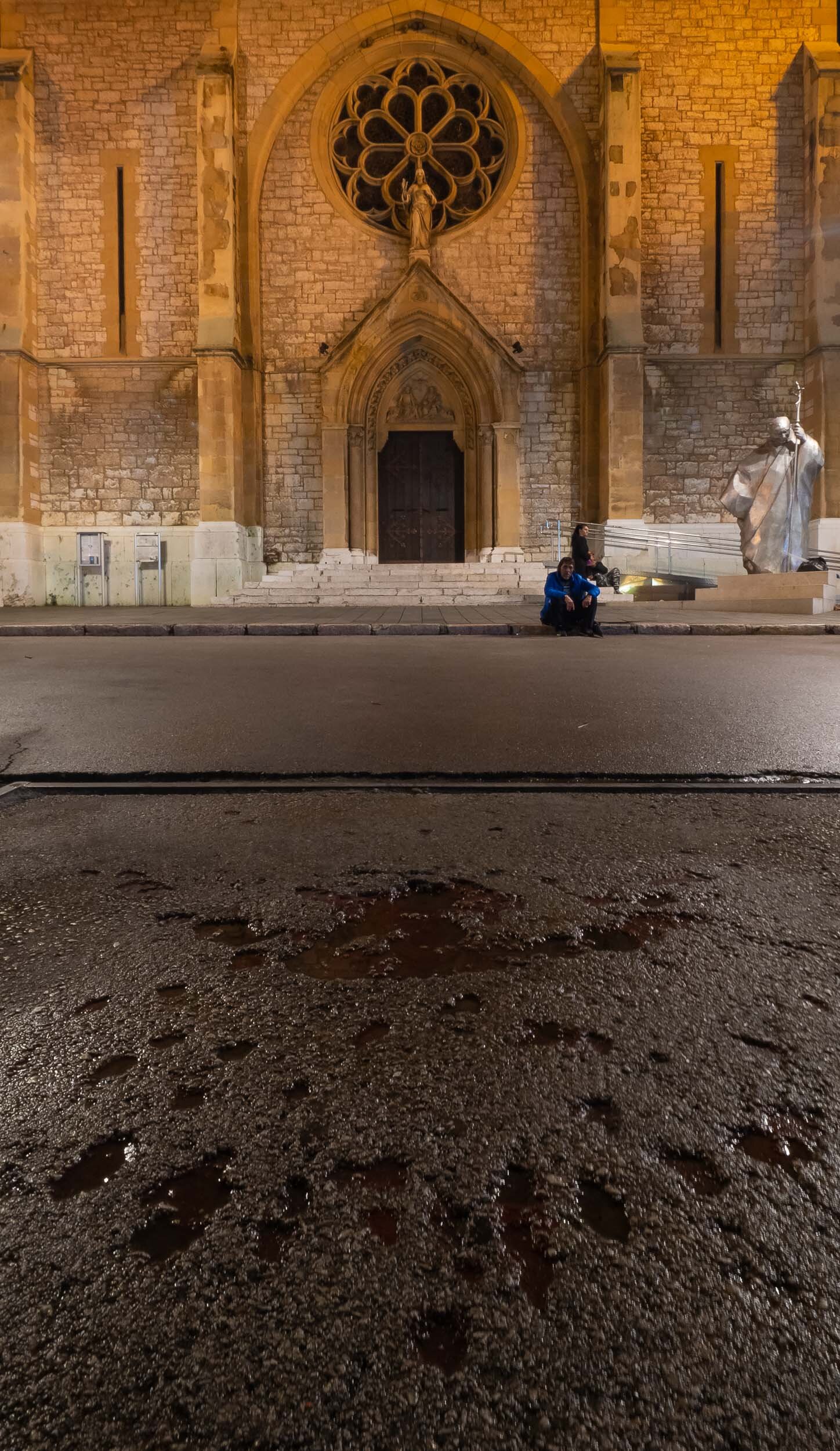
One of the many Roses of Sarajevo, red splatters in the ground acting as constant reminders of the tragedies of war.
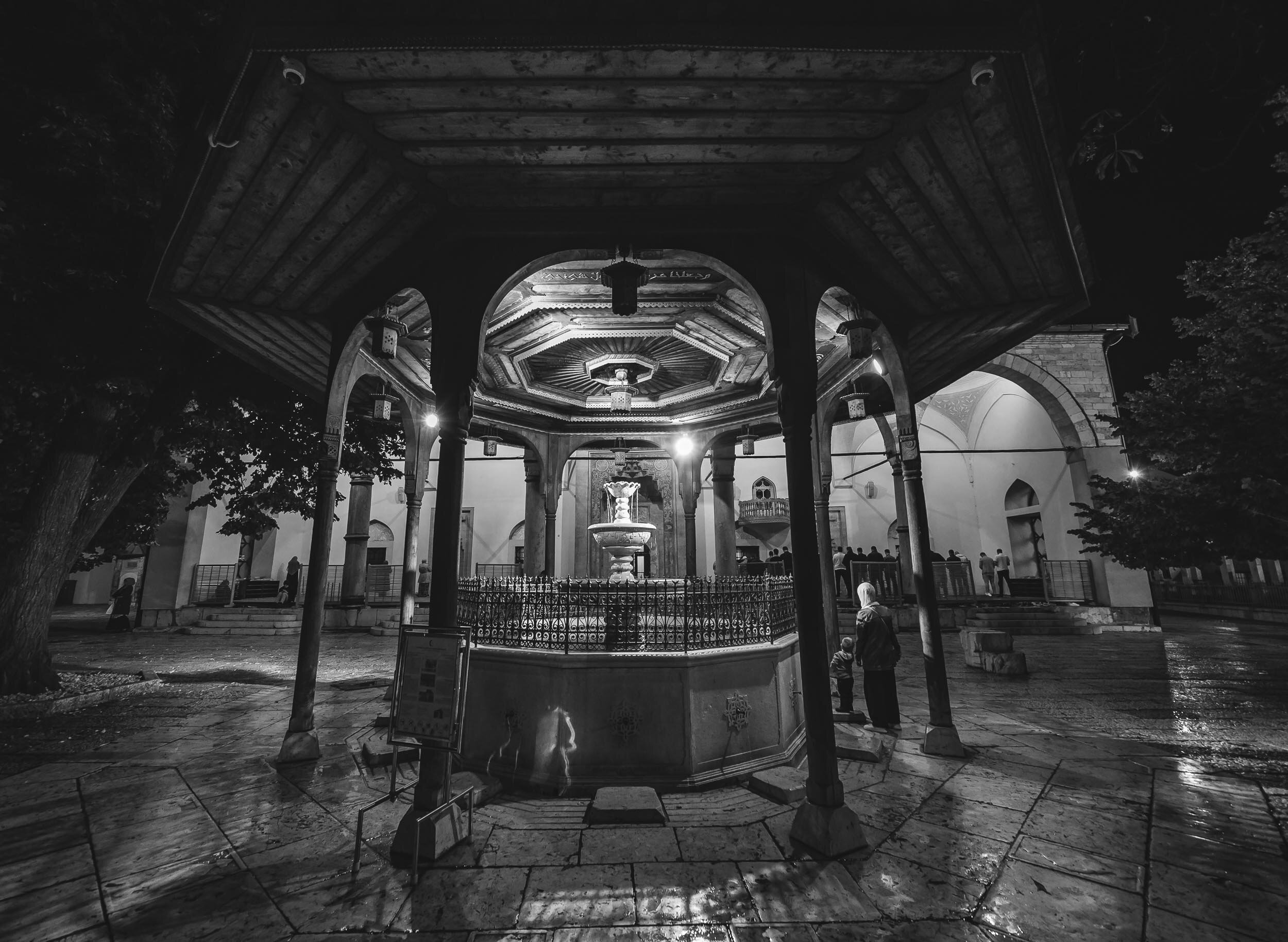
Gazi Husrev-beg Mosque
The fountain in front of the country's largest mosque and one of the main Ottoman complexes in the Balkans.
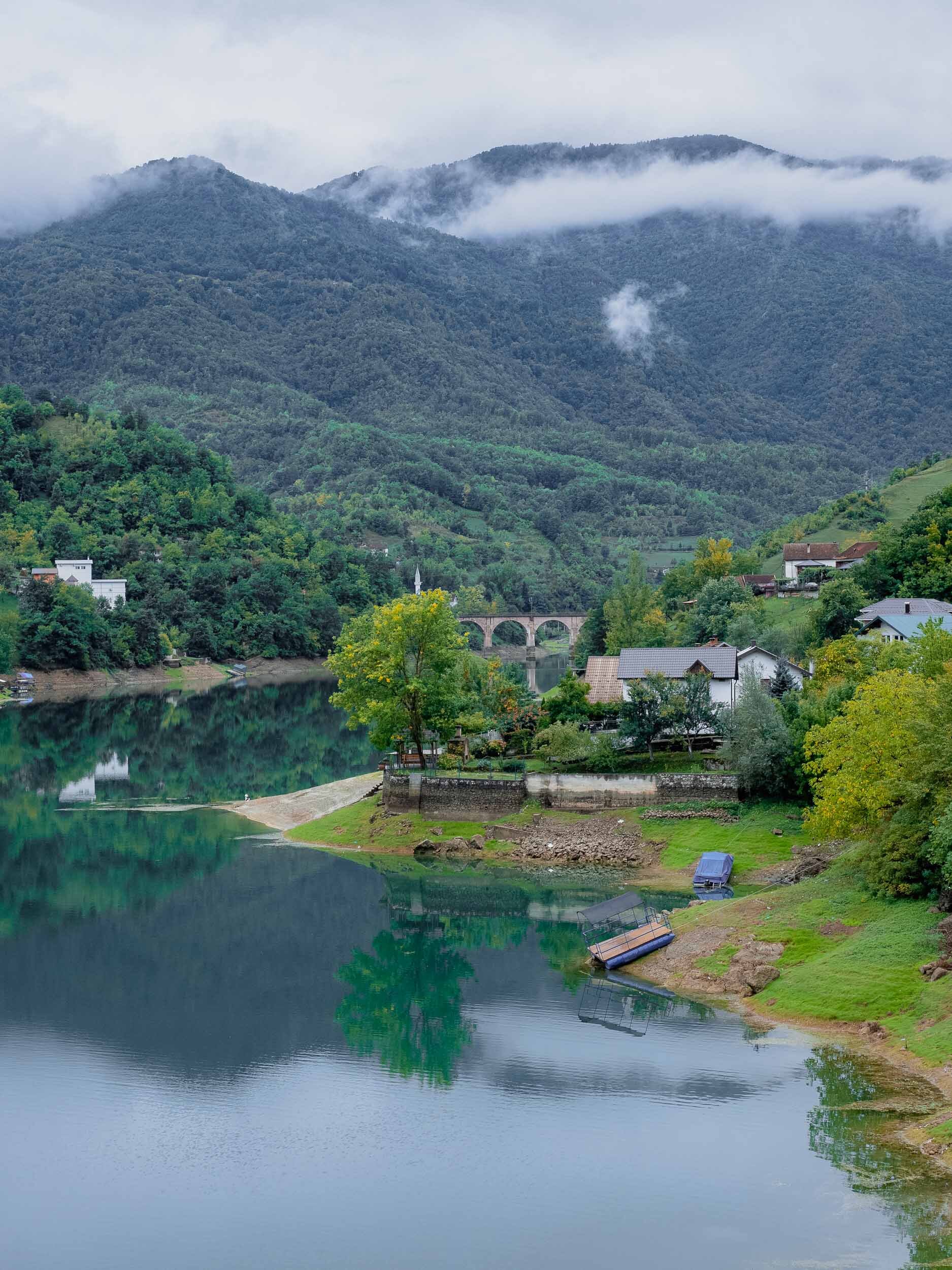
Lake Jablanica
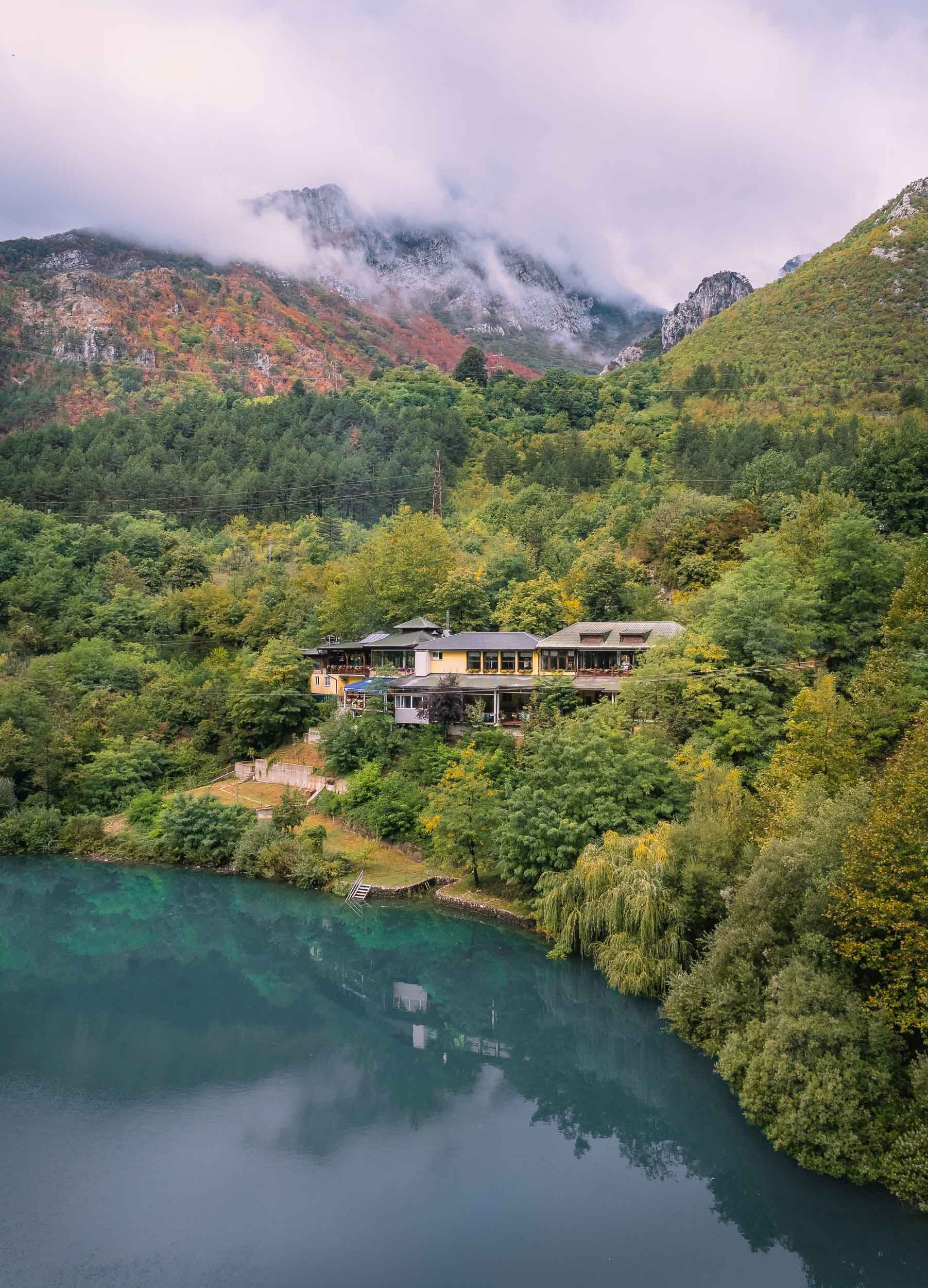
Day 2 was the drive towards Mostar, passing some beautiful scenery such as this on the way.
Almost Autumn
The middle of September meant some trees had slowly started to adopt their autumn colours - my favourite season.
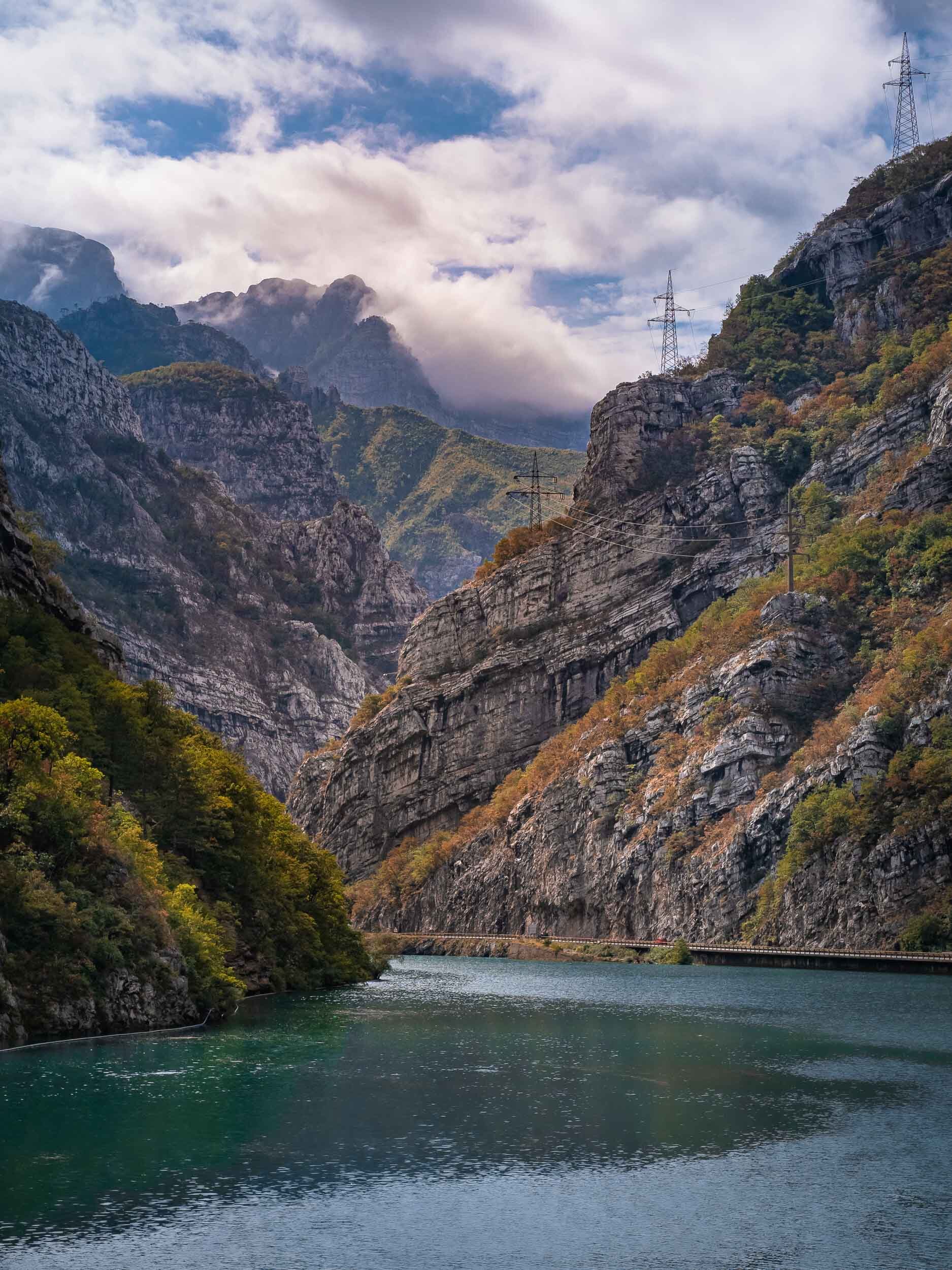
Colours
One of the many scenic spots you can find along the roads winding on the side of the Neretva river.
Views
As we went further south, the sky slowly opened up, and the mountain scenery became even more impressive.
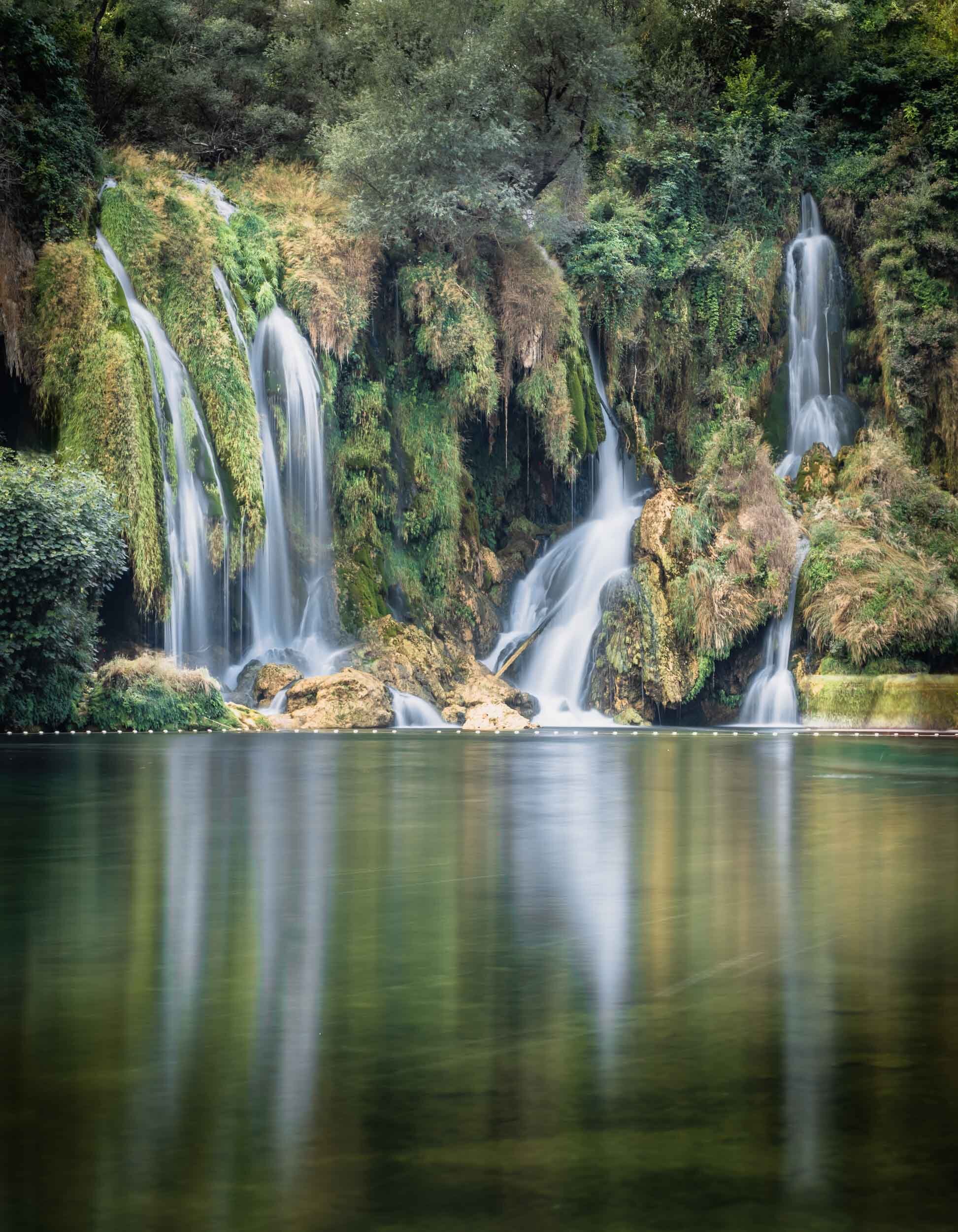
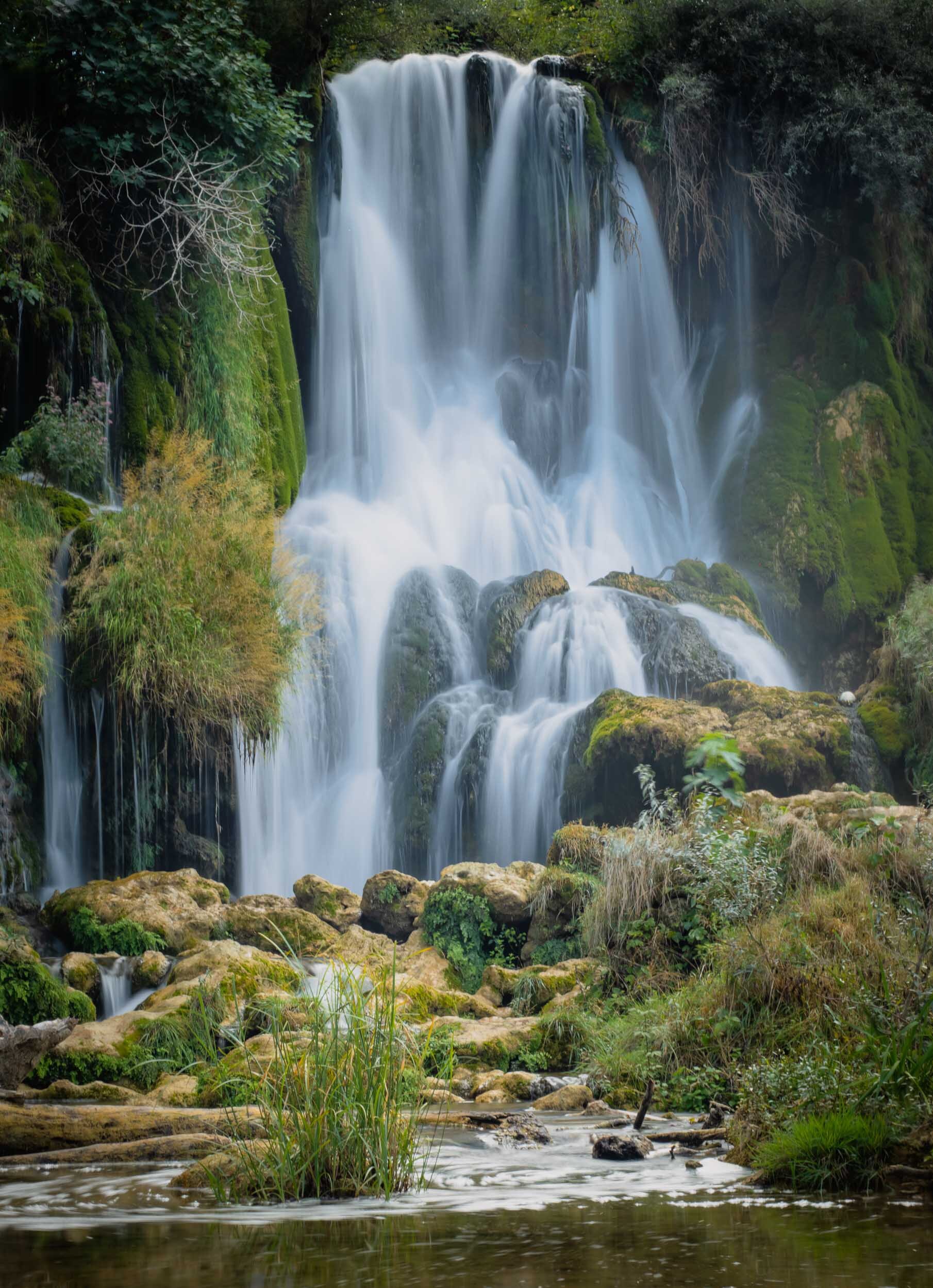
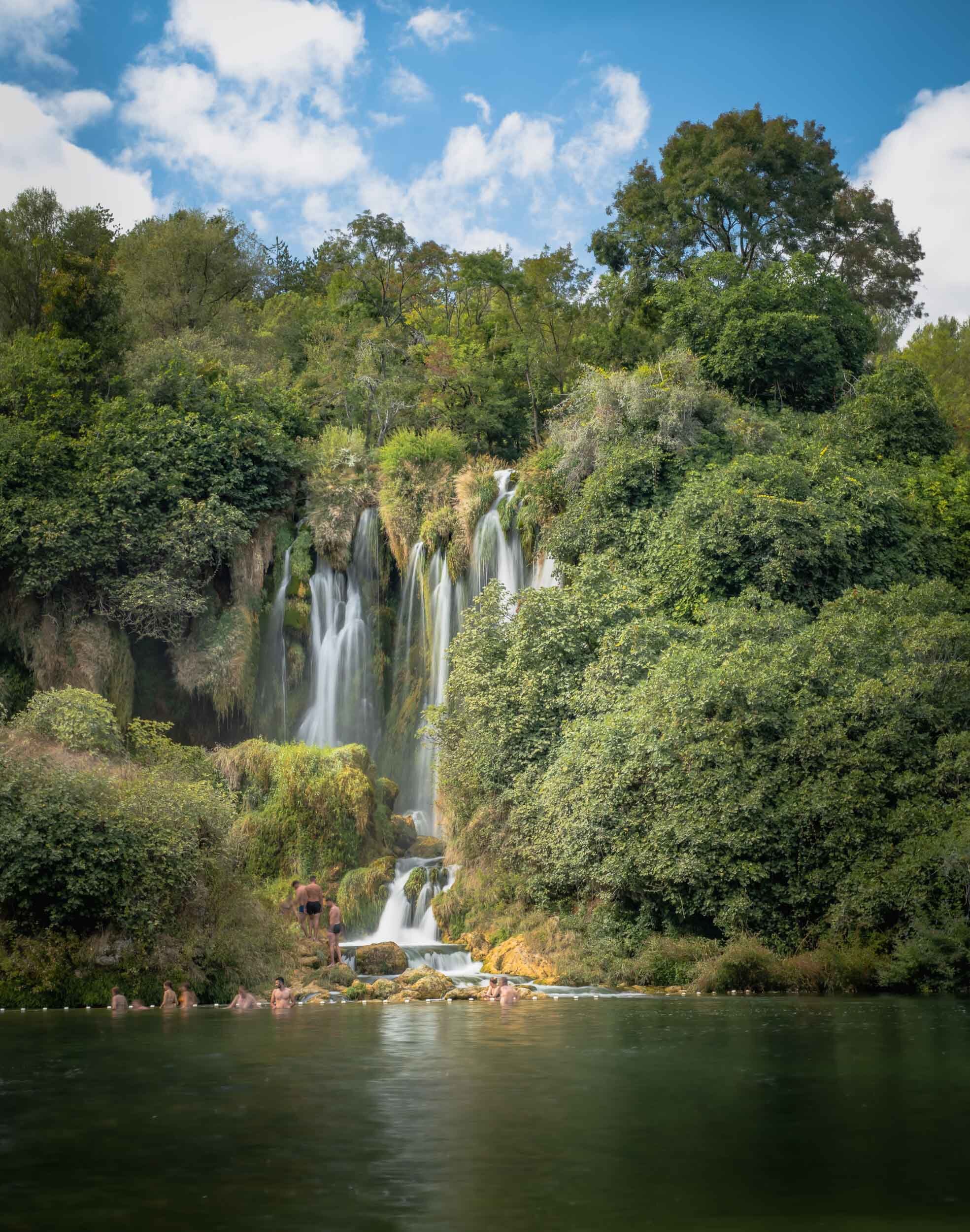
Kravica Falls
Before visting Mostar, we went about 25km further to the Kravica waterfalls, a beautiful set of falls around 25m high and ending in a small lake.
Summer Discharge
The falls were at low discharge compared to the early Spring, but still quite impressive and in some ways even more pictoresque.
Swimming
It is allowed to swim in the small lake near the falls, so the location is quite popular during the summer.
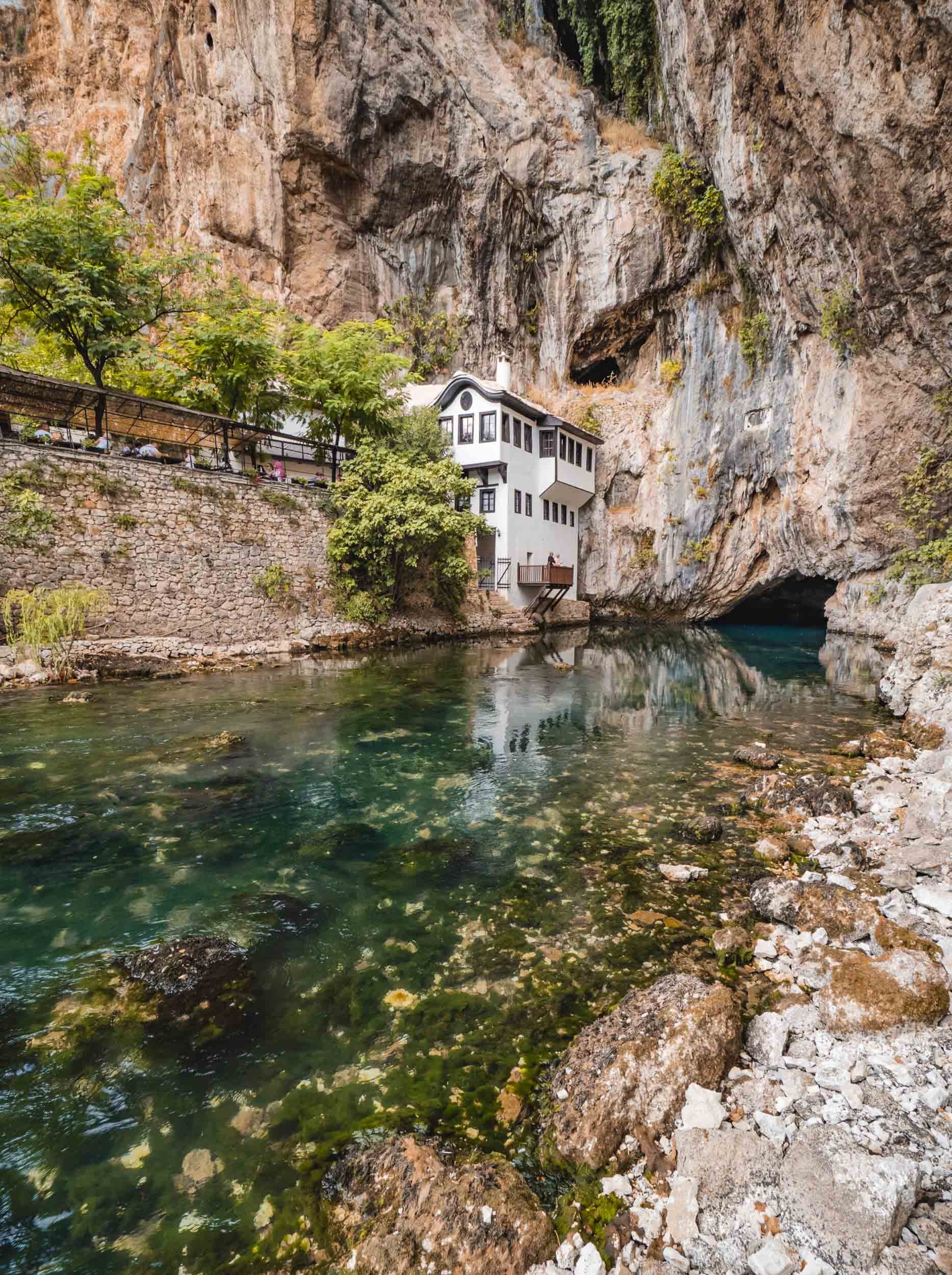
Dervish House
Another stop on the way was the Dervish house, a hstoric Sufi monastery built on the impressive cliffs by the water.
Calm
Built in 1520, it was a place of spiritual retreat and reflection - it still feels special today, although there are a lot of restaurants and activities around.
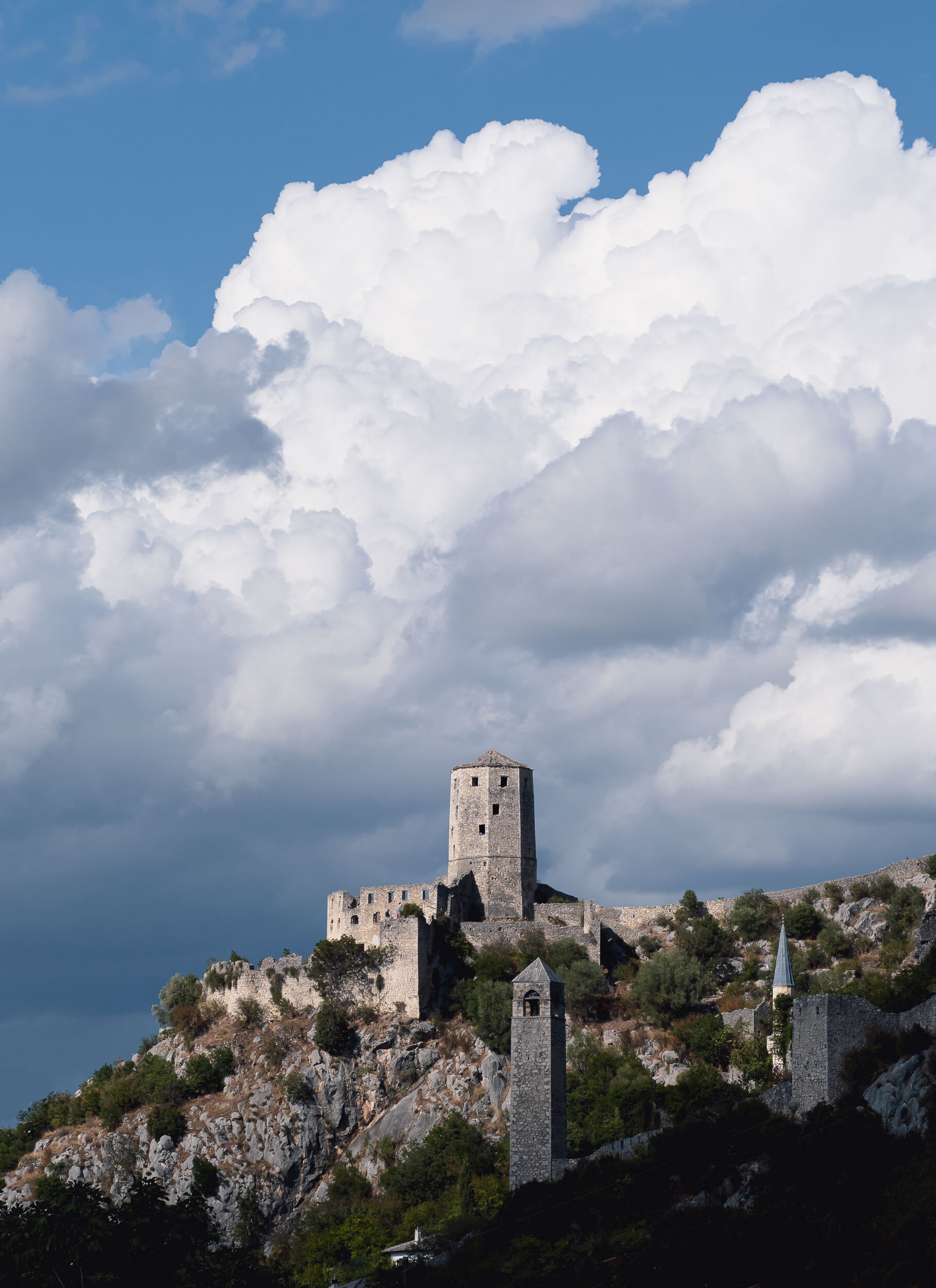
Fortress
Another beatiful spot on the way back towards Mostar, although I wasn't able to find its name anymore.
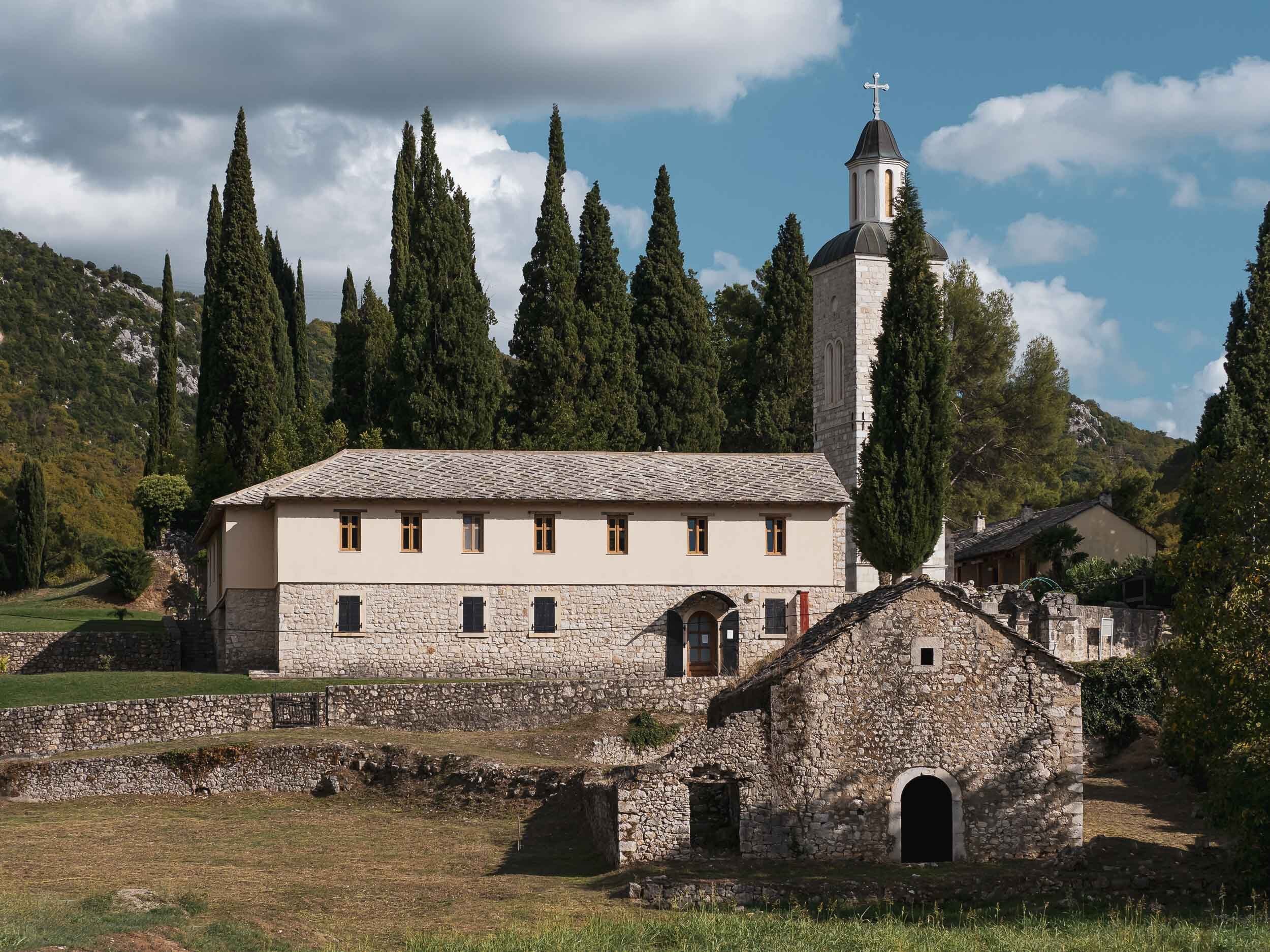
Žitomislići Monastery
A beautiful Serbian orthodox monastery on the way from Kravica to Mostar.
Colours of Nature
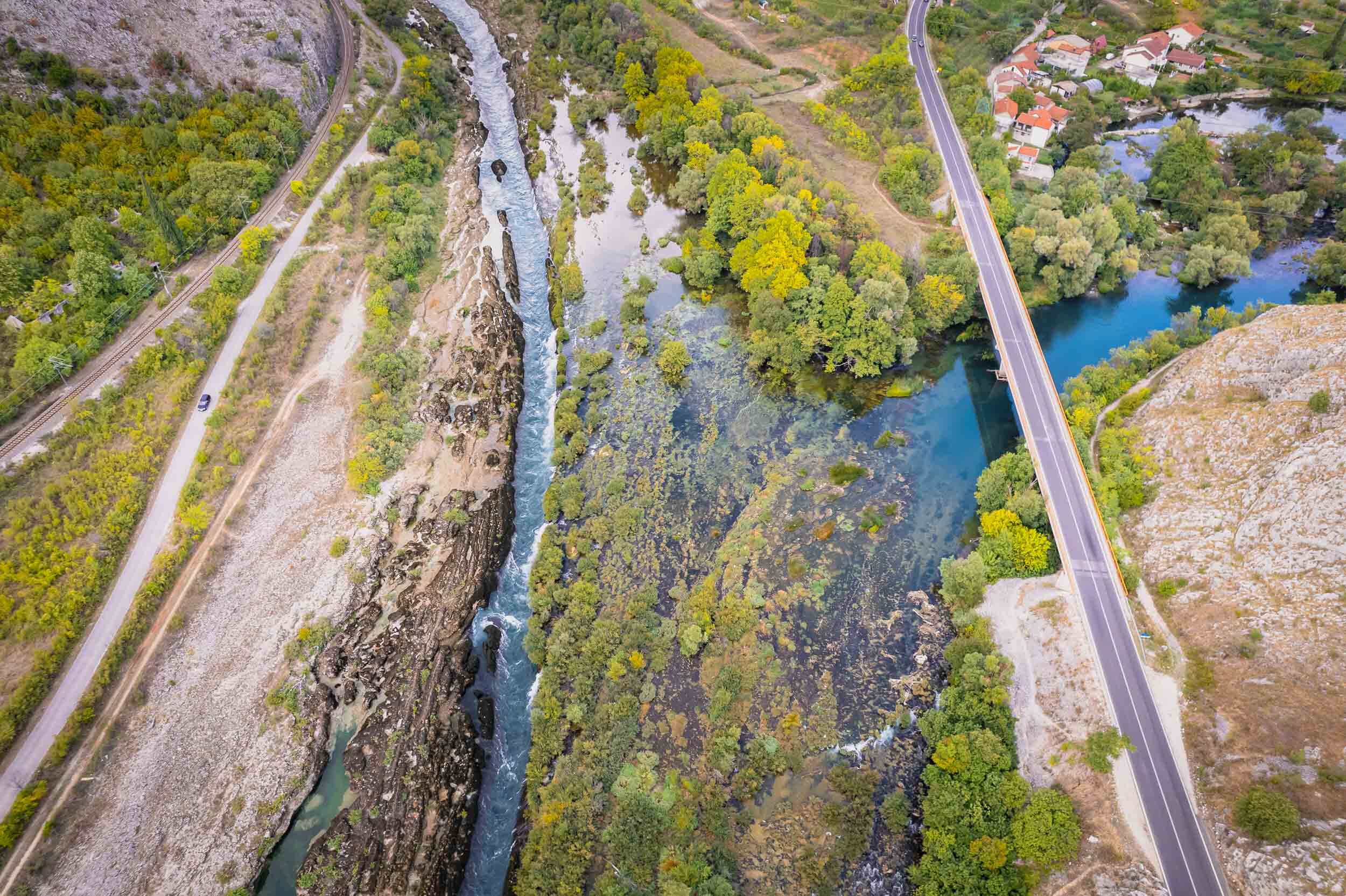
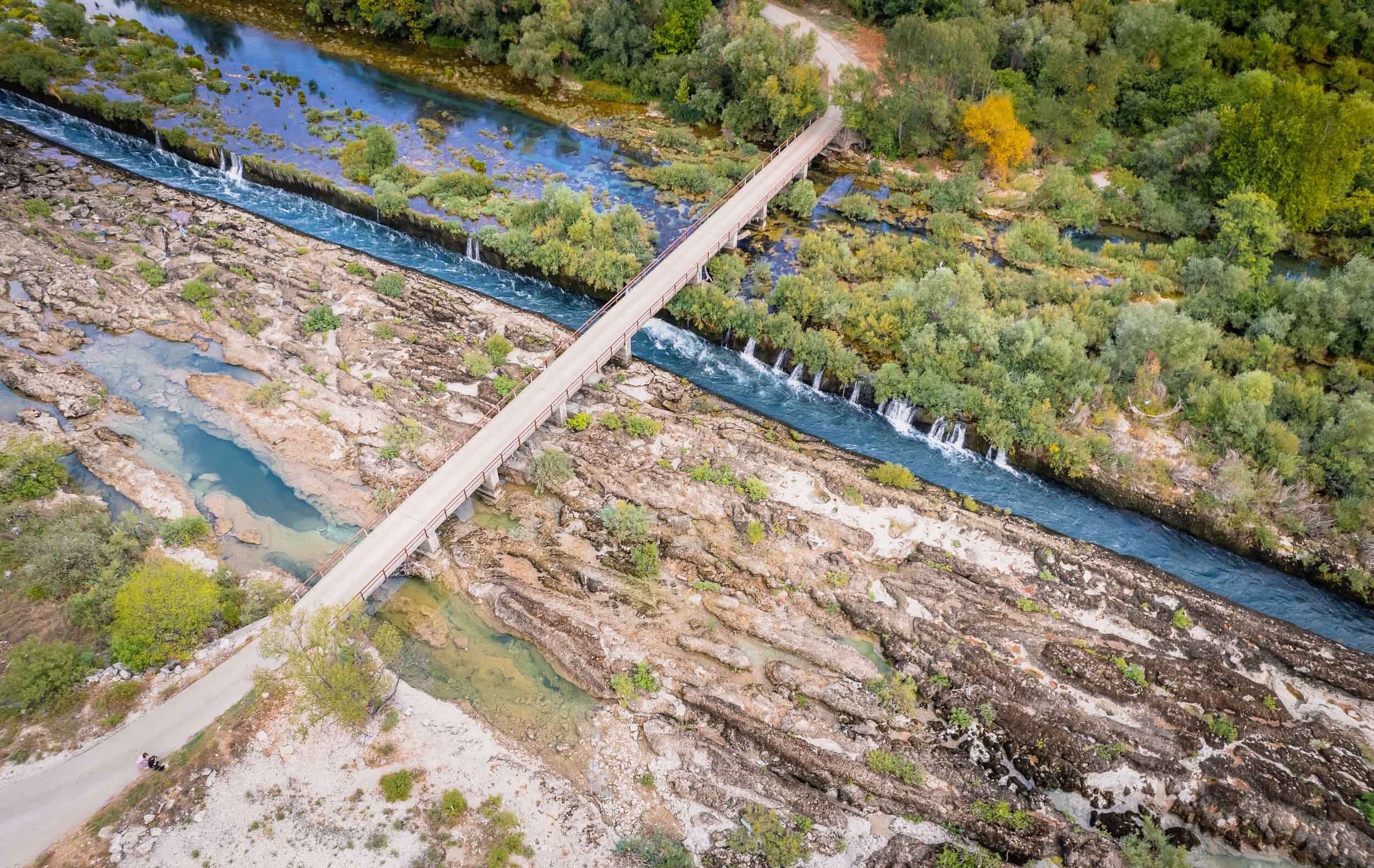
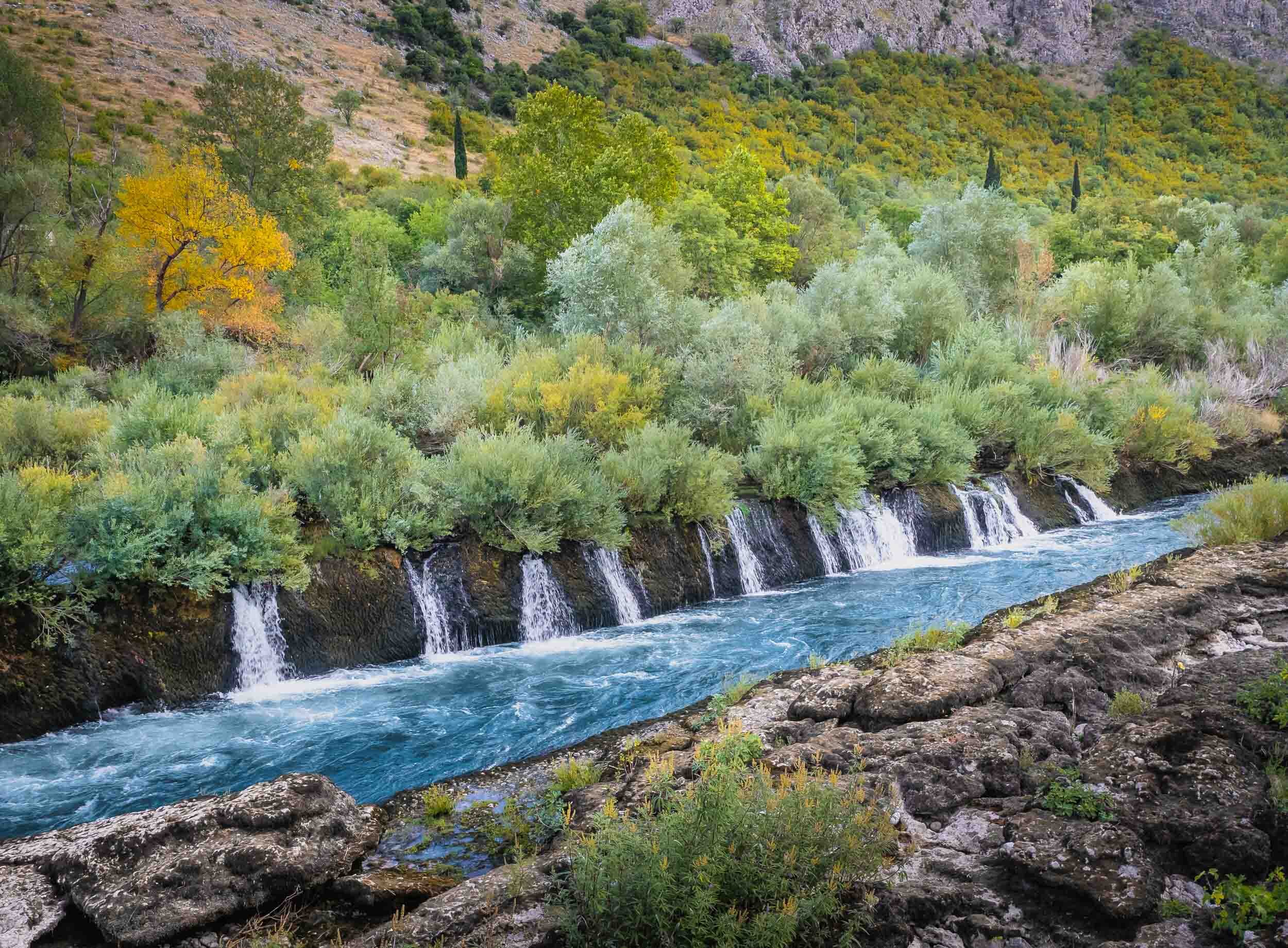
Our last stop before reaching Mostar was this amazing spot of natural beauty, thanks to an innocent Google Maps pin.
Waterfalls
These amazing cascading waterfalls along the Neretva were definitely a highlight.
Close Up
While more impressive from the air, even the ground view was beauitful, although the flow of water was lower this time of the year.
Mostar
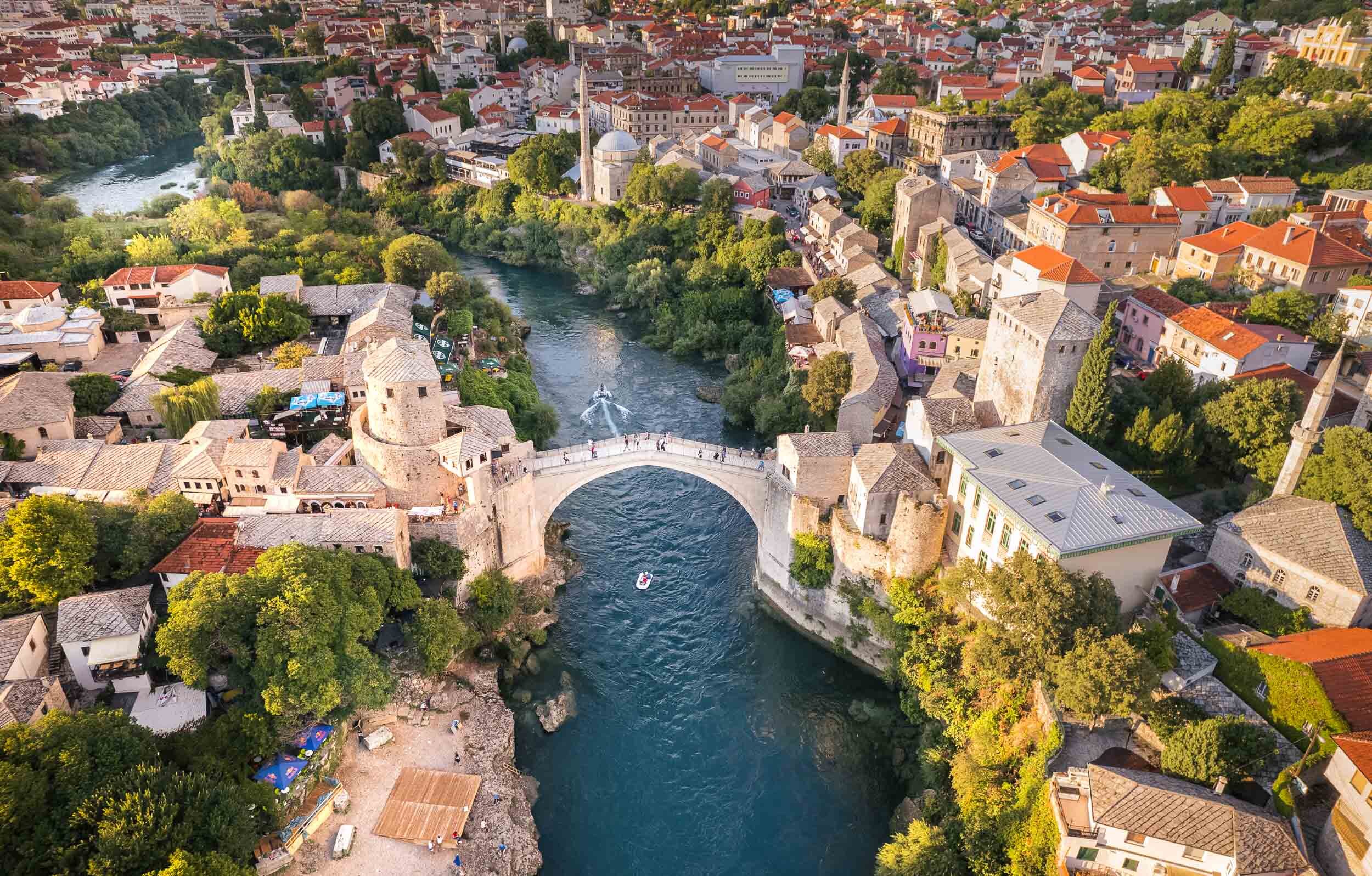
Our next destination was Mostar, named after the bridge keepers (mostari) who in the medieval times guarded the Stari Most (Old Bridge) in the centre.
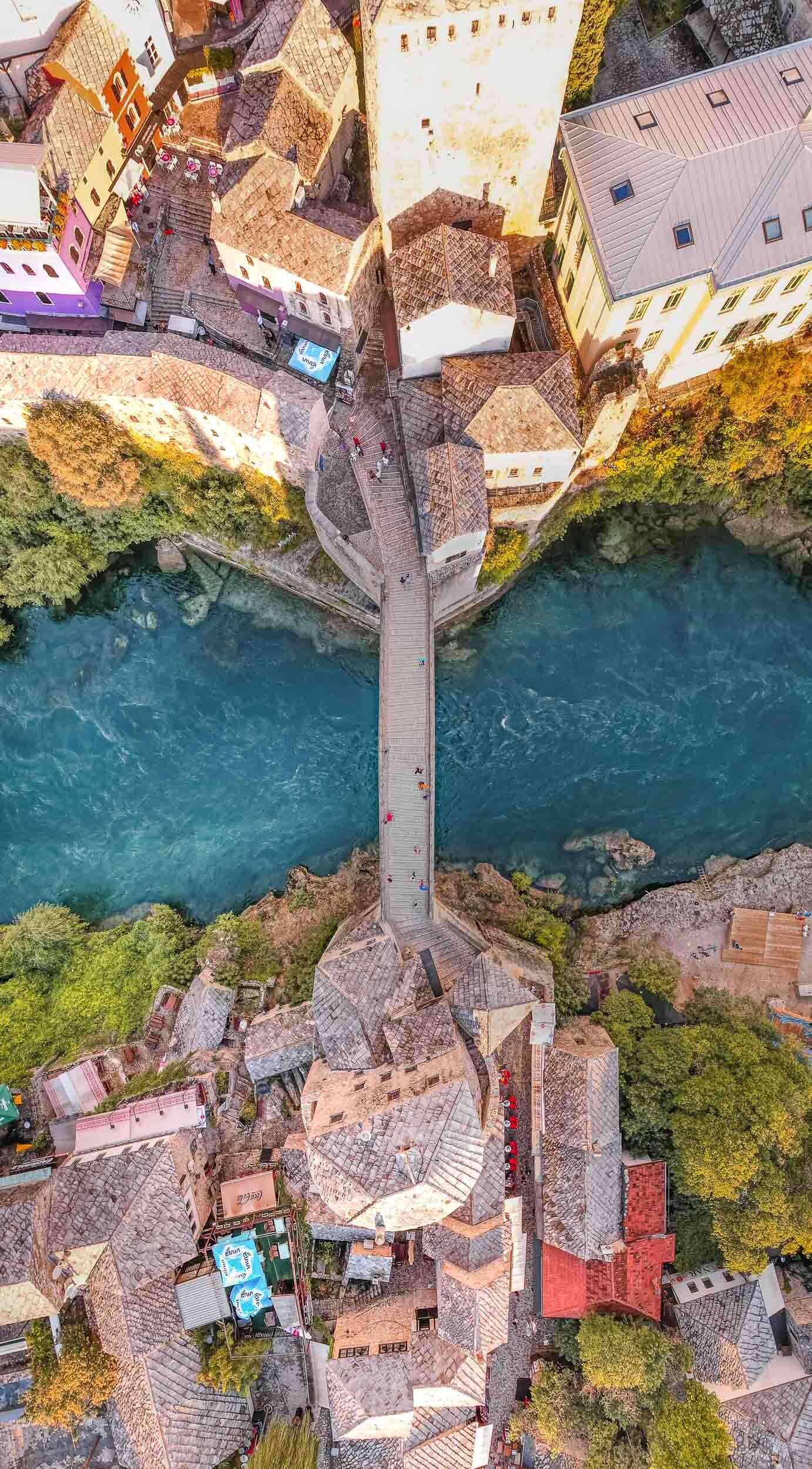
Old Bridge
The bridge was originally opened in 1566, but destroyed during the war in 1993 and then rebuilt from 2001 to 2004.
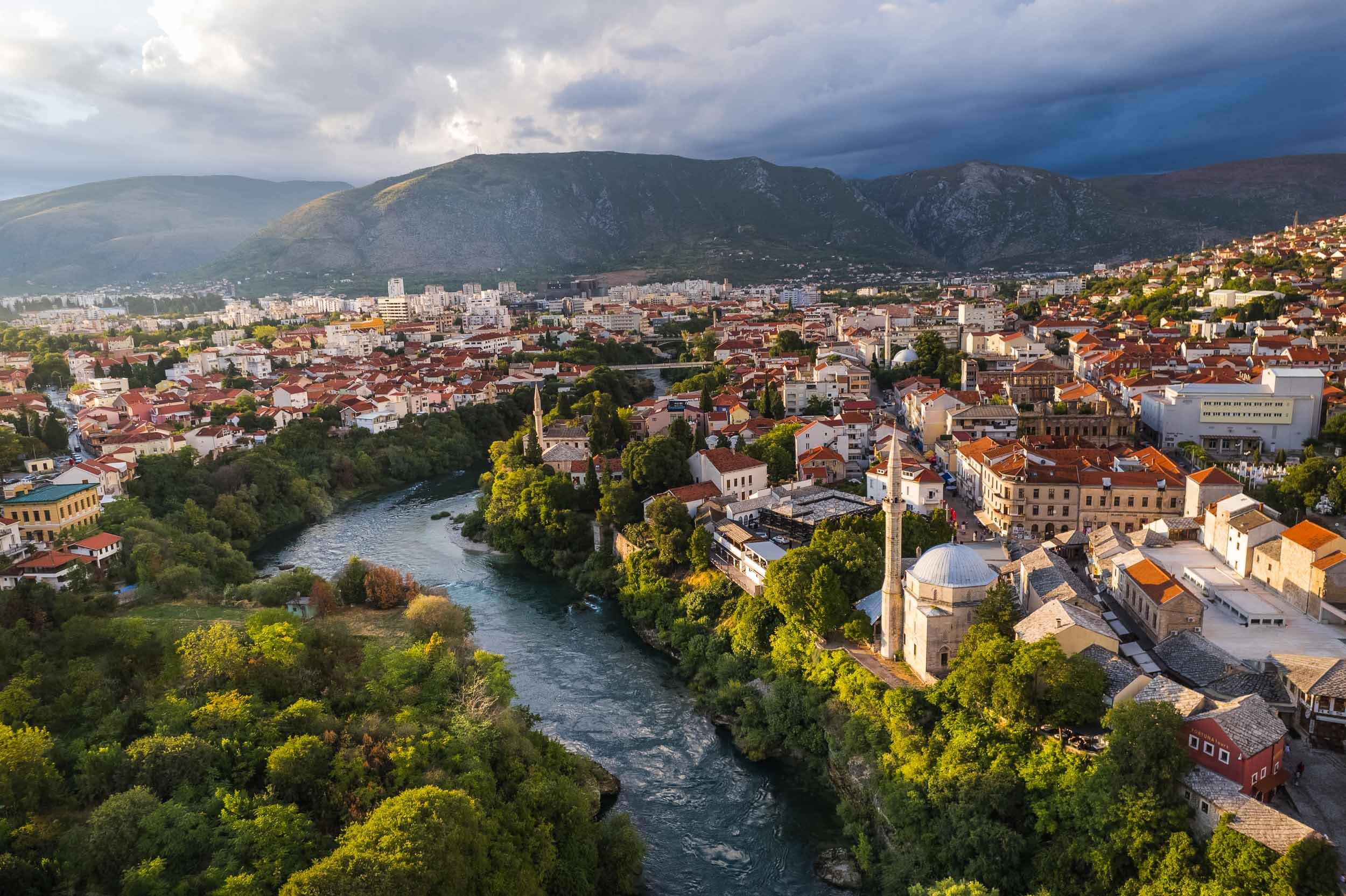
Looking North
A view towards the Old Town of Mostar on the right, with the Koski Mehmed pasa Mosque.
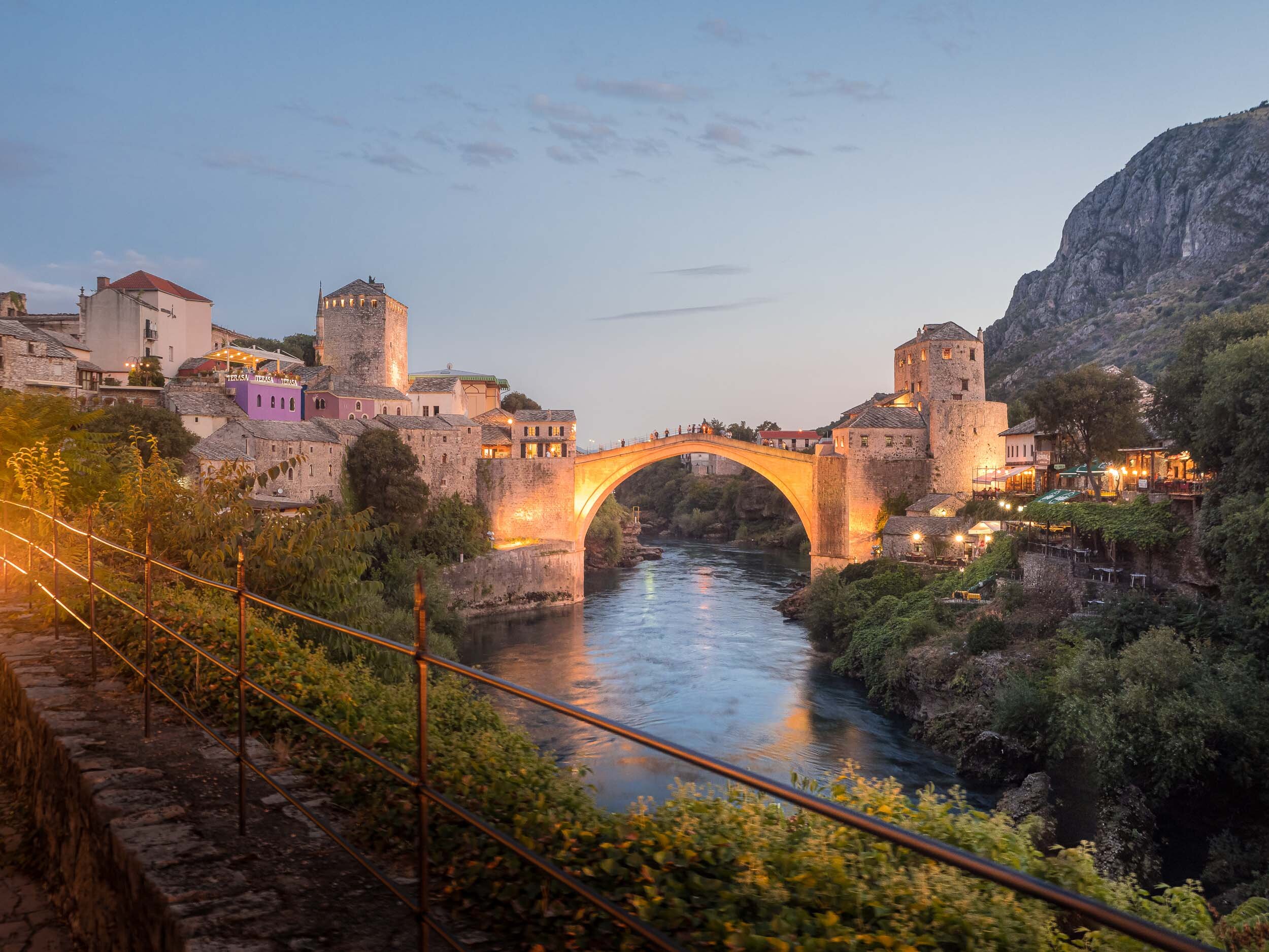
Old Town
The old town along the gorge of the Neretva river in the evening light.
Below
A view from the sandbanks below the bridge.
Birds & Planes
The minaret of Koski Mehmed pasa Mosque was built in 1617, and is open for visitors.
Interior
The inside of the mosque.
Minaret
It's also possible to walk up the Minaret tower, although I didn't - not sure why in fact.
Stari Most
The bridge seen from the gardens of the mosque at dusk.
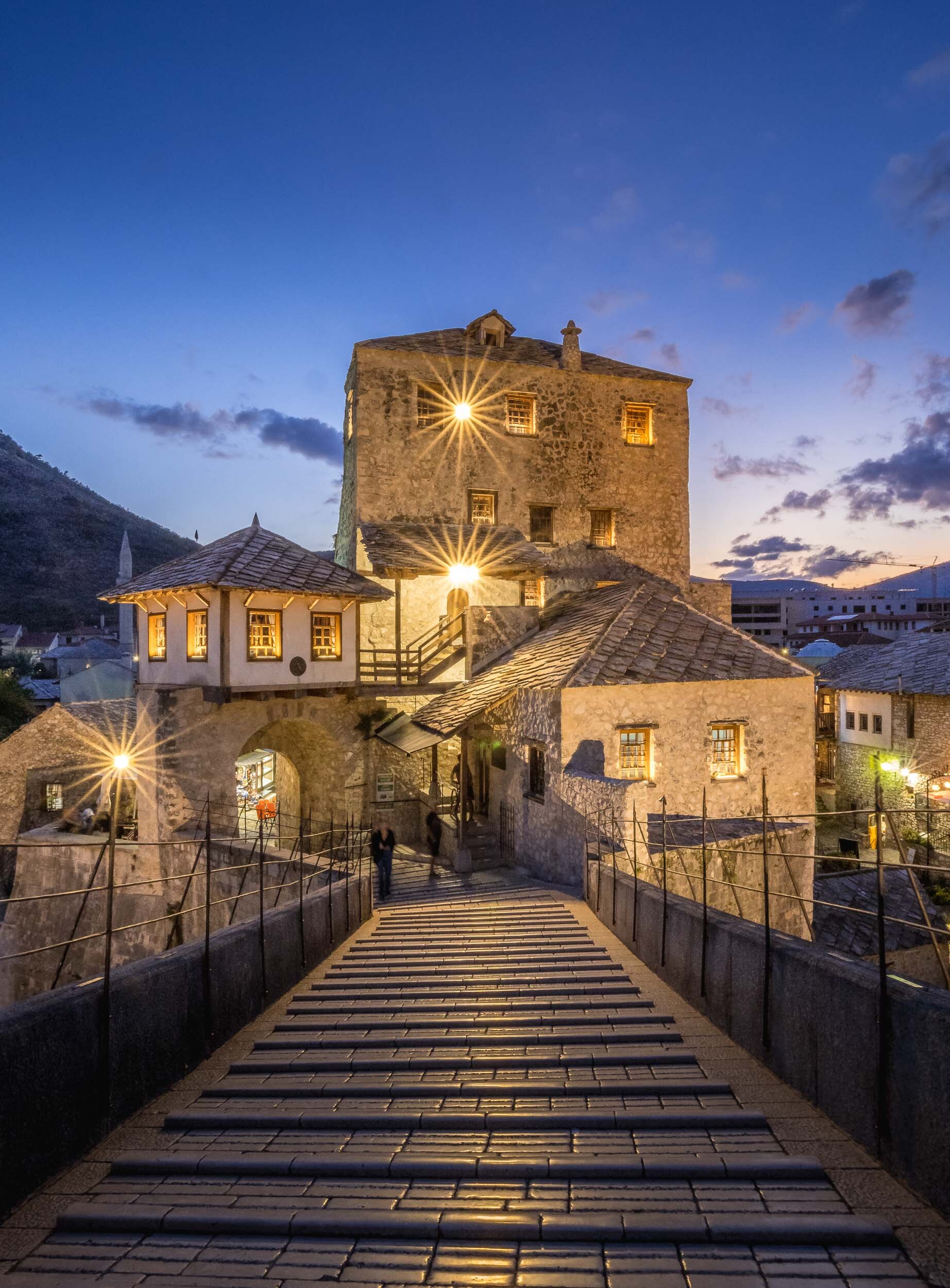
Tara Tower
The western tower seen from the bridge, one of the two "bridge keepers"
City Lights
A photo into the small gorge with its many restaurants taken from the crooked bridge, which was actually destroyed during a flood in 2000 but re-built a year later.
Vibes
The evening was spent listen to some beautful music at the Mostar Blues & Rock festival.
Bruce Lee
Yes, there's a Bruce Lee statue in Mostar, and of course we had to find it. Read the Wikipedia article for the hilarious story...
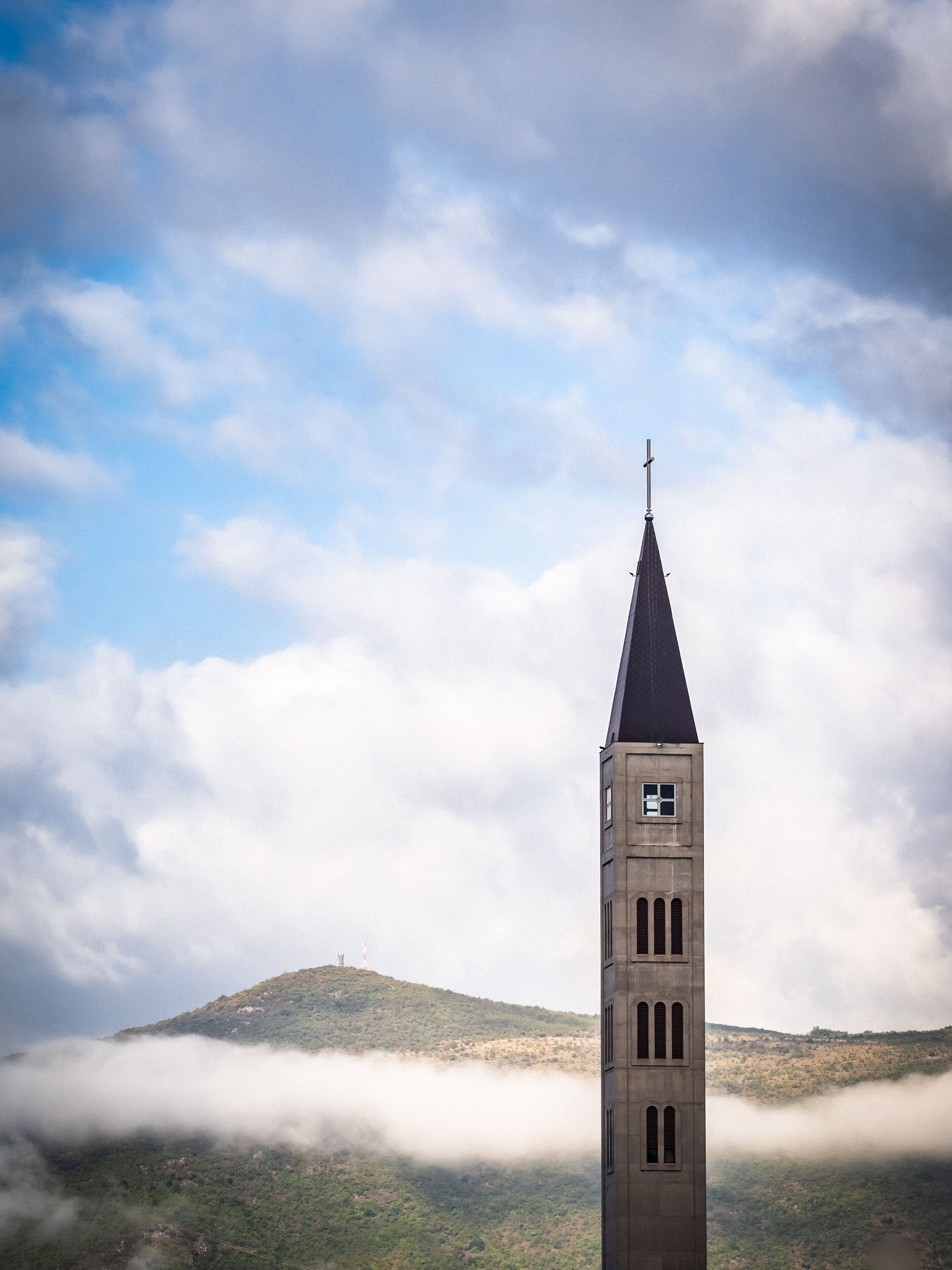
Mostar Peace Bell Tower
The tallest church tower in Mostar offers panoramic views of the city, although I didn't manage to go up this time.
The Crooked Bridge
This small bridge was built before 1558 and is thus ironically older than the Old Bridge. It is said that this small bridge was a prototype for the larger and more famous version.
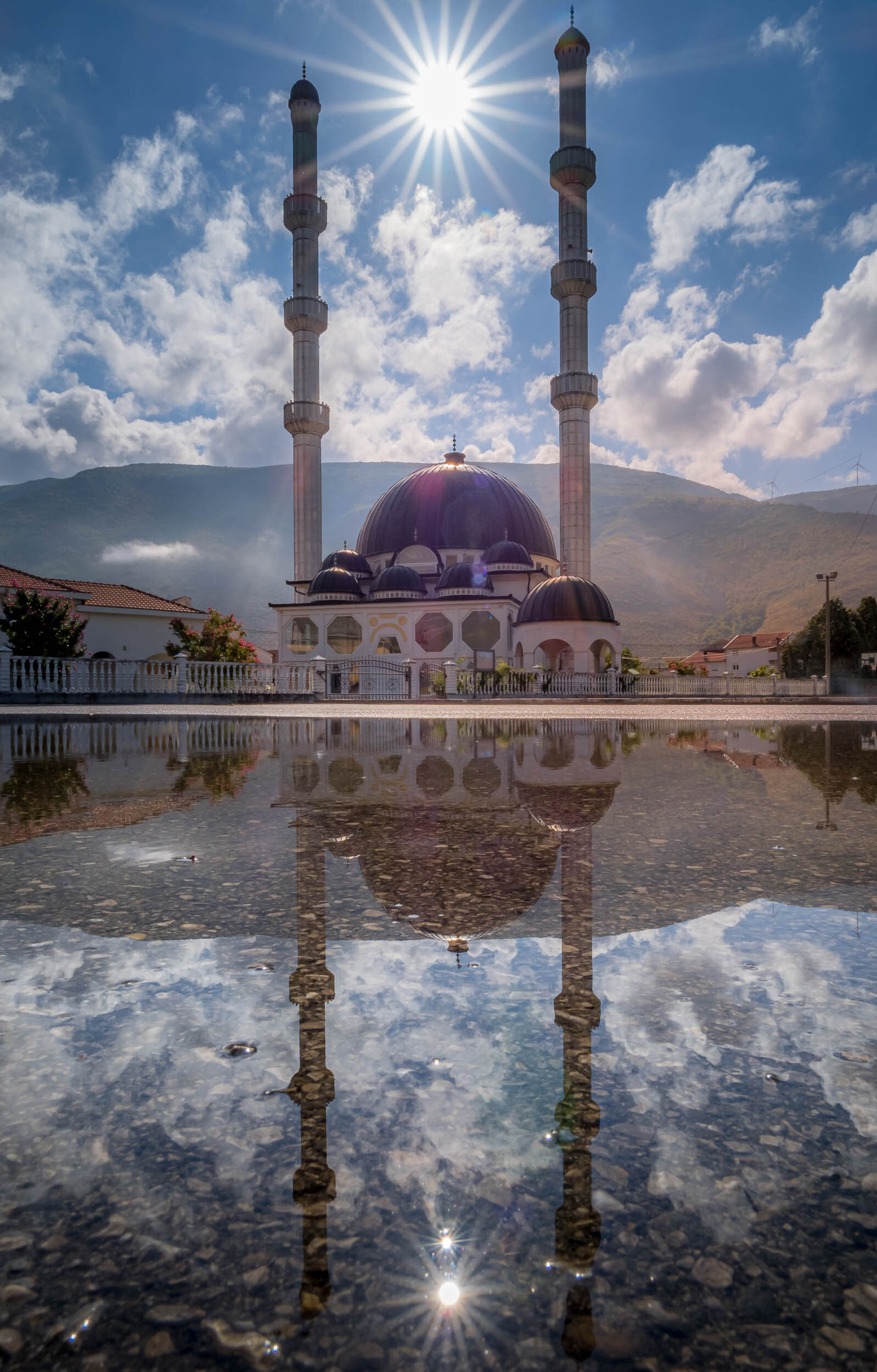
Vrapcici Mosque
A mosque outside Mostar, one of our first steps on the way back to Sarajevo.
Landscapes
Another beautiful Bosnian landscape, where a small part of the Neretva splits off to one side.
Village Vibes
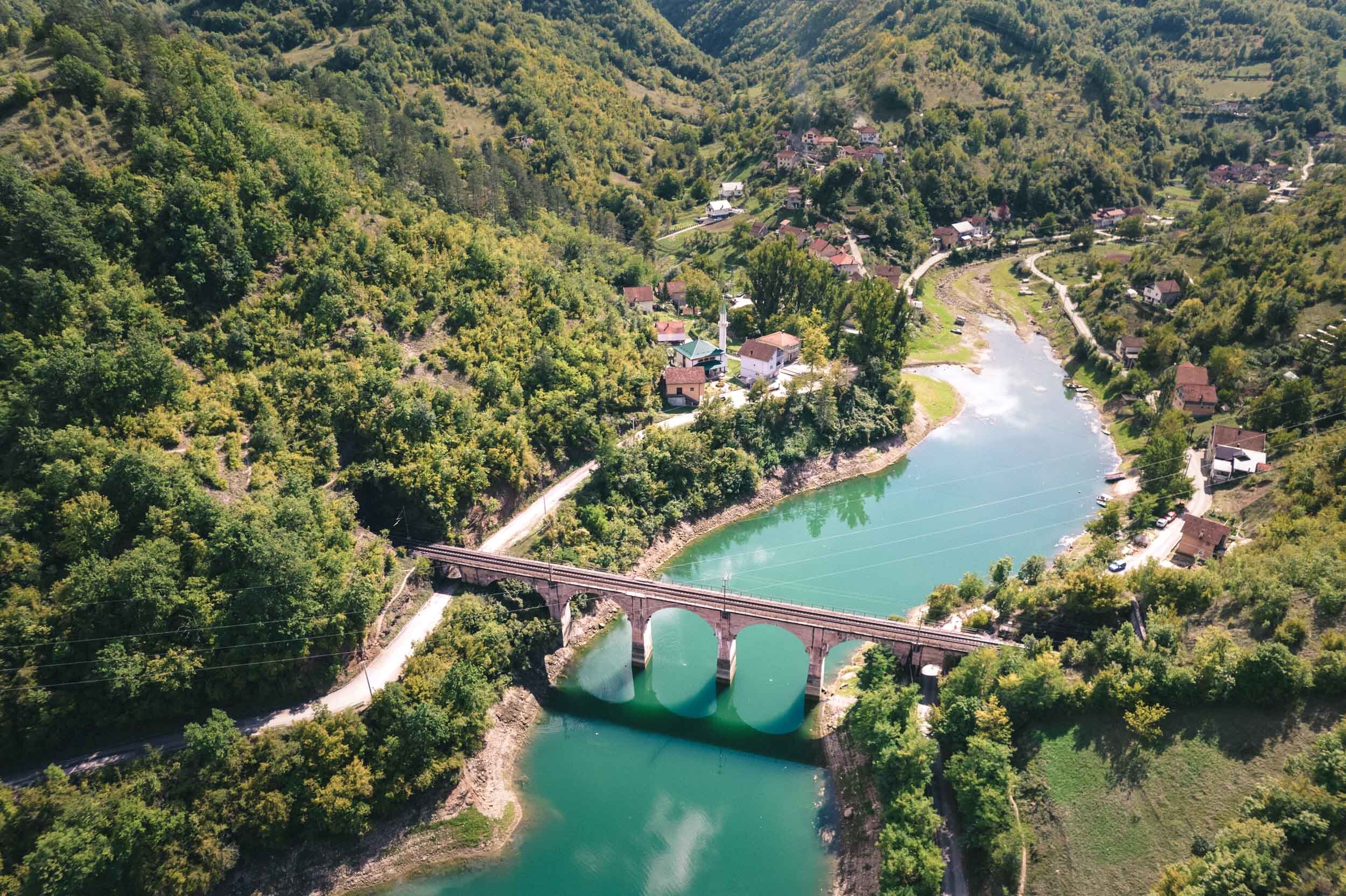
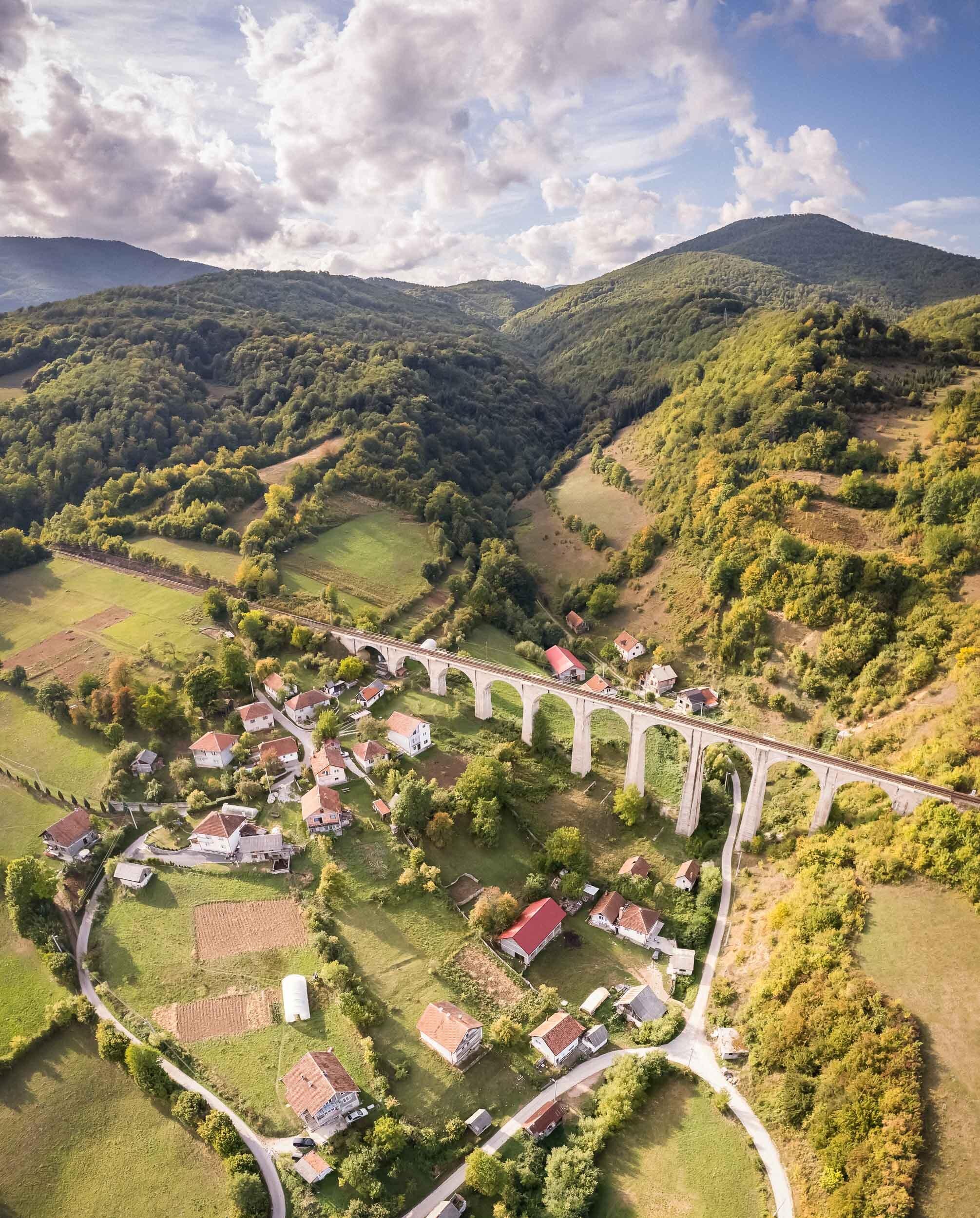
You might recognise this bridge from earlier. I was keen to get a shot of this little bridge with a train, but was not lucky enough despite being there for an hour.
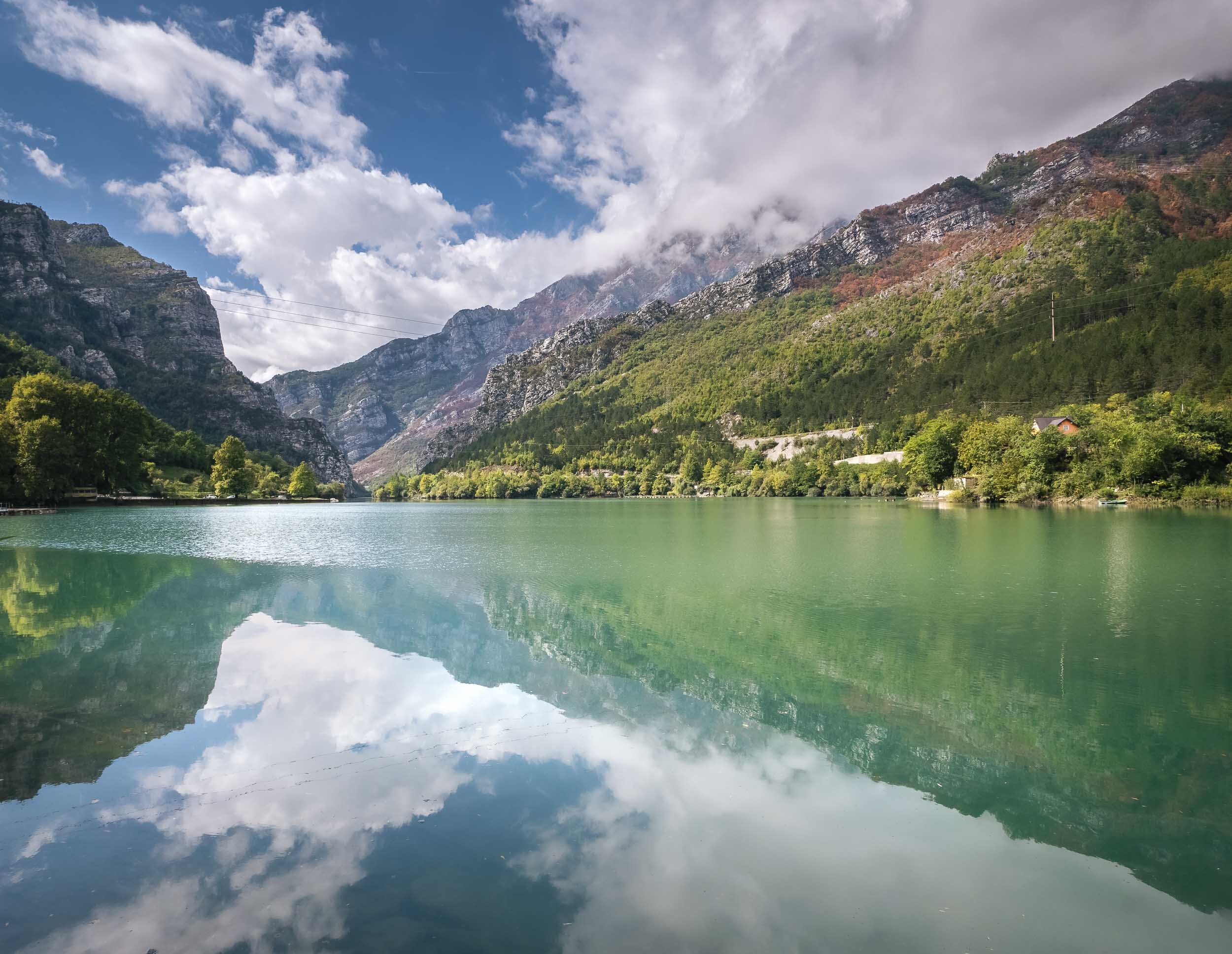
Reflections
Where the Neretva splits with the Ravancica we found this spot offering amazing reflections in the calm waters.
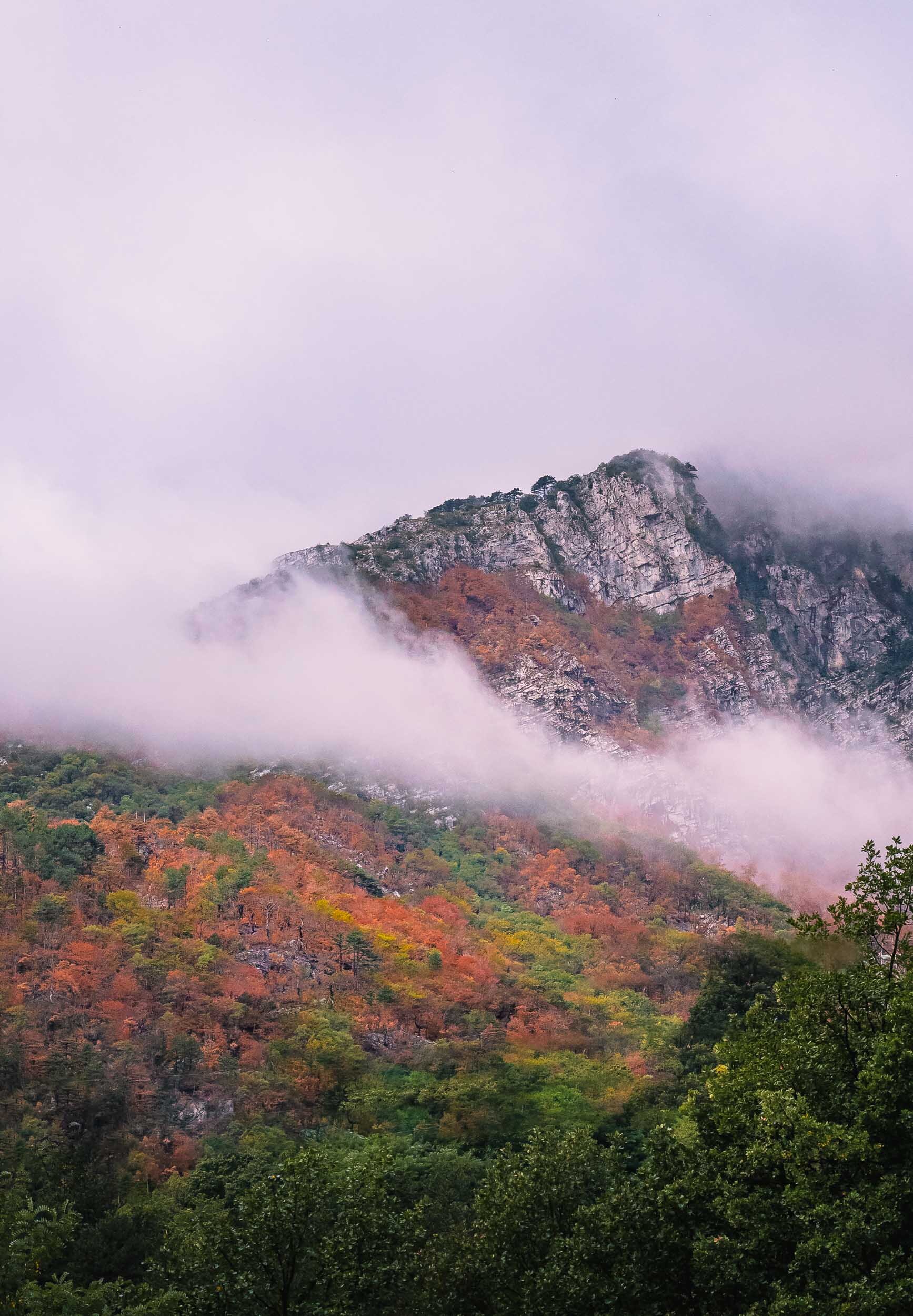
Favourites
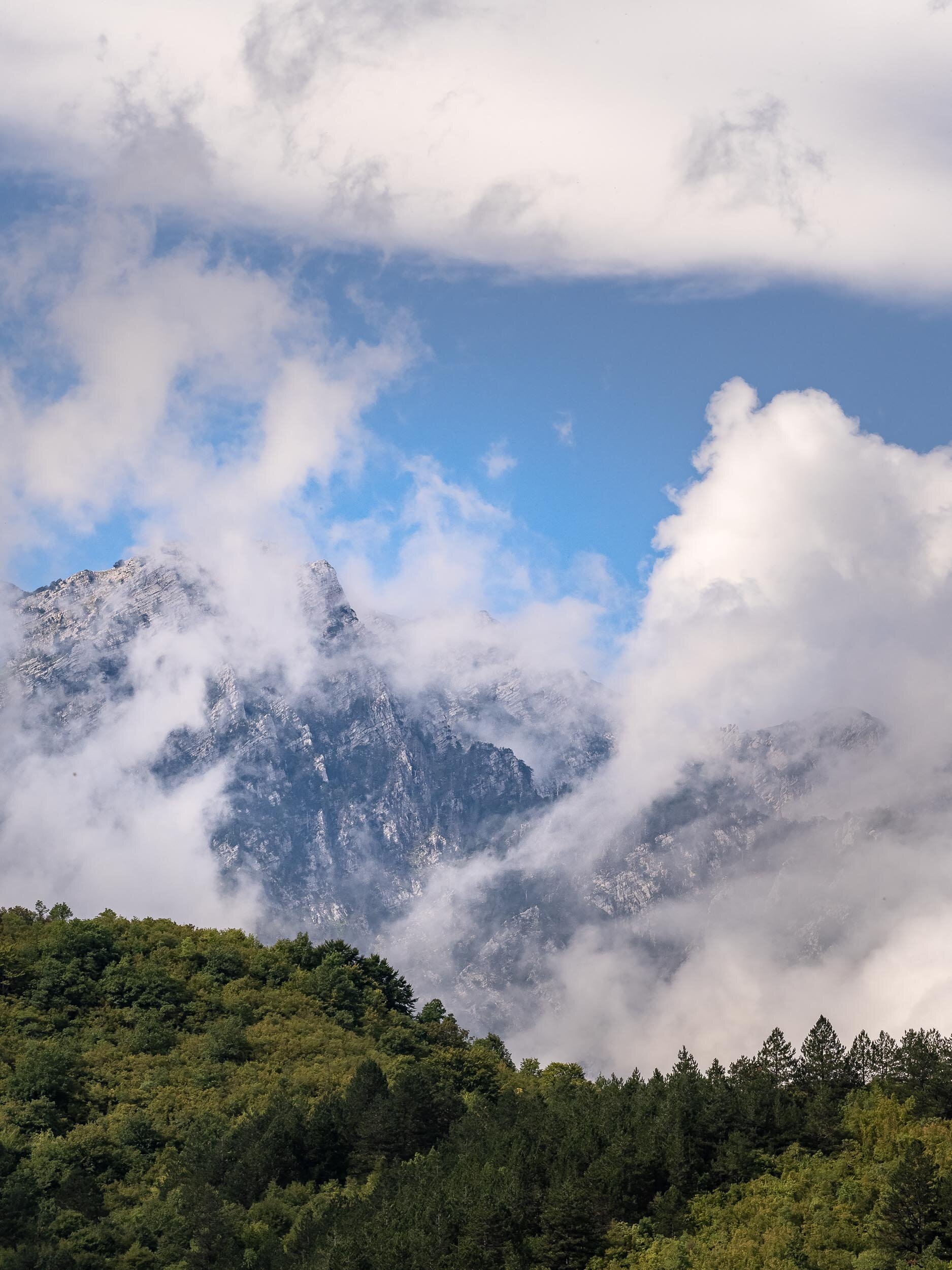
Cloud covered mountains - can't get enough of that.
Konjic
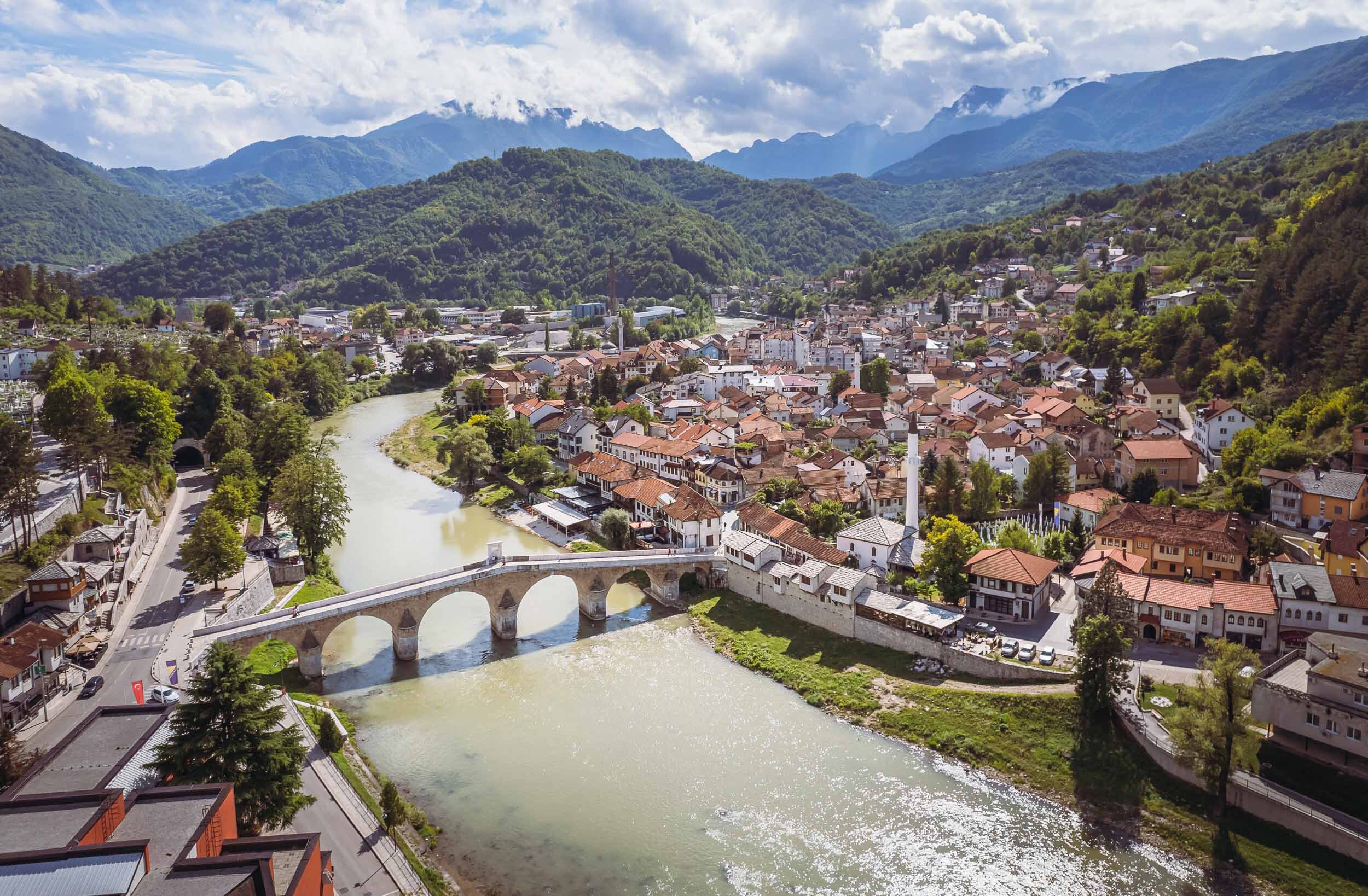
The next city on the way back to Sarajevo was Konjic, with another famous bridge, the Old Stone Bridge from 1682. It was also destroyed - during the second world war - and rebuilt in 2009.
Bridge near Jablanica
Another interesting bridge story - this one was first destroyed as a ruse, then during an acutal attack, and finally for a movie. Its remains are visible here near the memorial complex for the Battle of the Neretva.
Mointain Villages
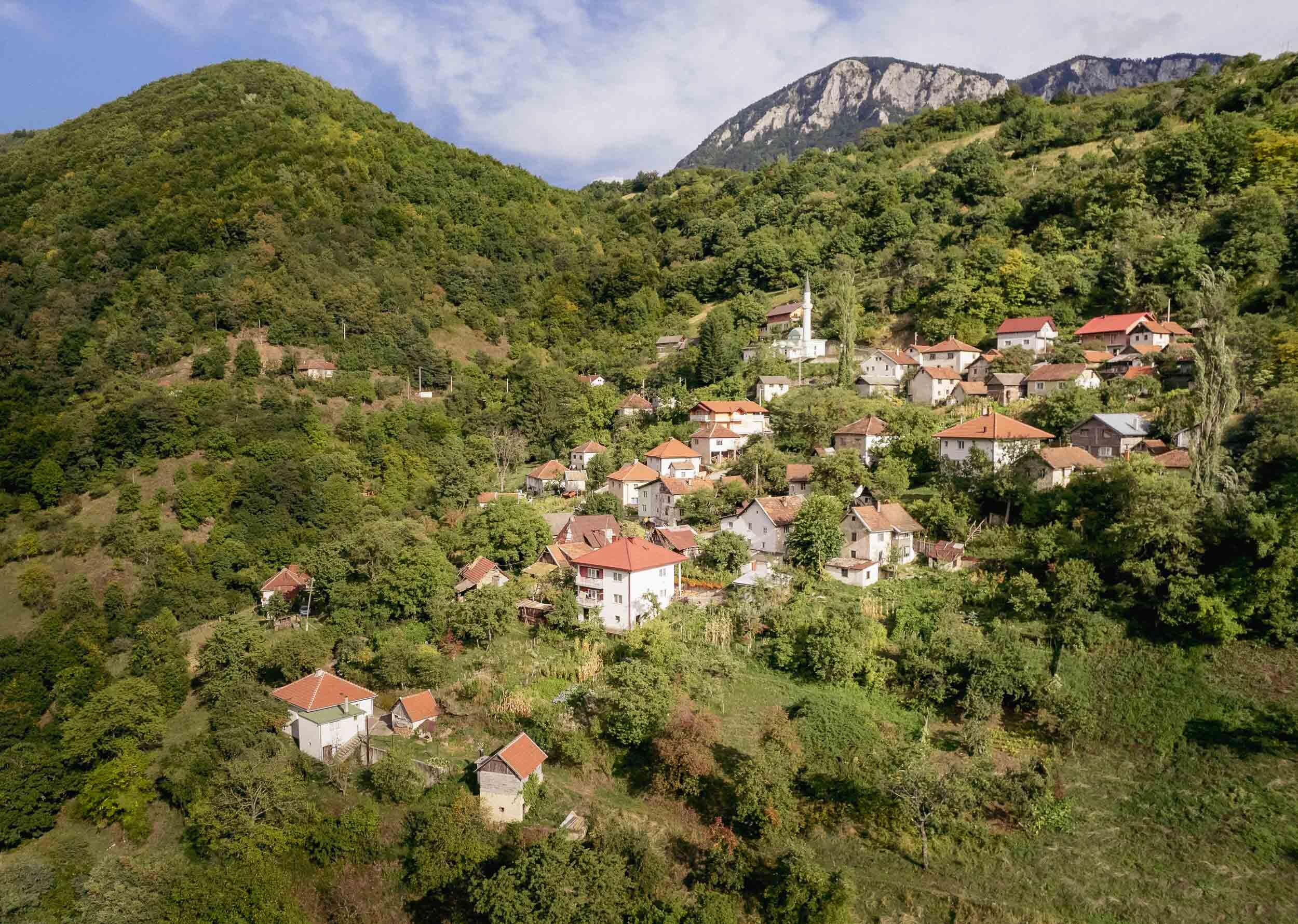
A small village in the mountains near Sarajevo.
Train
Another spot where I was hoping for a train to pass (which runs from Sarajevo to Mostar) but wasn't lucky.
Railway Bridge
This bridge leads into the tunnel on the earlier photo.
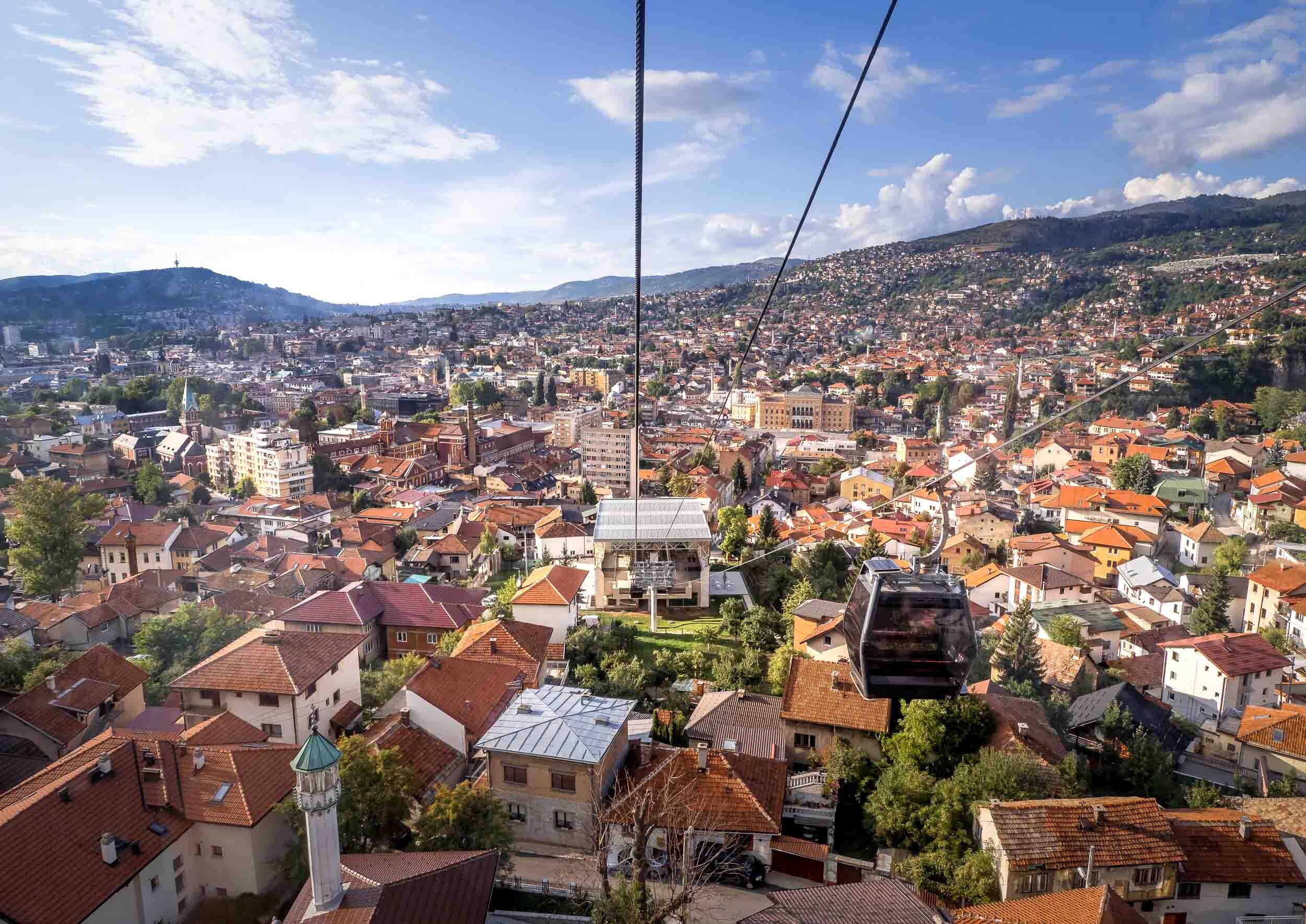
Cable Car
Back in Mostar we took the cable car up to the Trebevic area, which harbous a few amazing secrets...
Bobsleigh Track
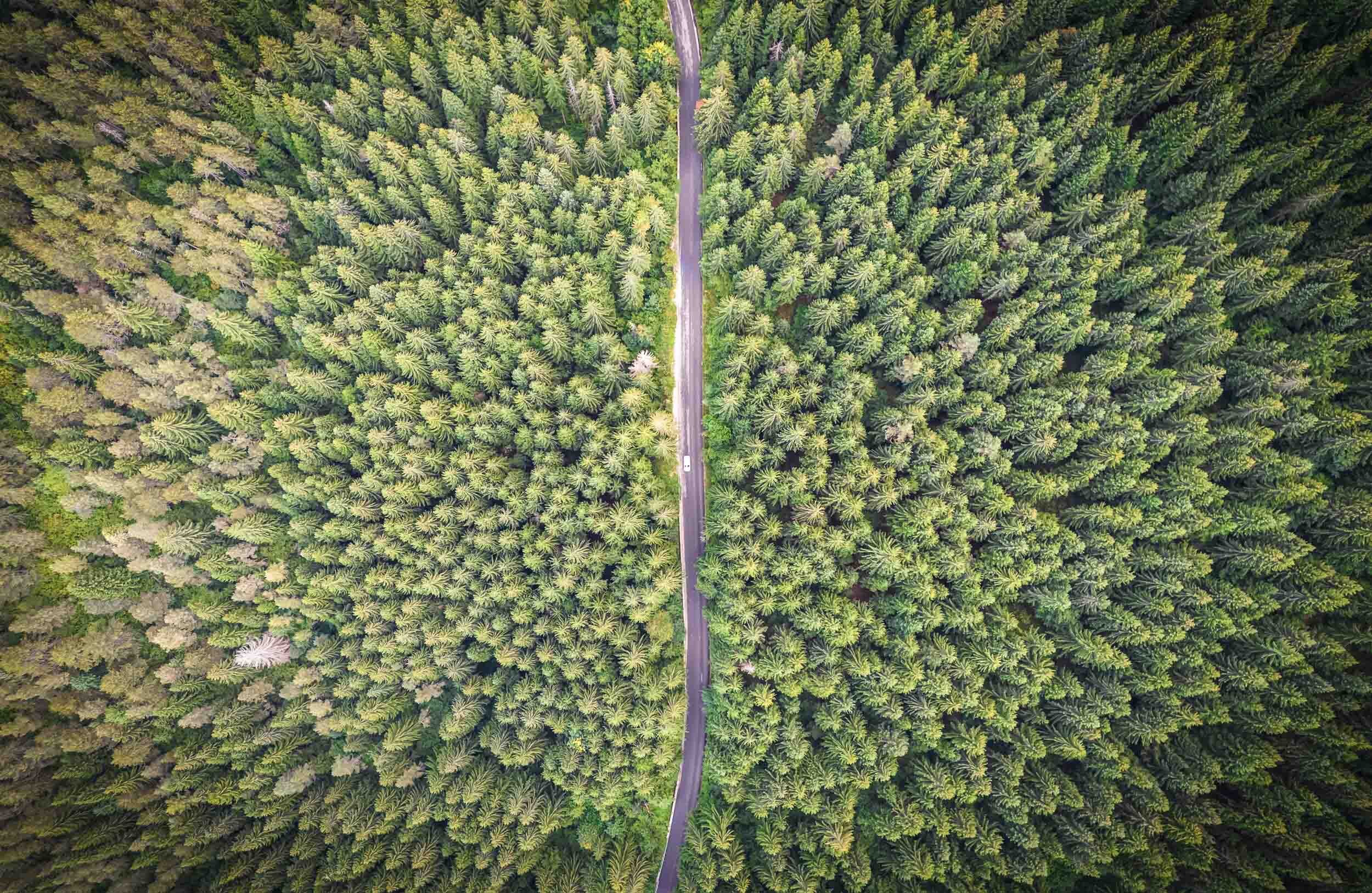
But even more interestingly, the remains of the bobsleigh track of the 1984 Winter Olympics, the outline of which is visible in this aerial shot.
Forest Views
For one thing, the amazingly dense forests of coniferous trees.
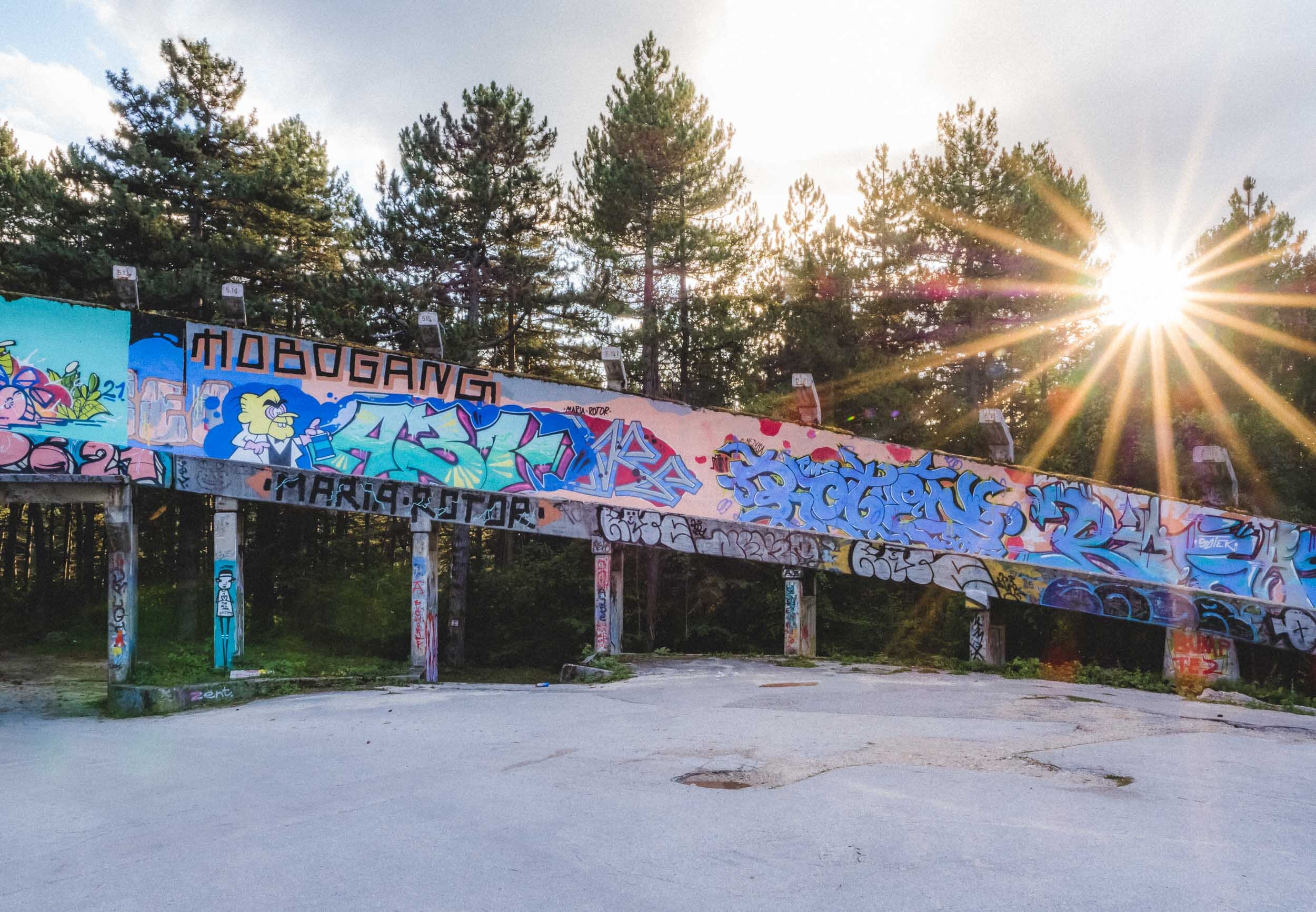
Ruins
During the war, the track was used as an artillery position by Bosnian Serb forces and fell in disrepair, although most of it is intact, leaving aside the many war wounds...
Restoration
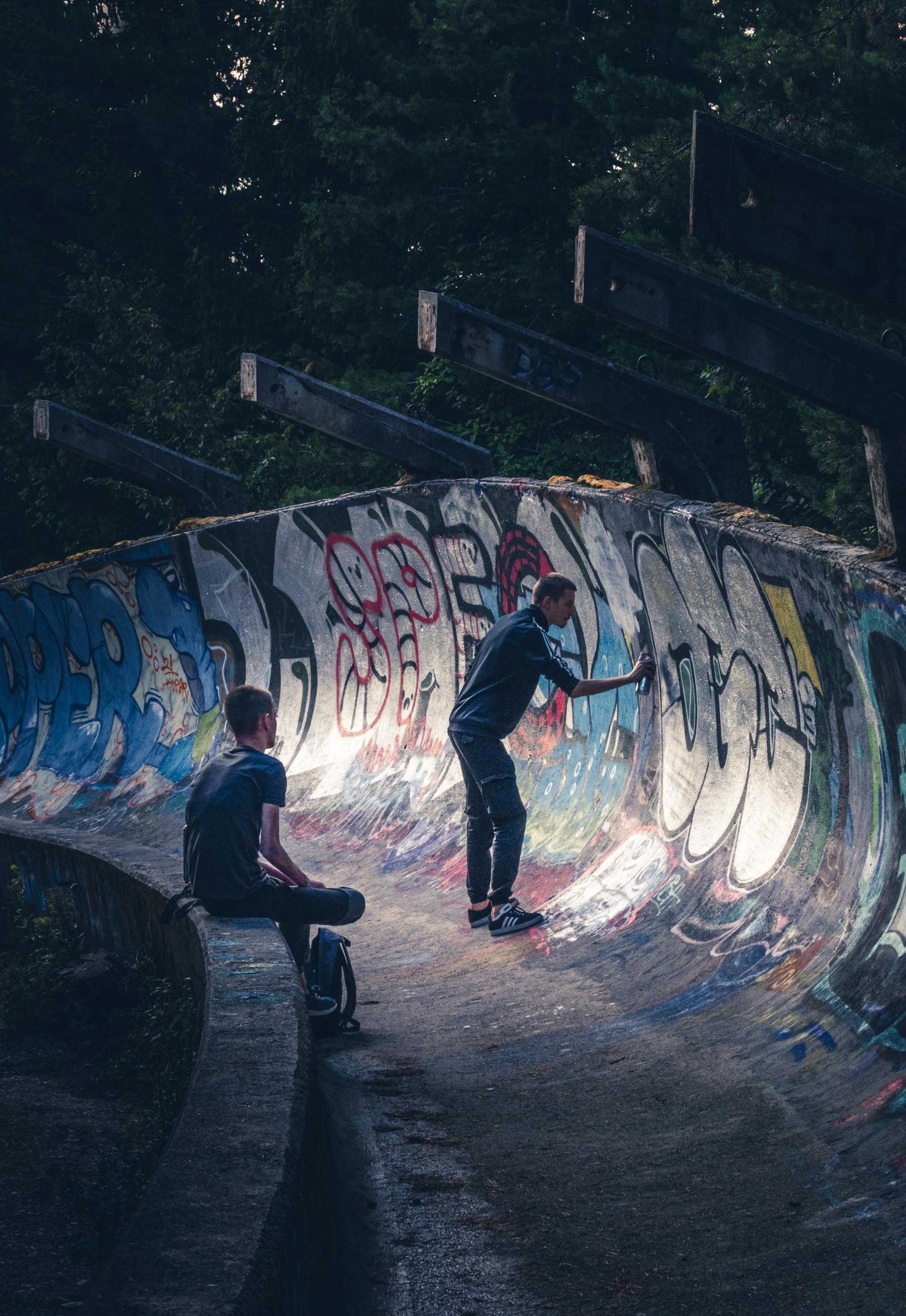
There were plans to restore the track after extensive demining, however as of today the only work on the track is done by Graffiti artists.
Track Views
Walking along the track is a very strange feeling, to imagine this was once an Olympic site, and then a defensive wall during the war.
1984
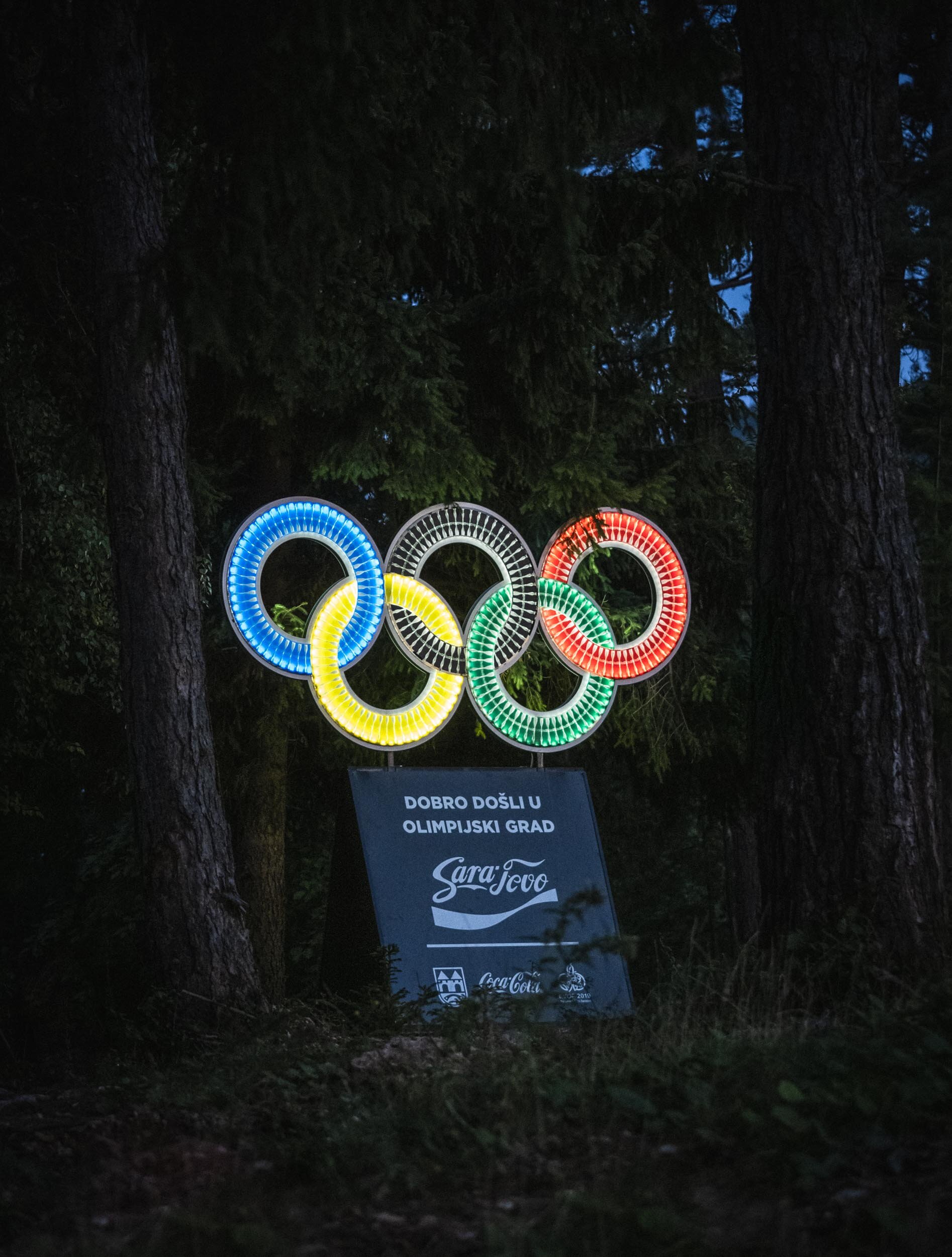
The odd reference to the Olymics is still visible around the city, such as this one close to the upper cable car station.
City Views
Of course you also get beautiful city views from Trebevic, such as Alifakovac cemetery in the foreground here.
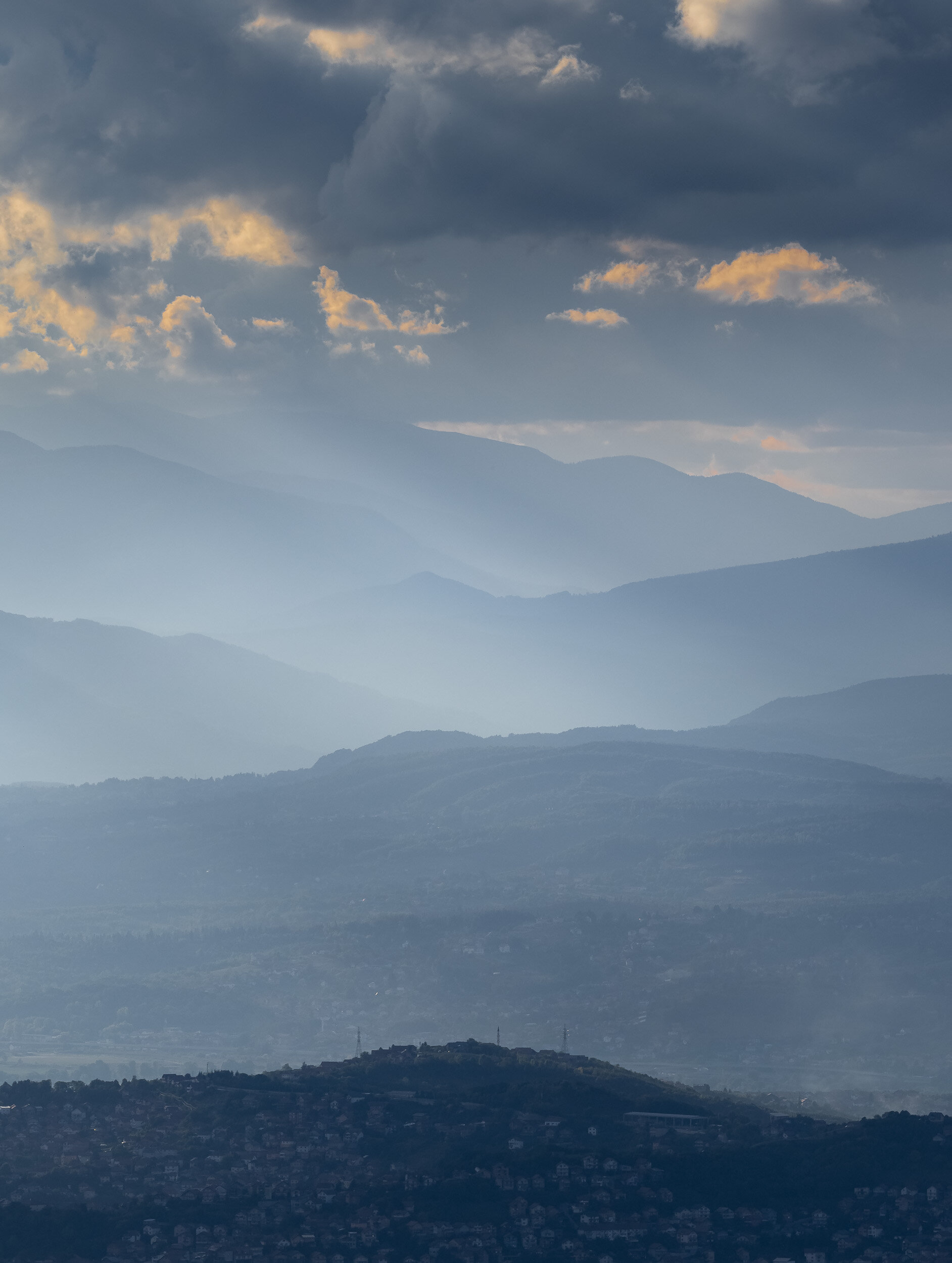
Layers
The view towards the north brings with it some beautiful mountain layers
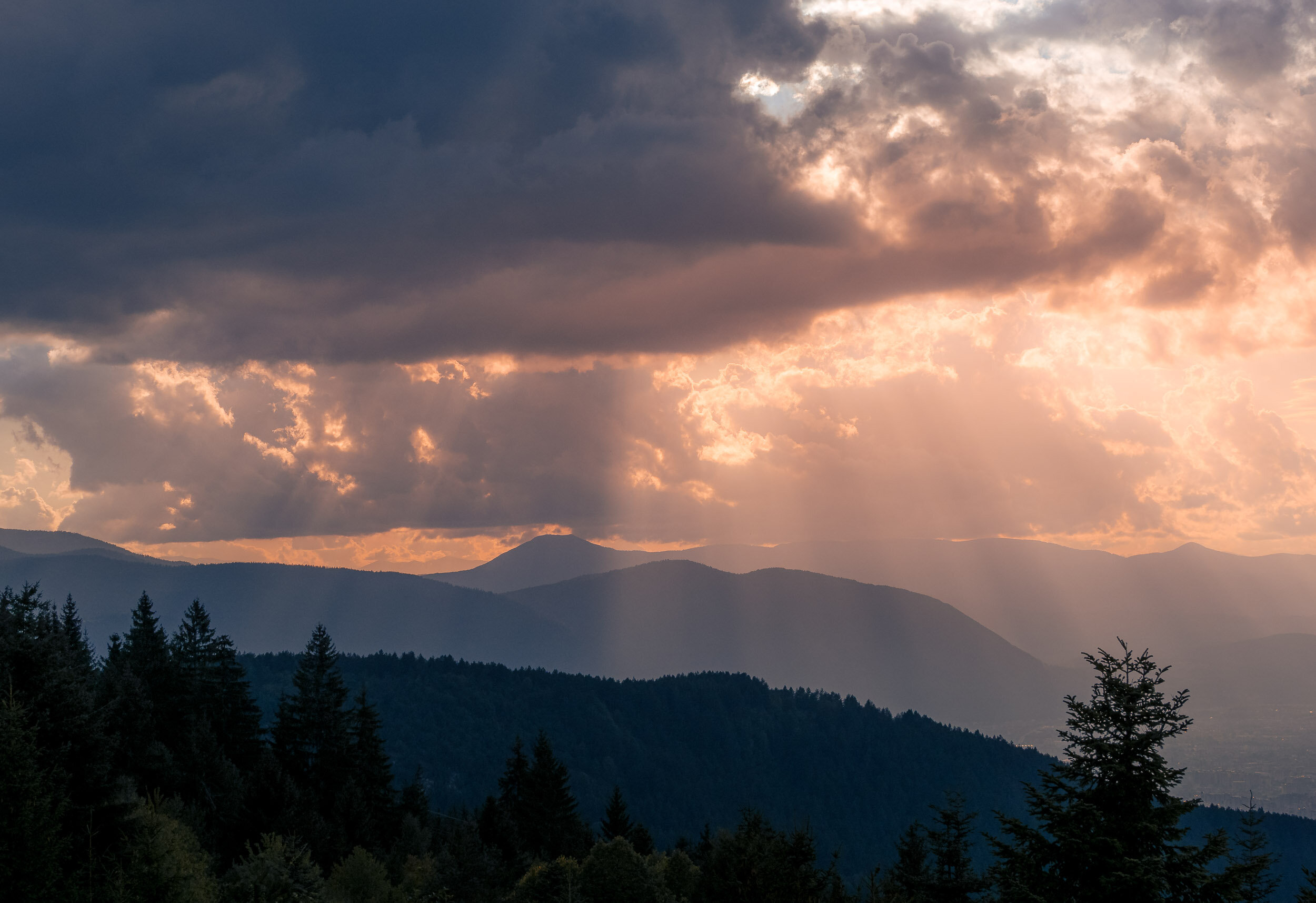
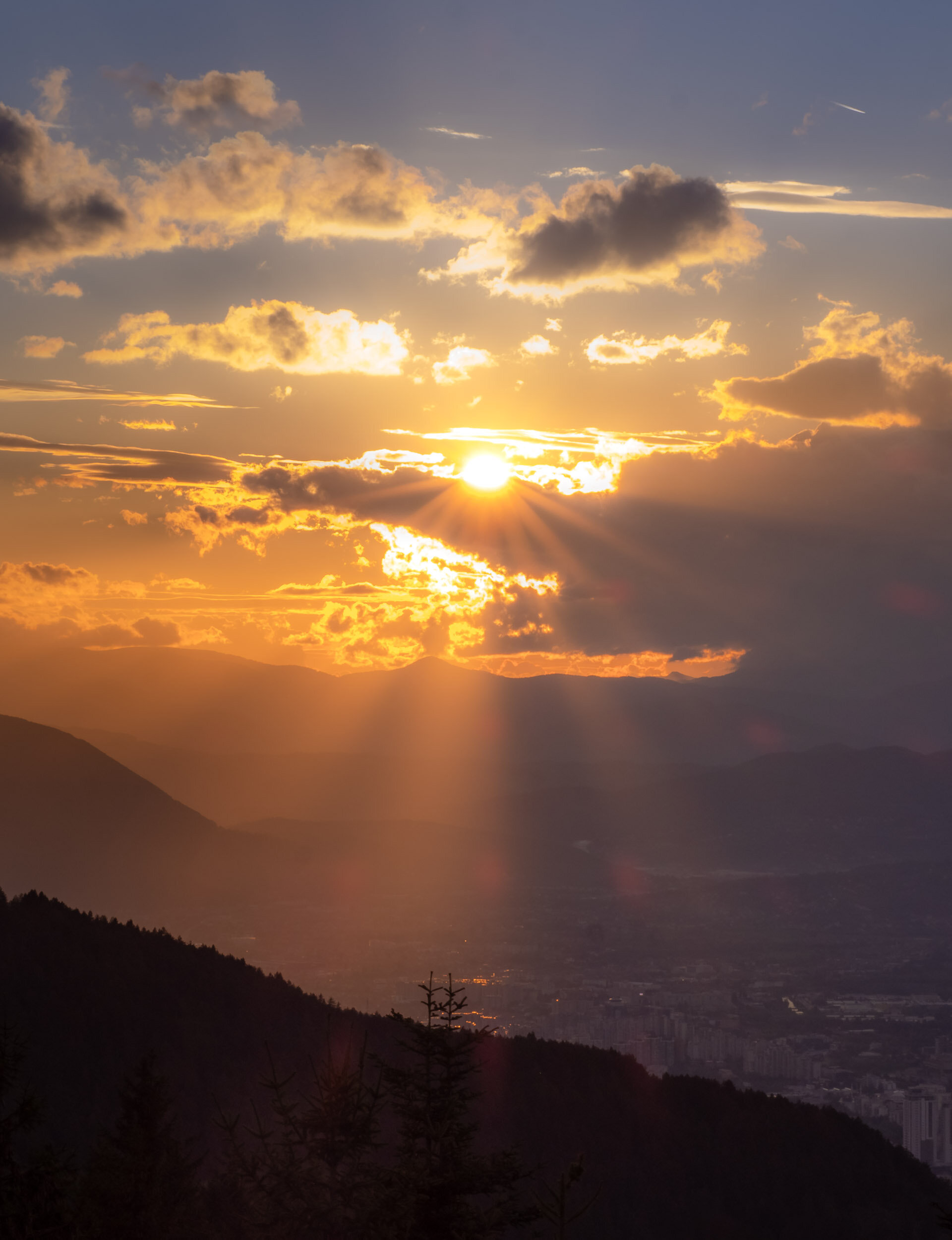
Rays
Another view towards the mountain ranges surrounding the city during sunset.
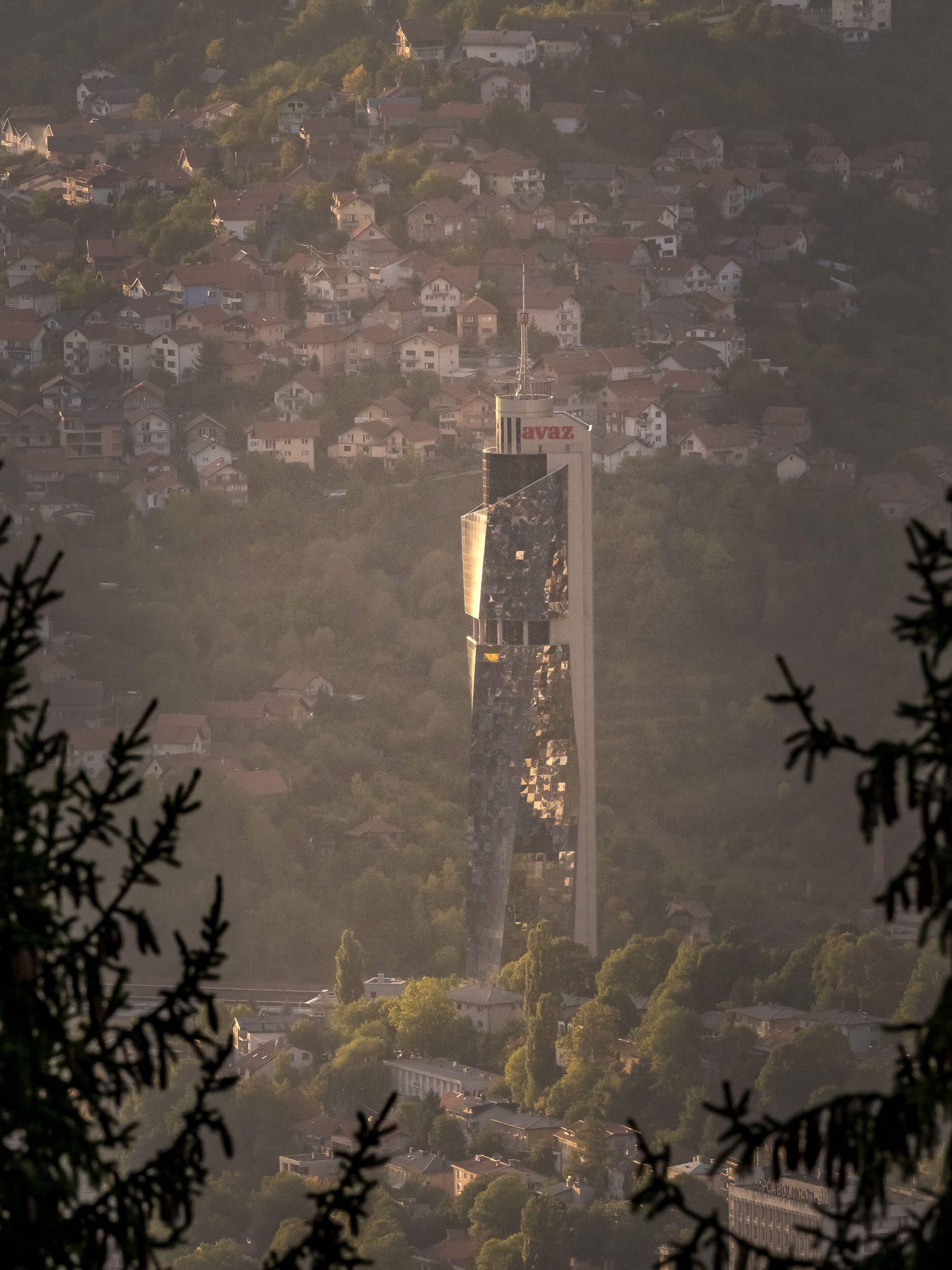
Avaz Twist Tower
Sarajevo's most famous skyscraper is this 172m tall building featuring a twisting facade, which opened in 2008.
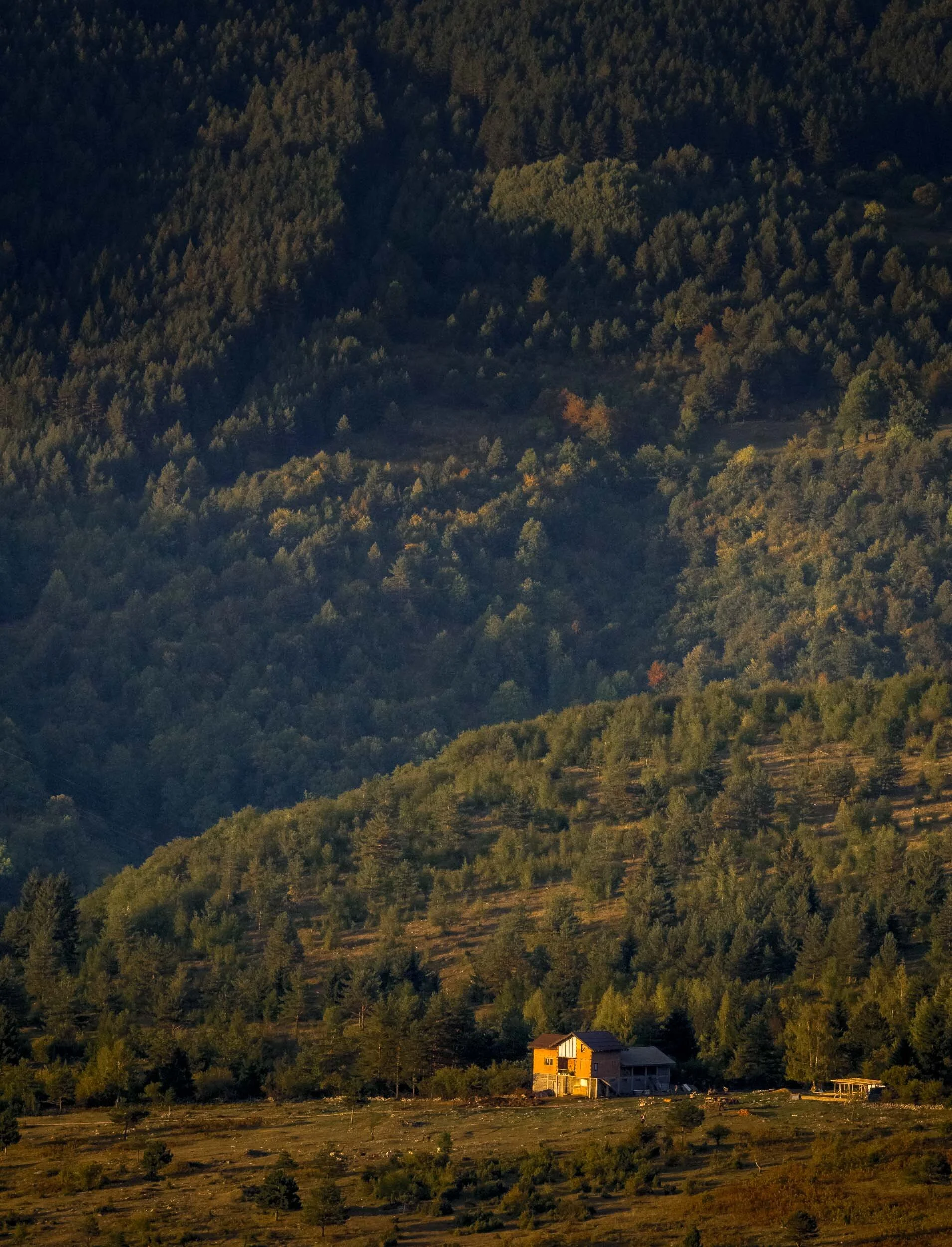
Lonely
A small house being built on the slopes of a nearby hill.
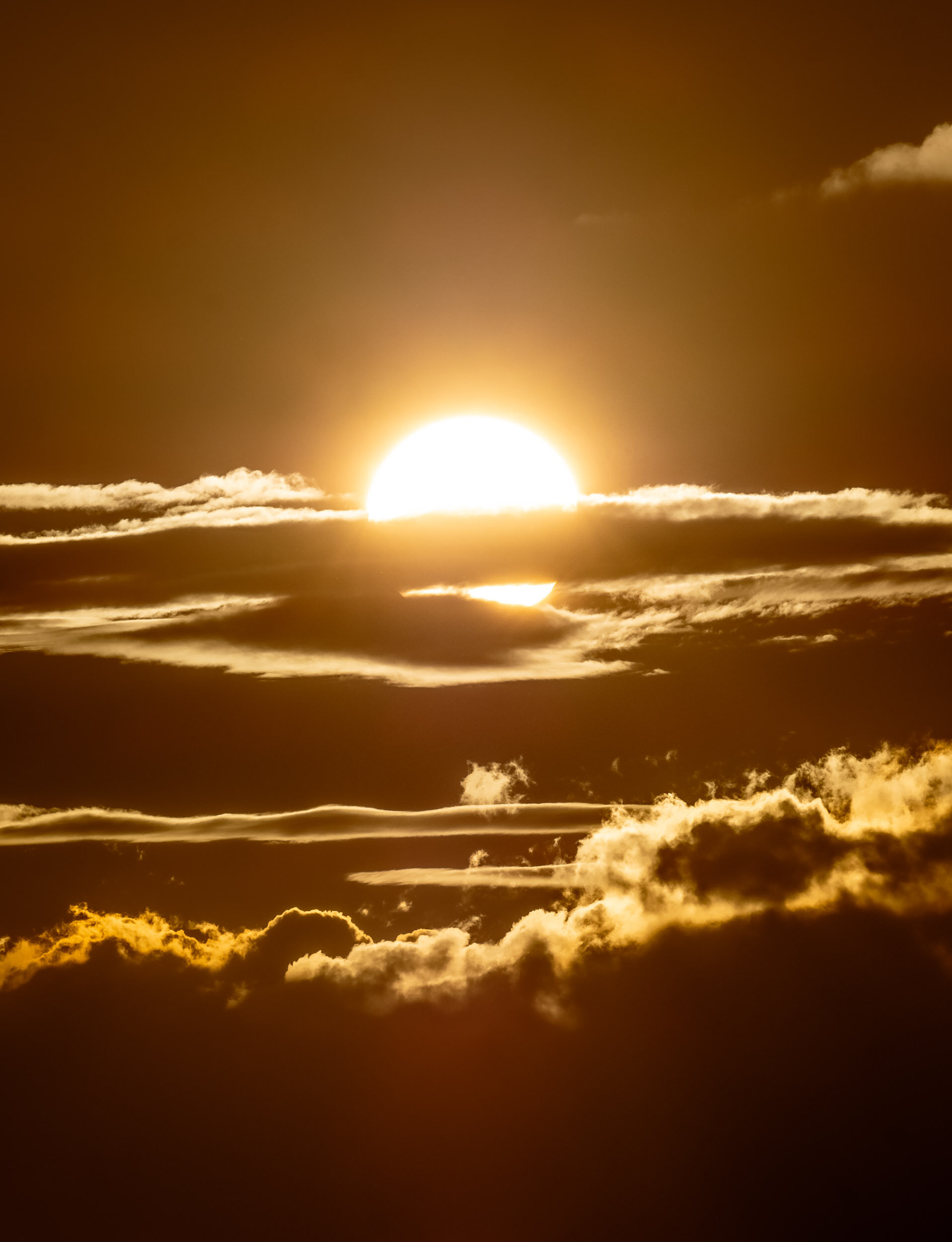
Sunset
It was a beautiful sunset that evening, with a few stratus clouds wrapping around the sun.
The western view with the Miljacka river slowly disappearing towards where it meets the Bosnia river.
The Approach
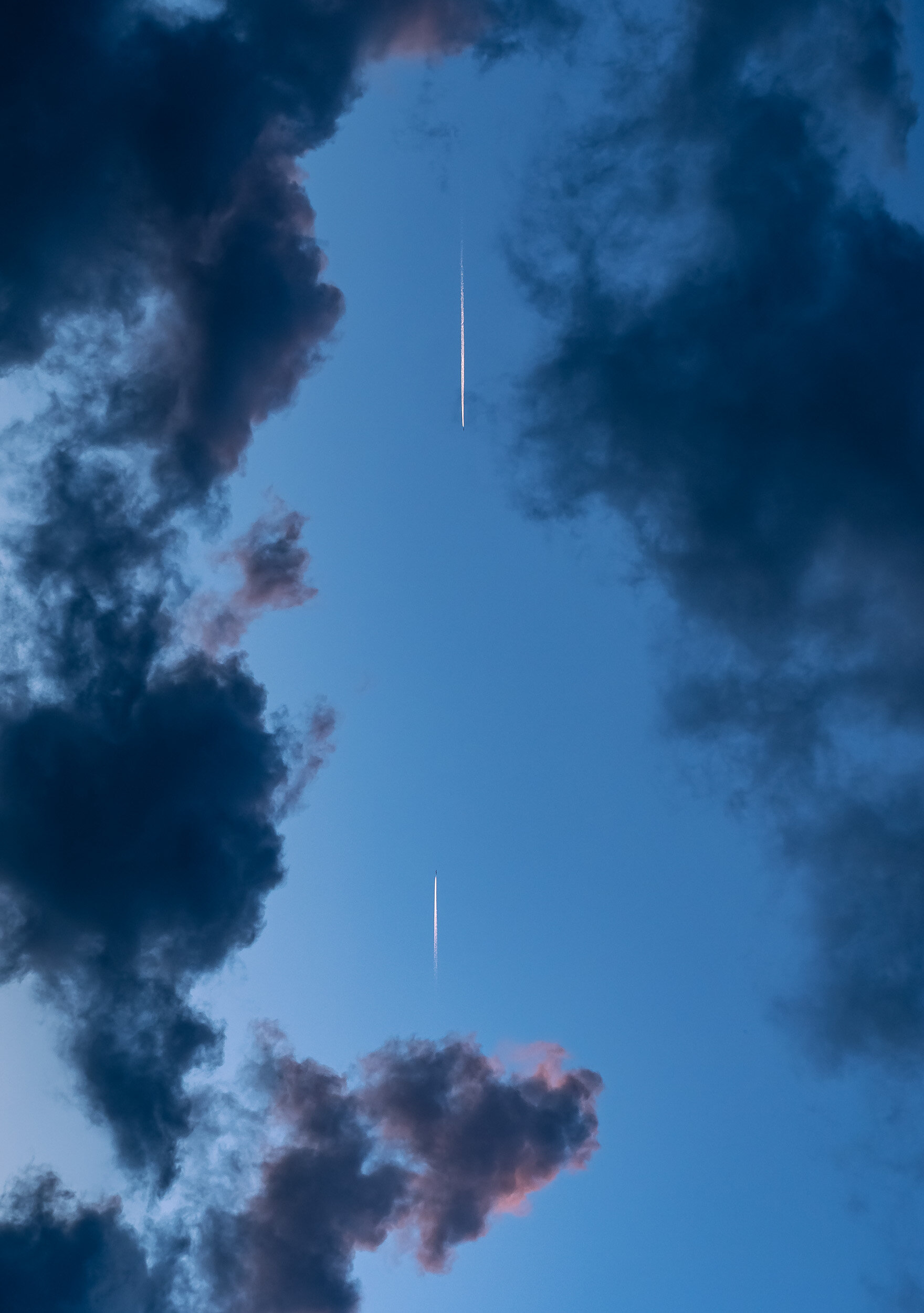
Two planes crossing as they fly over Sarajevo.
Forest Moonrise
The full moon coming up above the forest canopy.
Horizons
A wider angle view of the city and its mountain layers beyond, just after sunset. This shows the modern parts, with the Avaz skyscraper and the Hum tower on the right.
Diversity
Spot the different religious landmarks illuminated in this image. While diverse in its people and architecture, the country itself is still deepy divided and unified governance hasn't happened.
Bird's Eye
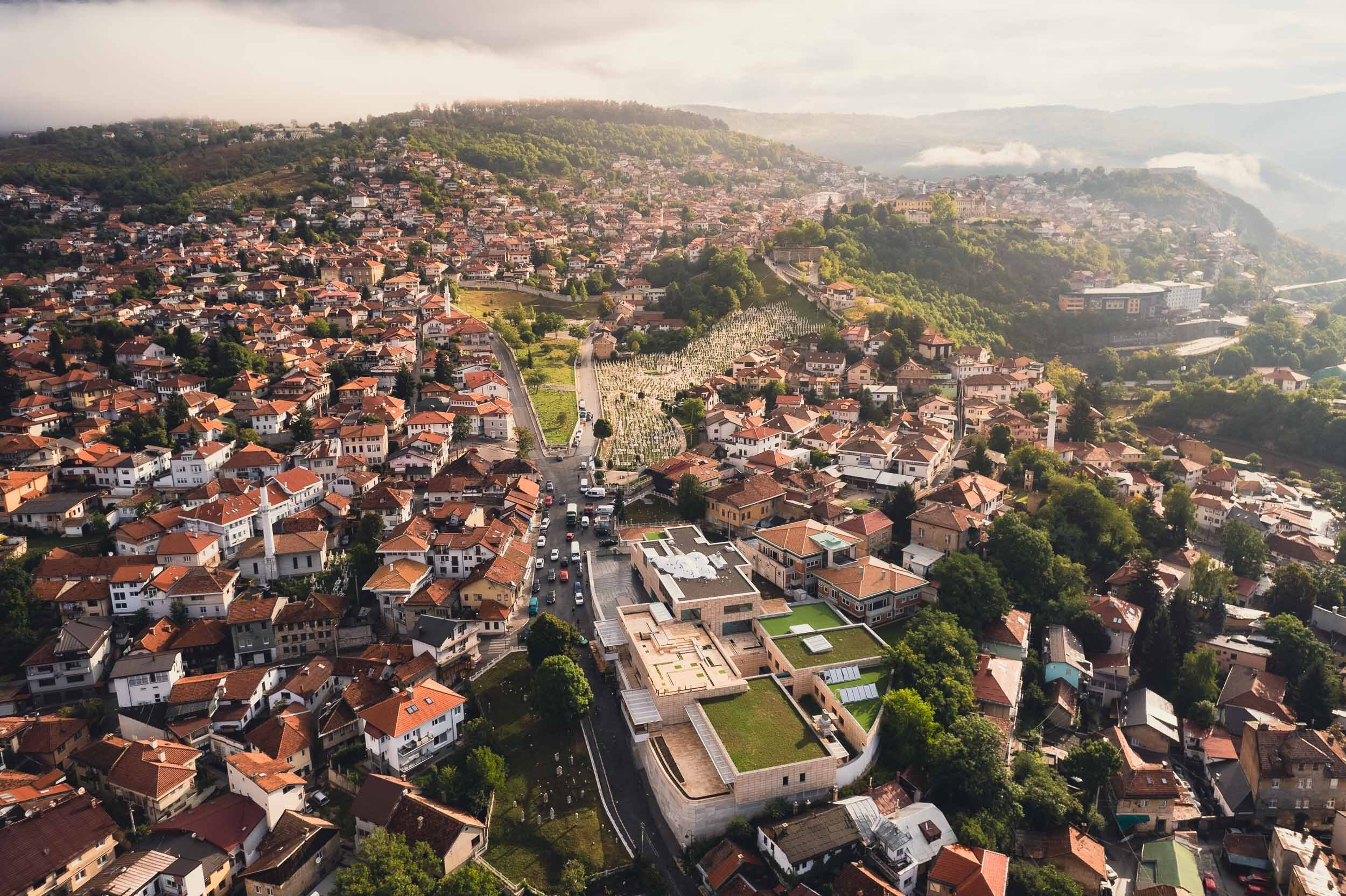
The final morning was spent on some aerial perspectives to get a better overview of the city, such as this one looking east the old town.
Histories
A top down view of the aforementioned Kovači Cemetery.
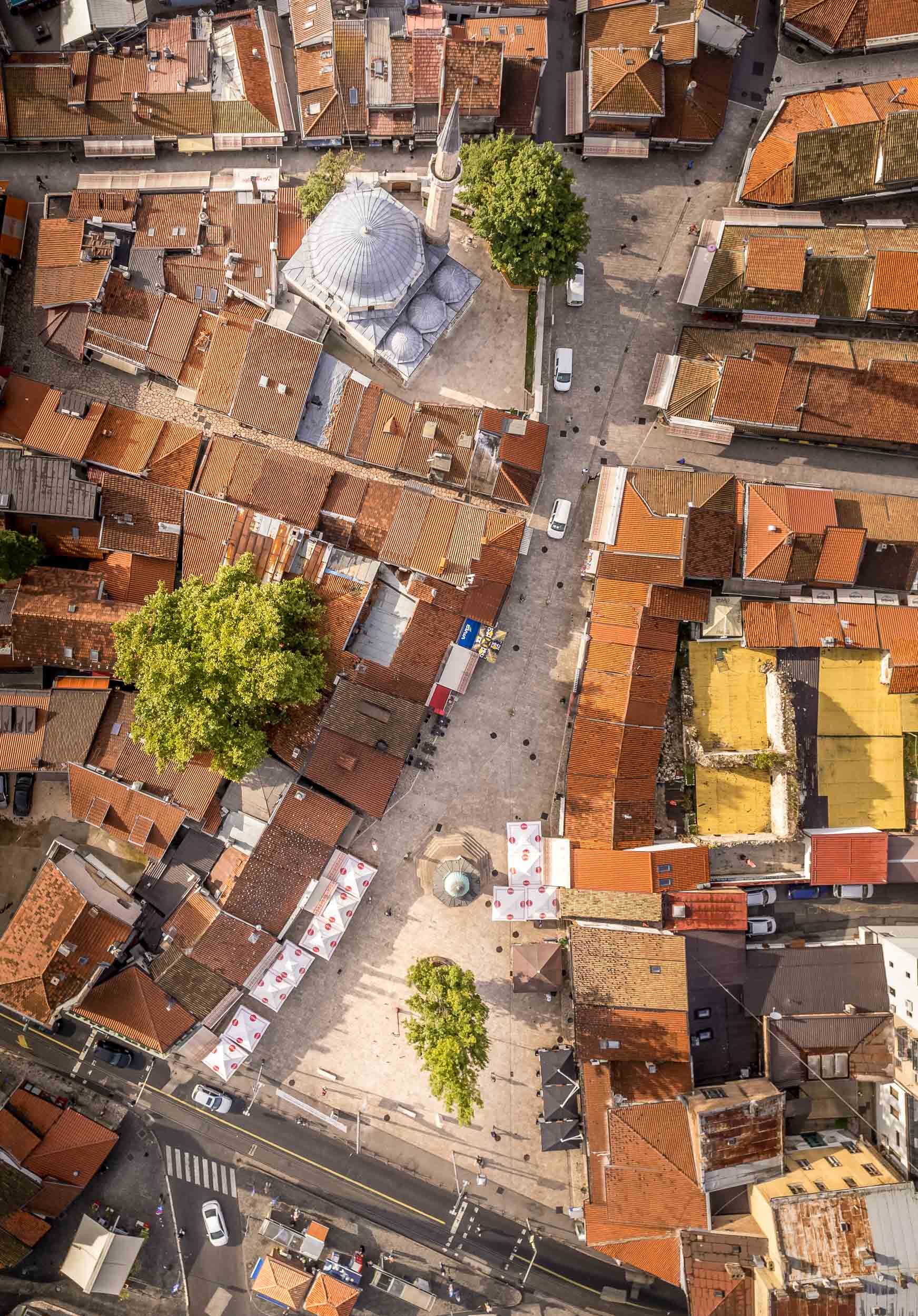
Markets
A view of the historic city centre and the 18th century Sebilj fountain in the centre.
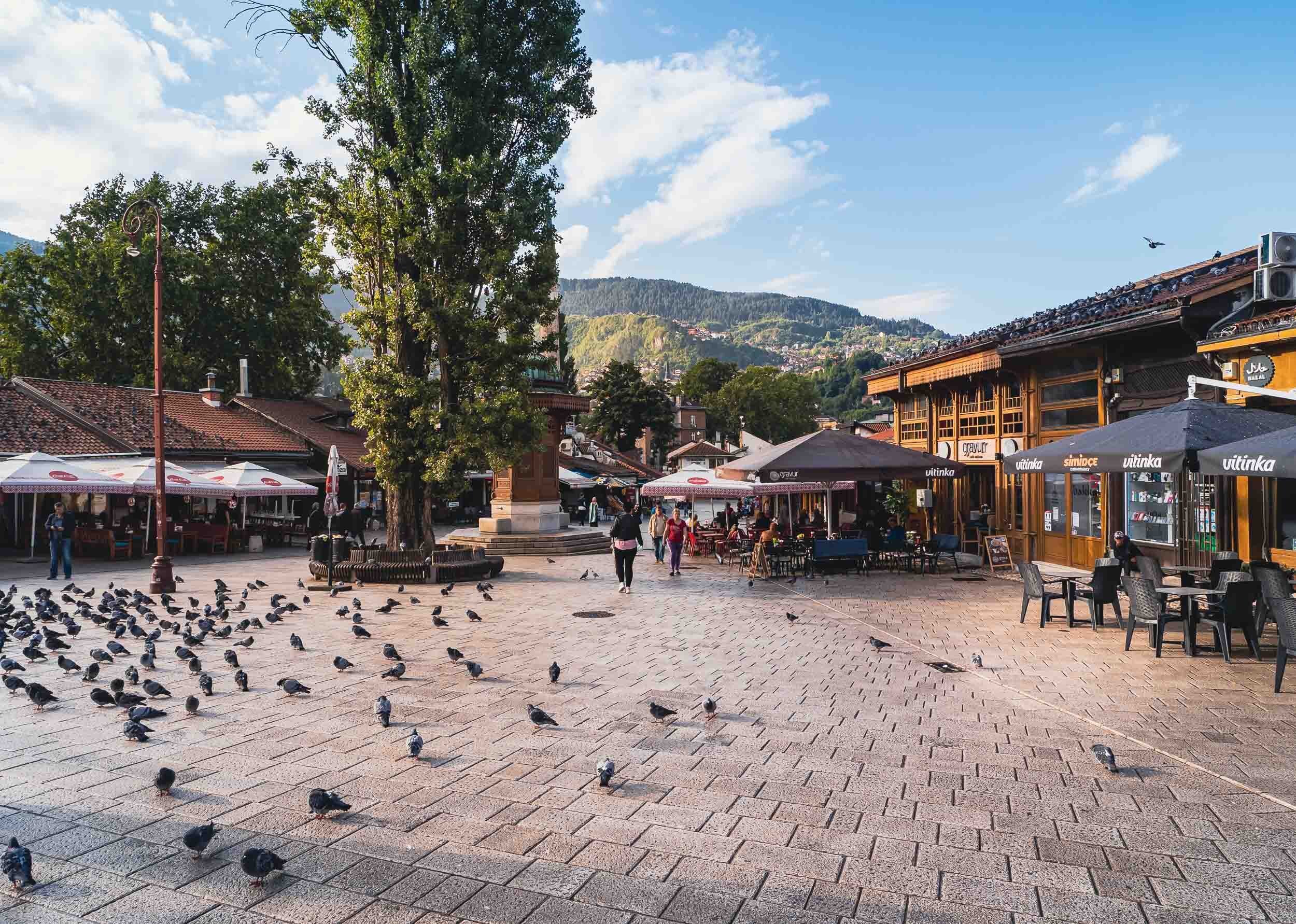
Sebilj fountain
A ground view of the Ottoman style wooden fountain from 1753.
Baščaršija
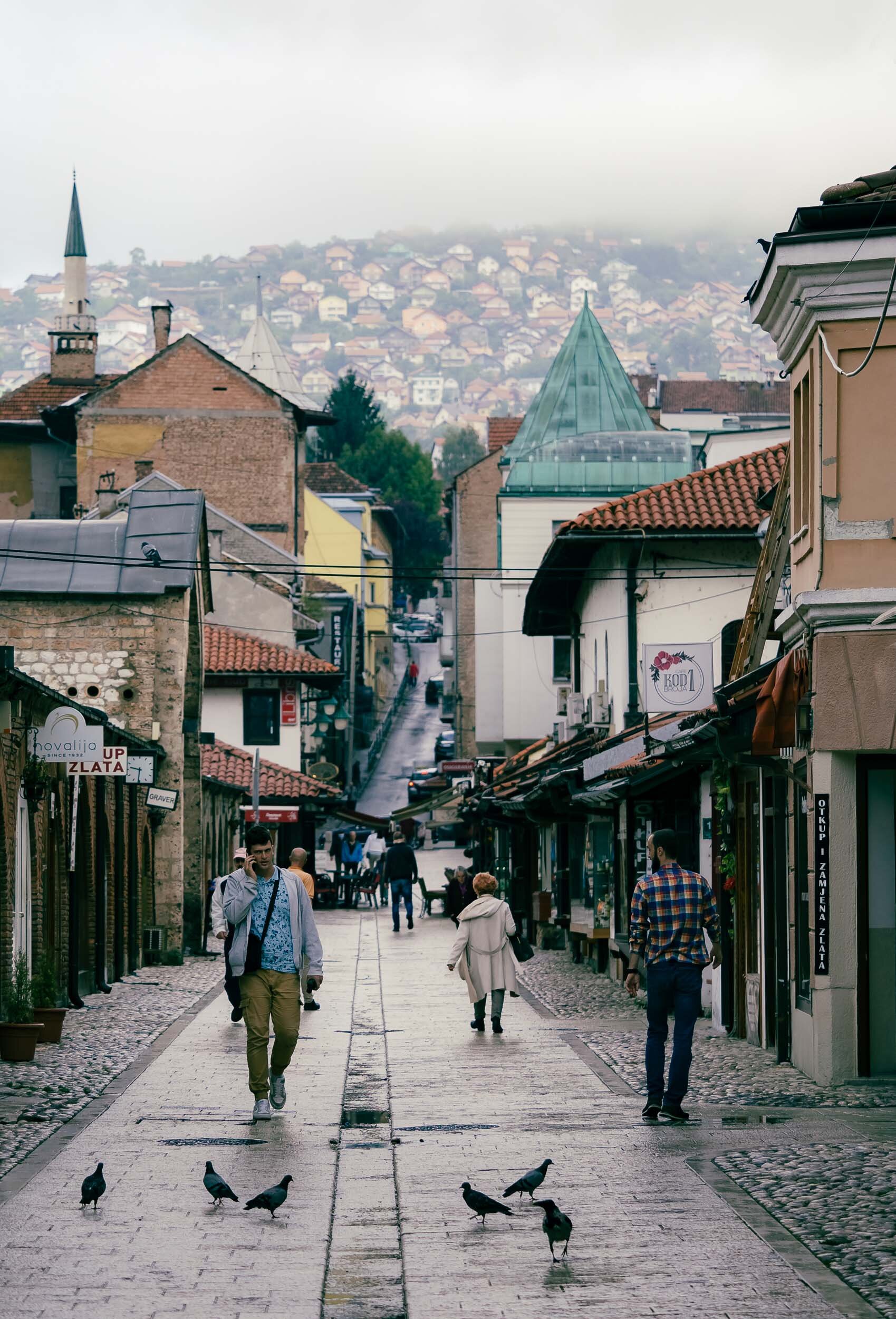
More of the streets surrounding the historic market area.
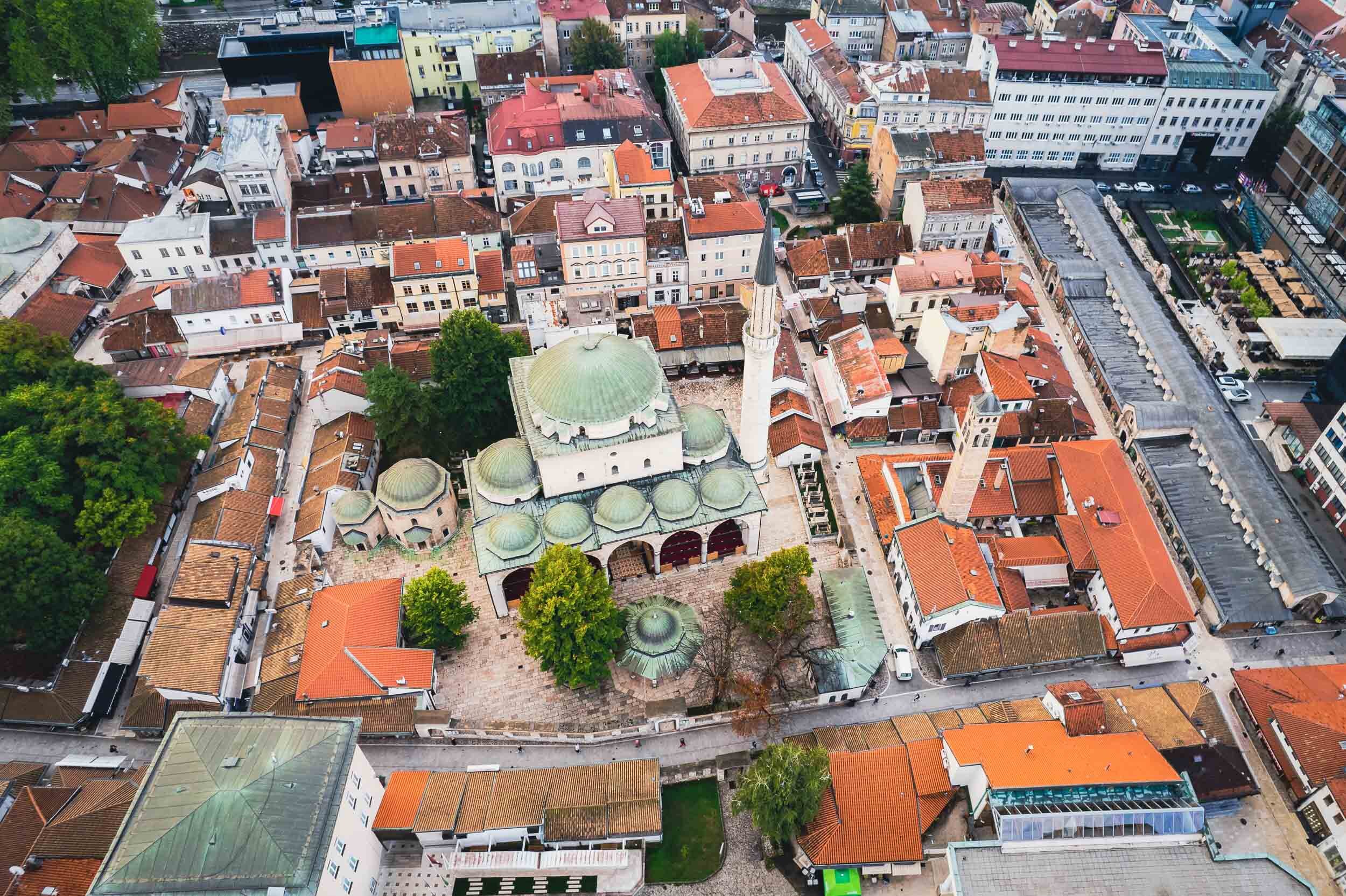
Gazi Husrev-beg Mosque
The 16th century mosque, the central fountain in front of which we have seen earlier in the series.
Obligatory
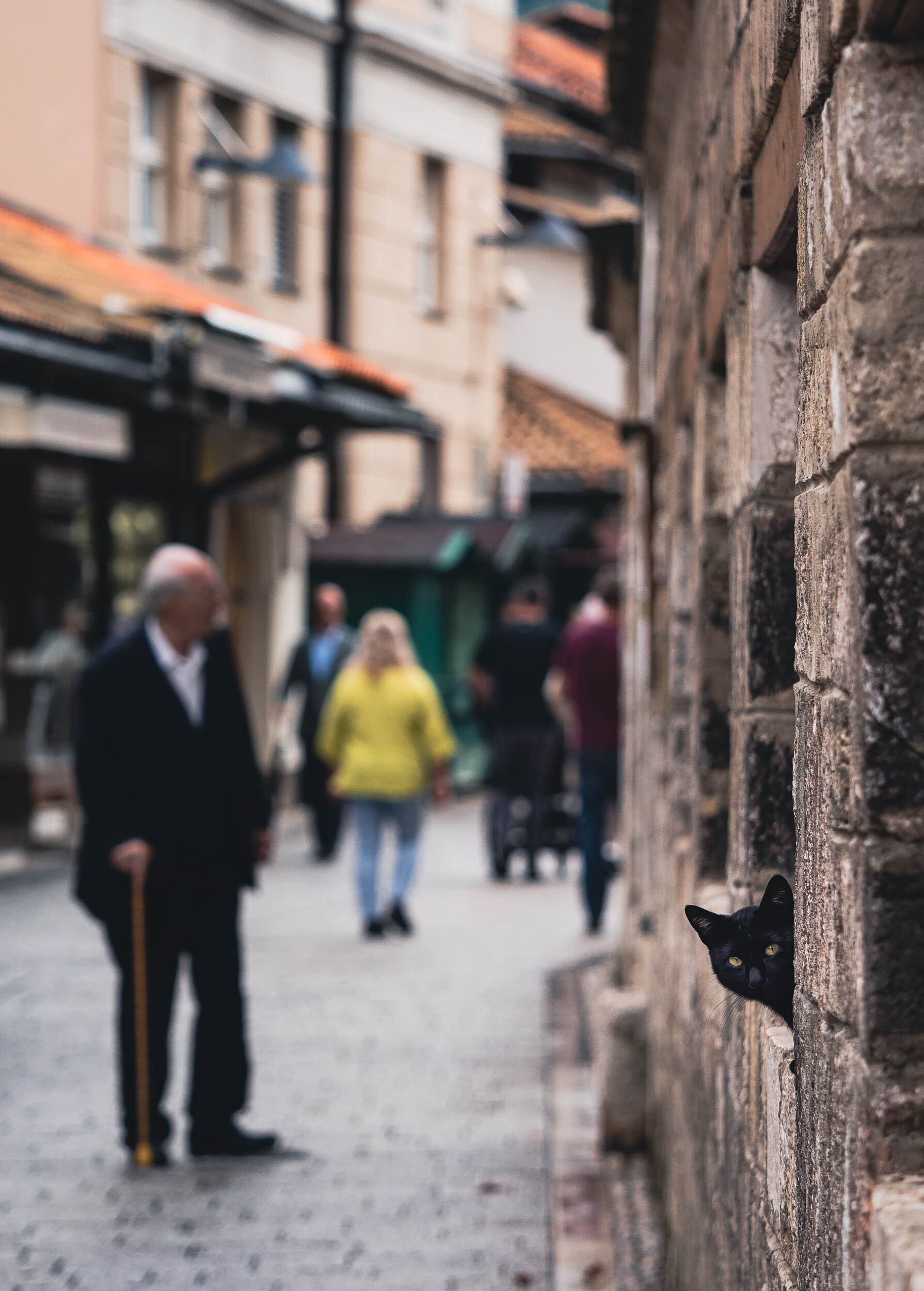
The mandatory cat photo of the series - although I took a lot more, there were so many around.
Morning Mood
Low clouds and a moody sky for the last morning walk through the streets.
Alignment
Is still a work in progress for the country.
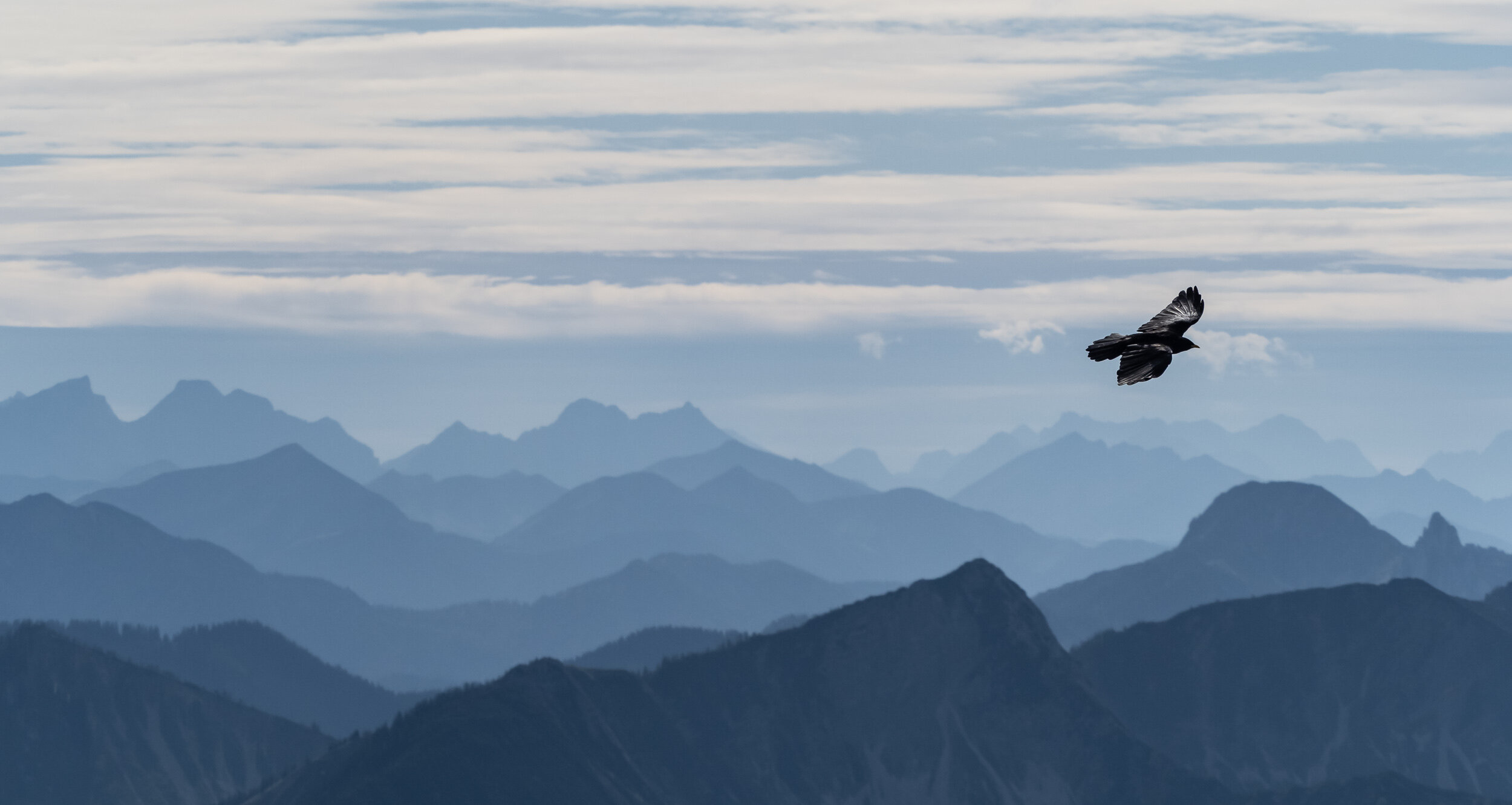
Moments
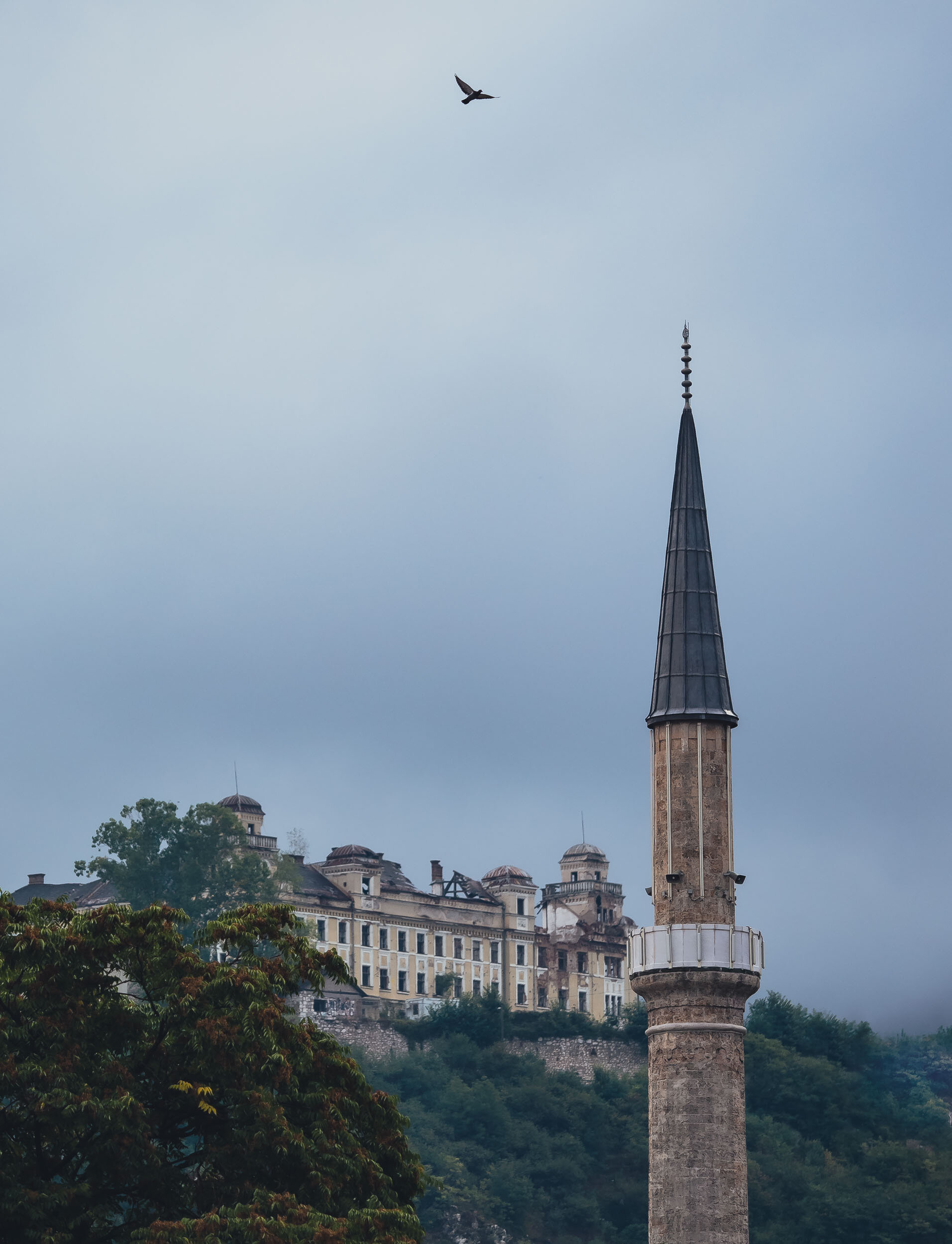
A minaret with the Jajce Barracks in the background as a bird soars above.
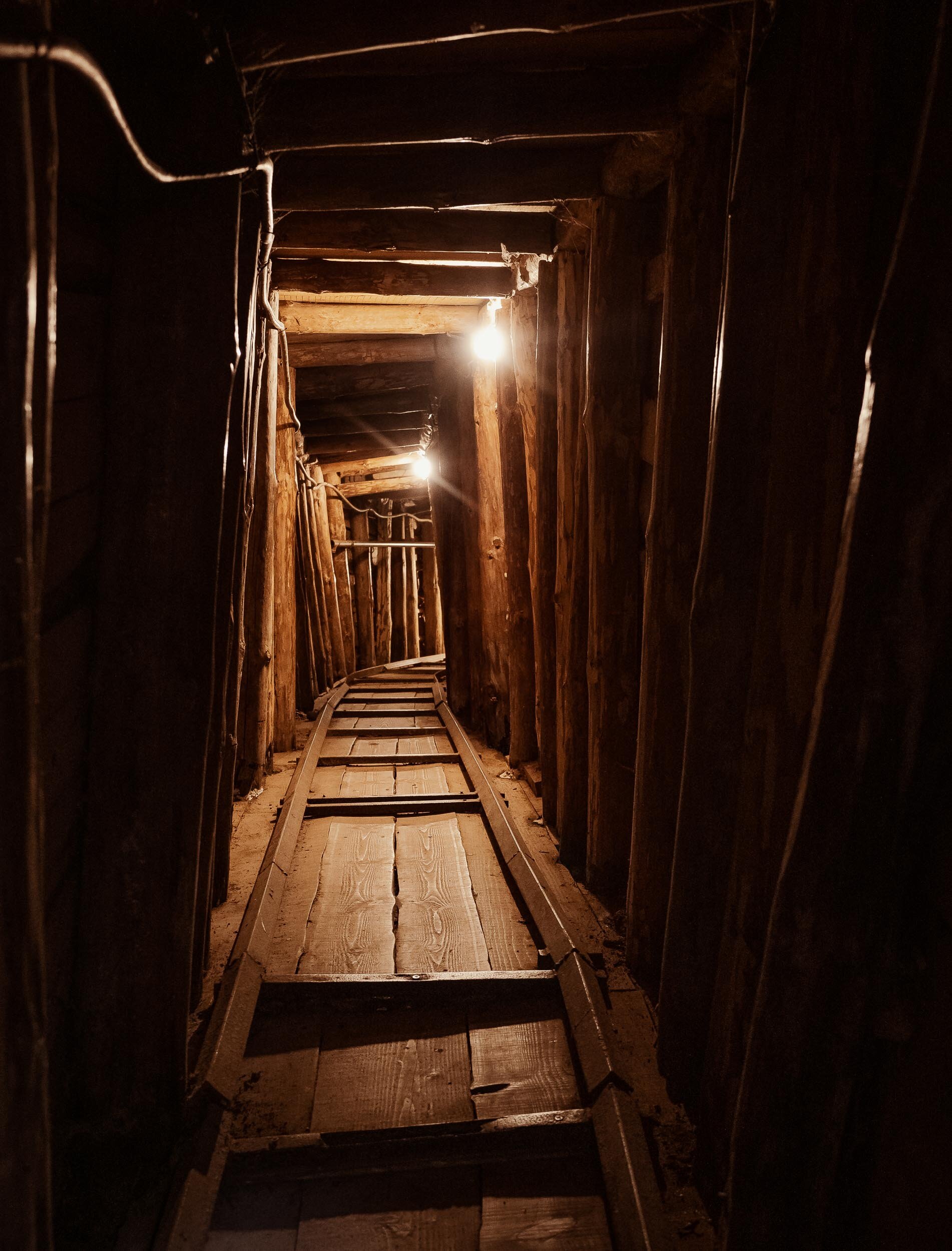
Tunnel of Hope
Our last stop near the airport was the so called Tunnel of Hope. This was the lifeline for the city of Sarajevo during the Siege.
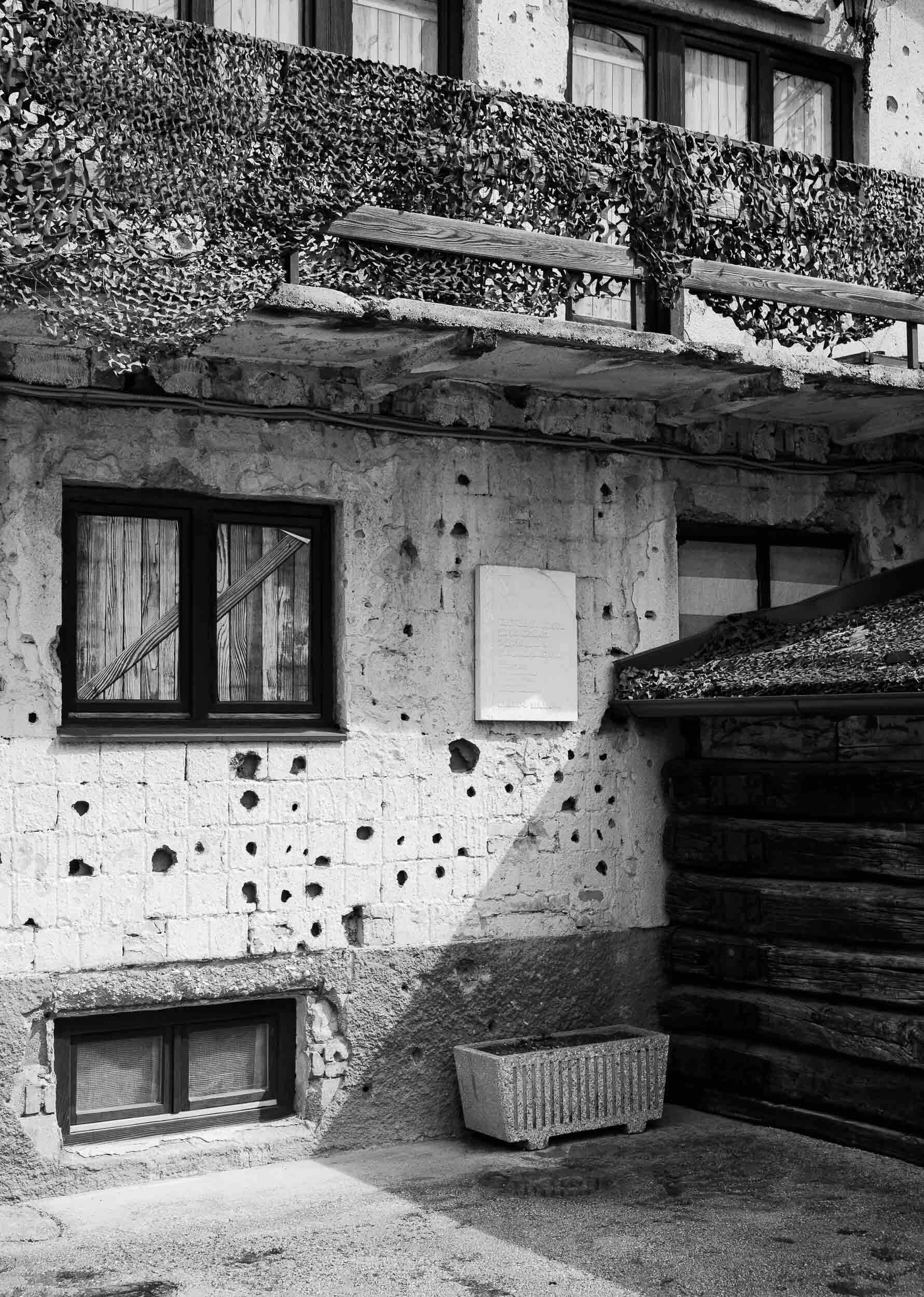
Remnants
The tunnel building shows what is still evident all around Bosnia & Herzegovnia, both visually and mentally from what I could tell - the scars of the war.
The Bavarian Alps - Blue Skies and Fluffy Clouds
Over the last year I took the chance to photograph a few of the highest peaks of the Alps around my hometown in Bavaria, Germany.
Over the last year I took the chance to photograph a few of the highest (and most accessible - yes I was lazy and mostly used railways and chairlifts to get to the top) peaks around my hometown in Bavaria, Germany. Below is a collection of images from the trips.
Wendelstein
This is one of the highest peaks in the Bavarian Alps, at over 1800m. It features a railway originally built in 1912 on one side, and a cable car on the other, and the top is home to a church, a weather station and an observatory.
Kampenwand
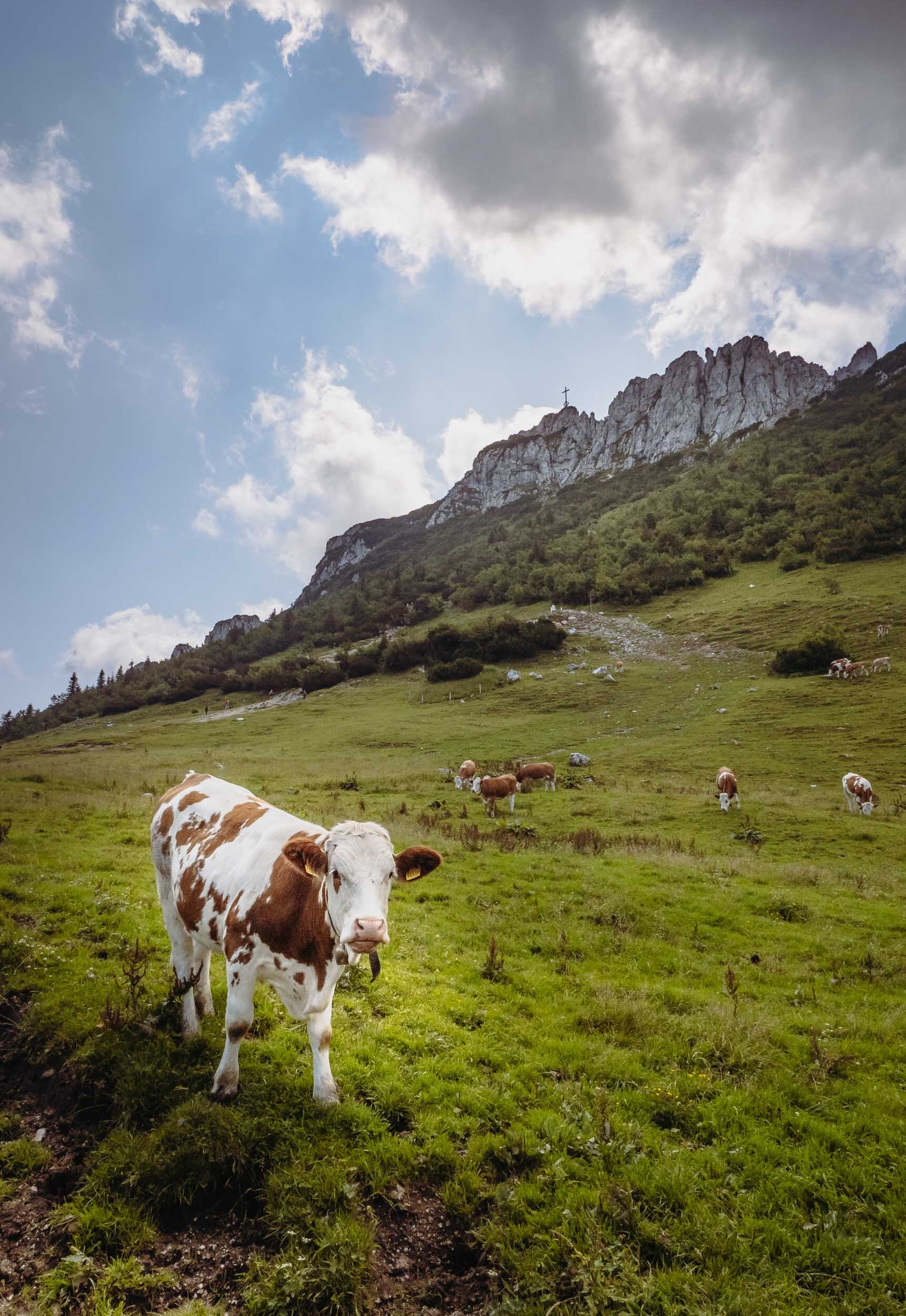
At almost 1700m and an impressive rock formation to top it off, this is a very impressive peak of the Bavarian alps. It features a 12m cross on its peak. A cable car from 1957 takes you close to the top, but the final peak is a steep hike.
Hochries
At just short of 1600m, this is the smallest of the three peaks I’ve visited. It takes a short chairlift and a cable car to reach the top, which offers beautiful views over the valley below. This area is very popular with paragliders.
Luxembourg - Small but Special
In June 2021 I took the opportunity of borders reopening as the Coronavirus situation improved to visit Luxembourg, one of the last countries in Western Europe that I have not yet had the chance to explore
In June 2021 I took the opportunity of borders reopening as the Coronavirus situation improved to visit Luxembourg, one of the last countries in Western Europe that I have not yet had the chance to explore. With less than 1 million people and an area of less than 3000 sq km, it is one of the smallest countries in the world, but at the same time has one of the highest GDP per capita.
Luxembourg features a rich history with many amazing castles dotted around the landscape, and a diverse and multicultural history and presence. Take a look at the photos below to get a glimpse of what I was able to see in 48 hours.
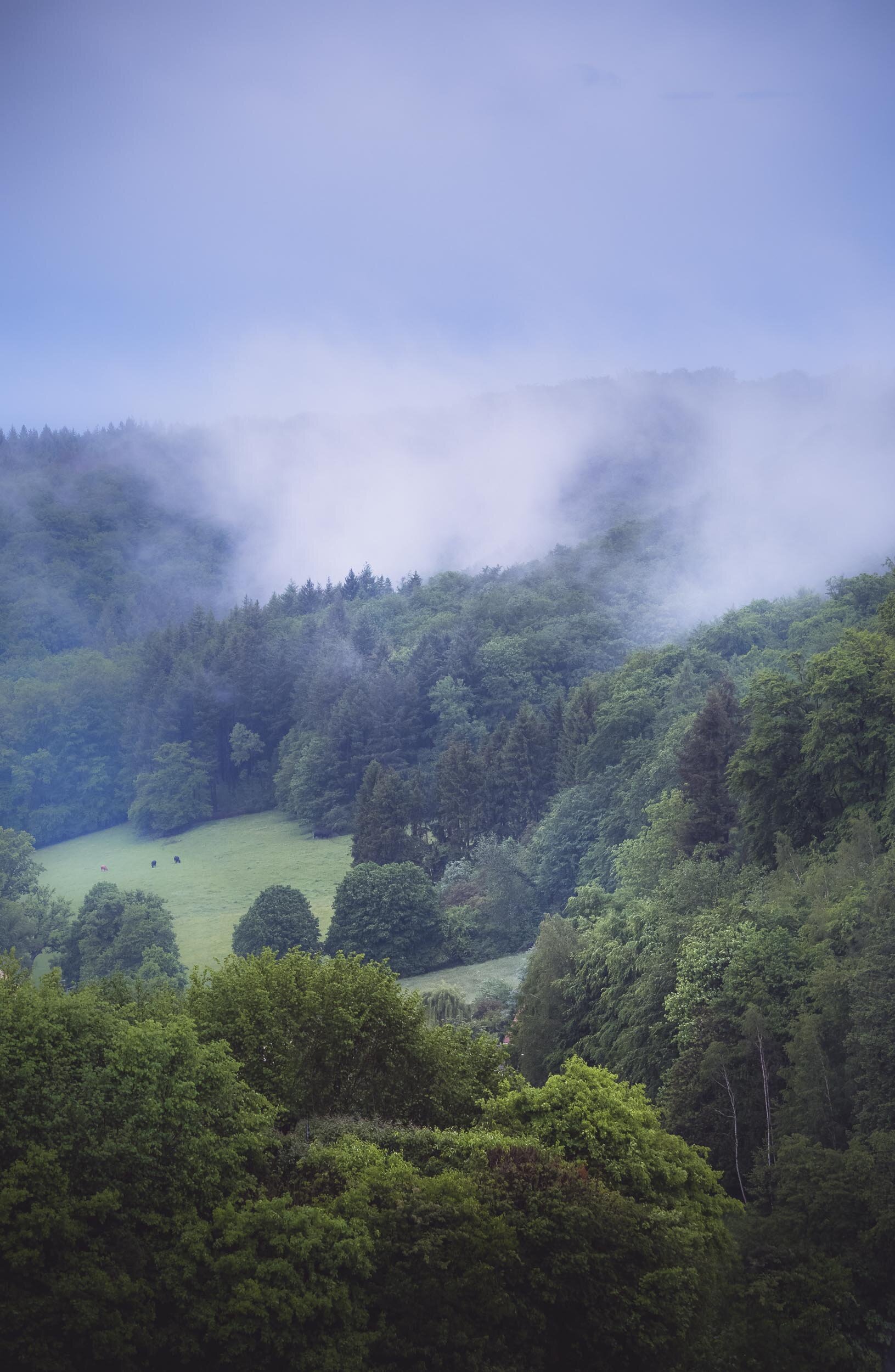
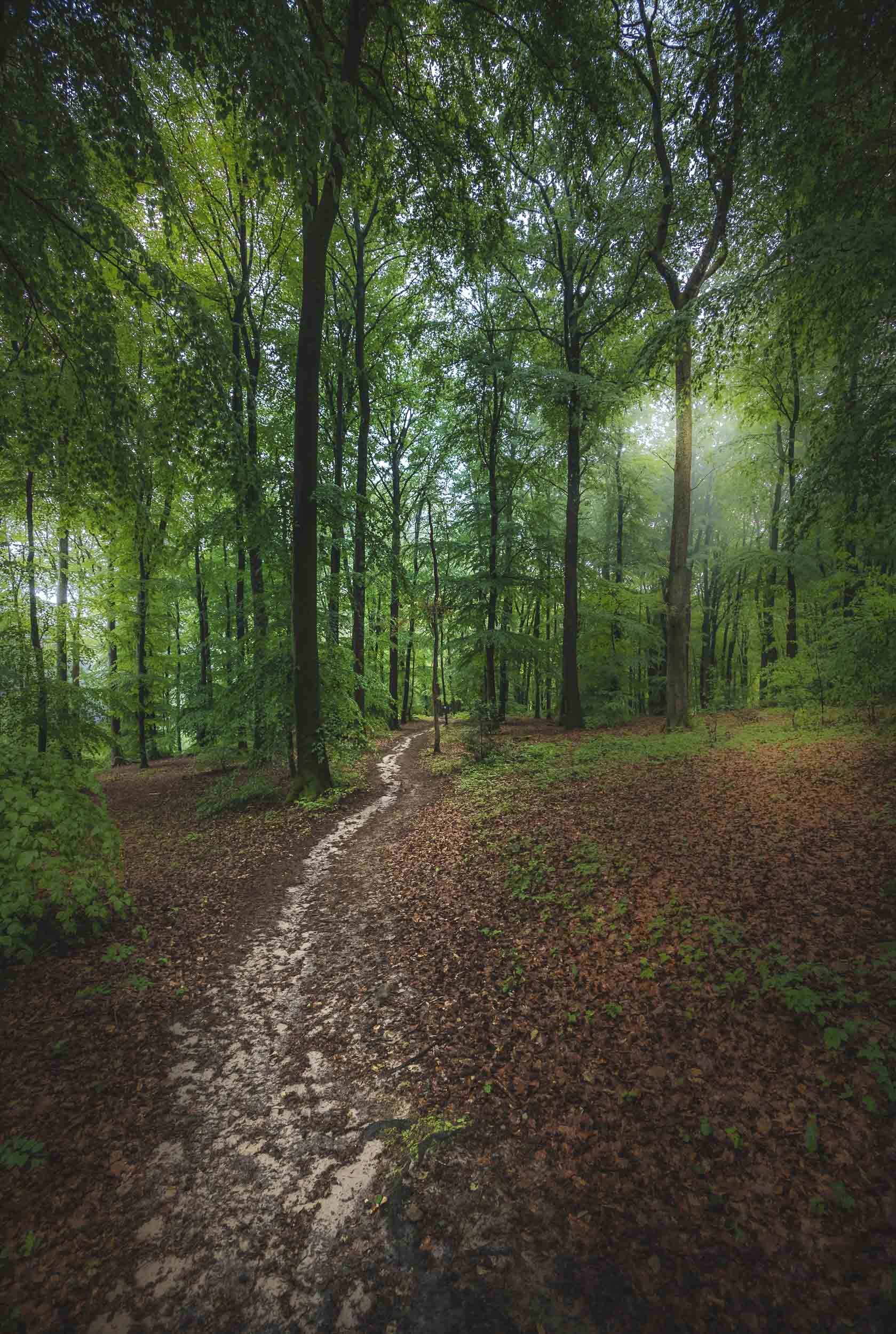
Hohllay Cave
Our first stop was in Berdorf, where you can find a small network of caves created by mining activity.
Man-made
The area was used to create circular millstones until the 19th century, so these are not natural cave structures.
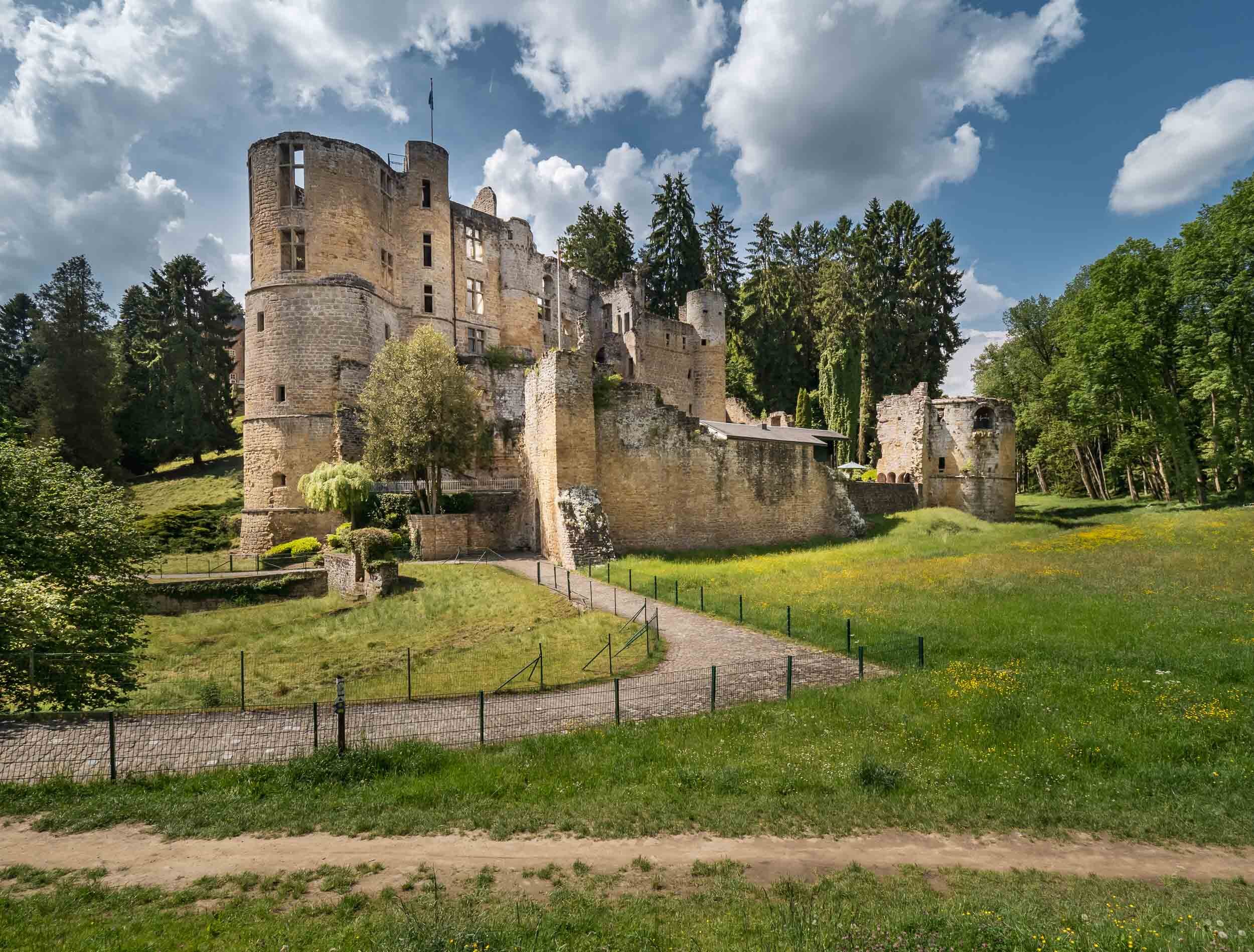
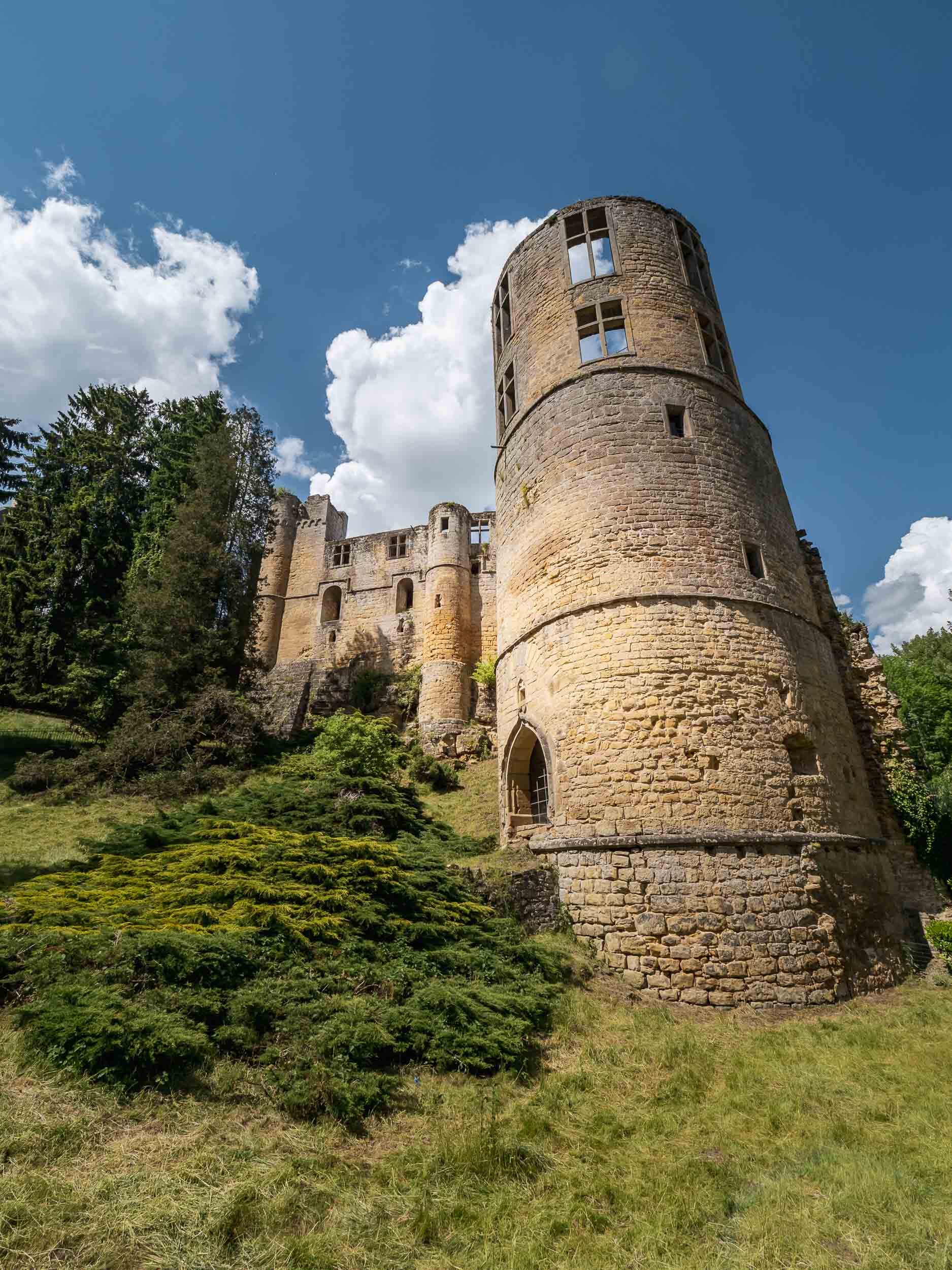
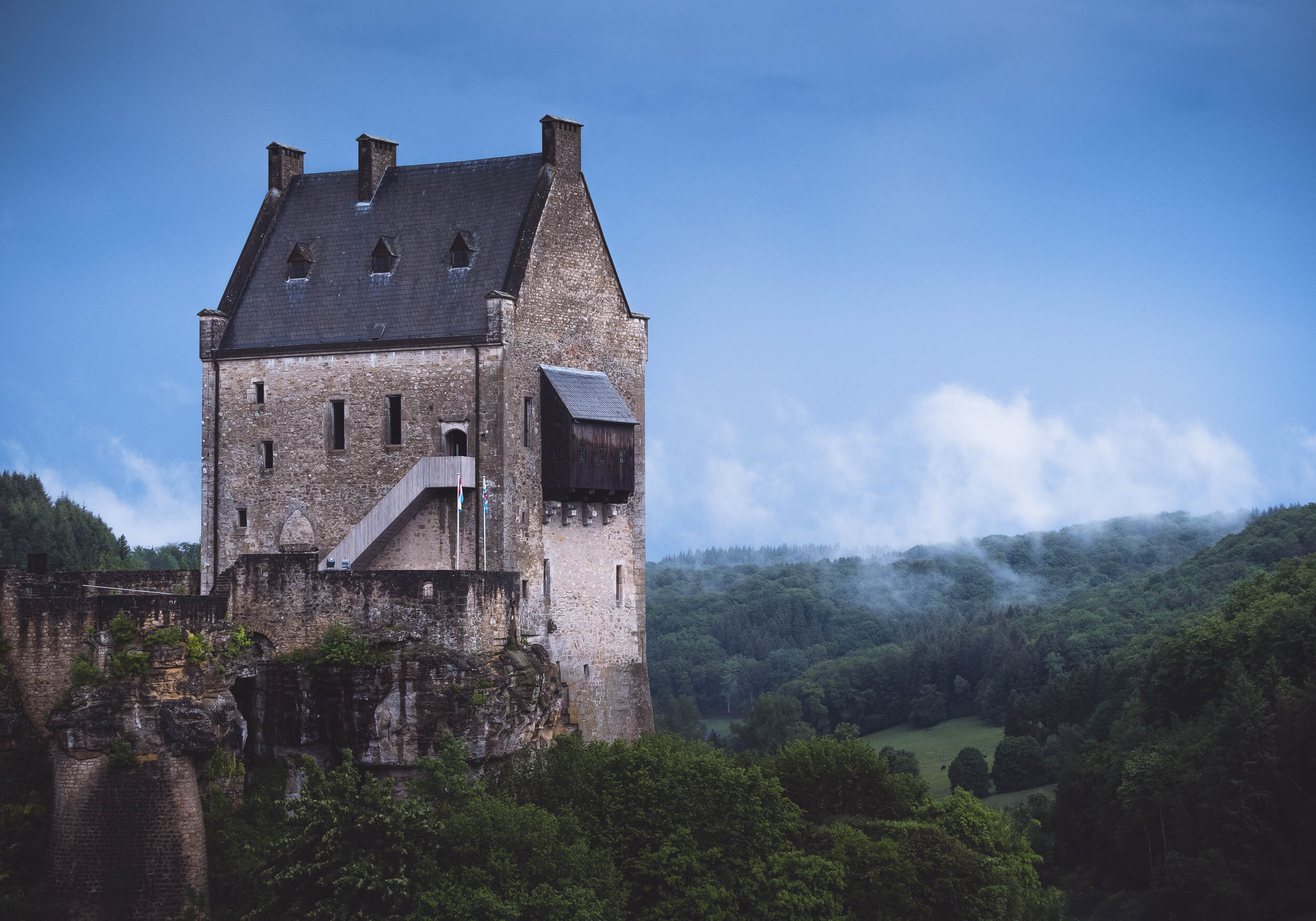
Beaufort Castle
Our second stop was Beaufort Castle, just a short drive away.
11th Century
First built almost 1000 years ago, since 1988 it has been a Luxembourg national monument.
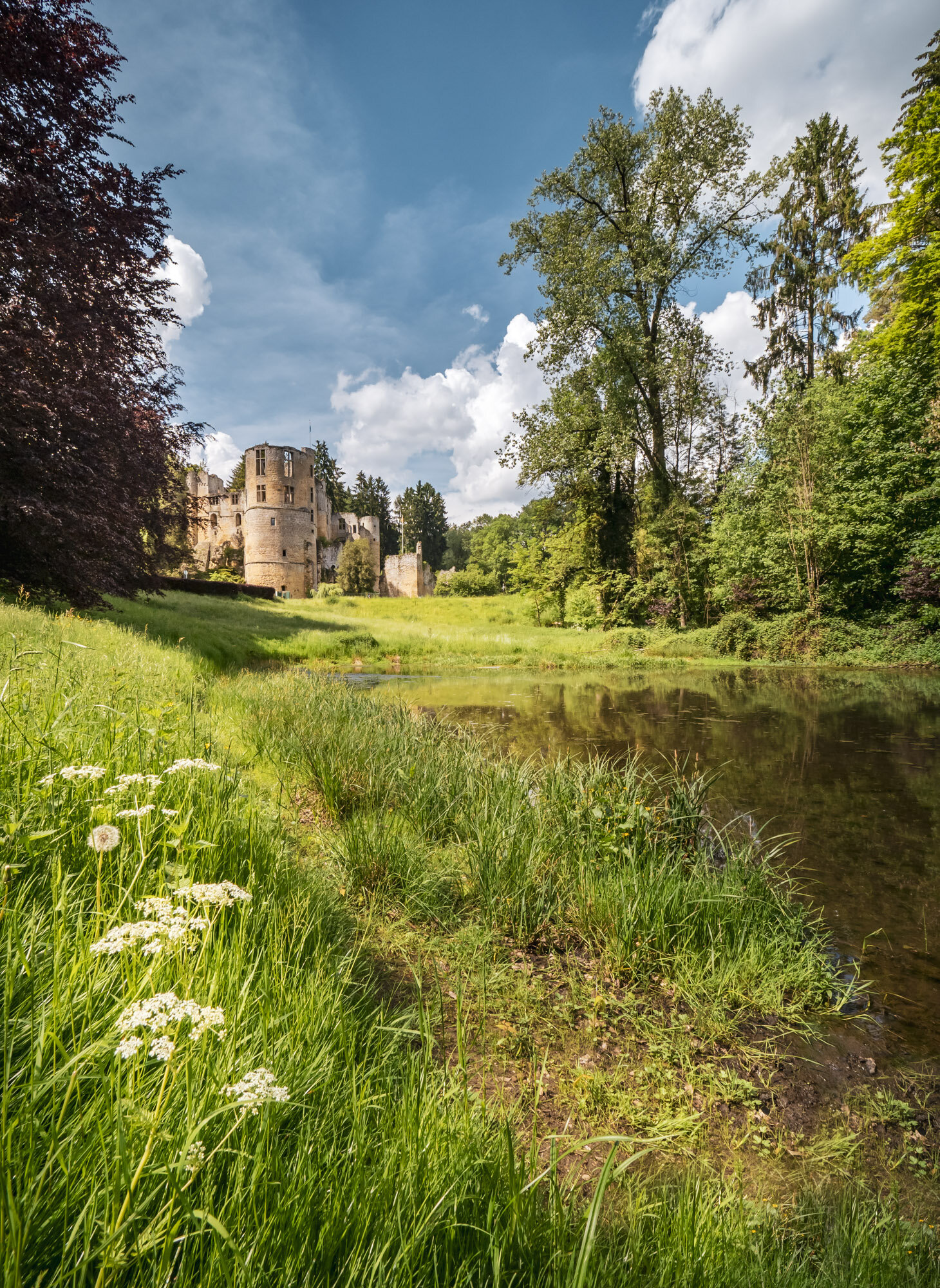
Trees
It is surrounded by a small river and beautiful forest.
Path
An elevated path leads over the grounds.
Grounds
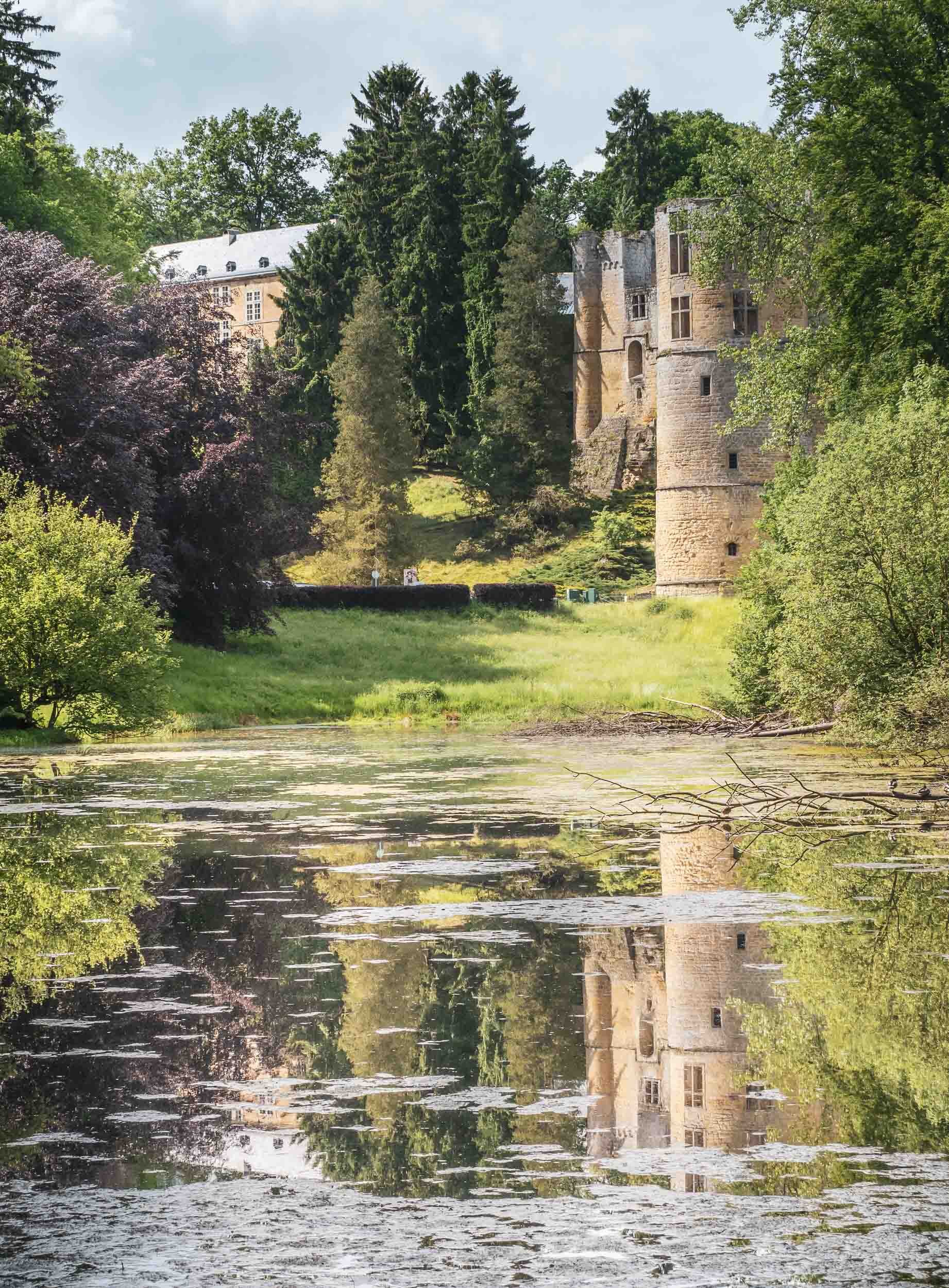
A small lake on the southern side makes for beautiful scenery.
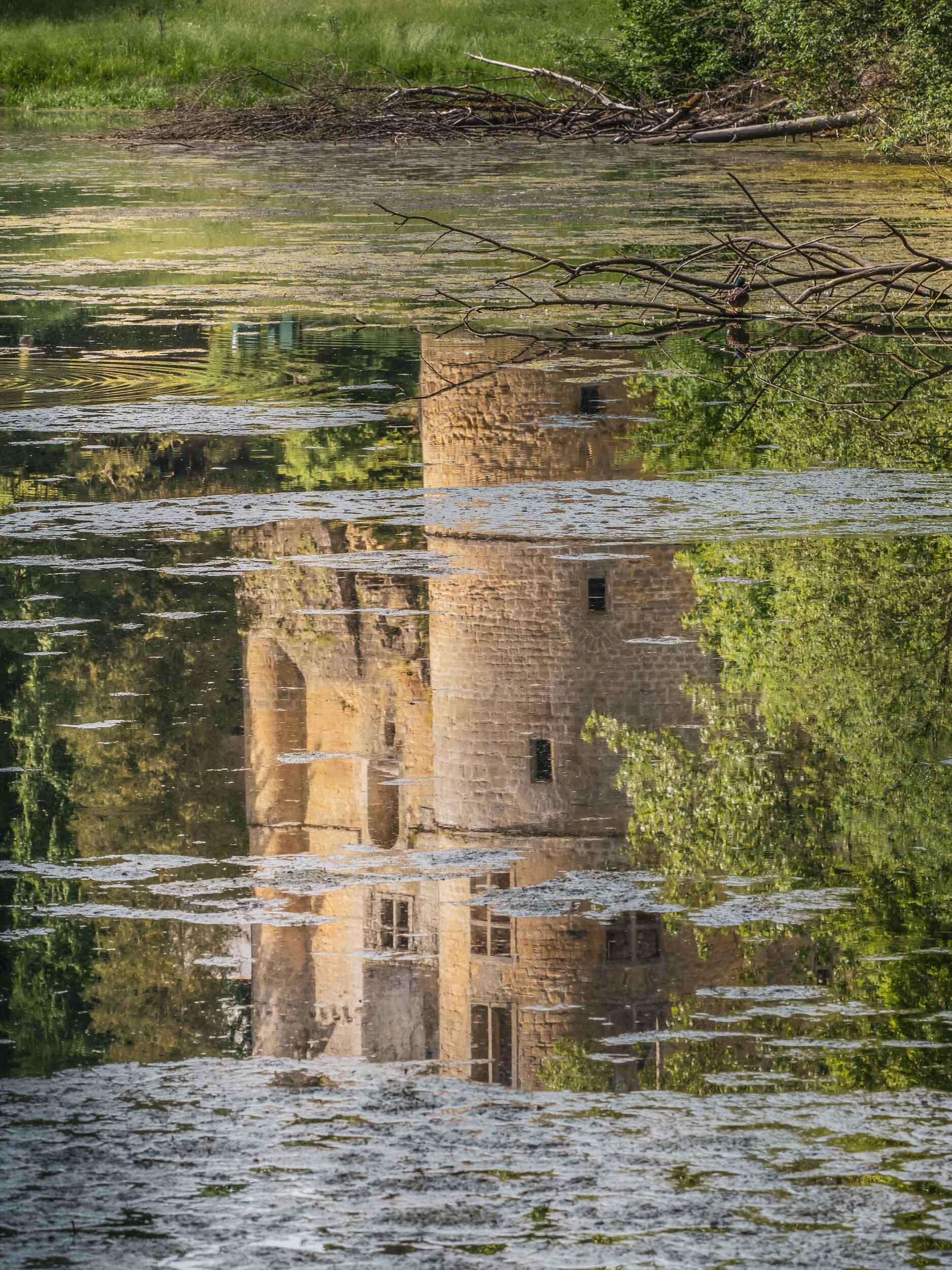
Reflections
Of course, that also means some great reflections.
Upside Down
Did I say great reflections?
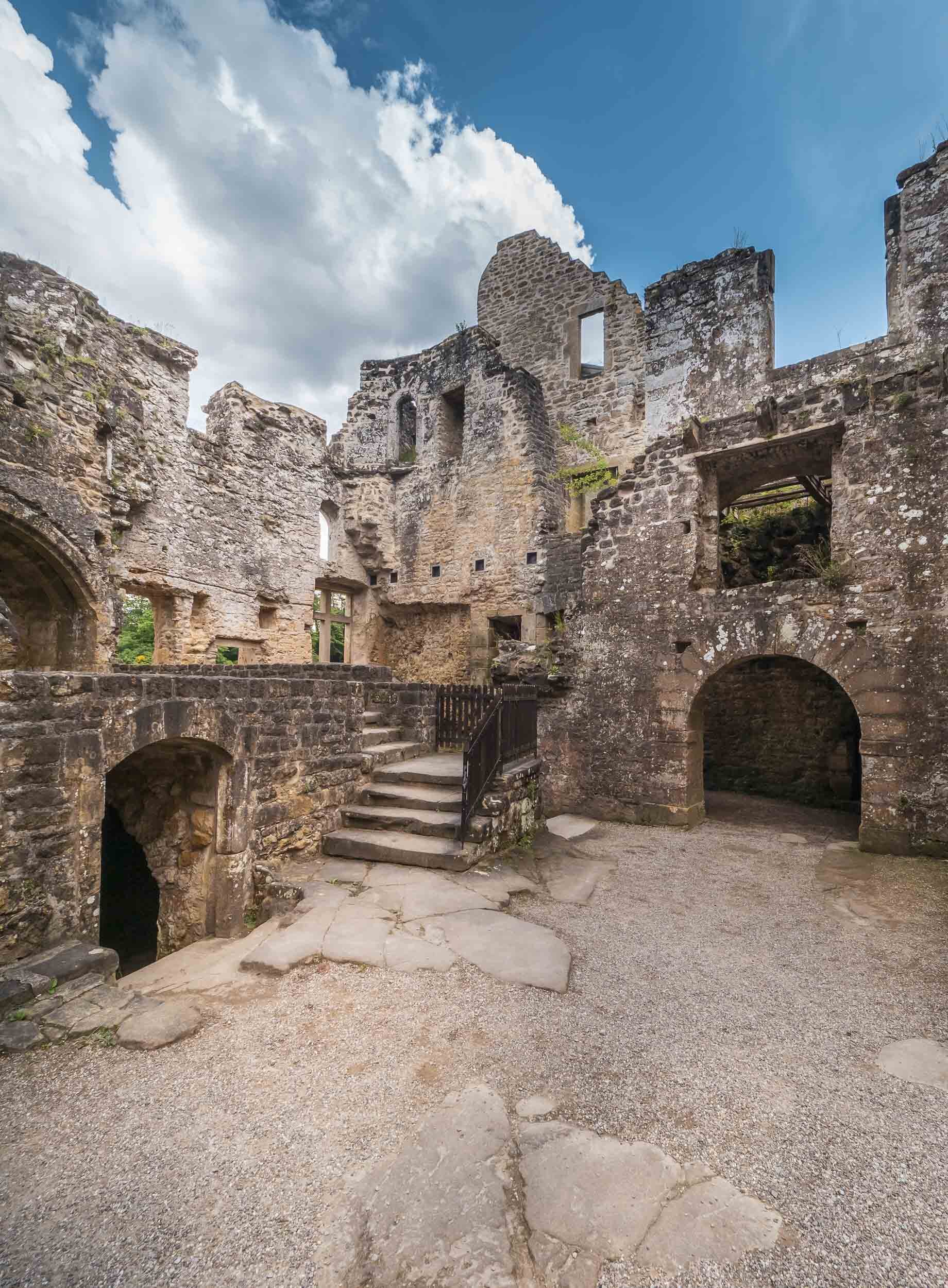
Interior
Most of the castle features medieval architecture, but a few Renaissance style extensions were added in the 1600s.
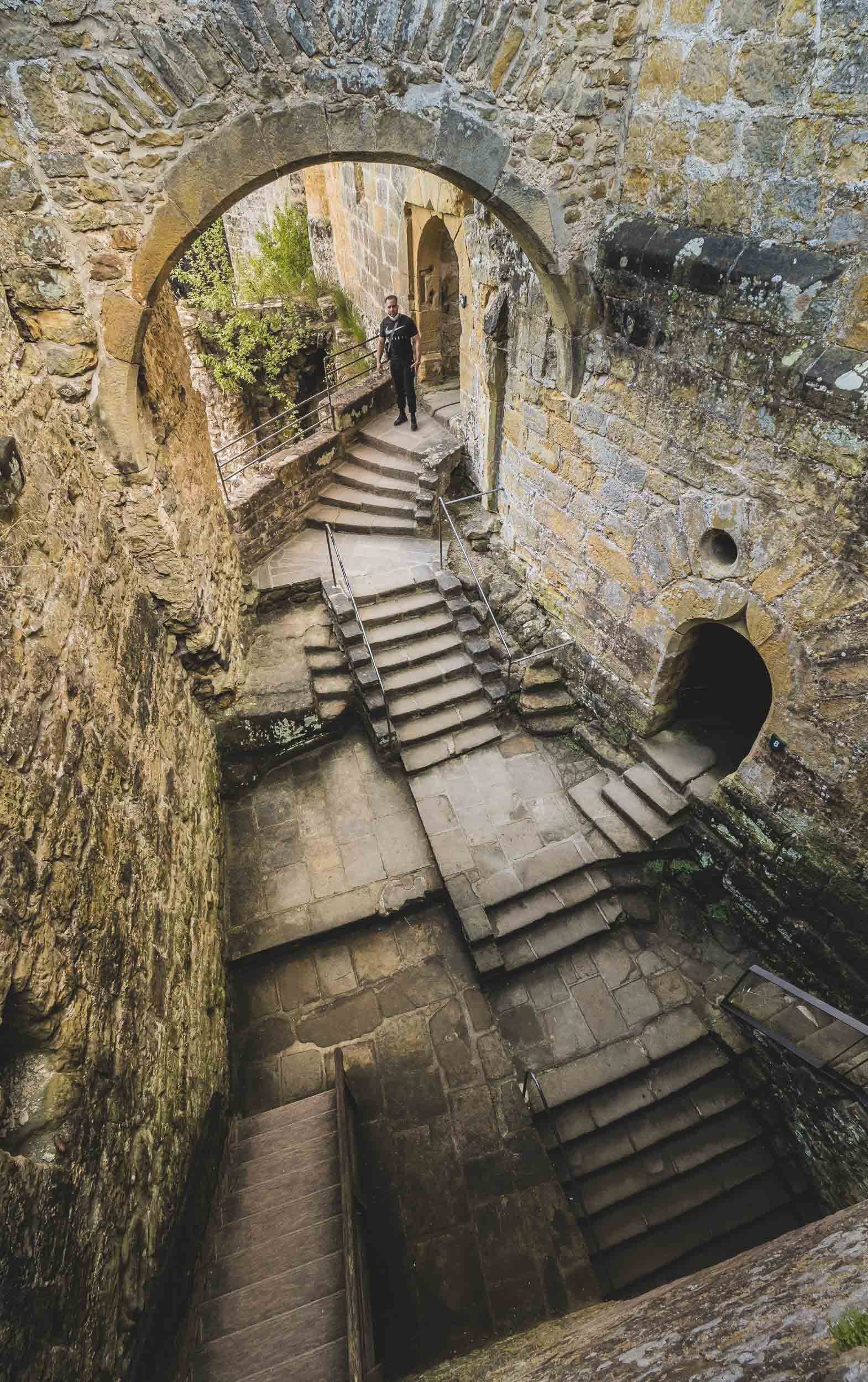
Stairs
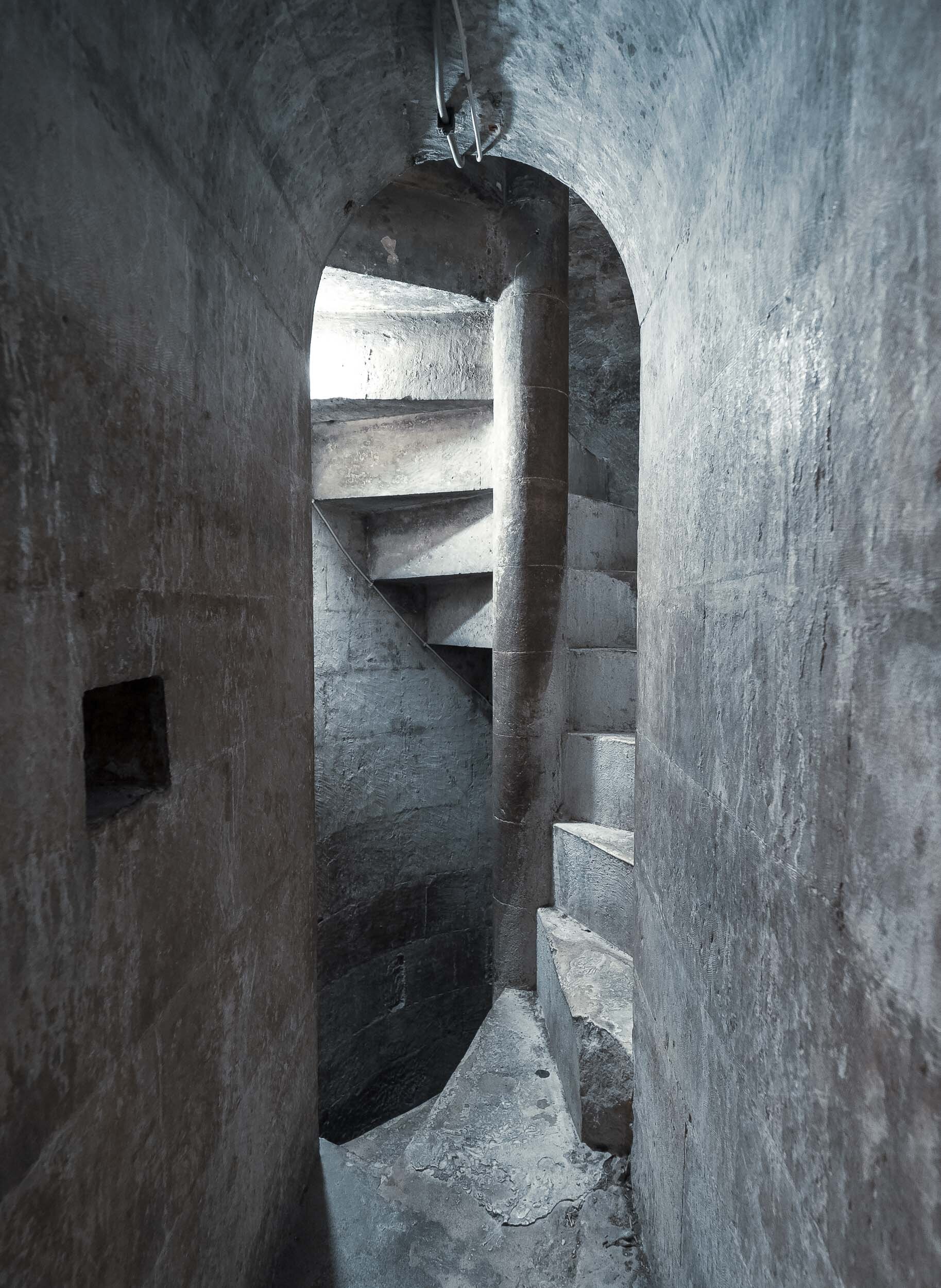
The staircases in the central section leading to the different wings.
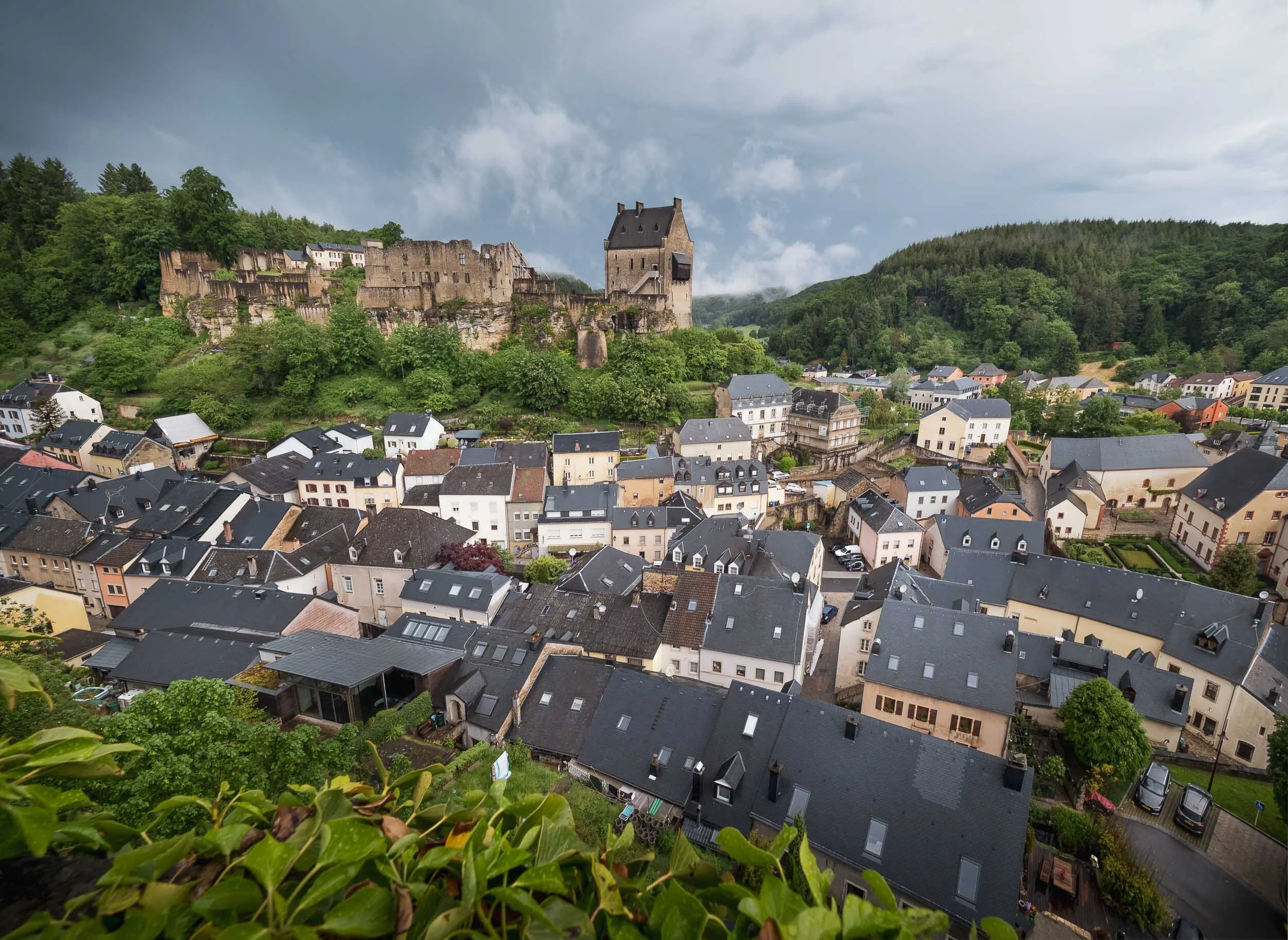
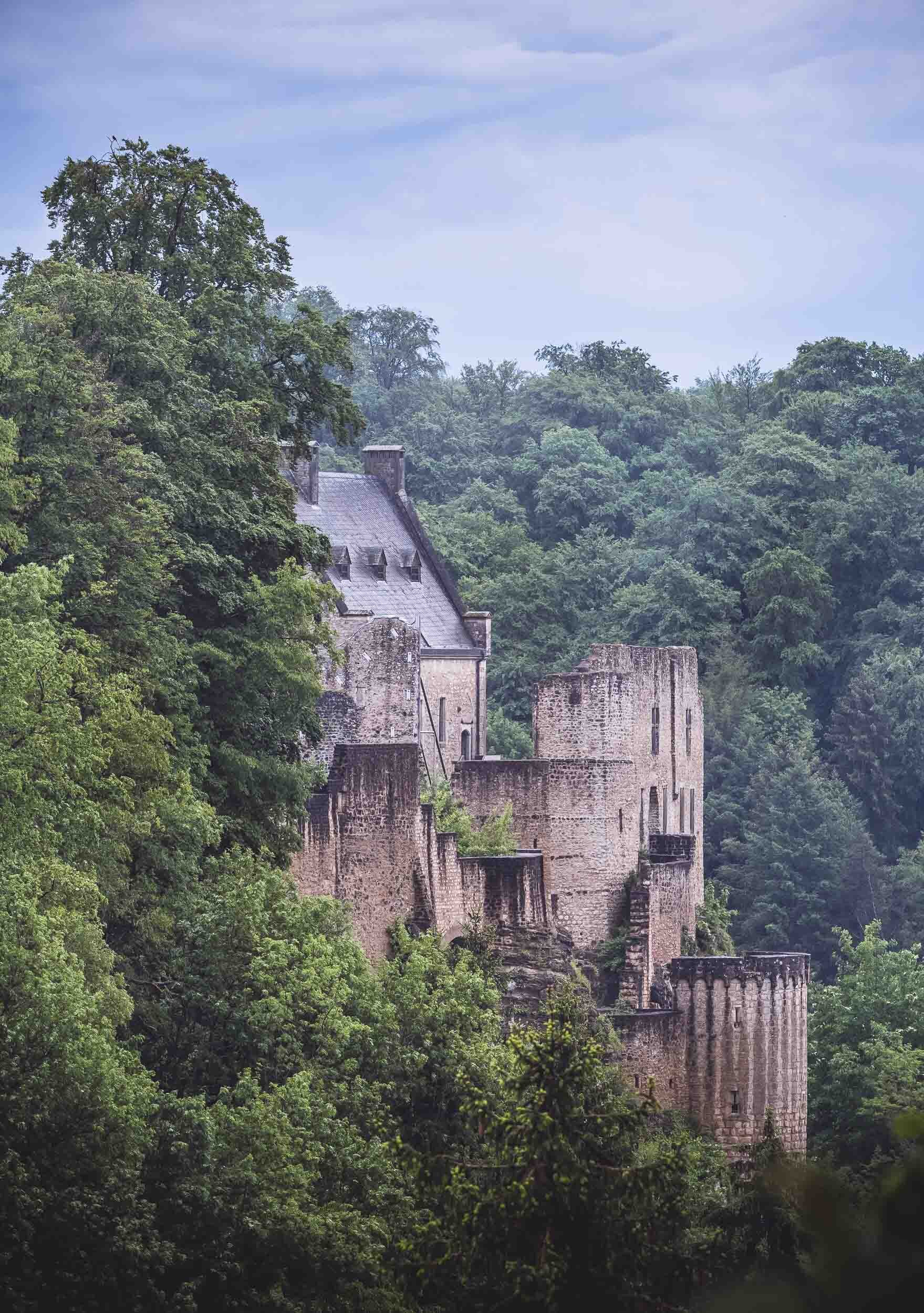
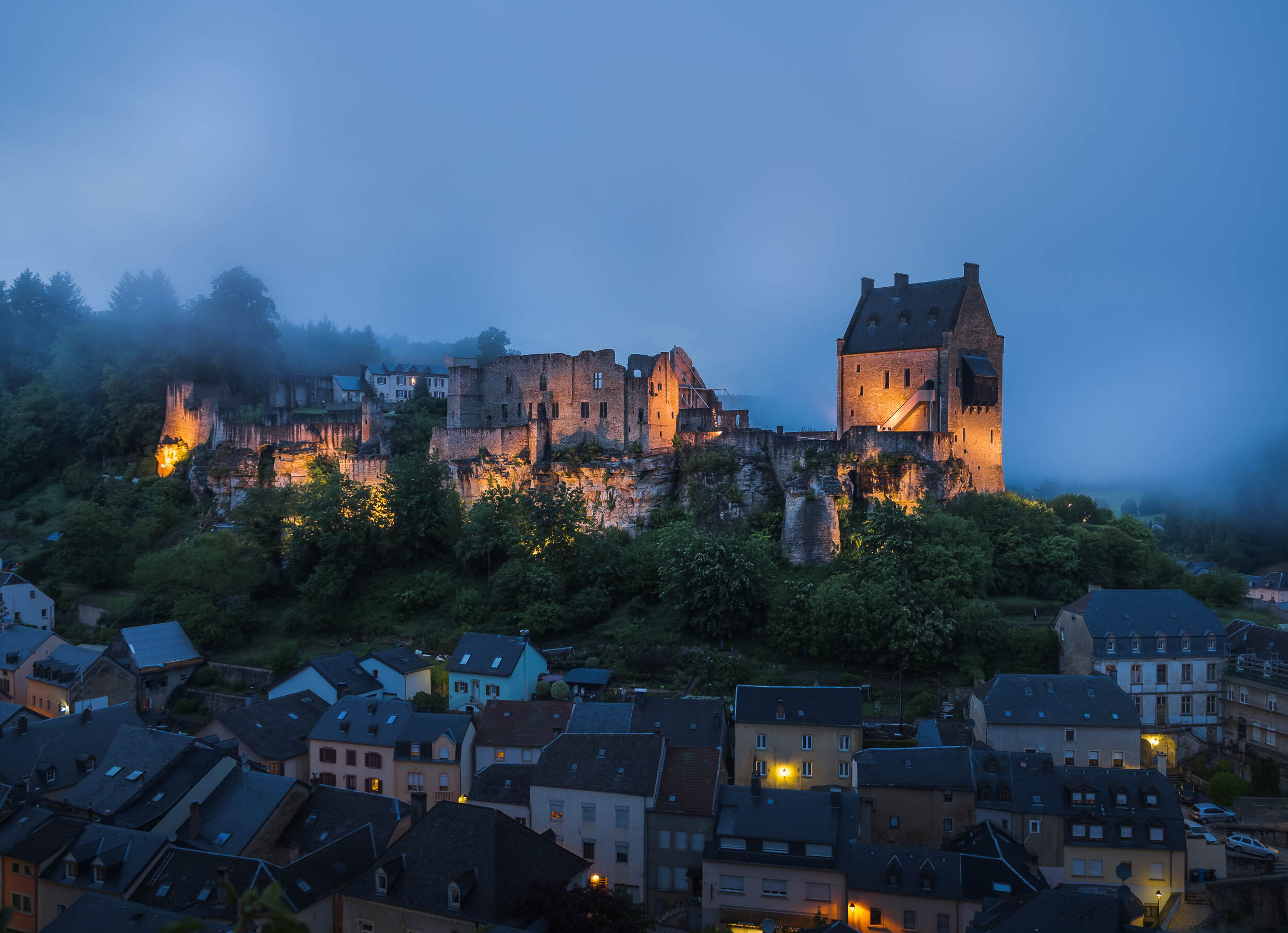
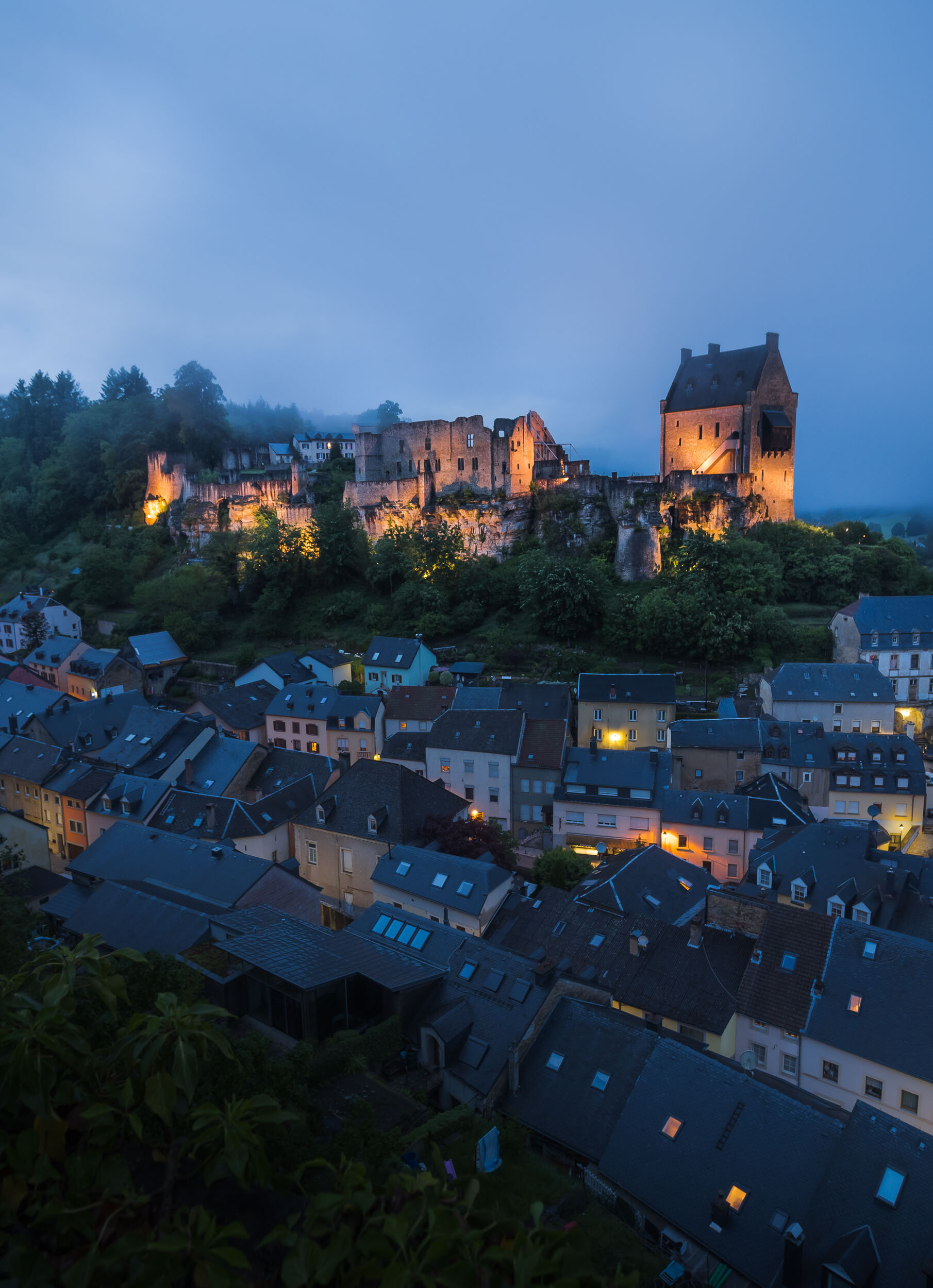
Larochette
The third stop brought us to Larochette, with another beautiful castle perched above the village. Dating from the 11th century, it was destroyed by fire at the end of the 16th century and has been restored and renovated in the 1970s.
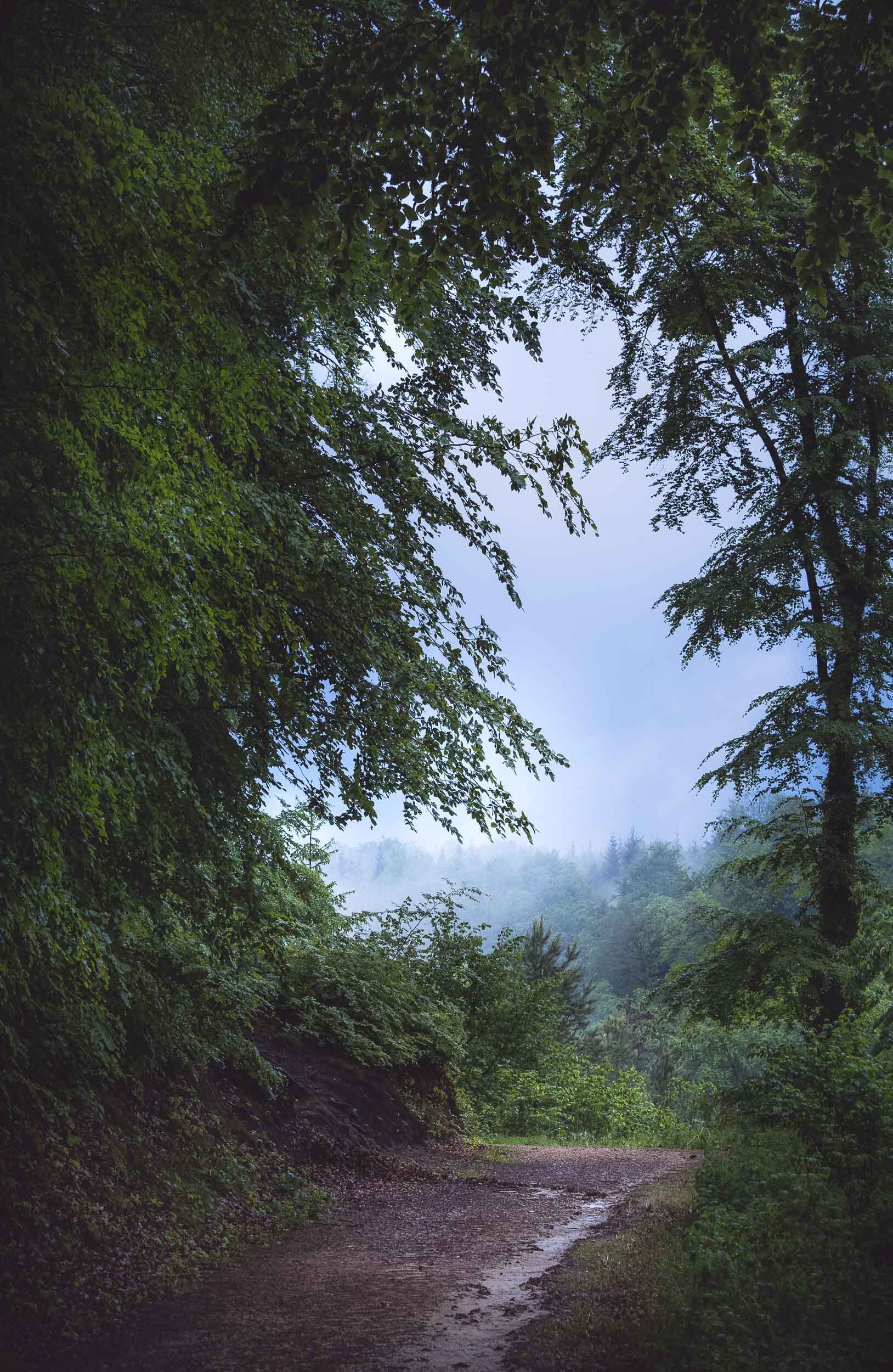
Clouds
After two hours of heavy (and I mean heavy) rain, a few clouds lingered around in the nearby forests as we made our way up to the viewpoint.
Glimpses
The surrounding hills offer a few glimpses towards the castle structure from different angles.
Post Rain
As the heavy rain subsided, the summer greenery of the forest felt twice as intense.
Path
We took them all - in total, we walked for over 40km during the 3 days.
Worth it
Much easier though when the scenery looks like this.
Low Clouds
The post-rain clouds occasionally got stuck in the trees.
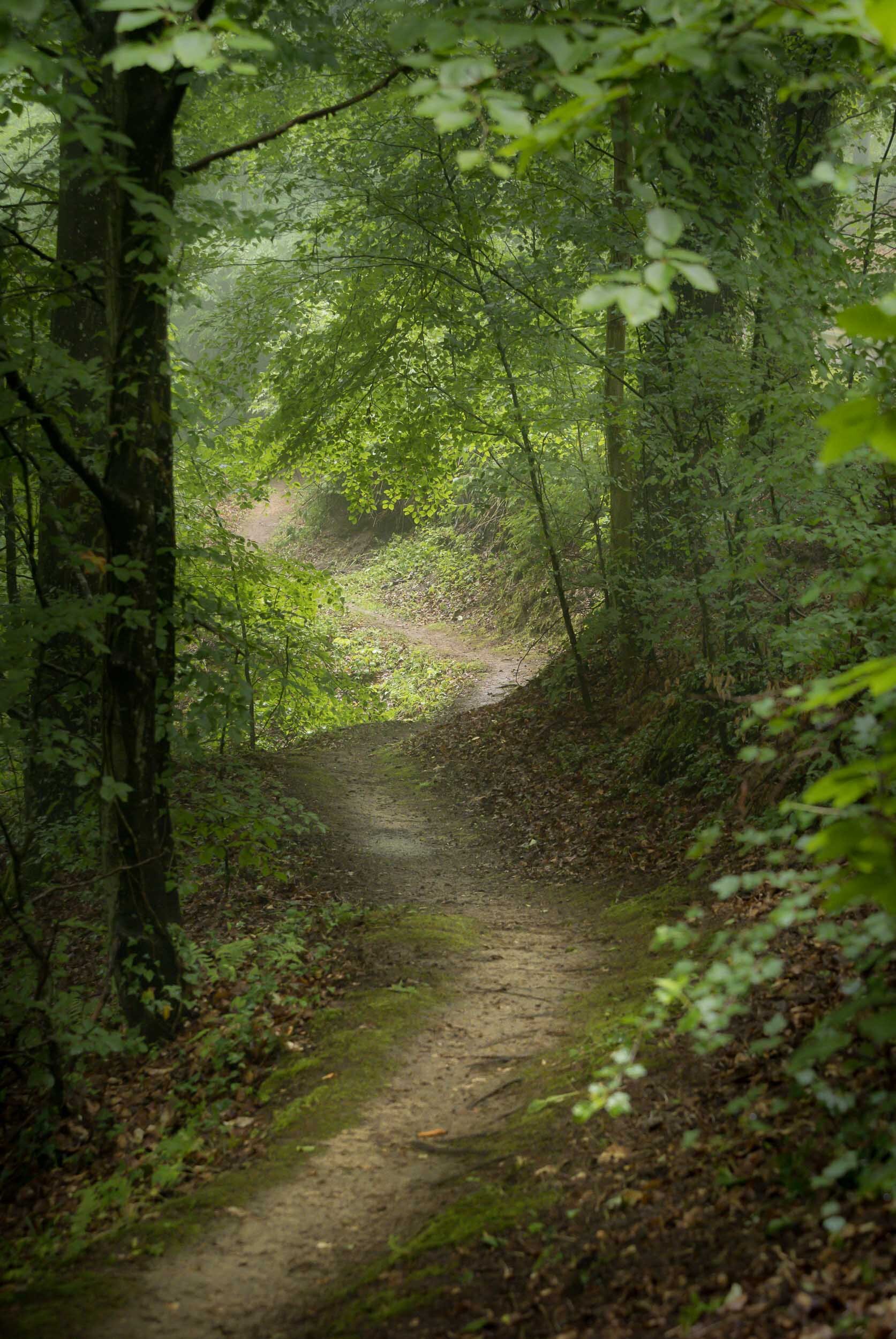
Enchanted
Another path through the forest areas surrounding Larochette.
Nightfall
We made our way back to the castle viewpoint just as the lights turned on and the sky darkened.
Commitment
To get these shots took some commitment - specifically a barefoot adventure through 5cm deep ice cold rain water.
Panoramic
A full view of Larochette.
Day 2
We spent our second day in Luxembourg city, the capital and home to around 125,000 people.
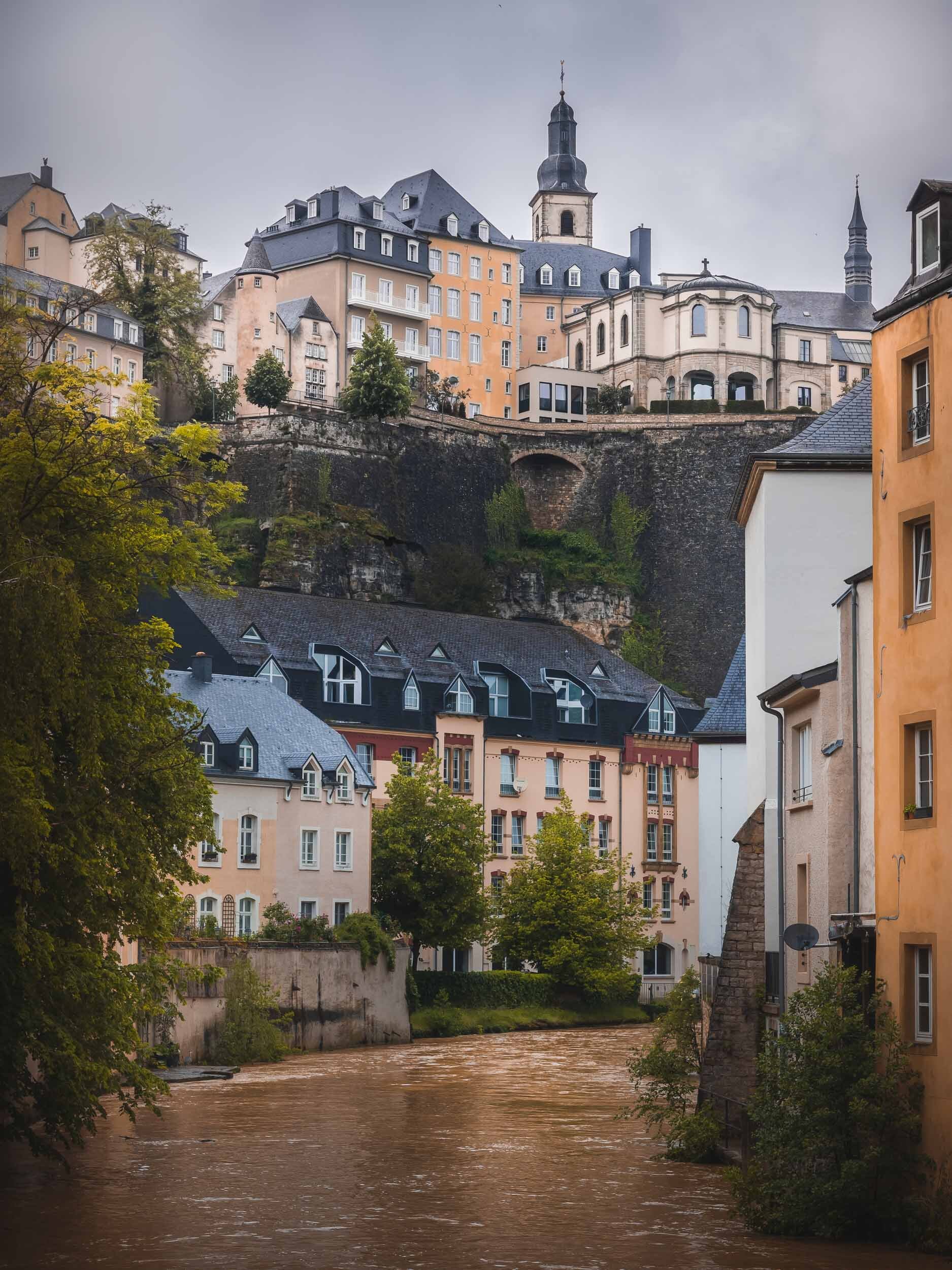
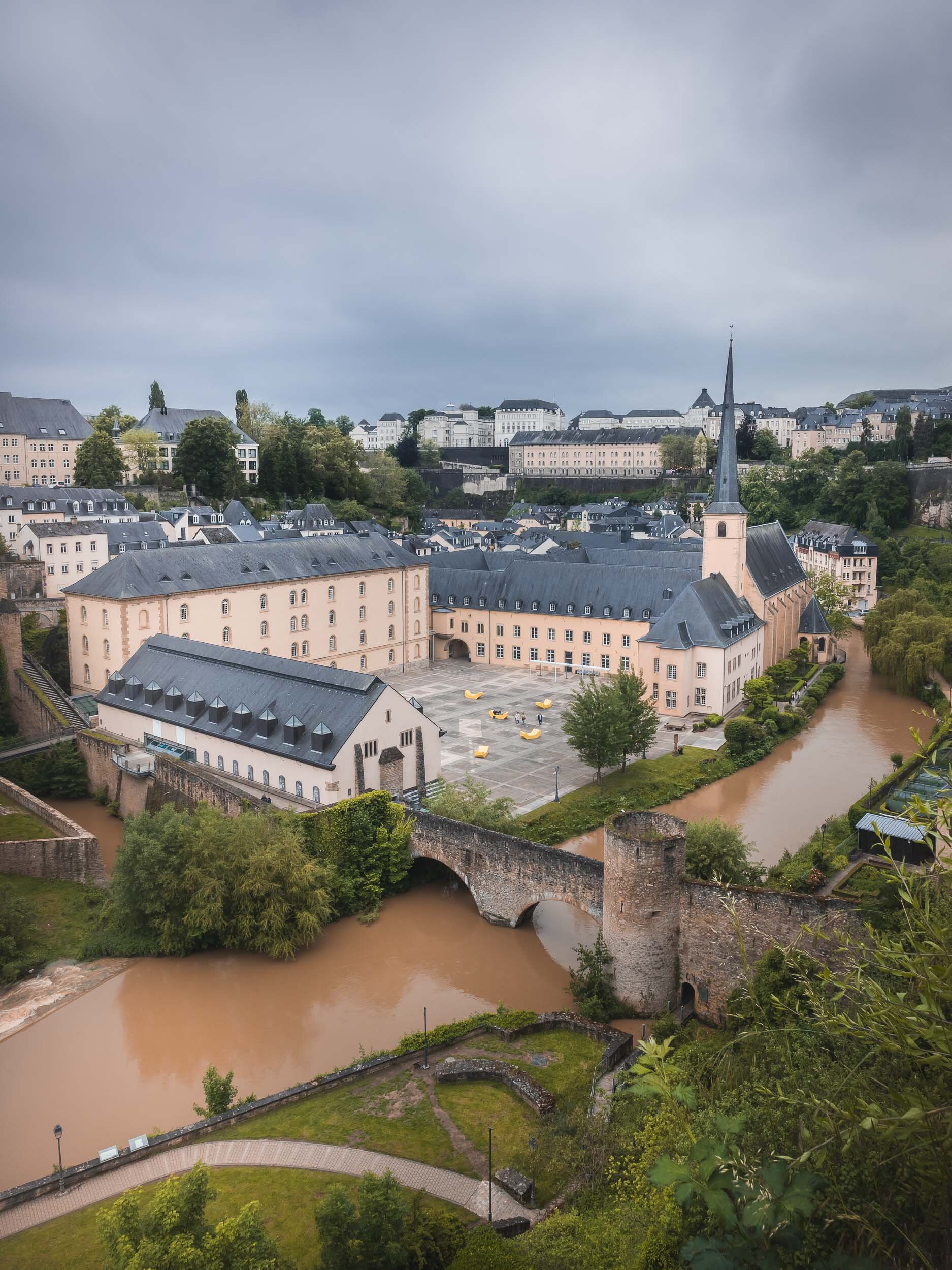
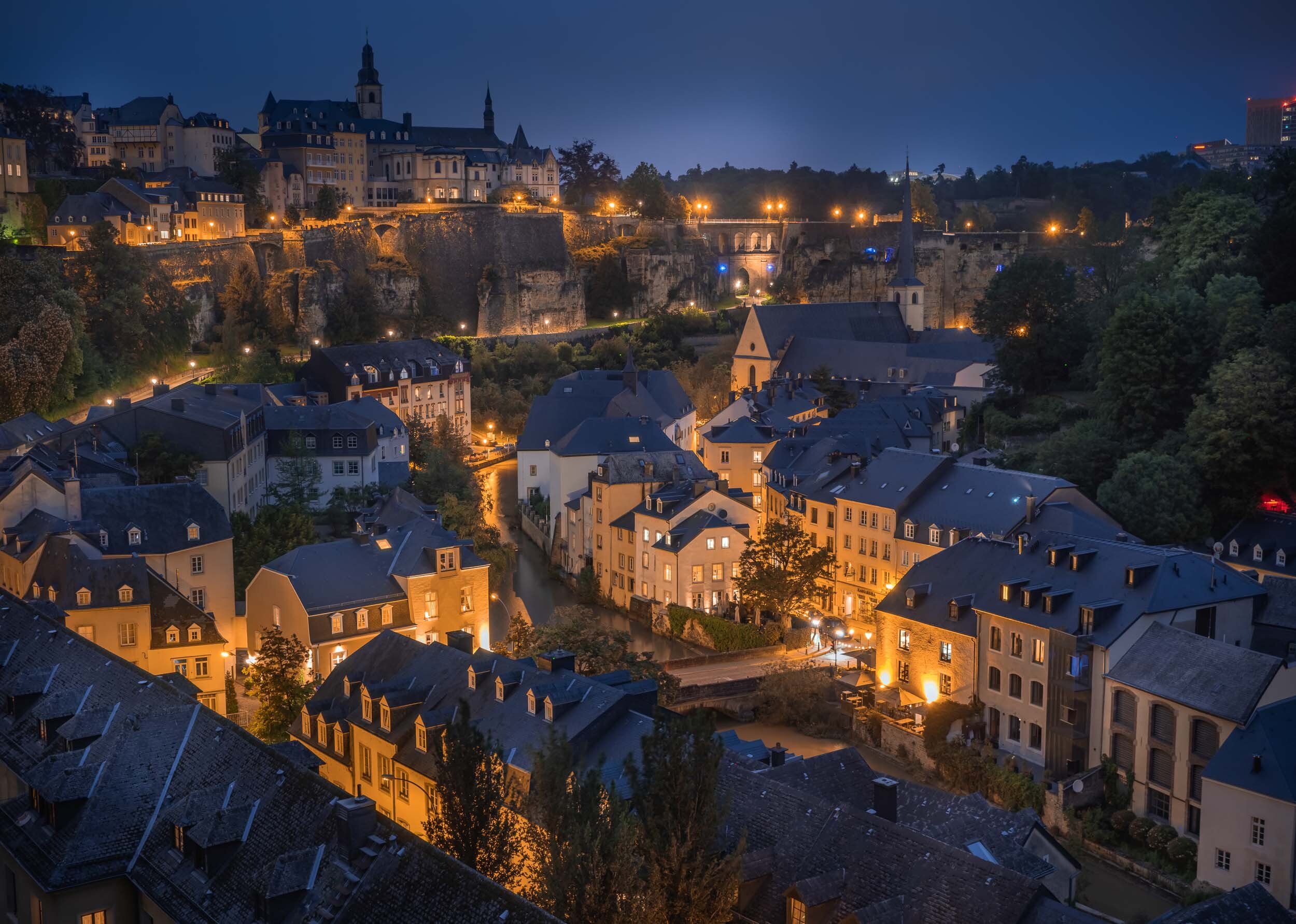
Grund
This district of Grund is quite picturesque - even more so when the Alzette river isn't brown owing to the heavy rainfall I would imagine.
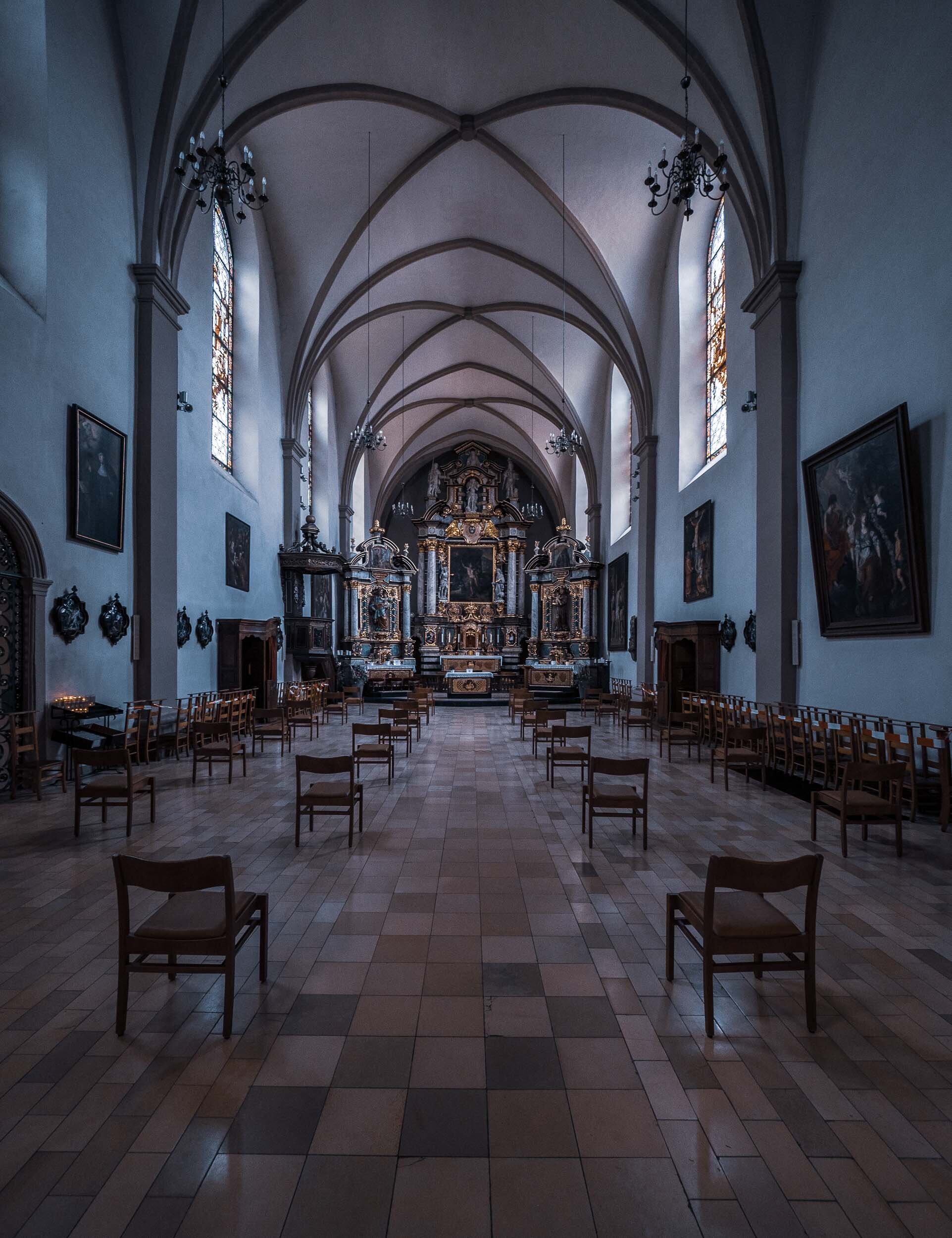
Socially Distanced
Religion during Covid.
International
Luxembourg is made up of almost 50% expatriats, and the city itself has an even higher percentage of non-native inhabitants.
The Look
I couldn't get a good cat shot this time, so this pigeon staring at me shall do the job.
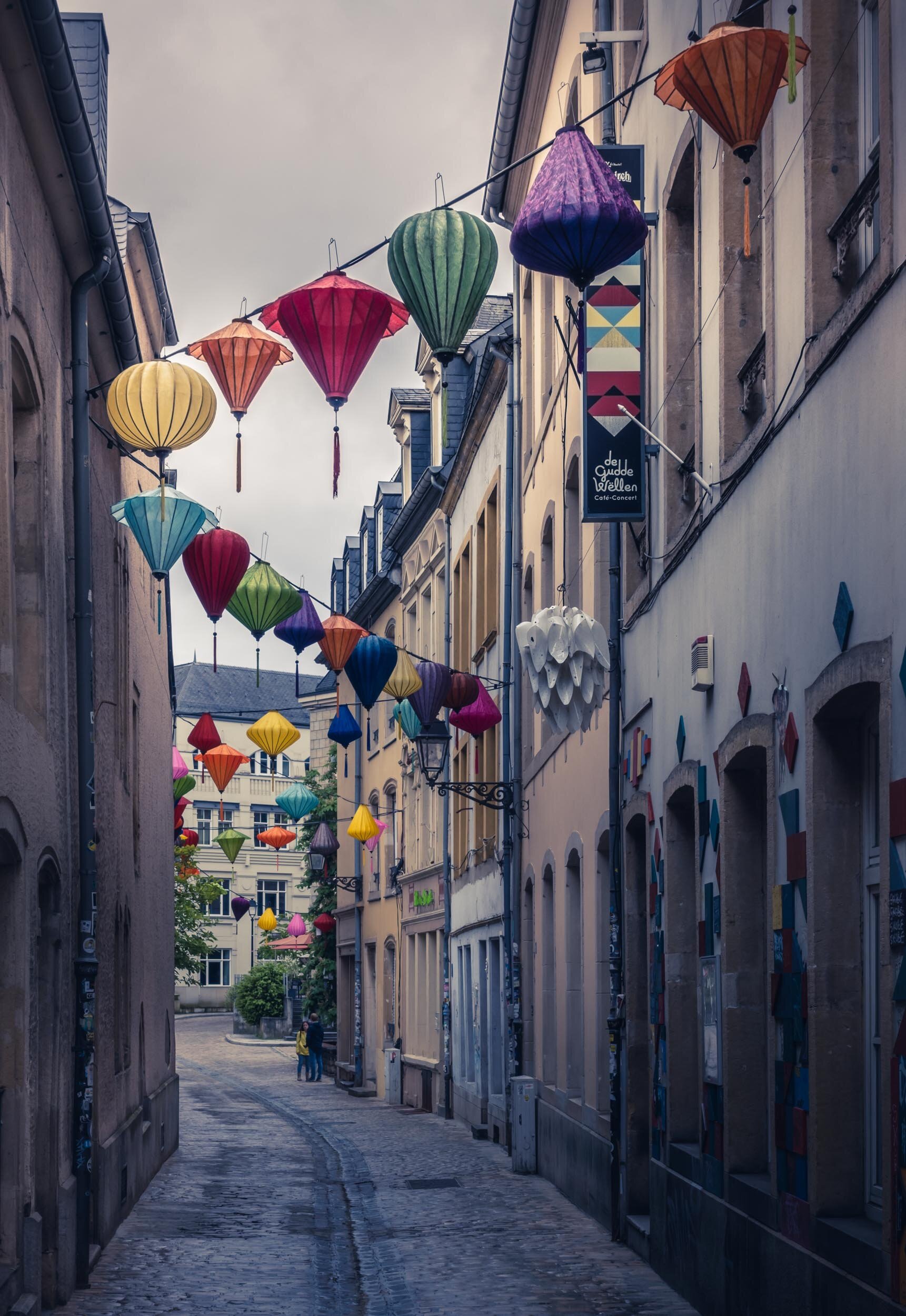
Colours
The first impression of the city was a bit quiet and sterile, but it did lighten up as the day progressed and we explored more.
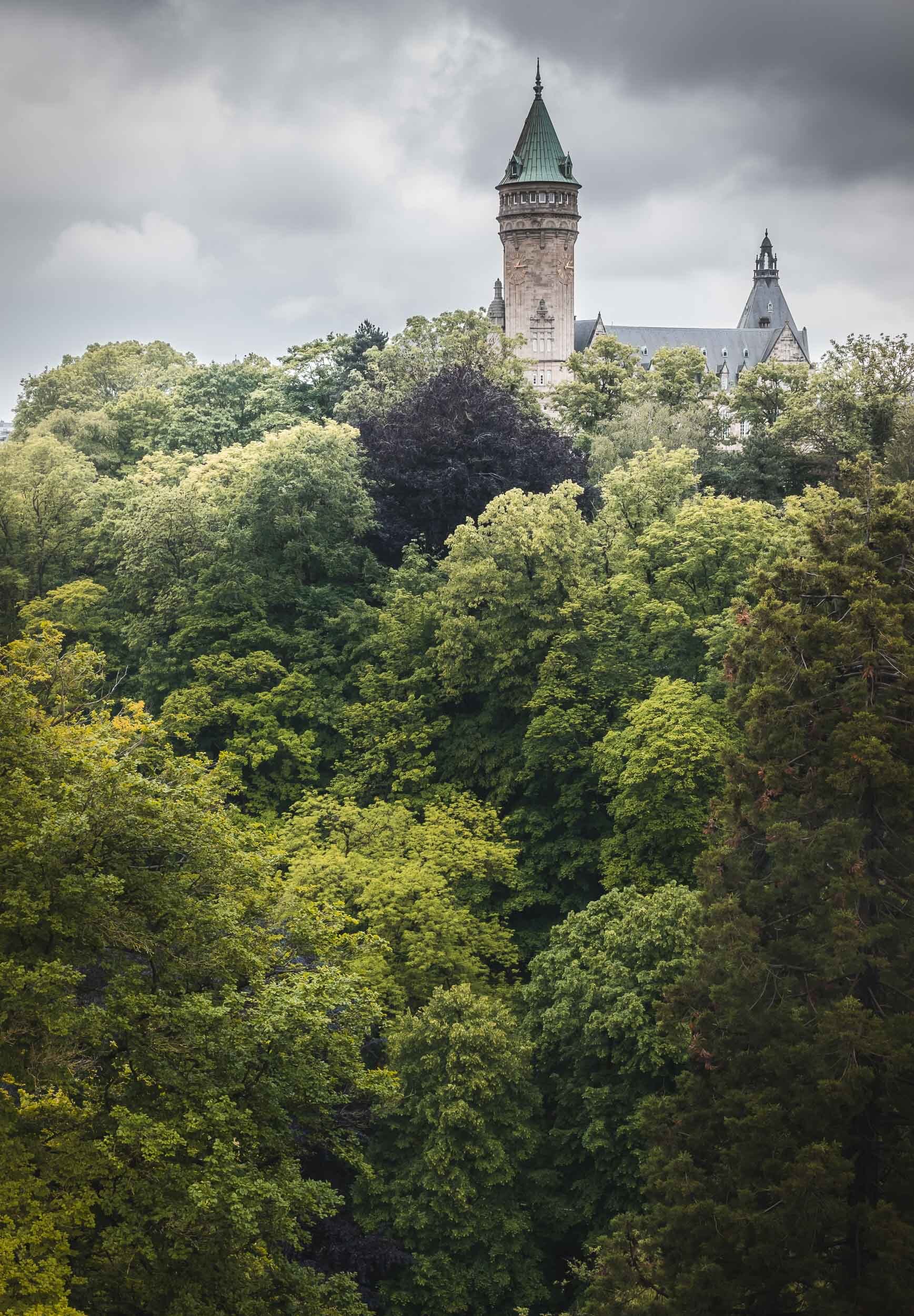
City Greens
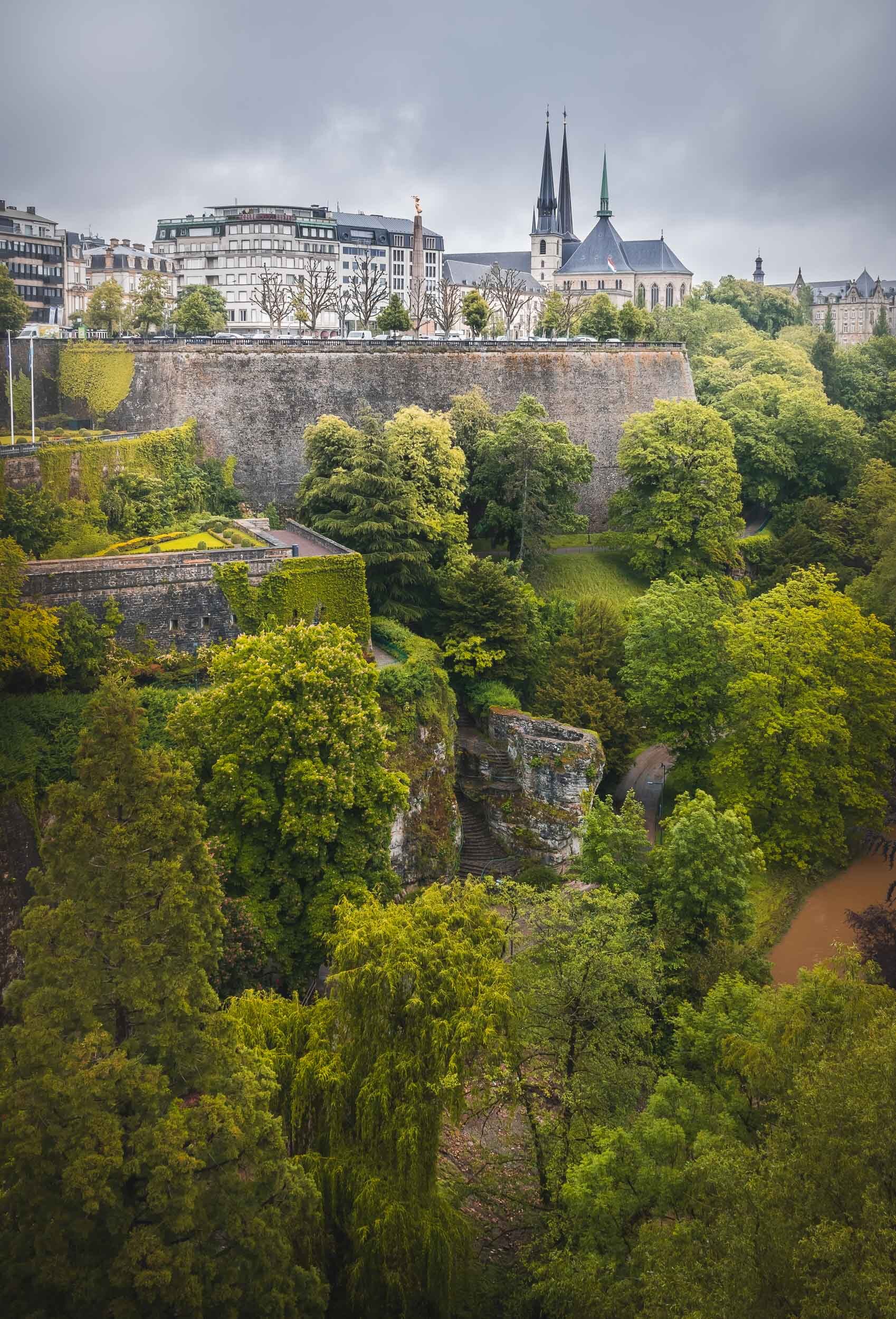
The city centre is surrounded by canyons of the Alzette and Pétrusse rivers, filled with large trees, making for some interesting perspectives.
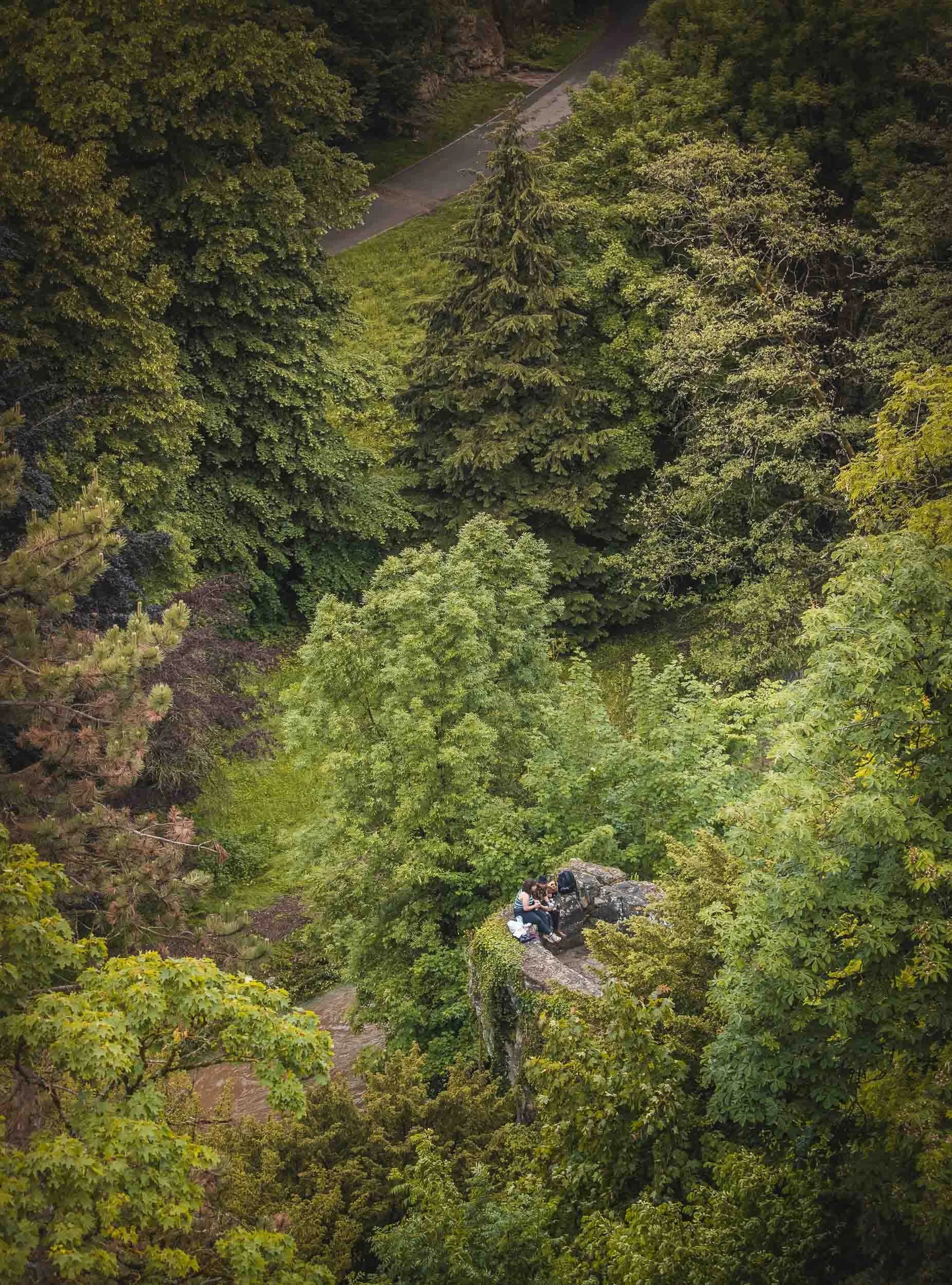
Spots
The canyons are accessible with small parks, bridges and full of small medieval remains.
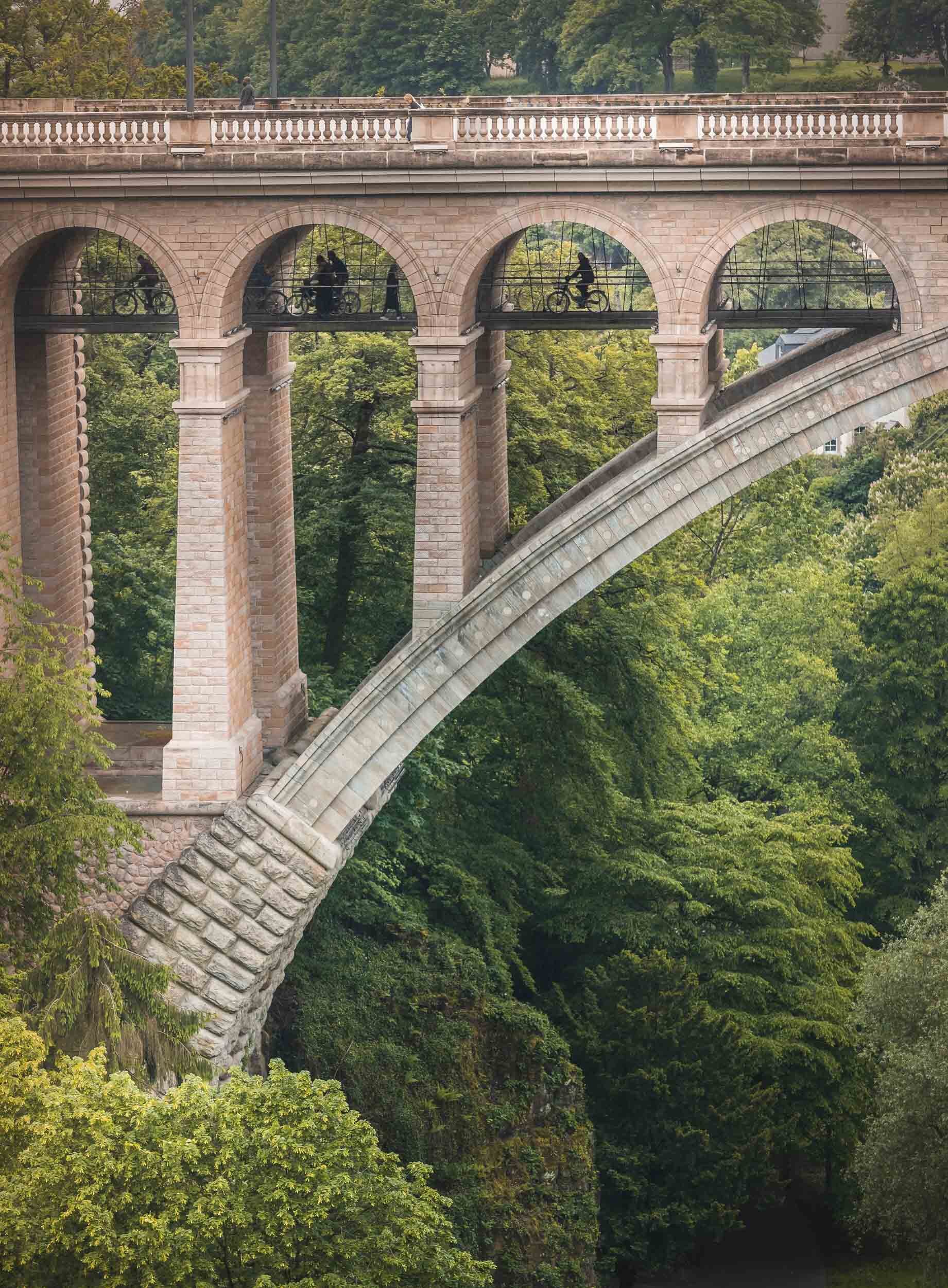
Adolphe Bridge
This 1900s stone-arch bridge features a hanging walkway underneath, which opened in 2018.
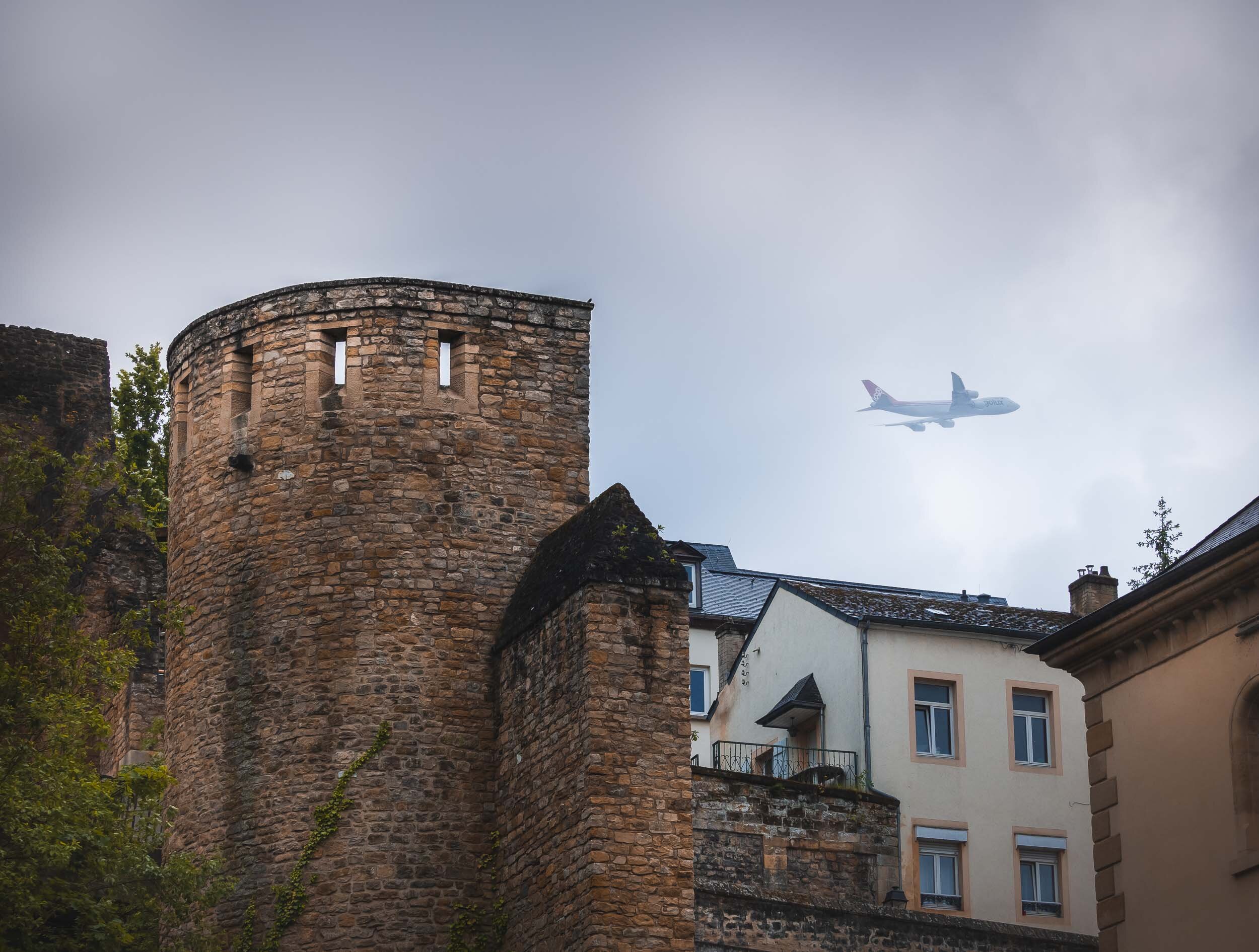
In the Sky
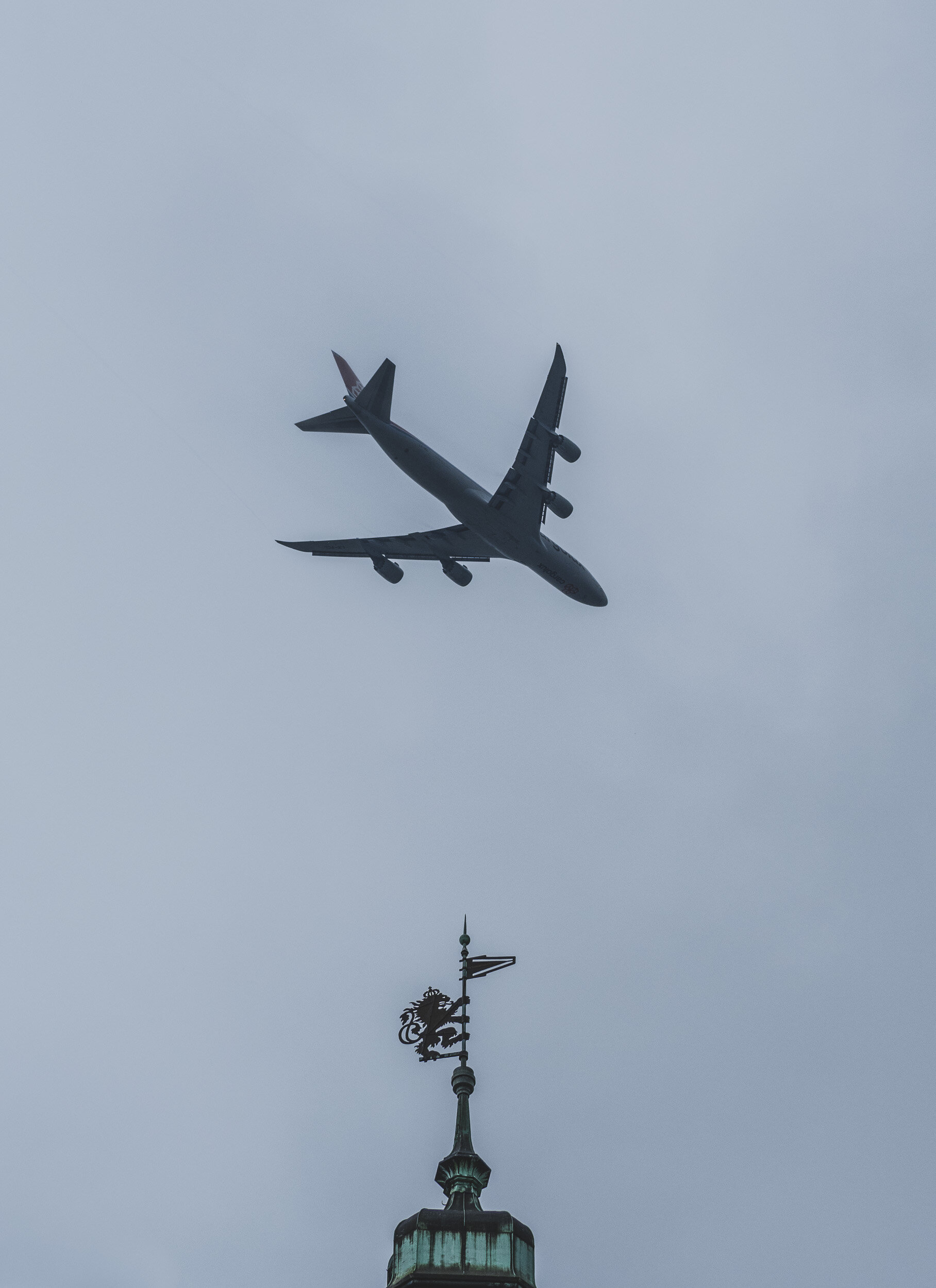
A Cargolux plane - Luxembourg Airport's runway is in direct path of the city.
Pipes
One of my favourite instruments - this is the organ in the 17th century Notre Dame cathedral.
CBD
The Kirchberg district features the city's few skyscrapers, and several EU and other institutions.
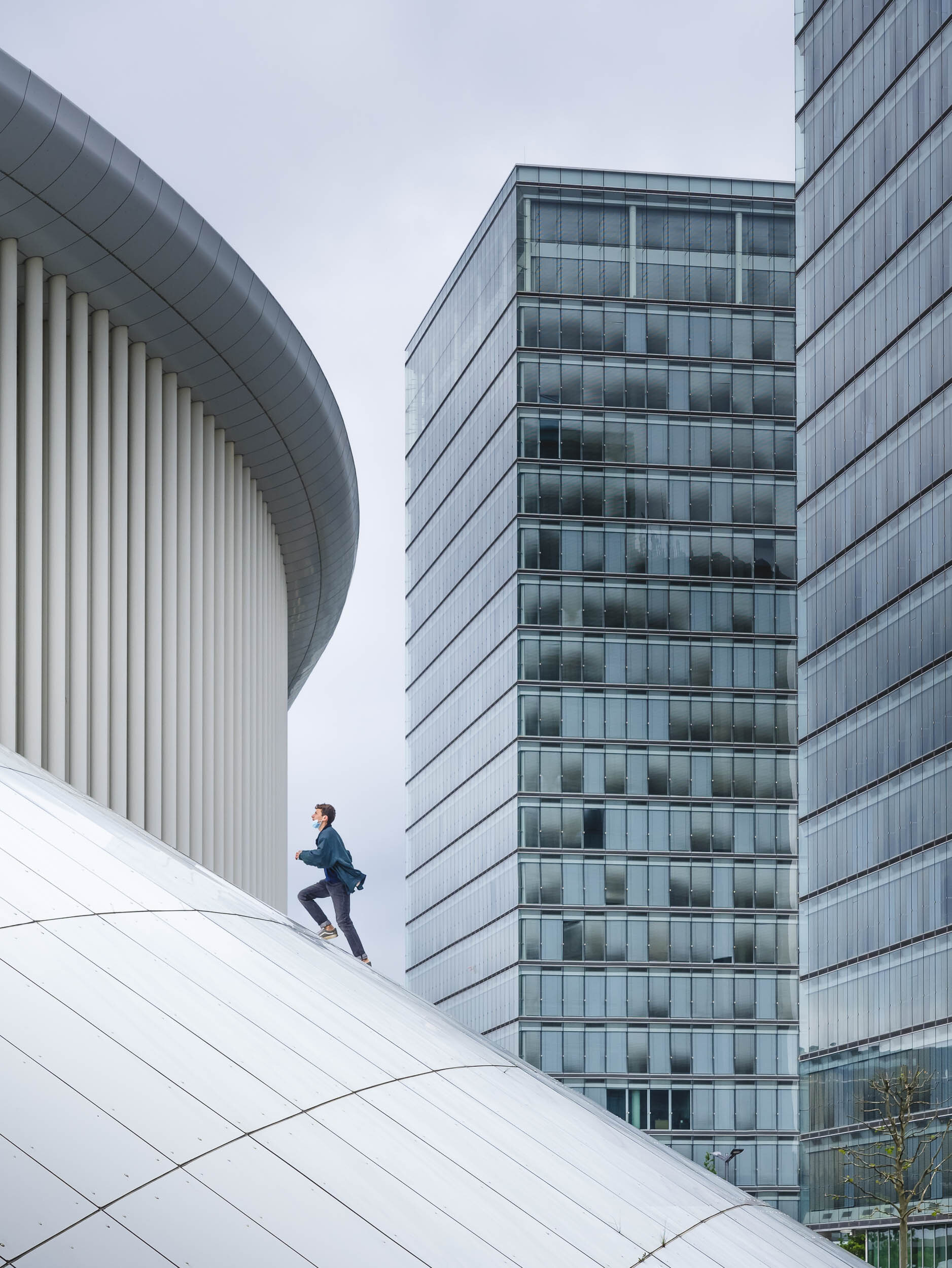
Up
What goes up...
Down
... must come down again.
Modernity
This is one of the parts of the capital that feels distinctly modern - that is not the say the rest of the city didn't seem well maintained.
Philharmonie Luxembourg
Designed by Christian de Portzamparc, opened in 2005.
Contrasts
In many ways, one of the most fascinating aspects of the city is how elegantly it fused its medieval history with a modern cityscape, without overpowering it. Here's the Grand Duke Jean Museum of Modern Art with Musée Draï Eechelen in front.
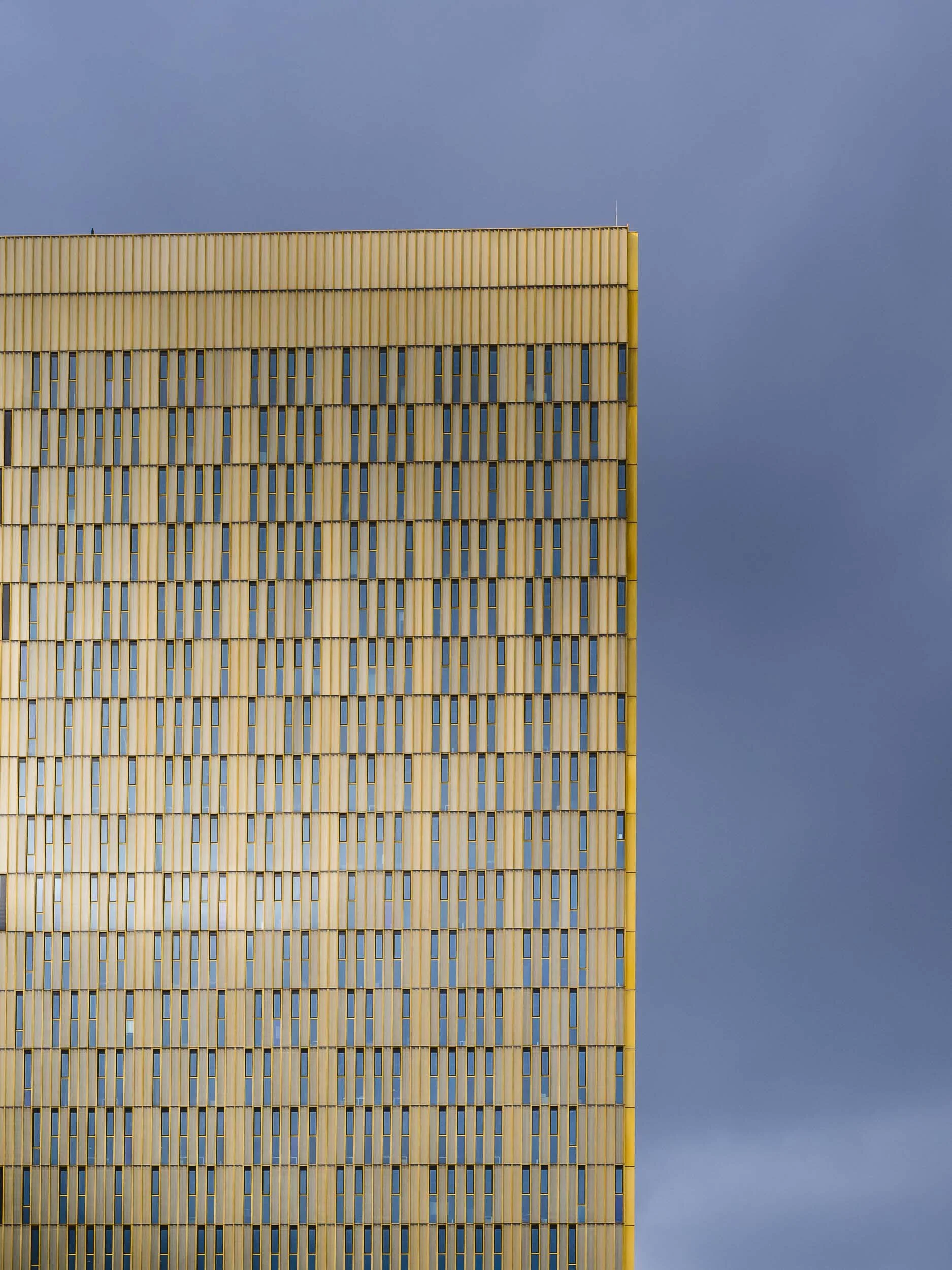
Gold
The Court of Justice of the European Union is housed here.
Church of Saint John
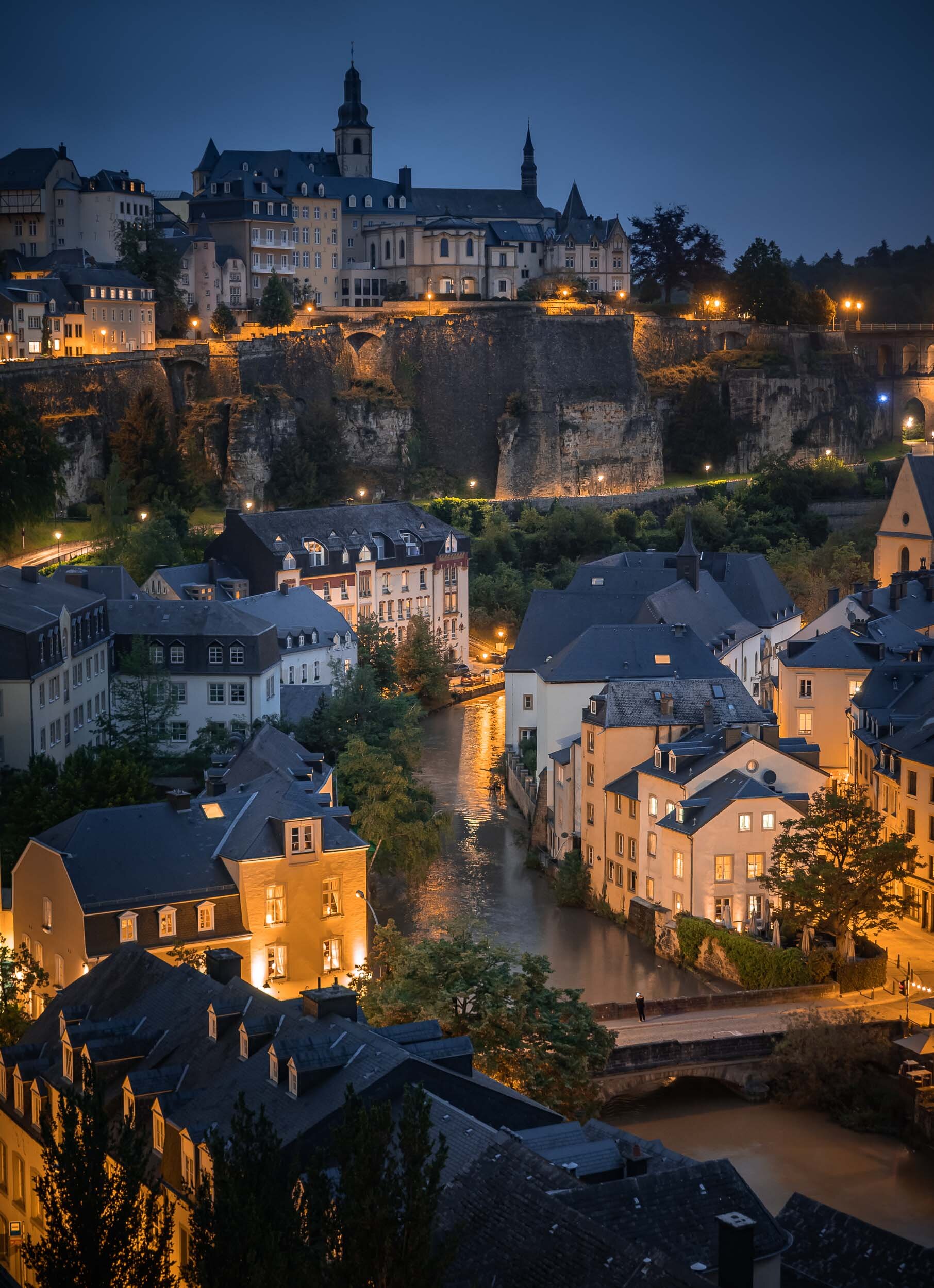
The Church of Saint John in Grund lies directly on the Alzette, and opposite the 11th cenury castle remains, around which the city settlement formed.
Evening Views
The late sunsets meant it took until 10pm to get these blue hour shots of the cityscape along the Alzette.
Nightfall over Luxembourg
It was worth the wait, and the extra 3km walk until we found the spot.
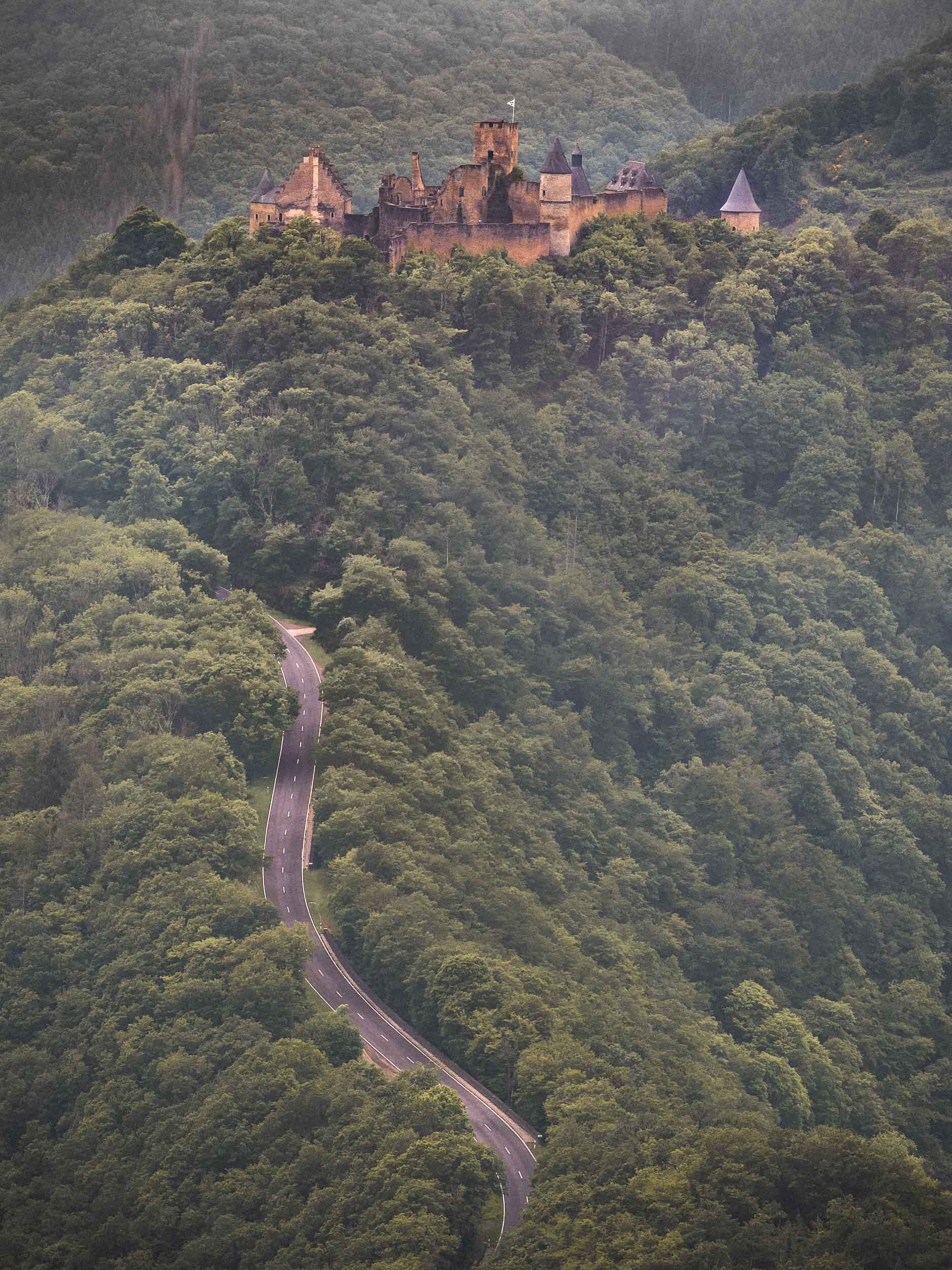
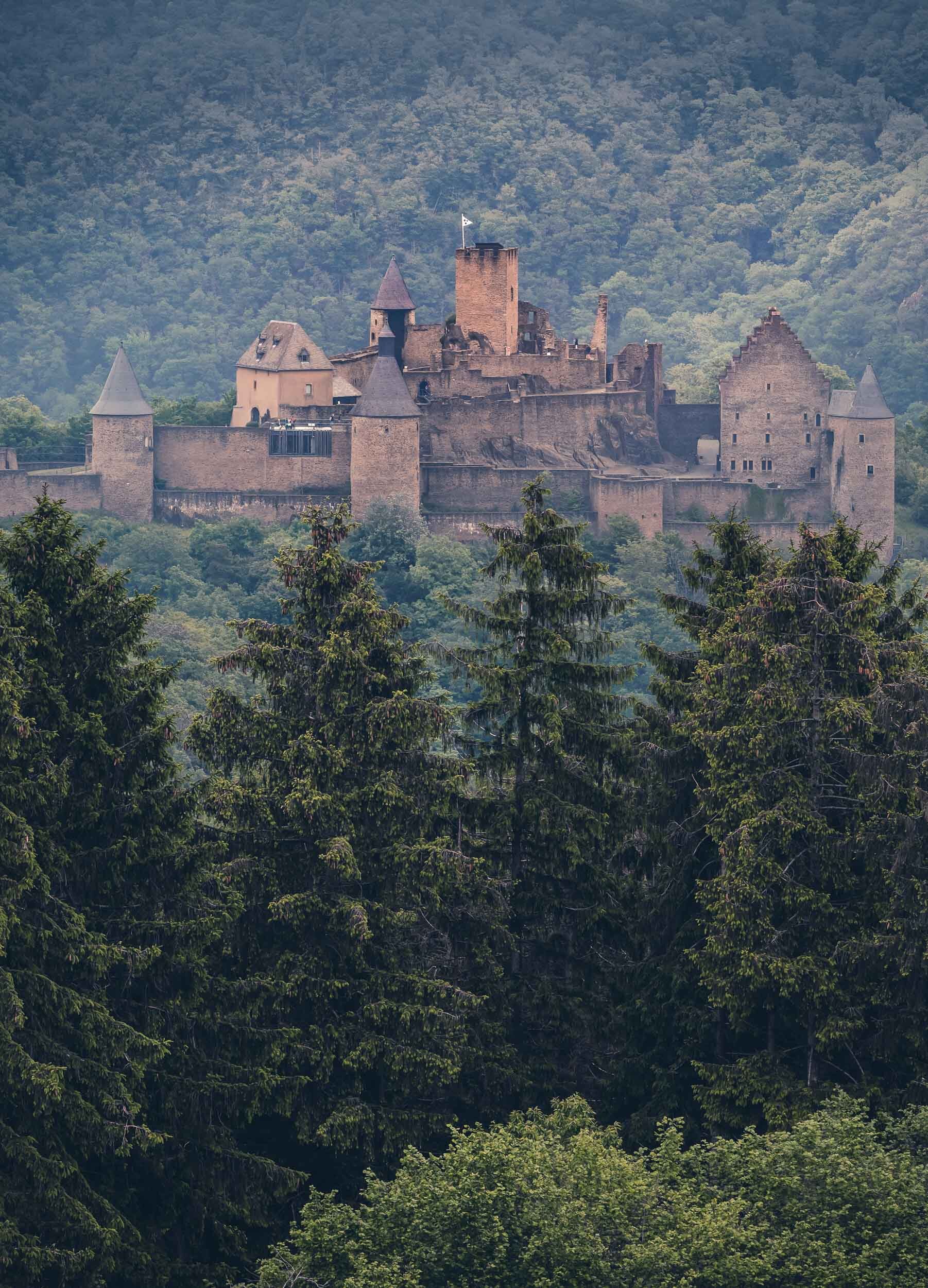
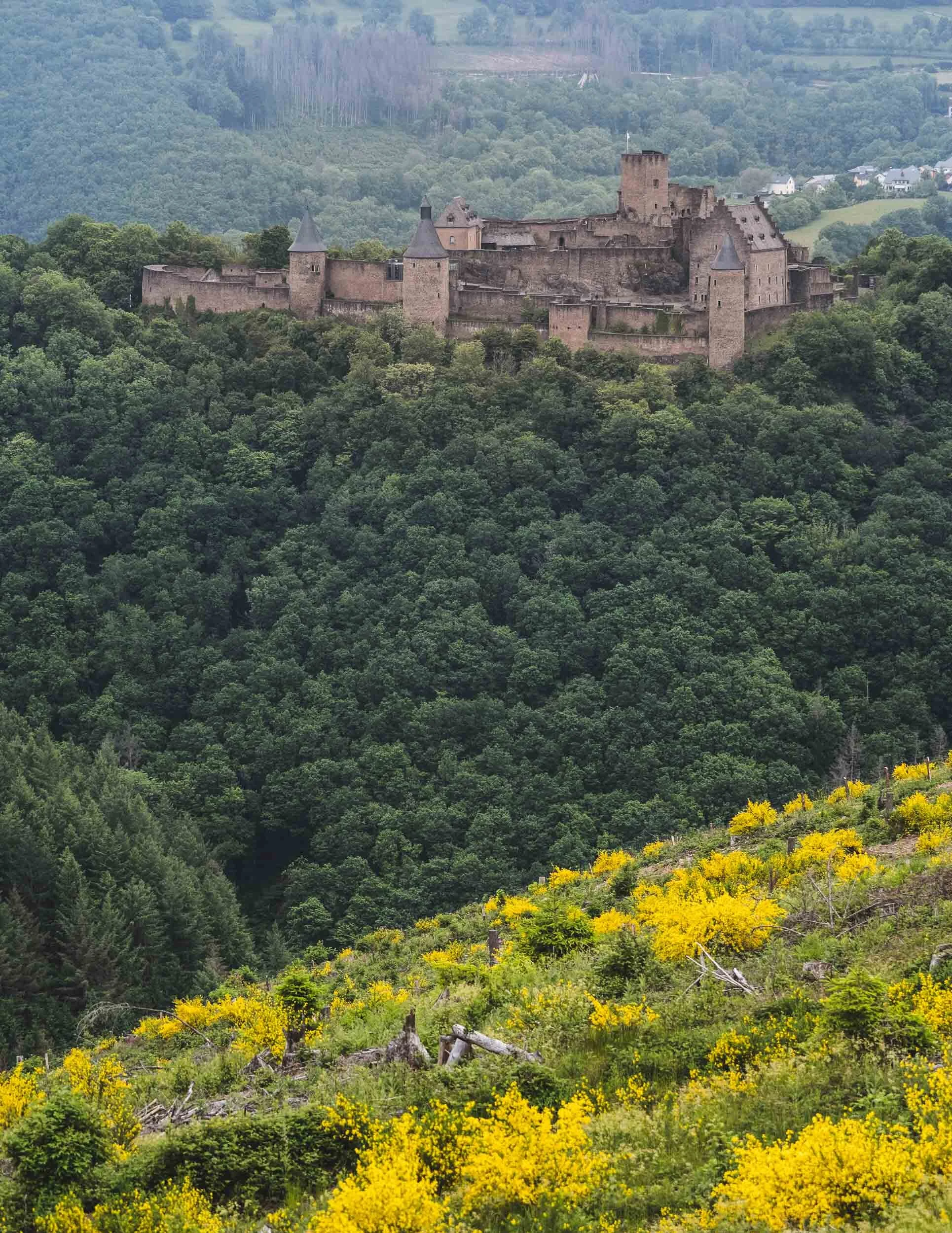
Bourscheid Castle
The last day had two more castles on the agenda. This is Bourscheid castle, some 150 metres above the River Sûre.
Angles
There are three nice view points on the surrounding hills, all giving a slightly different impression of the castle.
1000 years
From a distance it looks well preserved, but up close and inside it's more obvious that it has lost a lot of its original medieval structure.
Yellow
The last viewpoint made for some beautiful contrasts with what I believe are rape seed flowers.
Lonely Trees
Can't resist those.
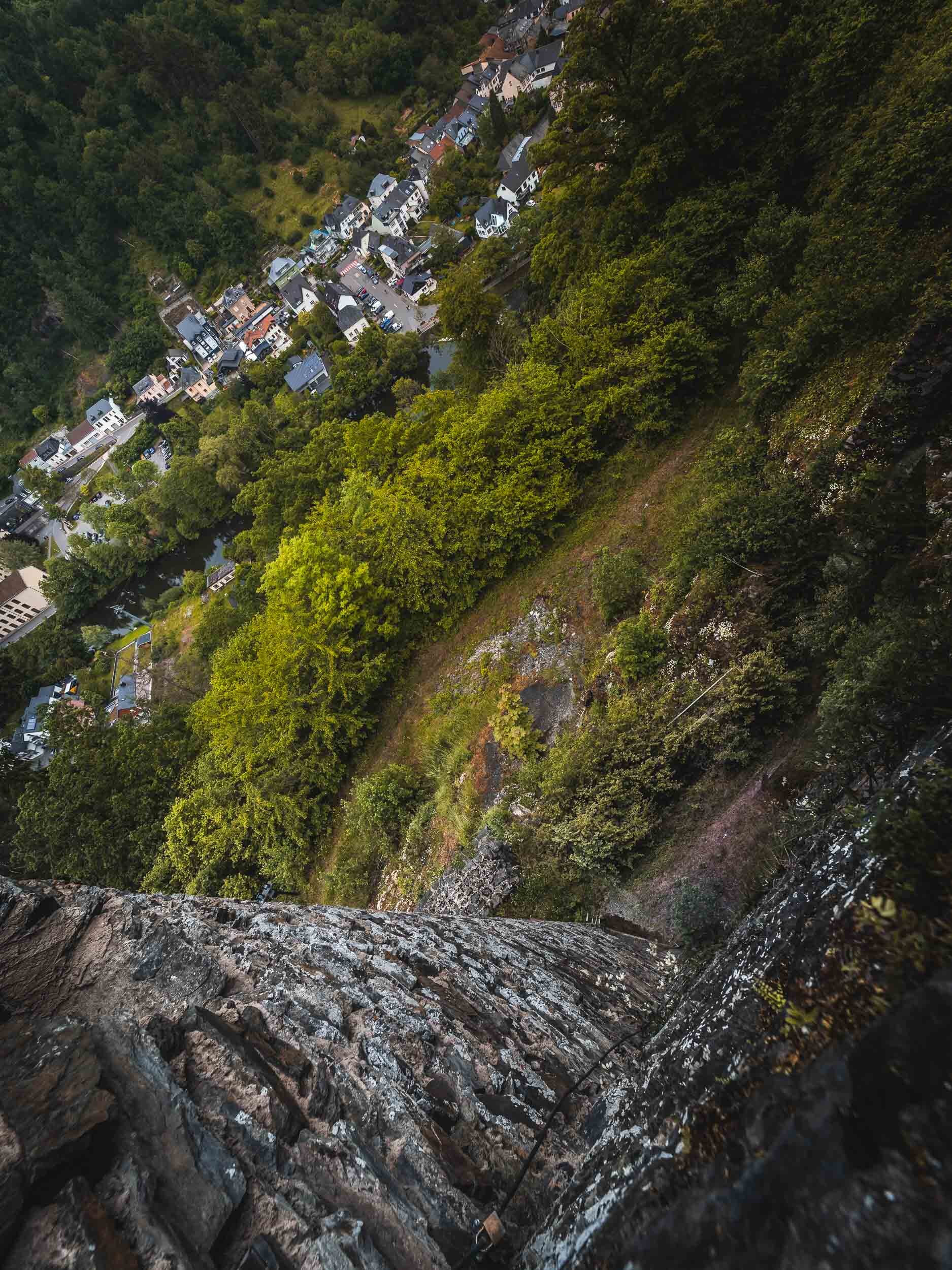
Perched High
It is situated over 300m above the city, which makes for some dramatic perspectives.
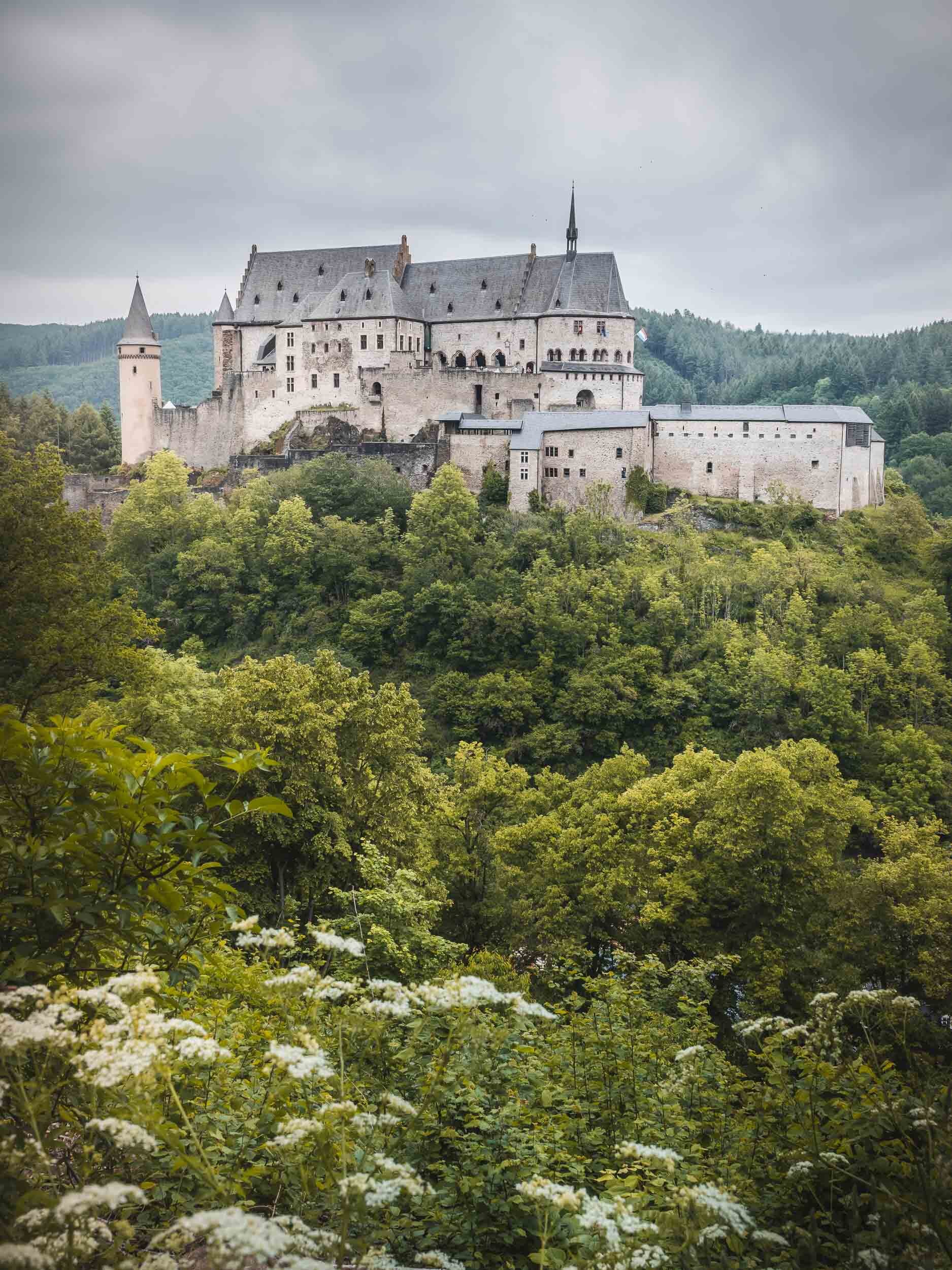
Castle No 4
And the last castle on the list was probably the most famous one - Vianden.
Transformations
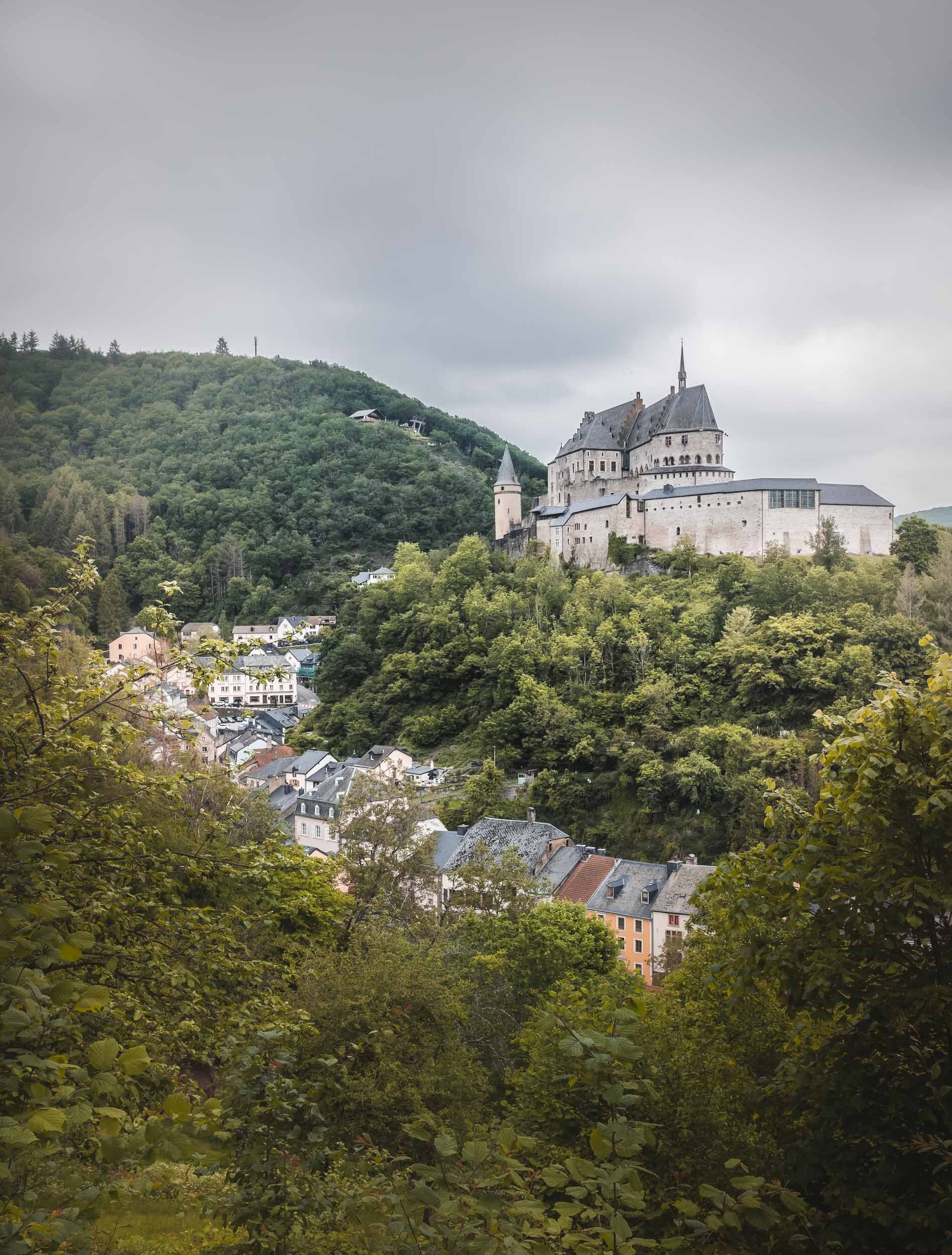
The castle was built on the site of an ancient Roman castellum, and dates back almost a thousand years, although it has Gothic and Renaissance sections as well.
Modern Times
The castle played a military role in the second world war Battle of Vianden. It's final restoration was completed in 1990.
Vianden
The town of 1500 people lies on the Our river. It was our last station of the trip.
The Dubai Fog
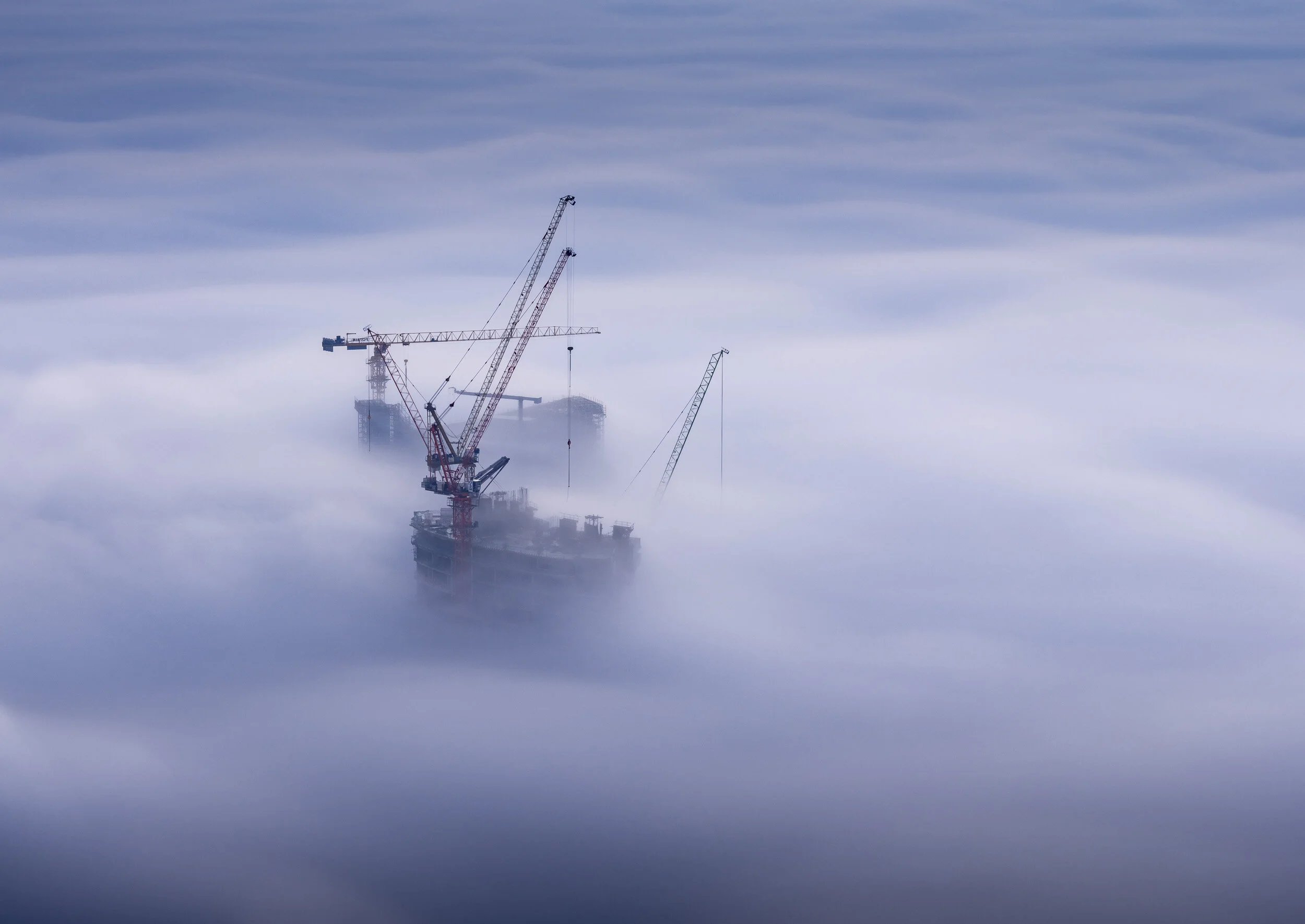
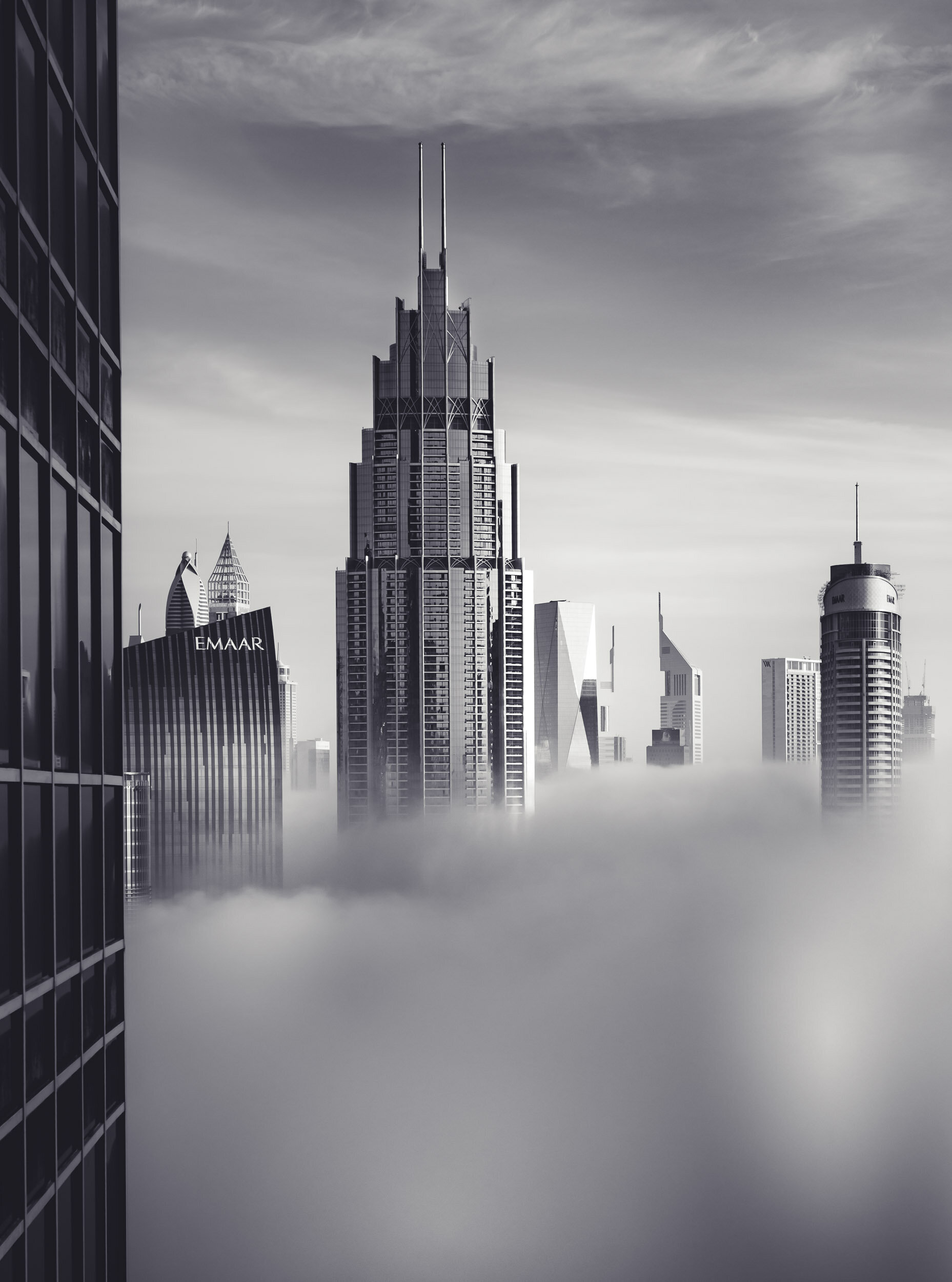
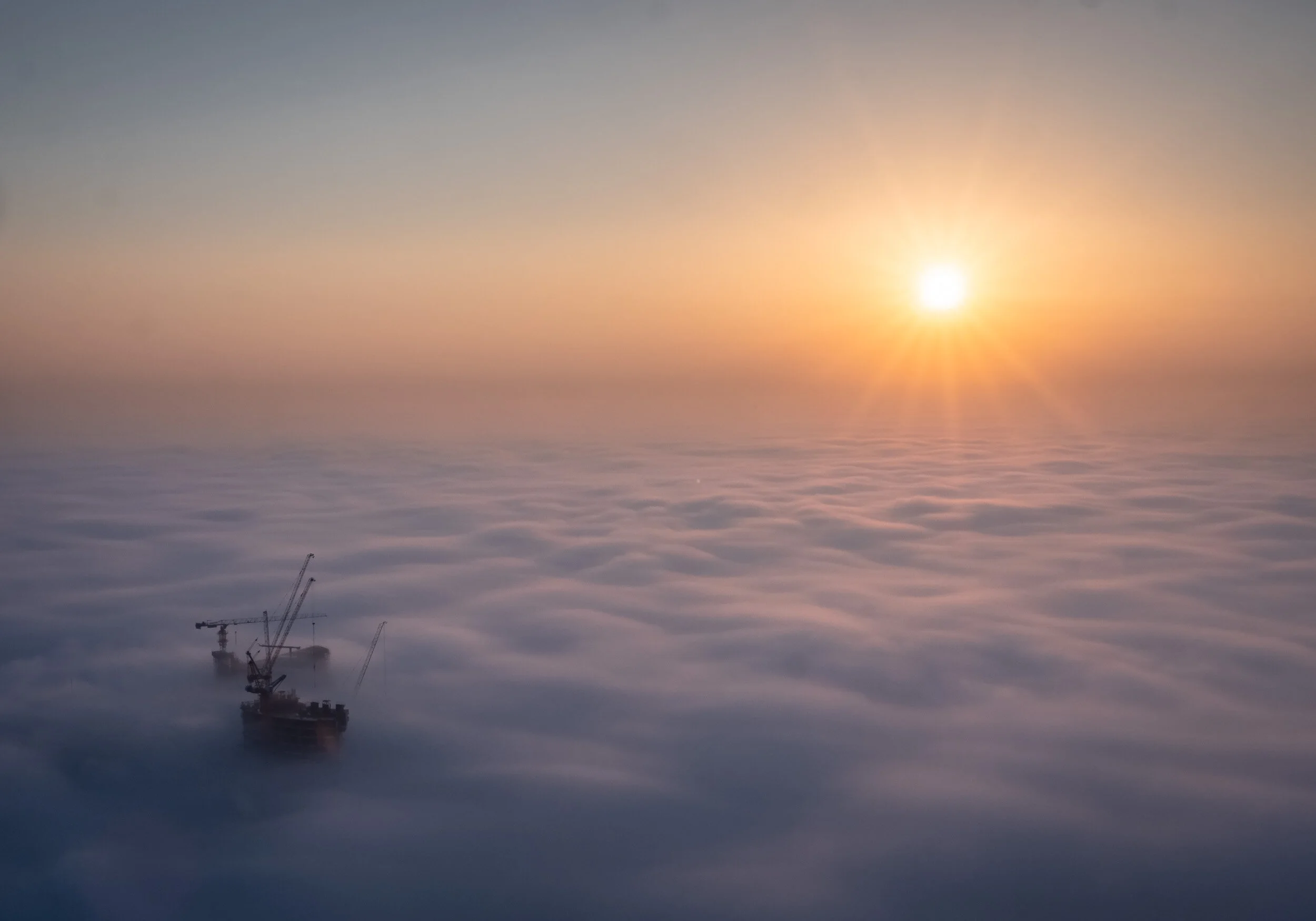
One of the most elusive sights of cityscape photography is the infamous Dubai fog. It’s a yearly occurrence, usually from November to February, but often limited to a handful of days during this time.
One of the most elusive sights of cityscape photography is the infamous Dubai fog. It’s a yearly occurrence, usually from November to February, but often limited to a handful of days during this time. Predicting it is a gamble of combining various forecast websites and tools, comparing dew points, humidity and temperature forecasts, and even then you need to hope for a little bit of luck.
On top of that, you need to secure a location to shoot from. While some people live in high rise towers above the 40th floor with great views, the rest of us will struggle to get permits, ask hotels, check with friends, and convince security guards. The unpredictable nature of the fog makes that even harder - sometimes it is so patchy that a building 5km left or right will be floating above the clouds while you have a clear view of the ground.
If you do manage to get everything right, the rewards are spectacular. I’ve been able to shoot the fog five or six times this winter, and will certainly never get enough of it. To me, not other city can top the combination of Dubai’s amazing skyline (in fact, there are more than one skylines) with the feeling of floating above the clouds.
Contact me if you’d like to purchase prints of the photos in this post.
International Space Station - Moon Fly By
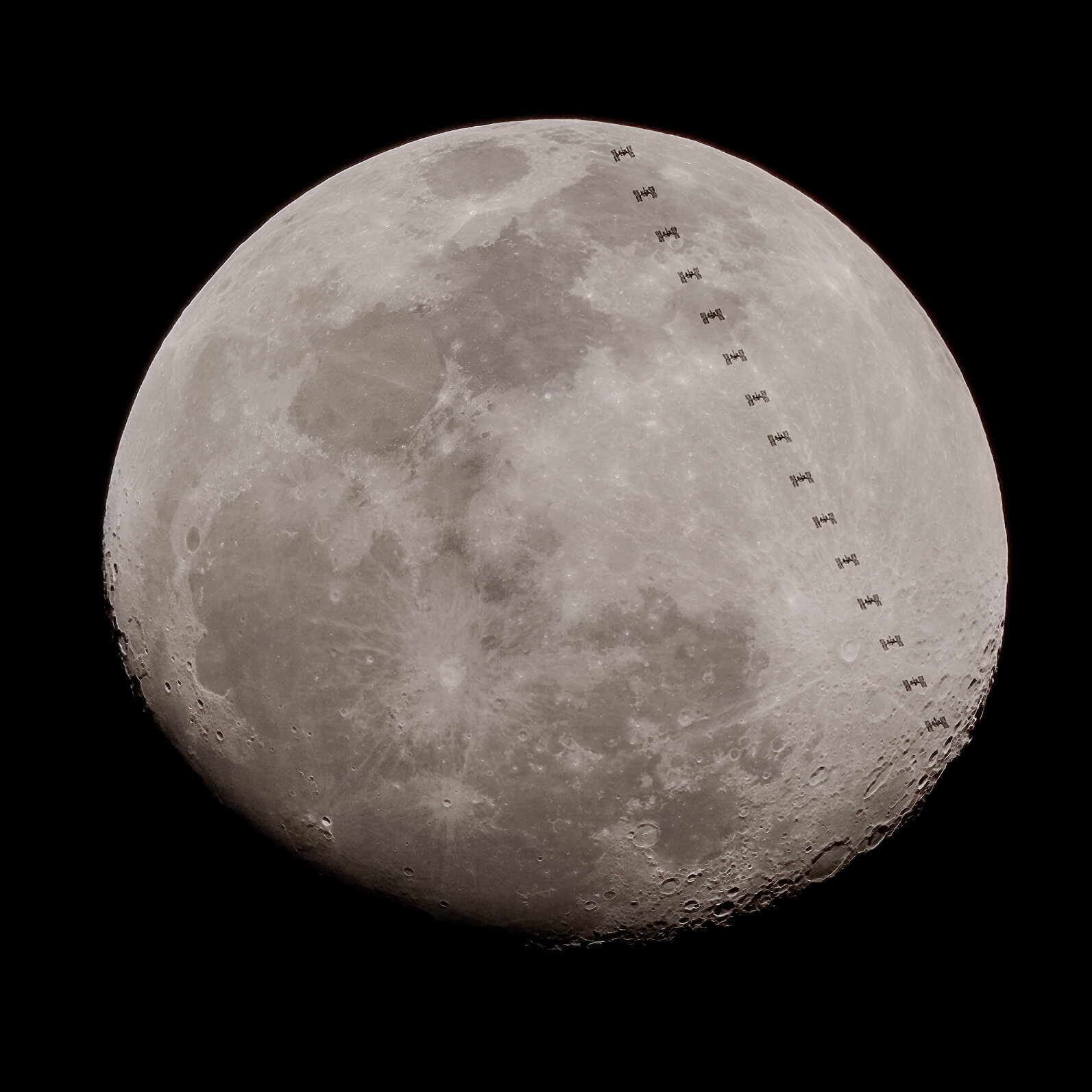
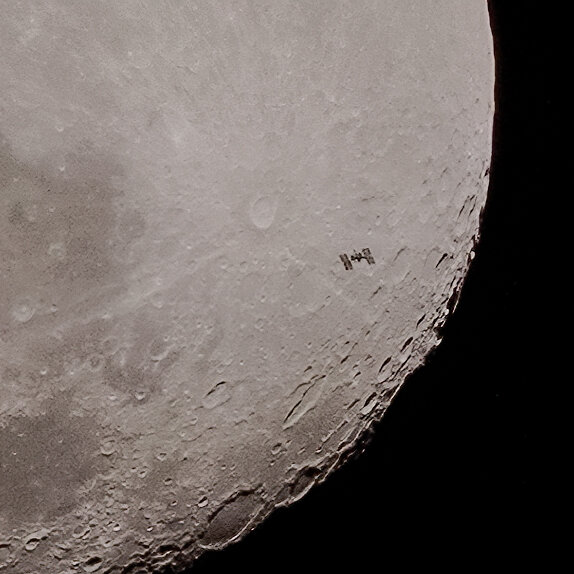
Finally I had the chance to observe and capture something I've been waiting for for quite a long time already: The ISS in front of the moon. This occurred on January 26th shortly after midnight in Dubai, UAE.
Finally I had the chance to observe and capture something I've been waiting for for quite a long time already: The ISS in front of the moon. This occurred on January 26th shortly after midnight in Dubai, UAE. It's pretty humbling to think that the ISS is 400km above us, and moving at 26,000km per hour.
Shot with Olympus OMD EM-1 Mark III, and 300mm F4 lens with MC-20 teleconverter.
Full View
Close Up
This video shows a slowed down frame by frame animation, and a realtime sequence - the entire event takes just above 0.5 seconds.
Hidden Gems - Suwaidi Pearl Farm Ras Al Khaimah
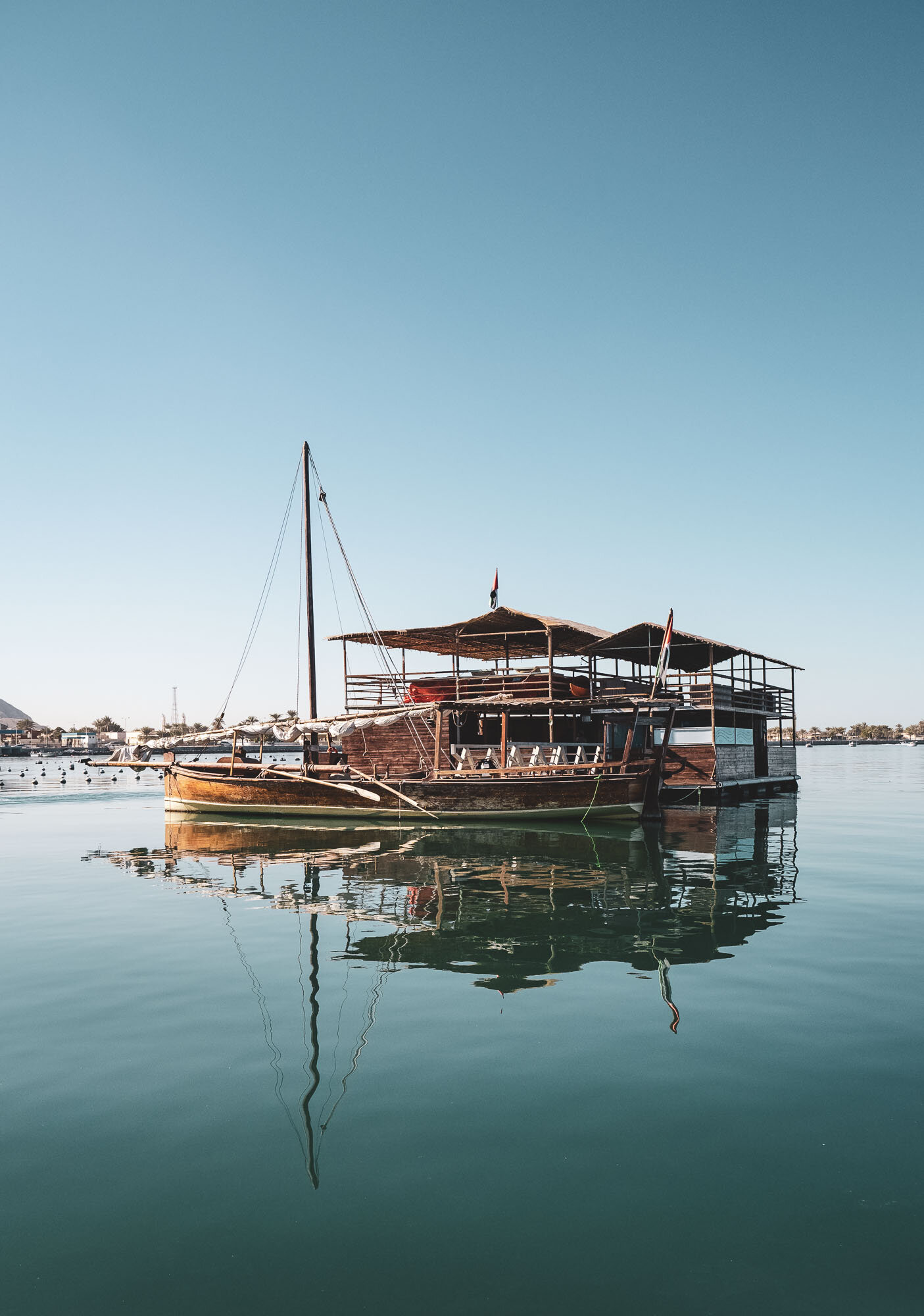
Another UAE adventure led me to the Suwaidi Pearl farm in Ras Al Khaimah. Definitely worth the 90min trip from Dubai, exploring the local mangrove area, seeing a camel farm on the beach, and finally the floating pearl farm.
Visited the Suwaidi Pearl Farm in Al Rams. First, you take a boat through the mangroves around the small harbour.
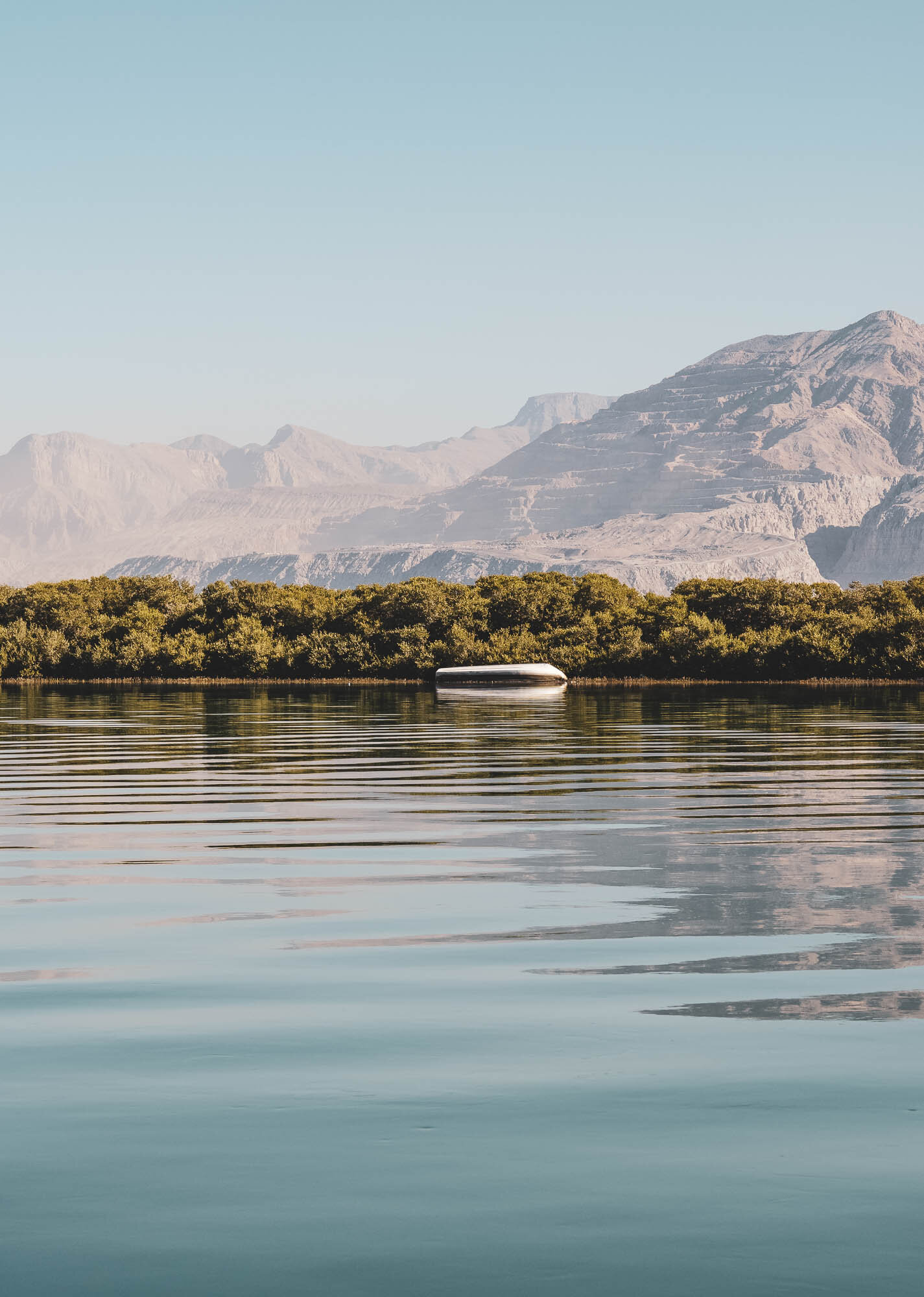
Serene waters await.
The gorgeous Hajar mountain backdrop.
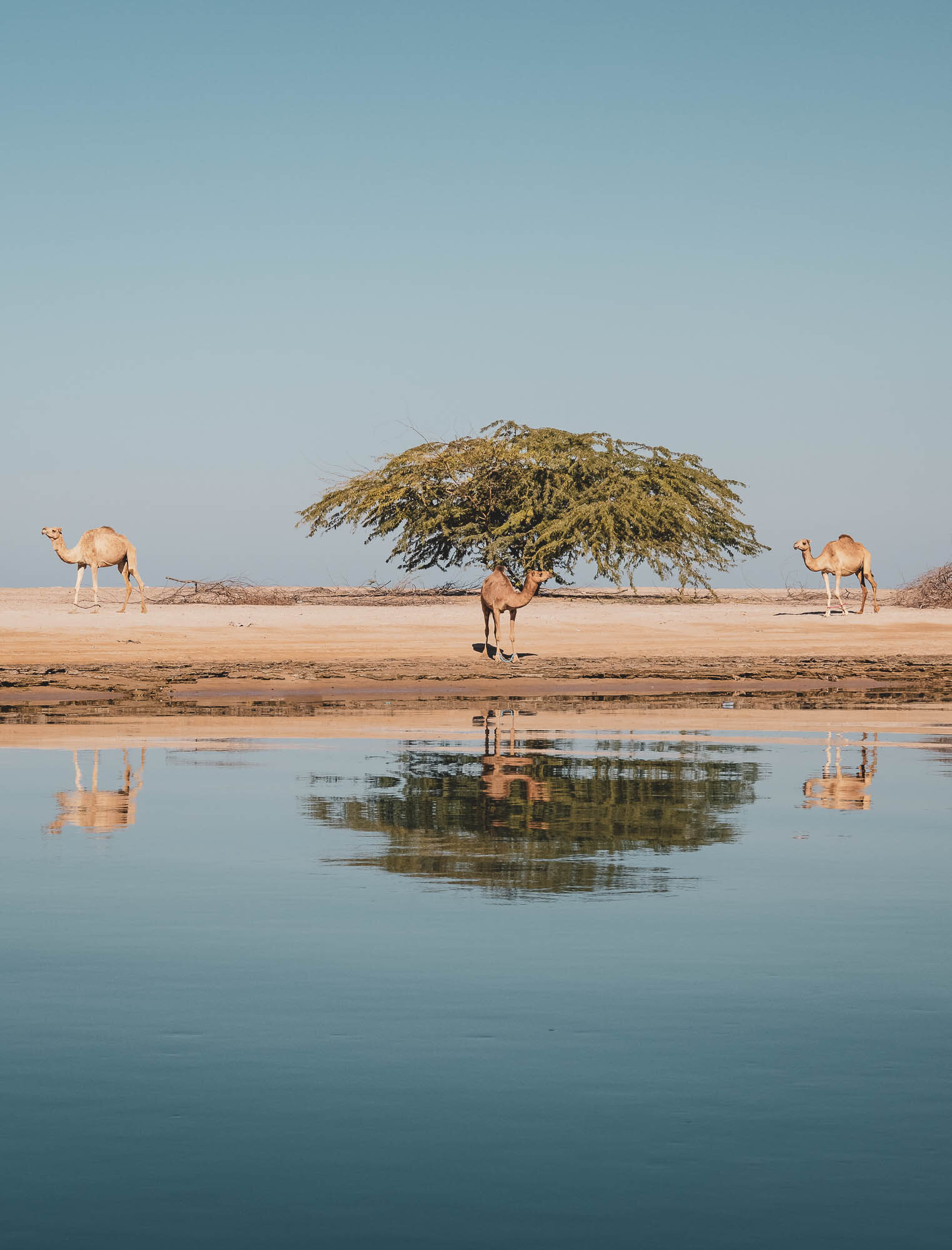
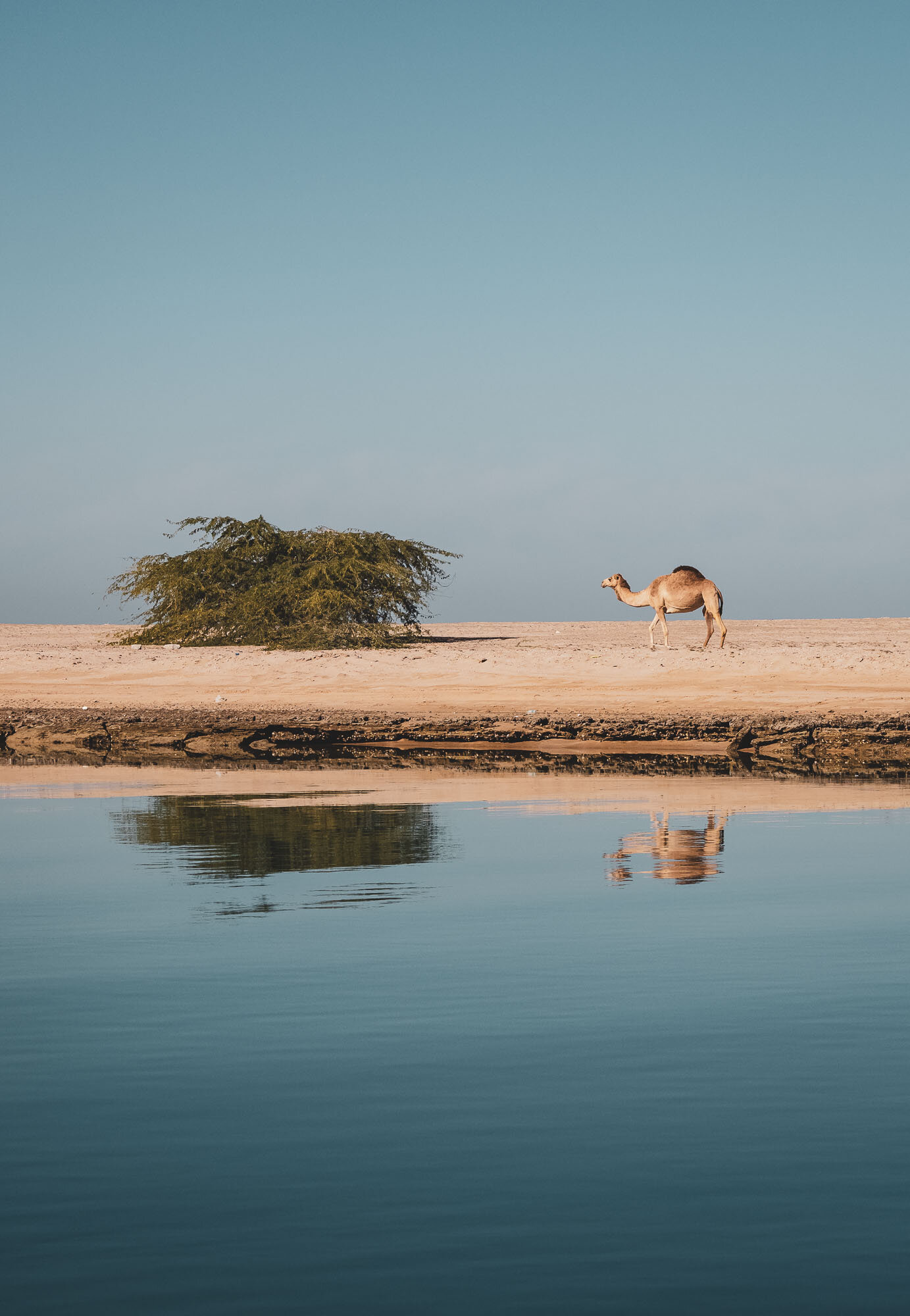
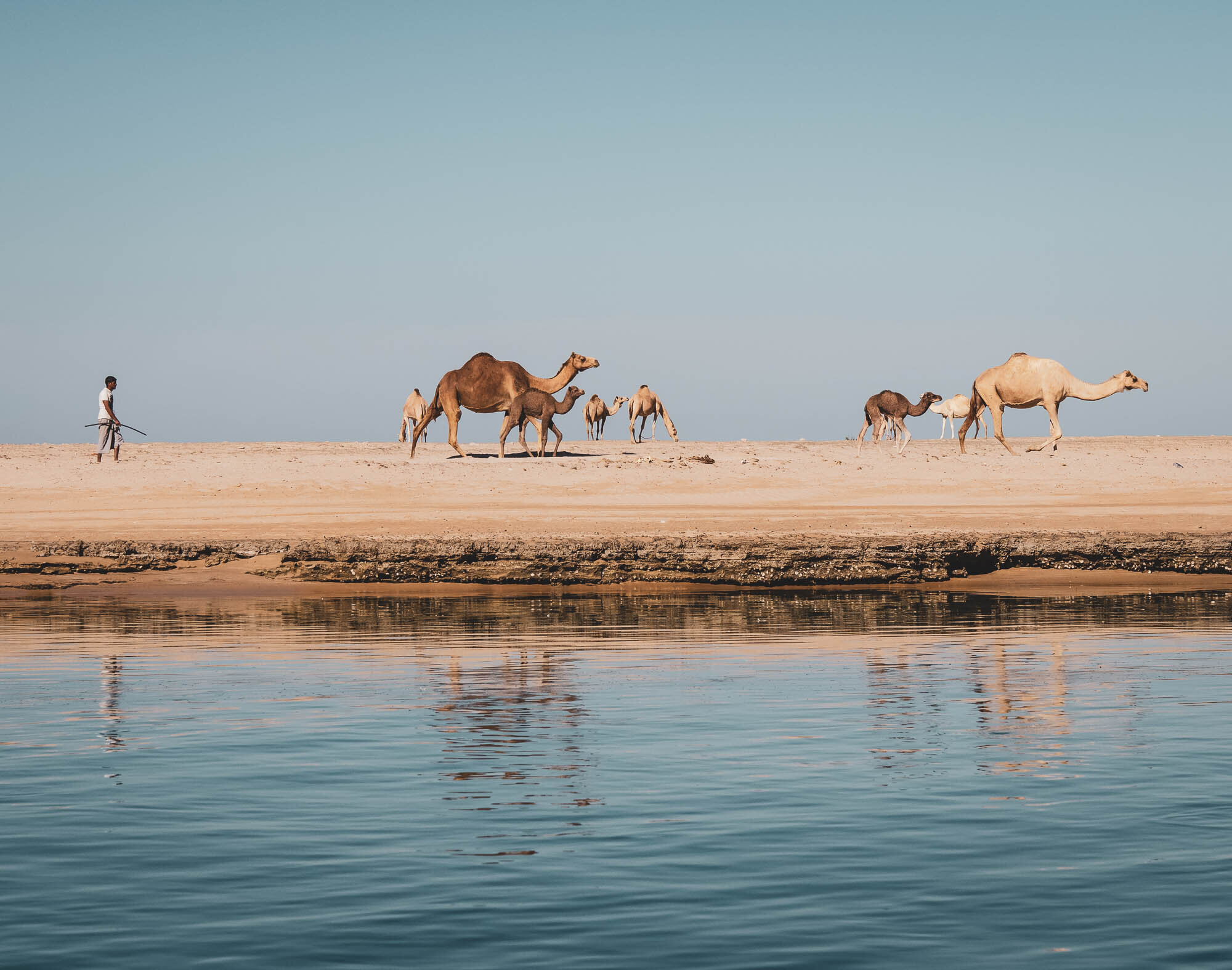
The camel farm on the beach makes for unusal sights.
But I guess camels also need the occasional beach day.
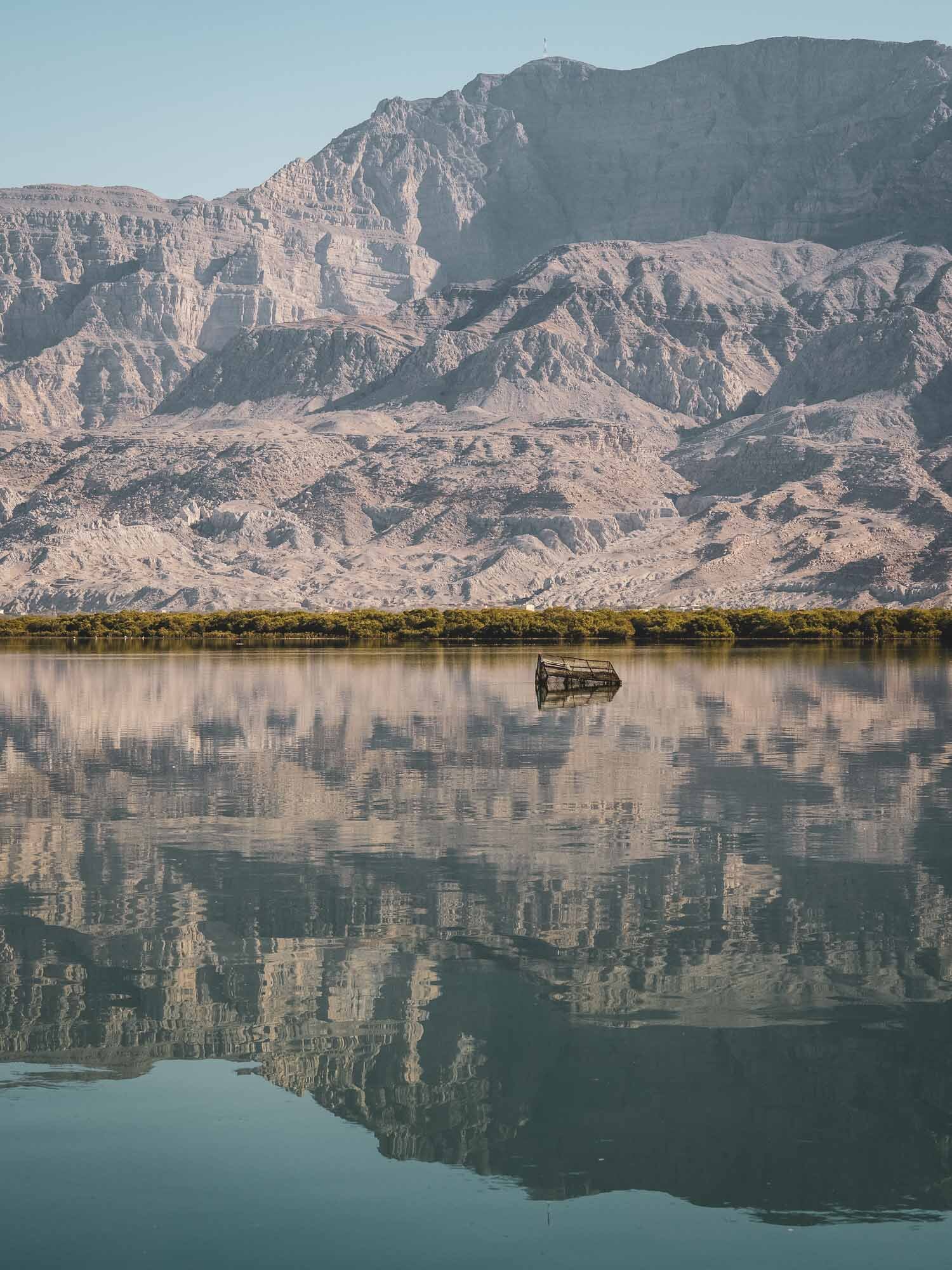
More serenity. The waters were calm this morning.
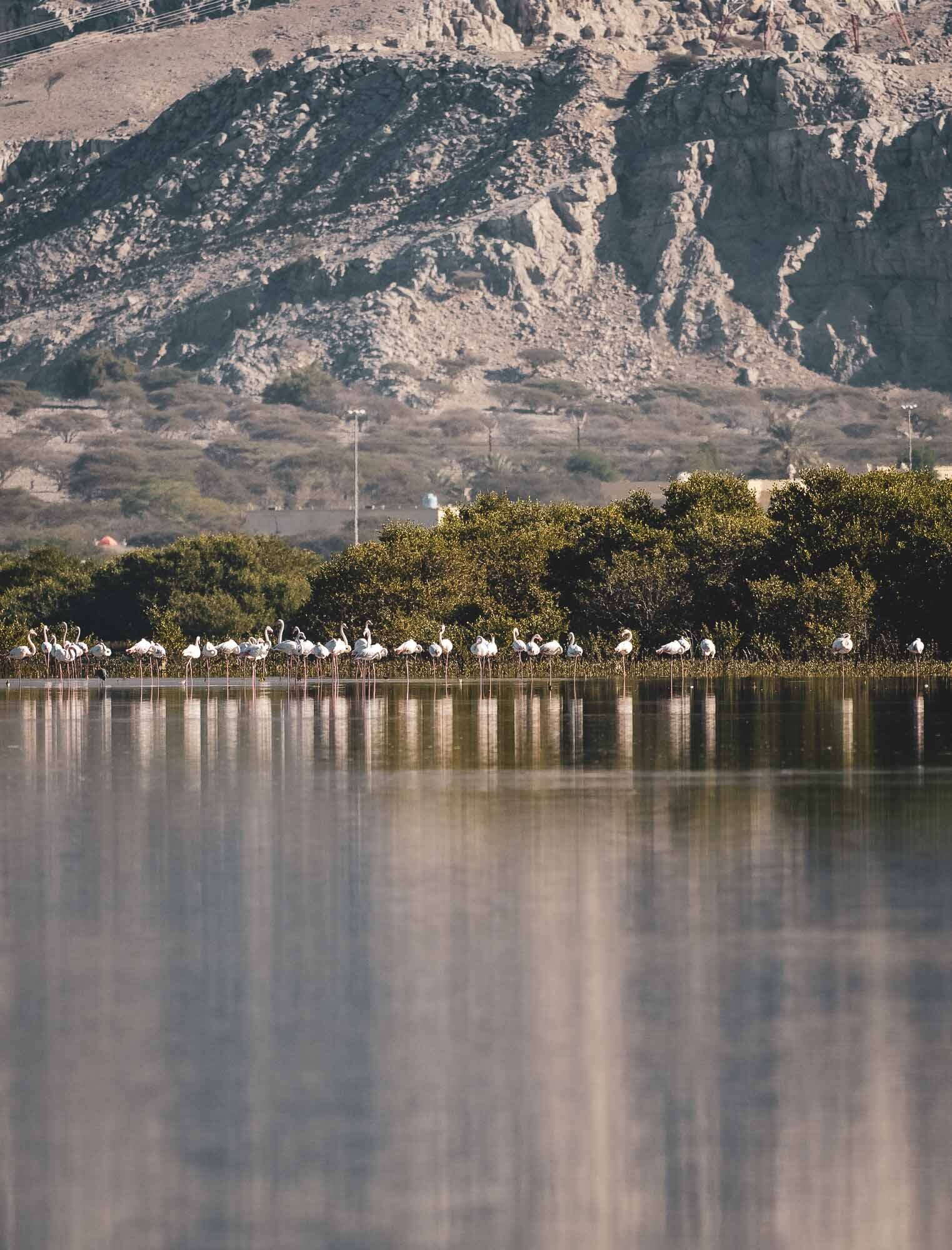
As you move deeper into the waters, you might spot some Flamingo in the distance.
We got lucky and spotted some baby camels.
Moving them along the beach back to the farm.
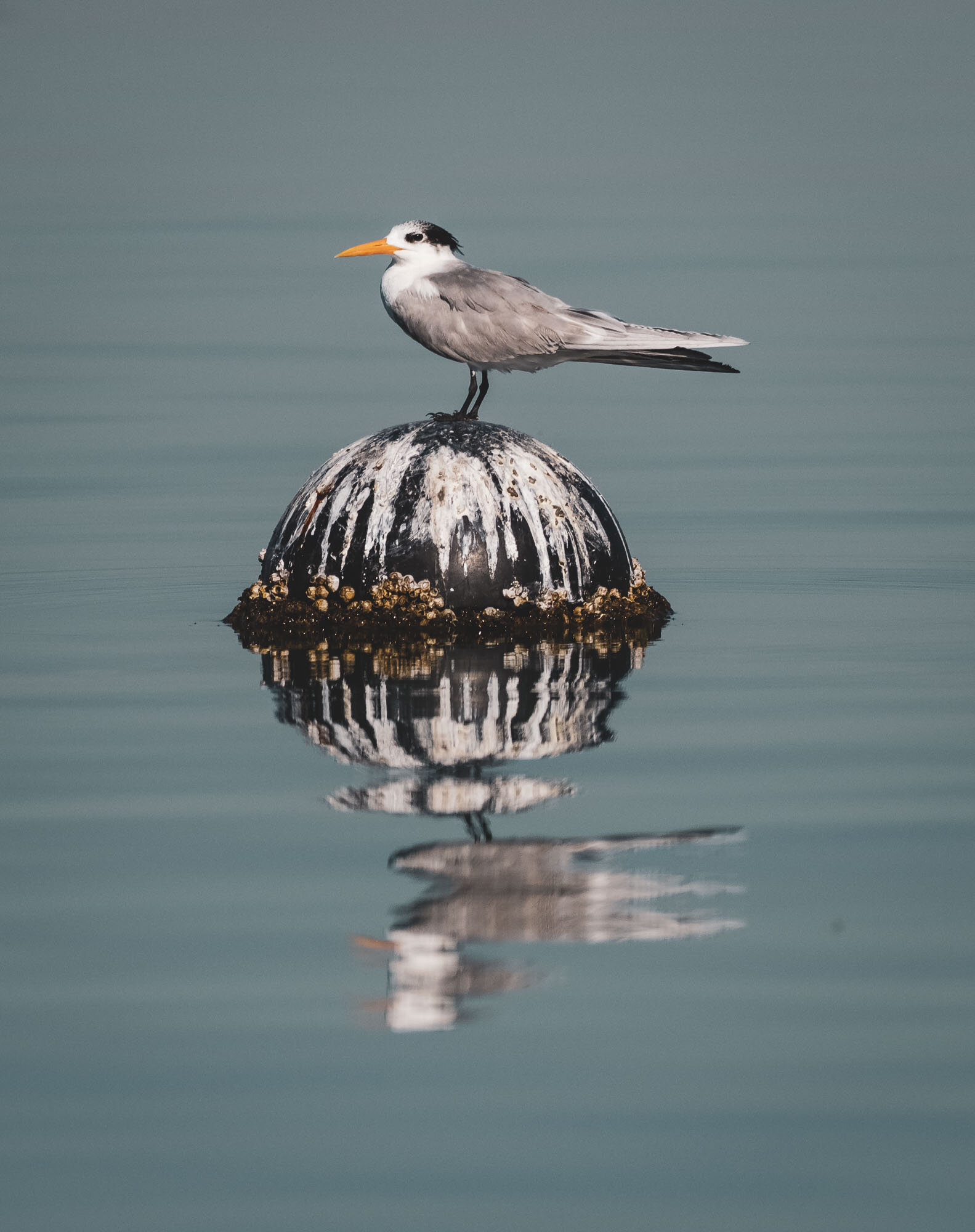
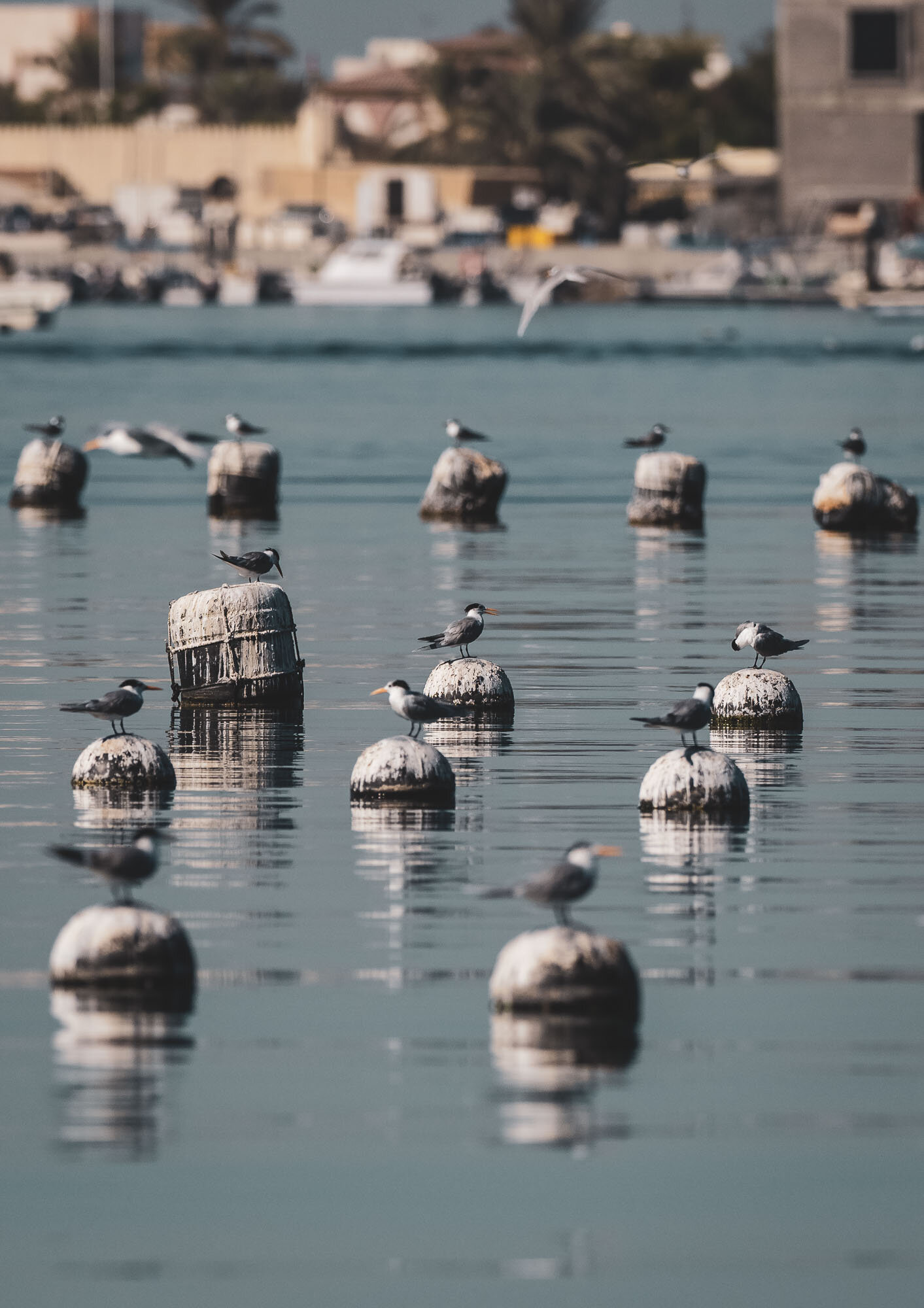
Comorants near the shore.
Bird toilet.
You're not alone.
The floating Pontoon of the Suwaidi Pearl Farm is your destination after the mangrove tour.
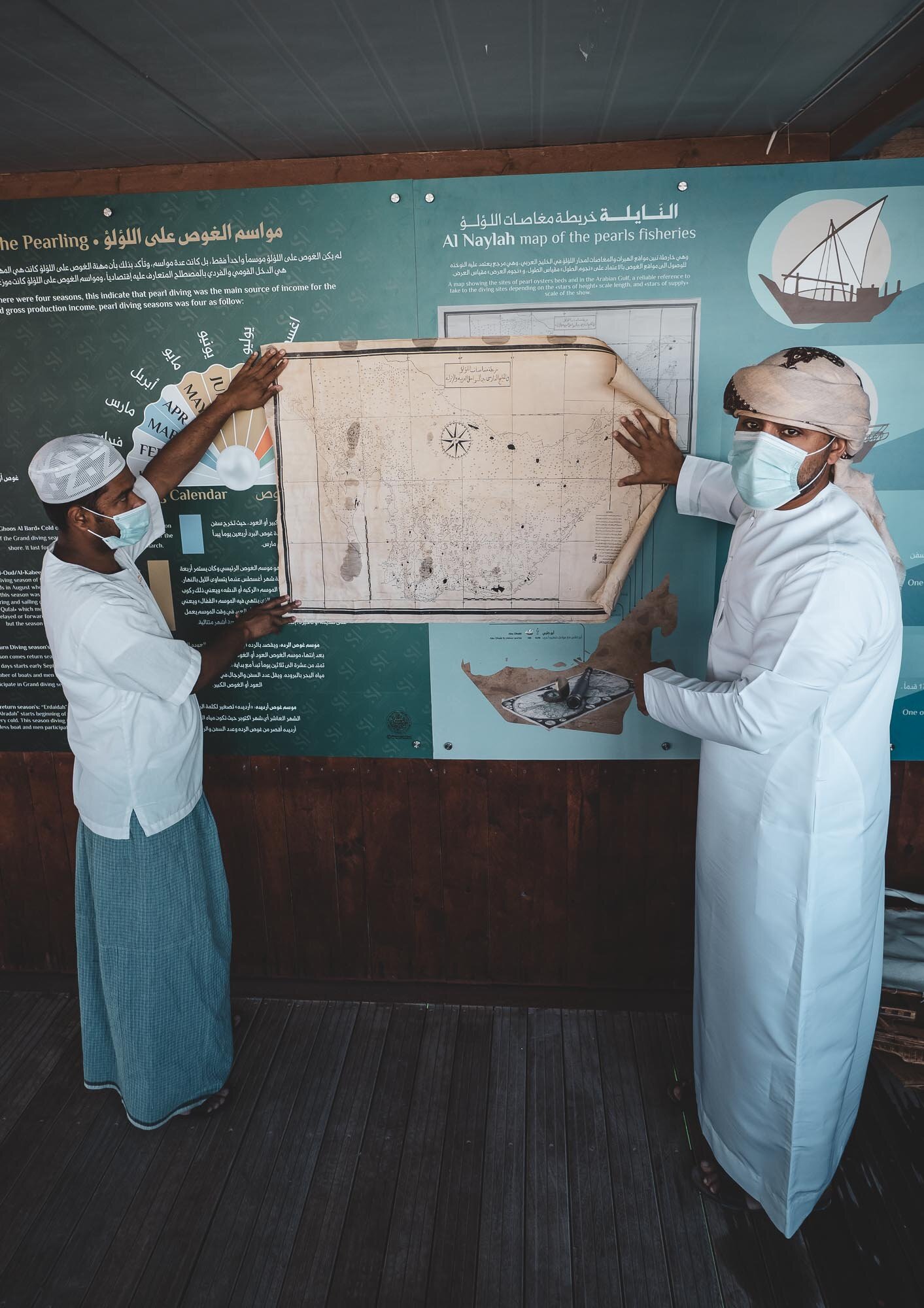
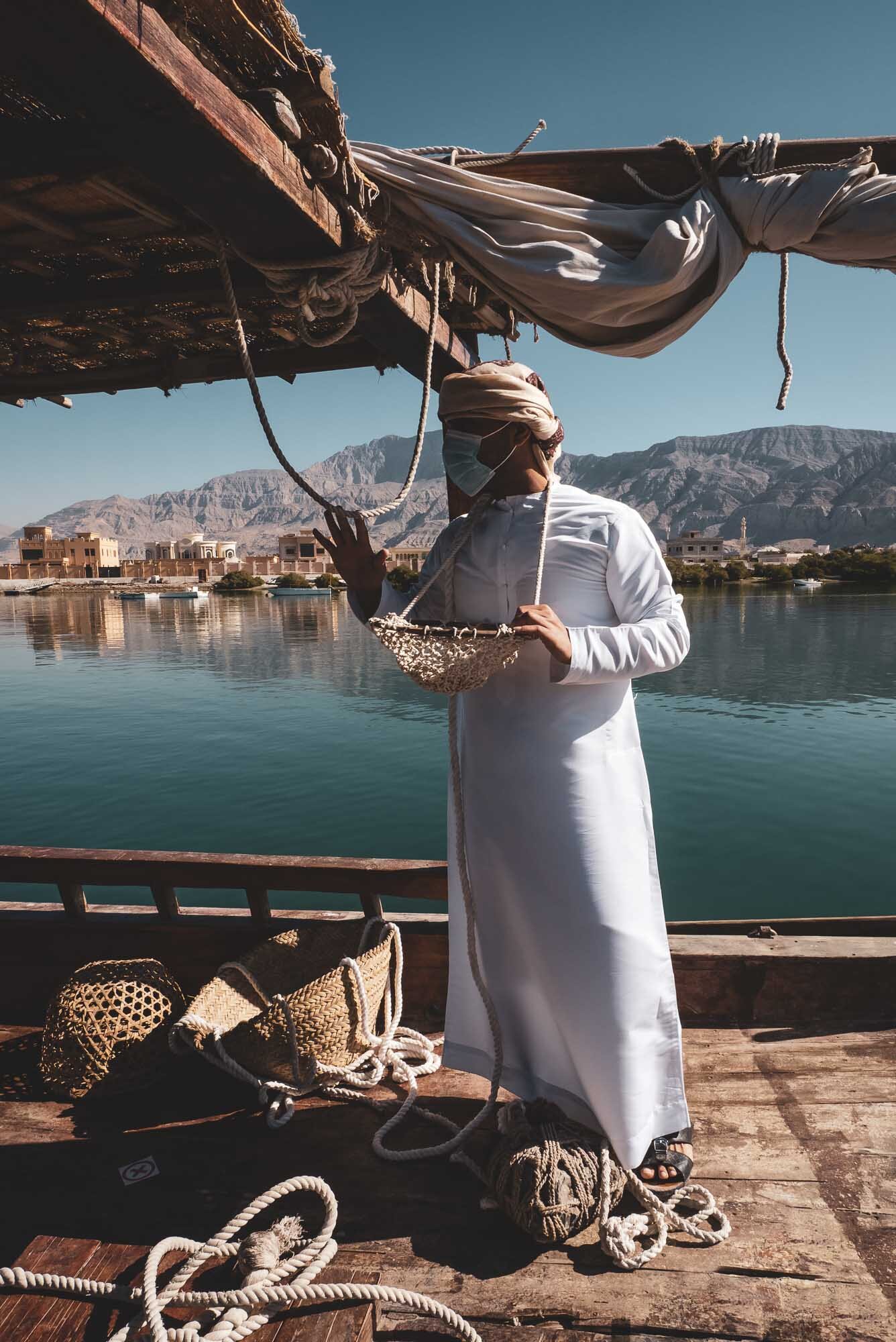
The team takes time to explain the history and process of traditional Pearl farming in the UAE.
It was a tough job, with up to 100 dives a day of up to 3 minutes each, for 4 months without interruption.
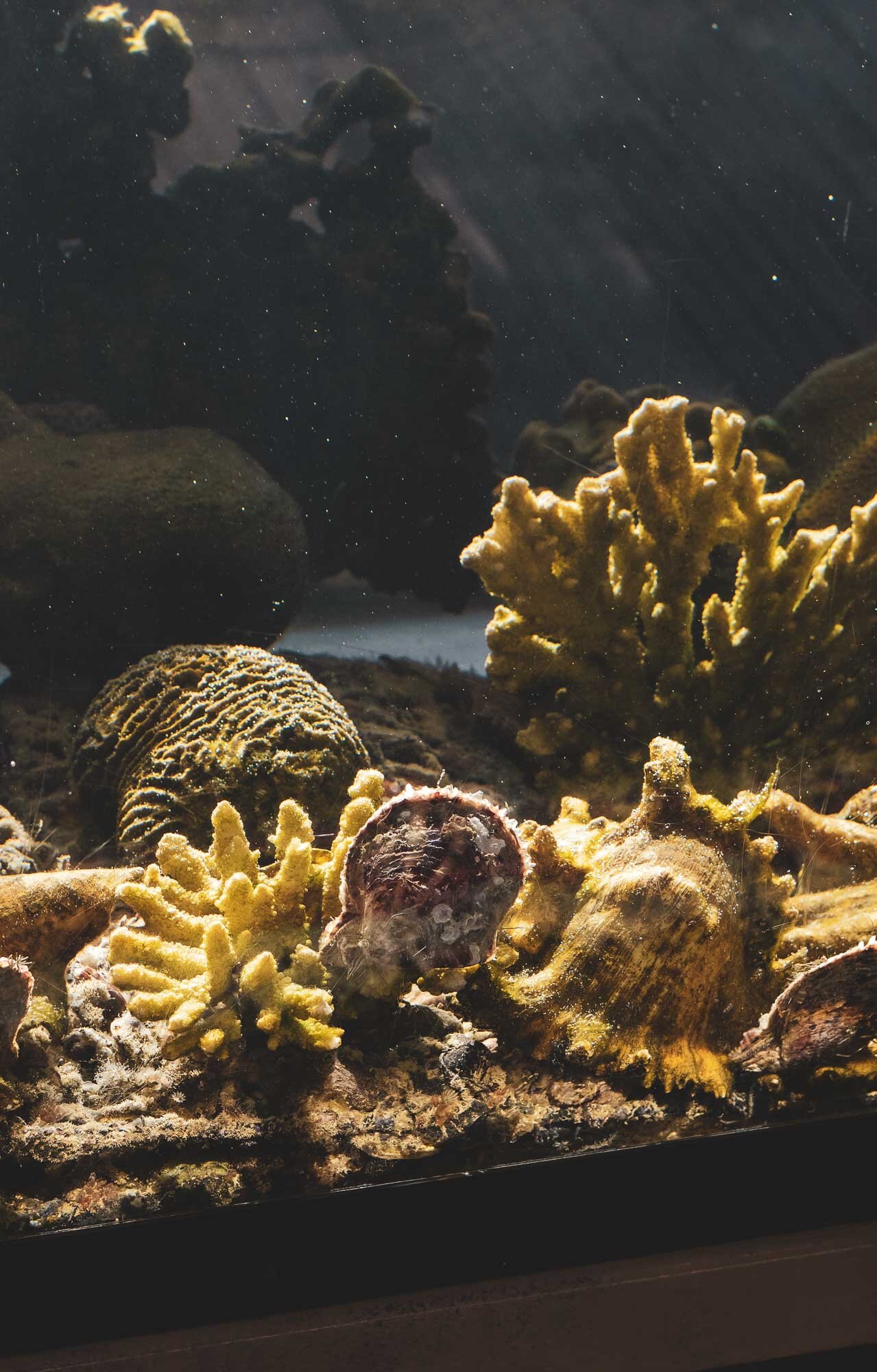
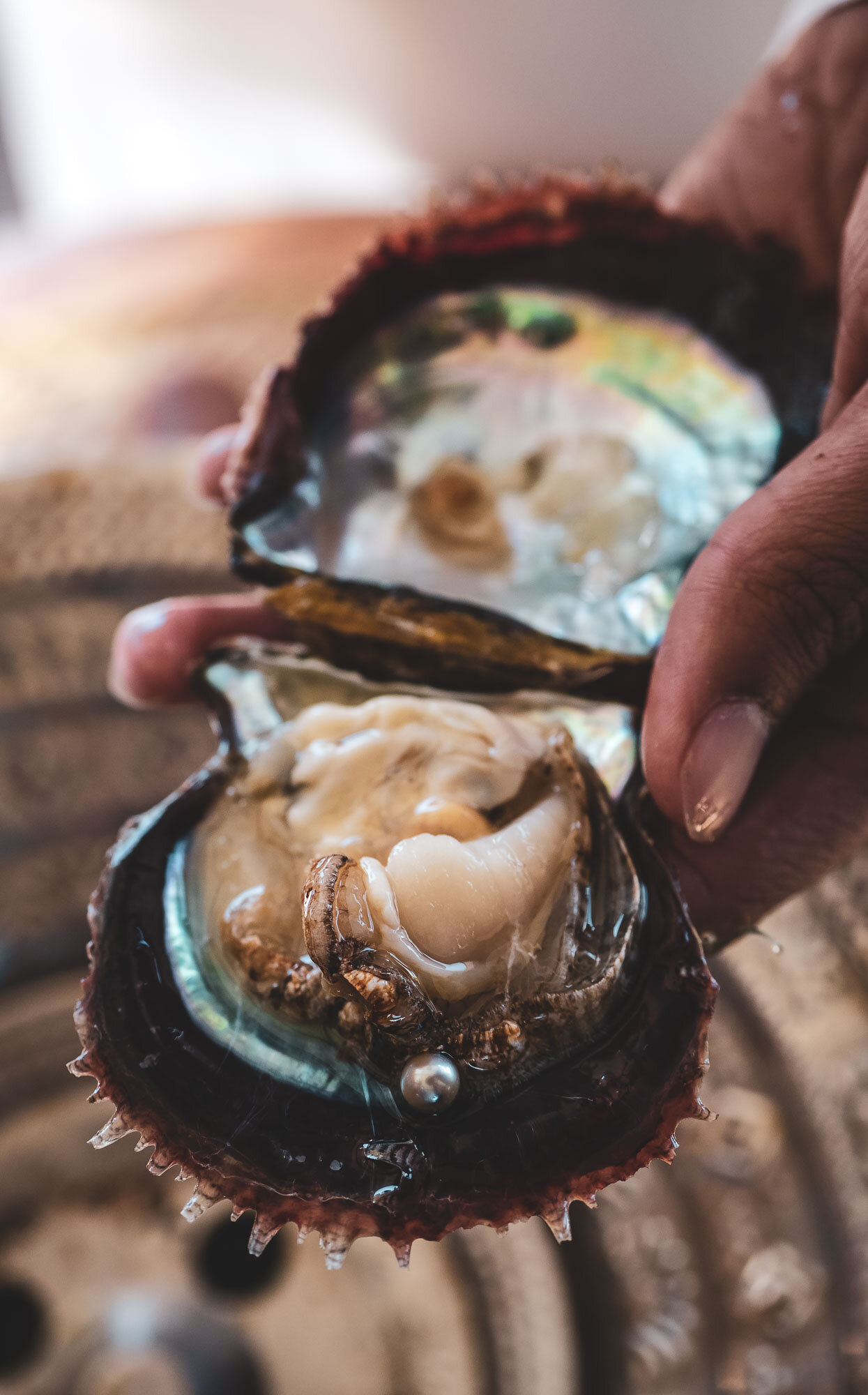
You get to pick your own Oyster, and with some luck will find a pearl. The chances are 60% for the aquacultuered versions, whereas a natural one only occurs in 1 out of 100.
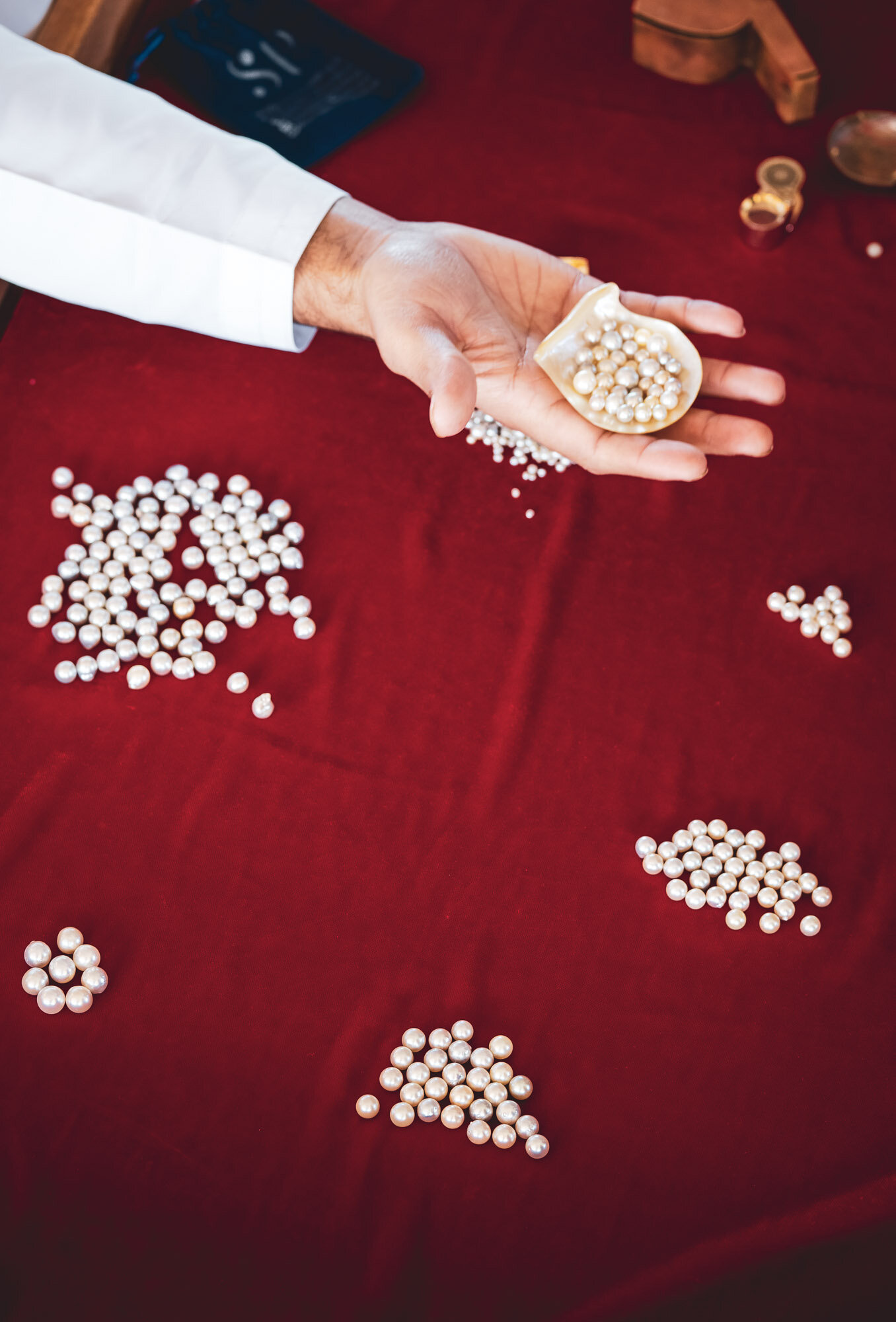
We found one indeed.
But they had more.
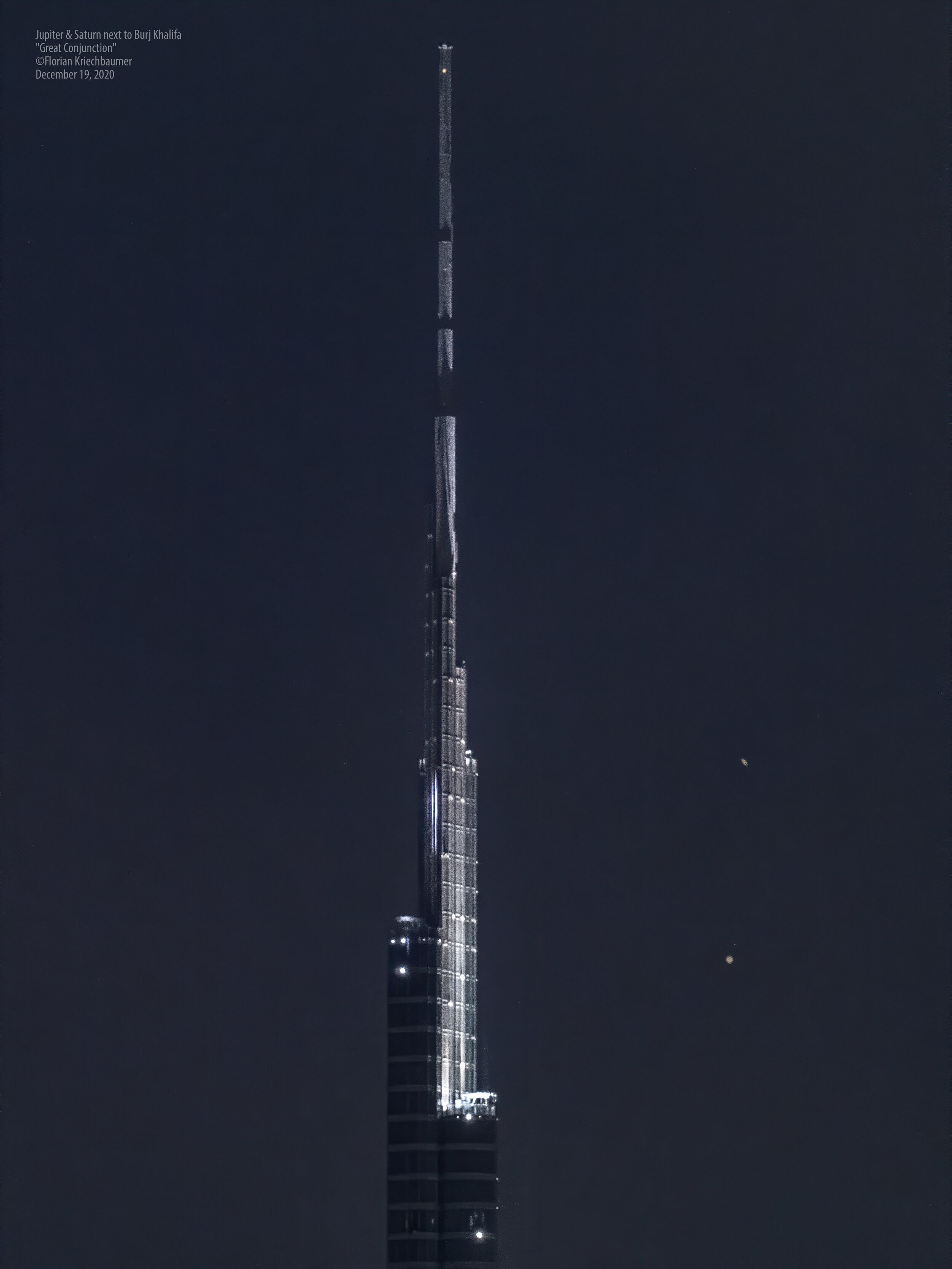
The Great Conjunction - Jupiter and Saturn passing Burj Khalifa
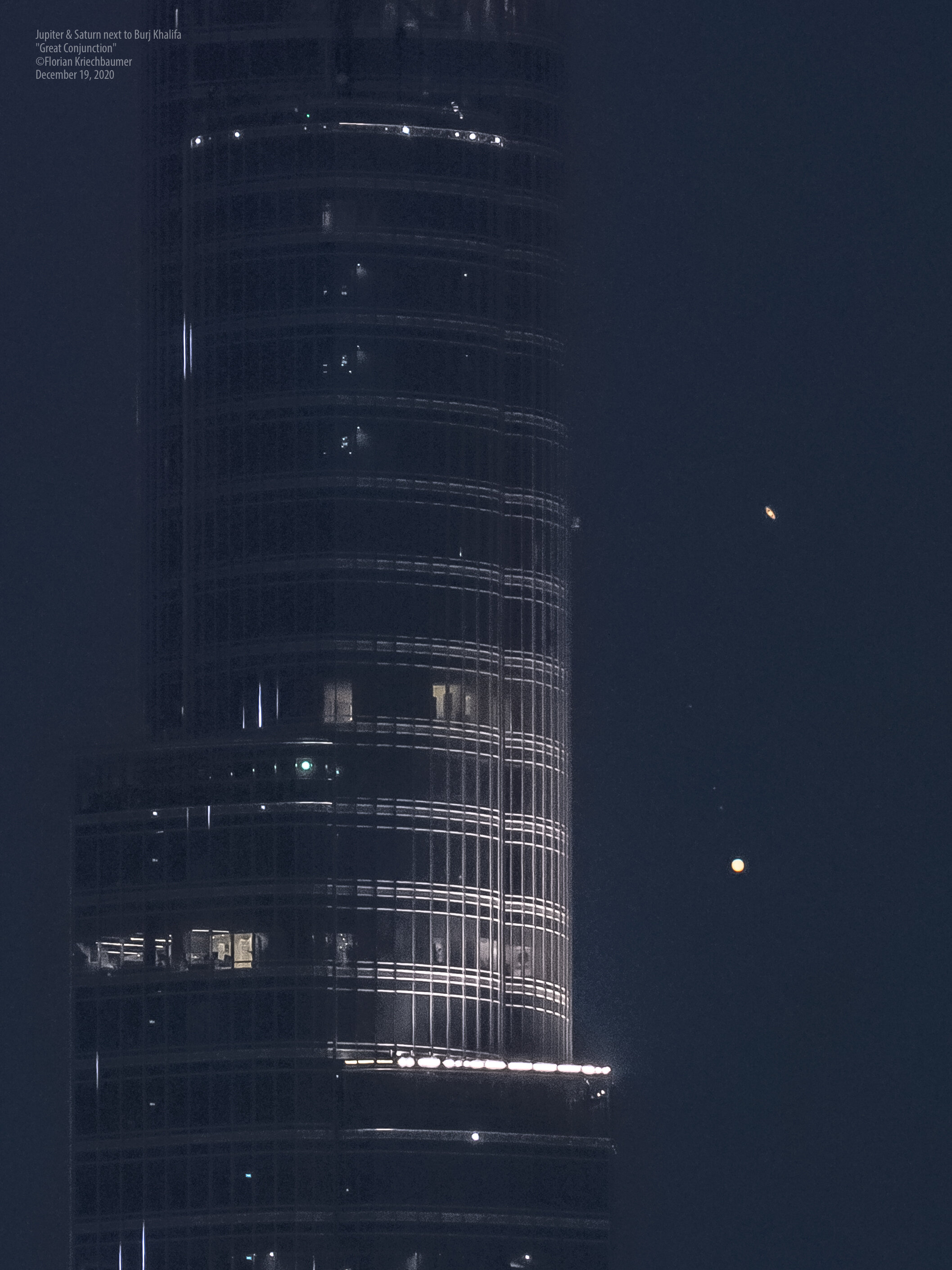
On December 21st 2020 something very rare is happening: The largest planets in our solar system, Jupiter and Saturn, will be at their closest observable in 800 years.
On December 21st 2020 something very rare is happening: The largest planets in our solar system, Jupiter and Saturn, will be at their closest observable in 800 years. This event, dubbed the “Great Conjunction”, happens regularly, but the planets have not been this close and at the same time visible from the earth since then.
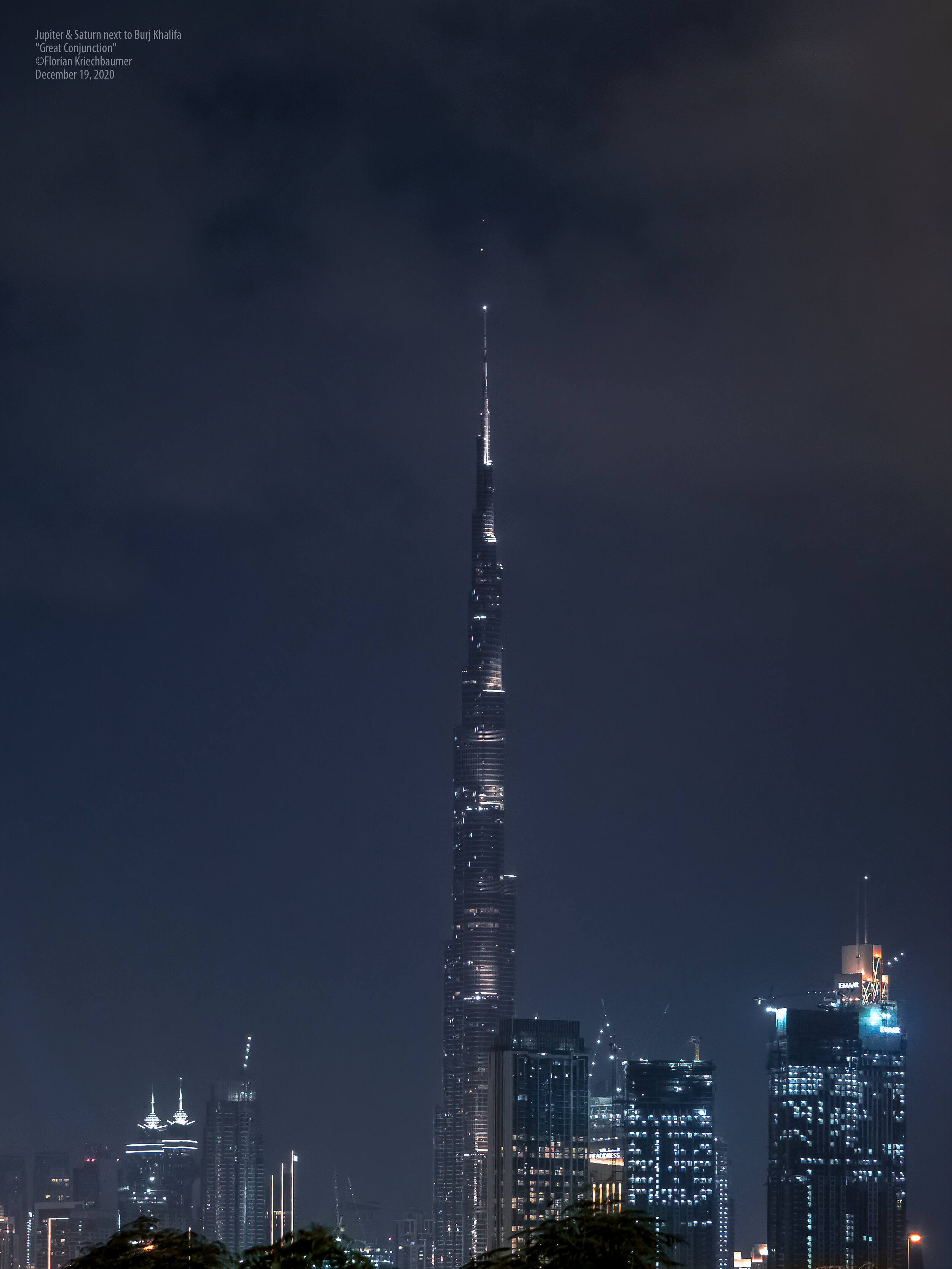
I set out to try and capture this event in a different perspective 2 days before the date, where the planets were already incredibly close. The goal was to photograph them passing the world’s tallest building Burj Khalifa, in Dubai.
It was a cloudy evening but due to travels this was my only chance, and luckily some gaps in the sky enabled me to capture the videos and photos below. This was truly one of the most mind-blowing things I’ve ever seen through my camera’s viewfinder.
Enjoy.
Resetting the rules: “Sorry, no tripod” & “Professional cameras not allowed”
During New Year’s Eve 2017, Dubai set a world record for the biggest LED and light show at Burj Khalifa, doing away with the usual fireworks and taking a different approach to welcoming 2018, the “Year of Zayed”, named after the founding father of the UAE.
It was just a 30 floor elevator ride for me to be able to capture this moment with my trusted Olympus mirrorless camera. For those reading and not familiar with camera terminology, this is essentially the same type of camera as what you might know as DSLR, or in general a camera with a viewfinder and interchangeable lenses. I got the shot I wanted, went back up, edited it, and posted on Social Media within the first 30 minutes of the new year.
To my surprise, the official @mydubai instagram account picked up the photo for their own NYE post a few minutes later. It became their most liked photo to that date within a few hours, and was reposted by several other official and unofficial accounts.
More than 2 years later, during a hot summer evening, I was wandering around a more or less empty Downtown Dubai in almost the same spot, with the same camera, on the hunt for new compositions. This time, I didn’t get the shot I wanted. Why? Because I was approached by a security guard telling me that professional photography is not allowed in this area, which is privately owned by Emaar, the master developer of the Burj Khalifa district.
This backstory to some extent exemplifies some of the reasons why I wrote this blog post: Many (not all!) developers, owners, organisations, and venues set ambiguous rules that prevent amateur photographers like me to capture their locations in the best light, enforce them arbitrarily, but then do want to reap the benefits of using our images for marketing purposes - mostly free of charge under fair social media use (whether that is right or wrong is a subject for another discussion).
At this point, I want to clarify that while I must admit I have sometimes been close to losing my patience with security guards, they are ultimately the messenger only, and their work as a whole is highly appreciated by myself and I dare say the entire photography community. This is about the rules they are being told to enforce, rather than who is enforcing them.
A second disclaimer to this post is that there are frequently very valuable and rational reasons for not allowing photography in certain situations: Protecting government institutions or military facilities, preventing the privacy of individuals in their own space from being compromised, ensuring the safety of people in crowded area by not allowing a tripod in the middle of a footpath, or ensuring protection of copyrighted material in cinemas or concerts.
These are not the situations in question here. Here, we are addressing wide open spaces, that are absolutely considered public, have no implications for national security, and where people take photographs on a daily basis with their smartphones.
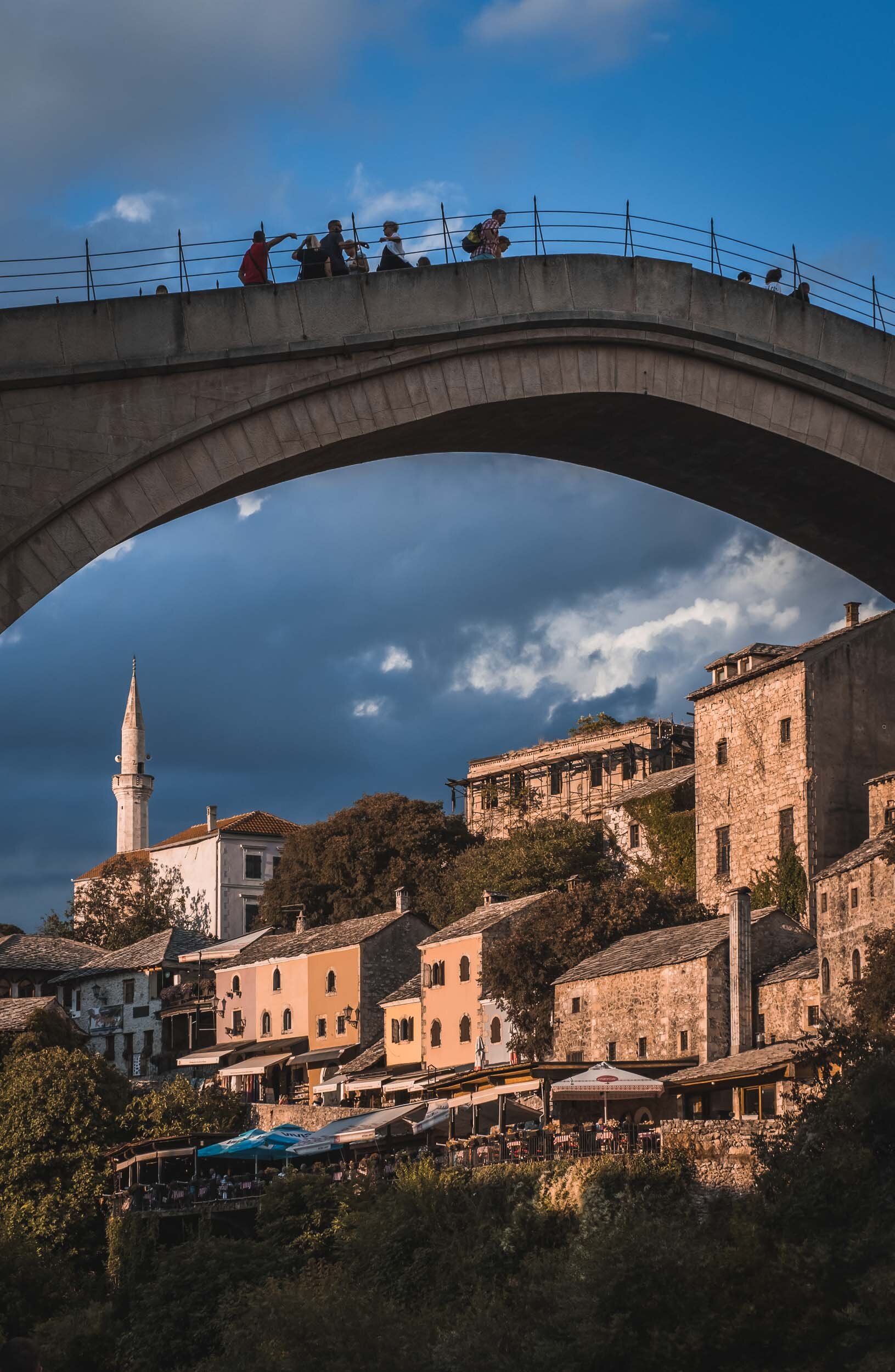
For those familiar with Dubai, such places include Bluewaters Island, Burj Park, Dubai Canal, or Design District - I've chosen those examples, because in all these locations I've been asked to not take photographs with my camera and / or tripod.
The question is, why is that? To date, the explanations I’ve received - if any - have never been very coherent or logical. As a result, I will have to make some assumptions: Your typical photo capture device today ranges from the size of an iPhone (the most popular camera in your hand, to a DSLR and a big telephoto lens that may be up 30cm in length or so, set up on a tripod 2m in height.
From personal - and thus anecdotal - but qualified experience, I have found that:
None of the locations in question would prevent anyone from taking a photo with their smartphone.
A few of them would approach you for shooting with a DSLR or mirrorless camera with a typical wide angle lens.
Many will ask you to refrain from shooting if you carry the same camera with a bigger lens, such as a telephoto zoom.
All of them will ask you to leave the moment your tripod touches the ground as you set up.
My interpretation of these findings are that the larger your overall equipment is, the more likely it is you will not be welcome to take photos. An assumption I am making here is that outsiders (i.e. not familiar with photography) associate “larger equipment” with “more professional”, which would imply that the rules set by these locations are “we do not allow professional photography”.
I would welcome for any of these companies and organisations to comment here with feedback on whether this is the case. Until then, let's contine with this assumption.
The problem is that the boundaries of professional photography have long been no longer defined by the size of the equipment. The advent of smartphones with Instagram & Co, the rise of the influencer culture relying heavily on photography, and the significant advancements in mobile photography have allowed people to do commercially viable work with equipment that fits in their pocket. Heck, Netflix movies are now shot on iPhones. This discredits the entire reasoning why a regular DSLR and lens should be treated differently from a smartphone when it comes to what is “professional".
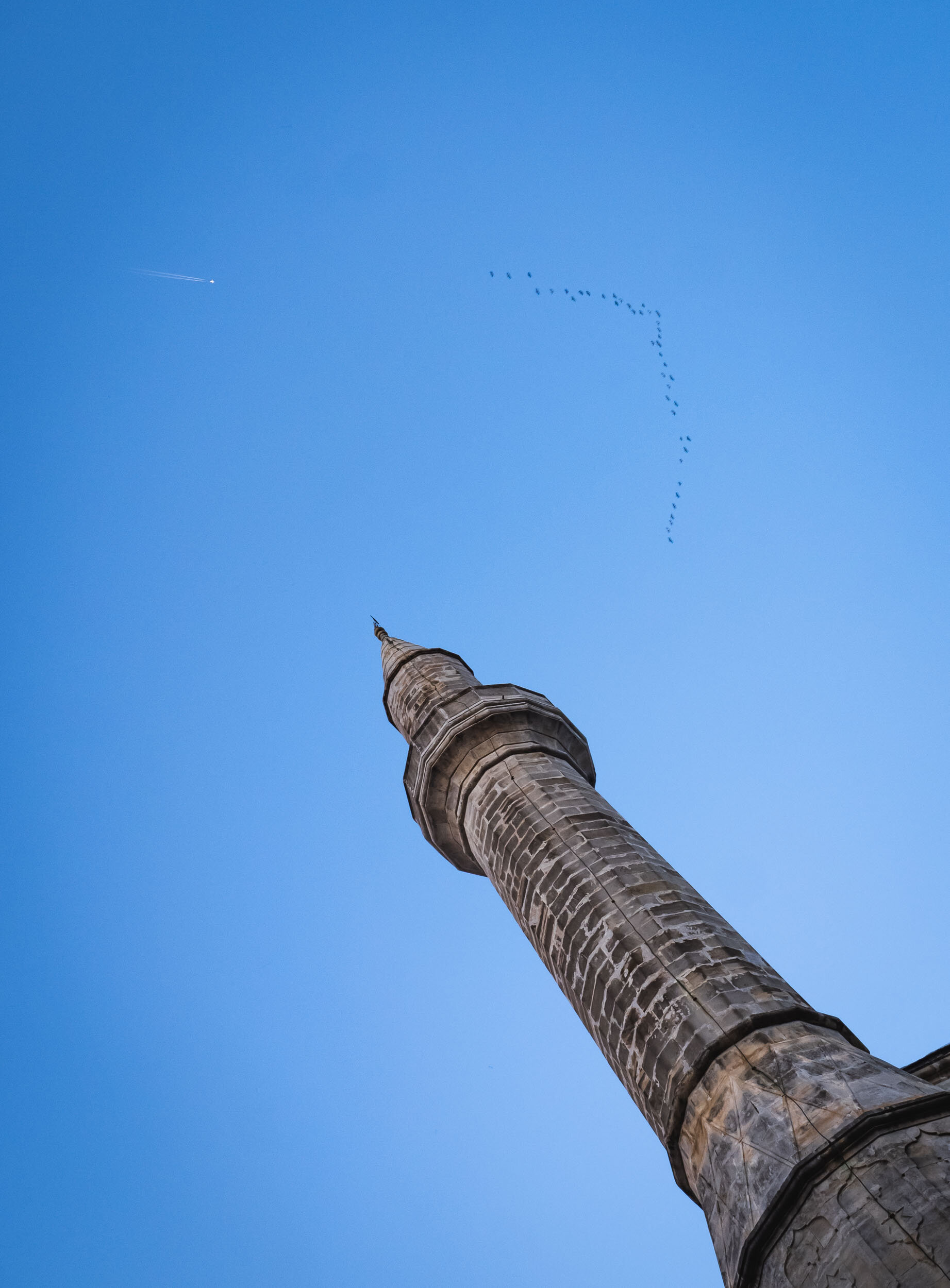
Let’s move to the next level: Using a big telephoto zoom lens. Also in this area, we are now approaching times where smartphones are capable of producing extreme levels of computational zoom, enabling everyone to take photos of objects and people far away. A camera with interchangeable lenses will (for now) still have an advantage in some ways here, and produce better quality - the question is why that would be a problem? I can think of privacy as the major reason, where as a location owner one wants to make sure people do not feel uncomfortable and be under the perception they are being photographed from far away without their knowledge or consent. My argument though would be that if this was a photographers intention, and they would do it maliciously, the laws around privacy protection for others would still apply - whether in a location that is privately owned by a large developer, or a public square. It’s unlikely that a private security guard will be able to deter someone from engaging in such activity, if even the law is not able to.
Moving on the last and seemingly worst offender: The three-legged friend of the long exposure photographer - a tripod. Here, it may be worthwhile to quickly explain why photographers chose to carry this device around. Generally speaking, cameras need to capture light for a certain amount of time to produce a well exposed image. When it’s bright outside, less than a second is enough to achieve that, maybe 1/100 or even 1/1000. When it gets dark, this isn’t enough anymore. The camera may need 3 or 5 or 10 seconds to capture sufficient light to produce a good quality image. The problem is, no one can hold the camera steady for that long, meaning that movement occurs during the light capture period, resulting in a blurry shot. This is where the tripod comes in, keeping the camera steady while it collects the required photons. Granted, there are other uses for a tripod, but generally speaking they evolve around similar concepts. So, I ask myself why venues do not want to see tripods being used? More than once I placed my camera on a rail, stone, bag or whatever when asked to stop using my tripod - and this was acceptable. How does that make sense? The result is the same, except that my composition might be worse and it’s more risky (the camera might fall, etc). My tripod will probably still be around, leaning against a nearby wall.
As we discovered earlier, in many places it is seemingly ok to use a camera, but only the tripod triggers something in the security personnel that makes them ask you to stop. This seems illogical: We can shoot the same exact photo during daylight in great quality (enough light for a short exposure), but at night when we need a tripod to capture enough light to get the same quality, it is deemed as not acceptable. It doesn’t appear likely that daylight photos are ok for a location owner, but night time shots are not.
Lastly, similar to the argument with telephoto lenses, the latest generation smartphones are slowly catching up in this area, using digital stabilization to capture acceptable night time photos, and further blurring the lines between the size and type of equipment needed to capture similar looking photos.
You may ask why we still need dedicated cameras and lenses? Well, smartphone technology is not quite at the stage where it can handle all the photographic challenges a specialized camera can, and while for average photos for an Instagram post on a small smartphone screen this may be less of an issue, if you are looking to print a photo for instance, this is where the difference between the two classes of equipment do show up. Some kind of photos aren’t achieve with smartphones just yet, but that doesn’t mean they are automatically “better” or more professional or commercially useful.
As smartphones catch up with dedicated cameras for these last scenarios, will the organisations making these rules soon forbid any kind of photography in their locations? My prediction is their marketing departments would quickly scream and shout when faced with the loss of the free social coverage, aside from it being practically impossible. If the assumption made at the beginning of this post is correct, the rationale should shift from “we do not allow professional photography” to “we do not allow commercial photography” - this may make sense as the venue wants to control commercial activity. But how can you do that when an influencer shot taken and edited with a smartphone can easily generate much more money than a photographer with a dedicated camera taking a shot planned and edited for hours, printed on fine part paper, and sold in a gallery?
So in anticipation of that, it may be the right time to re-define what “commercial” or “professional” photography means in this context and start a conversation on establishing clearer and logical rules for what scenarios and equipment are allowed, or not, and for what reason. In the end, it is clear that companies are free to ask anyone to leave their premises, or to not use a camera bigger than a smartphone, or an orange, or whatever arbitrary definition they chose, regardless of the reason.
Ultimately, this will probably make photographers try to take a photo by whatever means is allowed, instead of what produces the best result. That photo may just not be as good, not as creative, not as interesting, or it may not happen at all and the moment will be gone forever - leaving the photographer and his or her audience disappointed, and taking away a chance for the location to create positive impressions or attract new visitors due to the existence of the photograph, for no logical reason.
Myself, and I am sure the whole photography community in Dubai, are open to engage in this discussion with the decision makers at the various organizations, for the benefit of everyone - for us to follow our hobby and passion without hindrance, for the public to enjoy great photography, and for organisations to benefit from free and high quality coverage.
I see several ways a middle ground can be found: Ask photographers to sign a release form giving the location permission to use the photos. Make photographers sign a disclaimer that ensures we cannot publish the photos commercially or re-sell / license them. Create a system for granting permission to a person on a yearly basis, not for one single shoot. Request IDs in order to know who shot when at the location. Train security guards to determine in which cases there is a genuine issue caused by a photographer. Or, just treat photographers with a camera the same as someone with a smartphone.
Admittedly, there are details and issues to be addressed with these suggestions - this might be part of a future blog post - but I am confident there are better ways to establish a mutually understandable and viable basis than the inconsistent and illogical approach many places seem to follow right now.
Let’s sort this out. All we want is to take great photos of the city and places we love.
Slovenian Beauty - Lake Bled & Ljubljana
A two day trip to Slovenia brought us to the picturesque Lake Bled with its famous church island, and the beautiful capital Ljubljana.
While travel restrictions with health and safety requirements are still omnipresent, trips within certain countries in Europe are manageable with the right precautions. A two day trip to Slovenia brought us to the picturesque Lake Bled with its famous church island, and the beautiful capital Ljubljana.
Lake Bled
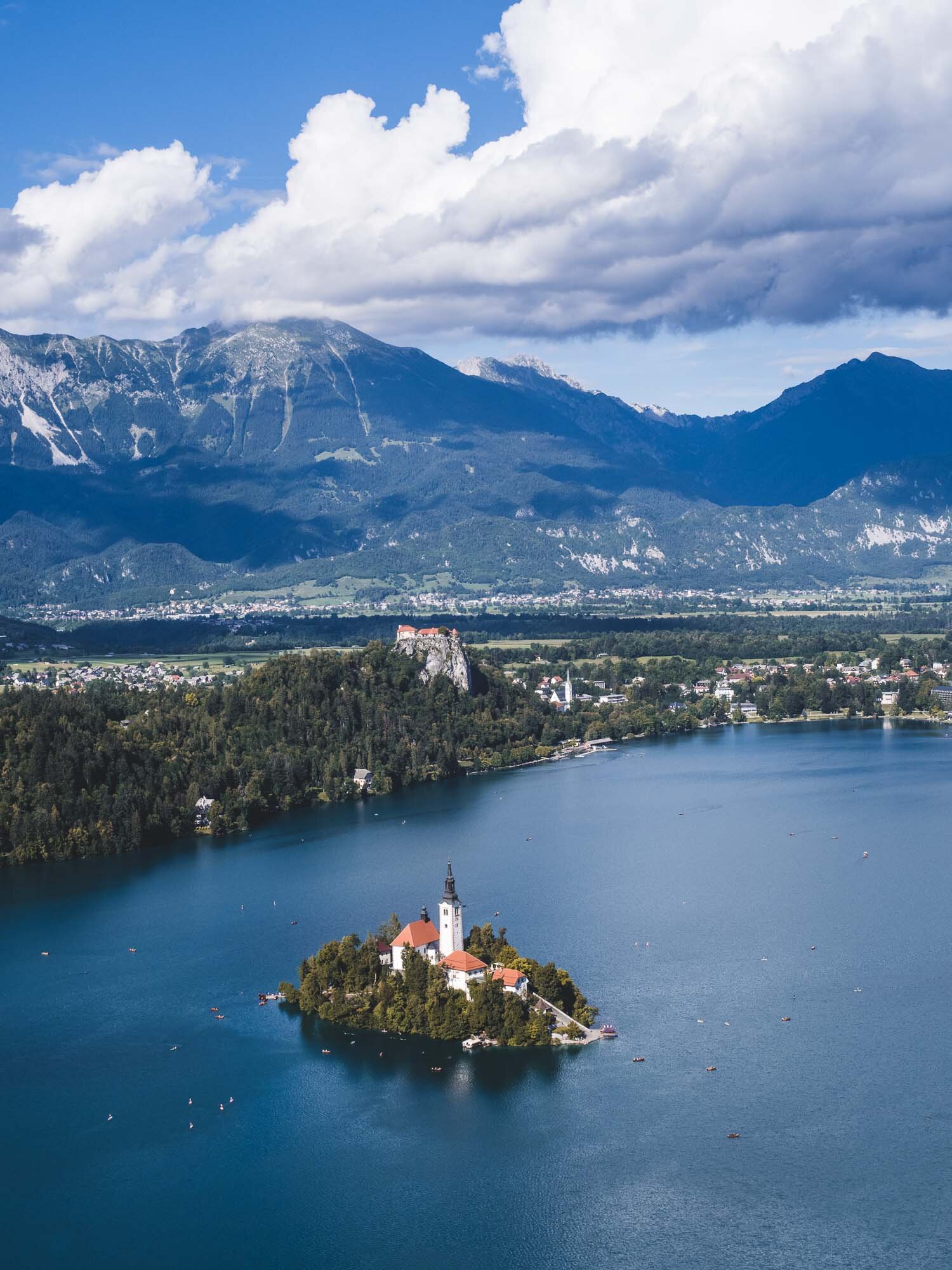
Our first stop was Lake Bled on the foot of the Karawanks mountain range.
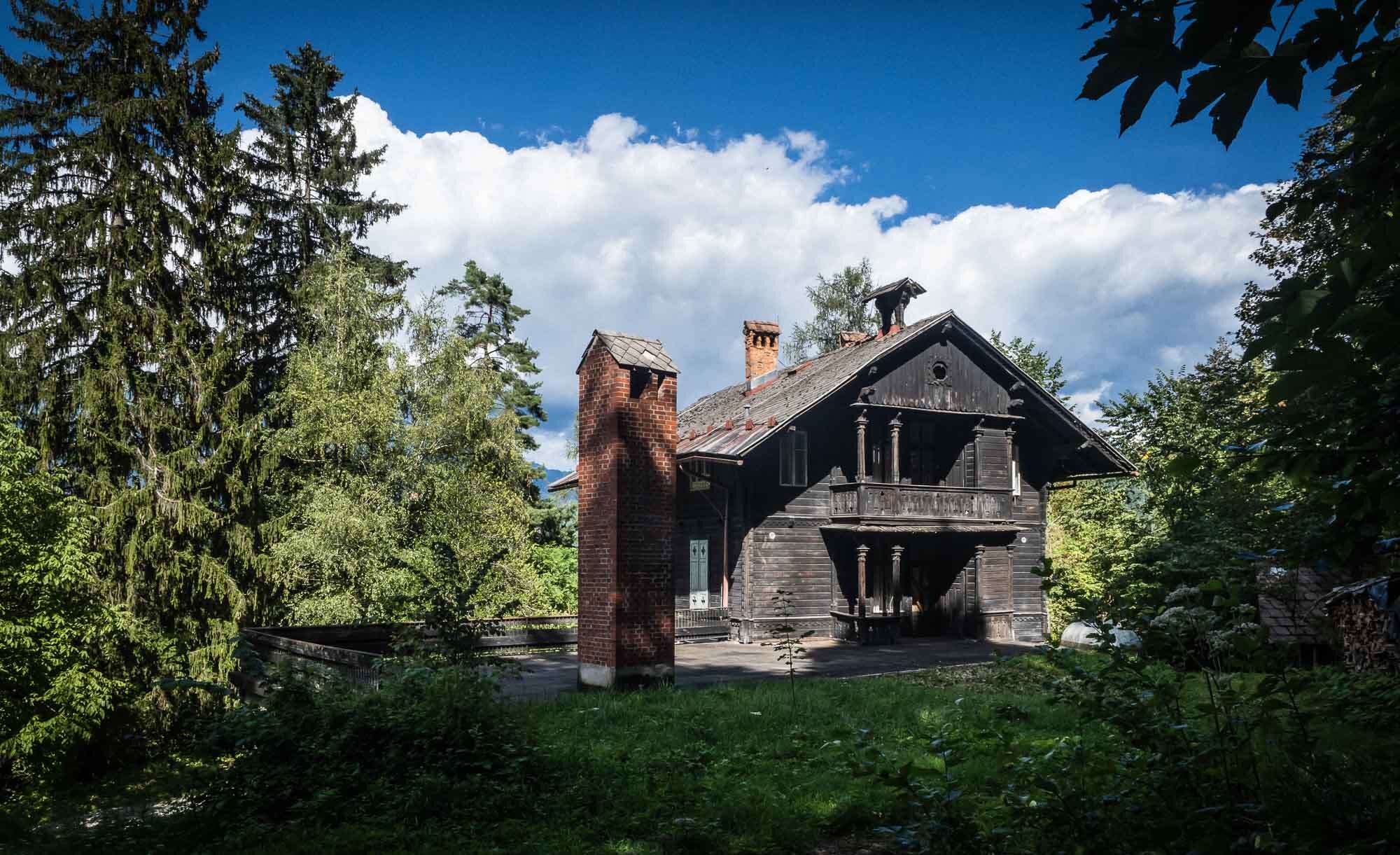
Mountain House
We crossed this wodden house on the hike up to Mala Osojnica, one of the best viewpoints over the lake.
Up
The hike is in fact quite steep - so steep that this staircase was installed near the top.
Mountain Tops
The lake is situated in the Julian Alps range.
Church Tops
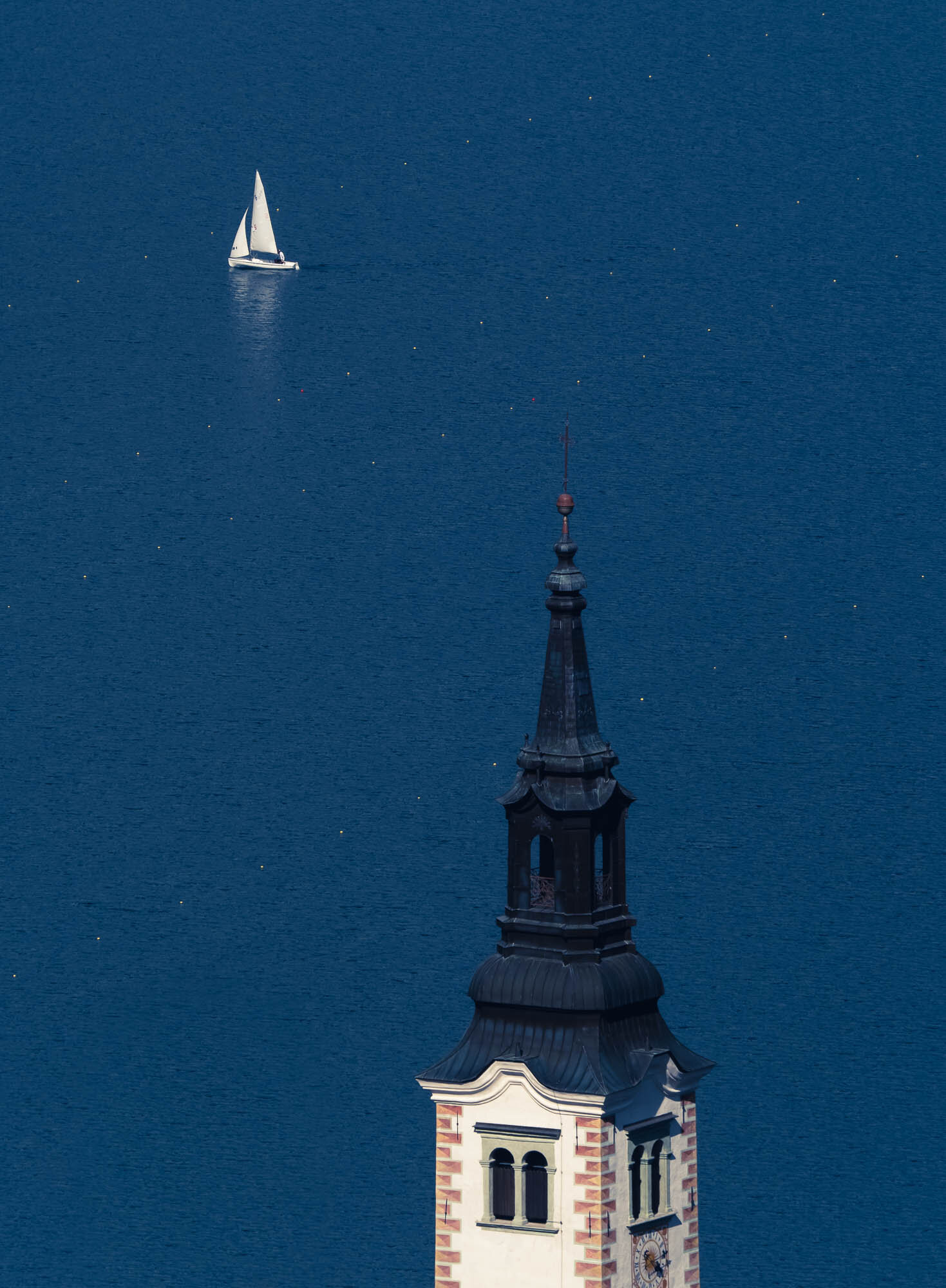
The tip of the 53m high tower of the famous church in the lake.
Lake Shores
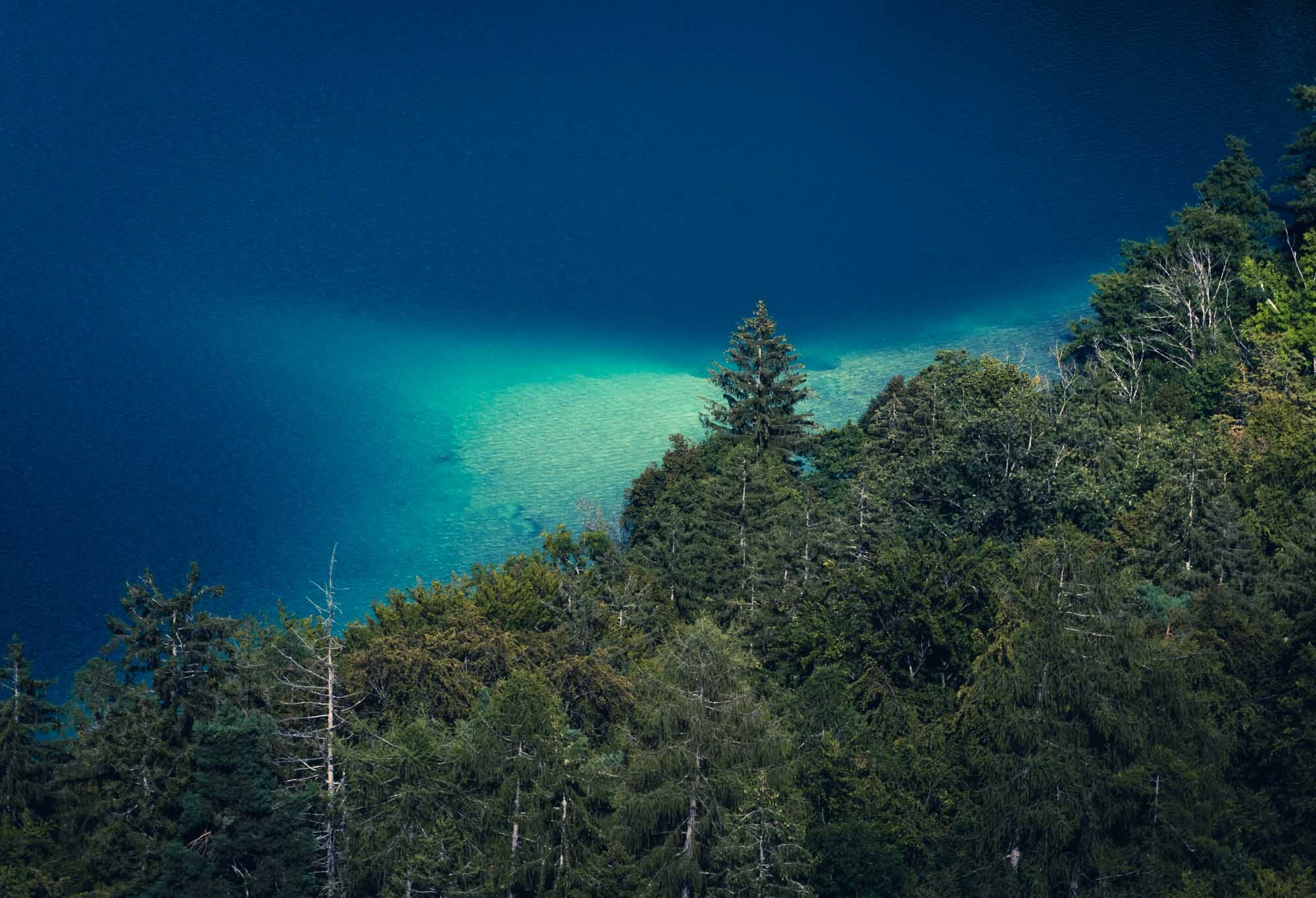
The colour and clarity of the lake was incredible in the summer light.
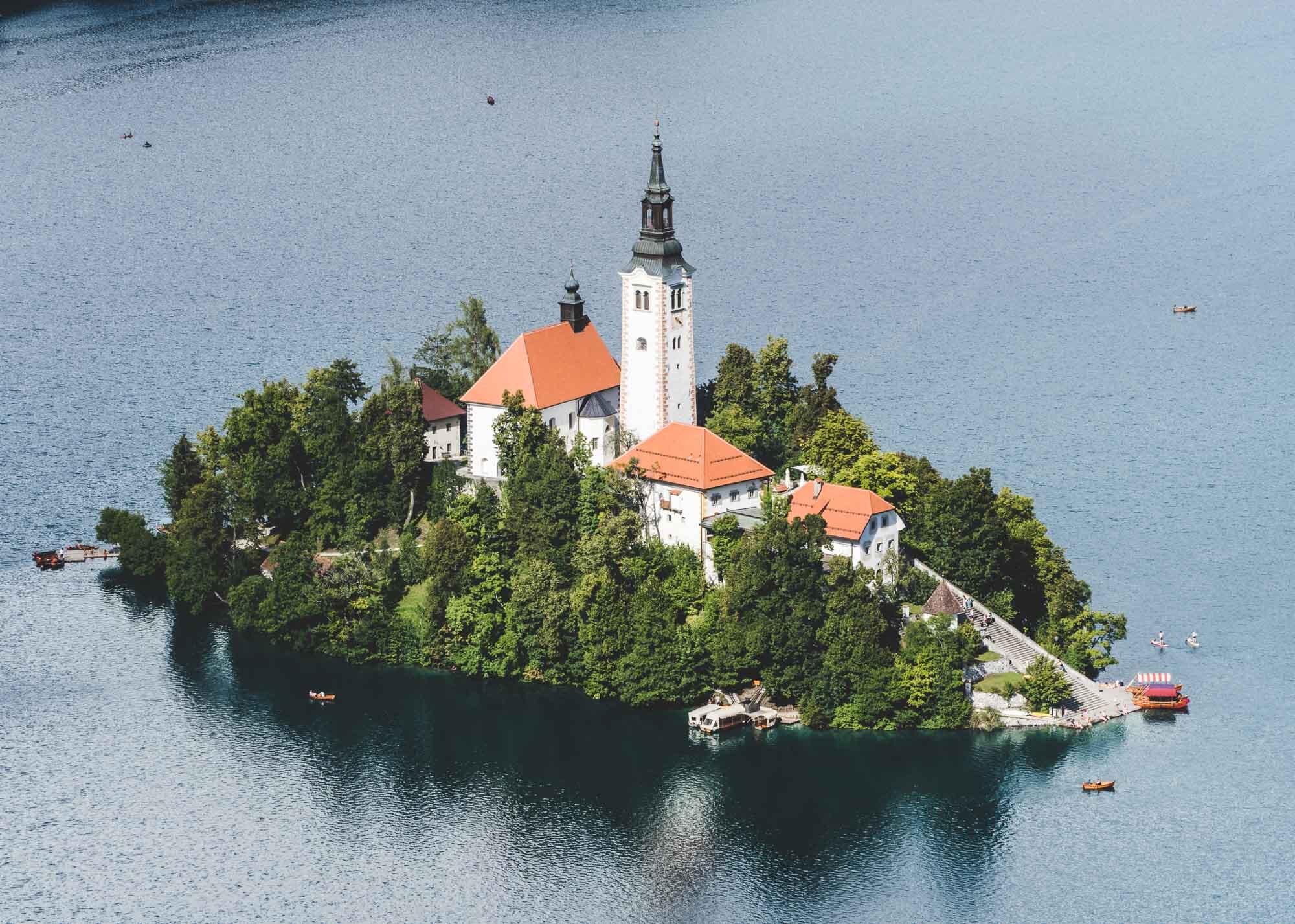
Assumption of Mary Church
The famous church on the island in the middle of Lake Bled is a very famous photographic spot.
Views
The ascent to the viewpoint on the southern side of the lake is rewarding.
Trio
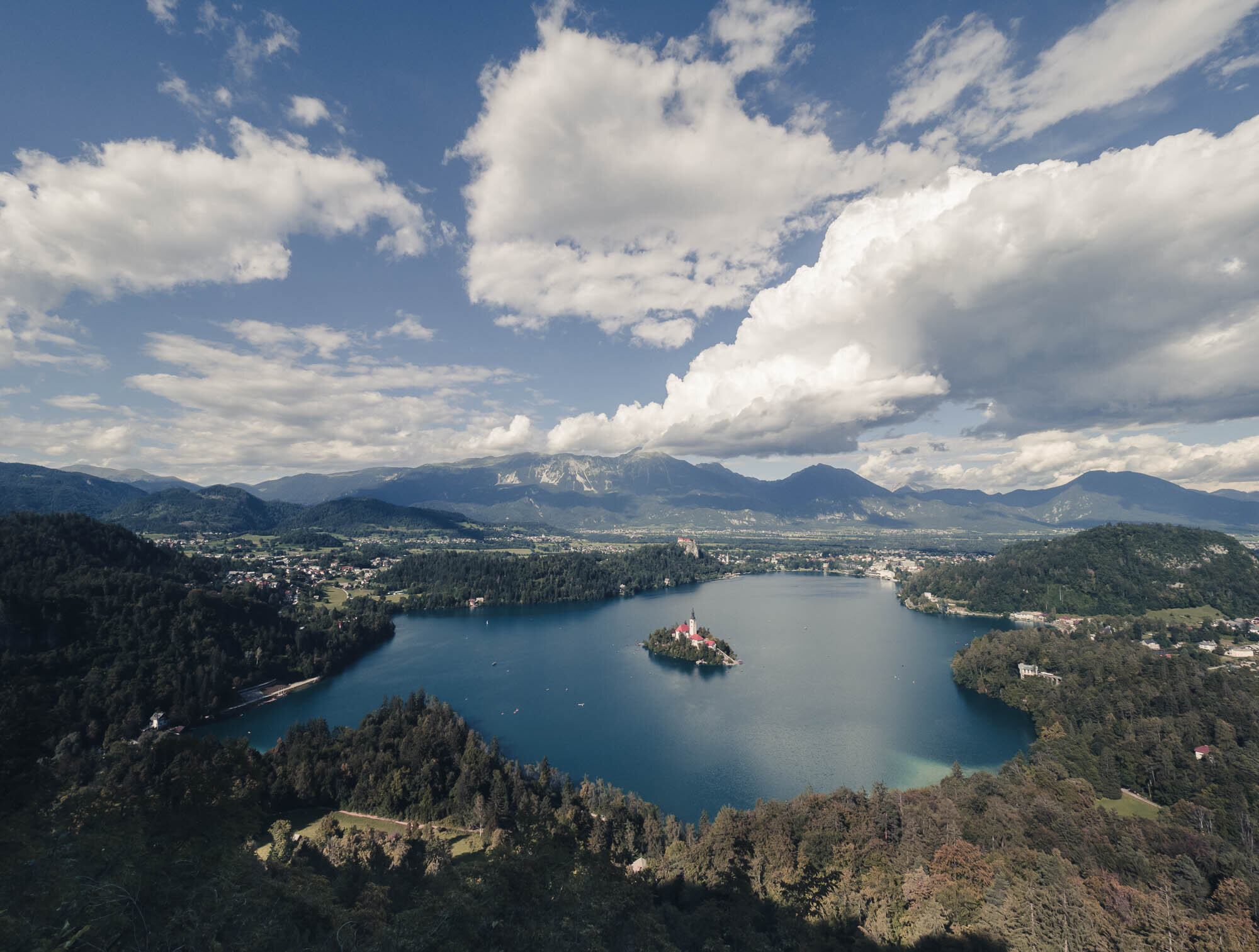
Lake Bled, the church island, and the Julian mountains.
Summer Greens
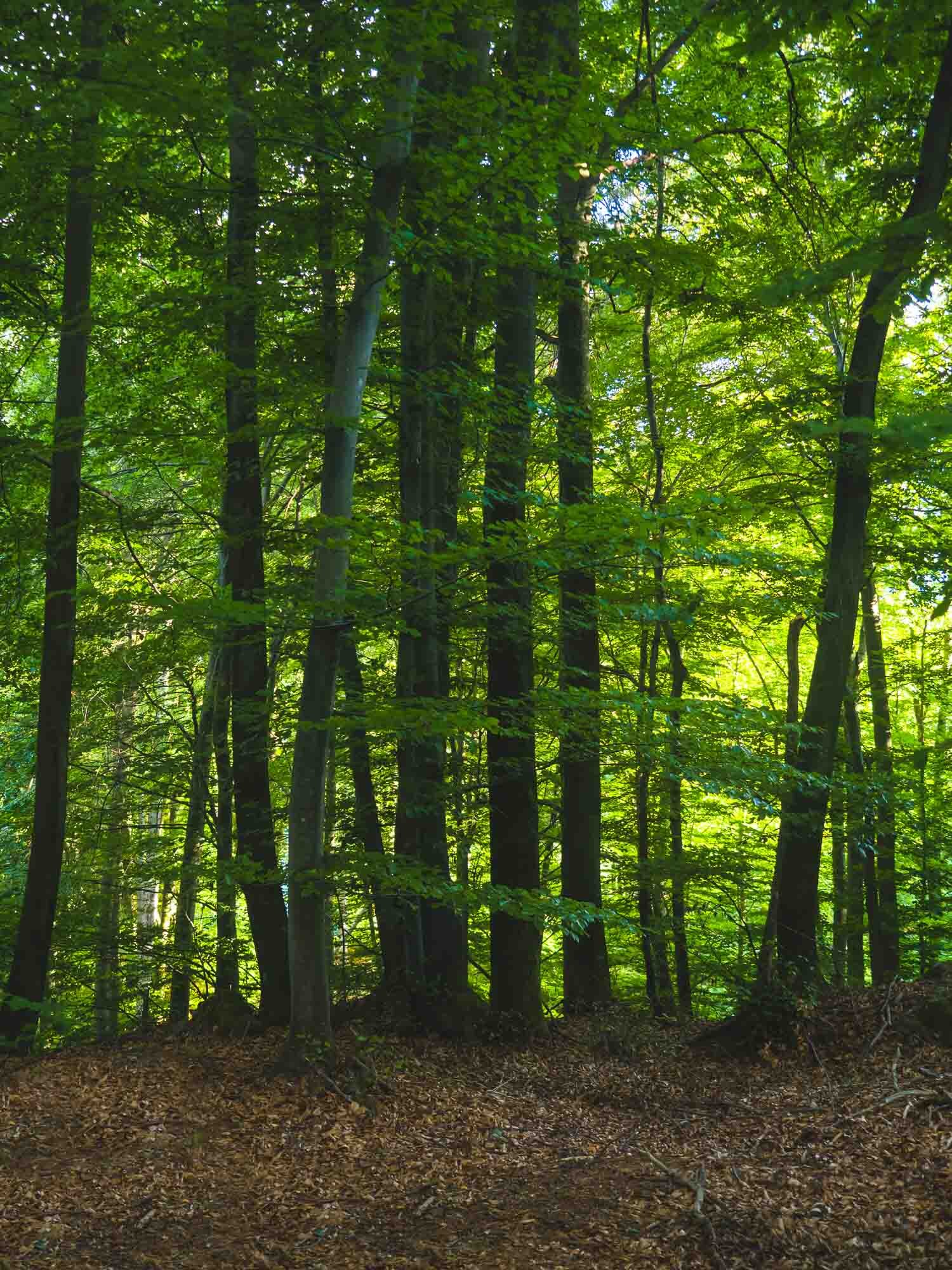
The forest was positively glowing with the greens illuminated by the sun.
Light & Shade
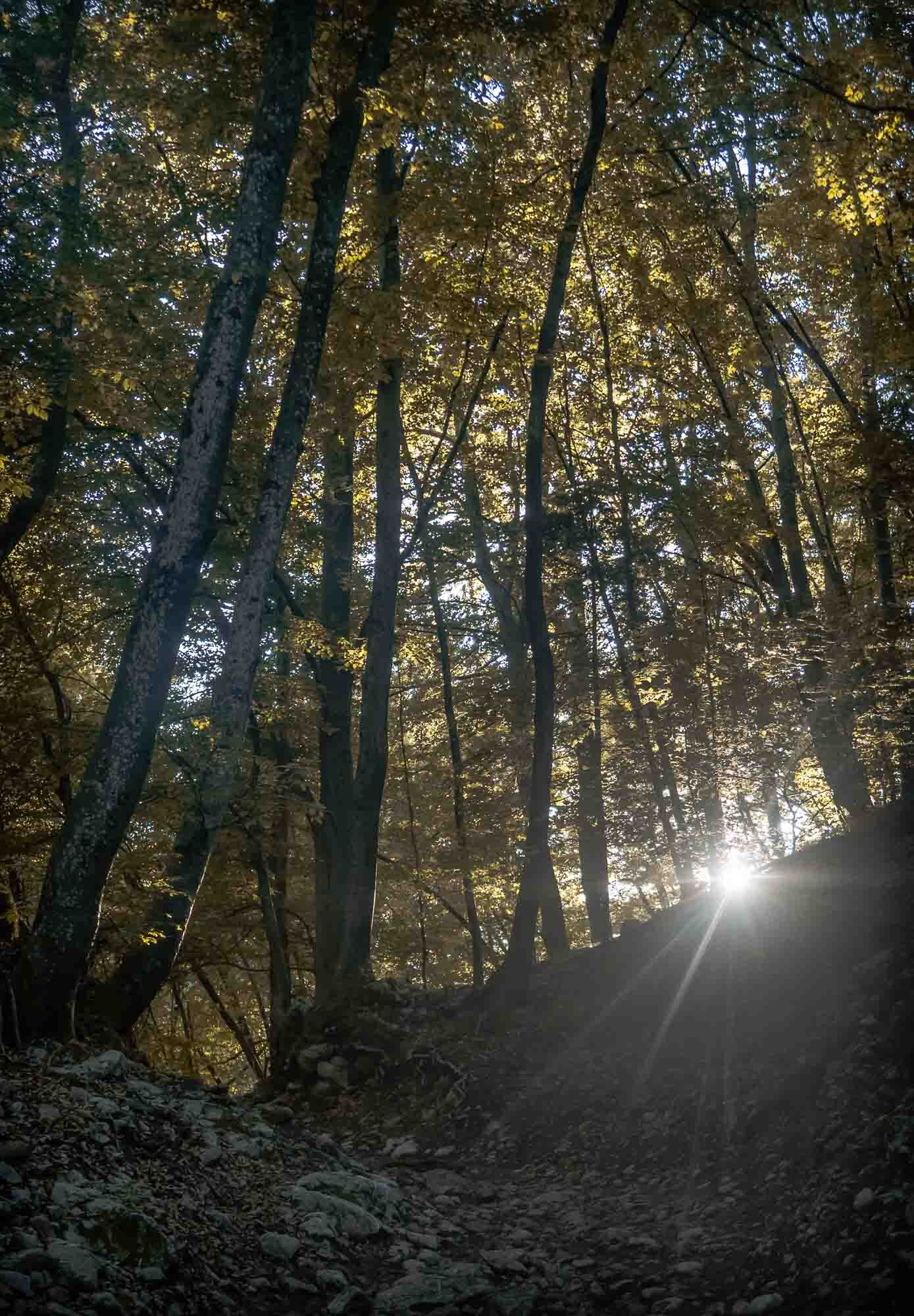
The late afternoon sun shining into the woods.
What's up!
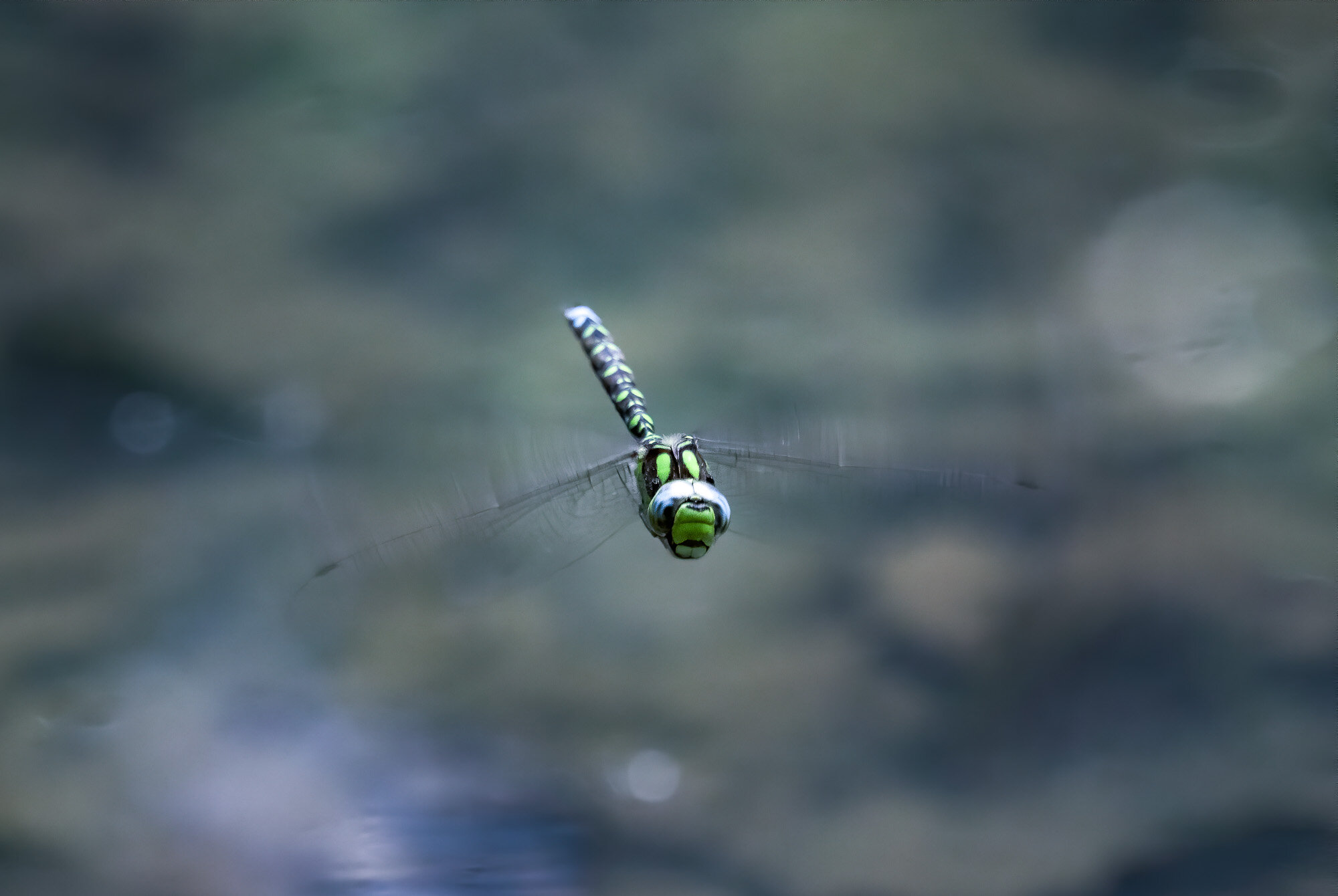
A dragonfly was roaming around a small puddle in the forest.
Baby Frog
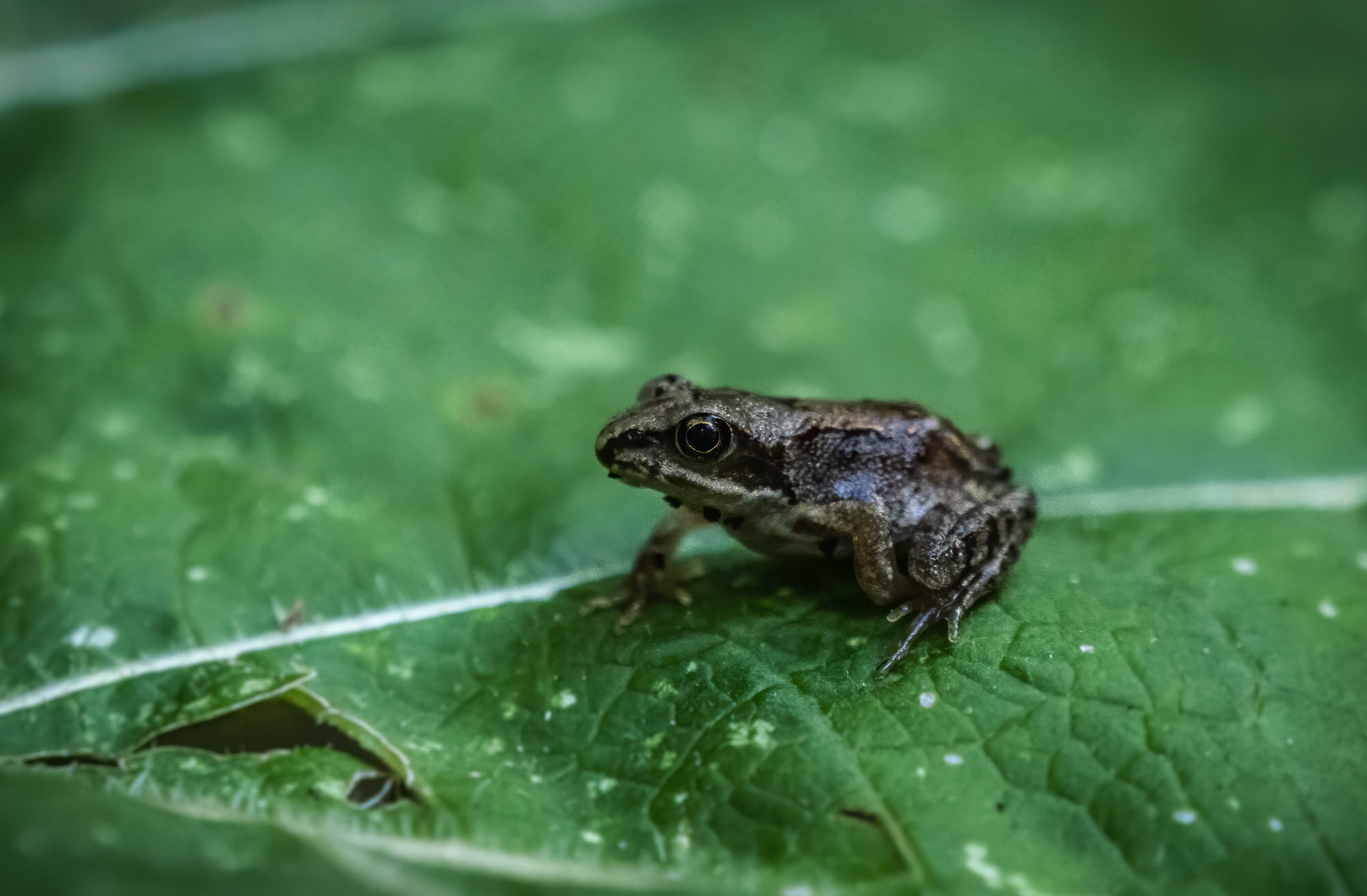
The same puddle was also home to this little amphibian - who was surprisingly curious.
Afternoon Rays
The last views of the sun in the forest before it set behind the mountain range.
Layers
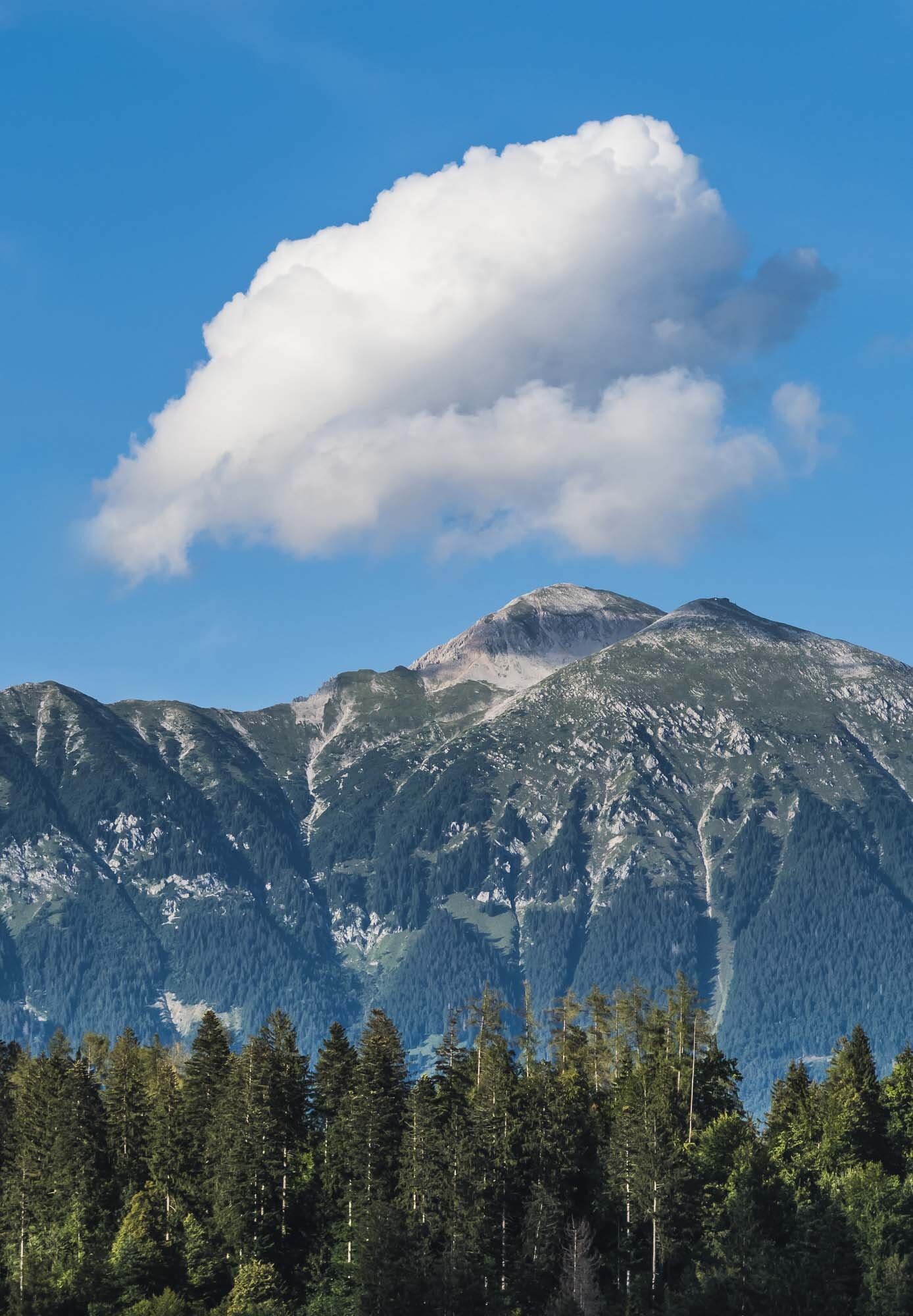
Green forests, rocky mointains, blue skies, fluffly clouds - welcome to the Alps.
Waterways
The only way to visit the church is by crossing the lake.
Bled Castle
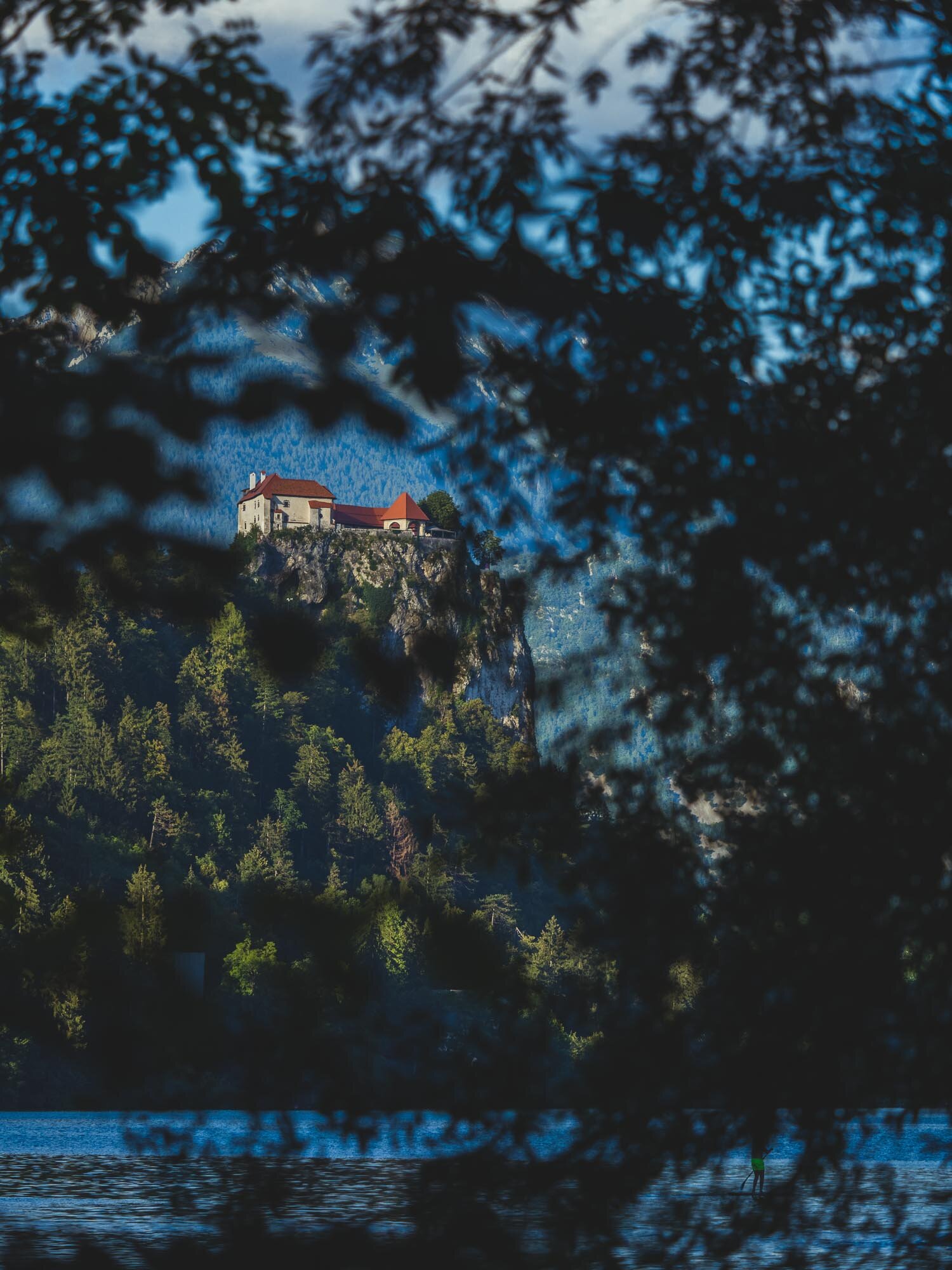
The castle on the western side seen through some trees on the lake shore.
The Right Way...
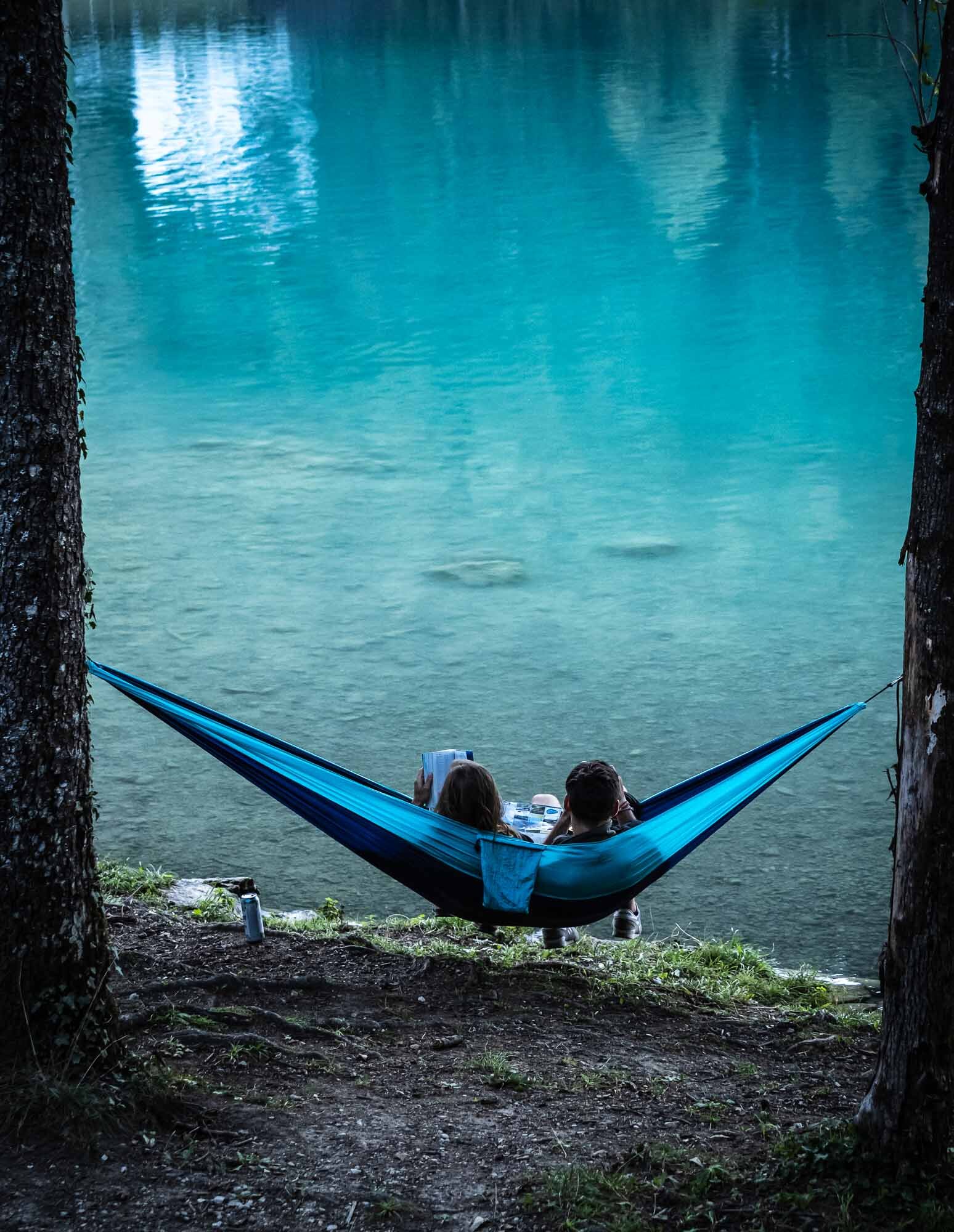
... to enjoy the end of a summer day at the lake.
Clarity
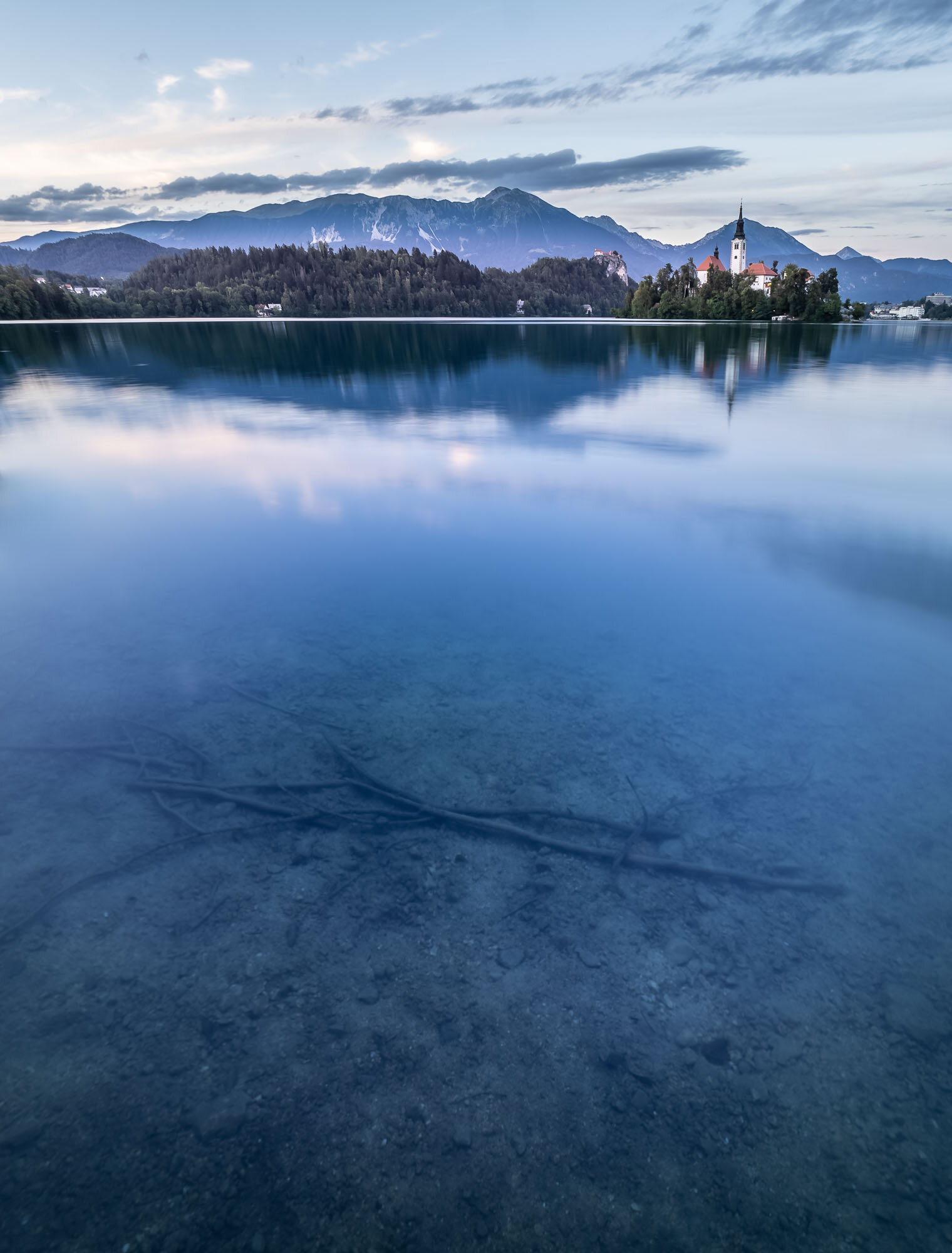
Some tree branches under water near the eastern shoreline.
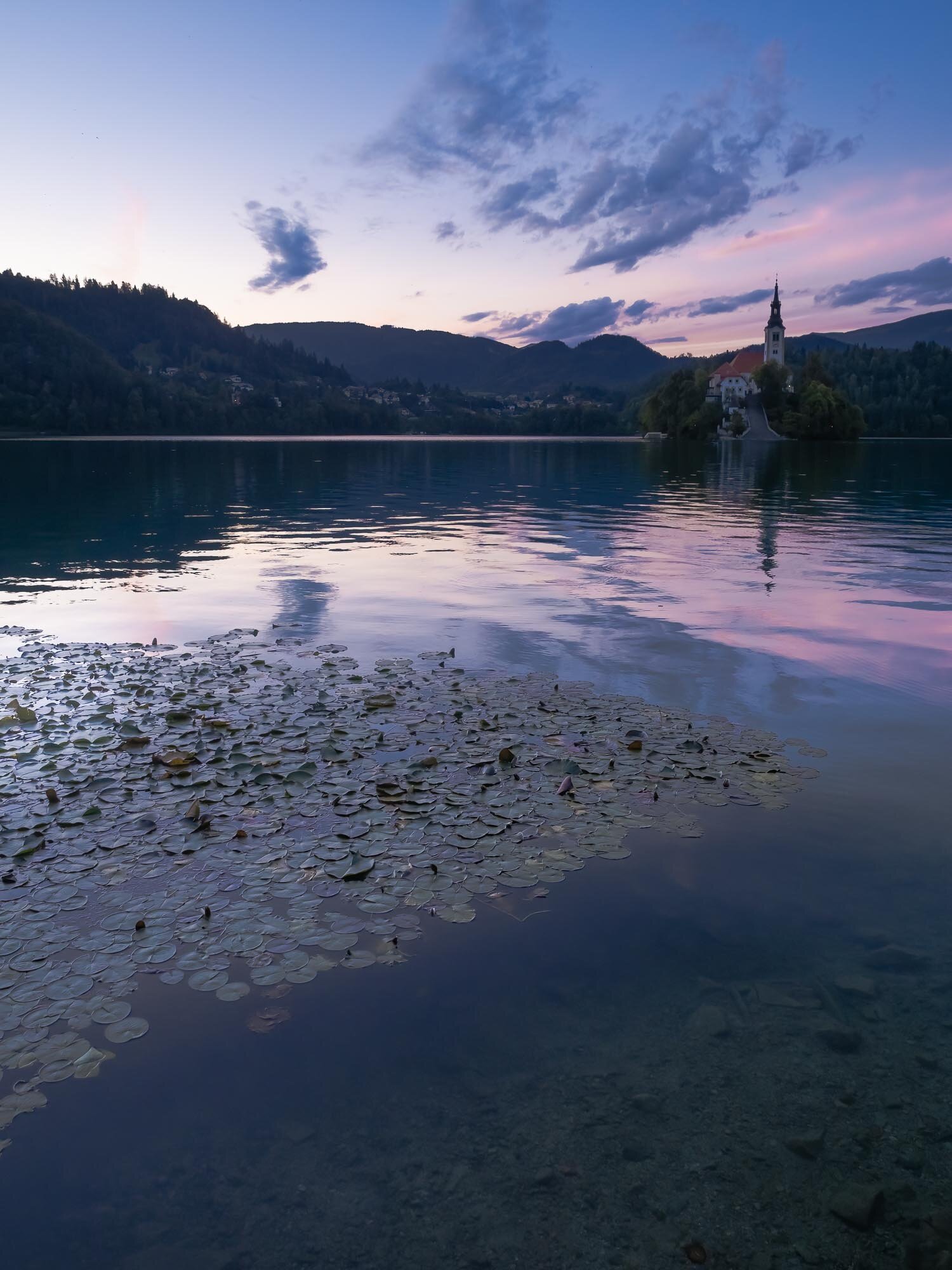
After Sunset
The lake is dotted with patches of water lilies by the shore.
Transport
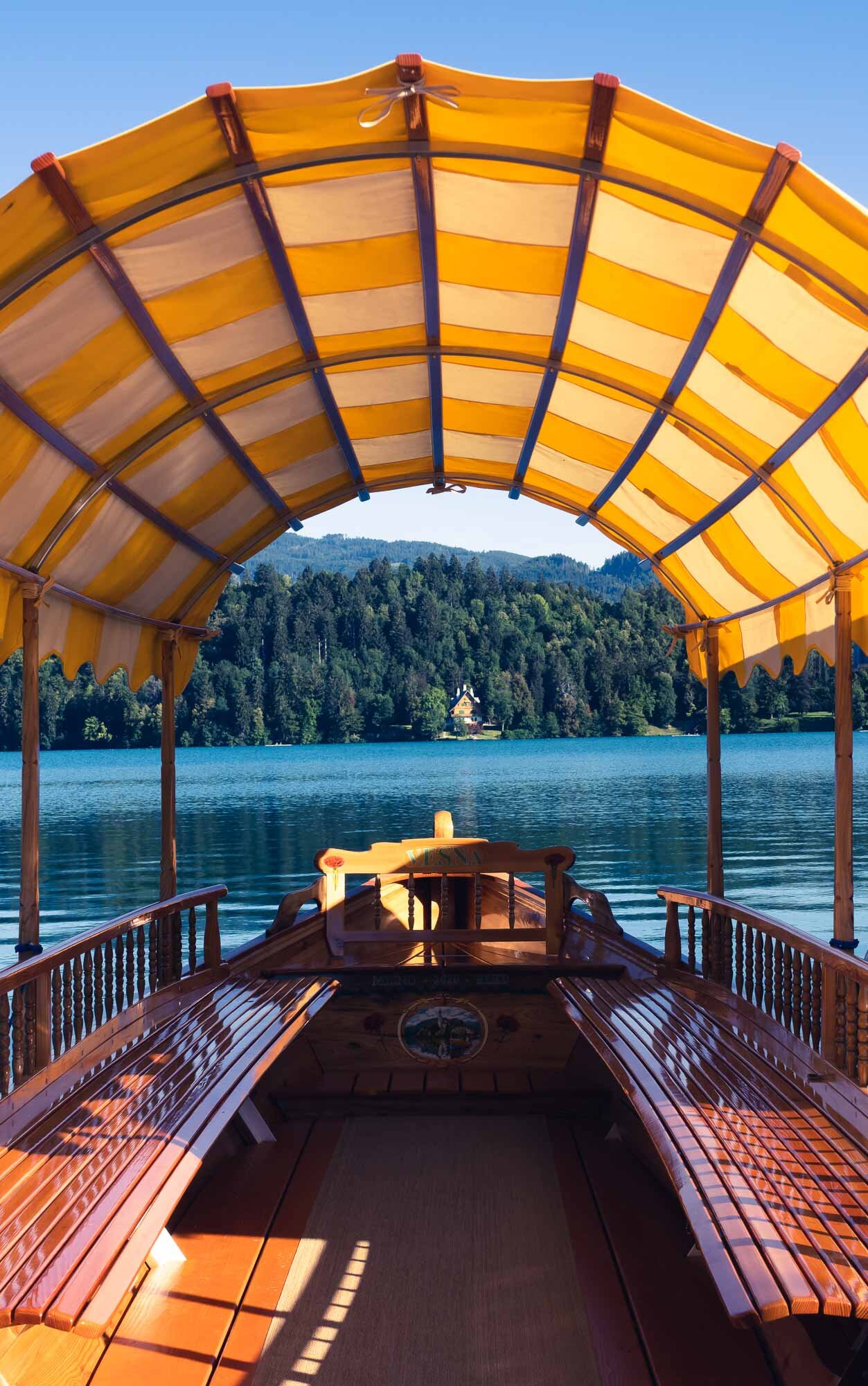
The traditional transportation to Bled Island is a wooden boat known as a pletna.
Opposite Views
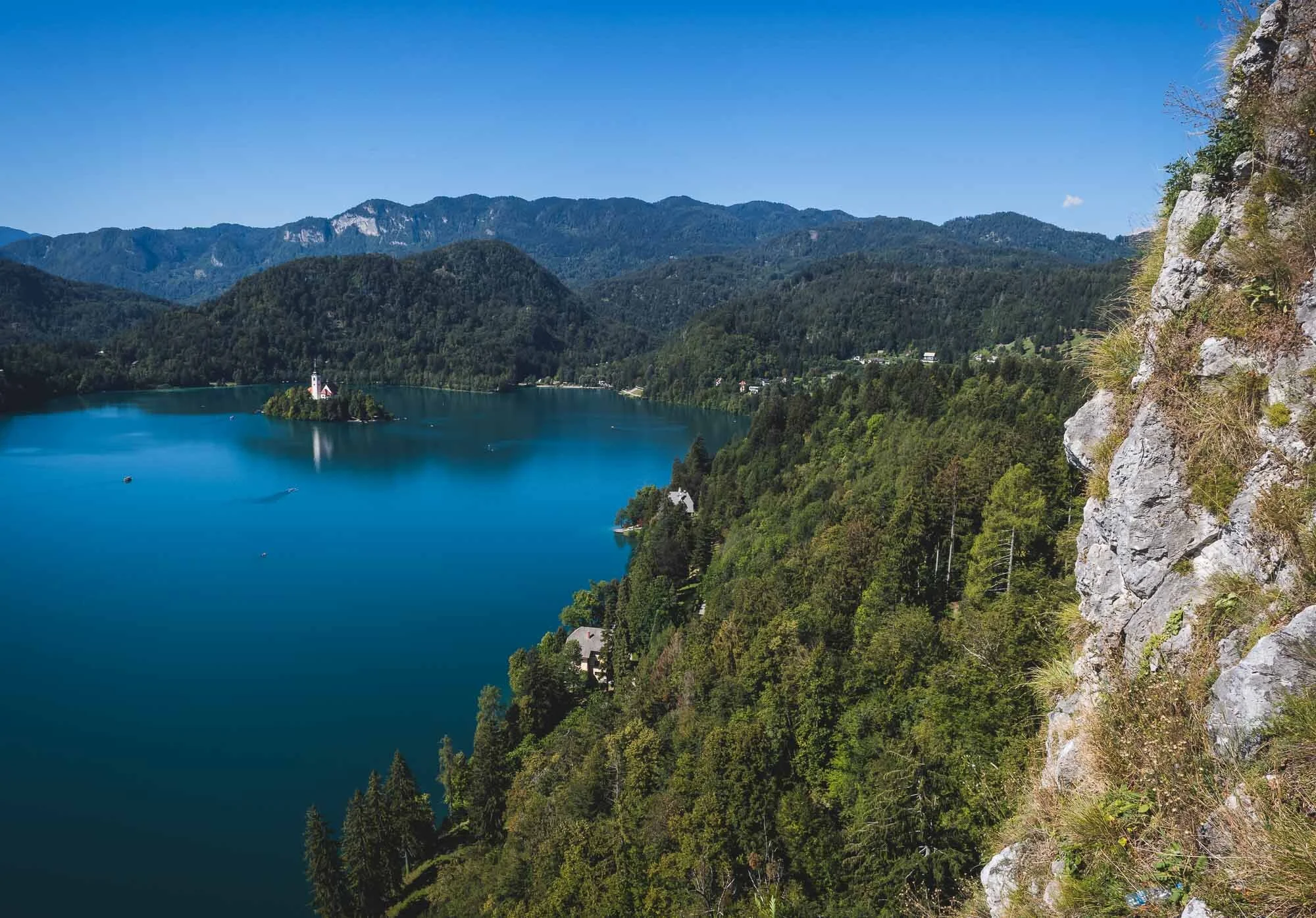
The view over the lake from the other side, looking south from Bled castle.
Cliffs
Looking down from the castle walls.
Bled Castle
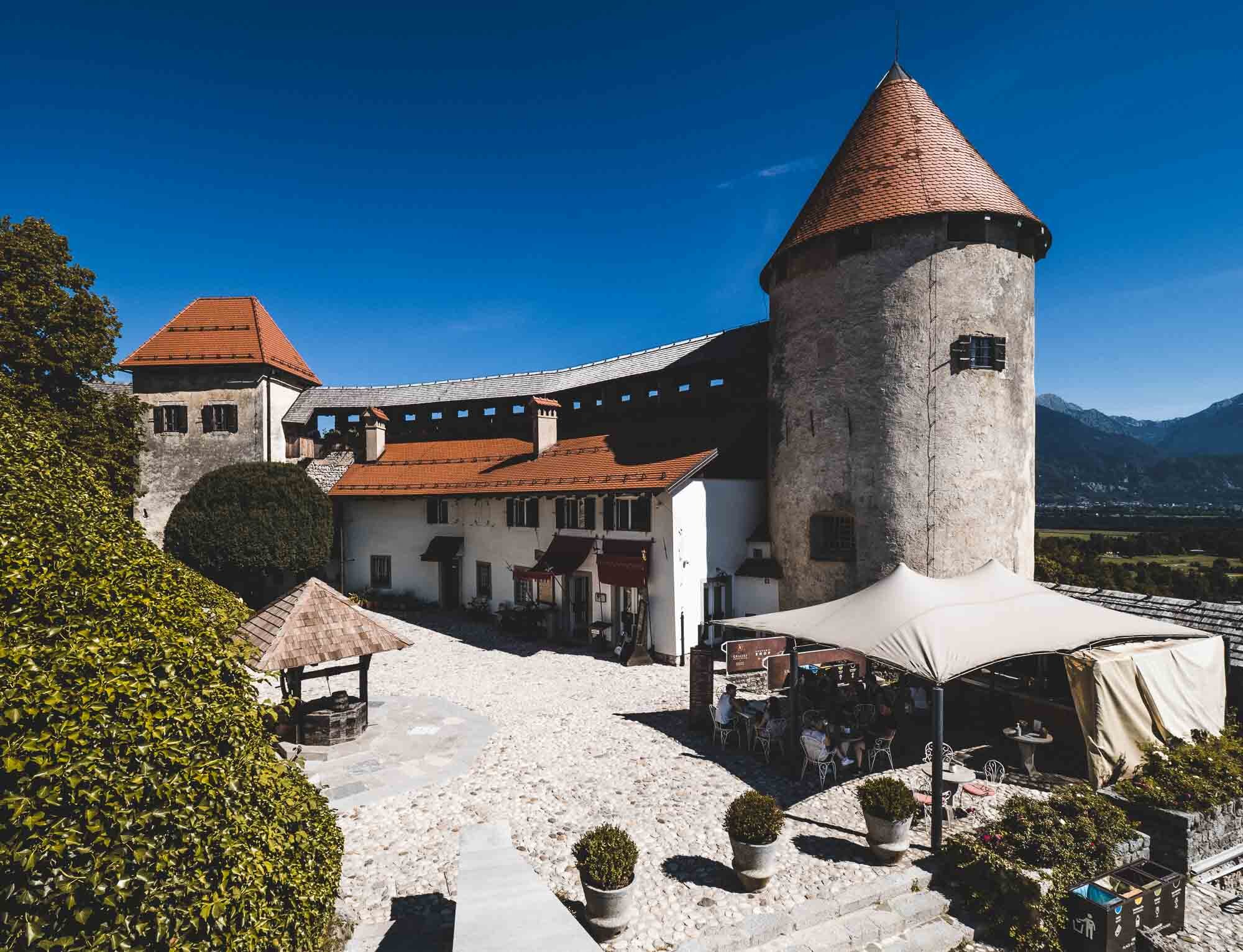
The lower courtyard of the oldest castle in Slovenia.
Abandoned
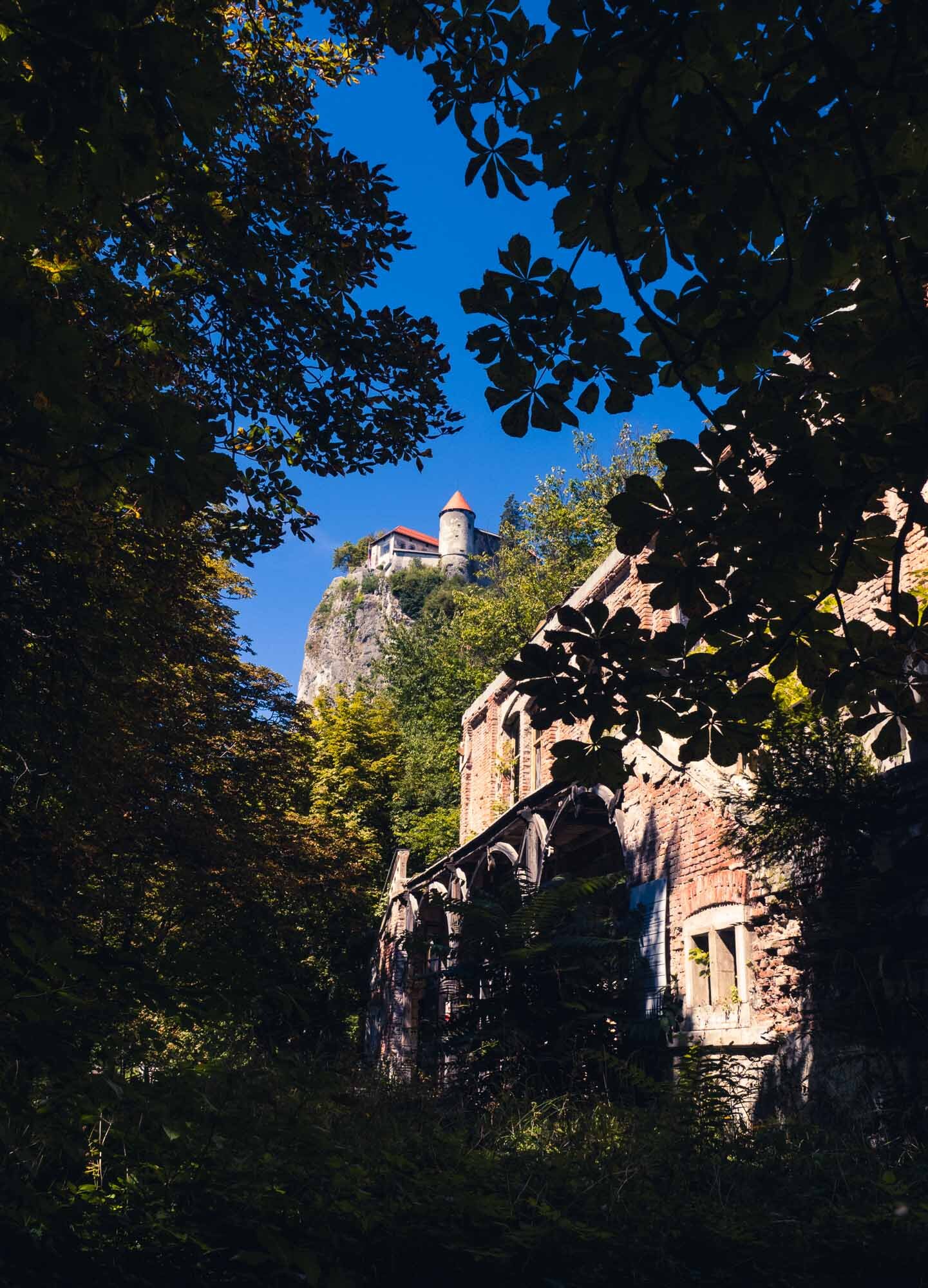
The castle seen with Villa Rikli, an abandoned old house on the shores of the lake.
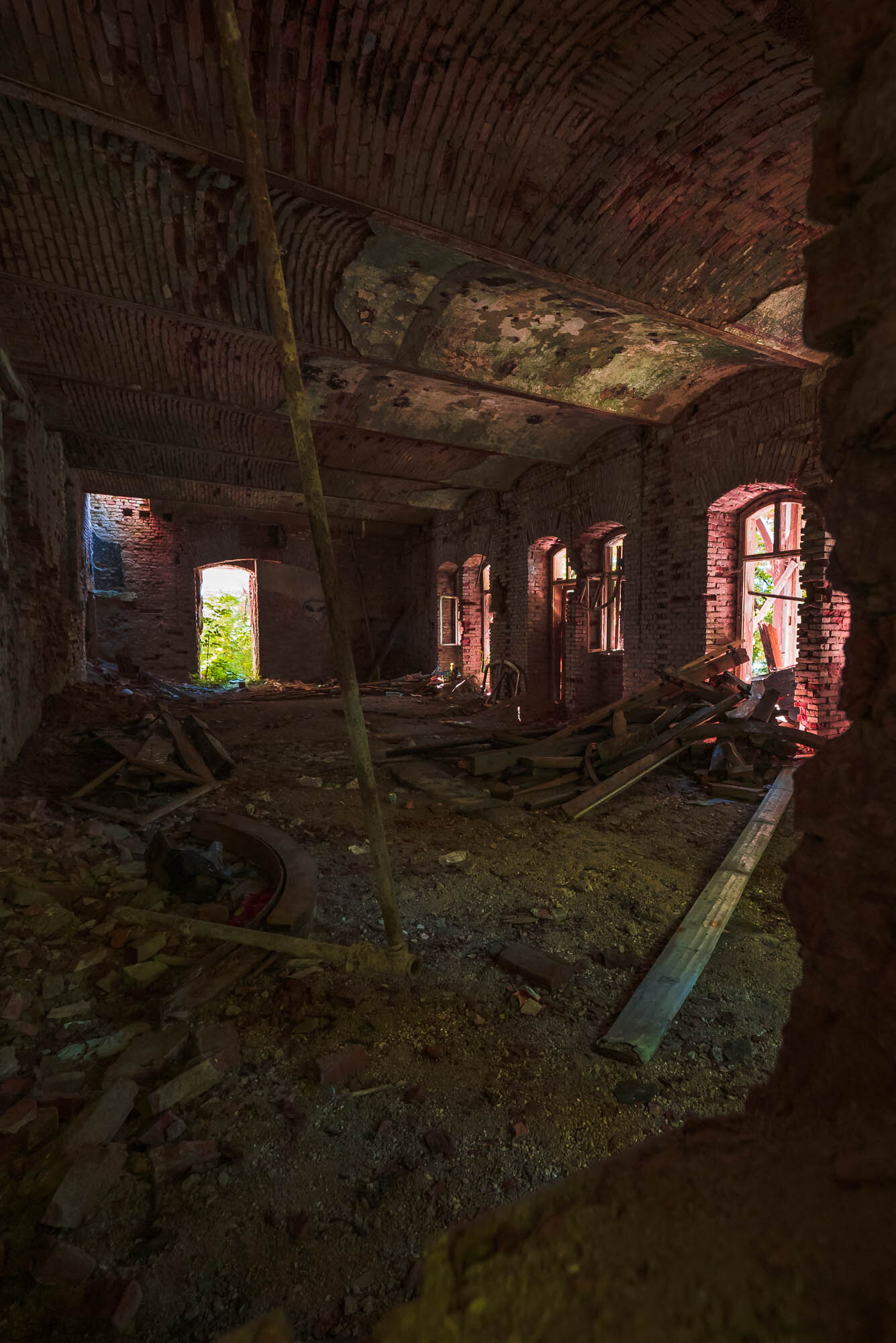
Villa Rikli
The inside of the building, which is supposed to be renovated and rebuilt. Who can spot the alien like shape on the wall?
Ljubljana
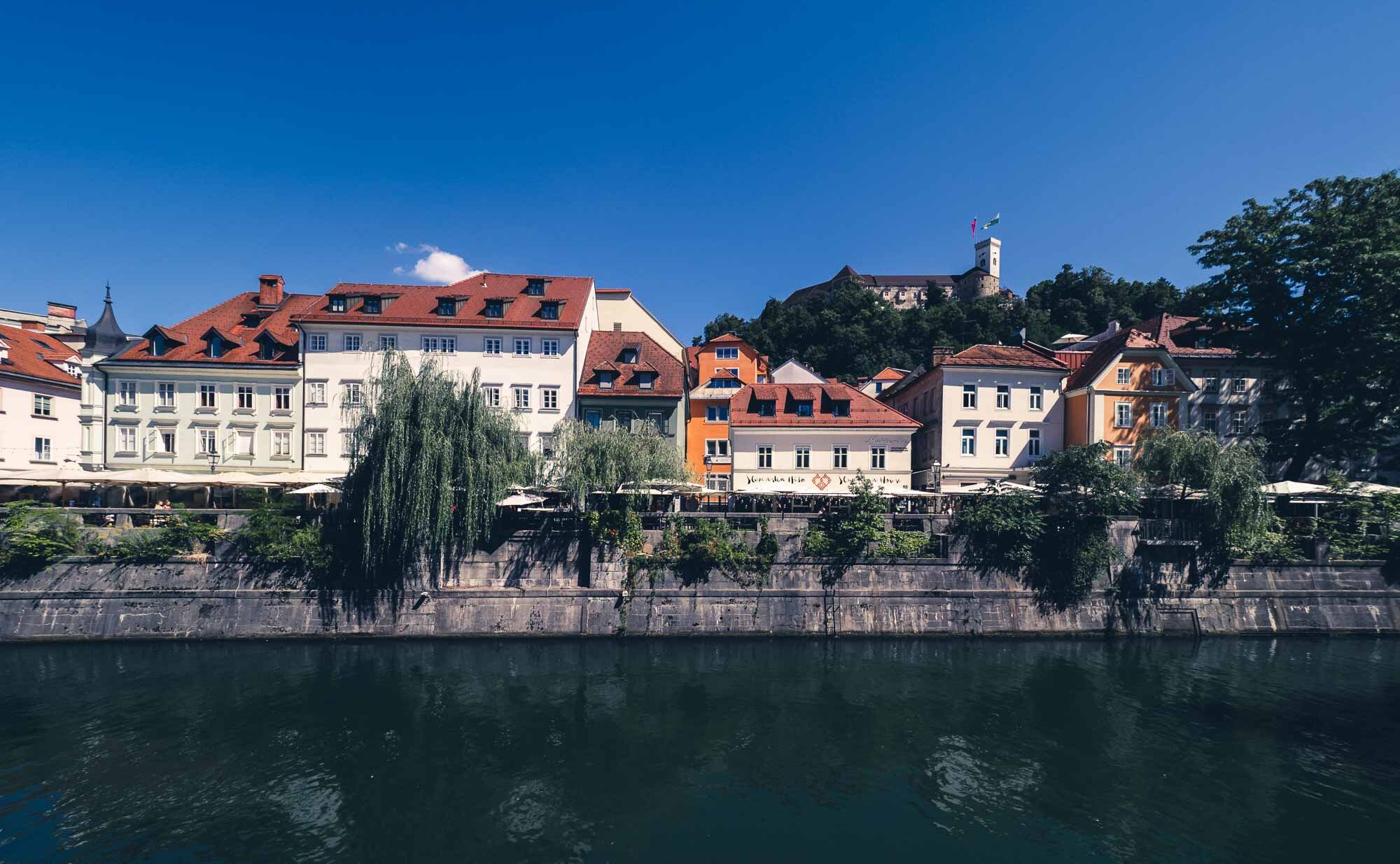
We made it to the capital next, walking along the beautiful promenade of the Ljubljanica river.
Trees
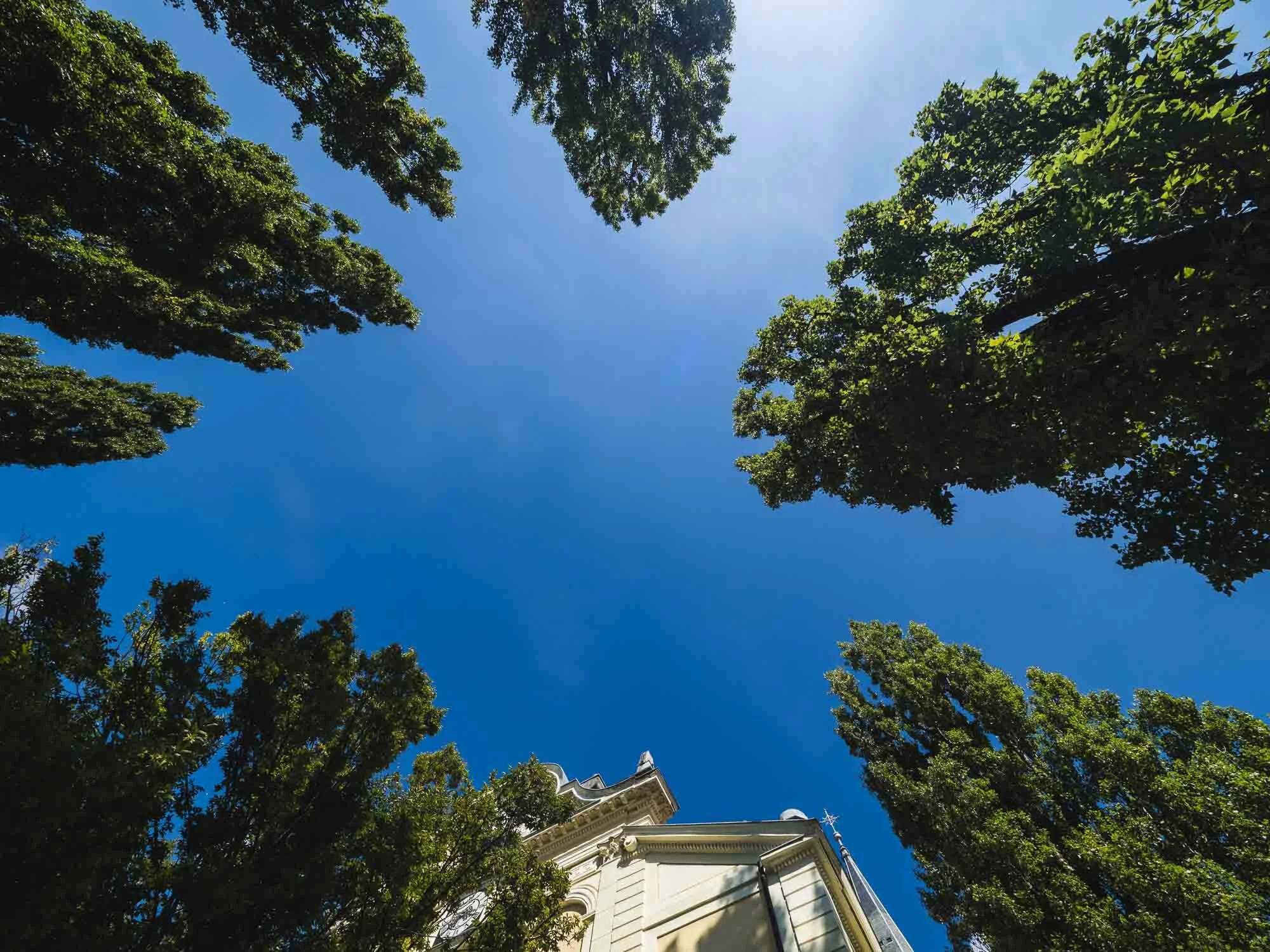
Another defining feature of the city are the skinny tall trees dotted in various places, such as here near St Jakob's church.
Gornji Trg
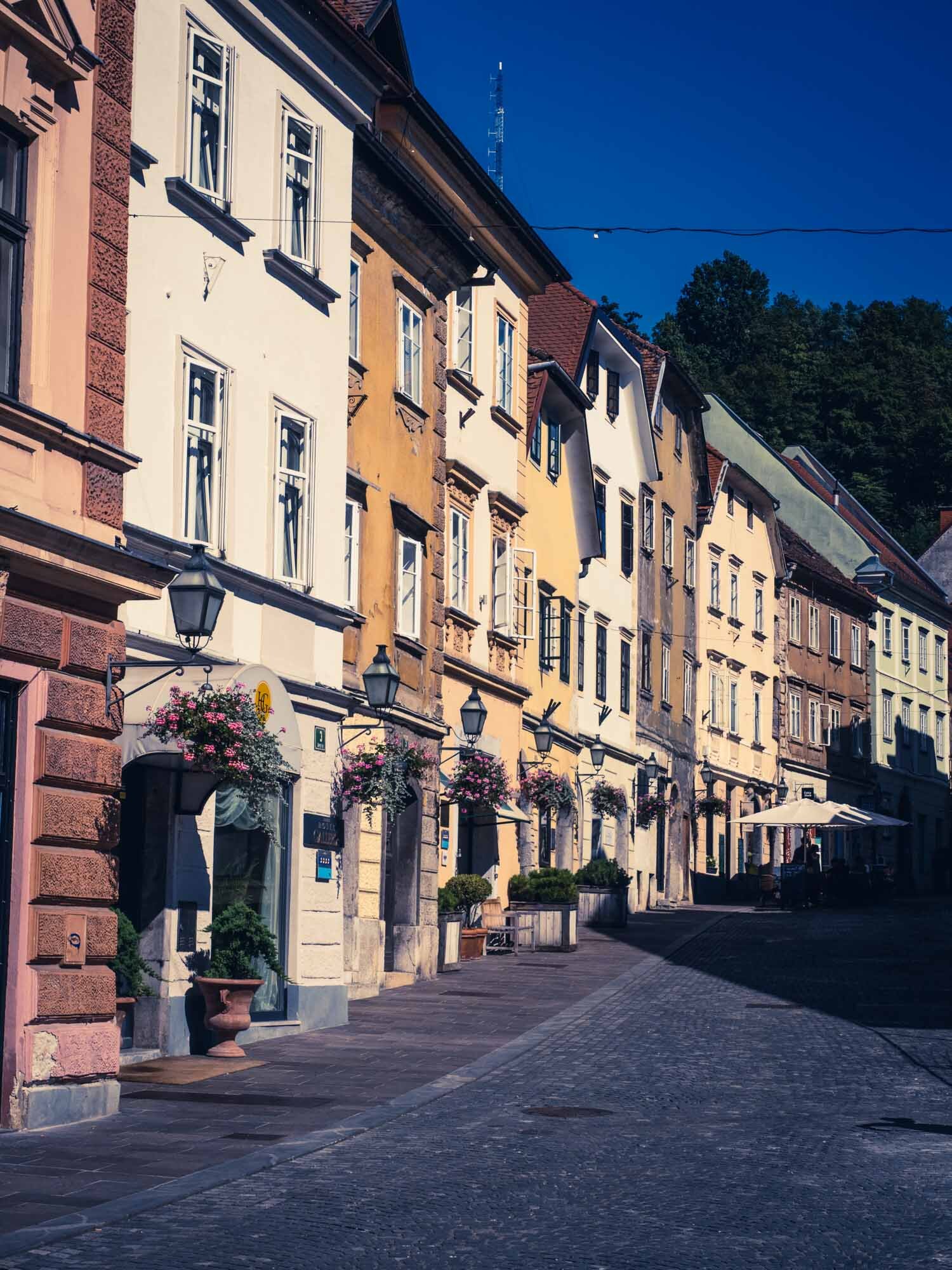
A row of houses near this famous street in Ljubljana's old town.
St. Nicholas's Cathedral
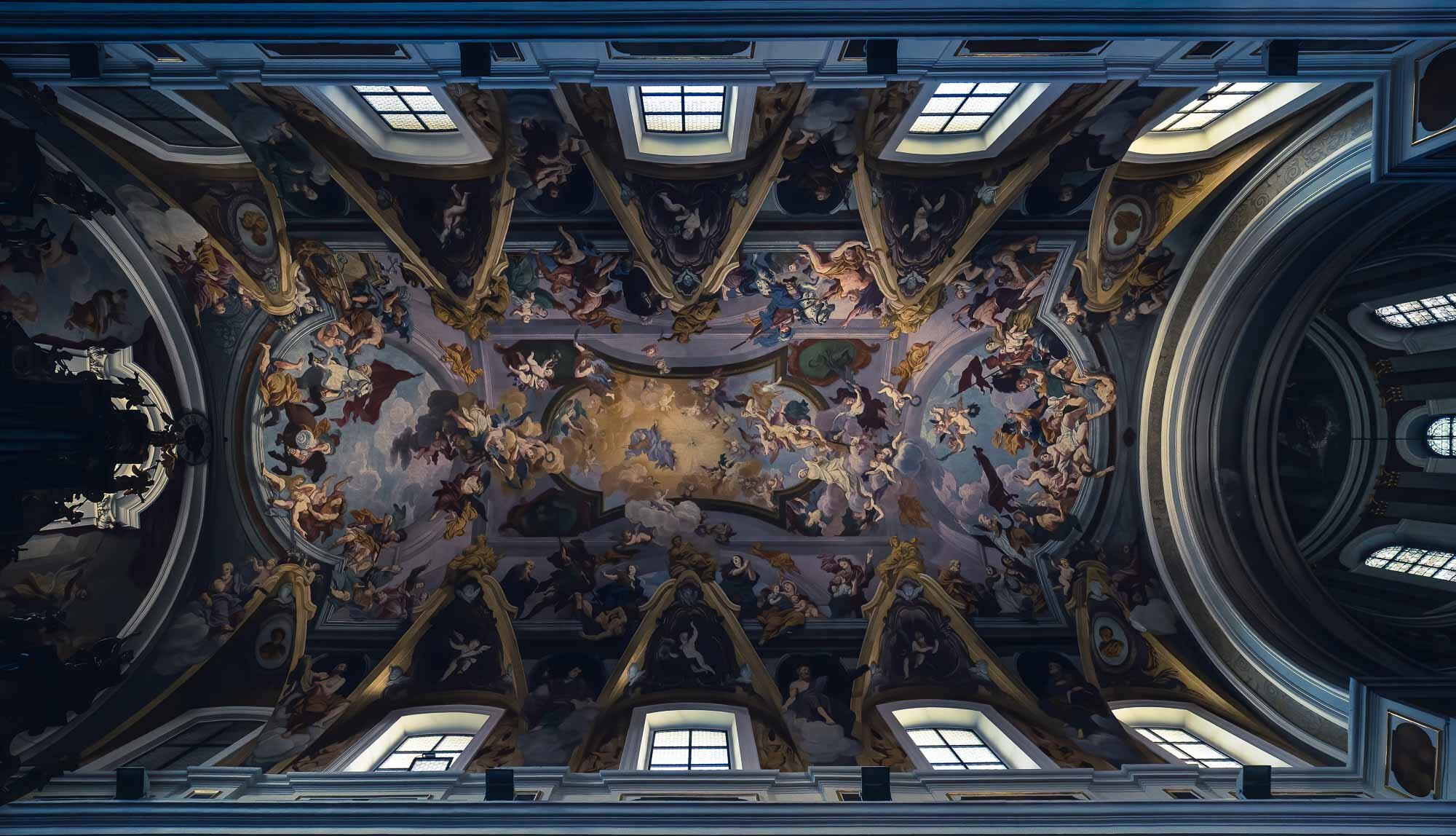
The roof paintings of the largest church in the city with frescoes by Giuglio Quaglio from the early 18th century.
Window Views
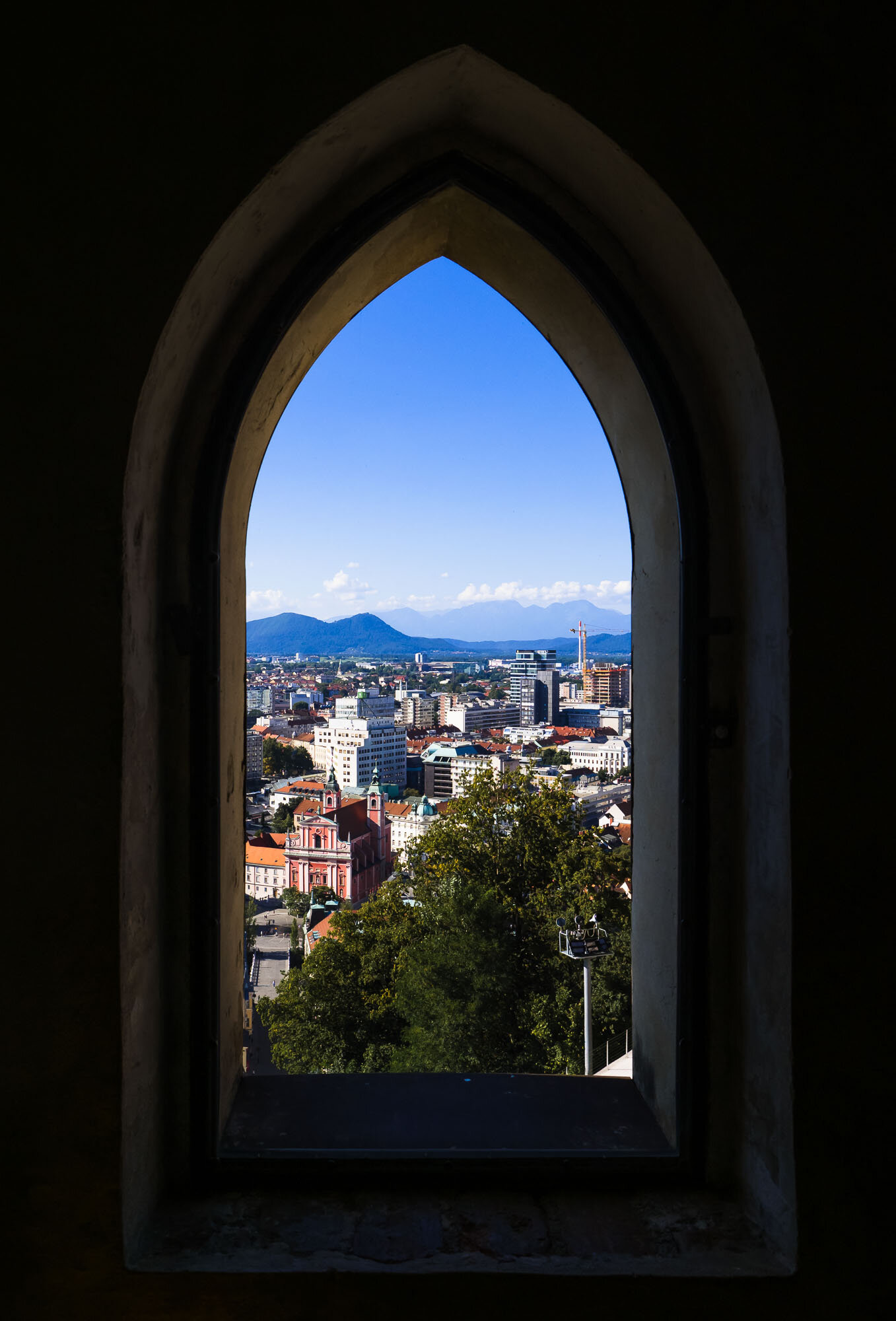
Looking northwards from one of the castle windows, with the pink 17th-century Franciscan church visible at the bottom.
City Panorama
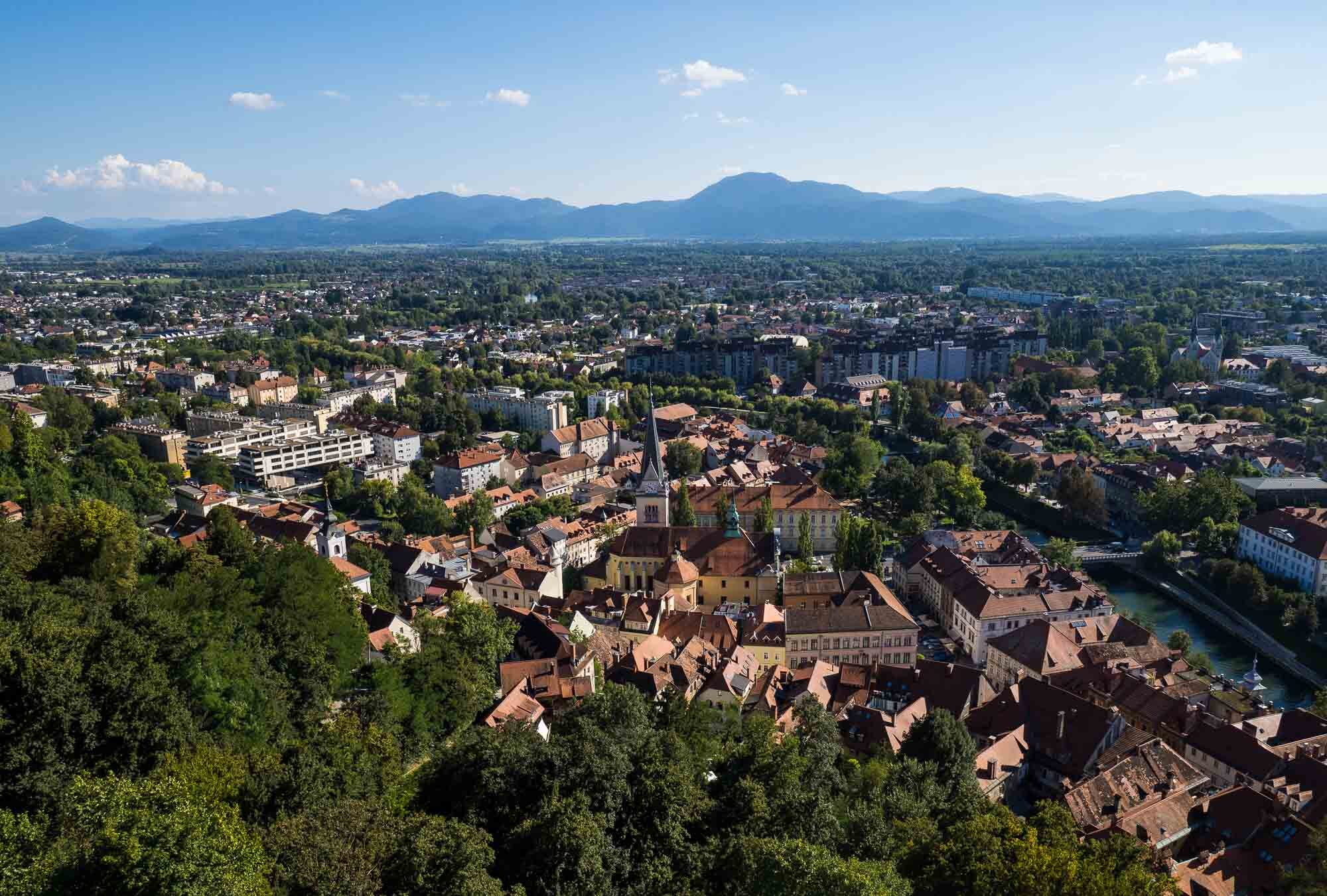
Looking southwards from the castle, you can see St Jakob's church, and on the bottom left the tower of St Florian's church, which - obviously - I tried to visit, but it was unforuntately closed (as Florian's often are).
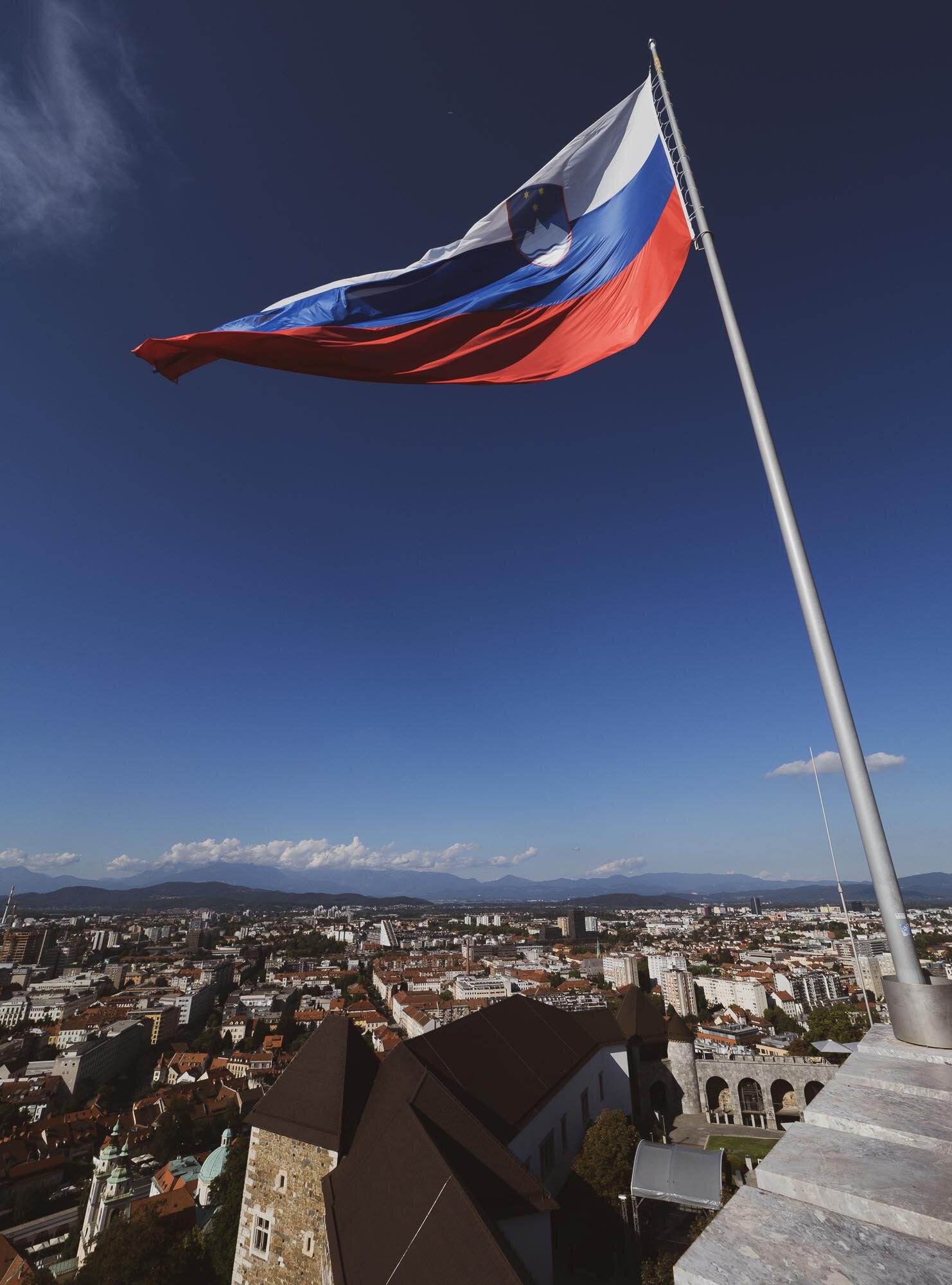
Slovenian Flag
The country is relatively young, emerging from Yugoslavia in 1991.
Stairs
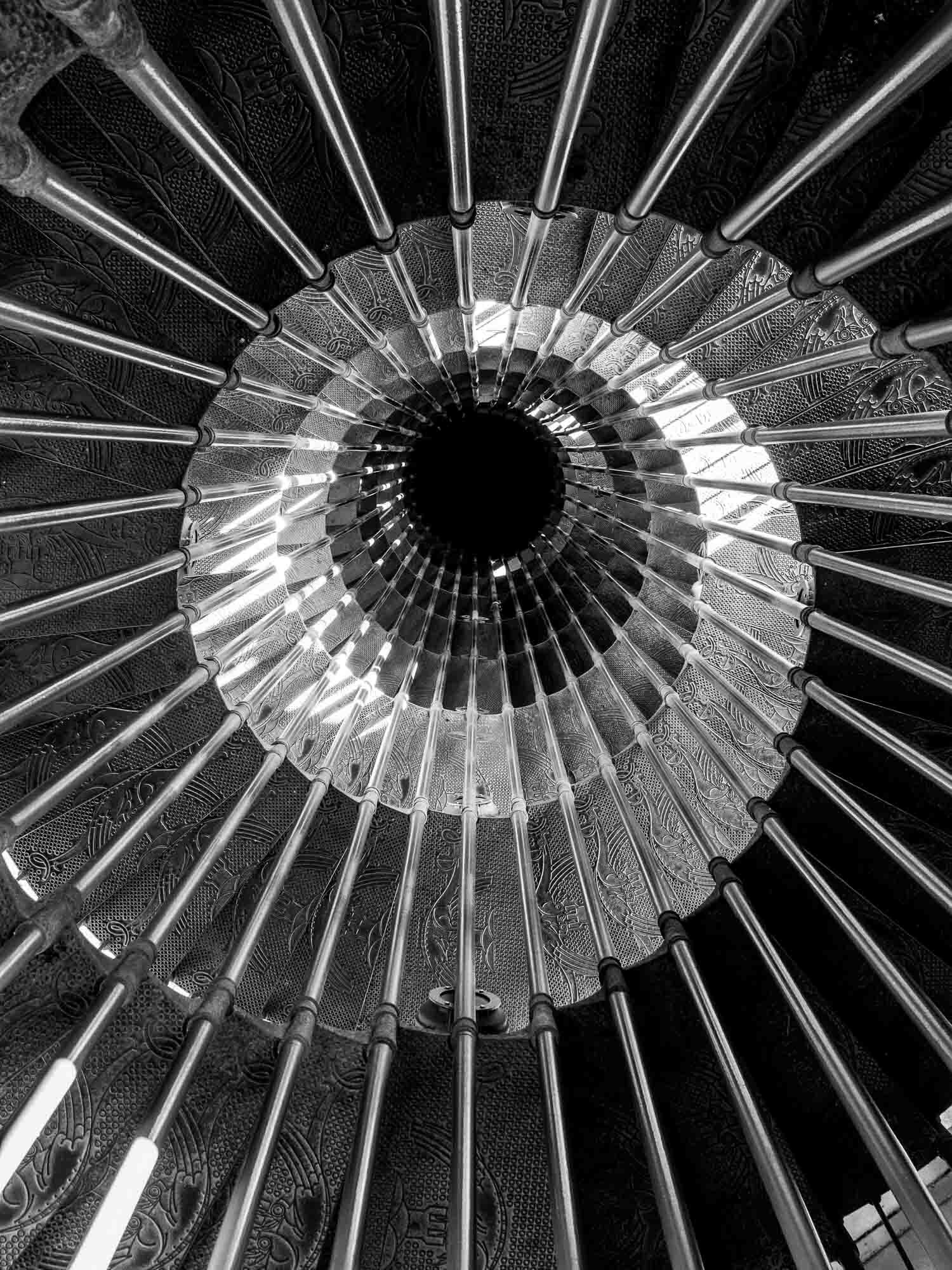
The double staircase leading up and down the panoramic tower of the castle.
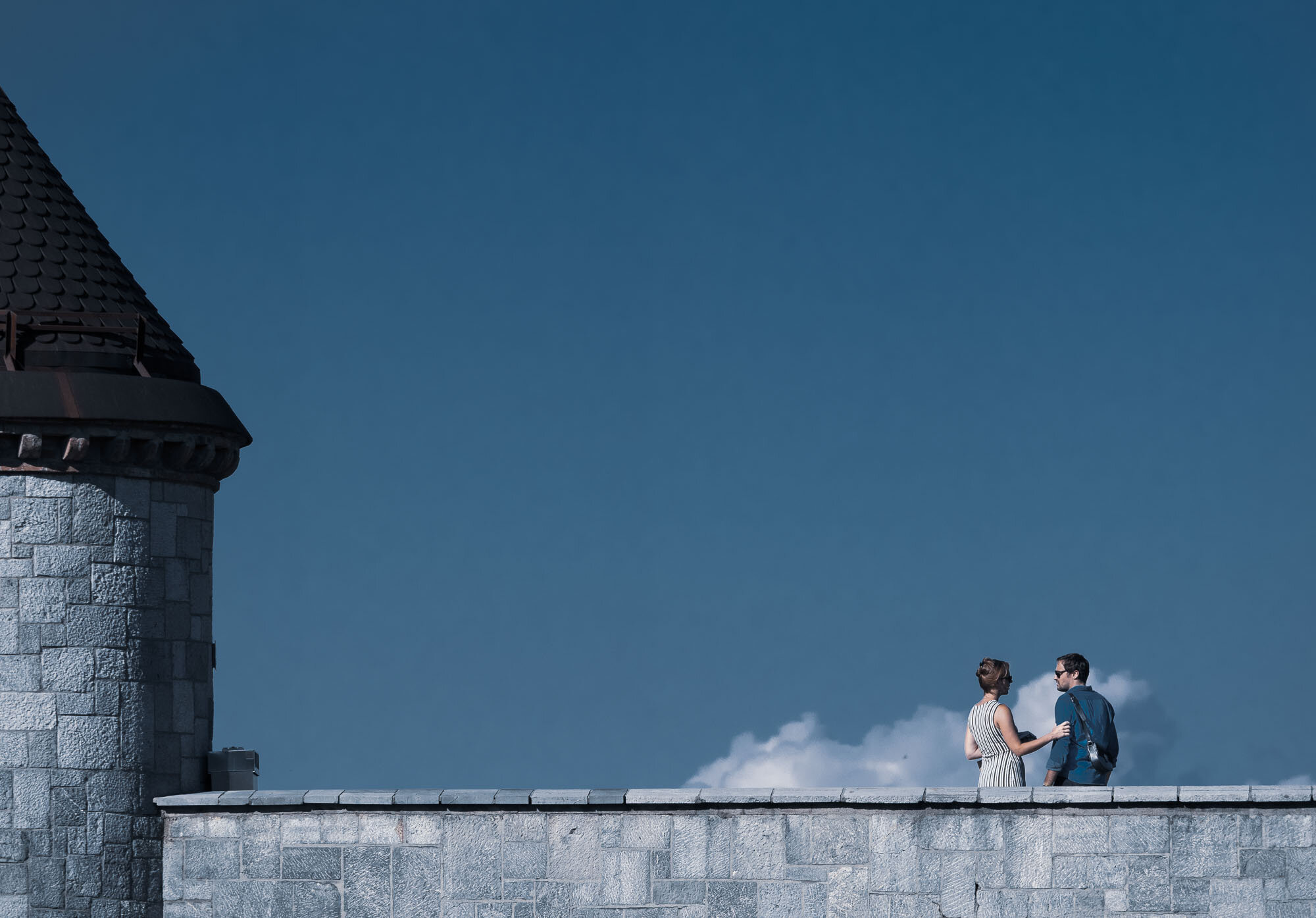
Castle Walls
A couple enjoying the view from the castle walls.
Selfie
My lack of focus skills resulted in this shot.
The Dragon Bridge
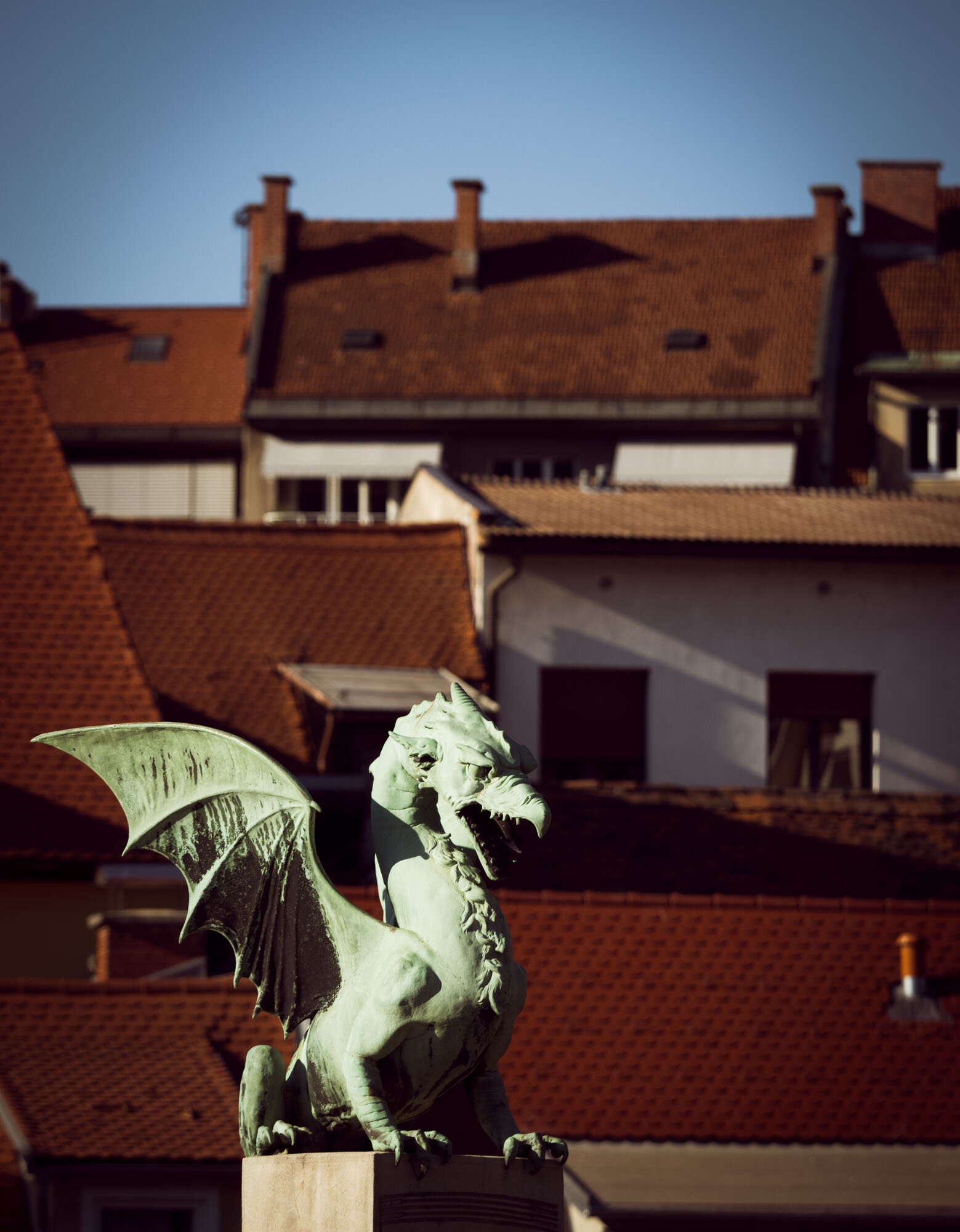
The Dragon is the symbol of the city, although the origin of this myth isn't fully clear.
Butchers' Bridge
One of the many bridges attracting tourists in Ljubljana, this one features the all too common padlocks.
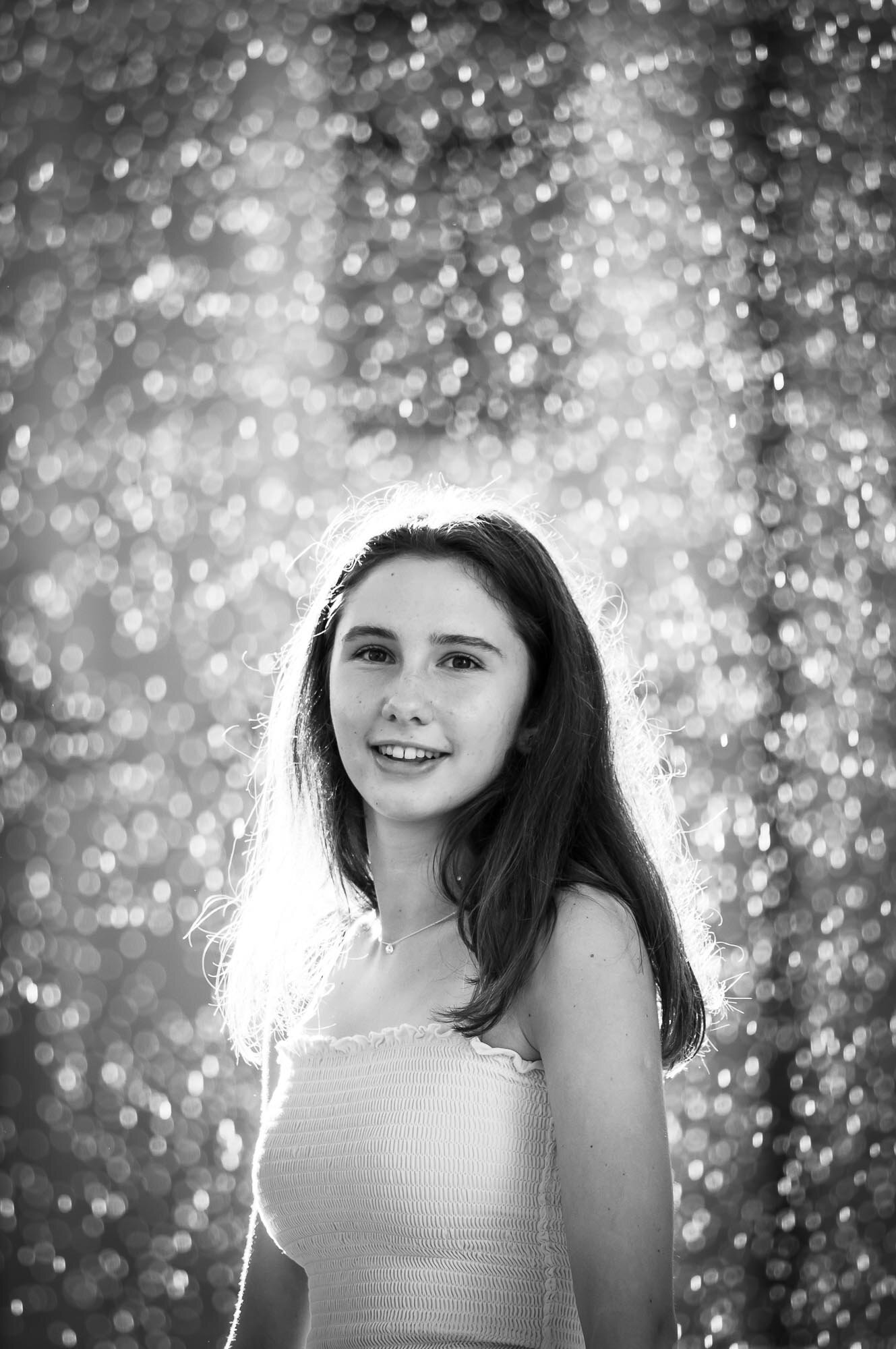
Prešeren Square Rain Installation
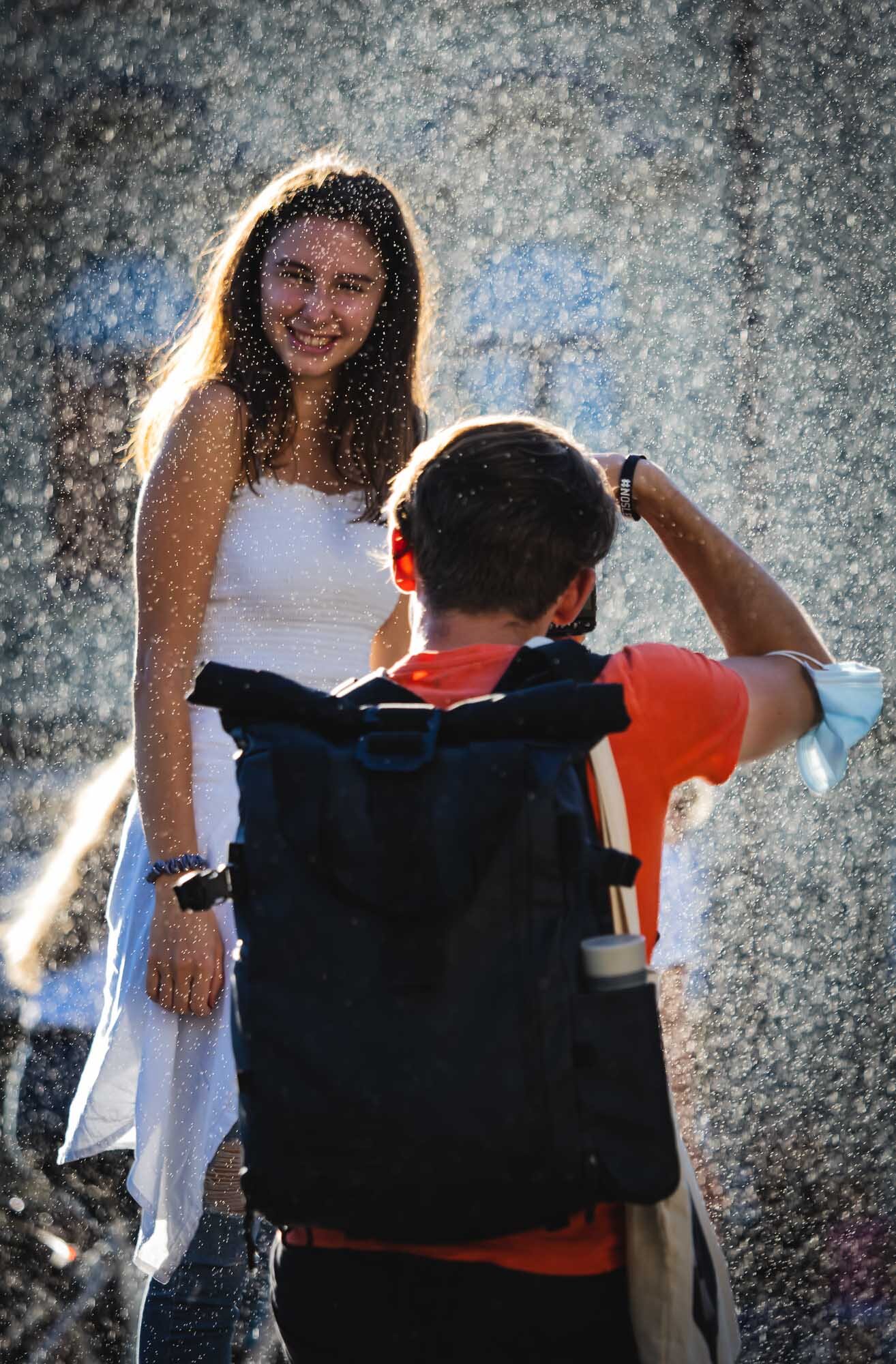
A sprinker installed 10m above the ground produces a simple but effective focal point for the square, with people enjoying a few refreshing drops in the August sun.
Rainy Portrait
Of course, it also makes for a great Instagram photo, although this girl did ignore her dedicted photographer for this shot.
Instagram Boyfriend
...I'm sure she did get a good photo in the end though.
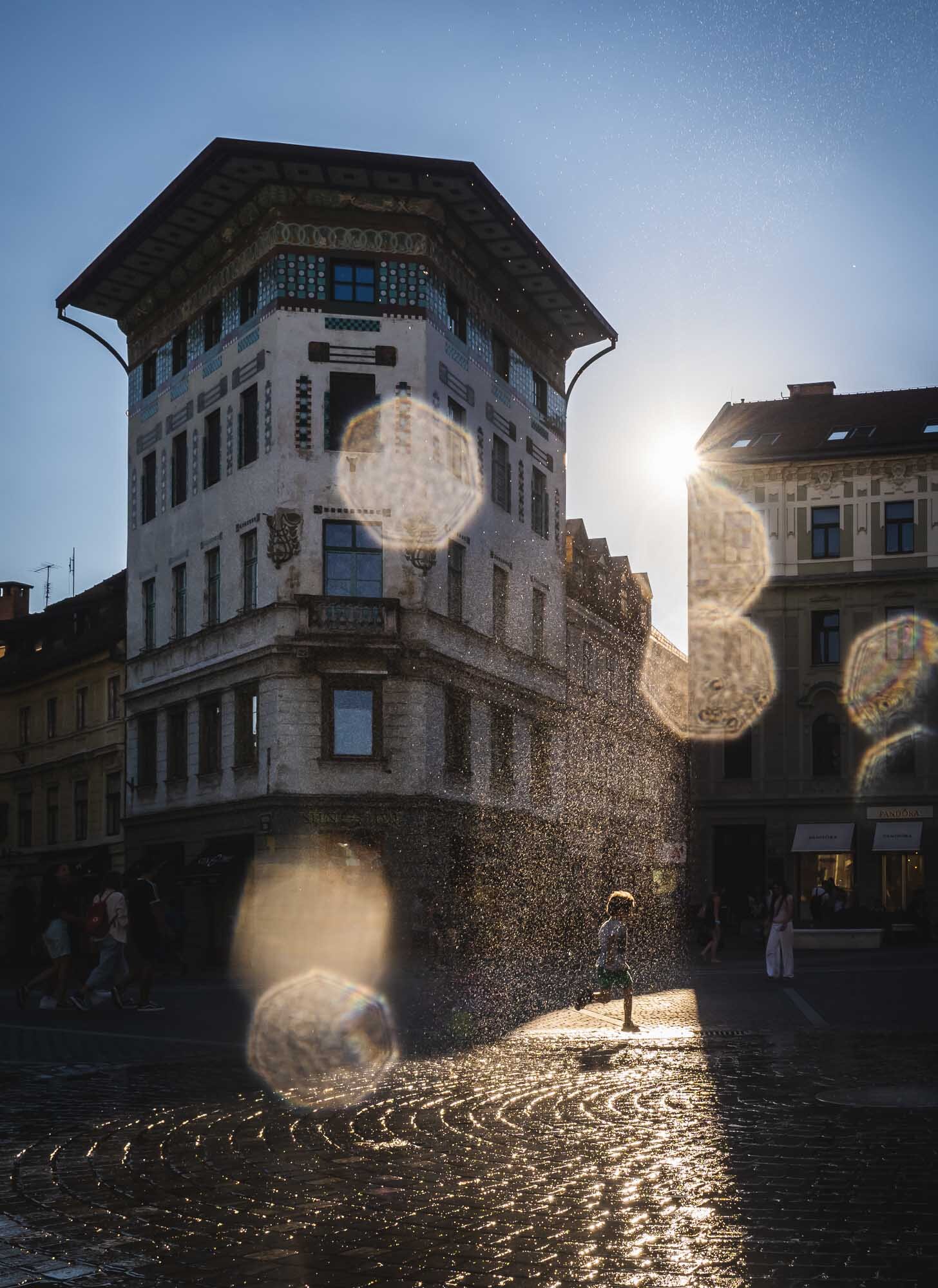
Raindrops keep falling on my lens...
A boy runs through the rainy installation, illuminated by the afternoon sun.
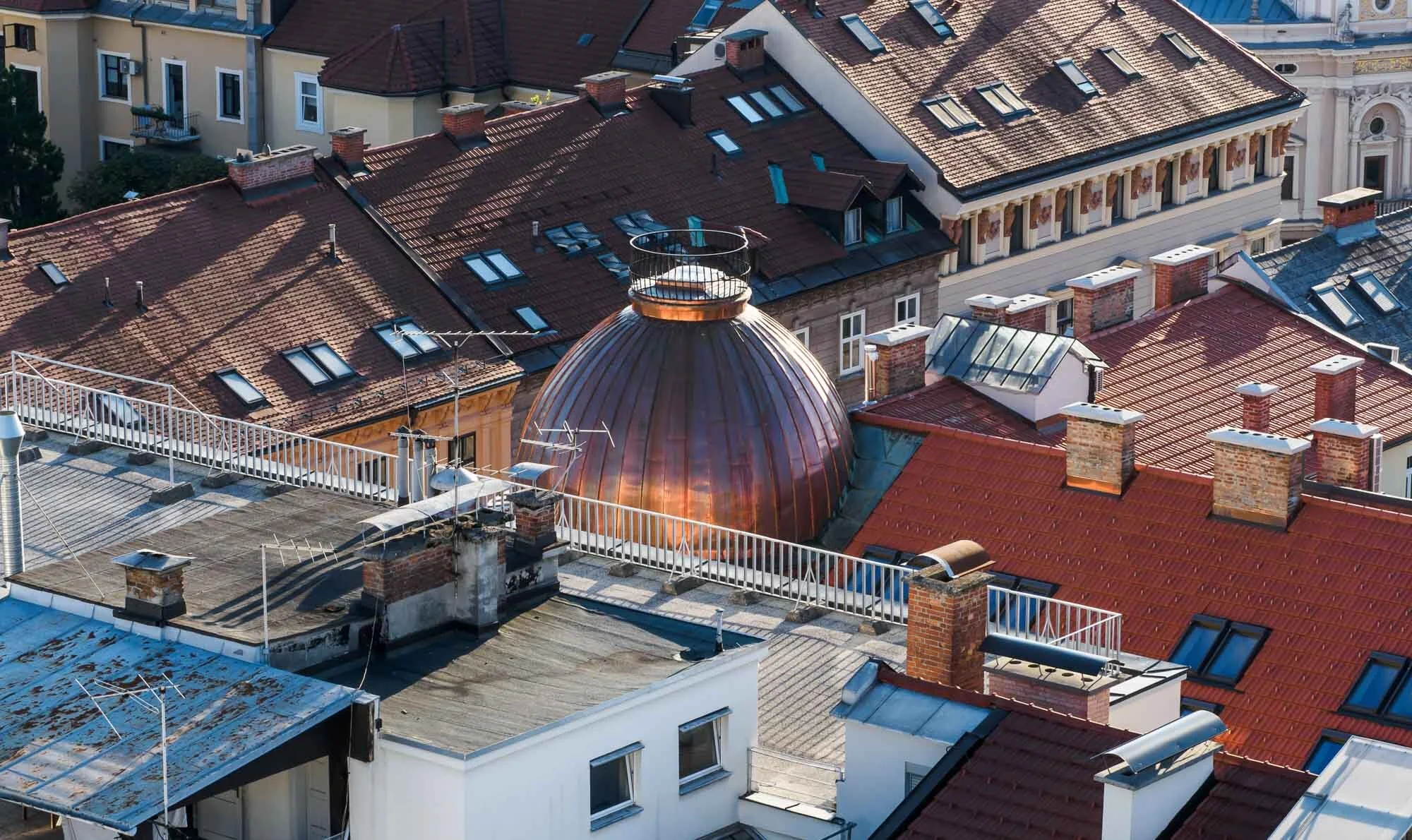
Ljubljana Rooftops
Anyone knows what this dome is?
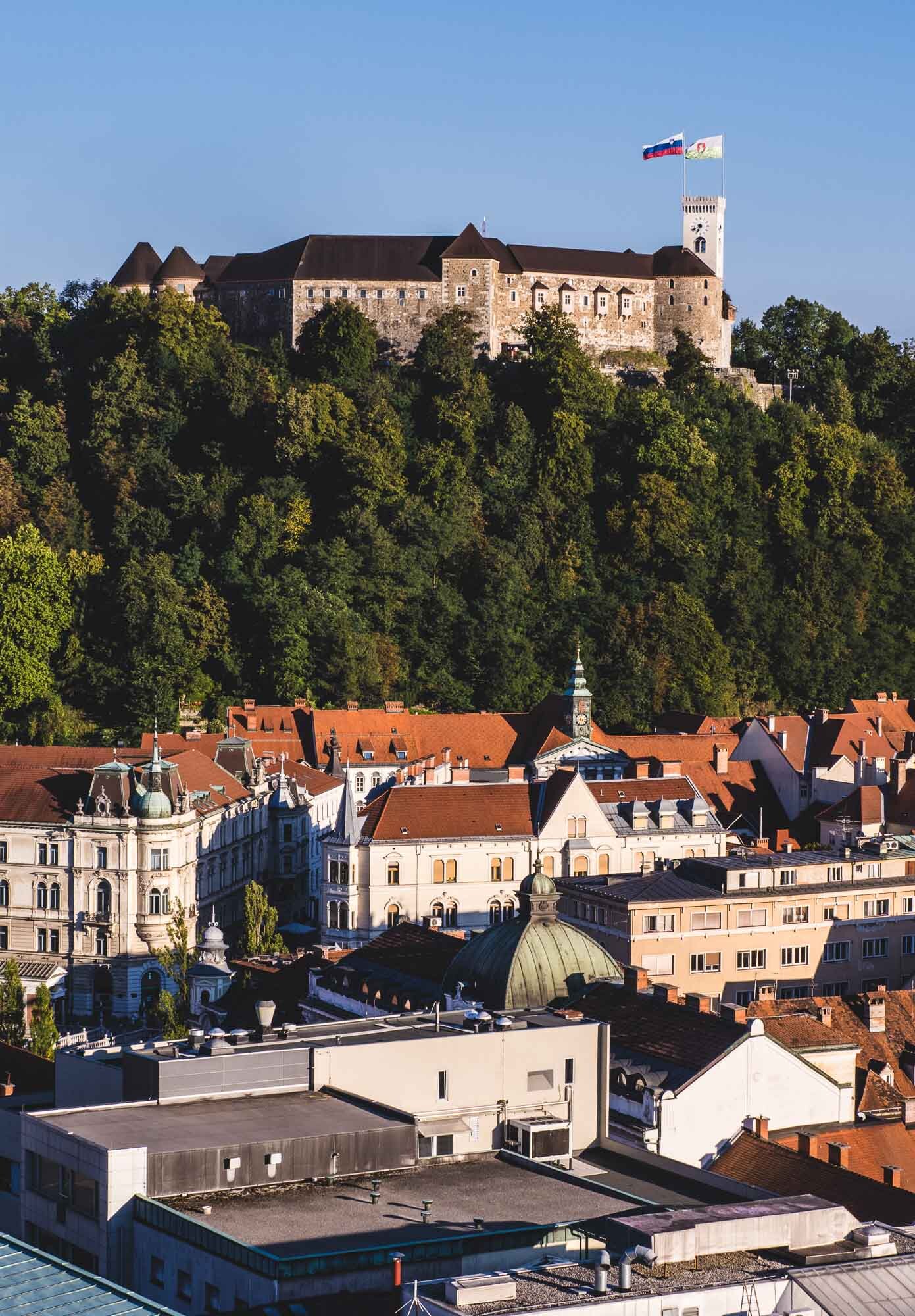
Castle Views
The Nebotičnik Skyscraper terrace provides a good 360 degree view of the city.
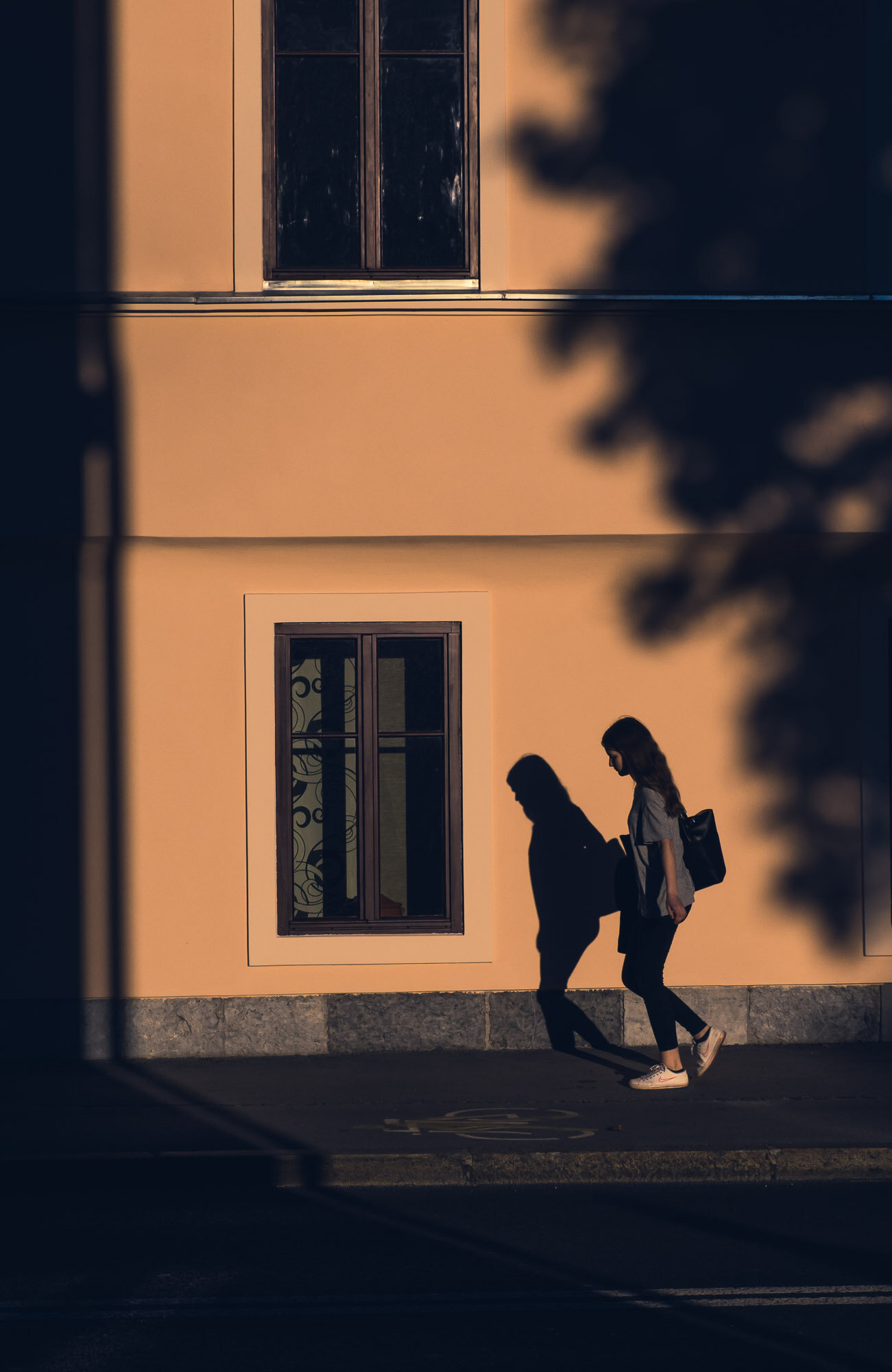
Shadows
The late sun is the best time for street photography in my view.
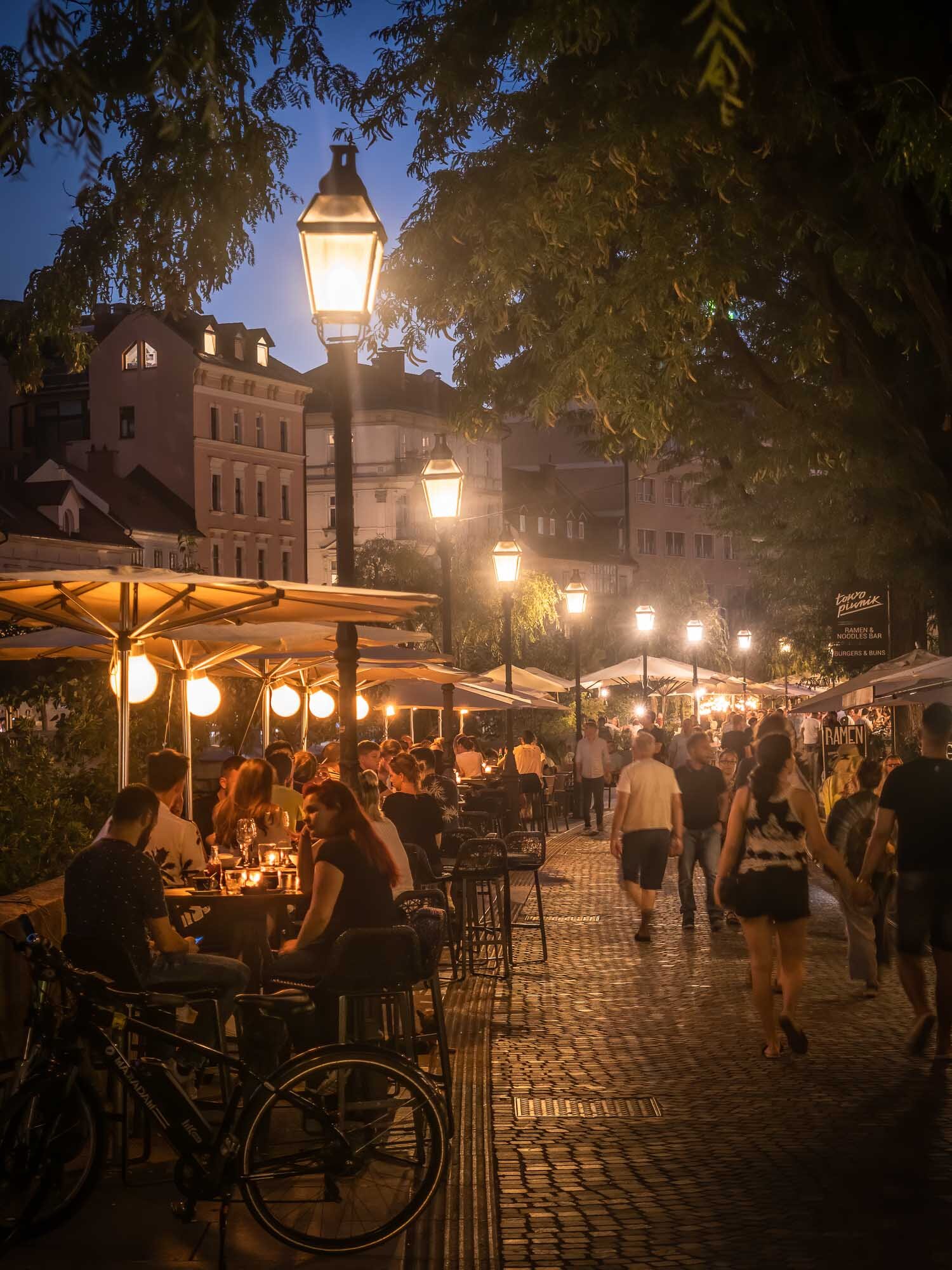
Evening Drinks
A view of some of the many promenade restaurants along the river.
Tripe Bridge
Looking towards the 19th-century bridge with 2 adjacent 20th-century footbridges that cross over the Ljubljanica River.
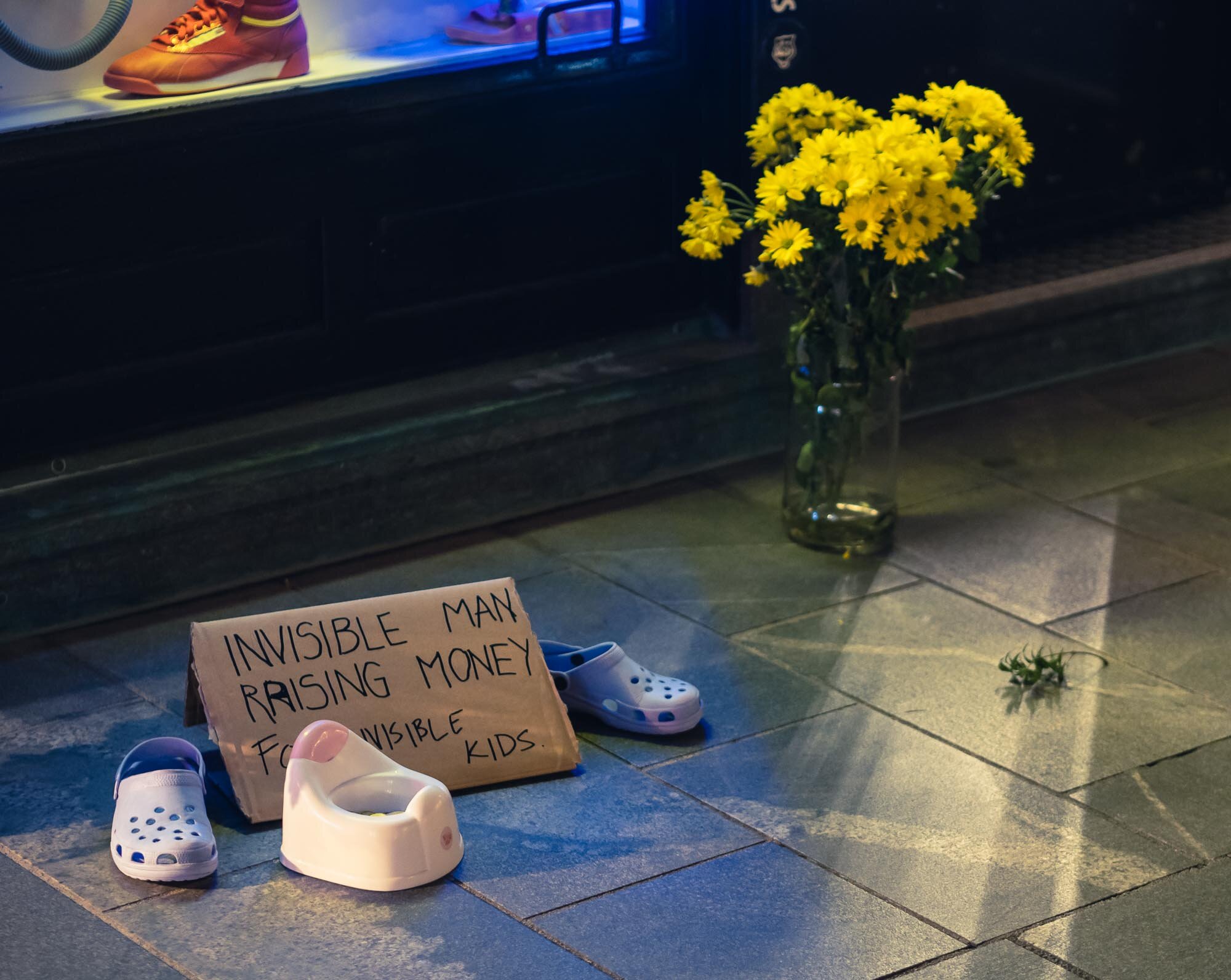
Nice Try
Don't we all wish to be invisible sometimes?
Graffiti with a Heart
Spotted on the Stari Trg street.
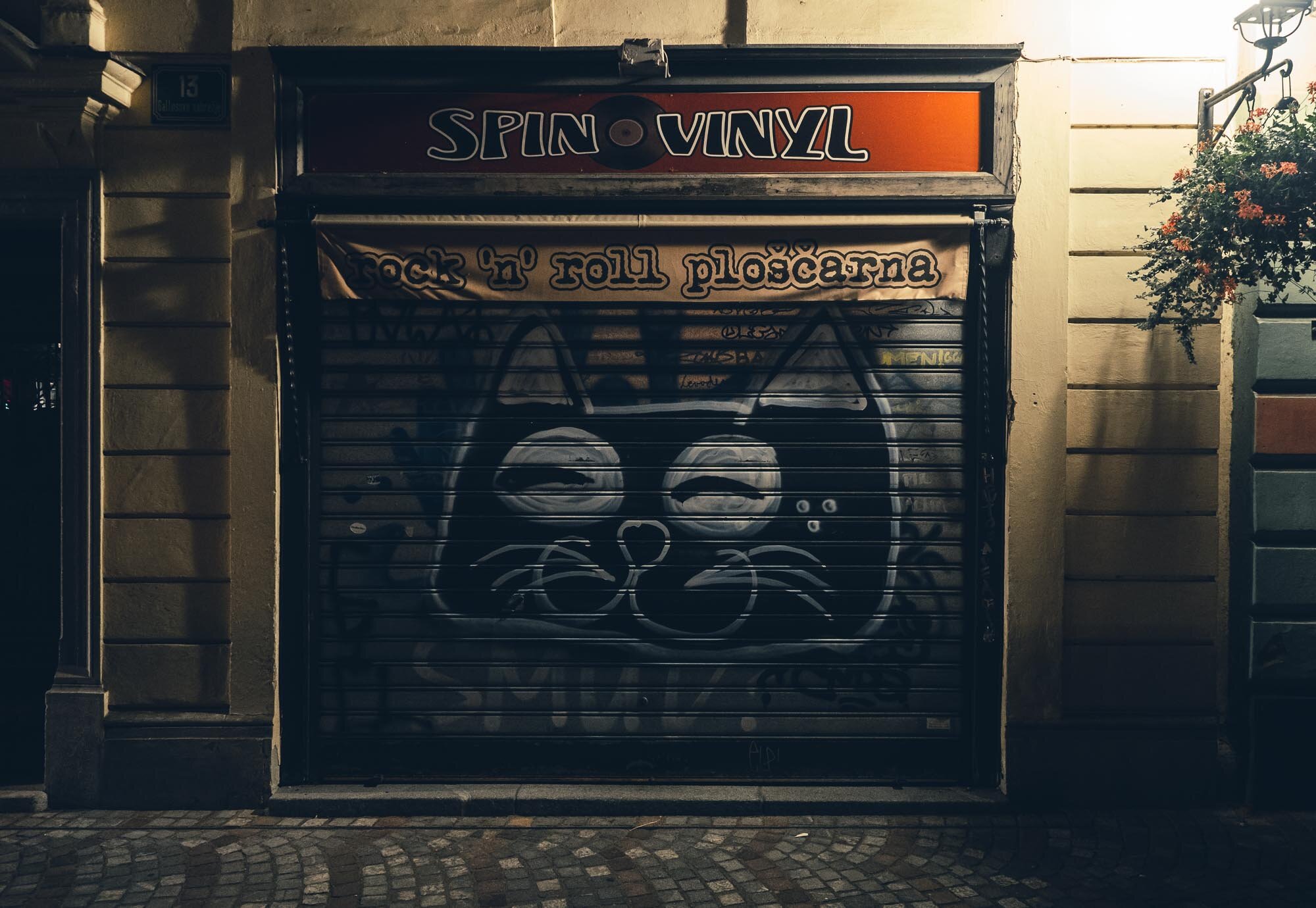
Rock 'N' Roll Cat
A vinyl shop in the city centre.
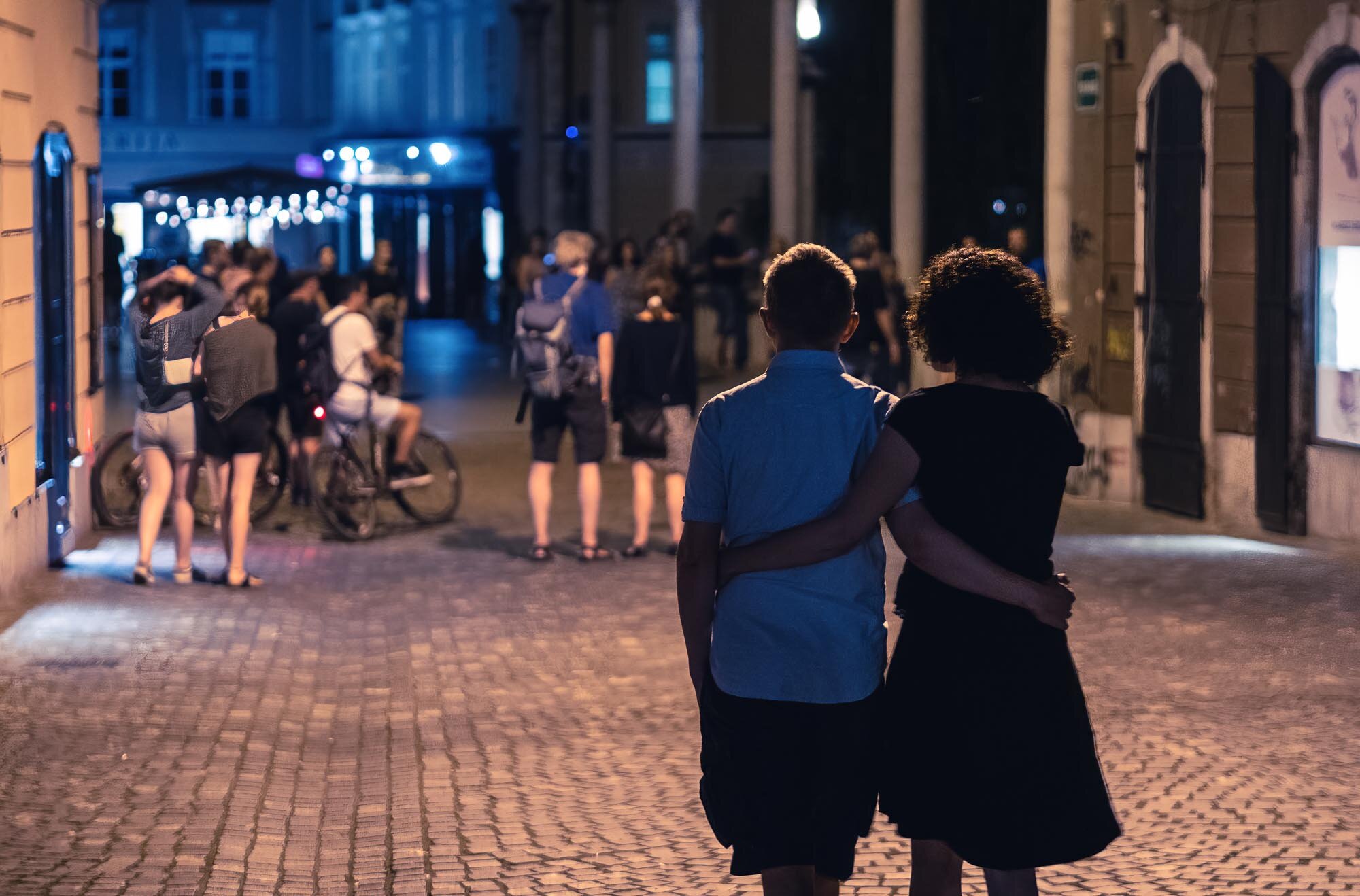
Nightly Walks
A couple walking through the city centre. The city seemed quite young and casual.
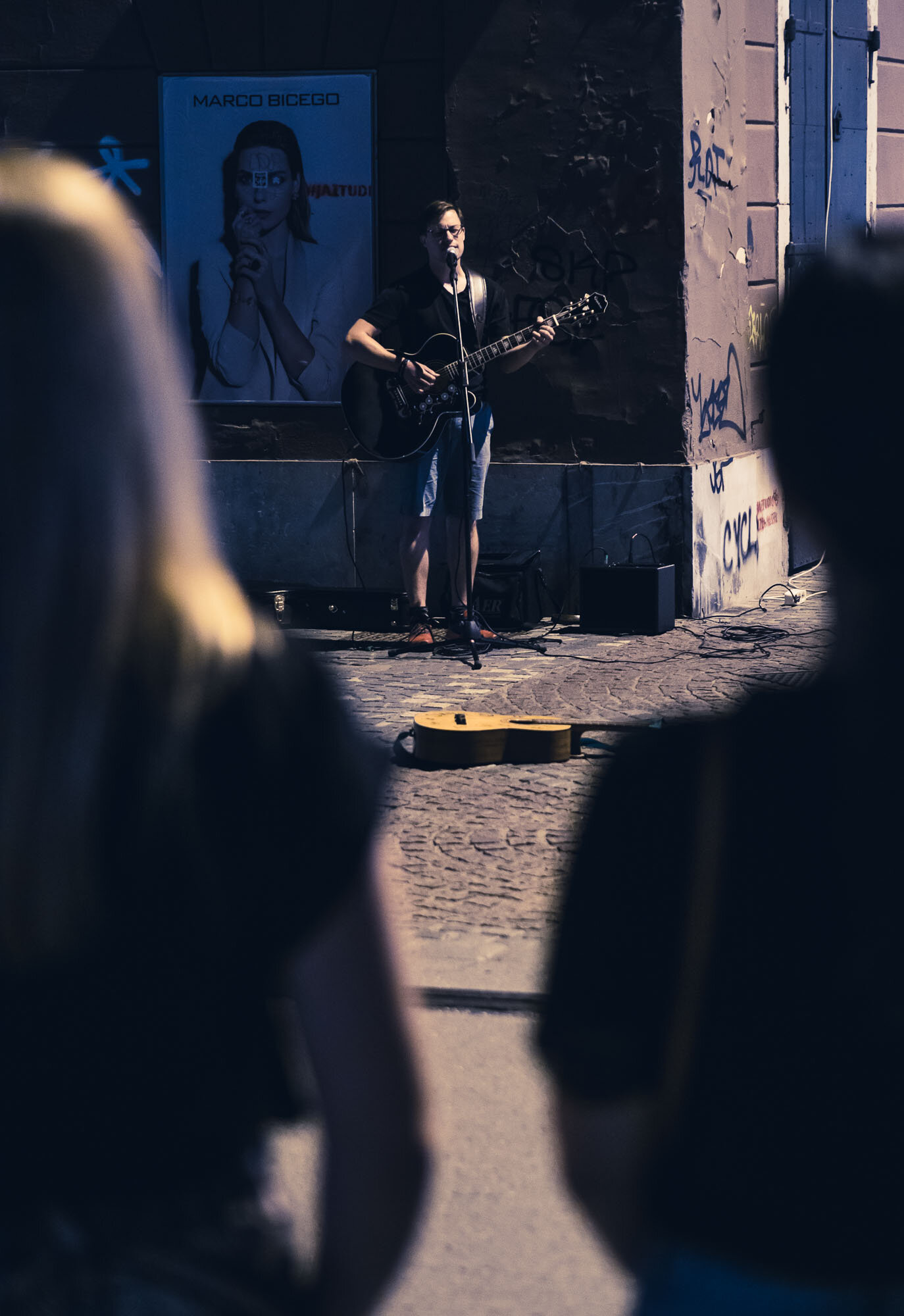
Performance
Two women watching a street musician.
Market Scenes
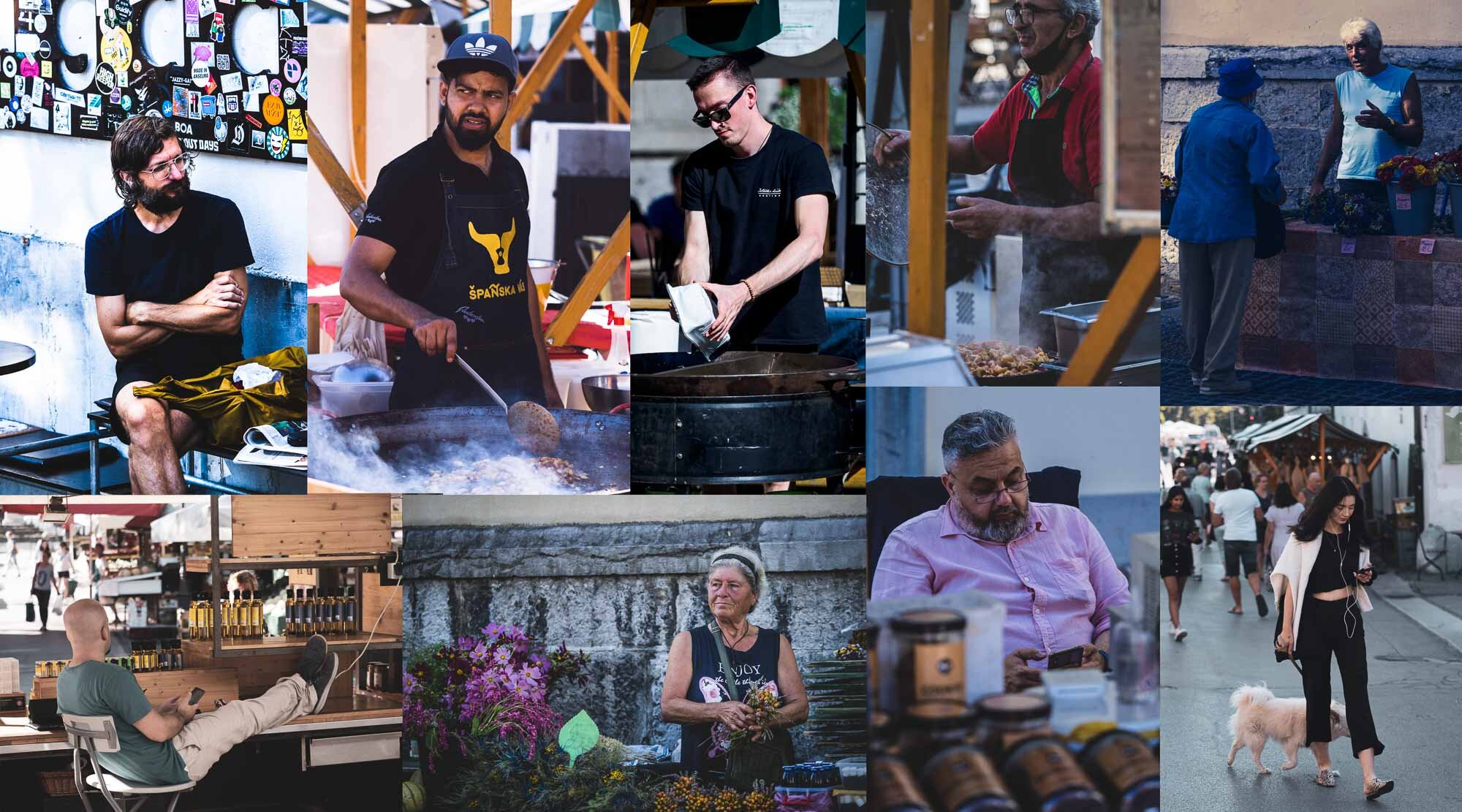
The city has a beautiful market square, which was full of food, produce, and craft stalls on this Friday morning.
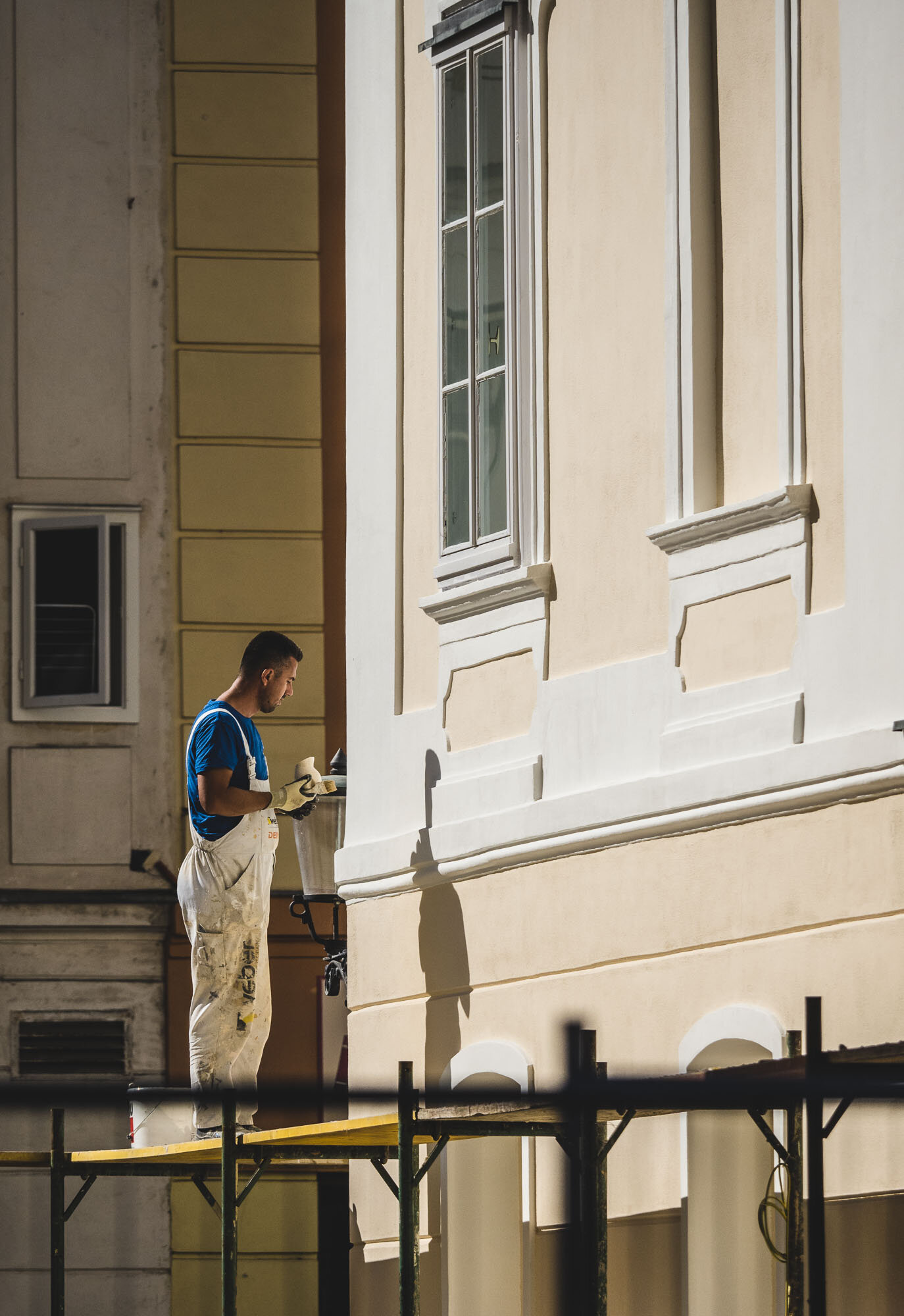
Maintenance
Ljubljana is well kept and clean - a pleasant city to walk around.
Bird Attack
Hunger overcomes all fears.
Green Shores
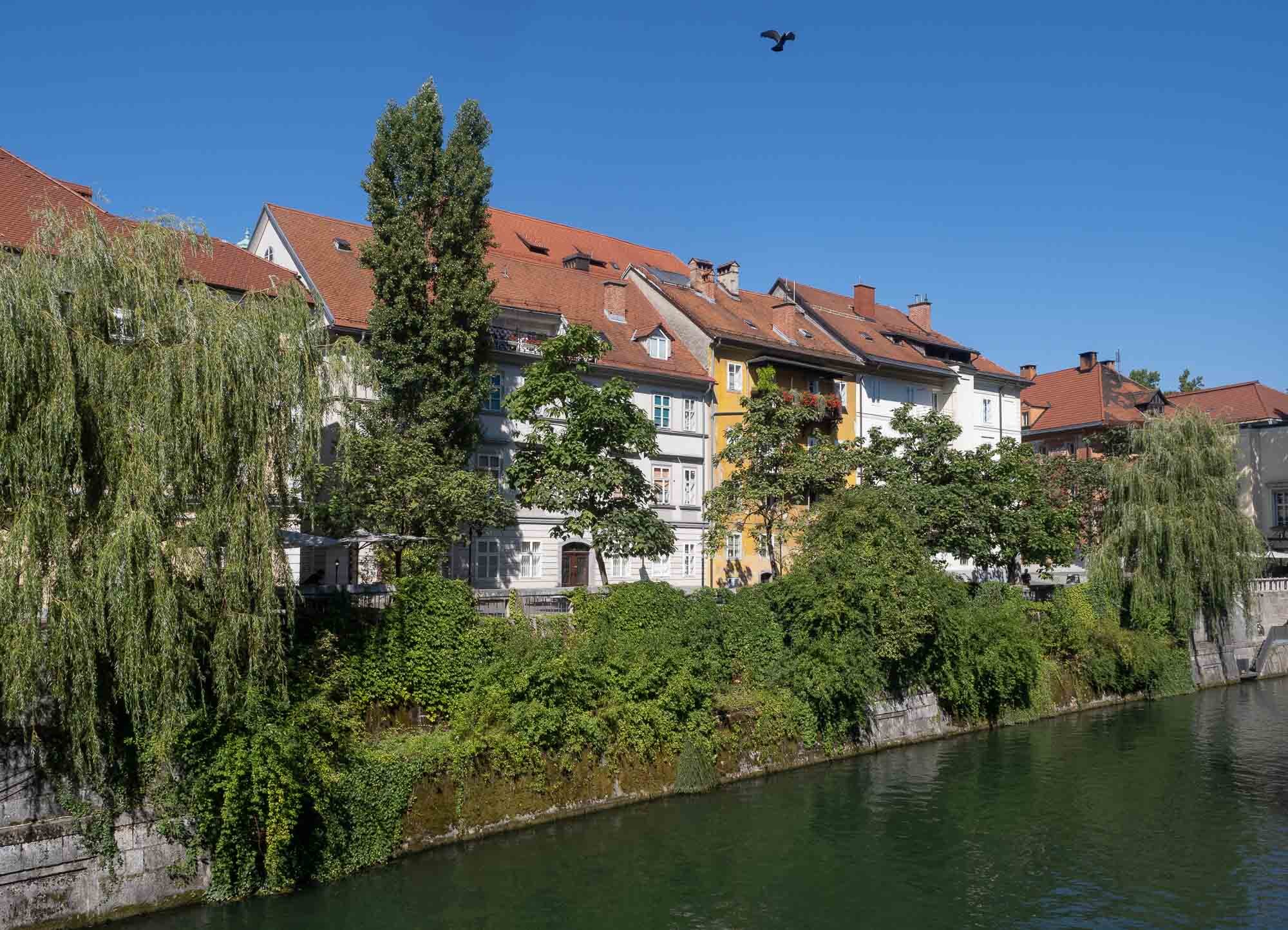
The river walls are covered with greenery, making the city feel quite lush. Definitely recommended for a summer visit.
A Day in Ulm and 768 Steps
Escaping the Dubai summer heat to Germany means there are opportunities to explore my home country, which firstly I didn’t do enough, and secondly is very underrated compared to many of its European neighbors.
Escaping the Dubai summer heat to Germany means there are opportunities to explore my home country, which firstly I didn’t do enough, and secondly is very underrated compared to many of its European neighbors. I’m undoubtedly biased, but particularly the southern part of Germany is full of amazing places to explore. Ulm is one of these places, and its landmark attraction, the tallest church in the world, makes it a must see. Combine that with the chance to meet old friends from Dubai, and it becomes a great day indeed.
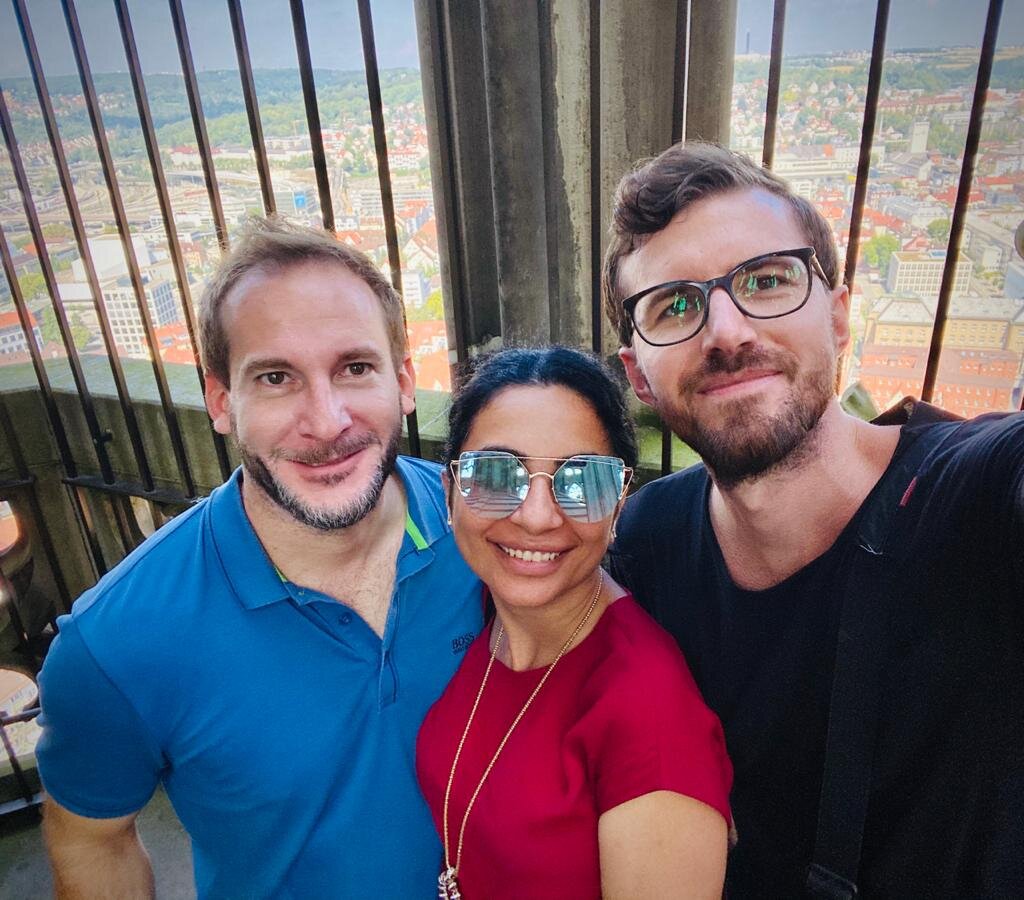
Two Germans, and Simon ;)
When the Birds Take Over
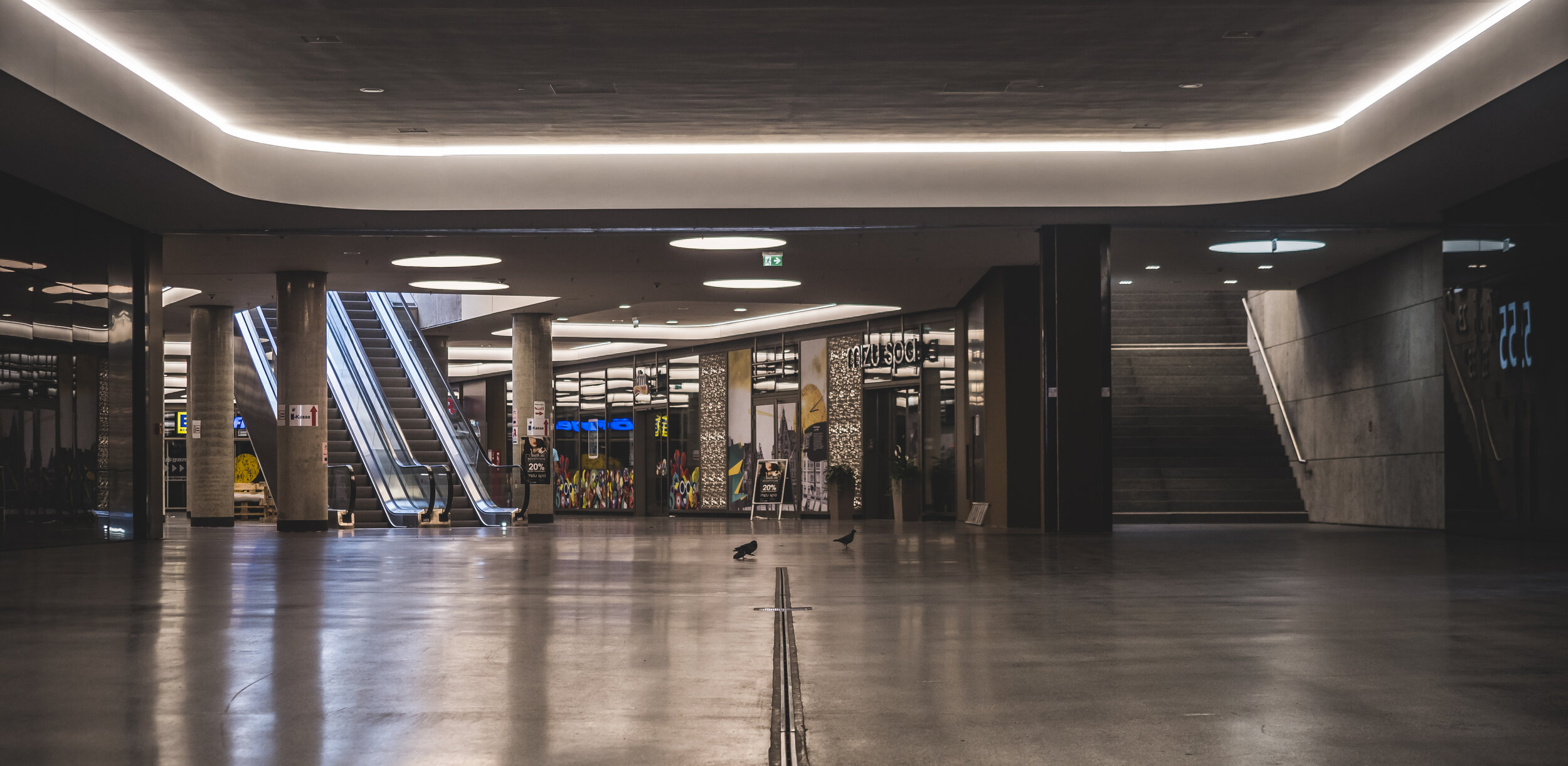
One could say this is a consequence of the Coronavirus epidemic, but it also was a Sunday morning.
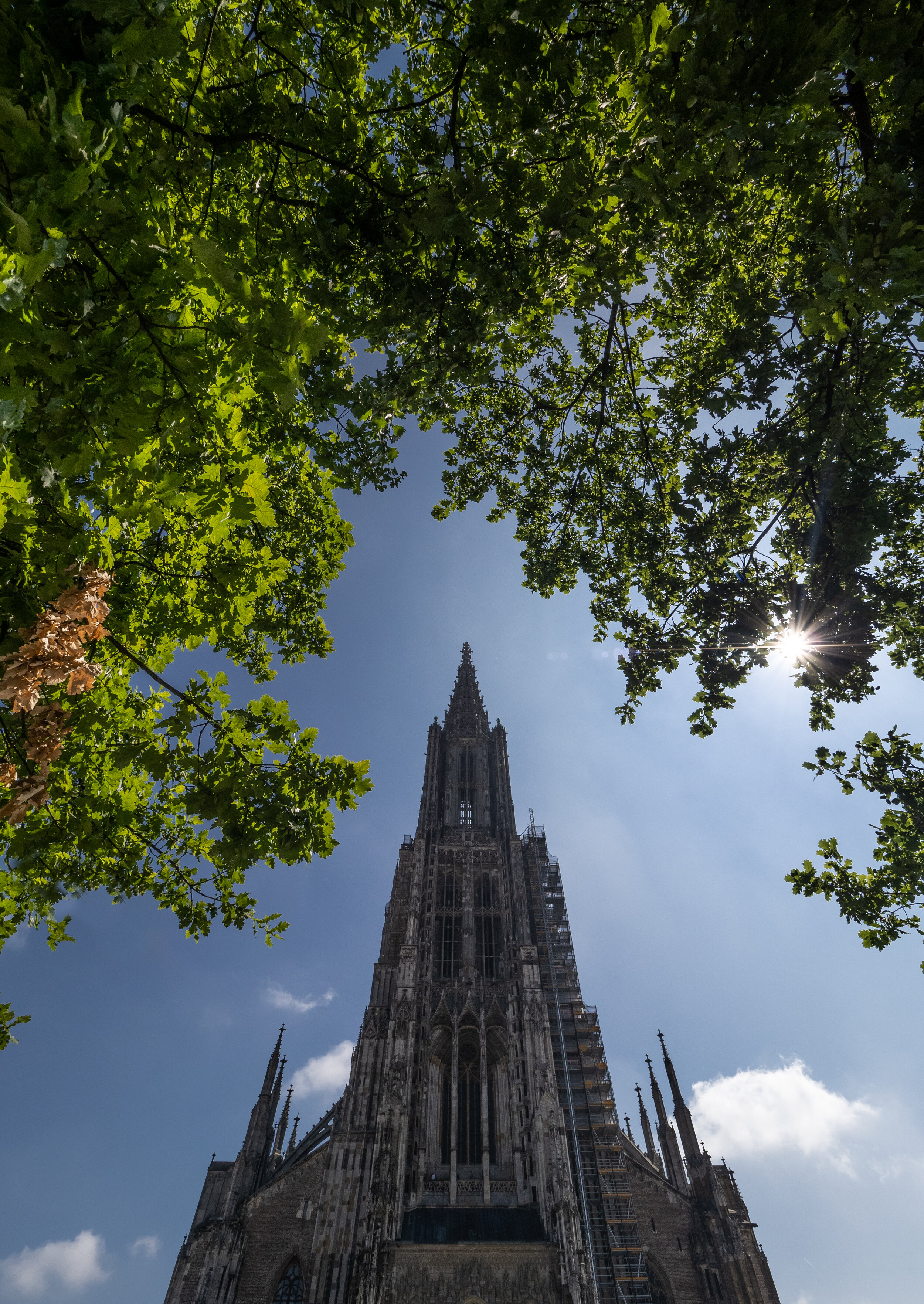
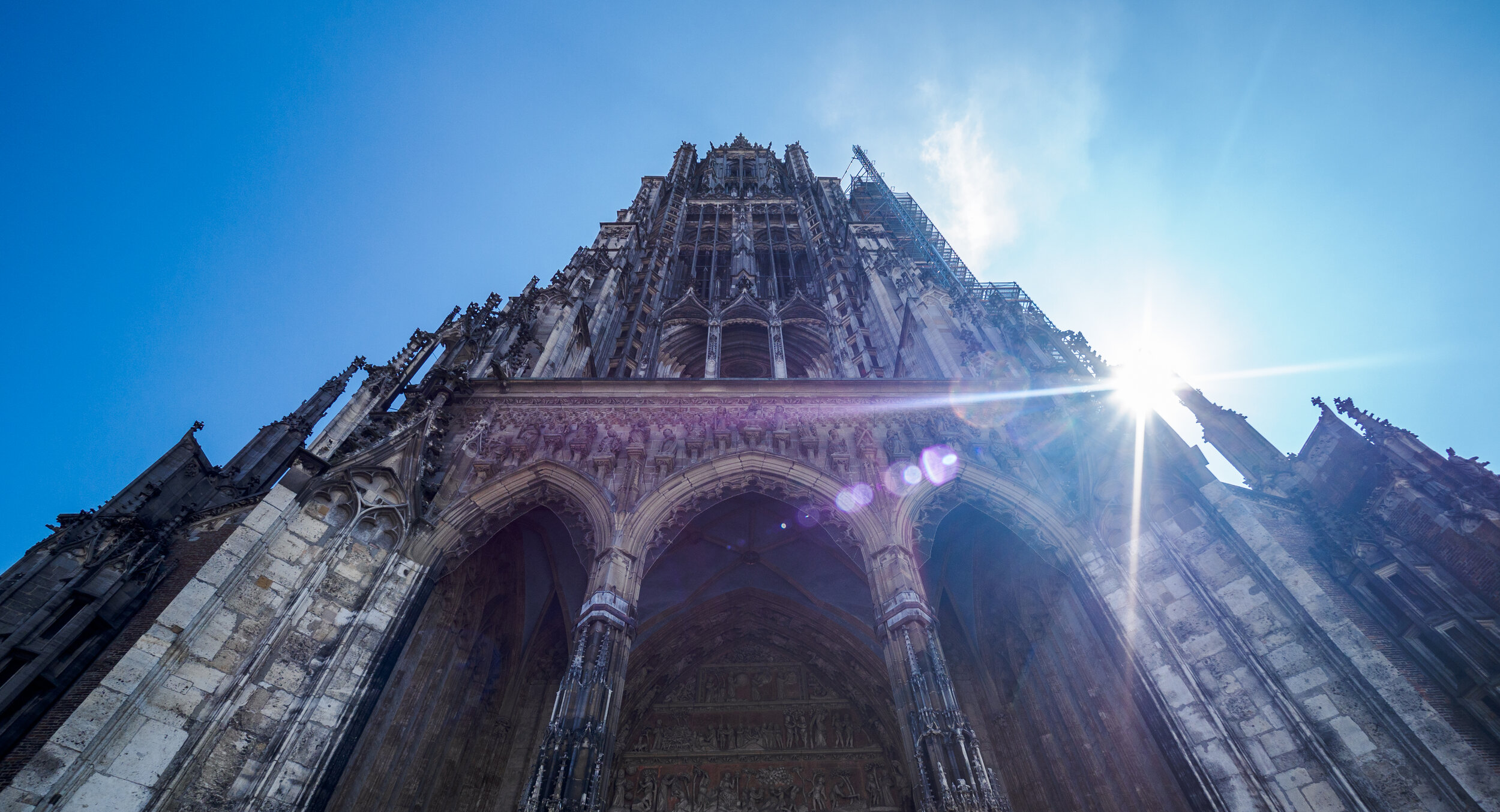
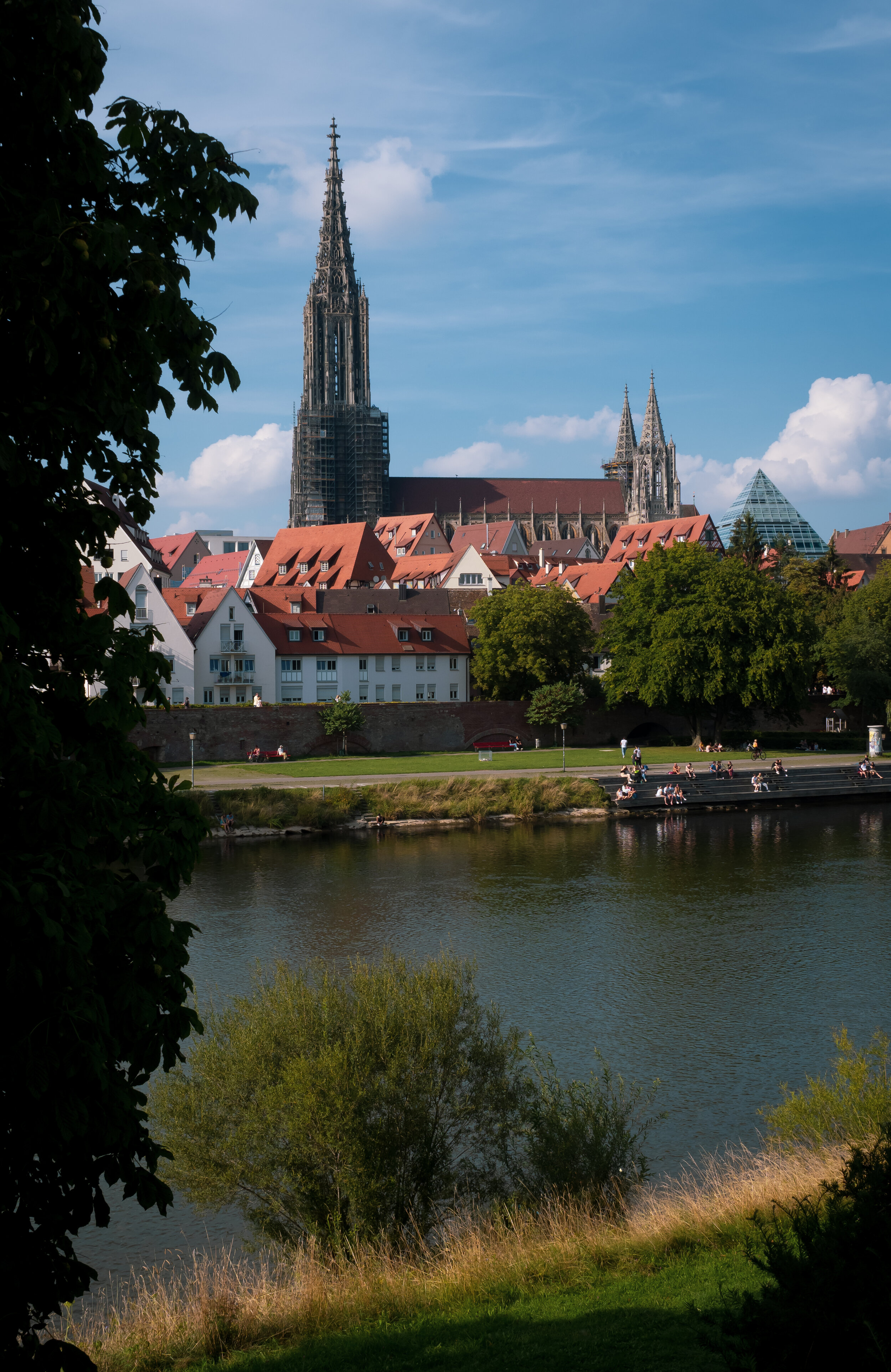
Ulm Minster
The tallest church in the world at 161.5m.
For now...
...at least until the Sagrada Familia will eventually be completed.
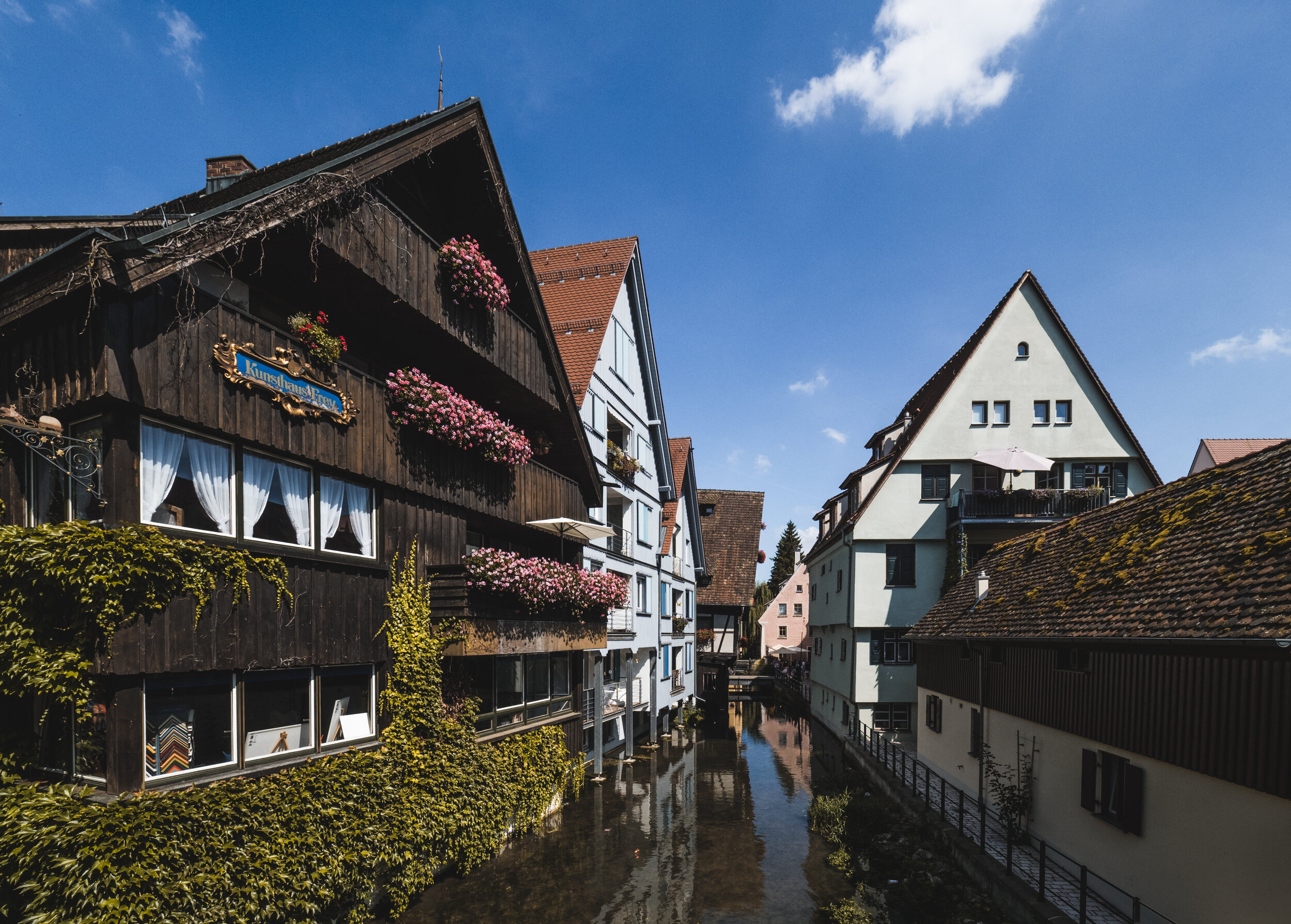
Houses
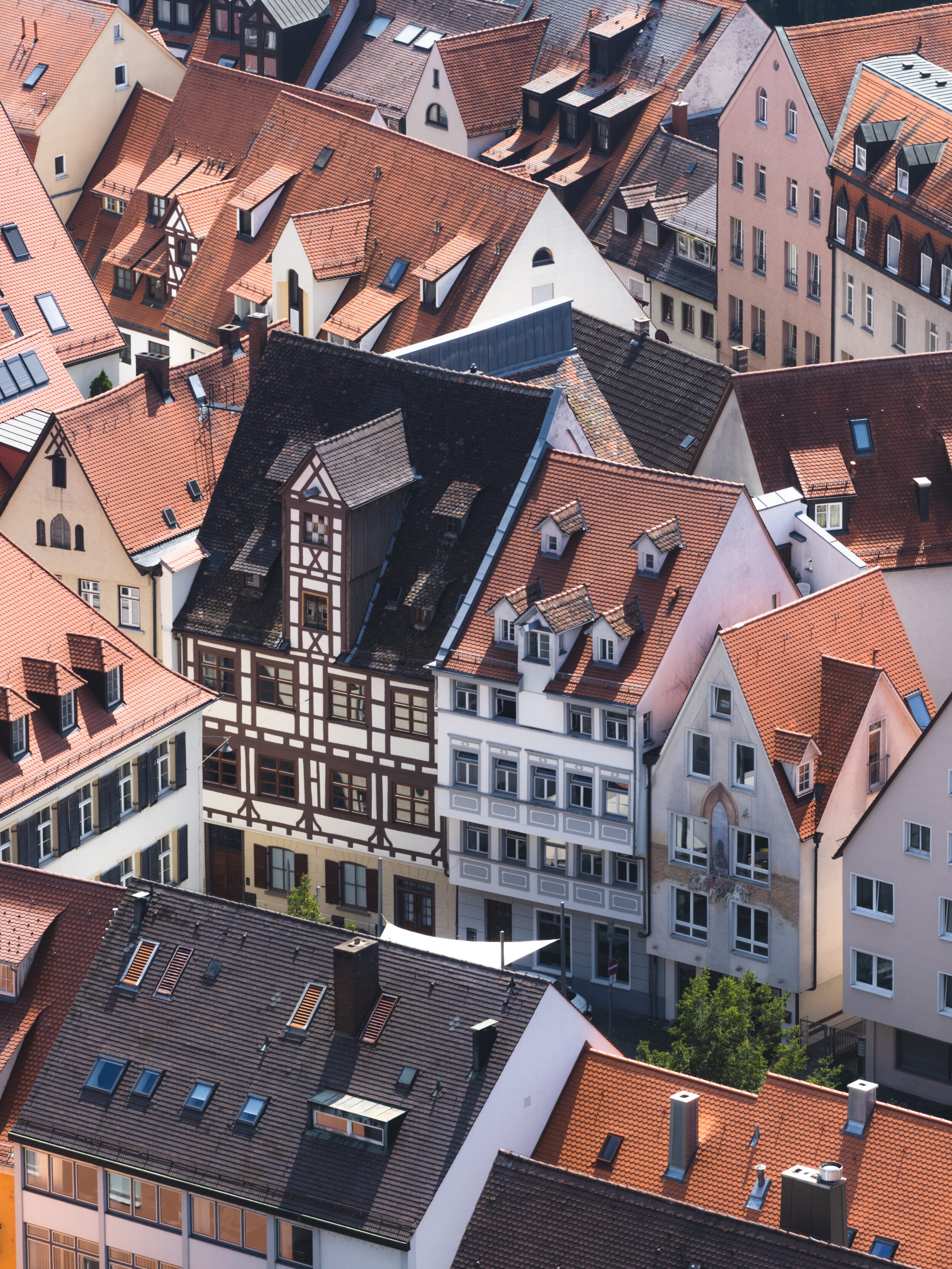
Some of the houses in Ulm still feature the traditional timbered architecture found in Swabia.
Contrasts
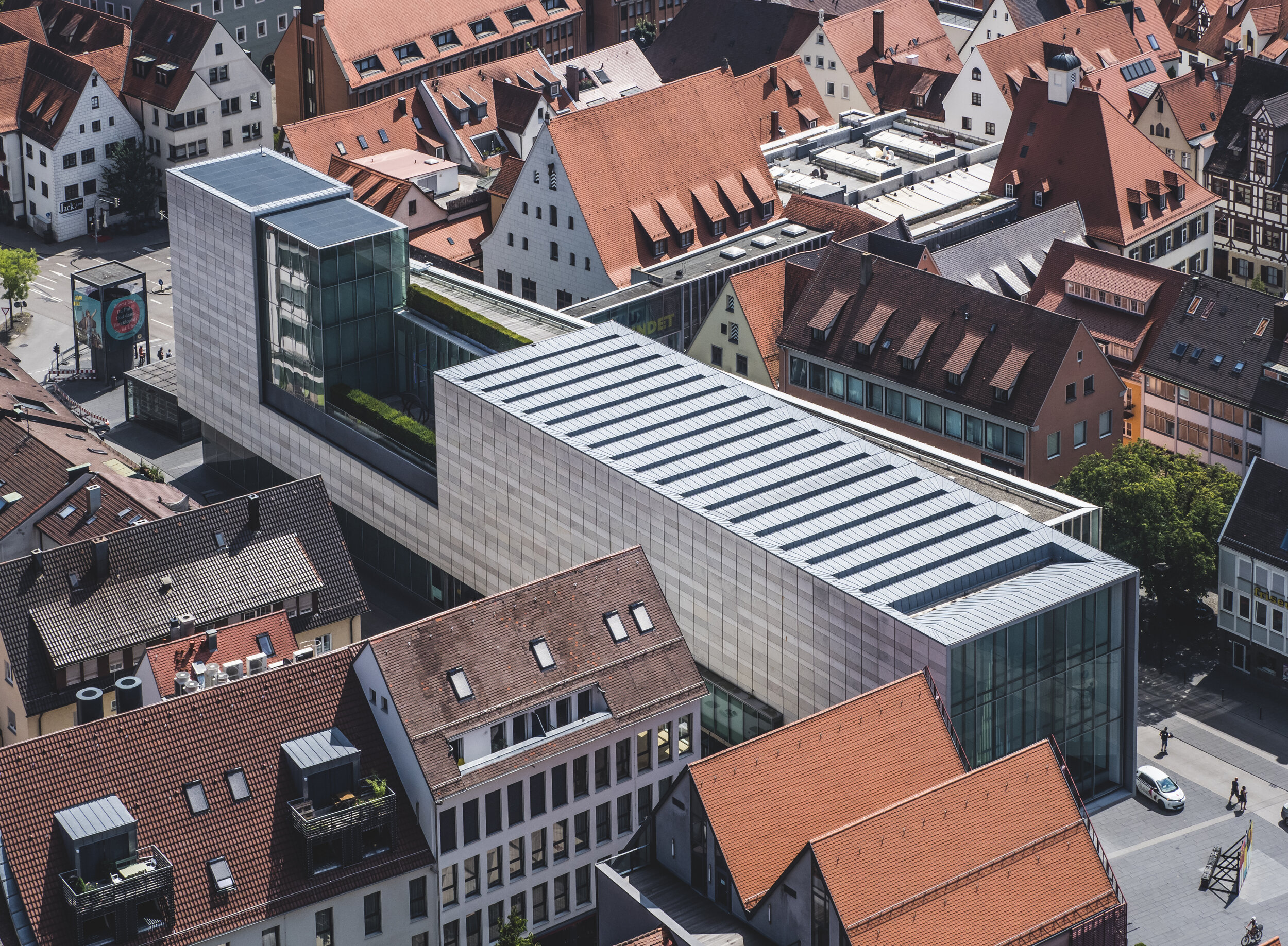
The city is dotted with modern buildings, such as this office and commercial building.
Surroundings
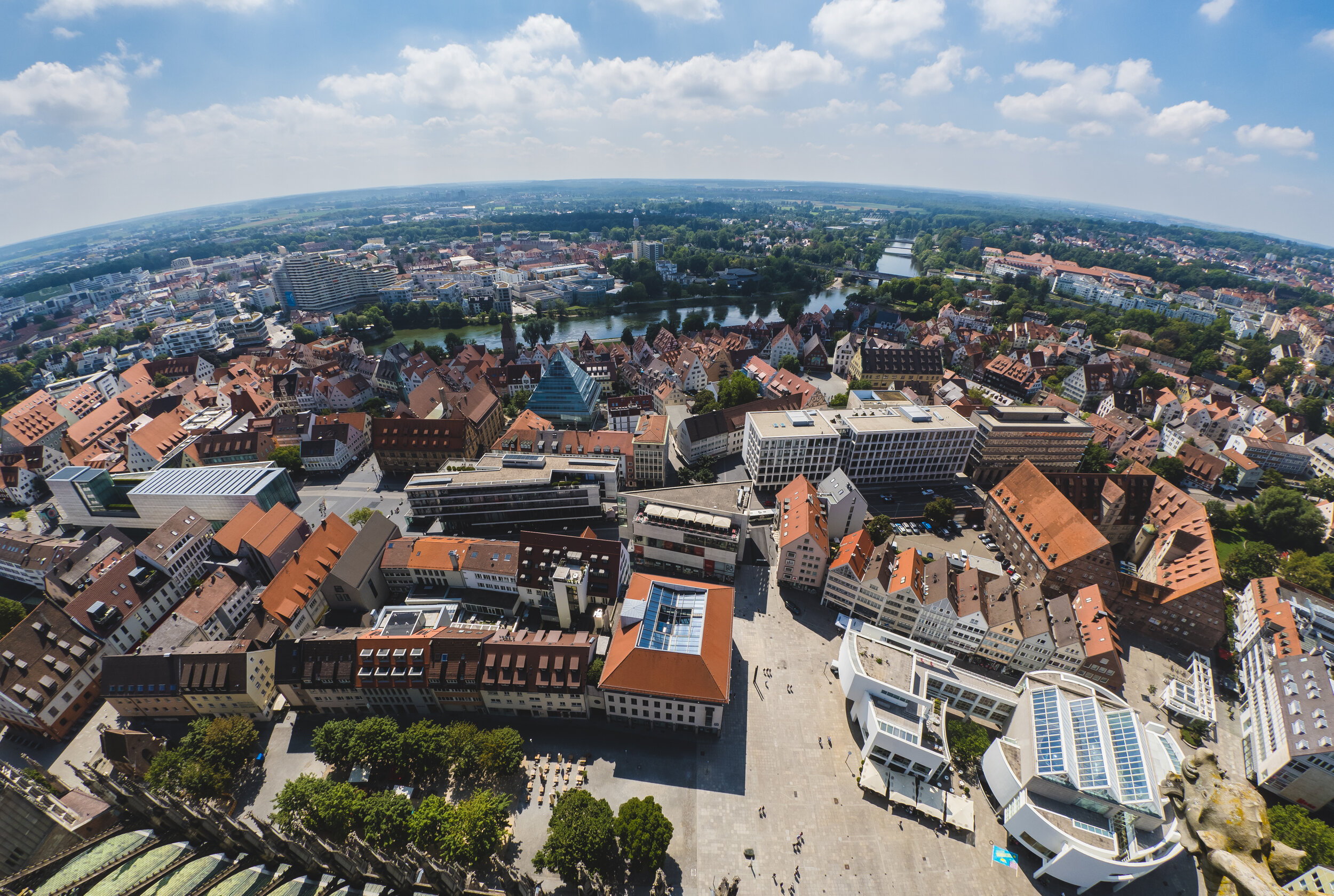
Ulm lies at an interesting geographical location, where the rivers Blau and Iller join the Danube. It was founded in 850, but is now split along the river into Ulm in the state of Baden-Württemberg, and Neu-Ulm (new Ulm) in Bavaria. On a clear day, you can see all the way to the Alps.
View from the Top
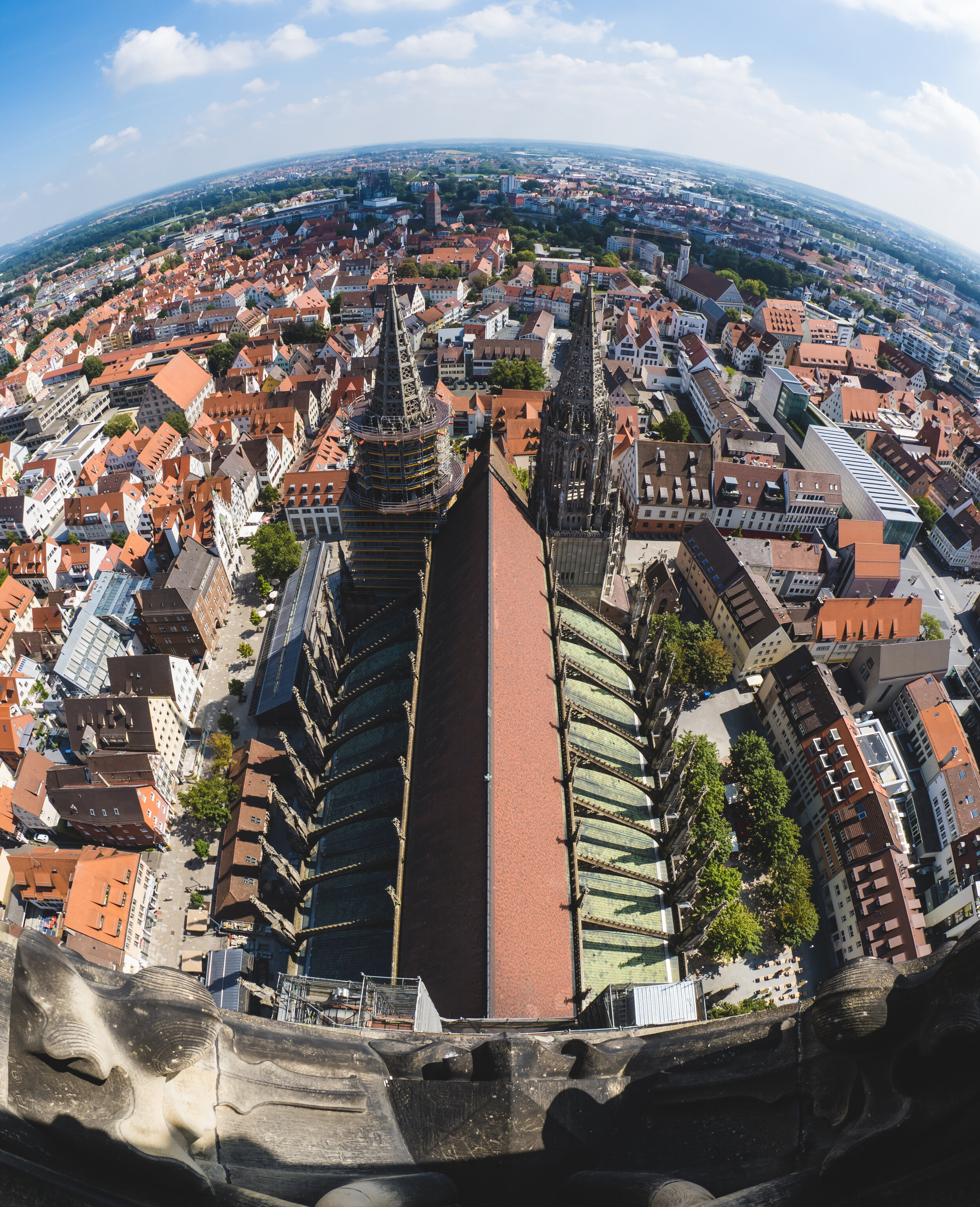
The 768 stairs take you all the way to the top, with a 360 degrees view - this is the choir side of the church looking east.
On the Roof
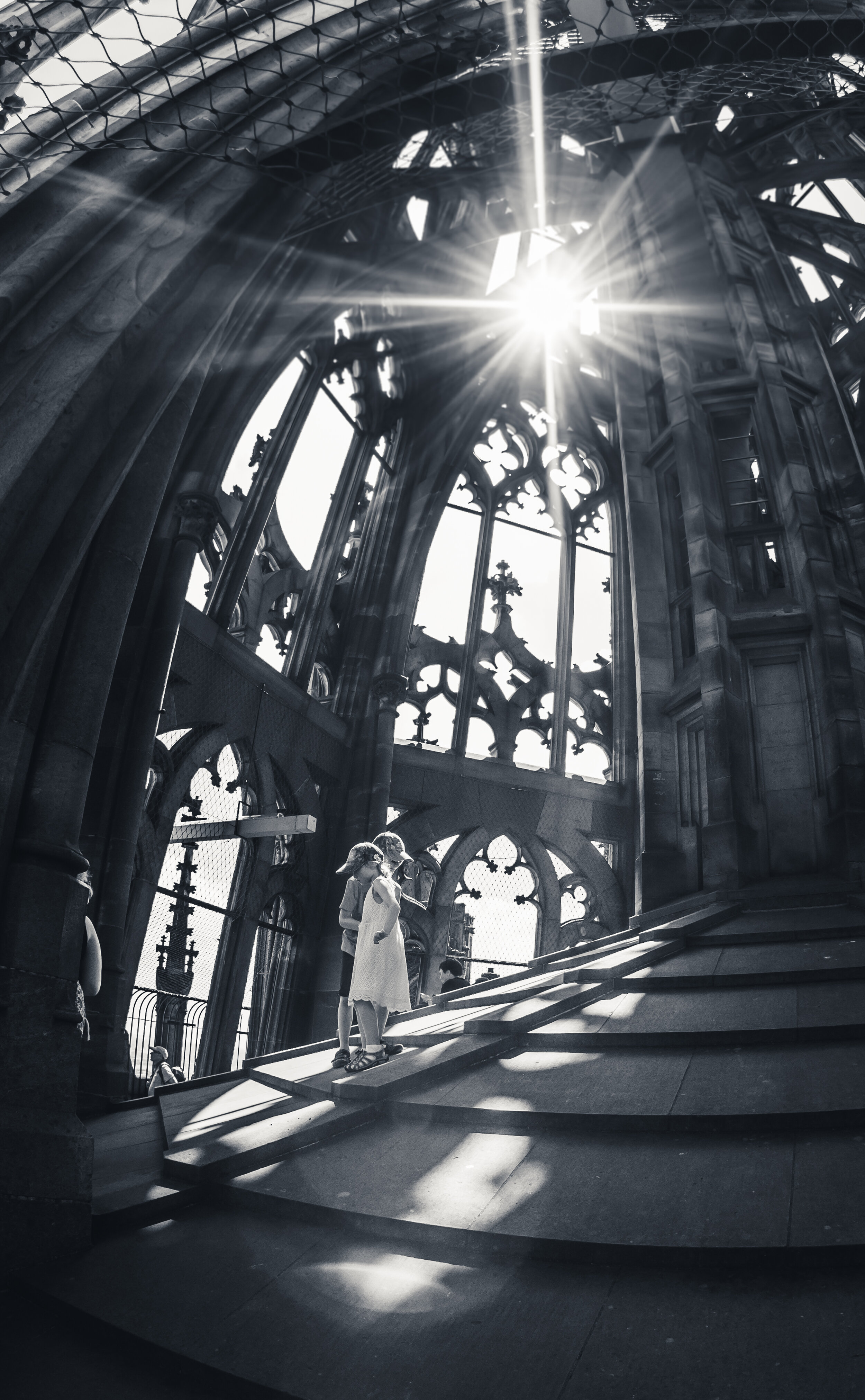
Two kids walking on the roof supporting the spire at the top of the main steeple.
Bells
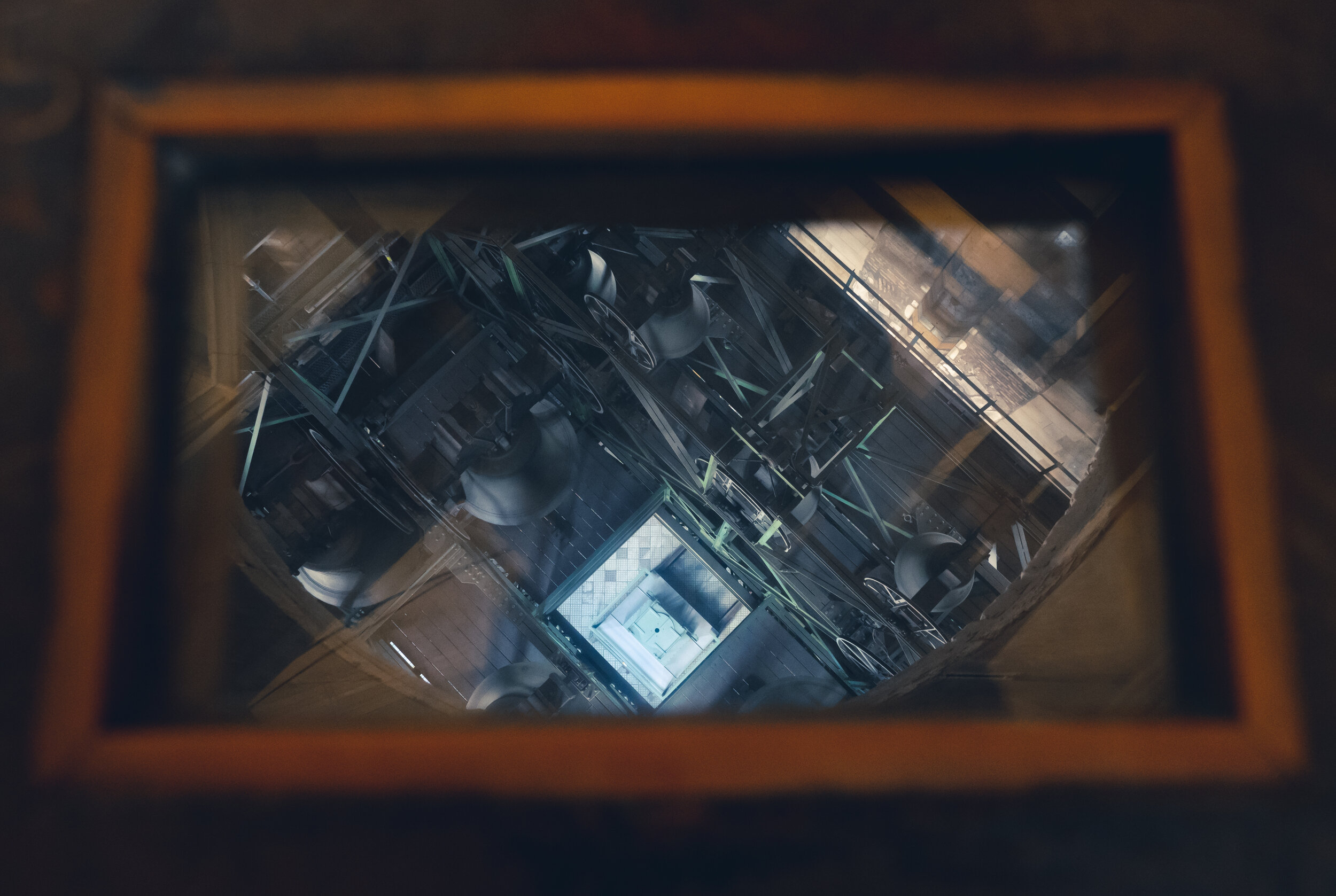
Small windows in the upper main steeple floors allow a view of the bells, some of which date back all the way to the original construction of the church in the 14th century.
Main Square
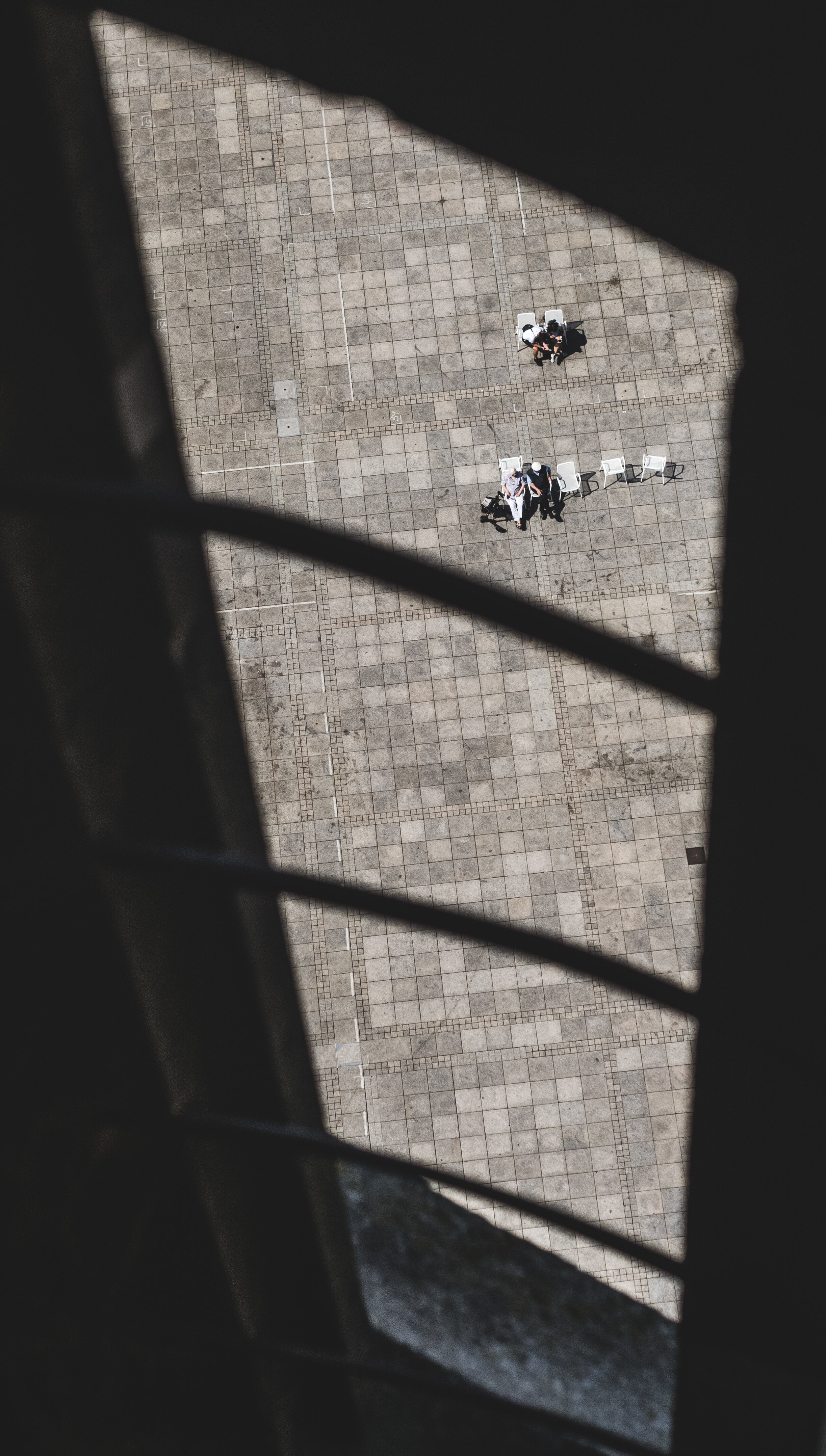
Looking down the main square from the staircase leading up the minster.
Sanctuary
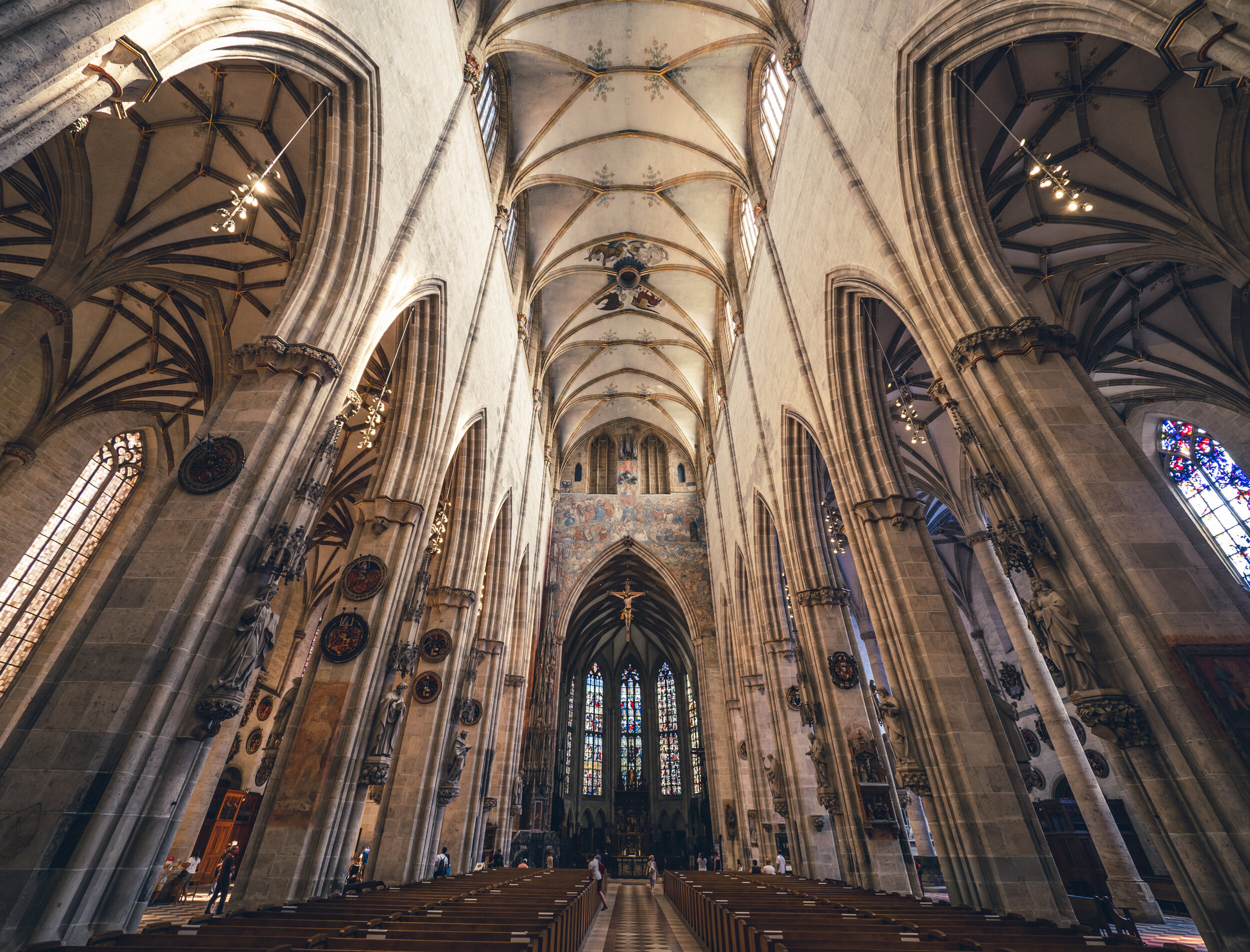
The view to the east inside the church - which is not in fact a cathedral.
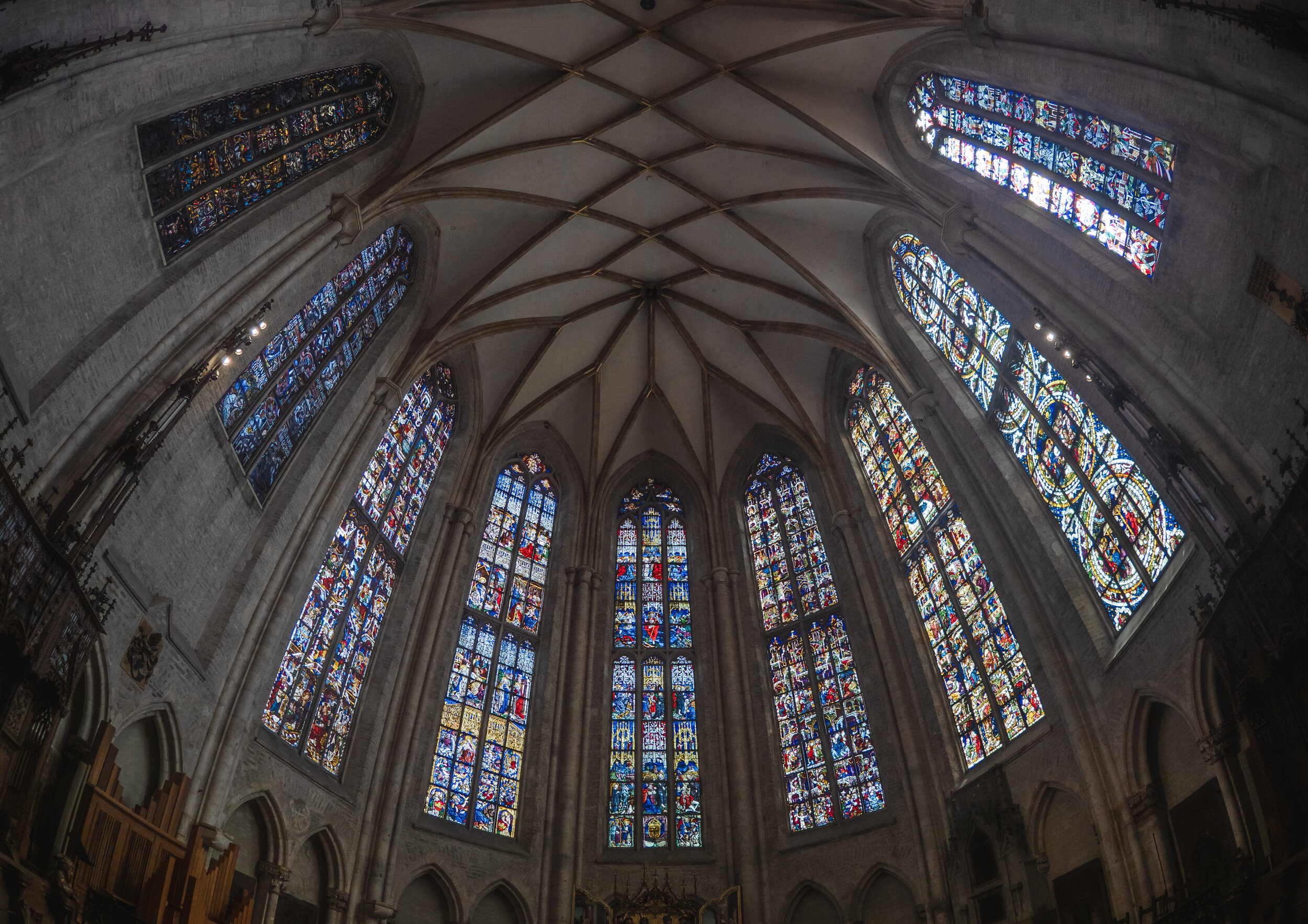
The Choir
Which, due to the change in plans during the construction phases, is much lower than the nave.
Colours
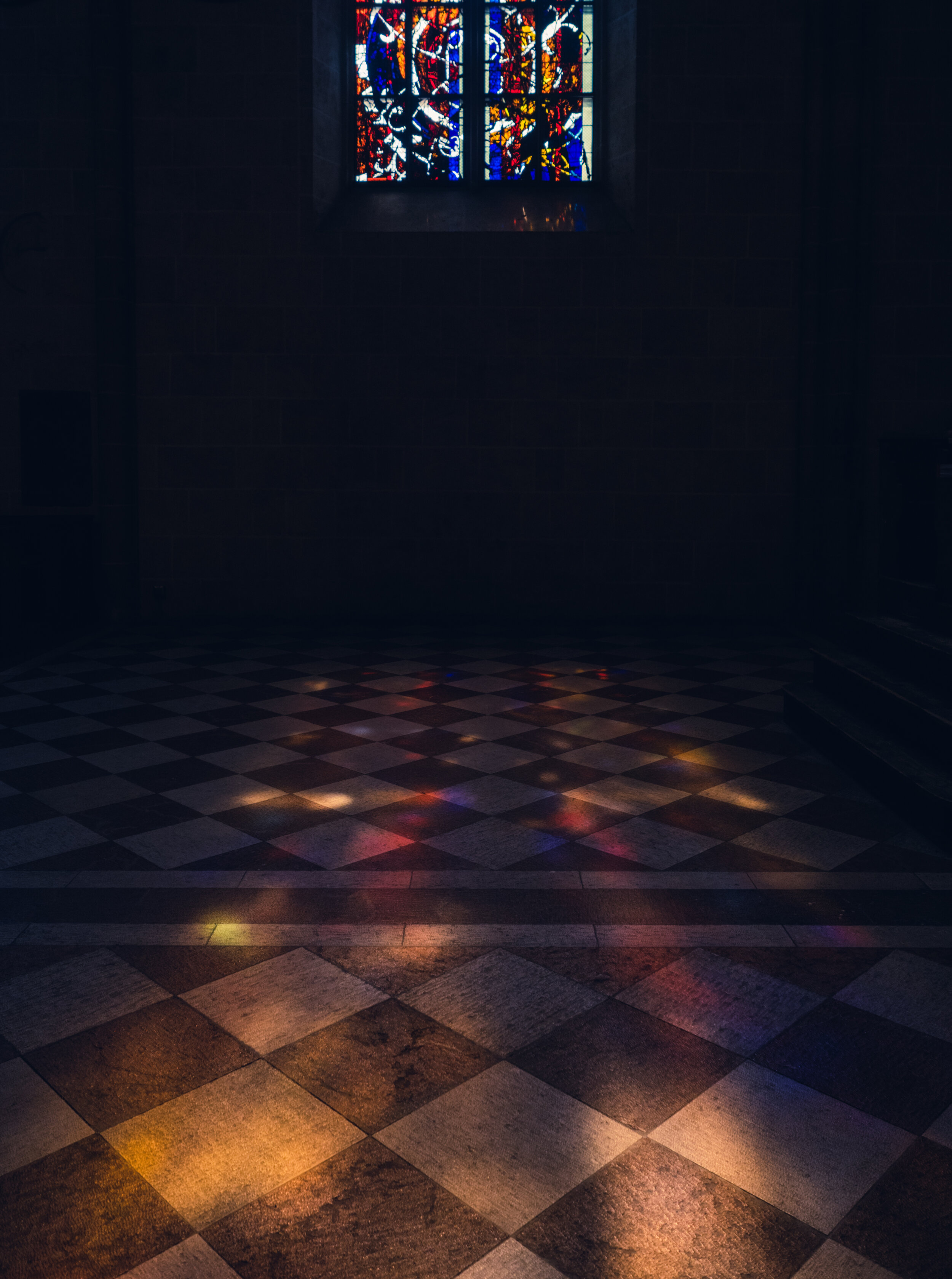
The original stained glass windows produce beautiful light on the ground.
Glass Patterns
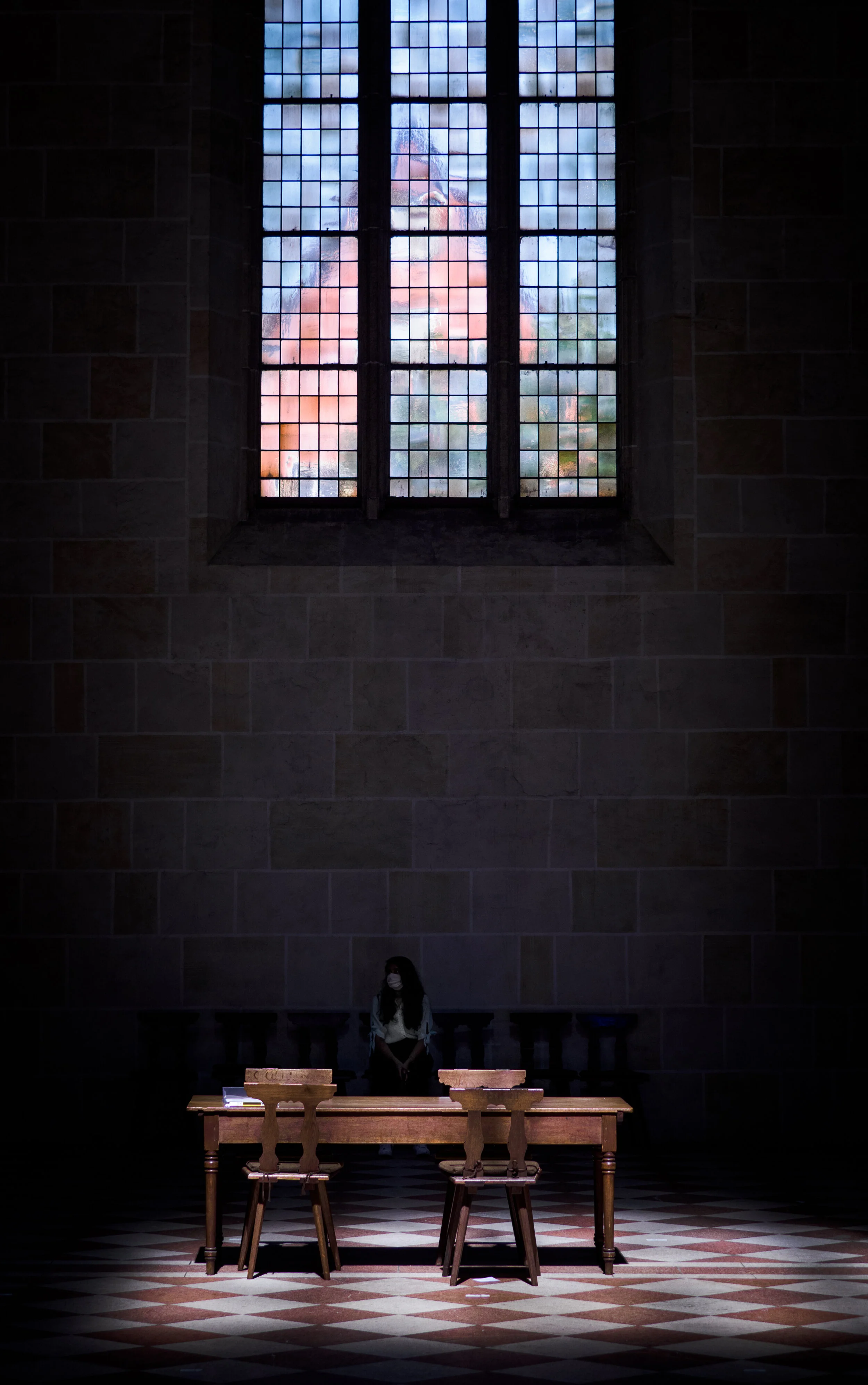
The northern side glass windows are slowly being decorated again after the original ones have been destroyed. While not as intricate as the the traditional style, they allow a glimpse of the houses on the outside which produces interesting changing light patterns.
Visitors
At its peak, the church was able to accommodate 20000 people.
Town Hall
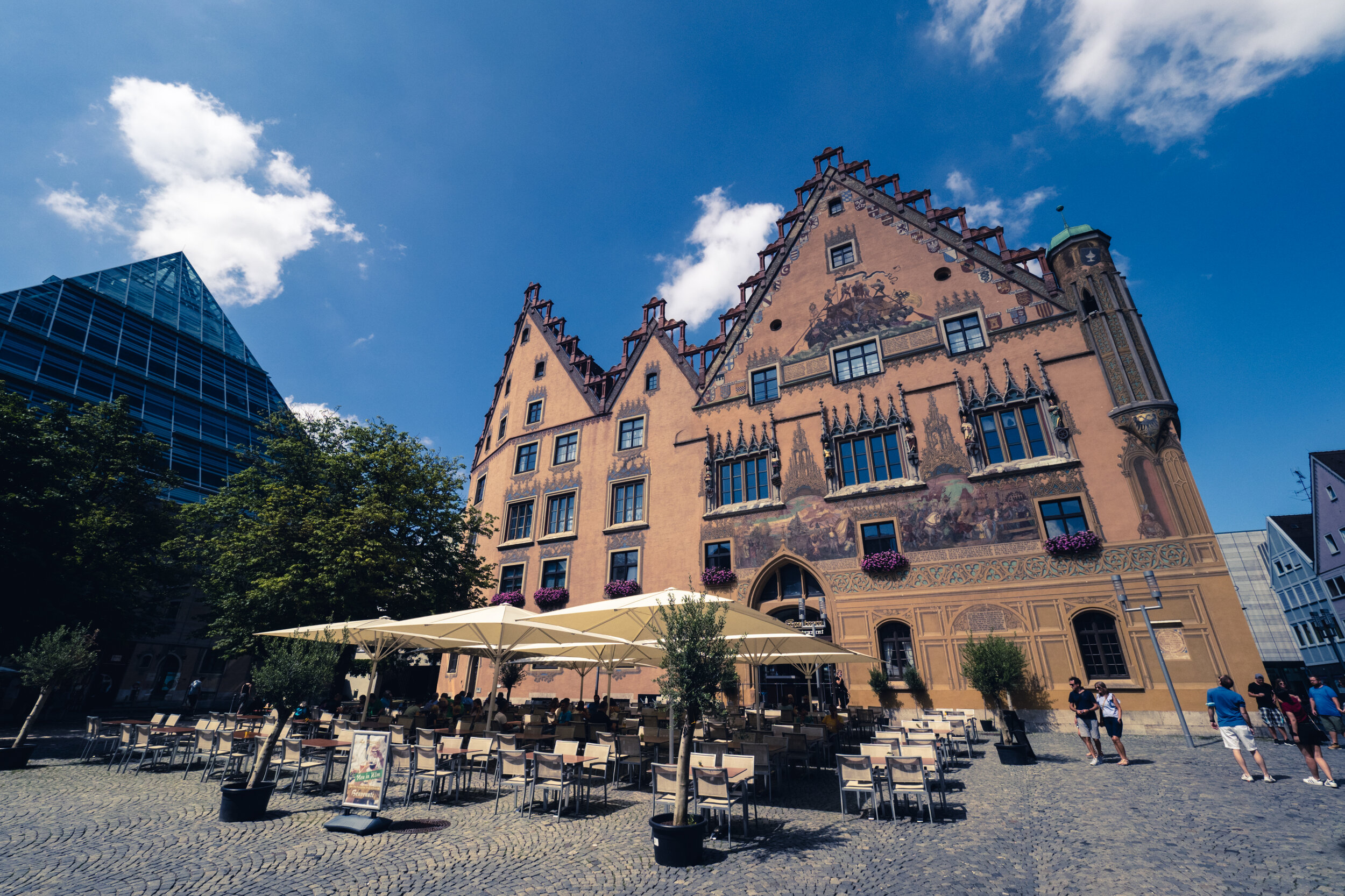
The 1370 town hall building and the public libary opened in 2004 to the left.
On the City Walls
You can stroll along the Danube on top of the city walls, with a glimpse of the beautiful houses on the shore.
Fishermen's Quarter
This area with its canals and old houses is definitely one of the prettiest parts of the city.
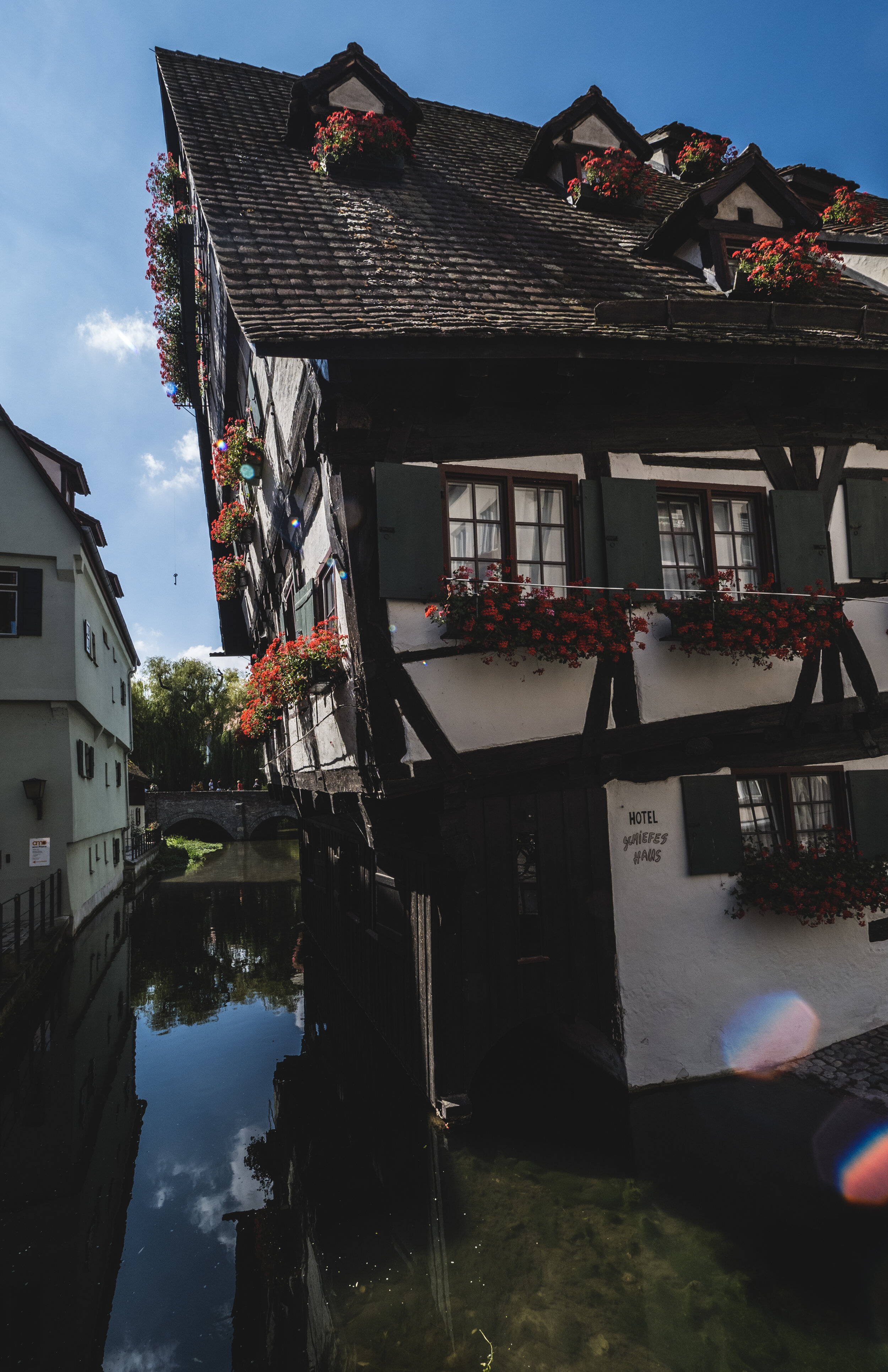
Schiefes Haus
Aptly named "The Leaning Hotel" and originally built in 1406, this building now houses 11 rooms to stay at.
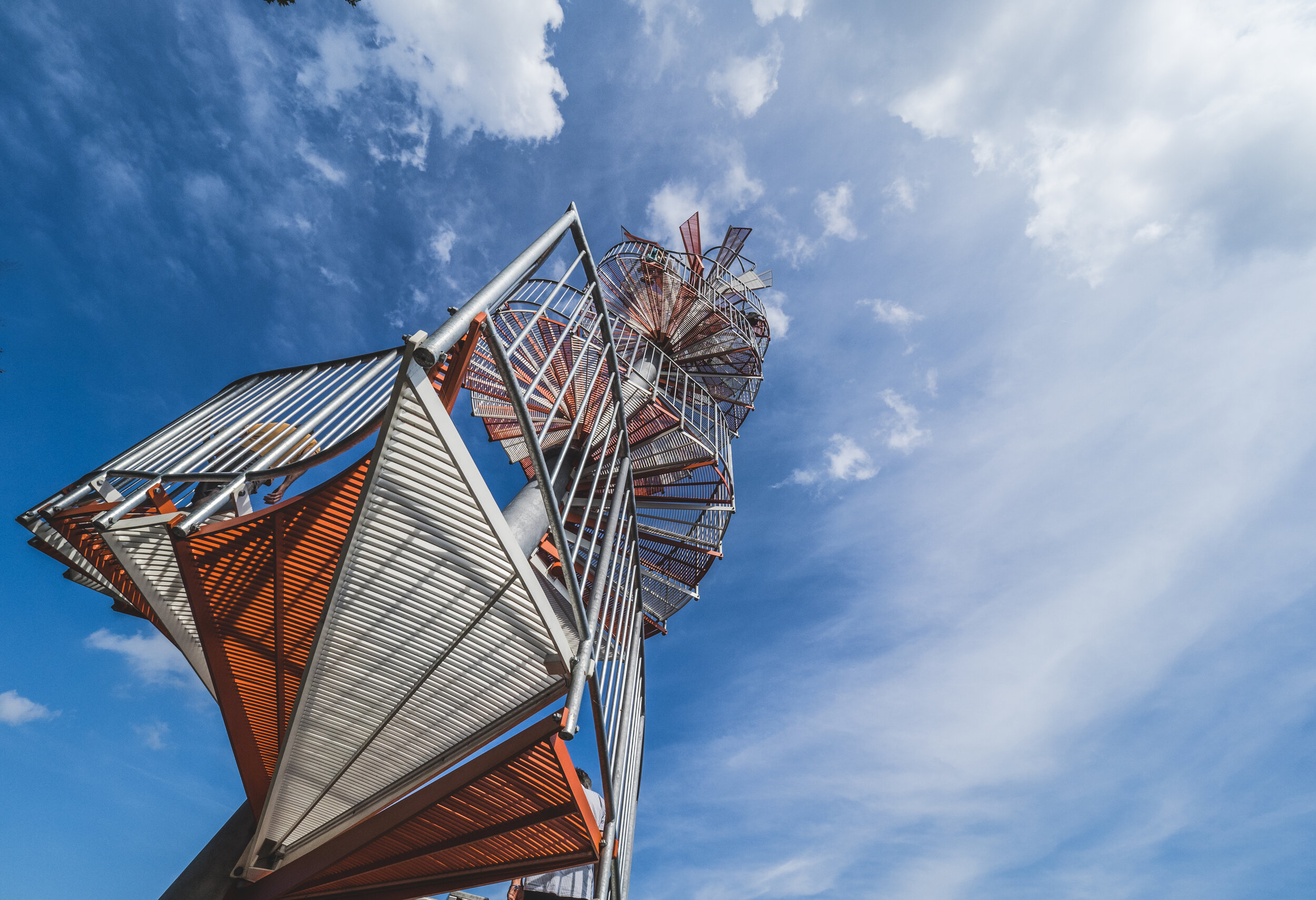
Berblinger Tower
This recently opened art installation is dedicated to Albrecht Ludwig Berblinger, who in 1811 wanted to show off his gliding plane construction, but in front of many spectators ended up in the Danube when trying to take flight from a podestal at the shores.
Up
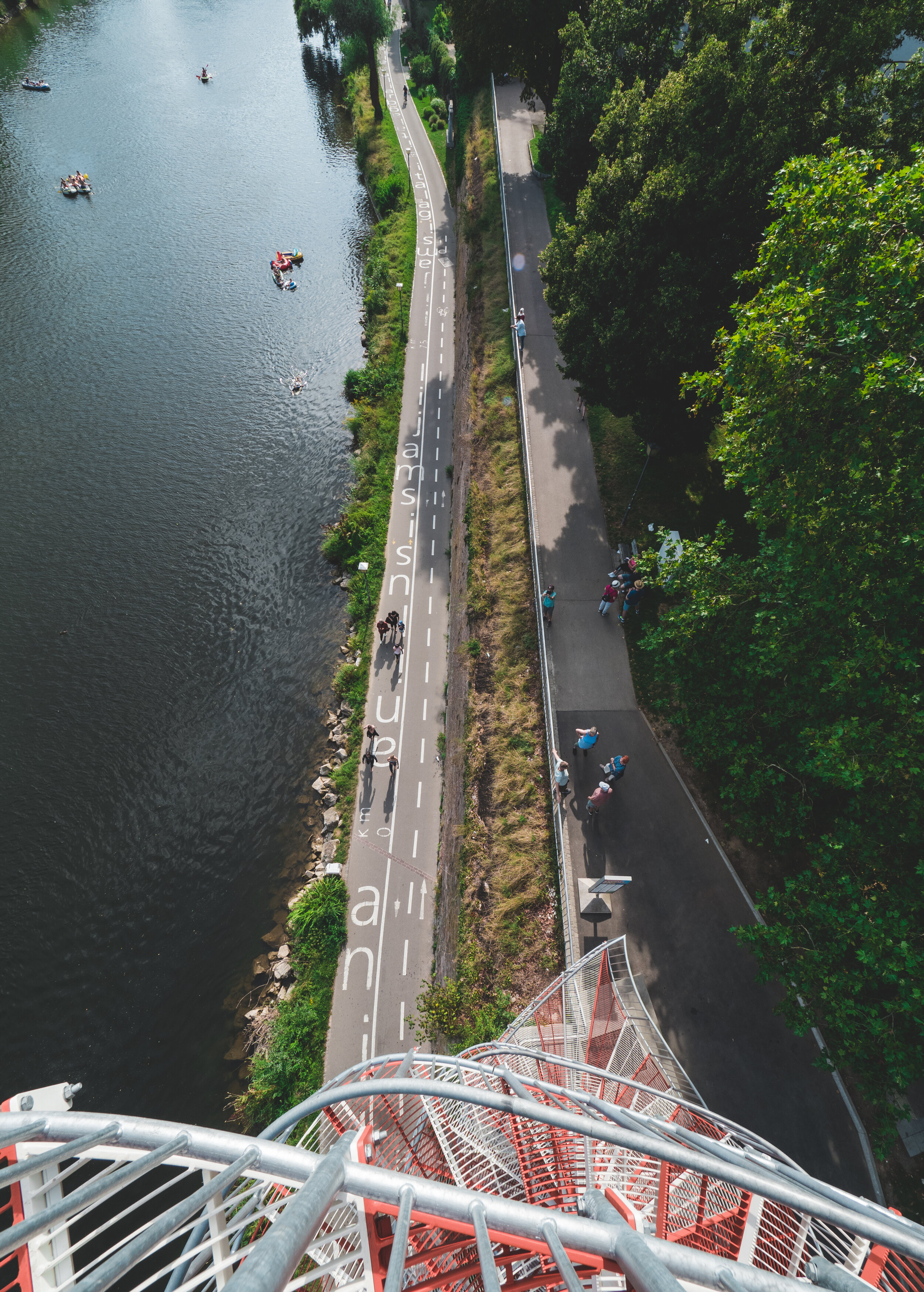
The tower is tilted at 10 degrees and can be walked via 88 steel stairs, providing a panoramic view of the river.
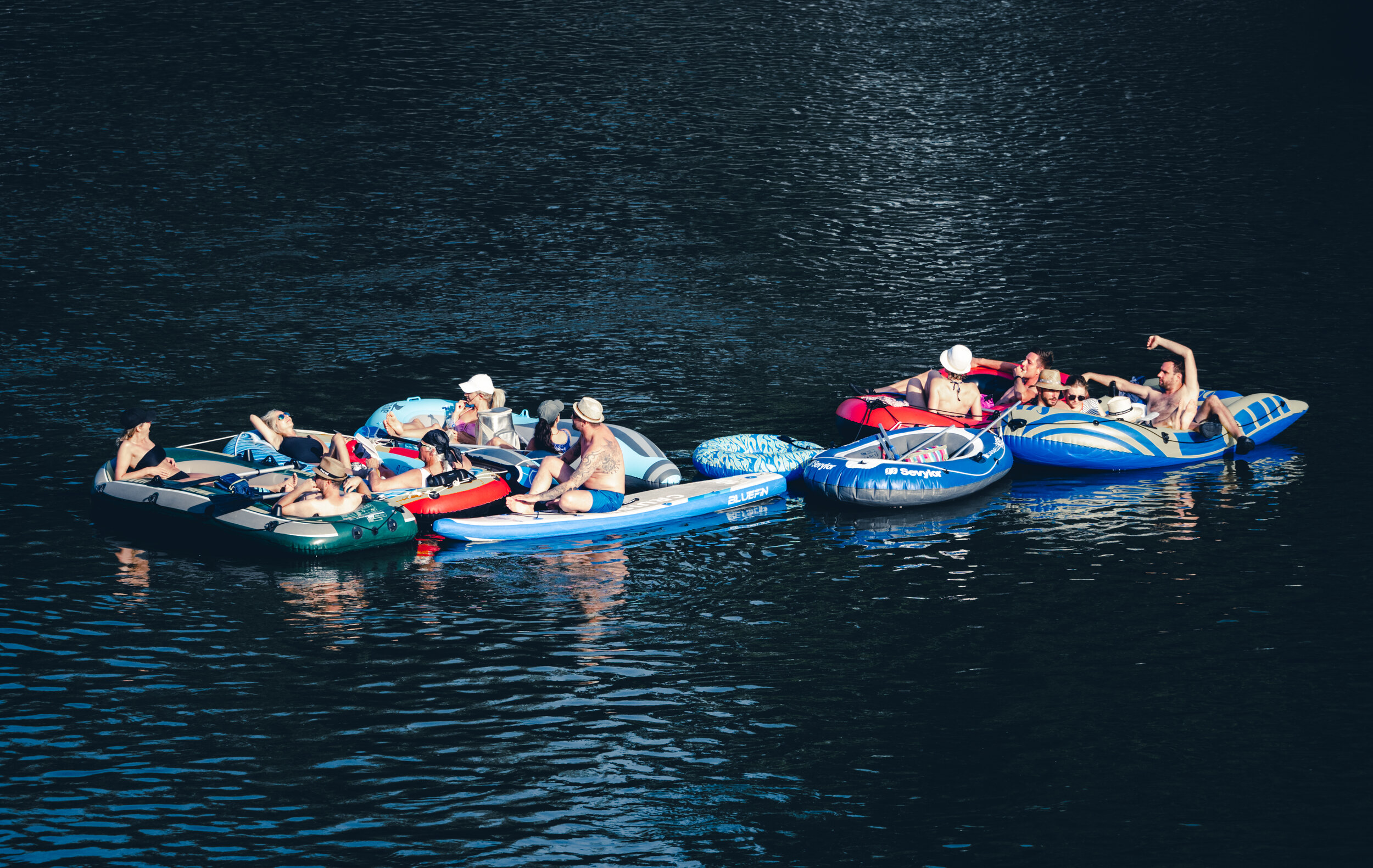
Lonely Stand Up Paddler
So it seems - in fact, the river was full of people either exercising or just relaxing in the river.
Variety
Ulm provides stark contrasts of views, with the traditional houses, the gothic church, and modern buildings such as the glass pyramid library.
Danube Shores
The church seen from the Bavarian side of the Danube.
Water Village
The sunny August weather meant the Danube was full of people enjoying their flotation devices...
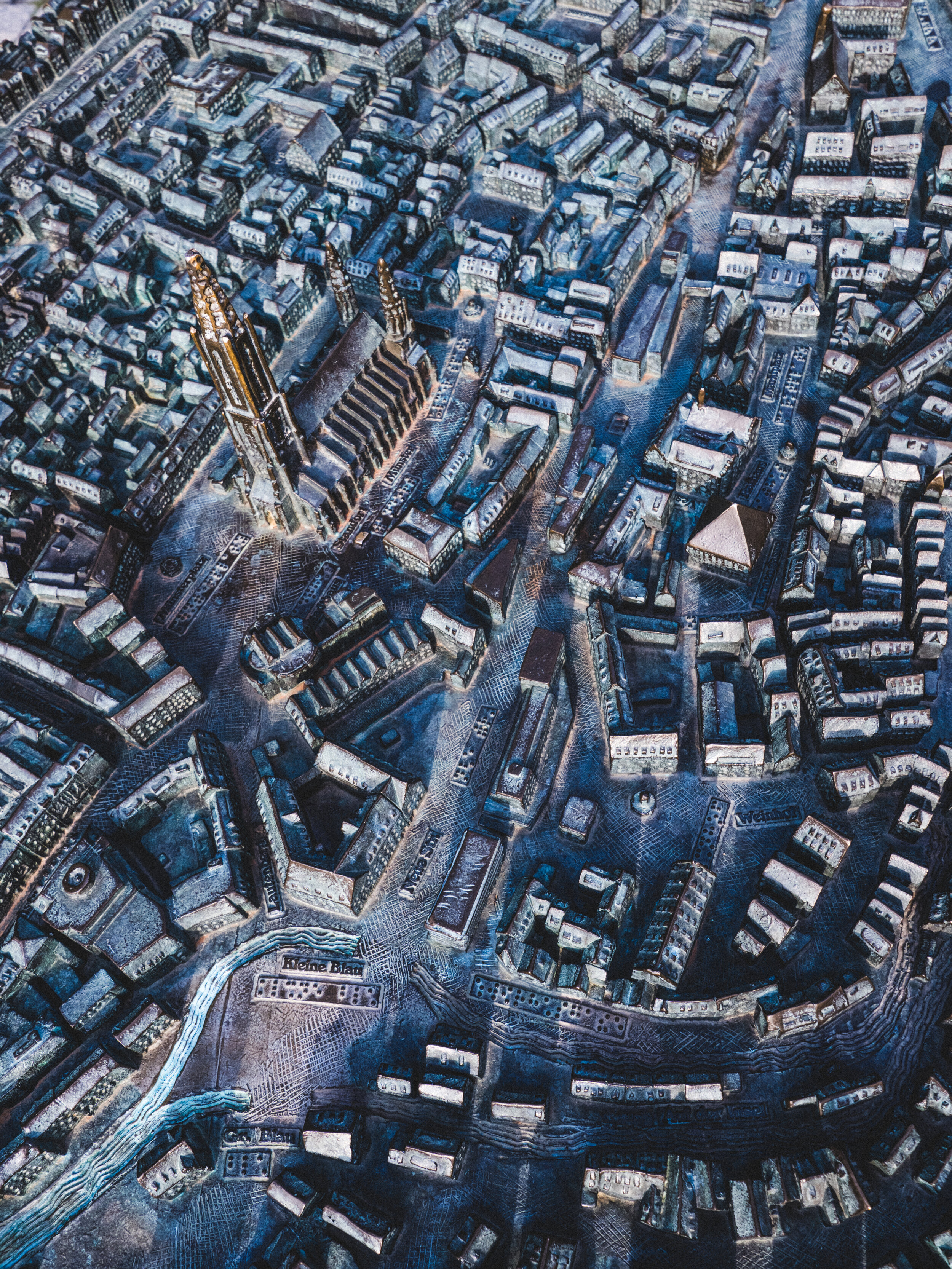
Model
A small model of the city next to the Minster shows how much the building stands out from its surroundings.
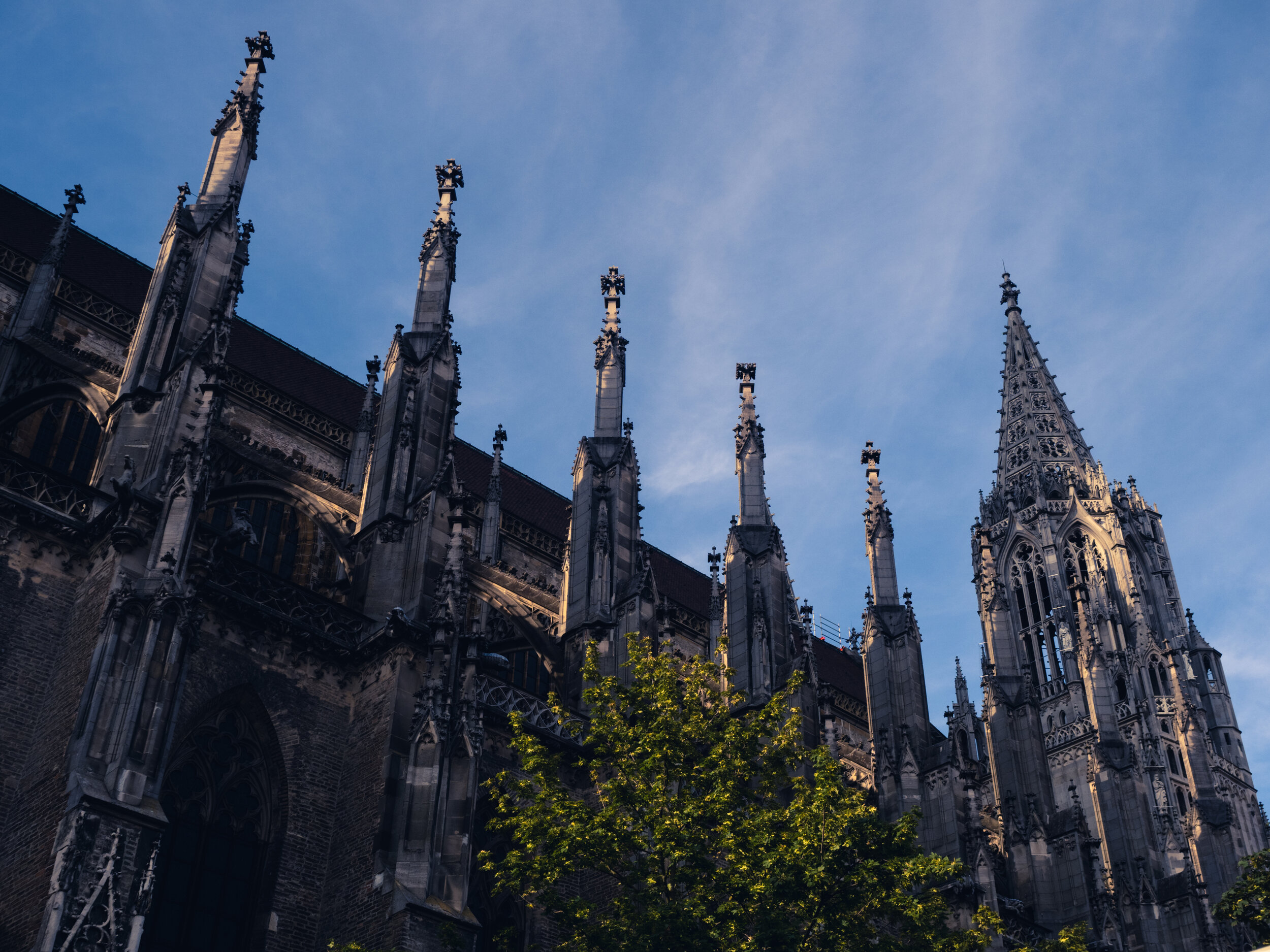
Sunset Rays
While much of the church is under renovation, some parts shine in all their glory.
Facades
More interesting modernist architecture.
Mask, Phone & Cigarettes
Signs of the times.
The Way Back
An underpass towards the train station.
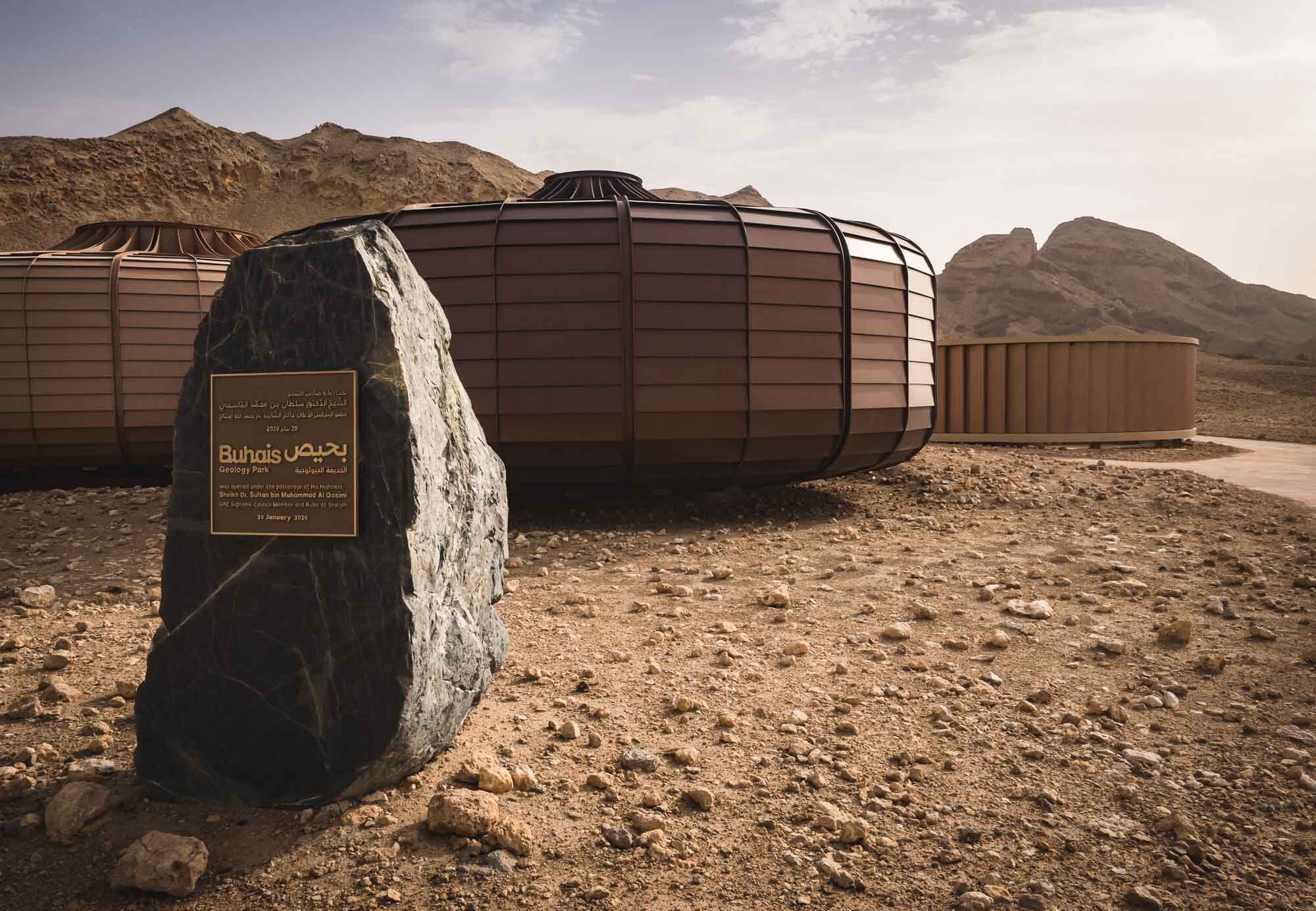
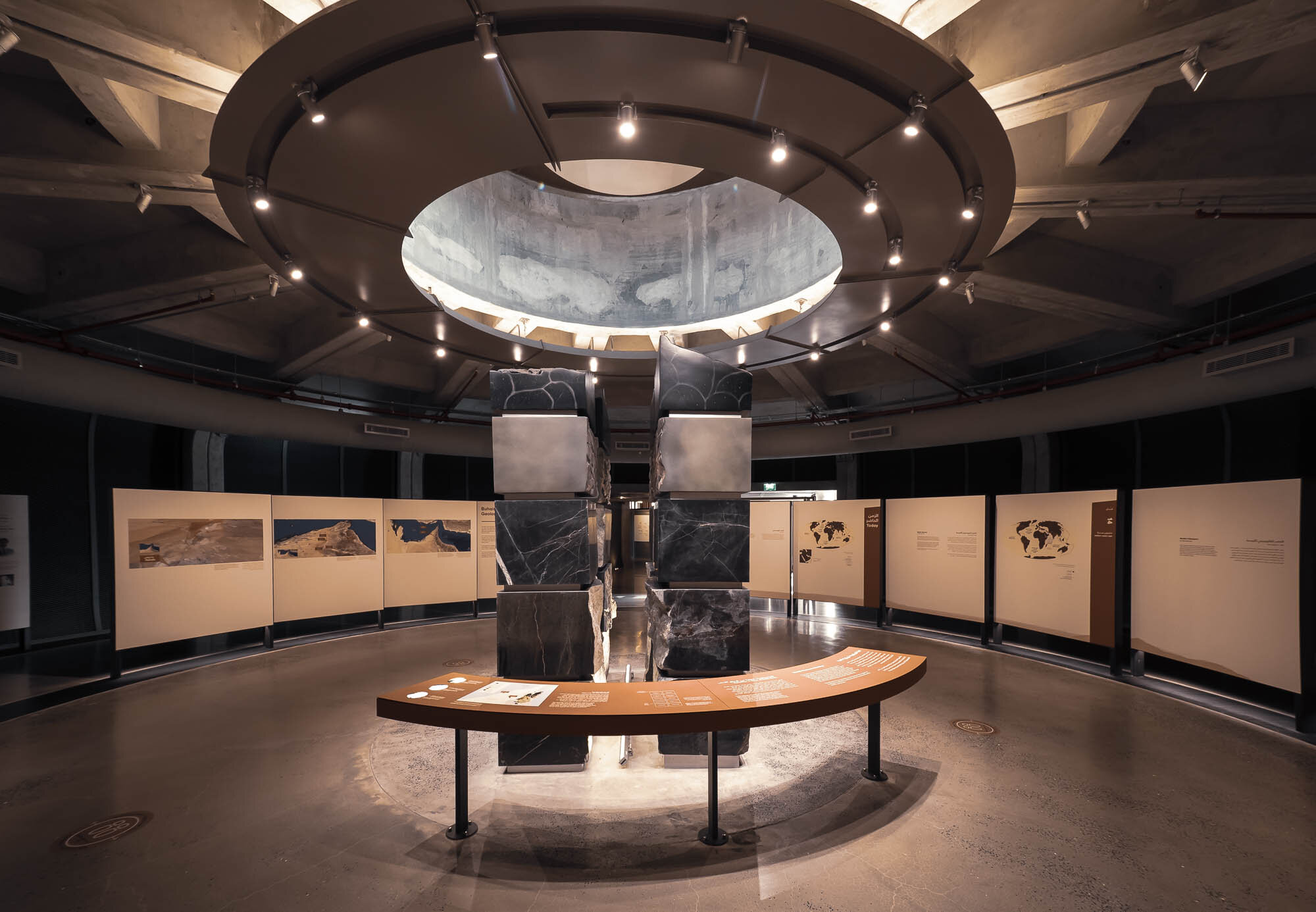
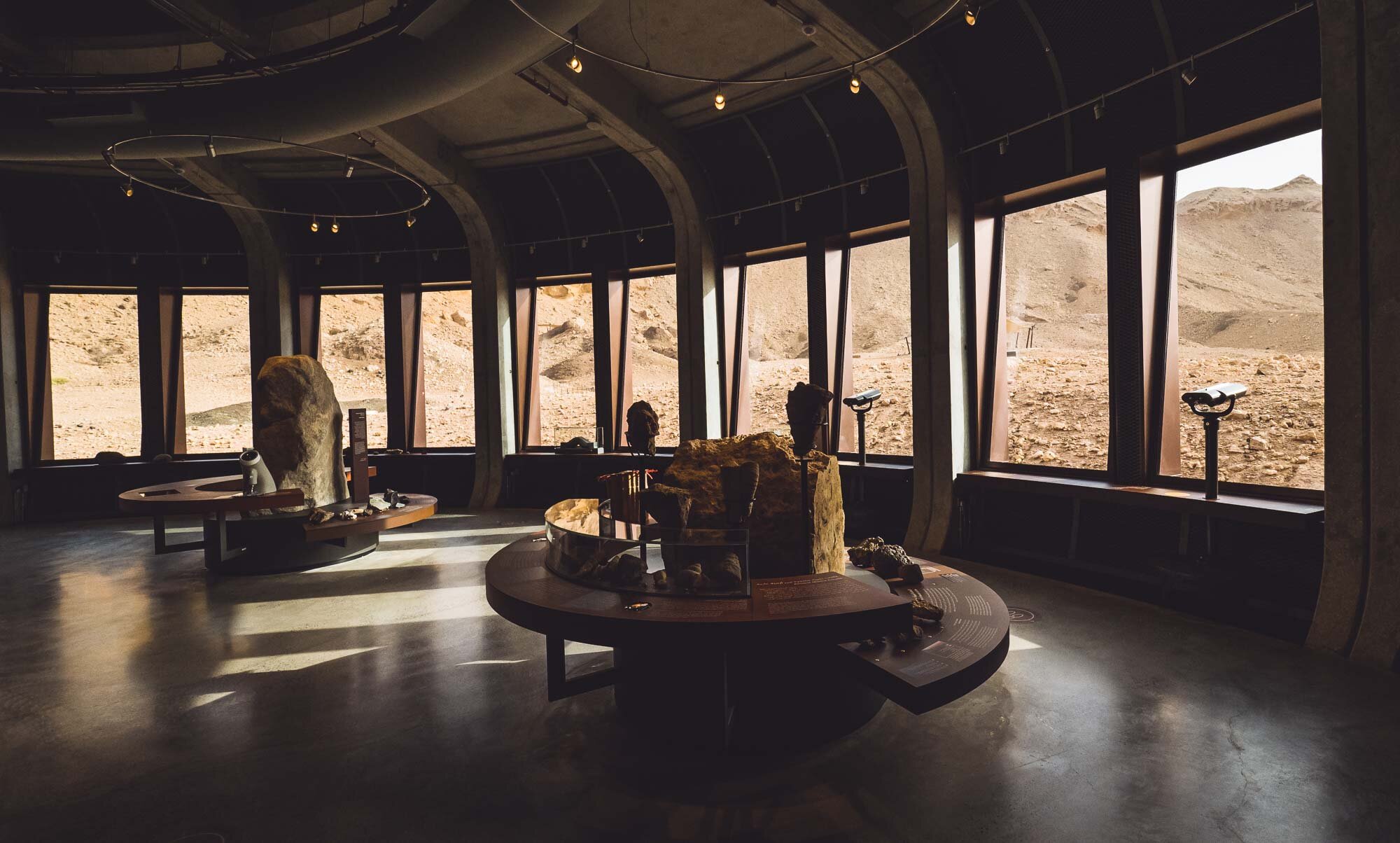
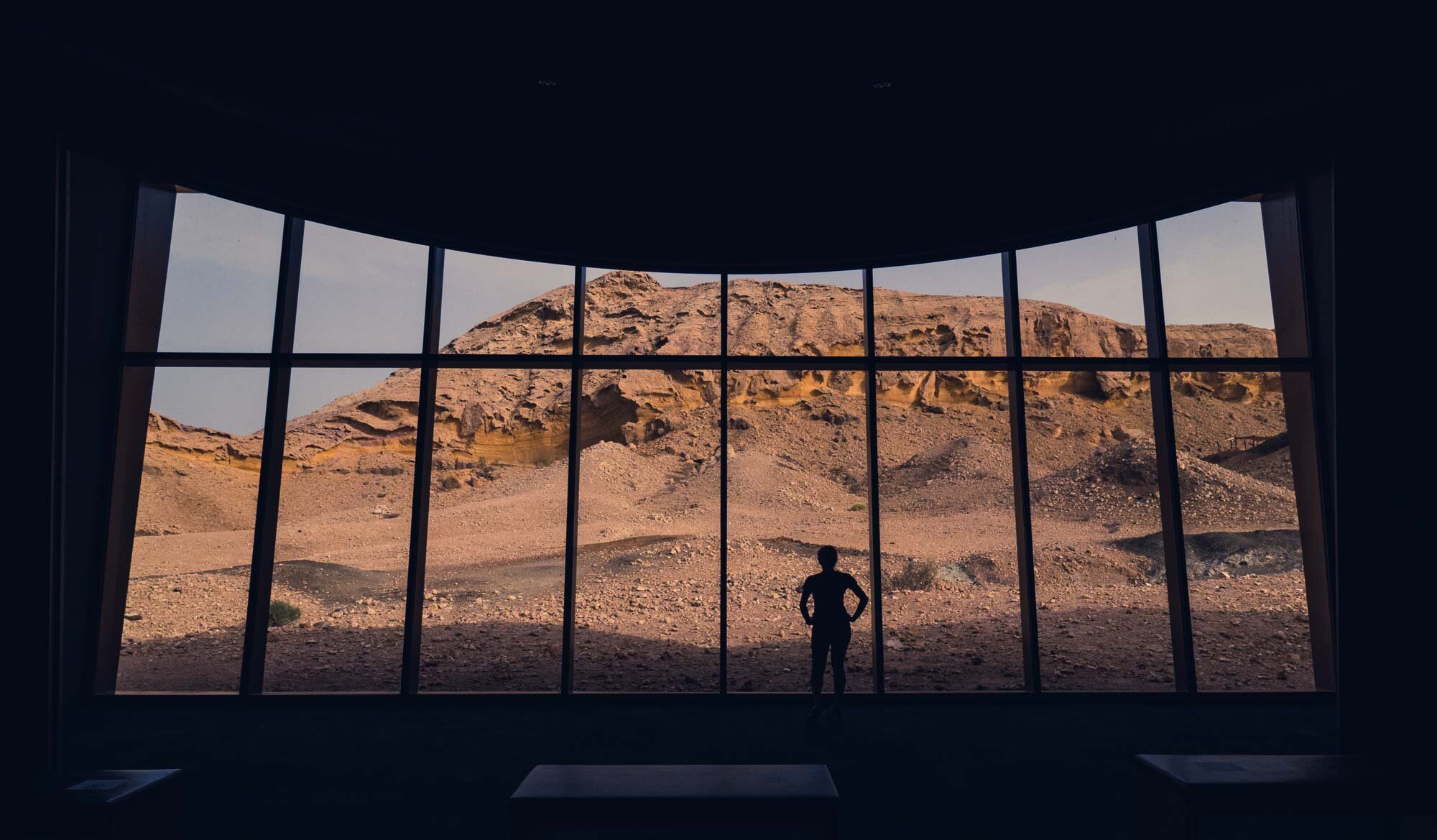
Buhais Geology Park in Sharjah, UAE
Sharjah is always in the shadows of its larger and flashier neighbouring emirates, yet it has made a name for itself for its historical, cultural and art related venues.
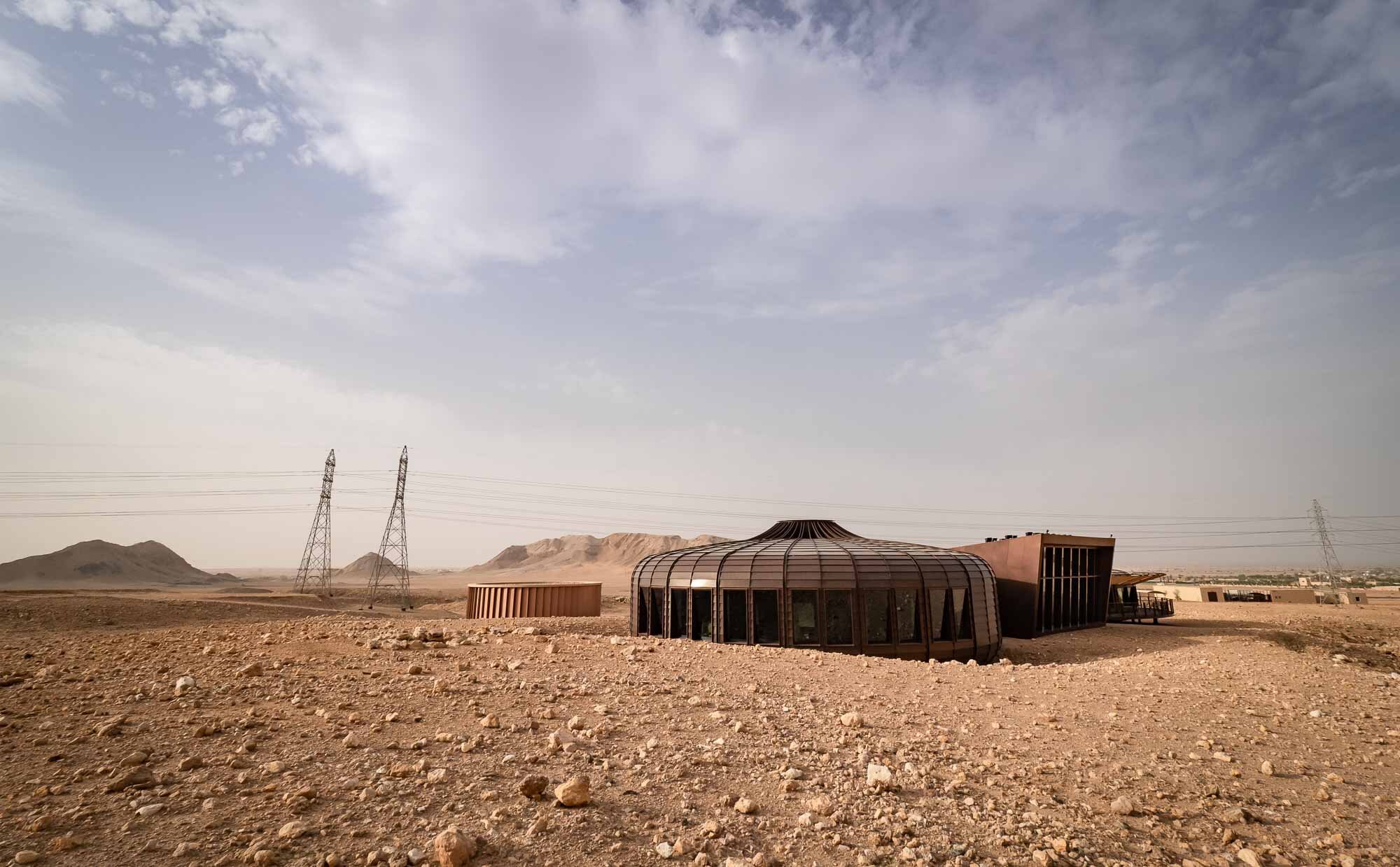
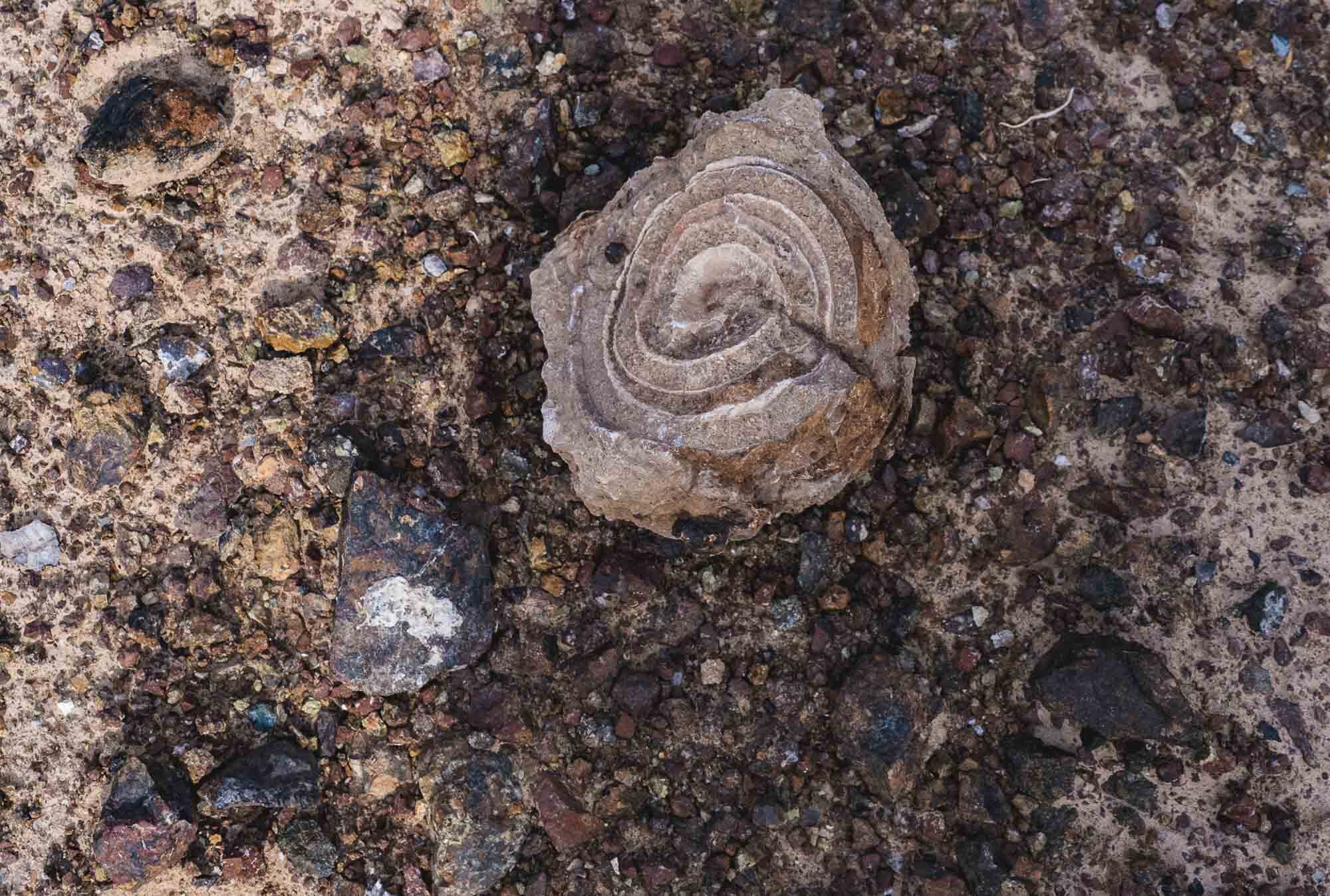
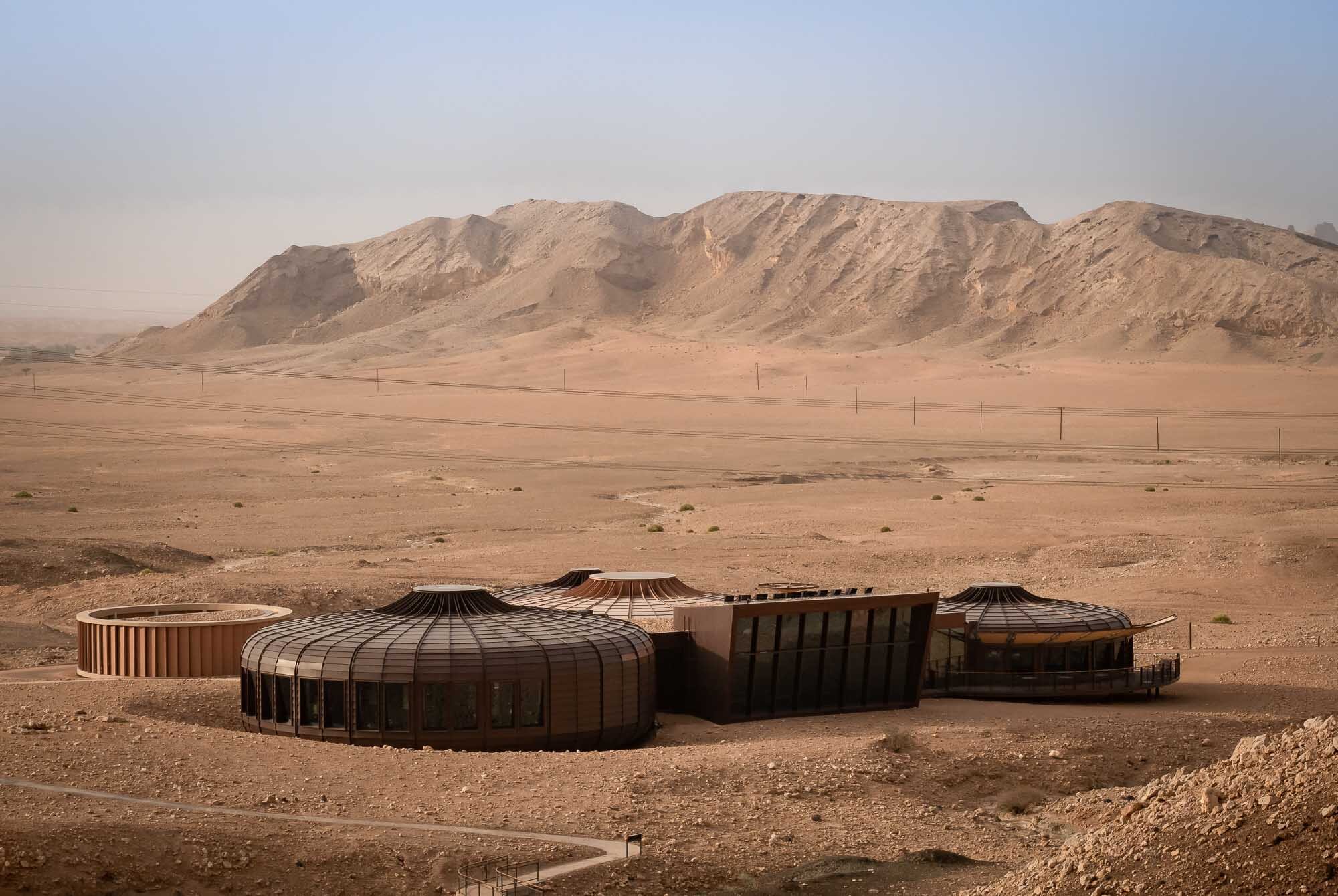
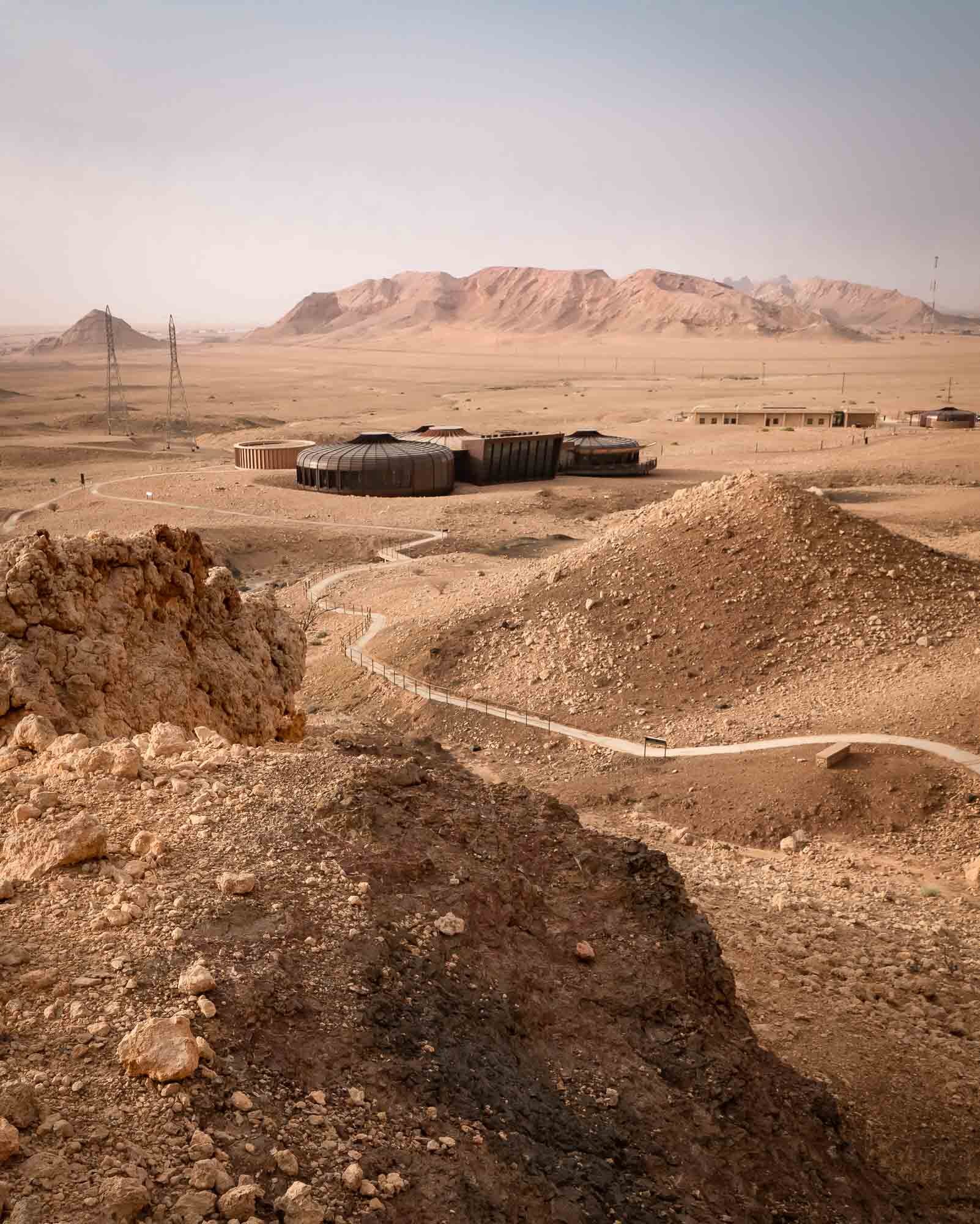
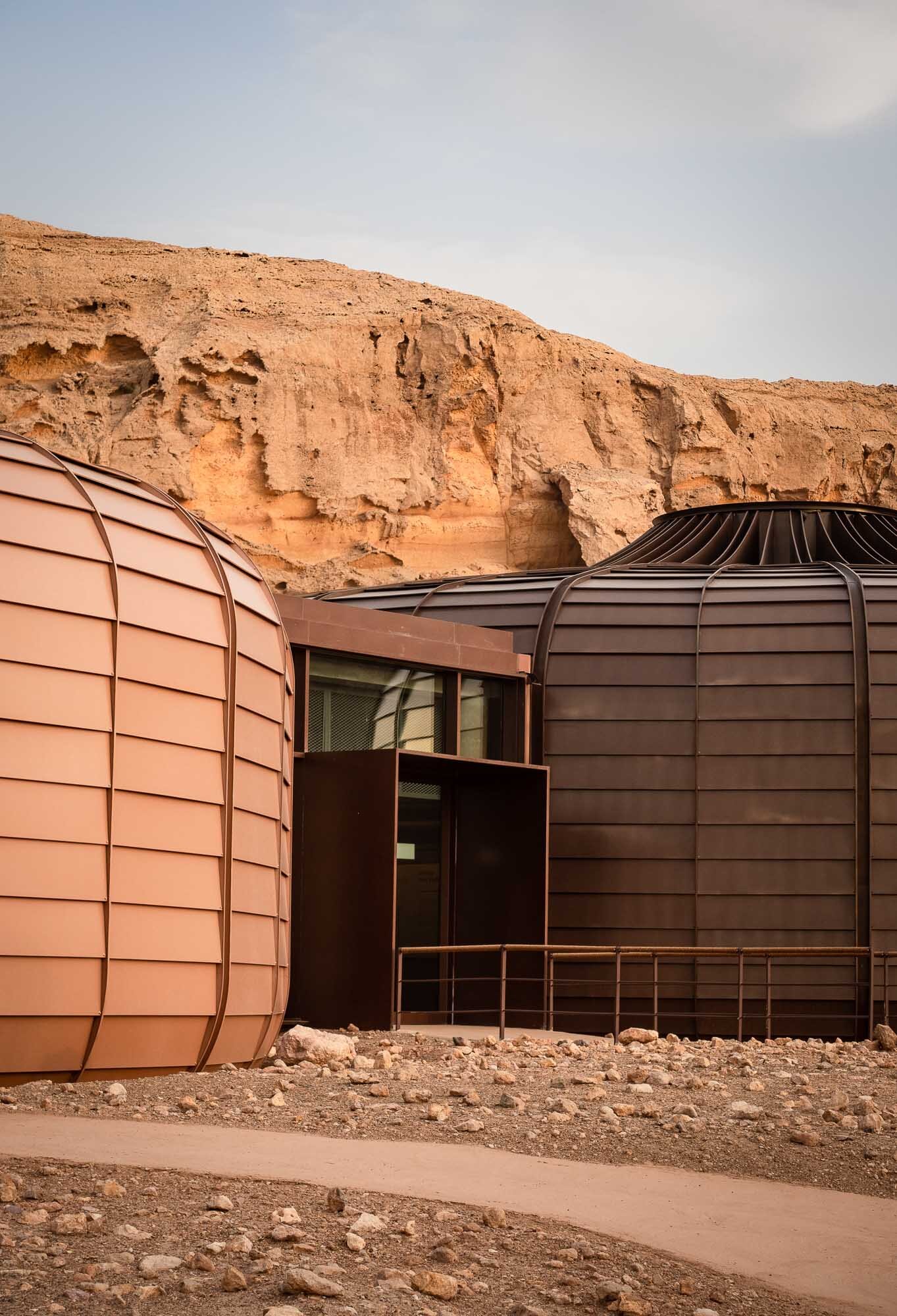
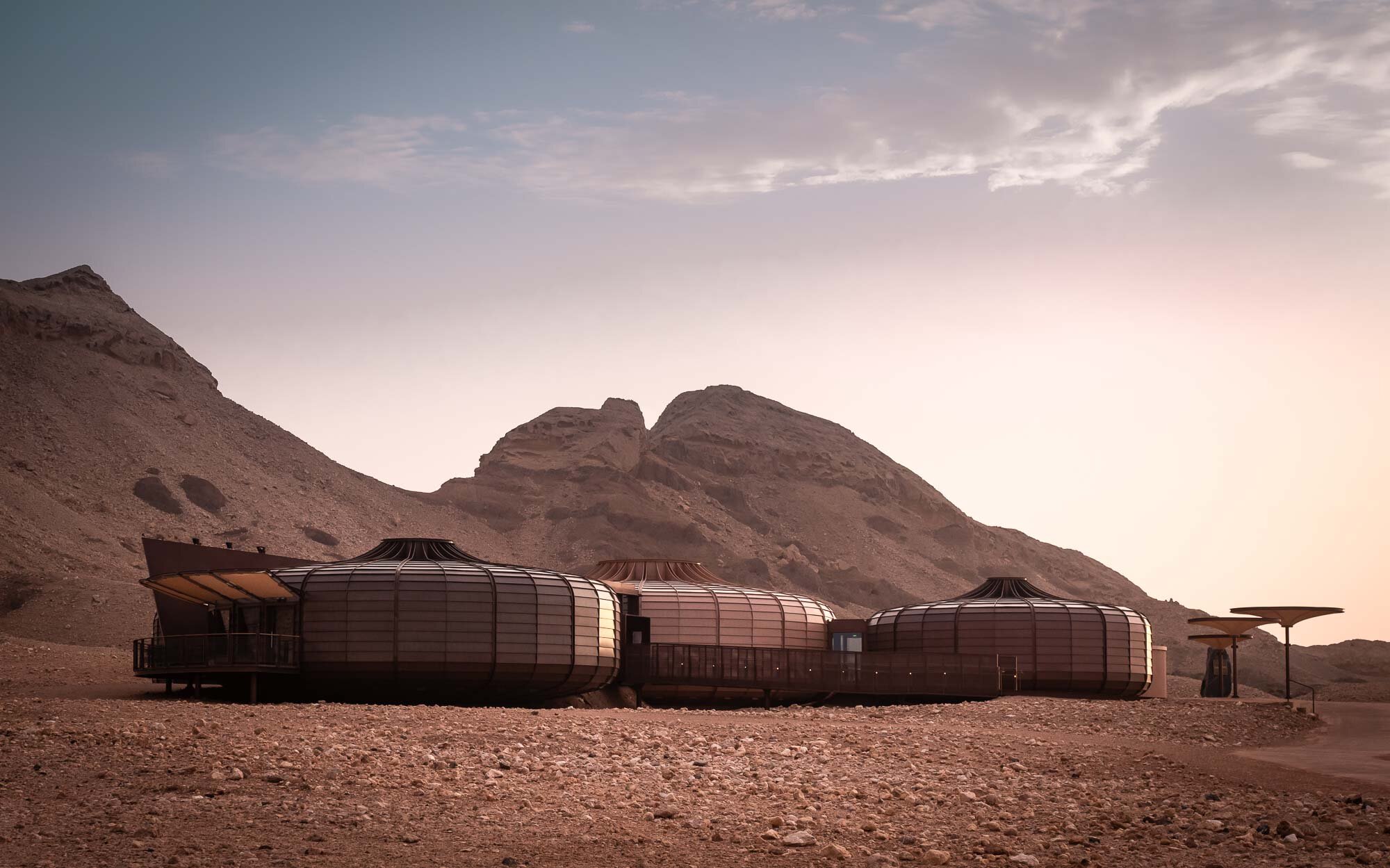
Sharjah is always in the shadows of its larger and flashier neighbouring emirates, yet it has made a name for itself for its historical, cultural and art related venues. A host of museums and destinations like the Mleiha archeology centre are always worth a trip. One of the latest additions to the emirate’s portfolio of somewhat more obscure but nevertheless amazing list of activities is the Buhais Geology Park near the mountain range of the same name, just before the desert slowly gives way to the Hajar mounts. While the architecture of the building embedded into the former seabed - designed by Hopkins Architects - is worth a visit, the exhibits and explanation of the unique geological history of the region make it all the more interesting.
Summer Nights at Buraq Dam, UAE
The UAE is not famous for its landscapes and mountains, but once you dig a little deeper, the country is full of amazing and unexpected scenery. A short drive from Dubai, about 1h, brings you to Buraq Dam, close to the Omani border.
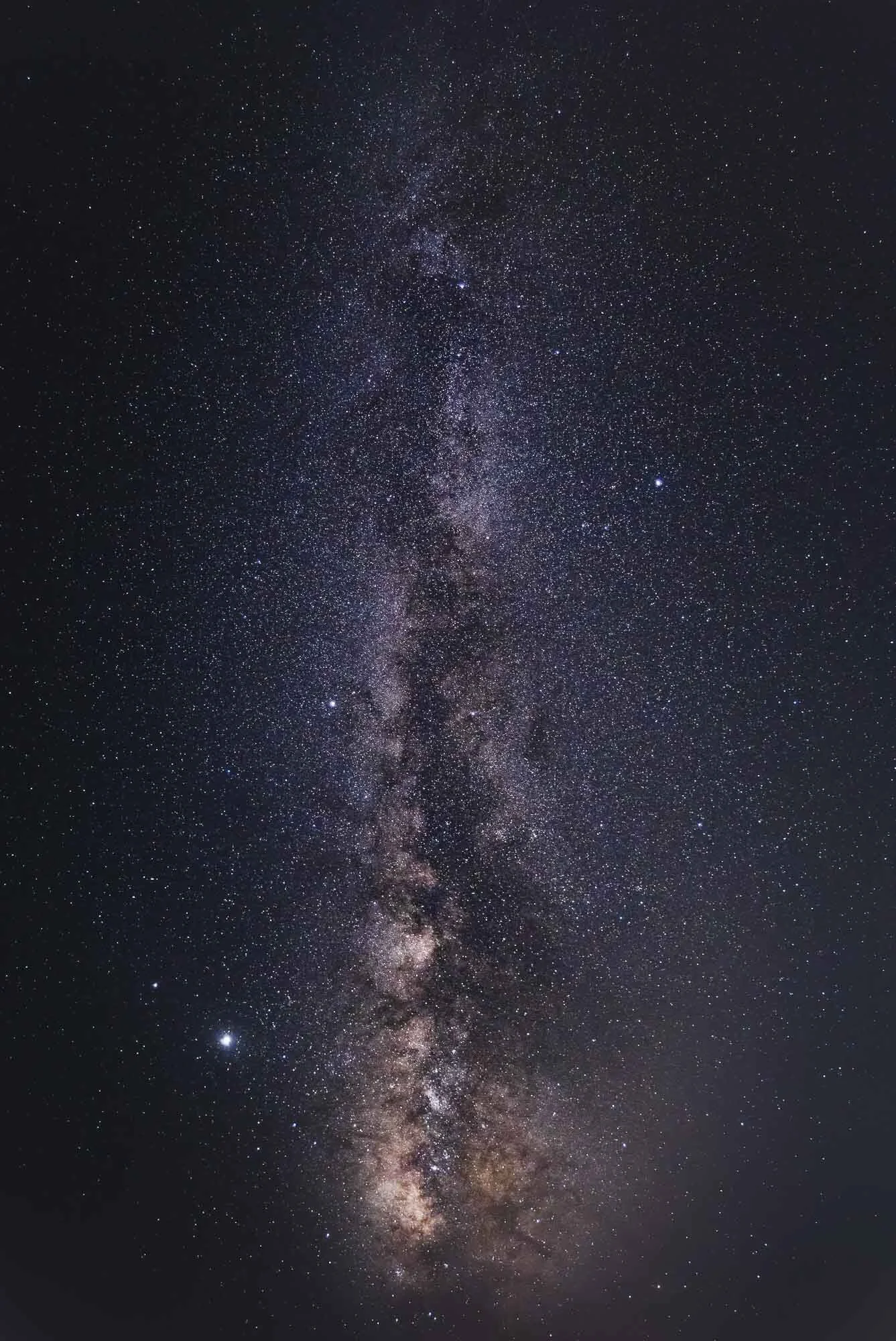
The UAE is not famous for its landscapes and mountains, but once you dig a little deeper, the country is full of amazing and unexpected scenery. A short drive from Dubai, about 1h, brings you to Buraq Dam, close to the Omani border. If you’re lucky, you can see the filled with water and birds flocking its shores. Regardless, the mountainous terrain and cooler air makes for a great hiking or camping spot. Because the location is quite far form city lights, it’s also an excellent spot for some stargazing!
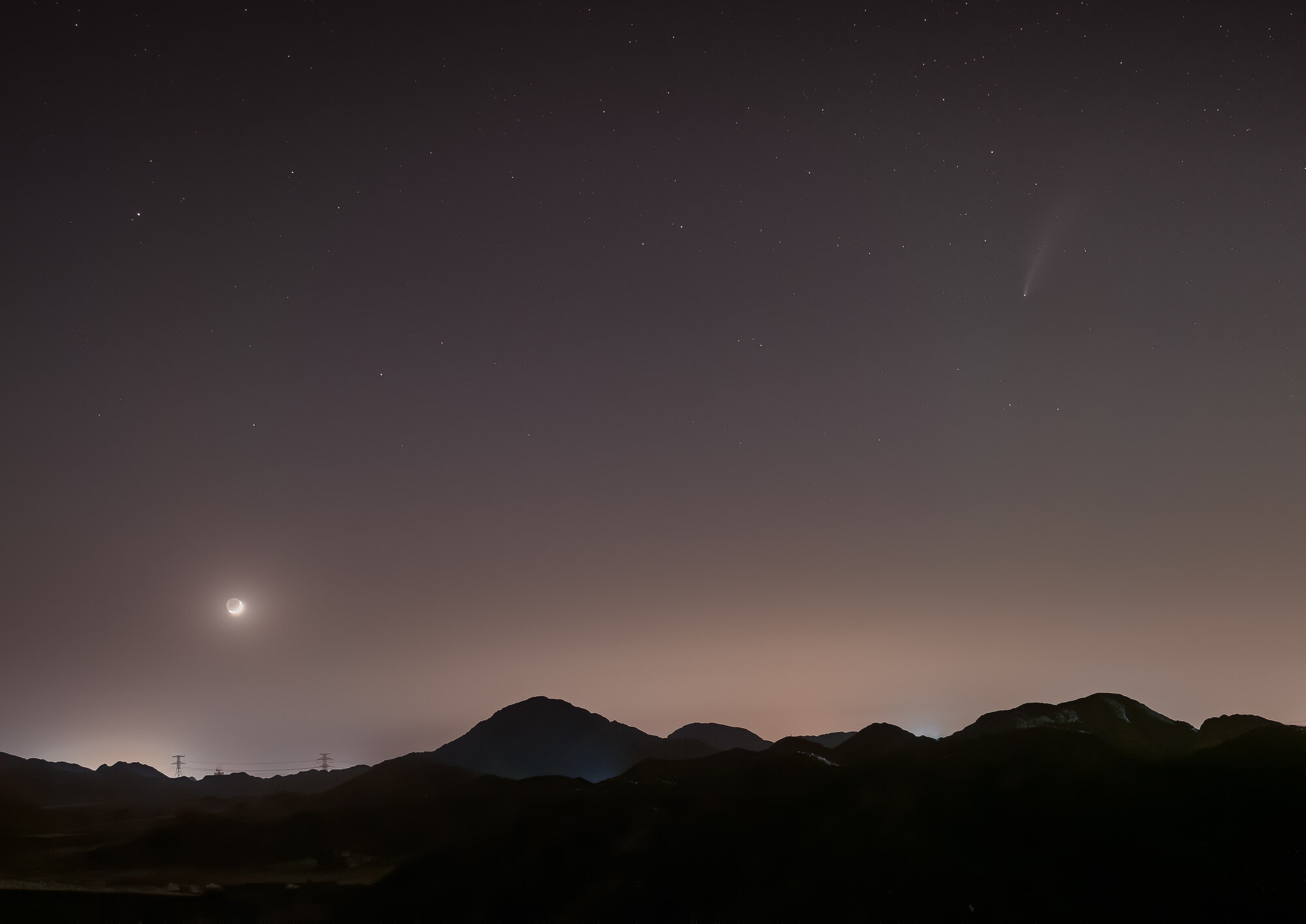
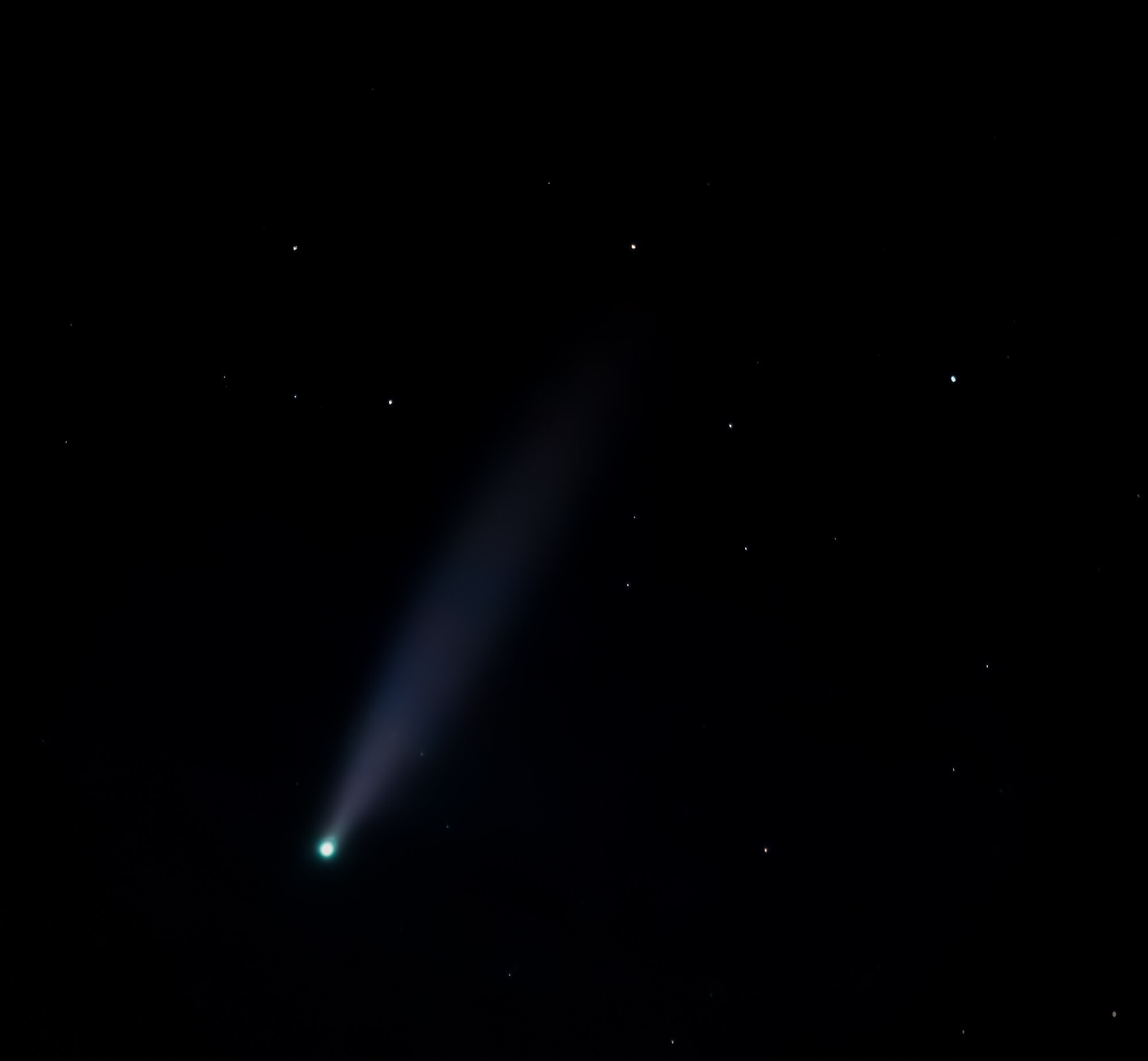
Neowise
A closeup of one of the very few comets that are visible with the naked eye - C/2020 F3, aka Neowise.
Dubai Partial Solar Eclipse
Dubai was witness to a partial solar eclipse on June 21st, 2020 - the second in the last few months. This time, the UAE did not get to experience the full eclipse as it’s not located in the narrow band that experiences this rare phenomenon, but it was still a spectacular sight, with the skies darkening noticeably and shadows becoming fuzzy.
The sight began at 8:14 (UAE local time) when the moon moved in front of the sun, and the eclipse was over at 11:12. I was lucky enough to be able to capture it from my balcony, and had set up my Olympus OMD EM-1 to shoot a sequence using a star tracker and home made solar filter.
Here are the results.
A full view of the middle portion of the eclipse.
A view of the the eclipse covering almost the entire period of the moon covering the sun.
Here is a video representing the same period - this was very tricky to align and smoothen out, as my tracker was not perfectly polar aligned, requiring some manual movement of the camera.
Sharjah Light Festival
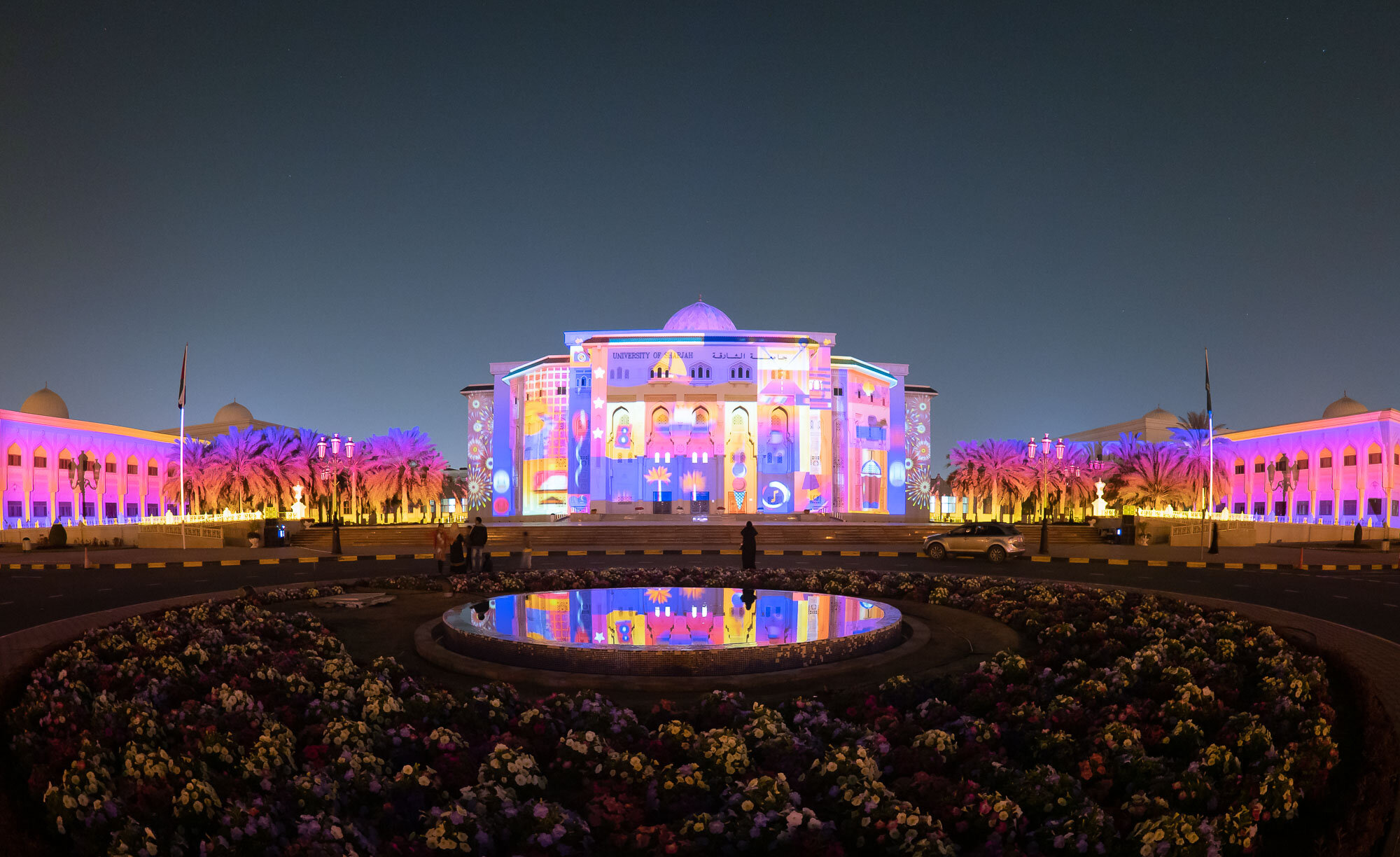
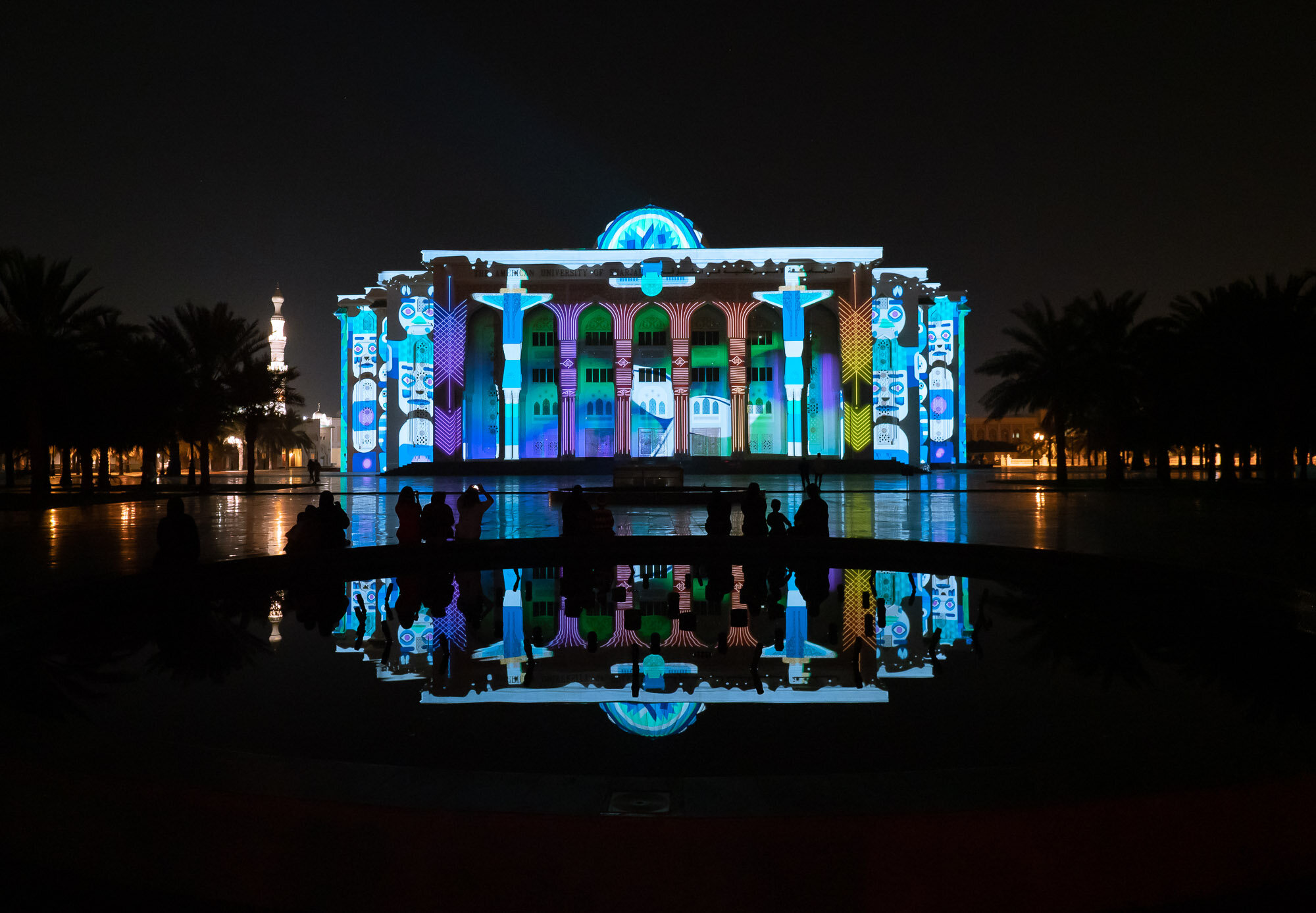
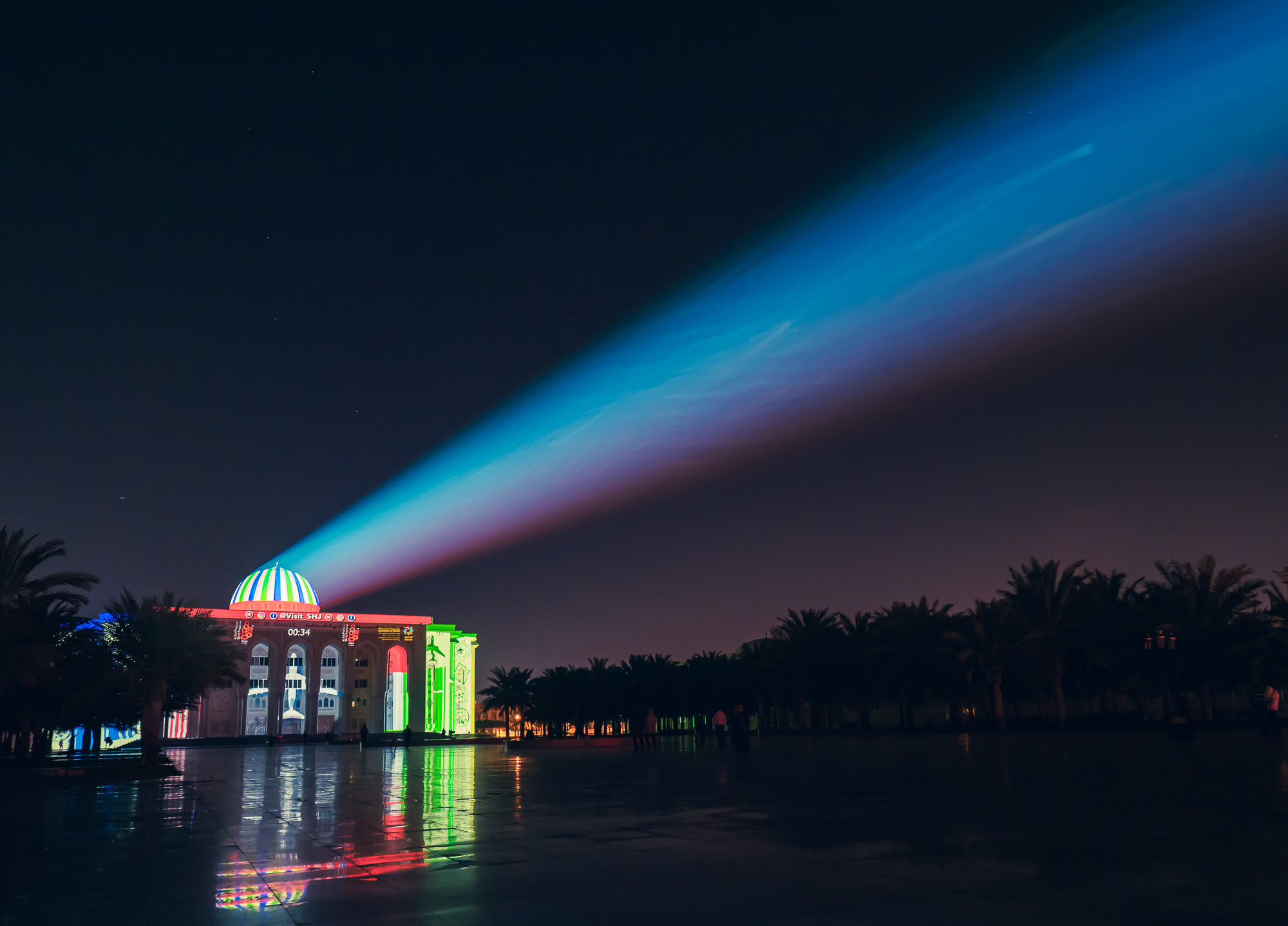
Organised by the Sharjah Commerce and Tourism Development Authority, the Sharjah light festival illuminates 19 locations across the emirates with light shows accompanied by music and other activities, telling stories and bringing together the community. On the last day of the festival, I ventured out to a few of the locations to capture some of the artistic vision.
Organised by the Sharjah Commerce and Tourism Development Authority, the Sharjah light festival illuminates 19 locations across the emirate with light shows accompanied by music and other activities, telling stories and bringing together the community. On the last day of the festival, I ventured out to a few of the locations to capture some of the artistic vision.
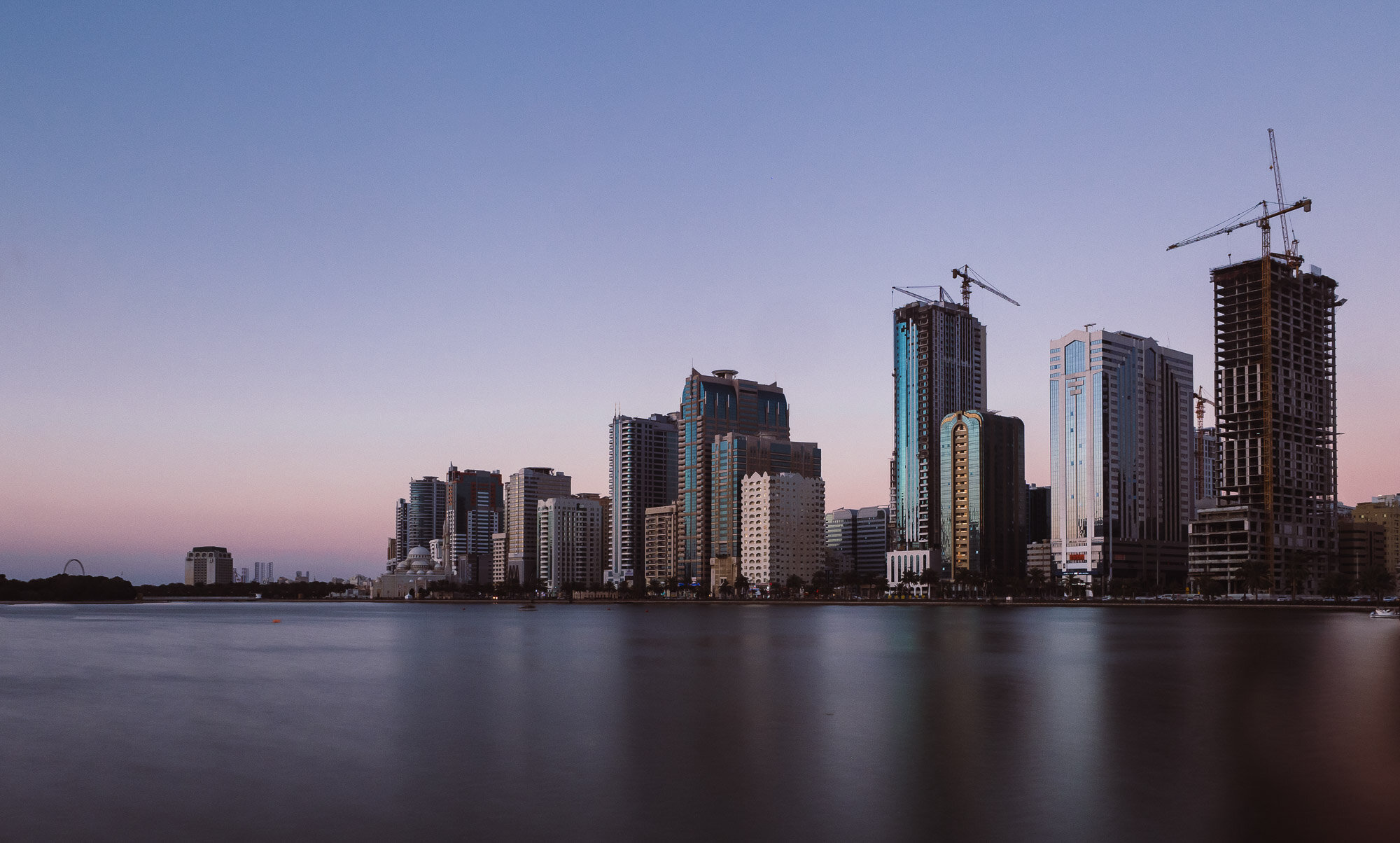
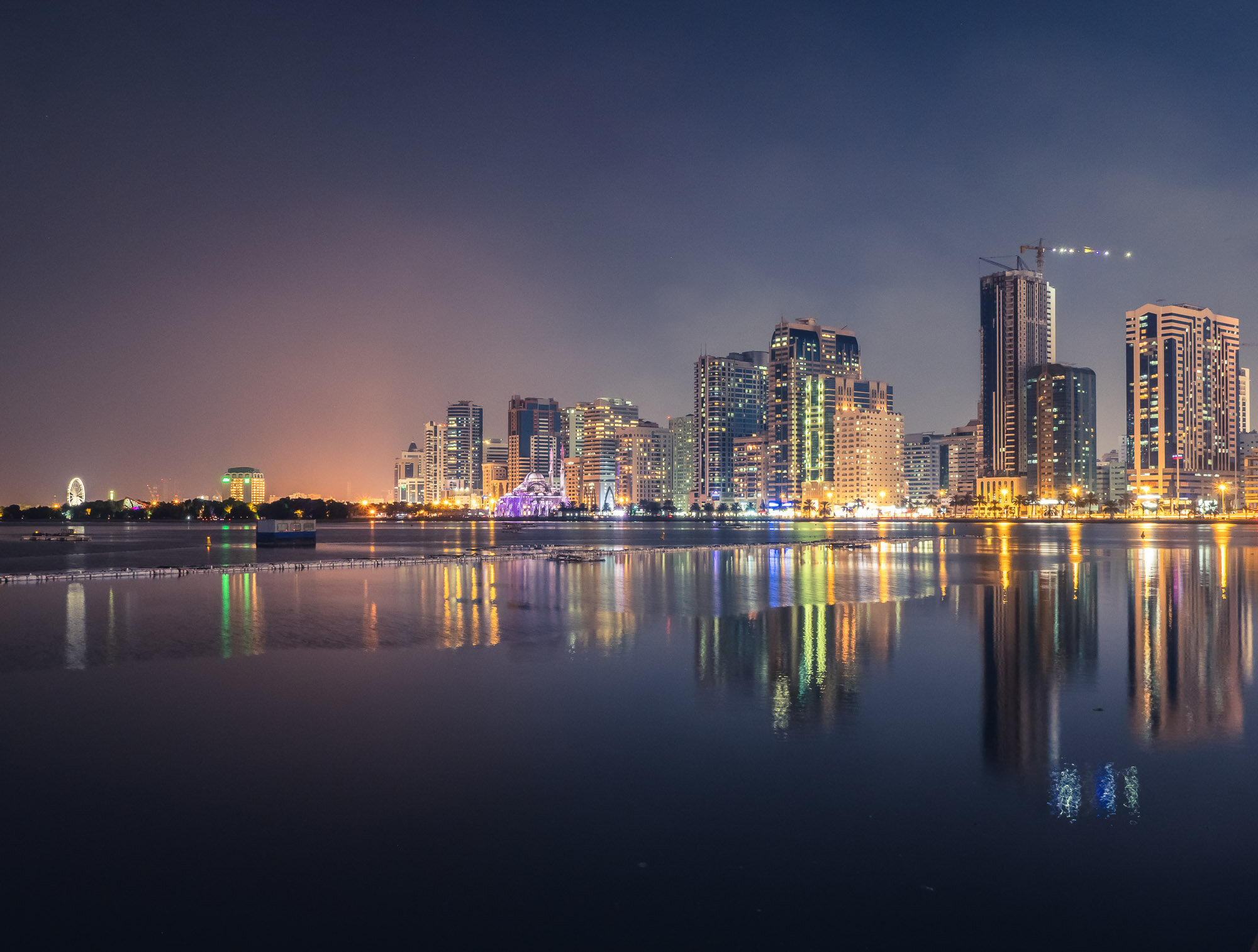
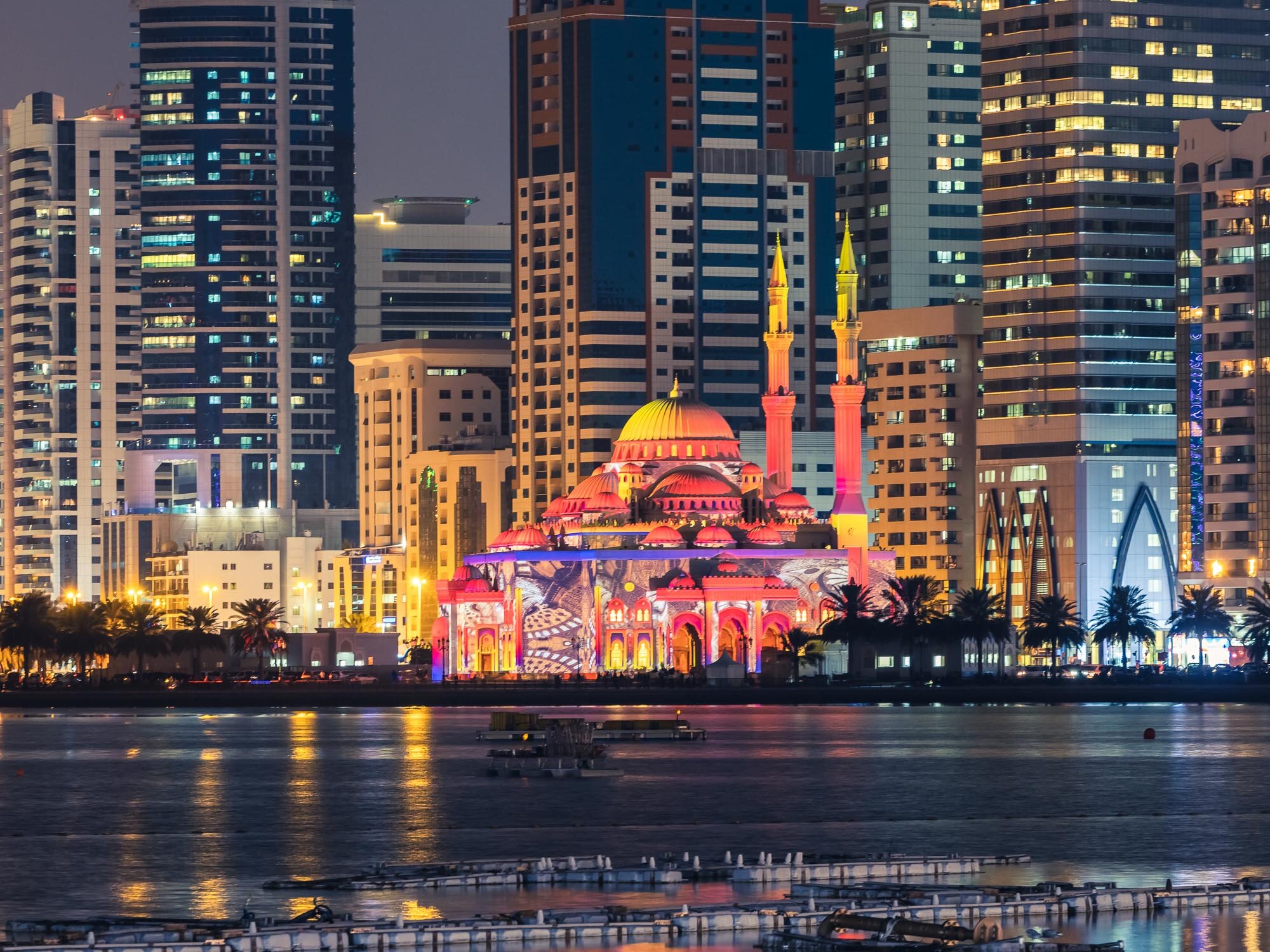
Sharjah Skyline
Looking westwards over Khalid Lake.
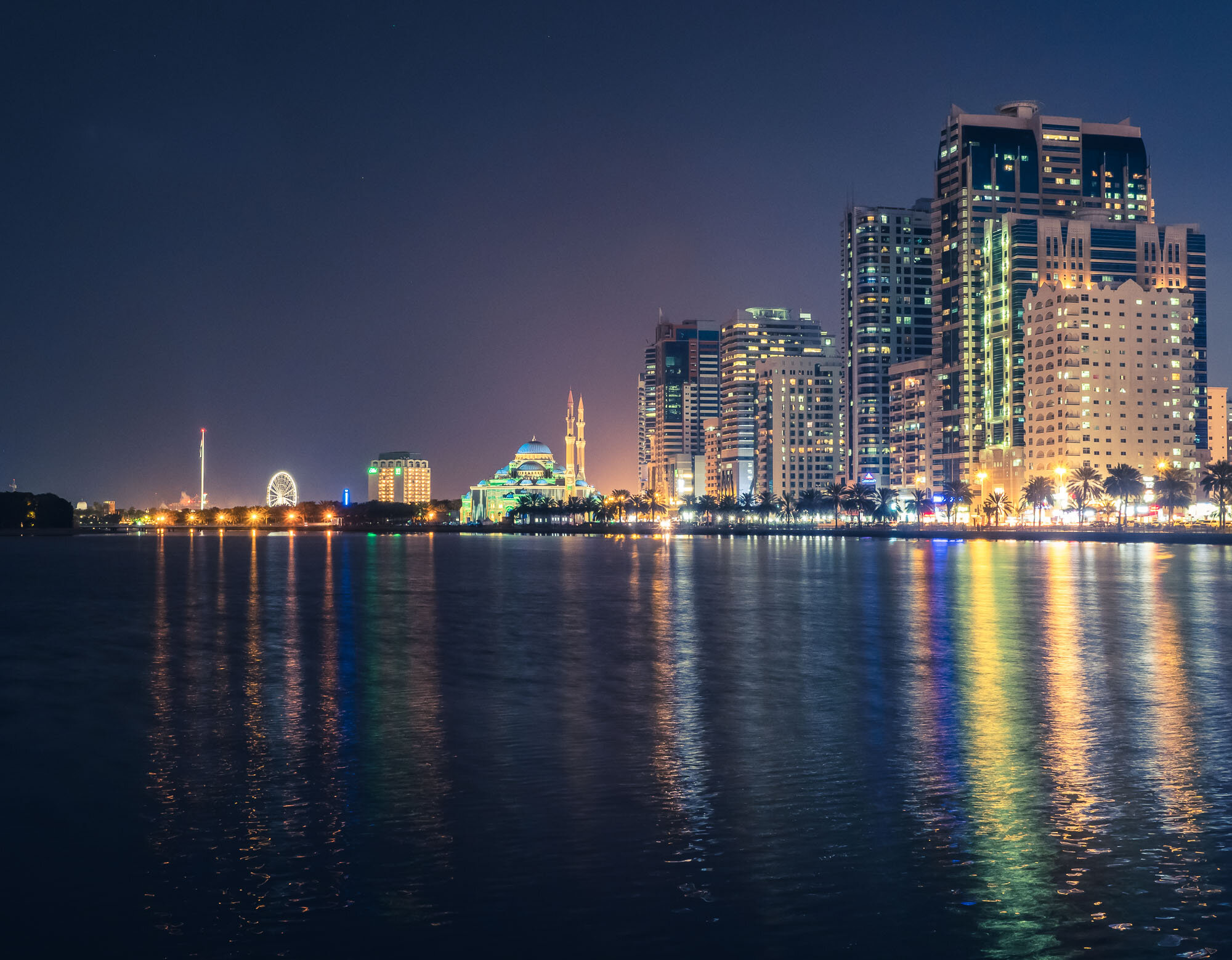
Promenade
The northerly view from Al Majaz waterfront.
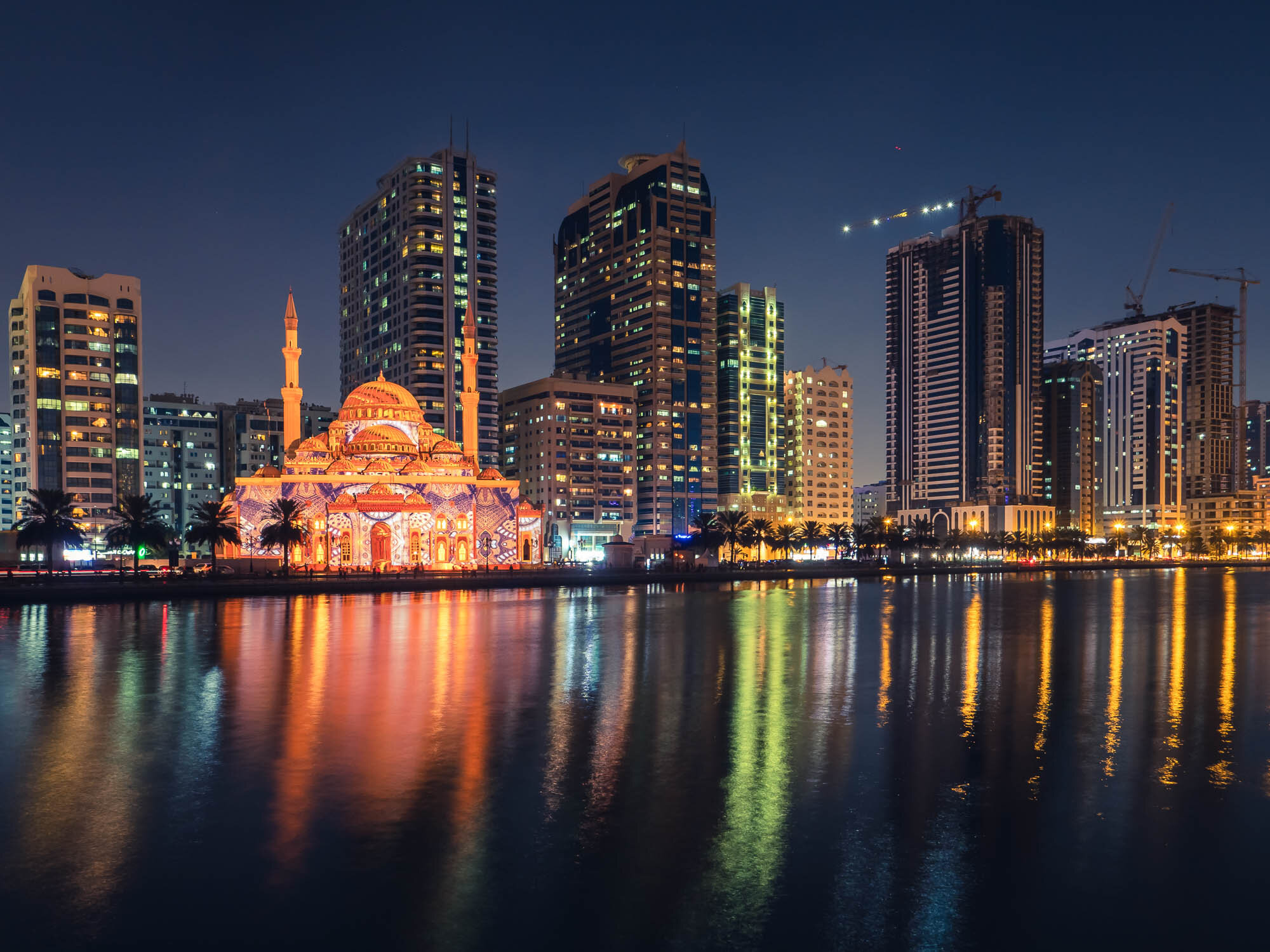
Al Noor Mosque
Probably the most famous building during the Sharjah Light Festival, seen from Al Noor island.
Cosmic Trip
This was the theme of the installation at the mosque this year.
Sharjah Light Festival
A total of 19 locations take part in the festival, spread throughout the city and into the northern areas as well.
10 years
2020 was the 10th year of the festival.
Arts & Culture
The city has established itself as a cultural destination, with regular events, exhibitions, a number of musems and more.
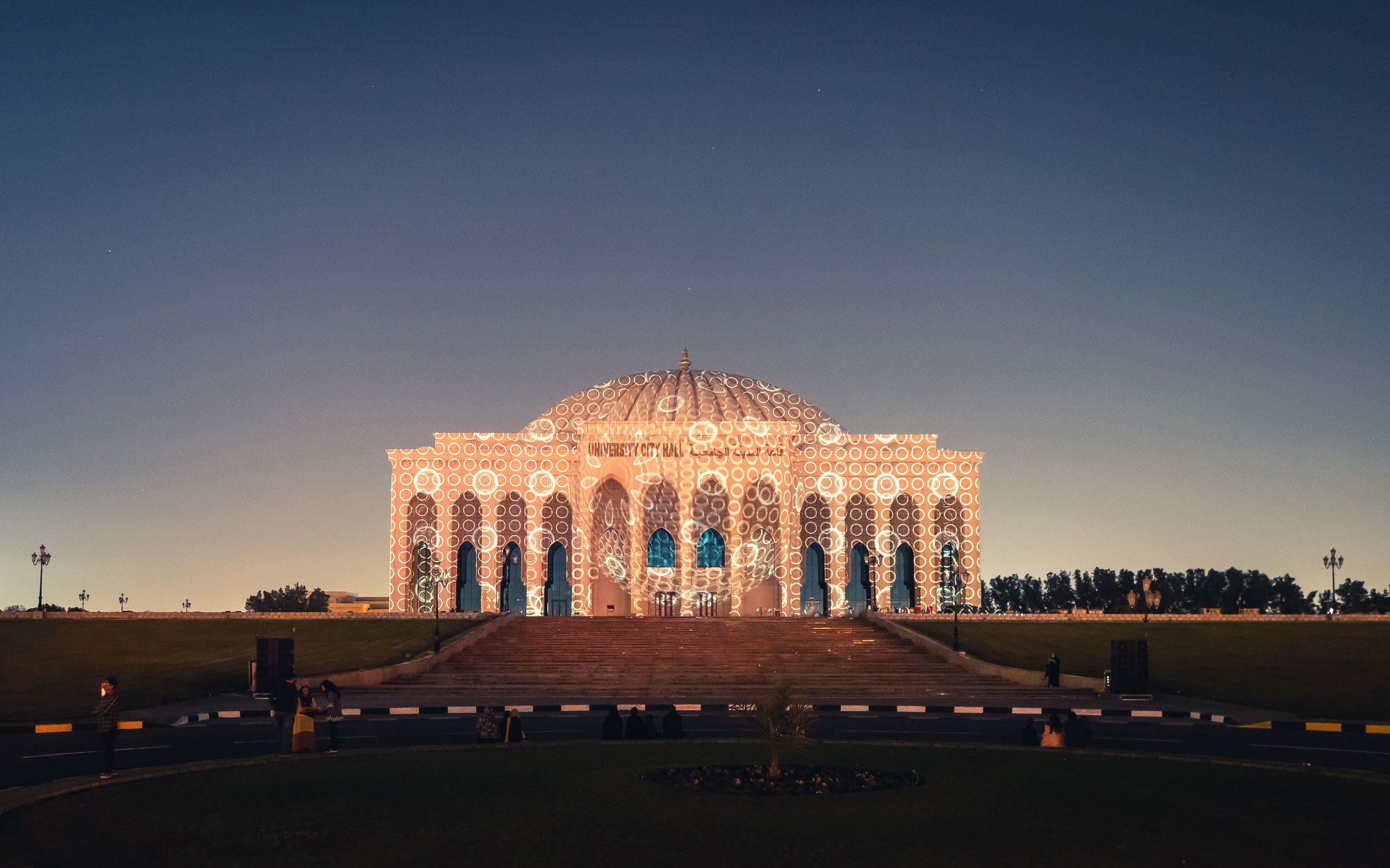
Planet Sharjah
The installation at the university city hall.
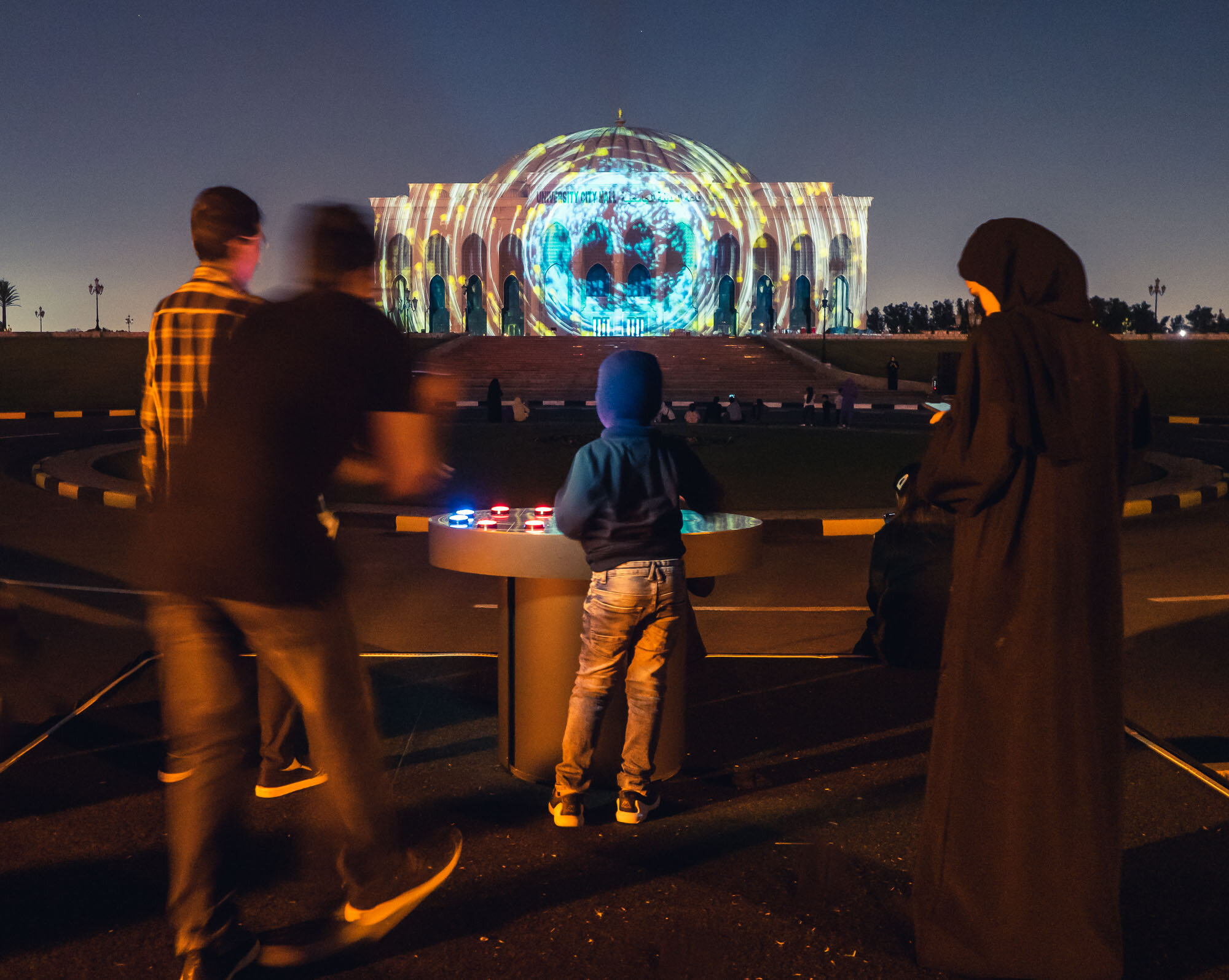
Control
This installation allowed visitors to manipulate the building's illumination through gestures and changing colours, size and patterns.
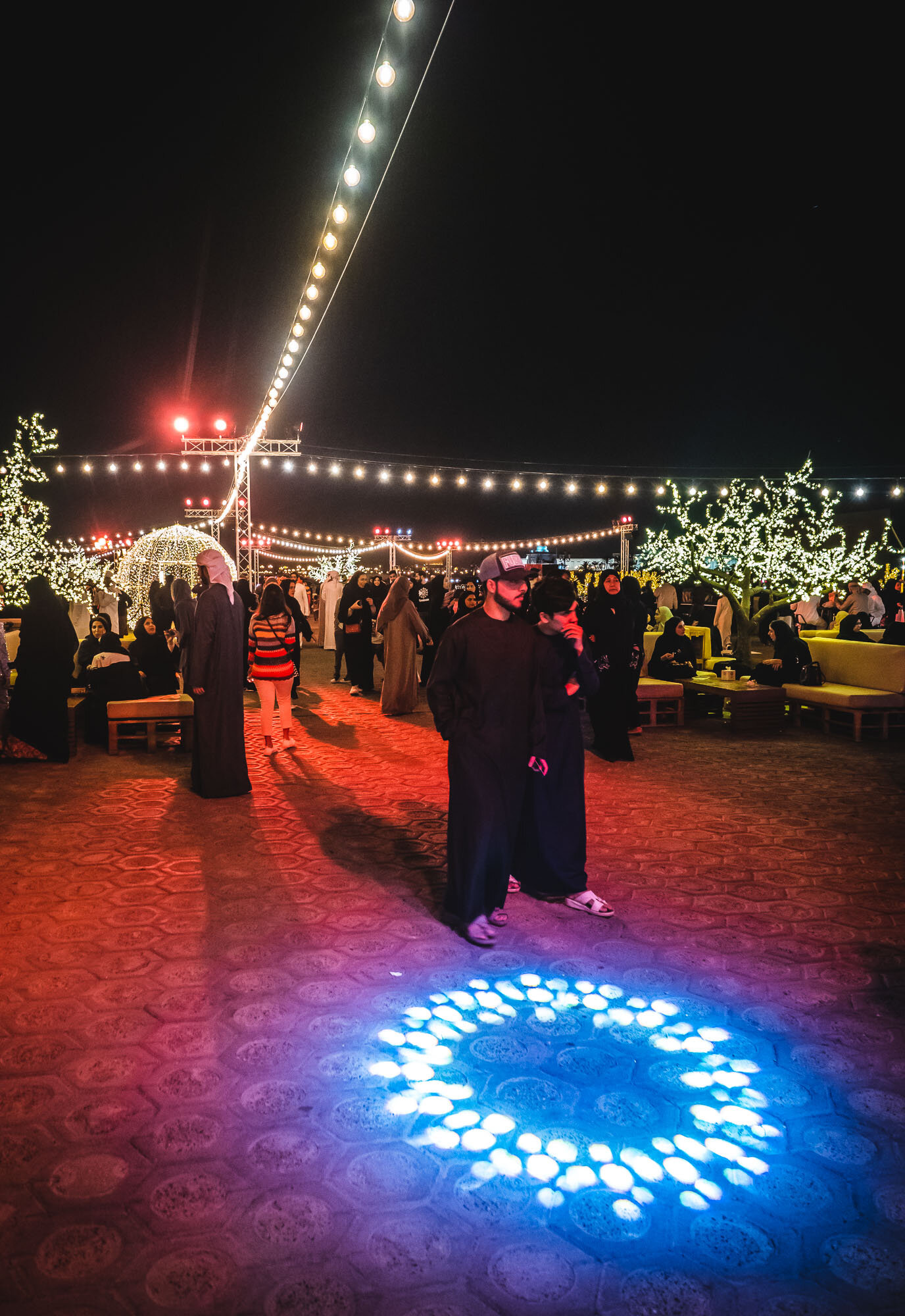
Food Trucks
No festival without a food truck part.
Mix
While the usual brands and concepts where present, local and homemade food stalls also took part.
University City
The food track park was located at University City, which had 4 locations with light shows in and around the campus.
University of Sharjah
Probably the largest installation, with students from University of Sharjah presenting their daily routine of life in Sharjah through visuals and sound.
A Journey
Emojis, smileys and other ideograms helped to tell the story.
From Sharjah to America
Was the theme at the American University of Sharjah.
A Trip
The show took visitors from Sharjah through each state of America.
US States
Every state was represented by its key attributes and sights.
Beam
It takes a certain amount of power to illuminate buildings of this size from hundreds of metres away.
3 Trips in 1 - African Wildlife, Lesotho, and Durban
The joyous occasion of yet another South African wedding gave us the opportunity to see the amazing South African wildlife, visit a new and rather obscure country called Lesotho, as well as see a new city - Durban.
iSimangaliso Wetland Park & Hluhluwe–Imfolozi Park
On the first day before the wedding we took a trip to St Lucia and its adjacent iSimangaliso Wetland Park for a boat trip, before driving onward to the Hluhluwe–Imfolozi Park for a game drive.
St Lucia
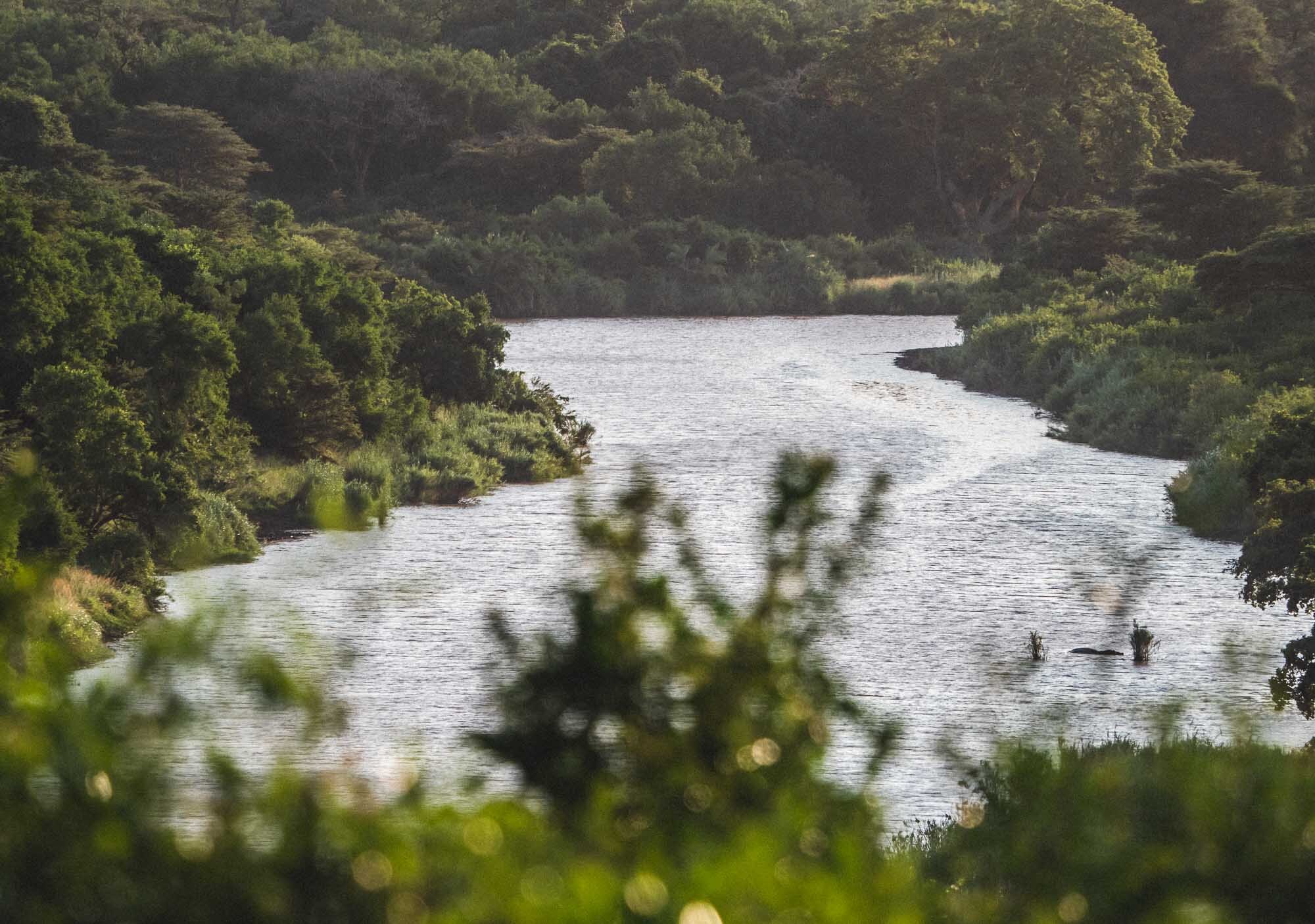
The iSimangaliso Wetland Park was the first location of our visit, and is a world heritage site because of its rich biodiversity. A boat trip along the entrance of the lake will reveal some of it.
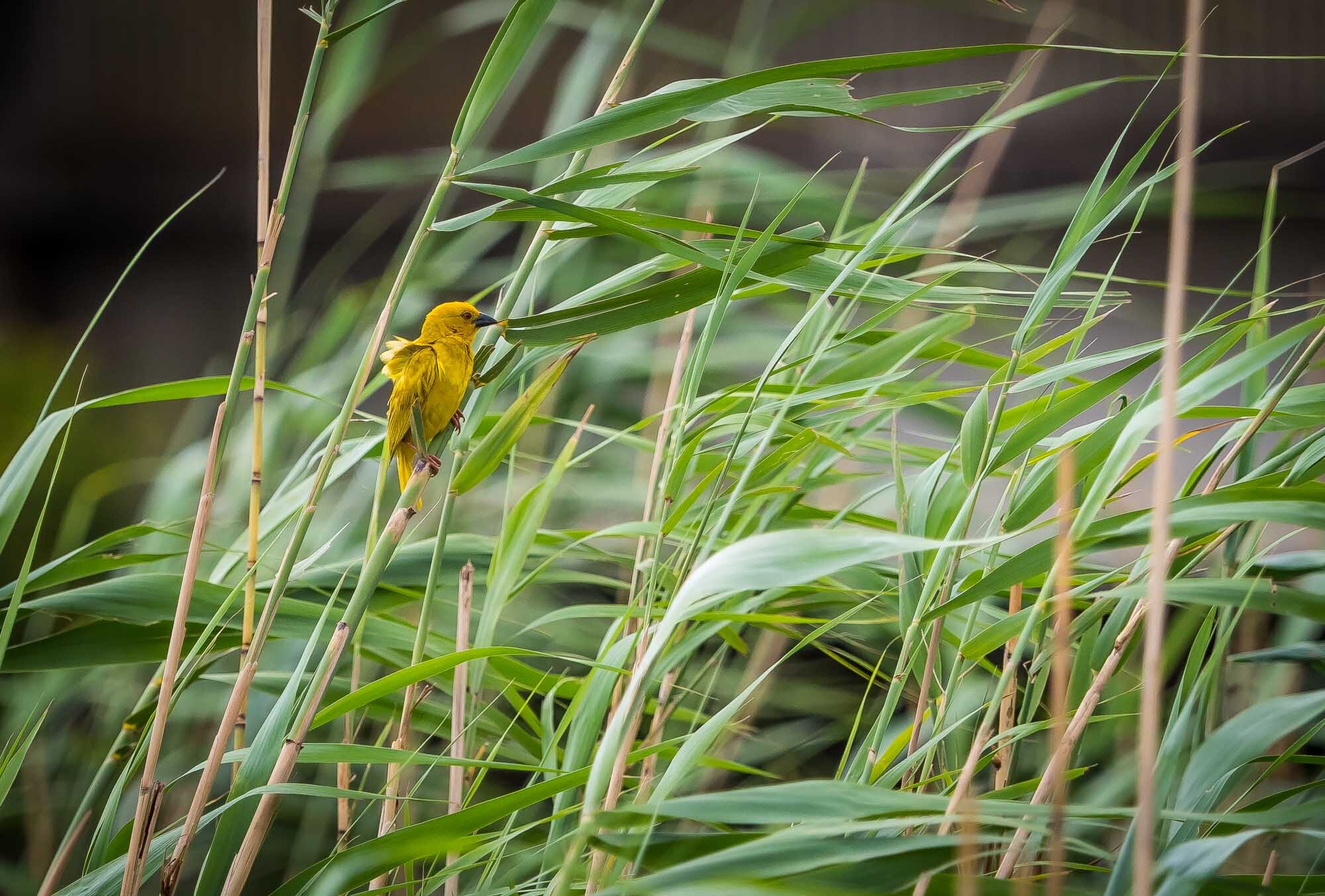
Bird Variety
Anyone knows the name of this yellow fellow?
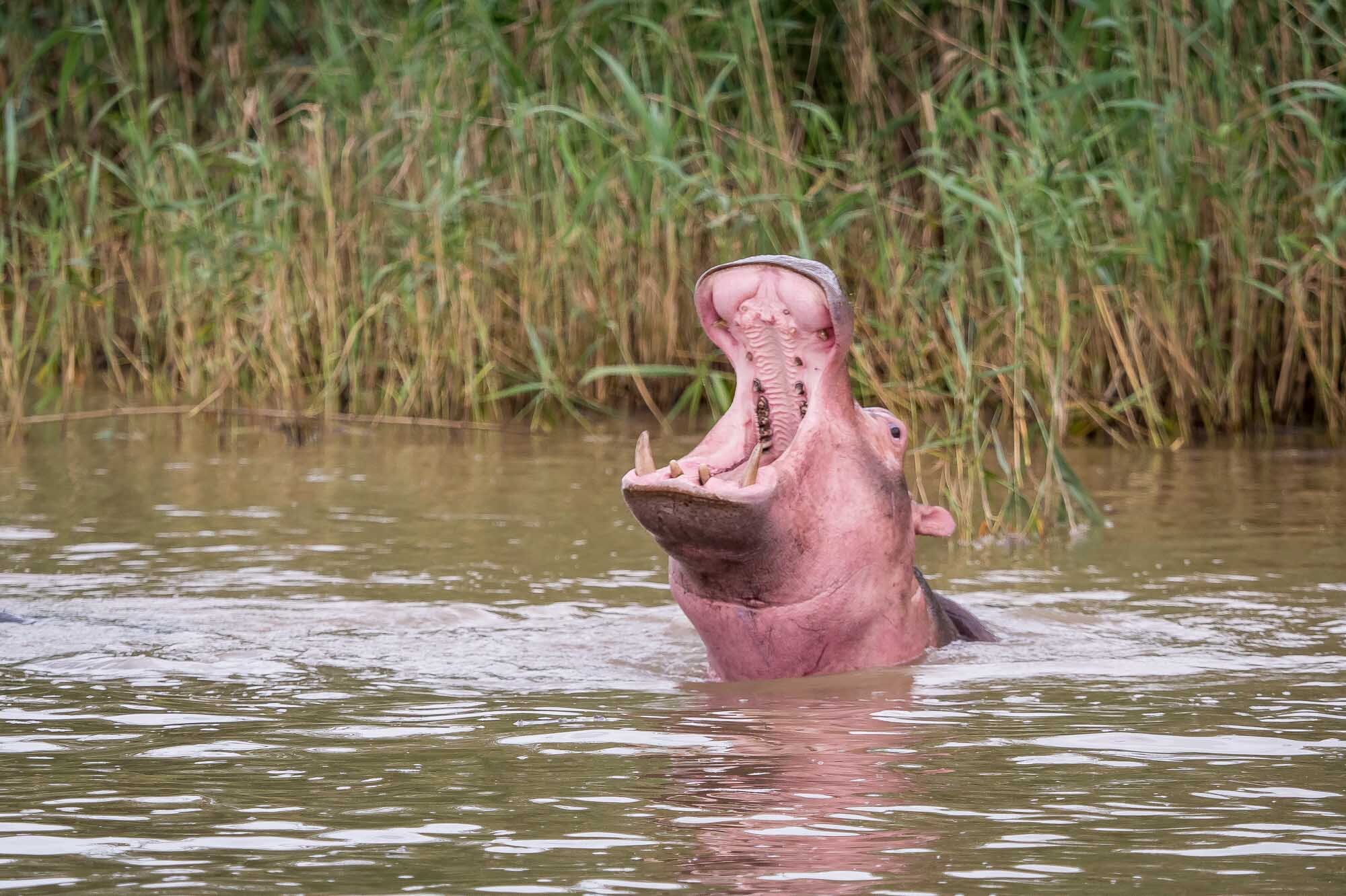
Show Off
This Hippo was keen to show off its teeth to unsuspecting tourists.
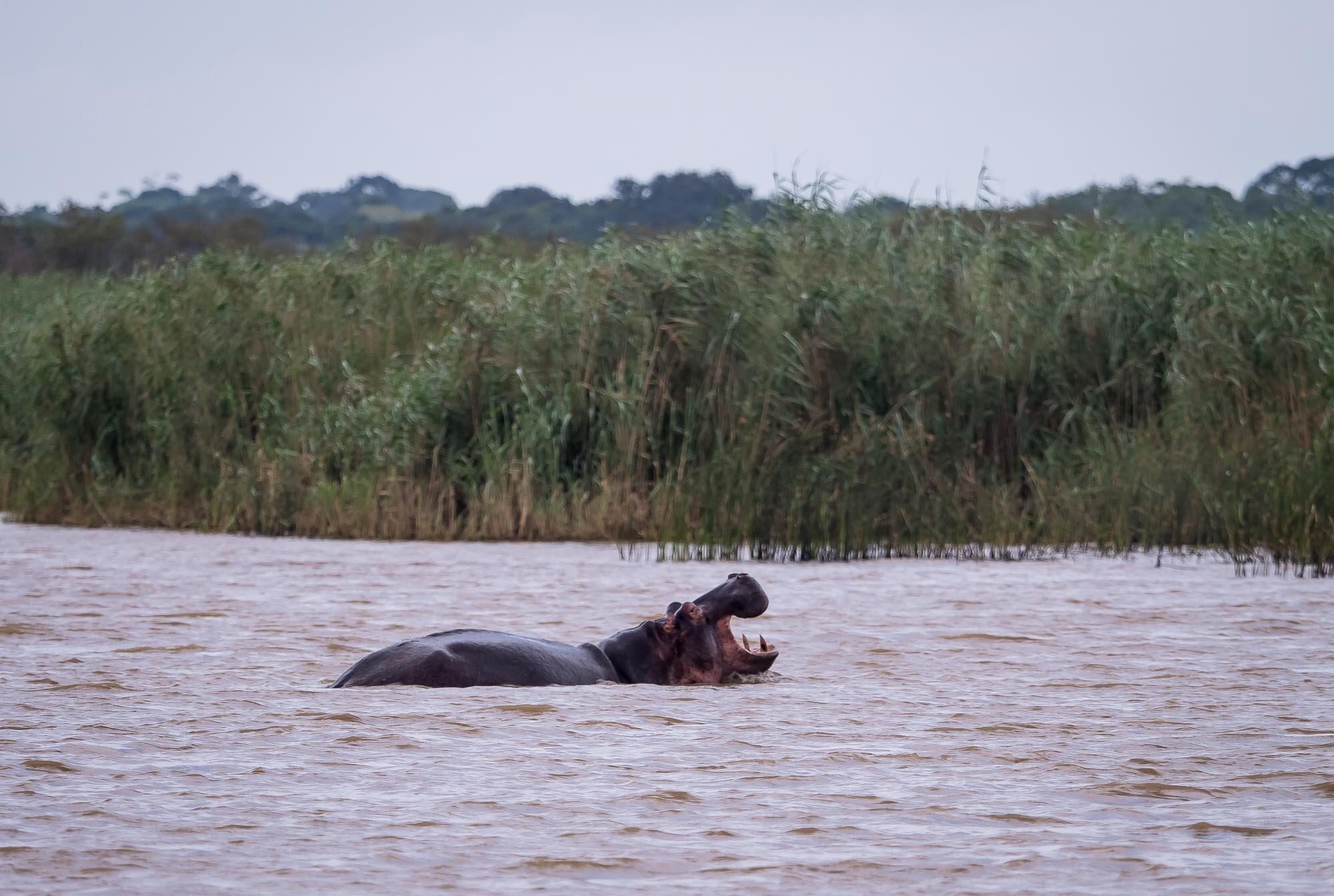
Hippo
While they look lazy and slow moving, they are in fact one of the most dangerous animals to humans in Africa. Around 800 live in the lake.
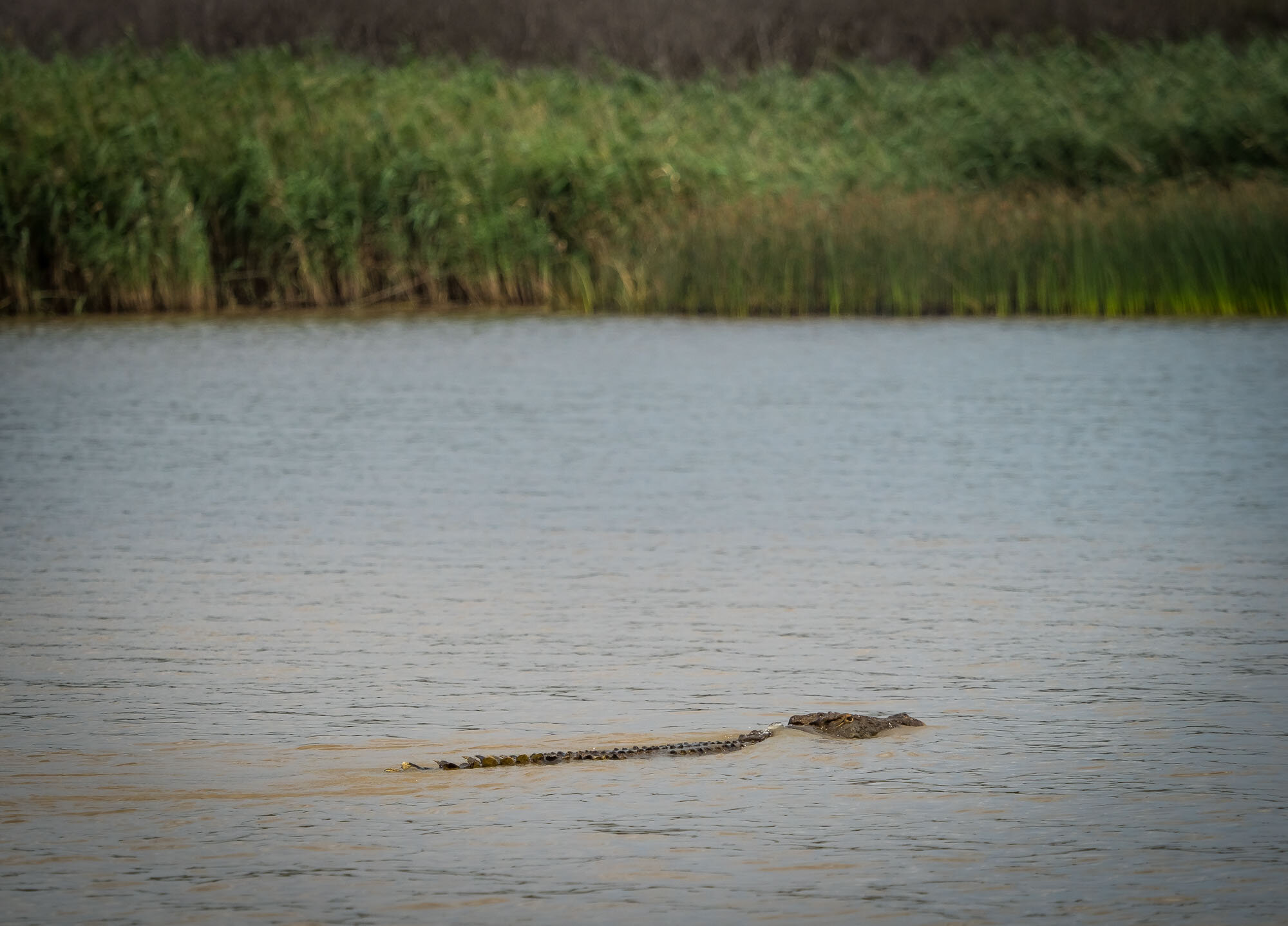
Lucky Capture
The only crocodile we spotted during the boat trip, although there are over a thousand in the lake.
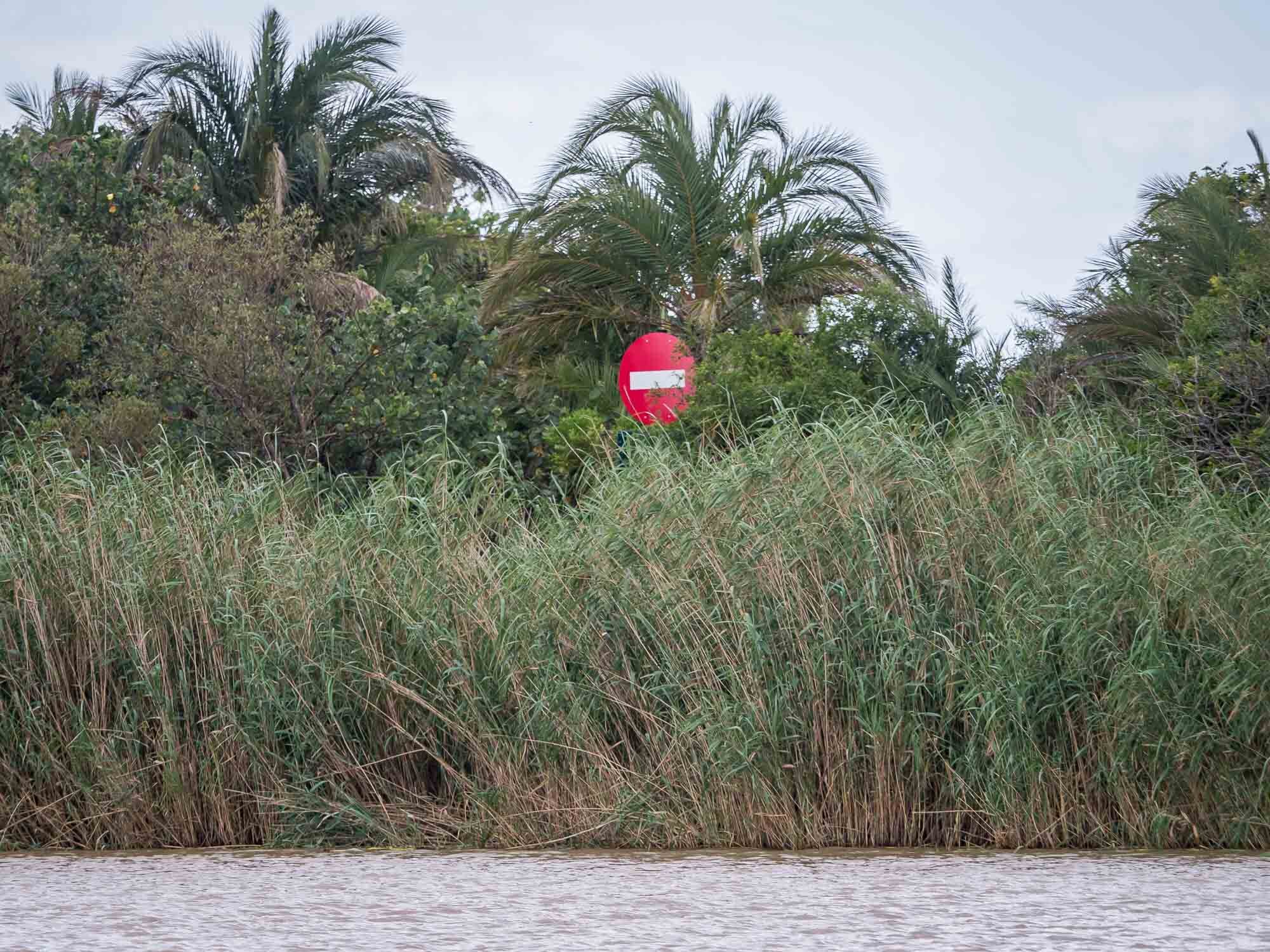
Traffic Control
Even on the water, this seems necessary.
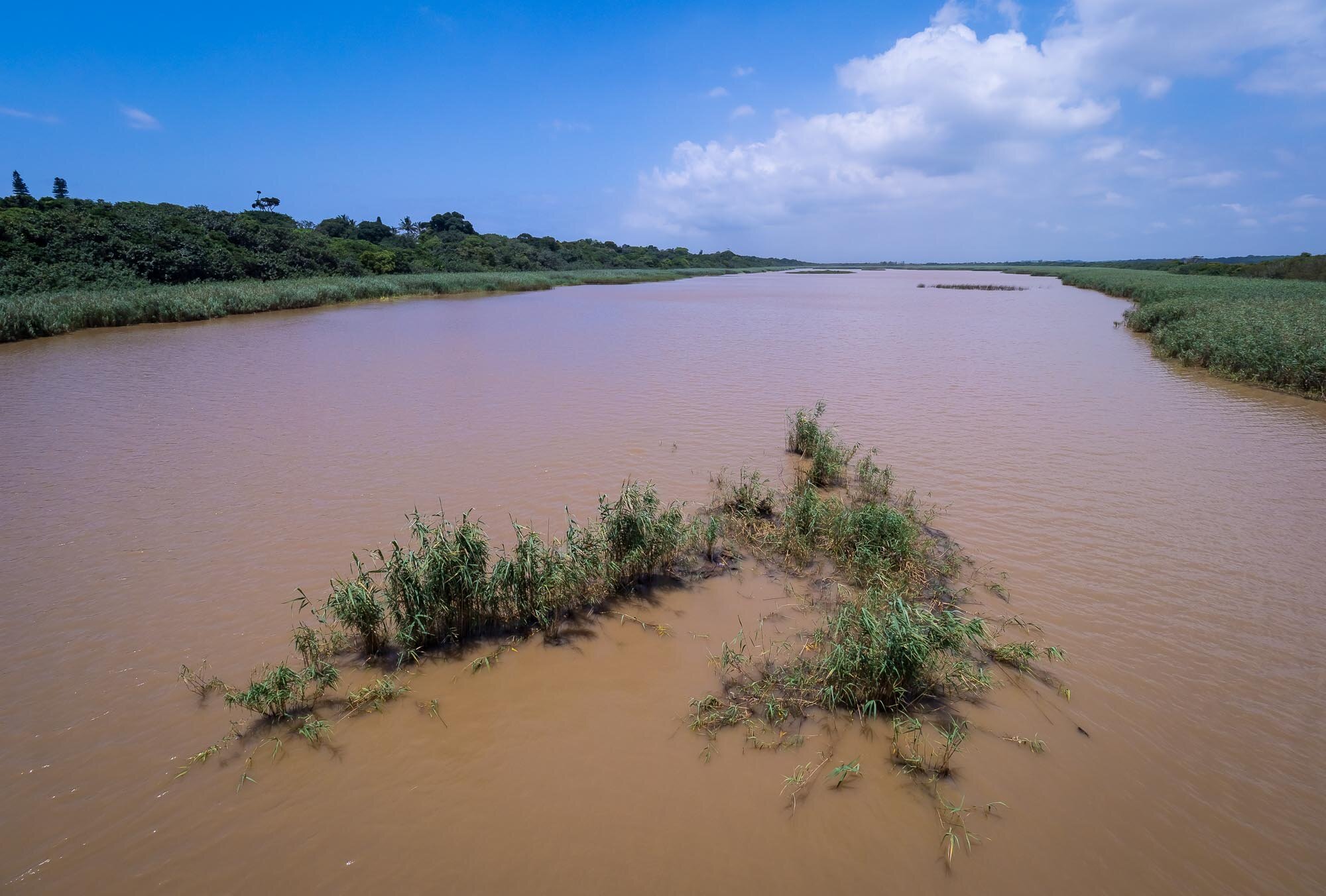
Along the River
Looking westwards from the bridge crossing towards St Lucia.
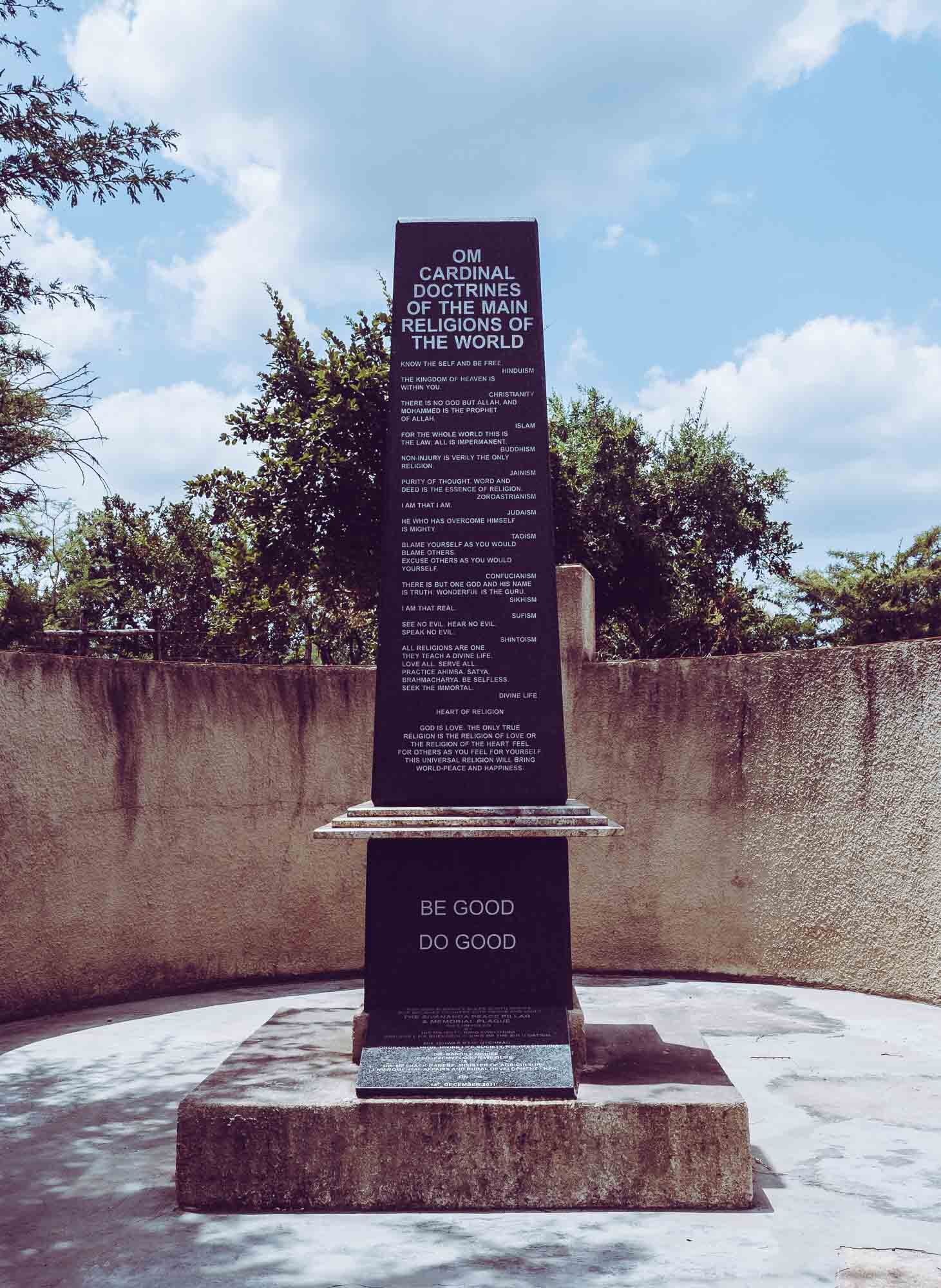
Hluhluwe–iMfolozi Park
The entrance to the oldest proclaimed nature reserve in Africa features this memorial, advocating mutual understanding between religions.
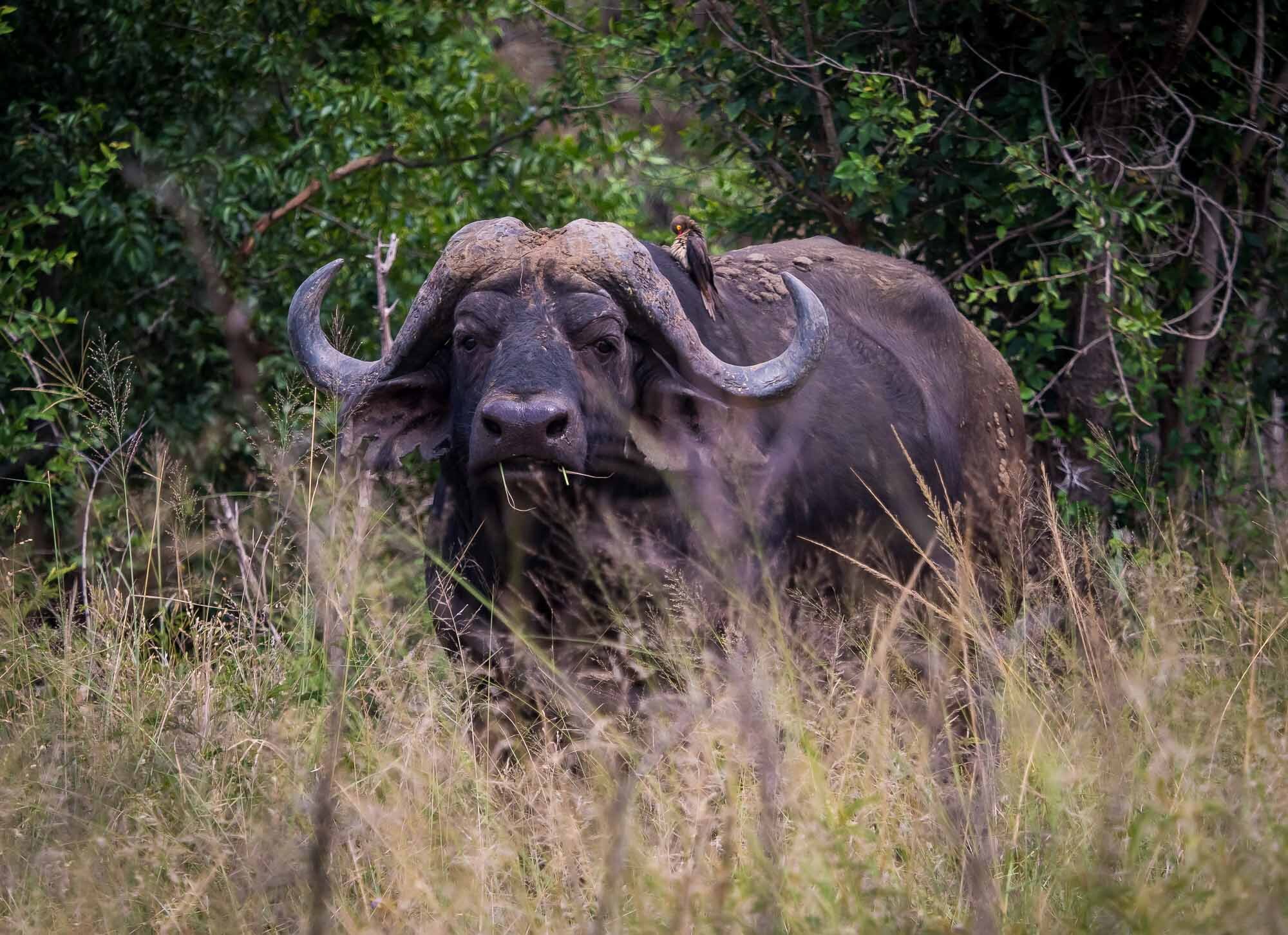
Buffalo
Most likely the easiest of the Big 5 to find, the Hluhluwe–Imfolozi Park features several thousand.
Vehicle
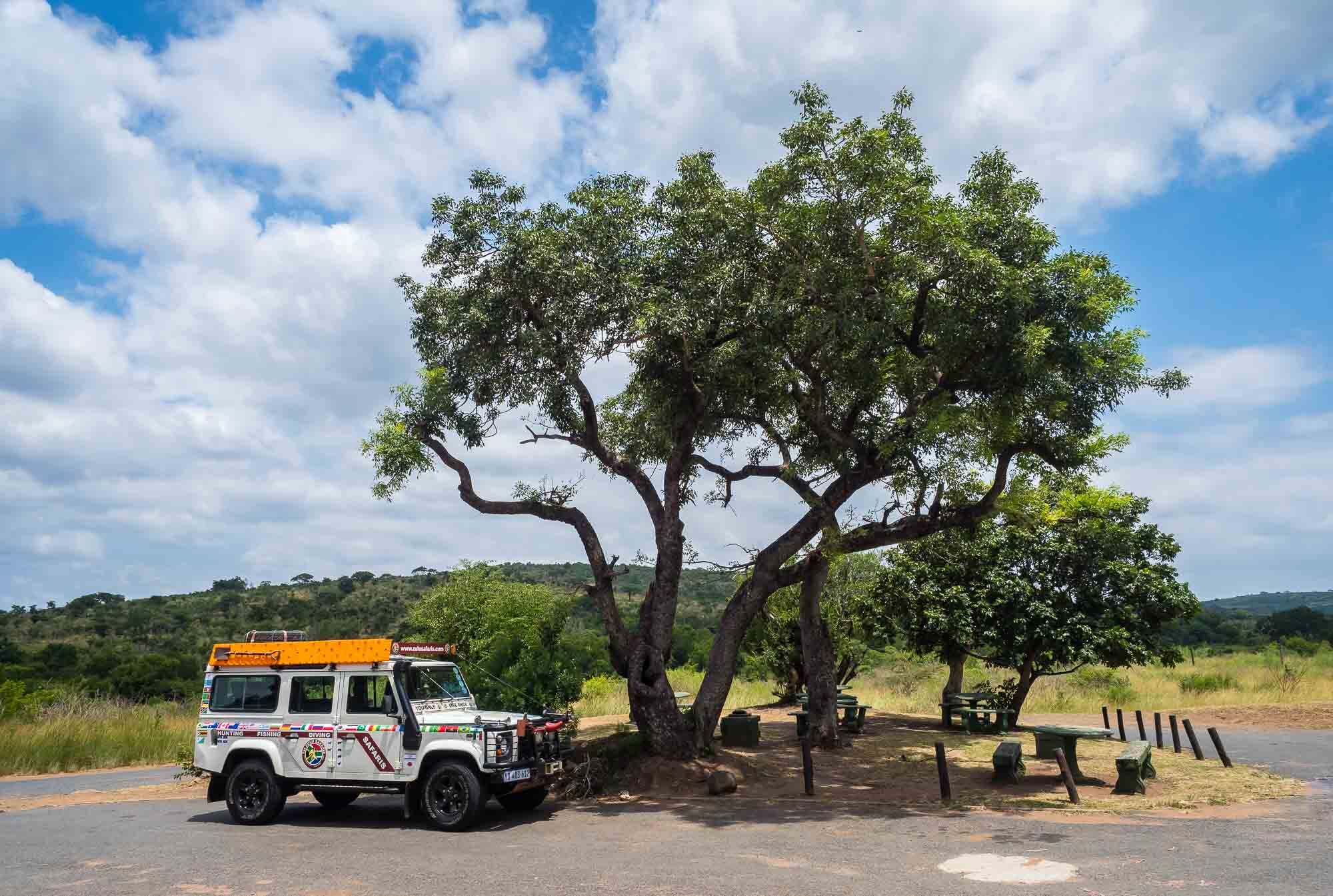
Not the most comfortable ride for a 14h trip, but definitely cool looking.
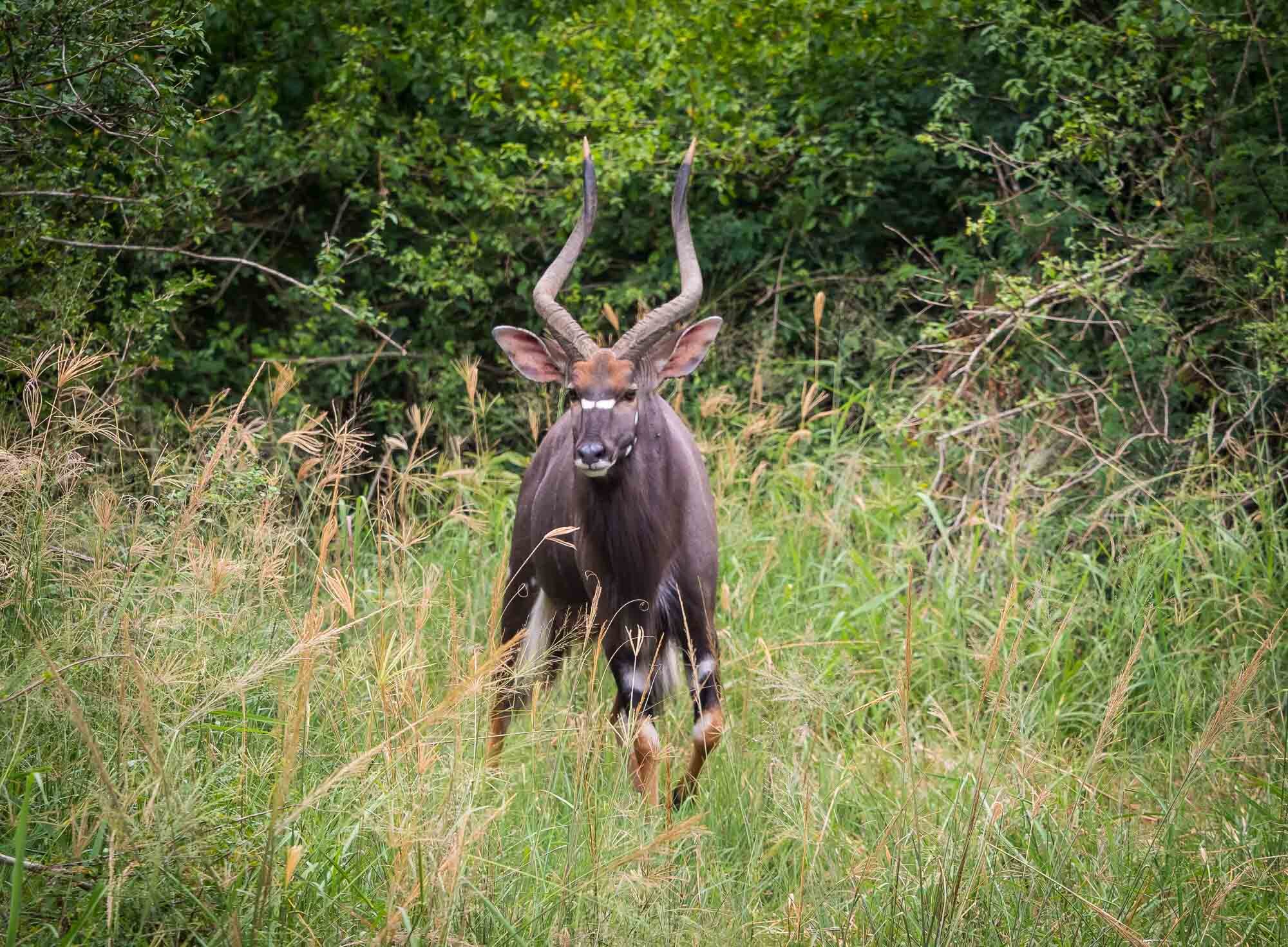
Nyala
A male example of the shy species. The park is one of the best spots to view them.
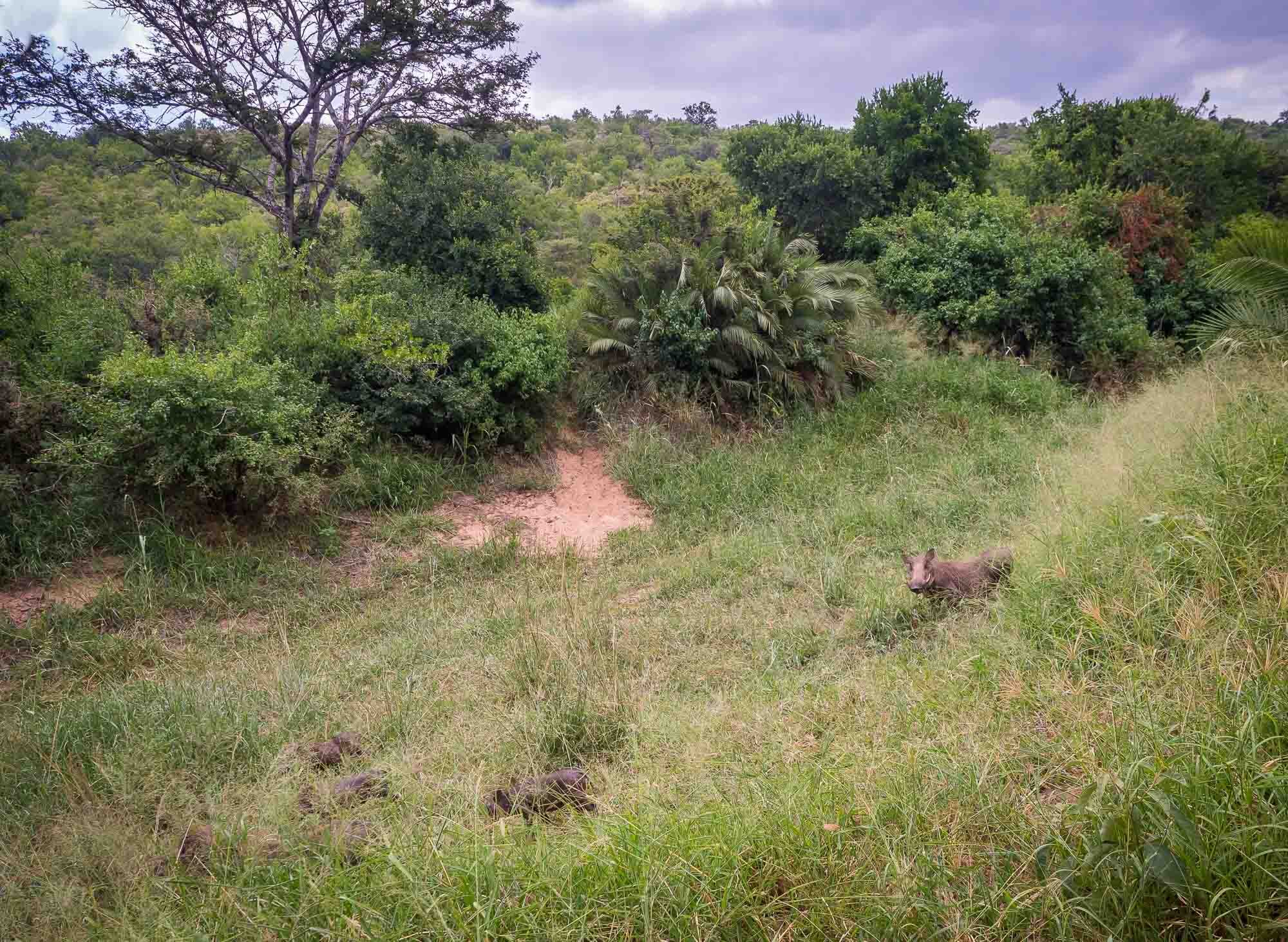
Pumbaa & Family
This family of warthogs was grazing in the high grass of the bush with 5 or 6 piglets. A group of them is called sounders.
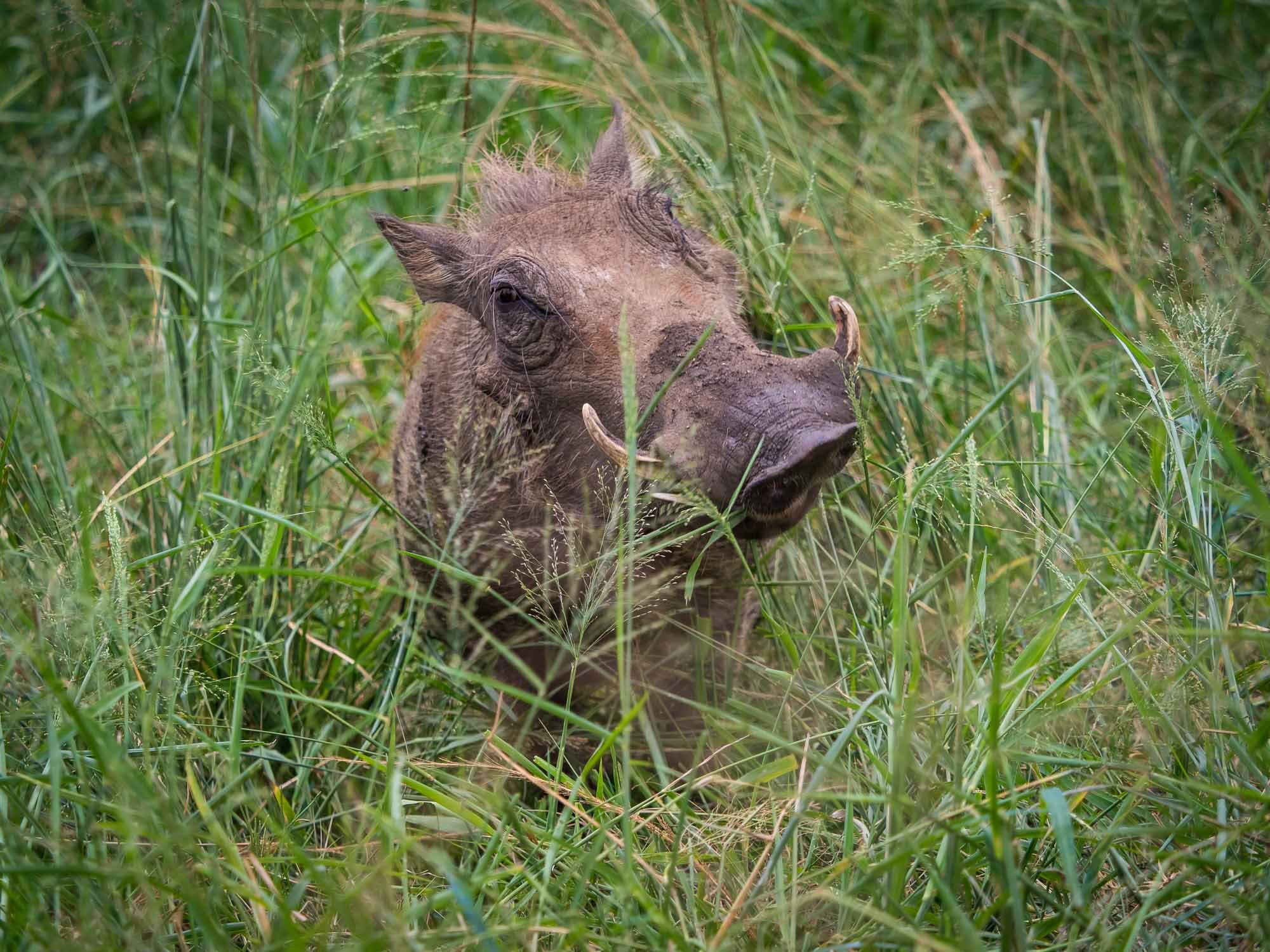
What You Looking At
Warthog tusk ivory is often used for trade, but so far the species is not in a concerning conservation status.
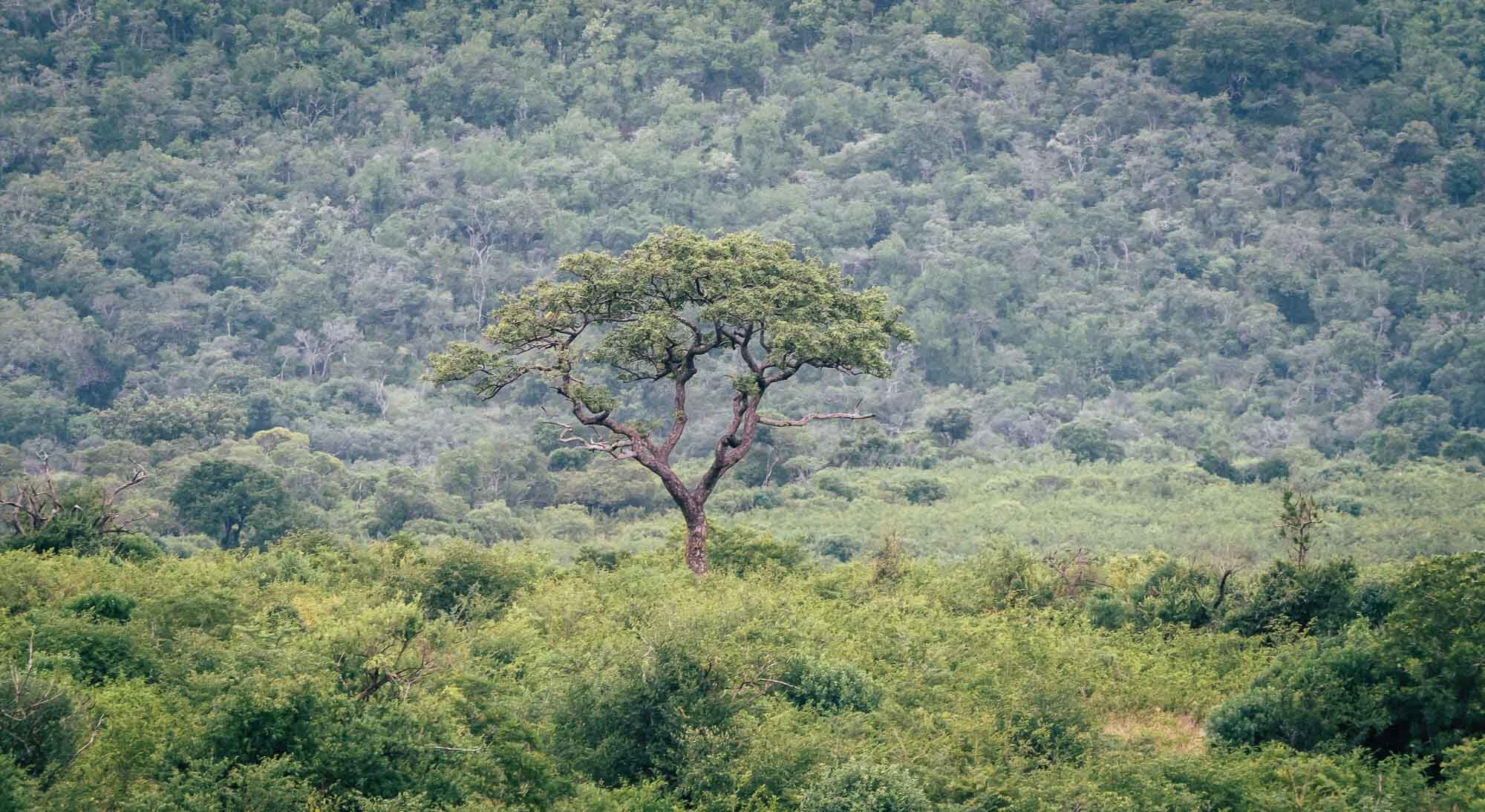
Tree
One of the many beautiful trees you can spot in the South African bush.
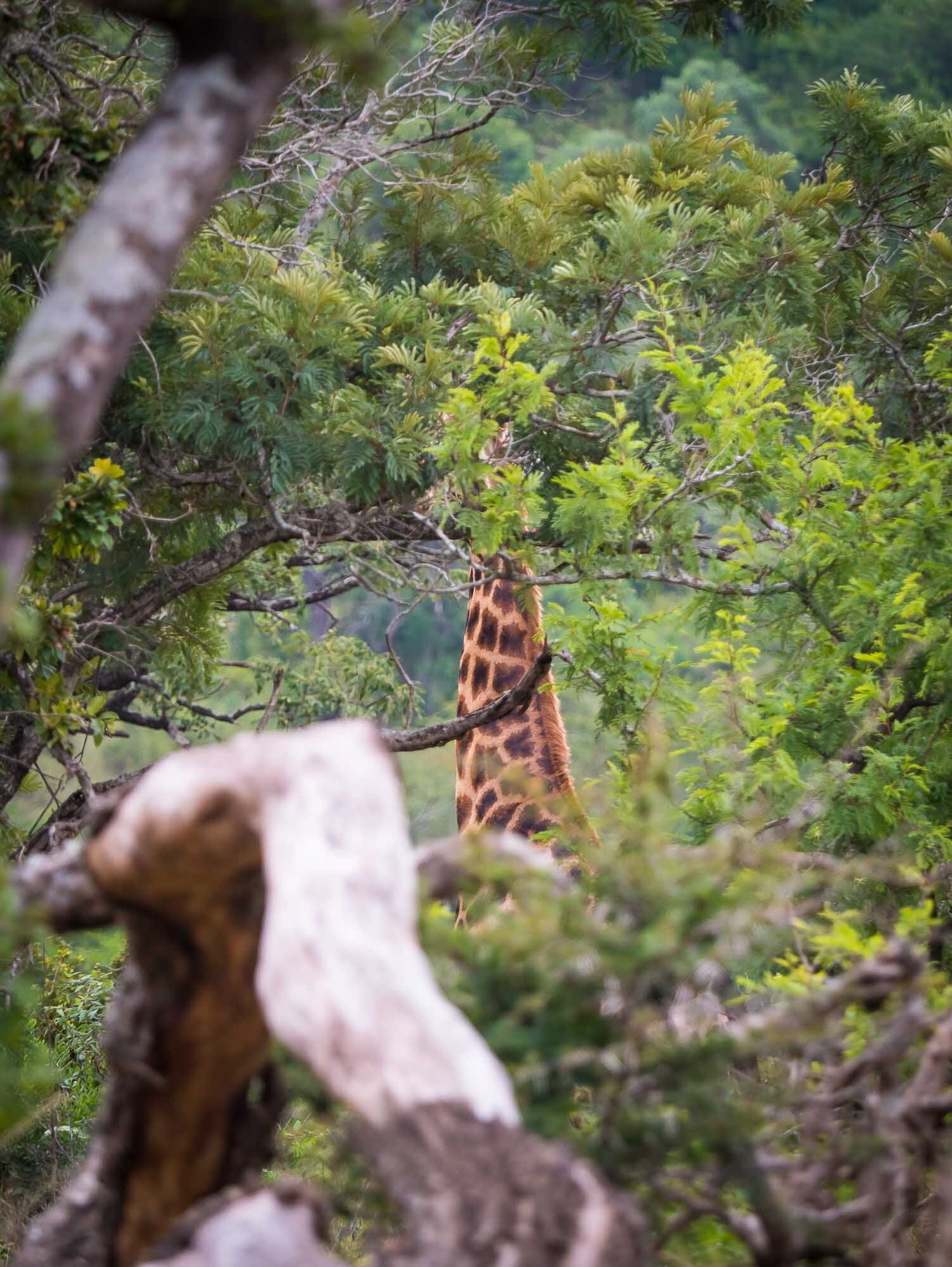
Find Me
A giraffe with its long neck just visible in between the trees.
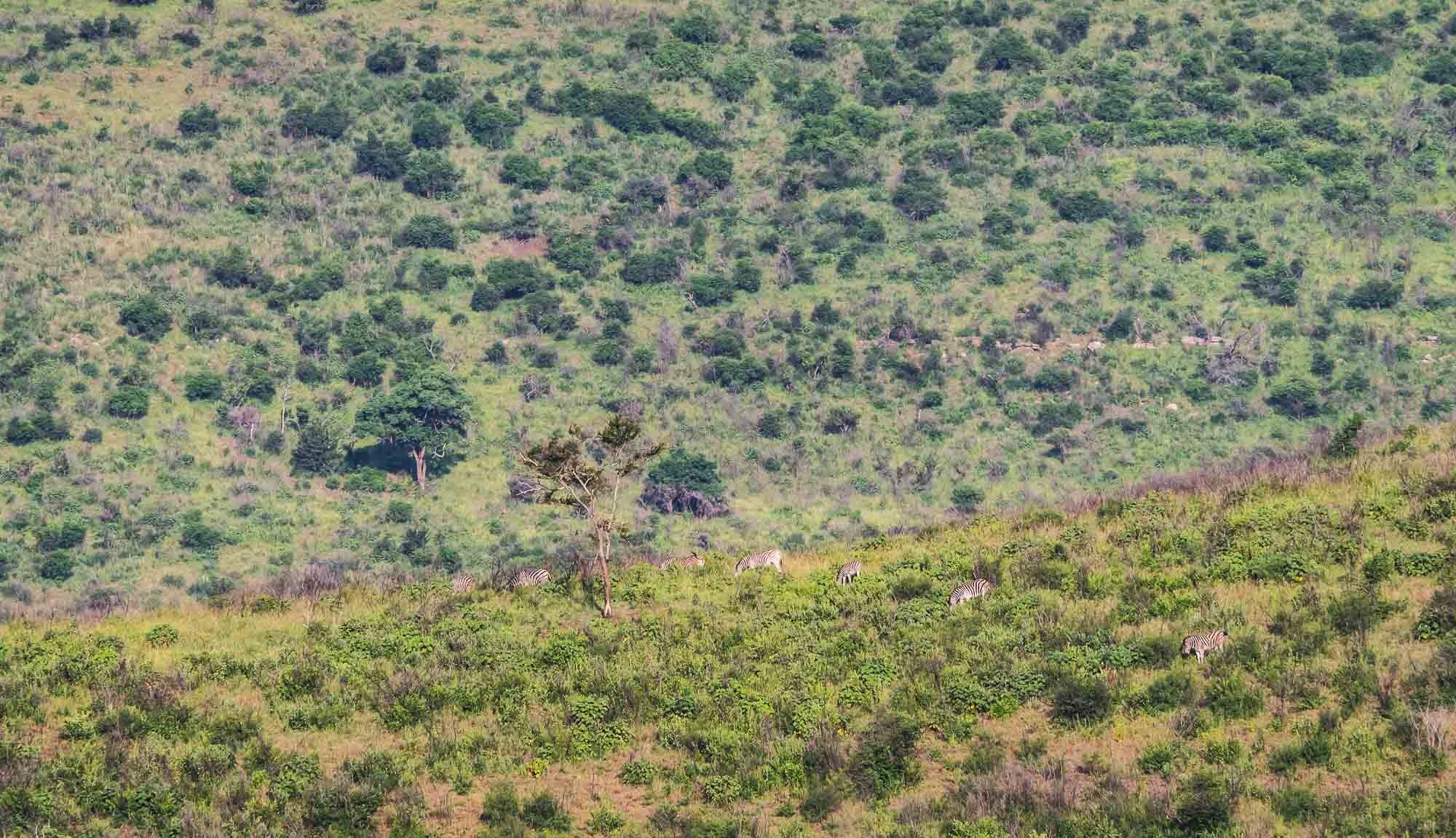
Zebras
A Zebra harem grazing in the mountains of the reserve.
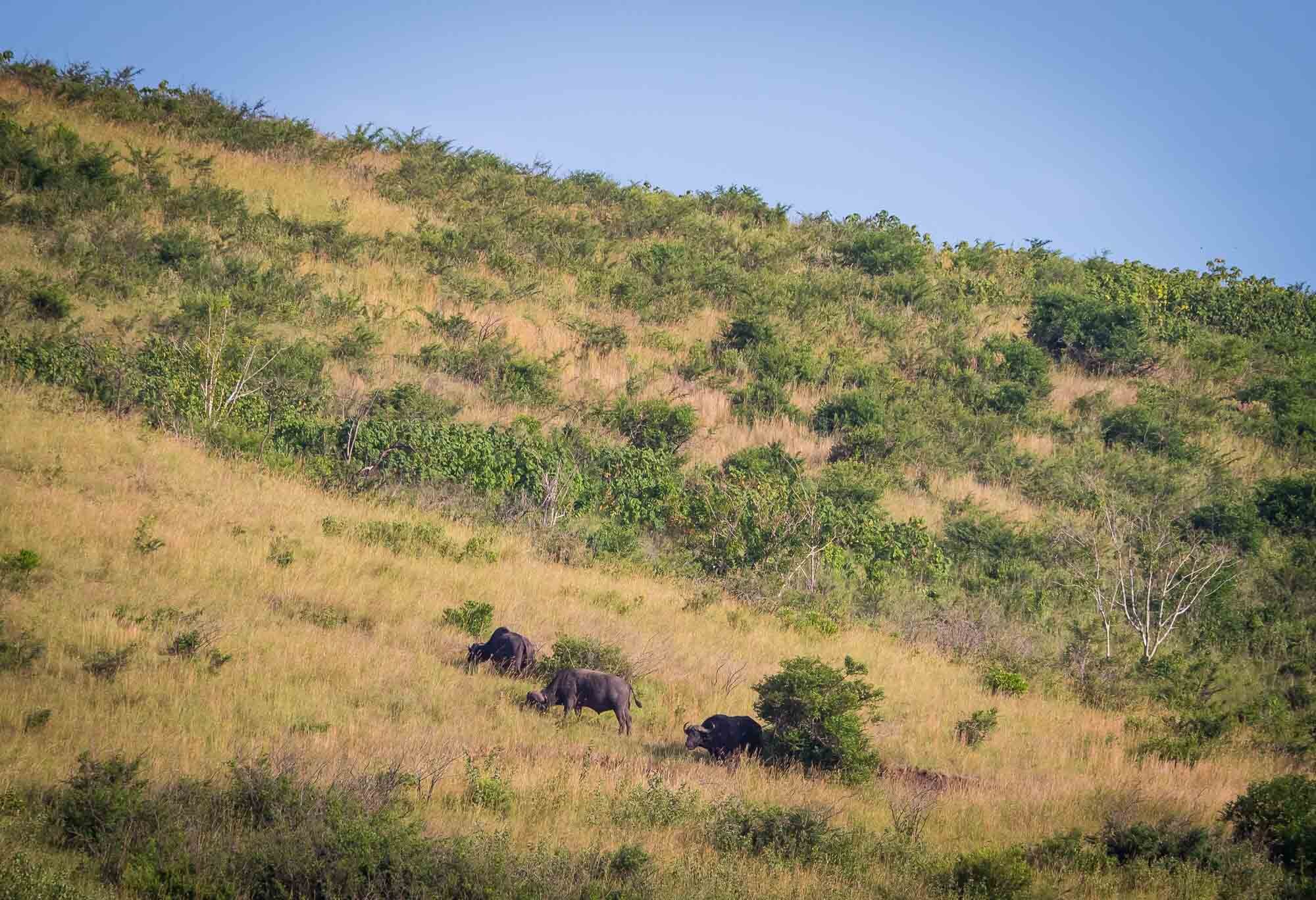
Buffalo
A group of Buffalos a few kilometres away from us. While they are the most common Big 5, they are classified as near threatened.
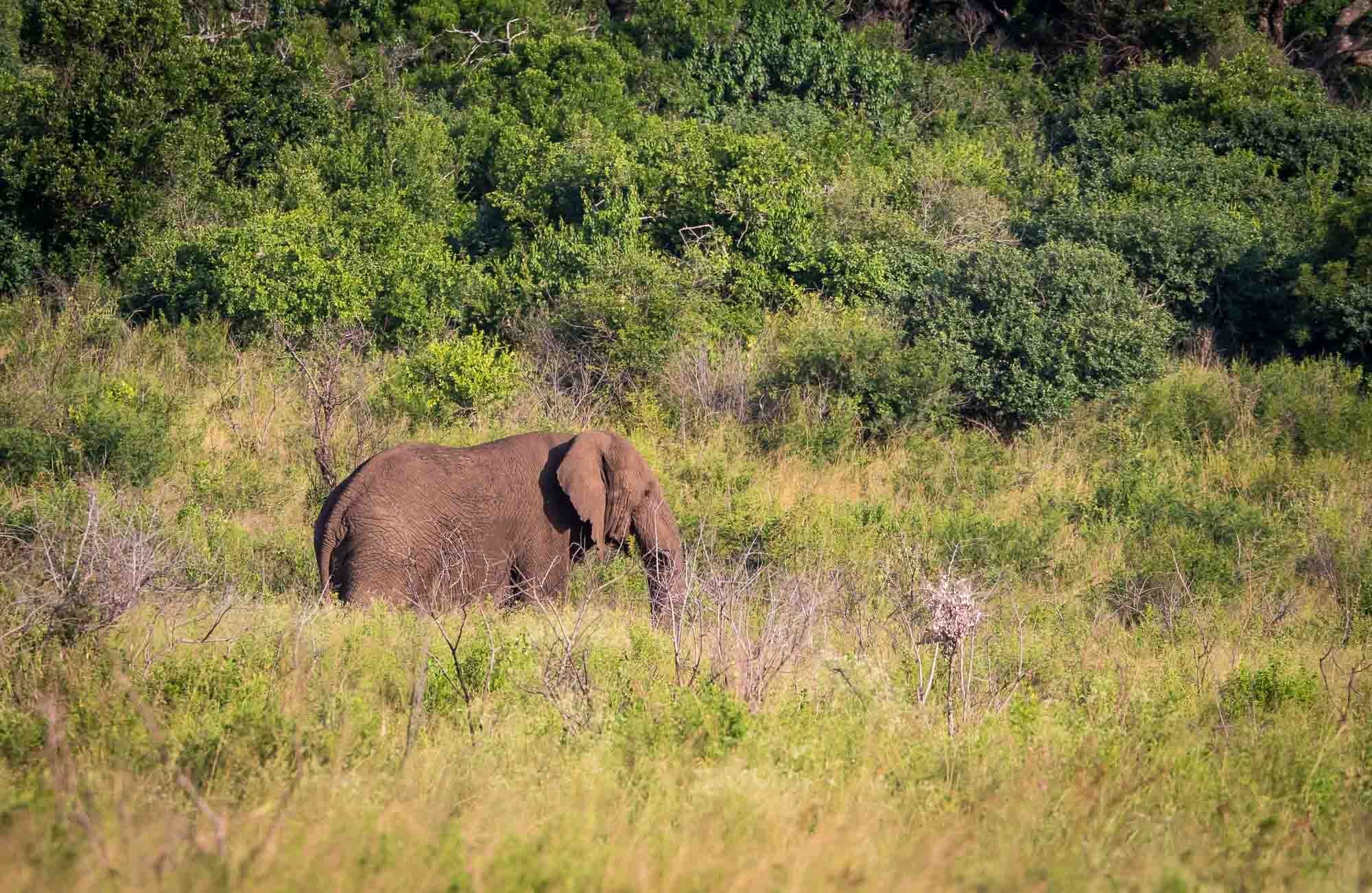
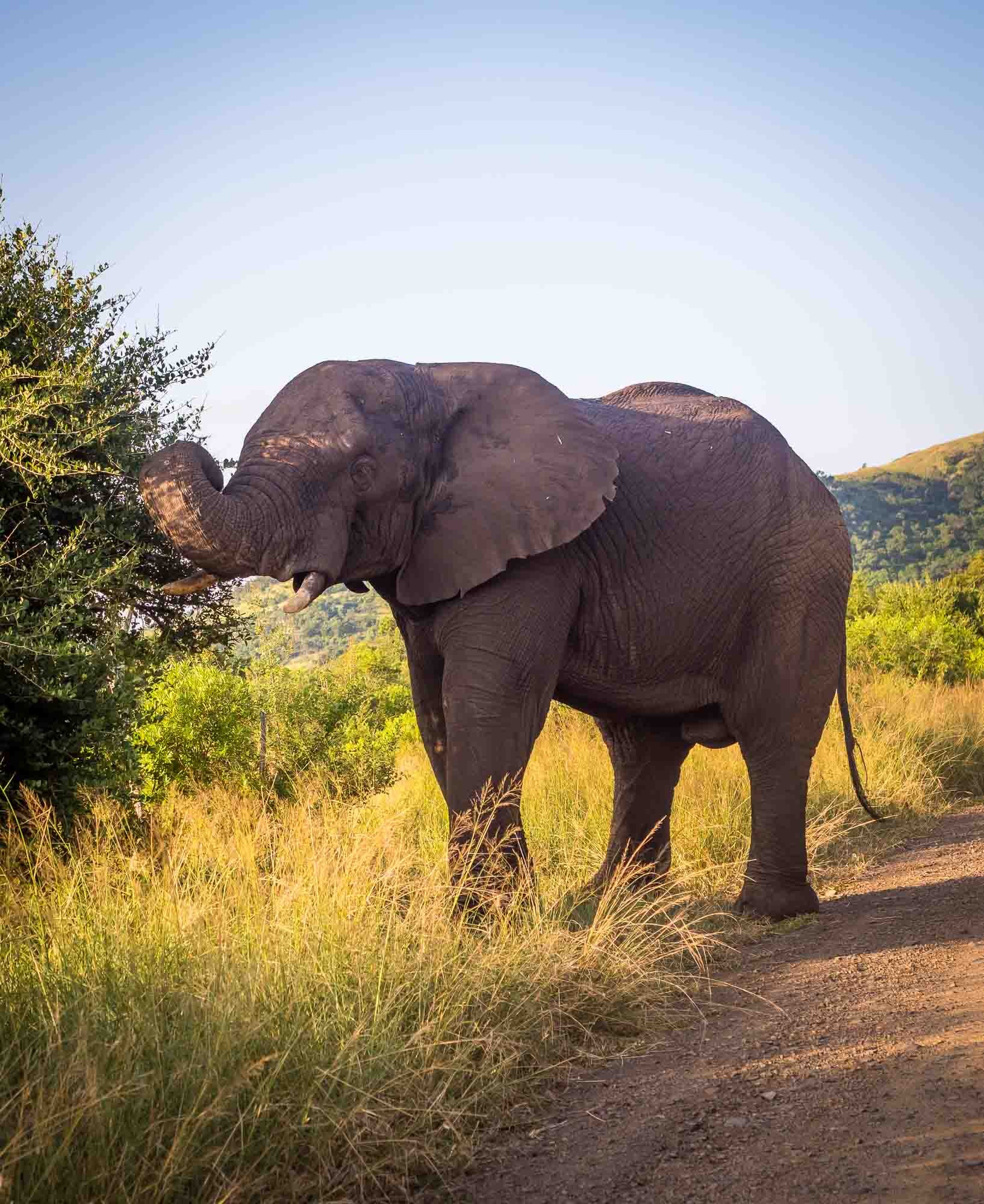
African Elephant
A large elephant roaming by itself.
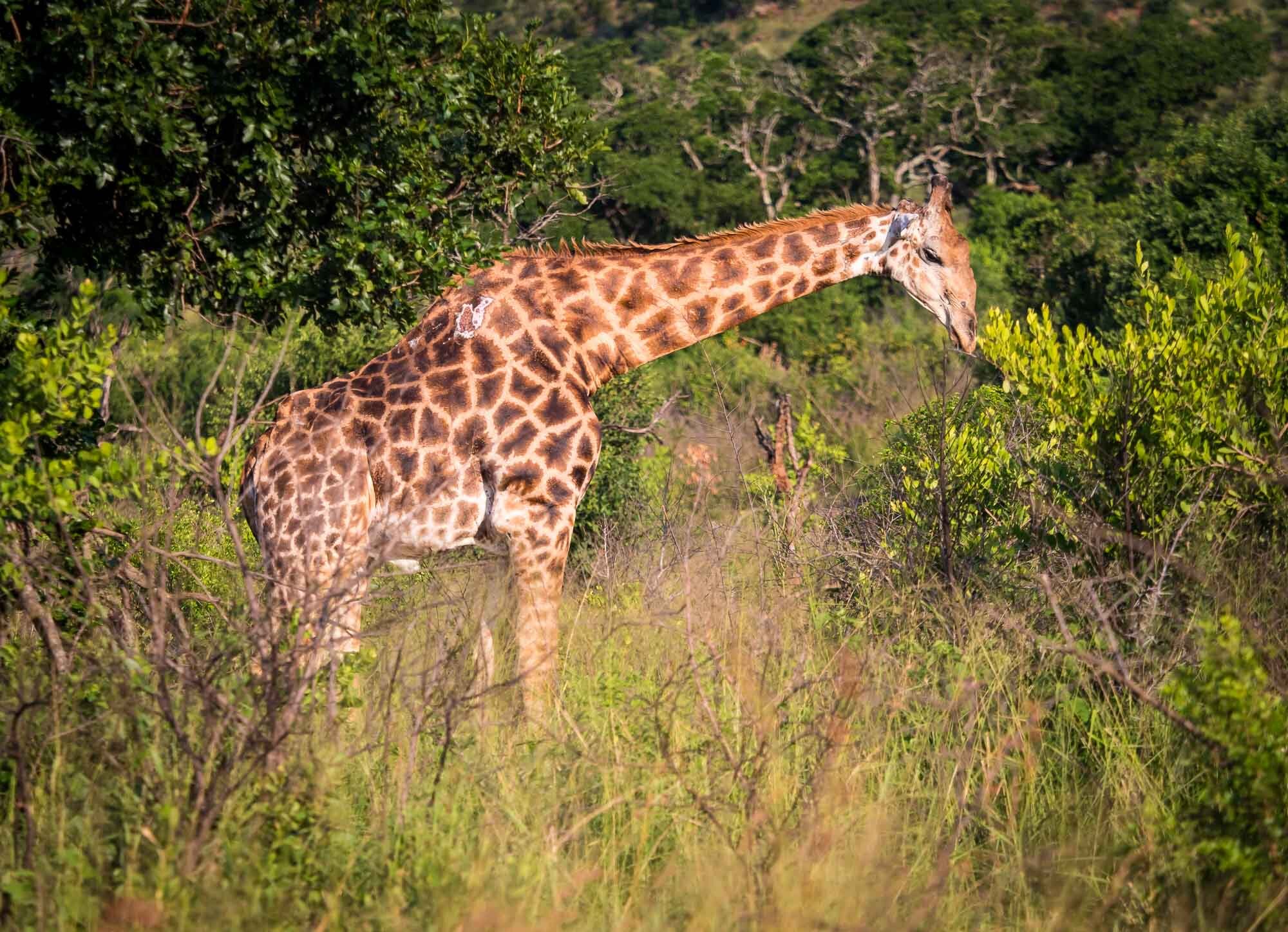
Injury
The wound on this giraffe's shoulder is likely from fighting with another member of the group.
On the Road
It seem the best food grows directly next to the sand road, blocking our way for several minutes.
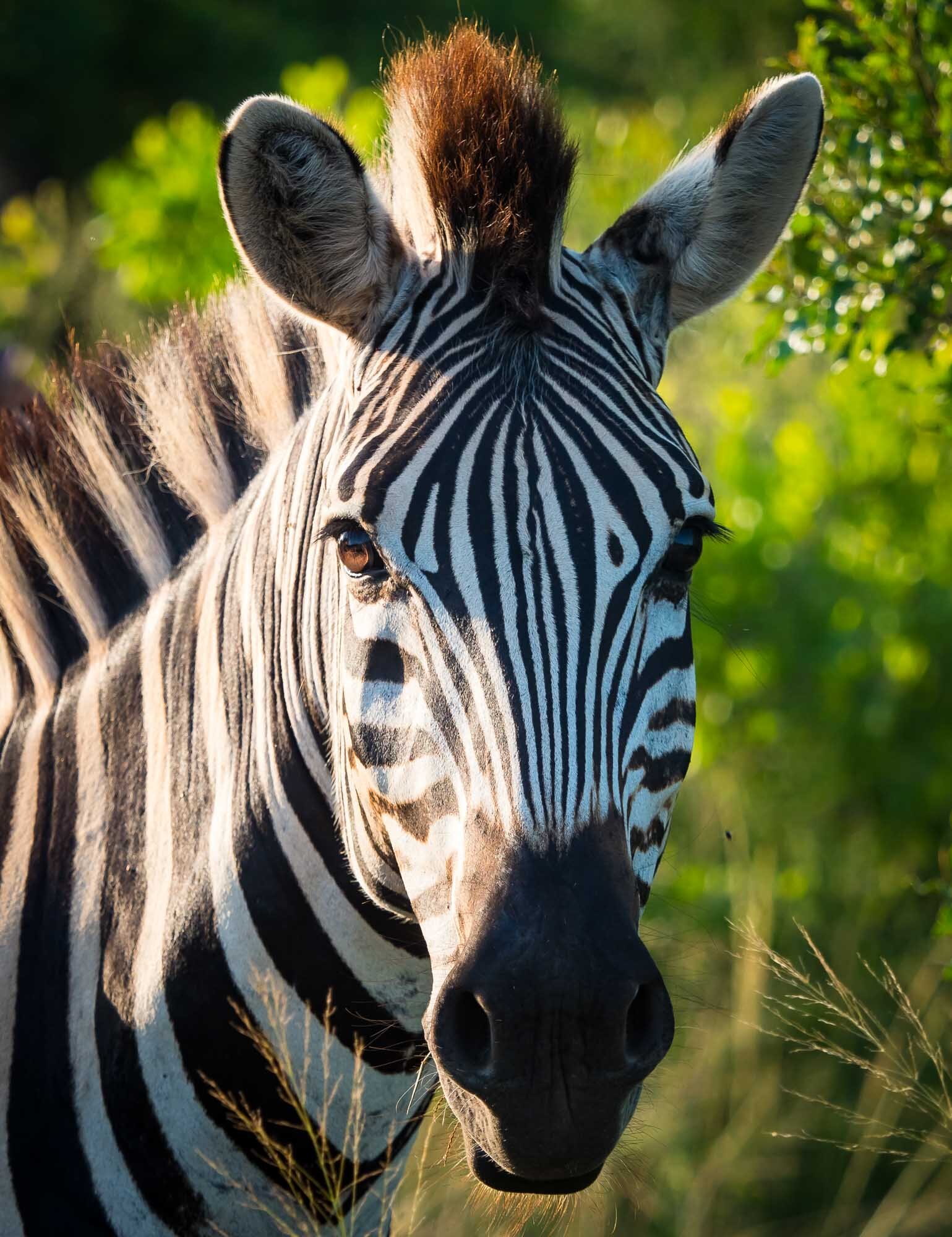
Black on White
That's the answer to the colour of the Zebra, according to latest findings.
Search
Find the Hippo relaxing in this small lake.
Scenery
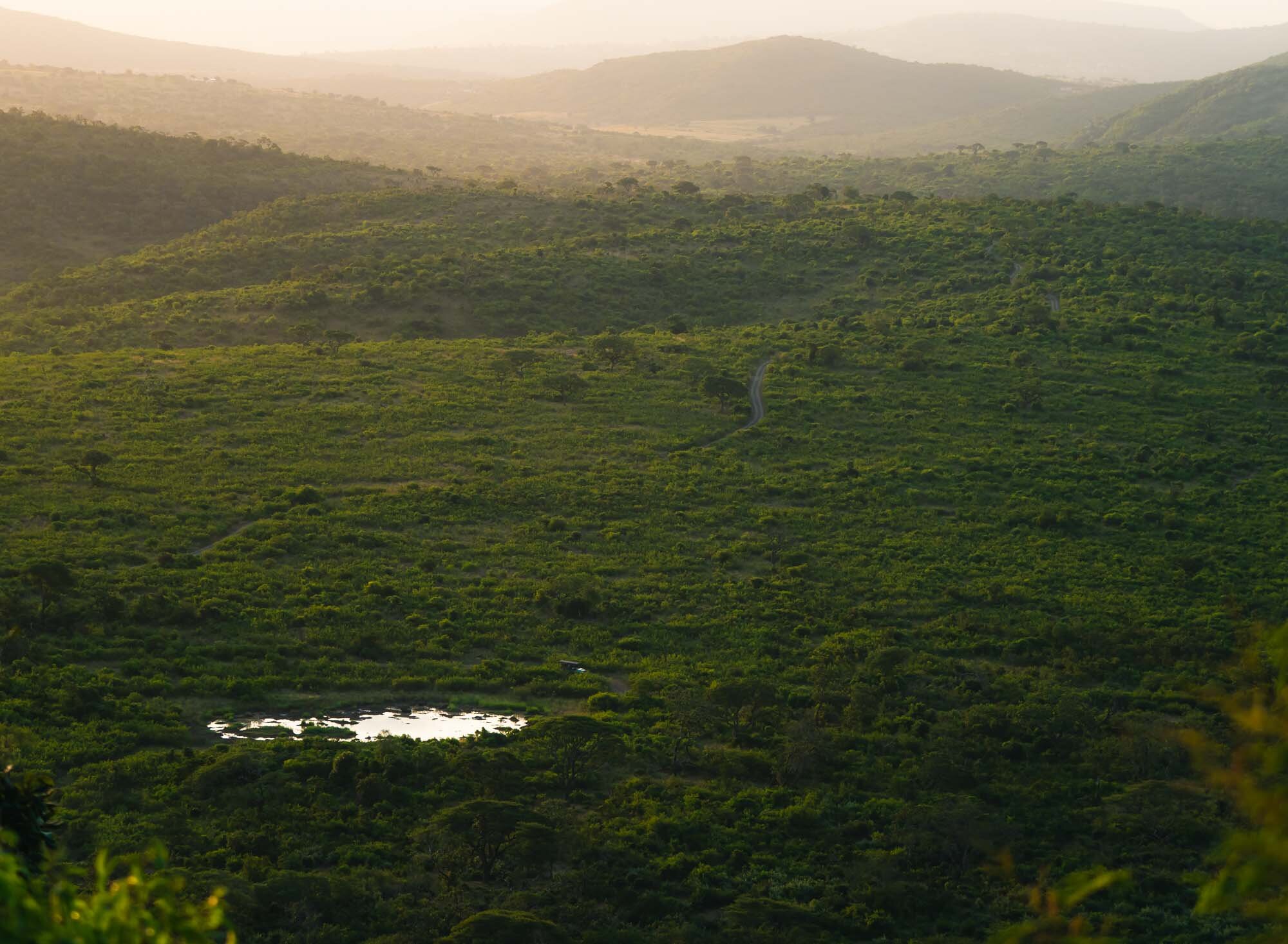
How I always imagine the landscape in the green plains of Africa.
Pride
Two female and a young male lion patrolling the area.
Hungry
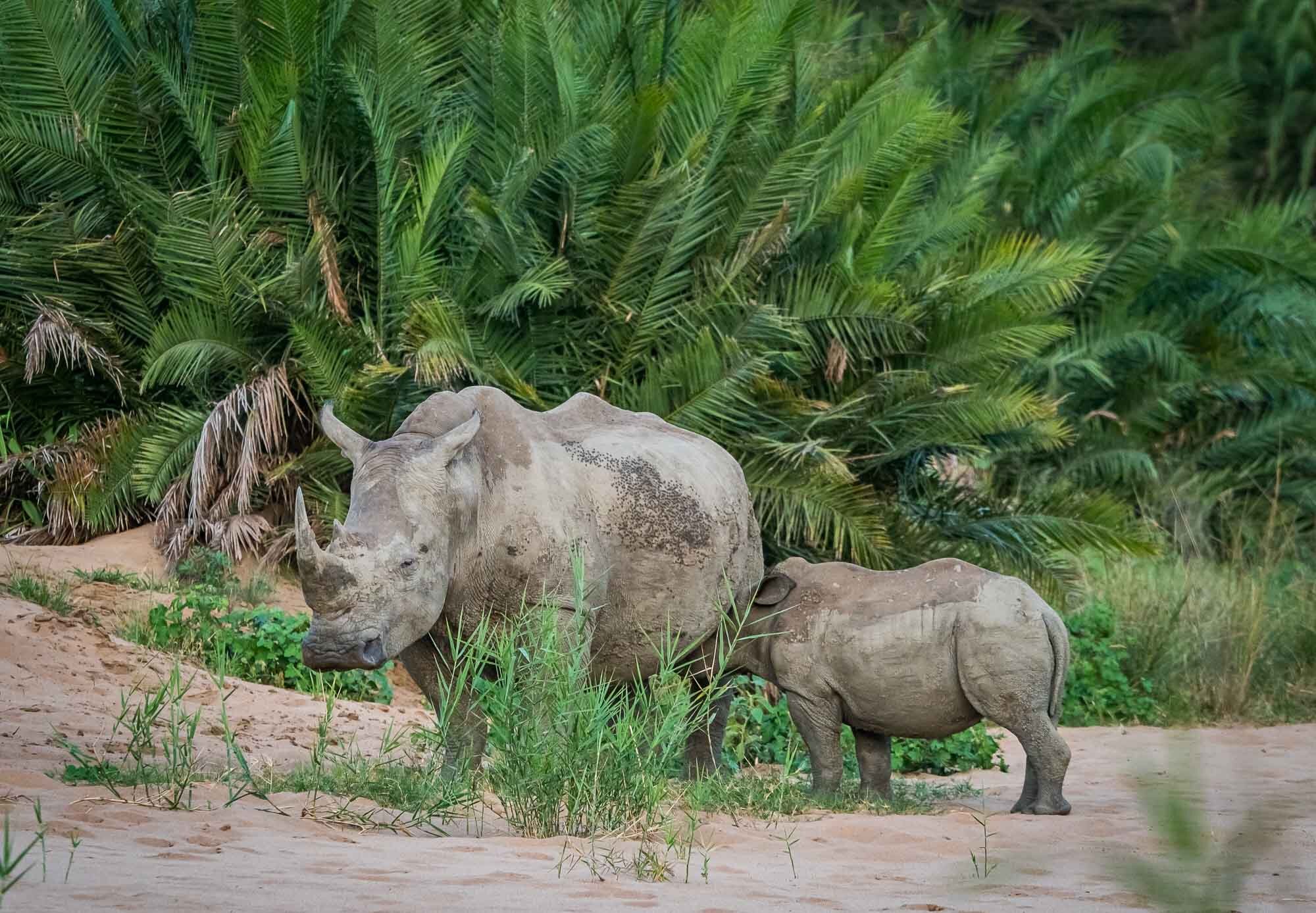
A young Rhino drinking milk from its mother. The park is home to one of the largest populations of white rhino in the world due to its leading conservation efforts.
Posing
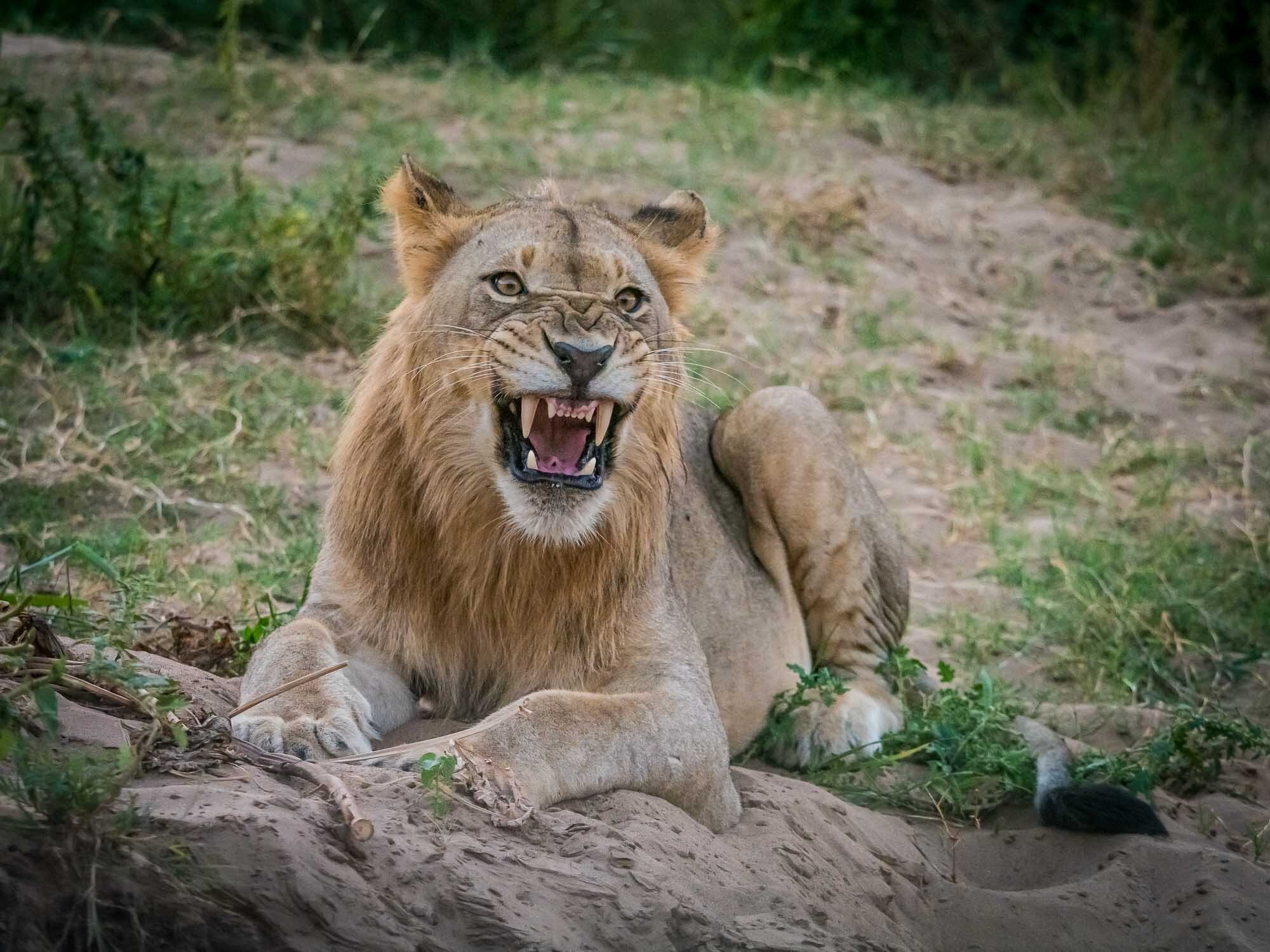
The male sat down very close to the car. Contrary to what the photo might evoke, he was actually just yawning.
The Sani Pass & Lesotho
The day after the wedding took us up the famous Sani Pass in an amazing tour with Sani Pass Private Tours - highly recommended! A drive into the vast lands of Lesotho - the Mountain Kingdom in the Sky - with a visit to a local village ended back at the pass with an overnight stay before making our way down the next morning.
Sani Pass Landscapes
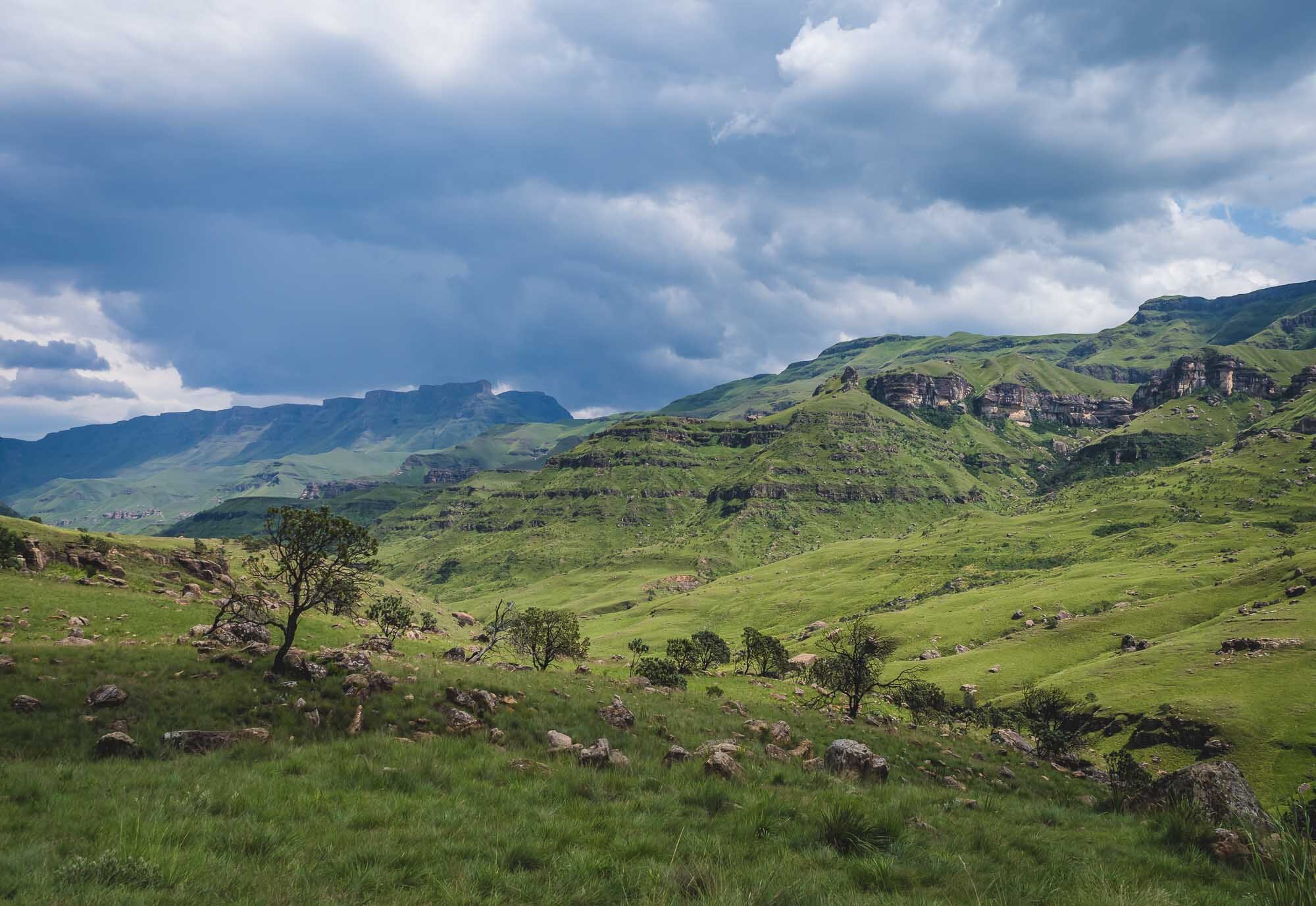
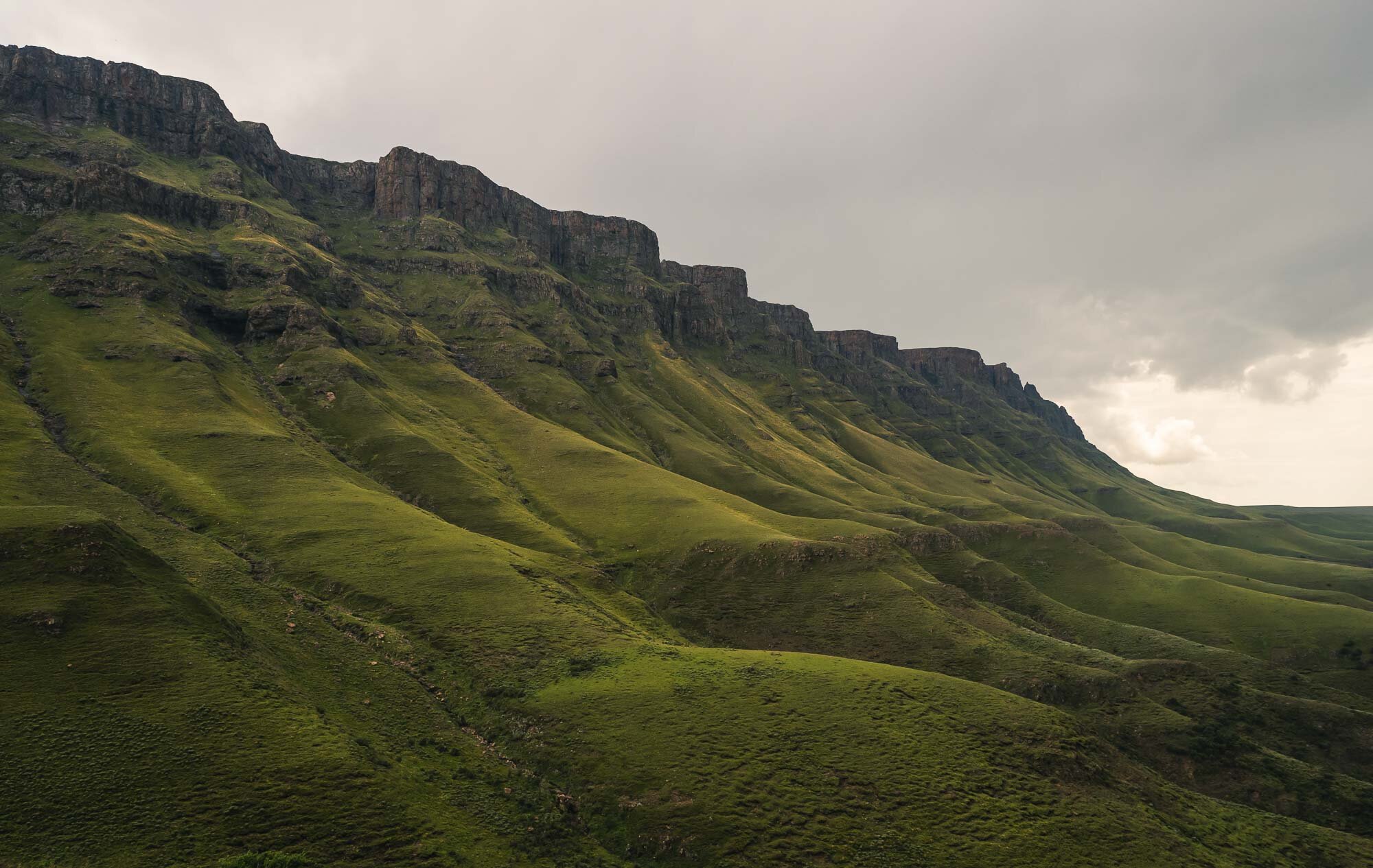
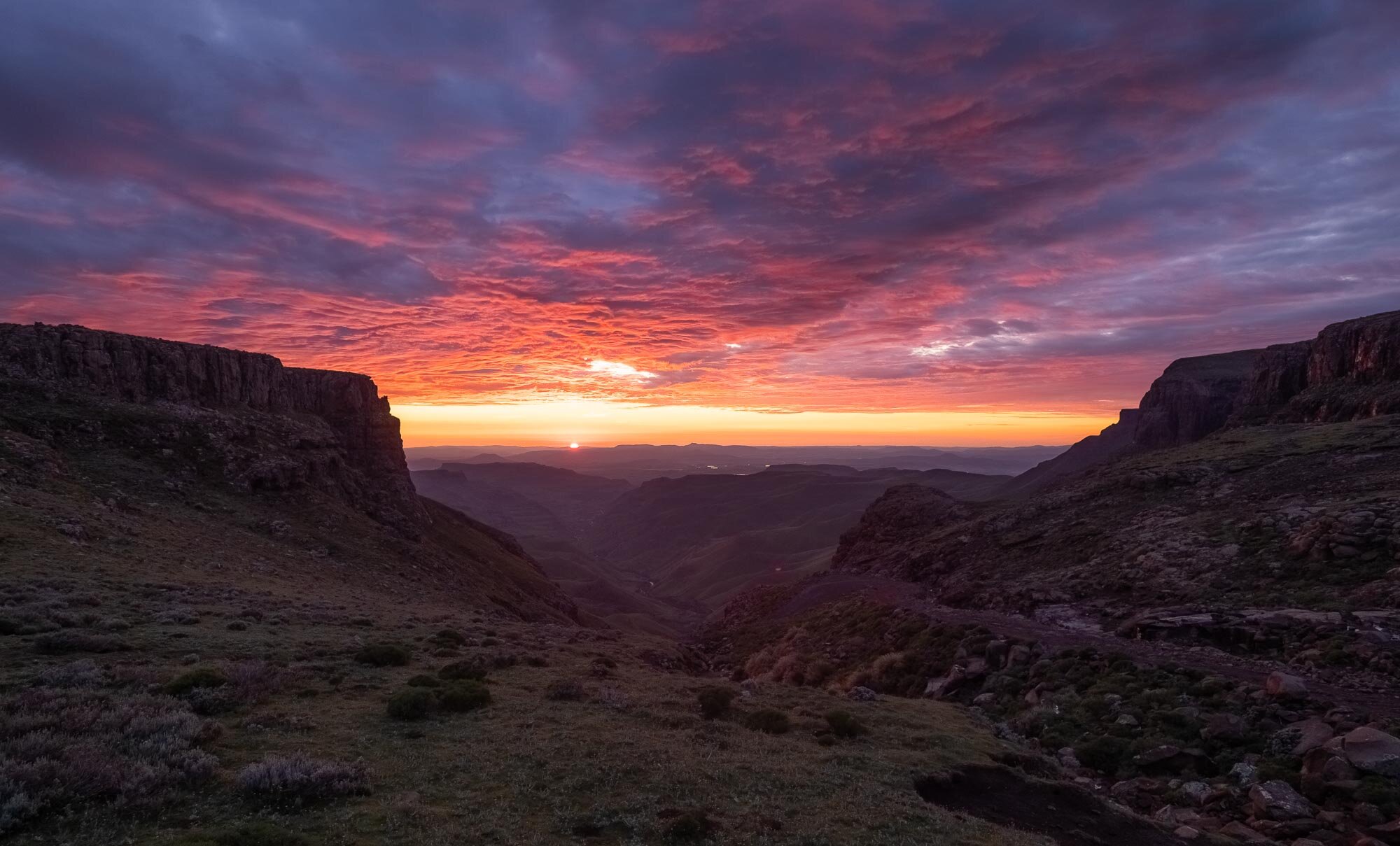
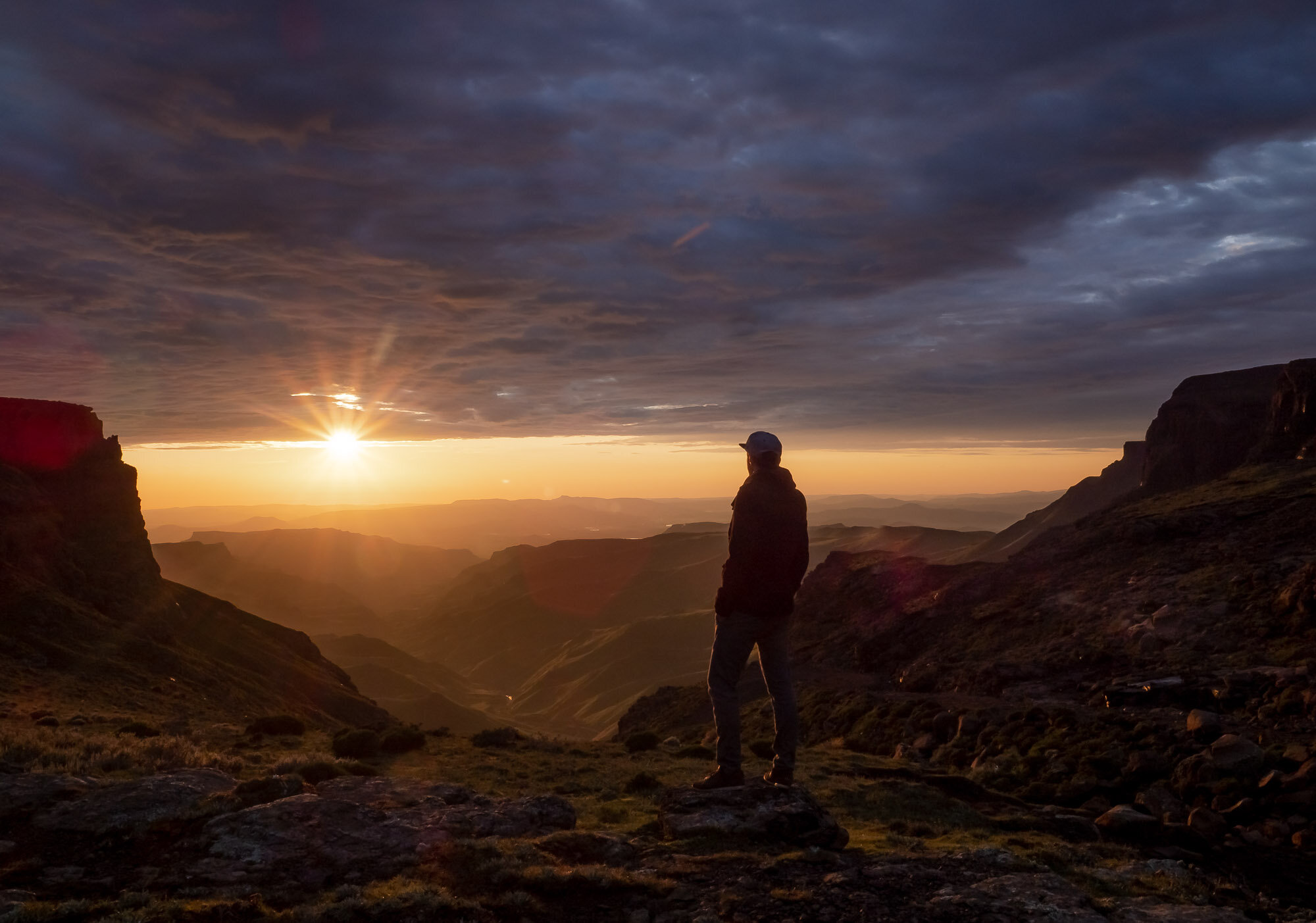
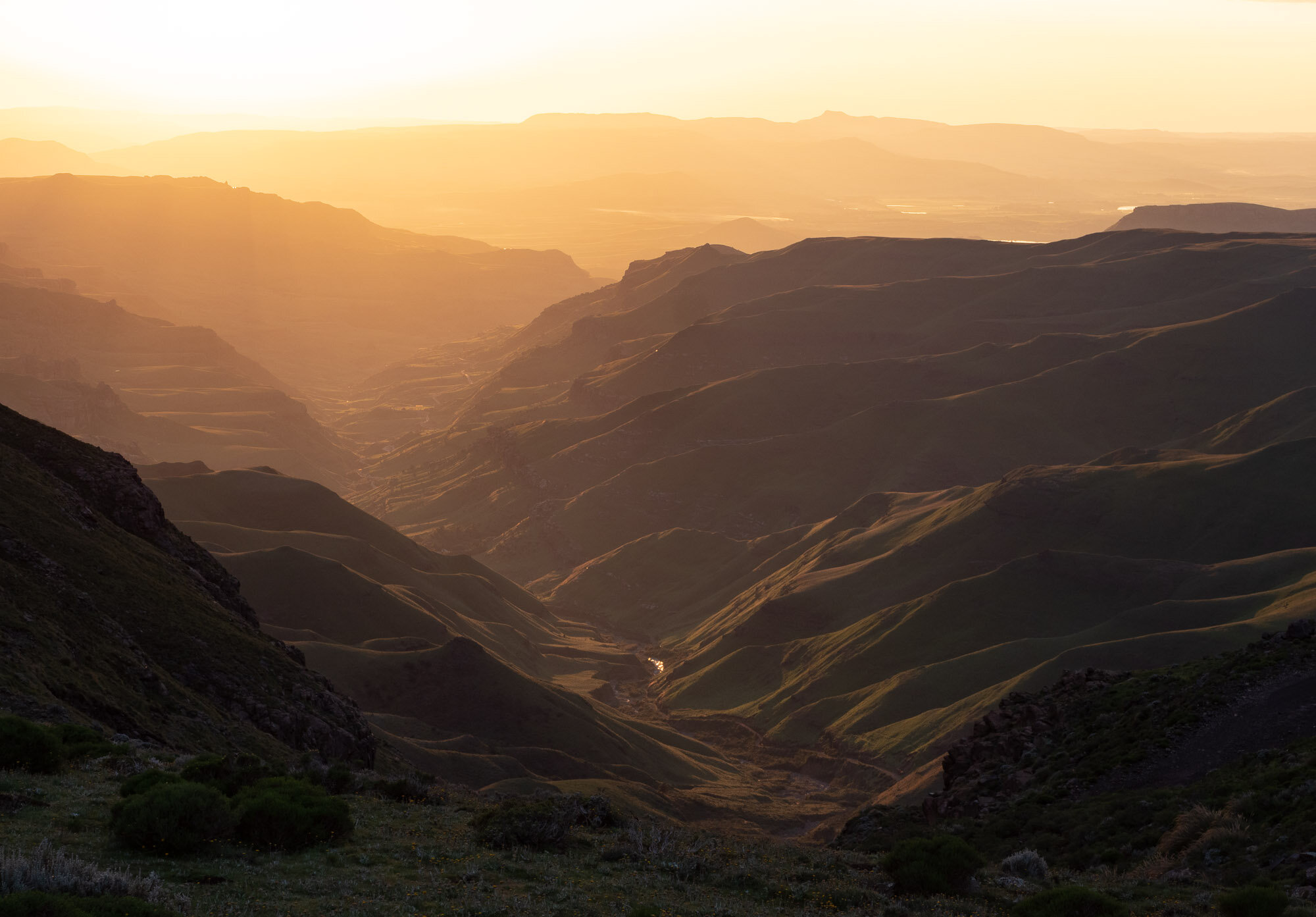
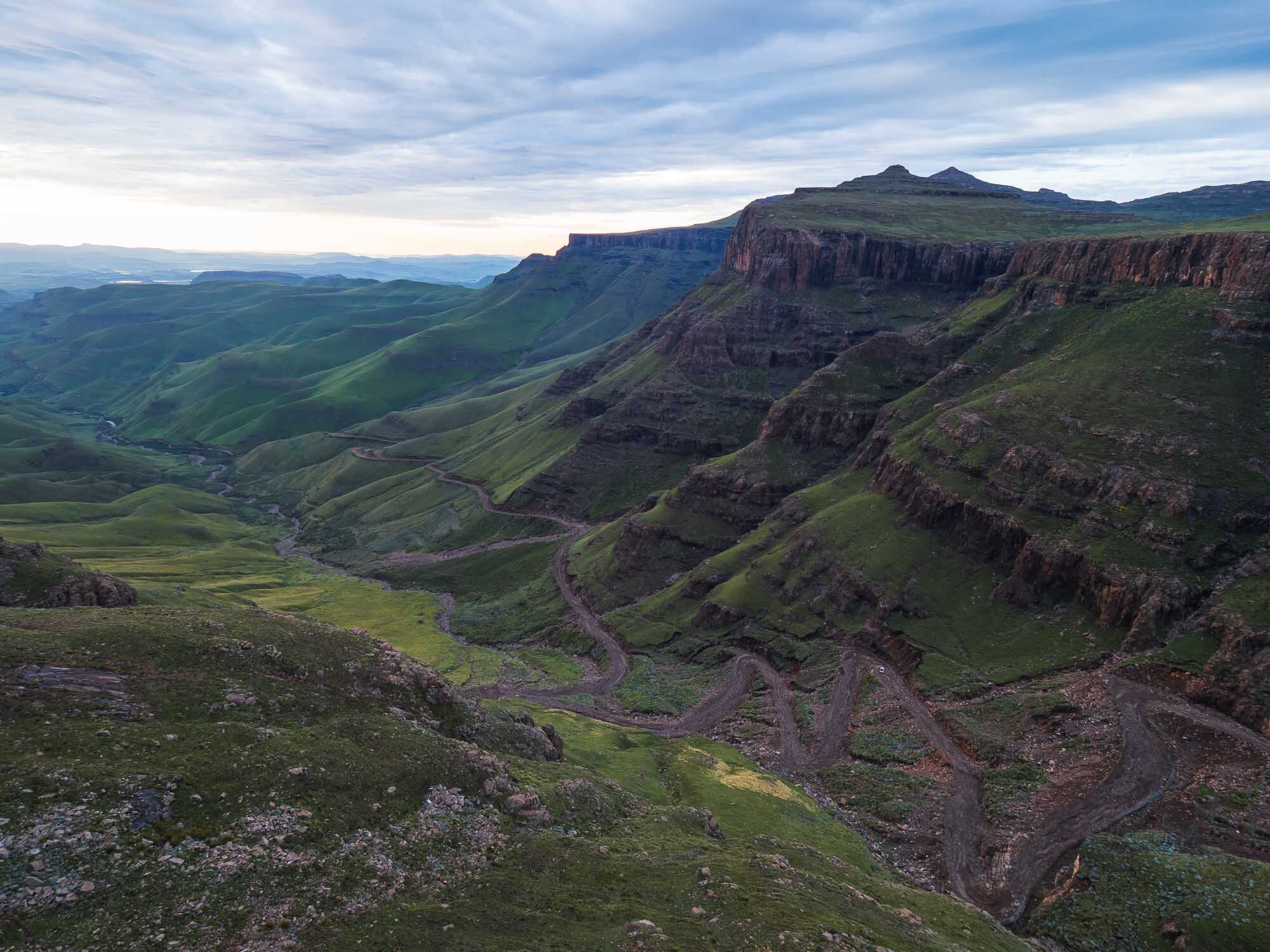
The second journey of our trip took us up the Sani pass to Lesotho, with its incredible mountain landscape.
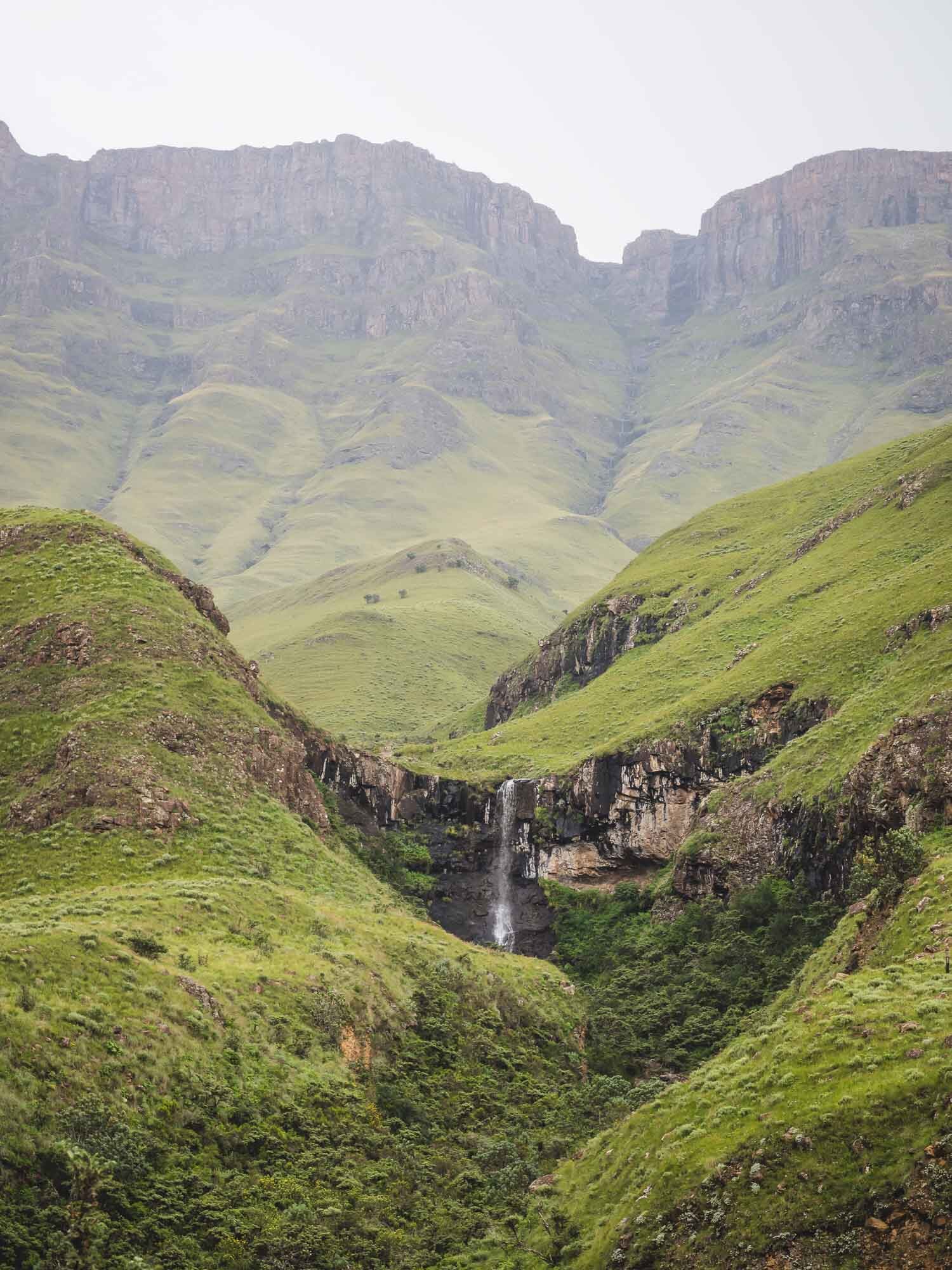
Waterfalls
One of the many falls on the way up, filled by the occasional showers that happened during the previous days.
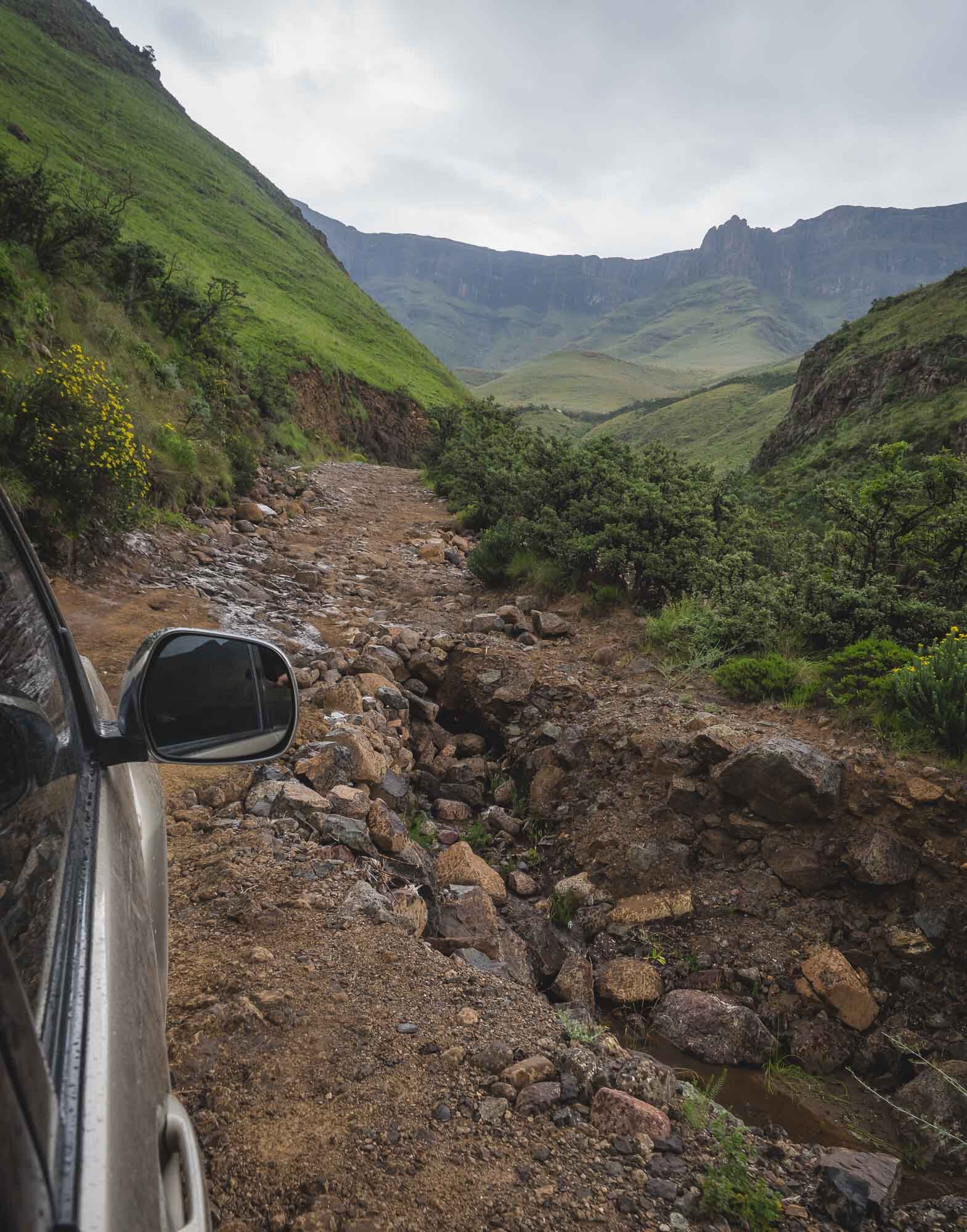
The "Road"...
...was at times hard to classify as such. It took us almost 2h to conquer the 8km stretch.
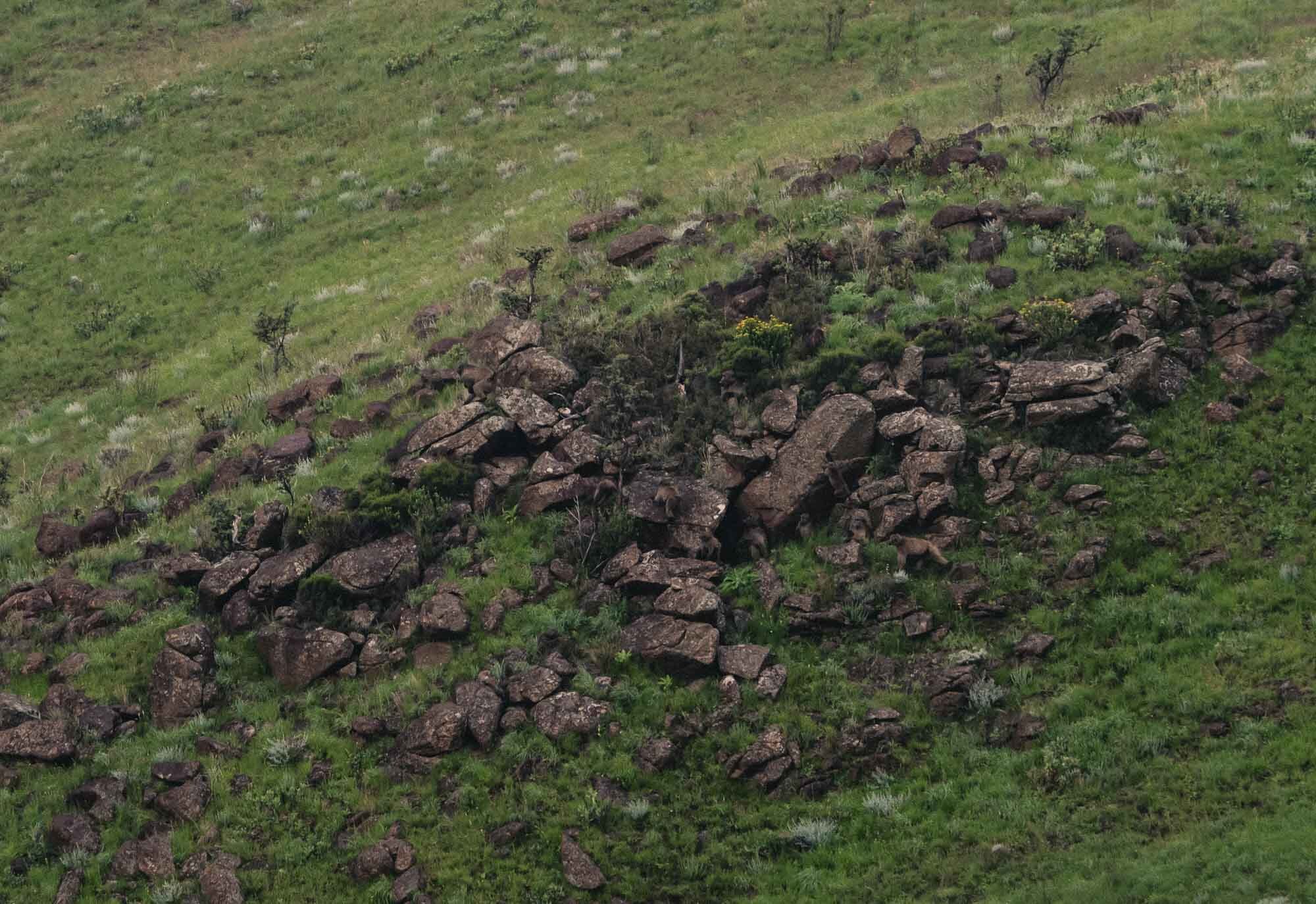
Baboons
How many of these apes can you spot here?
The 12 Apostles
While Cape Town has its own version, these are higher.
Shepherd
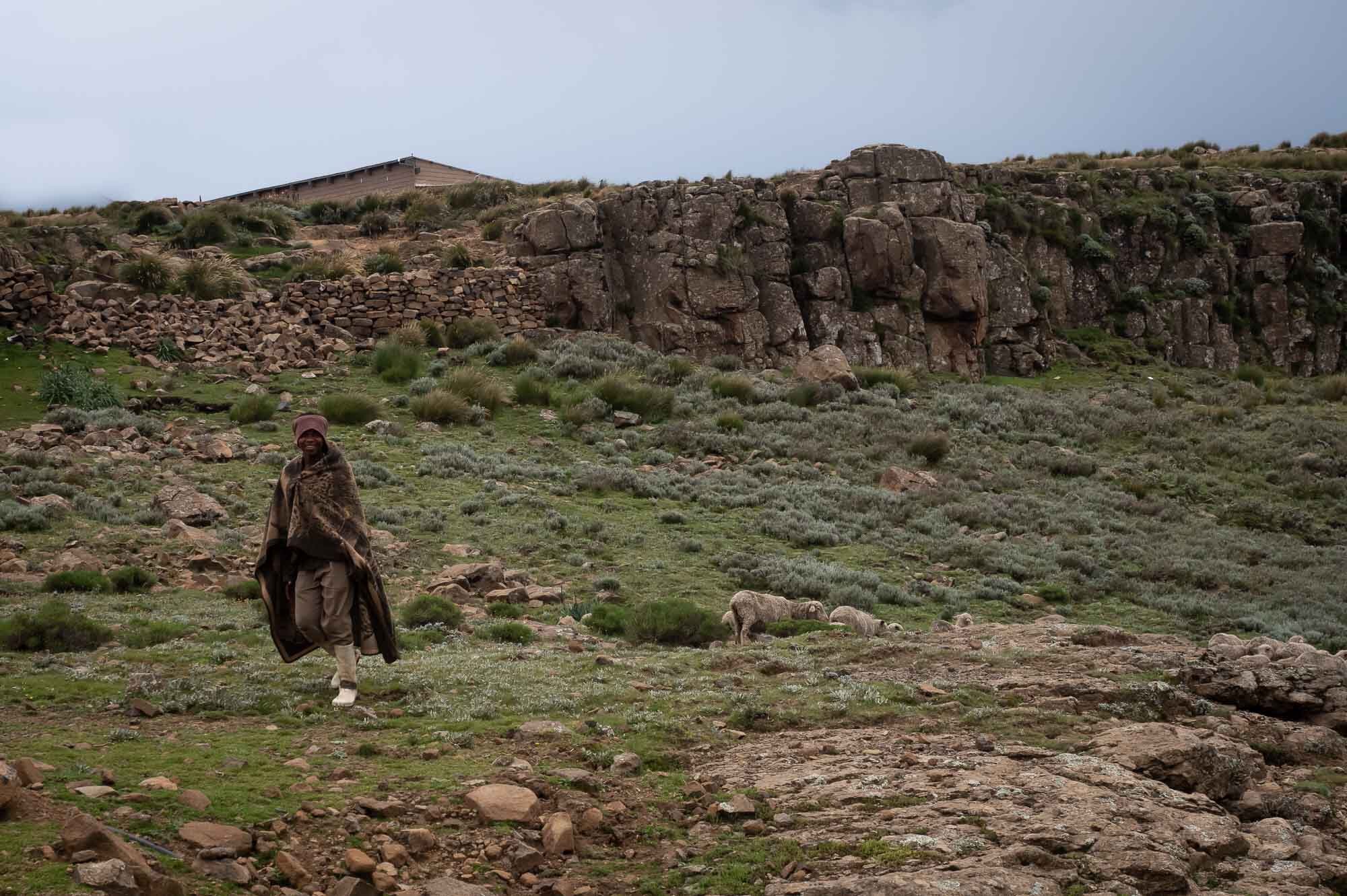
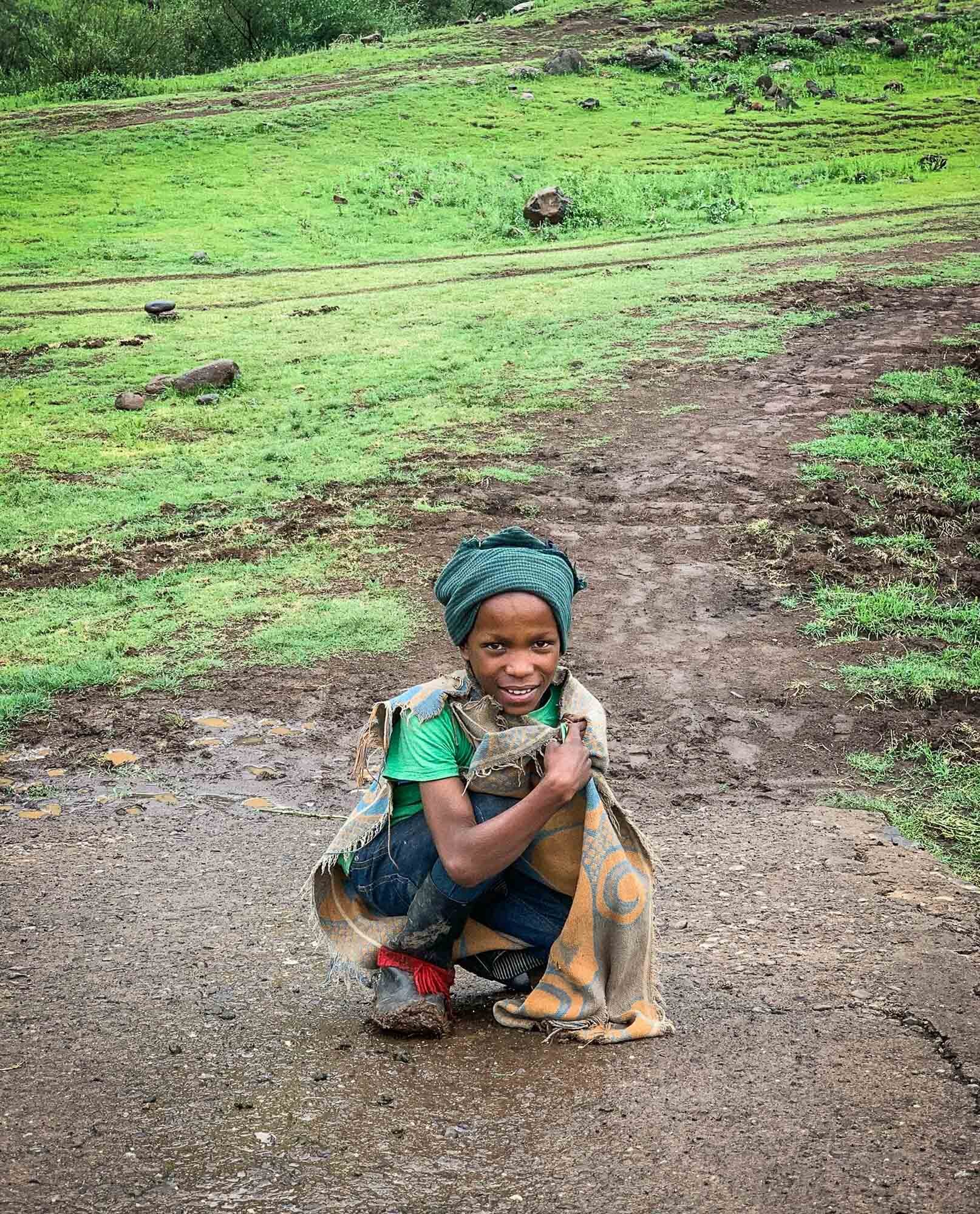
A local farmer in the traditional clothes.
Flag
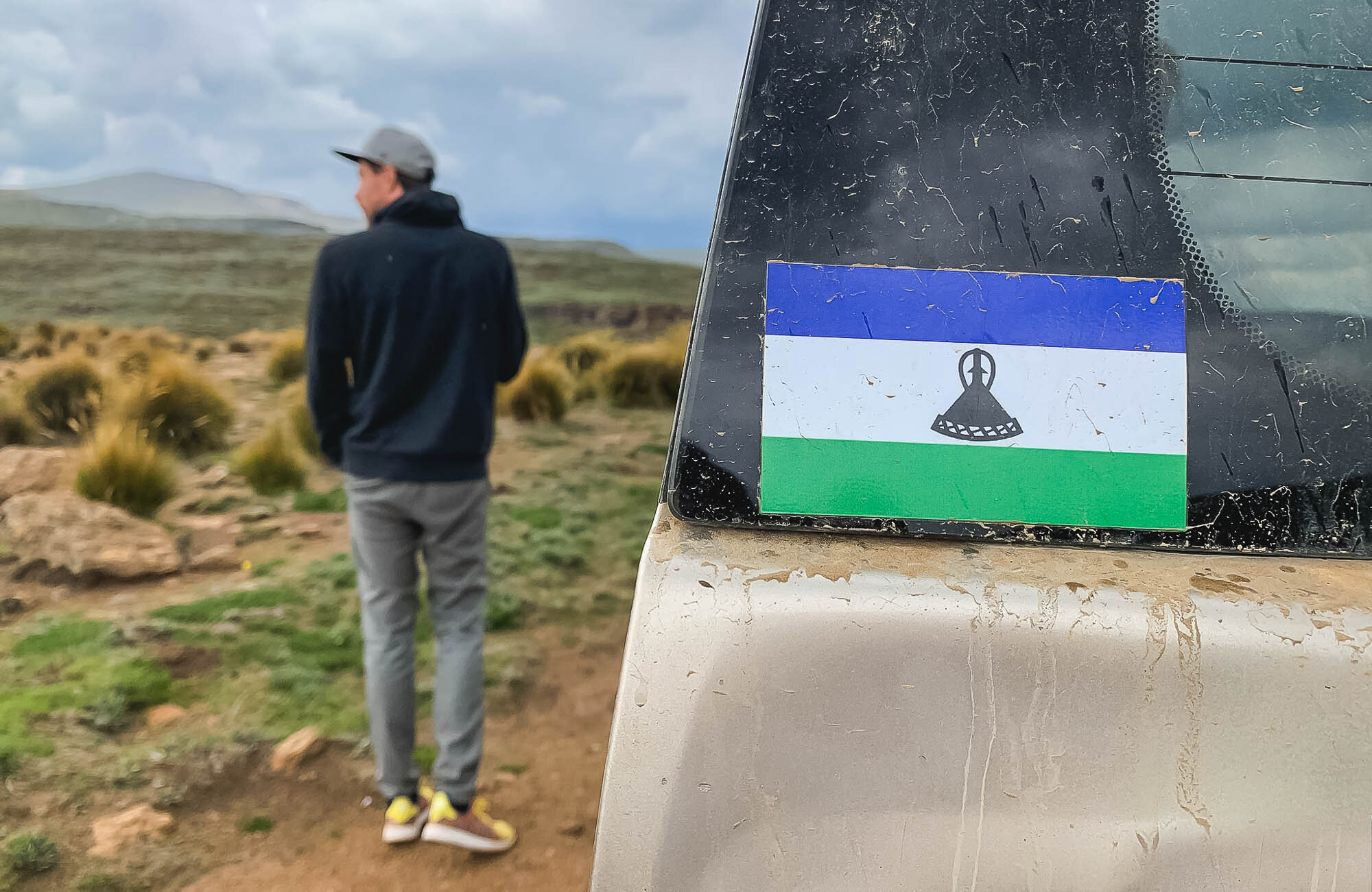
The flag represents rain / sky, peace and prosperity, adorned with a Basotho hat.
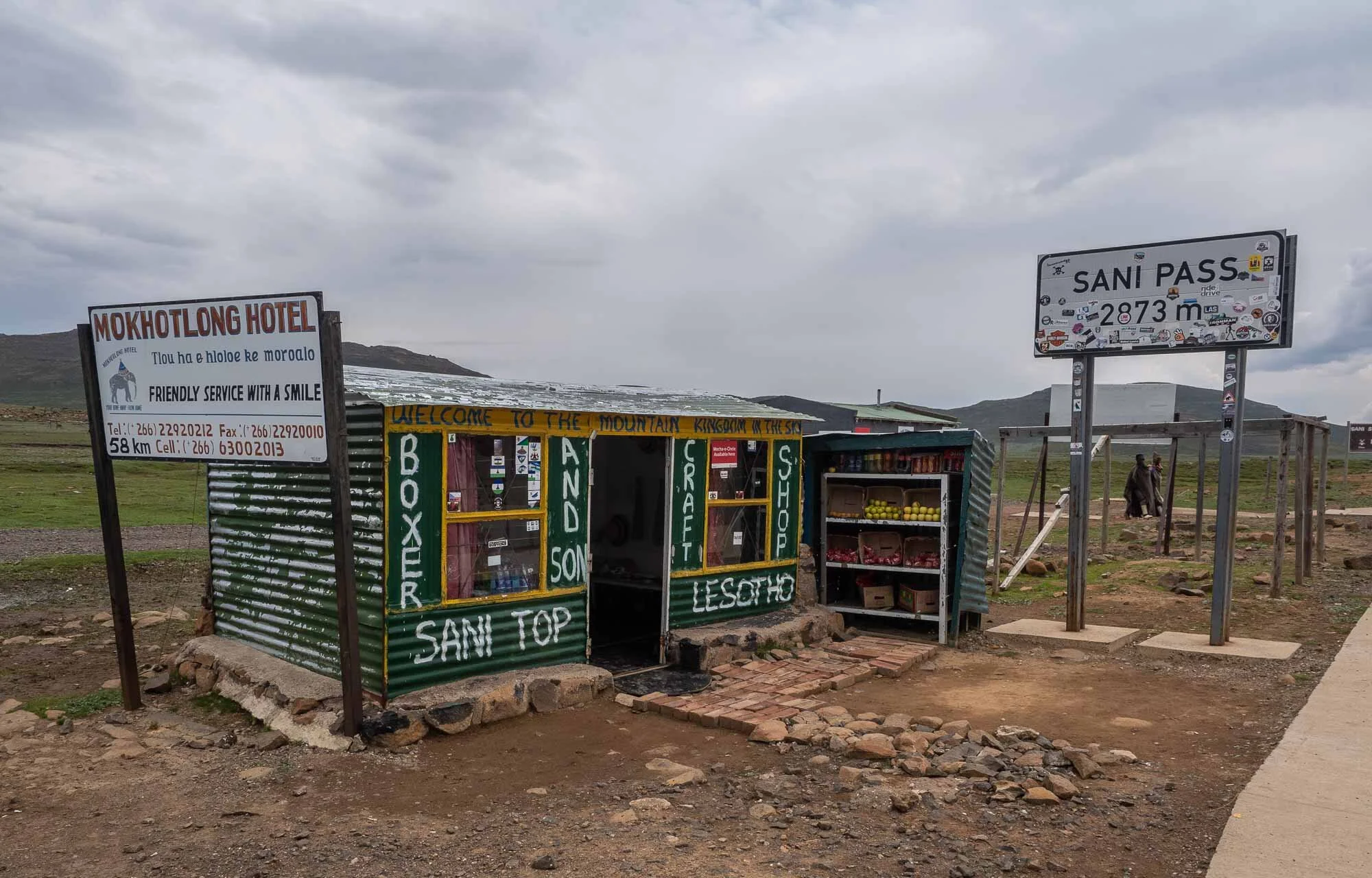
Sani Pass Border
The border into Lesotho - The Mountain Kingdom in the Sky.
Lesotho
The country has the highest lowest elevaton in the world. It's also one of only three that is an enclave within another country.
Farming and Animals
Two thirds of the country's income come from the agricultural sector.
The Road Inland
This road was built with Chinese support, in exchange for mineral rights in the country - a popular strategy in Beijing these days.
Rain
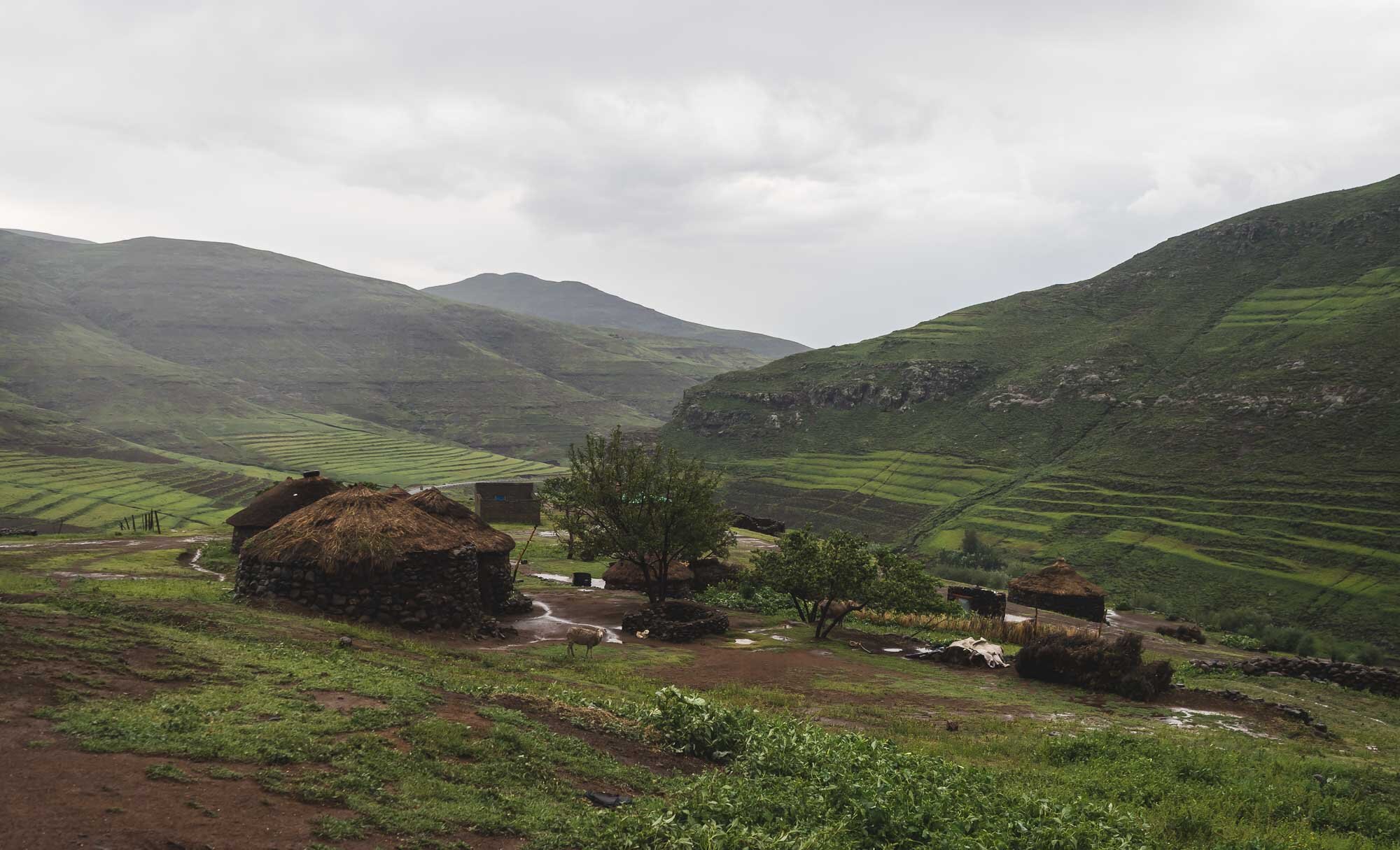
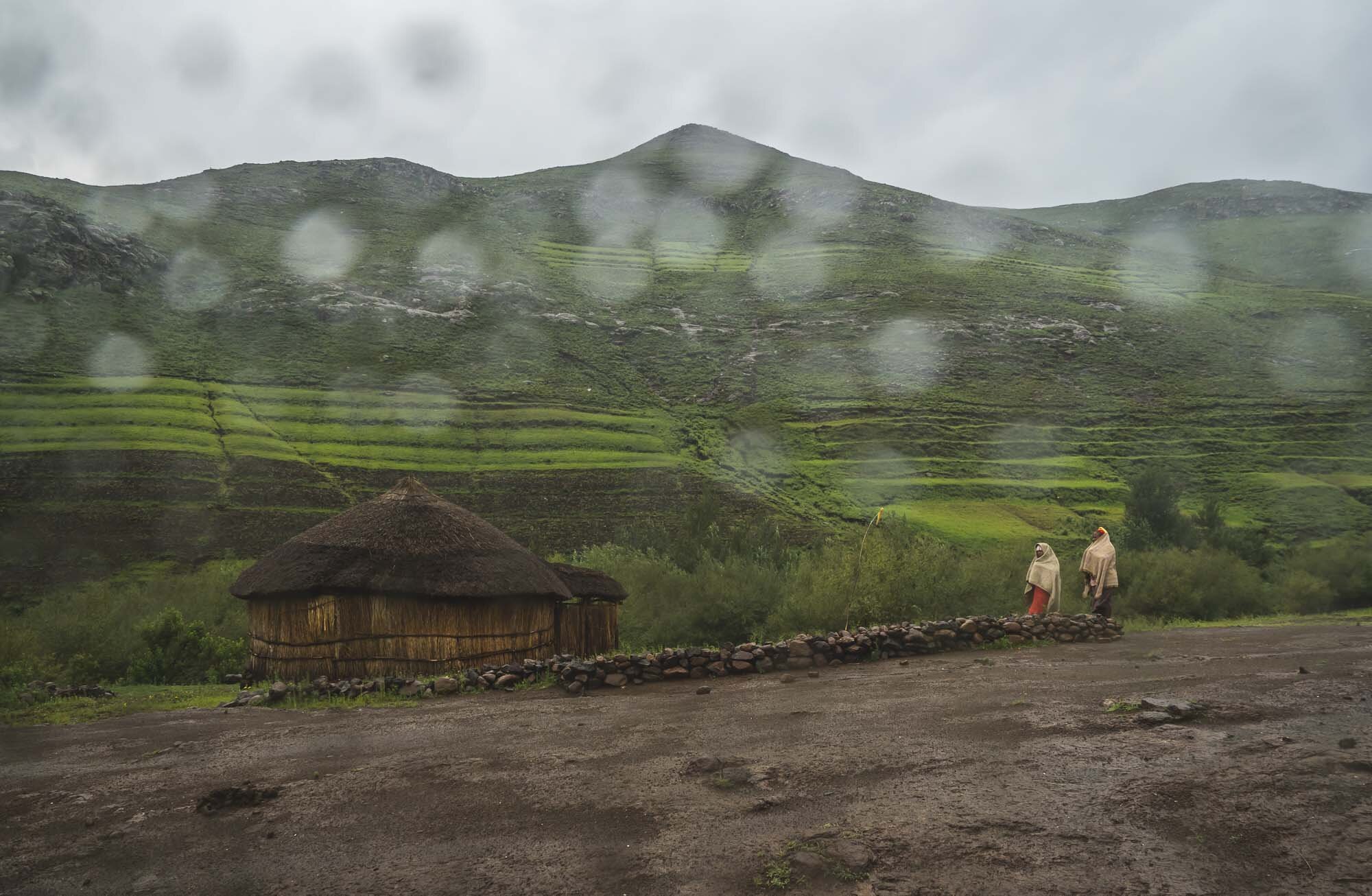
The weather had caught up on us, and we almost got stuck in a village as the only access was with a 4x4, crossing a small river that quickly swell into a raging steam.
View over the Village
The small settlement we visited stretches up into the hills.
Traditional Huts
Two locals rushing towards the traditional house in the village beyond the pass, trying to escape from the rain.
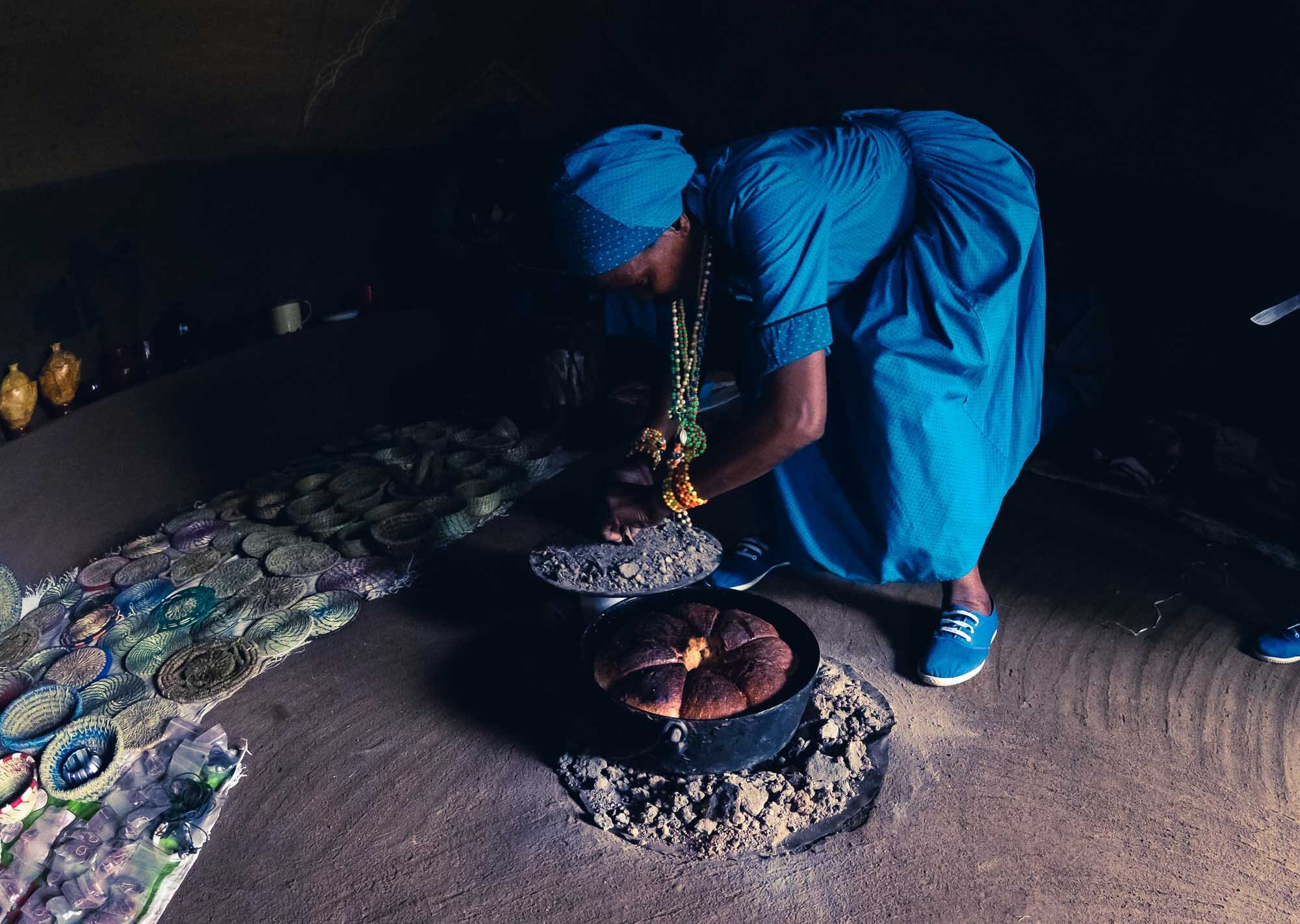
Bread Making
We got to see traditional bread making by a group of women.
Handicrafts
Selling these kind of accessories and gifts provides extra income for the locals, although there are very few tourists who make it up this far.
Bread Tasting
In the end, we got to try the excellent bread, freshly made.
Dance
Followed by celebratory dancing for special occasions.
Healer
We also visited the local healer, who taught us about the powers of the indigenous herbs. A dance in which I participated also took place (no videos of this exist, not at all!)
Healer
The village hospital owner!
Village Guide
Our village guide, a local girl with excellent English skills and a good sense of humor.
Smile
Disclaimer: I didn't manage to get this shot, the kid preferred to pose for more approachable people than me...It's such a good photo I didn't want to exclude it from the series.
Suitcase Car
You have to get creative with your toys in the mountains.
Sunrise
The rain just a day earlier formed some puddles in the rocks and along the pass that made for great scenery in the morning.
Atmosphere
The sun appeared for just a few minutes between the horizon and the lower cloud layer, but what an appearance it was...
A Glimpse of the Sun
While my hope was to be able to capture the Milky Way at night, cloudy skies made my 4am alarm ring for nothing - I was rewarded with a beautiful sunrise for getting up anyway.
Soaking It Up
Could not resist to document this moment for myself.
Into The Valley
A view further down into the pass towards the South African border post.
Pass Panorama
The view over the pass with its final steep switchbacks at the end. Only 4x4s are allowed to drive it, and the total height covered is 1332 metres. Notice the small white car for scale!
Flowers
What species is this bird taking a rest on?
The Highest Pub in Africa
Back at the pass, this place features surprisingly good food and an unbeatable view.
Sani Mountain Lodge
With the pub and at the same time our residence for the night.
Cosy
Our room for the night was one of these huts.
The Inside
Very comfortable, and even in the summer (or so they call it) the fireplace was a necessity.
Village Toilet
Minimalist, but functional (I suppose, I did not try it).
Hyrax
A small hyrax family resting in the sun on the way down. These animals are closely related to elephants (as you will know if you read my blog carefully and regulalry).
Durban
After the drive back down the pass, we had a few more hours to explore Durban, the third largest city of the country.
Durban Harbour
The third and last part of the journey was into Durban, the largest city in KwaZulu-Natal. One of its major features is the busiest port in South Africa.
Whilson's Wharf
A small waterfront complex with restaurants and shops, offering boat tours of the harbour as well.
Skyline Views
A flock of birds along the coastline pass in front of Boatman's Road.
Mode of Carrying
Keeping things on one's head is a common way to transport your grocery shopping.
Ingredients
For a meal or a healing potion? Who knows!
Hungry?
Things you can find in the Victoria market's meat section.
The Shop of Anything
If you need variety, this is the place...
Juma Masjid
Previously the largest mosque in South Africa, it was initially established on the site in 1881. One of the famous mini taxi buses is passing in front.
Emmanuel Cathedral
Just next to the Mosque is the main church of Durban.
Scenes
A typical view in front of Victoria market.
Moses Mabhida Stadium
The stadium was completed in 2009 for the World Cup in South Africa. The arch features a furnicular, the entrance of which is on the right. However, it was not operating, which was probably the most disappointing part of the trip.
Buraq Dam - UAE Mountain Bliss
For the Quadrantid meteor shower in early January. we chose to explore a new spot up in the Hajar mountains of the UAE - Buraq Dam.
While the dam didn’t have any water - in fact most of it looked very dry - during out visit, it offered a beautiful quiet and dark spot to look into the night sky, surrounded by mountains. The only downside: The flight path of the DXB runway runs almost directly above this area, so you get a lot of planes in the sky.
It’s a relatively easy drive about an hour out from Dubai, and only the last few hundred meters need a bit of careful driving if you’re not in a 4x4.
We had a few lucky moments dawn, starting to see some meteors after midnight on the northeastern side, but I could only capture two on photos - can you spot them?
This short timelapse video below gives an idea of the amounts of planes flying into DXB during the night, slightly disrupting the peace and quiet of the Hajar mountains.
Sicily - Island of Etna
Another beautiful wedding gave me the opportunity to visit Sicily, exploring Catania, hiking Mount Etna, and wandering through Acireale. Unfortunately three days are definitely not enough for the largest island in the Mediterranean, nevertheless you get a taste for the life across the Strait of Messina.
Sicily from Above
The island is characterised by a tendency of overfarming, and by the clouds hanging over the Etna, often accompanied by a thin layer of dark smoke from the volcano.
For Sale
A salesman with his goods near the main Piazza in Catania.
Piazza San Francesco d'Assisi
A man sitting in front of the Monumento al Cardinale Dusmet in Catania.
Roman Theatre of Catania
The theatre and Odeon were built on a pre-existing Greek structure. The lower part has sunk due to various eruptions and earthquakes, resulting in the city's underground Amenano river running through part of the center area.
Above History
This photo shows how modern houses had been built on top of the structure of the Roman Theatre in the last few hundred years.
Layers
This aerial capture illustrates how the site looked before excavations began and the houses built on top of the amphiteatre were removed. Even today, archeologists still discover additional sections and artifacts below and around the site.
Street Views
The Cathedral of Saint Agatha at the end of Via Giuseppe Garibaldi.
18th Century Violine
On display at the Castello Ursino.
Artifacts
The 13th-century castle features objects from monastery & painted crafts.
Scenery
A street corner in Catania.
Closing Up
The market street after the activities of the day have ceased.
Church of the Abbey of Saint Agatha
The interior of the church with its baroque style, common in Sicily's churches.
Porta Uzeda
The gate from 1695 built in typical Catanian baroque style acts as the entrance to the main Piazza.
Fontana dell'Elefant
The fountain with a Roman statue of an elephant carved from basalt, now the symbol of the city. The origins of the symbolism aren't clearly defined, with several tales competing for the truth...
Roof Structures
The domed roof of the Cathedral of Saint Agatha seen from Church of the Abbey of Saint Agatha's roof.
Fragile
A behind the scene view of the decorative elements of the church shows how intricate some of the work is.
Catania Views
The church allows visitors to climb the roof level, providing a view over Catania with the Etna in the background.
Facade
A woman looking at front of the Basilica della Collegiata from 1768.
Roman Amphiteatre
The 2nd century AD arena was one of the largest in the Roman empire, but only a tenth or so is visible and excavated today.
Via Etna
One of Catania's central roads.
Downwards
A narrow angled street in Catania lined with blossoming trees.
Sunset Skies
The front of the Church of St. Francis of Assisi.
Business
A group of Indian sales men and their starry balloons in front of the Cathedral of St Agatha.
Birds Eye
People walking below the umbrellas hanging above the market street in Catania.
Musical
A singer in Catania's main square.
On the Crater's Edge
A group of people walking at the edge of the 2003 craters.
Landscapes
The base of the Etna features a hilly and relatively barren terrain.
Cold
It was about 20 degrees less than on the ground up at 2800m.
Panorama
The drive up the Etna transitions to an increasingly brown, reddish and black landscape as you come closer to the end of the main road.
2001
The Southern flank of Mount Etna showing lateral cones and flow from the eruption of 2001.
Craters Silvestri of Mount Etna
The two smaller craters near the end of the main road, seen from the third and larger one, are from 1892.
Patches
The only greenery you can find on the lava covered mountainscape as the cable car ascends.
Flora
On the lower craters, there are still occassional bushes of colourful flowers, which slowly disappear as you go higher.
Evidence
Etna is one of the most active volcano's in the world, with plenty of recent evidence.
Transport
The cable car station isn't your last mode of transport - these vehicles take you up another few hundred metres.
In the Clouds
It's rare to have a clear sky around the summit of the Etna.
To the Top
A group on the path to the top summit, which is another 2-3h hike from the end of the 4x4 road. While this is where the active craters are, luck is needed catch a clear day for this hike.
The Summit
The top of mount Etna, engulfed by clouds at 3300 metres. Usually, the early morning (this was around 10:30am) is the best time to catch a clearer glimpse. Note the yellow tone of the sulfur filled sediments.
Cloudy
Patches of clouds also touch the lower summits of the 4x4 landing area, at around 2900m.
Colours
While from afar things appear of a more uniform blackish colour, looking closer at the ground reveals traces of sulfur, iron and more.
Warmth
Even the craters below the summit still have warm soil, once you dig a few centimetres.
A Bumpy Road
The way up is not exactly a highway, and the fine lava sand means the road needs to be flattened regularly.
Entertainment
An old cinema and comedy club in Acireale.
The Real Secrets...
...often lie below the floor of the churches of today, hidden from view unless you spot them through a drain hole, like in the case of this grave.
Ceiling Paintings
The illustrations on the Cathedral of Saint Mary of the Announcement.
Back Views
The roofline of the Cathedral and the Basilica of the Holy Apostles Peter and Paul on the right just behind.
Church Bells
You can climb up a few stairs to the Cathedral of Acireale's bell towers. While they both look identical, the one on the south is from 1655, while the one to the north, is from 1890.
Acireale
The view from the bell tower is unfortunately obstructed by a fence to keep birds out, but you can still see the majestic Etna in the background.
Triumvirat
The third major church in the centre of Acireale is the Basilica Collegiata San Sebastiano.
Procession
A wedding took place in the afternoon at Acireale's main square.
Just Chilling
The obligatory cat photo for this album.
Conversations
Problems with the Mafia or the wife, who knows what the topic may be?
Clarity
The clear waters of the Mediterranean sea engulfe the island.
Coastal Views
The town of Santa Maria La Scala lies at the foot of the cliffs on which Acireale sits.
Meridian
In the Cathedral of Maria Santissima Annunziata is a meridian noon mark designed and built in 1843 by the Danish astronomer Frederik Christian Peters, which I was lucky enough to observe at the exact time it was meant to illustrate.
The Unfinished Church of San Nicol
Just attached to the Monastero dei Benedettini di San Nicolò l'Arena.
Raw
The church feels as raw on the inside as it does from the outside.
Entrance
The staircases for the monastery may as well be host to a Harry Potter movie.
No Passage
Some doors are closed more permanently than others.
Courtyard
The monastery is one of the largest monasteries in Europe and a UNESCO World Heritage Site, but today houses the Department of Humanities of the University of Catania
Bridge
The bridge acting as entrance into the monastery from the back is one of the oldest parts of the building, with lava remains from the 1669 eruption that destroyed a big part of the complex still visible on the left side.
Lebanon - Crossroads of Cultures
In July 2019, a wedding of one my best friends gave me the chance to visit another country in the Middle East: Lebanon. The history of the country and its natural setting result in a truly diversified experience. Assyrian, Hellenistic, Roman, Phoenician, Persian influences are evident throughout the country, which features everything from beaches, green mountains, nightlife, skiing in the winter, and some of the most impressive ancient sites in the world.
In July 2019 a wedding of one my best friends gave me the chance to visit another place in the Middle East: Lebanon. The history of the country and its natural setting result in a truly diversified experience. Assyrian, Hellenistic, Roman, Phoenician, Persian influences are evident throughout the country, which features everything from beaches, green mountains, nightlife, skiing in the winter, and some of the most impressive ancient sites in the world. While there is work to do to improve the traffic situation and general conditions of its major attractions, and the political situation remains challenging, it’s absolutely worth a visit (or two). During the 5 days, I visited Byblos, Harissa, the Jeita Grotto, Baalbek and explored parts of Beirut. Oh, and even passed by the Casino du Liban, once my mum told me my late grandfather and uncle had been there in the 1970s.
Contrasts
The traditional Lebanese house overlooking the Mediterranean sea is situated just next to the ruins of the Byblos castle area.
Artifacts
The museum in the castle features ornaments going back more than 5000 years. Byblos was first occupied in 7-8000 BC, and continuously inhabited since 5000 BC, making it one of the oldest continuously inhabited cities in the world.
Ruins of the Roman City
The rendering on the left shows the eastern entrance to the Roman city, while the real ruins are currently undergoing reconstruction.
Trains
These tracks inside the castle district have not been used in a while - my guess is they were laid to transport stones and rocks during the excavations.
The King's Spring
Once the source of water for the city.
Temple of the Obelisks
Built over 3000 years ago, it was used for religious offerings.
Entrance
Looking towards the Sultan Abdul Majid Mosque, built in the 1600s, at the exit of the Old Souk from the castle.
Open Arms
A local man was happy to have his photo taken.
Preparations
A man - possibly the local Imam - preparing the area in front of the mosque for the Friday prayer.
St John the Baptist Church
The church was originally built during the crusades in the 1100s.
Interior
It isn't always open, but I was lucky to catch a glimpse at the sparse but imposing interior.
The Squad
Obligatory cat photo.
Messages
A door in the historic city quarters of Byblos.
The Fossil Museum
The Lebanese mountains are home to many fossils from up to 100 million years ago, some of which are on display and even for sale in the local museum.
Hiking Trip
I took a few hours to explore the Lebanese mountain ranges, here in the Bentael Nature Reserve.
Greenery
The mountains of Lebanon are home to a wide range of Flora.
St. John’s Chapel
Inside the reserve, you can find this hidden 12th century chapel cut into the rock. This is one of the three caves.
Up
Another one is not reachable by foot, and most likely was used only for shelter.
Beaches
The coast to the south of Byblos.
Byblos Old Souk
At night, the old souk in Byblos turns into a street of bars and entertainment. (Taken on iPhone XS)
Wedding Fun
The primary reason for my visit? The wedding of these two amazing people. NB: Lebanese weddings are crazy.
Historic Quarters
Much of the central part of the city is now filled with restaurants and courtyards.
Bay Views
Moving southwards to Jounieh, and the view from the Harissa mountain area.
Notre Dame du Liban
The statue is a Marian shrine & pilgrimage site for Christians & Muslims alike.
Modern Basilica
The moden cathedral next to the statue has a spare but impressive interior leaning on Brutalist architecture.
Echo
It produces amazing acoustics - I was lucky enough to hear a choir while visiting.
Basilica of Saint Paul
Just a few hundred metres away is the Basilica of Saint Paul, with its impressive mosaic lined walls and roof.
Detail
The decorative features of the illustrations in mosaic are incredible.
Téléphérique
The gondola lift taking you up and down the mountain. Note the manual release mechanism of the gondolas.
Squares
Beirut offers many interesting architectural details.
Crossroads
Lebanon's population is more or less half Christian, half Muslim. Churches are built side by side with Mosques.
Mohammad Al-Amin Mosque
This modern mosque was built in 2008. During its construction, archeologists discovered Roman ruins just next to the site.
Saint Georges Maronite Cathedral
With the Roman ruins of the Beirut downtown area in the foreground.
Ottoman Style
The mosque follows the monumental Ottoman architecture.
Artifacts
A decorated wall somewhere in downtown Beirut.
Bechara El Khoury
Zokak el-Blat was one of the more affluent Beirut areas, and home to many palaces, now abandoned, like this one.
Streets
The rarest thing in Lebanon? A helmet.
Parking
An empty lot between two buildings in Beirut.
Exhibitions
The Beirut souk area features regular exhibitions and events.
Prince Monzer Mosque
Greenly lit at night.
Into the Mountains
We took a trip to Baalbek into eastern Lebanon, which takes you over the central mountain ranges. While sparsely populated these days, parts of it become very busy in the winter when the skiing season kicks in. Yes, you can ski in Lebanon. The white statue of Saint Charbel in the background.
Tents & Huts
Local farmers live in temporary tents up in the mountains.
Unusual Crop
No comment.
Stairs
The stairs leading to the Temple of Jupiter in Baalbek's complex of ancient ruins. It is the largest of the Roman world, but today only a few columns - currently under restoration - remain.
Temple of Bacchus
This second century temple, dedicated to the god of wine, is one of the best preserved ruins of the Roman empire.
Columns
Another view of the temple from the Great Court.
Friends
A local that is selling Roman coins and guidebooks to tourists wanted to be part of my album.
Great Court
The exterior walls of the Great Court. A basilica was later built inside the courtyard.
Bustan al-Khan
The ruins of Heliopolis, as Baalbek was called in Hellenic times, are today some of the most significant in the world. This section, south of the Temple of Jupiter, is a portico with twelve columns.
Stone of the Pregnant Woman
The podium of the temple complex includes 3 stones weighing 800 tons each. Even larger ones, among them this one, were found in the nearby quarry, weighing up to 1800 tons each. The original method of construction remains an archeological mystery, but the quarry was slightly higher than the temple complex, so some form of folling the stones to the site was probably used.
Overview
I hiked up a nearby hill to get an overview of the site. The Temple of Jupiter is visible with the pillars under restoration at the moment, thus covered in scaffolding. The Temple of Bacchus just in front. The entire complex was fortified later under Arabic rule, but not touched much anymore since the 14th century. There is a third temple, the Temple of Venus, not visible here, to the right of the Bacchus temple, as well as the Temple of Mercury, on the same hill this photo was taken from, but very little is left of it. To the very left is Bustan al-Khan.
Sayyida Khawla Mosque
The golden roof makes this mosque hard to miss.
Military Presence
Given the close boarder to Syria, military posts and check points are still omnipresent in this area.
Digging
A team led by a German archeologistc is digging in the area east of the temples, to determine if further excavations would make sense.
Raouche Rocks
These two rocks are probably the most famous of Beirut's landmarks.
The New Lighthouse
While this one opened in 2003, it has been the same family that is responsible for Beirut's nightly guiding light for the past 150 years.
The Old Lighthouse
It was built in the 1920s, but when an influential businessman constructed a taller building in front, a new one closer to shore was needed.
The illustrious M
The BMW M badge seems to be highly coveted in Lebanon, and thus applied generously.
La Maison Rose
Another one of Beirut's abandoned palaces, this one is located directly on the hill on the north western tip of the Ras area. While the door was open, a very official letter posted at the entrance, and the questionable condition of the staircase, didn't quite give me the confidence to walk inside.
Power
Lebanon is famous for its regular power outages. One can only guess as to what may be the reason for such occurences...
Alignment
A bit of planning and the right spot allowed me to get the postcard shot, with the sun setting between the rocks, while a boat of tourists cruises around them.
Flying
A couple watches a plane approaching Beirut's Rafic Hariri International Airport.
Cave
Unbeknownst to the diners above, the coastline in front of the famous rocks features a beautiful cave structure below.
Strange Things
What are they, why are they here, and how did the car get in between them - these and other questions come to mind.
Mini Marina
A small harbour is perched in between the rocky coastline of Beirut.
The Dark Side
One is sometimes tempted to apply a little photoshop and get the perfect photo - but the reality of the site is full of garbage and plastic, as seen here. In general, the country would be well advised to take better care of its beautiful setting.
Jeita Grotto
The small road leading up to the cave is closed for cars - a cable car brings you to the top if you don't want to walk.
No Access
One of the team members of the Grotto's staff waiting for the next group to arrive.
Respect the Grotto
The rules are strict, and phones and cameras are not allowed to be taken inside. Having met and listened to the General Manager of the site who has build and looked after most of the attraction since it reopened after the war in 1995, it was clear that his passion for keeping the attraction in a pristine state is behind the rules, and they seem to be working.
Artworks
The office of the General Manager of the Grotto features paintings of school children as part of a competition. As he explained to me, judges made them draw an outline of the painting on the back while evaluating the submissions, to be sure it was really the children who were responsible for the work.
Opportunity
However, after a brief exchange I was deemed trustworthy enough to visit the Grotto after hours. While I didn't have much time inside, it was an incredible experience, for which I'm very grateful.
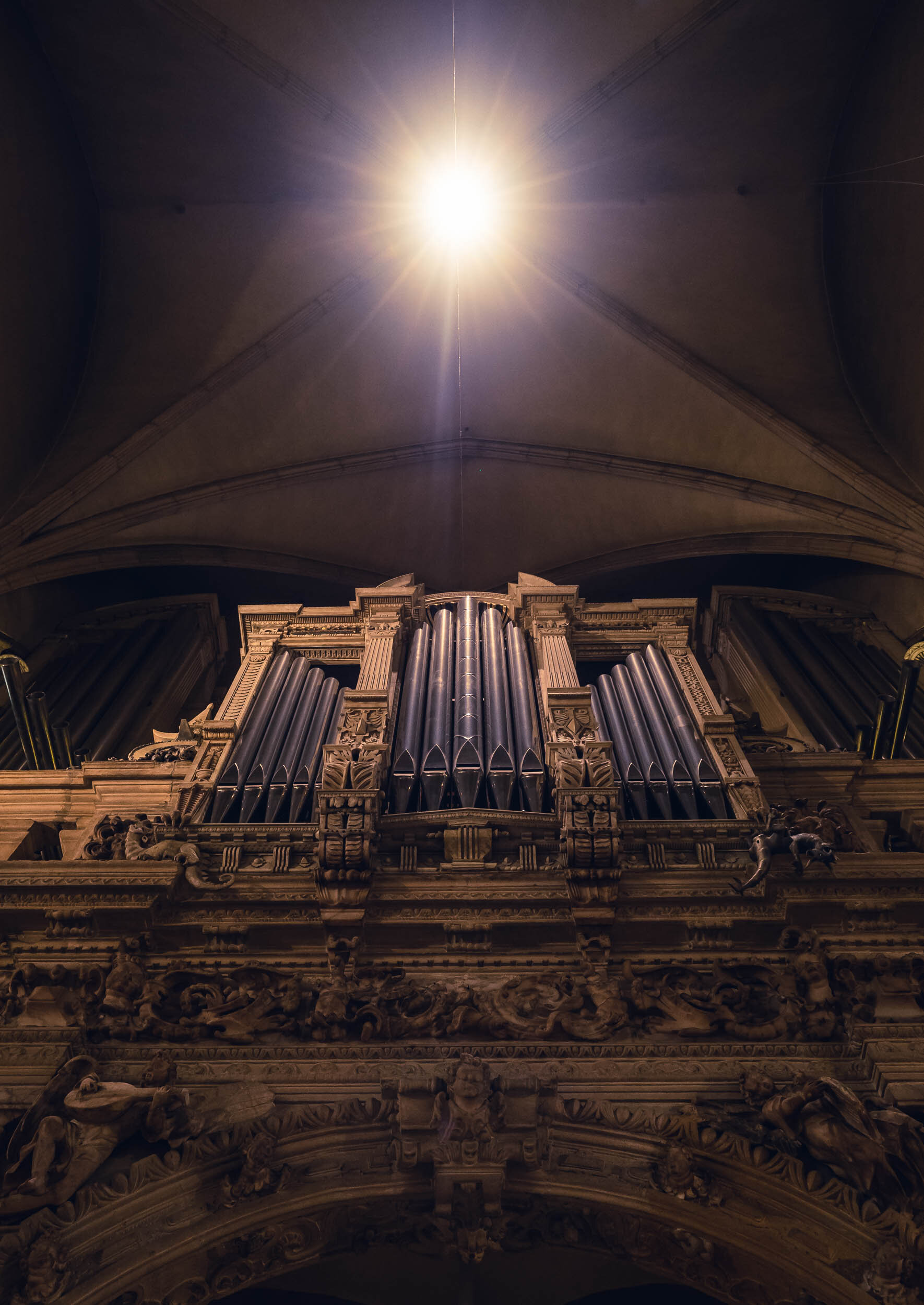
Lighting
One of the most impressive feats is the way the Grotto has been lit up by the team, accentuating the shapes, contrasts, and colours, in the right places.
Tunnel
About 50m in, visitors walk through a tunnel connecting the accessible chambers.
Puddles
While there are several spots where the water drips from the ceiling (side note - this is much more amazing if you get a chance to be in the cave in absolute silence like I was) water collects in only a few spots in the Upper Grotto.
Scale
Note the viewing platform on the top left, providing a sense of scale in this photo. The space is enourmous.
Depth
The total length of the two interconnected caves is almost 9km, but not all of it is accessible.
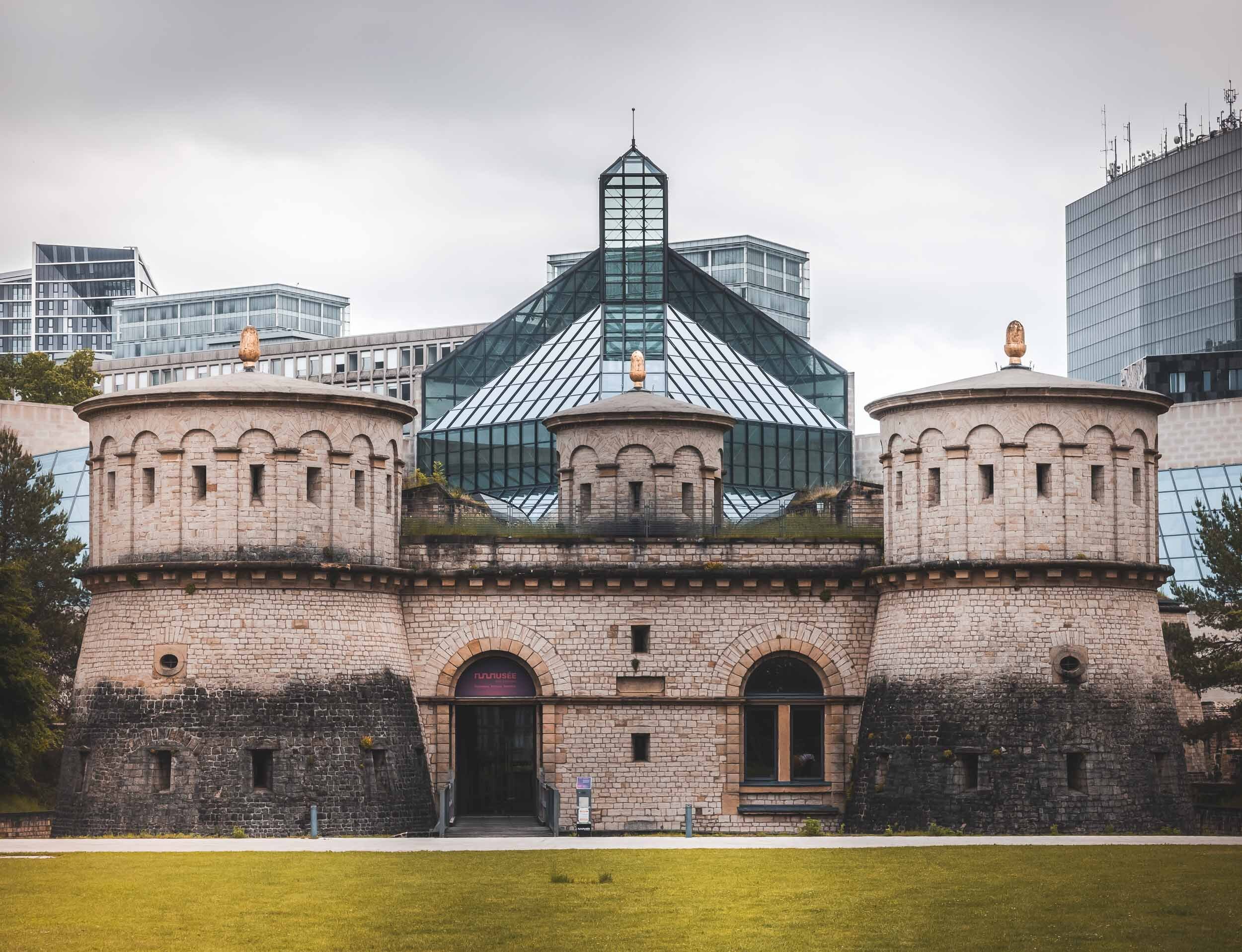
Into The Deep
Looking down into a part of the cave not accessible on the walkway, past the third and tallest chamber with an impressive height of 120m.
River
The underground river that runs into the second ower grotto, provides drinking water to more than 1 million people. You can get a glimpse of it on the bottom center in this photo.
Water
A close up between the tight gaps in the rocks reveals the river, 50m down from the platform.
Walkway
A total of the three chambers are accessible to tourists in the Upper Cave, lined with walkways to avoid damaging the natural environment.
Climb
As you make your way up the 5th or 6th flight of stairs, you truly start to appreciate the size of the chambers.
Upwards
A view upwards in between the karstic limestone rock formations.
Flow Control
Water dams and valves have been set up to control the power of the river out of the grotto.
Classic
There are many old cars in Lebanon, but not many in this condition.
Owner
The owner is visibly proud of his vehicle.
Last Evening
The end of my stay came with a beautiful red sunset and a nice dinner with the people that were the reason for the trip.
Puglia - Italy's South at its Best
A recent wedding invitation gave me the opportunity to explore the south of Italy a bit more, specifically the region of Apulia, or Puglia in the native language. 2 days of driving from Bari through Polignano a Mare, the Grotte di Castellana, Alberobello with its Trulli houses, and the white city of Ostuni gives you a great impression of the typical architecture, food and nature around this part of Italy.
A recent wedding invitation gave me the opportunity to explore the south of Italy a bit more, specifically the region of Apulia, or Puglia in the native language. 2 days of driving from Bari through Polignano a Mare, the Grotte di Castellana, Alberobello with its Trulli houses, and the white city of Ostuni gives you a great impression of the typical architecture, cityscape, and nature around this part of Italy.
Polignano a Mare
One of the most famous towns on the coast of Apulia, with the Lama Monachile, also known as Cala Porto, beach area surrounded by cliffs and houses.
Statua di Domenico Modugno
Famous for the song Nel blu, dipinto di blu - or commonly known as "Volare".
Coast View
The view from the northern cliffs towards the cirty.
Postcard Beach
The city's most famous spot, seen through the rails of the Roman bridge.
Little Church
A tiny church in the older parts of Polignano a Mare.
Up
Looking towards the sky between the tightly built houses.
Cliffs
There are many small balconies and other spots in the city to enjoy these views.
Cityscpe
Typical southern Italy impressions.
Riverbed
What I presume is a riverbed that was once flowing into the sea, and now leads to the famous beach, crossed by the Roman bridge.
Roman Bridge
The aforementioned bridge connecting two parts of the city.
The Adriatic Sea
Beautiful water and good temperatures in July.
Unnatural Cliffs
Built on top the actual limestone rock are the houses framing the famous beach.
Unused
No one has been sitting here in a while.
Don't Come Closer
Obligatory cat photo, as I moved on from Polignano a Mare to the Grotte di Castellana.
Trees
While Dubai does have more greenery than one would expect, you do miss this kind of view from time to time.
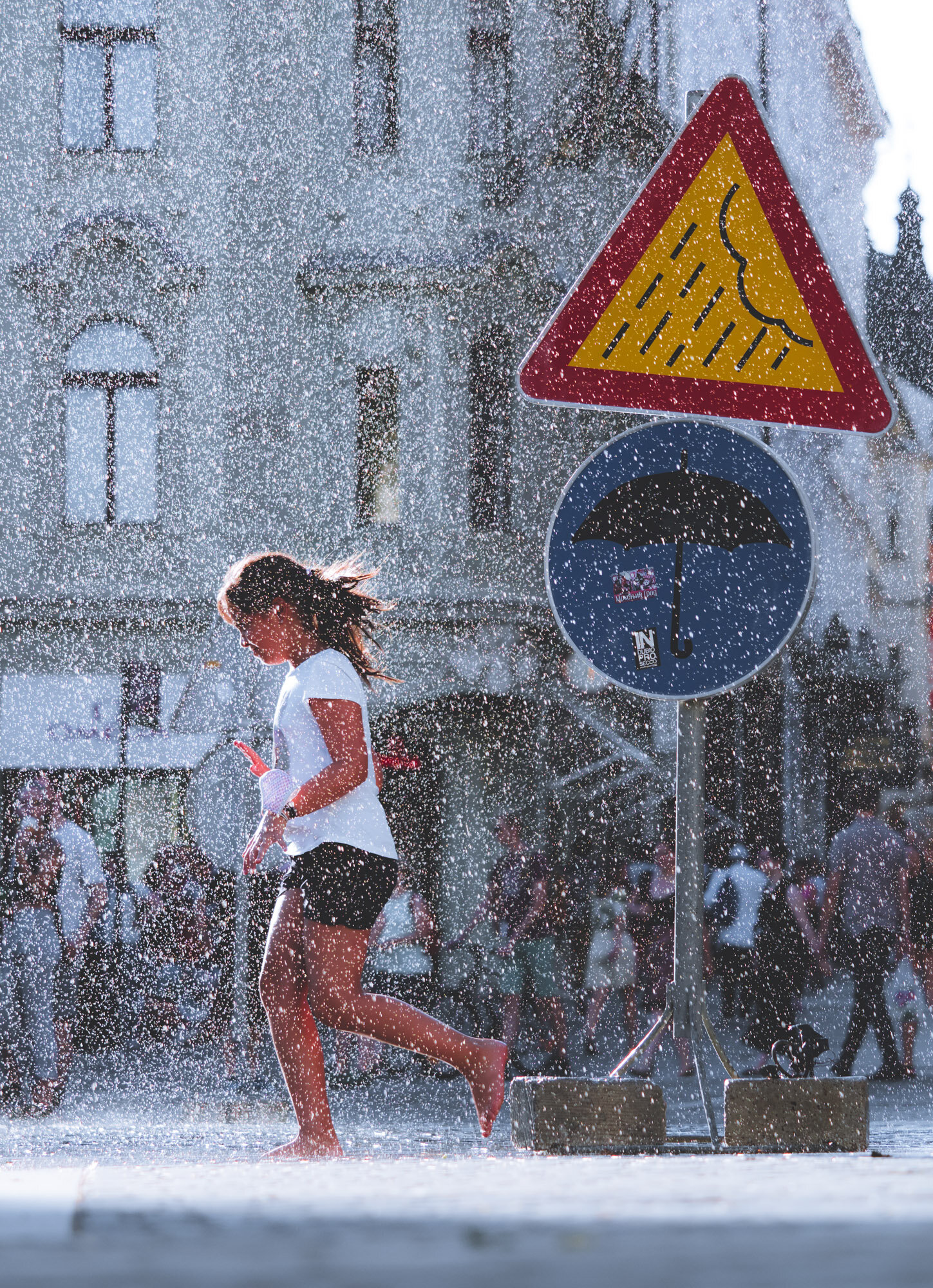
Grotte di Castellana
The main cave of the system, which is 3km overall. It's the only one with an opening to the outside, and also the only one you can take photos in.
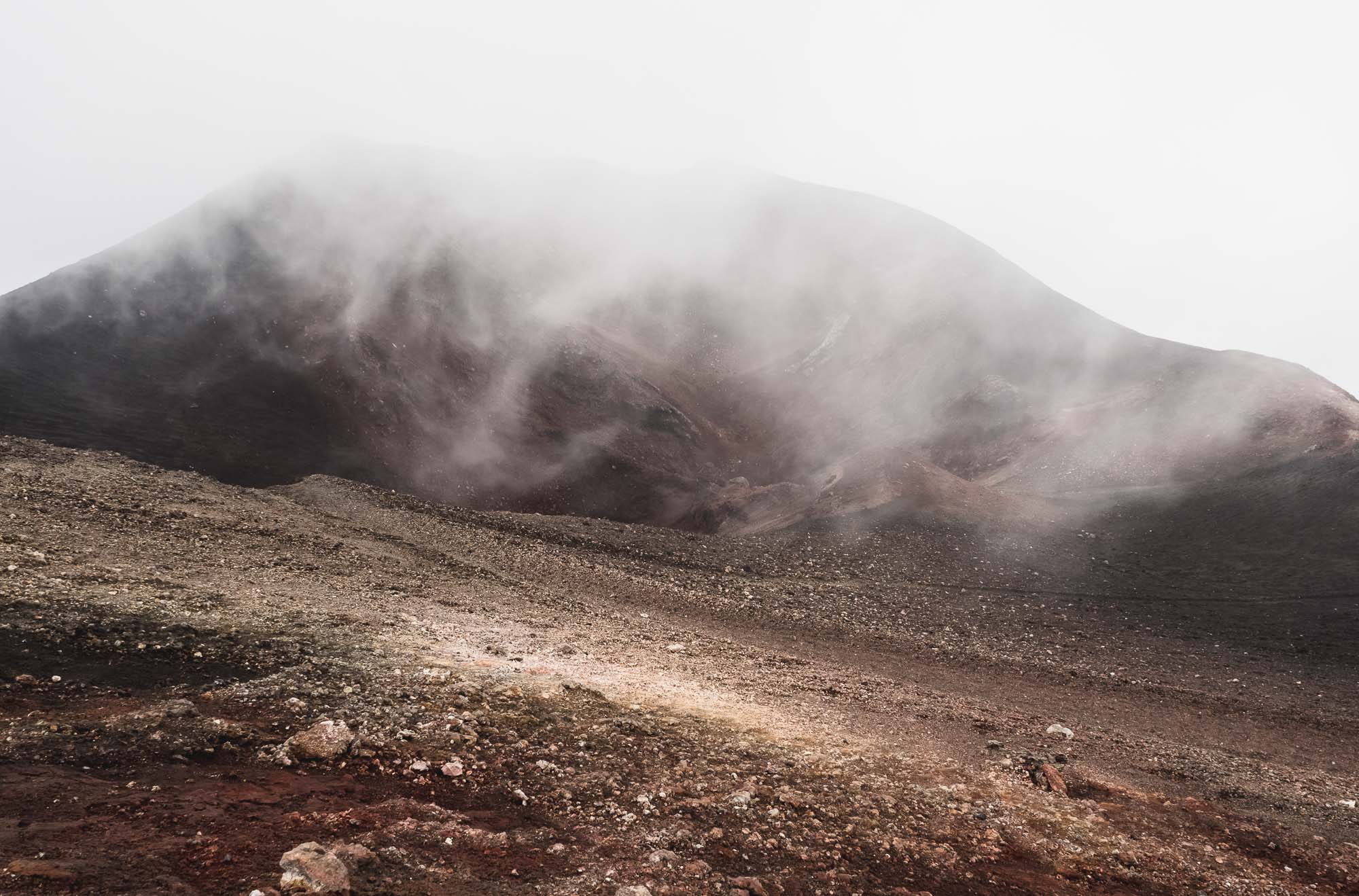
Stalactites and stalagmites embellish almost every wall in the caves. Humans for scale...
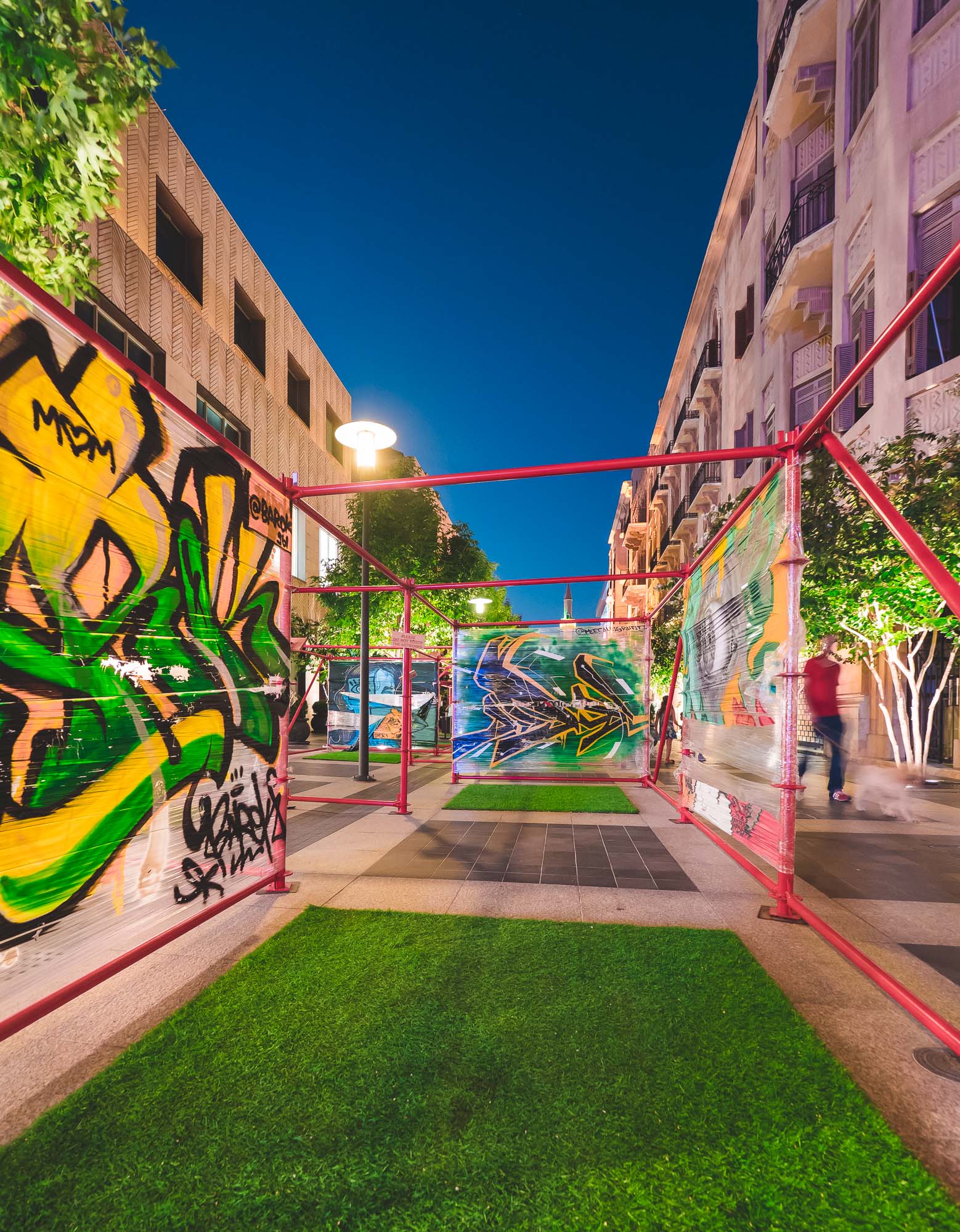
Backward
Looking backward to the main cave as you descend deeper.
Downwards
This is the hole connecting the main cave to the outside world - it's hidden by trees and bushes, but can be viewed directly from the street.
Alberobello
The next stop was Alberobello, famous for its Trullo buildings.
Trullo
The traditional Apulian dry stone hut with its conical roof.
History
Generally thought to be temporary storage or accommodation, these houses have been around for 200 years and more.
Legend
It is said that the houses were made of dry wall so they could be easily dismantled when tax inspectors were in the area, as historically Apulia had high property taxation.
Protected
The area is a UNESCO world heritage site.
Basilica of Saints Cosmas and Damian
The centre of the religious history of the city.
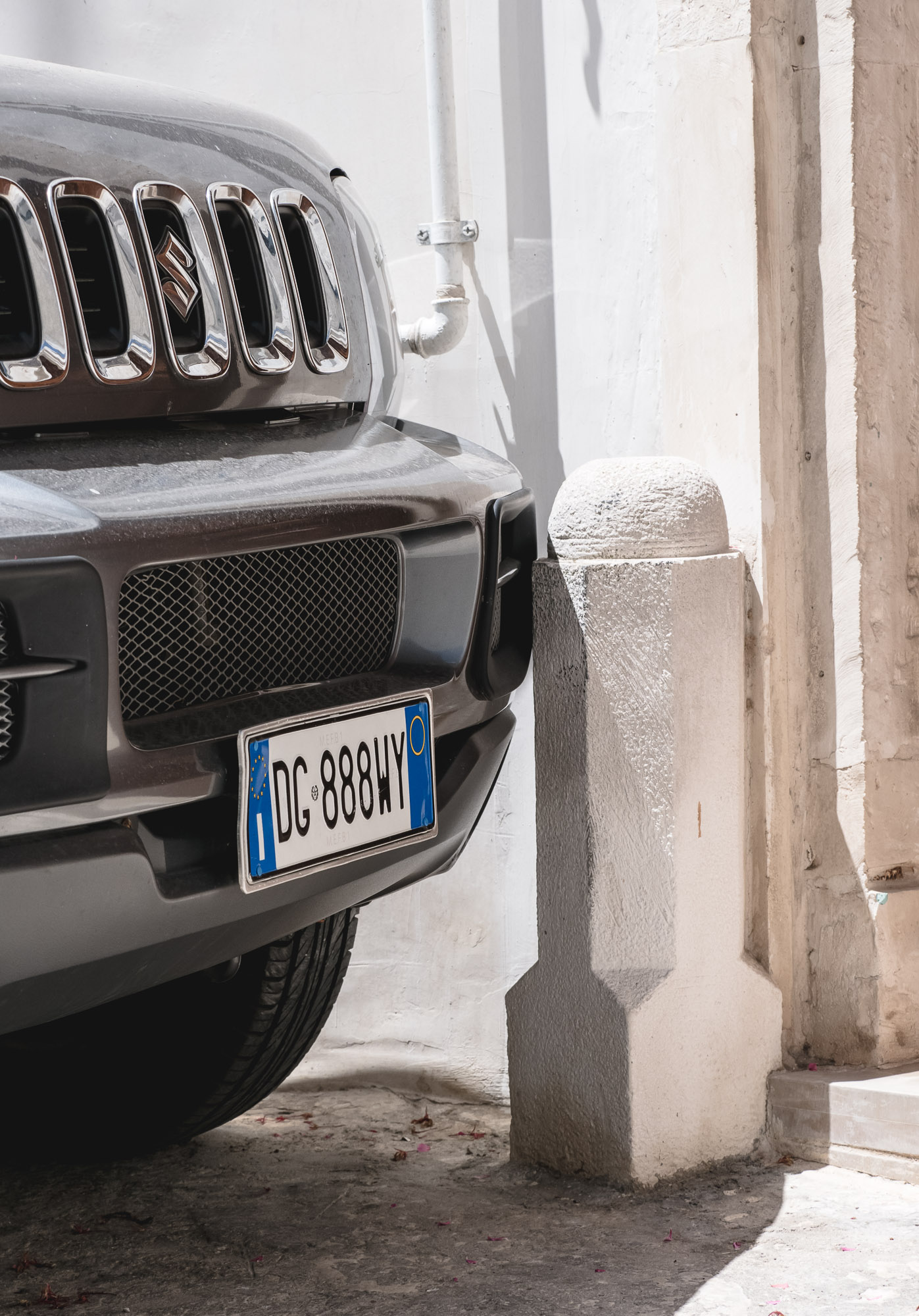
Casa d'Amore
A national monument, named after its former owner, for its role in the victory against the tyranny of the counts in the 18th century.
Conversion
Most of the Trullo houses have been turned into shops, tourist attractions, restaurants and small hotels.
Ostuni Streets
One of the many stairs in the city.
Ostuni
Or aptly nicknamed "The White City"
Interior of Ostuni Cathedral
The ceiling creates an impression of additional space beyond the roof.
Succulent Door
Typical scene with plants framing doors and windows.
Streets of Ostuni
The arched streets are a typical feature of the city.
Just Chilling
The life of a cat.
Narrow
Even for humans, this is a one way street.
Modes of Transport
Not made for anything bigger than a Smart.
Support
The city was remarkably - and pleasantly - quiet. Not sure it would withstand hords of people.
City Walls
The wall surrounding the elevated plateu on which Ostuni's historic centre is located.
Tight
As I said, not much space for anything bigger than a Smart.
Plant Stairs
Even without a door, stairs must be decorated with some plants.
Blossoming
One of the main streets of Ostuni.
Landscape
Views over the Apulian landscape, with its many olive tree fields.
Towards the Sea
A road leading eastwards.
Olive Trees...
It's said that there are over 50 million olive trees in Apulia...
And more Olive Trees
...producing 40% of Italy's olive oil.