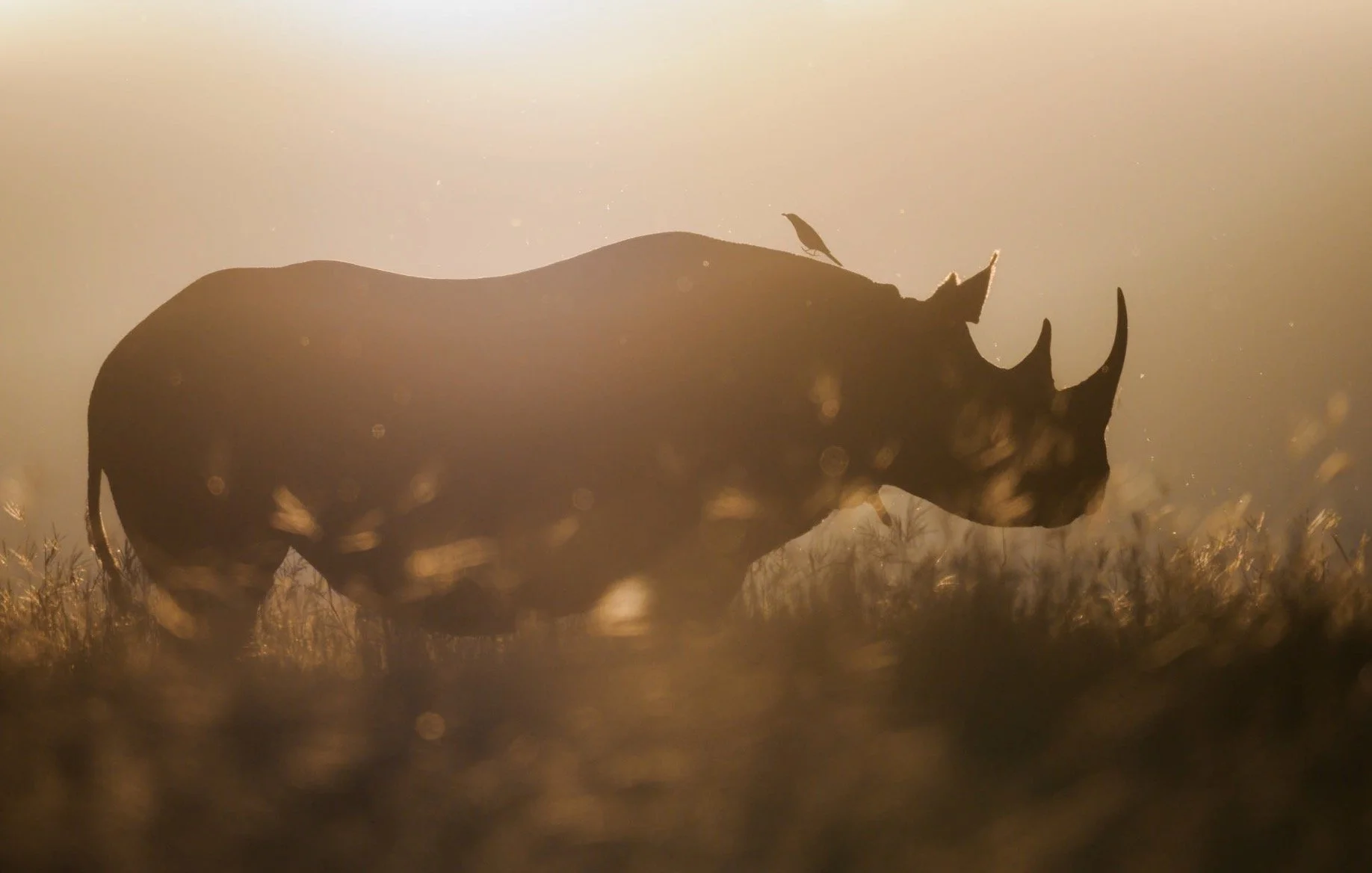
Ol Pejeta - Kenya’s Rhino Capital
One of the strongholds for both black and white rhino, and home to the last two northern white rhinos in the world, Ol Pejeta’s conservation work is critical to the species.
This blog isn’t really meant to be a wildlife portfolio, but I can’t deny that the wilderness of Africa is one of my favourite travel destinations. That’s partly for the landscapes (Namibia stands out), the unexpected (check out the dinosaur footprints in Zimbabwe), or the conservation efforts (see my trip to Amboseli for IFAW), but of course also for the animals you can find here. This is another blog focused on the latter. I promise though there will be future entries again covering other parts of the world, with cityscapes, landscapes, and possibly a few humans as well…
For now, we are going back to Kenya, not far from where I had the joy to photograph Giza, the famous black leopard. Specifically, a conservancy called Ol Pejeta, at the foot of Mount Kenya. This region is rich in wildlife, but stands out for one species more than all others: Rhinoceros.
I’ve wanted to come here for a few years, having followed the faith of a specific type of rhino for a while…but one thing at a time.
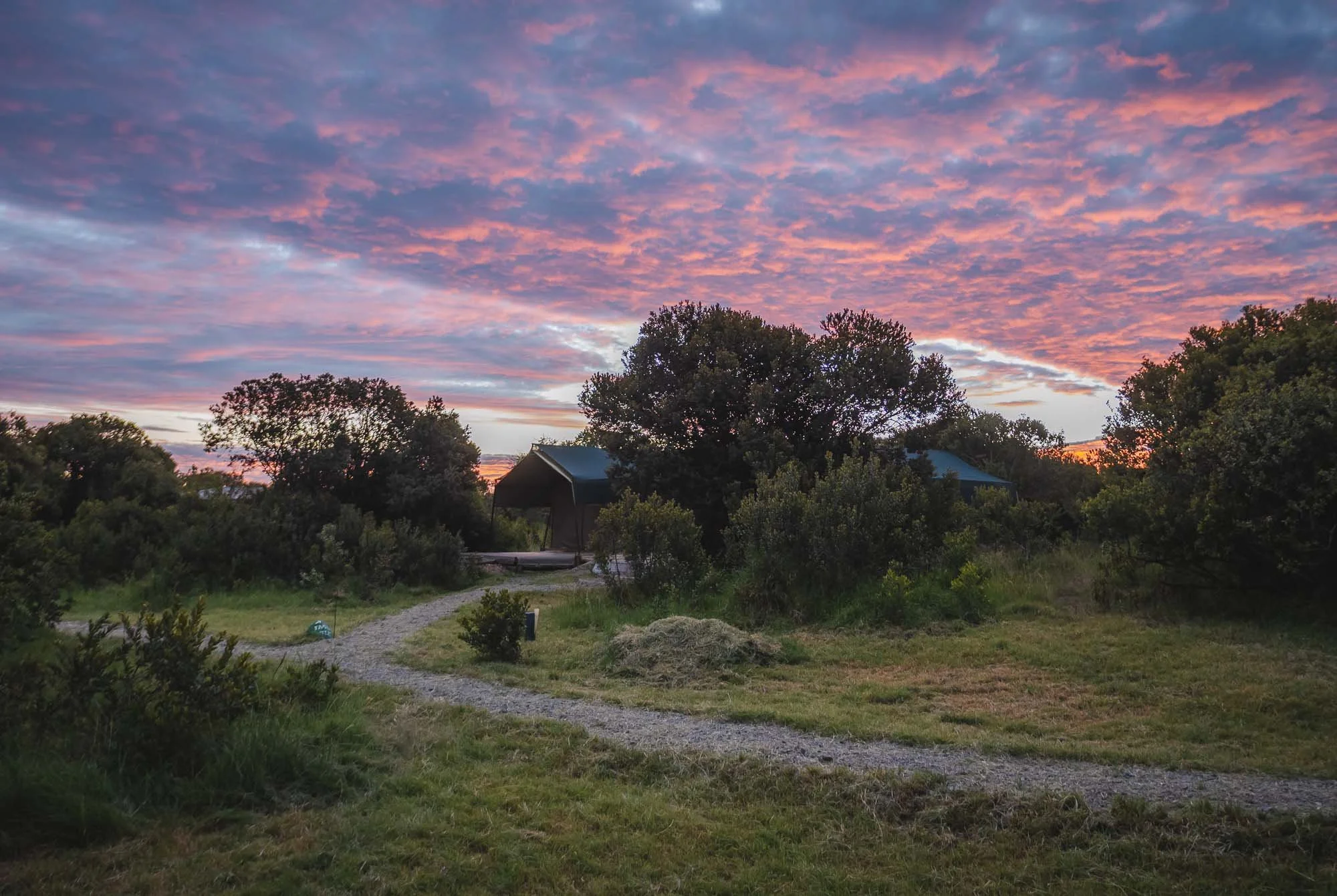
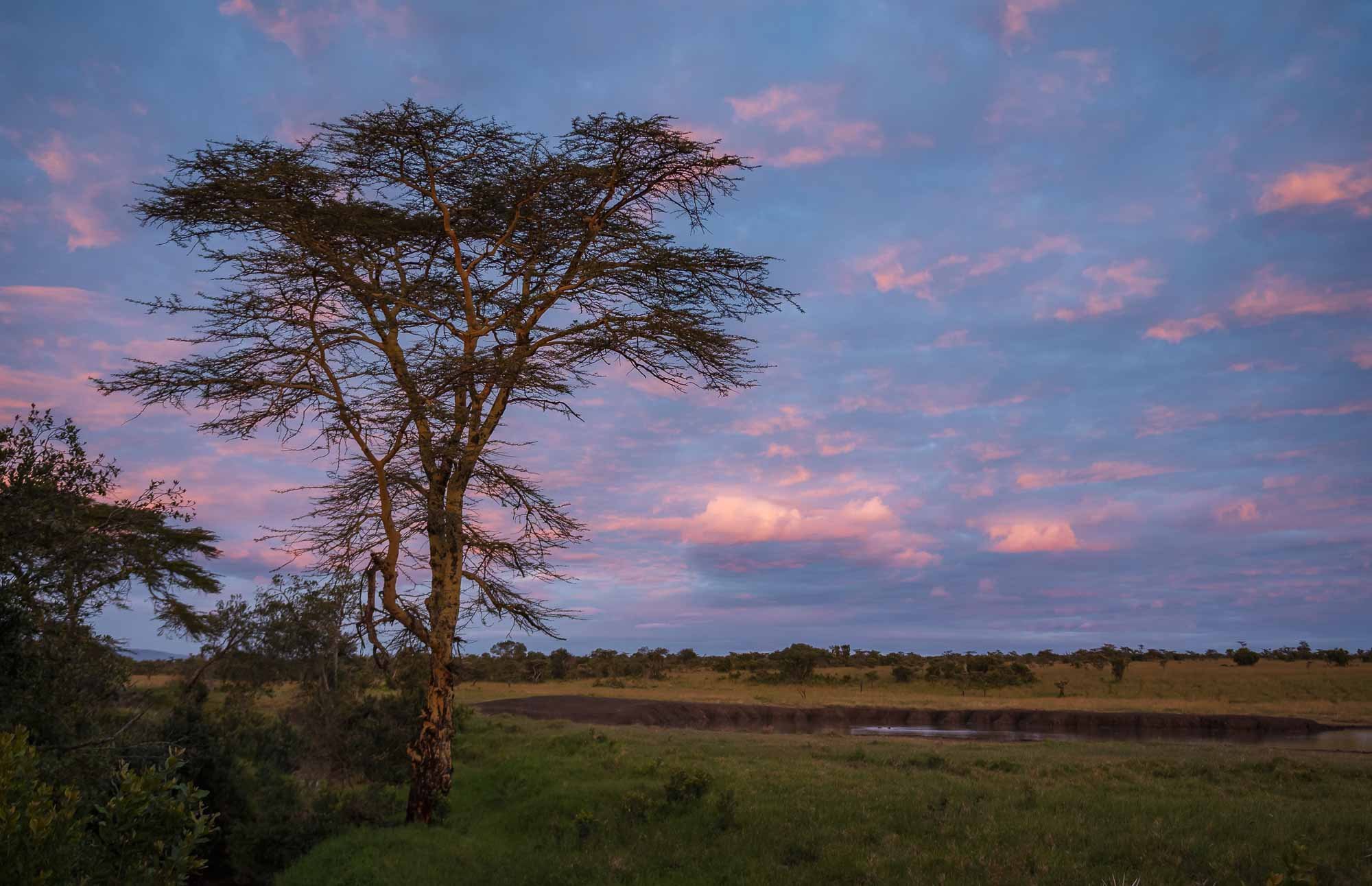
I stayed at the aptly named Porini Rhino Camp, a simple tented camp in the quiet north-eastern side of the conservancy. It’s a beautiful small camp in a very calm location, with wildlife just metres away from your tent. It was also completely empty - the season had just started (this was in mid-May) and we were the first guests after they re-opened. Could not ask for more!
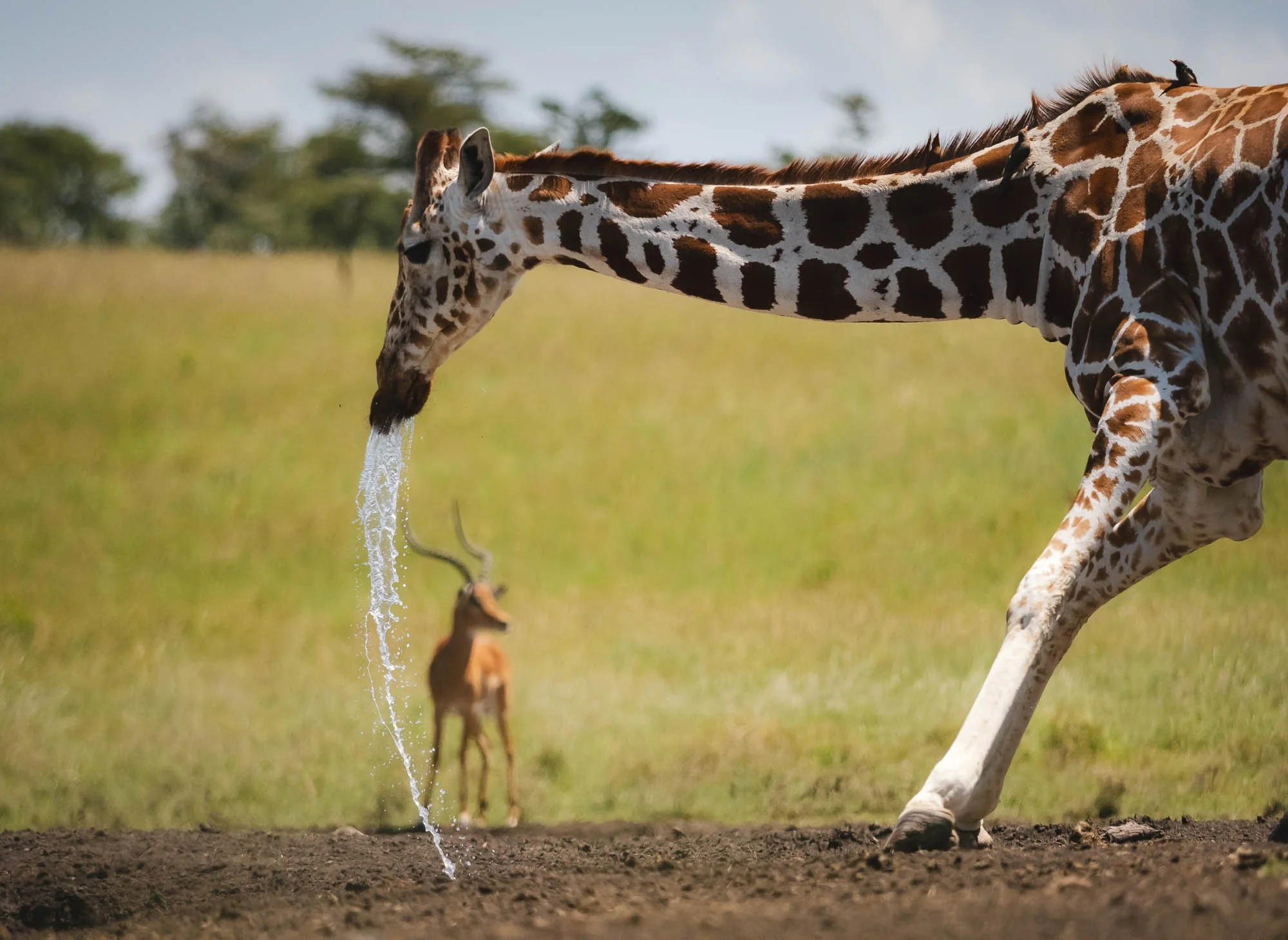
The Water Hole
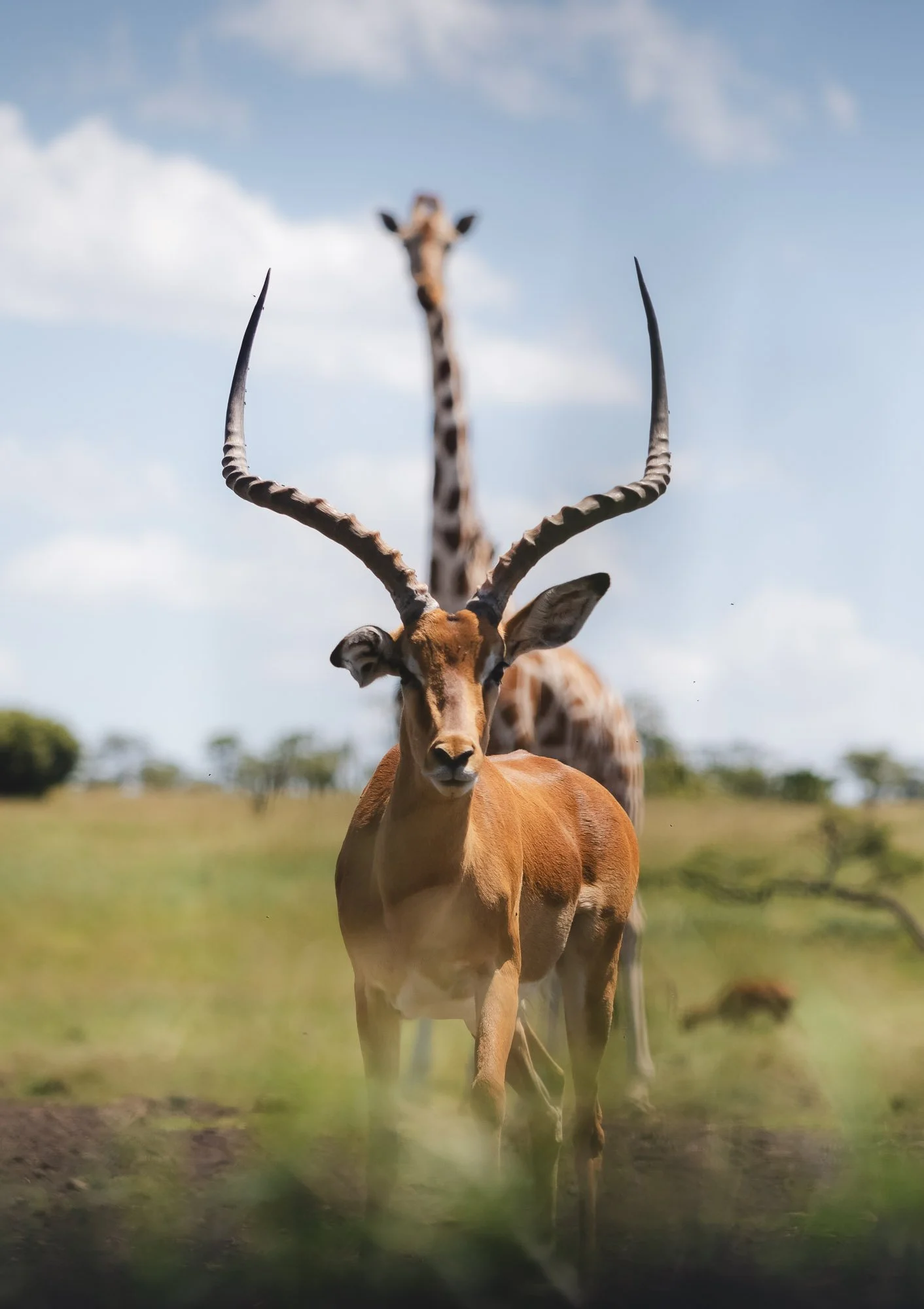
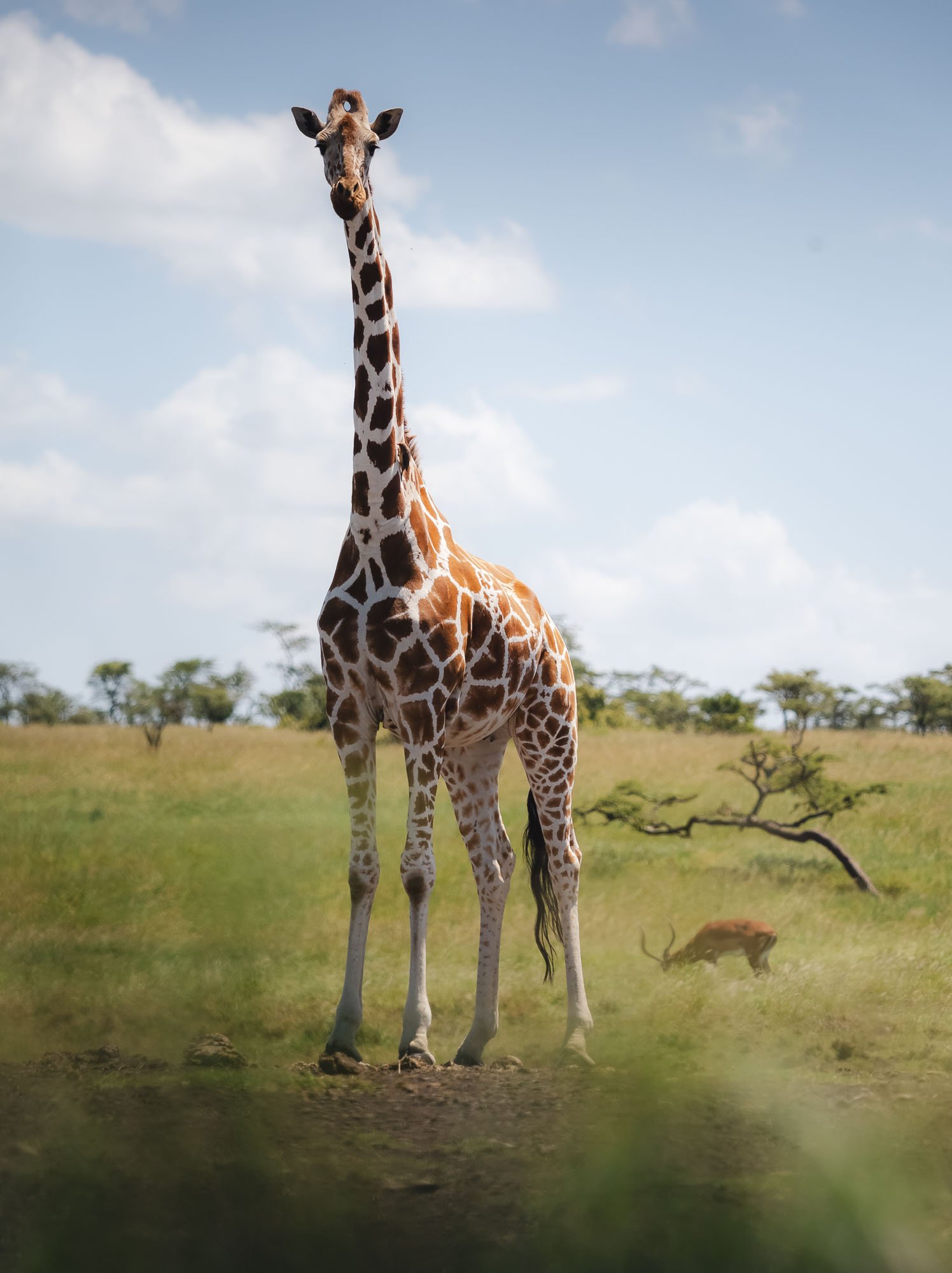
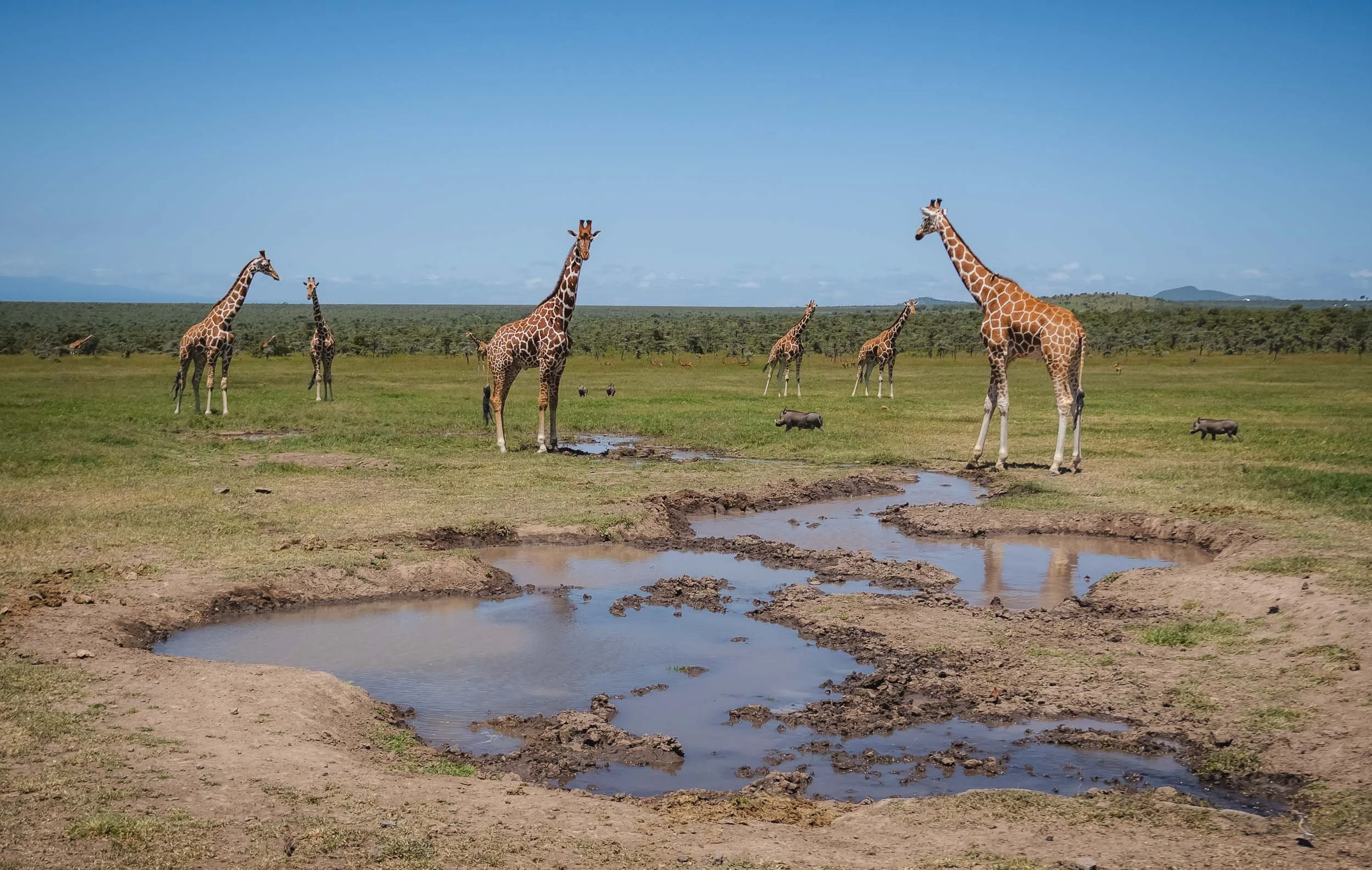
The camp also features a small hide directly at the local waterhole - always a great option to get some eye level close ups of animals coming to drink - giraffe, impala, warthogs were among the visitors as we arrived.
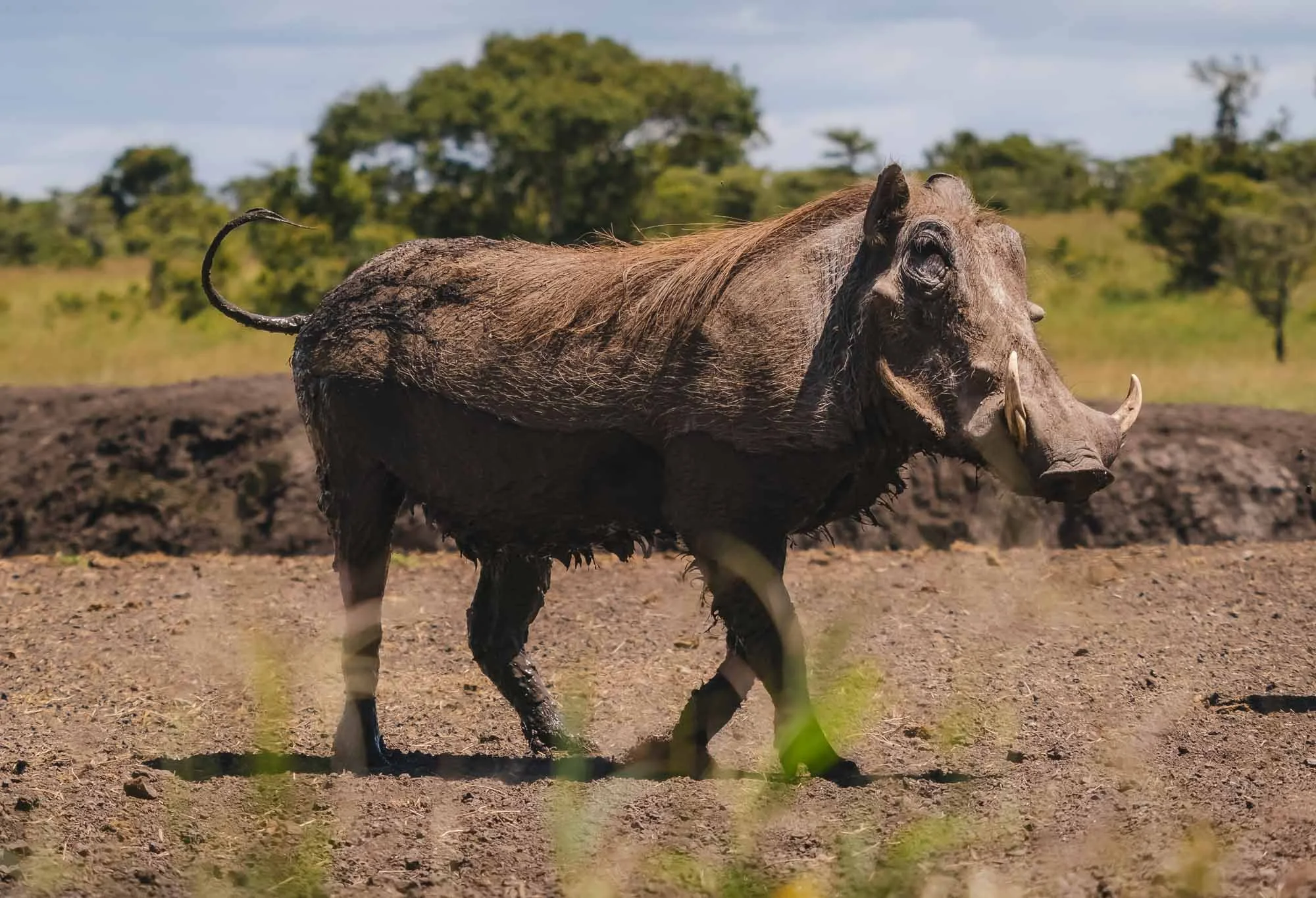
This brave warthog came pretty close to the hide but was rightfully skittish - the smallest sound and movement made it scuttle away quickly.
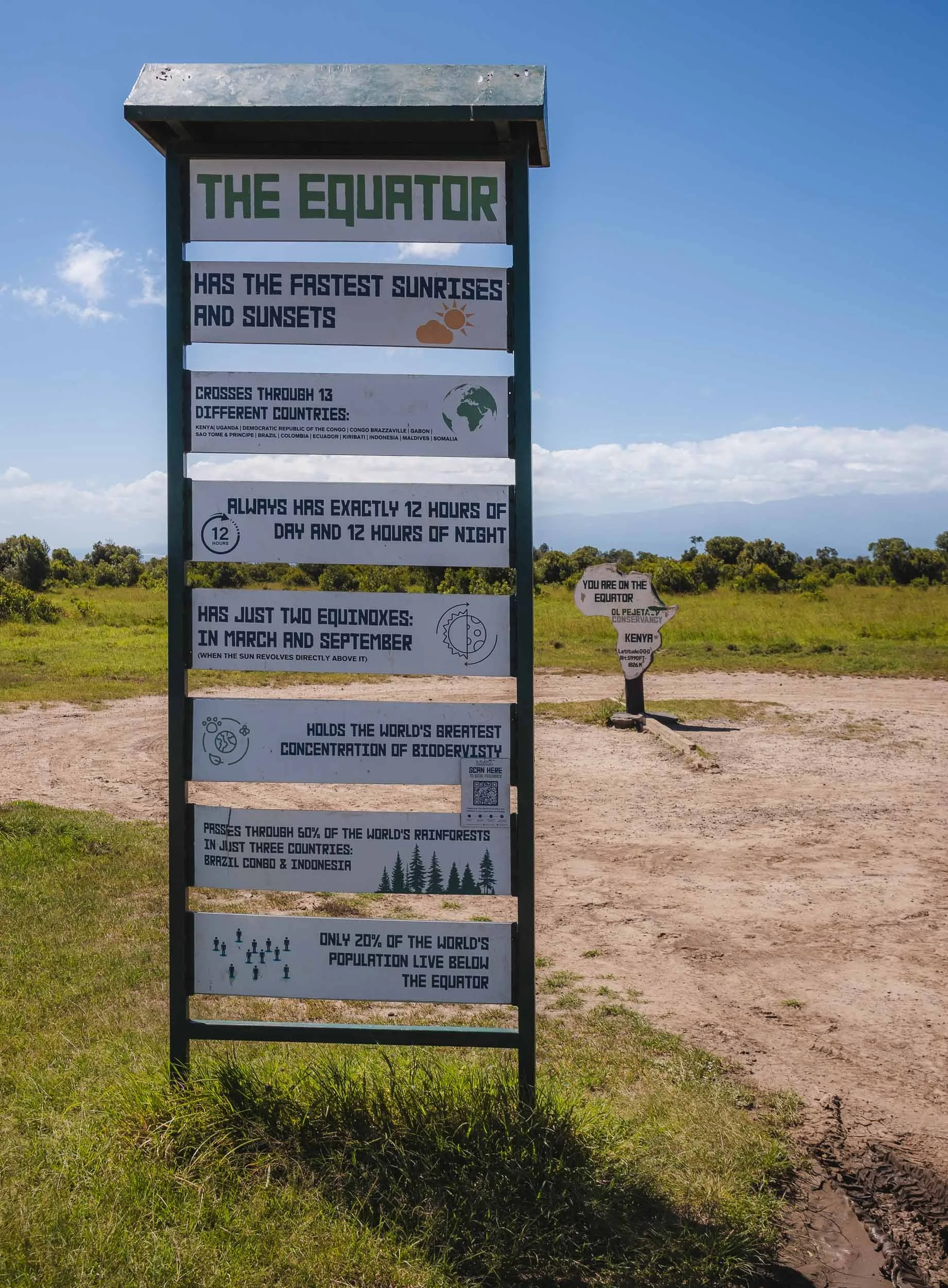
Centre of the World
The conservancy lies in the north of Kenya at the equator, which runs through its borders, marked by a small sign post. I’ve had the chance to cross the equator on foot a few times before, but it’s still a cool little quirk to move from one half of our planet to the other.
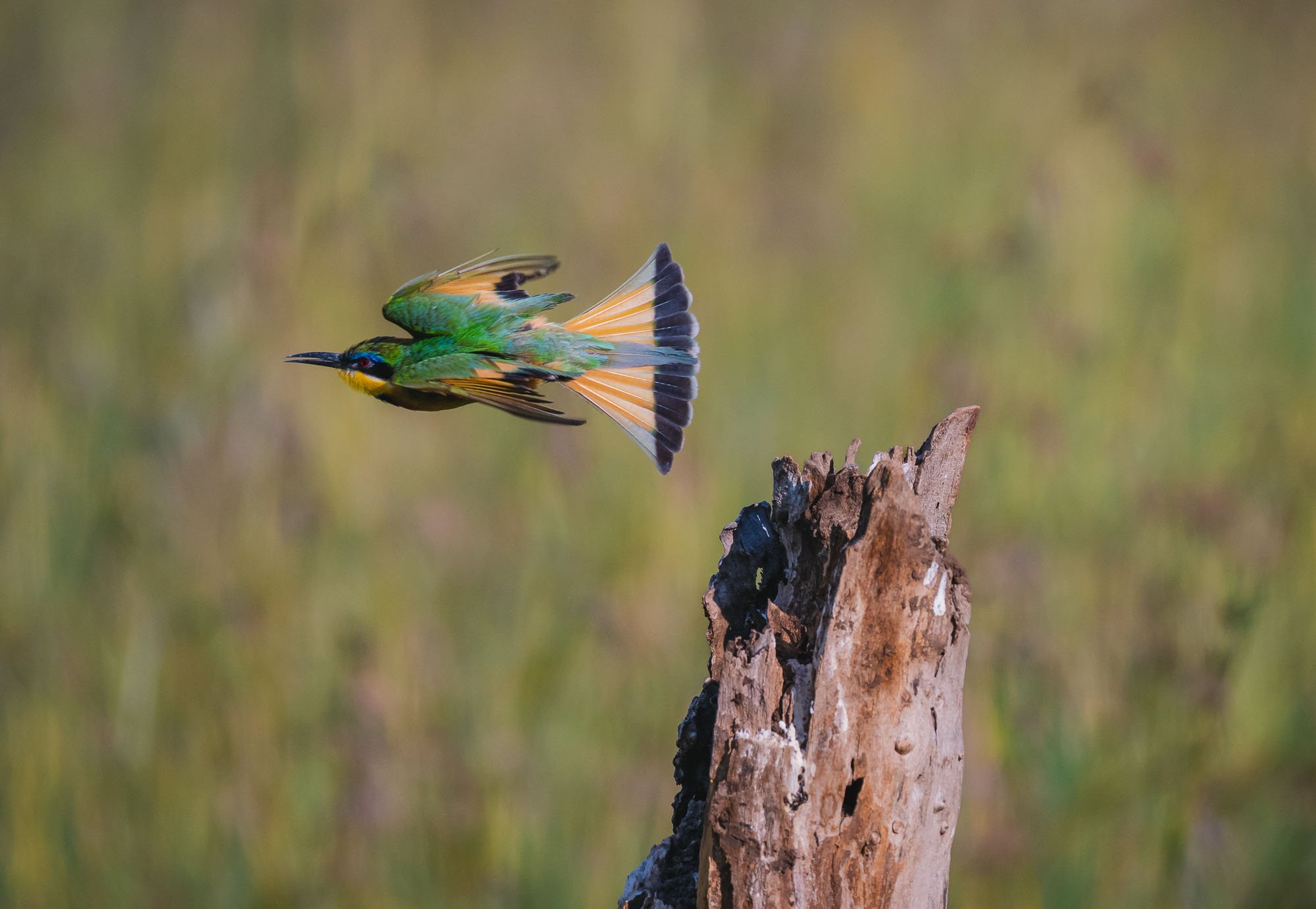
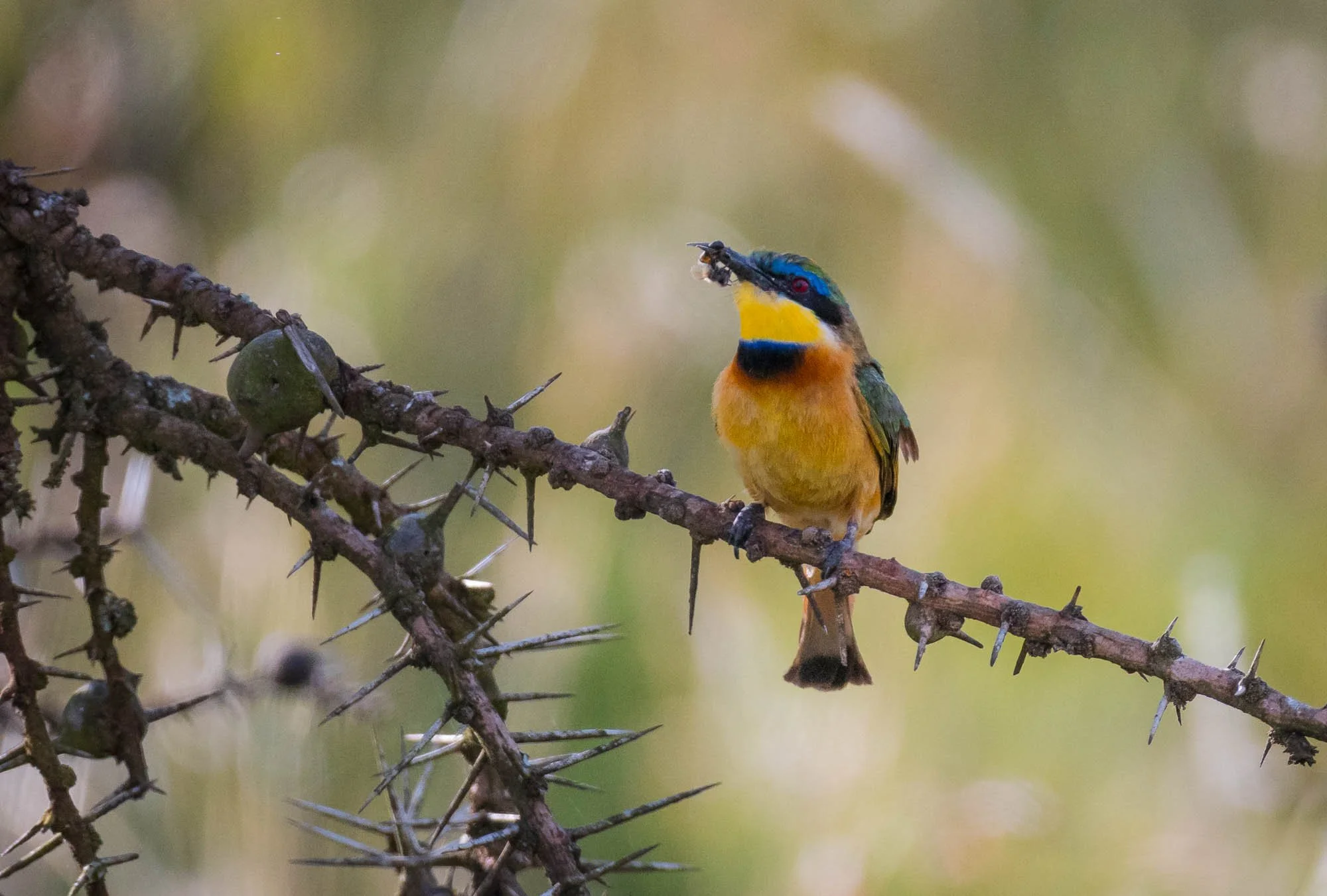
Ol Pejeta is also home to a large variety of birds. I’m still learning to appreciate our flying companions more, but even with my limited knowledge seeing one of these colorful bee-eaters in action is always a joy…
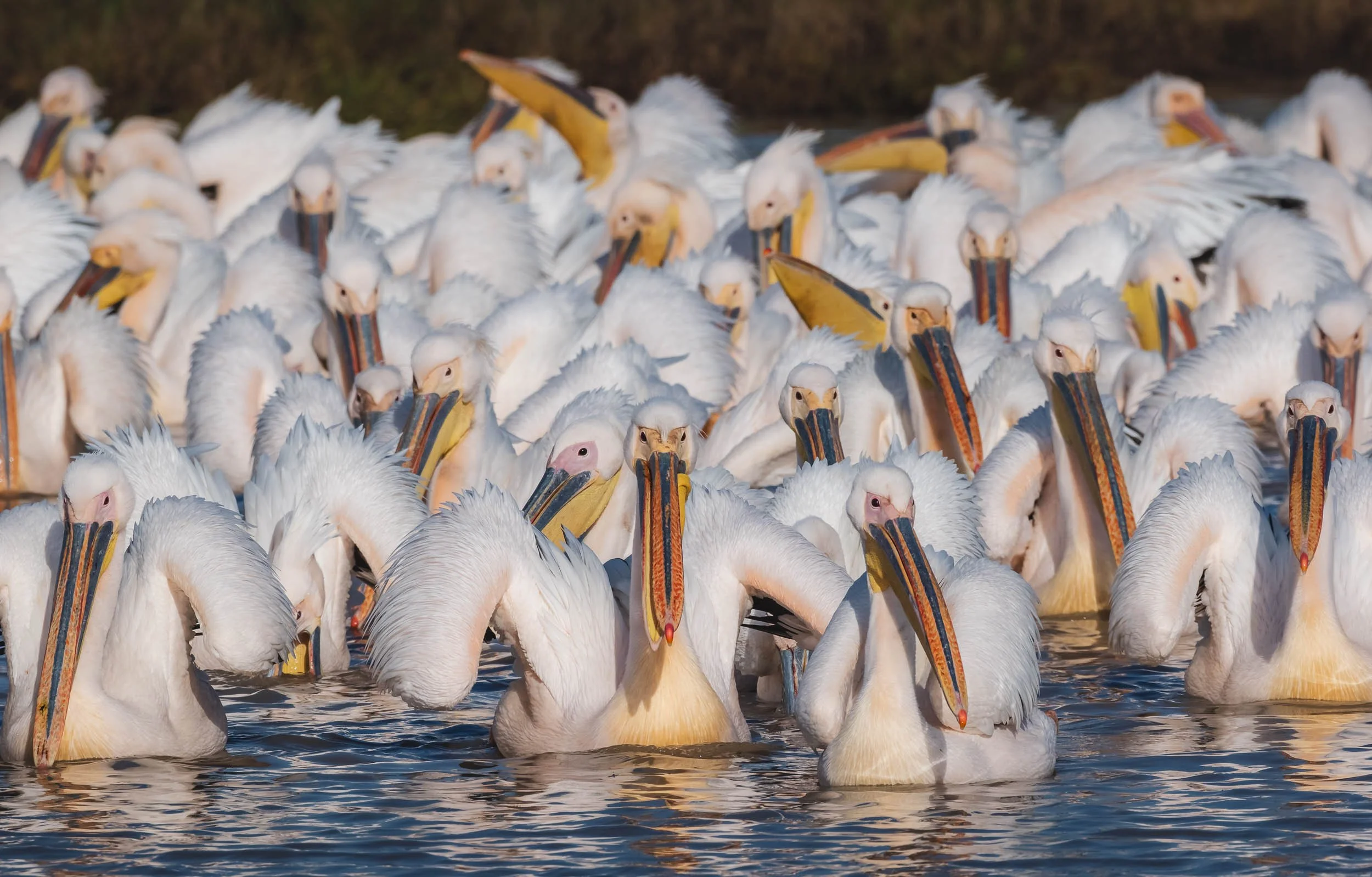
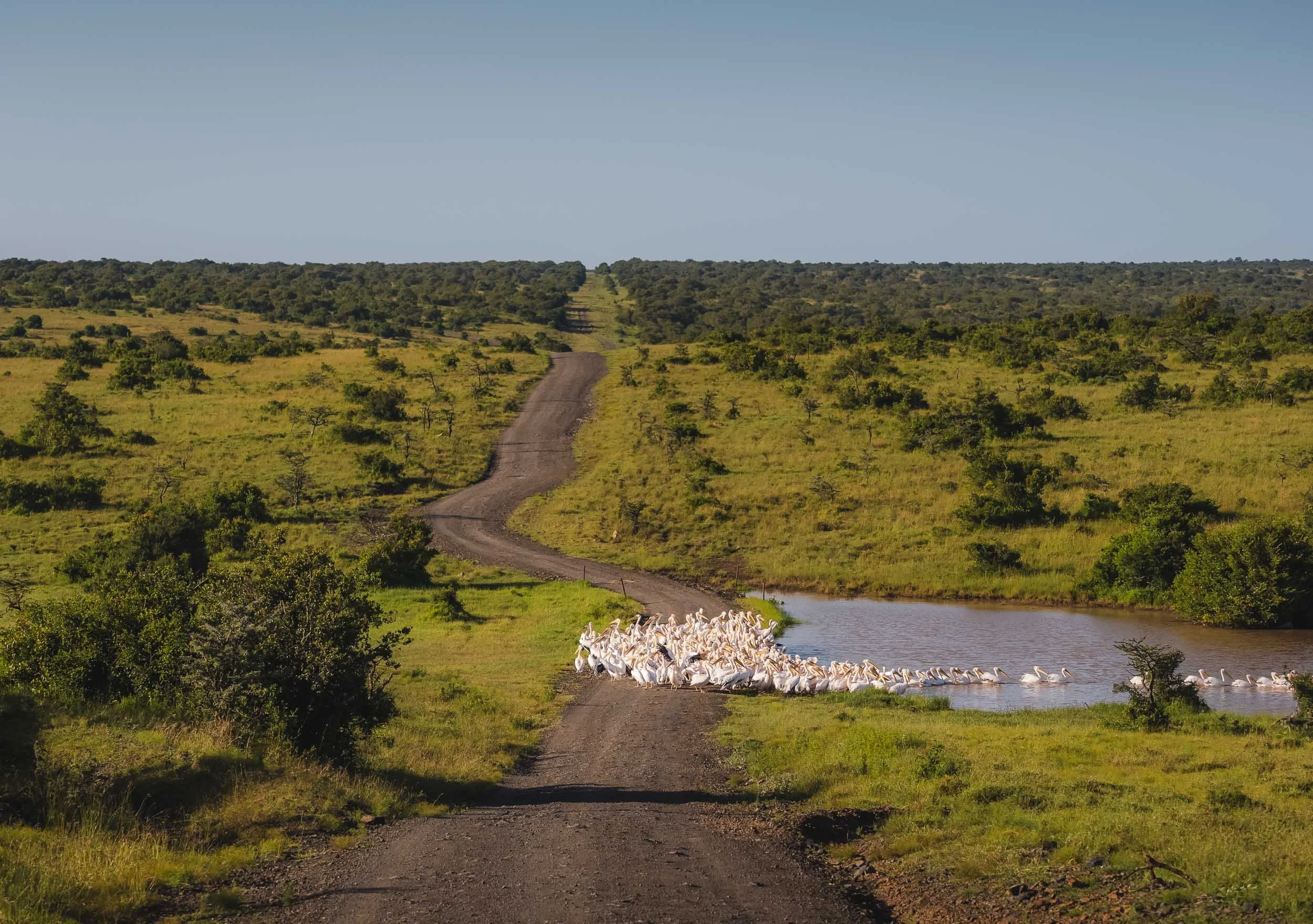
… as was this incredible and rather unusual (so I was told) sight of probably more than a hundred pelicans gathering in a small pond just off the dirt-road leading through the part of the conservancy.
Rhino Capital
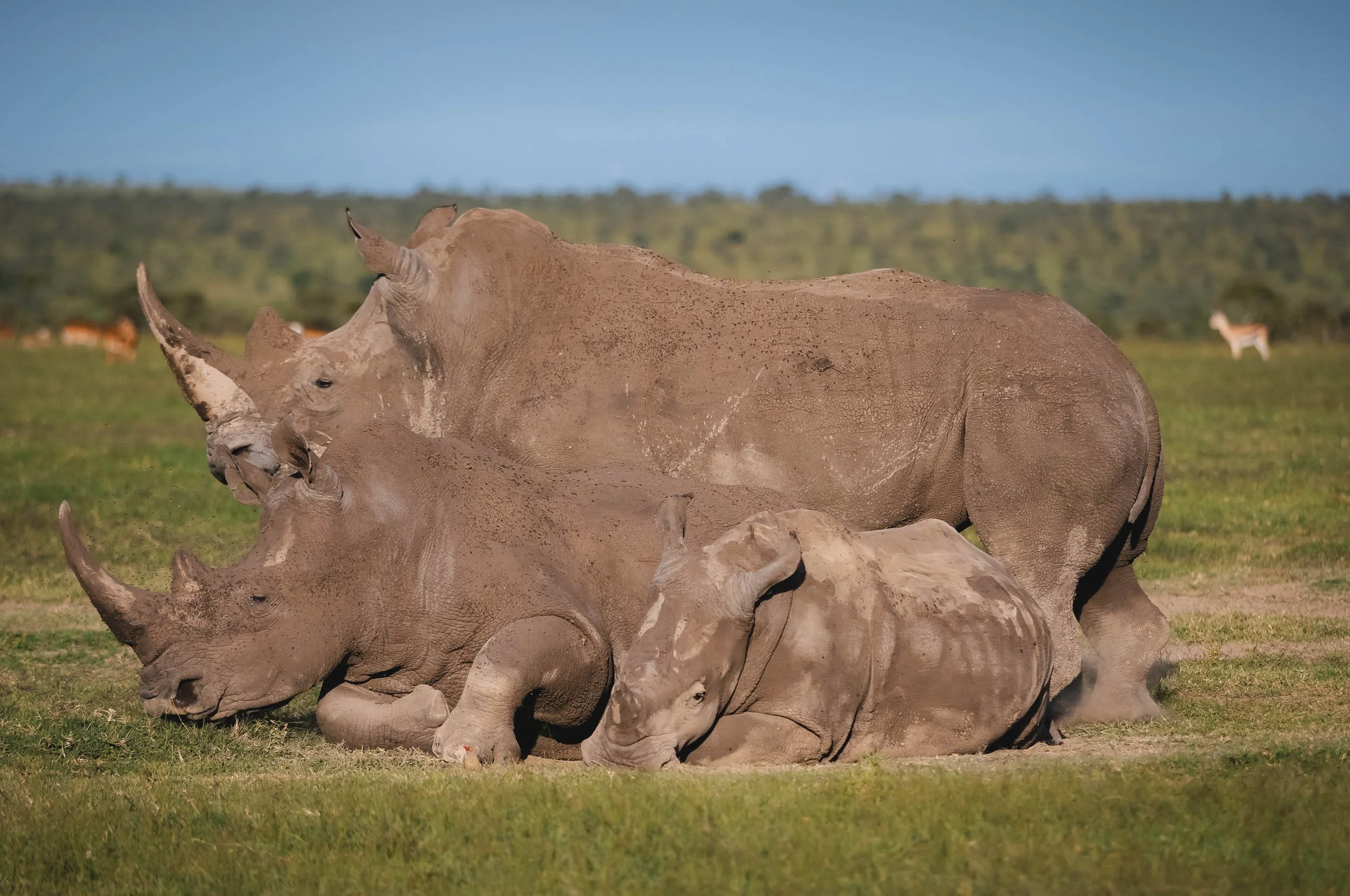
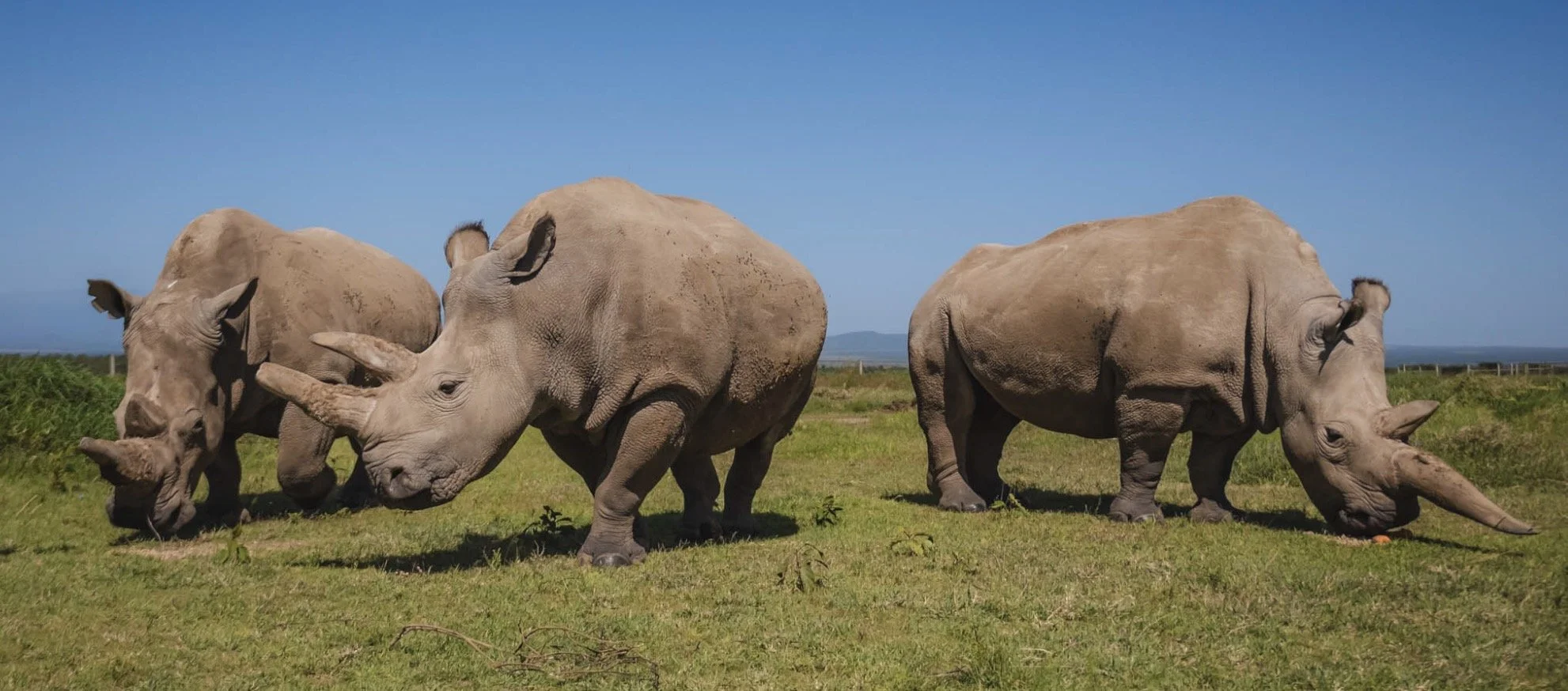
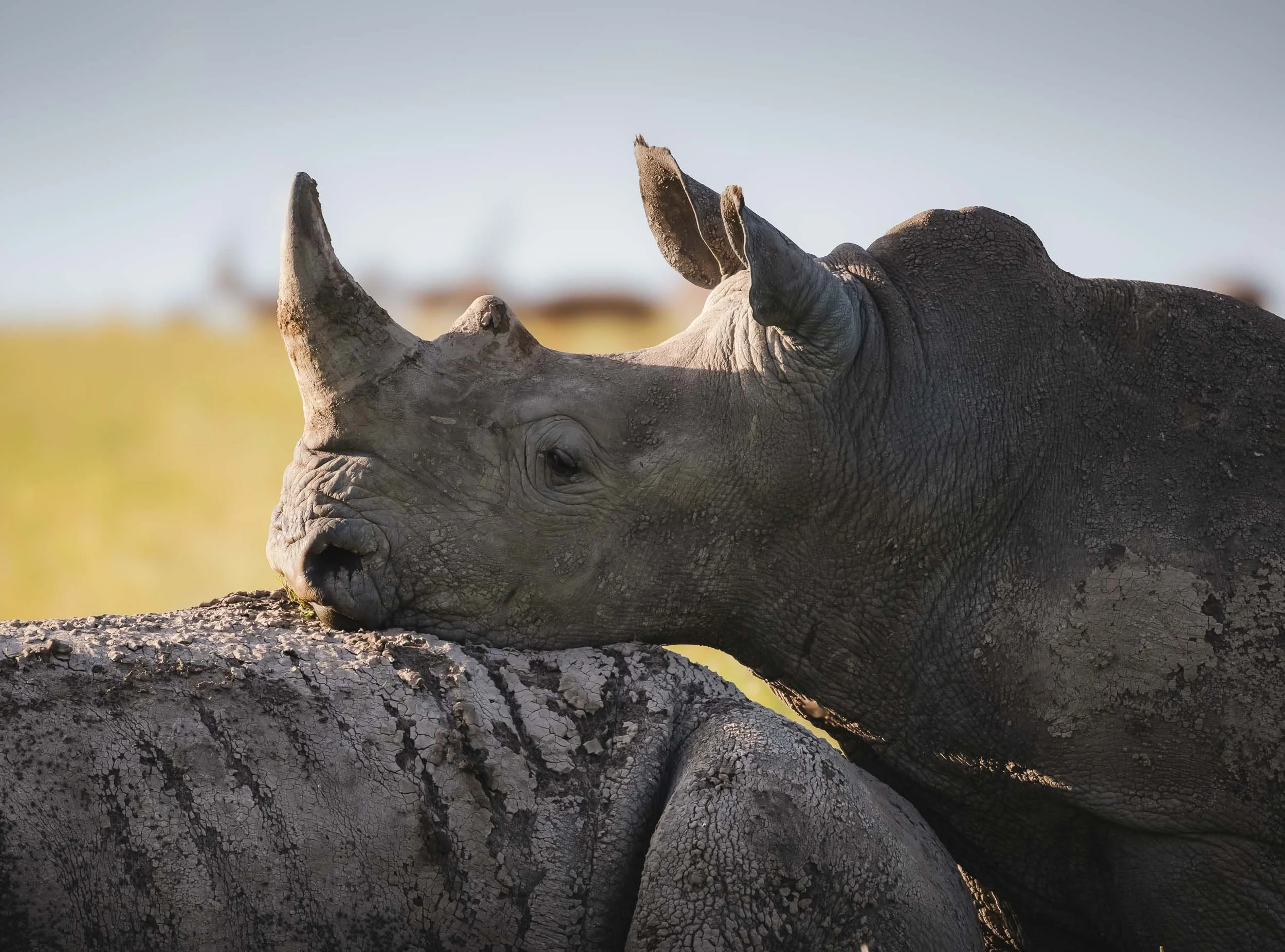
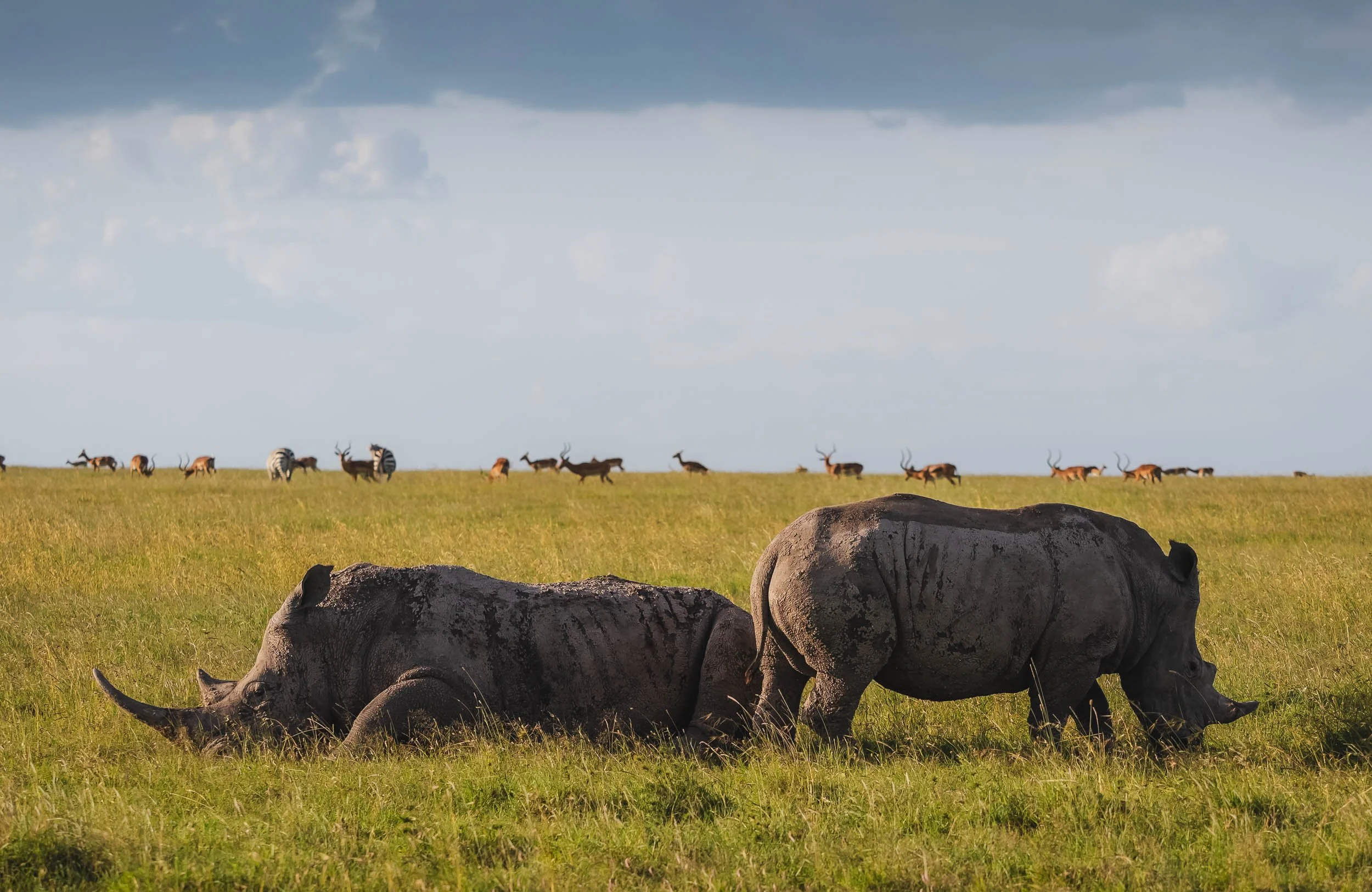
Admittedly it wasn’t the birds why I came here. It was for Rhinos. Ol Pejeta is one of their strongholds in Africa, with around 50 southern white rhinos such as these ones, more than 150 critically endangered black rhinos (the much more shy variant) and the last two northern white rhinos on the planet (yes - the last individuals of the species anywhere, whether in the wild or captivity).
We had at least a dozen rhino encounters over the 5 days here, with several groups spread around the conservancy. Its borders are designed in such a way that rhinos cannot move beyond its boundaries with specific type of fences and deterrents that only allow all other animals to pass and migrate. This is for their own protection: Ol Pejeta employs highly trained rhino protection squads, partners with international veterinary experts and gathers data on all of the individuals to support their conservation across Africa.
The Northern White Rhino
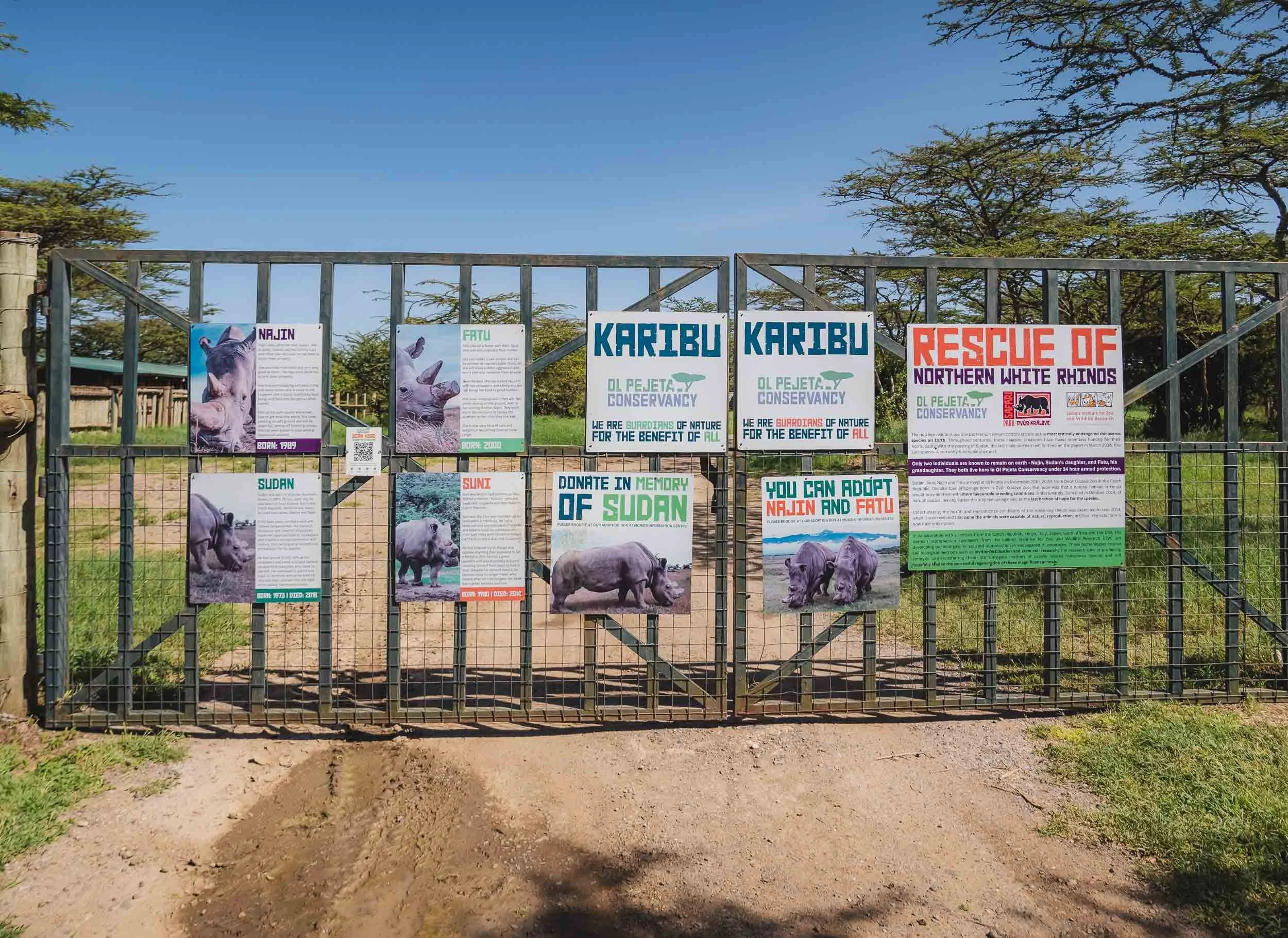
The pinnacle of the conservancy’s conservation work sits behind this fence: the enclosure of its two Northern White Rhinos, the last of their kind.
I’ve been following their faith for a few years and had been looking forward to learn and see more of them in person for a while - it was an exciting moment to stand in front of these gates.
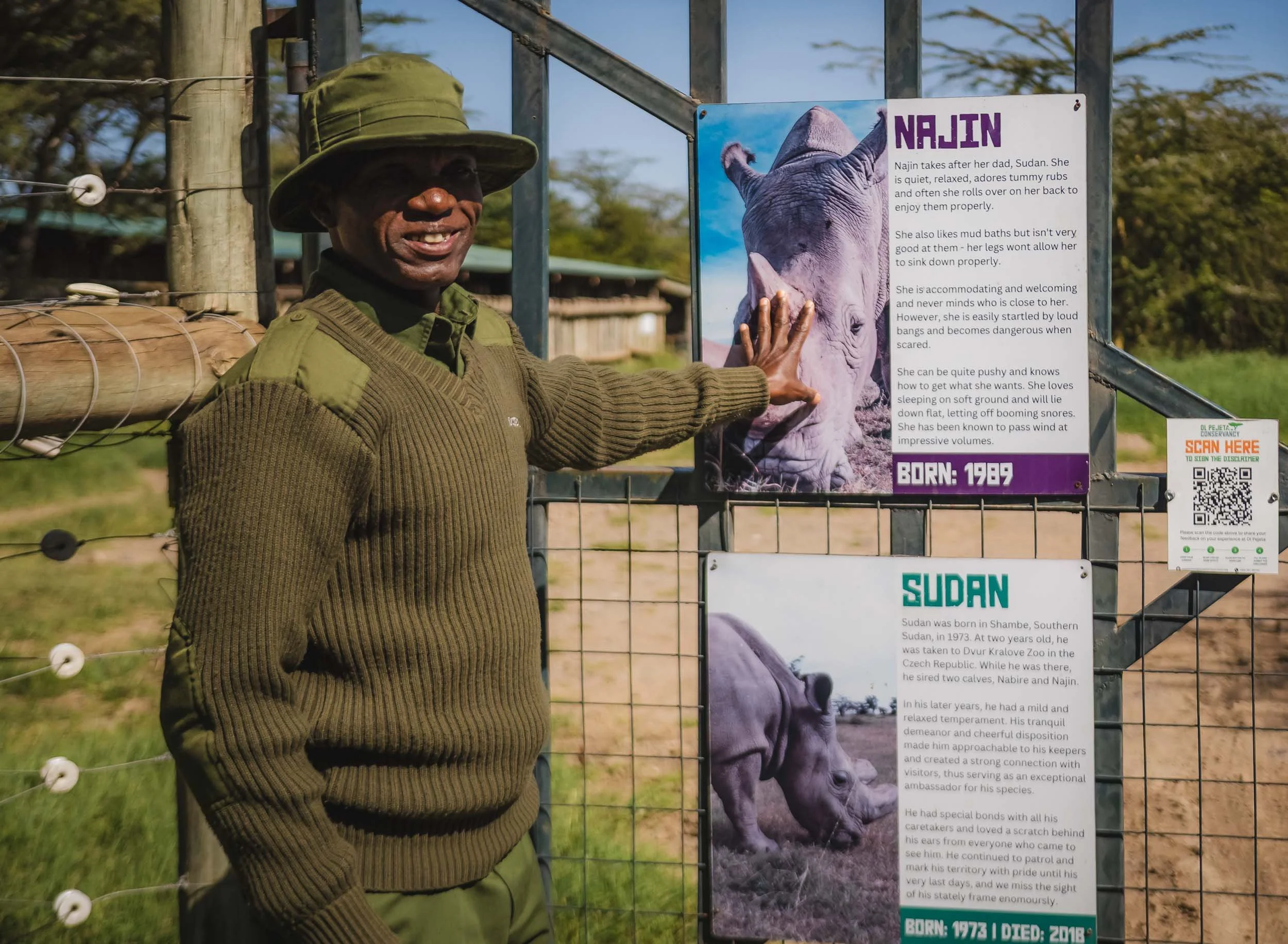
One of their caretakers (I think his name was Noah) tells the story of Fatu and Najin (her daughter): In 2009 four of the world's last remaining seven northern white rhinos at the time arrived at Ol Pejeta.
Najin, Fatu, Sudan and Suni were a family that had been living in a zoo in the Czech Republic, where previous breeding attempts had been unsuccessful.
The hope was they would reproduce here in their native habitat, but this didn't materialize. By 2018, Sudan, the last male of the species, died, leaving only the two females we have now.
Several attempts were made to mate them with a southern white rhino, which now lives with them in the enclosure, but this also proved futile.
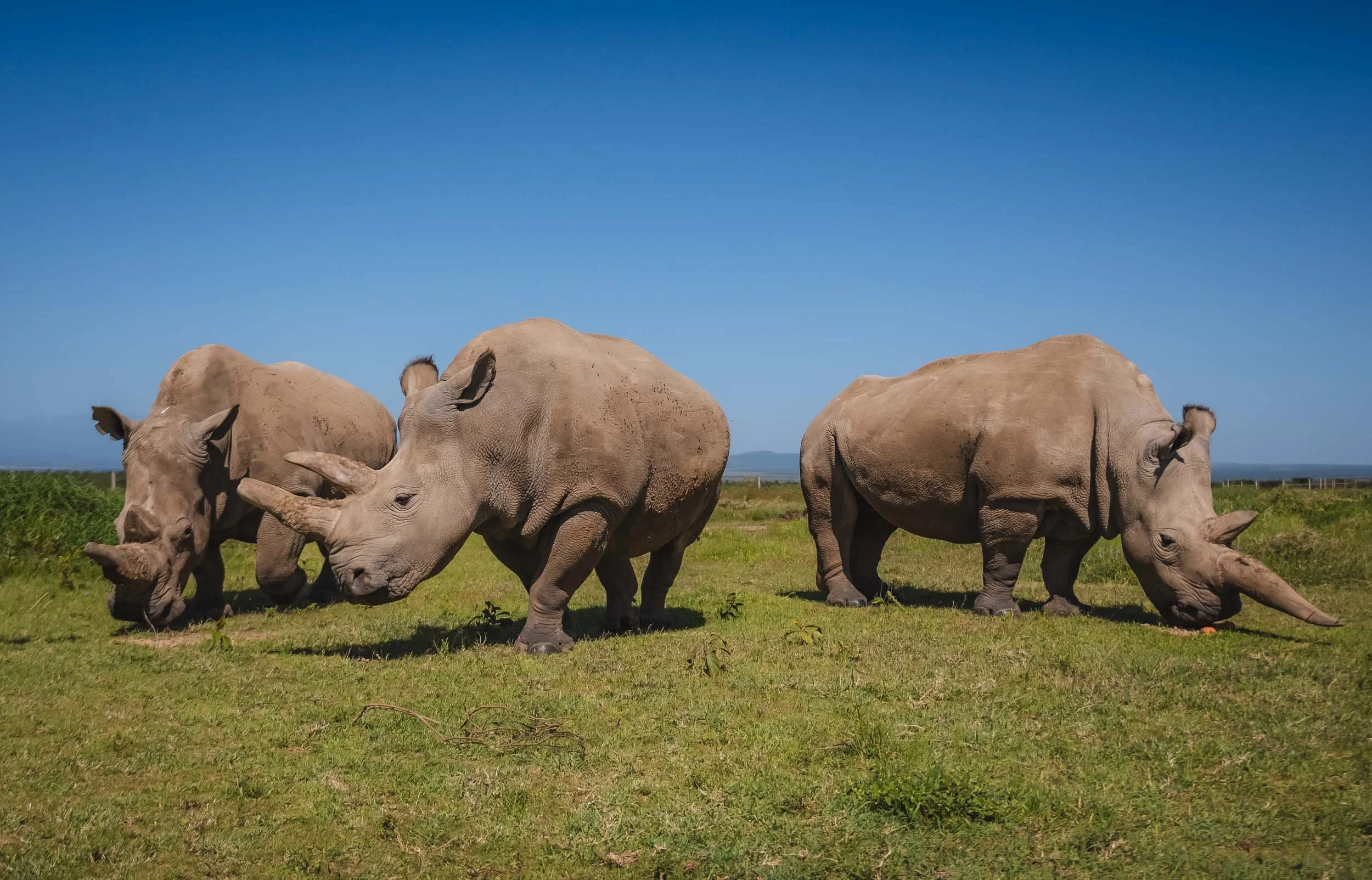
The Last of their Kind
As we entered the huge fenced area, the three rhino in the area weren’t all that far: Najin and Fatu to the left, with their southern white rhino companion on the right side. The northern variant is a bit smaller, less hairy, has a straighter back, flatter skull, and shorter horns. The group is protected 24/7: in total, the conservancy has almost 250 people in security, with over 40 armed rangers, and the protection of the rhinos costs $1.5m per year - mostly financed from donations.
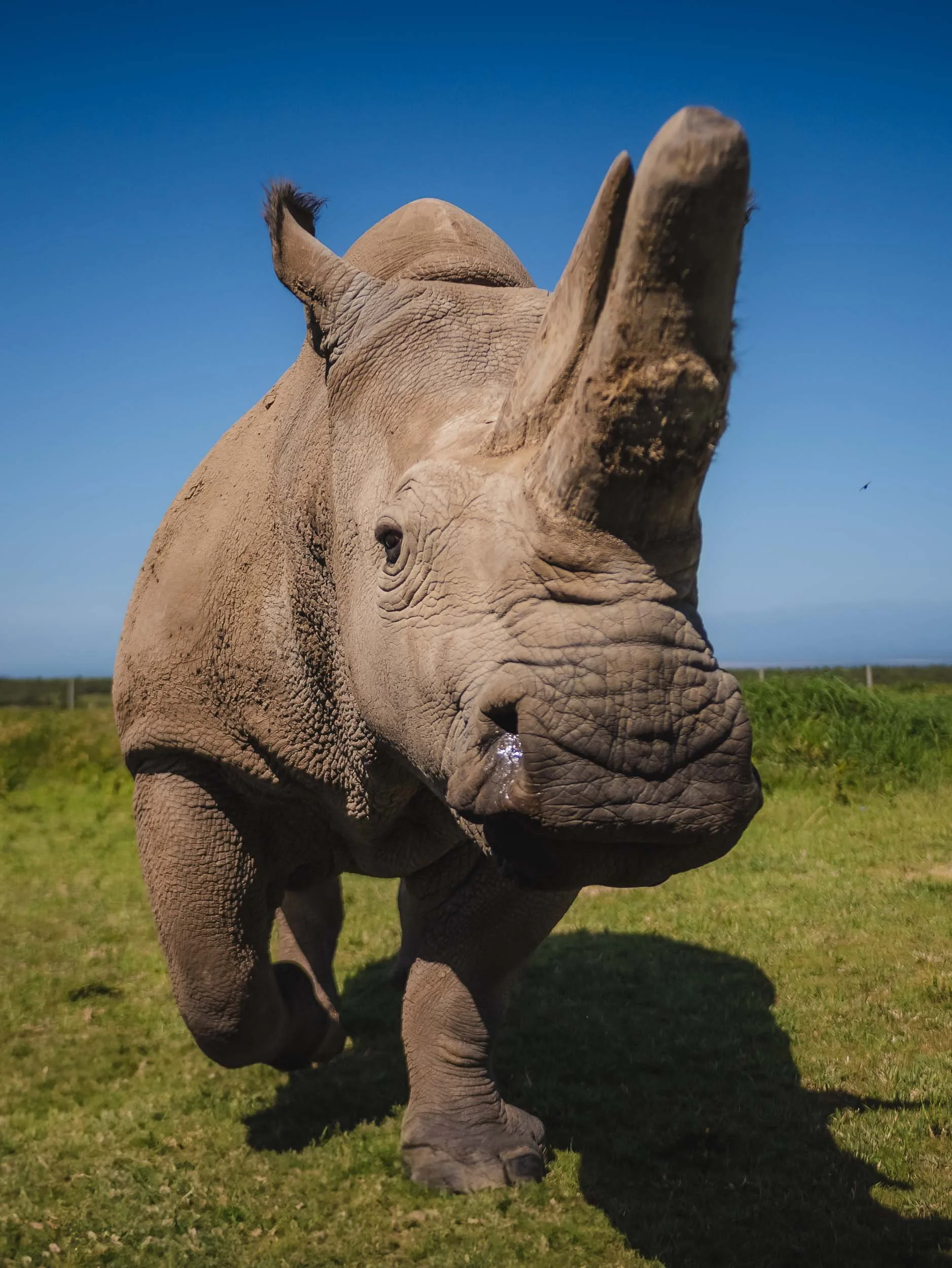
Owing to their history in a zoo, these rhinos are quite accustomed to humans, and may even let you feed them - a moment where you can feel their strength even in the most docile of movements.
The last wild members of the species are said to have been spotted in the mid 2000s in the DRC - with no sightings in the last 15 years they are considered extinct in the wild. With no other captive population either, these two are probably the rarest mammals on Earth.
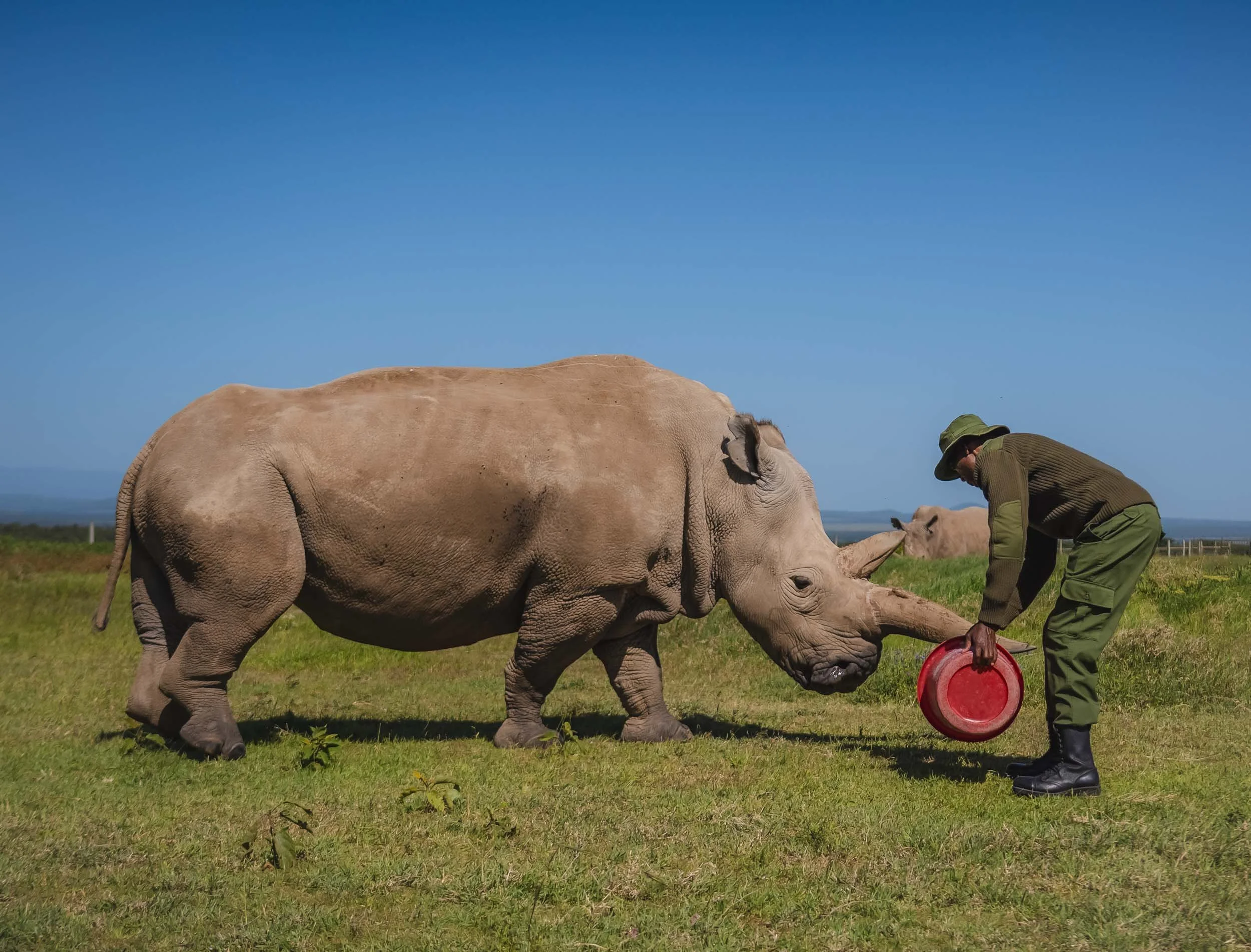
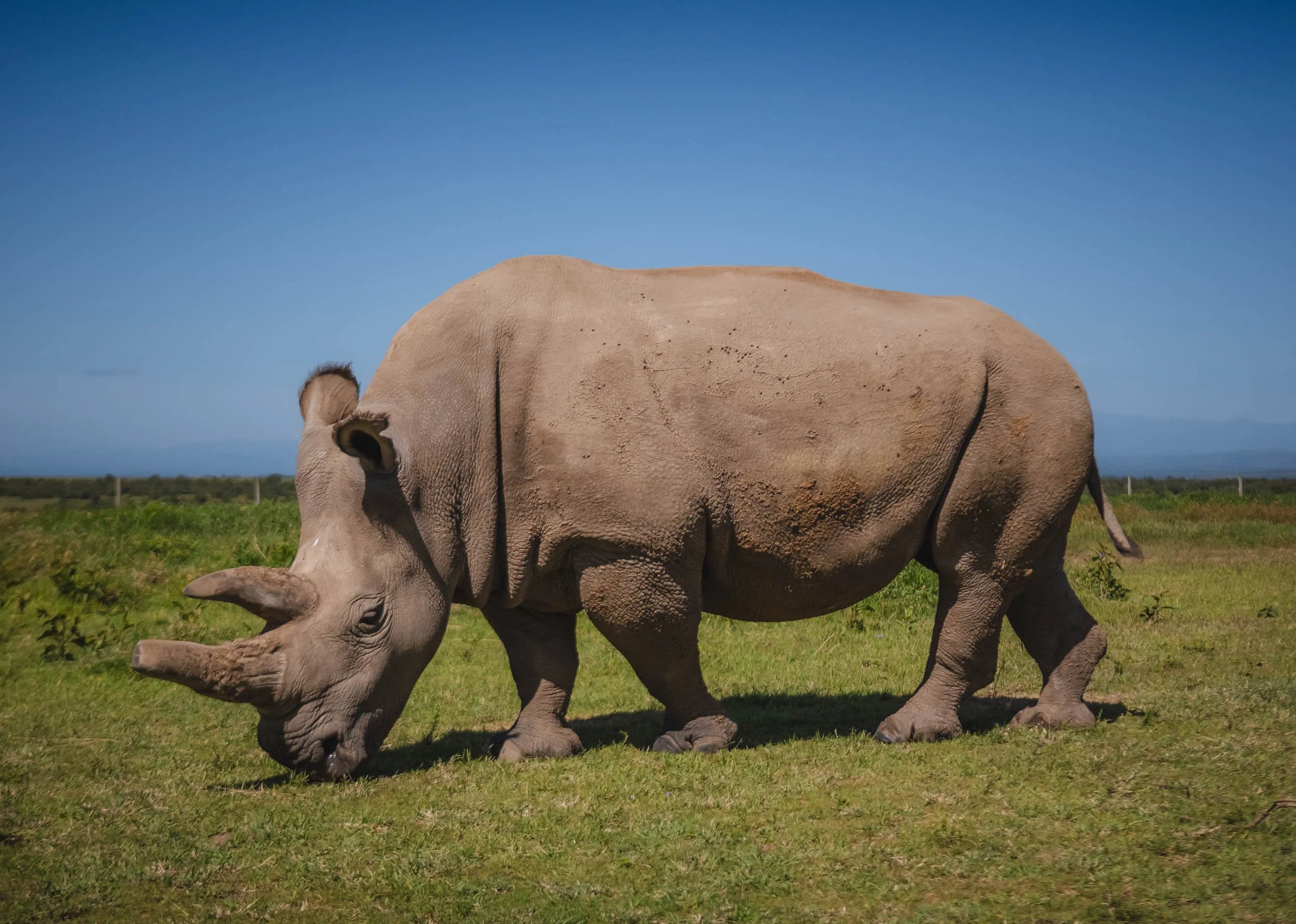
Both females are no longer be able to produce offspring on their own. The last hope of the species now lies in the development of in vitro fertilisation techniques and stem cell technology. The rangers told us excitedly that just a few days before my visit, researchers had attempted an in vitro process using a southern white rhino surrogacy female. This has unfortunately not been successful - read more here.
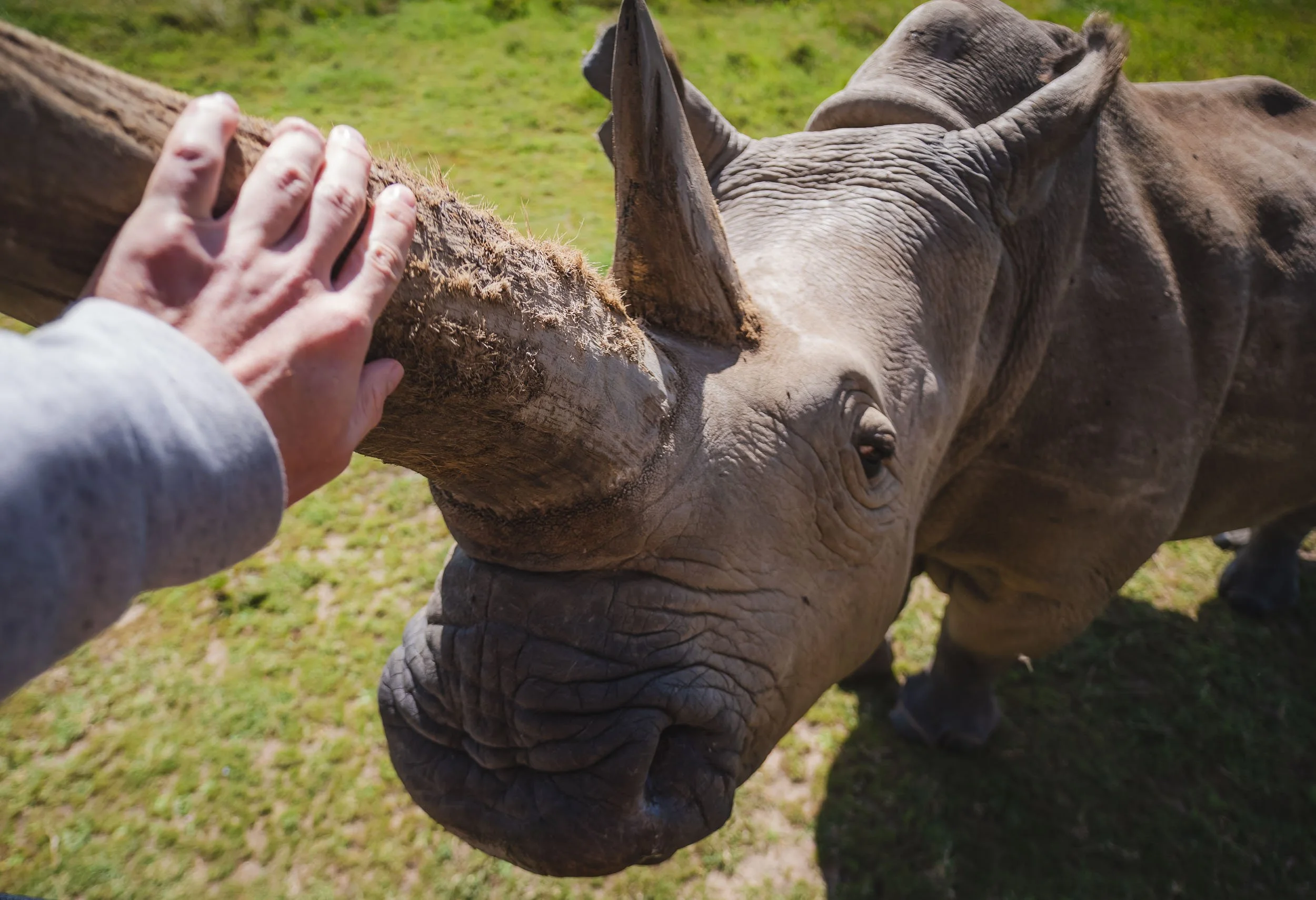
One last touch
We got to spend almost an hour with these (mostly) gentle giants. Even a few months later it gives me goosebumps to think back the feeling to encounter these creatures so closely and be able to touch their skin and horn - the last remnants of an entire species of animal that may not exist anymore in a few years from now. A sober reminder of the fragile environment we live in these days, given that rhinoceros have been around for 50-60 million years.
Baraka - the blind black rhino
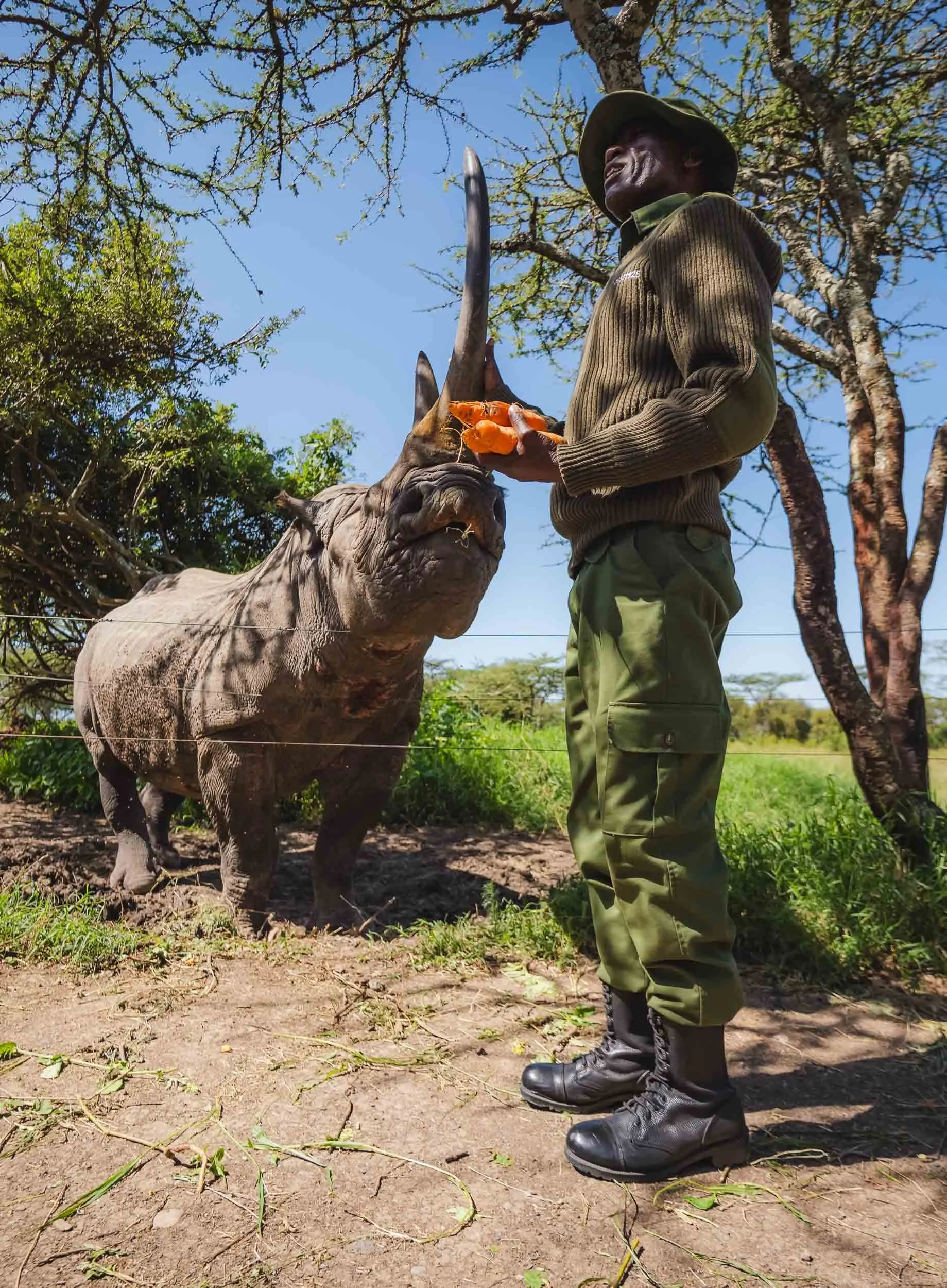
Another close encounter you can have here is with a rhino that was saved from certain death in the wild: Baraka, meaning “blessing".
He lost sight on one eye due to a battle with another male, and a bit later his other eye was affected by an infection, rendering him completely blind.
Luckily for him, rhinos generally have poor eyesight, and instead mostly rely on touch and hearing to navigate the world around them. That made it possible for Baraka to enjoy a relatively peaceful life in a huge enclosure.
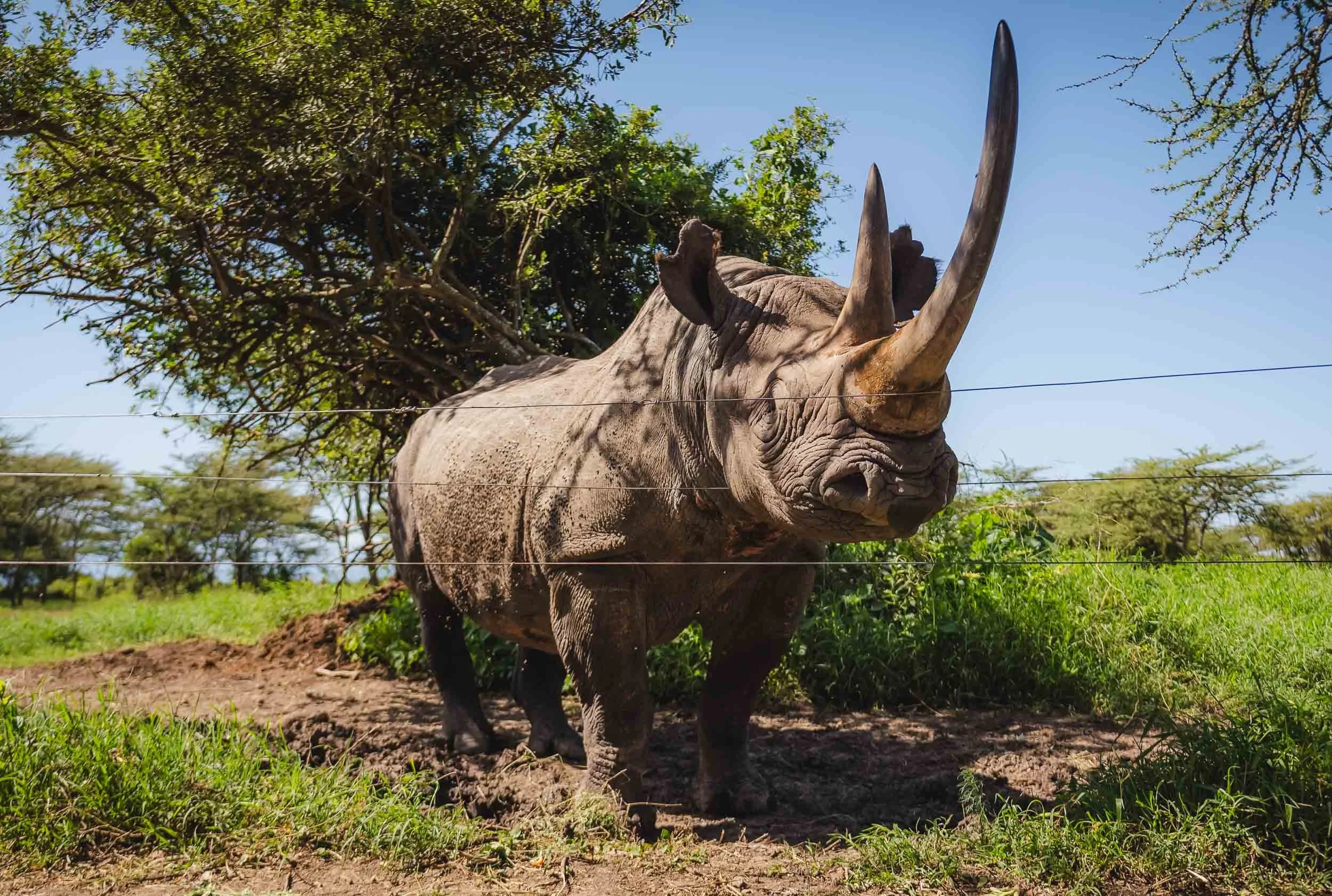
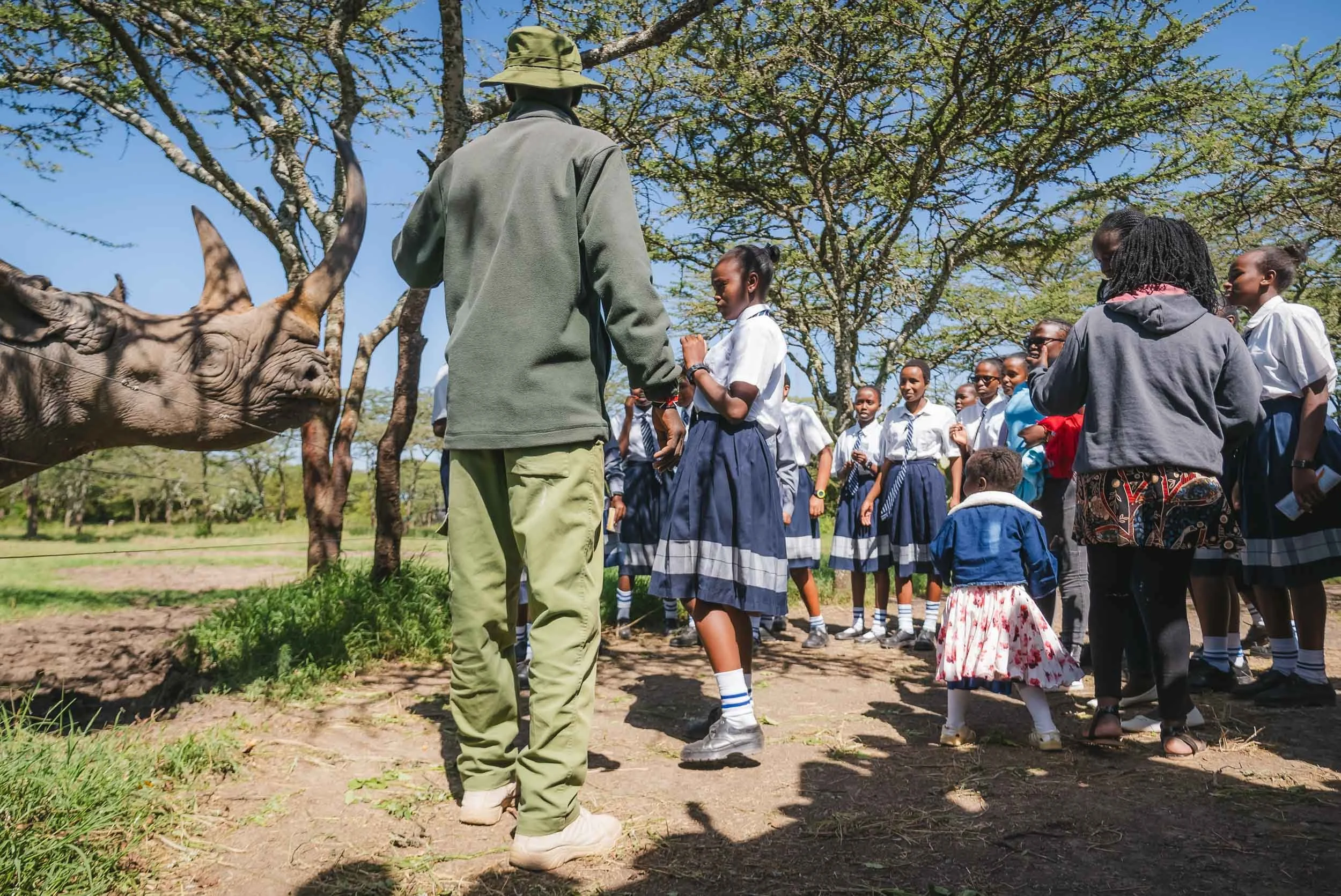
Although he got used to humans around him and is generally calm, his massive horn makes Baraka an imposing creature. It’s not surprising that when a local school class approached, not all the kids were confident in handing him a carrot. Ol Pejeta regularly hosts education trips for the local community to bring them closer to the animals and teach them about the conservation efforts.
White vs black: the names of the species have little to do with their color - they’re all grey. White rhinos are generally bigger and heavier, but also calmer, a little more social than their black counterpart. The name however comes from the shape of their mouth, an anglicized version of the Dutch “wijd”, meaning wide, representing their wide mouth. This shape is linked to their feeding habit: wide rhinos are grazers, eating grass from the ground in large bites, whereas black rhinos use their much more pointy mouth to browse on shrubs and leaves in bushes and trees.
The Pride
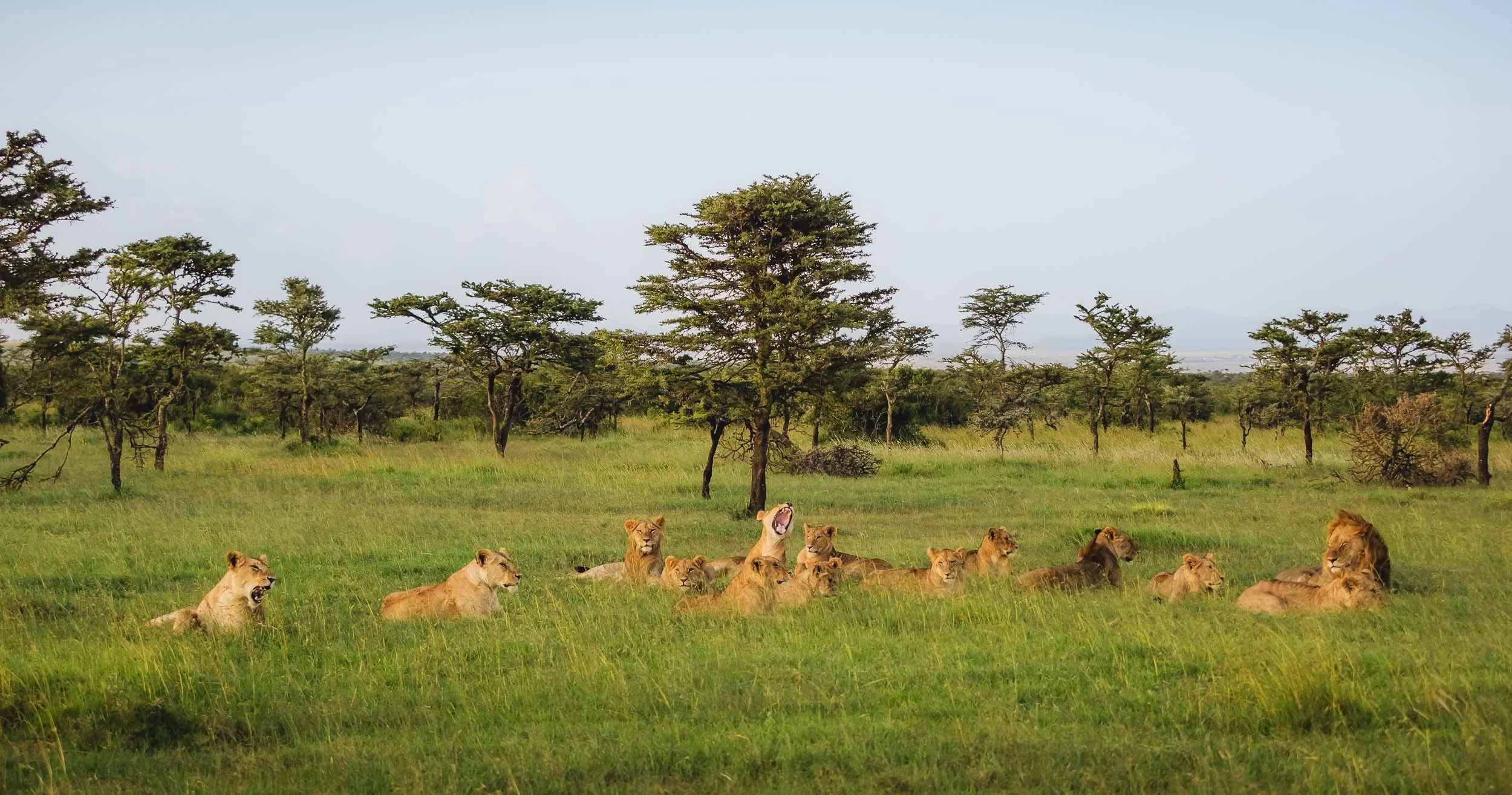
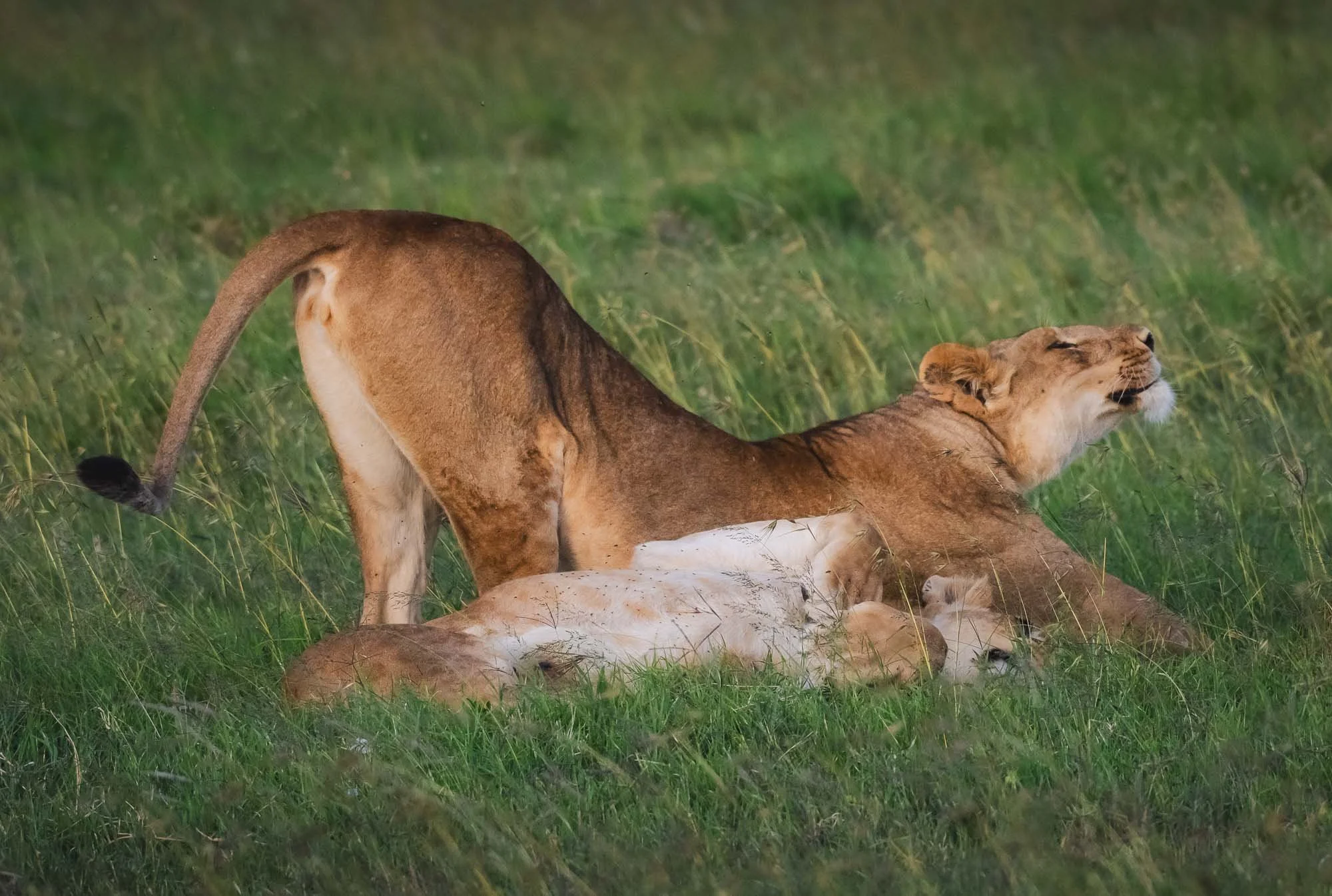
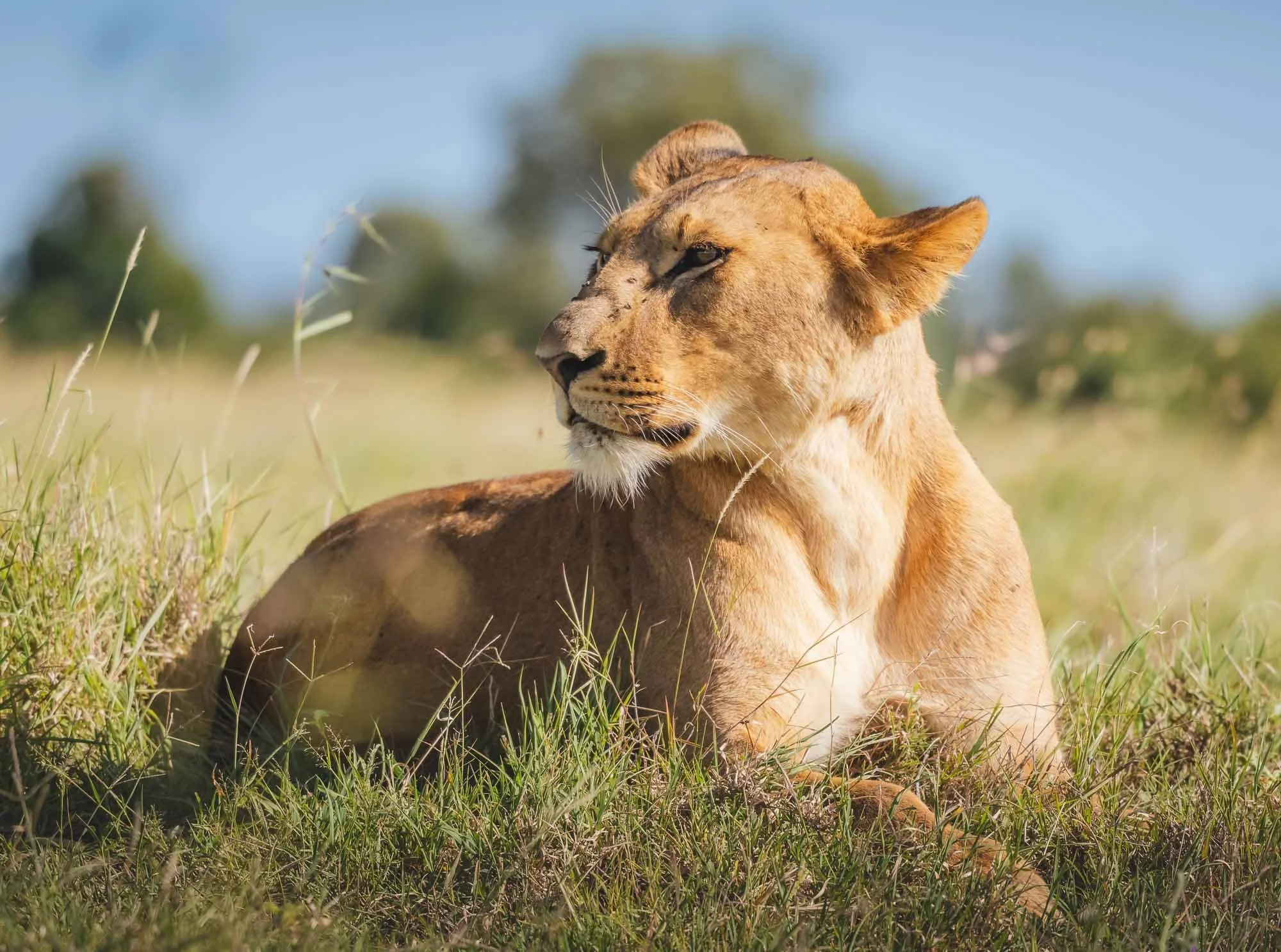
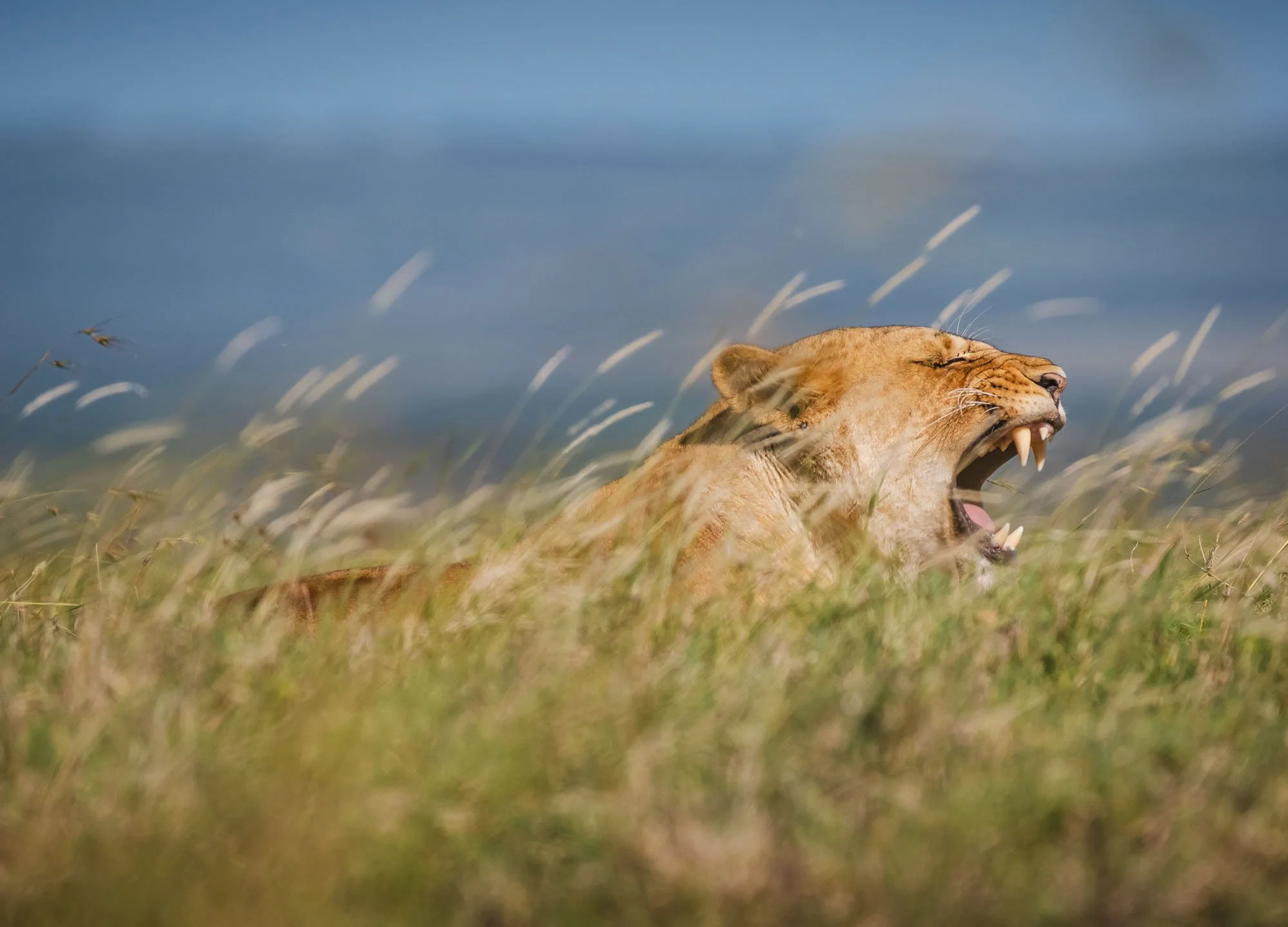
Ol Pejeta is also home to six lion prides with over 70 members, and we saw a lot of them during this sighting, with over 20 individuals resting together in the late afternoon; slowly becoming more active, stretching and scratching, as the sun set.
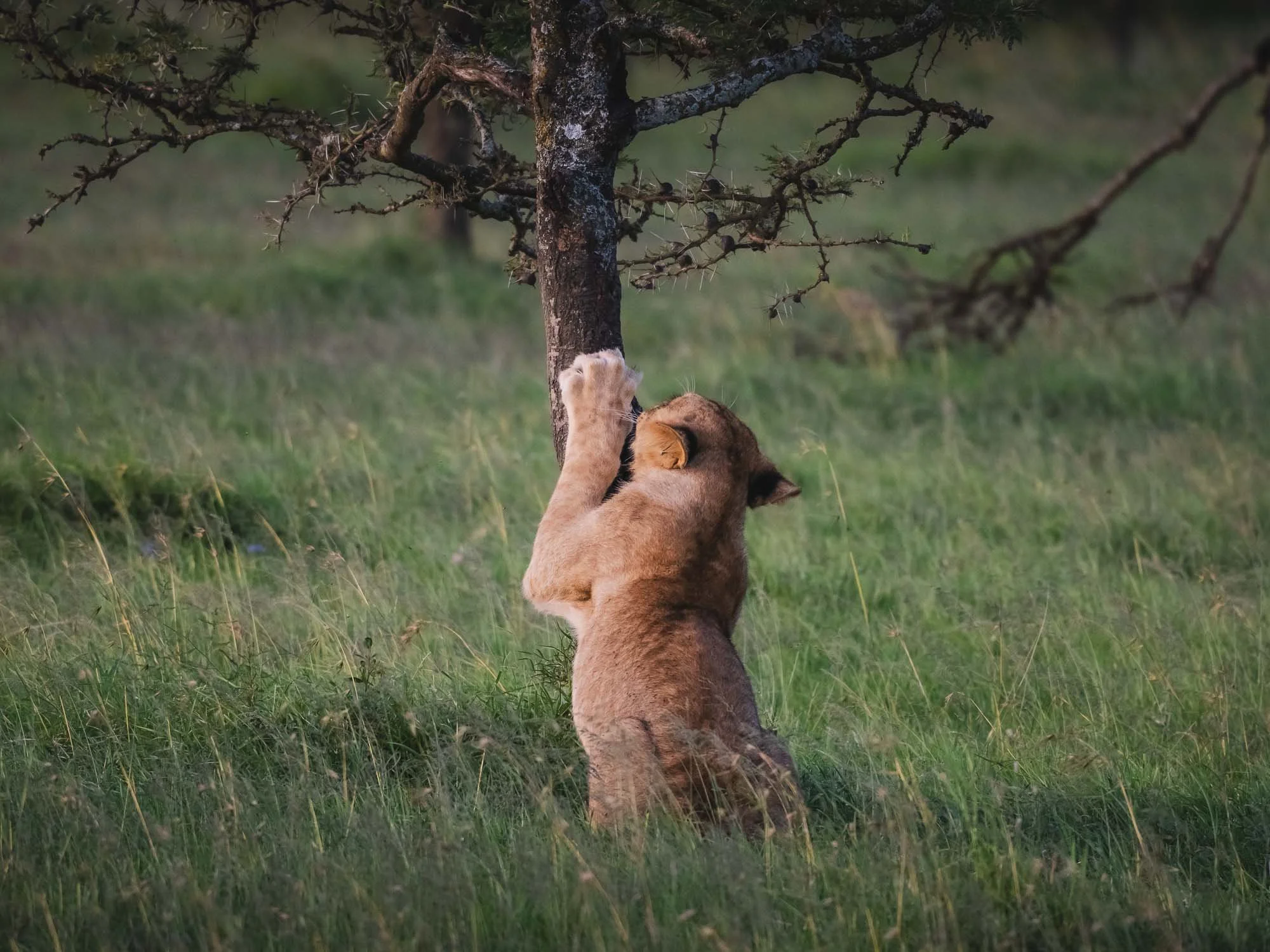
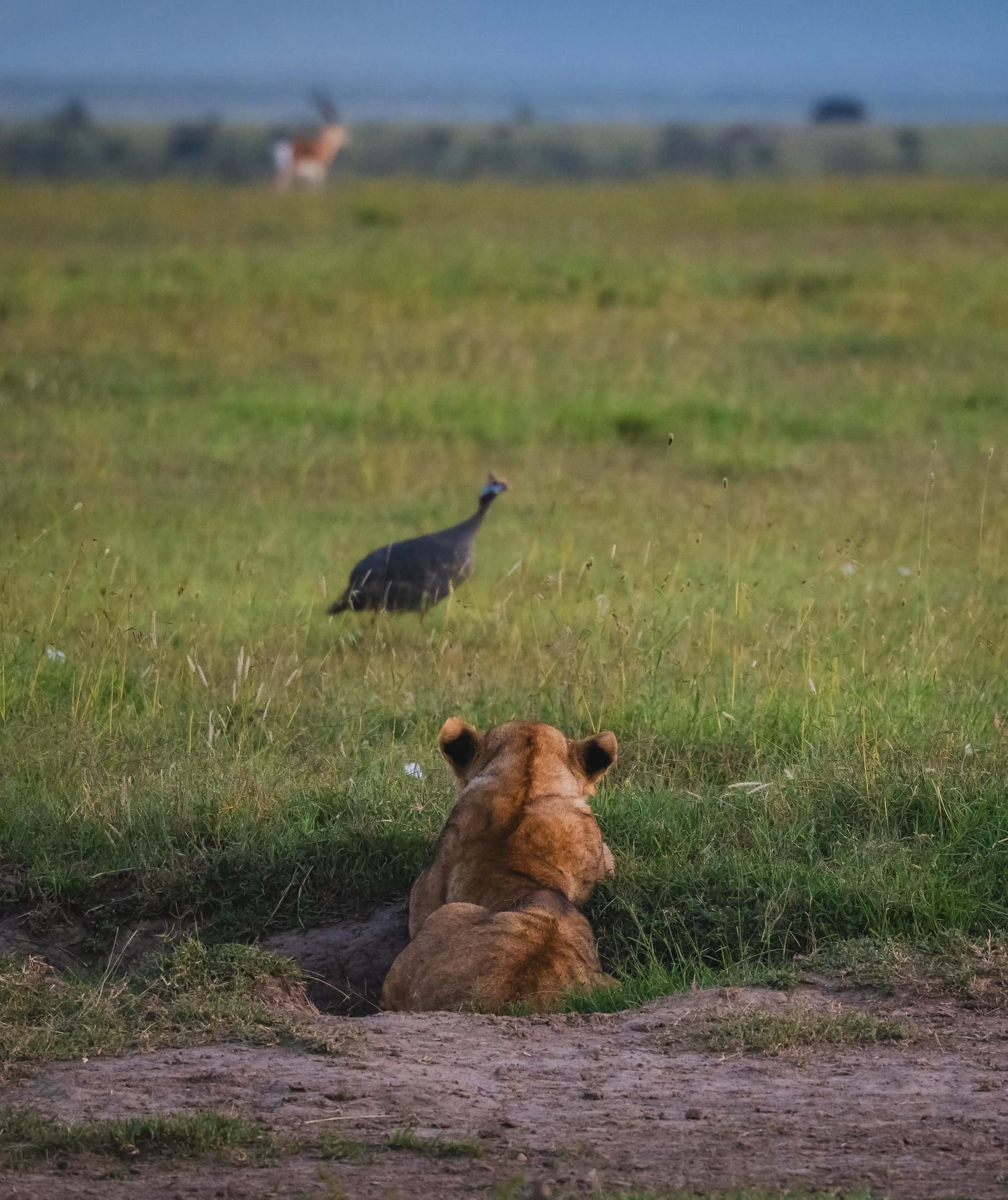
One of the youngsters also made an attempt at catching some guinea fowl - completely unsuccessful, and even the distant herd of gazelles had long seen him stalking the bird.
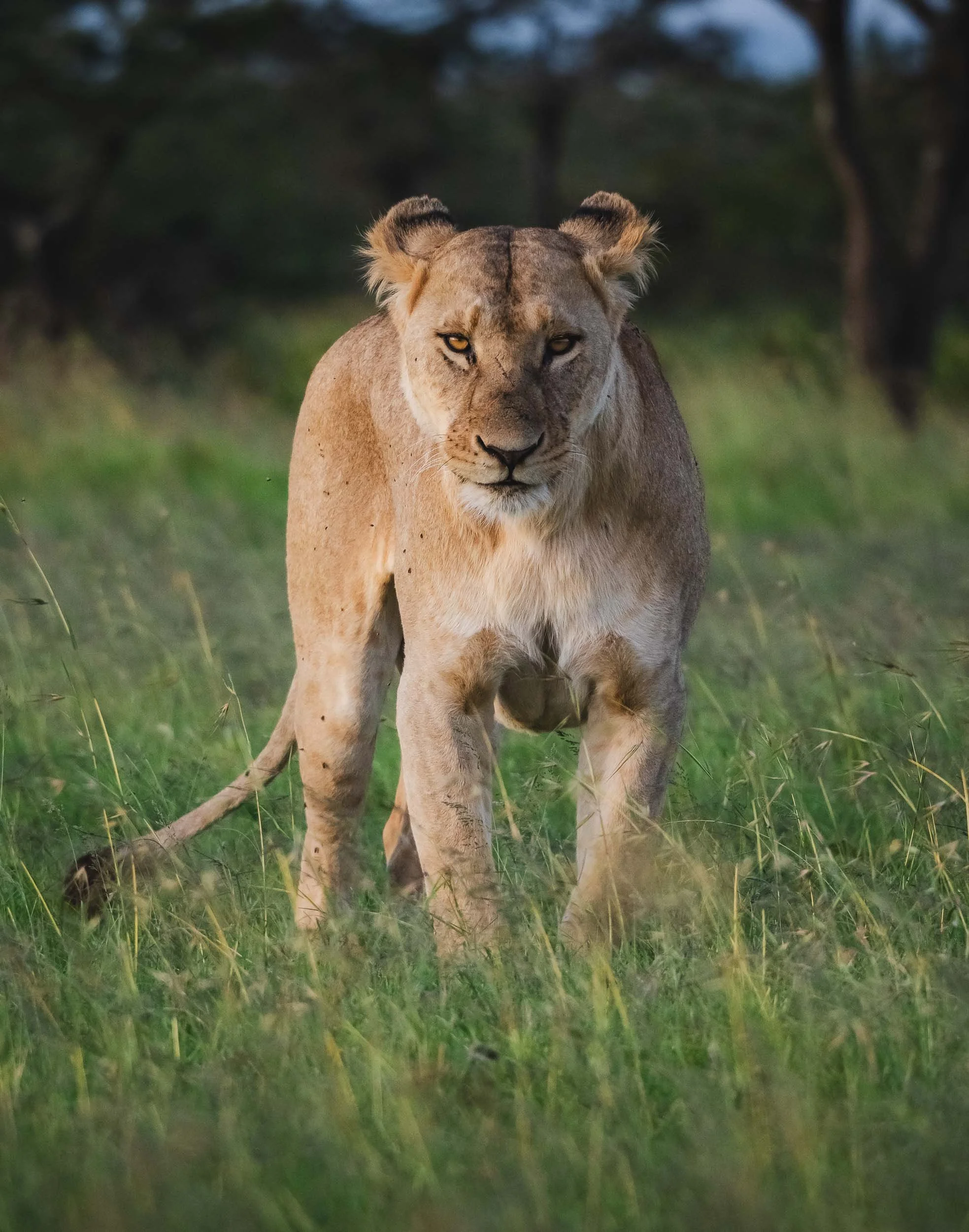
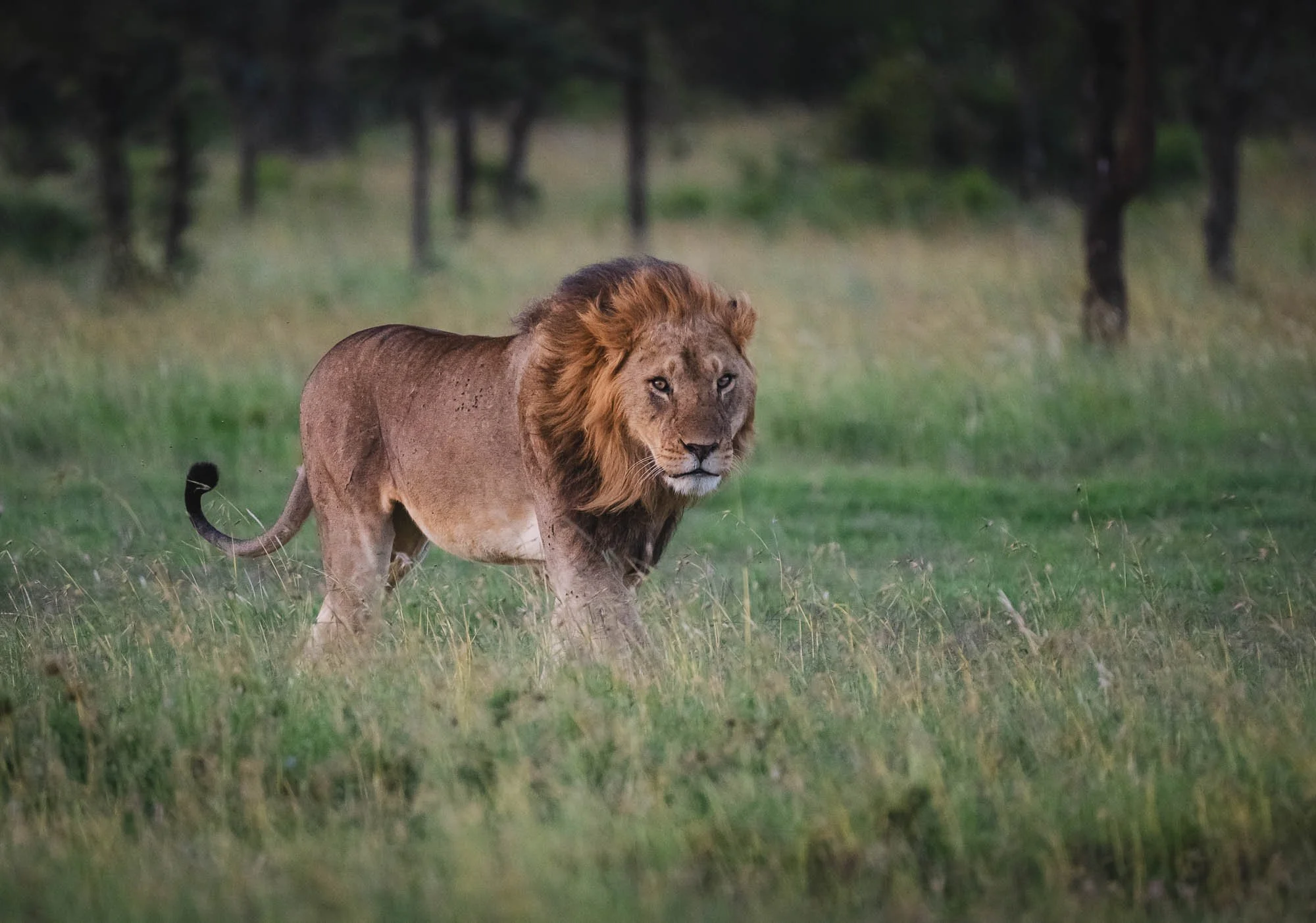
As the light faded the large male decided to get up, greet everyone, and ended the shenanigans - they made their way off into the forests and it was probably time to look for today’s meal.
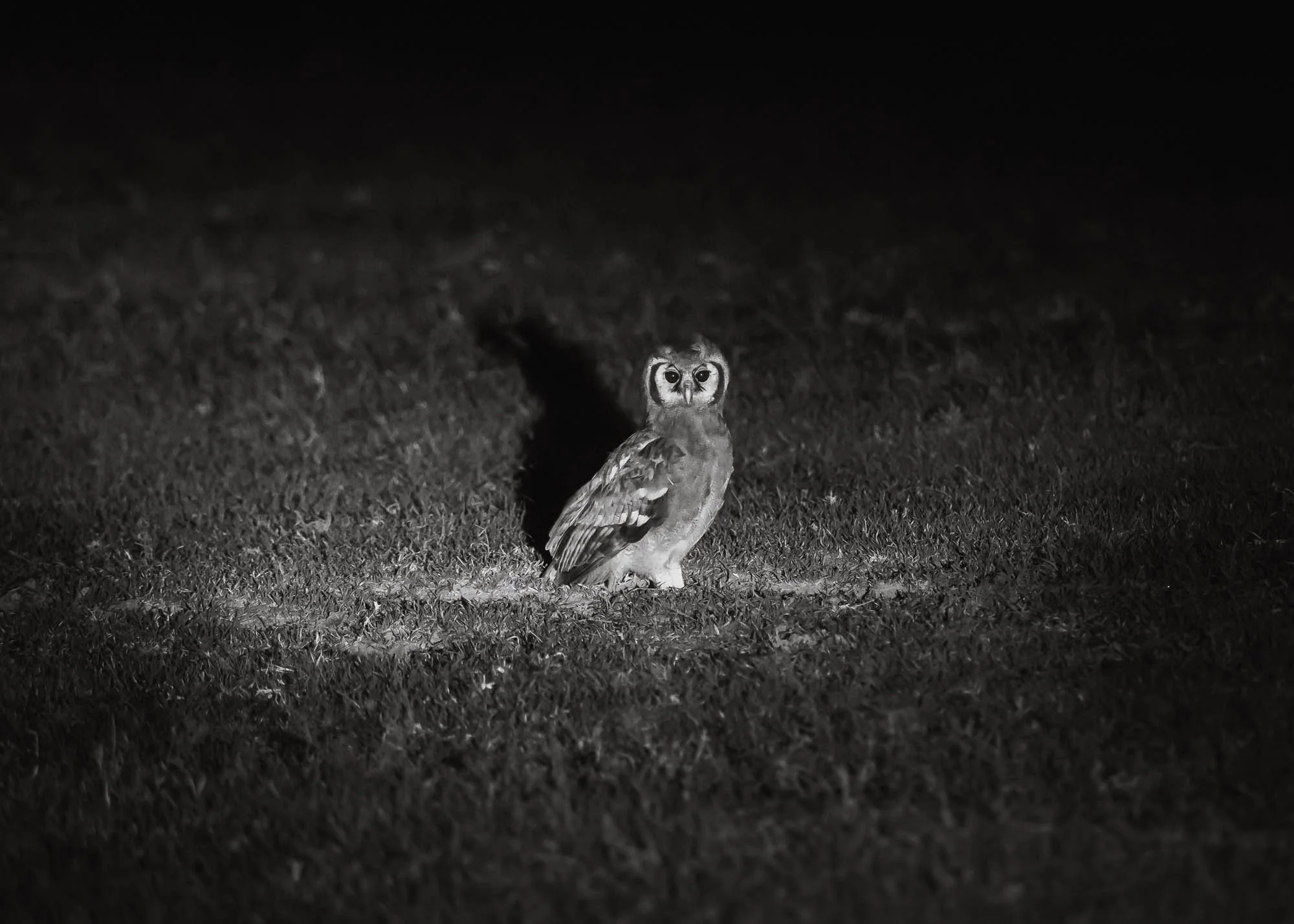
It’s very hard to follow lions at night, but we did spot what I suspect is a Verreaux’s Eagle Owl (the largest African owl) in the grass on our way back.
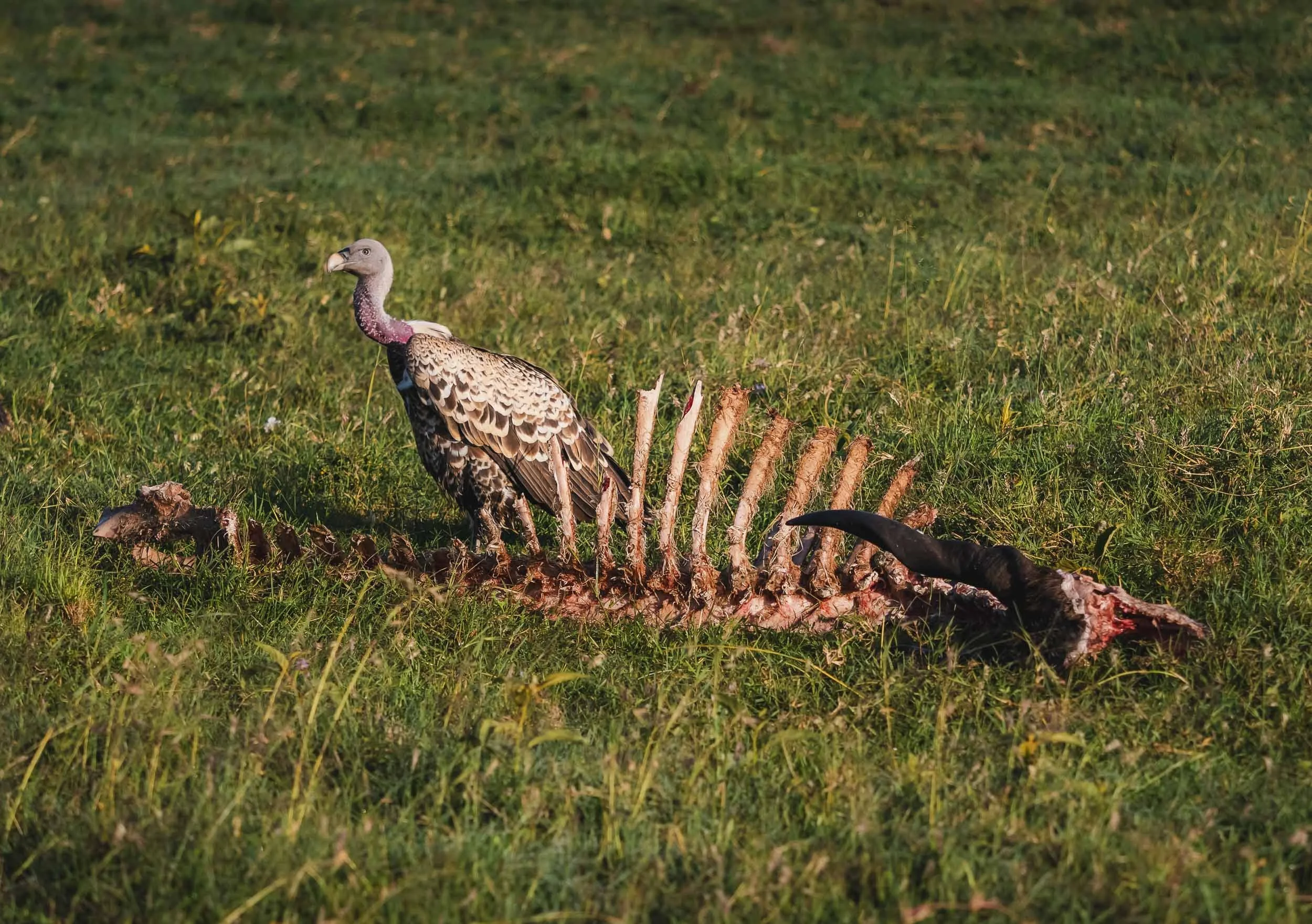
The next morning…
I can’t say for sure whether the leftover Kudu skeleton this vulture is sitting on is related to the pride going for a hunt the night before, but some predators certainly had a filling meal.
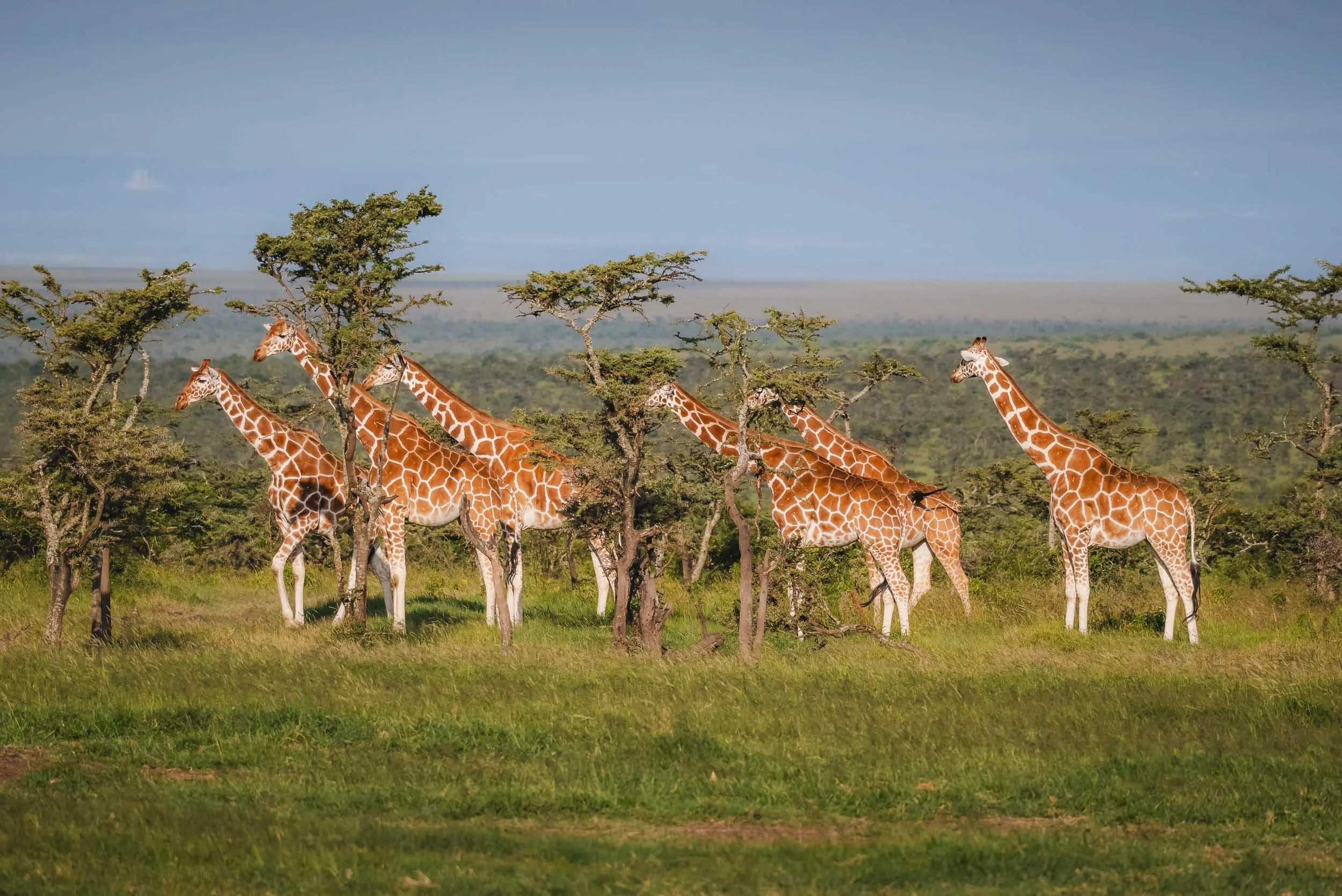
The Reticulated Giraffe
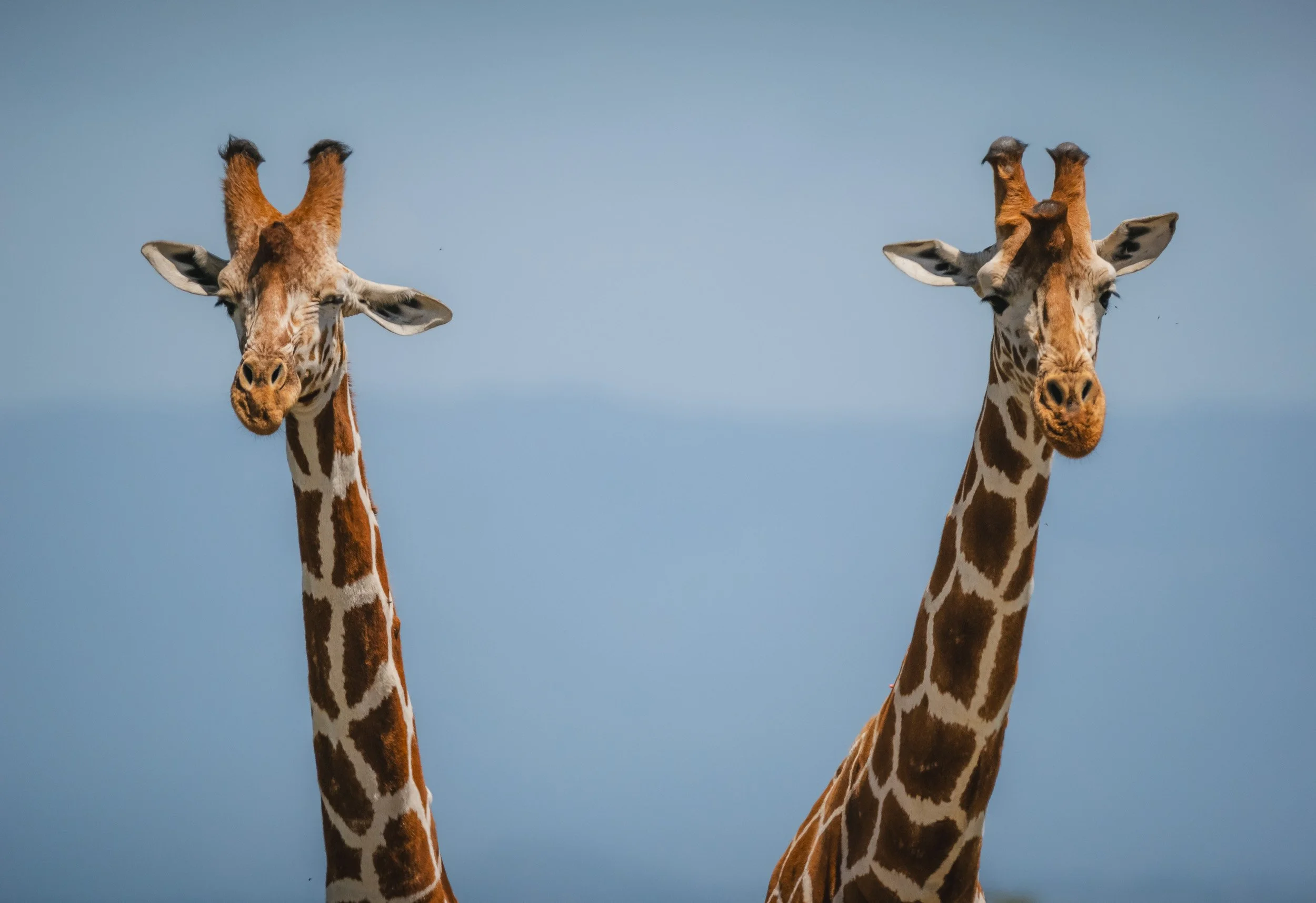
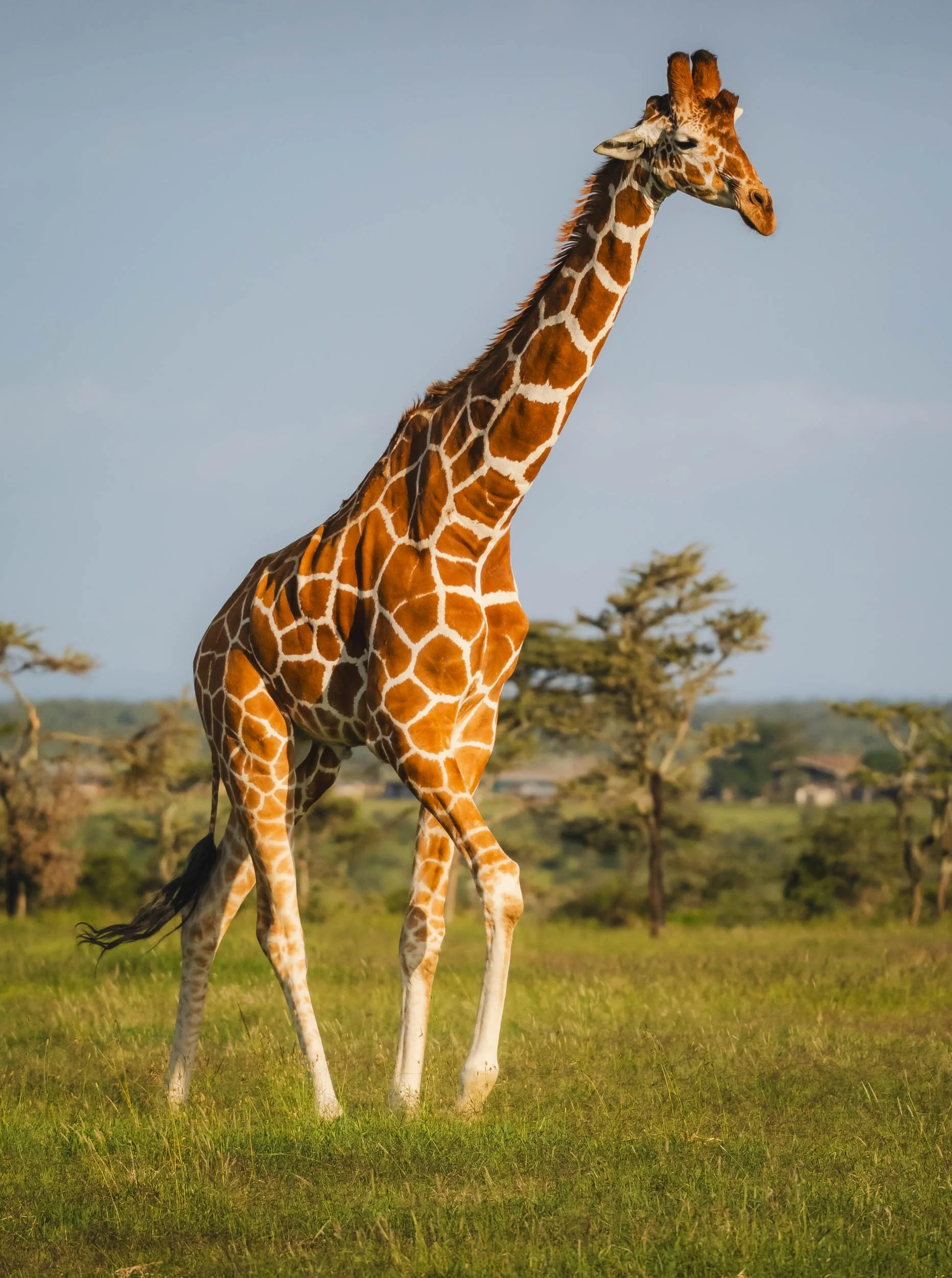
The northern part of Kenya also features a special type of Giraffe - did you know there are multiple species?
With up to 6 meters in height, the Reticulated Giraffe is the largest of them and the tallest land animal on Earth.
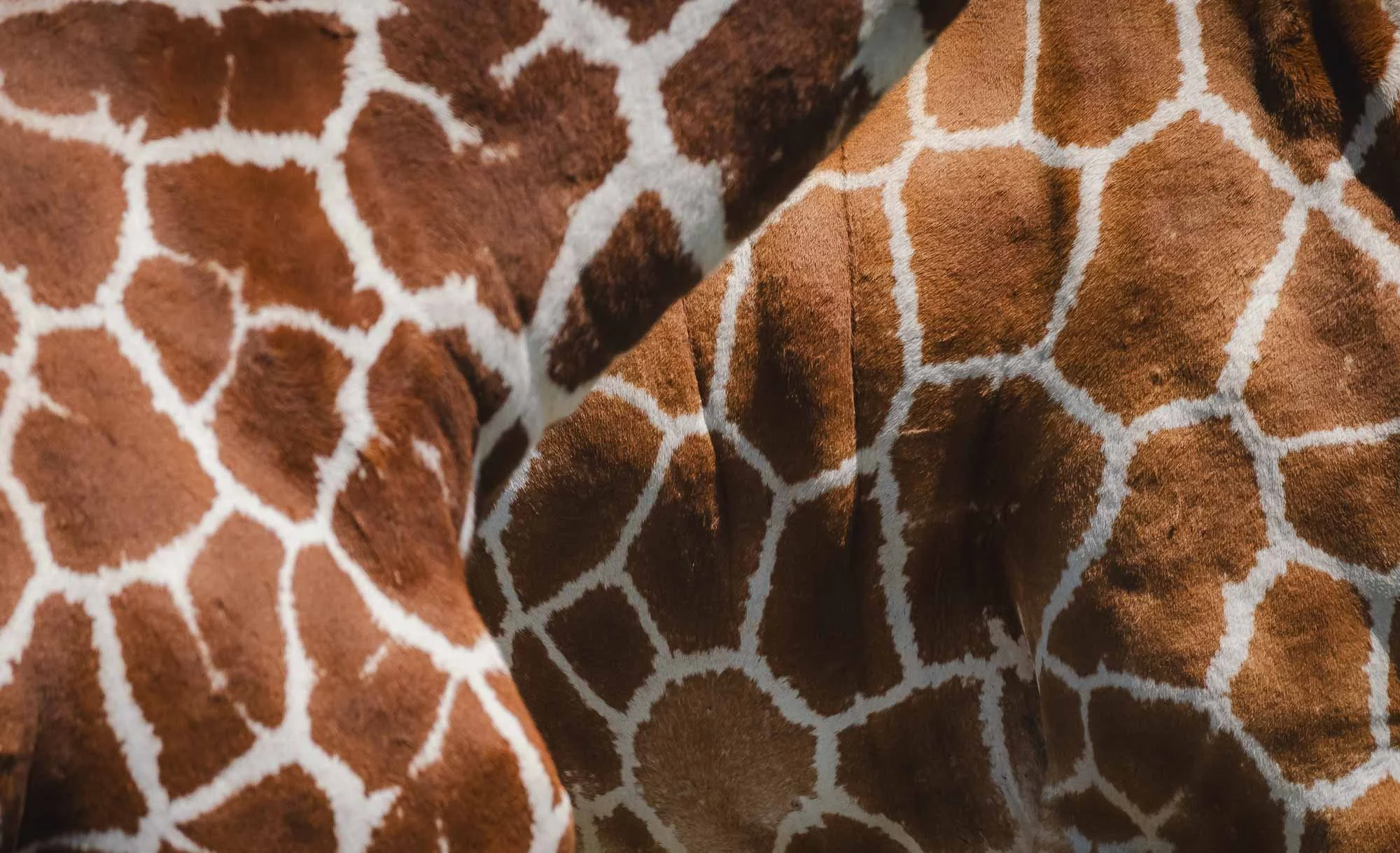
Aside from their impressive height, it’s the fur coat pattern that gives away this type of giraffe -the bright lines between the brown patches are much thinner and clearly defined than the common Masaai Giraffe.
They are an endangered species, with about 9000 individuals left in the wild. We got lucky to see a big herd with over 20 or so individuals together.
Melman
The cartoon character from the Madagascar movie is a Reticulated Giraffe, although I didn’t see any of the same tendency to hypochondria in the wild individuals we observed here…
The Northern 5
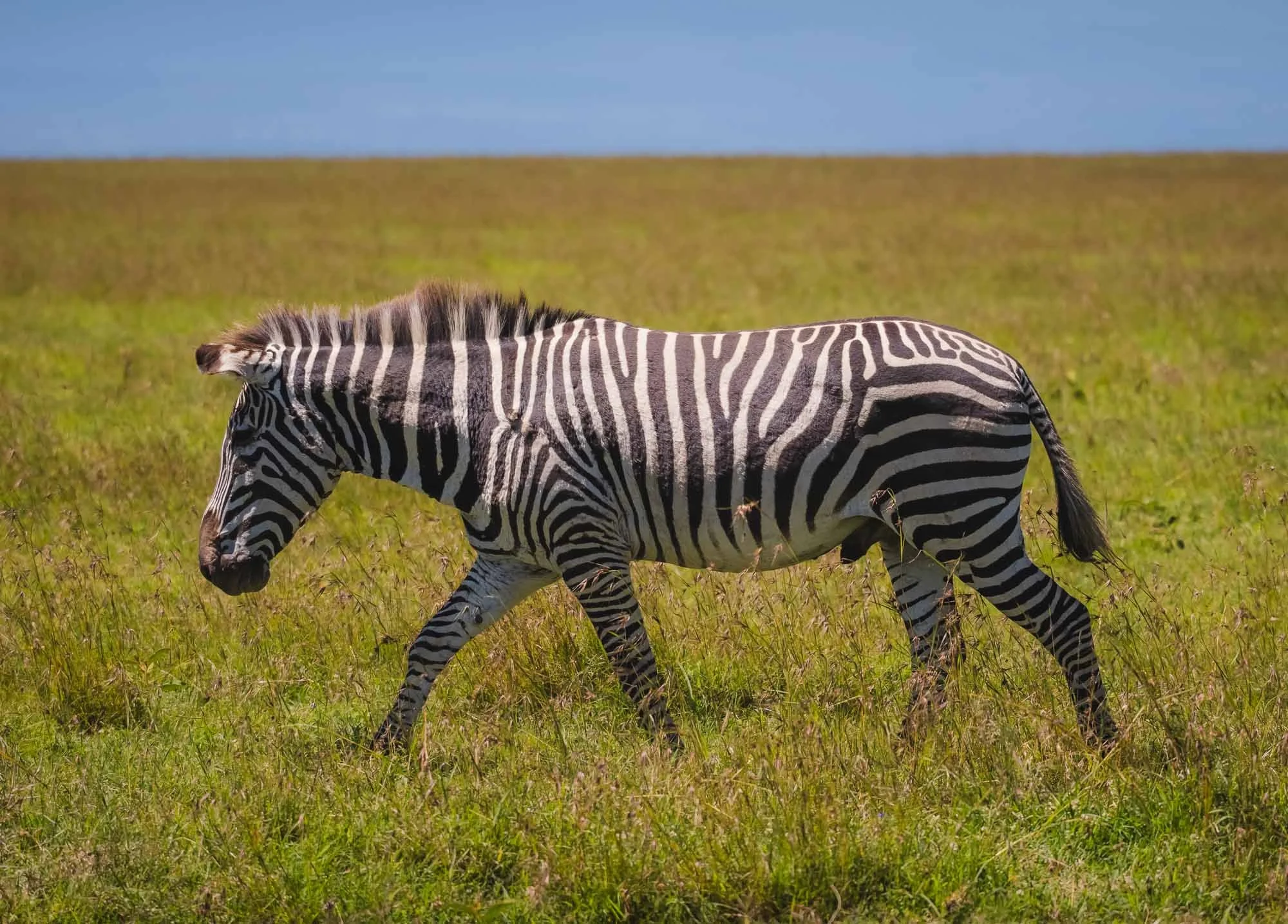
Reticulated Giraffe are part of the so-called “Northern 5” - give species commonly found only in the northern parts of Kenya and beyond. The Grevy’s Zebra is one of them, and while not common in Ol Pejeta there are plenty in Laikipa. This specific individual is a hybrid between the plains and Grevy’s individual. The brown-ish colour, smaller size, rounder ears and fewer stripes on the belly give it away.
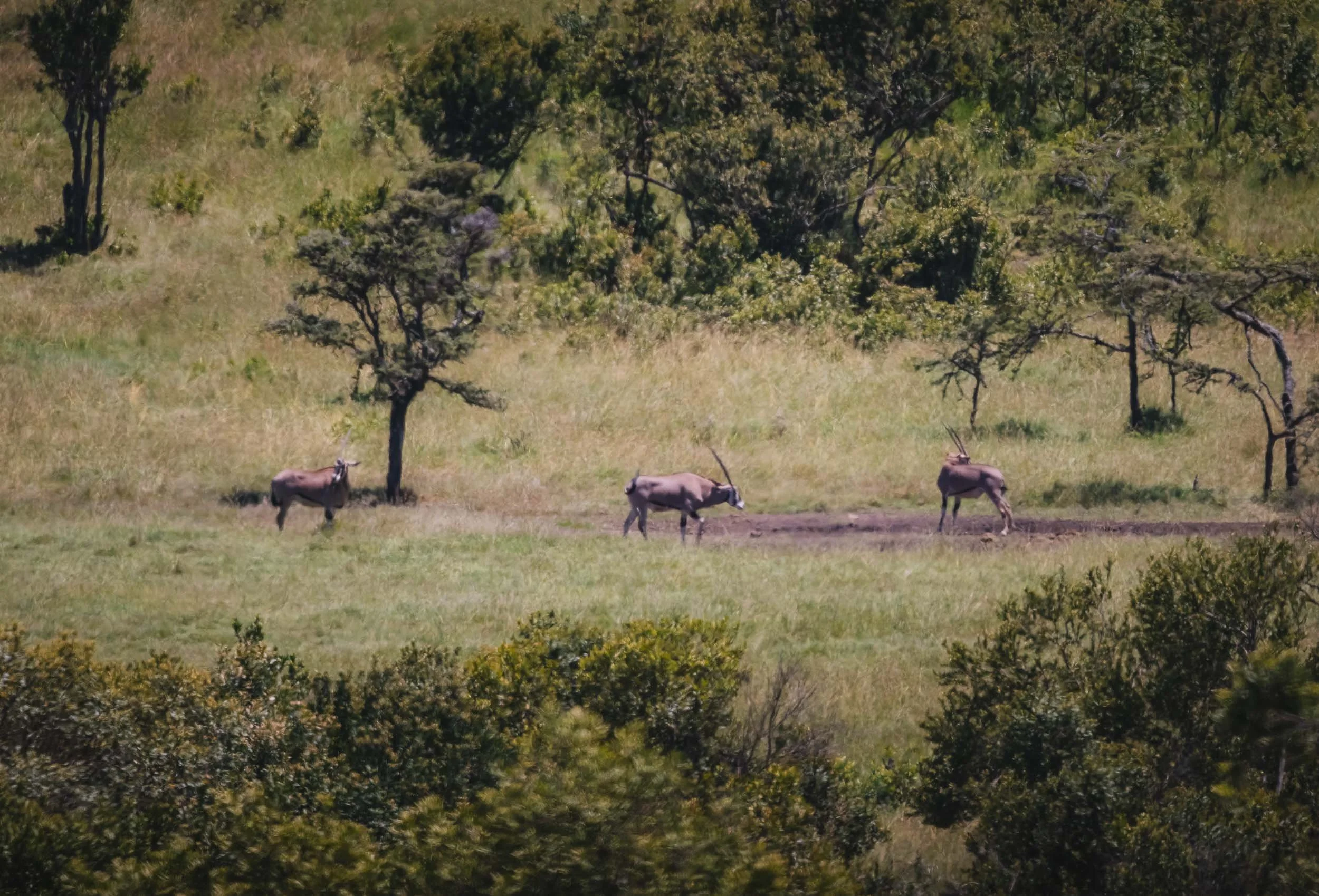
The third Northern 5 is the Beisa Oryx - allegedly there are only three of them in the conservancy, and we managed to get a very distant and very lucky glimpse of them.
The other two members of this elusive group are the Gerenuk (which can actually also be found in other parts of the country including as far south as Amboseli) and the Somali Ostrich, for which you need to go further north.
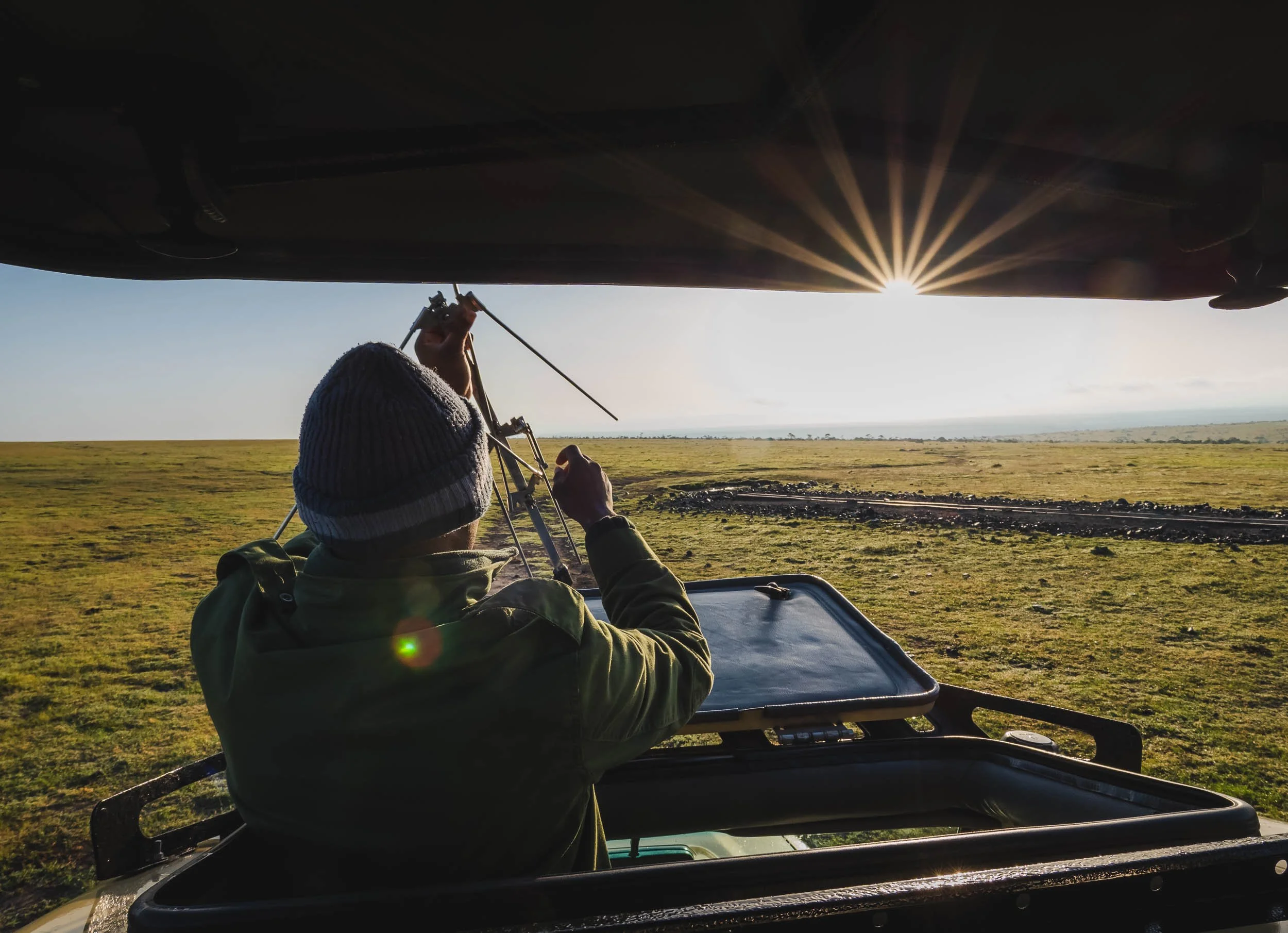
On the Lion’s Path
The conservancy tracks a few lion prides with collars to observe their movements and health - normally that information is not accessible to tourists, but the park management sometimes offers visitors to join the rangers for lion tracking in the mornings. Despite having seen a huge pride already, this is never something to miss!
And what a good decision it was - we learnt that the collared female was heavily pregnant and probably about to give birth, or may have already done so. That meant she was going to be very difficult to find. A lioness that’s about to have cubs will usually separate from the pride and hide deep in the thickets. Indeed, we spent a couple of hours driving to different areas and listening for the ominous beeping sound on the receiver until we managed to hear anything.
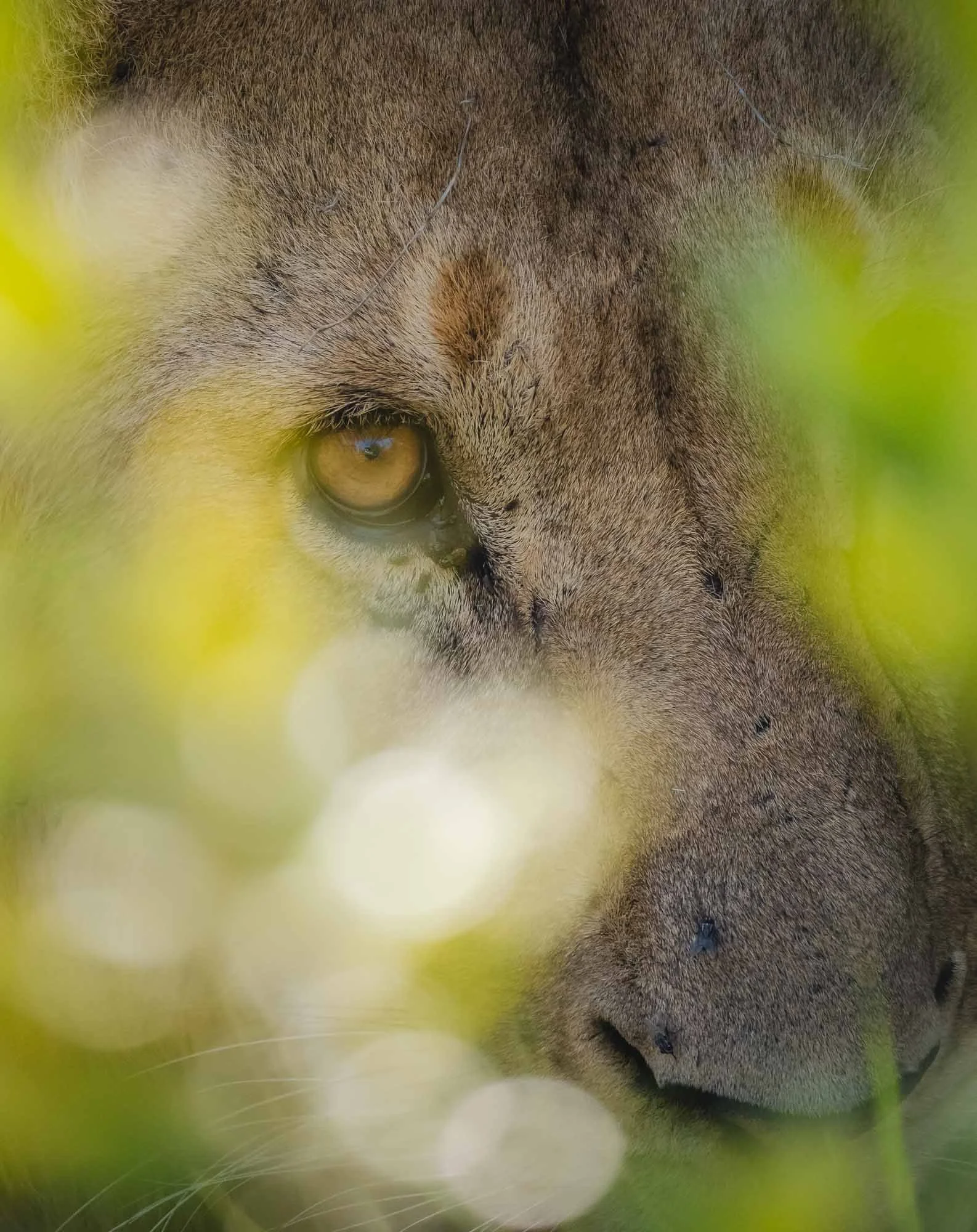
As expected, she did hide far into the thick bushes, and only after half an hour of heavy off-roading (the benefit of being with rangers!) did we manage to come close… but it was all worth it - it turns out, she was not alone anymore.
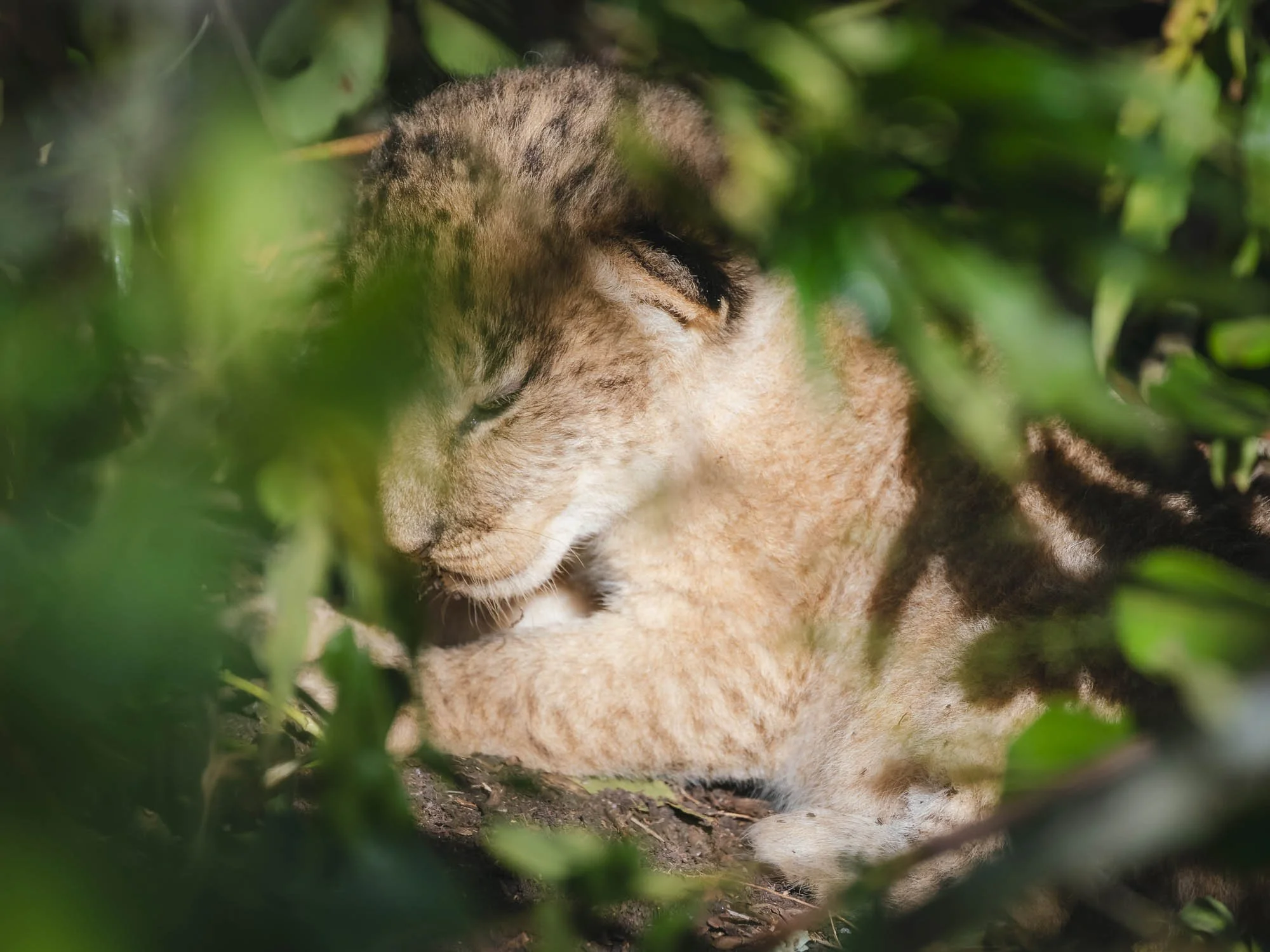
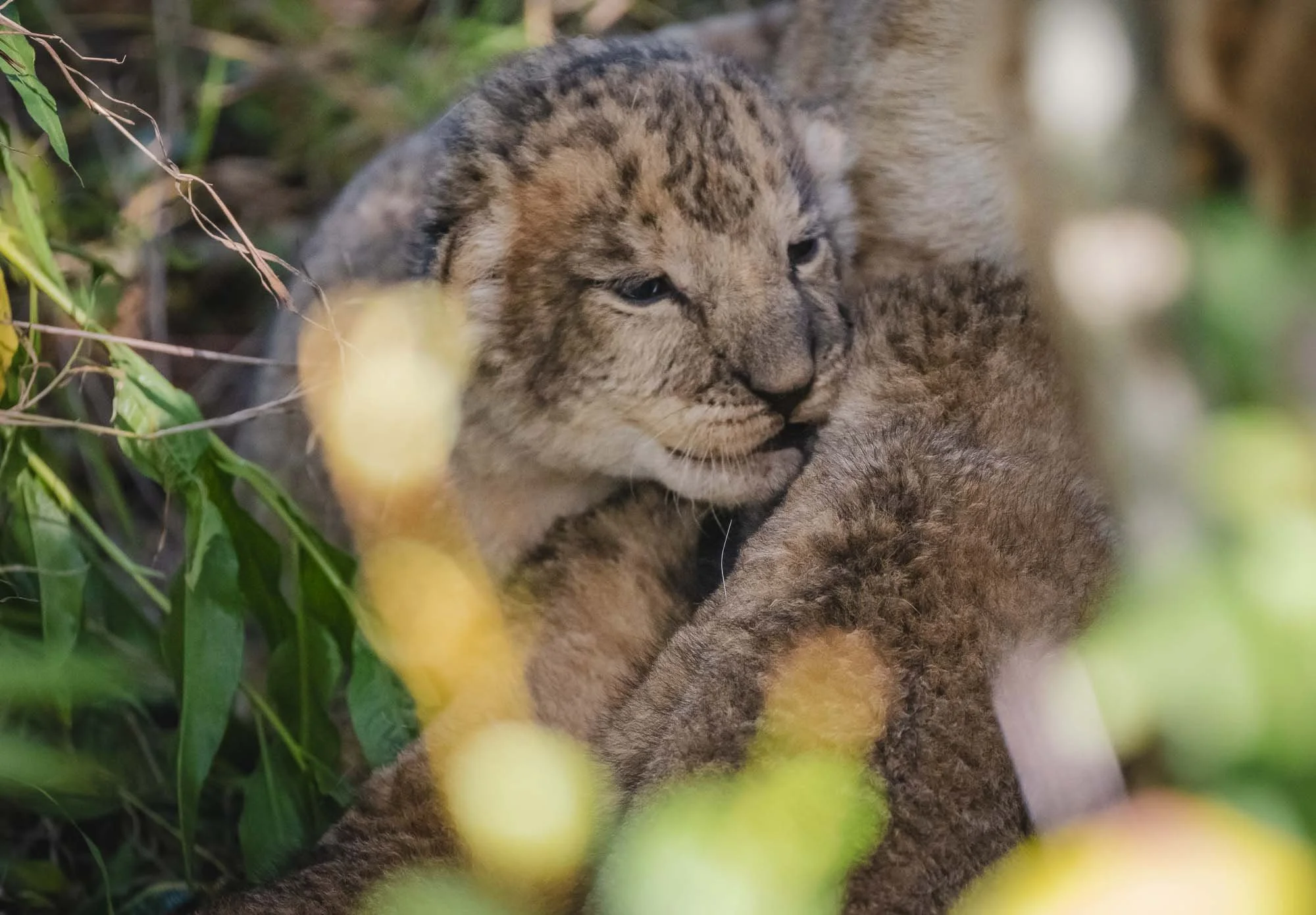
The lioness had given birth a few days ago - the youngsters had barely opened their eyes. It was the first time anyone had seen the cubs, and even the rangers were surprised. They had expected them in a week or two. We observed a total of four cubs, but they were deep inside a group of bushes and very difficult to spot - I suppose that’s the point, well done to the lioness.
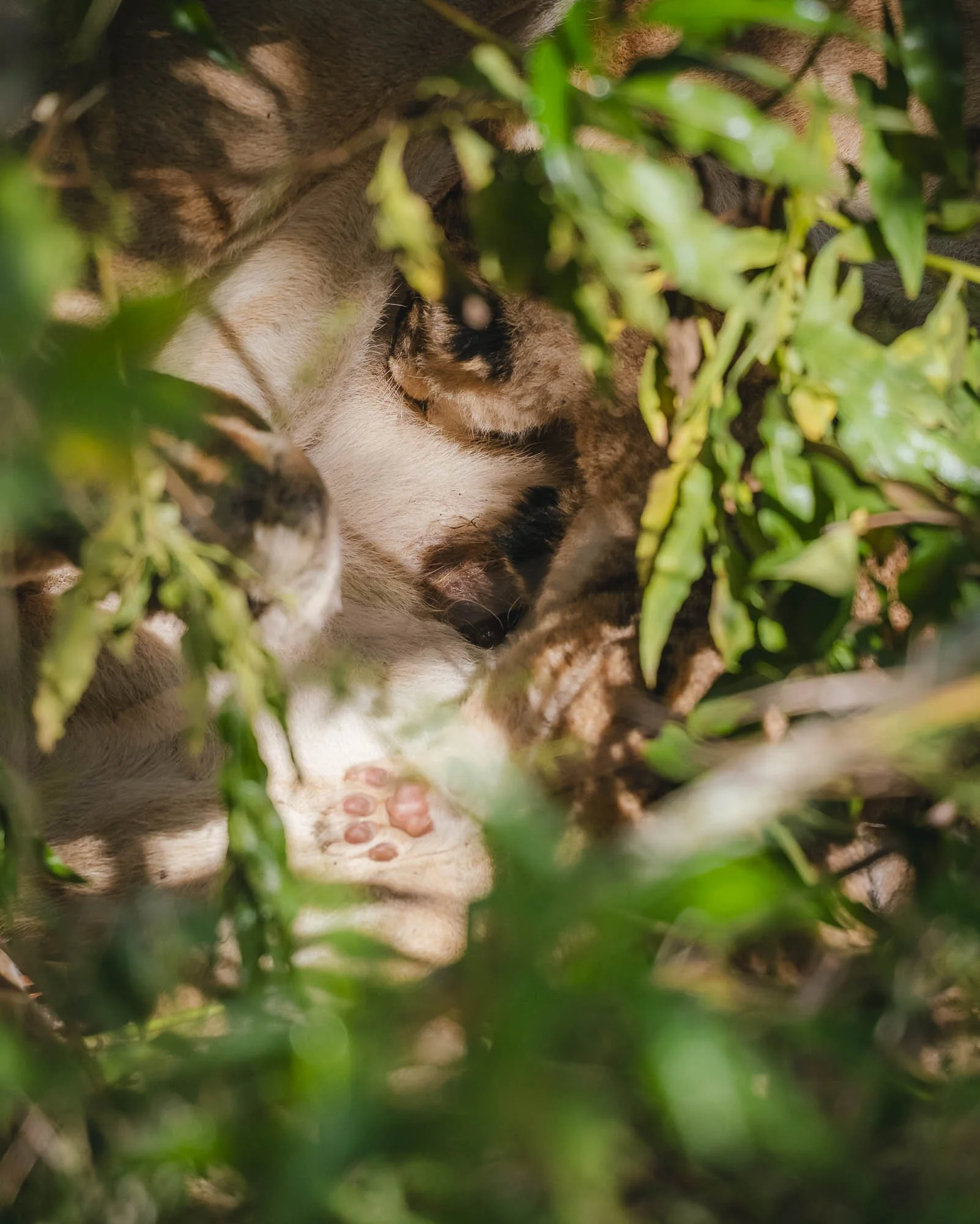
We observed them for a few minutes more and got a chance to see one of the tiny cubs (look at the paw!) enjoying a meal before deciding to leave them alone. A lioness and her cubs are extremely vulnerable to hyena and rival lions during the first weeks after they’re born, and we didn’t want to draw more attention to their location or trigger the lioness to move them, which is always risky.
Another male and female were sleeping not far away in the bushes, which is quite uncommon, and the rangers decided they would not visit them again for at least a couple of weeks to avoid any disturbance. As a result, I’m not sure what happened to this litter.
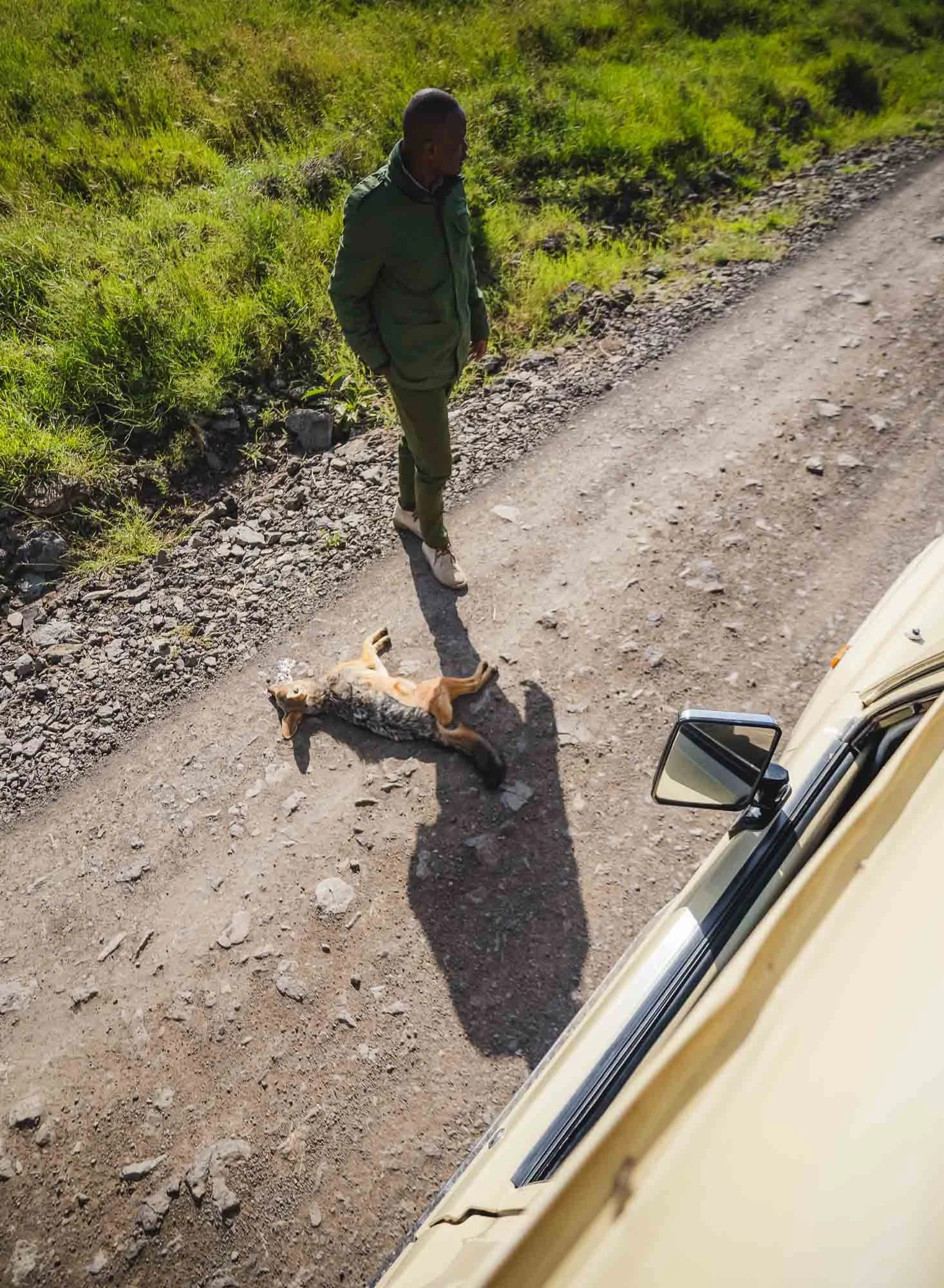
In a rather sad turn of events we encountered this black-backed jackal on the road on our way back, which had seemingly been hit by a car the night before - speeding is also a problem inside a conservancy. We saw its lonely companion a few hundred meters from the site of the incident - jackals live in pairs and generally mate for life.
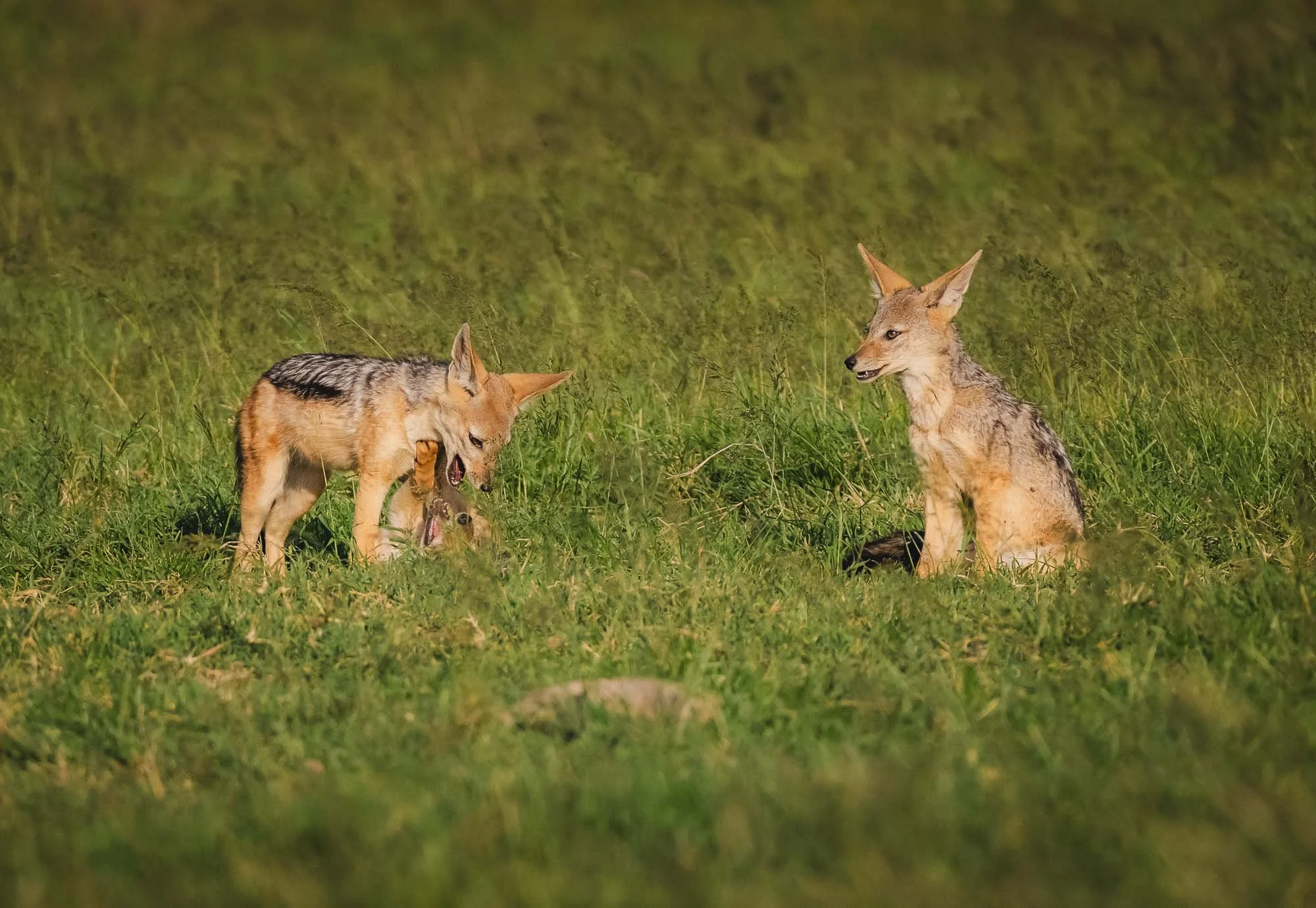
On the positive side we spotted this family with a few young pubs peeking out from the burrow a little later. Jackals are always extremely amusing to watch - they constantly give the impression of being up to no good.
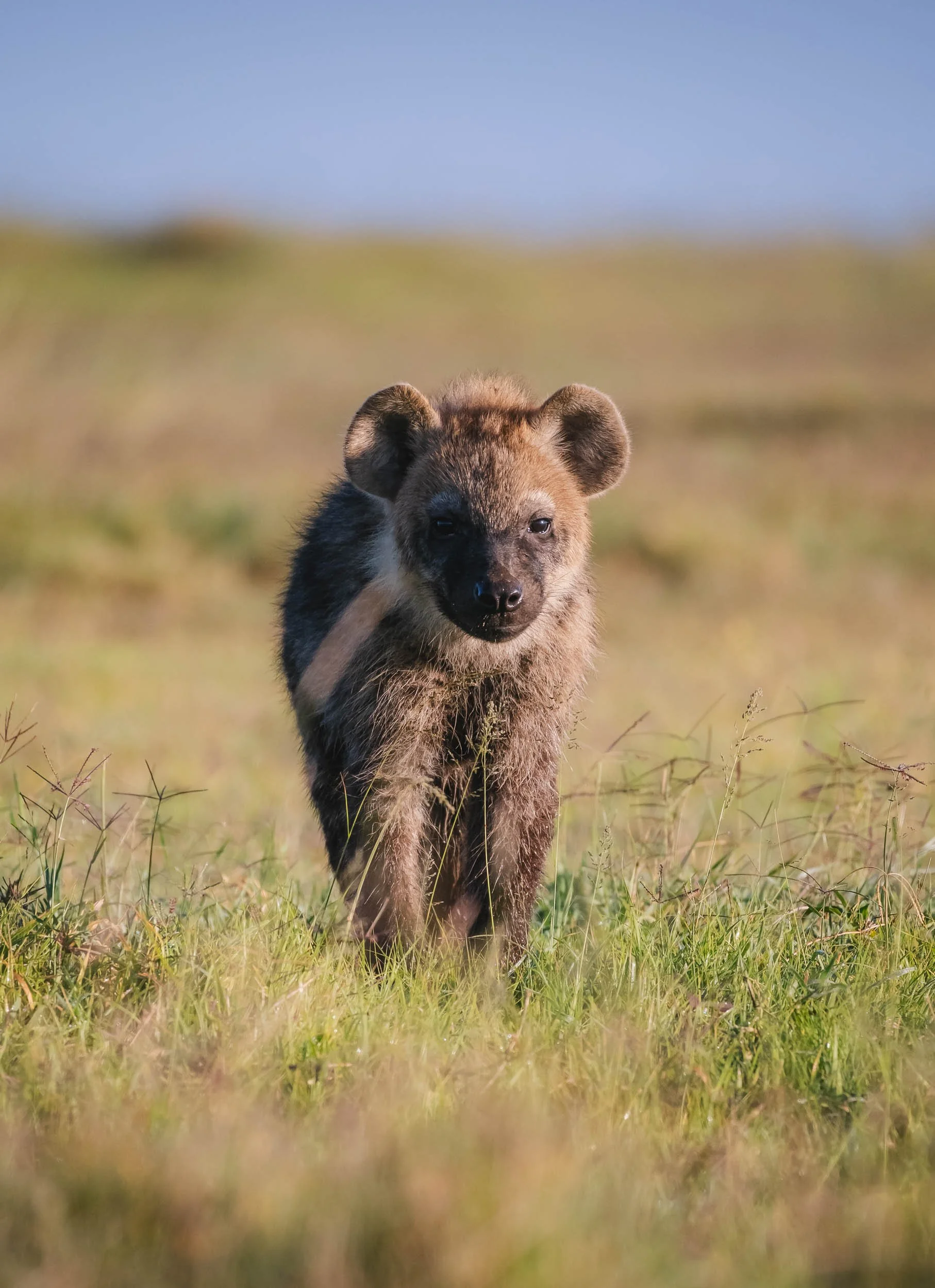
Spotted Hyena
Speaking of pubs, we also had the chance to come close to a hyena den with very young cubs, that occasionally stuck their head out, but didn’t seem quite confident enough to come out and play in our presence.
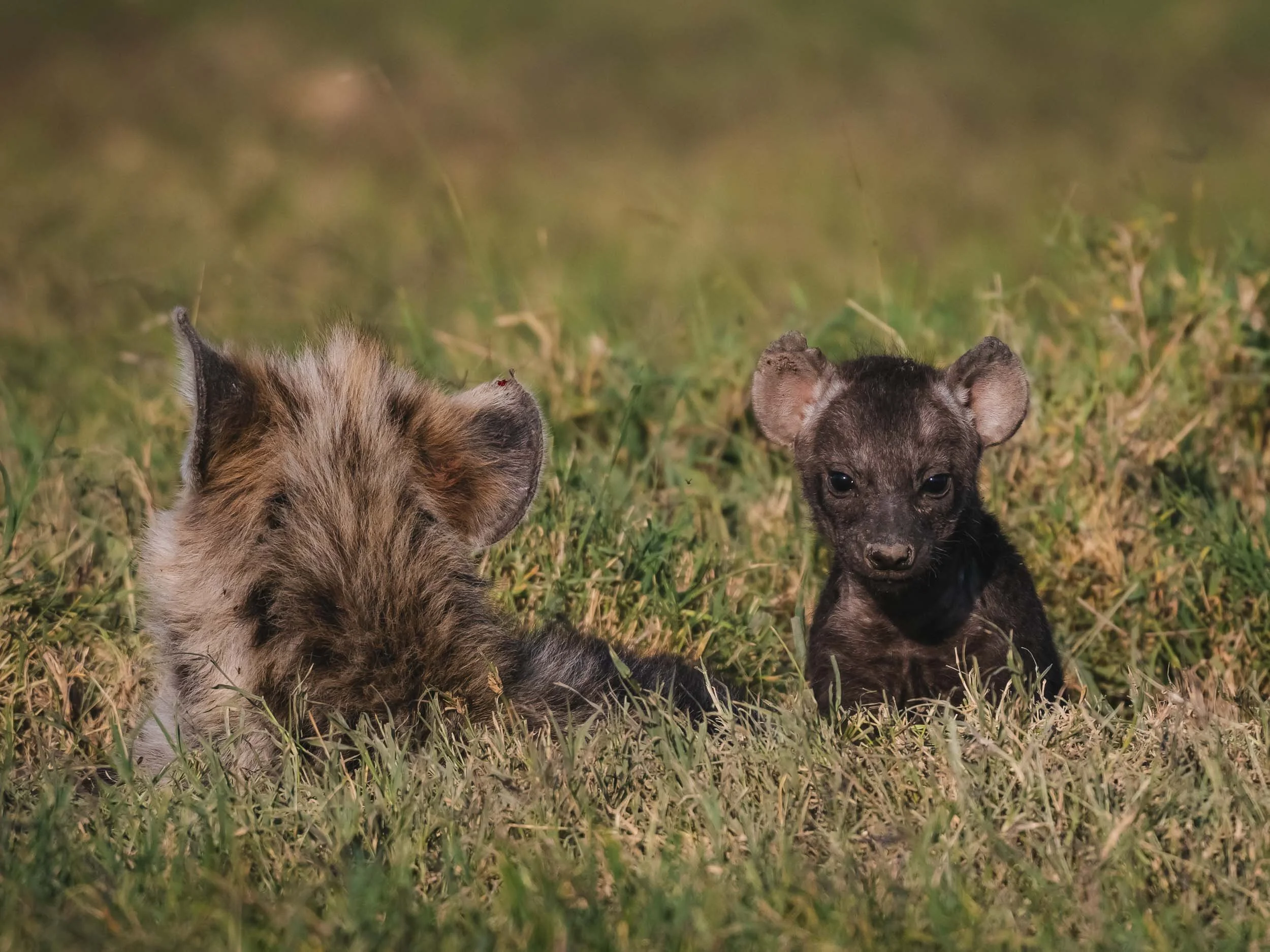
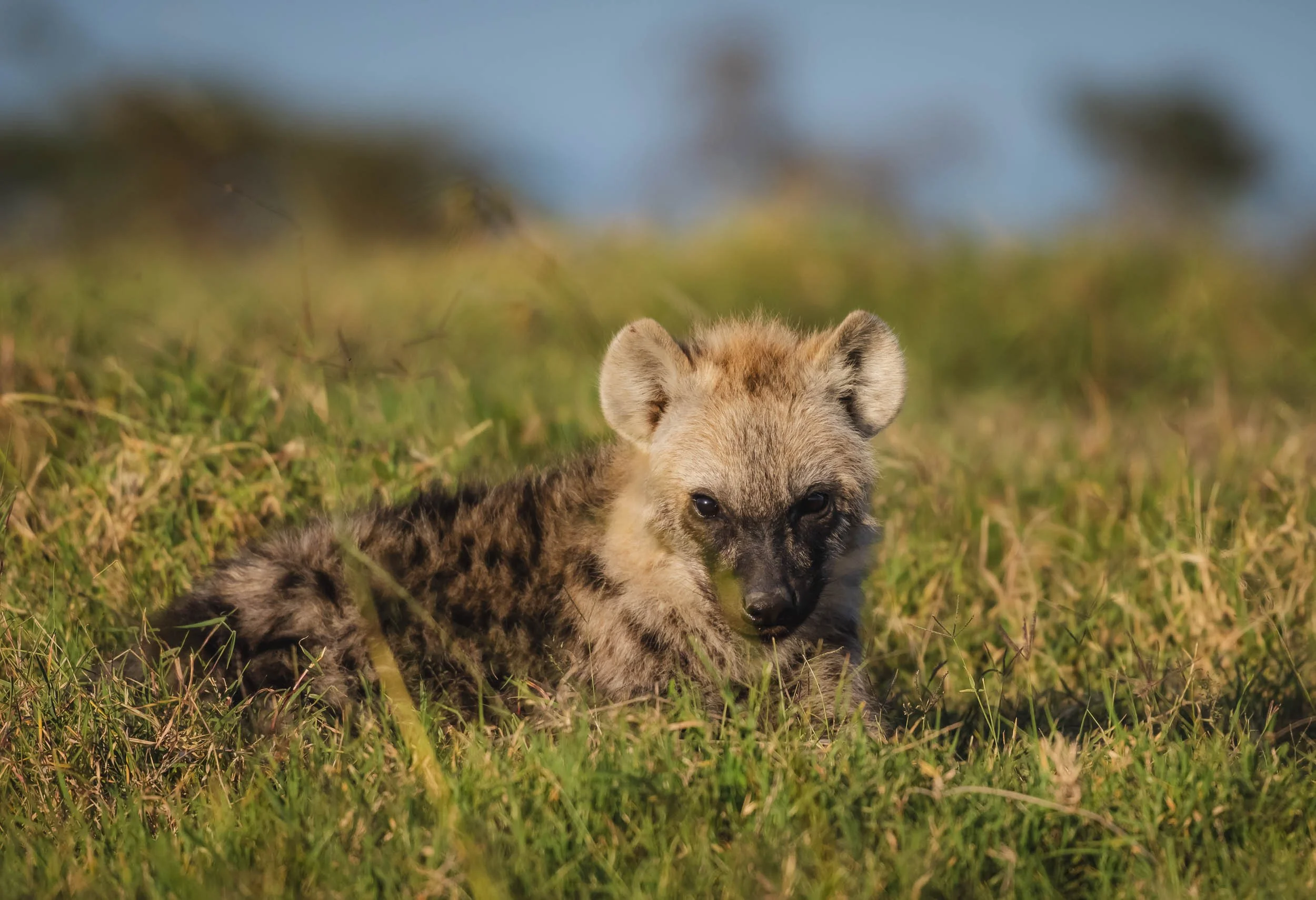
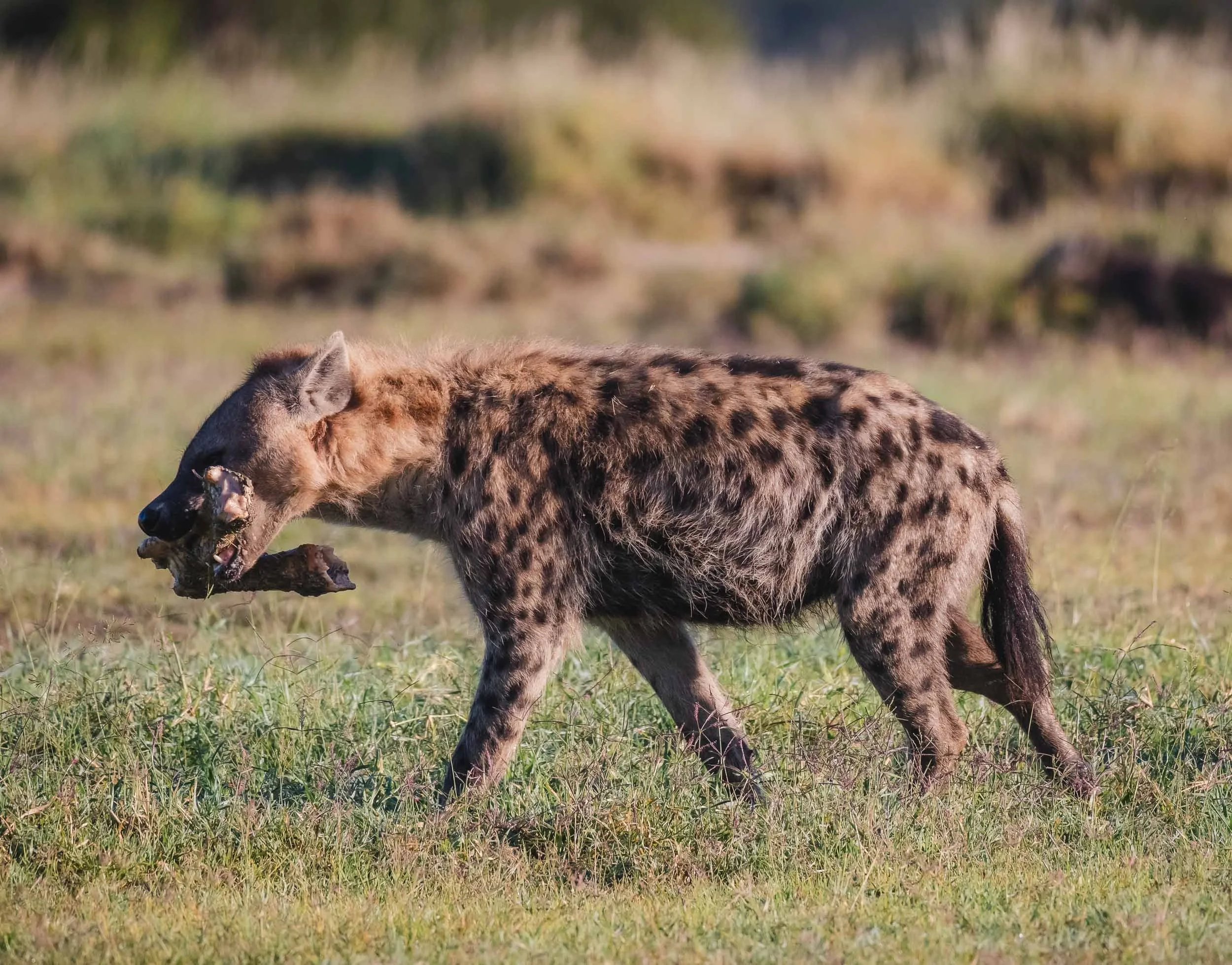
Even the large bone with some leftover meat didn’t seem to be intriguing enough for the small ones - maybe it’s because their survival rate into adulthood is as low as 50%.
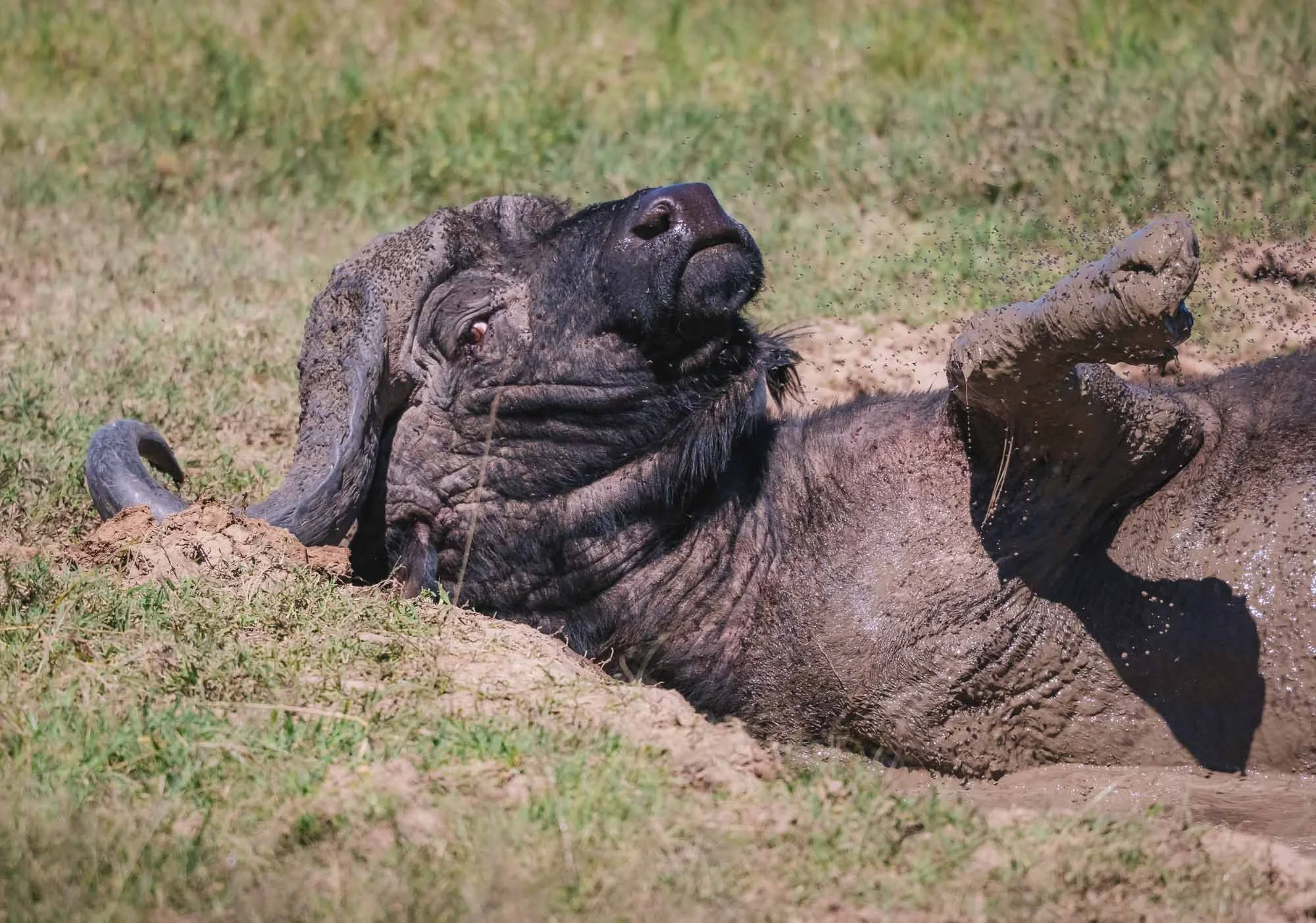
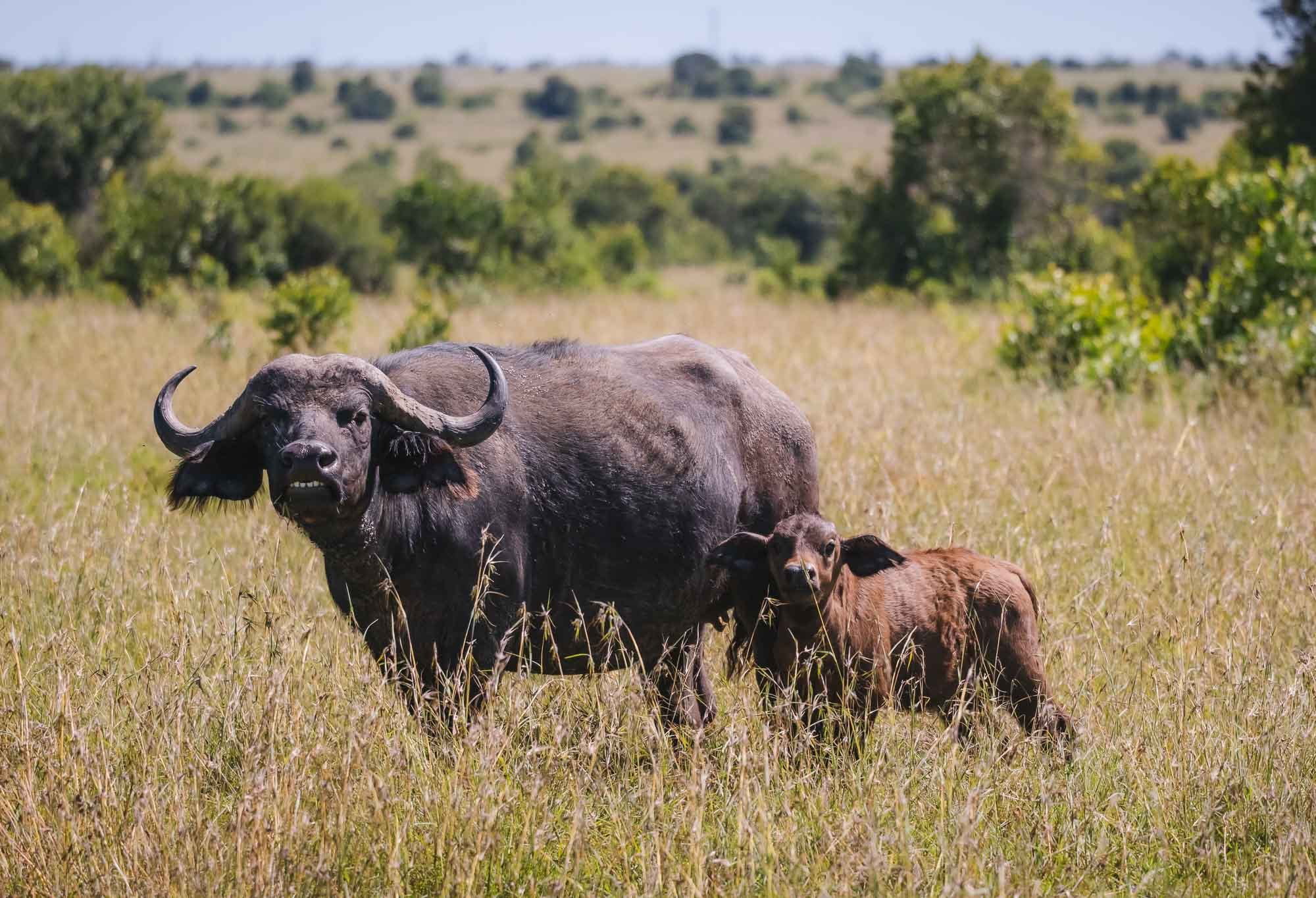
Buffalos are common in Ol Pejeta as well - it’s home to all of Africa’s Big 5. They are often the species that suffers the earliest and most during dry seasons, as they rely on constant availability of green grass.
One more species…
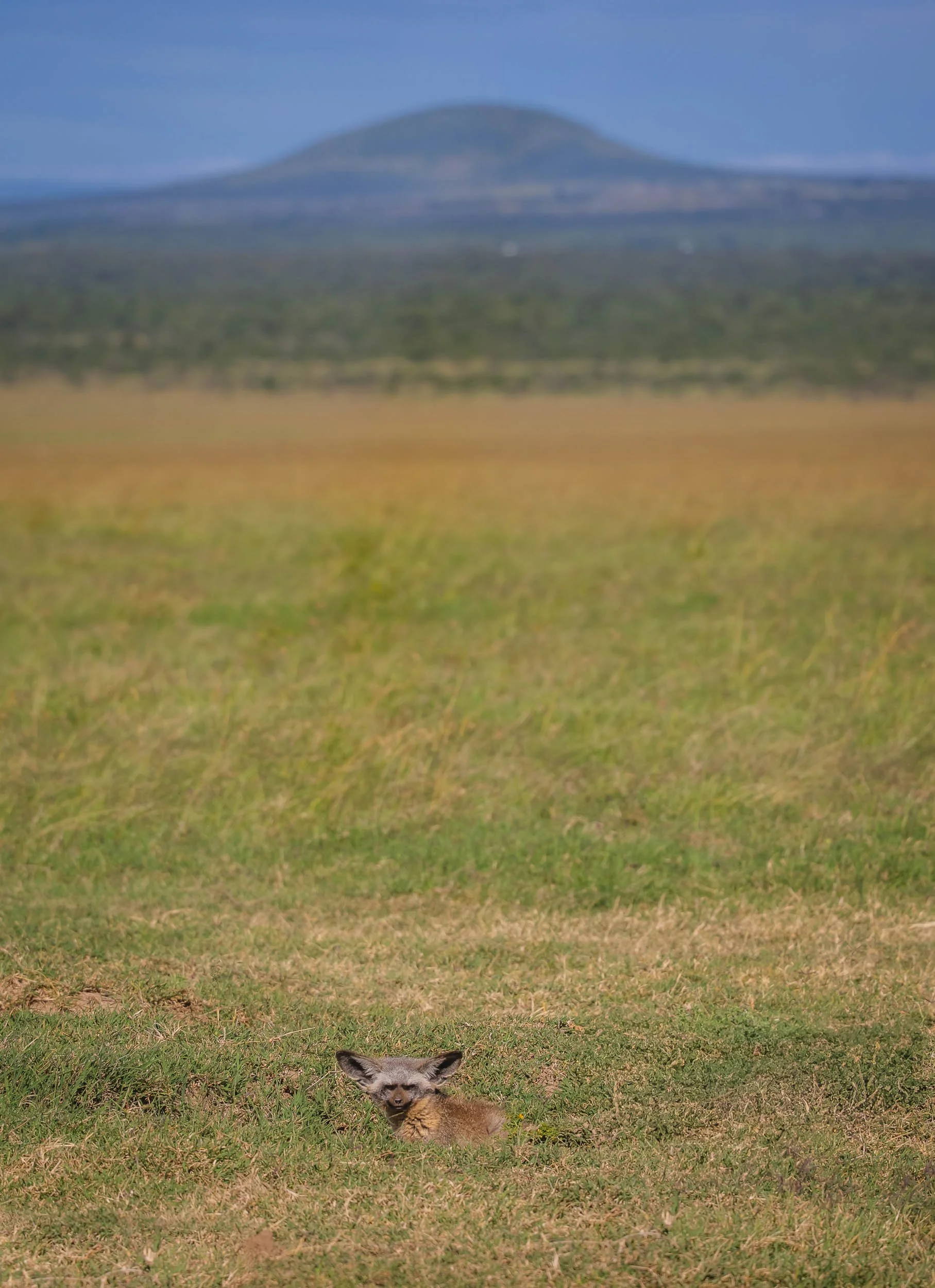
A bat-eared fox taking a look at us from its den in the grasslands. These animals with their amusing ears mostly live in social groups, but it seems the rest of his clan was sleeping.
On Foot
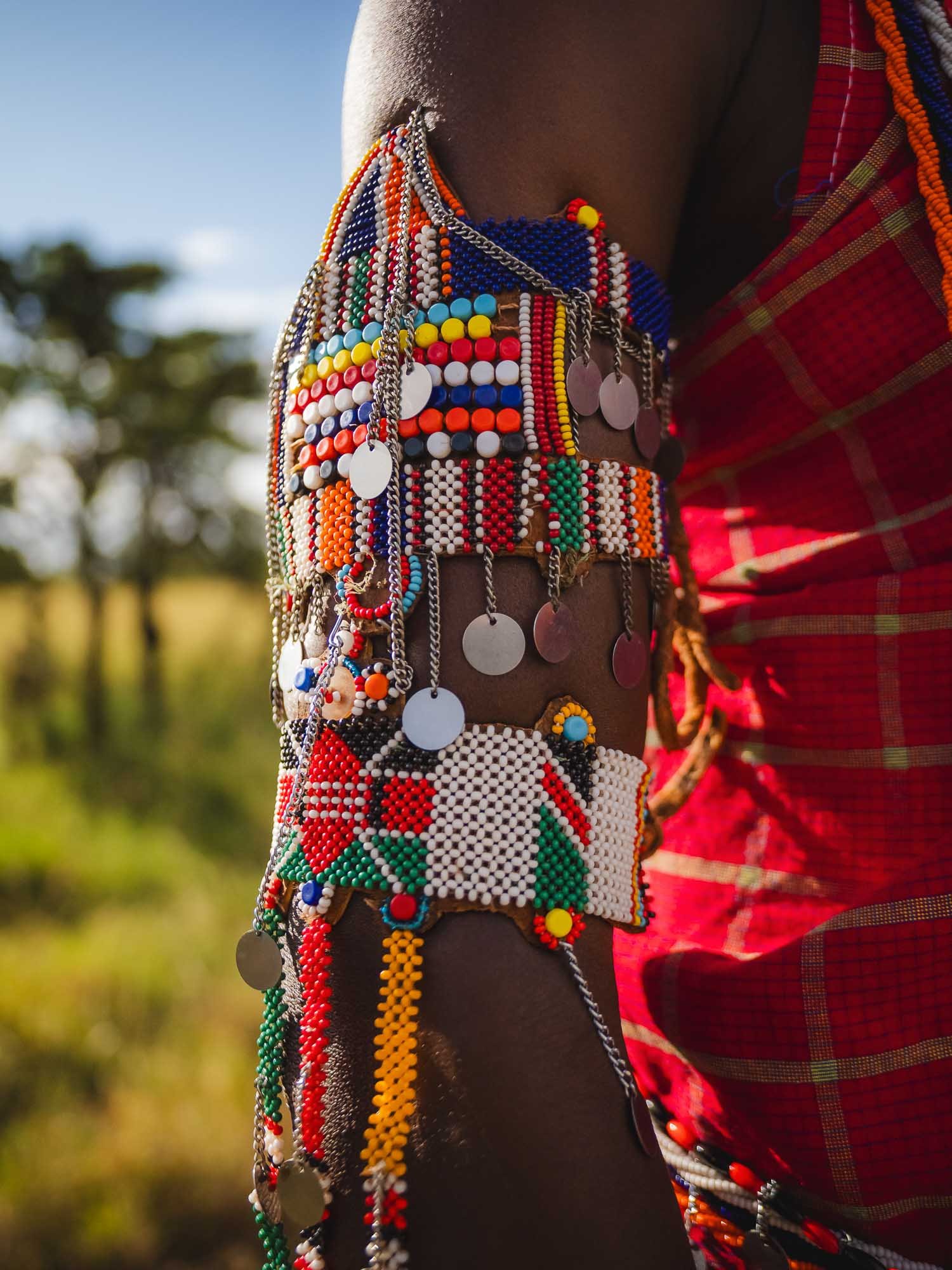
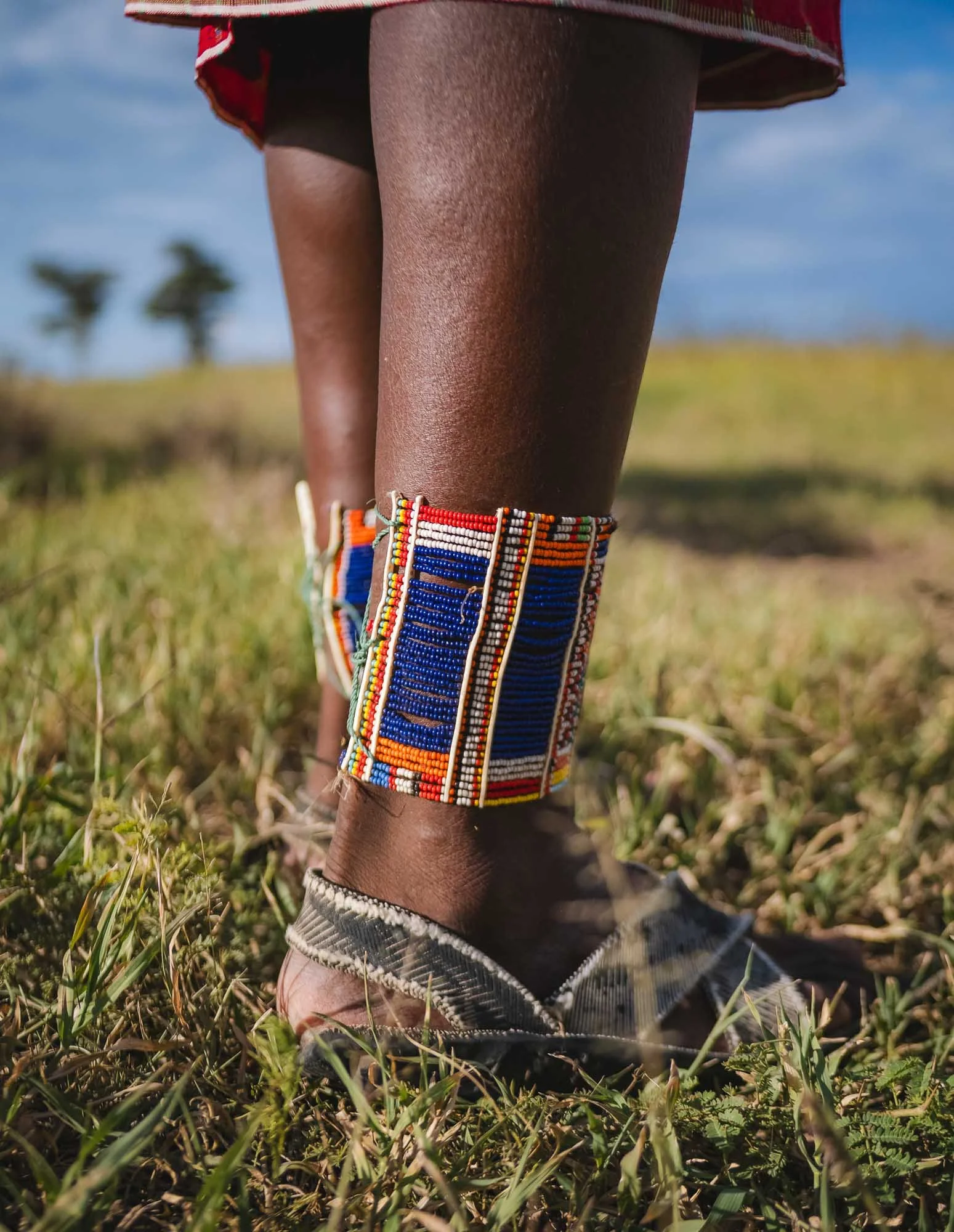
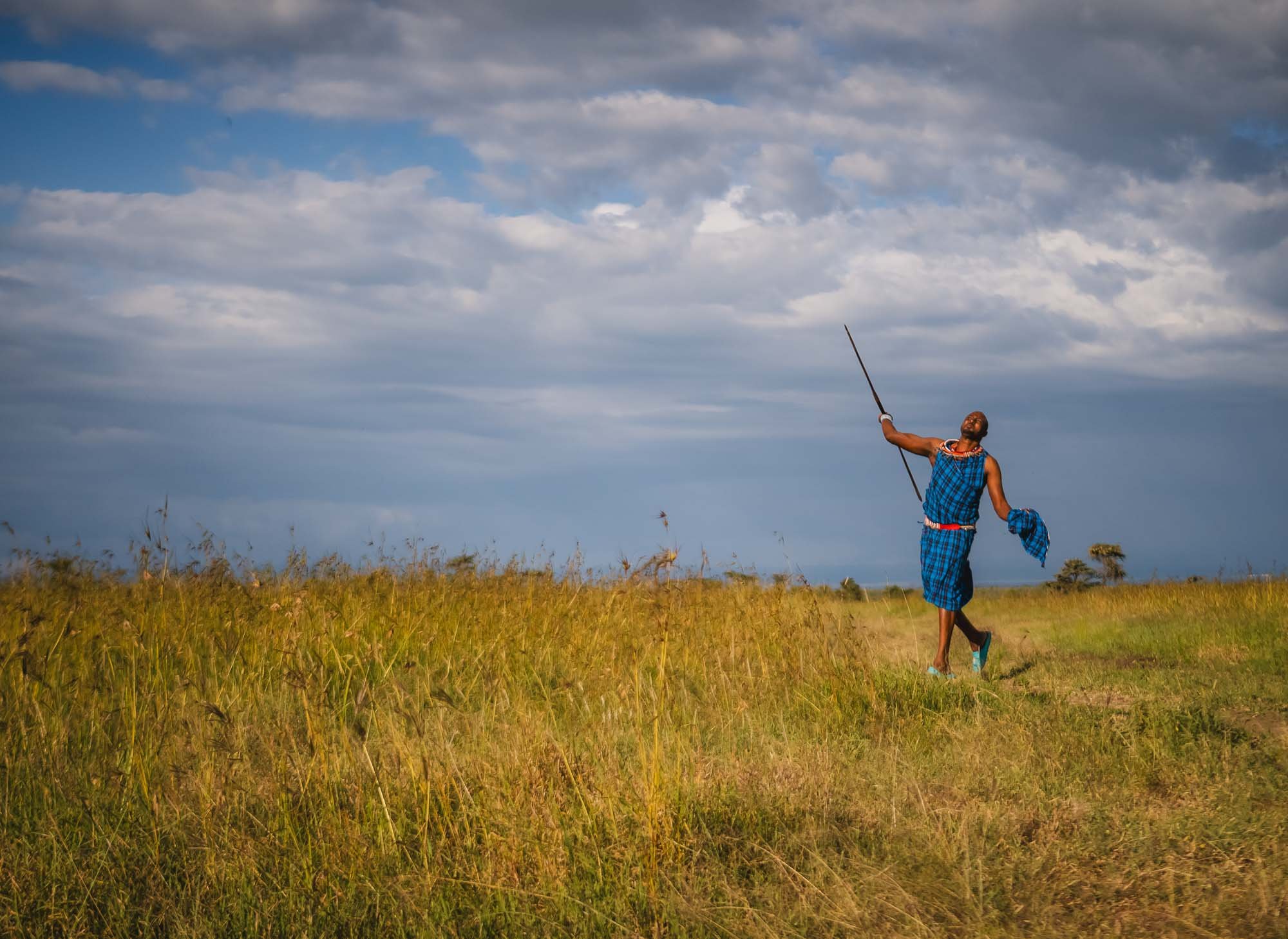
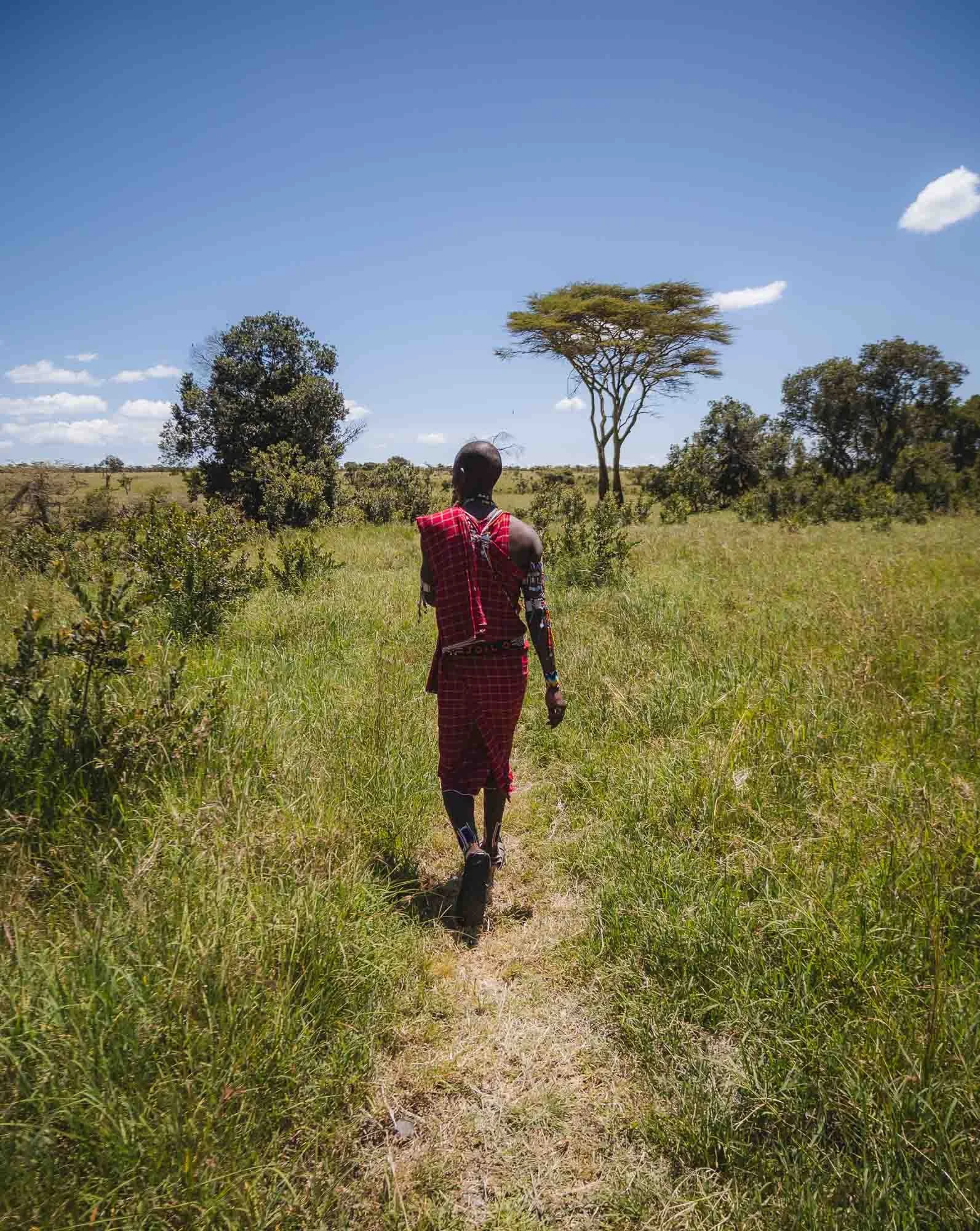
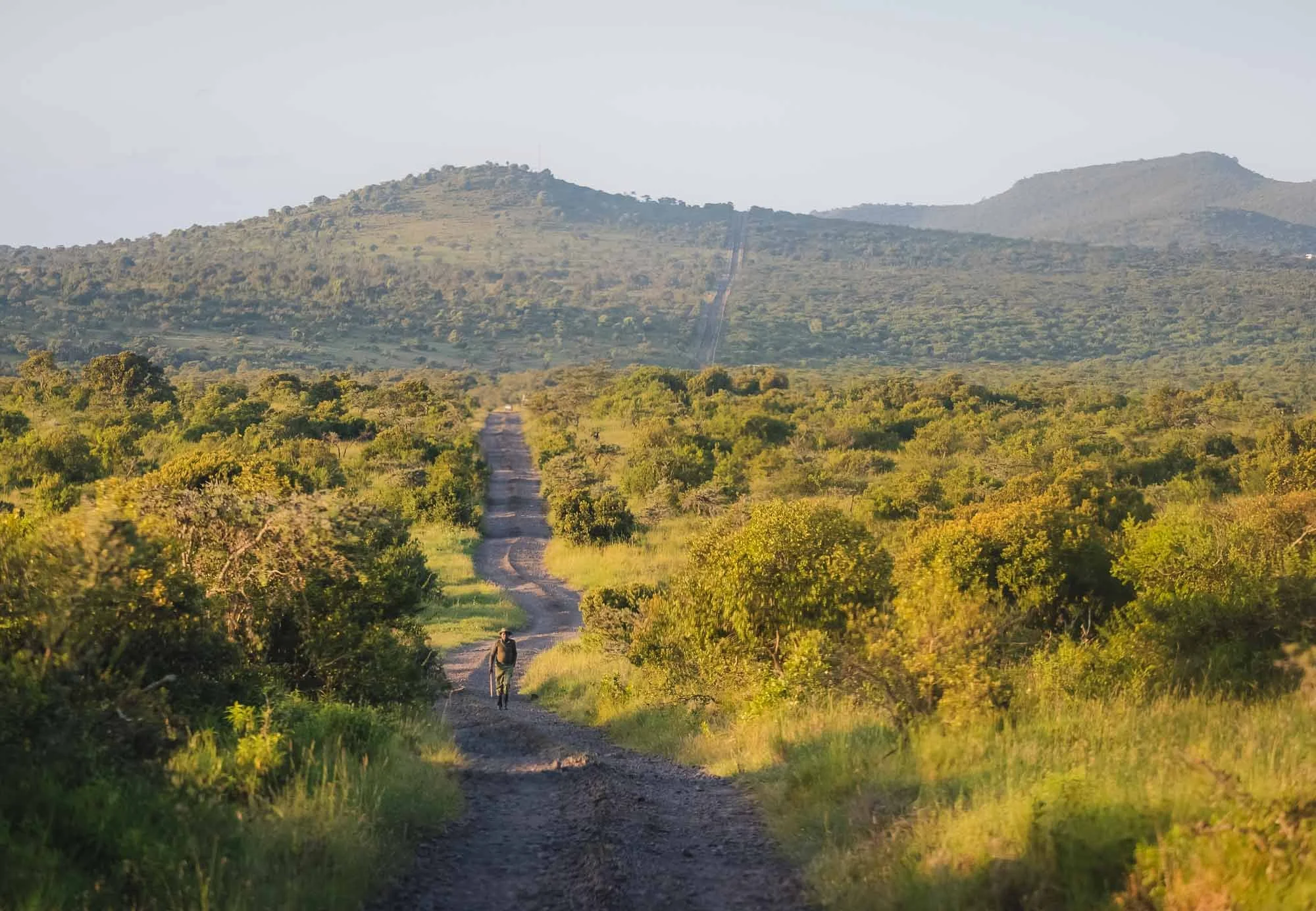
I’m never one to miss out on an opportunity to explore the bush on foot - it’s always a very different feeling than in the car. A walk through the area with the local team (including some Maasai from the southern parts of Kenya) was a welcome opportunity.
Brave Souls
While we were well-protected, the local rangers often make their way through the conservancy on foot, with nothing more than a stick to fend off the odd curious animal…
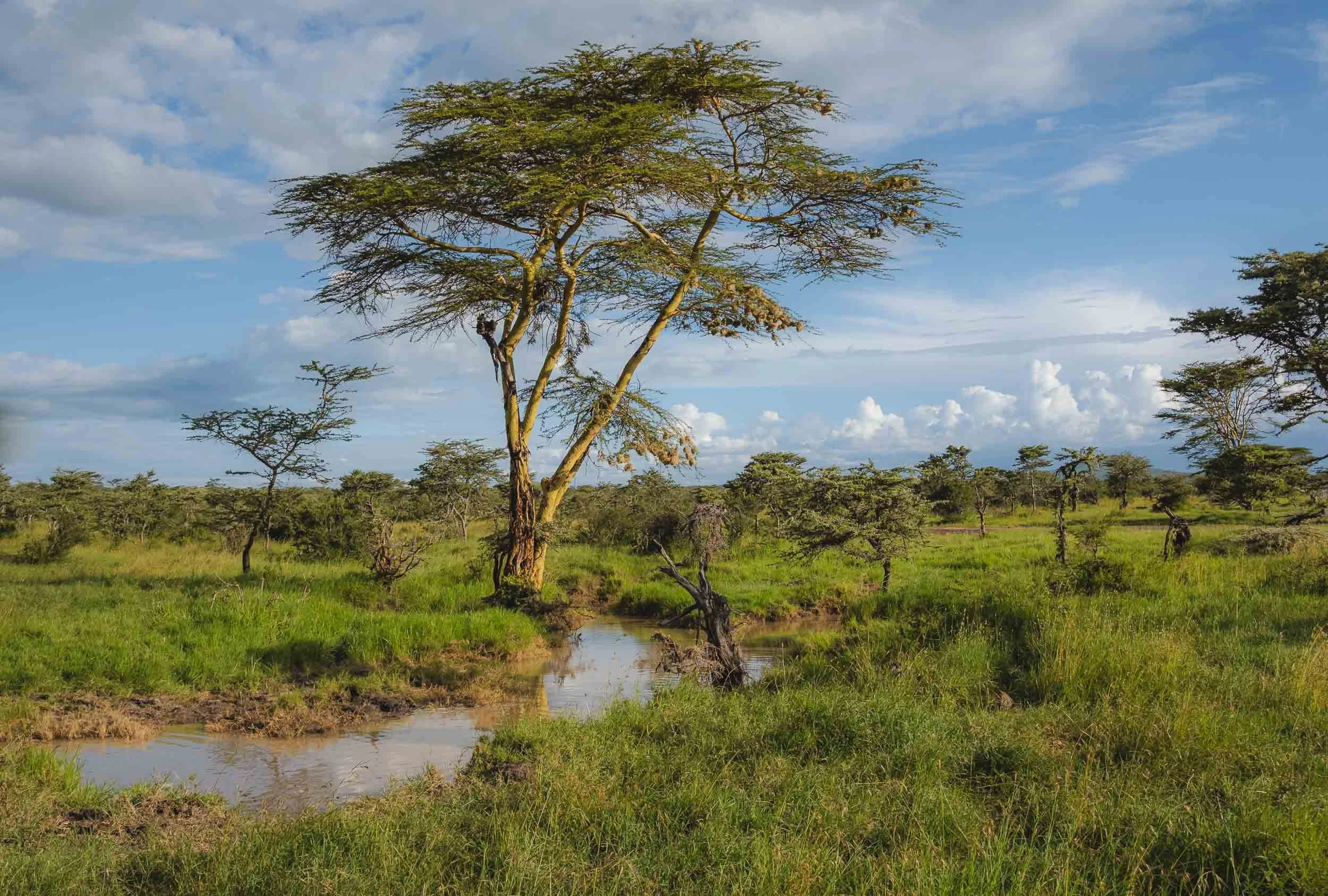
Landscapes
The green bushes and trees along the many small rivers and ponds of the post-rain season make it a beautiful landscape as well - a hint at what was to come in the amazing Laikipia area I was going to visit next.
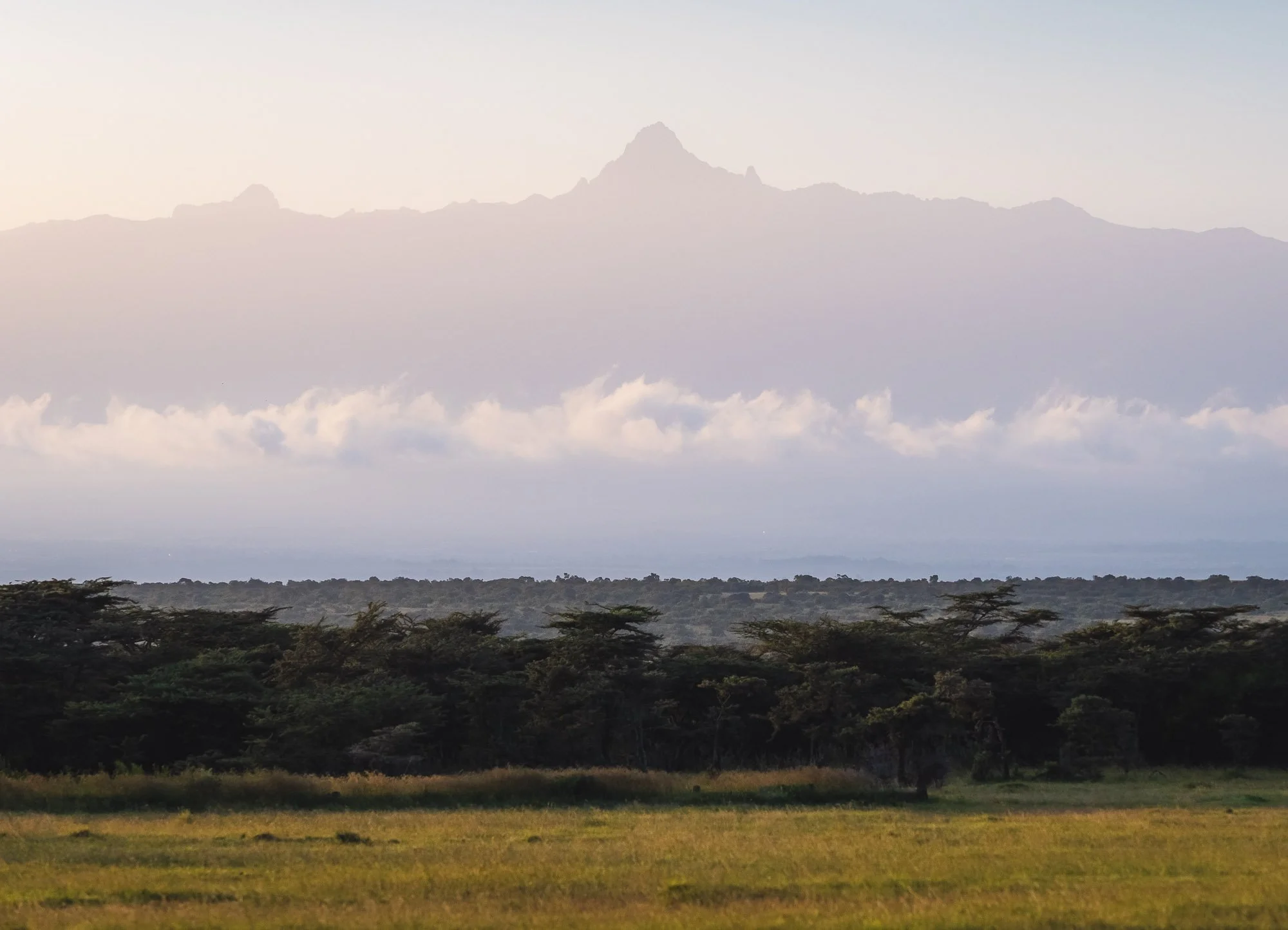
Mount Kenya
On clear days, Africa’s second-tallest mountain makes an appearance with its various peaks. While not quite as tall, climbing it can be a little more demanding than what it took to summit Kilimanjaro.
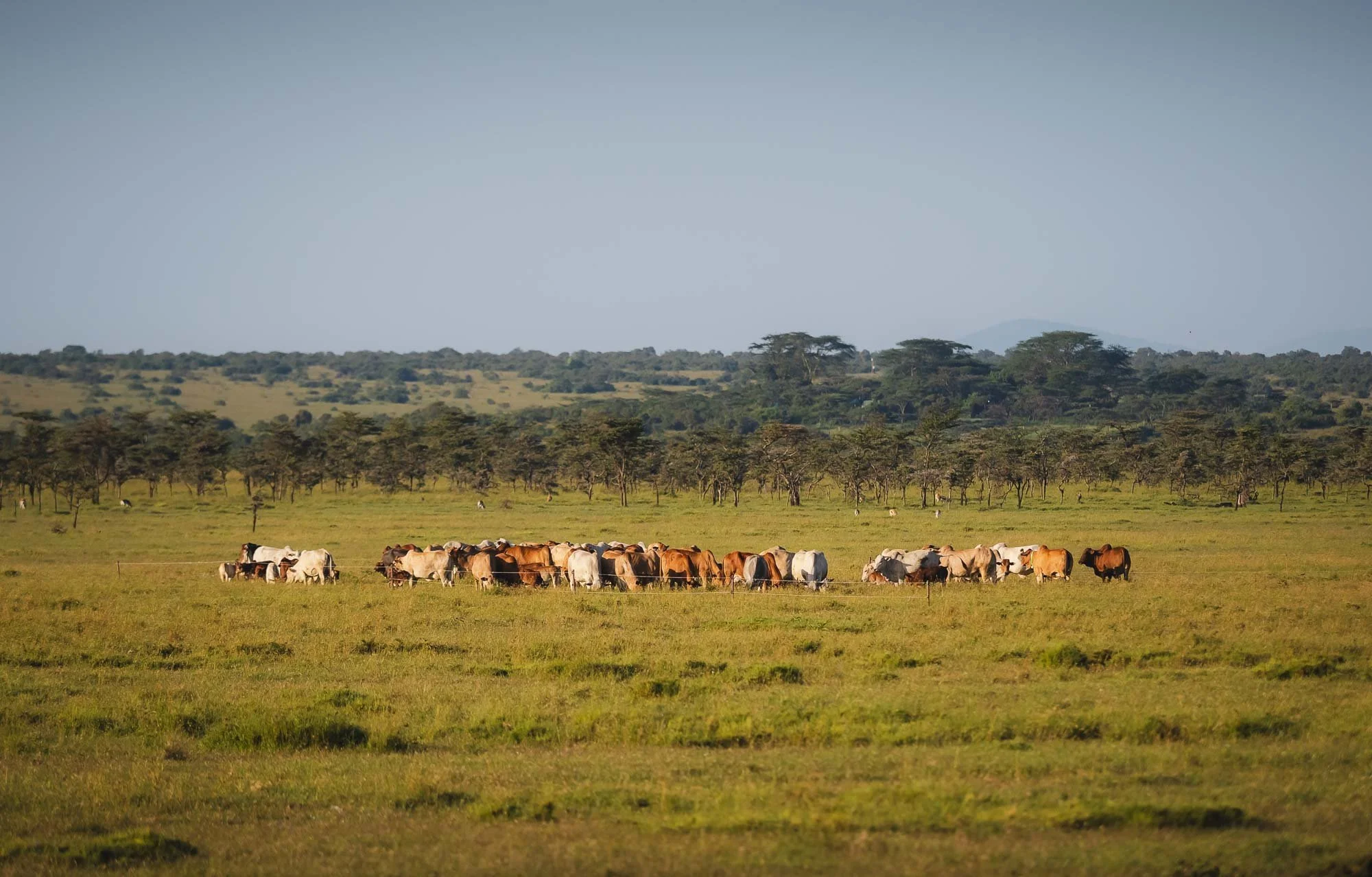
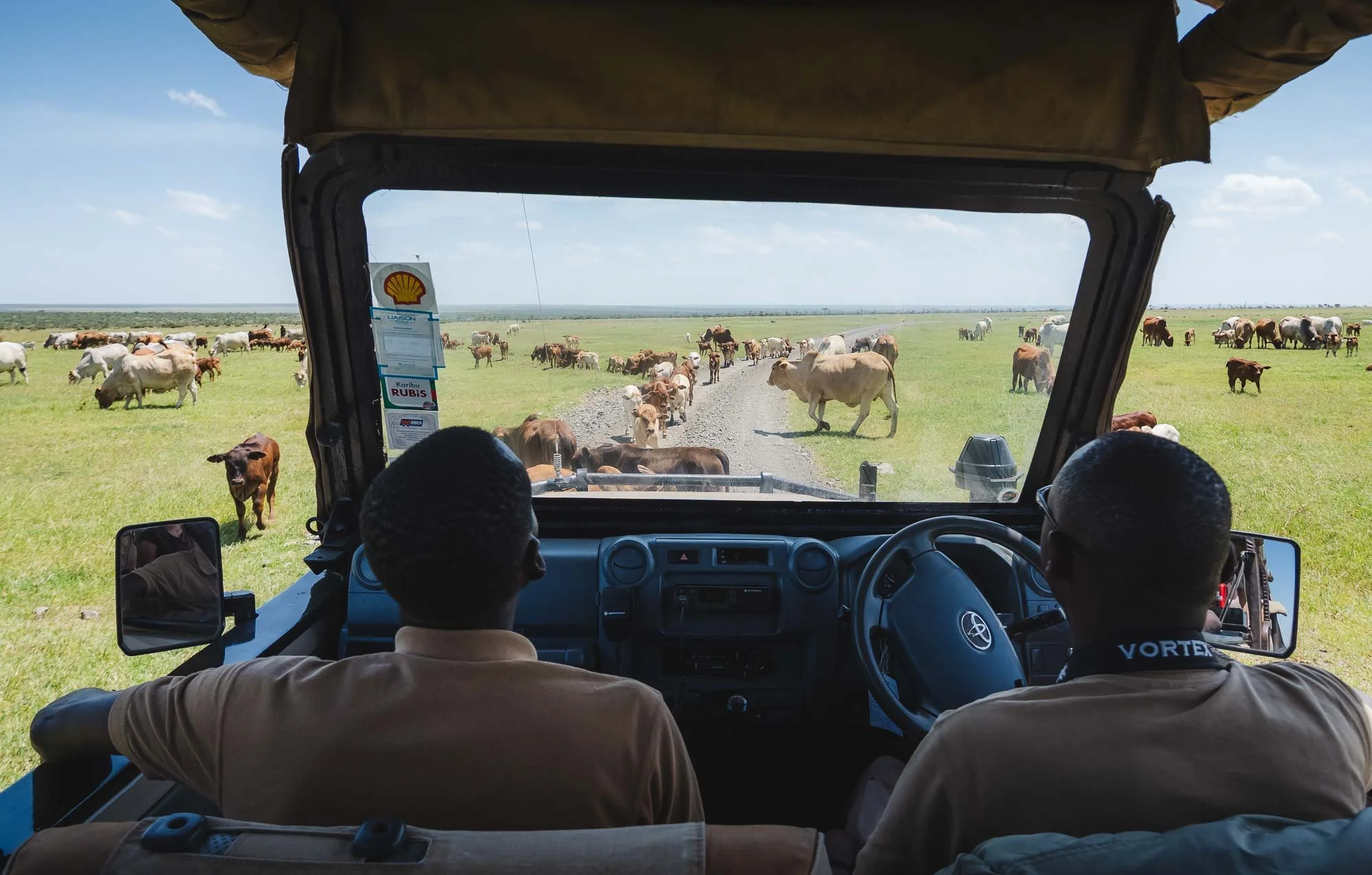
The conservancy is a shared environment: wildlife and the local pastoralists live side by side, in what is generally a well-managed and balanced approach. This is not always easy to maintain, as I’ve learned first-hand during my time with the IFAW rangers of the Amboseli ecosystem. Ol Pejeta used to be a cattle ranch and prides itself in its integrated conservation effort, contributing to dozens of community projects from education, food and water security, to energy.
While the cattle traffic is amusing, elephant traffic is obviously a lot more intriguing, especially when a curious youngster wants to inspect your car a little closer.
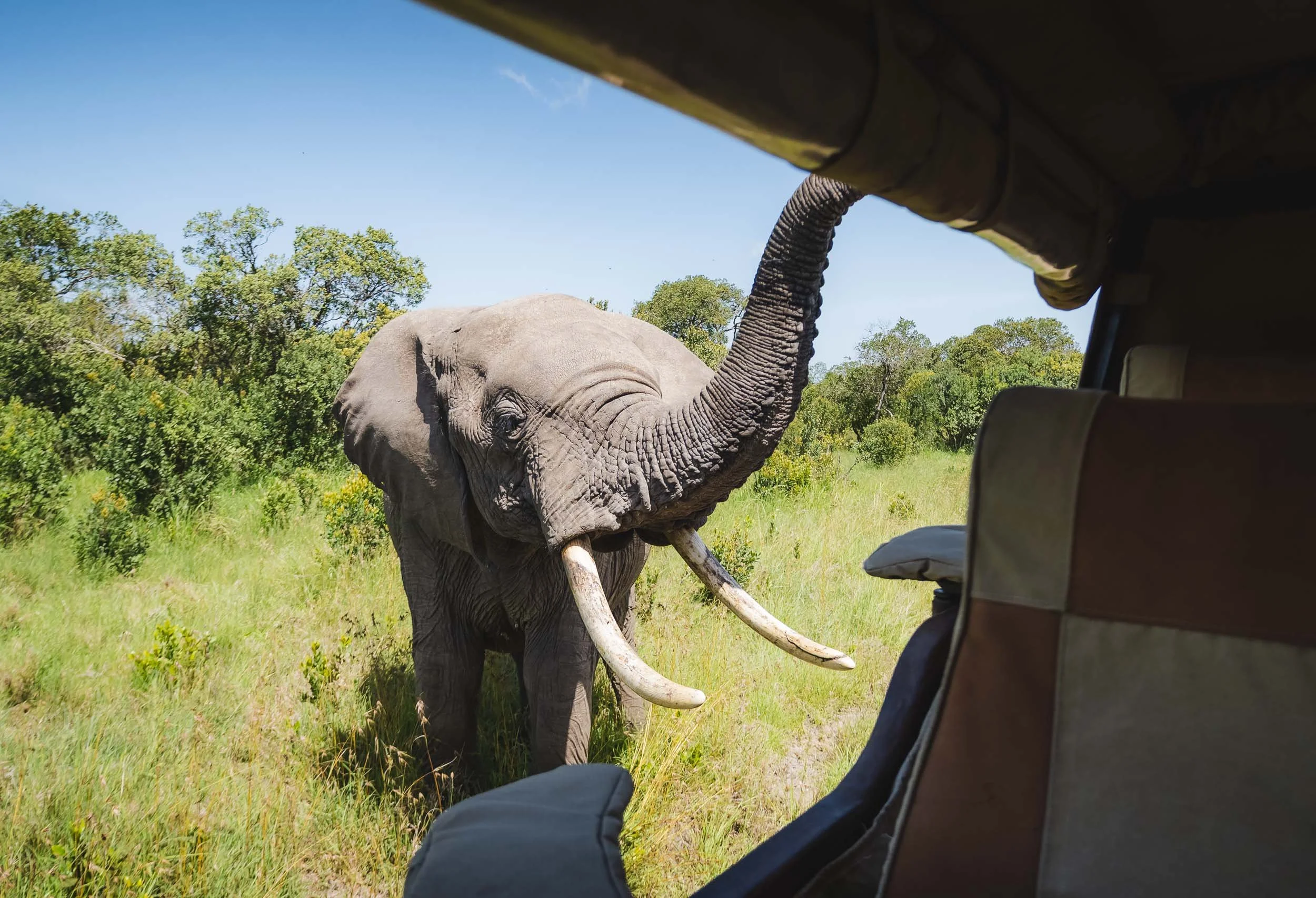
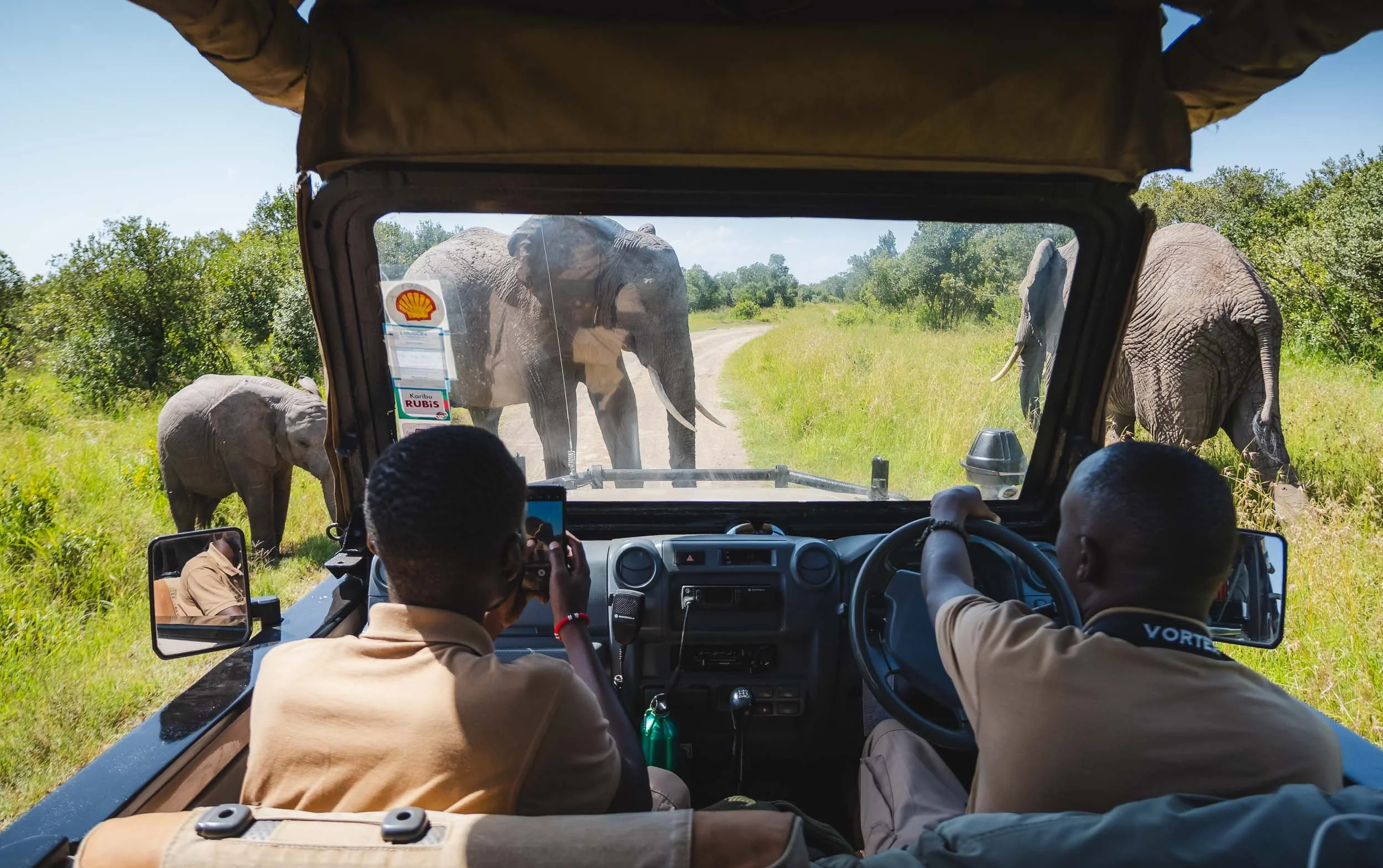
Ol Pejeta is typically home to a few hundred elephants, but they are not a resident population. Instead, they use the wildlife corridors in the surrounding areas to migrate across the Laikipia / Samburu ecosystem - in fact, all animals are able to freely roam, with the exception of rhinos. Of course this also puts them at risk of human-wildlife conflicts and one of the community engagement aspects is to mitigate and manage these situations to avoid crop raids and similar issues.
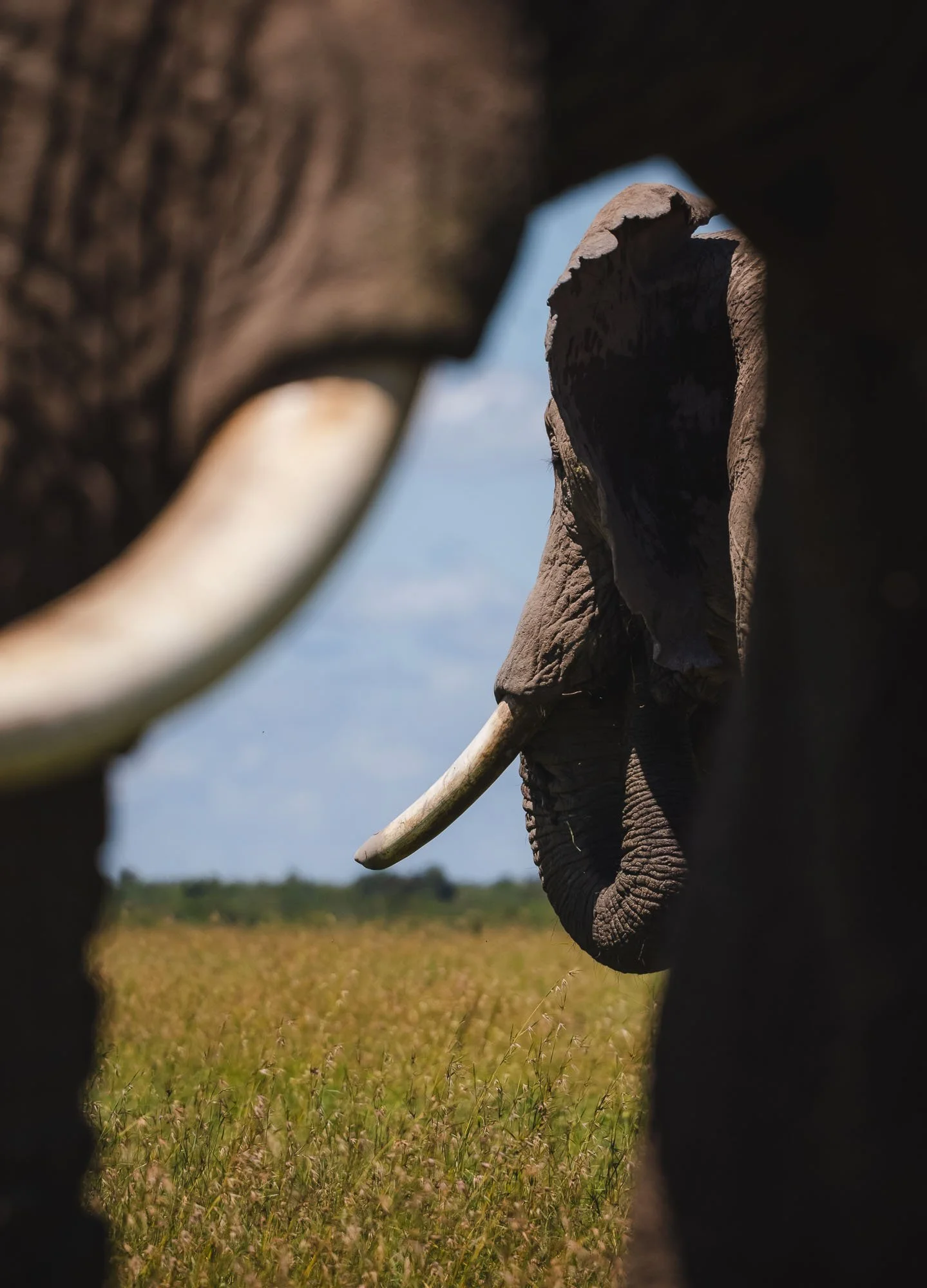
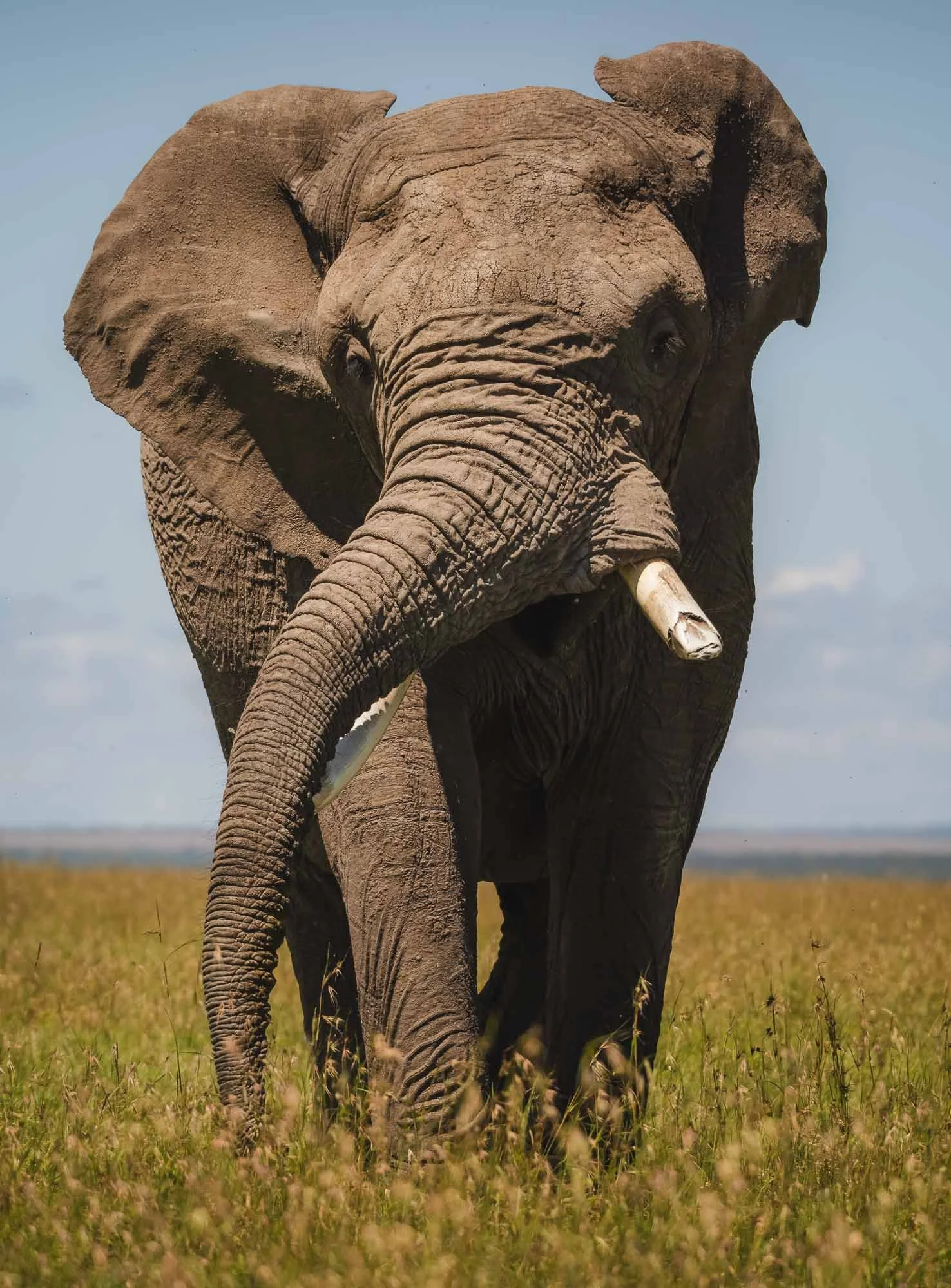
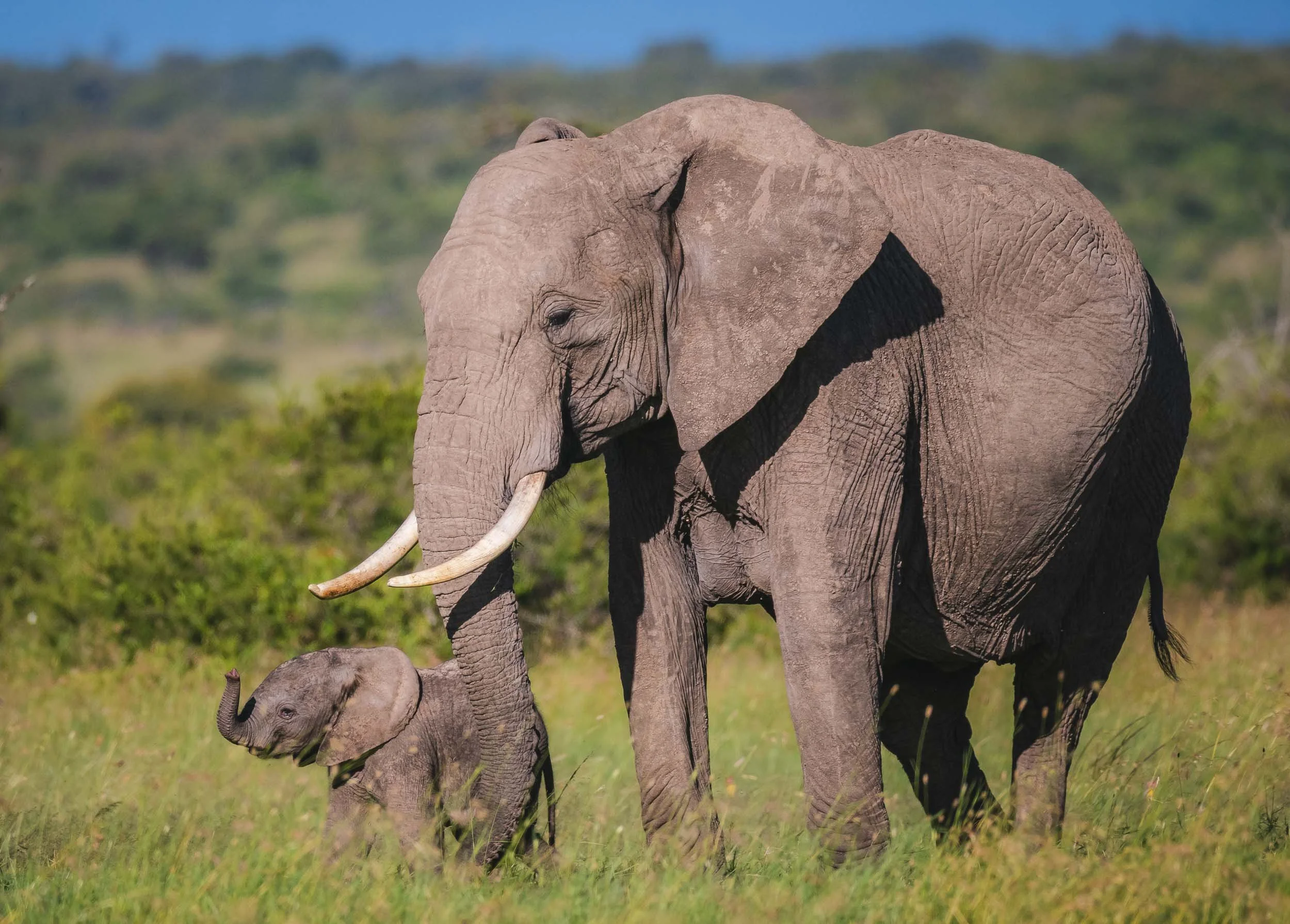
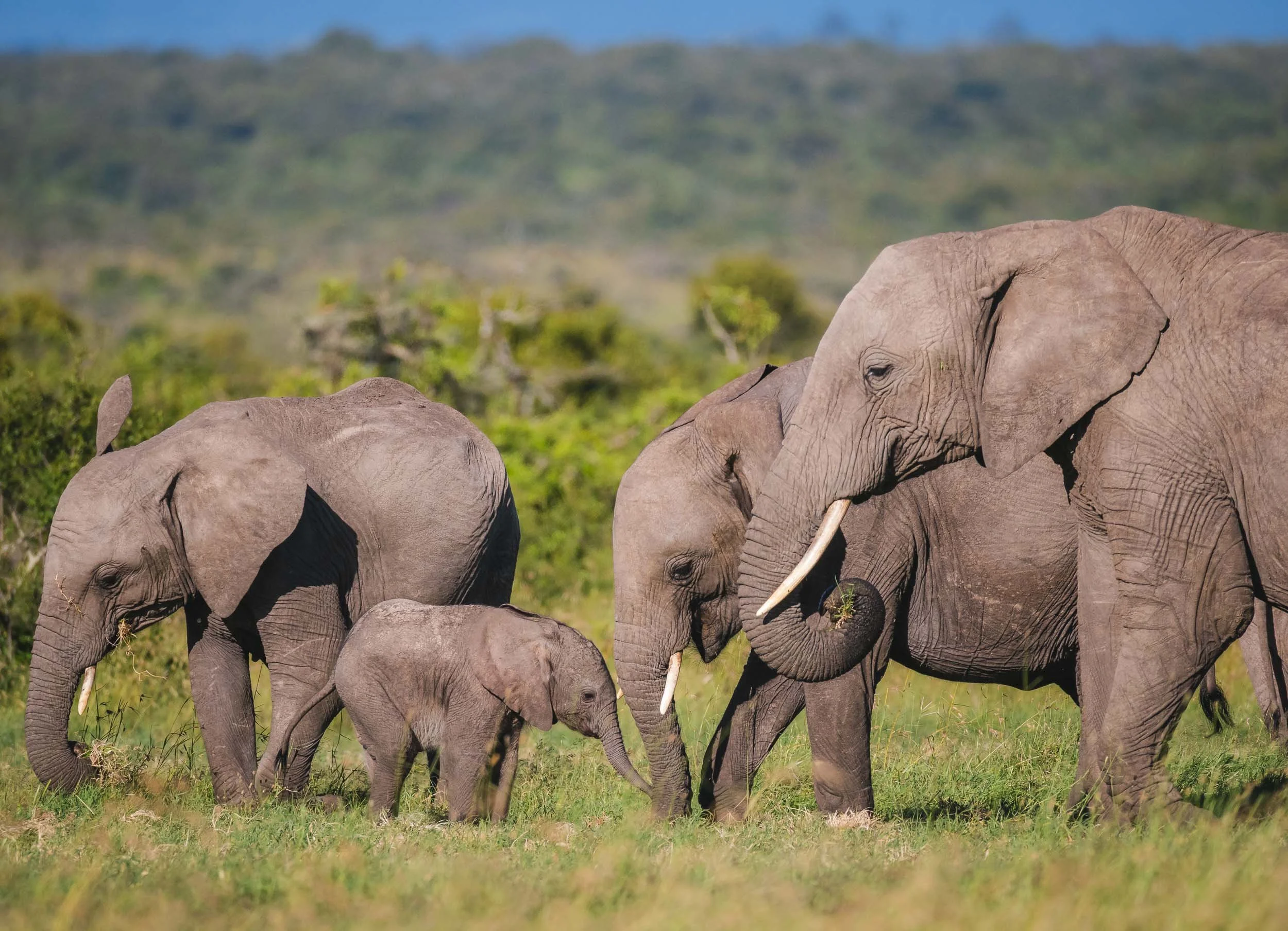
As readers of this blog will know, elephants have become one of my favourite animals. I could observe them for hours, particularly the large bulls or family groups with young calves like this one, probably barely a few weeks old.
Mother & Calf
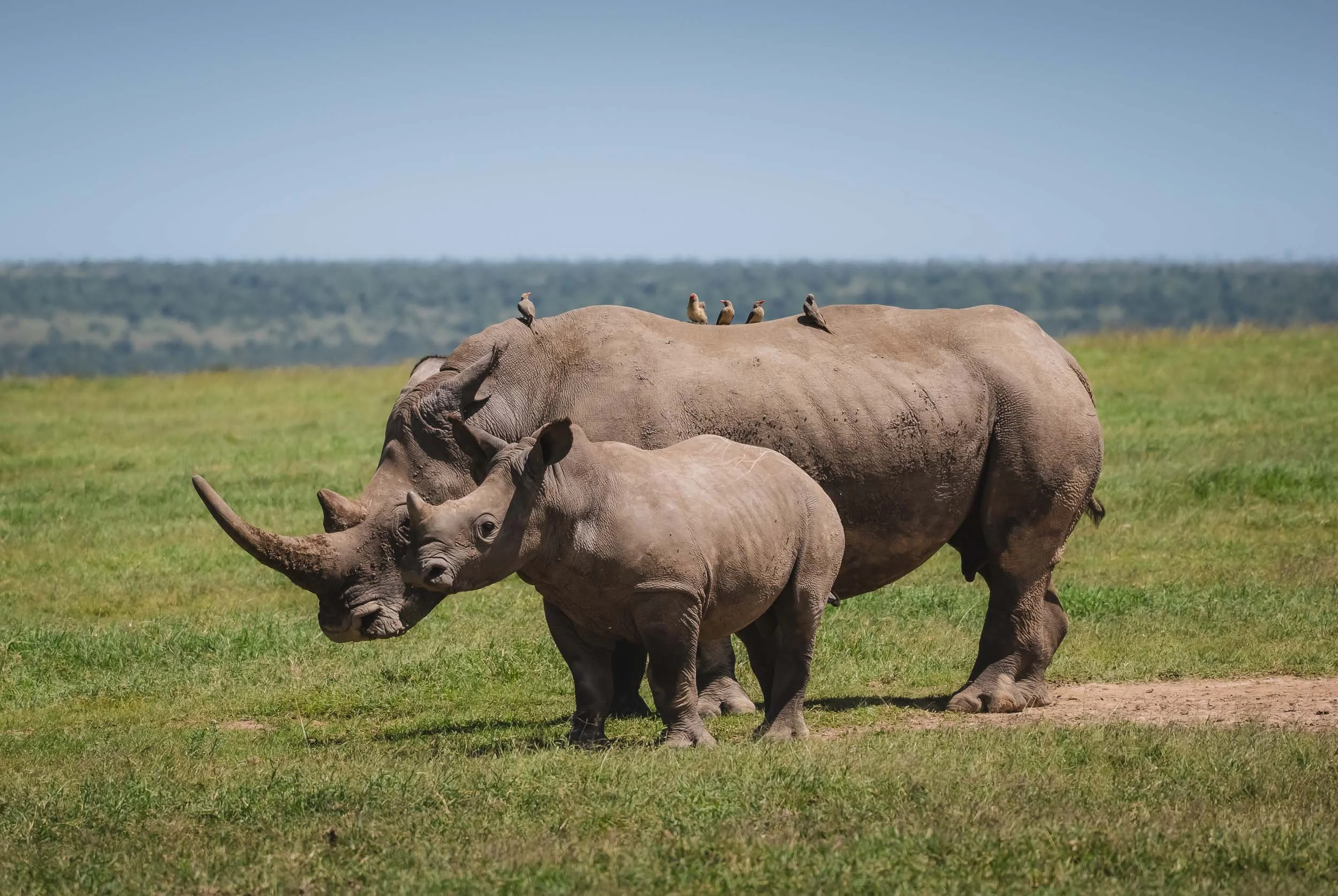
Speaking of calves: We spotted this mother and her young one relaxing in a wide open area, with the characteristic oxpeckers sitting on top of the female.
The Battle
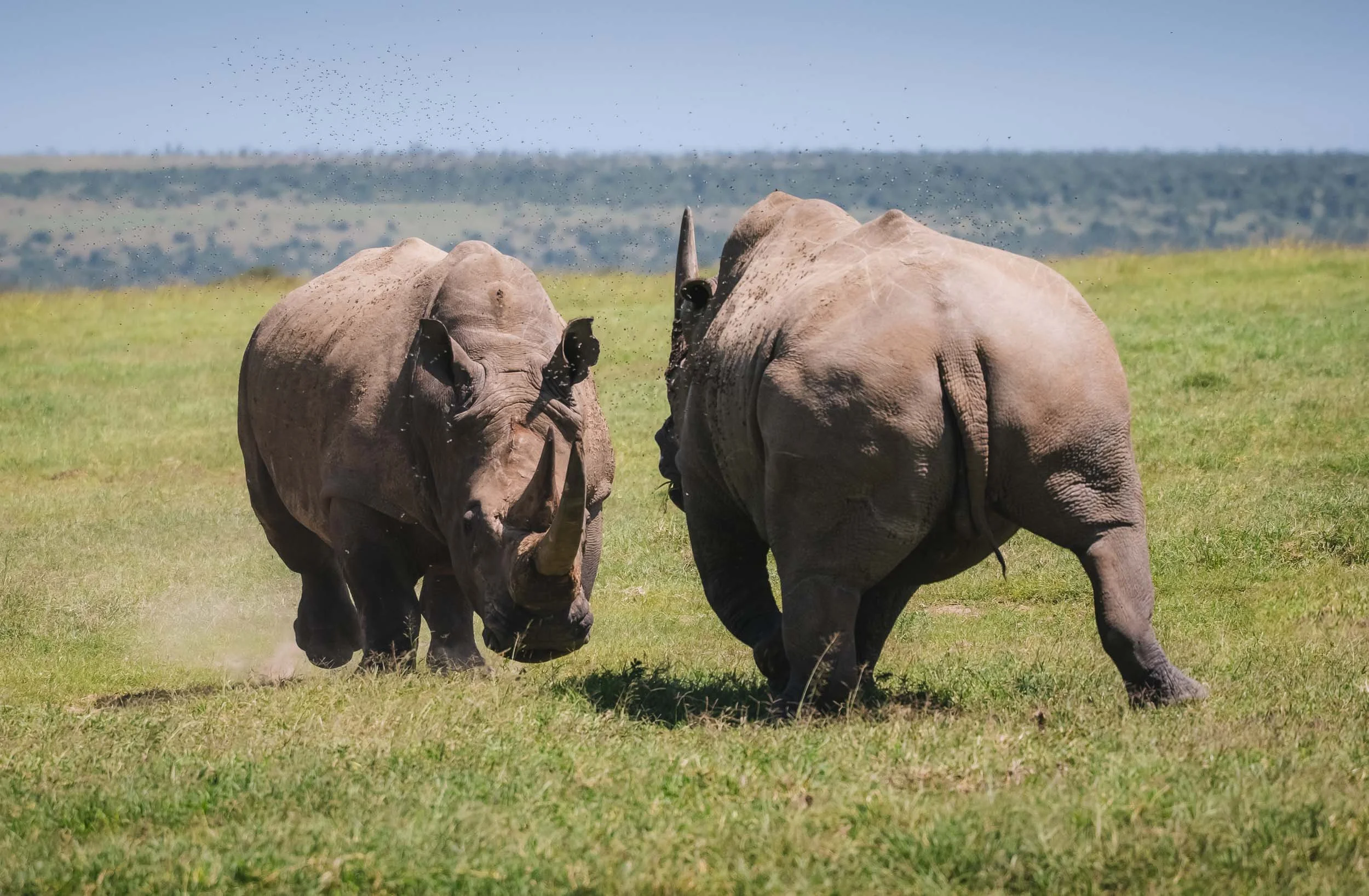
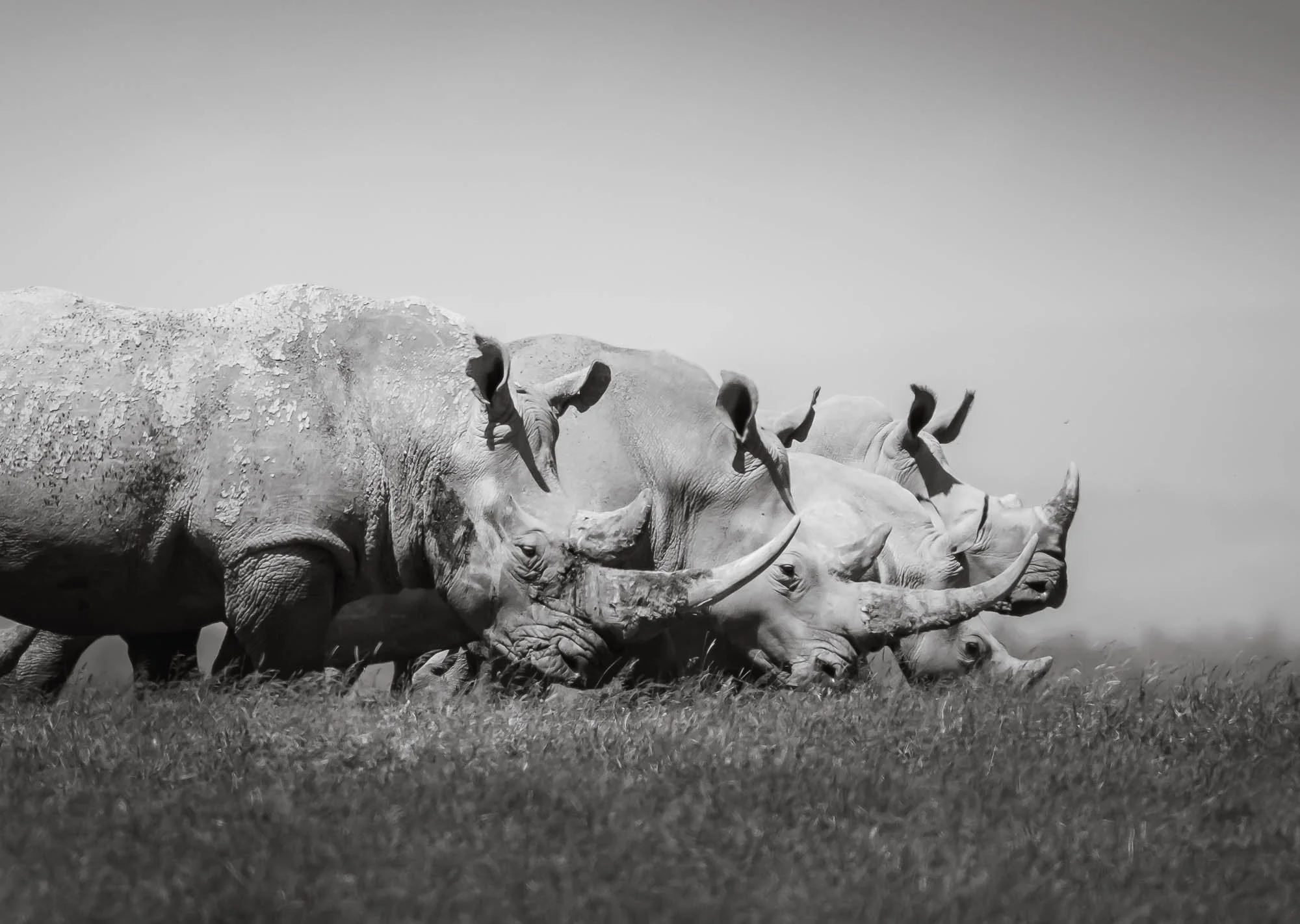
What seemed like an innocent family gather quickly turned intense when two males started to compete for the spot by the female’s side. It’s only when they move like this you realize the force of a white rhino that weighs up to 4 tons and can run up to 60km/h - twice as fast as an average human.
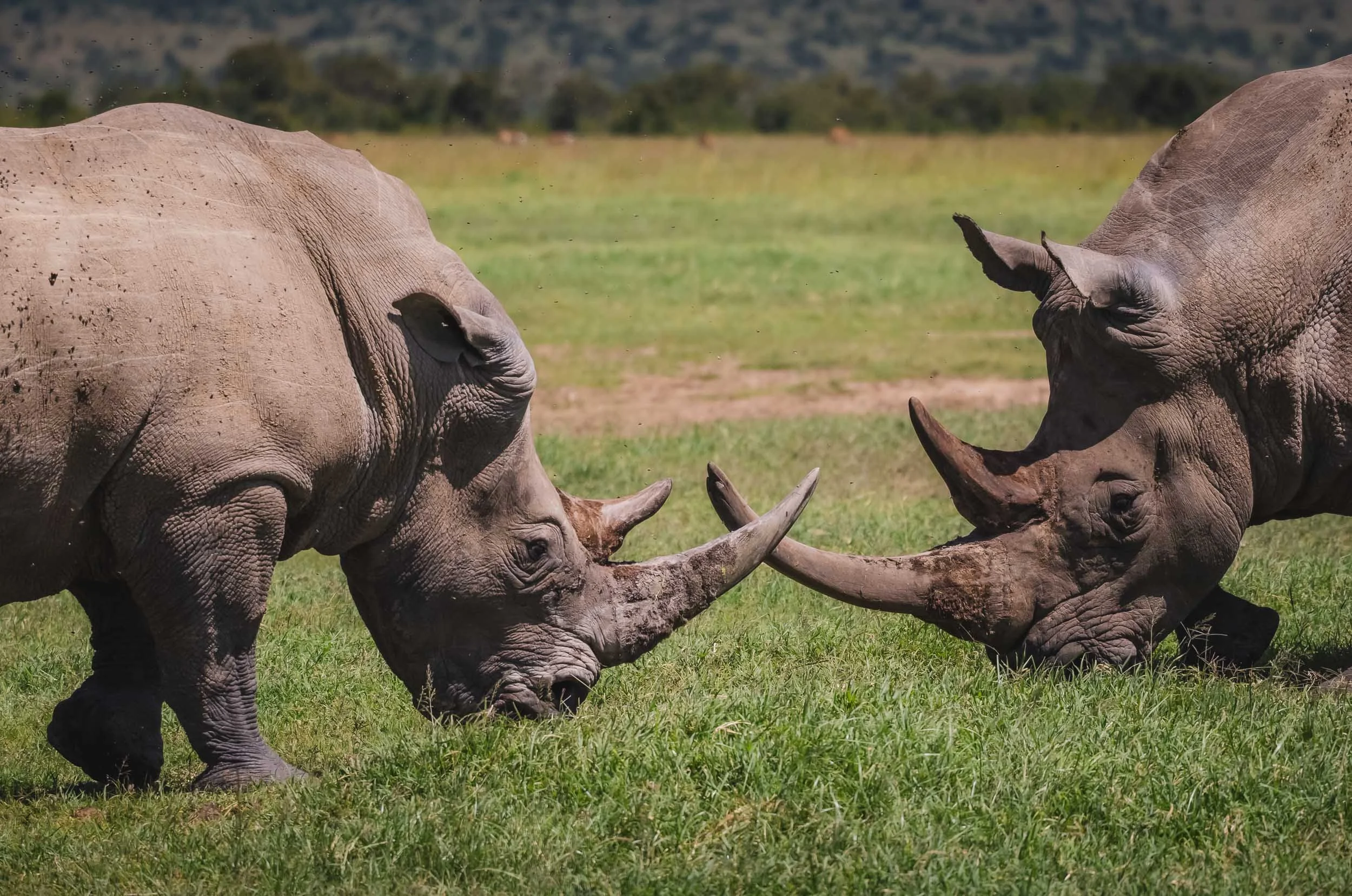
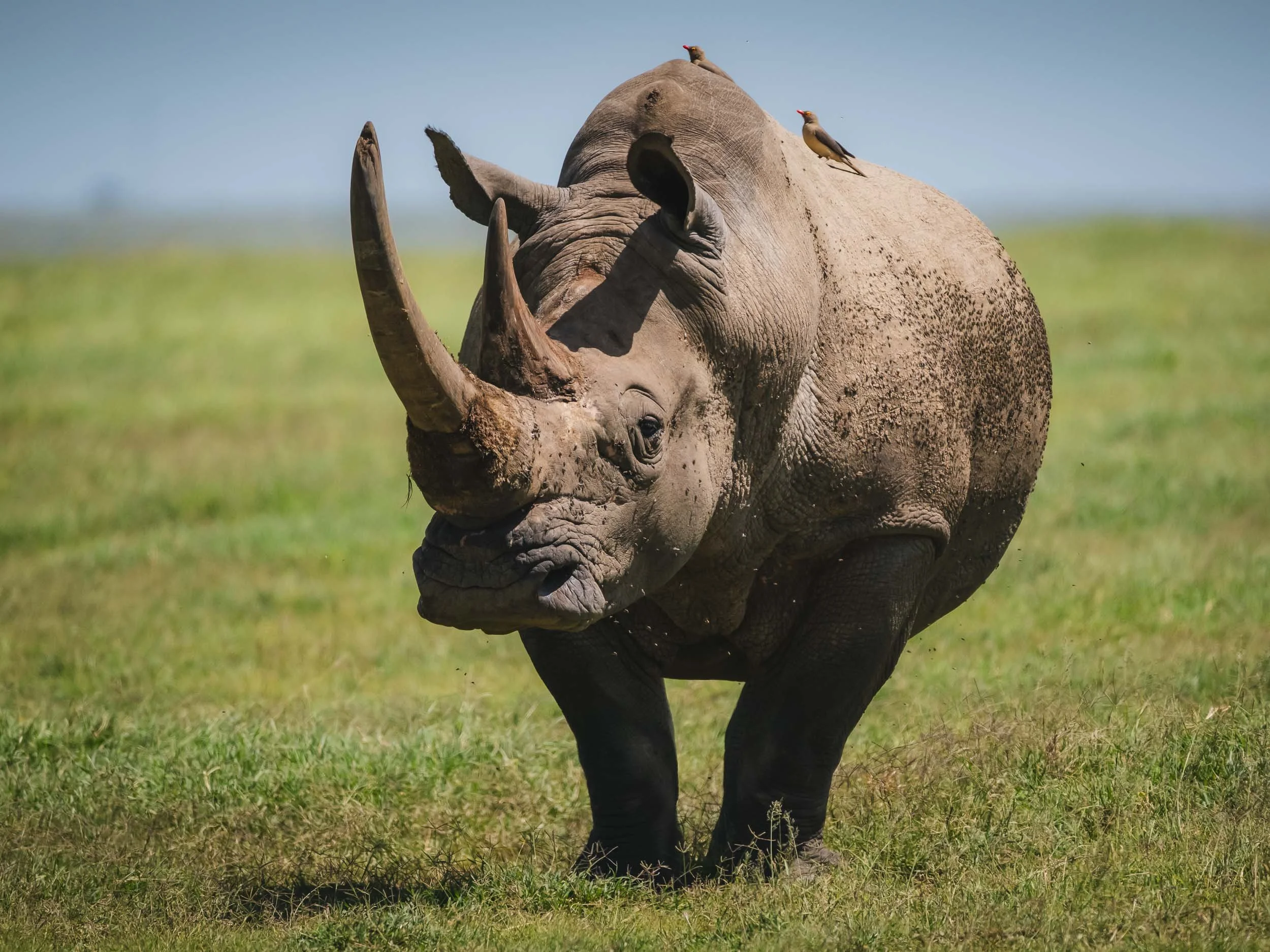
After a short altercation they decided she wasn’t worth the risk of an injury with their huge horns - a white rhino’s horn can grow up to 150cm in length. Despite its impressive shape and size, it’s difficult to understand why a single horn can fetch around 50,000 USD on the black market, when the horns are made of keratin, just like human fingernails. It's this demand that continues to make them an attractive target for poaching.
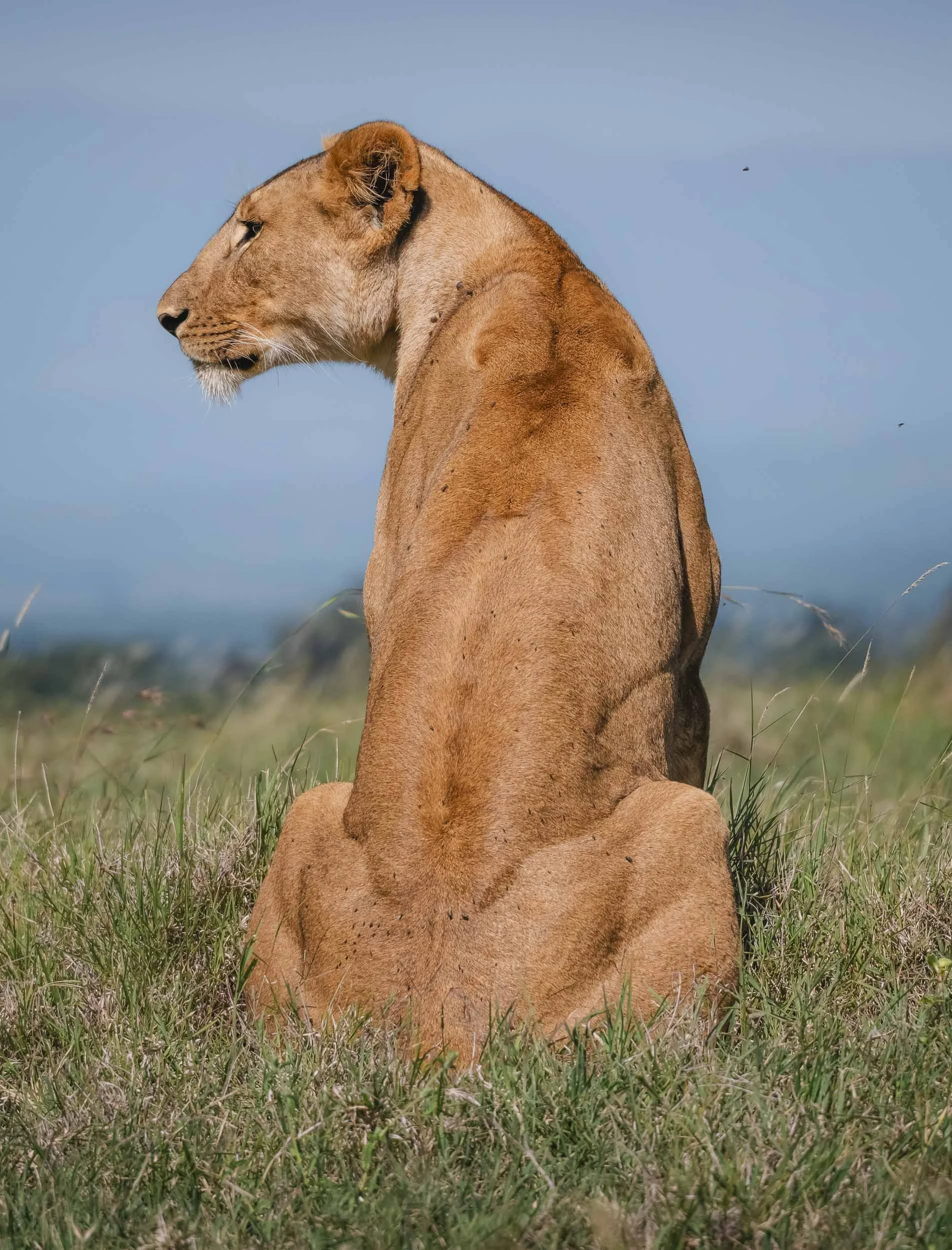
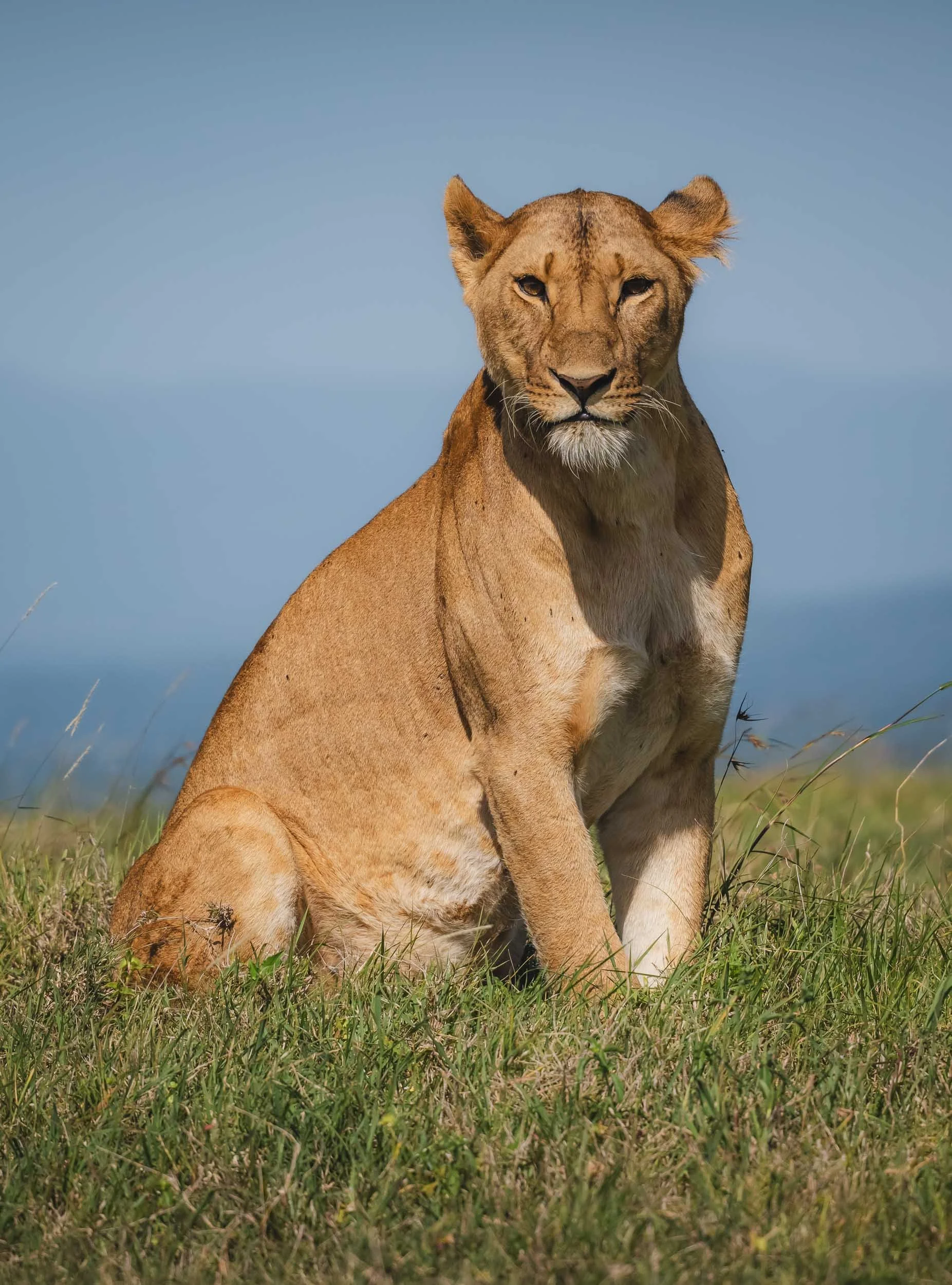
Sitting not far from the rhinos were two lions, including this magnificently strong individual.
Chimpanzee Conservation
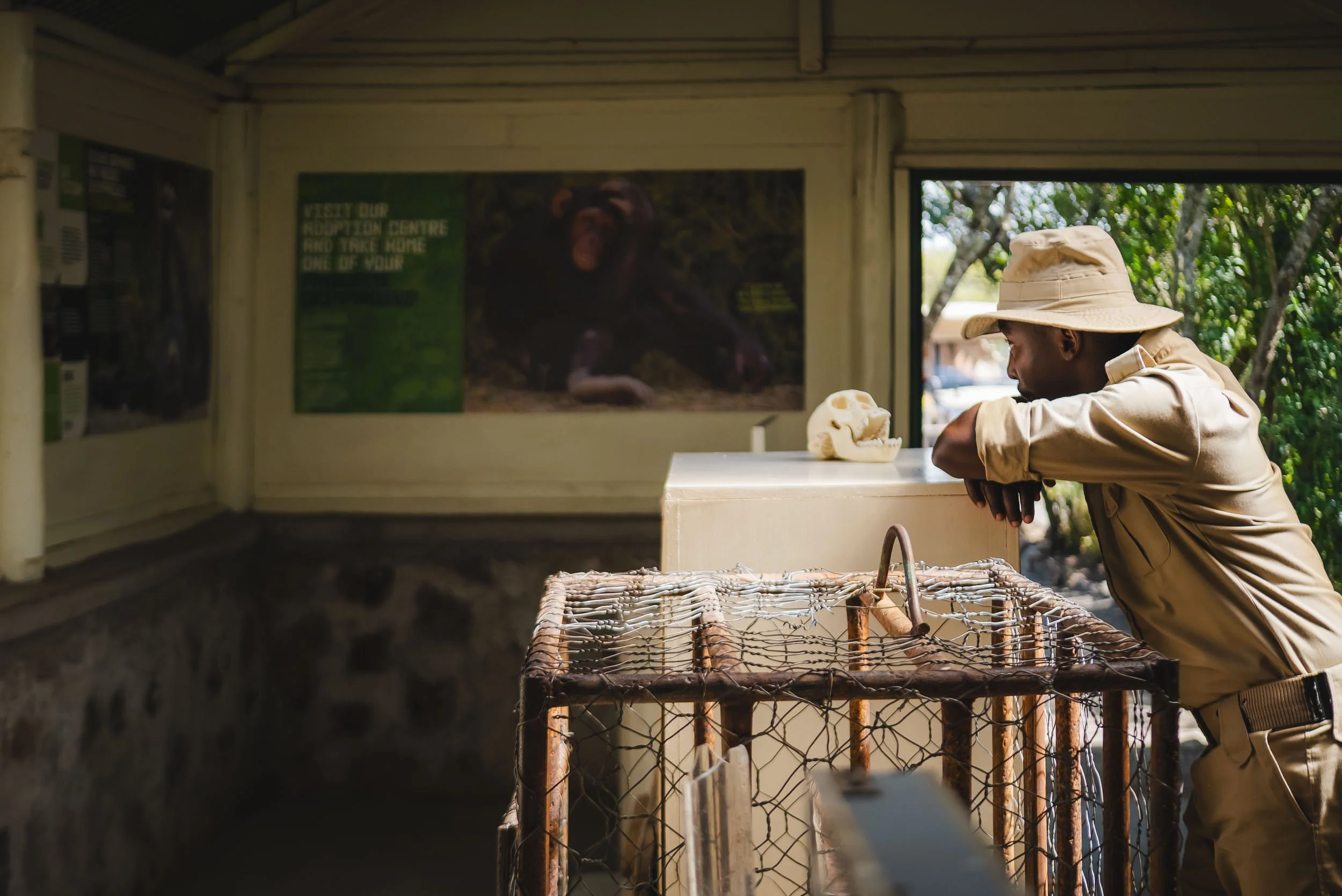
Aside from the rhino conservation work, Ol Pejeta is also home to the Sweetwater Chimpanzee Sanctuary, established with the Kenya Wildlife Service (KWS) and the Jane Goodall Institute.
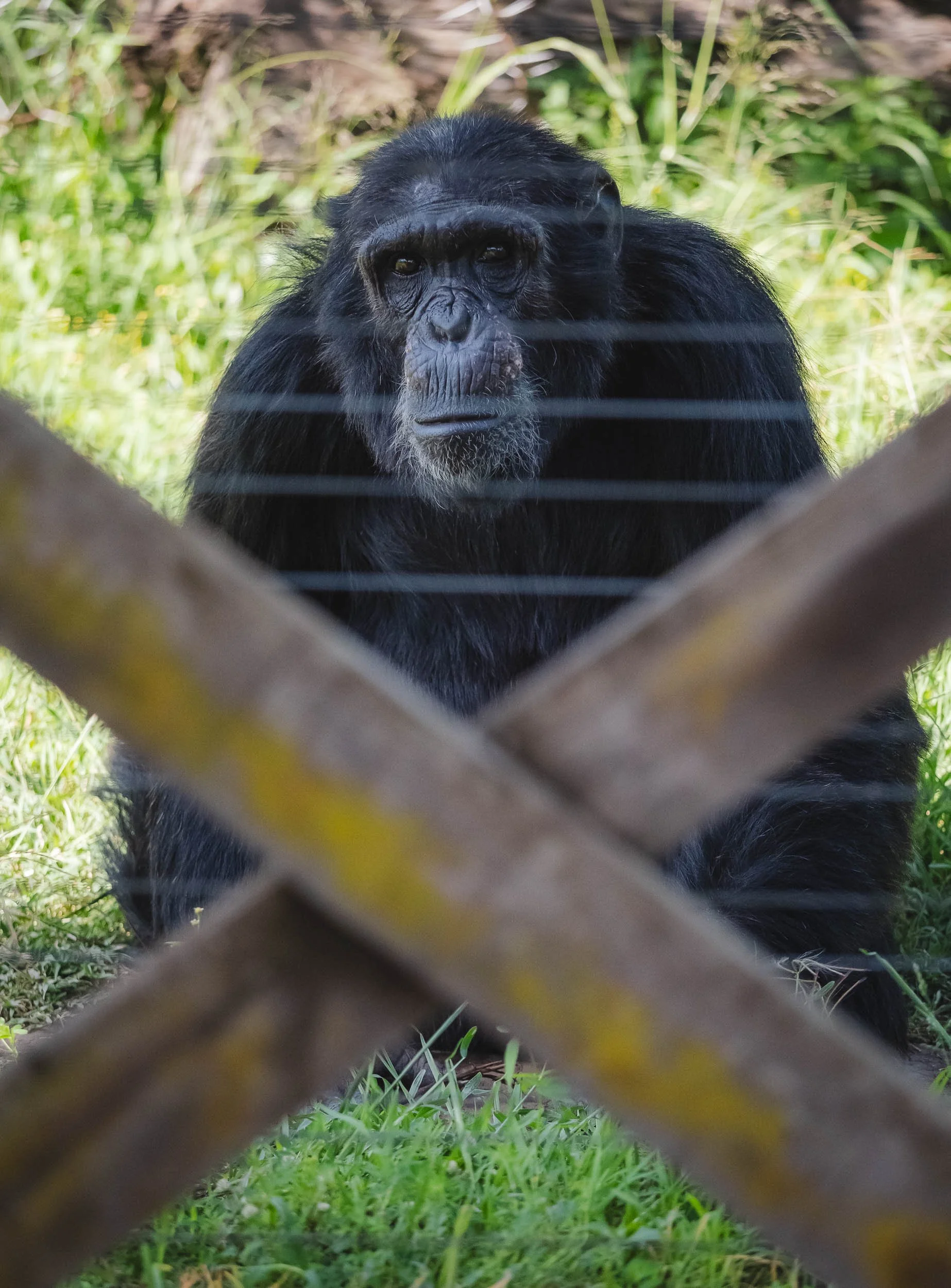
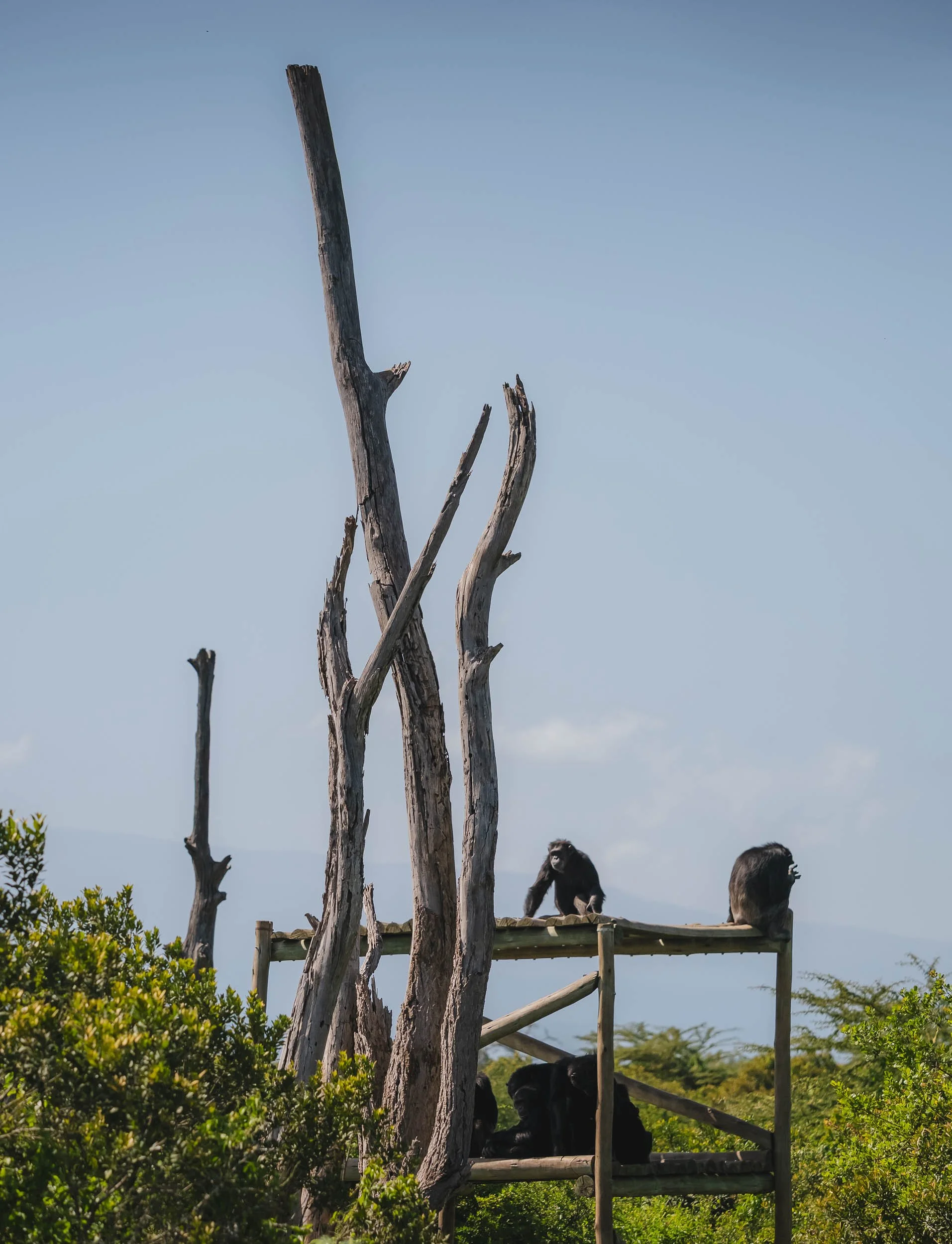
Chimpanzees are not native to Kenya, but the 35 or so individuals here are mostly rescued from illegal trade, orphans, or have suffered severe injuries. They are being nursed to health and then join the two groups living in a very large enclosed area in the conservancy.
🌈 Lucky Moments
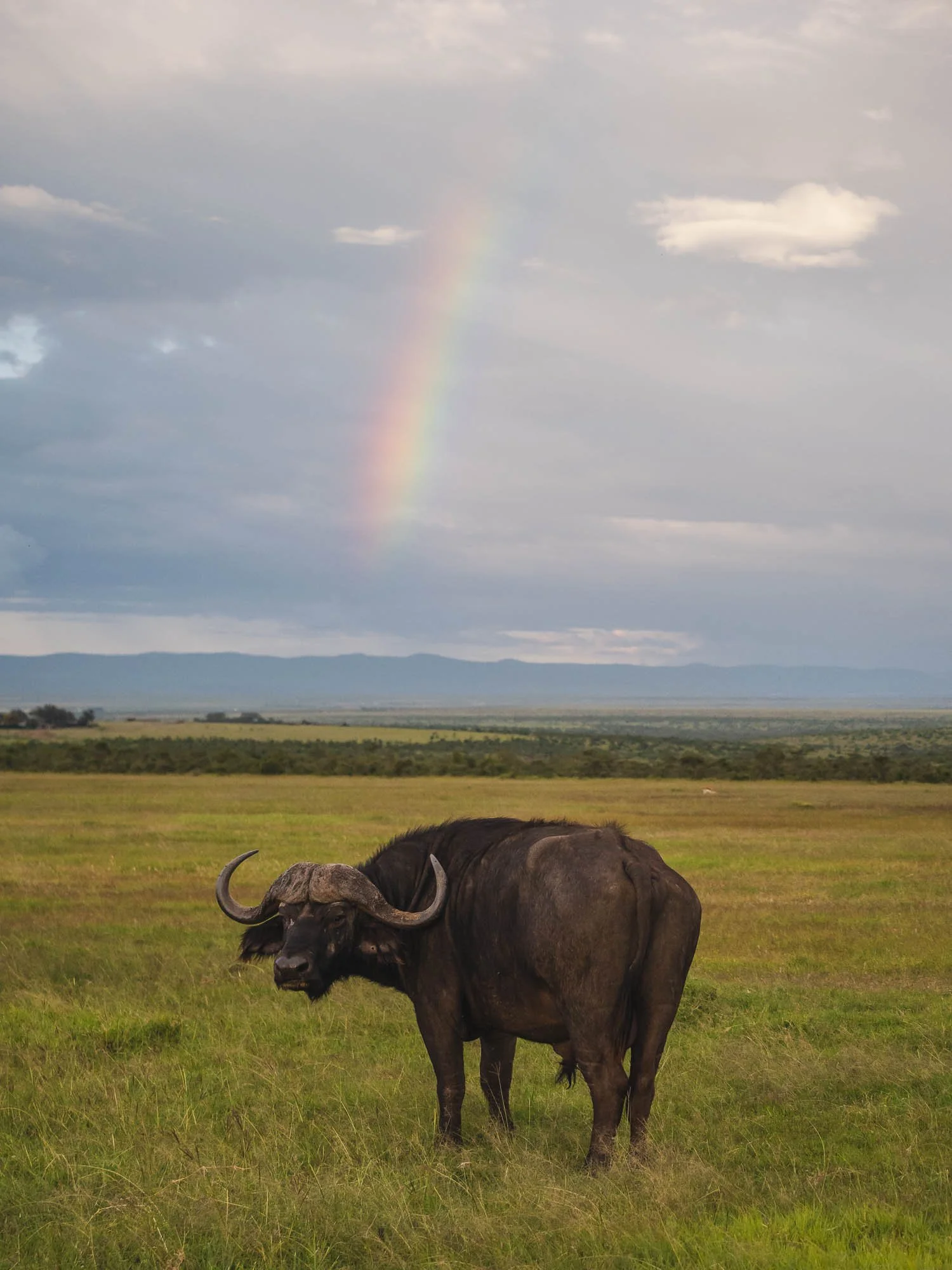
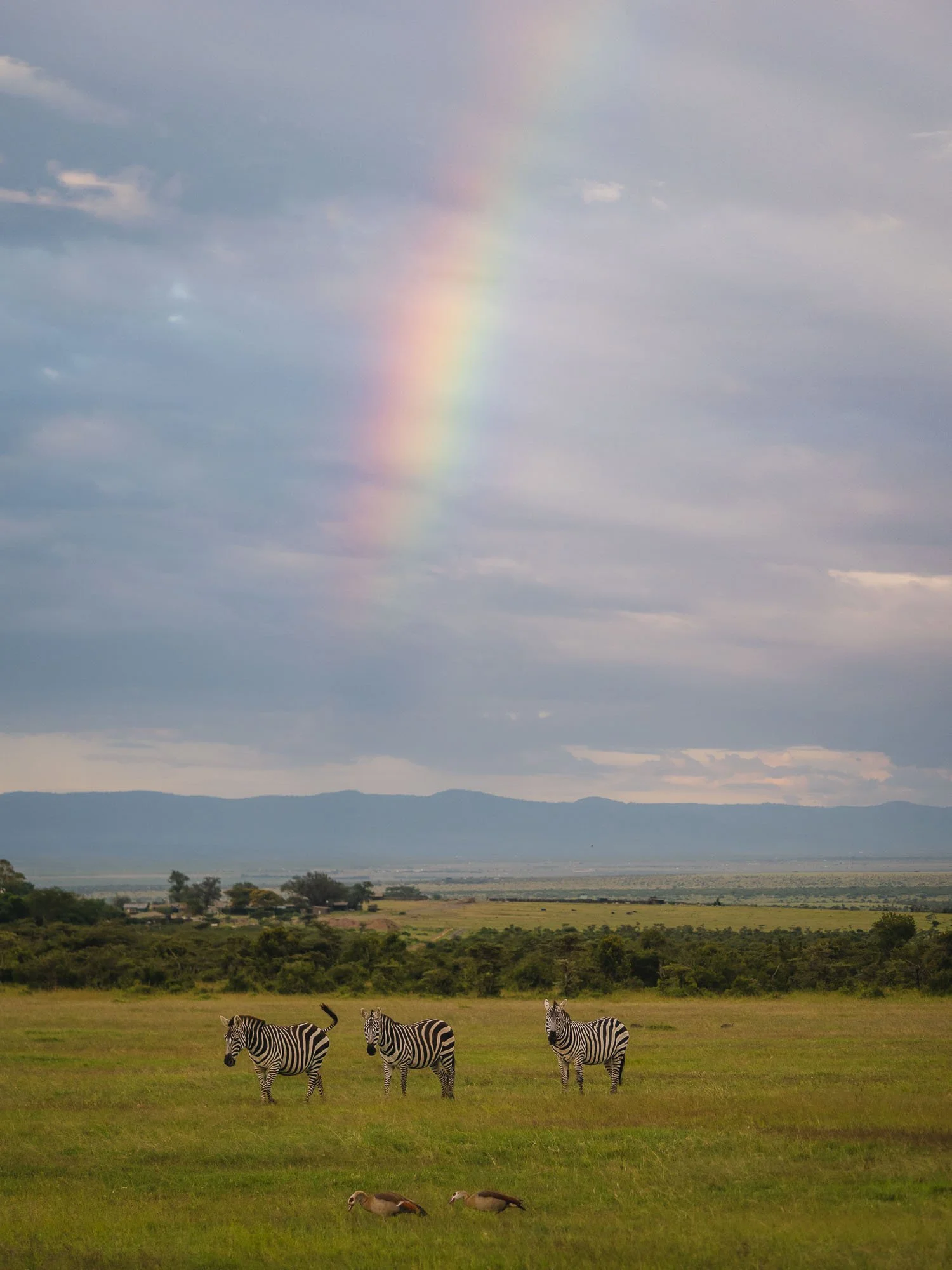
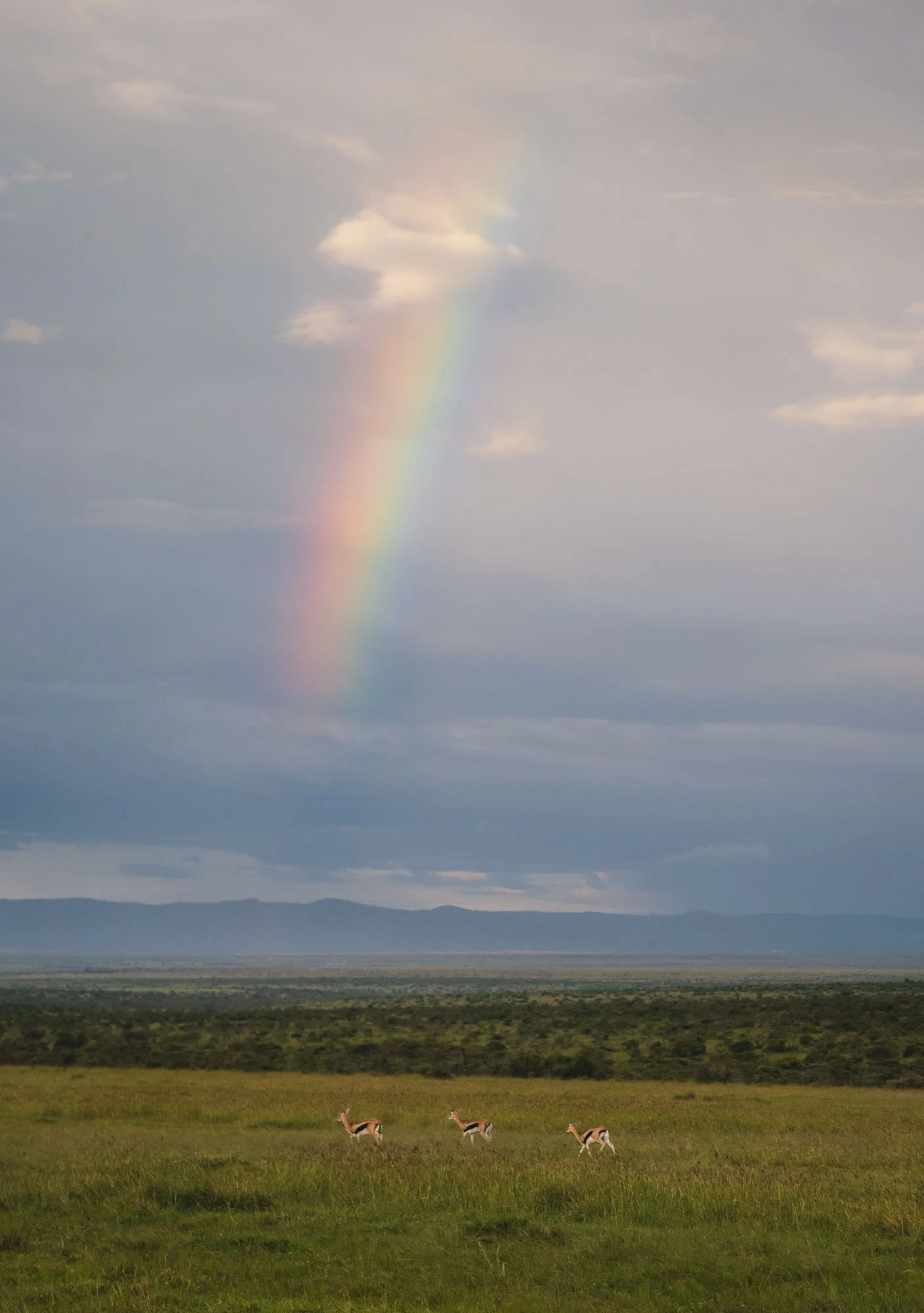
Although the rainy season had just ended, we barely felt a few drops during our time in Ol Pejeta. On the contrary, the last remnants of the clouds and their contents made for one of the most beautiful moments as a rainbow appeared behind the airfield, where many animals were grazing in the late afternoon, giving me the opportunity for some unique compositions.
One Last Rhino Encounter
As the rainbow faded and the sun slowly set in the other direction, we spotted a black rhino mum and her calf in the distance - a chance for some silhouette photos, if they were to remain calm as we approached. More alert and shy than white rhino, this was not a given. They eyed us cautiously as we positioned ourselves, but luckily felt we were not going to be bothering them, and continued grazing.
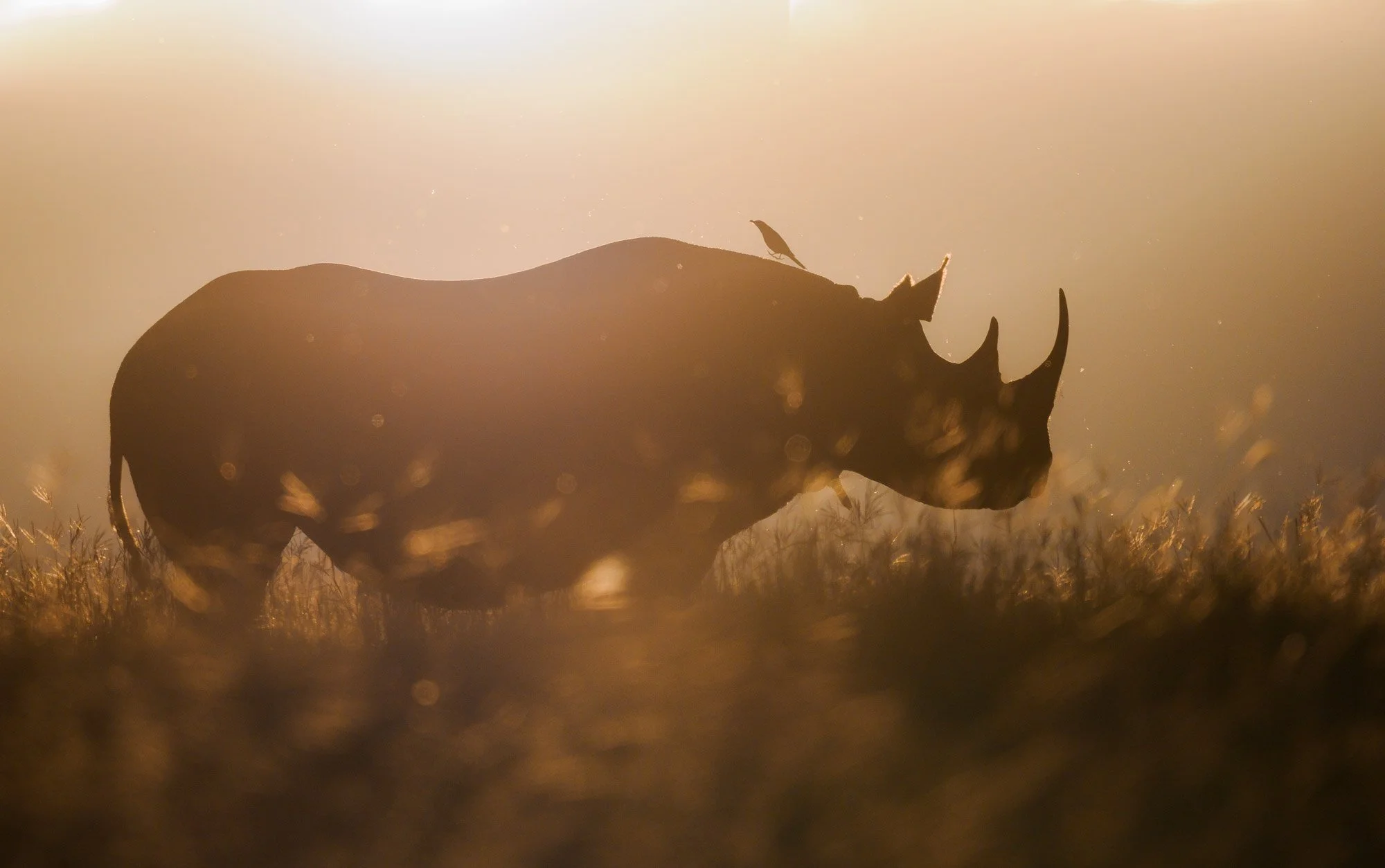
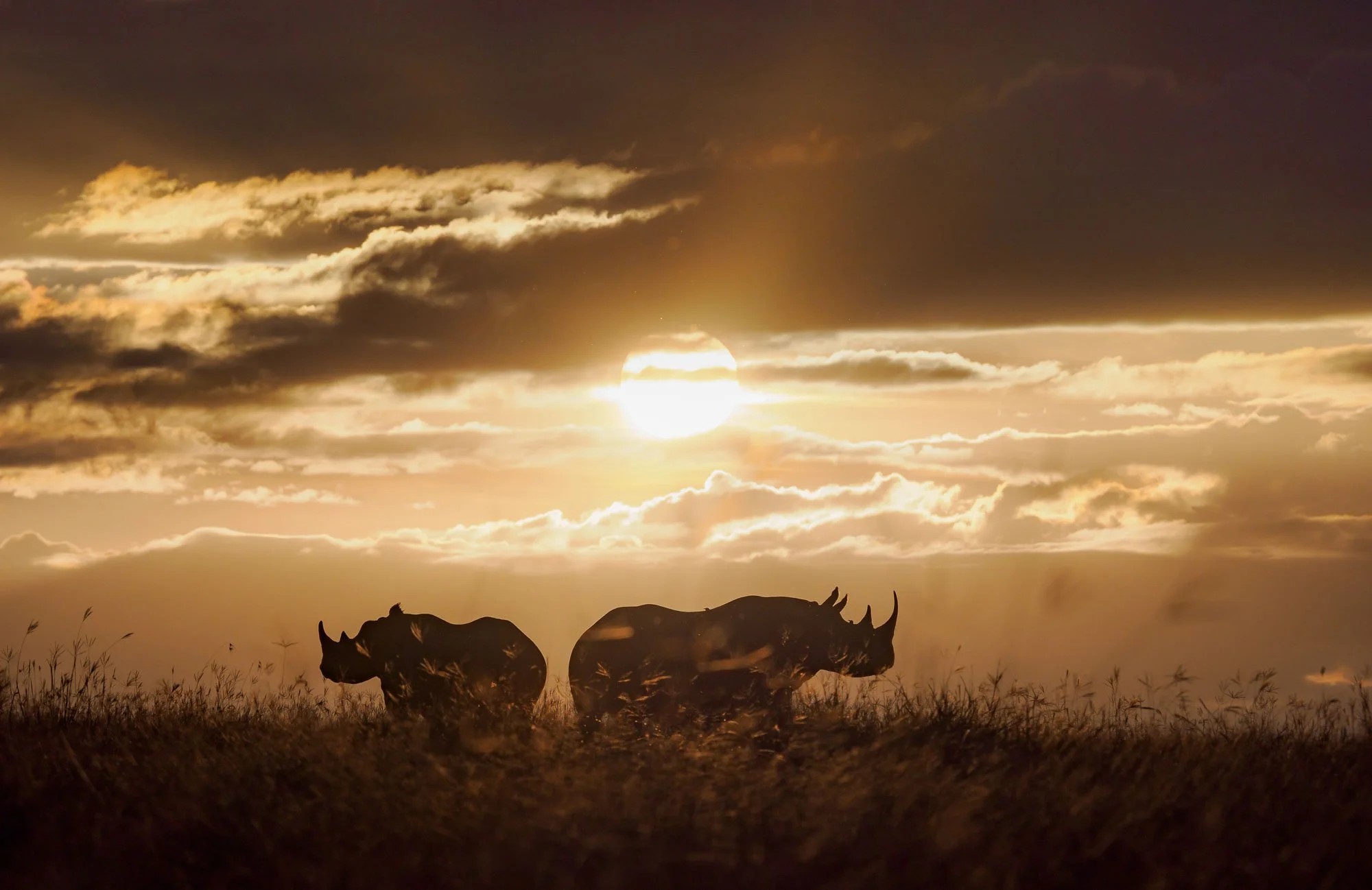
We spent almost 30 minutes with the family until the sun disappeared below the horizon, and during this time I managed to take what are probably my favorite images of the trip.
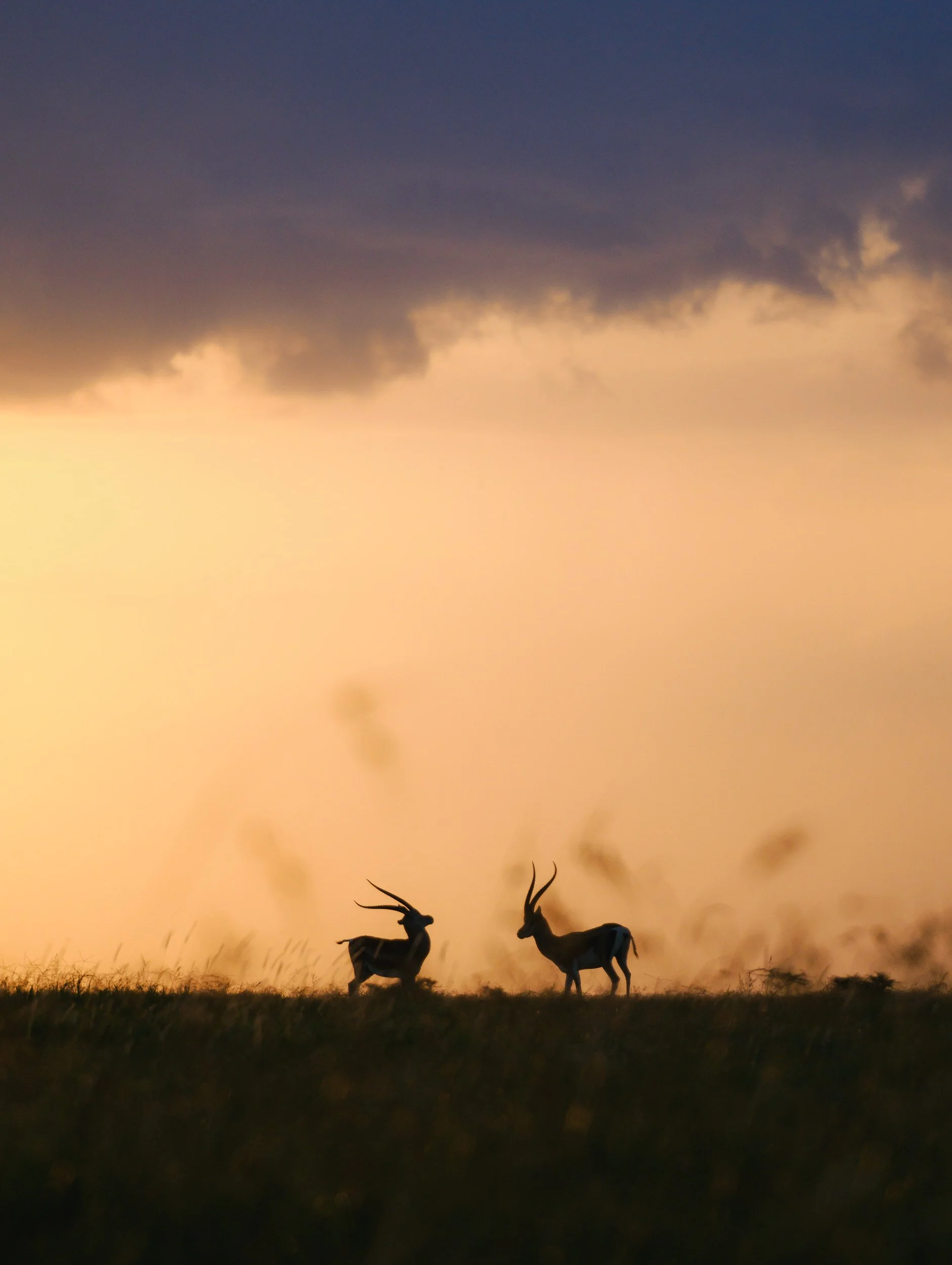
Not wanting to be left out, these two impala posted for another silhouette image just a few minutes later. A beautiful end to the day and my time in Ol Pejeta.
The End
It’s only after you spend dedicated time with these animals and observe them beyond a quick drive-by that you appreciate their behavior and beauty - let’s hope they’ll roam our planet for longer than what the recent trajectory would indicate. I’m sure Ol Pejeta will continue to play a role in this quest, and maybe give us a chance at seeing Northern White Rhinos in the wild again soon.
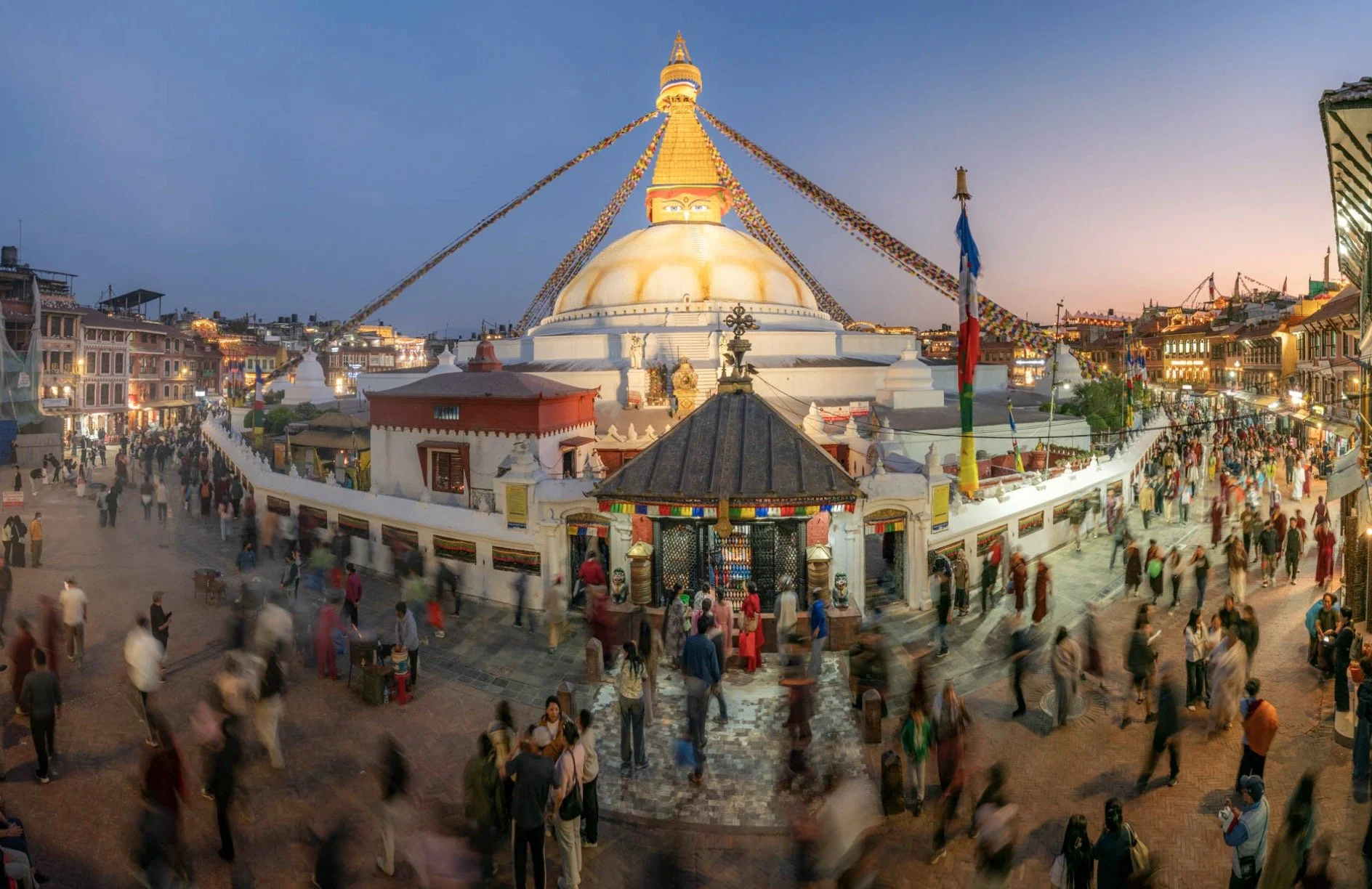
This is the second part of my Nepal blog, leaving the Kathmandu valley and exploring the wildlife of Bardiya, Pokhara’s mountain views, and more.